


Table of Contents

Introduction
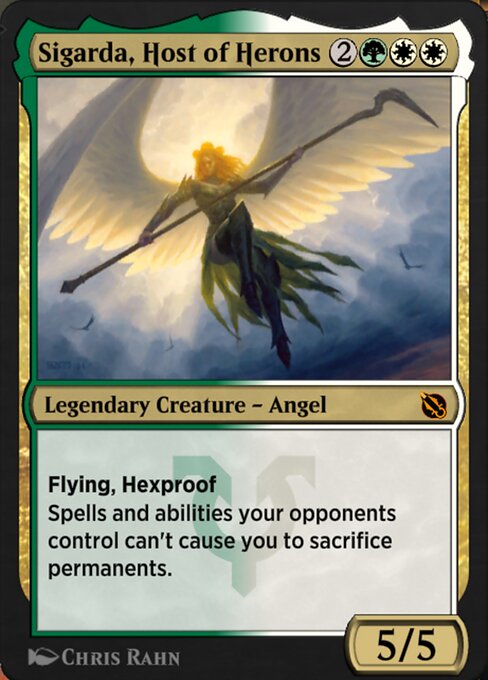
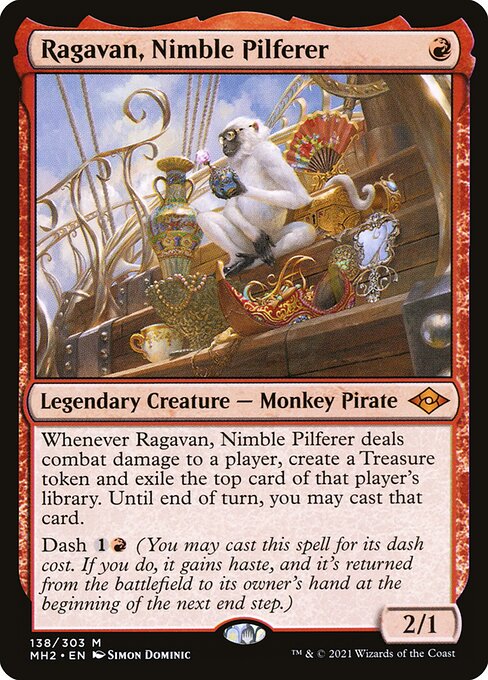
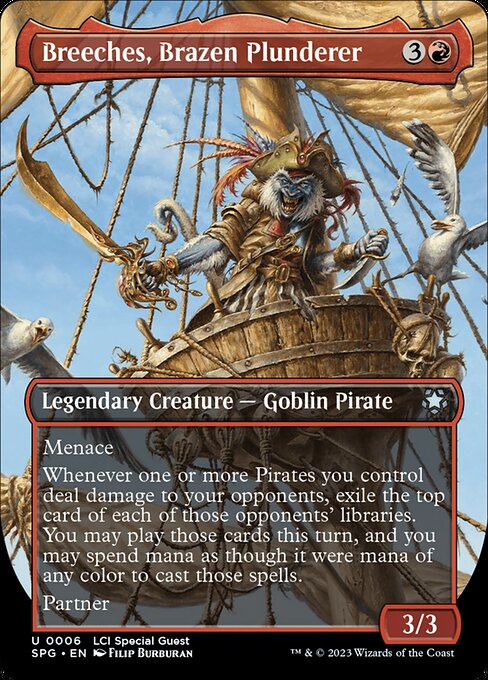
Commander is a fun format to showcase a protagonist legendary card in a 100 card deck singleton constructed format with a starting life total of 40, this means you get to pick and choose for a legendary creature card take Sigarda, Host of Herons for example, which is and get to build this deck strictly within this color identity, either for a full Voltron archetype looking for the best auras and equipments to make a big powerful swing at your opponents life total and completely and securely decimate in one or two attacks, or maybe a simple yet efficient Ragavan, Nimble Pilferer Commander going in for early attacks and putting pressure in the board and also taking cards away from their top of the library and being able to cast of them if the opportunity arrives, Commander has become increasingly popular due to its unique possibility of playstyle on a 100 card deck singleton you are able to flesh out your personality and favorite cards, and that kind of uniqueness is only found in Commander.
Commander
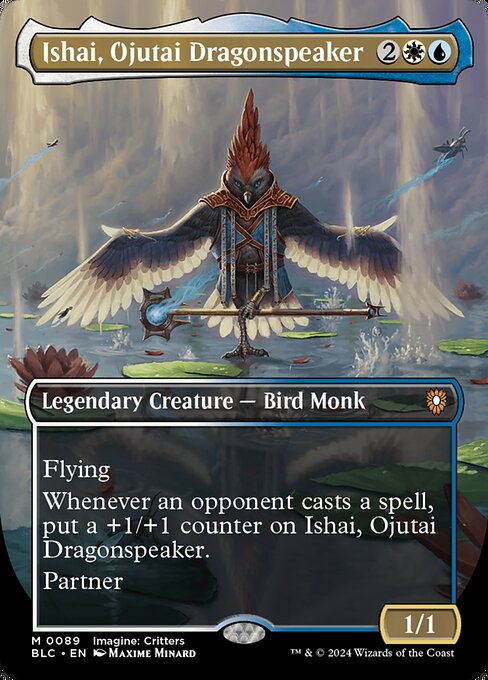
How to pick your Commander? -A commander is a legendary creature, or planeswalker with the Commander ruling to be your commander as is Daretti, Scrap Savant, this opens more flexibility and ideas to flow for your gameplan considering that your Commander could be one these set of planeswalkers with Commander ruling in them. Also the Partner ability allows you to pair up two legendary creatures both having the Partner ability to be your Commander this further expands your deck color availability or commander effects to pursue a gameplan.


Color identity
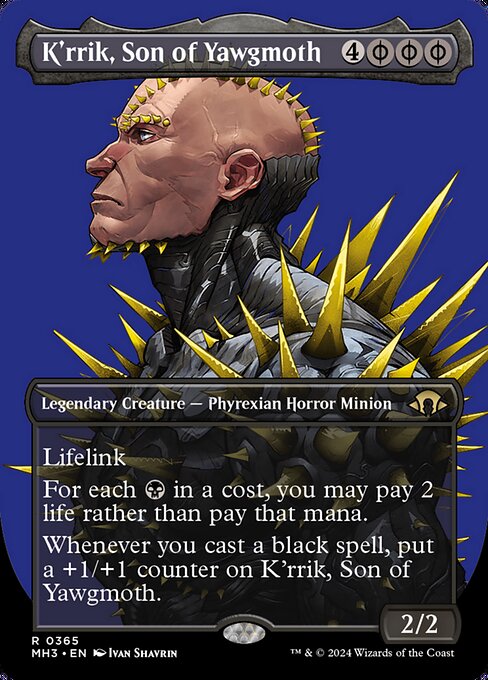
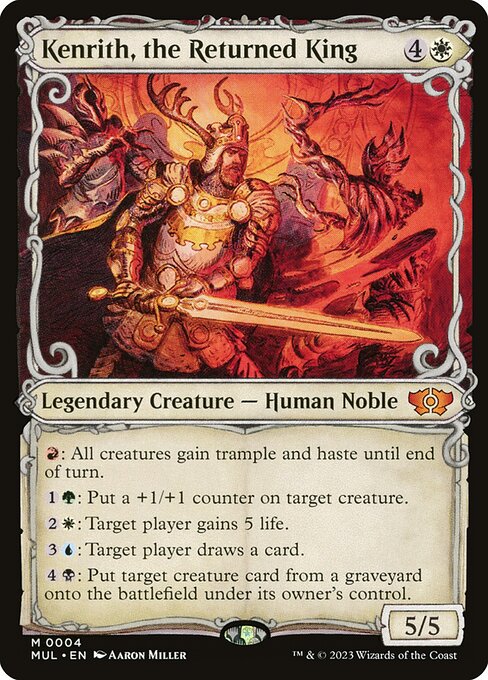
What is Color identity? -It’s all the symbols of colored mana present in the card text and mana costs, this might be sounds confusing at first glance but its not, lets take for example, K'rrik, Son of Yawgmoth a pure mono black creature in its casting cost, so that makes for the color availability in deckbuilding for a mono black or colorless cards only. but taking a look onto Kenrith, The Returned King its a White creature by all means, a card spell color is determined by its casting cost spell color or converted mana cost CMC for short but given Kenrith has 5 additional activated abilities, and each of this abilities correspond to each distinct color within Magic: The Gathering cards, then it makes Kenrith color identity to be all five colors, and don’t forget about colorless commanders, yes, that’s a thing, colorless commander have a room on their own into the format, you can choose Wastes.
Gameplan
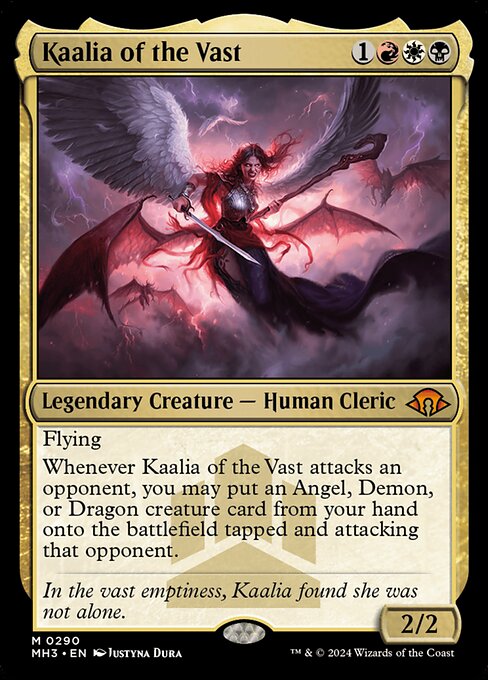
You can choose your commander solely based on gameplan and mechanics that you want to emphasize with your commander, Kaalia of the vast is a great example for a Cheat in Play mechanic that on attacking brings an Angel, Demon, or Dragon from hand to the battlefield, so for this archetype and color identity, you’ll see some big beeffy creatures ranging from Angels, Demons, or Dragons, and a plethora of protections for Kaalia in order not to be destroyed before making an attack.
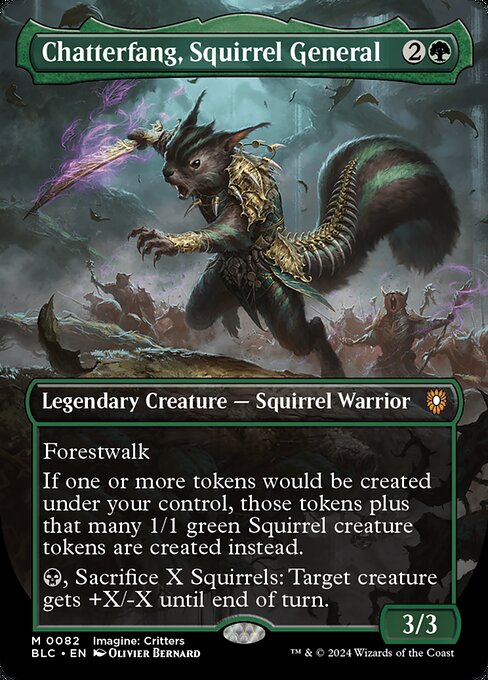
If you have a core gameplan in mind you might do a quick research with our Combo tool finder and get to pick and choose the best metagame available for an specific card, you might find a token generator like Chatterfang, Squirrel General, and further emphasize the token generation mechanic,
Flavor
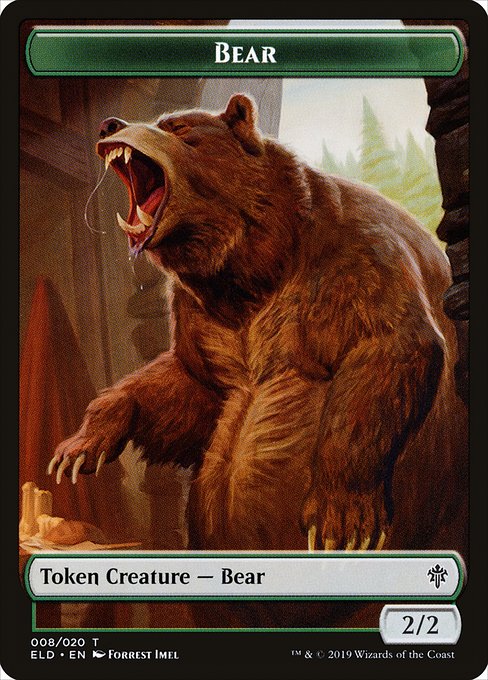
Pet cards, Commander has an uniqueness to flavor and pet cards, one day you might end up trough a bin of cards and find think “hey, this is fun” and build a Commander centered around that card, something that you don’t need to be competitive but building that Commander makes it more fun and entertaining, choose and pick your favorite and just go for it, assemble your brew however you see fit and discussing with your friends at the table about the experience you want to have for a chill day trying to slide away from the competitive archetypes and just having a blast with a singleton bear deck comprised of purely 2/2 by 2 mana only, and having fun at it.
Command Zone
Each player in a typical game of Commander has their Commander in their respective Command Zone, they can cast their commander any time they are legally allowed to, typically at sorcery speed on their turn’s main phases if the Commander has flash for example, it can be cast at instant speed at any turn. When your Commander dies, immediately upon zone change you are able to choose whether your Commander remains in graveyard or exile, or is sent back to the Command Zone each time your Commander is changing zones you may choose if you want it to return to the Command Zone or remain in that zone.

Commander Cast Tax
Each time you successfully cast your Commander from the Command Zone, you pay colorless mana for each time it has been successfully cast before, so the first time you cast it you don’t pay the tax because it hasn’t been cast before, but after that, the next time you cast it you pay an extra two colorless mana for it, and so on for as long the game lasts this tax applies, this doesn’t affect your commander Converted Mana Cost for all intended effects.
Commander Combat Damage
Commander Combat Damage is a “lose the game” condition ruling, that once a Commander deals 21 point of Combat Damage to a player that player loses the game, noted that it needs to be Combat Damage, if your Commander is doing an attack with Double Strike and is a 12/12 unblockable creature for example, First Strike damage deals 12 and opponent loses 12 life and on Double Strike damage deals another 12 and opponent loses 12 more life points the game statically checks for total damage the commander has dealt to that player and loses the game for having been dealt 24 points of Commander Damage. gaining life does not revert or minimize Commander Damage, so during a typical Commander game you have to take note of how much each Commander has dealt combat damage to each player.
Deckbuilding
Okay now let’s discuss deckbuilding, this typically what you want to cover building your commander deck:
Mana Base
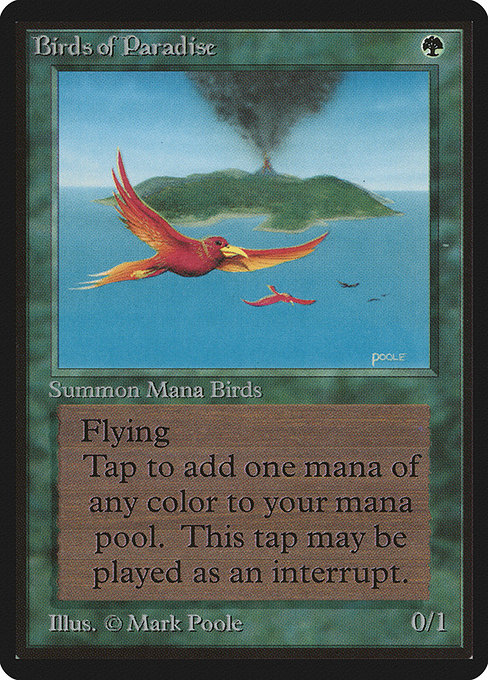
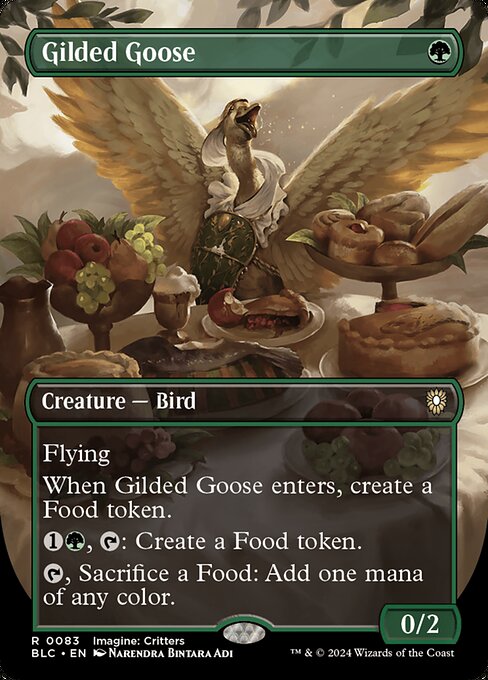
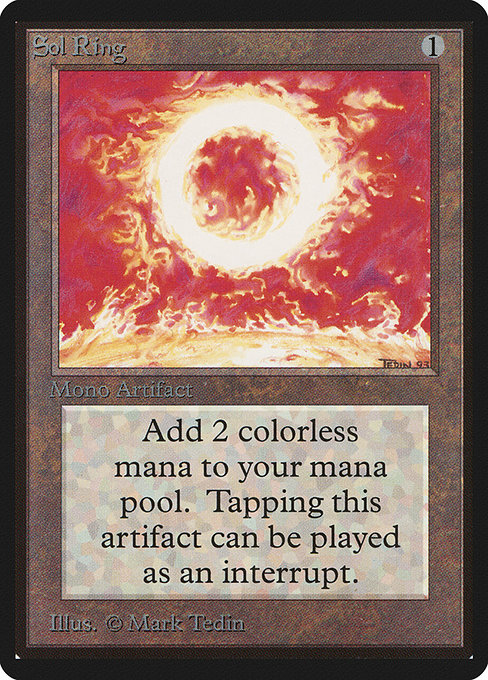
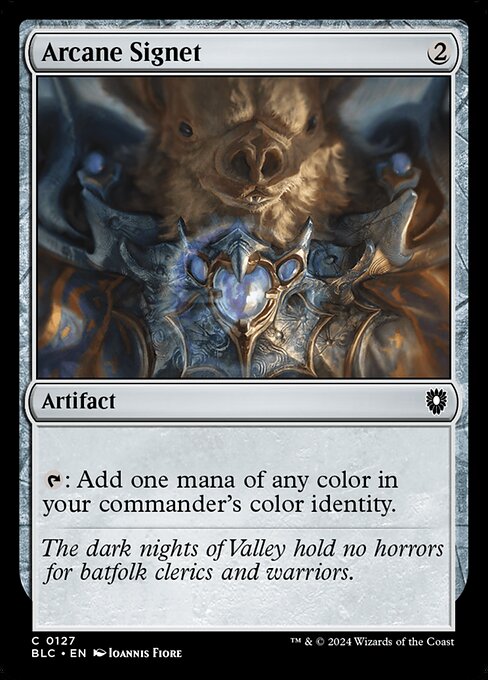
A good mana base is the ability to have the best mana sources and quantity suited to your gameplan this often refers to mana dorks(“creatures that add mana”) and mana rocks(“artifacts that add mana”) useful to your unique gameplan, for example some folks find more useful Gilded Goose as a mana dork, as it has a Food generation ability that might be useful into artifact themed gameplans, or imagine keeping a hand with Sol Ring and Arcane Signet and being able to play both first turn sets you up for a great second turn, maximizing mana opportunity.
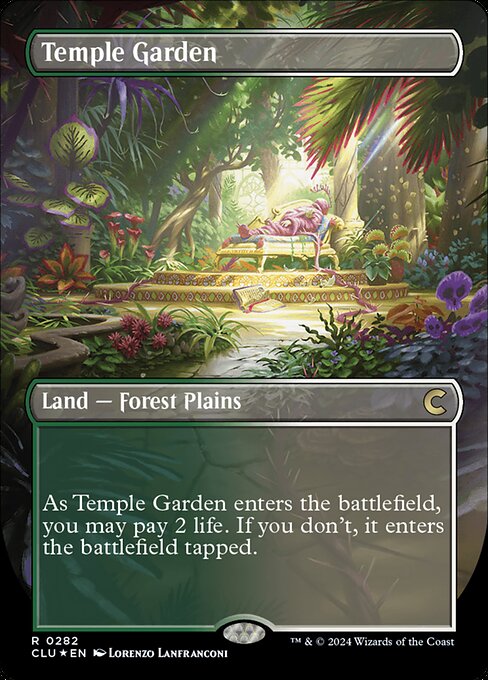
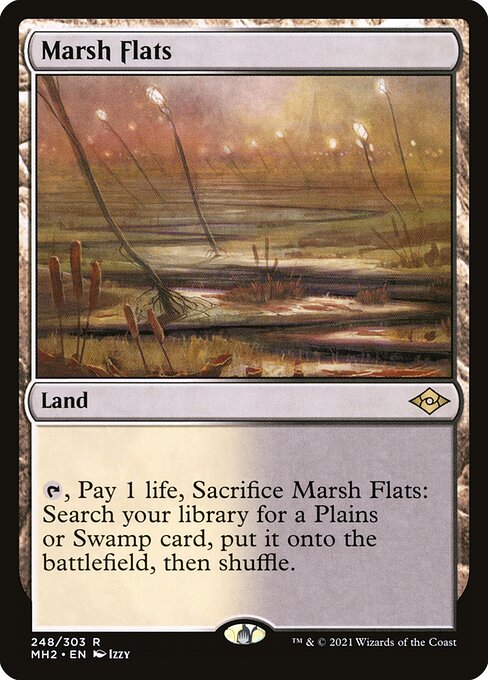
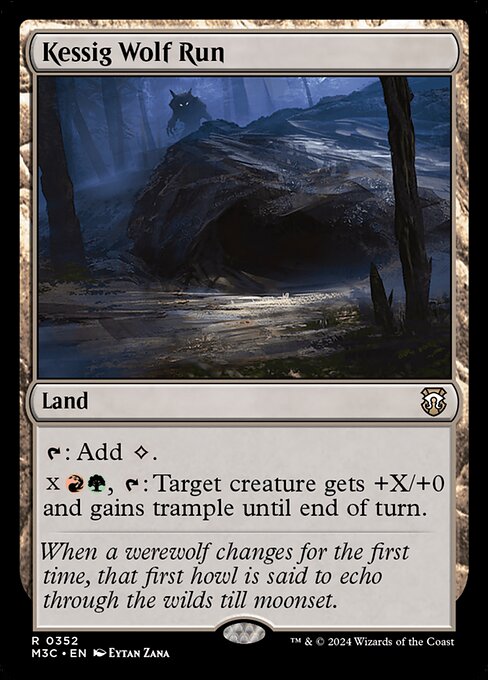
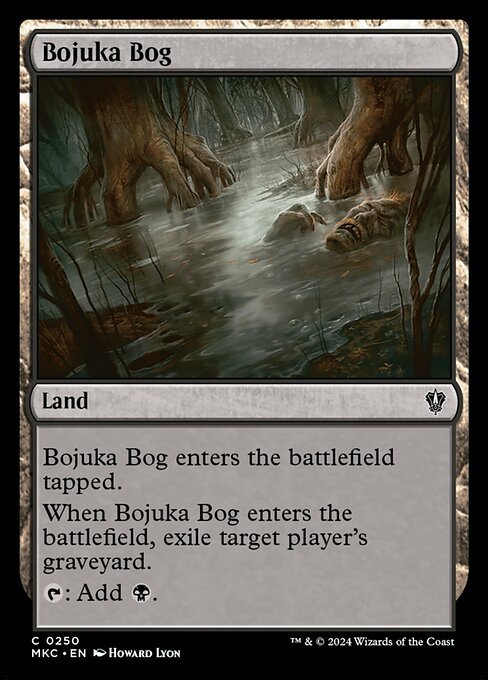
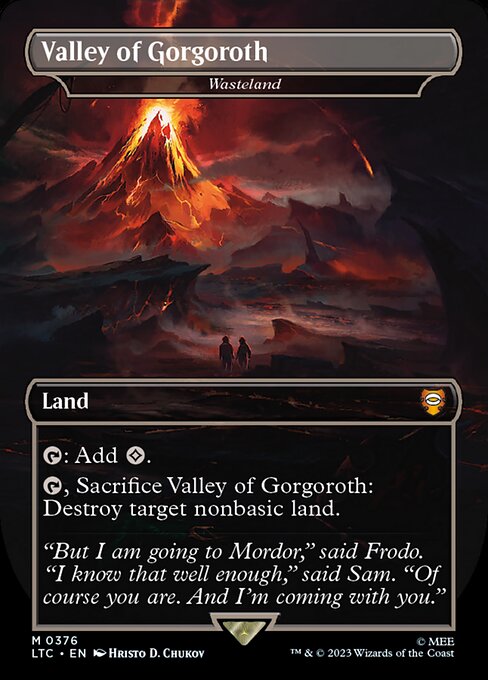
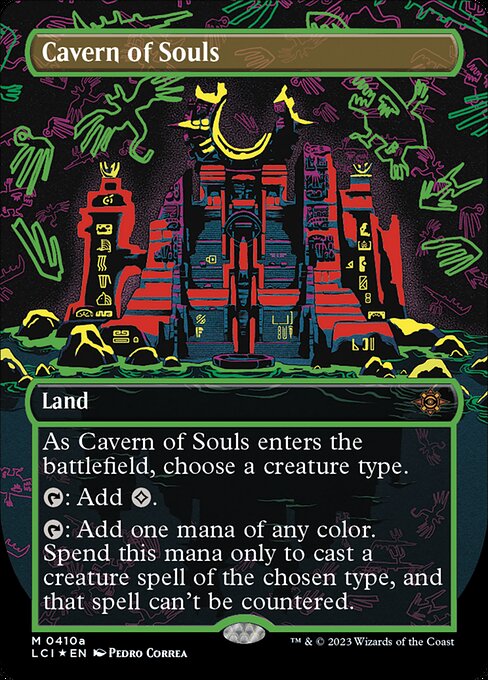
Now as for lands go you want the best color flexibility options in case of multicolored decks, and the best land utility that suits your theme, in competitive matches you often see Ancient Tomb a single land that is able to add mana early on is monumental. Shocklands are quite typical to be present, as a single fetchland, might open the door to that missing color you need in order to guarantee color fixing. Utility lands like Kessig Wolf Run even just by granting trample makes this card a great utility land, Bojuka Bog is a simple land with a great effect to remove the graveyard of player, and that is the possibility of eliminating the recursion for your opponent which is HUGE, Maze of Ith is your atypical land that deals with combat, and is able to remove a creature from combat and that is an effect that you rarely see. Wasteland for land destruction is a great option to minimize your opponent mana base, One of my favorites is Cavern of Souls as it brings the option to protect your Commander spell and make it immune to counterspells.


Mana Curve
Okay now that you choose a Commander and gameplan, you have a plethora of options across all of the MTG history to choose cards from, the only requirements are: Choose a Commander, comprise your total deck of 100 cards that is within your Commander color identity and adhere to the banlist, but when choosing your strategy you have to take into account the mana curve, how many spells of each casting cost do you have in your deck? -too many big spells will leave you with an opening to lose on the fast decks that maximize damage on the early turns, or lack removal spells in order to deal with pesky creatures your opponents play, making a good curve with just enough of the cheap spells so that you have great match evolution as you draw in through the game is the best.