






Commander decks can be very expensive– staples such as Teferi's Protection, Rhystic Study, and The Great Henge can cost over $50. If you’d like to build a Commander deck for less than the cost of a Rhystic Study, keep reading. Here, we’ll go over many strategies to help you make your own fun, cohesive, and budget-friendly EDH deck in Magic: the Gathering.
The Problems
To put it simply, you make a budget deck by playing cheaper cards and cutting more expensive cards. This seems simple at face value, but as any experienced deckbuilder can tell you, it can be hard to resist the temptation to add those fun, flashy chase mythics to your commander deck. There is also a more mechanical consequence to playing cheaper cards.
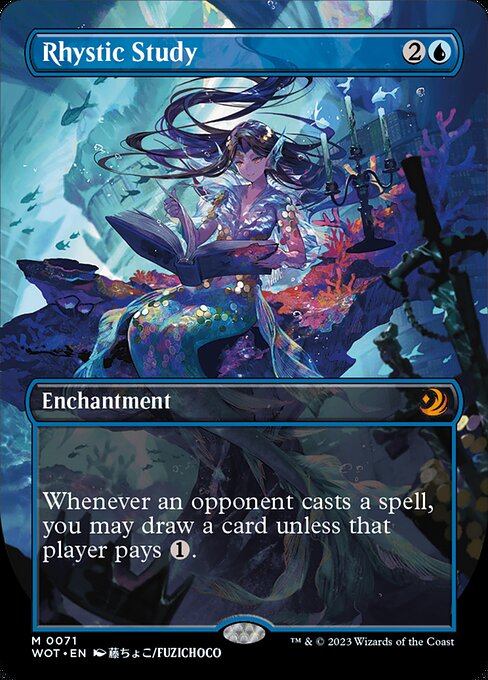
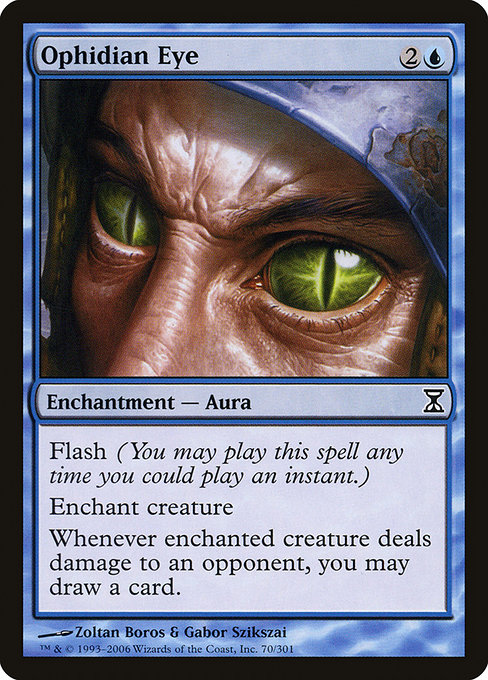
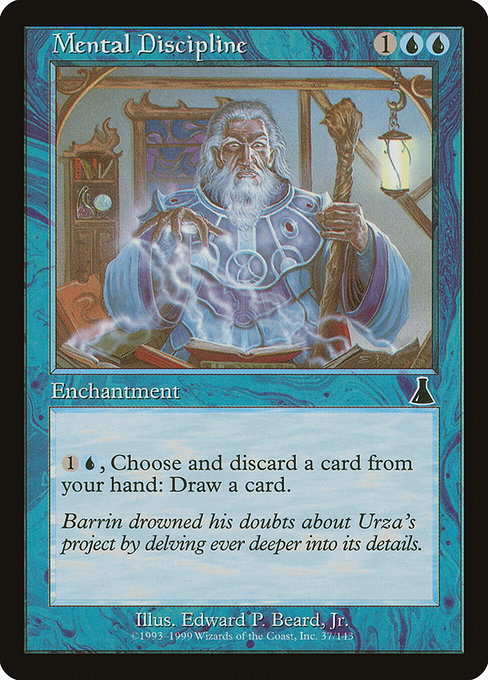
Card quality is often a nebulous term when it comes to Magic: The Gathering, but it’s not hard to identify. Some cards are better costed than others for a similar effect, and others offer more benefits for the same cost. Rhystic Study is much better than Ophidian Eye, and Ophidian Eye in turn is MUCH better than Mental Discipline.
The best cards are in high demand, and thus fetch a higher price. When you stop yourself from playing these more expensive cards, you’ll lose out on card quality. Your removal will be less efficient, your card draw will be more restrictive and cost more mana, and your mana base will probably be worse. Your cards will be less powerful, less versatile, or both.
So how do you overcome these limitations and build a budget deck?
Picking your Commander
You can build a budget deck with just about any commander. Thousands of new Magic cards are printed every year. Most of those are going to be bulk rares or draft chaff, and so most of those are going to be in your budget, and some of those are going to be perfect for your commander, whoever it is. If you don’t want to spend hours searching for all of these cards on Scryfall, though, I can point you in a more specific direction.
You should pick a commander that turns a theme into cards, or your should pick a theme that inherently draws cards. What do I mean by this?
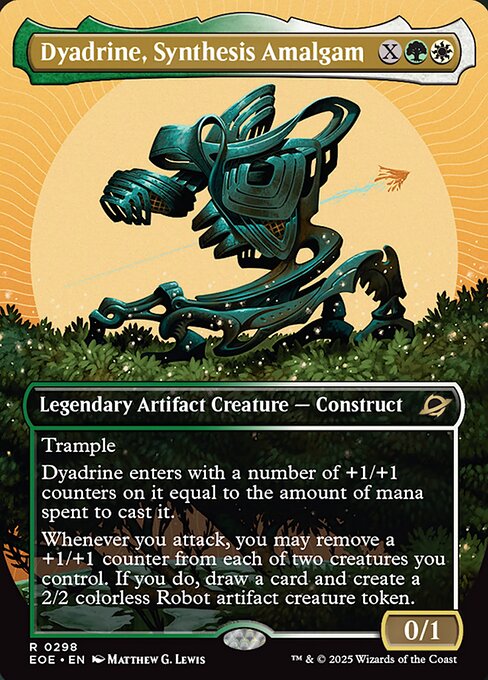
Dyadrine, Synthesis Amalgam is from the new Edge of Eternities set. It’s a Selesnya commander that comes in with +1/+1 counters, and when you attack, it can remove two counters from your creatures to let you draw a card and make a Robot token. Importantly, it turns the theme of +1/+1 counters into card draw.
If Dyadrine is in your command zone, every card in your deck that makes +1/+1 counters can represent card draw in every game, because you’ll always have access to your commander. It’s much easier to find 30 creatures that make +1/+1 counters than it is to find 30 creatures that draw you cards, especially on a budget. Dyadrine is an excellent commander for a budget deck.
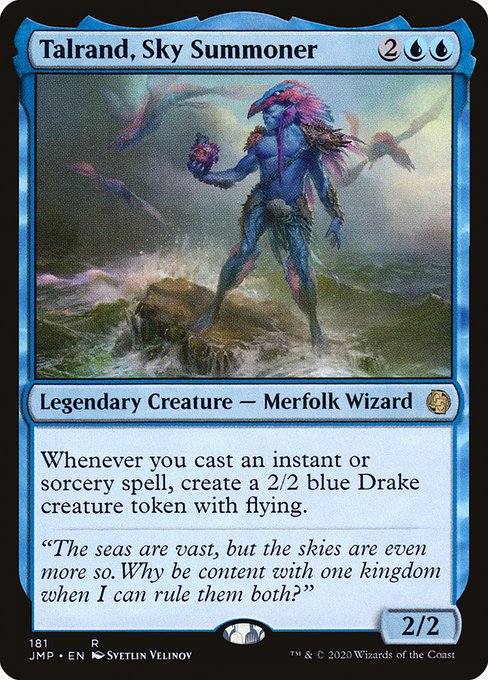
The alternative is to find a theme in which many cards draw cards. The simplest theme here is Spellslinger, as Blue is chock-full of common and uncommon draw spells. In this case, you might want to play a commander that gives you an additional benefit for playing those spells. Talrand, Sky Summoner surprises me every time with how effective he is on a budget. Making a 2/2 flier with every instant or sorcery you cast will quickly spiral out of control, whether you have a fine-tuned list of cantrips and answers or a cheap stack of bulk common draw spells.
The TERMS of Budget Commander
BREAD is a classic acronym used for Draft. It stands for “Bombs, Removal, Evasion, Aggro, and Dirt.” You aren’t drafting your budget deck, but you do have to prioritize what categories you need, what categories you should splurge on, and what categories you should cut first when you’re past your budget. I present: the TERMS.
T is for Theme. As we’ve established, either your commander will turn your theme into cards, or your theme will inherently draw cards. Either way, your commander deck will be centered around this theme, and so this is the most important category for your commander deck. The Theme is ‘doing the thing.’ Including cards that accomplish your theme as efficiently as possible will help you win the game and have as much fun as possible. In a Dyadrine deck, this category includes any card that puts +1/+1 counters on creatures. In Talrand, it’ll include all of your instants and sorceries, as you get a Drake token with any instant/sorcery you cast.
E is for Endgame. At some point, all commander games have to end, and if you want to win the game, you’ll want ways to end it. This category can be very generic, with finishers like Overrun and Exsanguinate, or contain specialized finishers that work with your theme. It can also involve combos. For most decks, I would say that this category is the second most important. Dyadrine can play the generic finishers available in green and white, but it also has a super fun finisher in Fangs of Kalonia. Talrand doesn’t often need explicit finishers, but cards like Perplexing Test and Ixidron can be invaluable for contesting an opponent with their own fliers.
R is for Removal. Commander is a four player game, and at some point, someone will play something that threatens either you or the whole table. You’ll need to play some removal to counteract that. Every color has decent removal options, even on a budget, but you’ll also want to look out for synergistic removal options that support your theme. In a Dyadrine deck, Perilous Snare removes any nonland permanent while giving you counters in the late game.
M is for Mana. This refers to your mana base and your ramp. Unless you’re playing a ramp deck, or you want to ramp into your commander, ramp shouldn’t be a high priority for your budget deck. Ramp cards that play into your theme, however can be very valuable. Dyadrine can play Basking Broodscale and Incubation Druid, which both have the Adapt keyword to put counters on themselves, and have particularly potent upsides. Broodscale makes extra bodies when it gets counters and Incubation Druid taps for three mana if it has a counter on it. Talrand, meanwhile, has Relm's Sketching and Replication Technique, which can be used to copy lands, or other permanents you want to copy, while being sorceries that trigger Talrand.
S is for Splurges. This category includes cards that cost more than most of the cards in your deck. At the end of my deckbuilding process, I’ll often find myself well under my budget. When that happens, I get to go back to all of the cool cards I passed over and add them to the deck! Building a budget deck doesn’t mean locking yourself out from fun card choices. Cards like Elspeth, Storm Slayer, Ouroboroid, and Innkeeper's Talent can be incredibly fun in your Dyadrine deck if you’ve got extra money to spare. I personally added a Faerie Mastermind to my Talrand deck after I pulled it in a pack. Don’t forget that cards you already own cost you no extra money to play.
How to Stay In-Budget
Now what you want and you know what to prioritize, it’s time to start adding cards. Whatever budget you’re aiming for, these tips will help you keep yourself under it.
- Set a maximum cost. You can make one or two exceptions for the cards you’re most excited about (especially cards you already own, which you won’t need to spend money on) and/or add more expensive cards to a ‘maybeboard,’ but a surefire way to control your deck’s price is to restrict the maximum price of your deck’s cards. A deck that doesn’t play any cards worth more than a dollar can’t cost more than $100, and it will likely cost much less than that.
- Find replacements for any expensive cards you want to play. Ghostly Pilferer won’t draw you as many cards as a Rhystic Study, but it comes out a turn sooner and is much, much cheaper to buy.
- Frequently re-evaluate the most expensive cards in your deck. Unless the card serves an important need, fills a valuable role, or is meaningful to you, you can probably find a cheaper card that provides the same amount of value for the deck.
- Condense your themes. Specialized synergy packages can be very fun, but unless the individual cards work well with your deck outside of the synergy package, you might want to spend that deck space on your Theme, your Endgame, or your Removal.
10 Awesome Budget Commanders to Build
To get you started, here’s 10 commanders that are amazing for budget builds, one for each color pair.
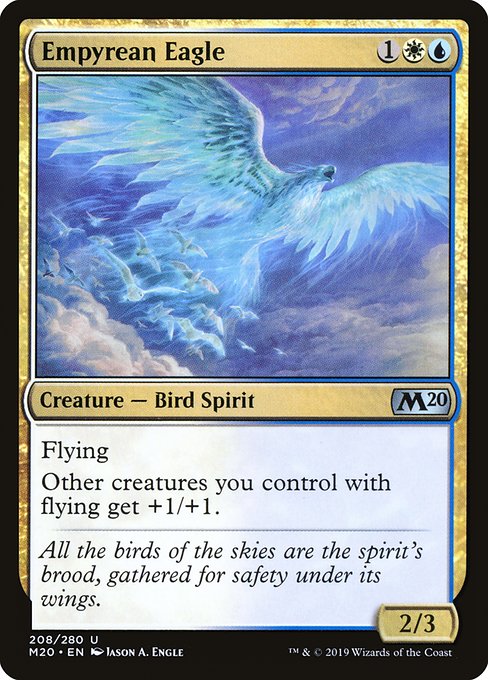
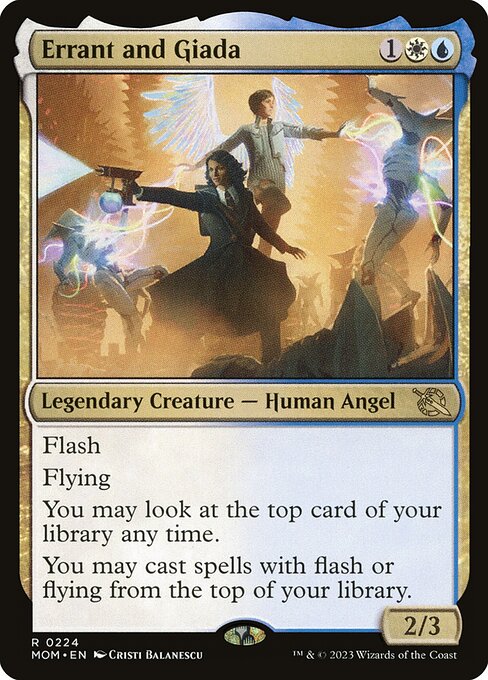
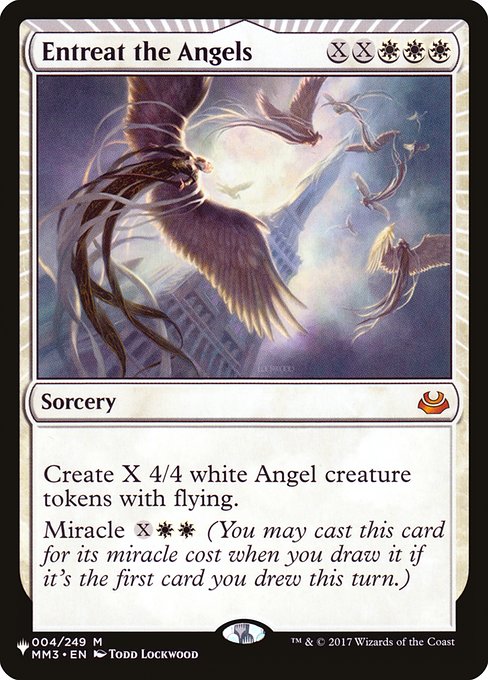
These two, released in March of the Machines, can lead a powerful budget tempo deck full of fliers and instant-speed interaction that you can cast off the top of your deck! Blue and White are the ‘flying’ colors, so you’ll have plenty of options to choose from for fliers. You could lean towards effects that support creatures with flying, making a wide board that gets buffed by lords like Thunderclap Wyvern, Empyrean Eagle, and Thistledown Liege. You can also make use of the many stellar cards with Flash, such as Dictate of Heliod, or removal pieces like Utter Insignificance or Eaten by Piranhas. Alongside Scry effects to control the top of my deck, I like throwing in Entreat the Angels, which can drop a fistful of 4/4 Angels onto your board out of nowhere.
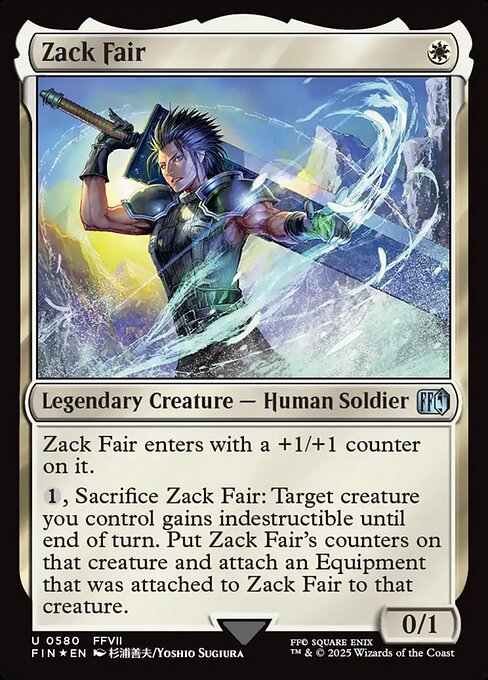
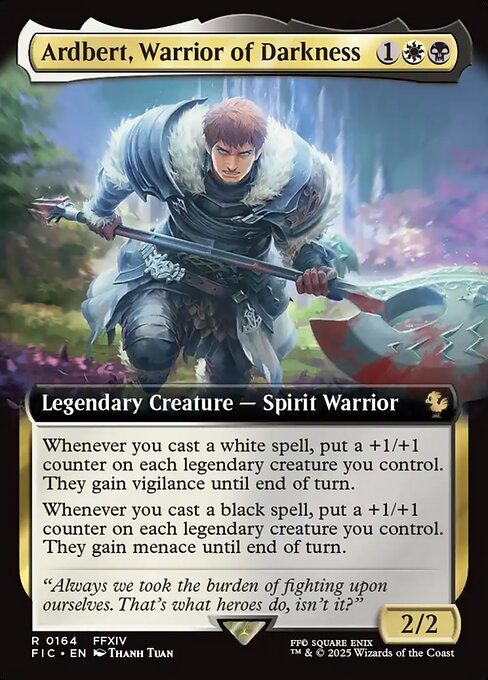
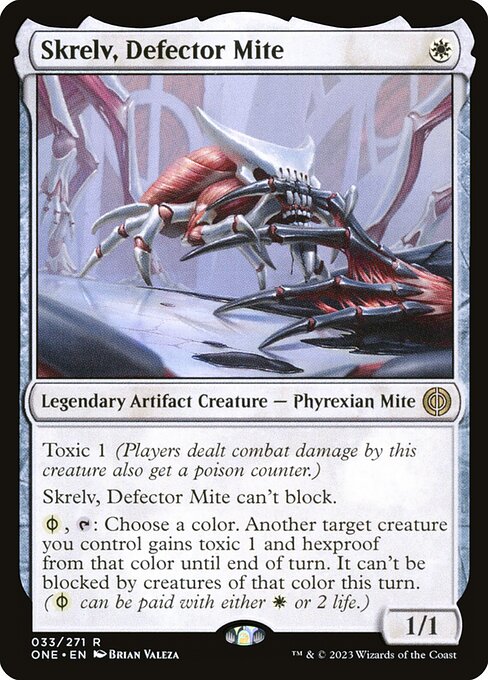
Ardbert, Warrior of Darkness is a perfect budget commander for fans of ‘white weenie’ decks in 60 card. Whenever you cast a black or white spell, Ardbert gives all your legendary creatures a counter and a keyword until end of turn. You can simply cast legendary creatures until you win! Orzhov has lots of cheap legendary creatures and lots of ways to synergize with them. Zack Fair and Skrelv, Defector Mite are both 1 mana legendary creatures. They can protect your other cards from removal. Other options like Gollum, Scheming Guide and Sarah Jane Smith can help you draw into more legendary creatures. You don’t have to play a deck with only legendary creatures, though. Any spell can trigger Ardbert, so don’t be afraid to play nonlegendary boardwipe protection with cards like Selfless Spirit, Wail of the Nim, and Duty Beyond Death.
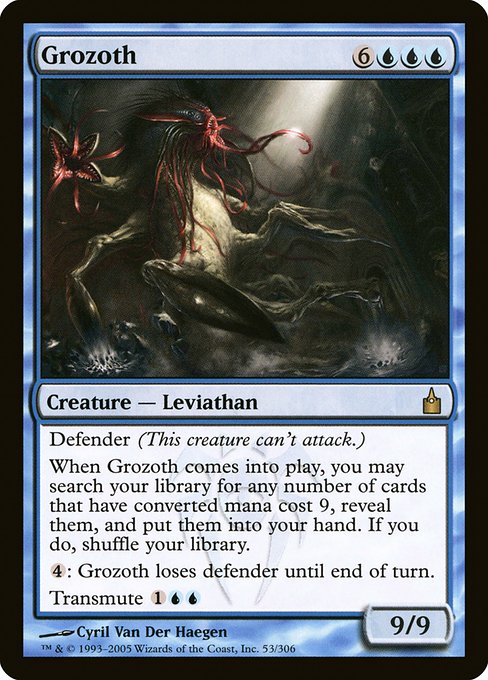
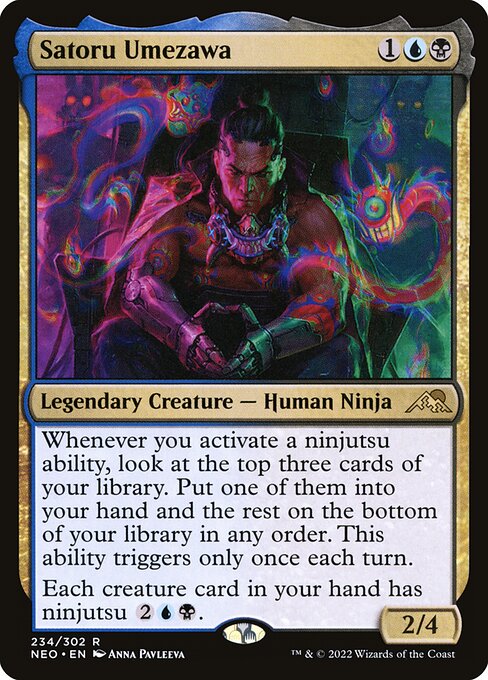
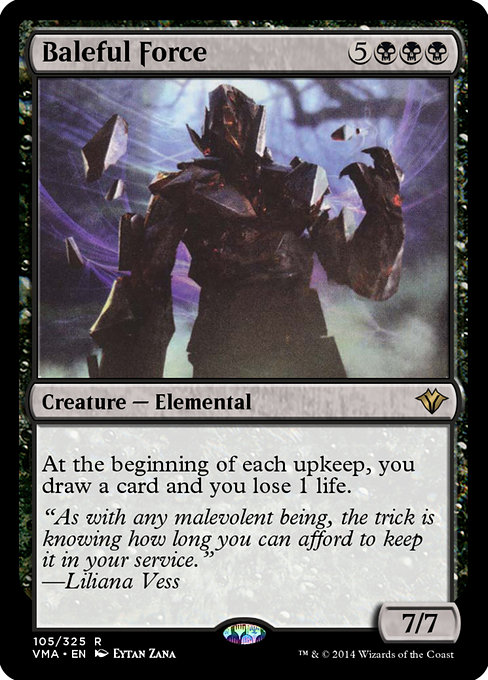
Satoru Umezawa is well-known for putting big creatures into play far too early. While many of the best targets are too expensive for a budget deck, you still have many awesome choices. Here’s some of my favorite budget options:
- Grozoth tutors for whatever you want to cheat out next turn, or any removal spell or boardwipe you’ll need next turn.
- Baleful Force draws four cards a turn cycle.
- Diluvian Primordial can copy your opponents’ spells from their graveyards.
- Nulldrifter doubles as a Draw spell and has the dreaded Annihilator keyword.
- Starwinder can draw a full grip of seven cards as it enters the battlefield.
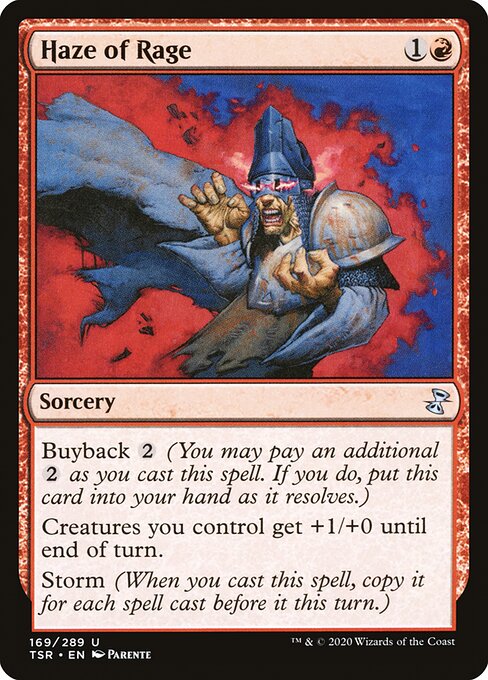
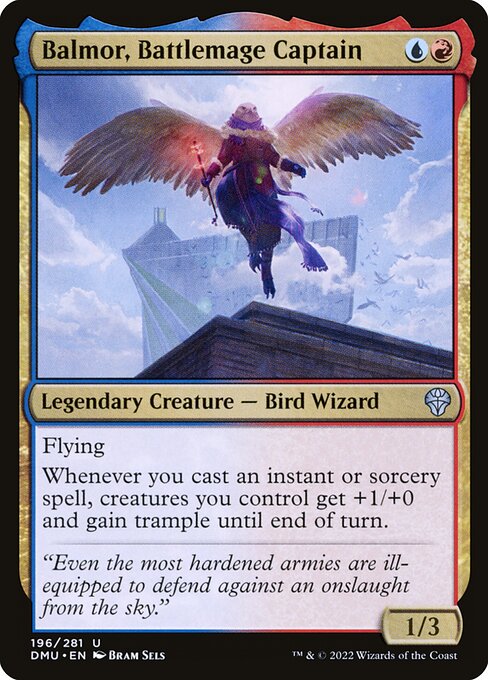
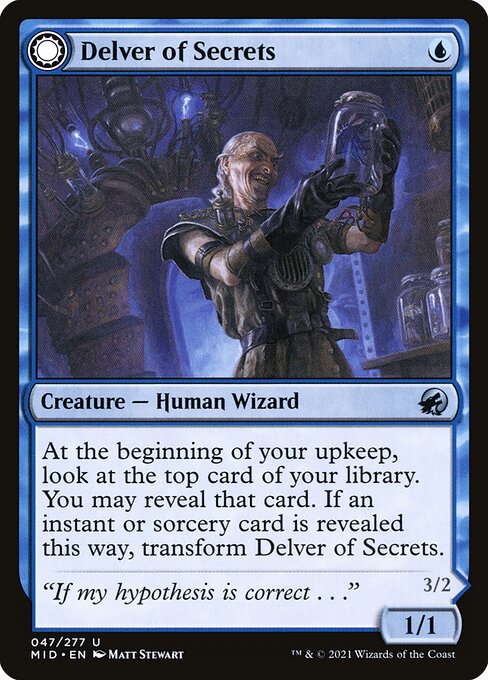
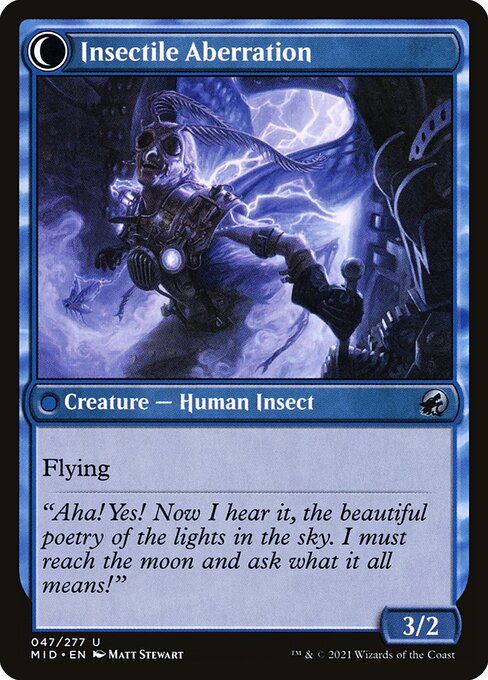
Balmor, Battlemage Captain can be a wonderful choice for a Spellslinger aggro deck. You’ve got access to high quality instants and sorceries like Expressive Iteration, Treasure Cruise, and Dig Through Time. You have plenty of 1 and 2 mana creatures and token makers to pump with Balmor like Delver of Secrets,
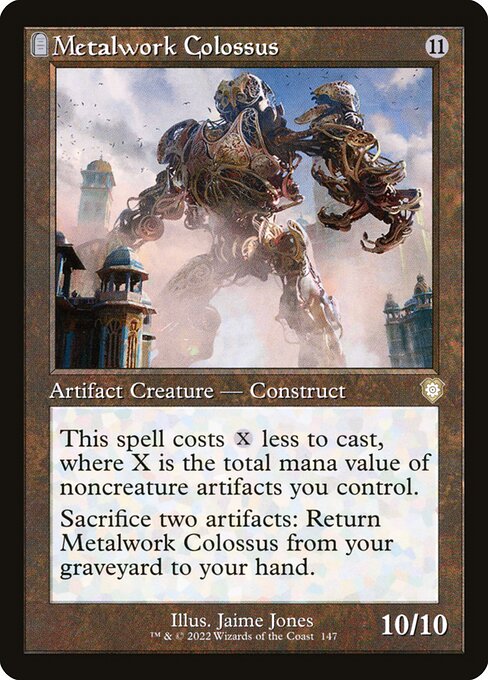
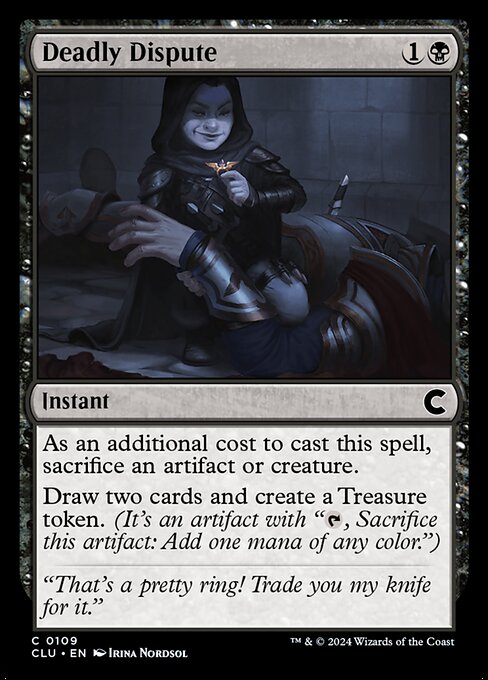
Modern Horizons 3 brought in a lot of cheap, low-rarity Artifact Sacrifice support, and this excellent commander with which to play it. You’ll want a lot of low-cost artifacts and a handful of payoffs to sacrifice with Imskir’s ability. Metalwork Colossus is perfect for this deck. It deals 11 damage with Imskir’s ability, costs next to nothing if you control enough artifacts, and can recur itself to be sacrificed multiple times in a row. Anything that makes artifact tokens or has ‘Affinity for artifacts’ will also be welcome here. Don’t forget to add Deadly Dispute and its many wonderful clones.
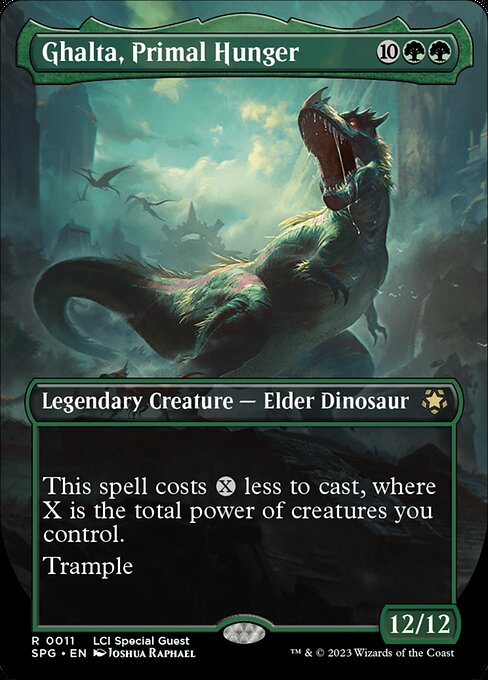
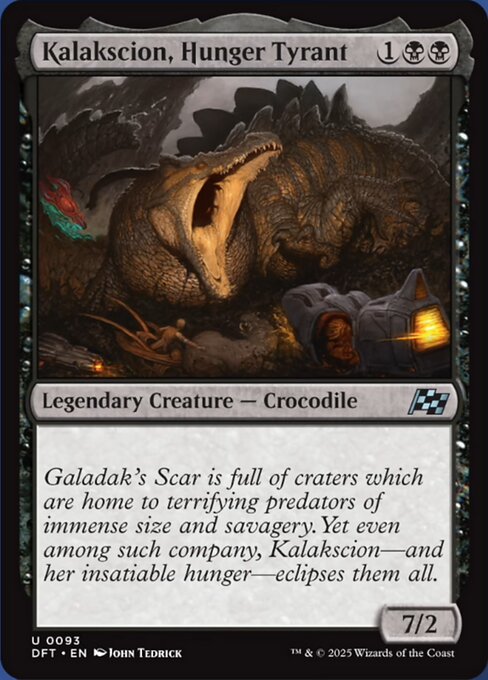
When I first read Gitrog, Ravenous Ride from Outlaws at Thunder Junction, I was astonished by how easy it was to build. You just need some mana dorks, some protection, and some big-mana payoffs. At 5 mana, you cast it, saddle it with the biggest creature on your side of the board, and draw 3-7 cards, playing up to that many lands from your hands as a bonus. Any 2 mana dork works, as does practically any big creature; when it connects with an opponent, you’ll have the mana to untap with anything. Ghalta, Primal Hunger is of course an all star here, coming in for as little as two mana and drawing as many as 12 cards with your commander. Kalakscion, Hunger Tyrant is another dirt-cheap high-power creature you can sac, coming out of Aetherdrift this year.
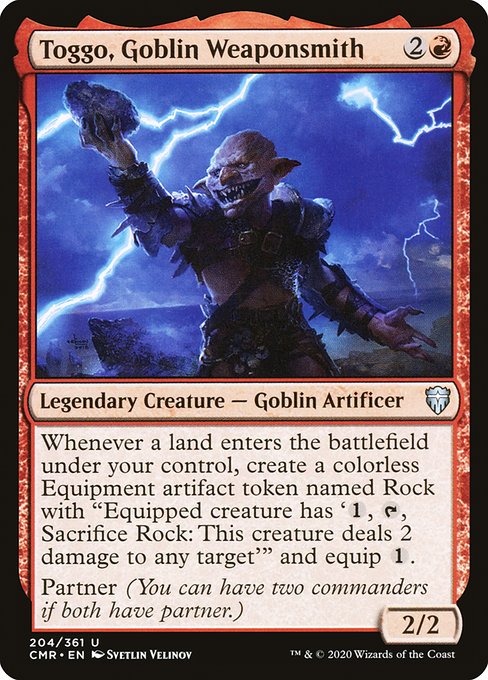
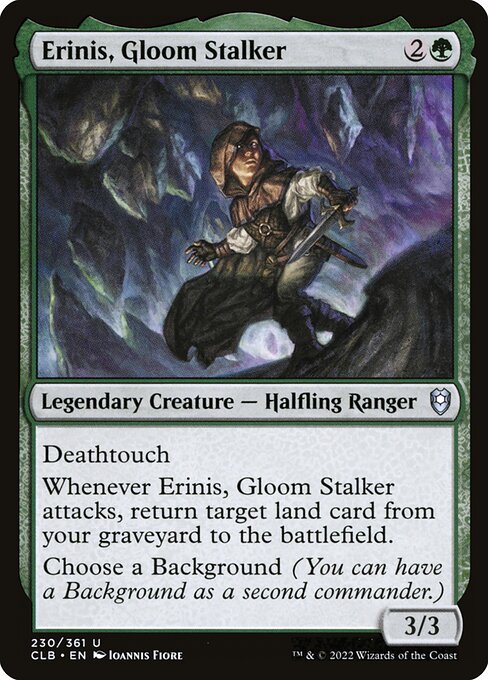
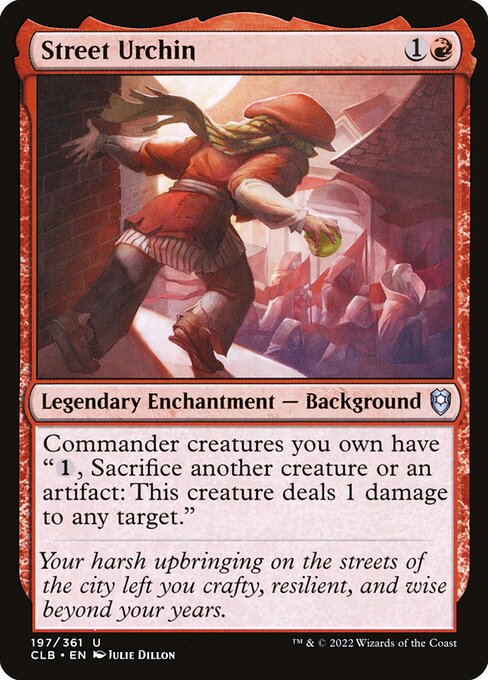
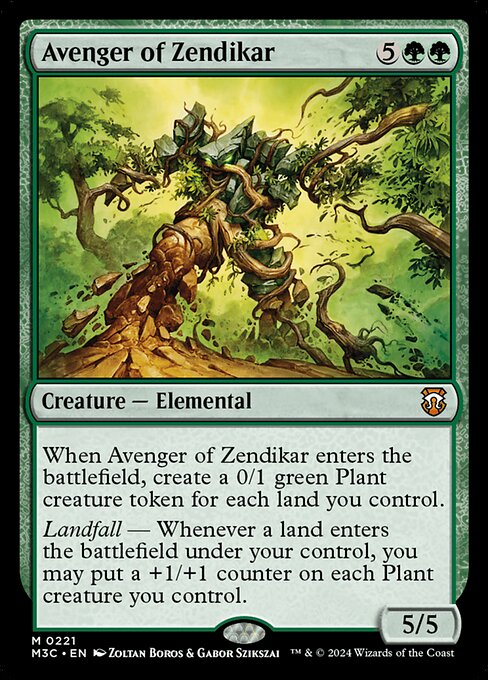
While it’s not a single commander, Erinis and Street Urchin form a powerful combo. Because Erinis has deathtouch, Street Urchin’s ability will let you spend 1 mana and sacrifice an artifact to kill any creature. Erinis’ main ability will also ramp you, so play all the cycling lands like Ash Barrens, Forgotten Cave, and Sheltered Thicket. Try to continuously make sacrifice fodder with token generators like Toggo, Goblin Weaponsmith and Curse of Opulence. You can end the game with a Landfall finisher like Avenger of Zendikar or Rampaging Baloths, or a big X spell like Valgavoth's Onslaught.
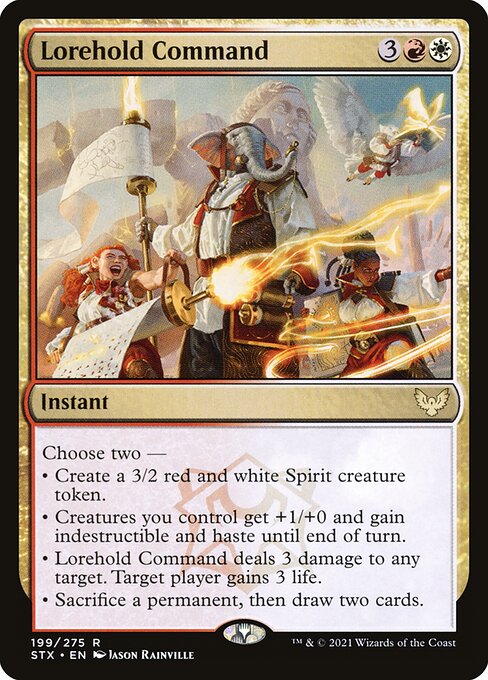
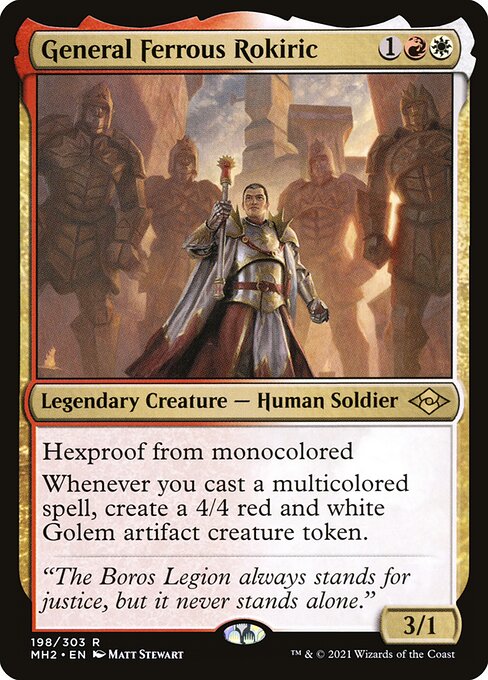
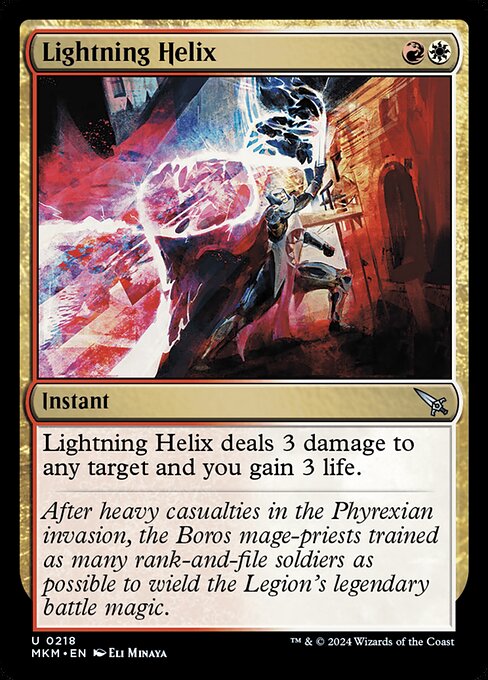
If Boros is your color combination, General Ferrous Rokiric is here for you. The color combination is full of anthems, pumps, multicolor removal, and multicolor creatures. There are almost seventy Boros cards under a dollar with a mana value of 2 or less. Most of these can be played together effectively. Each Lightning Helix, Sky Terror, or Frontline Rush will come with a 4/4 Golem token. Don’t forget to pack boardwipe protection with cards like Selfless Spirit, Nahiri's Resolve, and Lorehold Command.
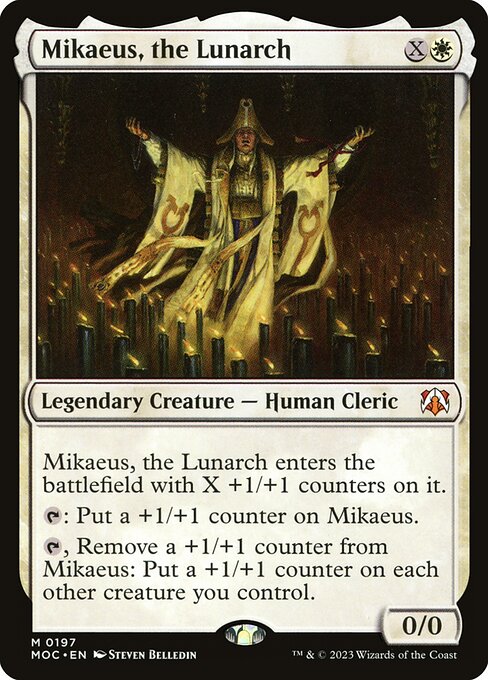
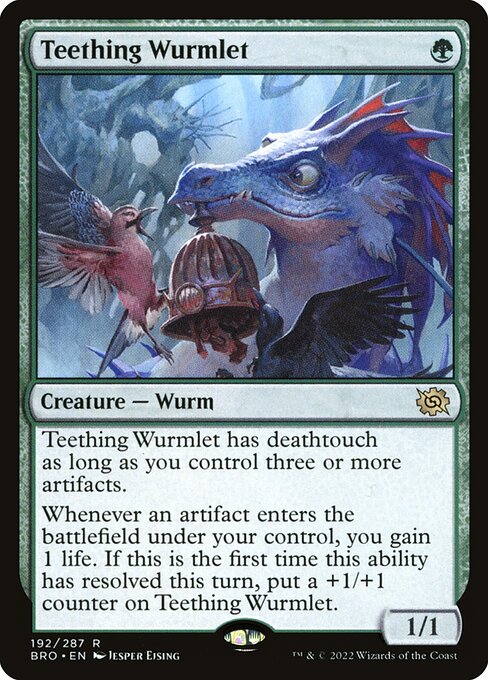
Of course, I’m going to recommend Dyadrine here, and I’ll go a little more in depth. Using the many 1 drop creatures that put counters on themselves, you can attack and draw a card on turn 2. Experiment One, Teething Wurmlet, and Sazh's Chocobo will all let you get that turn 2 trigger, and will keep putting counters on themselves to keep using that trigger. Steel Overseer and Iron Spider, Stark Upgrade can give all your Robot tokens more counters every turn, and Mikaeus, the Lunarch can put counters on all of your creatures every turn. It won’t take long to develop a big board full of big creatures to swing at your opponents for big damage.
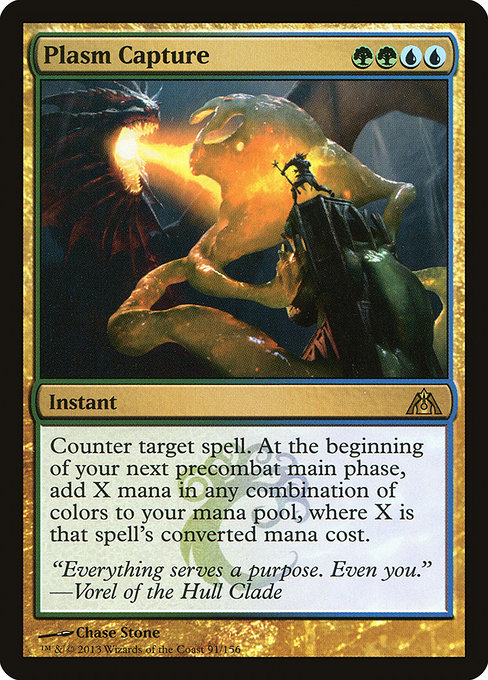
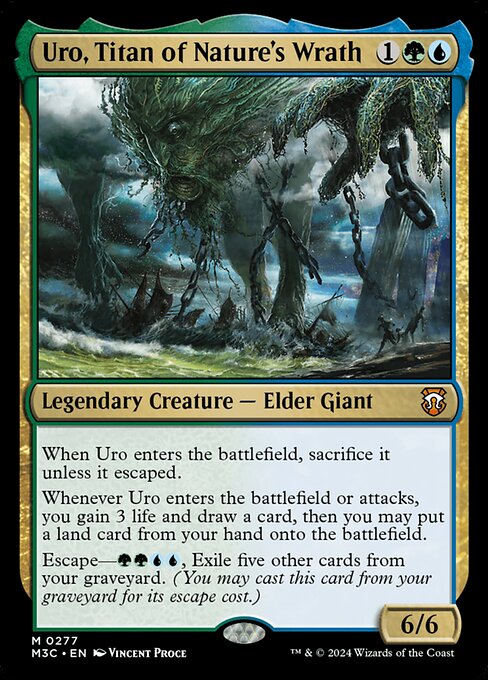
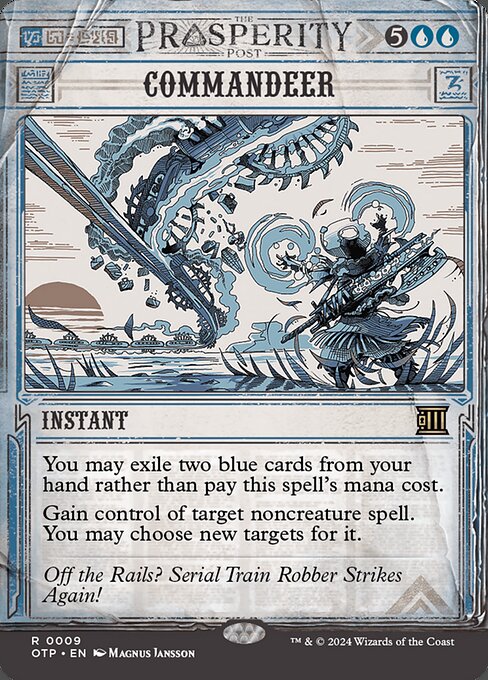
Once a cousin to Oko, Thief of Crowns, Uro was a menace in Standard that still scales to commander. Sit back, ramp, and draw cards, and between your commander, your Growth Spiral effects, and your other assorted ramp, you’ll have no problem making a lot of mana and drawing into big spells to play with that mana. It’s really fun playing all the bulk rare interaction that costs way too much mana. Commandeer can steal a spell. Plasm Capture is a 4 mana Mana Drain. You also get to play the crazy overcosted finishers like Ezuri's Predation and Day of the Dragons.
Final Thoughts
Anyone can make a budget deck. Hopefully you’ve got some ideas and learned some strategies to help you make your own budget deck.