






Commander is a very old format, having been around for years. As such, there are many common Commander moments that are very frequent, and you’ll see them in many games. Board wipes, certain card combos, and situations will pop up frequently, and we’ll cover what to do when they do. Or, if you’re the user, the best times to use them and what to do after.
The Board Wipe Dilemma
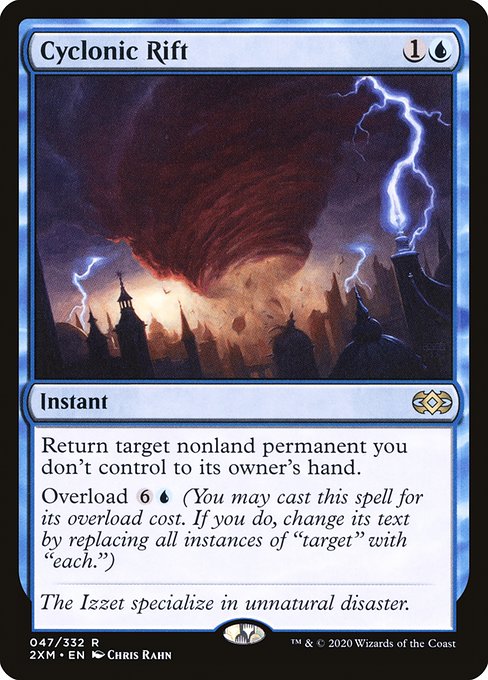
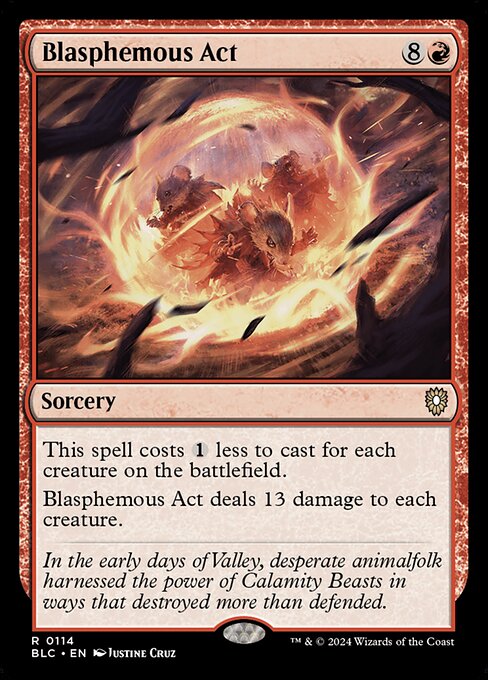
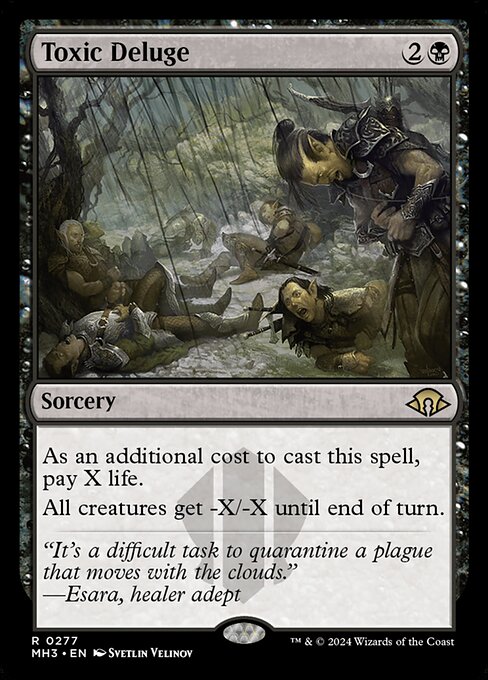
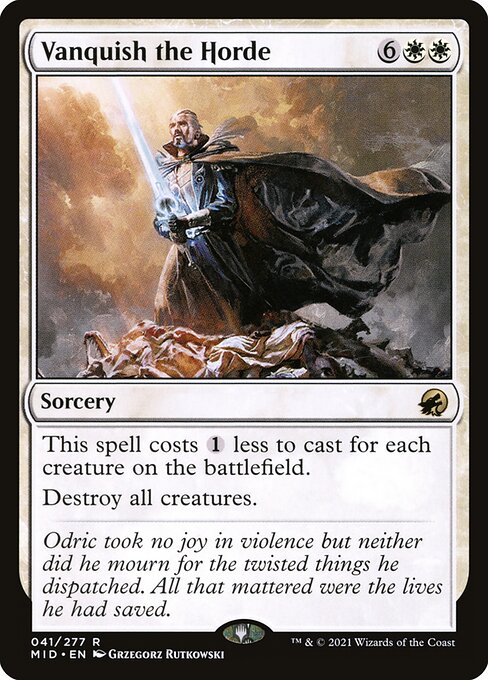
Board wipes are one of the most common things played in Commander. With the exception of Green , every color has access to at least one good board wipe. For Blue it’s Cyclonic Rift, Red is Blasphemous Act, Black you have Toxic Deluge, and finally White has plenty of options, such as Vanquish the Horde. Not to mention the countless multicolored board wipes. Even creature decks run board wipes.
Playing A Board Wipe
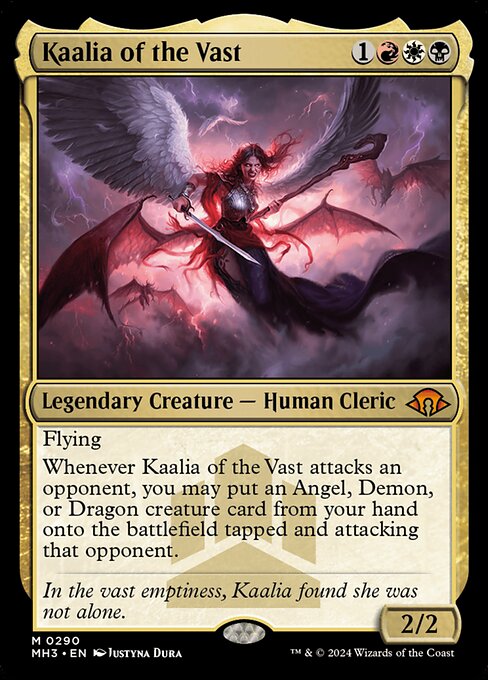
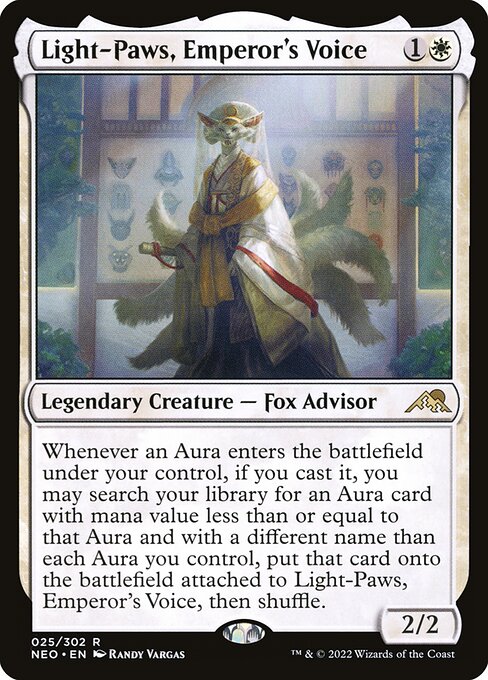
But the question is, when is the best time to use a board wipe? There are obvious cases, like when someone playing Goblins or Elves has dozens of creatures on the battlefield. However, sometimes one creature can run away with the game such as Kaalia of the Vast. Even though it’s just one creature, if you don’t have removal, it’s still worth board wiping just to not deal with a creature that creates problems quickly. In other cases, someone may be playing a Voltron deck like Light-Paws, Emperor's Voice, and makes their main creature unable to be targeted by removal spells. In this case, you’d want to use a board wipe to get rid of the creature, especially if it’s loaded with a ton of Auras since those will go to the graveyard when the creature dies.
There will be times when you have useful creatures on the battlefield, but so do your opponents. In cases like this, you want to take stock of what’s going on and just how threatening your opponents’ creatures are. If they have creatures that have a ton of utility and are providing a lot of value, be it through mana generation or card draw, it might be worth considering board wiping. Otherwise, they’ll continue to get value and be able to answer anything you throw their way (including a board wipe).
After A Board Wipe
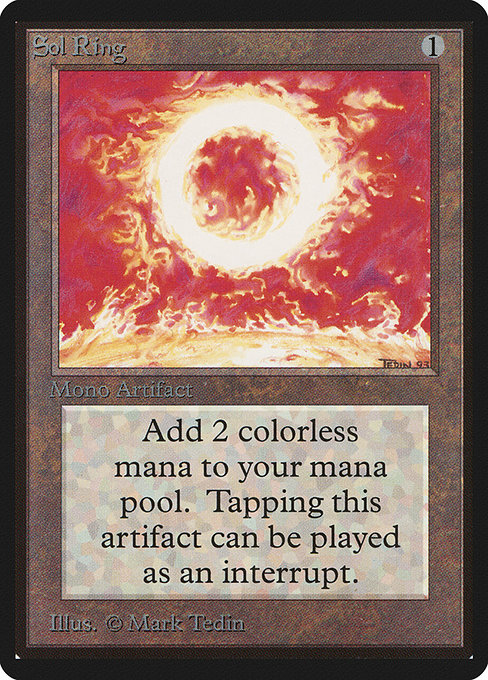
A board wipe is a common Commander occurrence. What should you do after a board wipe? If you used a Cyclonic Rift, you should be going full aggro before your opponents start replaying their permanents. If you’re the victim of a Cyclonic Rift, you should focus on playing your mana rocks like Sol Ring first to catch back up on your ability to generate mana to play the rest of your hand. There are various one-sided board wipes, and when you play these, you want to generally play them when you have a full battlefield, so you can close out the game since your opponents won’t have blockers.
When a board wipe goes off when every creature is destroyed, you want to take advantage of a blank battlefield. Creatures with haste in particular become more powerful, as well as creatures with powerful effects. If you put down a creature with a high statline, you can discourage your opponents from attacking into you early and threaten your opponents who don’t have creatures. The downside to this is that it makes these creatures more prone to removal since there are no other creatures to remove. If the creature is vital, you should wait to play it until you have protection or there are more creatures on the battlefield. Mana dorks are the safest thing to play after a board wipe, since most people won’t waste removal on them.
Combos And You
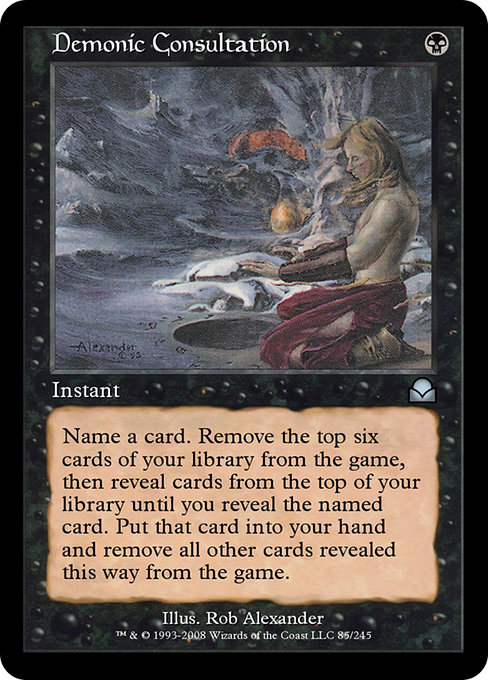
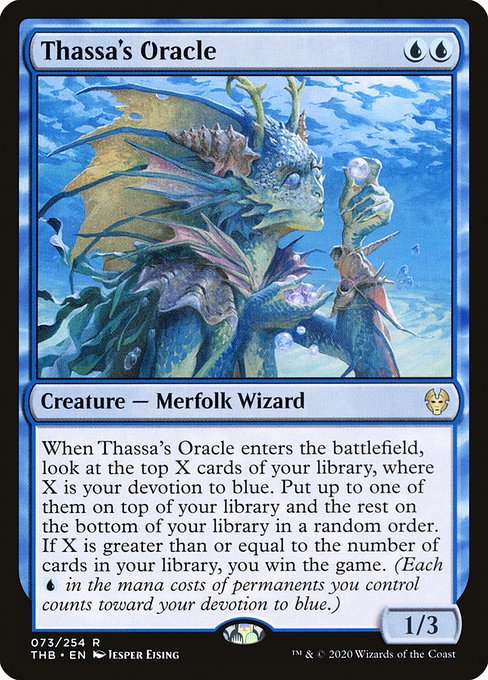
Combos are a staple of Commander. Even the lowest brackets can have combos (so long as they use more than two cards). If you’re playing in the high brackets, combos make up the meta and most win conditions. A combo isn’t just two cards that work well together, but generally cards that create loops to go infinite. Or, they win the game on the spot when played together, such as Demonic Consultation and Thassa's Oracle.
Starting Combos
Let’s use the combo of Gravecrawler and Phyrexian Altar for this example. The combo has you sacrifice Gravecrawler with Phyrexian Altar to create a Black mana that you can use to cast Gravecrawler again (you also need to control a Zombie). This lets you create an infinite number of death and sacrifice triggers, along with infinite enter the battlefield triggers.
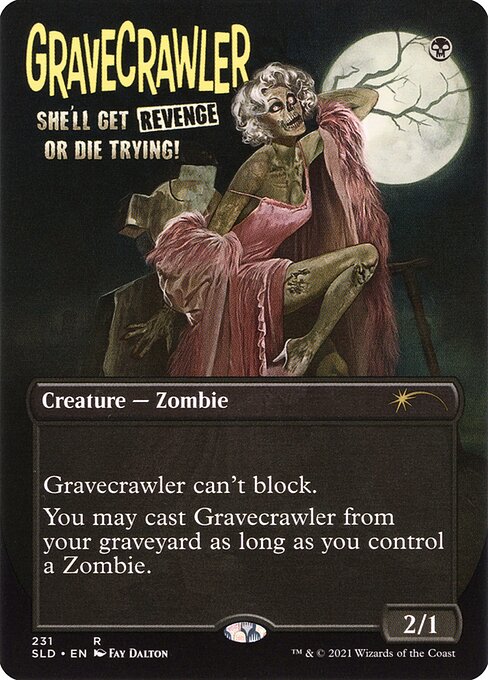
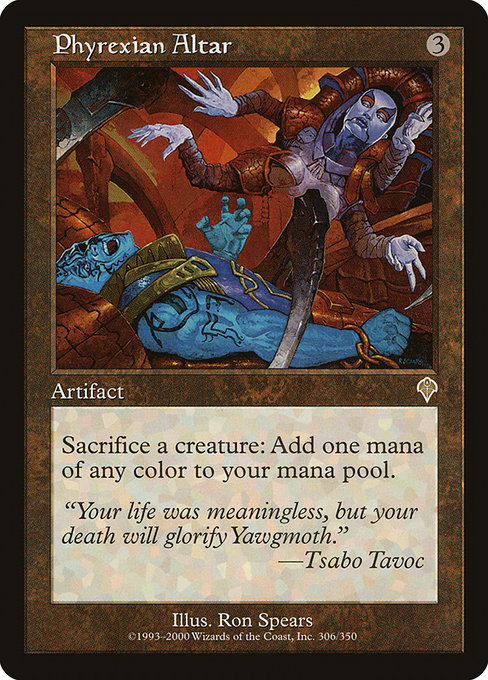
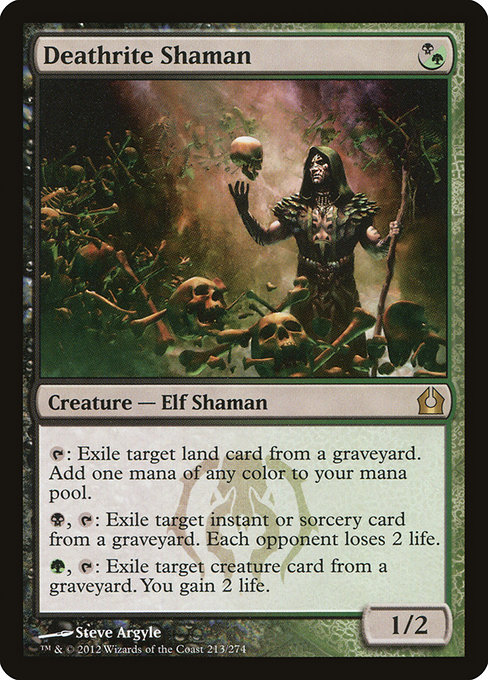
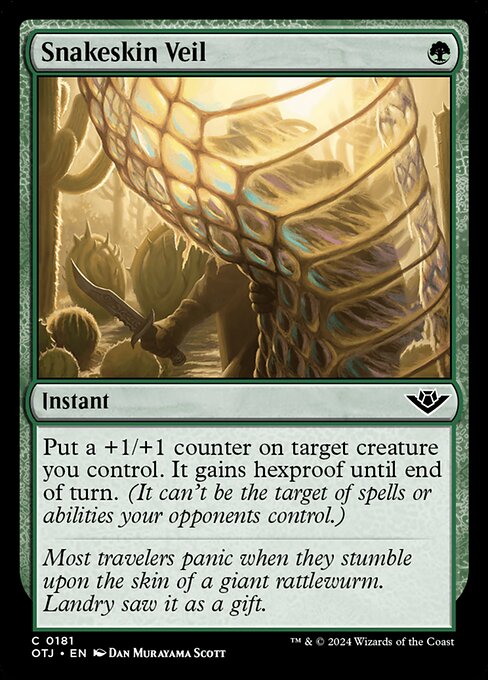
Even if you have all the pieces of your combo in place, you don’t want to use them right away. You want to make sure you have ways to prevent your combo from being interrupted. This combo relies on the graveyard, so if there’s an untapped Deathrite Shaman on the battlefield, you don’t want to initiate your combo since it’ll exile Gravecrawler before you can start looping it. If your combo requires a creature to stick around, you want to ensure you have protection before you start it (such as Snakeskin Veil. So long as you’re able to play them, having counterspells is very useful to stop any spell that might stop your combo. If you know your opponents are playing counterspells, it’s good to bait them out with a powerful spell and then combo after.
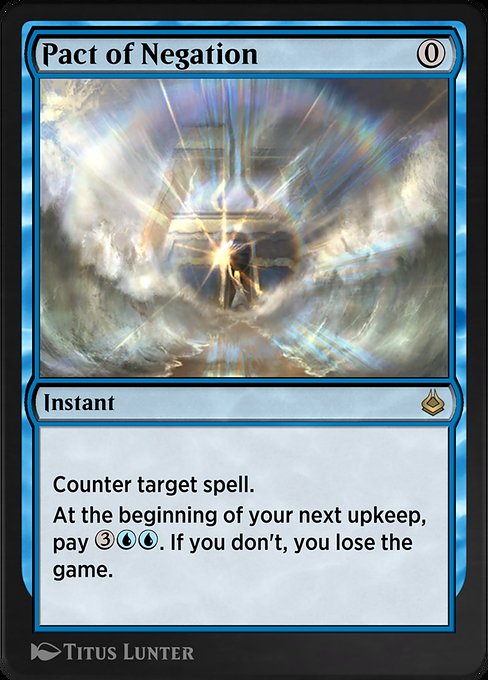
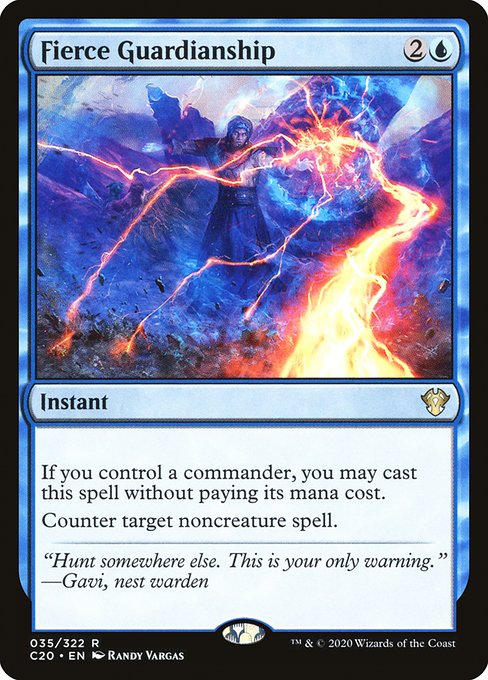
The main gist of all this is if you’re going to start a combo, make sure your opponents can’t stop it. Or, if they might be able to, be prepared with responses for any spell they throw your way. Otherwise, you might permanently lose access to your combo pieces. Combos can make or break the outcome of a game, so don’t get overzealous. The best times to start combos are when most of your opponents are tapped out, so their ability to respond is limited. Free spells like Pact of Negation or Fierce Guardianship can catch opponents off guard who might think you aren’t able to counter their answer to your combo.
Stopping Combos
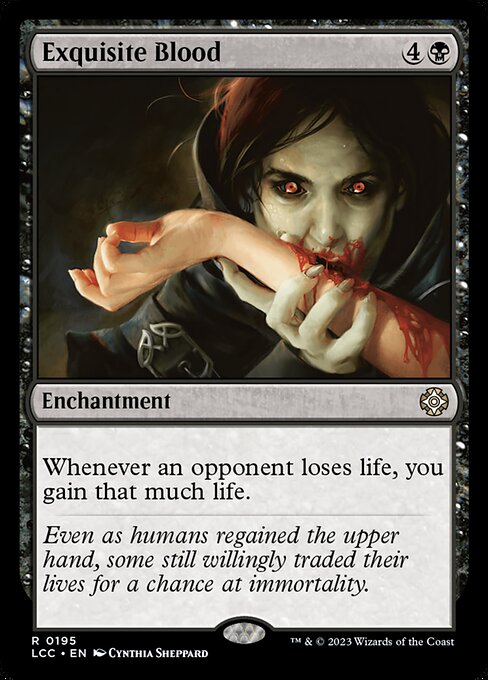
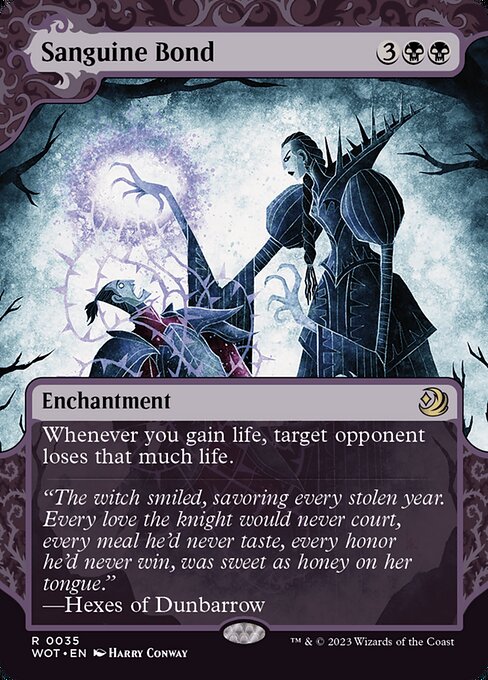
You will find yourself having to stop your opponents from playing combos (especially in higher brackets). In cases like this, it’s all about finding an opening. You want to interrupt the combo either on the stack or during the combo. For example, Exquisite Blood and Sanguine Bond go infinite with one another. It’s fine for this to start looping, but you’ll need to use a removal spell at some point. You want to get rid of one (or both) of these permanents at the start of the loop, otherwise the player looping will be ahead of others.
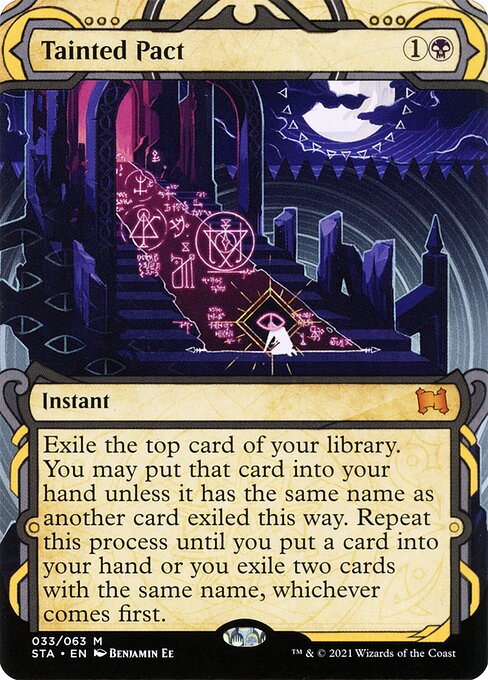
While you can wait for that combo, other combos you don’t get the luxury. The infamous Thassa's Oracle and Tainted Pact combo wins the game if it resolves. So, you have to stop it on the stack. Generally, a counterspell will suffice. If they get the cards through, you’ll have to stop Thassa's Oracle on the battlefield. You can cast something like Tishana's Tidebinder to negate Thassa's Oracle‘s enter the battlefield effect. If you’re up against this combo, it’s better to negate Thassa's Oracle instead of Tainted Pact, as this will leave that player’s library at zero. So, they’ll lose the game by milling themselves since this combo is generally “all or nothing.”

Each combo is different, and sometimes it’s better to let a few loops of the combo go through. This is especially true if it’s harming your opponents and you can stop it before it becomes problematic for you. It might also cause your opponent to overcommit if they feel safe in their combo, letting you interrupt it if they didn’t decide to keep mana up for protection.
Playing Commanders
The most common Commander action is playing your commander. It’s something you’ll usually always do in every game. However, you can’t always just run out your commander as soon as you can cast it. Likewise, there are cases where you want to get rid of your opponents’ commanders as quickly as possible (sometimes before it even hits the battlefield).
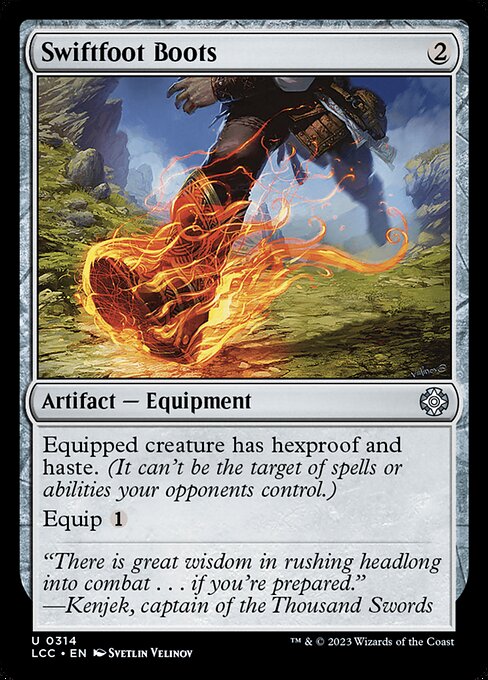
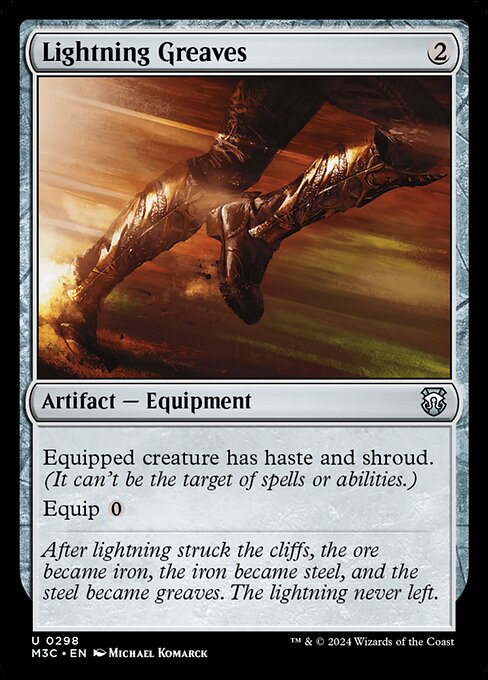
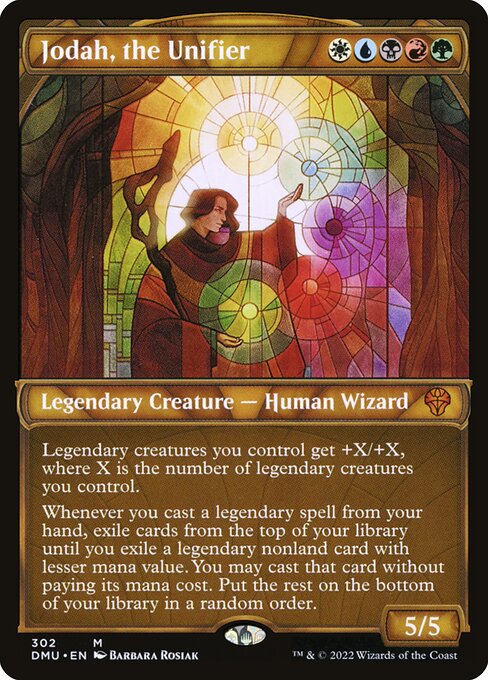
If you’re playing a Voltron deck that heavily relies on your commander, you want to have protection ready such as Swiftfoot Boots and Lightning Greaves. Otherwise, your commander might get removed right away, which, in Voltron decks, sets you back drastically. This is also true with any deck that heavily relies on your commander, with Jodah, the Unifier being one example of many.
If you think counterspells might be afoot, it might be a good idea to bait them out with a different spell if you want to ensure your commander gets through. This can be in the form of using a removal spell on a useful creature an opponent controls, or a powerful spell you cast (but not as good as your commander unless getting your commander out is that important).
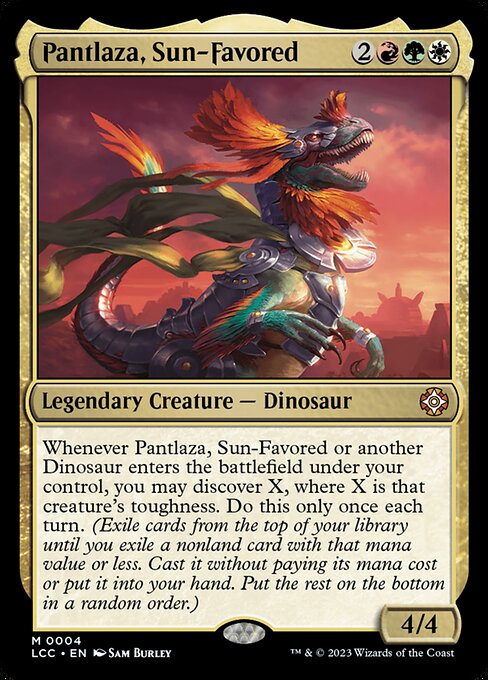
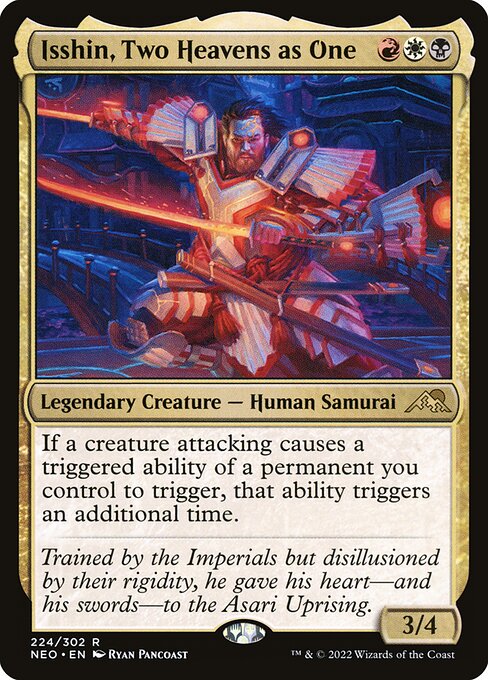
If you’re on the other foot and are considering stopping a commander from resolving, you should look at a few scenarios. First, see if the commander will make an impact. Pantlaza, Sun-Favored will immediately get value if it resolves, so it’s worth countering it before it hits the battlefield. However, you can save the counterspell with commanders that don’t do anything immediately like Isshin, Two Heavens as One, and use a removal spell on it instead. You don’t want to shut off a commander right away. There are cases where the cards in the 99 are much more threatening, so your answers should be saved for those instead.
Resources And You
The most common Commander trope you’ll always run into is having to deal with resources. A resource is something that helps you (or your opponent). Some examples include mana rocks, mana dorks, and mana dumps (permanents with effects to put excess mana into).
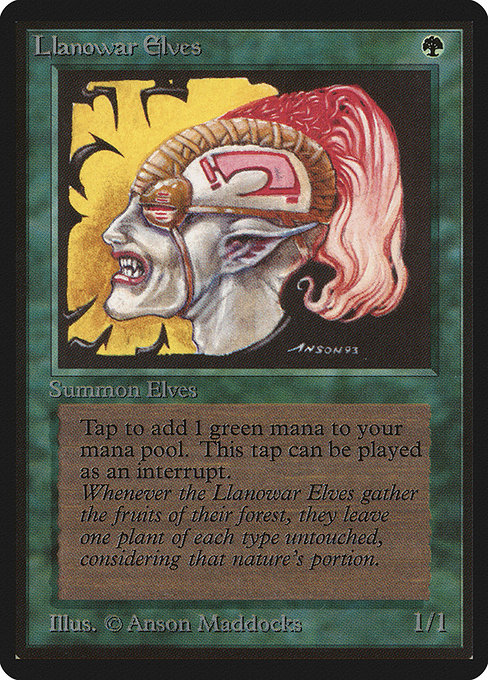
Common Commander staples are known to be great resources. Cards like Sol Ring and Llanowar Elves are frequently played for a reason. These are cards that are beneficial, but aren’t your key cards, be them power cards or your win conditions.
Utilizing Your Resources
A common Commander practice is building up resources. You generally want to run out your resources as soon as possible. In many cases, your mana rocks aren’t going to be in danger of being removed. Playing out your early mana-generating permanents is useful for ramping, so you always have access to your best cards. Most of the time, your resource generators aren’t threatening early in the game, so your opponents likely won’t bother with them until they’ve already used their purpose.
You want to use your mana wisely and not over-commit unless you’re confident you don’t need to hold mana up. Don’t tap out unless you don’t have anything to do. Sometimes, even if you can’t use the mana, it’s good to leave mana up to make your opponents think you have something up your sleeve. This can cause your opponents to hold back on playing certain spells in fear of them getting countered or removed immediately.
Resource Denial
There will be cases where you want to take care of the resources your opponents have access to. A mana rock like Timeless Lotus can do a ton if it isn’t dealt with. When it comes to resource denial, you want to get rid of what’s doing the most for your opponents. If they have a problematic land causing problems, you can use Demolition Field or Strip Mine to no longer have to deal with it.
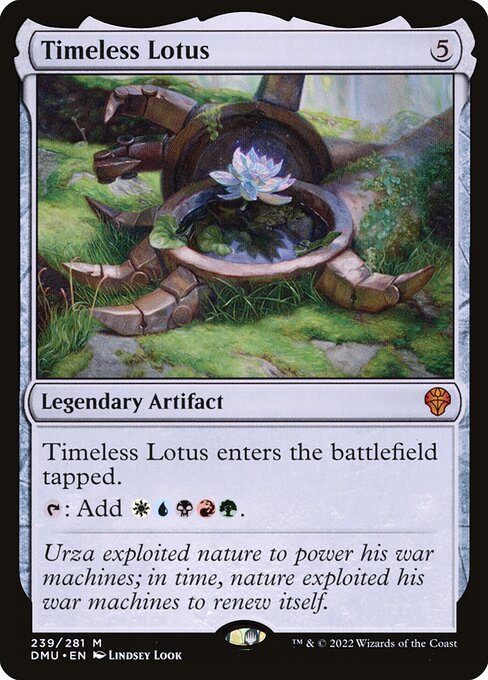
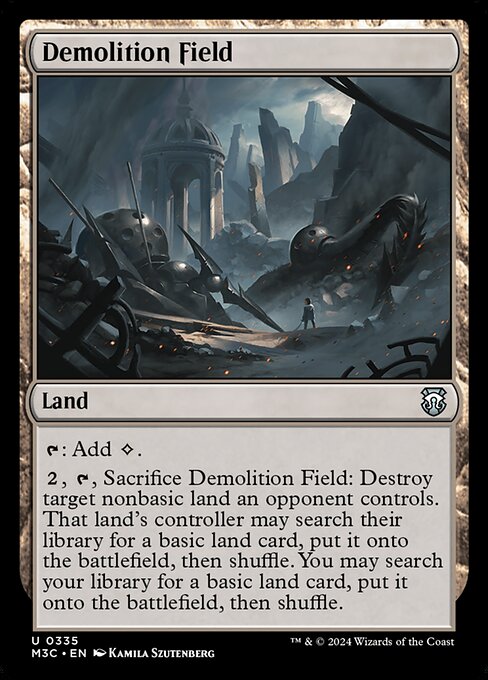
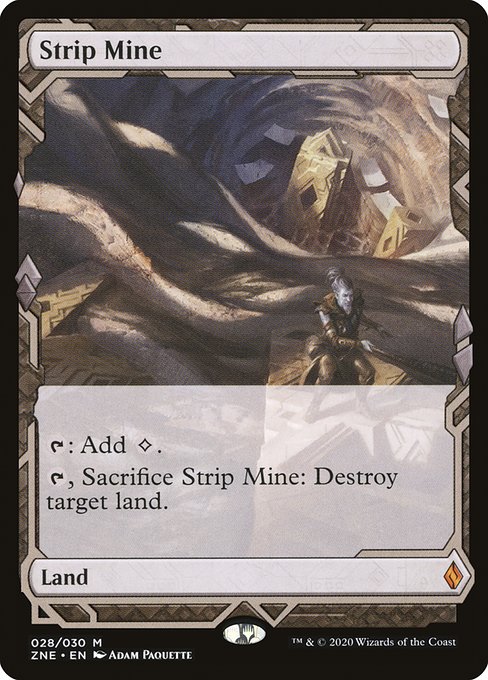
You need to check to see if it’s worth taking care of a resource generator, or saving your removal and counterspells for what it’s building up toward. Sometimes, you’ll have to talk to the other players to determine what the best course of action is, or work out deals so that everything can be dealt with. Generally, you don’t have to deal with resource generators right away, but you don’t want them to run around forever either. Otherwise, your opponent might build up too much of an advantage that’ll make it impossible to catch up to them.
In Conclusion
There are many common Commander moments you’ll constantly be running into. You should know what to do and the best times to respond to certain situations. Over time, you’ll become an expert in knowing how to deal with these common Commander happenings, because you’ll always have to deal with them. Whether you’re at the lowest power level in bracket 1, or in the cEDH world of bracket 5, these moments are everywhere, so best be prepared for them!