





Table of Contents
Mill is an archetype in Commander that comes in two flavors: Mill and Self-Mill. For Mill, you’ll be focusing on milling all of your opponents’ cards. With Self-Mill, you’re instead milling yourself to set up your graveyard for various shenanigans. Although Mill is a hard win condition to hit in Commander, it’s very rewarding if you do. Self-Mill is more consistent, but you have many options in both flavors of Mill.
What Is Mill?
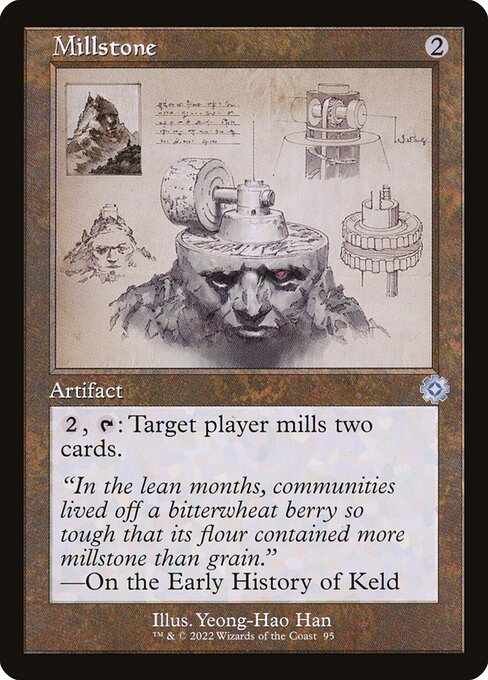
Mill refers to sending a card from the top of a library to the graveyard. The name comes from the card Millstone. It wasn’t always a keyword action, so many cards that mill might not actually say that on the card.
A player loses the game if they cannot draw a card when required to do so. This is often referred to as winning through milling (or decking someone out). This applies to you, so be careful if you’re playing Self-Mill (unless your win condition involves this).
When someone refers to a “Mill Deck,” they’re usually referring to decks that win by milling your opponents. “Self-Mill Deck” is the term used for decks that are sending their own cards to the graveyard instead, usually with the intention to reanimate them.
What Colors Are Mill In?
Cards that mill are generally either Blue or Black . Self-Mill can be found in Green , while Red and White don’t have access to many useful mill cards. As such, you’re usually playing with Blue and Black cards in your decks.
Staples
Mill is one of the oldest mechanics in Magic (and is the reason other games also use it as a term). As such, you have so many options when it comes to playable mill cards.
Cards That Mill Opponents
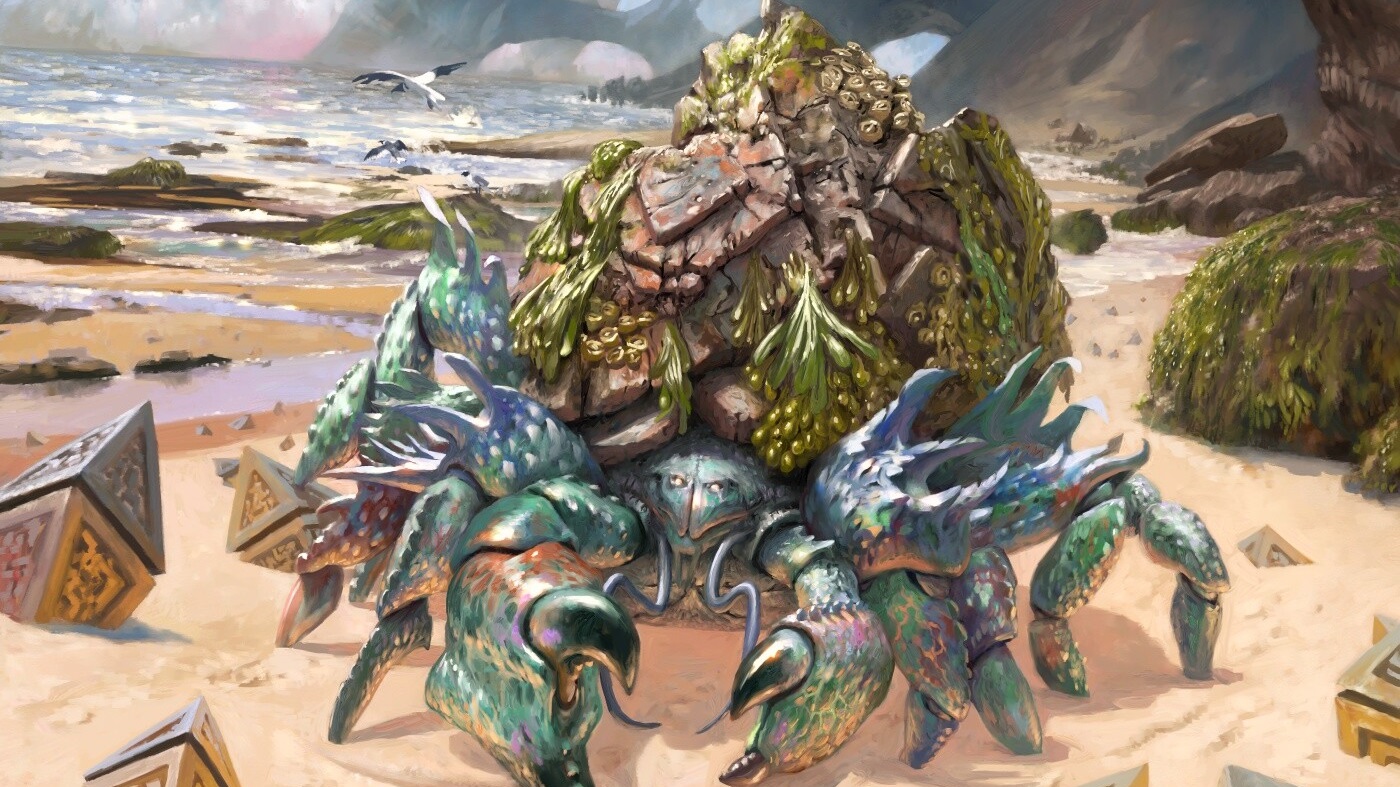
To start things off, you have cards that mill your opponents. These will force them to put cards into their graveyard. Ruin Crab is great at this, milling all your opponents by just playing lands. It’s especially strong with fetchlands and with cards that let you play multiple lands in one turn. Maddening Cacophony mills either eight cards, or half of all your opponents’ libraries if you can kick it. If you have a lot of mana to dump, Mind Grind can mill your opponents a ton of cards if they’re unlucky with revealing land cards.


Cards That Mill A Player
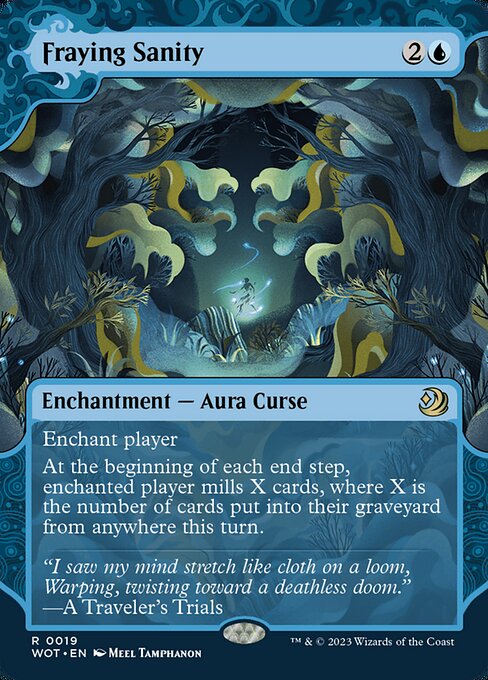
Not every mill card will be able to target everyone. You still want to include these, as sometimes you only need to target one player. Hedron Crab is near-identical to Ruin Crab, with the exception that Hedron Crab can only mill one player. Fraying Sanity targets one player to make them constantly mill cards since so many cards get put into the graveyard (and essentially doubles up on all your mill effects). Cut Your Losses can mill half of a player’s library, and another half if you cast it for its casualty cost.


Universal Mill
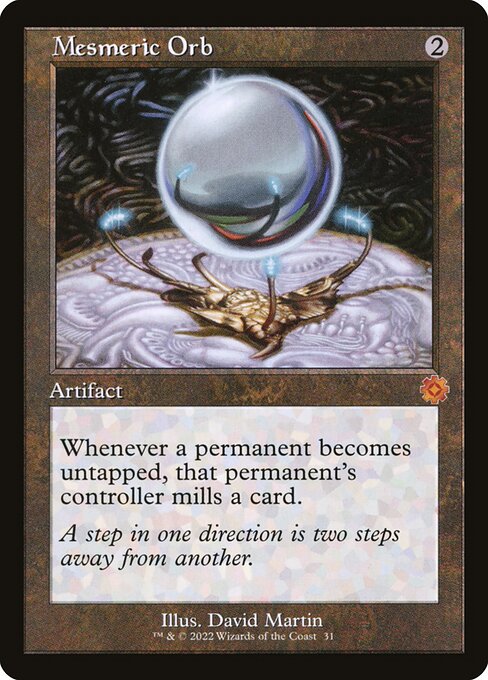
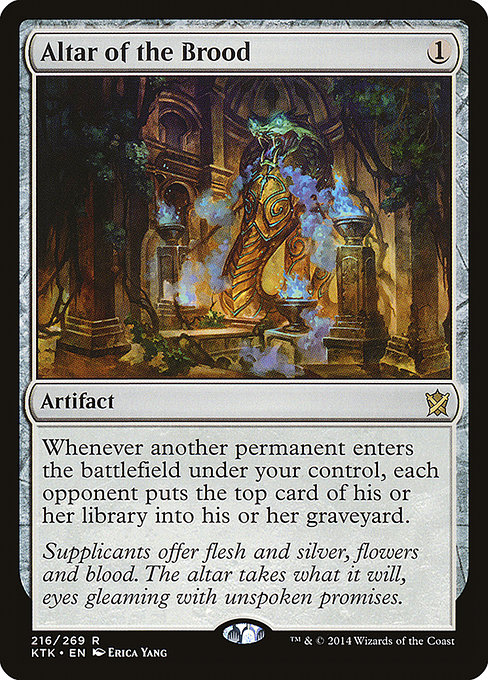
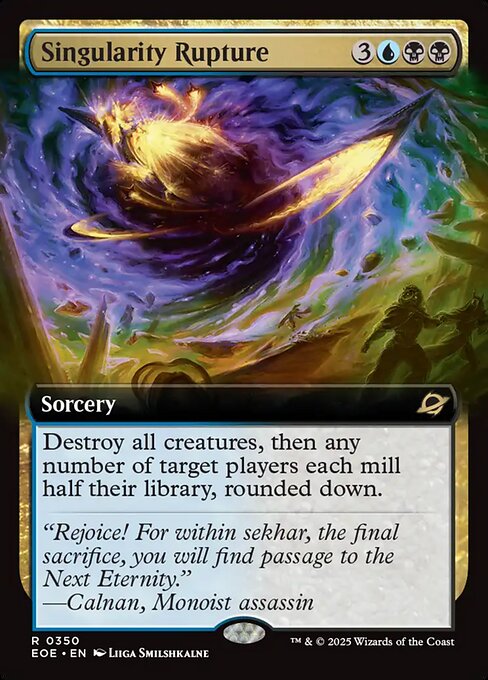
There are many cards that make all players mill. Most of the time, you don’t mind your own deck being milled (especially in Self-Mill decks). Mesmeric Orb is the best card for this, as all untaps turn into cards going into the graveyard. This includes untapping lands, creatures, and any other permanents during untap steps. If you manage to create copies of Mesmeric Orb, these effects do stack. Altar of the Brood can mill opponents whenever you have a permanent enter the battlefield, and is found in many common infinite-mill combos. Singularity Rupture is your best board wipe for Mill, since it lets you mill half of any number of libraries.
Self-Mill Staples
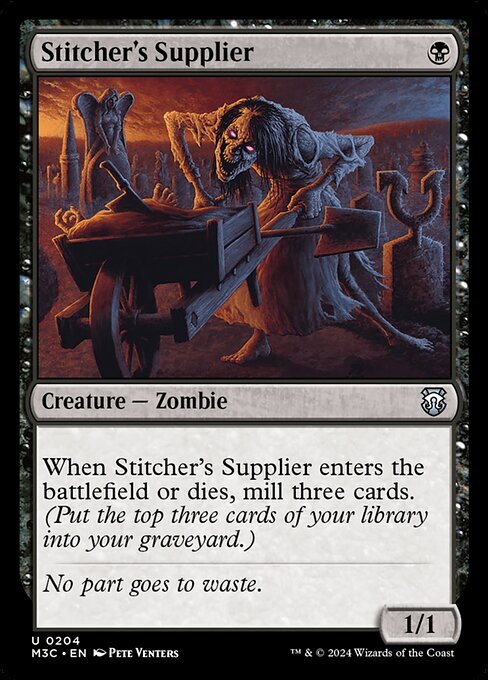
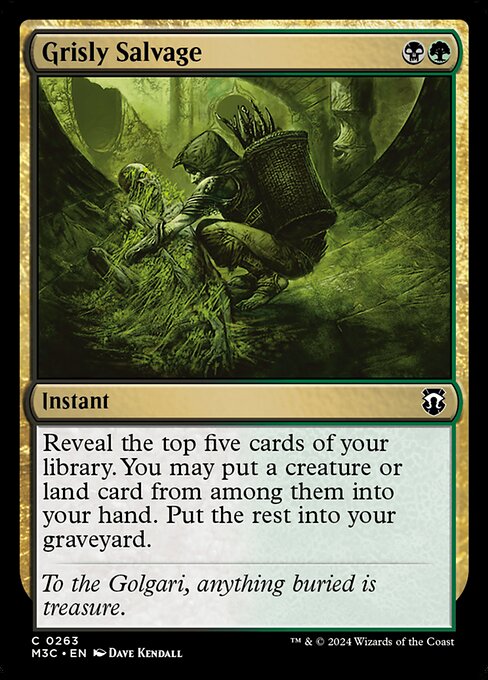
You have near-limitless options for Self-Mill. There are many creatures that mill three cards when they enter the battlefield. The best of these is Stitcher's Supplier which also mills three when it dies. Grisly Salvage can put a useful land or creature into your hand and the rest into your graveyard. It is optional to put a card into your hand, so it can easily dump the top five cards into your graveyard. Golgari Grave-Troll is a classic of Self-Mill, as you can mill six cards to return it from the graveyard to the hand. You want Golgari Grave-Troll in the graveyard constantly so you can keep milling.

Complimentary Cards
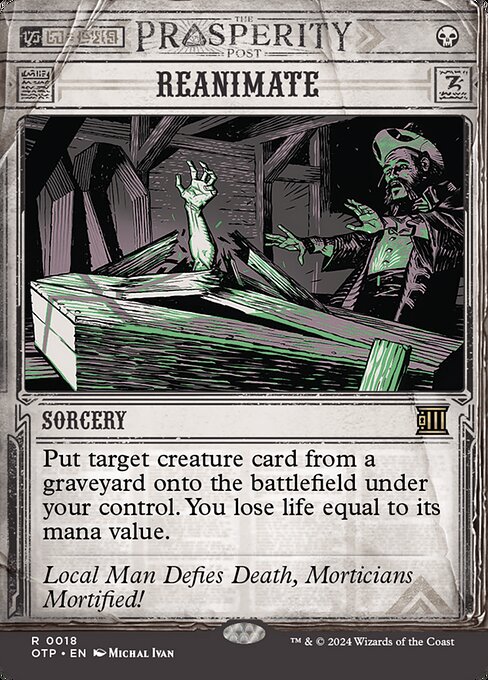
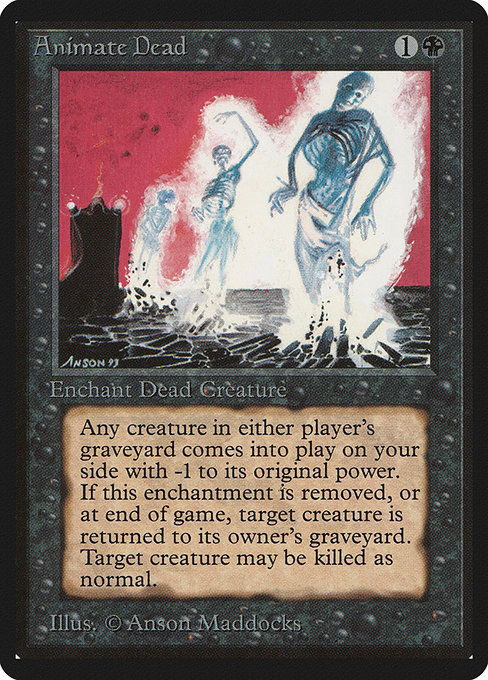
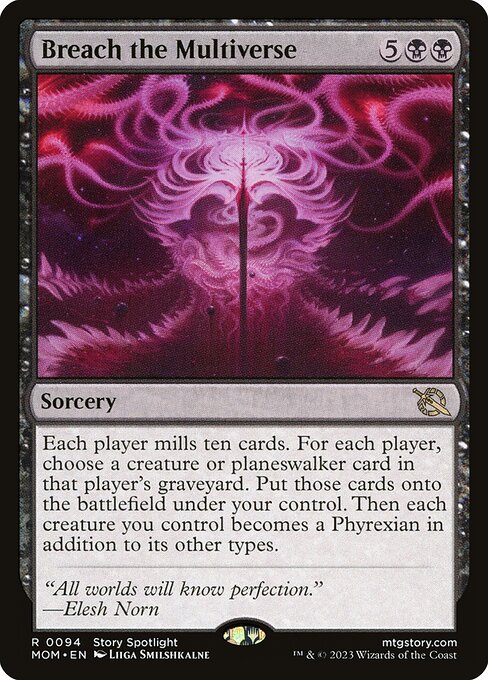
In Mill and Self-Mill decks, you’ll want to play cards that aren’t Mill-focused, but ones that can benefit from cards being milled. Cards that let you reanimate creatures in graveyards are especially useful. These let you take your opponents’ best creatures that got milled and use them for your own benefit. Reanimate and Animate Dead let you reanimate any creature in any graveyard. Breach the Multiverse both mills everyone ten cards and lets you put a creature from each graveyard onto the battlefield.
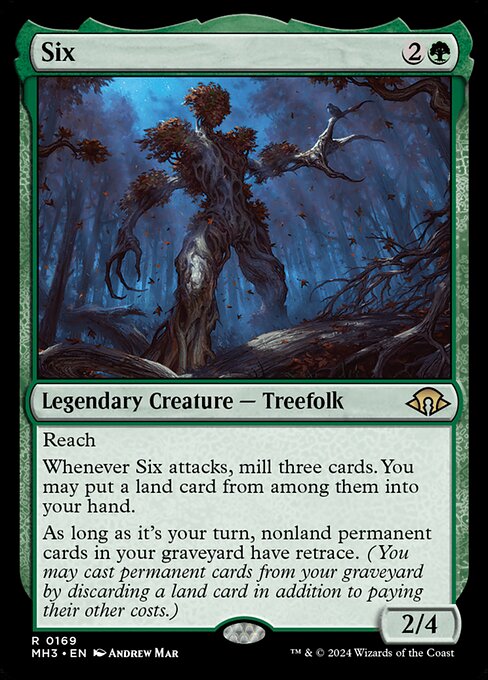
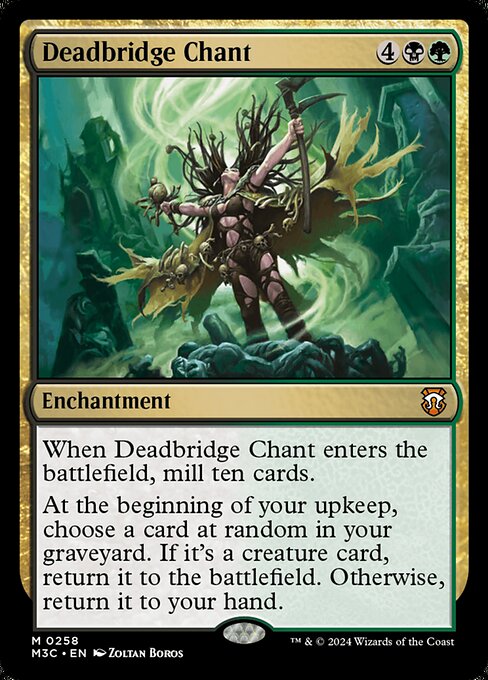
If you’re playing cards that mill everyone, you may find yourself milling your best cards. As such, you’ll want ways to get cards out from the graveyard back into your hand. Muldrotha, the Gravetide can be your commander, or used in the 99 to ensure you can play permanents from your graveyard. Six gives all your nonland permanents retrace to let you cast them directly from the graveyard. Deadbridge Chant gives you a random choice to reanimate a creature in your graveyard, or put a card in it into your hand.

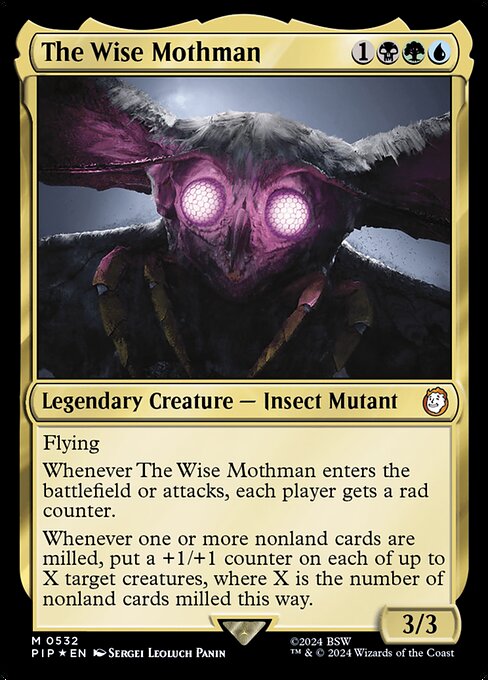
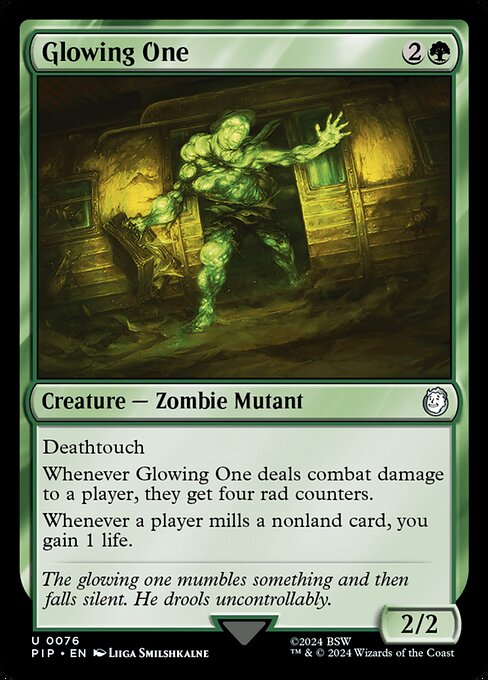
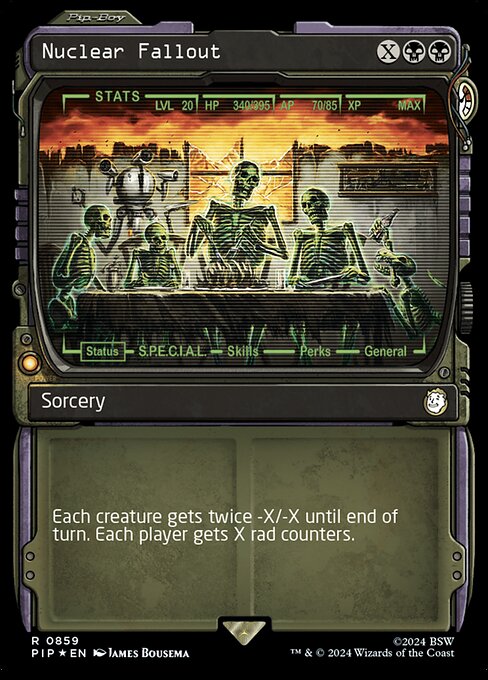
Cards that give opponents Rad counters are great too. These counters make players mill cards and take damage when they mill nonland cards. Those counters are then removed, but nothing happens to land cards that get milled. The Wise Mothman spreads Rad counters on every attack, and benefits from cards being milled too. Glowing One gives a player four Rad counters whenever it connects for combat damage. Nuclear Fallout can wipe the board while providing a ton of Rad counters to every player.
General Game Play
A Mill deck is focused on getting rid of libraries as quickly as possible. For Self-Mill, you want to get as many of your cards into the graveyard as you can. Ultimately, both follow the same kind of structure, but traditional Mill decks tend to be more difficult since you don’t have defenses.
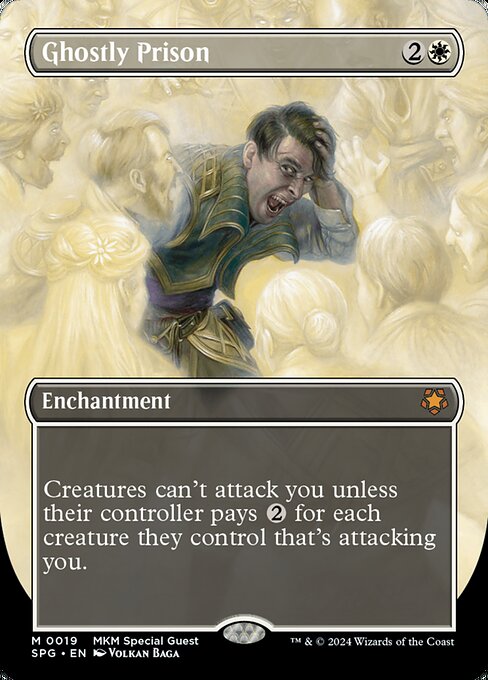
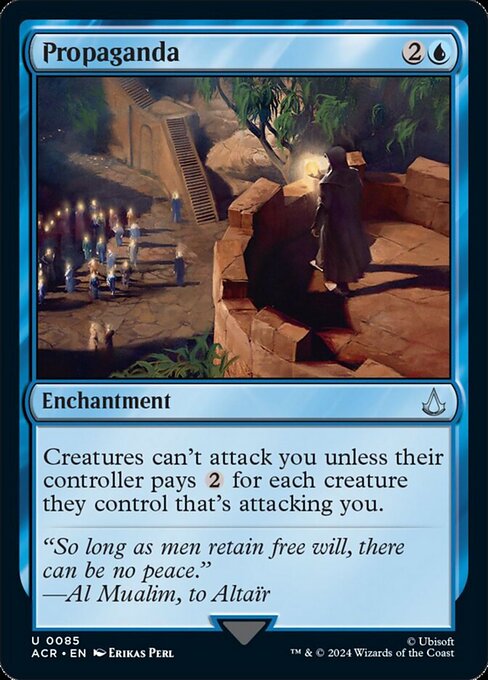
If you’re playing a Mill deck, you’ll want cards like Ghostly Prison, Propaganda, and Silent Arbiter to make it more difficult for your opponents to attack you. A downside of Mill decks is they are rather low on defenses, so you need to heavily lean on Control strategies in order to stay in the game, as 99 cards is a lot to get through to deck someone out.

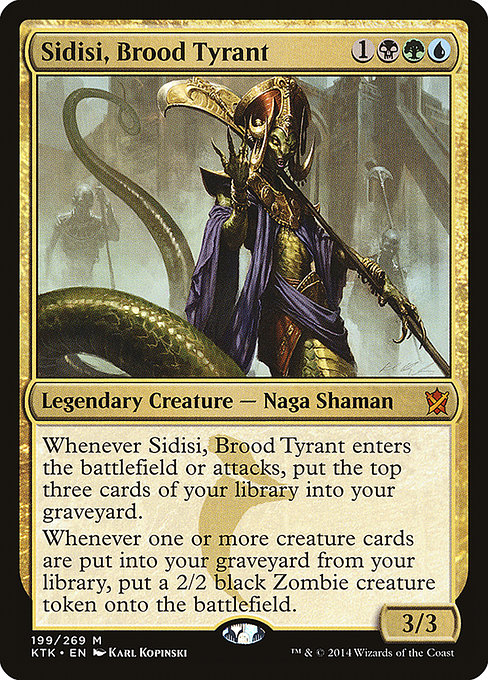
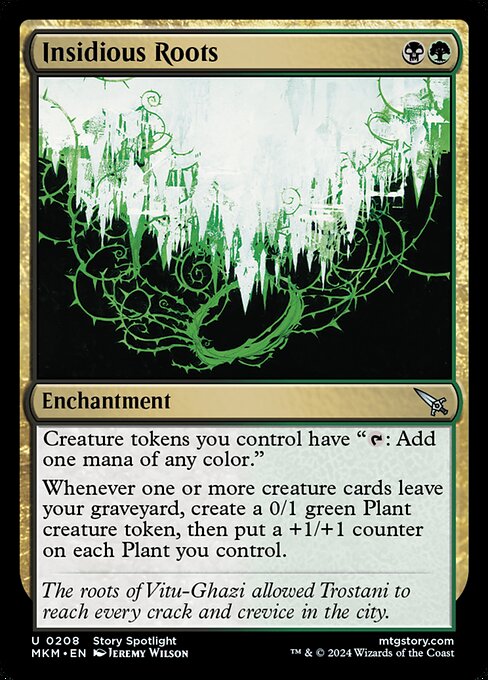
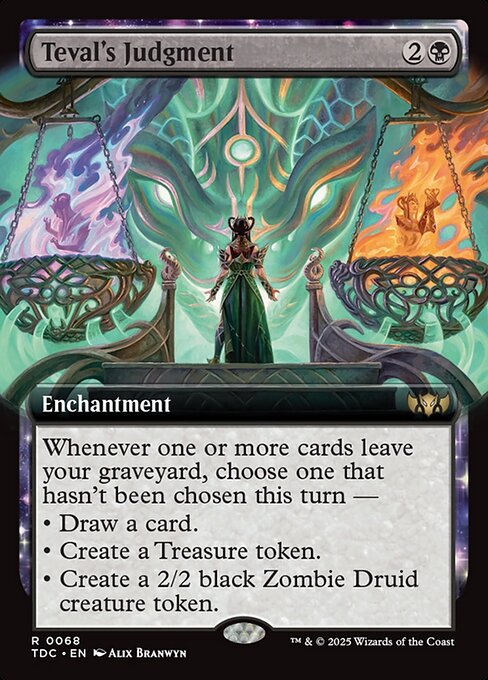
For Self-Mill decks, these are usually slower as you’re setting up your graveyard for future plays. Permanents that care about cards leaving or being put in the graveyard help to get a foundation on the battlefield going. This enables you to have defenses before your real threats come down. Example of these include Sidisi, Brood Tyrant, Insidious Roots, and Teval's Judgment
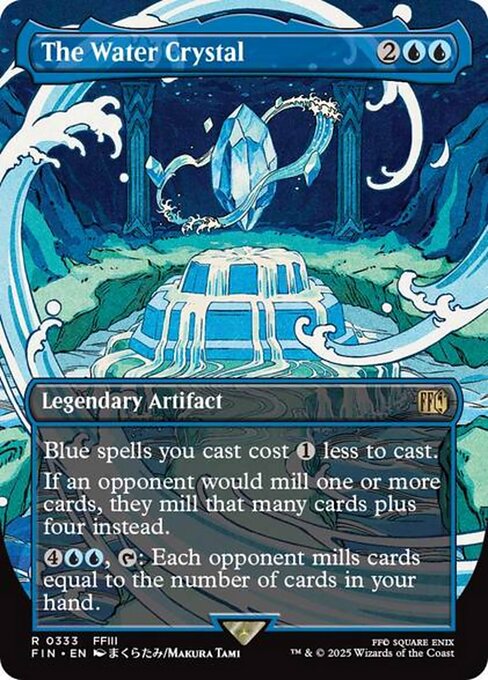
Since decking someone out takes a long time in Commander, you want permanents that speed it up on the battlefield. Bruvac the Grandiloquent and The Water Crystal are great at this, enabling for more cards to be milled. Bruvac the Grandiloquent is especially strong with cards that mill half of libraries, since it’ll make the entire library be milled.

How Mill Decks Win
Mill decks tend to win by decking all of your opponents out. Generally speaking, this takes a long time since EDH decks have 99 cards in them. To win this way, you have to get through nearly 300 cards in total. You can easily achieve this with Bruvac the Grandiloquent and Maddening Cacophony kicked, which gets rid of all libraries. You can take just one person out of the game the same way with Traumatize, or two with a Cut Your Losses with casualty.

Self-Mill decks have varying win conditions. In some cases, it’s reanimating powerful creatures to get in for massive amounts of damage. Alternatively, they win by creating tokens by constantly reanimating their creatures to win the game through the war of attrition.
Mill Commanders
There are a good number of Mill and Self-Mill commanders, each with various playstyles. You have many options, and for this article, we’ll be examining three different versions that you can try out.
Phenax, God of Deception
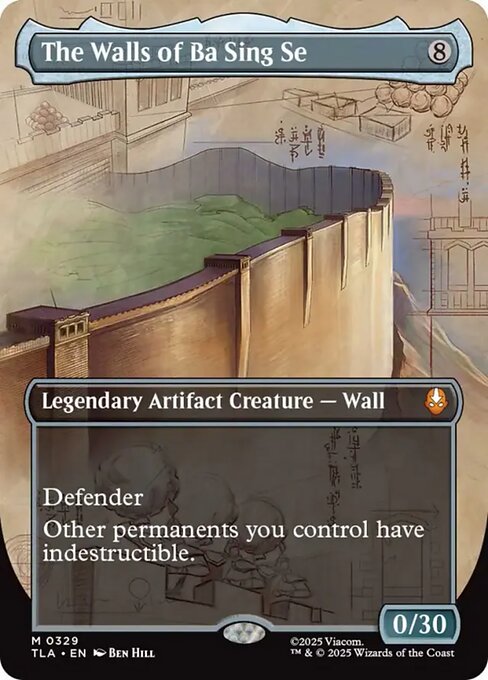
Phenax, God of Deception is a more “traditional” Mill commander that turns all your creatures into enables. You want creatures with big toughness, as this makes the mill greater. Walls such as Glacial Wall and The Walls of Ba Sing Se both fit the bill. Your deck is filled with creatures with big toughness values to get the most out of Phenax, God of Deception‘s effect.

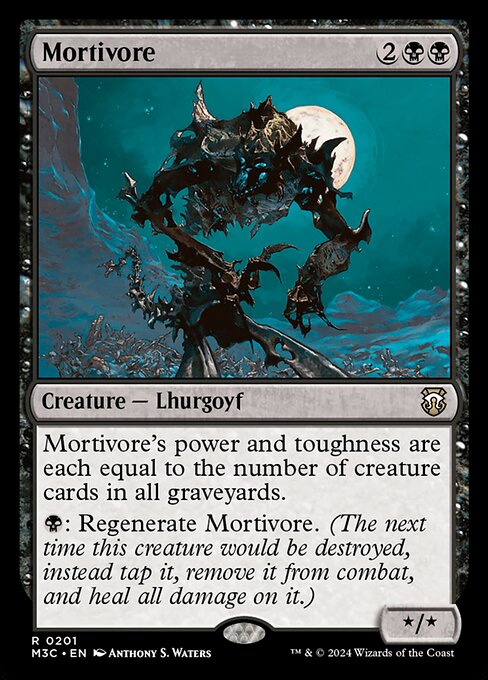
Many creatures have stats that are based on how many cards are in all the graveyards. Consuming Aberration is far and away the best creature in the deck, as it both enables a ton of mill triggers and can gain massive stats to the ability granted by

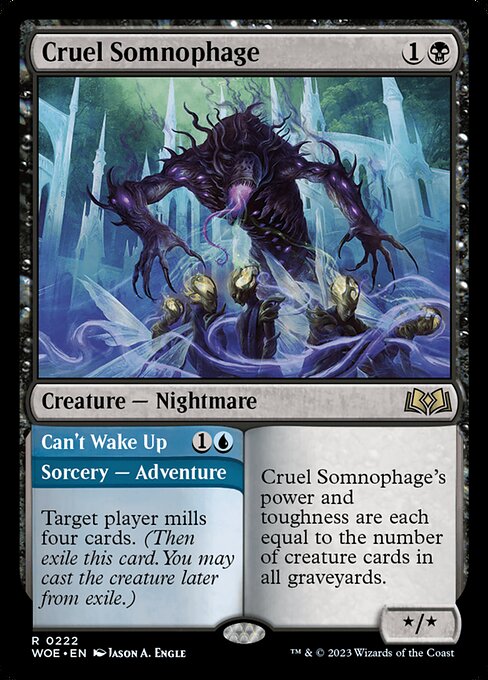


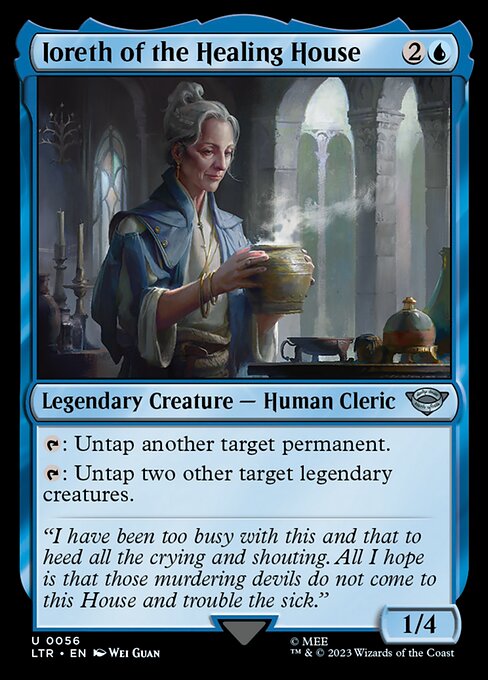
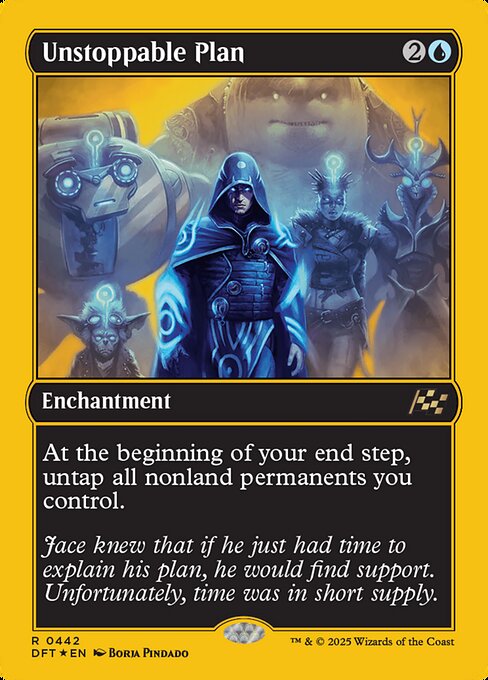
The deck has a near-infinitie combo with Eater of the Dead. Its ability doesn’t cost mana, so as long as there is a creature in a graveyard to exile, you can keep using it to mill with Phenax, God of Deception. It’s a late-game combo, as if you do it too early, you might run out of creatures in graveyards. You also have Ioreth of the Healing House to untap creatures to use the tap ability granted by Phenax, God of Deception multiple times. The ability can be used at instant speed, so untapping every one of your end steps with Unstoppable Plan is great since you can still block with them, or tap them to mill some more.

A sample decklist can be viewed below. This deck sits comfortably as a bracket 3 deck, and is a bit too weak to survive in the higher-tiered brackets. However, it can perform very well in bracket 3.

Commander
Creatures (32)
Instants (6)
Sorceries (11)
Artifacts (12)
Enchantments (5)
Lands (34)
100 Cards
$420.2
The Mindskinner
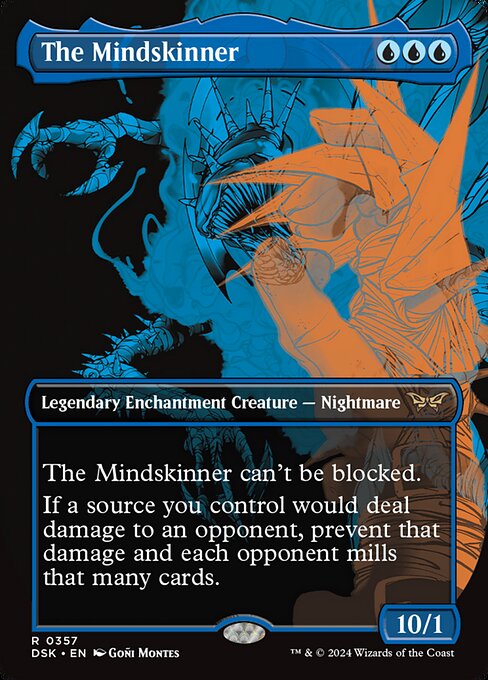
The Mindskinner is a different flavor of Mill. Instead of focusing on cards that do milling, you instead play it like a Voltron deck. When The Mindskinner deals damage, instead of dealing damage, that damage amount causes your opponents to mill that many cards instead. You still want traditional Mill cards such as Court of Cunning and Memory Erosion in case your commander ever gets removed.


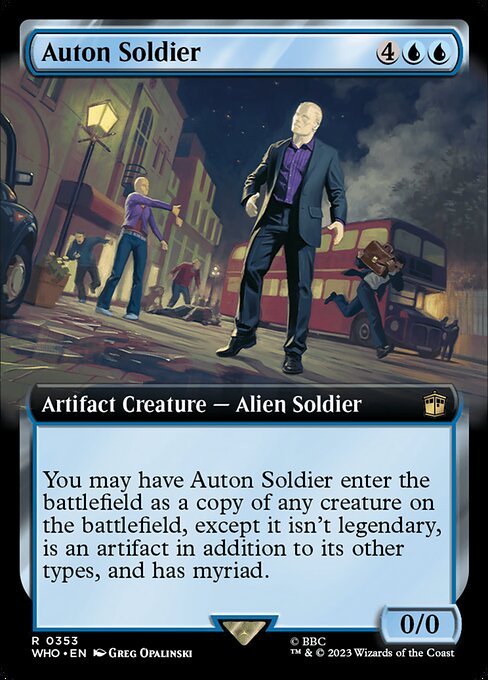
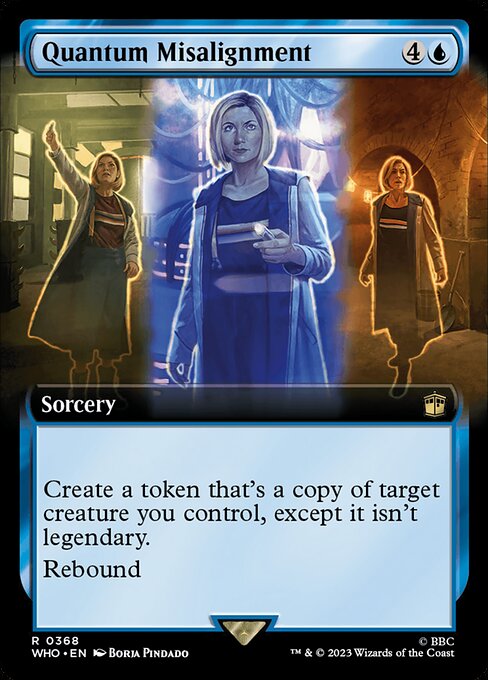
The deck is heavily built around The Mindskinner, so you want ways to make token copies of it. Auton Soldier is the best since it also comes with myriad, which makes it so that when it attacks, everyone is getting hit with The Mindskinner, which equates to 40 damage and 40 cards getting milled. Spark Double and Sakashima of a Thousand Faces are other creatures that enter as copies, with Quantum Misalignment giving you two copies for the price of one.


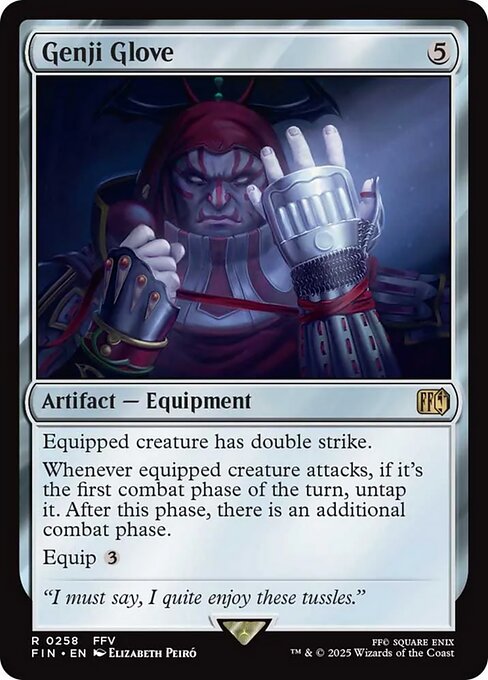
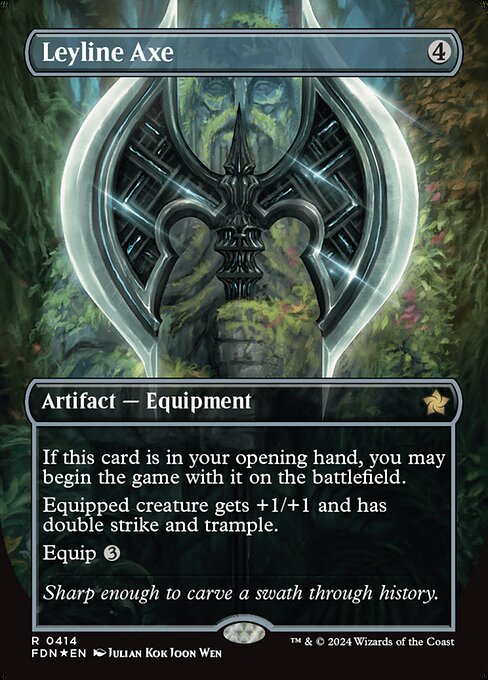
Cards that grant double strike are especially useful, as it enables you to trigger The Mindskinner twice. Genji Glove provides double strike, and gives an extra combat step to get even more cards from libraries into the graveyard. Other choices include Fireshrieker and Leyline Axe.

A sample decklist can be viewed below. It can fit either into high bracket 3 or very low bracket 4. Decks that heavily rely on their commander are naturally weaker, but if they stick around, they can win very quickly.
Commander
Creatures (14)
Instants (17)
Sorceries (9)
Artifacts (21)
Enchantments (5)
Lands (34)
100 Cards
$501.84
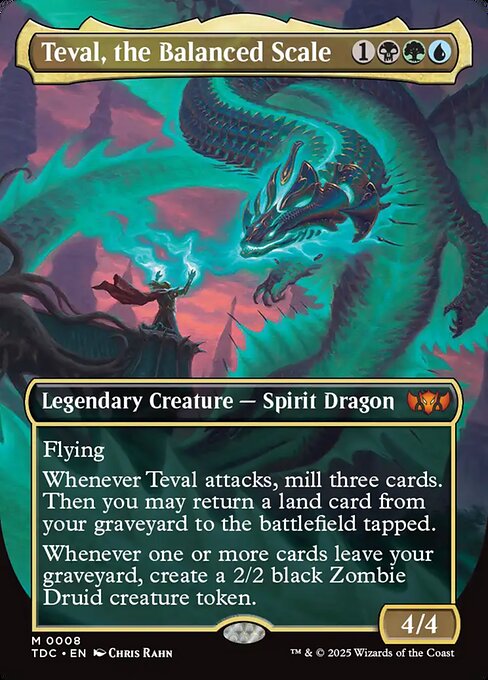
Teval, the Balanced Scale
Teval, the Balanced Scale is a Self-Mill deck that wants cards constantly leaving the graveyard. This creates creature tokens, and the goal is to flood the battlefield with them. Tormod, the Desecrator acts as an alternative commander, as it shares a very similar effect. Likewise, Insidious Roots creates Plant tokens that constantly increase when creatures leave the graveyard.

A lot of lands will be entering the battlefield, both by playing them naturally and with Teval, the Balanced Scale‘s effect. This makes Field of the Dead especially strong and brings even more Zombies onto the battlefield. Icetill Explorer helps you to play extra lands from the graveyard, and Hedge Shredder makes it so lands always go onto the battlefield if they get milled.
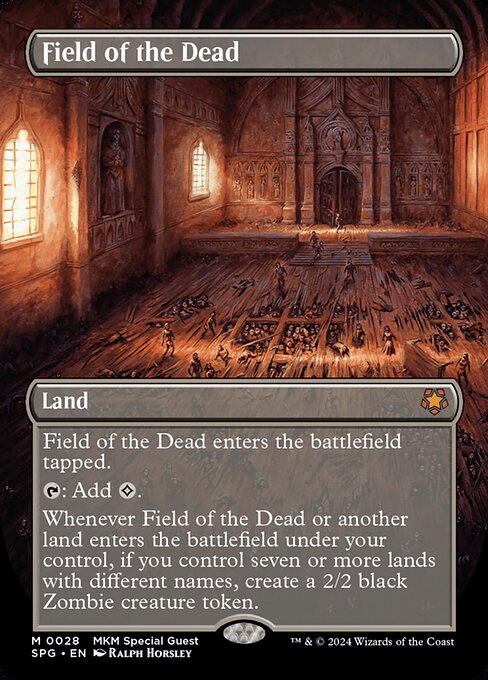
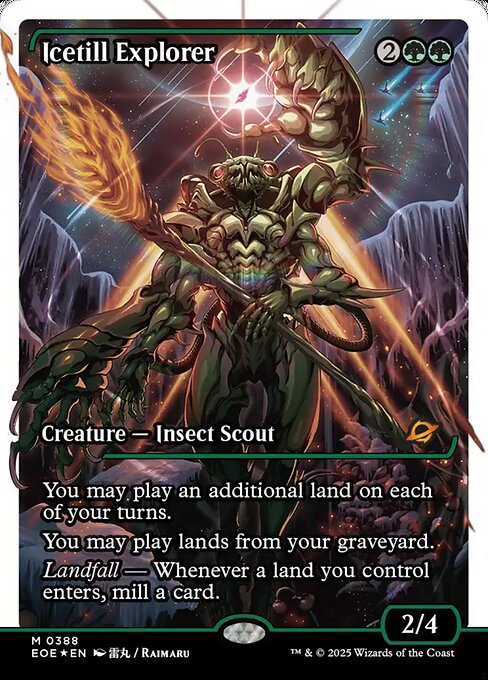
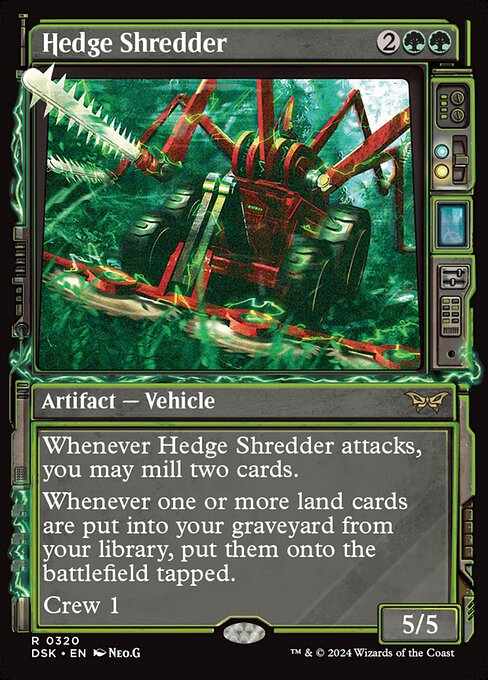
You want to constantly have cards leaving the graveyard so that Teval, the Balanced Scale can constantly trigger. Tortured Existence is great at this, and can go infinite with Kheru Goldkeeper. When a card leaves a graveyard, you get a Treasure token that you can use to re-activate Tortured Existence and do it an infinite number of times. With Teval, the Balanced Scale on the battlefield, this creates an infinite number of Zombie tokens. You also have Phyrexian Reclamation for a weaker version of the effect. Titans' Nest can exile any dead cards from your graveyard, even if you don’t actually use the mana it generates.

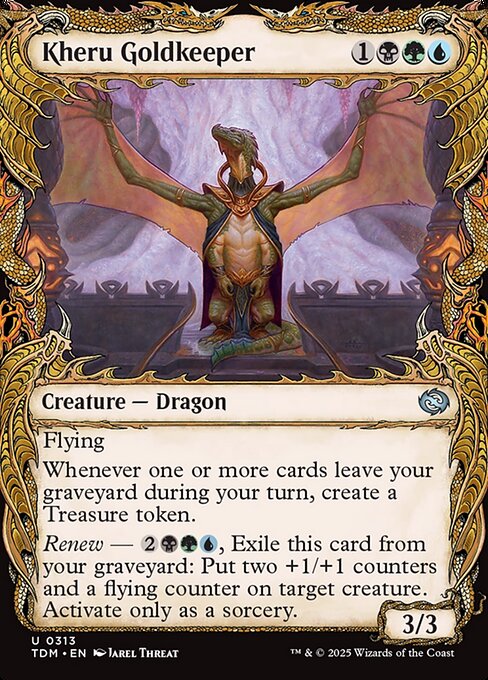


A sample decklist can be viewed below. The deck is about bracket 3, but with upgrades, it can fit into a bracket 4 tier with enough fast mana and more tutoring.
Commander
Creatures (30)
Instants (6)
Sorceries (12)
Artifacts (9)
Enchantments (9)
Lands (34)
100 Cards
$510.52
In Conclusion
Mill and Self-Mill decks tend to be slower, and you have to work hard in order to achieve your wins. However, they are always rewarding, as you manage to win with one of the hardest ways to win in Commander. After all, it’s not easy to deck out a 99 card deck!
Mill decks by their nature aren’t too powerful, but can be very fun. They’re a puzzle to find lines to victory, and it’s a unique archetype that doesn’t quite play like any other one.

