






White, Blue, and Black. Order, Knowledge, and Ruthless Precision — Esper is the color combination of weaponized systems. Born with the plane of Alara, Esper was the machine supremacy heaven. White establishes the rules, Blue refines them to perfection, and Black ensures they are enforced without mercy. In Commander, Esper thrives by restricting options, extracting value from every interaction, and turning patience into power. It doesn’t race anyone at the table, it dictates the pace and wins by making sure everyone else knows their place.
Esper makes opponents question every decision they make because this color identity doesn’t just interact, it dictates the terms of interaction. Whether it’s locking down the stack with soft control, building unwieldy resource advantages, or exploiting every discard and life point as currency, Esper is philosophical and ruthless, deliberate and unrelenting. Put another way: while other color combinations revel in chaos or aggression, Esper revels in harnessing that chaos and converting it into structured outcomes that favor the one who planned ahead.
Having access to the 3 most oppressive colours in Magic generally allows Esper to rule the board and make your opponents fight the rules instead of each other, it has access to:
Rules enforcement and removal — Ghostly Prison | Void Rend | Propaganda | Anguished Unmaking
Gaining advantage through taxation — Rhystic Study | Esper Sentinel | Smothering Tithe | Mystic Remora
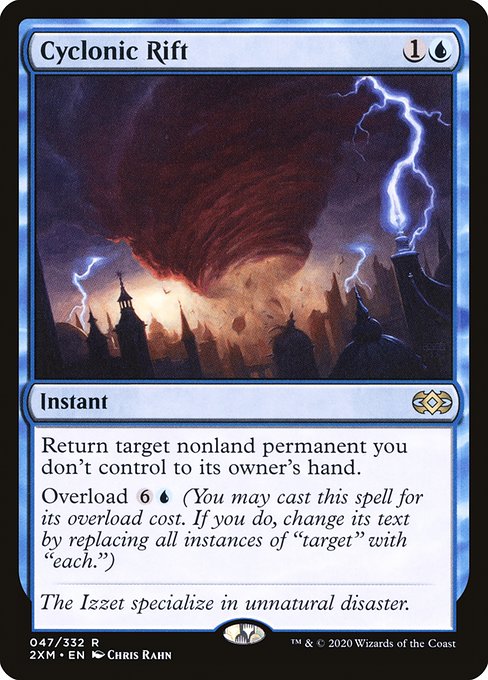
Disruption and pure control — Counterspell | An Offer You Can't Refuse | Cyclonic Rift | Fierce Guardianship
Tutoring — Vampiric Tutor | Demonic Tutor | Enlightened Tutor | Mystical Tutor
Squeezing extra value from the graveyard — Emet-Selch of the Third Seat | Reanimate | Animate Dead | Academy Rector
So let’s go and explore 4 archetypes that embody different aspects of the same… Coin? Die? Color Triad.
Archetype 1: Heavy Control
Our Commander Y'shtola, Night's Blessed‘s kit is about pure, unadulterated control. The point of this deck is to slowly build a web of restrictions, card advantage, and a chokehold of our opponents life totals. From the first few turns onward, the goal is simple: slow the game down, gather information, and quietly position yourself as the player who always has the last word.
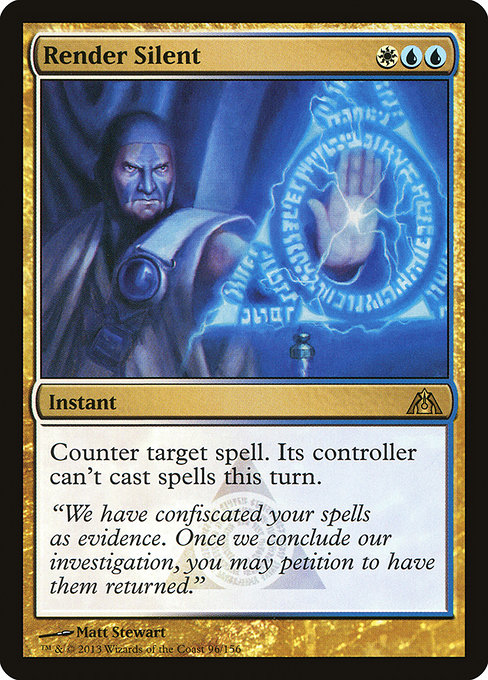
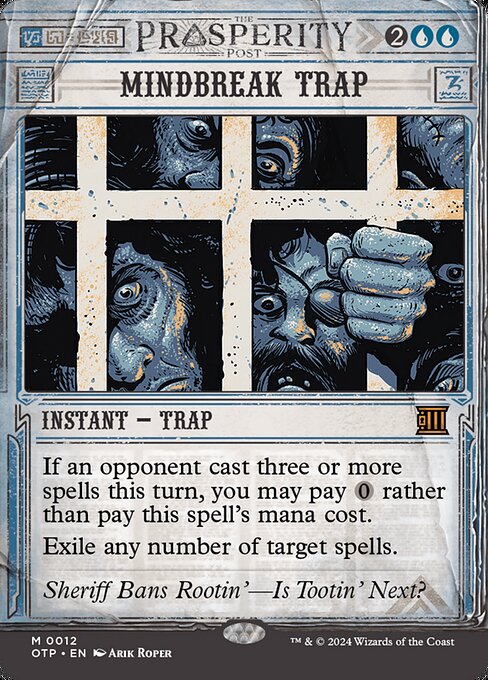
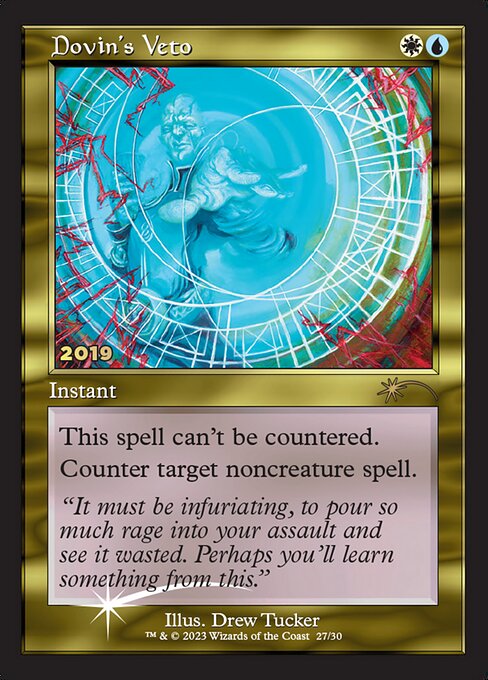
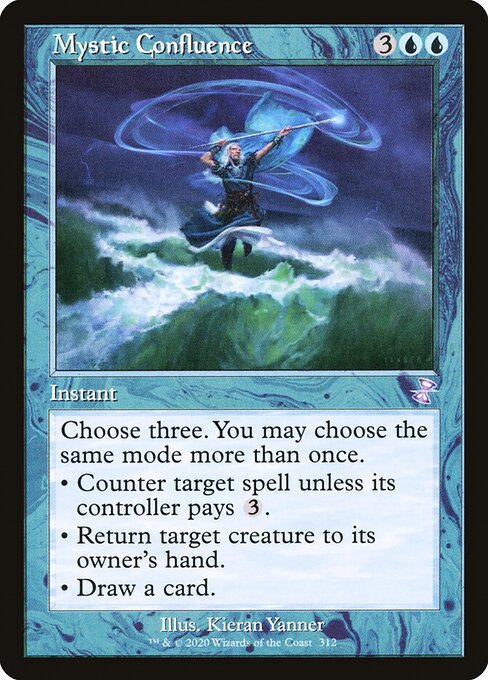
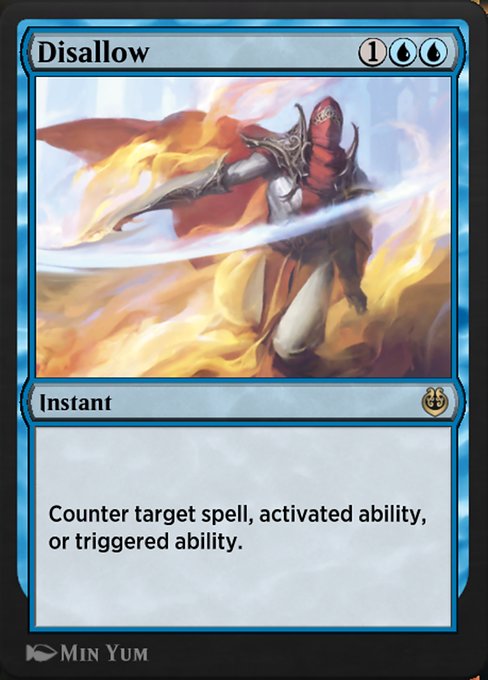
What stands out is how layered the interaction is. You’re not just countering spells for the sake of it; you’re choosing moments that completely stall momentum. Hard stops like Render Silent, Mindbreak Trap, and Dovin's Veto don’t just answer threats, they can blank entire turns. When games stretch longer, flexible pieces like Mystic Confluence and Disallow keep you ahead by turning single cards into multi-angle responses. What’s even more is that most of your spells will trigger Y’shtola’s ability, draining every opponent as an extra.
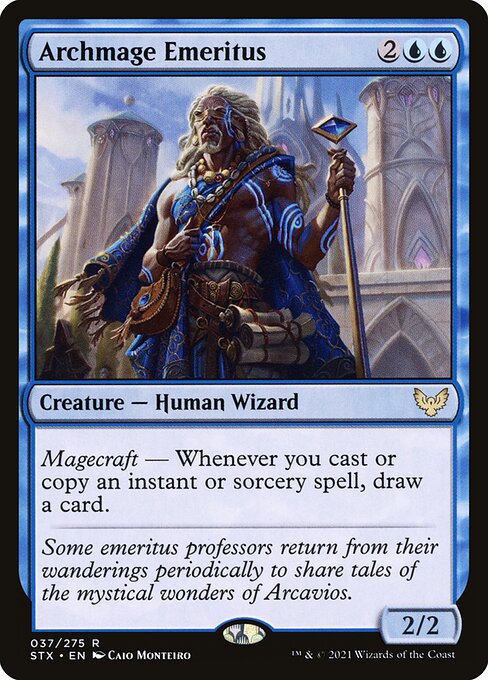
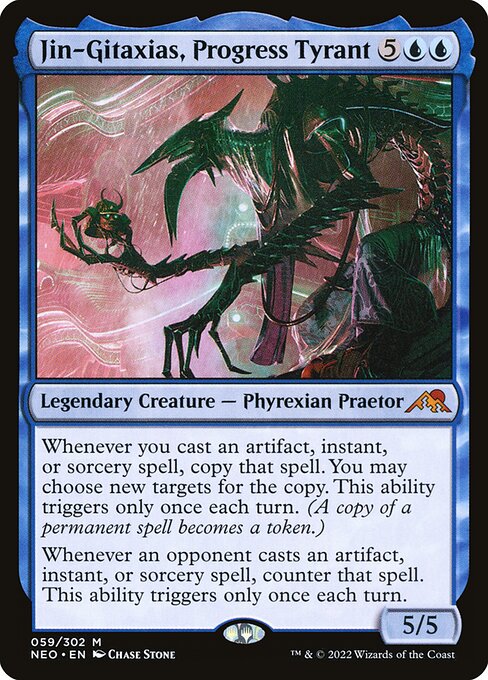
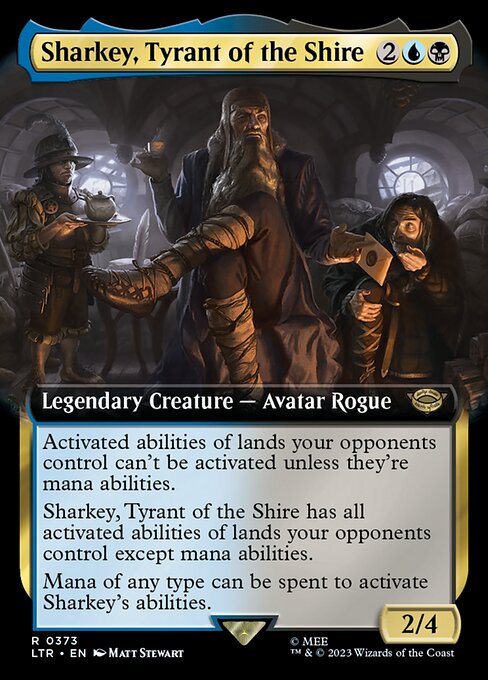
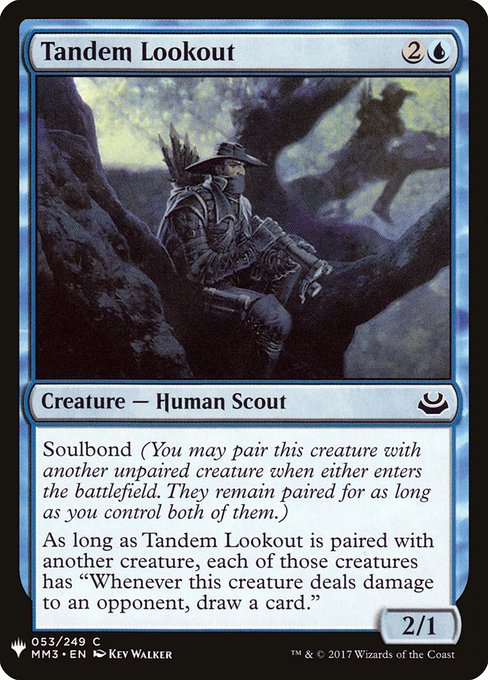
Creatures like Archmage Emeritus and Jin-Gitaxias auto-replace every spell you play, while others like Sharkey, Tyrant of the Shire and Grand Arbiter Augustin IV simultaneously cripple the enemies while giving you an extra edge. Others like Gogo, Master of Mimicry, Wandering Archaic, and Tandem Lookout serve as a flexible supporting cast, copying triggers, drawing extra cards (when paired with Y’shtola, Talion, or Sheoldred) and copying enemy spells in that order.
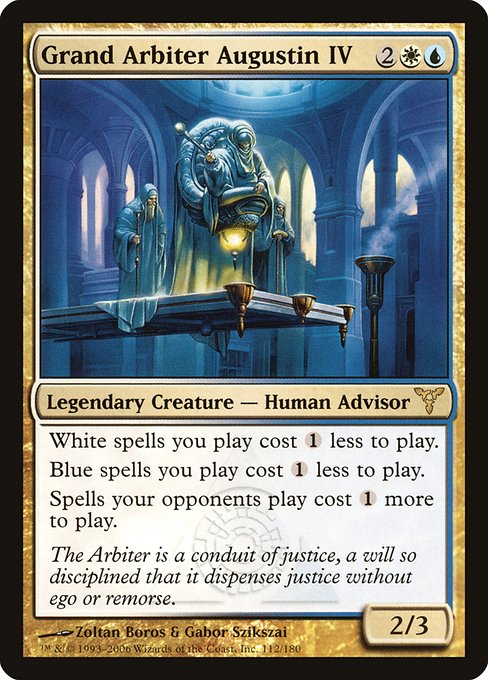
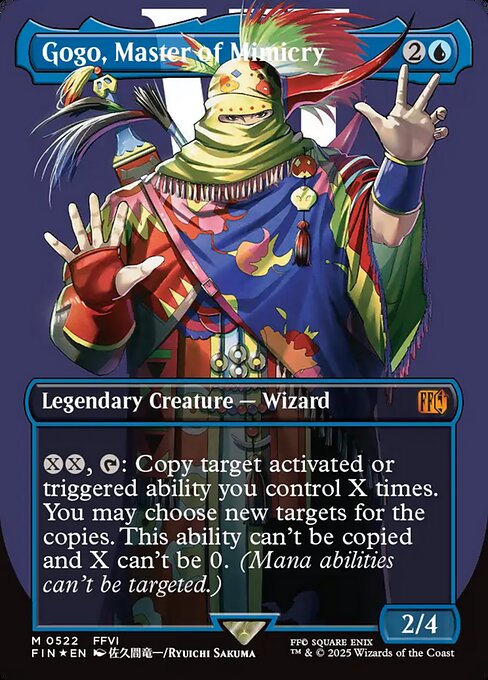
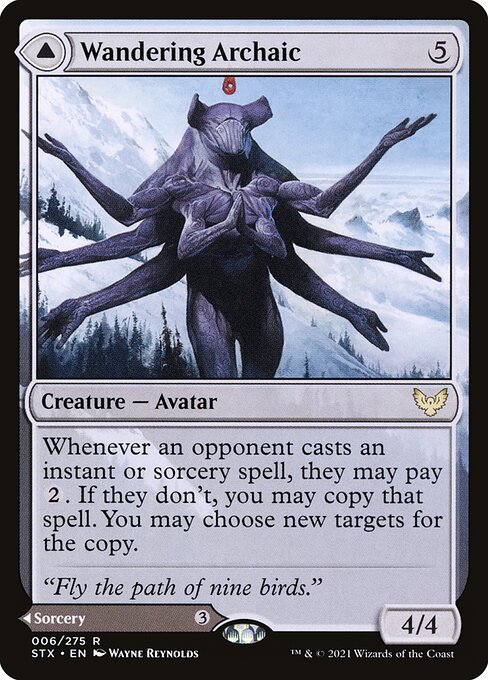
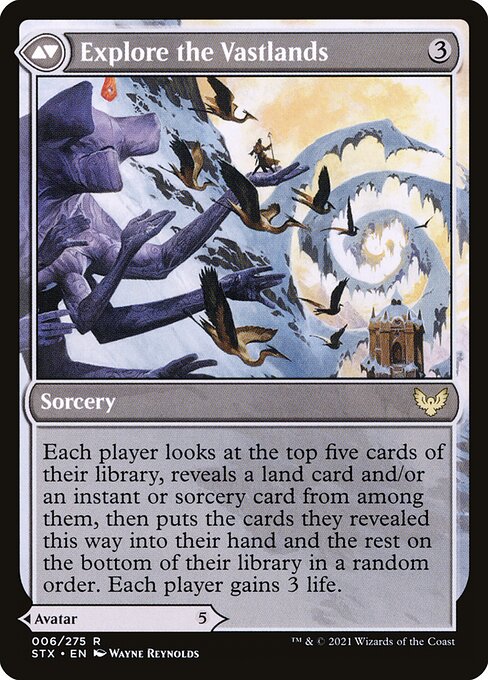
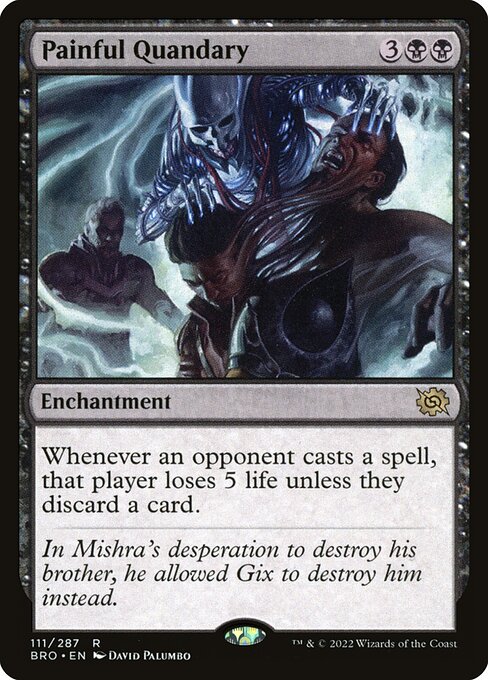
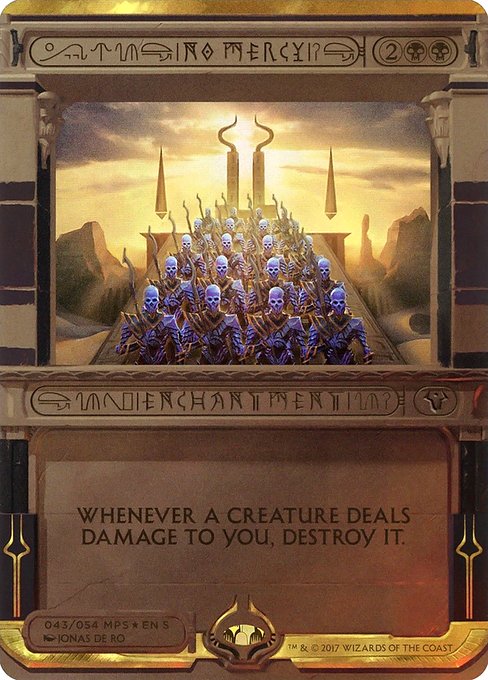
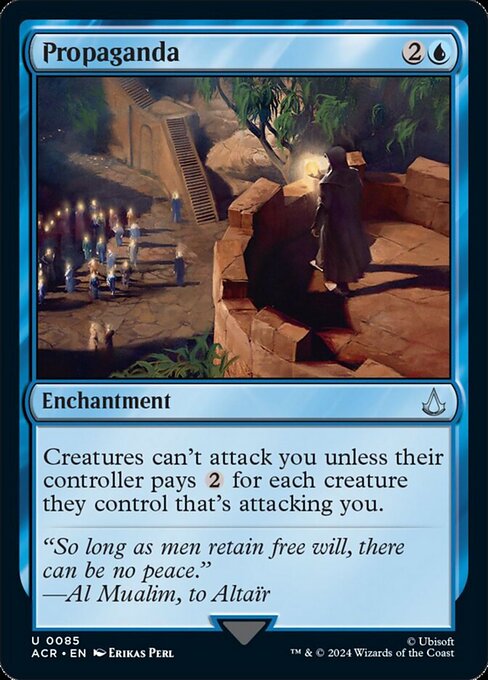
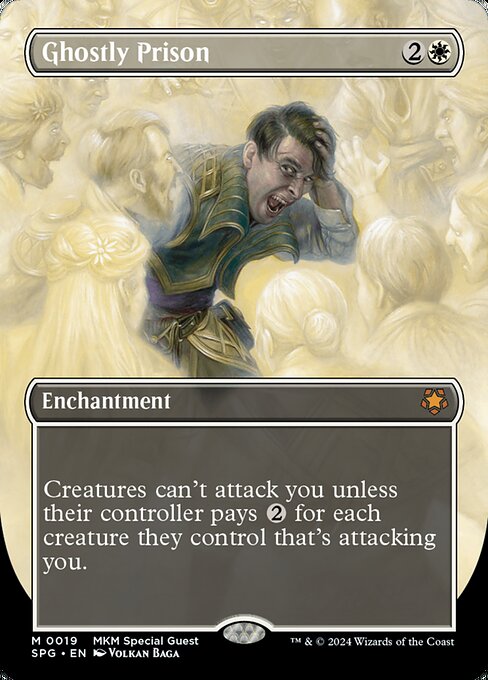
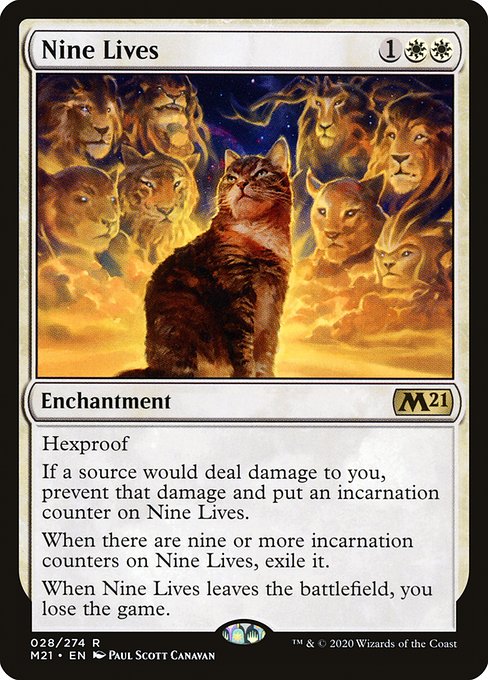
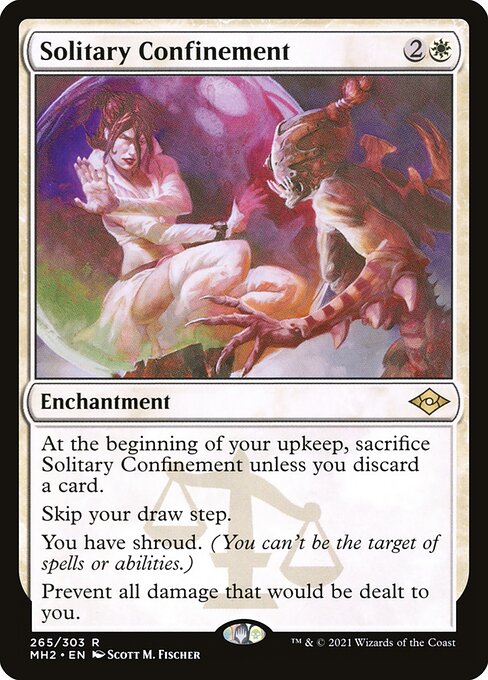
Then punishment phase begins. Cards like Painful Quandary, No Mercy, Propaganda, and Ghostly Prison reshape how your opponents are allowed to play; Attacking becomes inefficient, casting spells becomes unbearably painful, and suddenly everyone else is spending resources just to stay afloat. Cards like Nine Lives and Solitary Confinement push your lead even further, making yourself effectively untouchable while the rest of the table scrambles for answers.
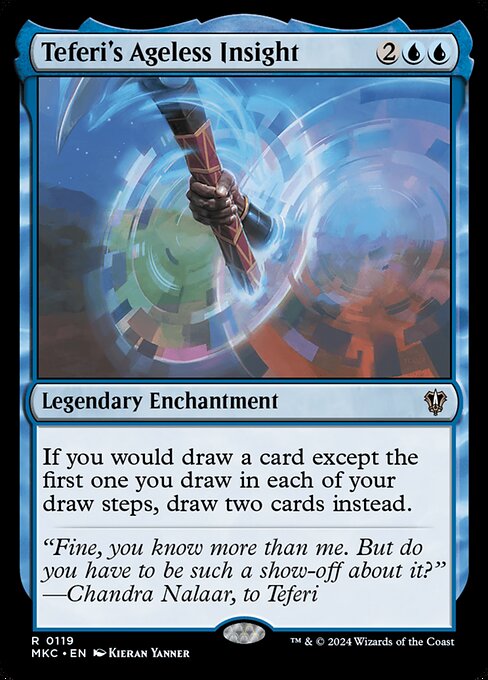
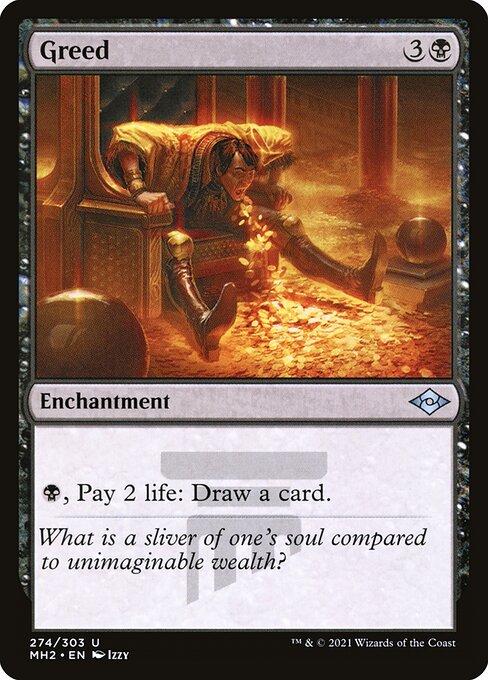
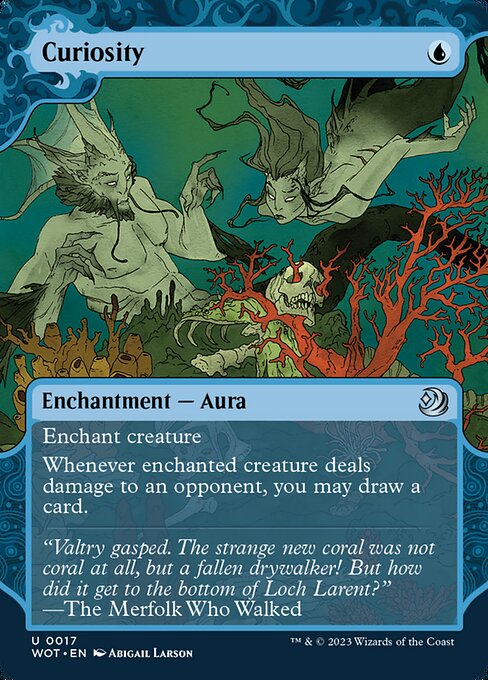
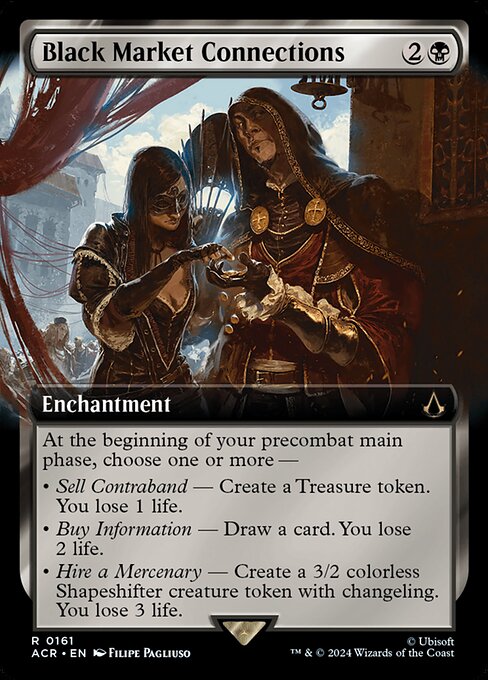
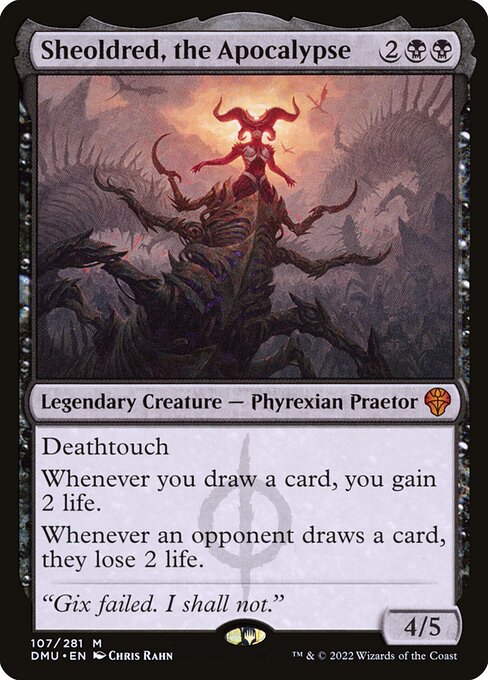
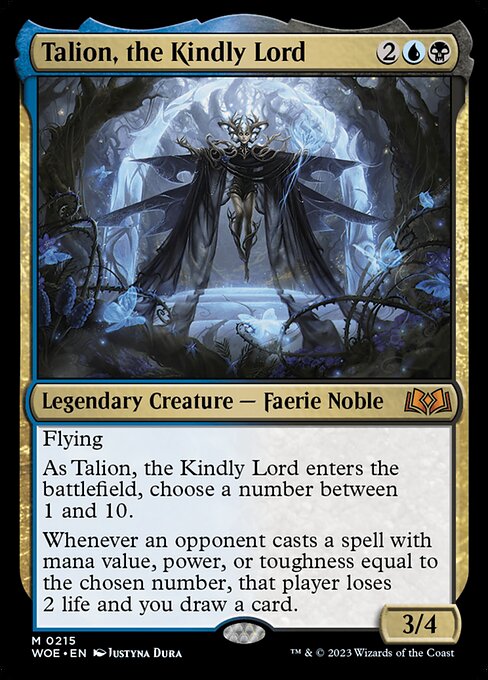
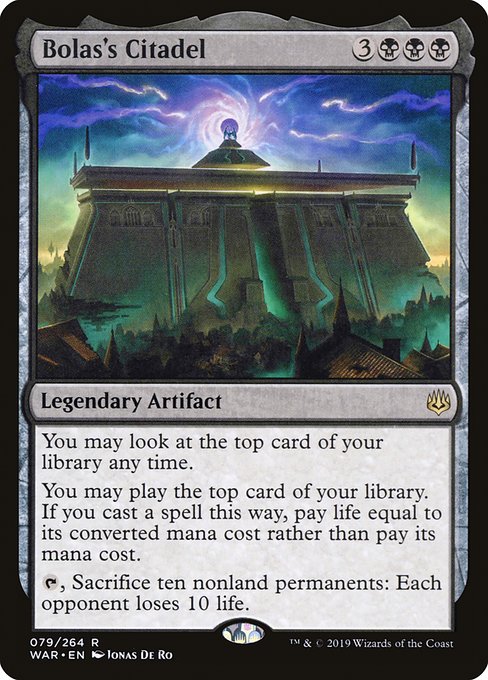
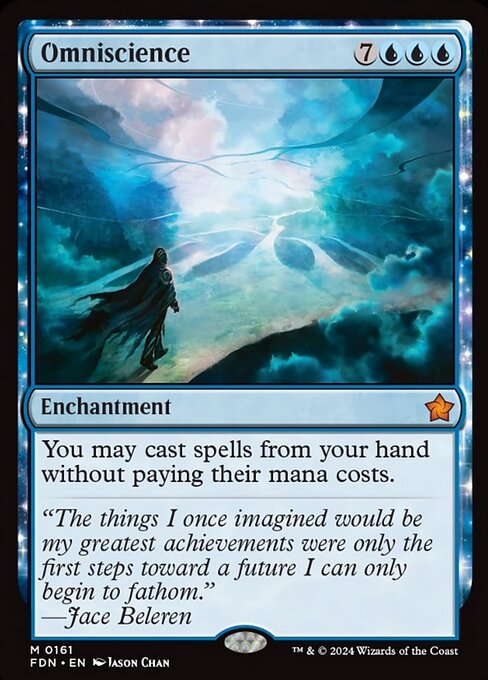
Card advantage is plentiful, Teferi's Ageless Insight turns normal draw into an avalanche, especially when paired with engines like Greed, Curiosity, or Black Market Connections. Add in Sheoldred, the Apocalypse or Talion, the Kindly Lord, and now your opponents are actively bleeding while you refill your hand. Even engines heavy on one color like Bolas's Citadel and Omniscience aren’t here to end the game immediately, they’re there to make sure you never run out of gas once you’ve stabilized.
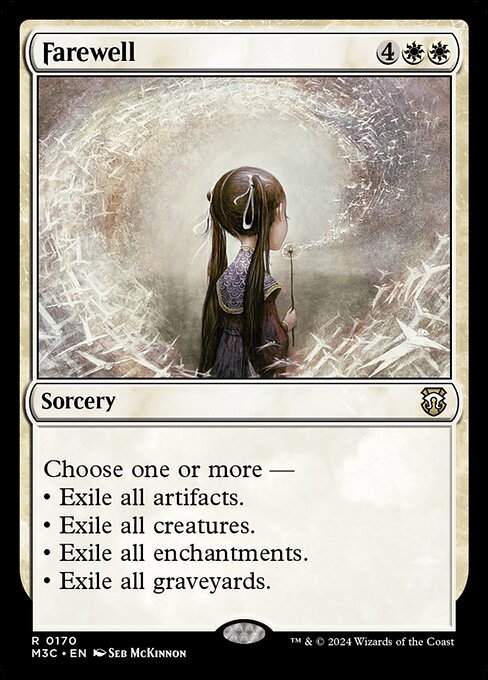
Y’shtola herself ties this all together by rewarding you for playing the long game. You’re incentivized to keep mana open, interact at instant speed, and let other players overextend into your answers. When the board finally needs a reset, Farewell and Cyclonic Rift clean things up in a way that disproportionately benefits you, since your deck is already built to rebuild faster and more efficiently.
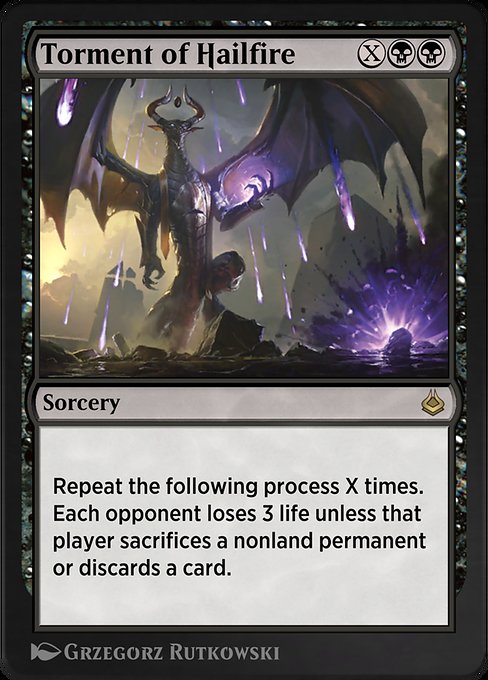
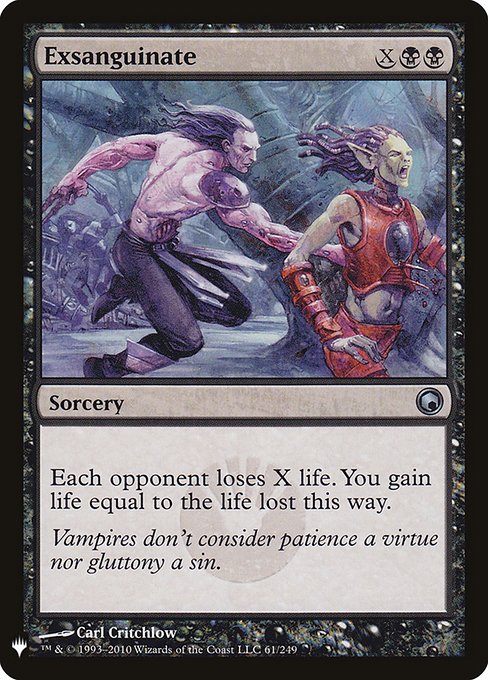
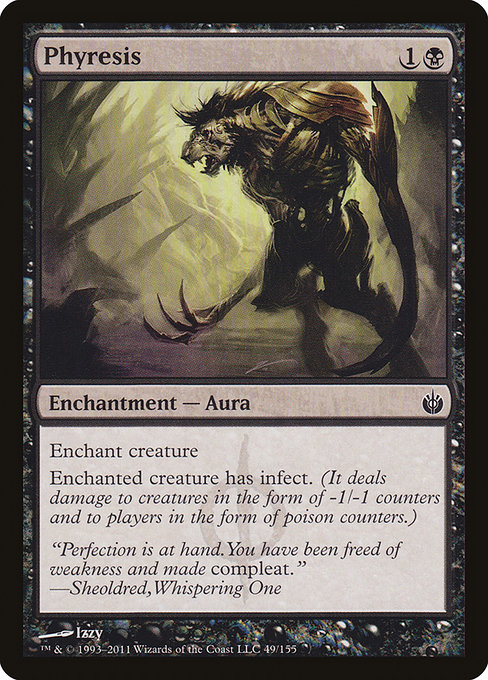
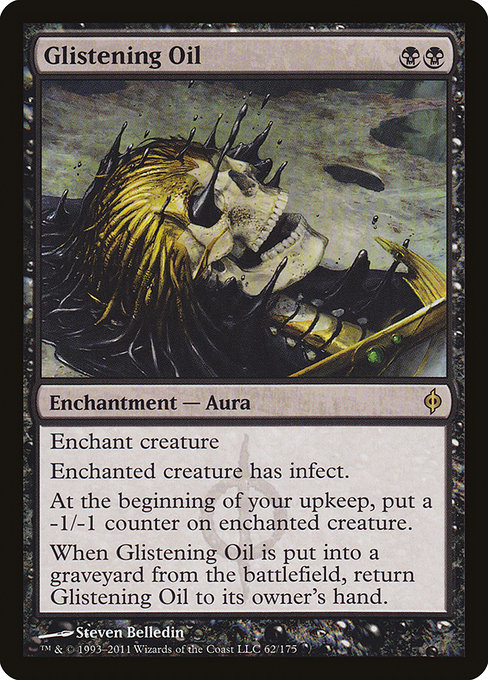
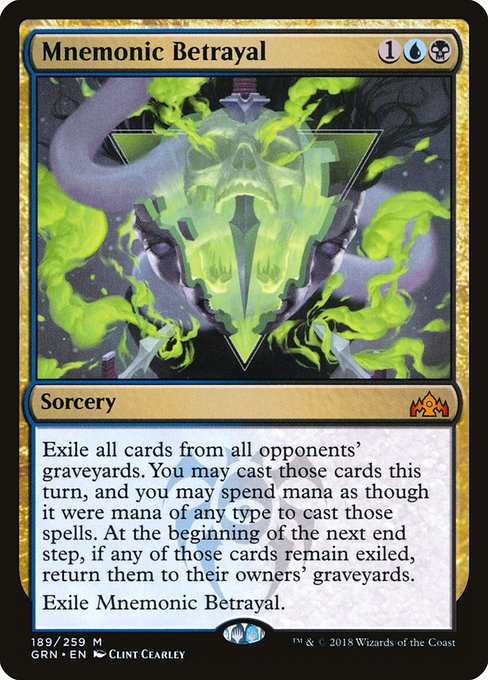
Closing games is deliberate. Finishers like Torment of Hailfire and Exsanguinate don’t come down early; they arrive once the table has been softened by taxes, counters, and attrition. Alternatively, poison-adjacent lines with Phyresis or Glistening Oil paired with a protected threat can end games surprisingly fast once shields are down. And if the game goes truly long, a well-timed Mnemonic Betrayal turn your opponents’ used up resources into your final push.
Overall, this Y’shtola build is a textbook example of what Esper does best: deny options, punish impatience, and win by being the last player who still has meaningful decisions left to make.

Planeswalkers (1)
Creatures (12)
Instants (20)
Sorceries (8)
Artifacts (11)
Enchantments (17)
Lands (32)
101 Cards
$830.41
Archetype 2: Machine Supremacy
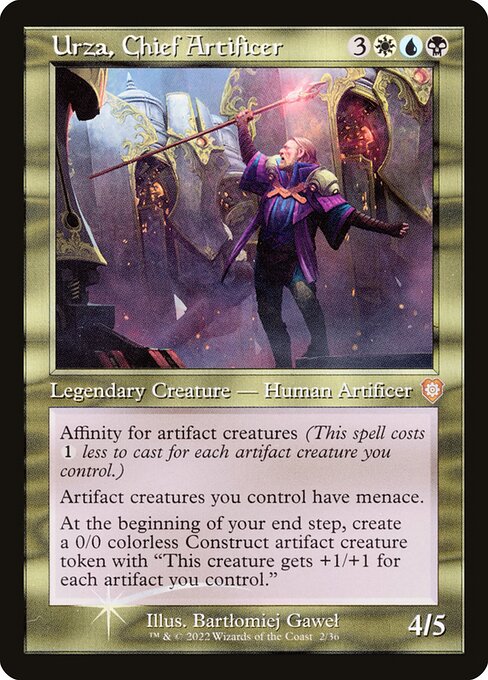
This archetype does what Esper was born to do. It is methodical, snowballing, and increasingly hard to interact with as the game goes on. With Urza, Chief Artificer at the helm you’re assembling a machine where every piece feeds the next, until your board becomes both threatening and extremely finicky to dismantle.
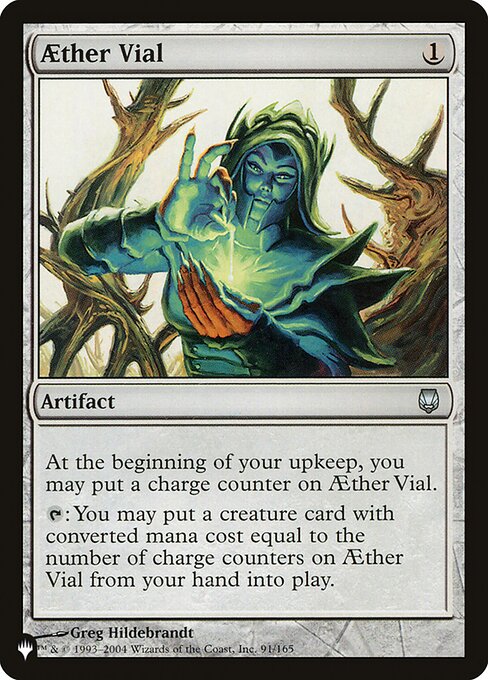
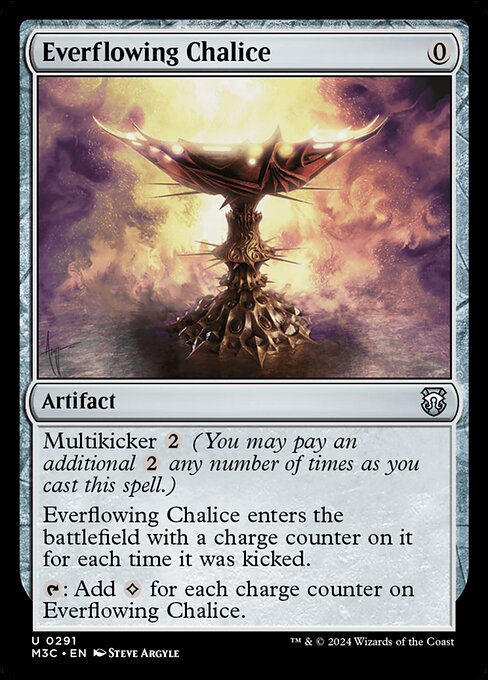
The early game is all about establishing density. Cheap artifacts like Aether Vial, Everflowing Chalice, Ornithopter of Paradise, and the various Myr don’t look scary on their own, but they quietly turn on the rest of the deck. Cost reducers such as Etherium Sculptor, Foundry Inspector, and Mycosynth Golem ensure that your hand empties faster than opponents expect.
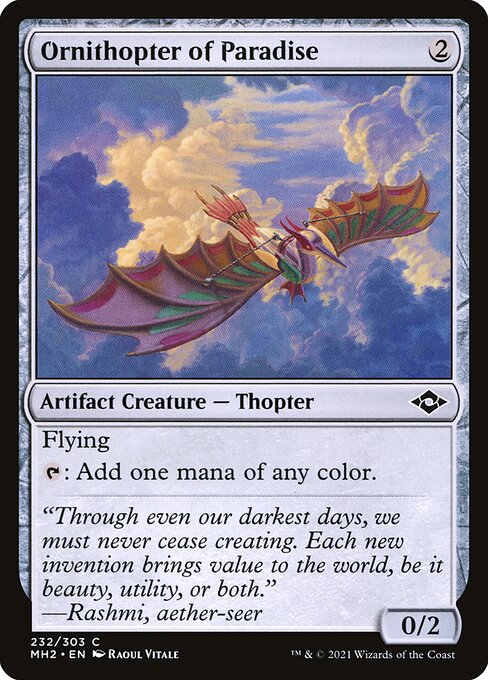
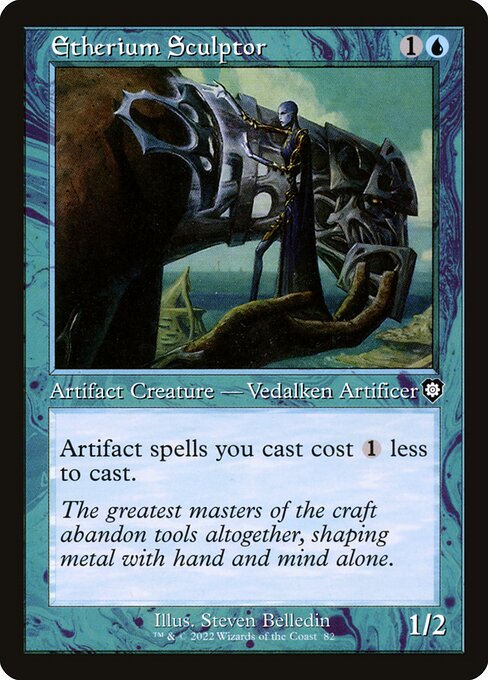
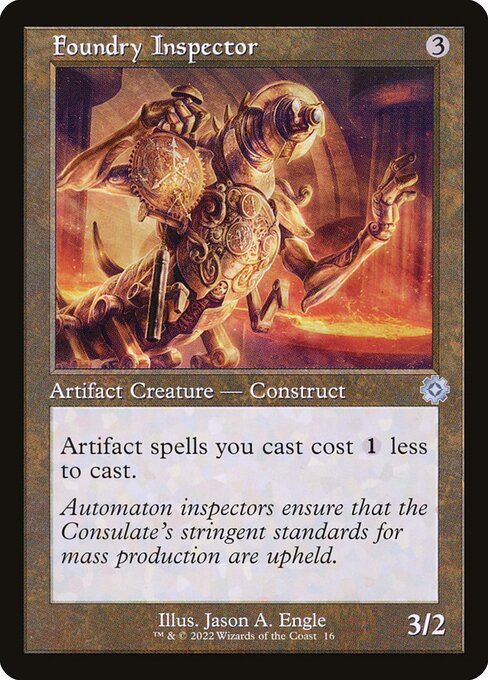
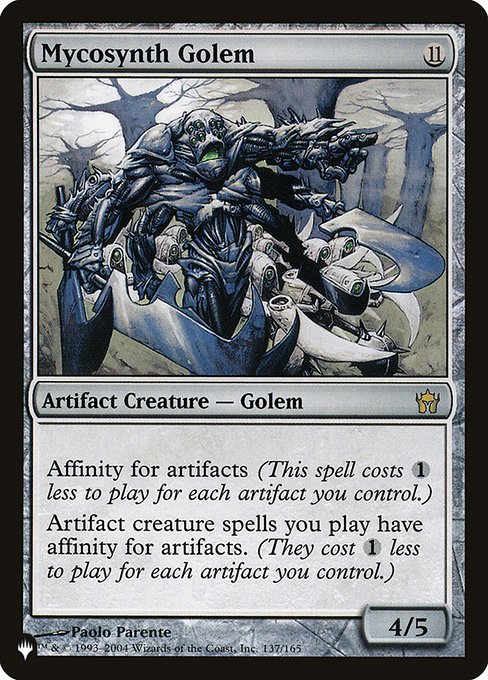
Draw engines like Vedalken Archmage, Thoughtcast, and Thought Monitor keep your hand stocked up. Once Urza, Lord High Artificer enters the mix, your mana situation stops being a concern altogether.
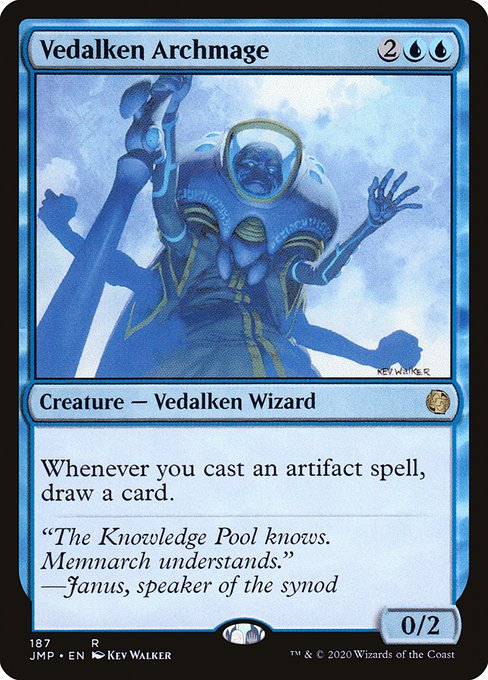
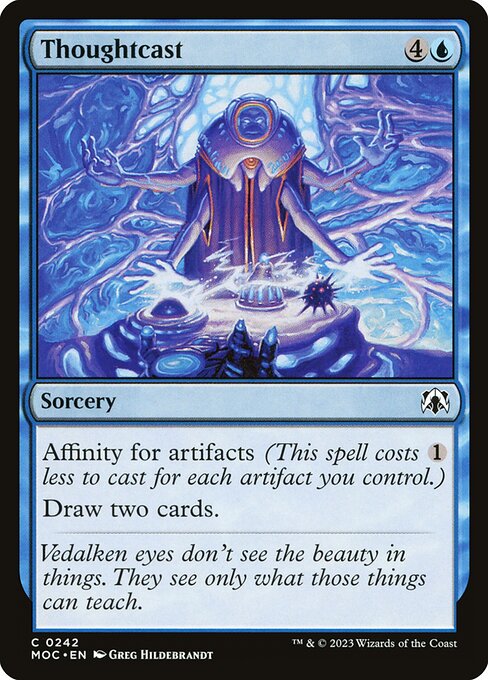
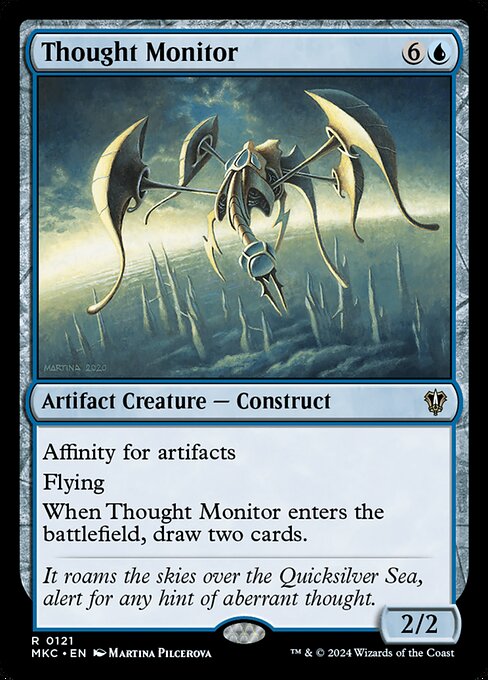
As the board develops, the deck starts switching gears to pivot from setup to pressure. Urza, Chief Artificer passively grows a massive Construct army just by existing, and the tokens themselves grow in power as a byproduct of casting your artifacts. By the time you’re set up, creatures like
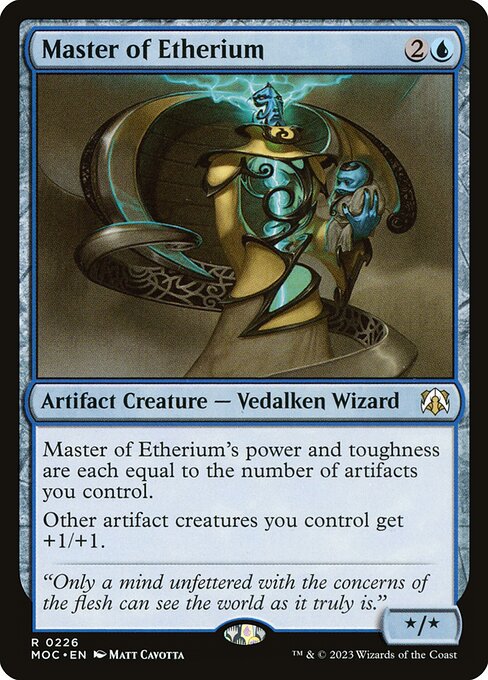
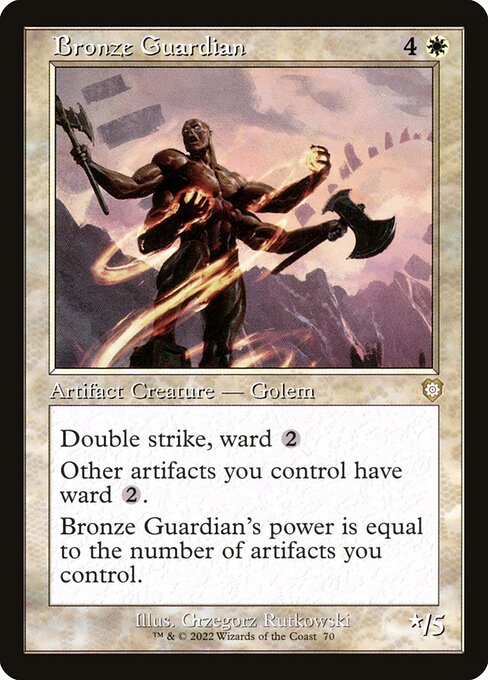
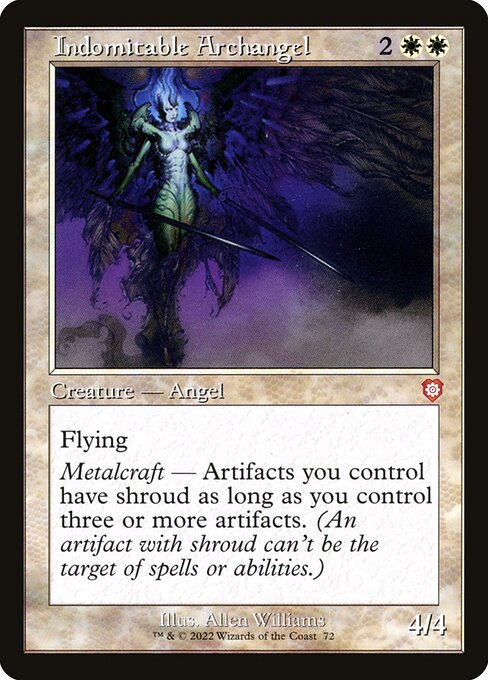
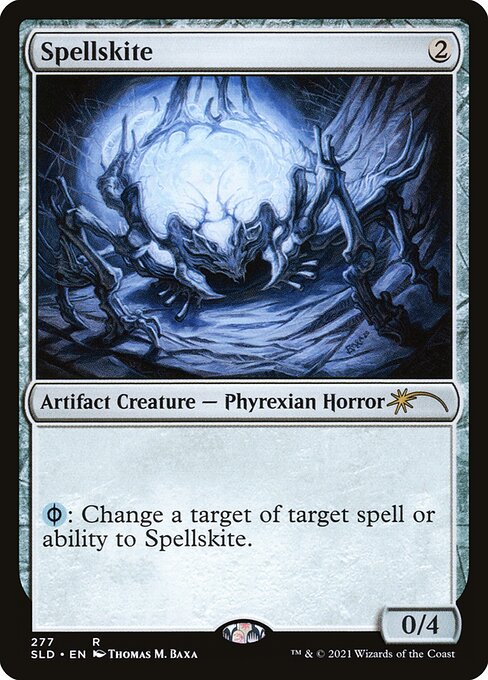
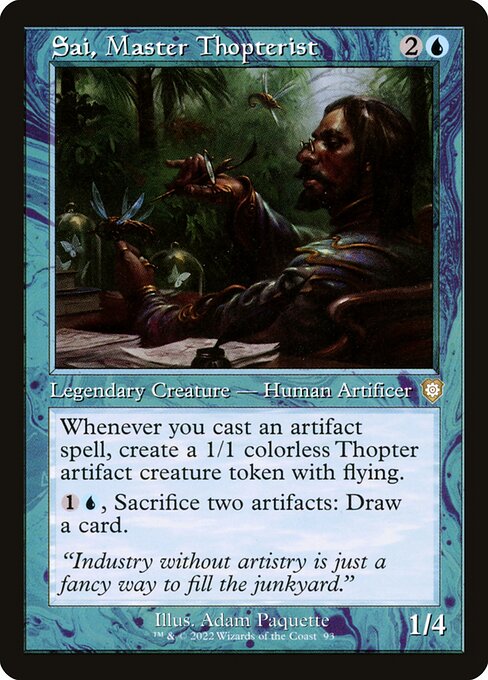
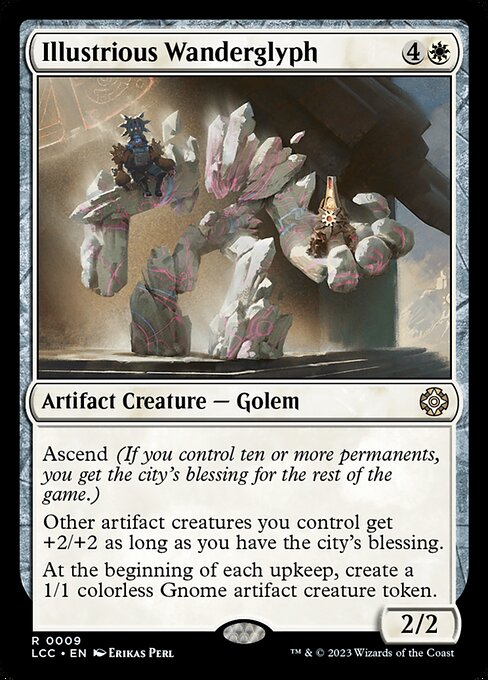
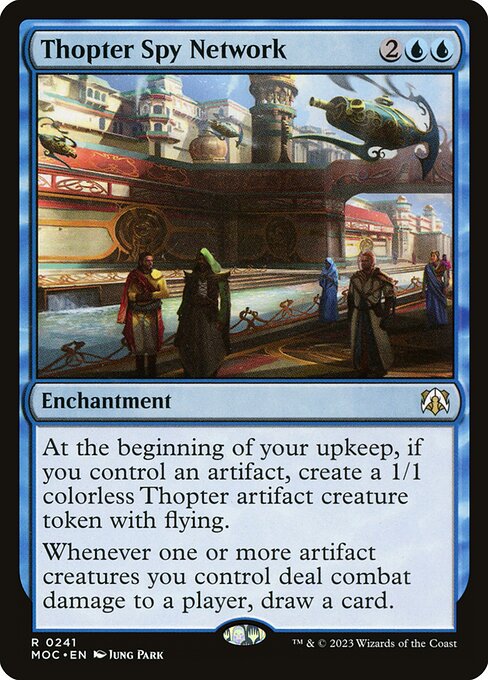
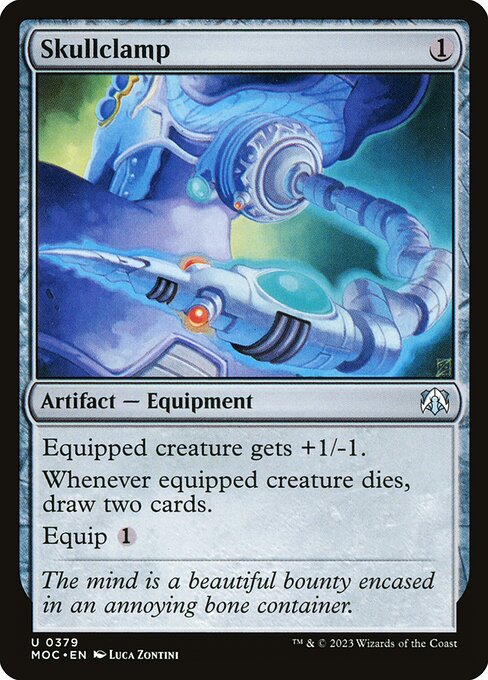
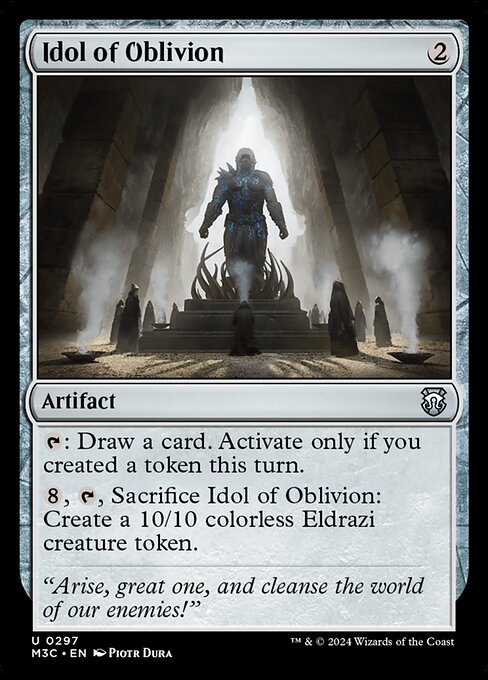
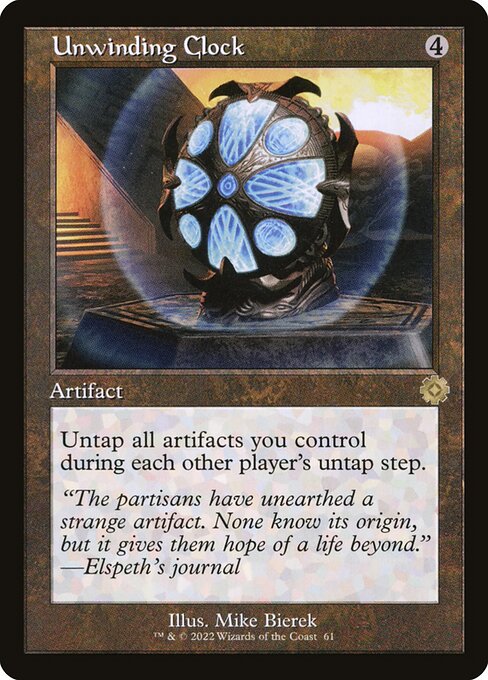
One of the deck’s real strengths is how it converts going wide into overwhelming advantage without relying on a single threat. Token generators like Sai, Master Thopterist, Illustrious Wanderglyph, and Thopter Spy Network flood the board with bodies that both block and attack, while Skullclamp and Idol of Oblivion turn those bodies into cards. When the game stalls, Unwinding Clock plus mana rocks lets you operate on every turn cycle, keeping shields up while continuing to advance your board.
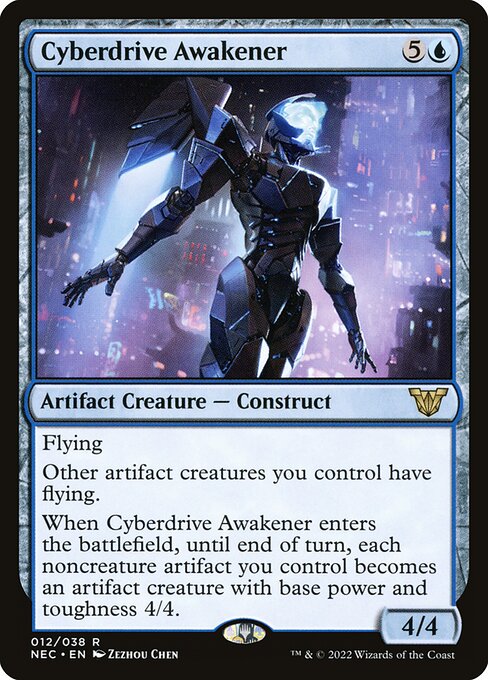
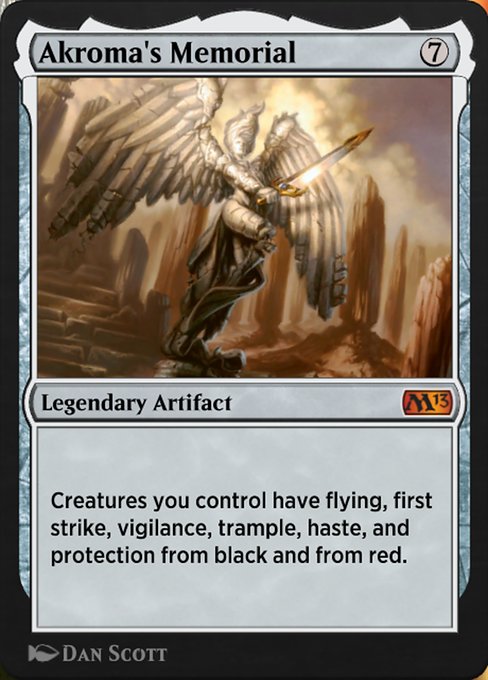
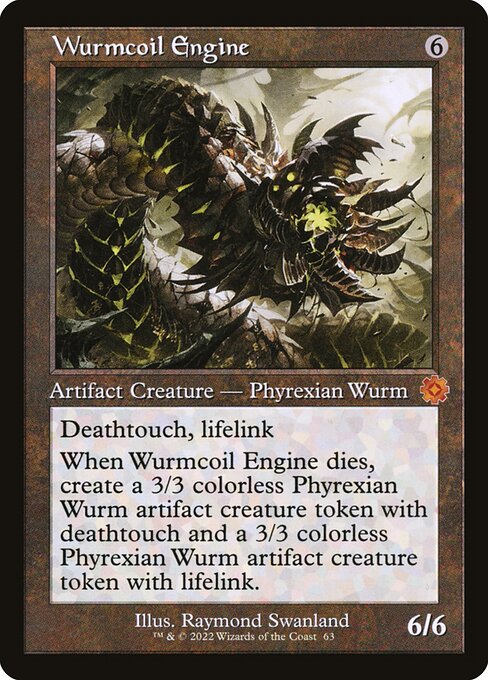
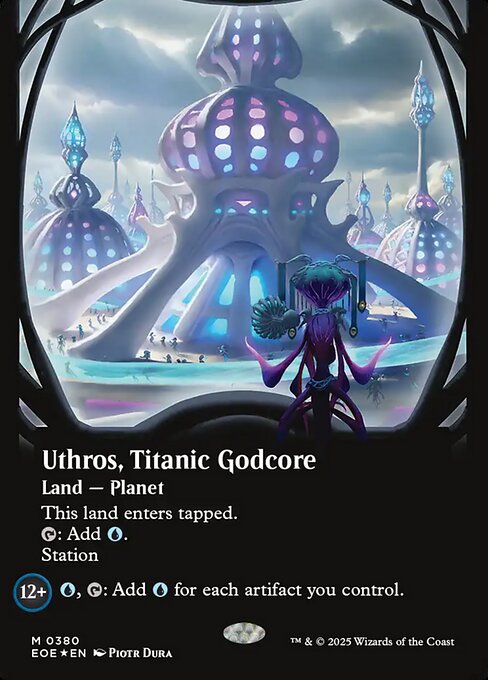
Finishers arrive naturally: Cyberdrive Awakener can suddenly turn a cluttered board of mana rocks and utility artifacts into lethal attackers; Tezzeret, Master of the Bridge drains the table while reducing costs to absurd levels. Akroma's Memorial transforms your army into an unstoppable force, and if all else fails, haymakers like Wurmcoil Engine, or

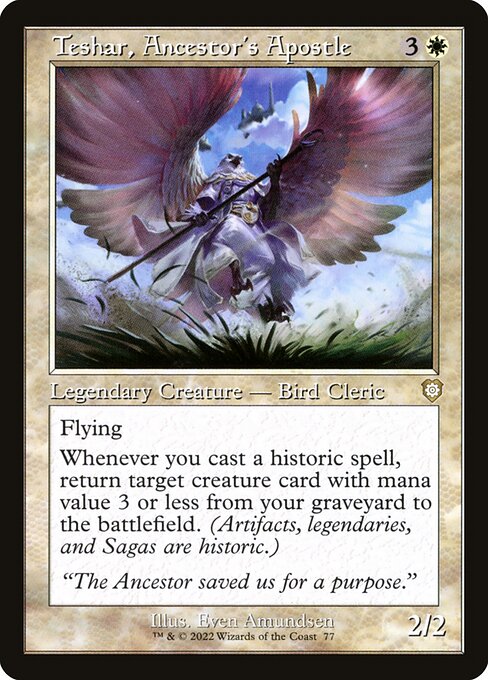
What really defines this deck, though, is how hard it is to meaningfully disrupt. Board wipes hurt less when half your deck is mana and card draw stapled to artifacts. Spot removal struggles against layered protection and recursion from cards like Teshar, Ancestor's Apostle. Even when the board gets reset, this deck rebuilds faster than most tables can keep up with.
In short, this Urza build is Esper at its most industrial: efficient, relentless, and unapologetically dominant. It doesn’t win with tricks or politics, it wins by assembling a machine that simply does more than everyone else, every turn, until the table runs out of answers.
Planeswalkers (1)
Creatures (29)
Instants (7)
Artifacts (29)
Enchantments (4)
Lands (28)
101 Cards
$1417.31
Archetype 3: Discard Value
This archetype takes Discard and brings a new meaning to it. You’re not discarding your opponents and keeping them starved, rather you’re letting them do whatever they want, because the threats you bring to the table come out of nowhere, better, and stronger. This isn’t discard for the sake of attrition alone, it is used to reshape the battlefield itself.
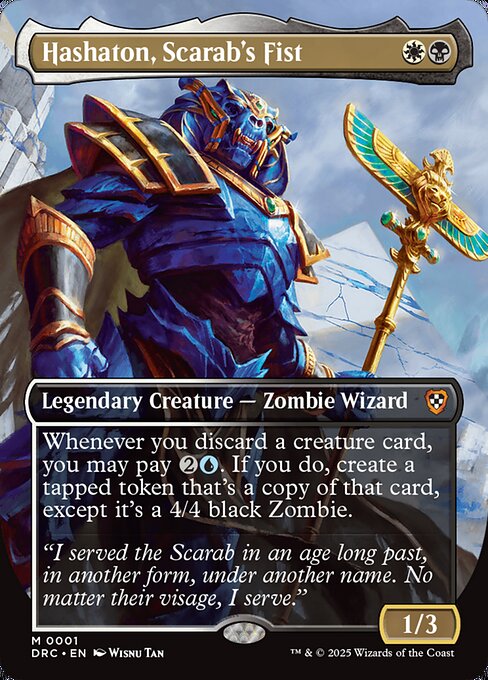
Hashaton, Scarab's Fist turns every discarded creature into a potential game ending threat for the meager cost of 3 mana, making creatures that usually belong to the late-game, enter the field as soon as turn 3, and sometimes even before.
Dropping threats like Jin-Gitaxias, Core Augur,
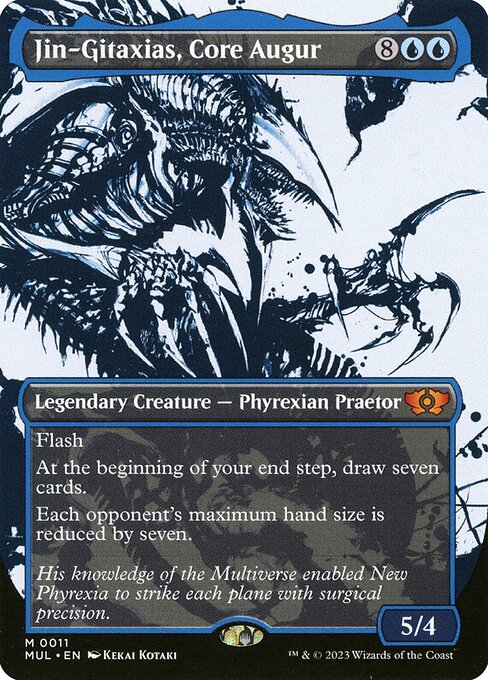
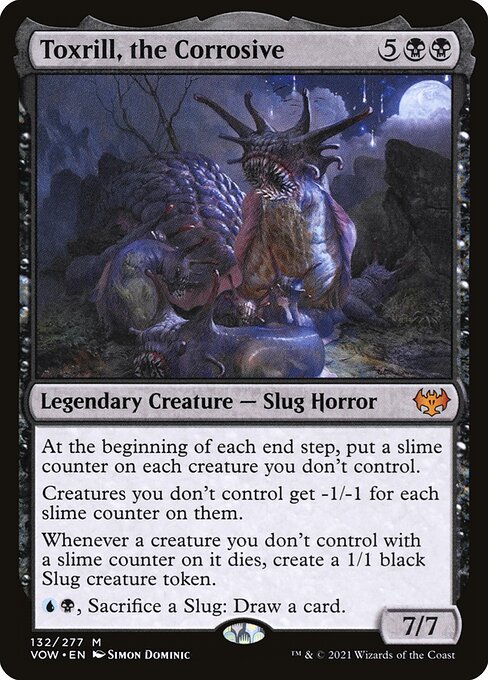
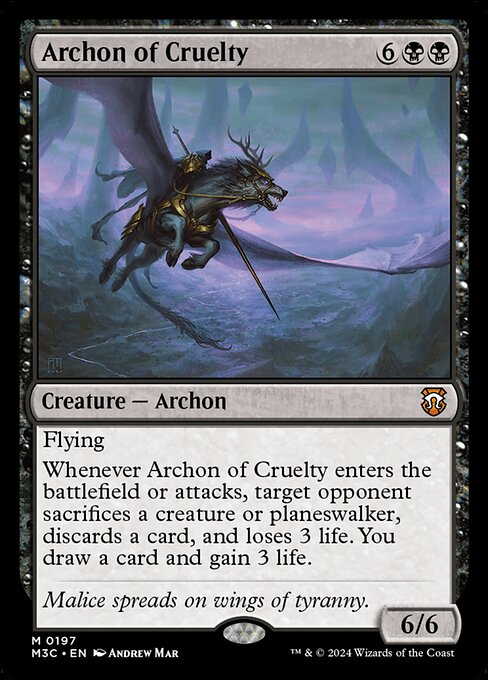
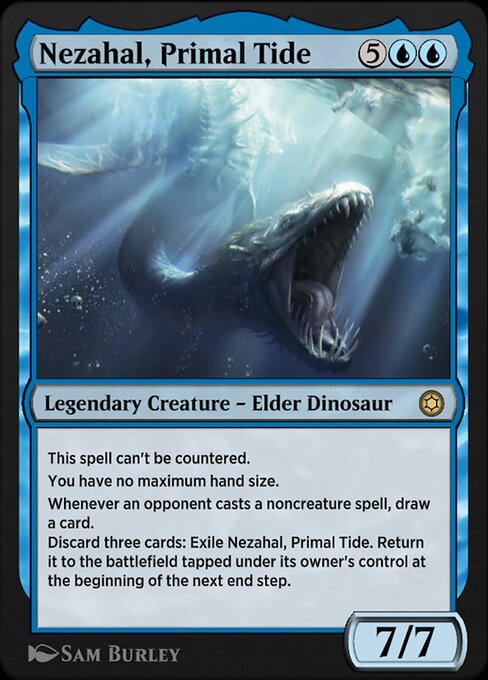
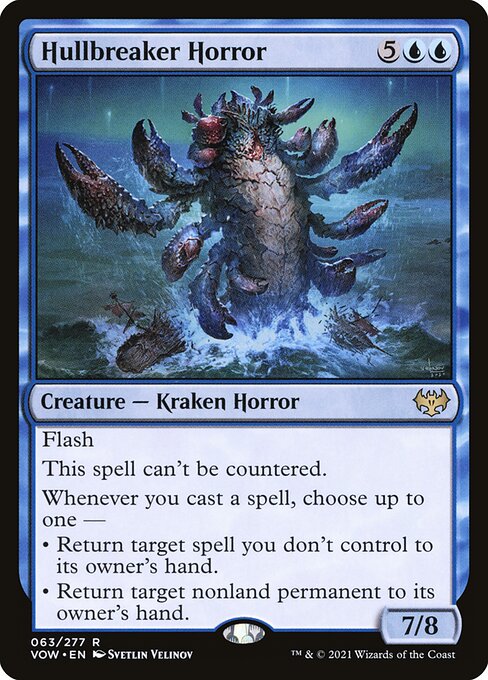
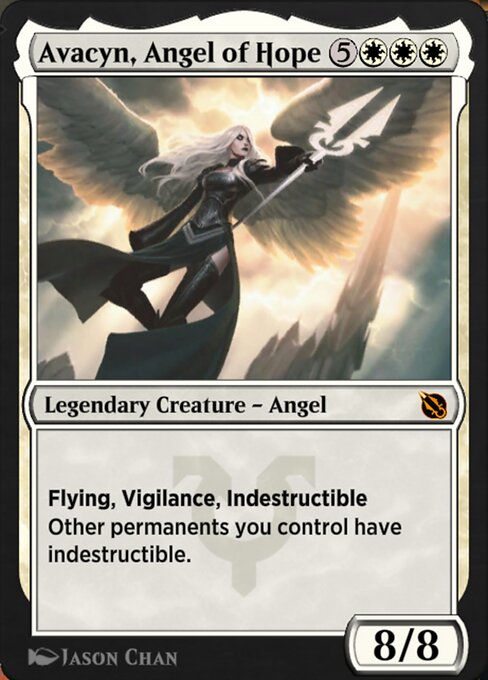
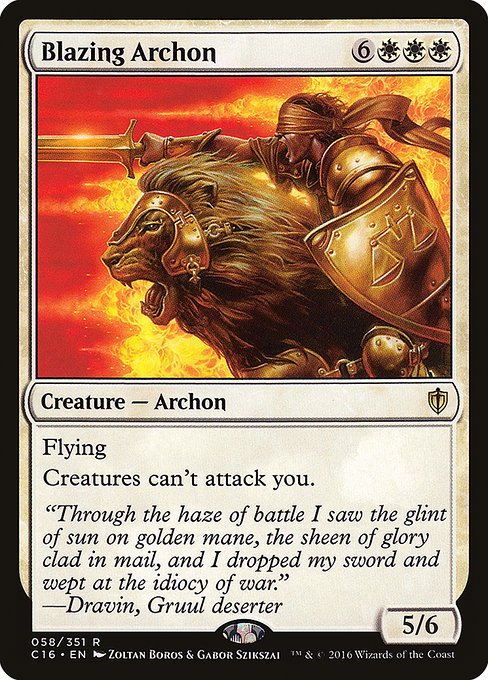
The deck is full of value creatures to choose from. Cards like
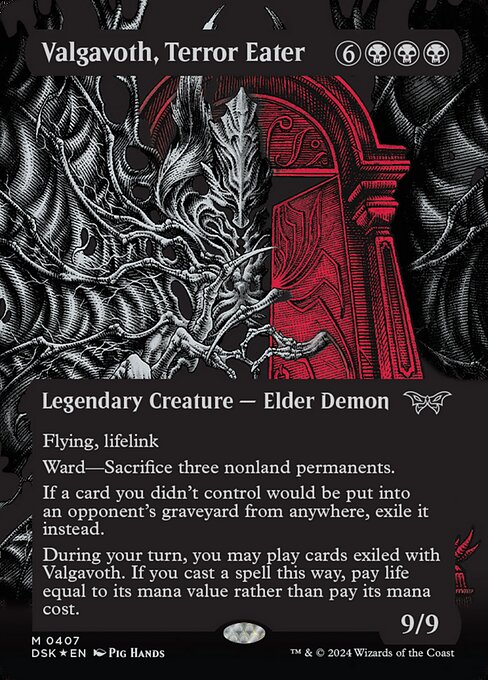
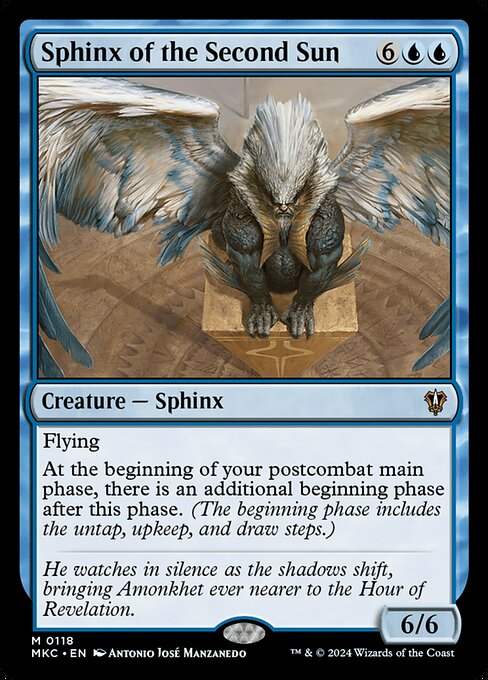
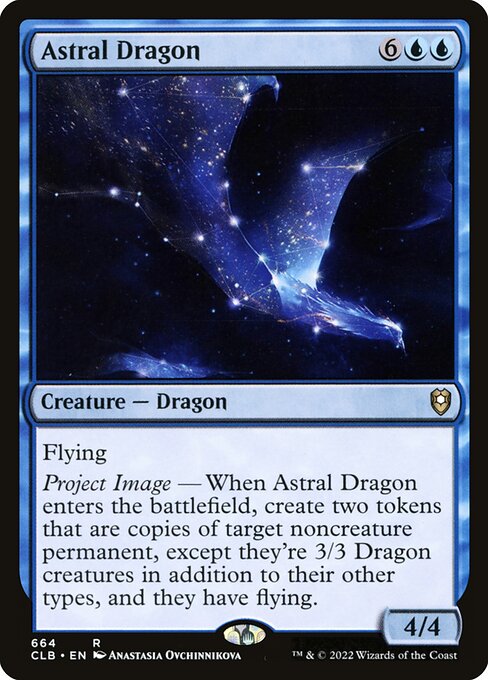
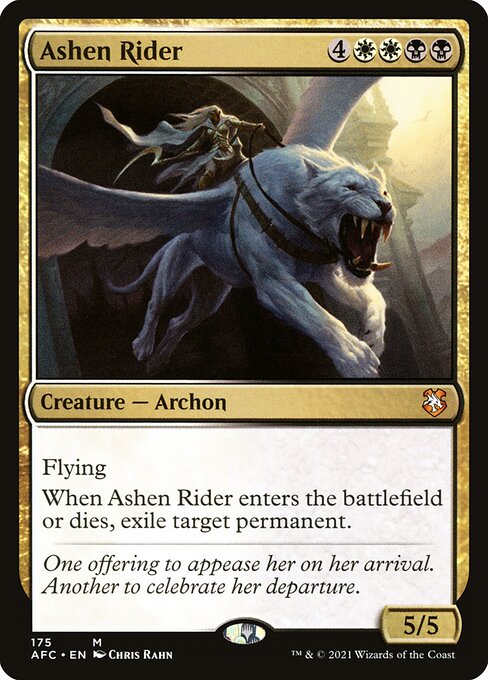
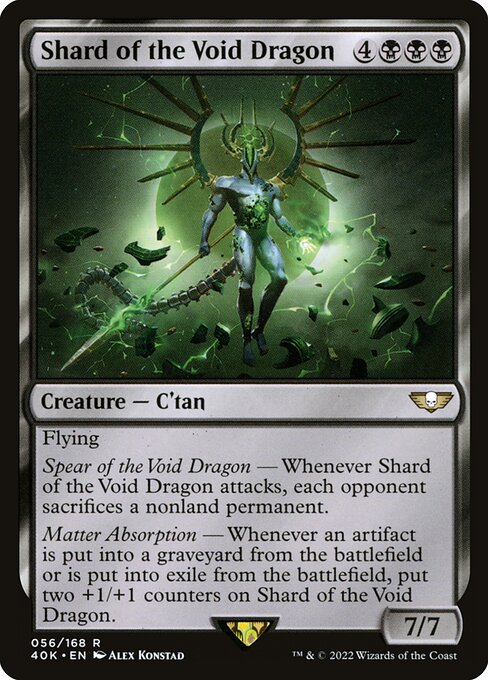
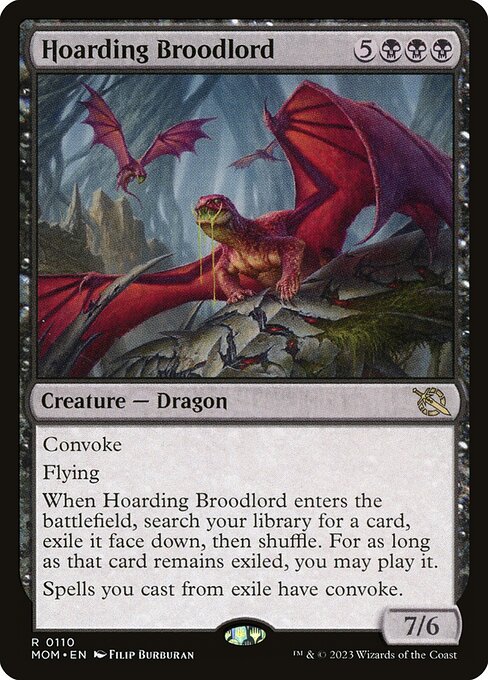
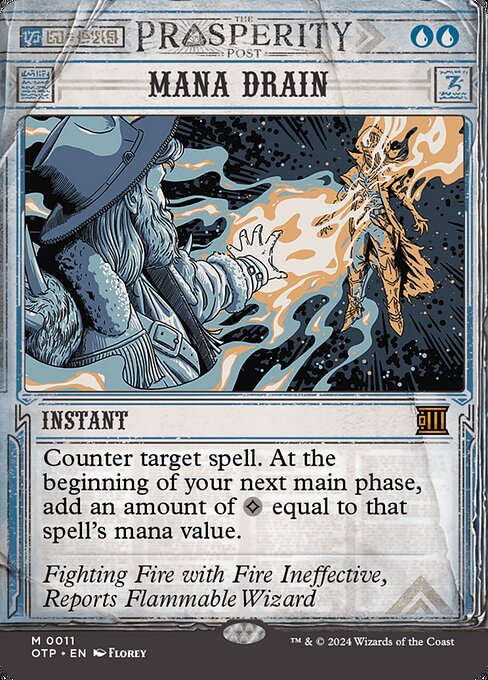
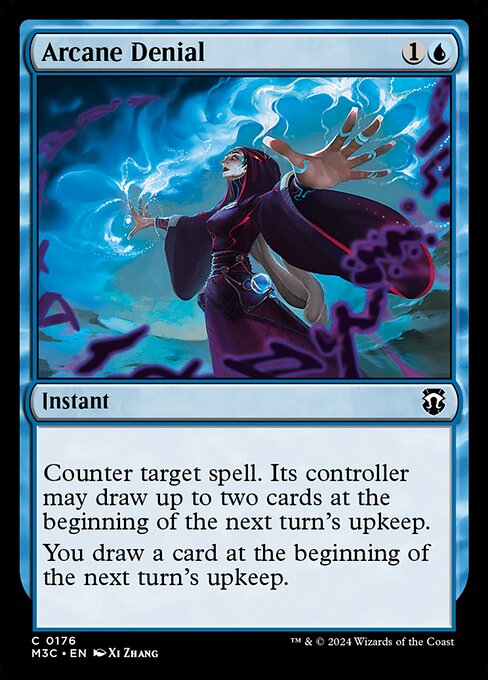
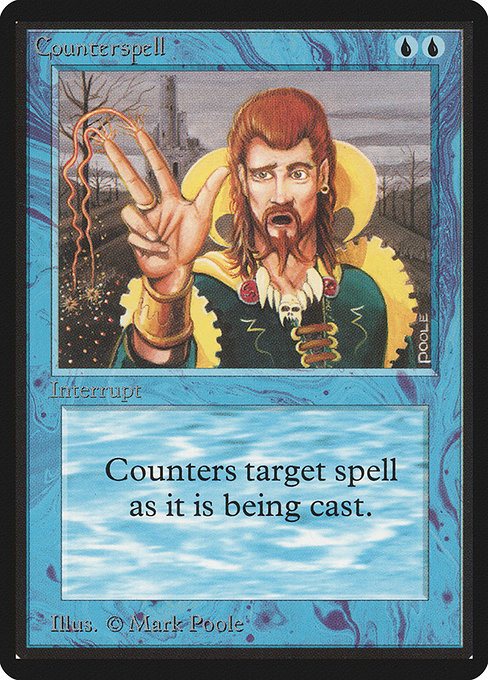
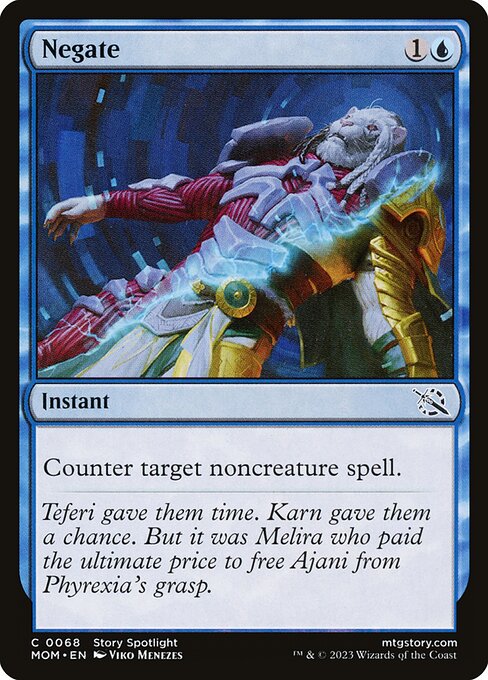
To keep your gameplan safe you have your fair share of spell interaction like Arcane Denial, Counterspell, Mana Drain, and Negate to keep enemies in check whenever they try to disrupt your gameplan.
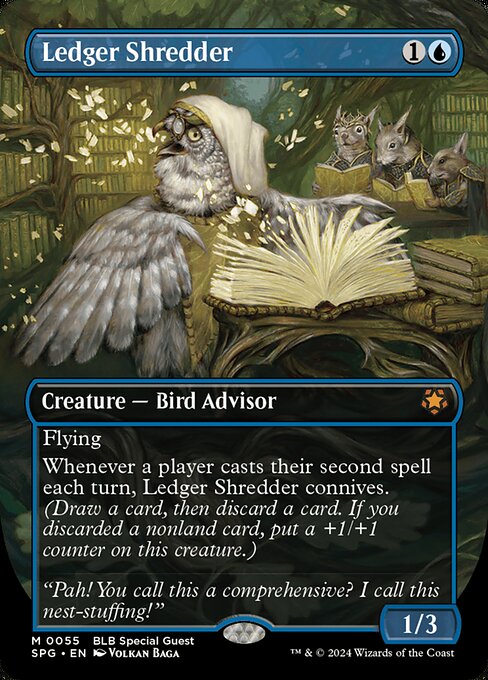
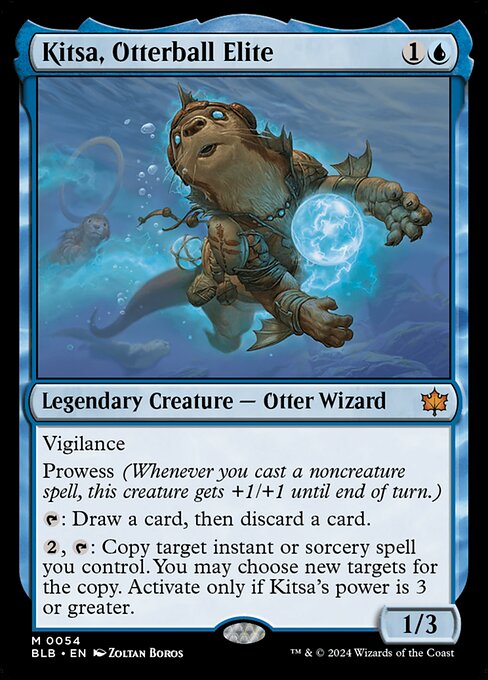
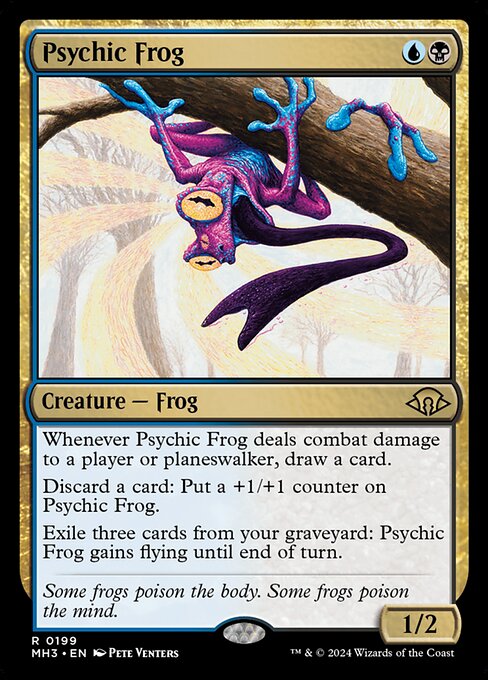
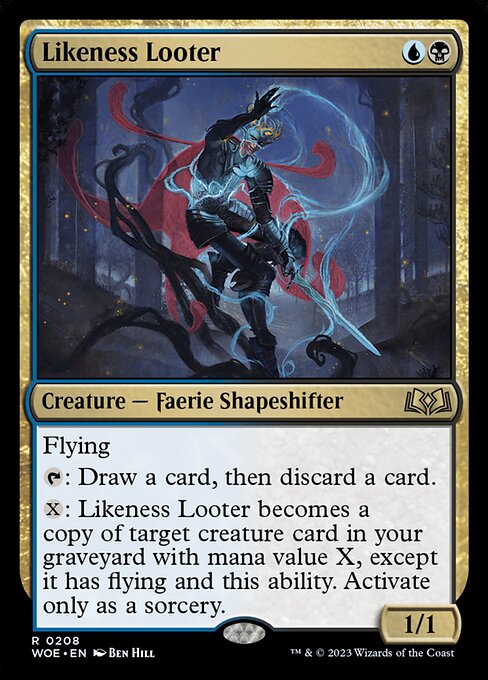
Subtle engines such as Ledger Shredder, Kitsa, Otterball Elite, Psychic Frog, and Likeness Looter smooth your hand with looting effects while also being able to activate Hashaton’s ability whenever needed.
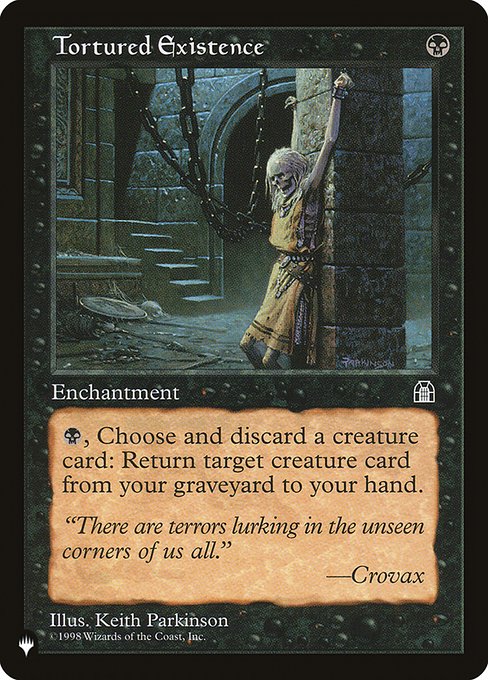
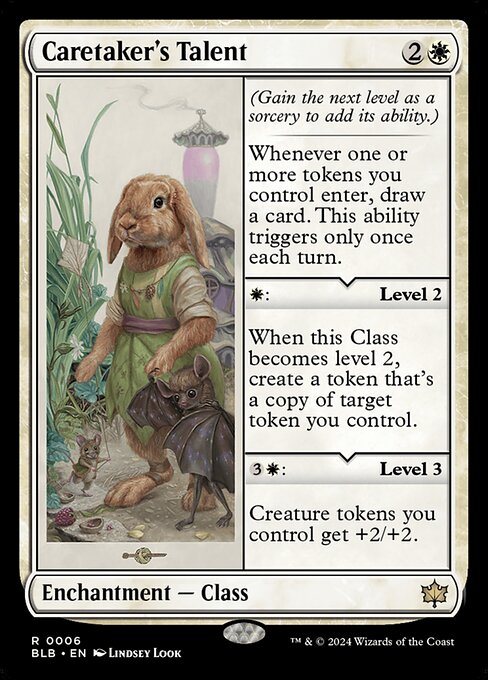
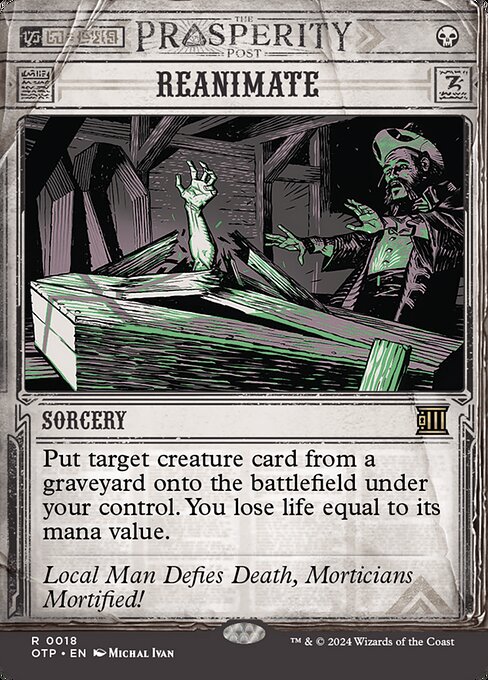
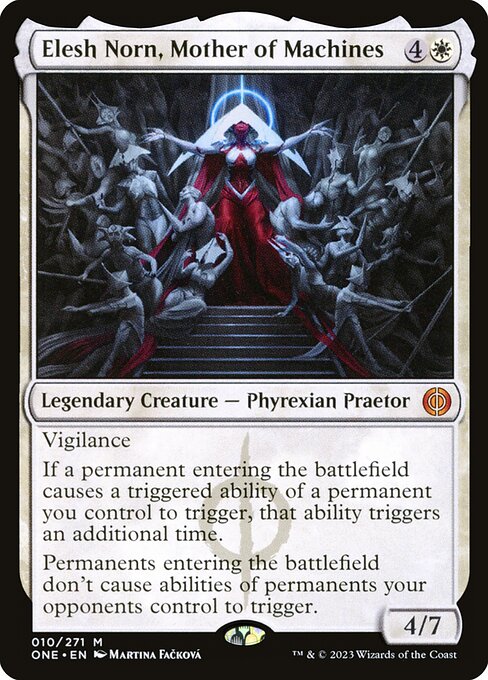
Tortured Existence becomes a recurring nightmare for your enemies once you start chaining and bringing back creatures non-stop. Caretaker's Talent boosts all of your tokens and Reanimate brings back any creature, no questions asked. Elesh Norn, Mother of Machines turns every ETB effect into double the trouble while shutting opponents down.
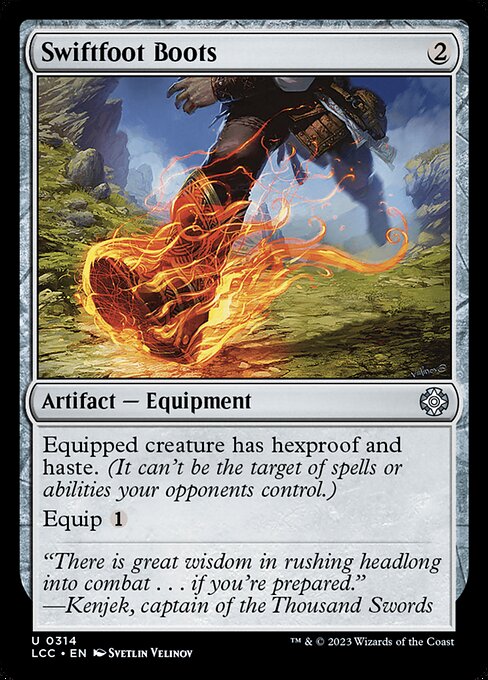
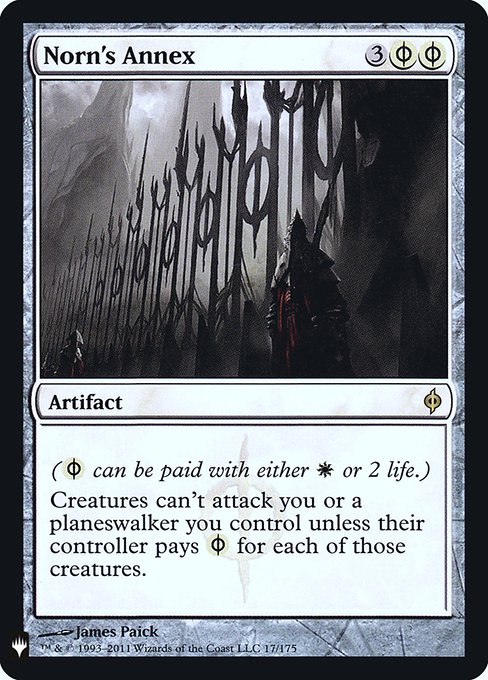
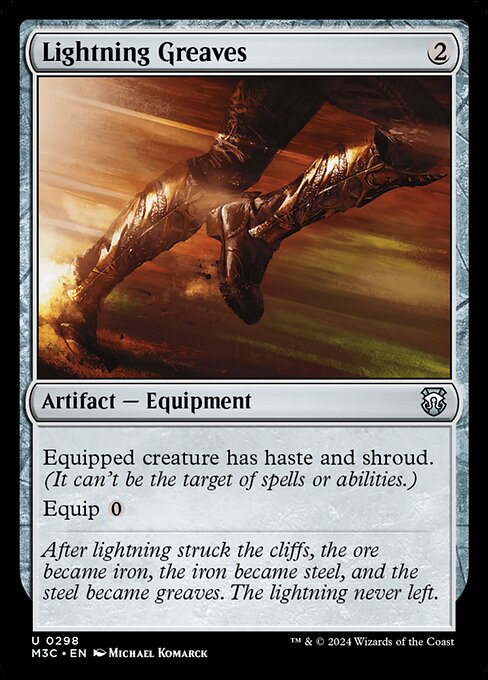
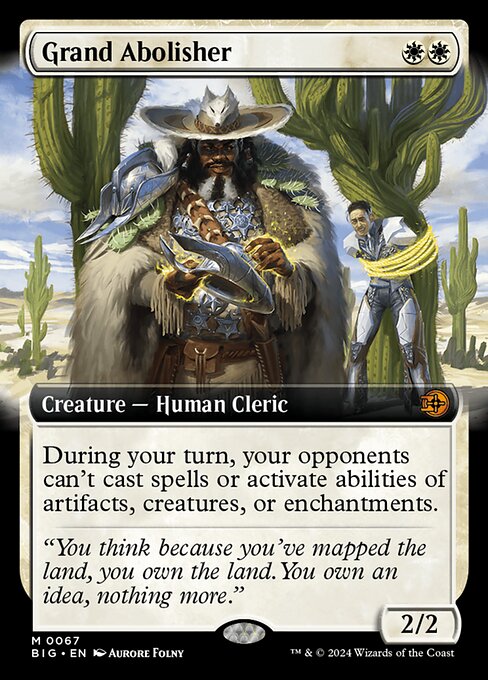
Esper’s defensive infrastructure also does a lot of work. Ghostly Prison, Propaganda, and Norn's Annex buy time against aggressive decks, pulling the break on them. Protection pieces like Lightning Greaves and Swiftfoot Boots ensure your best threats doen’t eat a single removal spell and disappear, while Grand Abolisher clears the way for decisive turns.
This archetype captures Esper at its most cunning and intellectual, taking advantage of what should be an slow gameplan and turning it into surprisingly explosive turns while keeping yourself protected.
Planeswalkers (1)
Creatures (41)
Instants (11)
Artifacts (12)
Enchantments (4)
Lands (29)
101 Cards
$980.37
Archetype 4: Twisting Lifegain into Death
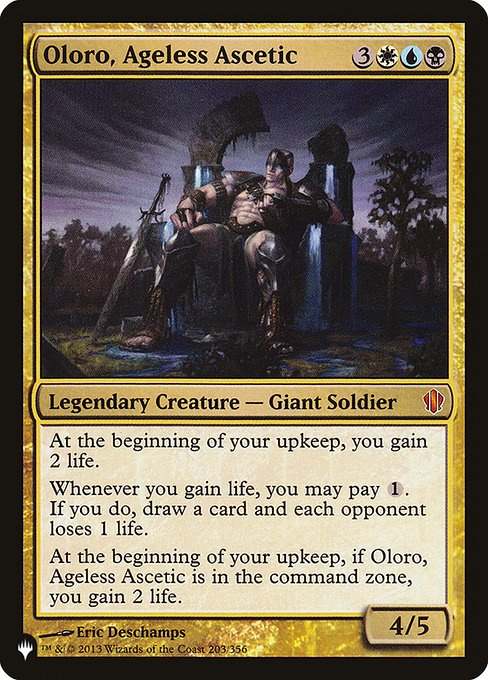
Oloro, Ageless Ascetic is Esper at its most indulgent and oppressive, a lifegain shell that weaponizes it relentlessly. This archetype turns life into currency, pressure, and power without ever needing to commit Oloro to the battlefield. From the opening turns, the deck is already doing its thing, quietly ticking upward while the table scrambles to figure out what to do about it.
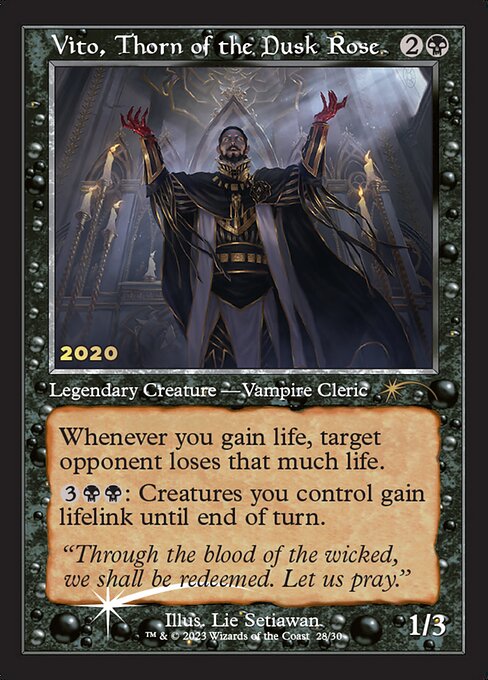
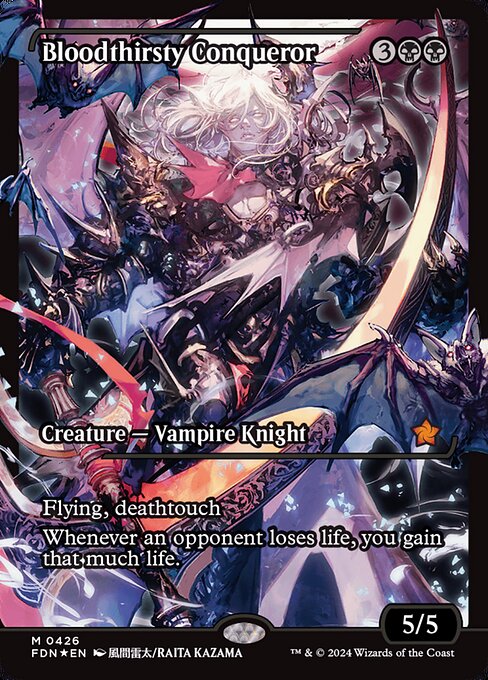
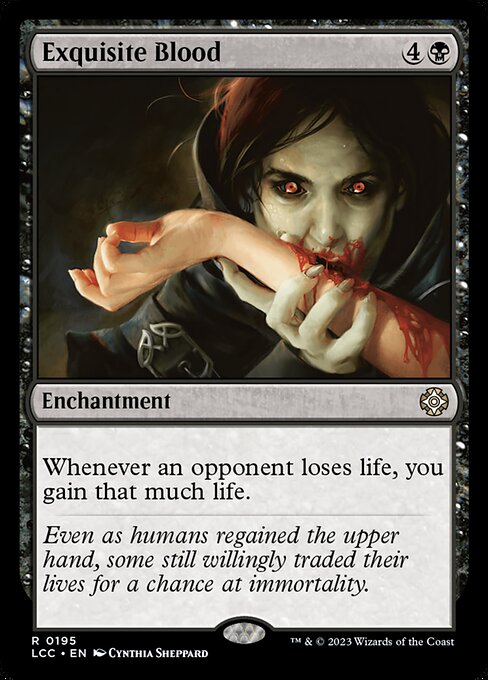
The core philosophy here is simple: every life point gained should hurt someone else. Cards like Vito, Thorn of the Dusk Rose, Sanguine Bond, Defiant Bloodlord, Enduring Tenacity and Vizkopa Guildmage ensure that even the most innocuous life triggers translate into real damage. Combine any of them with Bloodthirsty Conqueror or Exquisite Blood and you’ve already got an “infinite” combo that dries up all of your opponents life entirely.
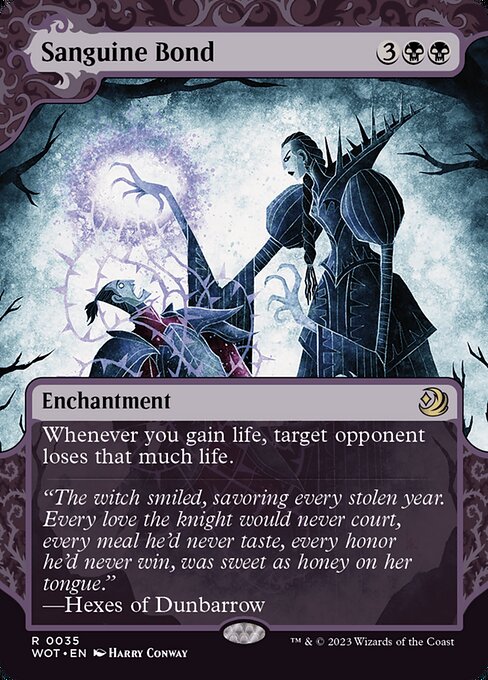
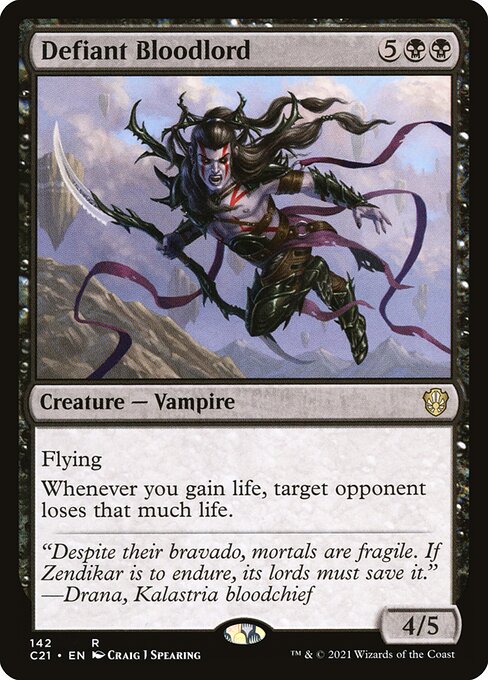
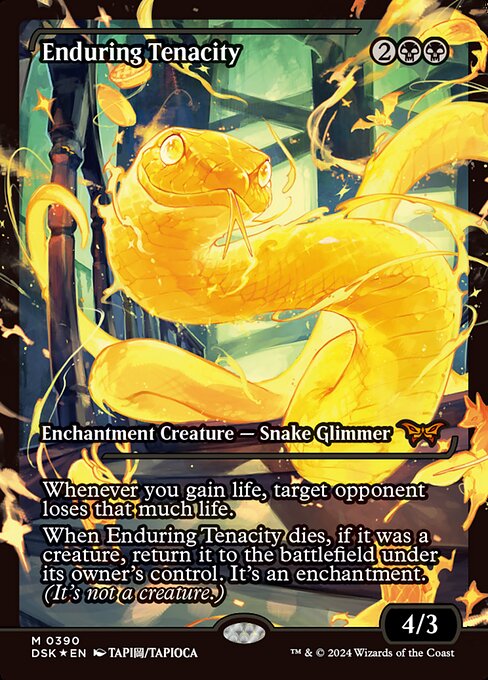
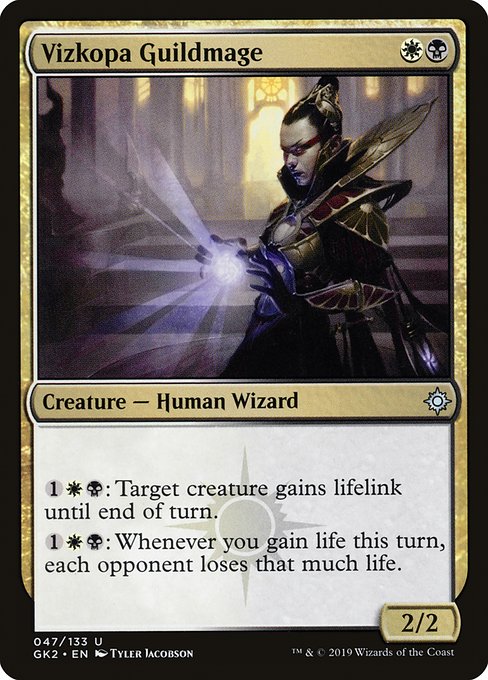
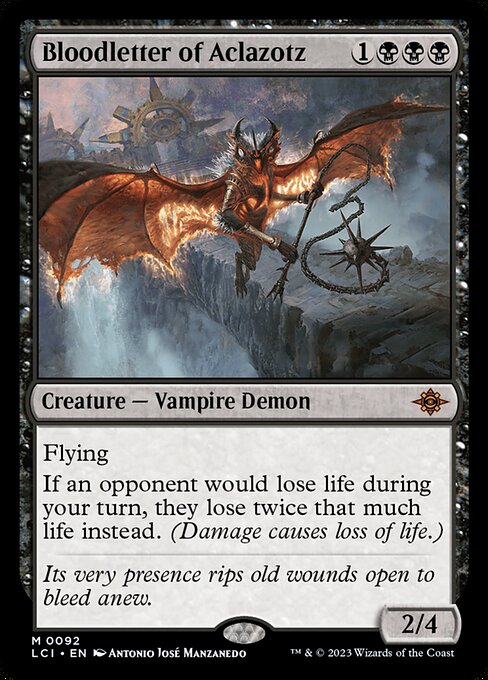
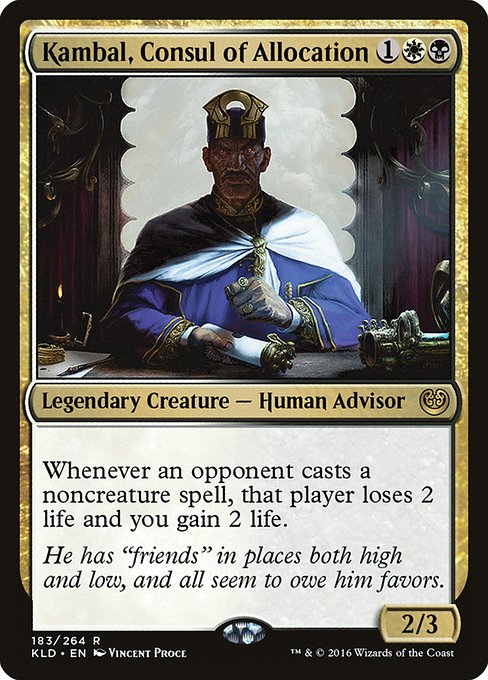
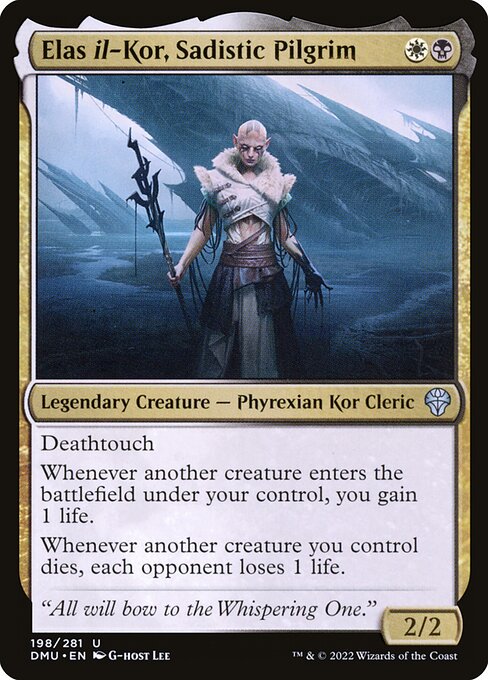
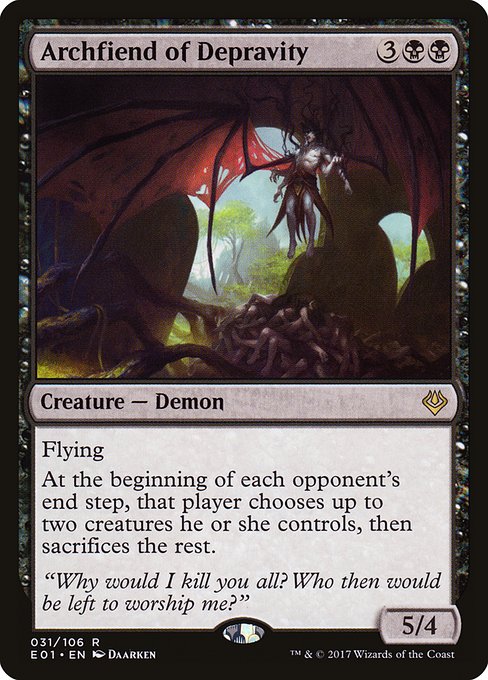
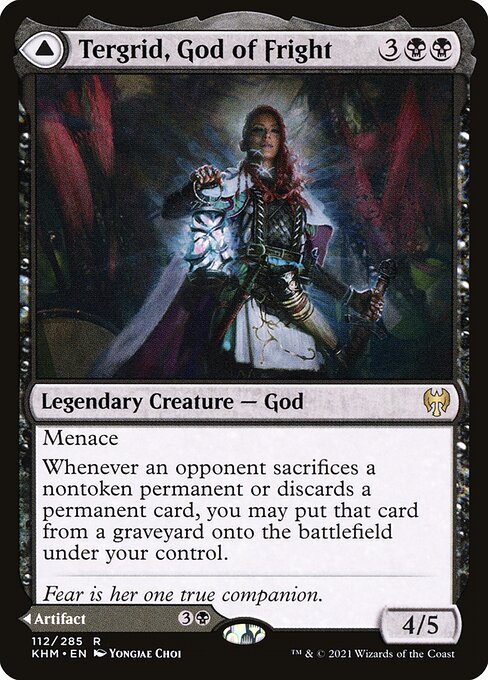
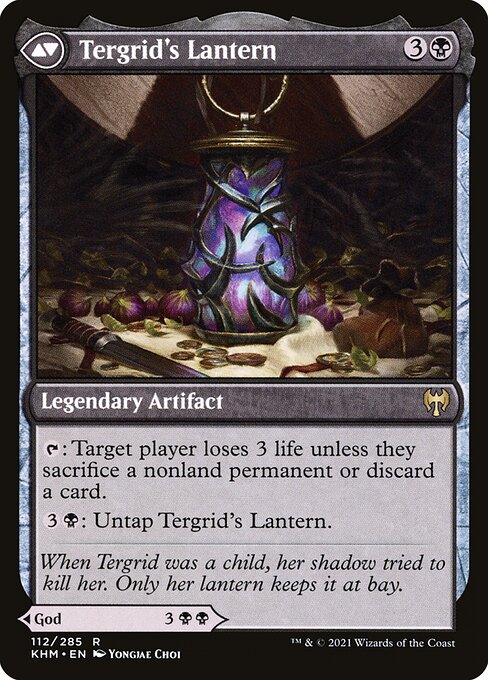
Of course, we don’t just rely on any single combo. All of our pieces are strong by themselves, and even stronger when paired with others. Bloodletter of Aclazotz doubles our damage, Kambal, Consul of Allocation slowly drains opponents, Elas il-Kor, Sadistic Pilgrim turns any creature death into extra drain, Sheoldred, the Apocalypse is a constant menace that demands to be dealt with, Archfiend of Depravity keeps our opponents boards at a manageable size, and Tergrid, God of Fright grabs anyting that is discarded or sacrificed by our enemies.
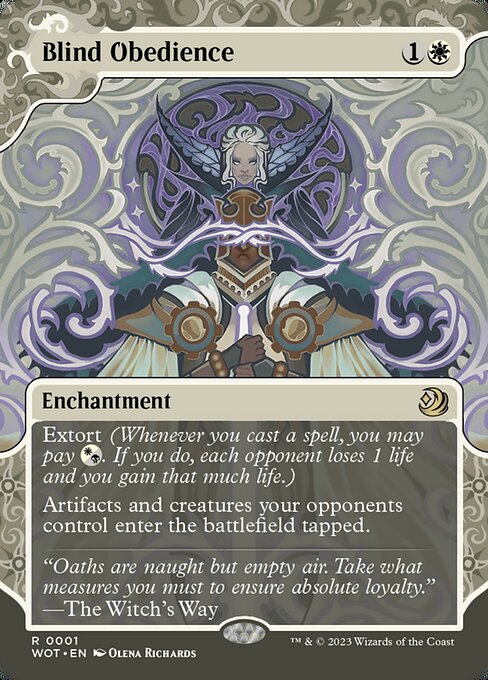
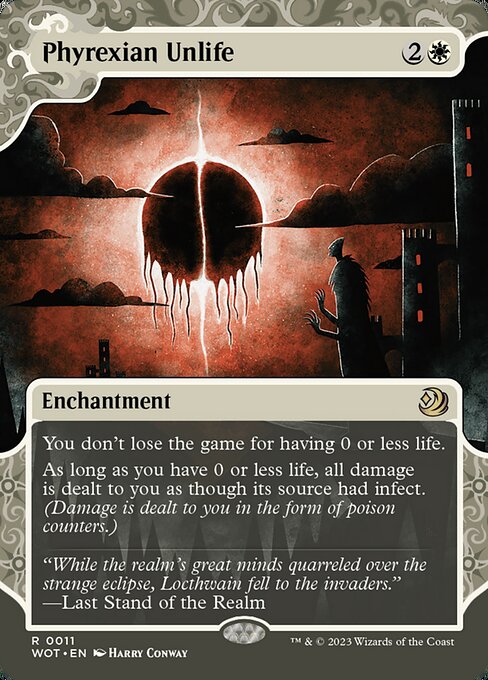
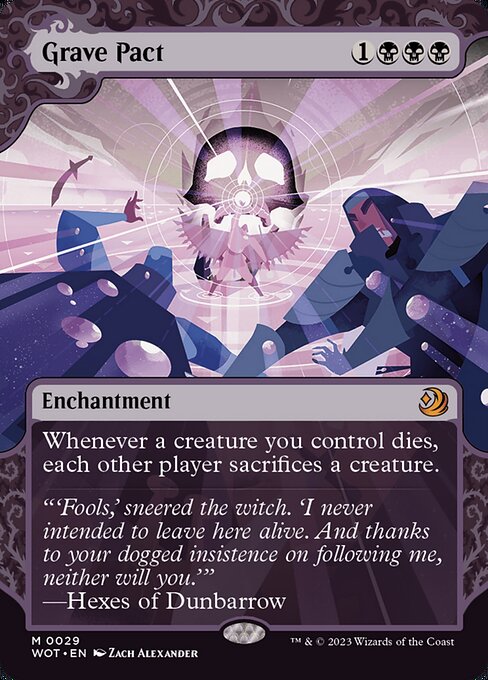
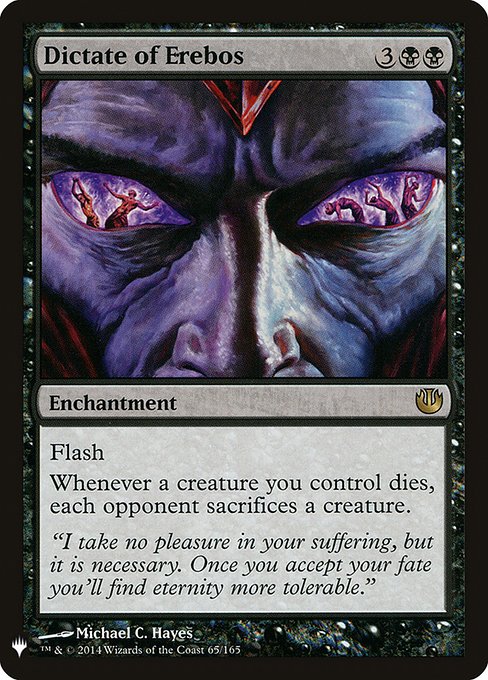
Defensively, this deck is a nightmare to interact with, by using prime stax cards like Ghostly Prison, Blind Obedience, and Phyrexian Unlife. Grave Pact and Dictate of Erebos make any creature taken from us disproportionately destructive for our opponents, and Painful Quandary punishes all our enemies for playing the game.
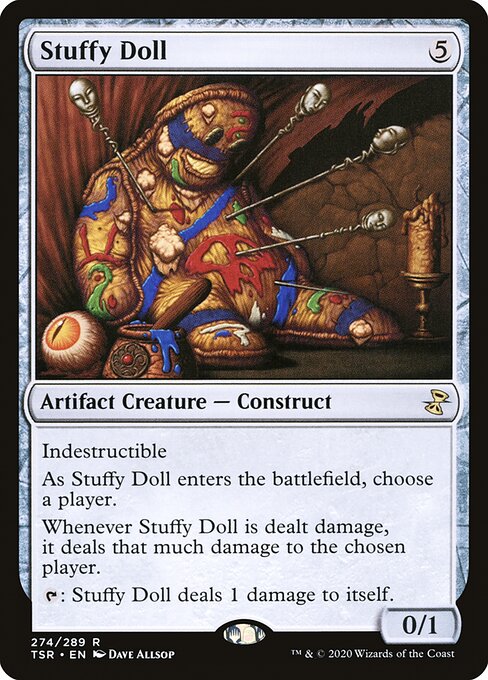
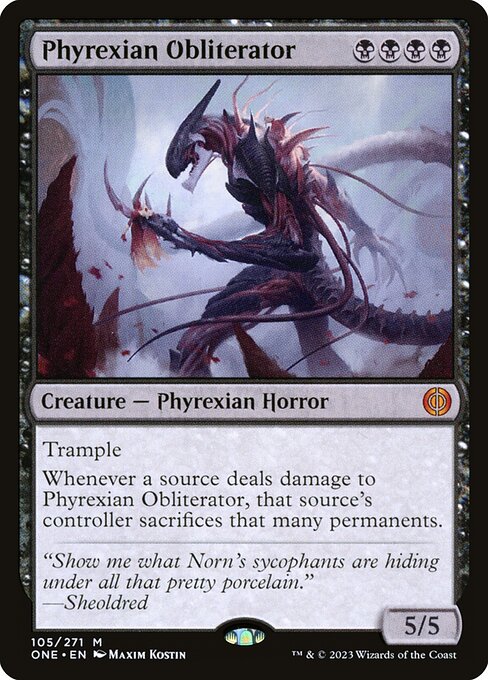
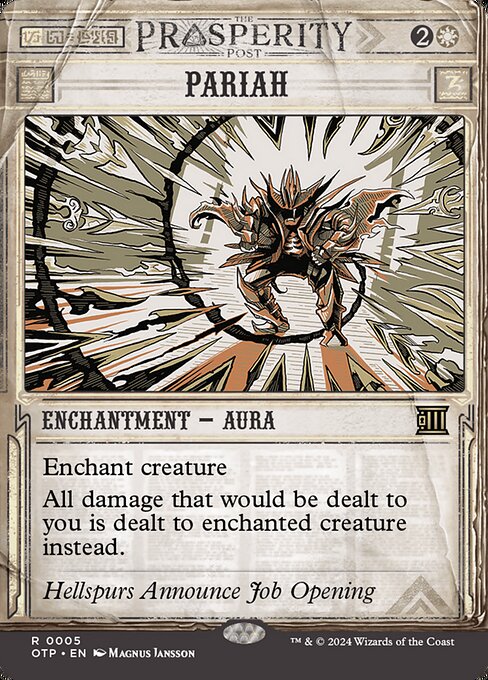
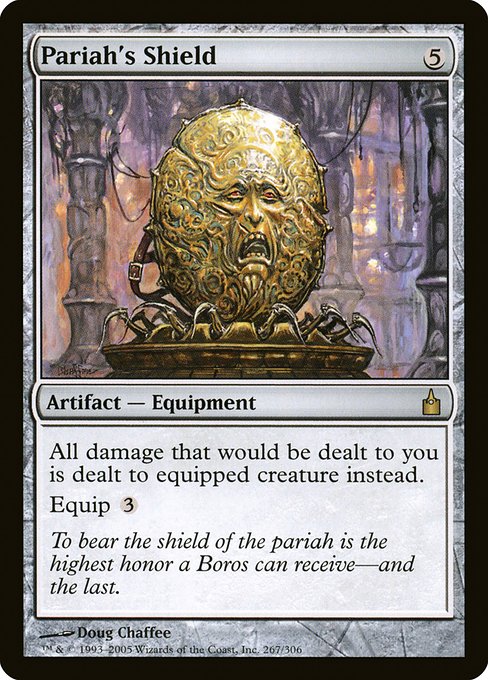
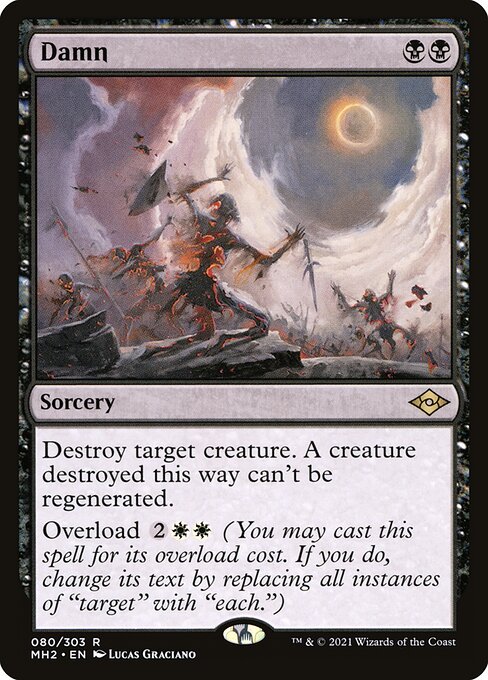
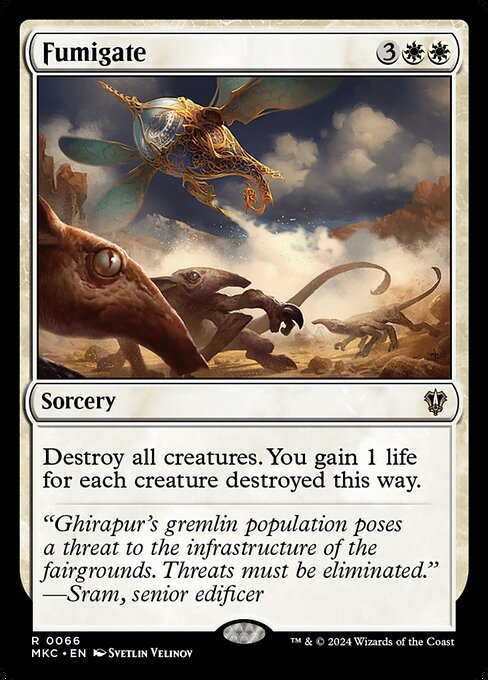
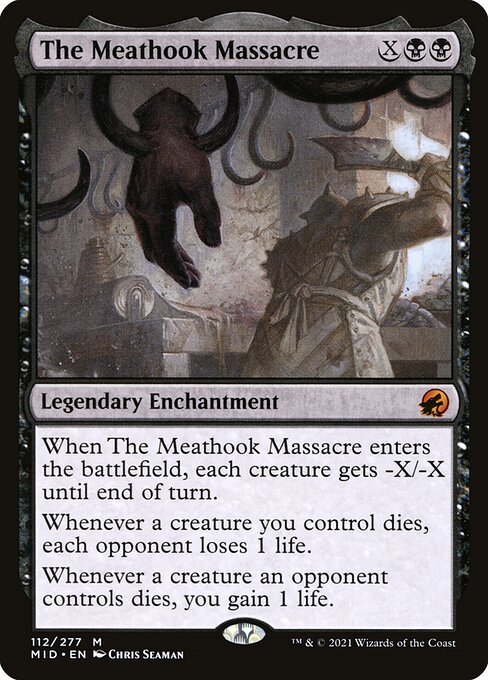
Other smaller and crippling combos include Stuffy Doll or Phyrexian Obliterator combined with Pariah or Pariah's Shield. Board wipes such as Damn, Fumigate, and The Meathook Massacre actively push you further ahead by triggering life gain and drain in the process or kiling everything. Even removal feels stacked in your favor.
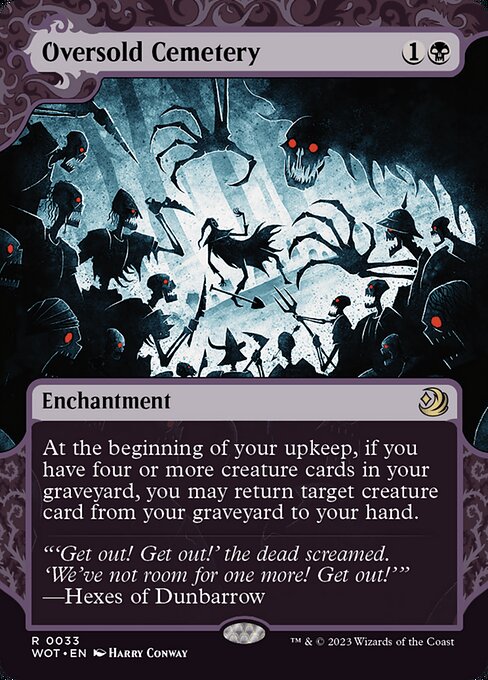
Graveyard and resource recursion ensure an extra layer of redundancy. Oversold Cemetery, Phyrexian Reclamation, Reanimate, and Geth, Lord of the Vault turn attrition wars into a losing proposition for your opponents. Even if the board is wiped repeatedly, Oloro keeps generating value, and haymakers like Rise of the Dark Realms or Sheoldred, Whispering One can swing the game back in your favor instantly.
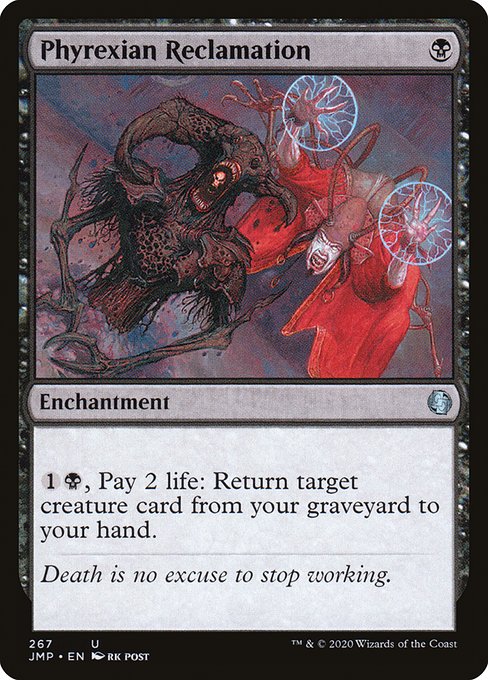
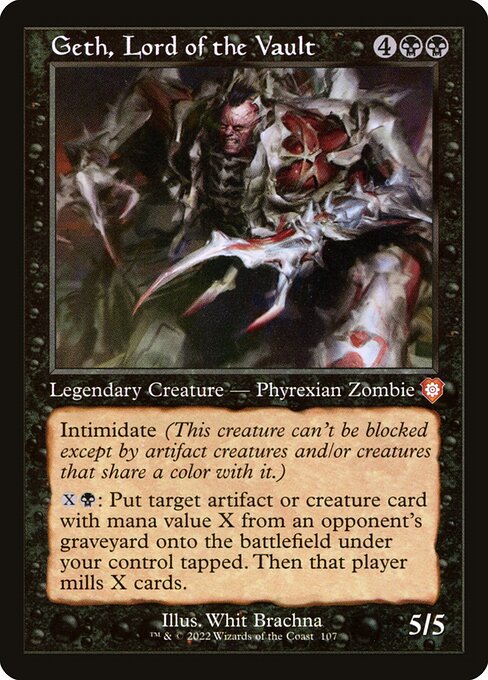
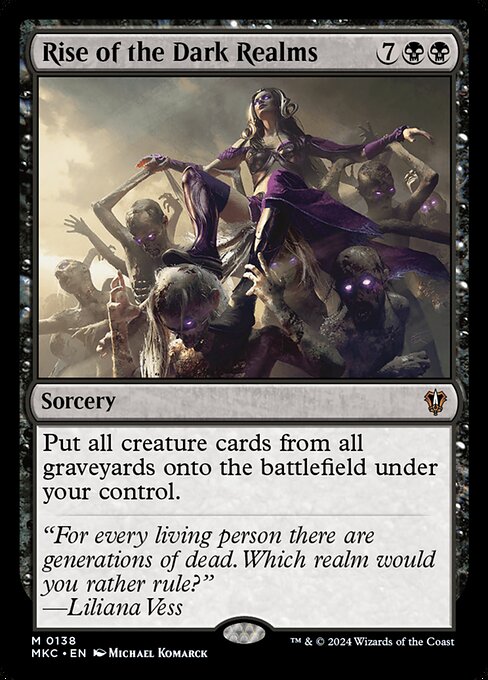
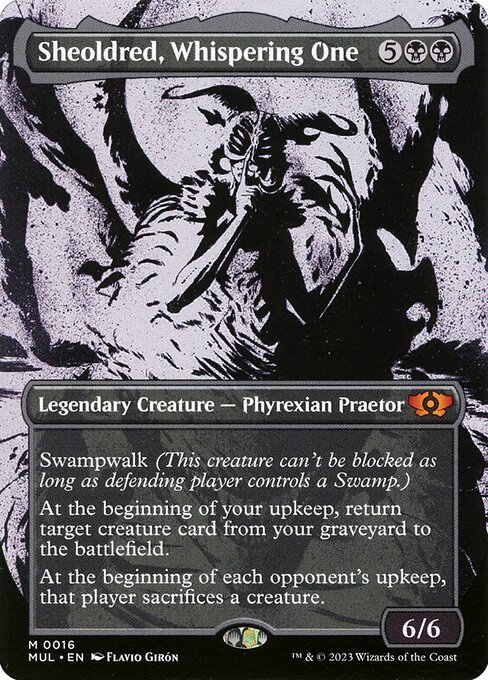
All of this happens while Oloro, Ageless Ascetic keeps on giving you extra life on your upkeeps to keep yourself healthy and far from risk.
Despite being on the cheaper side (for Commander decks) this one is also one of the strongest. This archetype embodies Esper’s darker side: control through comfort, power through excess. By the time the table realizes how much damage your harmless lifegain has already done, their life totals are cratering, their resources are gone, and Oloro has already decided the outcome.
Planeswalkers (4)
Creatures (26)
Instants (8)
Sorceries (10)
Artifacts (10)
Enchantments (15)
Lands (27)
100 Cards
$933.96
Closing Thoughts
Esper is not about winning fast, it’s about winning correctly. Whether it’s denying resources, constricting the table with layered interaction, or quietly building an advantage that no one can realistically claw back from, Esper excels at turning Commander into a long, deliberate game of inevitability. You don’t need the flashiest board or the loudest win condition; you just need time, and Esper is unmatched at buying it.
What makes Esper so compelling in Commander is its flexibility within control. It can lean hard into permission and taxation, pivot into artifact engines or graveyard pressure, drain the table through lifegain and punishment effects, or simply sit behind a wall of answers until a single spell ends the game. Every version feels different, but they all share the same philosophy: nothing meaningful happens without your approval.
If you enjoy dictating the pace of the game, punishing overextension, and watching opponents slowly realize they’ve already lost three turns ago, Esper will always be there for you. Patient. Unyielding. And waiting for everyone else to run out of options.

