





Table of Contents
Pauper Commander is one of the many variants of the Commander format. It combines regular EDH rules with the Pauper format, a Magic format where only common-rarity cards are legal. The format is incredibly fun, and has many playstyles and unique decks that can’t be found in any other format.
What Is Pauper Commander?
Pauper Commander is a format that is very similar to regular Commander. It follows the same deck-building rules. That being 99 card decks, 1 commander, and all cards in your deck have to match your commander’s color identity. It is generally played in 4-player pods, just like traditional Commander.
In Pauper Commander, your 99 cards must be cards that were printed at the common rarity. As with the rules for regular Pauper, for it to qualify it has to have been printed at common either in a paper set or in a Magic the Gathering: Online set. Cards released as a common on Magic: Arena do not count for legality. For example, Chainer's Edict has never had a paper common printed, but because it was a common in Magic the Gathering: Online’s Vintage Masters set, it’s Pauper (and Pauper Commander) legal.

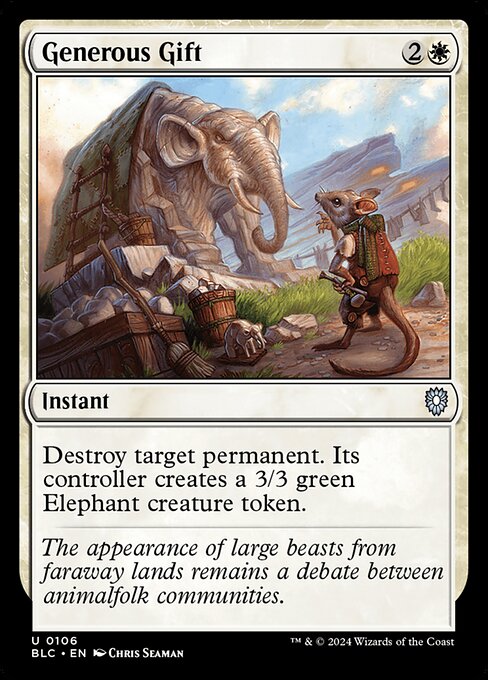
There have been many cases of cards being downshifted, such as Generous Gift. If this ever happens, it becomes legal in the format. So long as it’s been printed at common at least once, it’s legal for you to use in the 99, even if it only had one common printing and has been uncommon in every set since.
Who Can Be Your Commander?
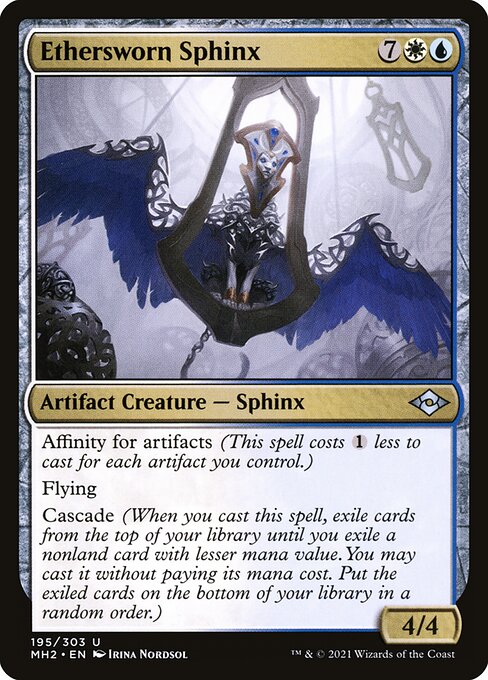
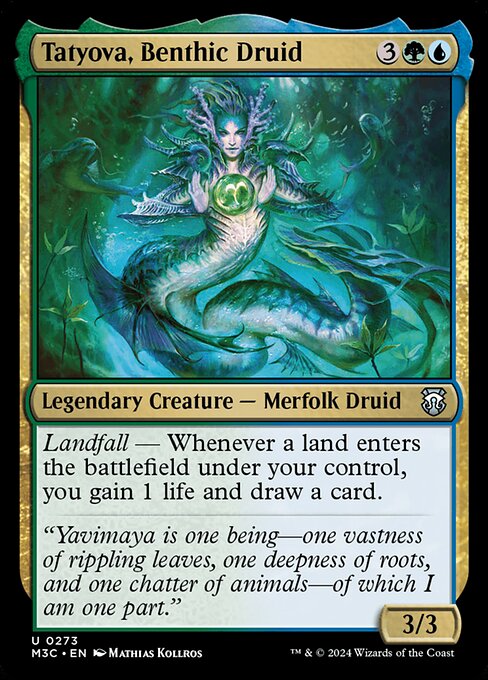
While your 99 card library can only be commons, the same rule does not apply to your commander. Otherwise, there are under 30 options for legendary common creatures. Instead, any uncommon creature can be your commander. This does not have to be legendary. While it can be a legendary uncommon, you can play a regular uncommon creature such as Ethersworn Sphinx or Satyr Enchanter. Or, you can keep it traditional with a legendary uncommon creature like Tatyova, Benthic Druid. It is important to note that common legendary creatures cannot be used as a commander.

There are multiple uncommon creatures with “choose a background,” such as Abdel Adrian, Gorion's Ward. This allows you to play any Background as a partner commander in your command zone. These must also be uncommon like Agent of the Iron Throne. Common Backgrounds do exist, but cannot be used as a commander, and must be in the 99.


Creatures With Adventure/Omen
There are many uncommon creatures that have Adventure or Omen, such as Beanstalk Giant and Runescale Stormbrood. You may cast it either as the creature or the spell side. When you do, this adds to your commander tax. For example, if you cast the Adventure side of Beanstalk Giant, the next time you cast it from the command zone (either the Adventure side or the creature side) it will be mana more.
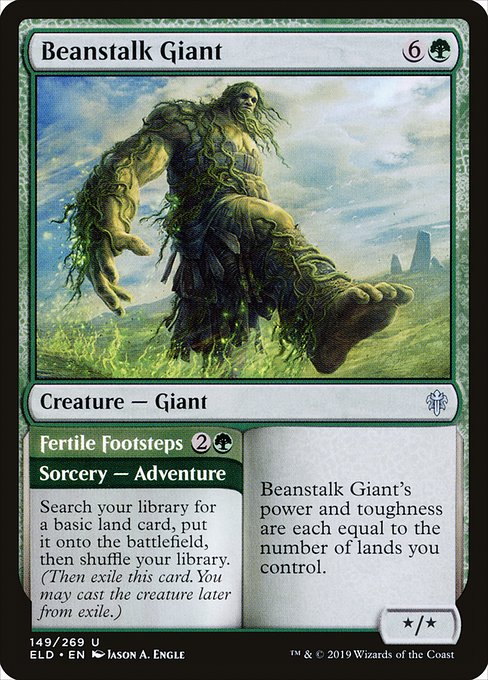
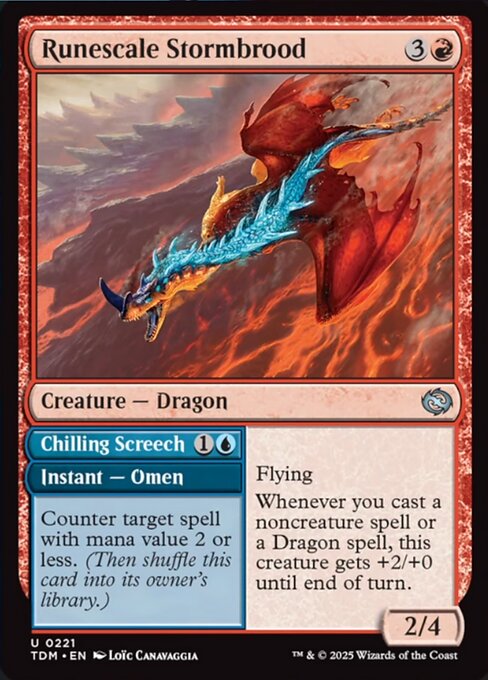
When you cast the spell side, you have two options. You can have them immediately return to the command zone, or let them resolve as they normally would. For Adventures, they get exiled and can be cast for their creature cost at any point you could normally cast a creature. For Omens, you can return them to the command zone or shuffle them into your library. In the case of Adventures, if you cast it from exile, you do not pay the commander tax when casting from exile. Casting it from exile will also not increase your commander tax.
Life Total Differences
In Pauper Commander, life totals are a bit different. Instead of 40 starting life, the starting life total is 30. In addition, to take someone out of the game with commander damage, you only need to deal a total of 16 combat damage with your commander to take someone out of the game with commander damage.
By nature of the format’s restrictions, you have fewer answers to your opponents, hence the lower life total count. This helps to prevent games from stalling if battlefields get too crowded, since there are few board wipes available at the common rarity.
What Cards Are Banned In Pauper Commander?
Pauper Commander shares the same universal banlist as Magic. That is, cards that are banned in all formats for offensive imagery, cards that refer to ante, and cards with the Conspiracy card type are not legal in Pauper Commander.
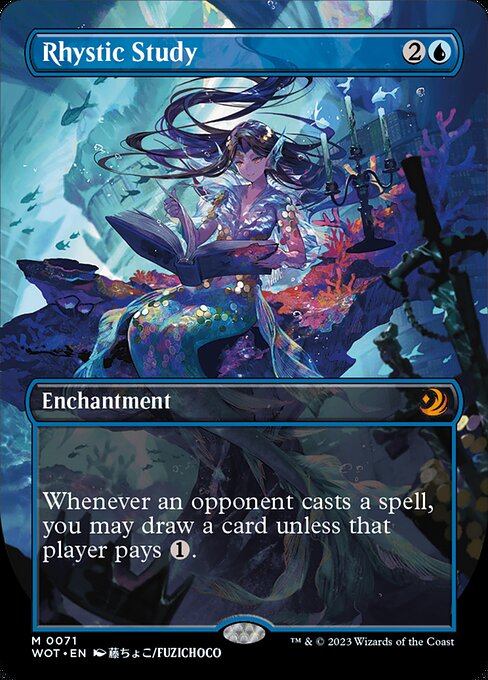
The only non-illegal cards that are banned are Mystic Remora and Rhystic Study. Both these cards dominate regular EDH, and with Pauper Commander’s weaker answers to them, they would warp the format if they were legal. As such, these cards are both banned.

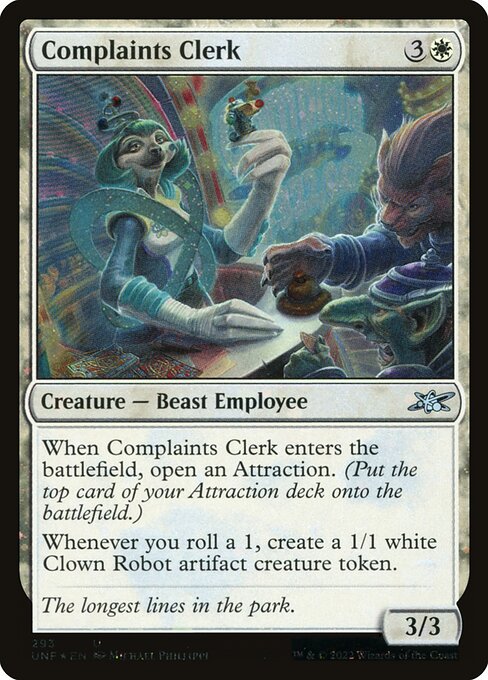
Although they aren’t directly banned, Attraction cards cannot be used in the format. If a card lets you open an Attraction, you have to draw from a 10-card Attraction deck. However, there are only 8 common Attractions, so you cannot have a legal Attraction deck. So, while you could use Complaints Clerk as your commander, you cannot use the Attraction ability, only the other static ability in regards to rolling a 1.
Pauper Commander Staples
As with regular Commander, Pauper Commander has its own fair share of staples. These are cards that you want to include in nearly all of your decks, assuming they’re legal to use in your decks.
Mana Rocks
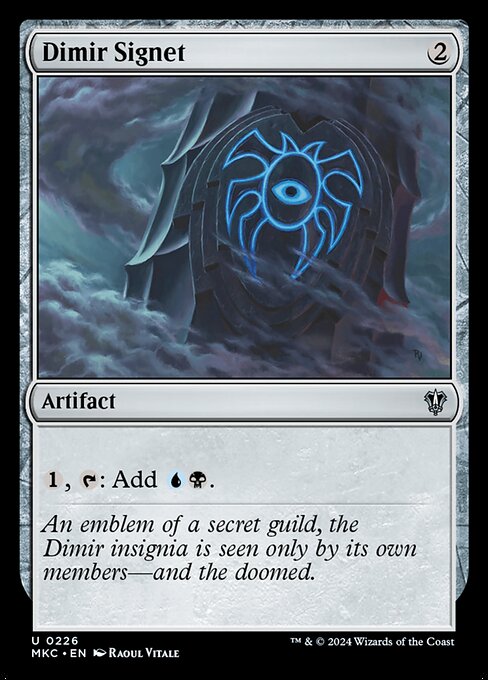
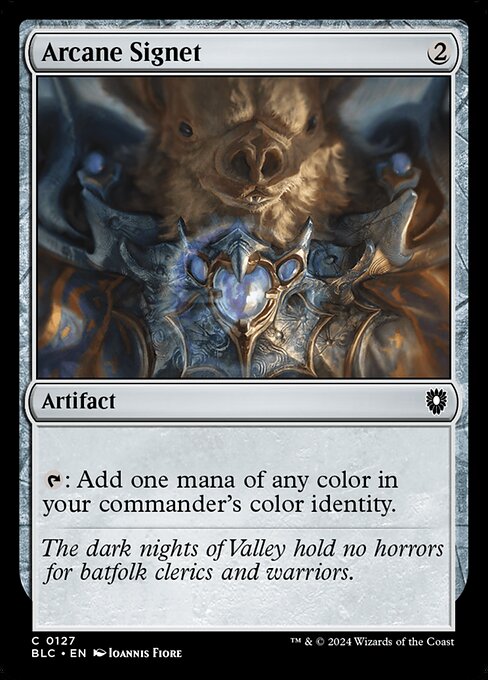
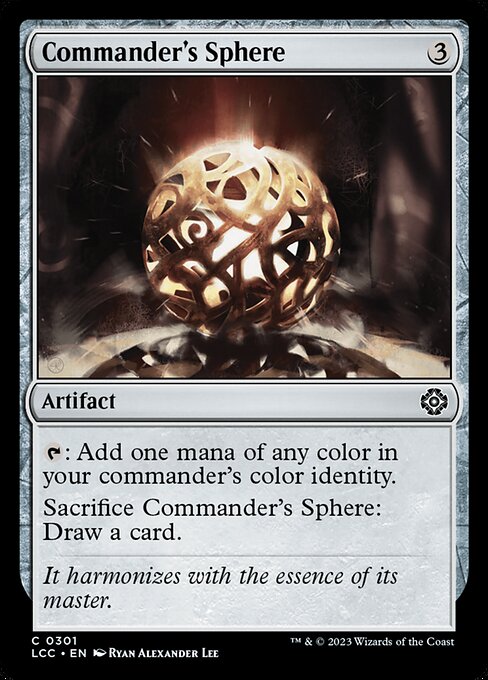
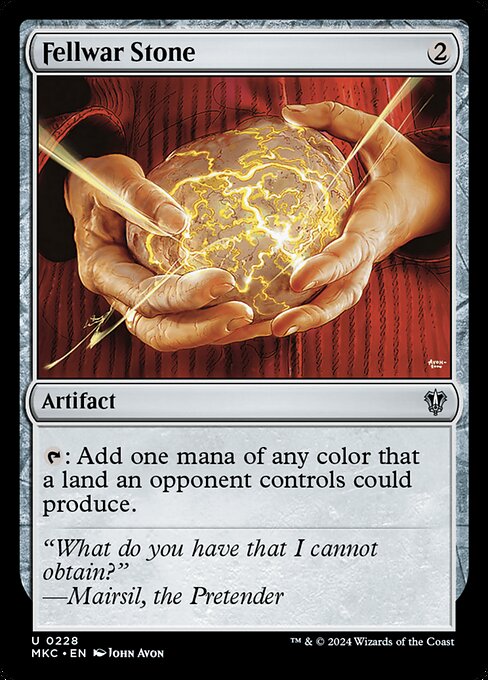
In the mana rock department, you have the Signet cycle available (Dimir Signet) as well as Arcane Signet. Commander's Sphere, Fellwar Stone, and Bonder's Ornament all also see a fair amount of play.

White Staples
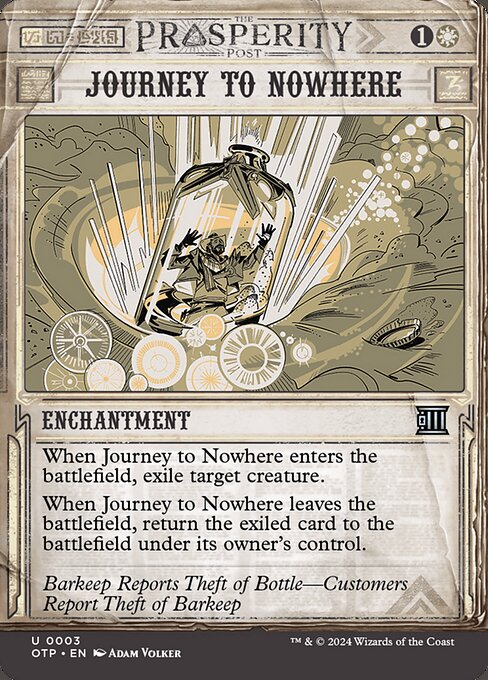
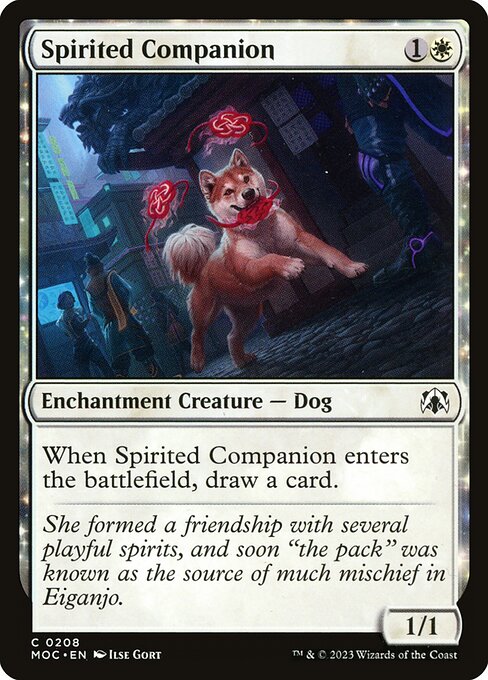
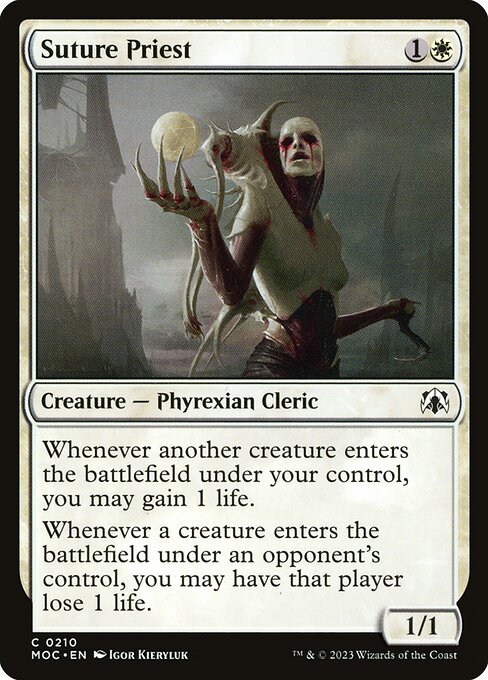
White has access to some solid removal options. Generous Gift is one of the few cards in Pauper Commander that lets you destroy any permanent. Journey to Nowhere and Oblivion Ring are both common creature removal spells too. Since Pauper Commander is a slower format, cards that draw when they enter are great such as Spirited Companion and Inspiring Overseer. Since Pauper Commander tends to be more combat-focused, cards that gain life are especially strong. Suture Priest and Soul Warden are both cards you generally want to run.


Blue Staples
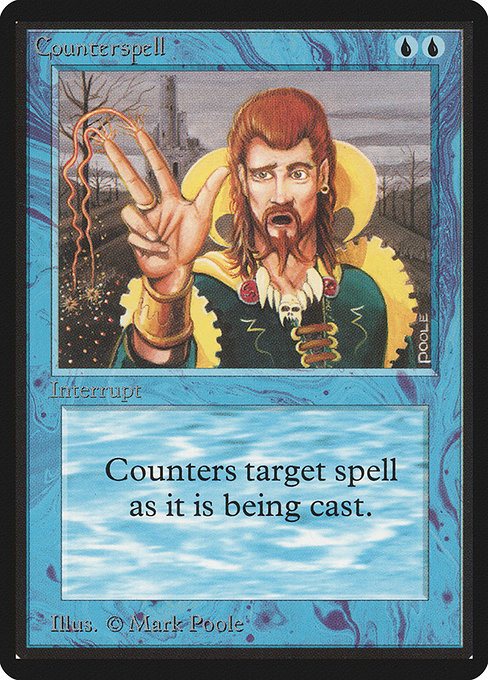
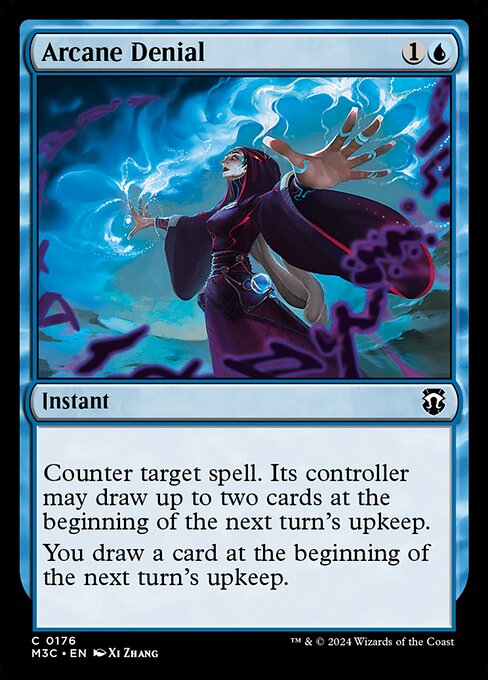
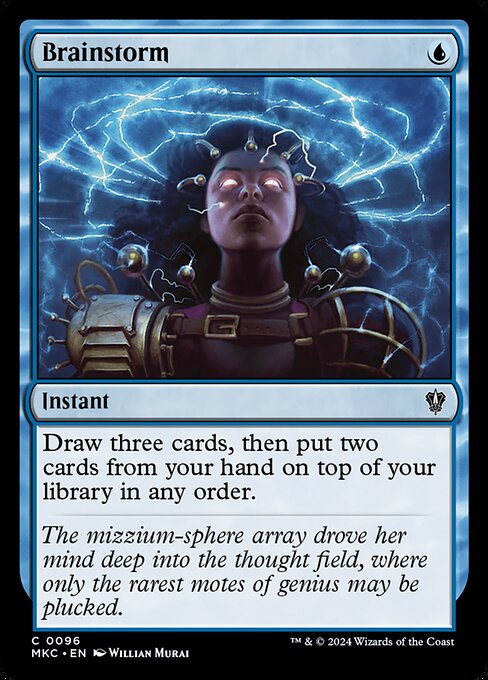
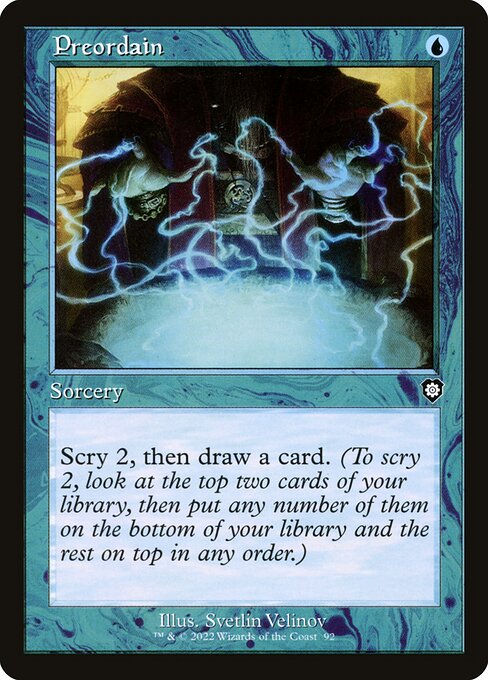
In Pauper Commander, Blue is the color of counterspells and draw spells. Counterspell and Arcane Denial are two of the most common counterspells played. Brainstorm, Treasure Cruise, and Preordain are amonst the color’s best draw spells. Blue also has access to tutors, something very rare in Pauper Commander like Merchant Scroll and Muddle the Mixture, the latter of which you can use as a counterspell too.



Black Staples
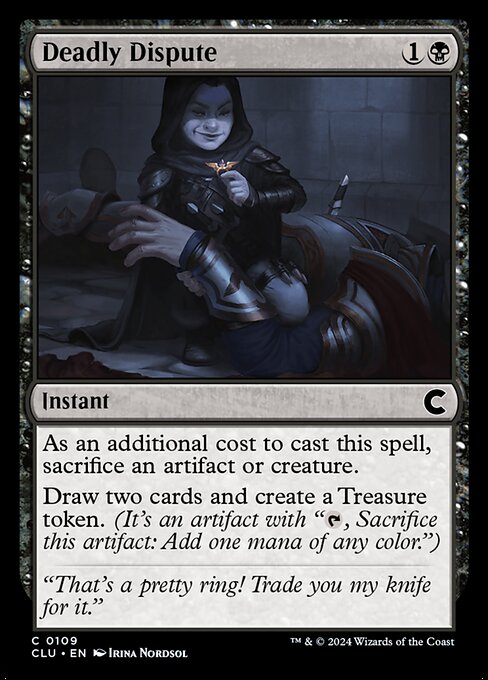
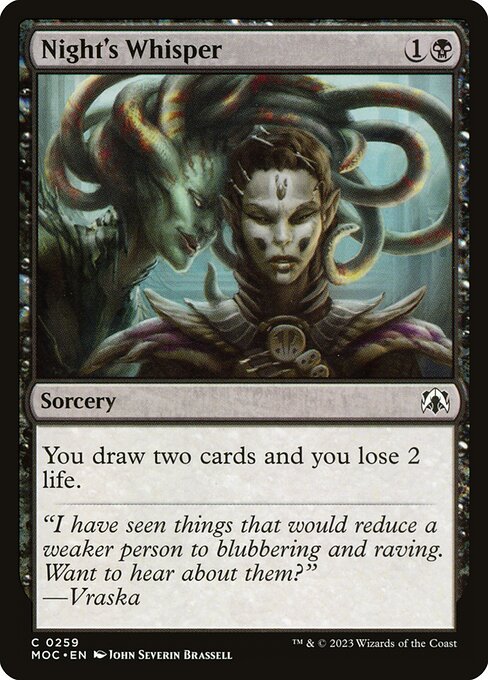
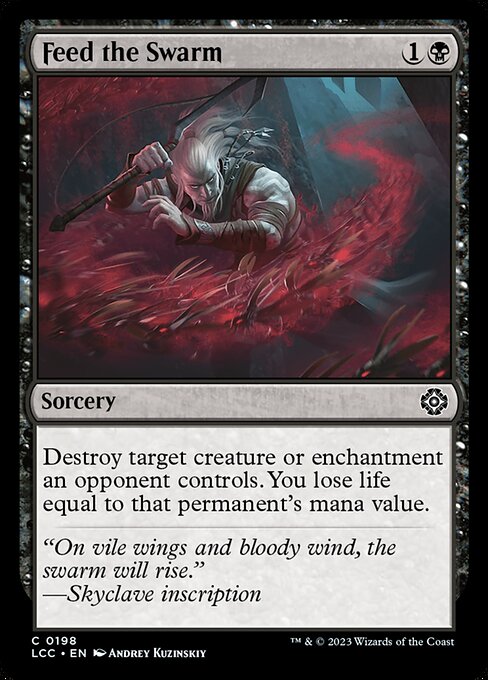
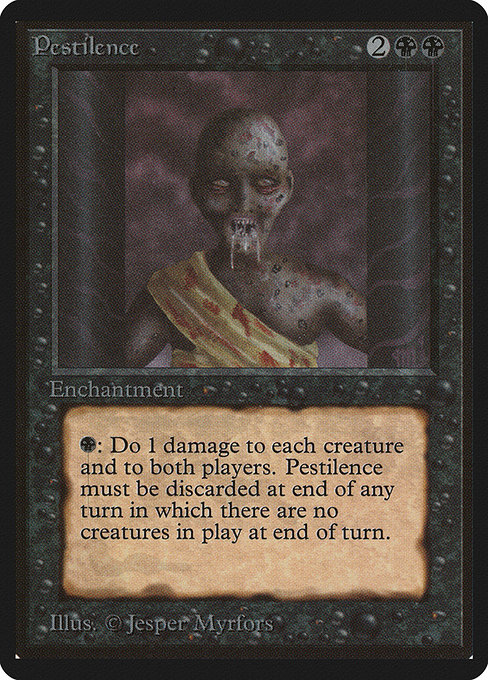
For Black cards, the two primary archetypes for staples is draw power and removal. Many draw spells require you to pay a cost, be it life or sacrificing a permanent. Deadly Dispute and Night's Whisper are two of the most common ones. Feed the Swarm is the only good way to remove enchantments in Black and Oubliette can permanently get rid of a commander if it stays on the battlefield. It requires a lot of mana investment, but Crypt Rats and Pestilence are some of the only ways to wipe an entire board.


Red Staples
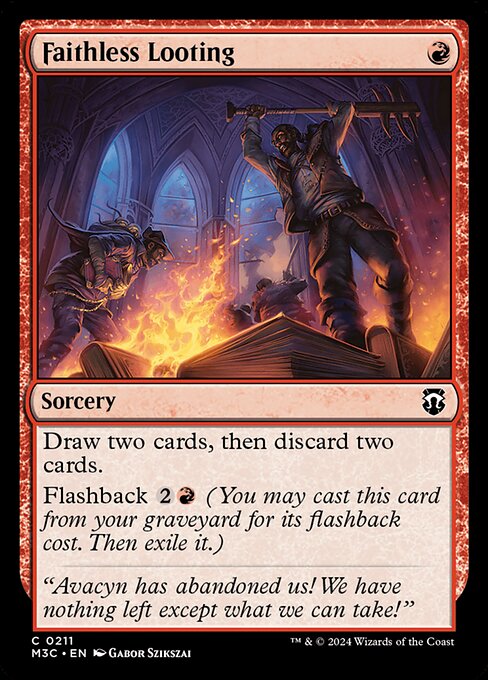
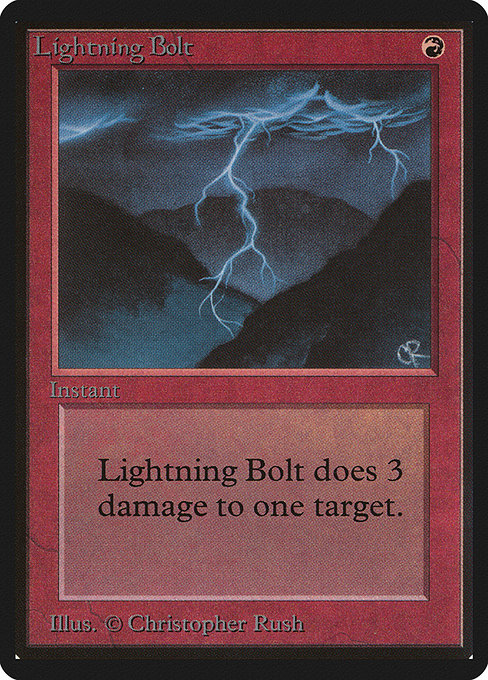
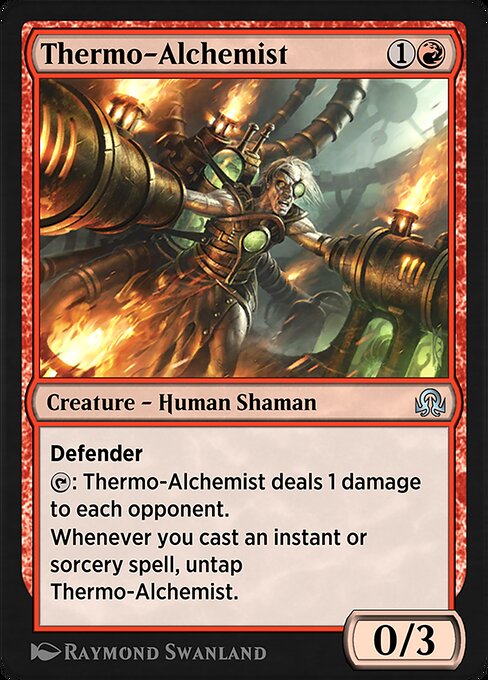
Red cards’ two main archetypes are draw power or burn spells. Draws take the form of impulse draws that exile, such as Reckless Impulse, or cards such as Faithless Looting that require you to discard cards as well. Lightning Bolt is the best burn spell that can also be used as removal. Many Red decks play heavily into burn, so cards like Thermo-Alchemist and Kessig Flamebreather are common. While it’s not a particularly great board wipe, Fiery Cannonade is one of the few ways to deal mass damage to all creatures (except for Pirates).



Green Staples
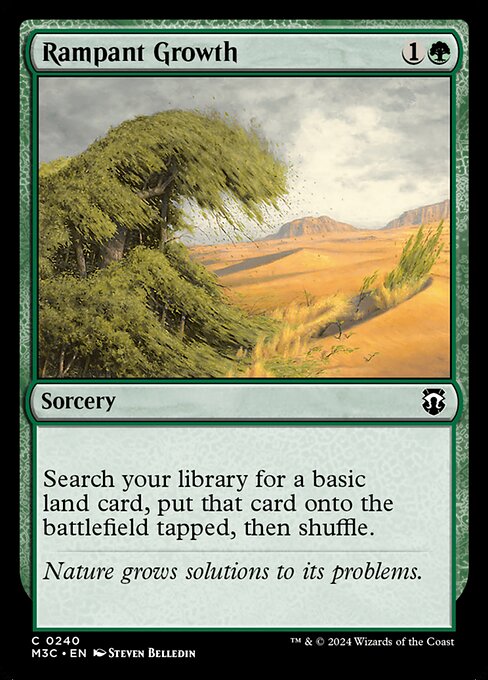
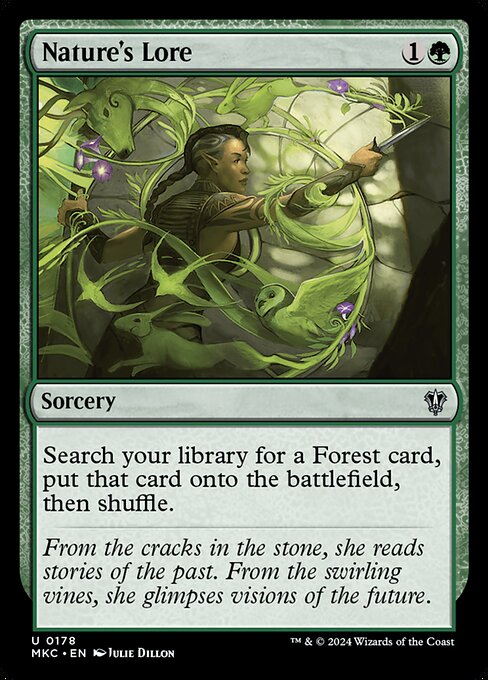
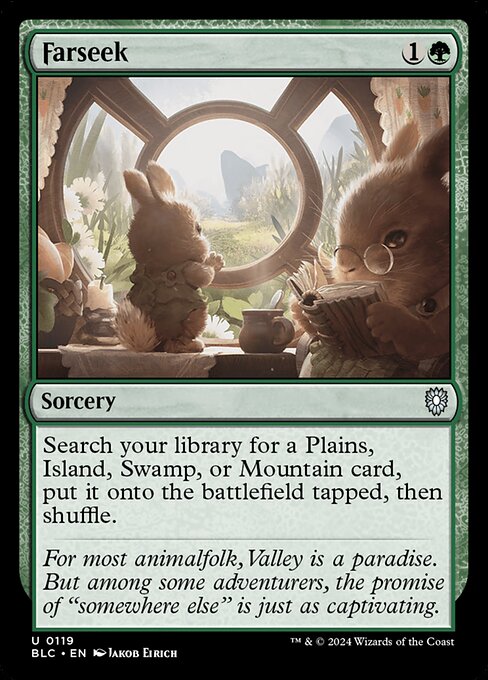
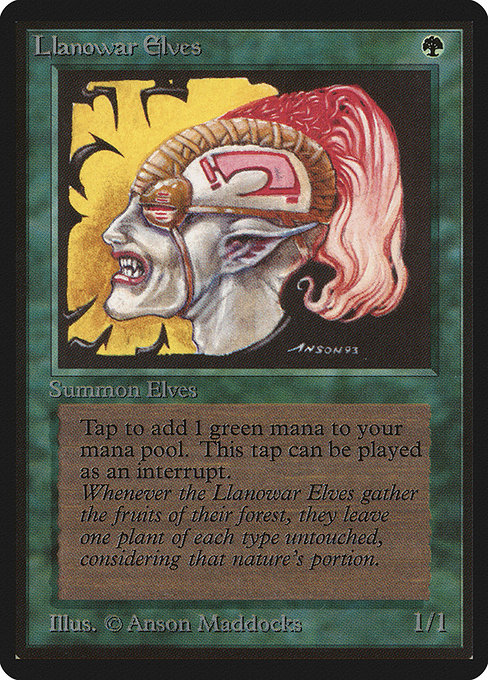
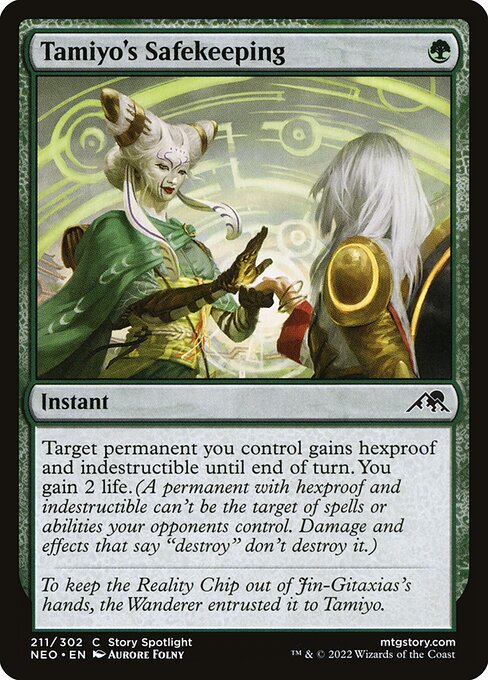
Practically every Green ramp card has had a common printing, so you can freely play cards such as Rampant Growth, Nature's Lore, and Farseek. The popular mana dorks Llanowar Elves and Elvish Mystic are both available, allowing for a full ramp package. Green is one of Pauper Commander’s best colors for a reason. You also have solid protection options in Tamiyo's Safekeeping and Snake Umbra.


What Makes Pauper Commander Unique?
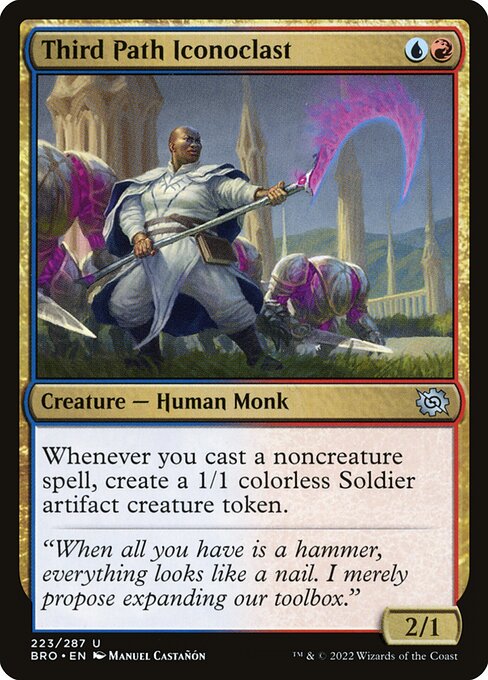
You may be asking yourself why you should be playing Pauper Commander. What makes it unique? What makes it fun? For starters, Pauper Commander is a brewer’s paradise. There are well over 5,000 options for commanders to choose from. Since you can play with a non-legendary commander, this opens up a ton of possibilities. You can build a Spellslinger Token deck around Third Path Iconoclast (which is also one of the best commanders in the format). Or a Devotion deck with Gray Merchant of Asphodel at the helm.

Since board wipes are very far and in between, creatures in particular become much more important, and are often what the format is warped around. While targeted removal exists, your opponents won’t be able to take care of an entire battlefield. So commanders like Arabella, Abandoned Doll and Jasmine Boreal of the Seven become that much stronger.
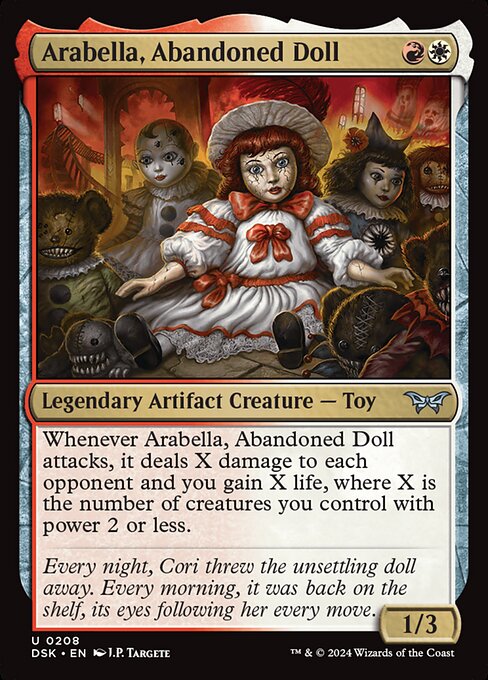

Part of what makes Pauper Commander so much fun is how important it makes combat. In many decks, combat is the main way you’re closing out of games. Combo decks do exist in Pauper Commander (consistent ones at that), but outside of competitive Pauper Commander, you won’t run into them much. With the lower life totals, combat becomes that much more important, since the clock can start ticking rather quickly.
The restriction to common-only cards makes deck building much more interesting. It lets you play with cards that you would otherwise never think twice about. Depending on your commander, you might have to dig deep through Magic’s history to find the best cards. It’s like a constant history lesson in card design.
What Do Pauper Commander Decks Look Like?
There are many, many options for Pauper Commander decks. Generally speaking, they have a bigger focus on creatures as opposed to other permanents.
Example 1: Background Commander
One example of a Background commander is Halsin, Emerald Archdruid and Feywild Visitor. This mixes unblockable creatures such as Slither Blade to create Faerie Dragon tokens that Halsin, Emerald Archdruid can turn into 4/4s. The idea is to play all the cards that create tokens when they’re cast, like Stern Lesson, and then use ramp spells so you always have mana to turn these tokens into 4/4s and swing for massive damage.


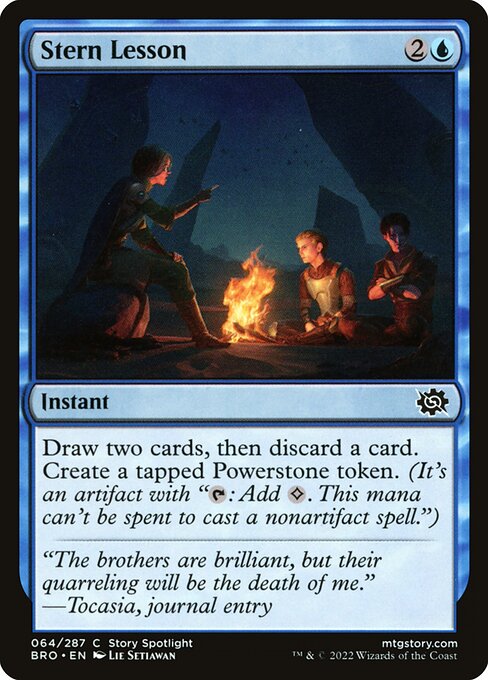
Despite being locked into only common creatures, the synergies available are very much apparent. While this particular deck requires a lot of moving parts, this can be assembled easily without having to worry about your entire battlefield getting wiped and restarting from nothing.

Creatures (29)
Instants (4)
Sorceries (20)
Artifacts (11)
Lands (32)
100 Cards
$51.72
Example 2: Competitive Pauper Commander
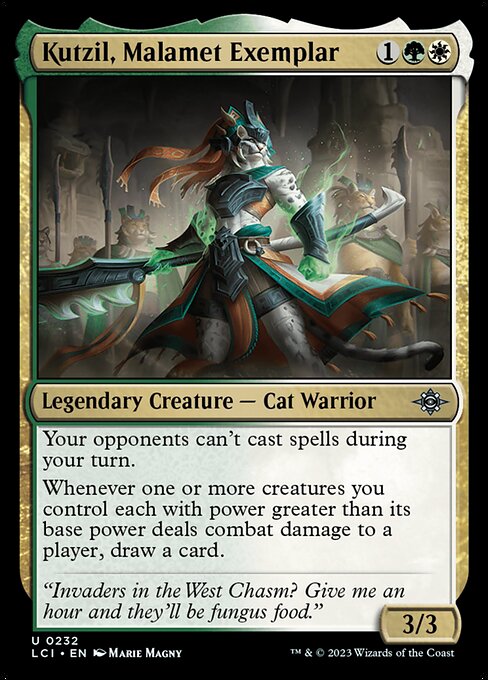
As with regular Commander, there is also a scene for competitive Pauper Commander (commonly known as cPDH. This pushes the formats to its limits, intending to use the best strategies to win as quickly as possible. An example of a cPDH commander is Kutzil, Malamet Exemplar. Despite being locked into commons, combos still exist, and your commander makes it so your opponents can’t interact with it with spells during your turn. This particular deck uses any creature that can untap itself like Midnight Guard enchanted with Presence of Gond to make an infinite number of creatures.


Competitive Pauper decks that focus on combos usually only have a few options, so recursion becomes important. This deck in particular plays a control strategy, while getting card draw from Kutzil, Malamet Exemplar‘s effect to get to your combo pieces faster. It even has access to tutors for all your main combo pieces.
Commander
Creatures (19)
Instants (19)
Enchantments (20)
Lands (35)
100 Cards
$83.18
Sample 3: Nonlegendary Commander
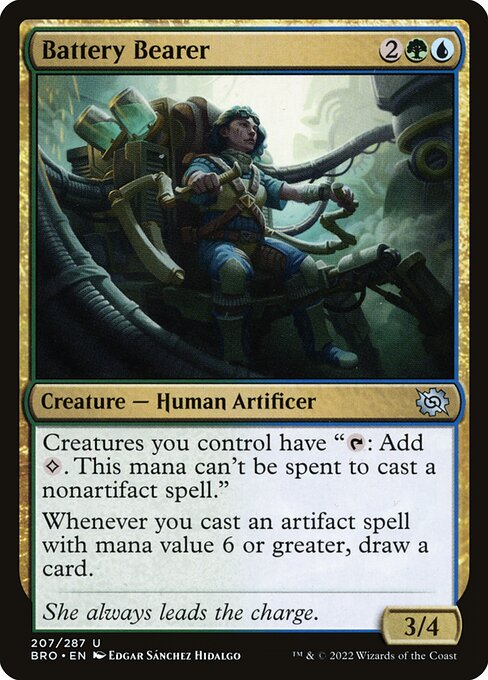
The big draw to Pauper Commander is being able to create decks with any uncommon creature. This lets you do things you could never do otherwise. One such example is with Battery Bearer. While it’s a decent card in certain EDH decks, in Pauper Commander, you can build your entire deck around it. Make a deck of primarily colorless creatures like Accomplished Automaton and Maelstrom Colossus. It essentially turns all your creatures into mana dorks to cast more artifact creatures with. You even get your own built-in draw power with Battery Bearer itself. Card draw is especially important in Pauper Commander as games can stall out otherwise.


This is a deck that greatly benefits from the low number of board wipes. It is slightly more fragile since nearly all your creatures can be removed through artifact removal, but it comes with the territory of playing an artifact deck. Battery Bearer shows one of many uncommon nonlegendary creatures that make for great commanders.
Commander
Creatures (50)
Instants (1)
Sorceries (5)
Artifacts (14)
Lands (30)
100 Cards
$54.7
In Conclusion
Pauper Commander is a very fun format that can spice things up with your play group. Decks are very cheap, and you can easily build powerful decks for less than $30. Most competitive decks aren’t that expensive either, with cPDH decks usually less than $100 in total. The format is incredibly accessible, allowing you to brew and make adjustments to your decks without having to invest a ton of money.
Pauper Commander games tend to be more combat-focused (especially in the non-cPDH power levels), and is a place to brew all sorts of wild decks that you can’t do in regular Commander. It is such an open format with a ton to explore despite how restrictive the card pool might seem. Give Pauper Commander a try, you won’t regret it. It’s quickly turned into my personal favorite format, and it just might become your next Magic obsession too.

