






Table of Contents
In EDH, you have so many options in playstyles. Something that is unique to Commander is the Pillowfort archetype. It is the opposite of an Aggro deck, instead having you play a very defensive strategy. If you enjoy building up a large number of defenses and watching chaos unfold, Pillowfort is the kind of deck you want to be playing.
What Is Pillowfort?
The Pillowfort archetype refers to decks that, as the name implies, make your battlefield a fortress. You do this by playing cards that make it hard, if not impossible, to attack you. Pillowfort decks are passive, sitting back while your opponents are forced to attack each other.
In Pillowfort decks, you’ll be using a ton of cards that incentivize your opponents to attack each other rather than you. It also plays a lot of cards that put tax on attacking you, along with goading effects.
What Colors Are Pillowfort Cards In?
Pillowfort cards are available in most colors. In general, your Pillowfort decks will include White and Blue colors. These are where the best Pillowfort cards are, so most Pillowfort decks will include one, if not both of those colors.
Pillowfort Staples
Pillowfort has a ton of staples, and they are mostly attached to enchantments. As such, many Pillowfort decks have a sub-enchantress theme. You want to play cards that discourage others from attacking you, either by giving them a benefit or by taxing them too hard.
Taxing Effects
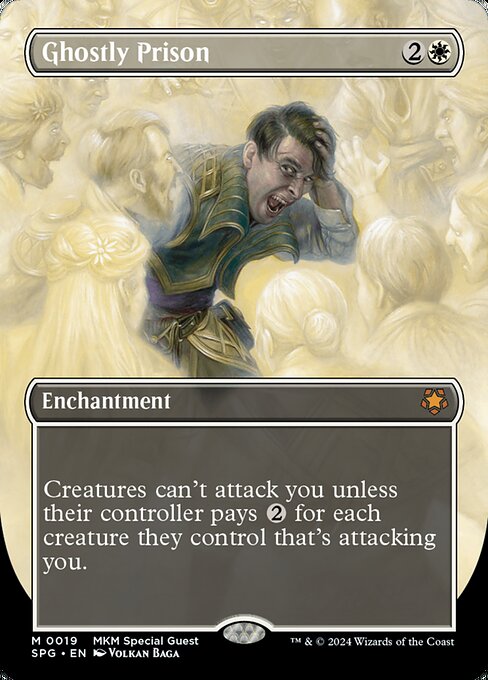
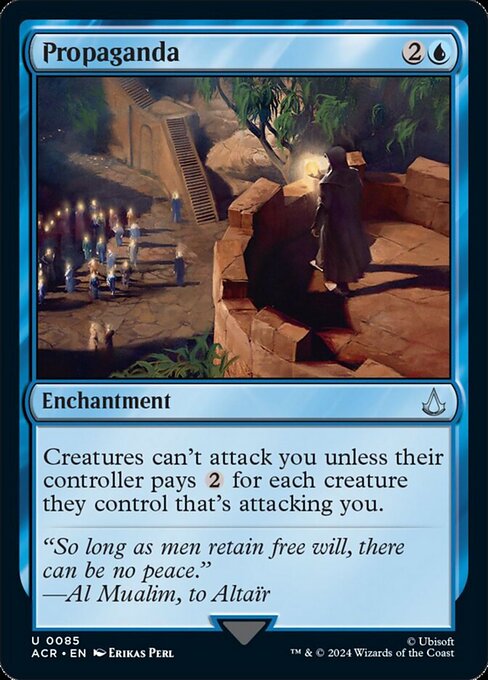
In Pillowfort, you want to play cards that make your opponents pay mana to be able to attack you. Propaganda and Ghostly Prison are near identical, only being different colors. These make it so an opponent has to pay for each creature attacking you. So if you have Propaganda on the battlefield and an opponent wants to attack you with three creatures, they have to pay mana. Norn's Annex is similar, albeit slightly weaker since your opponents can pay with life instead. Sphere of Safety needs you to play other enchantments for its tax to be powerful. Luckily, Pillowfort decks have a ton of enchantments, so the tax will be high. All of these effects stack with each other, so if Propaganda and Ghostly Prison are both on the battlefield, mana is needed to attack with just one creature.


Opponent Rewards
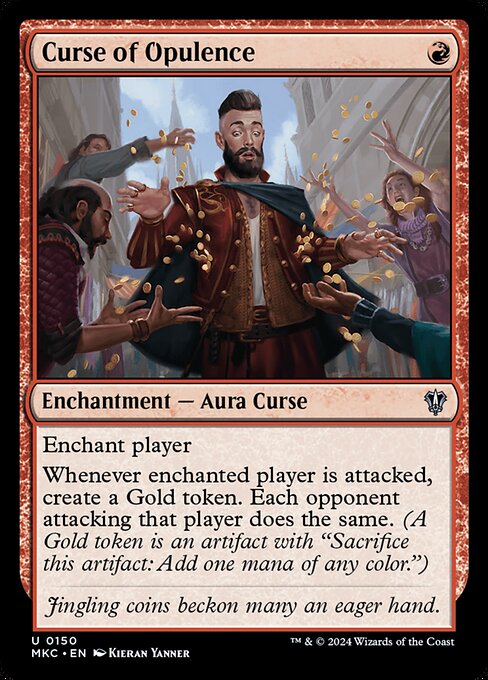
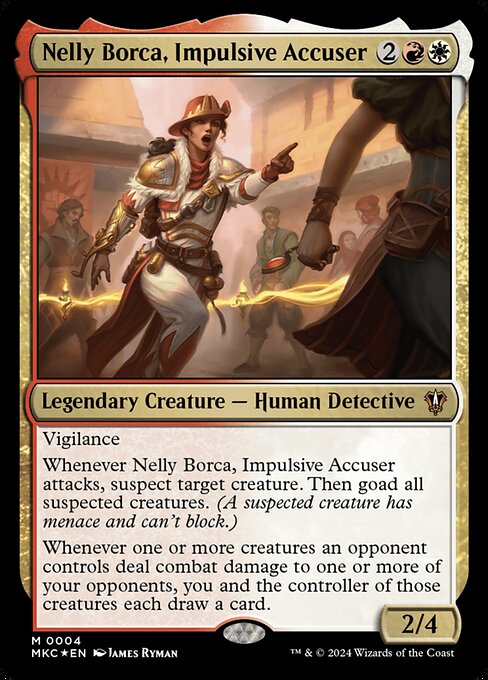
An important aspect of Pillowfort decks is encouraging your opponents to attack each other. This means you want permanents that reward your opponents for doing so. Breena, the Demagogue gives a player attacking an opponent a card draw and you two +1/+1 counters. Nelly Borca, Impulsive Accuser encourages your opponents to attack each other, as it’ll draw both of you cards. Curse of Opulence puts the target on an opponent’s back, as everyone attacking them gives you a Gold token (which is the same as a Treasure token except it doesn’t need to tap itself).

Goading
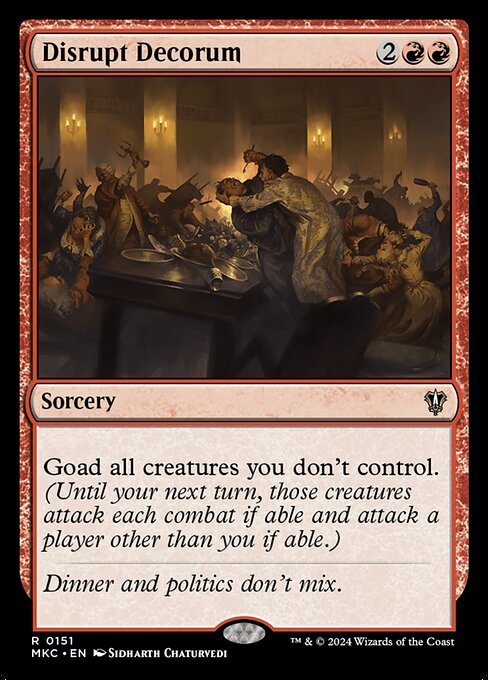
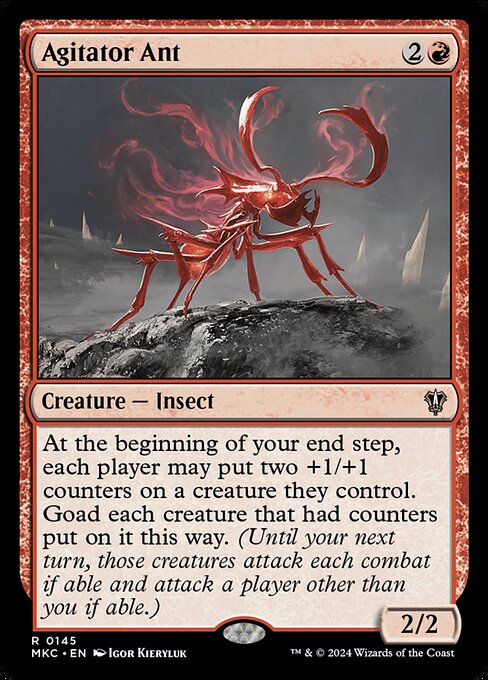
Late game, sometimes your taxing effects won’t matter since your opponents will have an excess of mana. Your taxing effects might also get removed, so you need another layer of defense. This is where goad comes in, as it forces your opponents to attack, and they can’t attack you (unless it’s their only option). Disrupt Decorum goads every creature you don’t control, which will cause a big swing of attacks from all players. Agitator Ant can encourage your opponents to goad their own creatures, accepting the effect for two +1/+1 counters. Bothersome Quasit can goad a ton of creatures with how many noncreature spells you’ll be casting in a Pillowfort deck.

Enchantress Cards
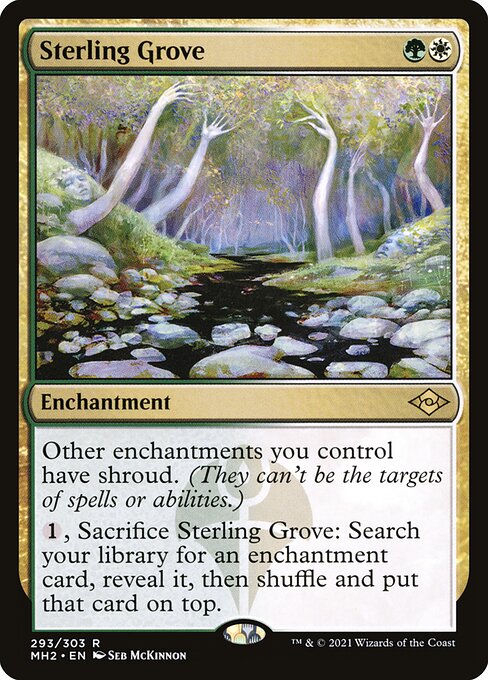
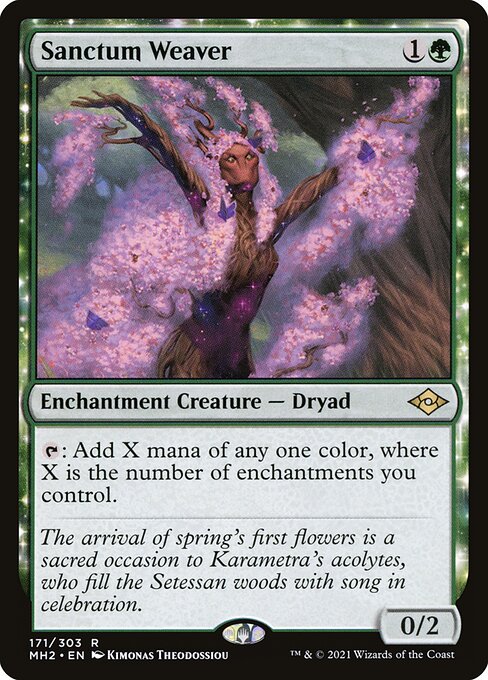
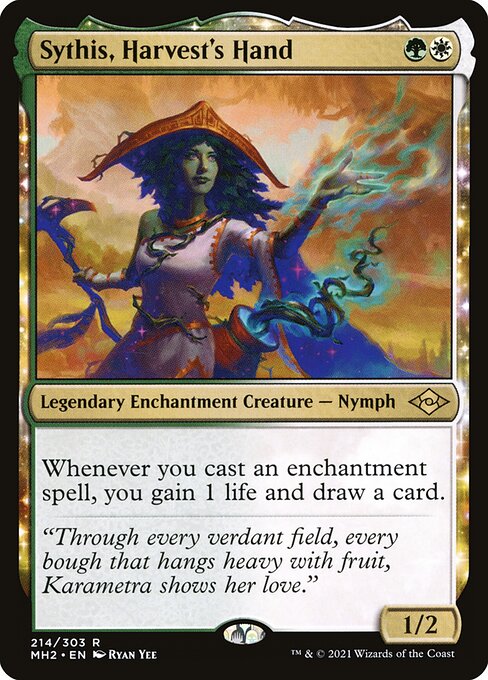
Pillowfort decks run multiple enchantments, so you can take advantage of the various enchantment support cards. Sterling Grove makes your enchantments impossible to target thanks to giving them shroud (and you can use it as an enchantment tutor in a pinch). Sanctum Weaver can generate a ton of mana depending on how many enchantments you control. Sythis, Harvest's Hand provides you with both lifegain and card draw for every enchantment cast. Destiny Spinner makes it so your enchantments can’t be countered so you never have to worry about them not resolving.

Complimentary Pillowfort Cards
There are some cards that Pillowfort decks want to play that may not necessarily be direct support to the Pillowfort strategy. These are ways Pillowfort decks slowly work toward their win condition.
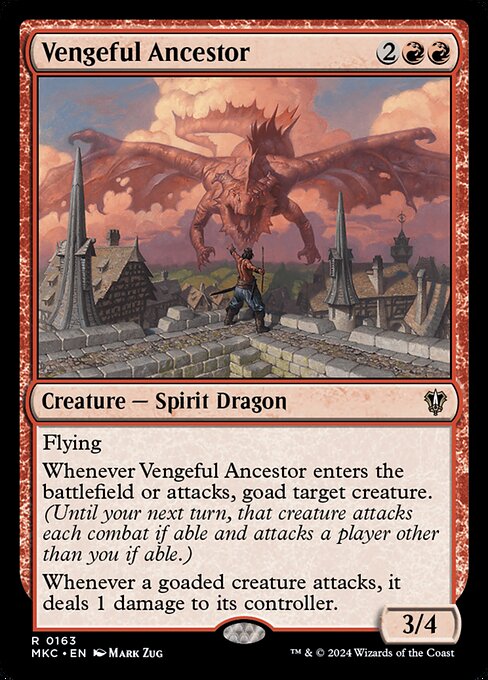
An important suite of cards to play in your Pillowfort decks are cards that dish out burn damage. Kambal, Consul of Allocation punishes your opponents for casting noncreature spells. With goad, Vengeful Ancestor makes all goaded attacks also deal burn damage to help bring everyone’s life totals lower faster. Court of Ire can act as both traditional burn damage or removal (and is extra damaging if you’re the monarch).


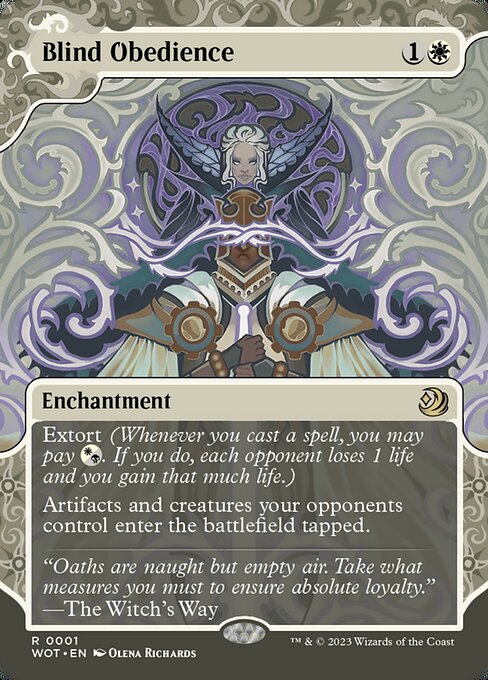
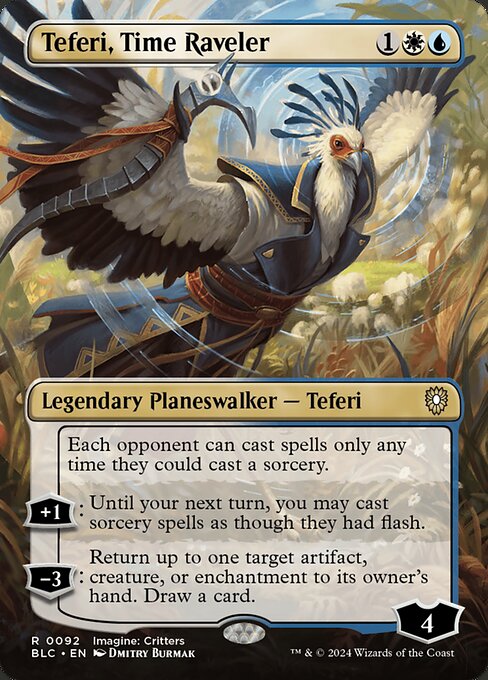
Although Pillowfort decks aren’t directly Stax decks, you still want some Stax pieces to slow the game down while you build up your resources. Both Blind Obedience and Authority of the Consuls make your opponents’ creatures enter tapped, preventing them from attacking the turn they come down. Teferi, Time Raveler can shut down the ability to cast spells outside of sorcery speed, which guarantees your counterspells can’t be countered.

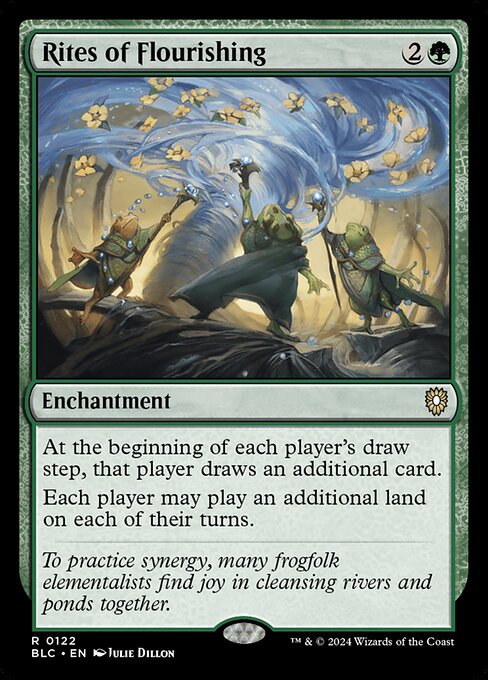
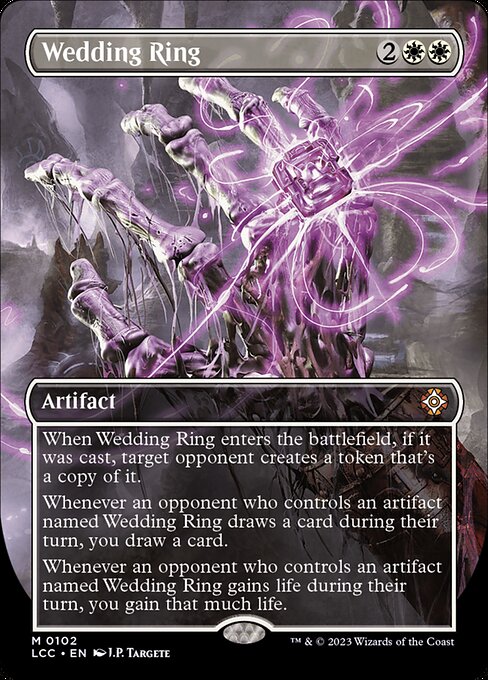
There is also a bit of Group Hug involved in Pillowfort decks. You want to not just prevent opponents from attacking, but also make it so they don’t want to attack you to begin with. Rites of Flourishing lets every draw an extra card and play an extra land. Dictate of Kruphix gives everyone an additional draw at the draw step. Wedding Ring gives you and an opponent the same permanent, which bonds the two of you so you can make an ally to attack everyone else with.

General Game Play
Pillowfort decks are about building the fortress early. You want to get your defensive cards out as quickly as possible before your opponents have the mana for counterspells. Don’t expect to get aggressive until the very end of the game when most of your opponents have little to no life totals.
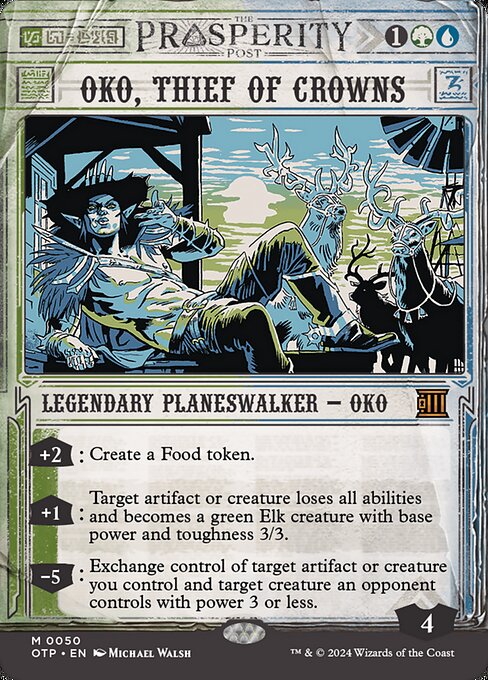
To make sure you stay in the game while you build resources, you’ll want to utilize some political strategies. Make deals with players with card like Wedding Ring, Curse of Opulence, and Oko, Thief of Crowns. Tell them you won’t target them if they won’t attack you (or will target in the case of Wedding Ring)
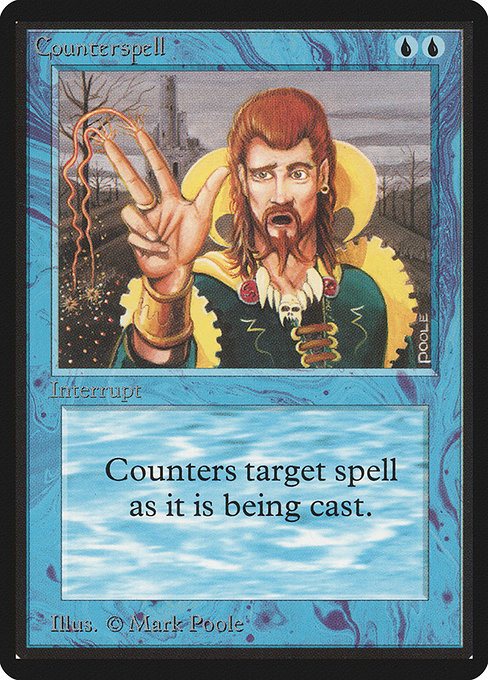
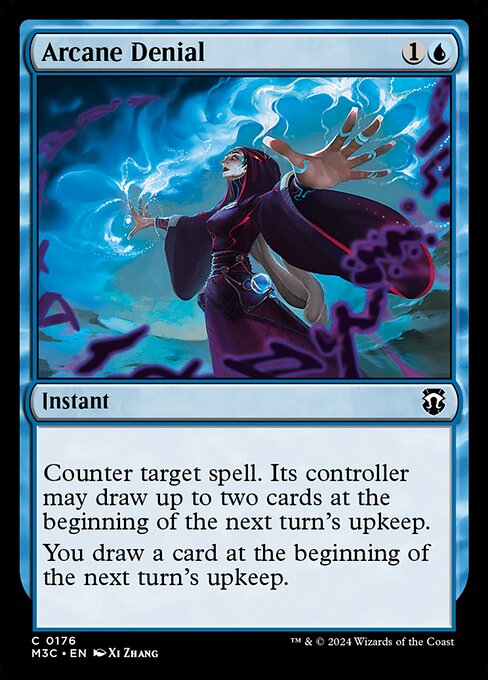
With how passive Pillowfort decks are, counterspells are especially important. You want to make sure you always have mana for cards like Counterspell, Arcane Denial, and Swan Song to shut off any spells that might get rid of your best permanents. It is vital your Pillowfort cards stick around, so make sure to save your counterspells for cards that threaten them.

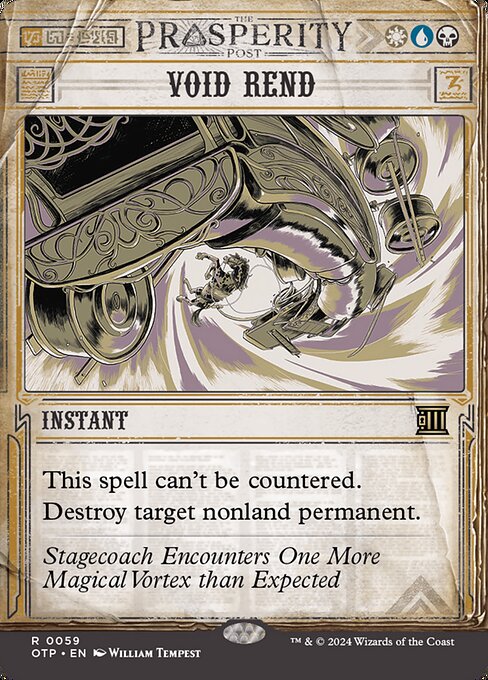
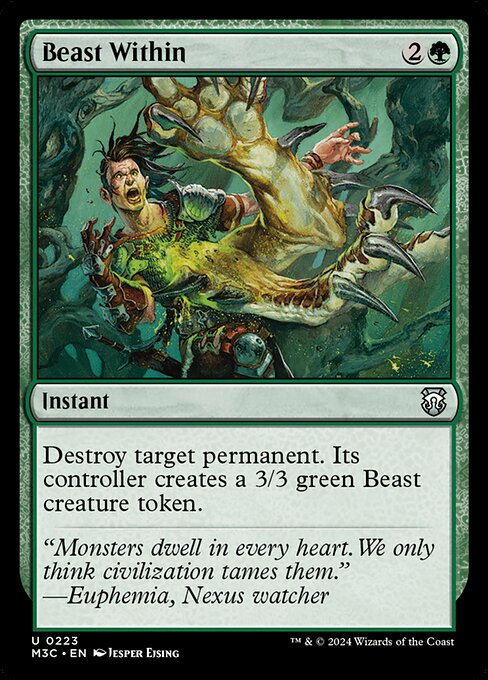
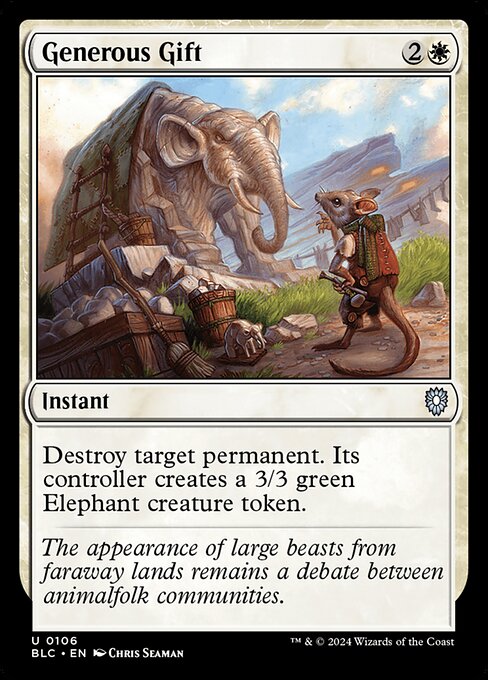
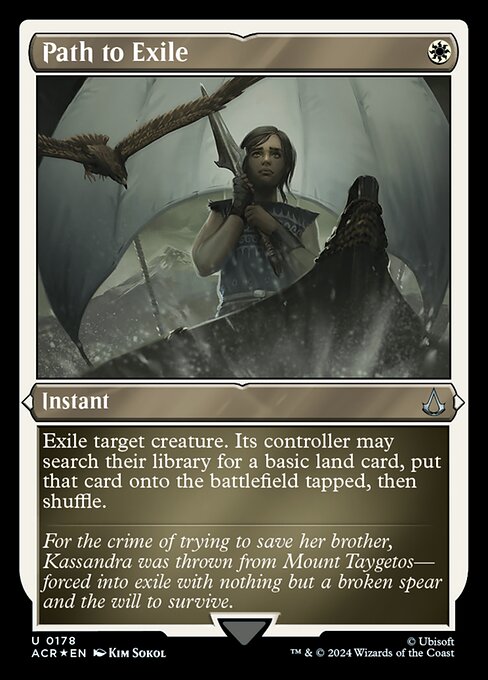
In a similar vein, removal spells are very strong in Pillowfort decks. You can use them after an opponent spent their mana getting through your taxing effects, making it all for nothing. You want to load up with powerful removal spells such as Void Rend, Beast Within, Generous Gift, and Path to Exile, to name a few.
How Pillowfort Decks Win
Winning with a Pillowfort deck takes a while. It’s a slow-burn kind of deck, as you aren’t really being aggressive at all. Pillowfort decks are passive and defensive, only attacking when there’s a good opening. It’s about sticking around until the end of the game when everyone else is low on life and swooping in to victory.
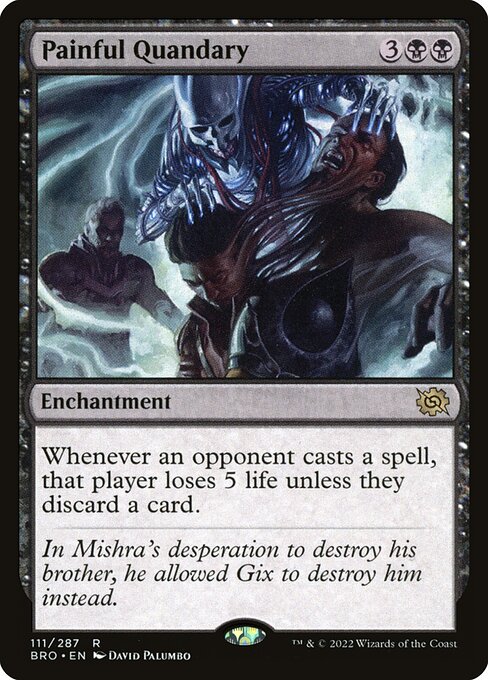
You have passive burn as a way to close out games without lifting a finger. Painful Quandary can help get rid of hands quickly and deal heavy amounts of burn damage. Kambal, Consul of Allocation drains opponents when they play noncreature spells. Oloro, Ageless Ascetic can deal slow, passive burn at a small cost of just mana.

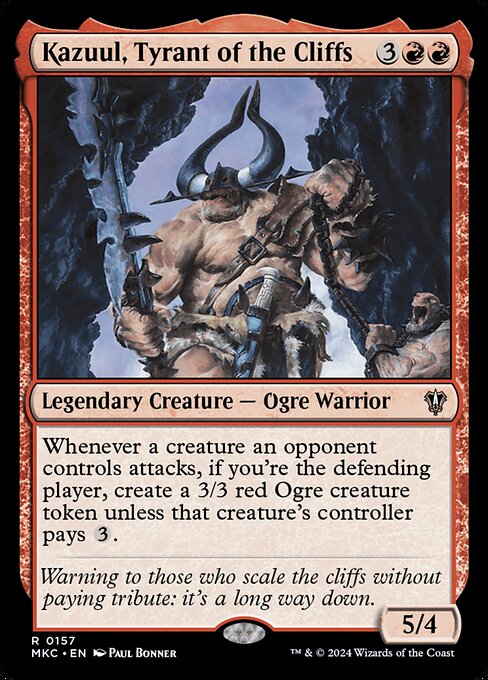
Certain Pillowfort decks win with token generators. Inkshield can turn a wide attack into a ton of 2/1 tokens with flying. Kazuul, Tyrant of the Cliffs creates 3/3 tokens when a creature attacks you if the tax can’t be paid (or wasn’t). Shadrix Silverquill can get you a 2/1 token each turn, and play into the political nature of the archetype with who you target with the second ability. With all of these tokens, once the battlefield is clear of threats, you can swing these in to get the last bit of damage you need to take the remaining opponents out of the game.


Pillowfort Commanders
You have various choices when it comes to a Pillowfort commander. Most have at least White in their color identity, with Blue in most other ones as well. Ultimately, you can make a Pillowfort deck with any color combination. For this article, we’ll be looking at three commander options for a Pillowfort deck.
Queen Marchesa
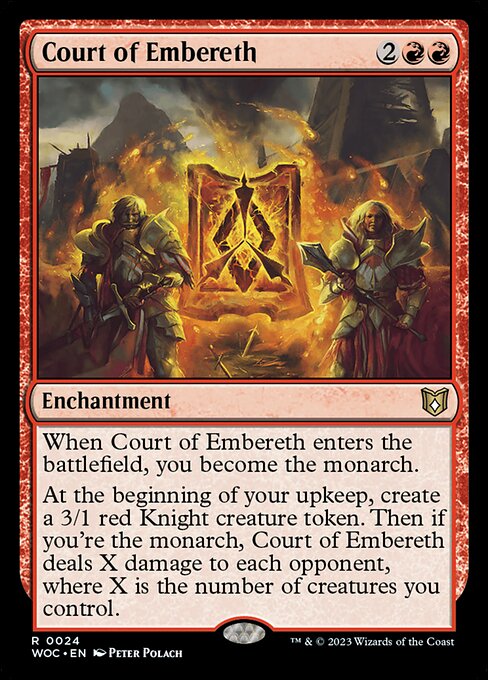
Queen Marchesa is a unique Pillowfort commander in that in addition to your Pillowfort effects, you take advantage of the monarch. When you’re the monarch, you draw a card each end step. Certain permanents get an extra boost when you’re the monarch such as Court of Embereth, Court of Ire, and Court of Ambition. This helps you build advantage while also working your way to a victory without stalling out too hard.


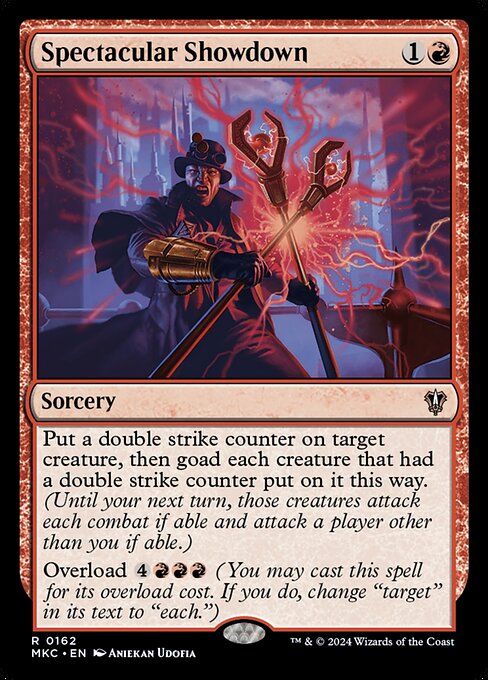
Thanks to having access to Red , you have access to goading cards. This is especially good with Queen Marchesa, as this helps you keep the monarch as you lose it if you ever take combat damage. Vengeful Ancestor keeps creatures goaded whenever it attacks (and burns opponents). Karazikar, the Eye Tyrant can tap and goad multiple creatures a turn while dealing burn damage and drawing you cards. If you overload Spectacular Showdown, you can goad every creature on the battlefield (and give them double strike).

The deck can generate tokens easily. Assemble the Legion provides a growing number of tokens every upkeep. Court of Grace nets you either a 1/1 or a 4/4 token depending on if you’re the monarch or not. Queen Marchesa itself provides 1/1 tokens if you ever lose the monarch. All of these token generators help you to be more of a threat quicker while still hiding behind your Pillowfort cards.


A sample decklist can be viewed here. This deck sits around the bracket 3 range, and can easily be built on a budget. This particular list’s value primarily comes from the lands, so if you run more budget lands and basic lands, you can craft it without breaking the bank.
Oloro, Ageless Ascetic
Oloro, Ageless Ascetic has one of the best commander effects you can ask for. Whether it’s on the battlefield or in your command zone, its effect to gain you two life will always trigger. It does have to be on the battlefield for the card draw effect, but you never actually have to cast it to get value out of it. This flavor of Pillowfort has a lifegain subtheme, playing cards like Soul Warden, Soul's Attendant, and Sheoldred, the Apocalypse to have consistent lifegain along with your commander.


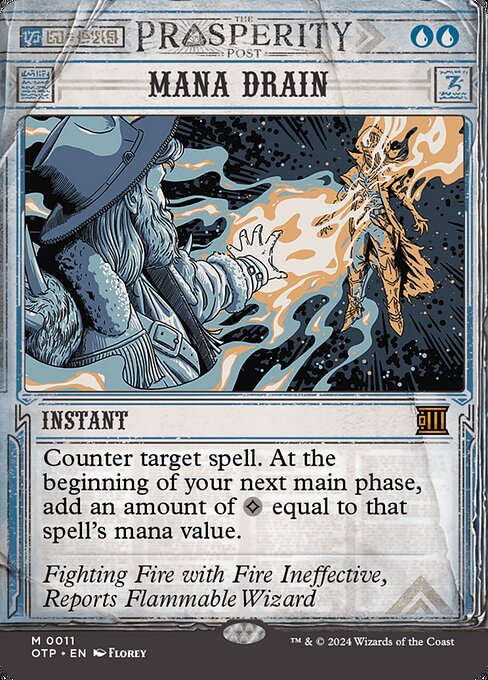
This build of Oloro, Ageless Ascetic is very control-oriented, and plays a suite of good, cheap counterspells. These include Fierce Guardianship, Swan Song, and Mana Drain. It also contains ways to punish opponents for attacking you with cards like No Mercy and Michiko Konda, Truth Seeker. All of these make it easy to control the game state and keep yourself safe from threats.



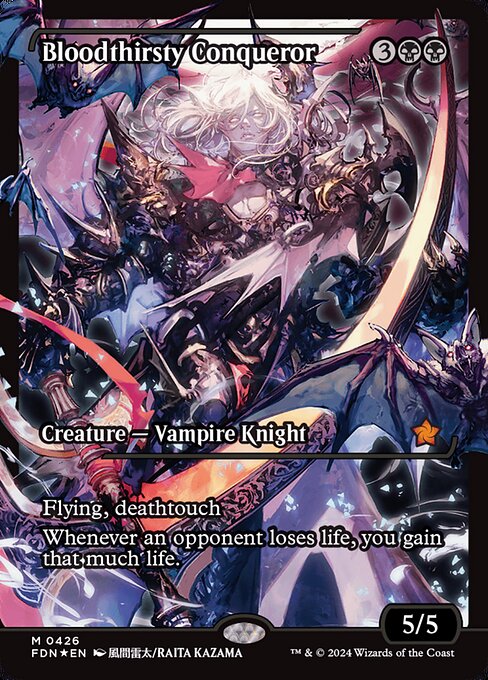
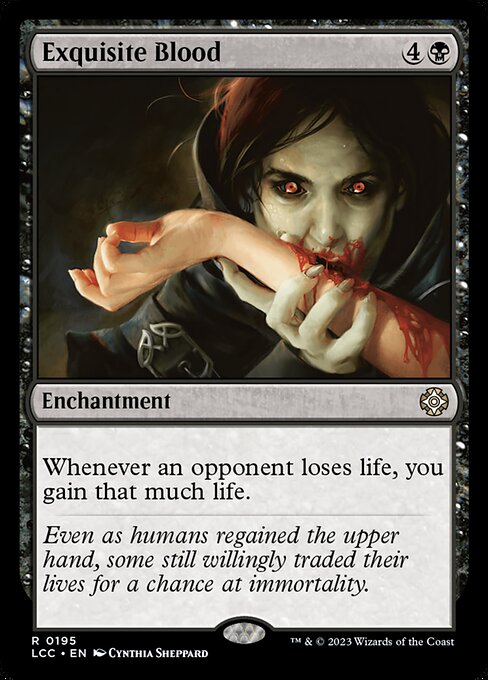
The deck can easily trigger infinite combos. All you need is a permanent that deals damage whenever you gain life, and one that gains life when you deal damage. So, any combination of Bloodthirsty Conqueror and Exquisite Blood with Enduring Tenacity, Marauding Blight-Priest, Starscape Cleric, Vito, Thorn of the Dusk Rose, or Sanguine Bond makes an infinite combo that takes everyone out of the game.


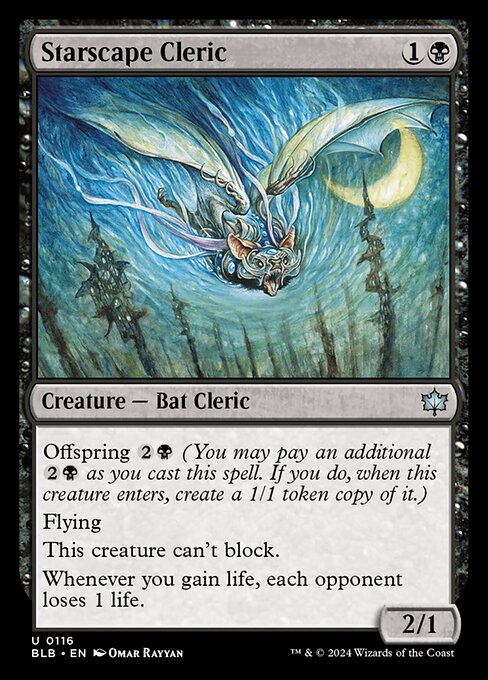
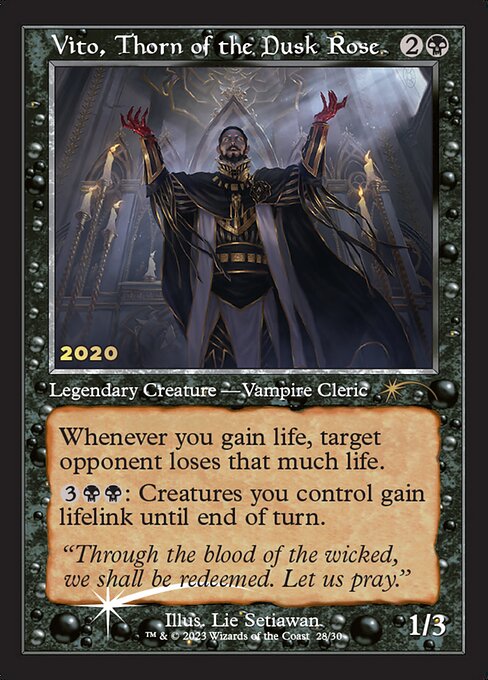
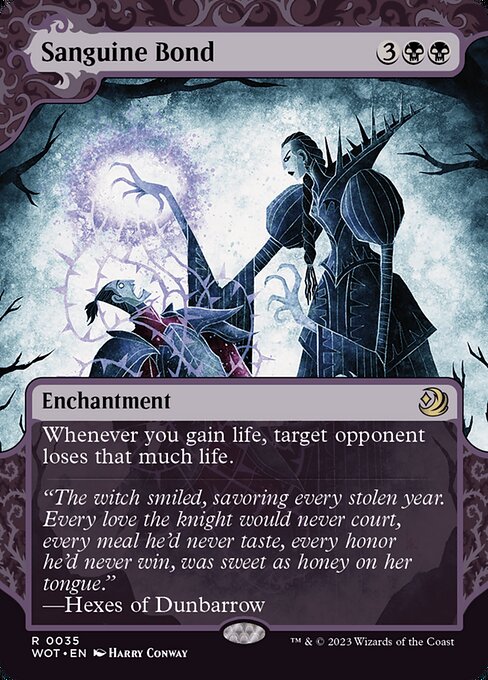
A sample decklist can be viewed here. This deck is built with a higher power level lean, sitting comfortably as a bracket 4 deck. With some upgrades in fast mana and more free spells, you can pump it up to bracket 5, or take out a few combo enablers to bring it down in both power level in price.
Zedruu the Greathearted
Zedruu the Greathearted mixes Pillowfort strategy with gifting strategies. On top of your usal Pillowfort affairs, you’ll be sending permanents that slow down your opponents to them. You’re rewarded with draw with Zedruu the Greathearted, and can easily send permanents to opponents with Iroh, Tea Master and Stiltzkin, Moogle Merchant.



You don’t want to send useful permanents to your opponents, but ones that hamper them. This plays into the political aspect that comes with Pillowfort decks. You can make deals with other players in exchange for not sending these permanents their way. Moderation slows an opponent down by locking them into one spell a turn. Steel Golem and Grid Monitor both prevent the playing of creature spells. You can even take someone out of the game by giving them Nine Lives before all nine counters get put on it to take them out of the game quickly.
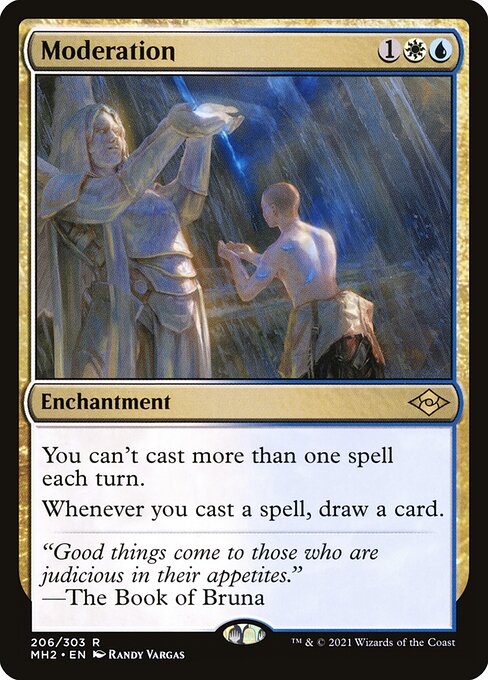


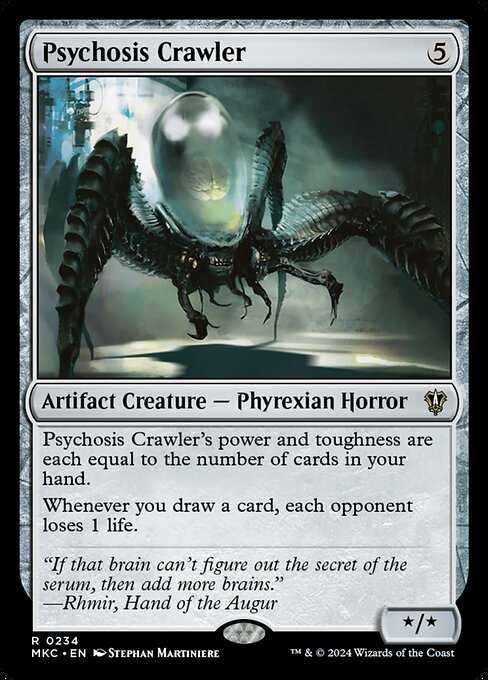
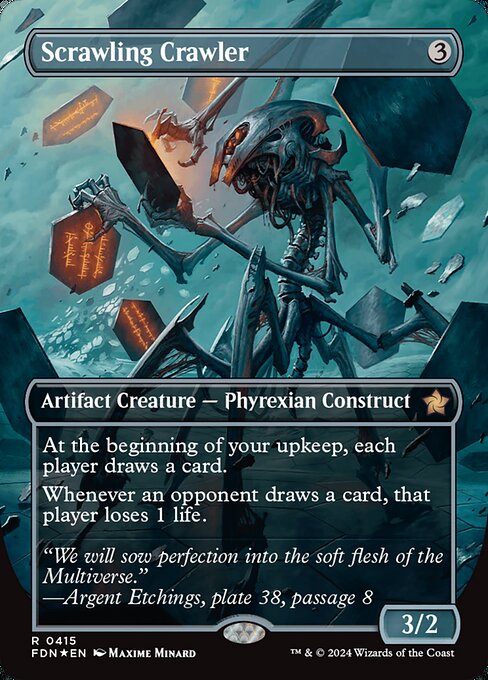
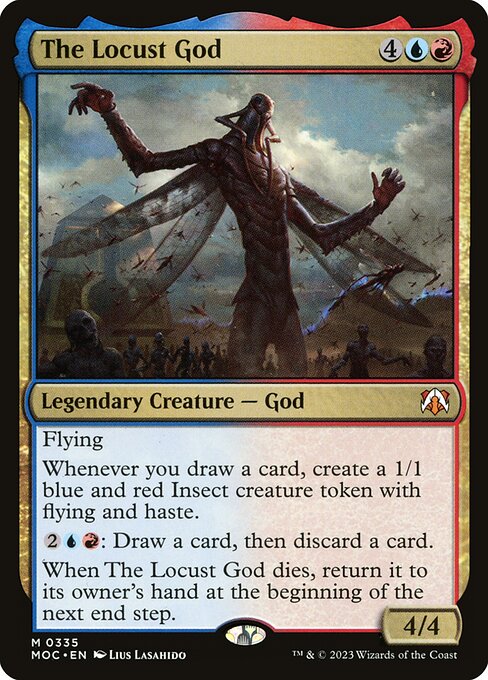
With how many permanents that get sent to all your opponents, you can draw a ton of cards with Zedruu the Greathearted. You can turn this into a win condition with cards like Psychosis Crawler, Scrawling Crawler, and The Locust God. The deck is slow, and brings everyone else’s game plan down to a crawl while you amass your defenses. These cards help push down the accelerator so you can actually win the game.
A sample decklist can be viewed here. The deck is at a bracket 3 power level, and by nature, doesn’t fit into bracket 2 or lower. You can opt to lean heavier into the Stax if you want to raise its power level, but if you want to keep it as a different flavor of Pillowfort, this build will get the job done in your bracket 3 games.
In Conclusion
Pillowfort EDH decks are passive and defensive, and usually don’t interact too much with what’s happening on the battlefield. Instead, you let everyone else dish it out while you sit back and let everyone take each other out.
Pillowfort decks are slow, so if you’re looking for decks that can win quickly, it’s not the strategy for you. However, if you like slow-burns or playing into the more political aspects of Commander, then a Pillowfort deck is perfect for you.