




Table of Contents
Black, Red, and Green. Ambition, Fury, and Relentless Growth — Jund is the color combination of survival through dominance. Where other triads seek harmony, structure, or long-term perfection, Jund embraces the raw truth of the battlefield: resources exist to be consumed, and power belongs to whoever can extract the most from destruction. Black provides recursion and ruthless value, Red supplies aggression and volatility, and Green ensures constant resource expansion. Together, they form a wedge that doesn’t just play the game, it devours it.
In Commander, Jund thrives on converting every permanent into momentum. Creatures dying become card advantage. Lands entering or leaving become engines. Treasures turn into explosive turns. Graveyards stop being a loss condition and instead become a second resource pool. Jund decks rarely rely on a single axis of victory; instead, they pressure the table from multiple directions at once, forcing opponents to keep up with sacrifice loops, accelerating mana, and recursive threats that refuse to stay gone.
Unlike more reactive color identities, Jund does not aim to control the game’s pace from a distance. It actively reshapes the board through removal, combat pressure, and permanent-based engines that snowball if left unanswered. If Bant stabilizes and Esper regulates, Jund overwhelms. It is the triad most comfortable turning chaos into advantage and using the graveyard, battlefield, and mana pool as interchangeable parts of the same machine.
What Jund Does Best
Jund’s strength lies in how naturally its colors reward permanent-based play. Almost every action — sacrificing, ramping, attacking, destroying, feeds another layer of value.
Explosive Mana Development — Cultivate | Kodama's Reach | Three Visits | Farseek
Graveyard Recursion and Resource Recycling — Reanimate | Eternal Witness | Animate Dead | Victimize
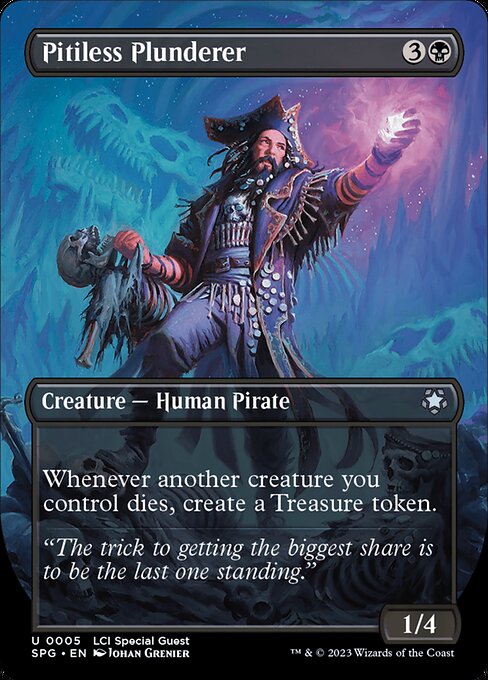
Sacrifice Engines and Death Triggers — Mayhem Devil | Blood Artist | Korvold, Fae-Cursed King | Pitiless Plunderer
Permanent-Based Removal and Board Pressure — Beast Within | Chaos Warp | Assassin's Trophy | Abrupt Decay
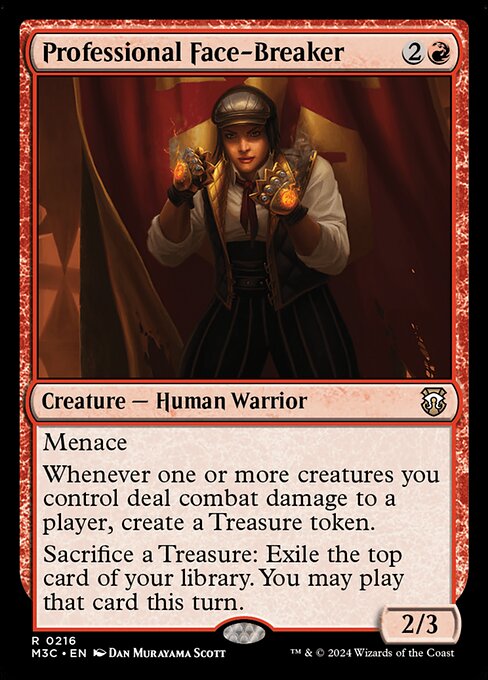
Treasure, Token, and Value Generation — Old Gnawbone | Tireless Provisioner | Professional Face-Breaker | Revel in Riches
Archetype 1: Jund Lands Matter
Jund has always excelled at turning raw resources into overwhelming advantage, and Hearthhull, the Worldseed embodies that by making lands the central engine of the deck. Rather than treating lands as passive mana sources, this deck plays them aggressively, sacrifices them freely, and repeatedly brings them back to generate value until the table simply can’t keep up. The result is a strategy that ramps explosively, snowballs through recursion, and eventually overwhelms opponents.
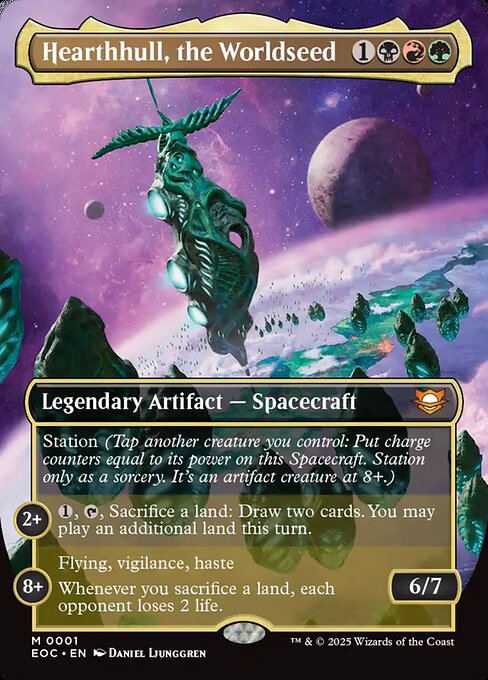
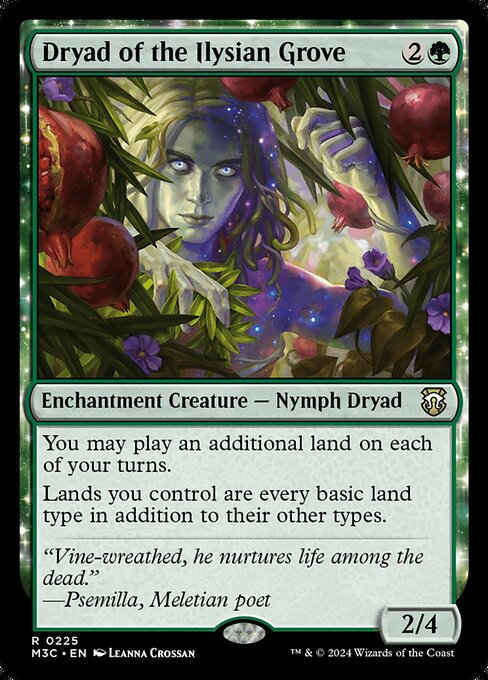
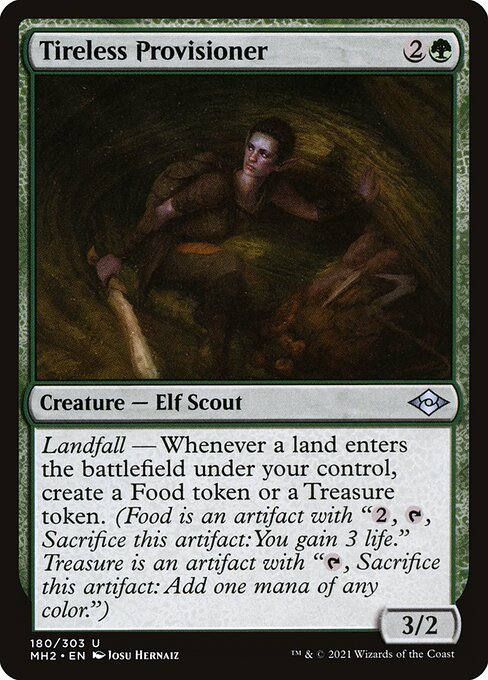
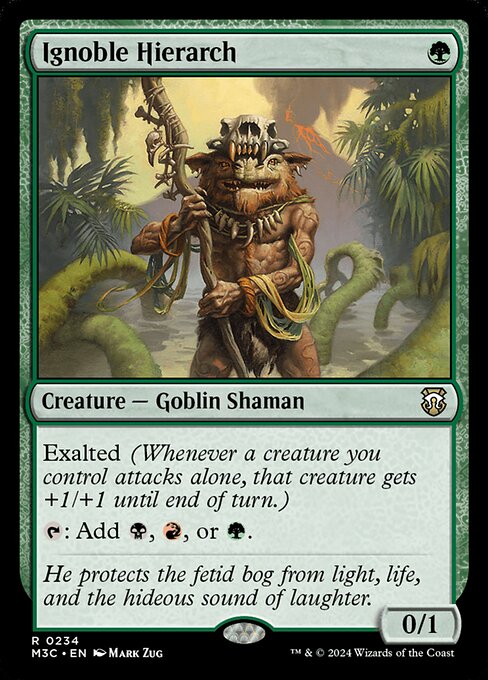
Extra land effects form the backbone of the deck’s acceleration: Azusa, Lost but Seeking, Exploration, Dryad of the Ilysian Grove, and Mina and Denn, Wildborn all allow multiple land drops each turn, ensuring the deck rapidly pulls ahead on mana development. Lotus Cobra and Tireless Provisioner turn those additional land entries into bursts of mana and Treasure, while Ignoble Hierarch helps smooth the early turns so the engine can start running quickly.




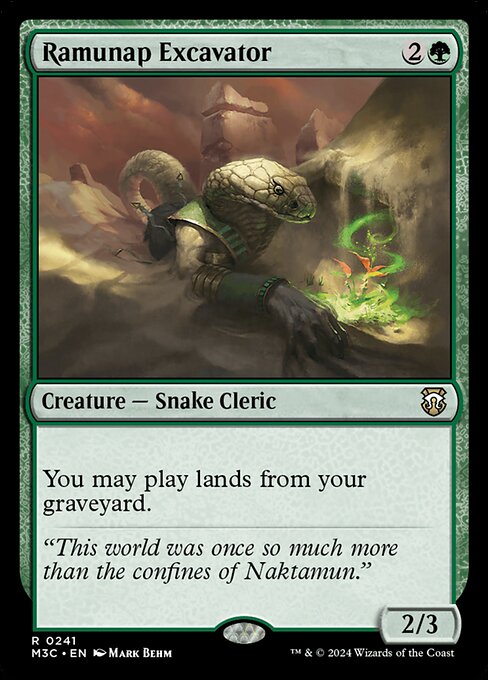
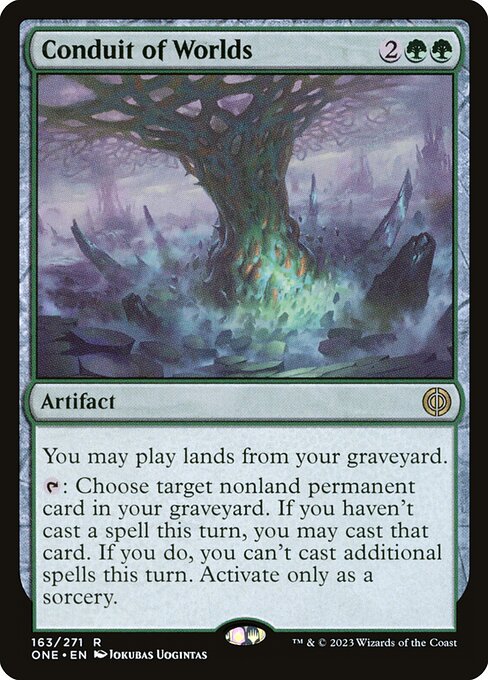
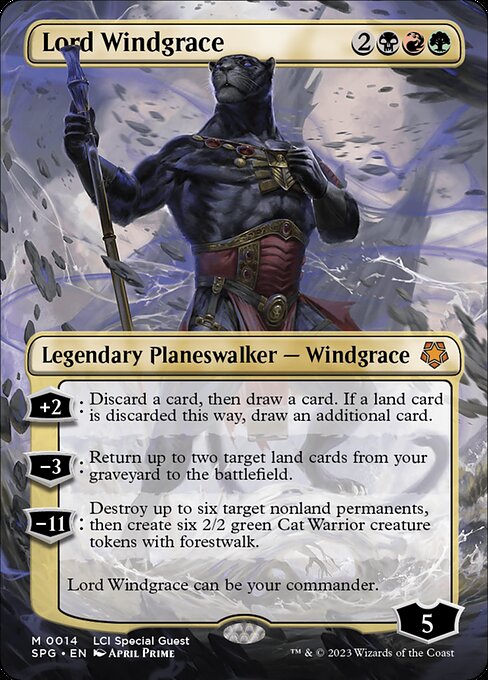
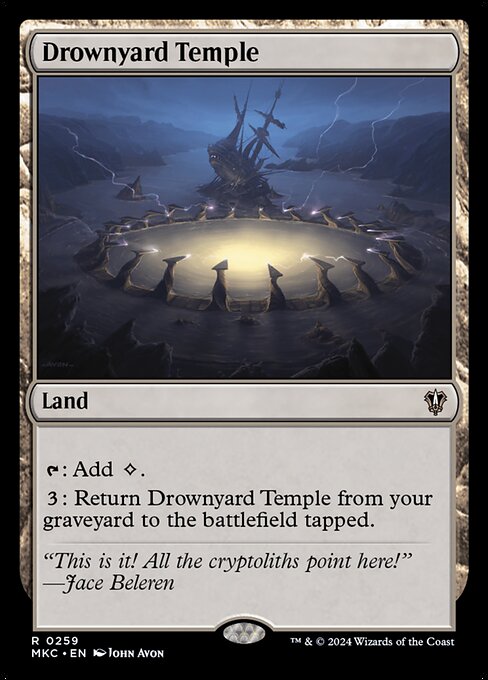
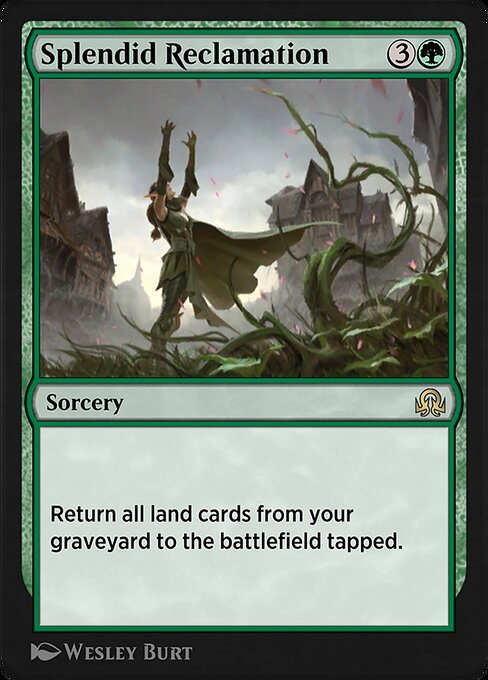
Of course, the real strength comes from making sure lands never stay in the graveyard for long. Crucible of Worlds, Ramunap Excavator, Ancient Greenwarden, Conduit of Worlds, and Lord Windgrace all allow lands to be replayed repeatedly, turning fetchlands like Fabled Passage into constant ramp and fixing. Drownyard Temple can even return itself, while Splendid Reclamation enables massive recovery turns that suddenly rebuild an entire mana base and trigger every land payoff simultaneously.


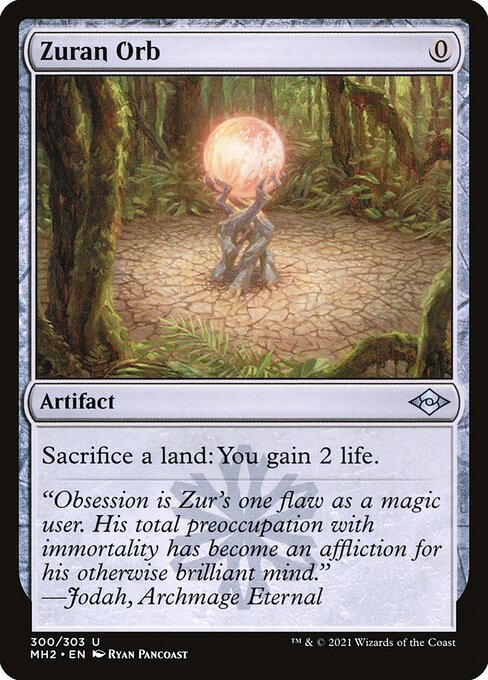
Because the deck is built to recover resources faster than opponents, it can use land sacrifice as an advantage. Zuran Orb turns spare lands into life when needed; Devastating Dreams, Nahiri's Lithoforming, Natural Balance, and other sweeping effects can reset the battlefield in ways that the deck is uniquely positioned to recover from first.


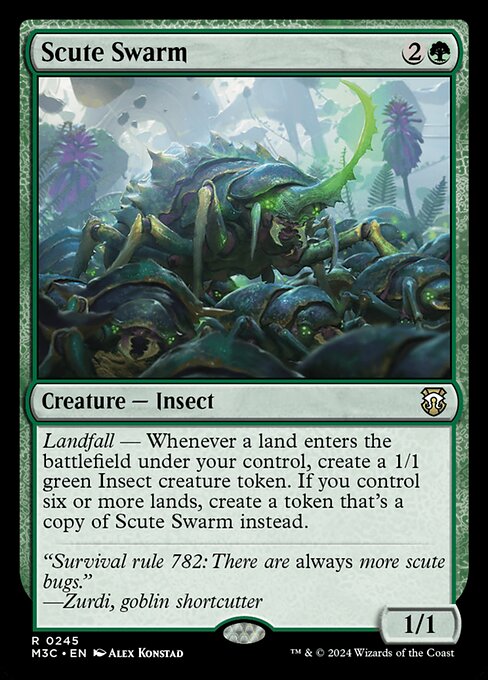
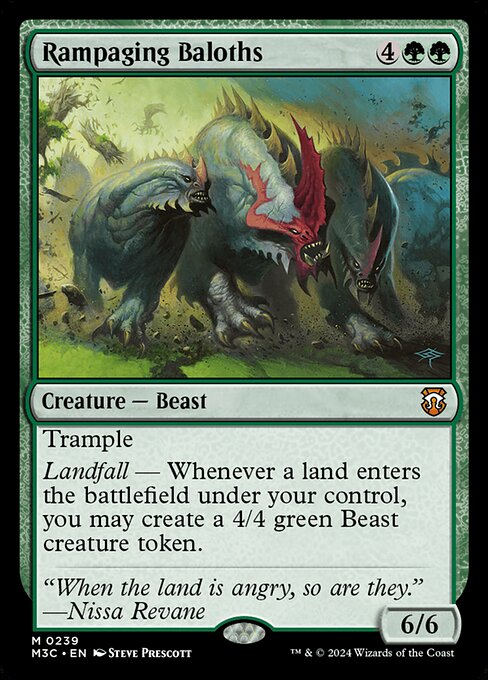
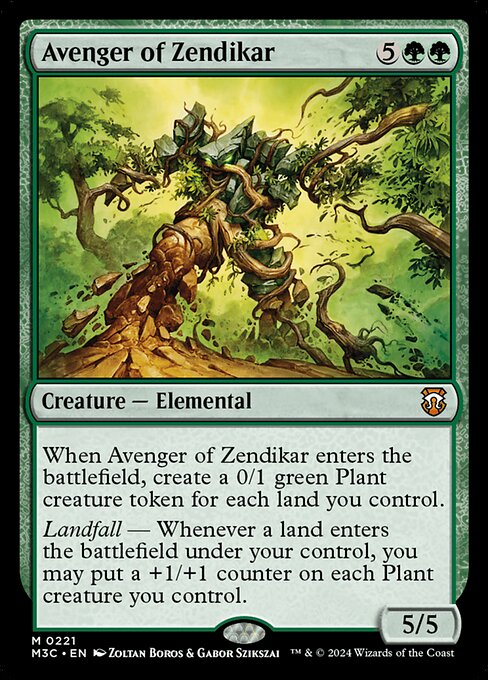
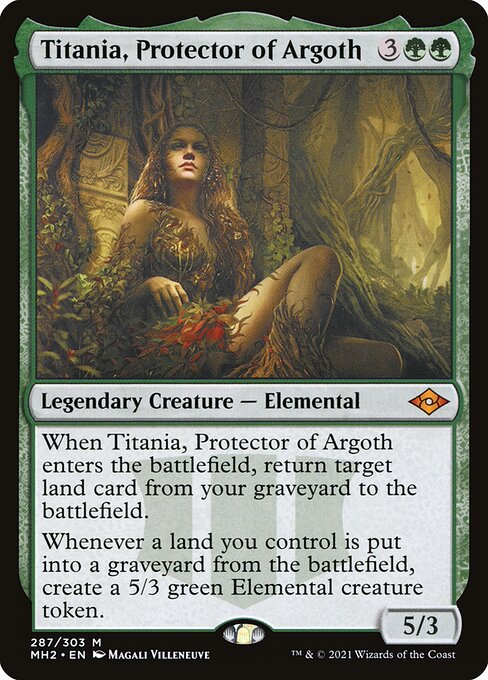
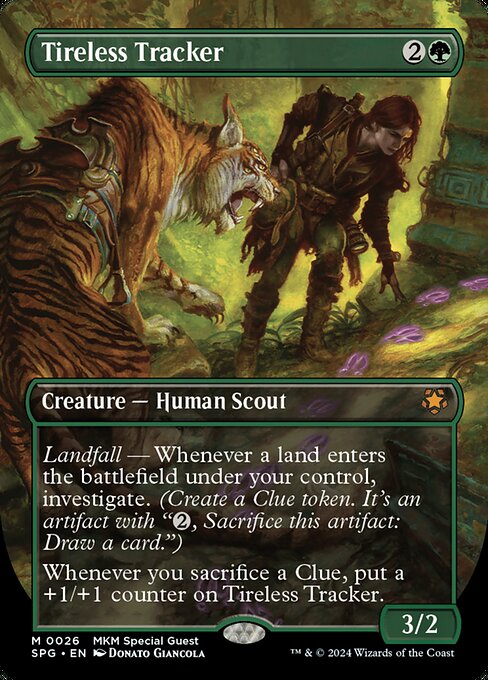
Repeated land entries turn into an overwhelming board presence thanks to creatures such as Scute Swarm, Rampaging Baloths, Avenger of Zendikar, Turntimber Sower, and Titania, Protector of Argoth. Tireless Tracker adds steady card advantage to this process, ensuring the deck rarely runs out of gas while developing its board. What begins as routine ramp can explode into a massive token army, especially when a late-game Splendid Reclamation or large recursion sequence puts multiple lands into play at once.

The deck also carries powerful finishing tools. Craterhoof Behemoth remains the most direct finisher, capable of turning even a modest token board into lethal damage on the spot. Valakut Exploration provides both card flow and incremental damage during heavy land turns, and Retreat to Hagra can steadily drain opponents while enabling combat swings. With the sheer amount of mana the deck can generate, these finishing sequences tend to arrive earlier than opponents expect.


Tutors such as Vampiric Tutor, Demonic Tutor, and Summoner's Pact provide consistency by finding whichever engine piece or payoff creature the current board state requires, whether that means recursion, token production, or a direct finisher.


If chipping at the board through relentless land recursion, explosive token generation, and also being able to have massive finishing turns sounds like your kind of strategy, feel free to check out the decklist here:
Archetype 2: Sacrifice / Treasures
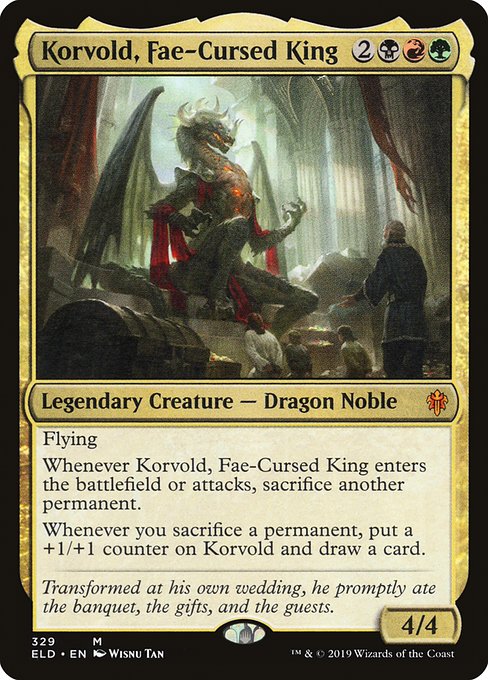
Few commanders embody Jund’s appetite for resource conversion better than Korvold, Fae-Cursed King, and this build leans fully into that identity by turning every disposable permanent into cards, mana, and eventually a win condition. The deck isn’t interested in playing fair creatures and attacking over several turns; instead, it constructs a constant looping sacrifice engine where Treasures, tokens, and expendable creatures become fuel for draw chains and lethal payoff triggers. Once Korvold hits the battlefield, even the smallest token can spiral into overwhelming advantage.
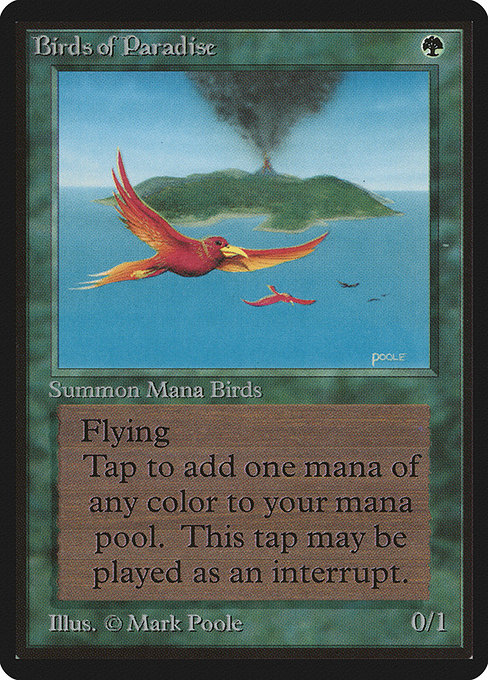
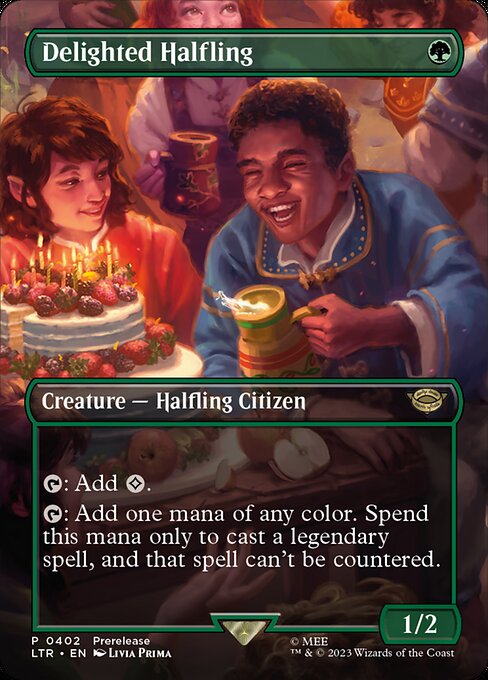
Mana dorks like Birds of Paradise, Delighted Halfling, Ignoble Hierarch, Elves of Deep Shadow, and Deathrite Shaman help accelerate into an early Korvold or other important pieces. Ritual effects such as Dark Ritual and Culling the Weak enable particularly explosive openings, while premium lands including Gaea's Cradle ensure the deck can operate at high speed from the very beginning. Azusa, Lost but Seeking and Crop Rotation further help optimize land development, making sure mana is never a limiting factor.


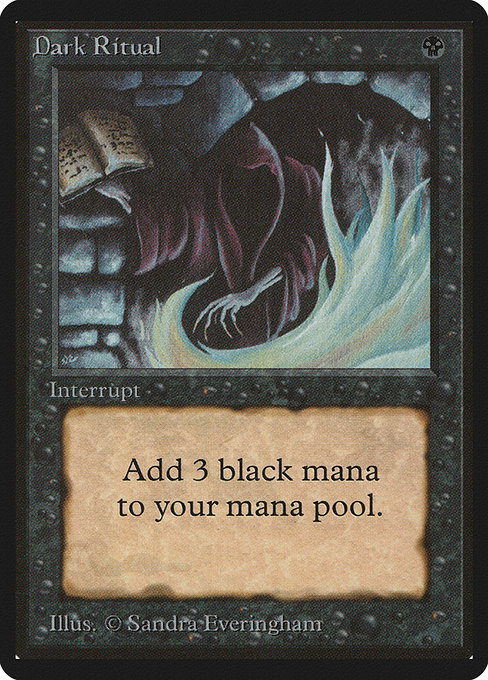


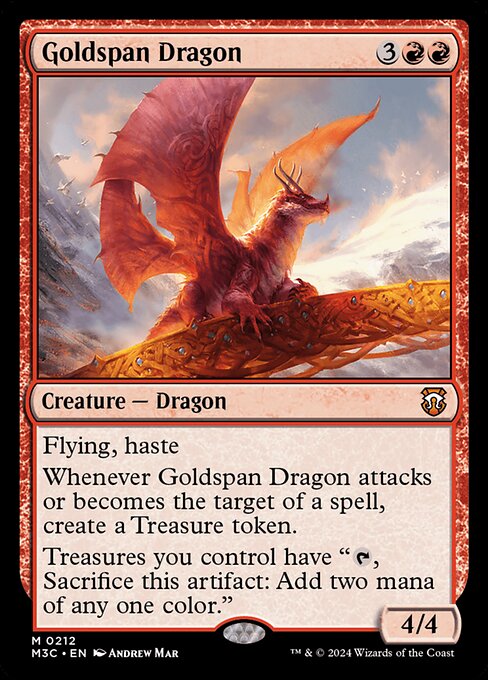
Treasure production forms the most reliable renewable fuel source. Pitiless Plunderer sits at the center of many sequences, generating Treasures whenever creatures die, while Professional Face-Breaker, Storm-Kiln Artist, Goldspan Dragon, Tireless Provisioner, Ragavan, Nimble Pilferer, and The Reaver Cleaver continuously add more tokens to feed Korvold. Even small contributors like Impulsive Pilferer, Greedy Freebooter, or Forsaken Miner help ensure that sacrificing permanents never actually costs the deck resources. With Korvold drawing cards and growing larger each time something is sacrificed, these quickly transform into massive hands and a commander that threatens lethal damage.

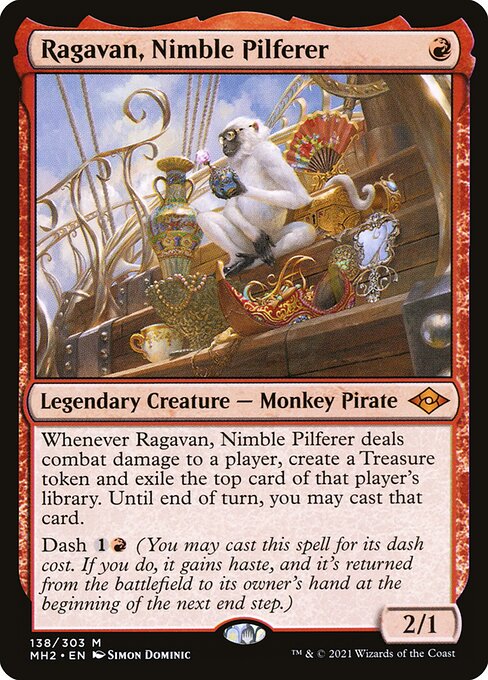
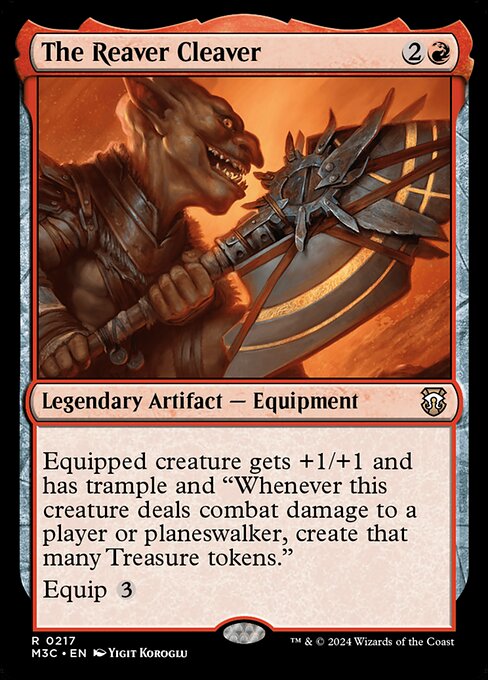

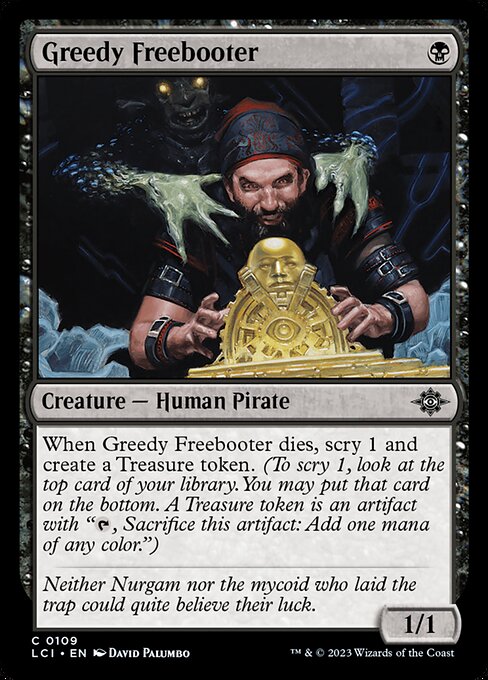
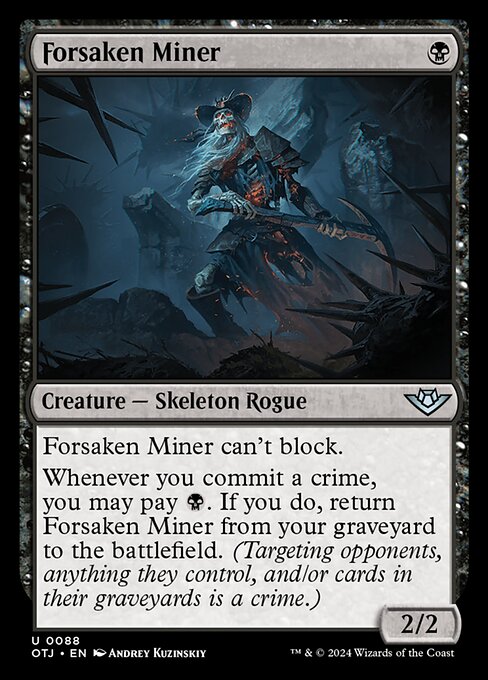
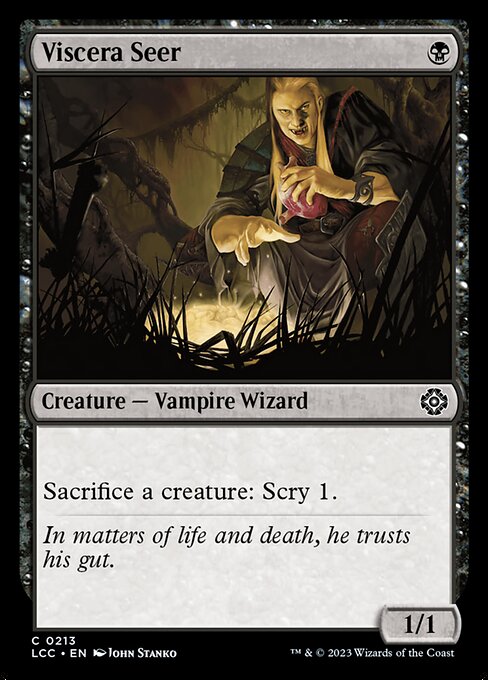
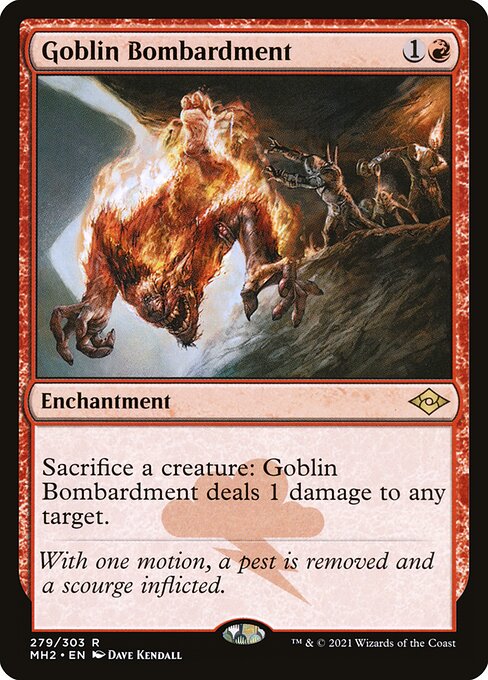
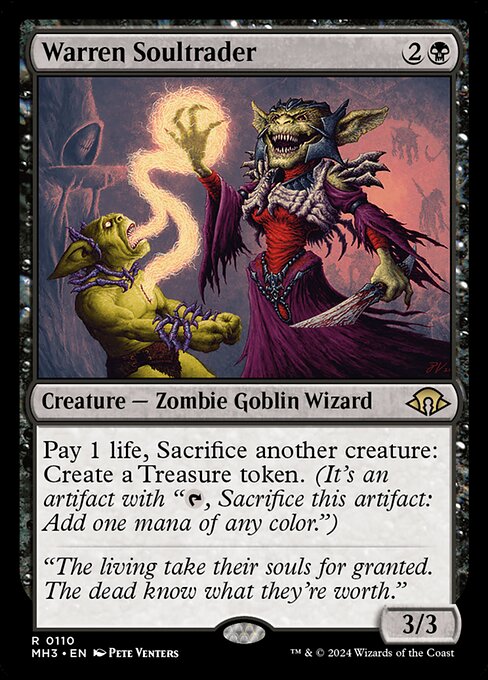
The deck reinforces this with dedicated sacrifice outlets that allow precise control over when and how permanents die. Viscera Seer, Goblin Bombardment, Grinding Station, Warren Soultrader, and Ruthless Technomancer can convert creatures into bursts of mana or Treasures.


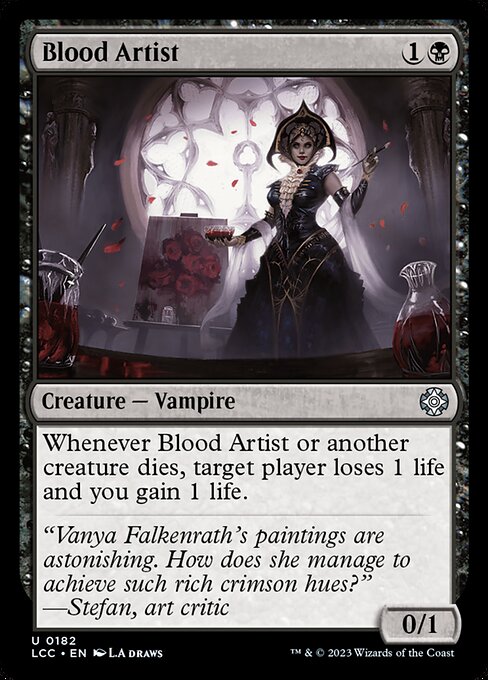
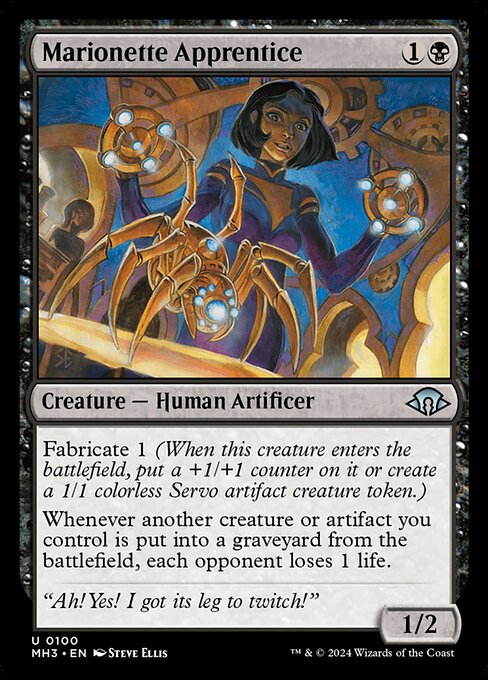
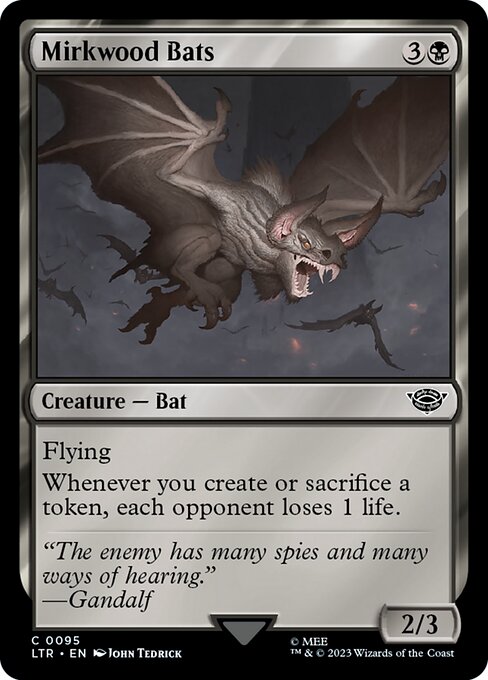
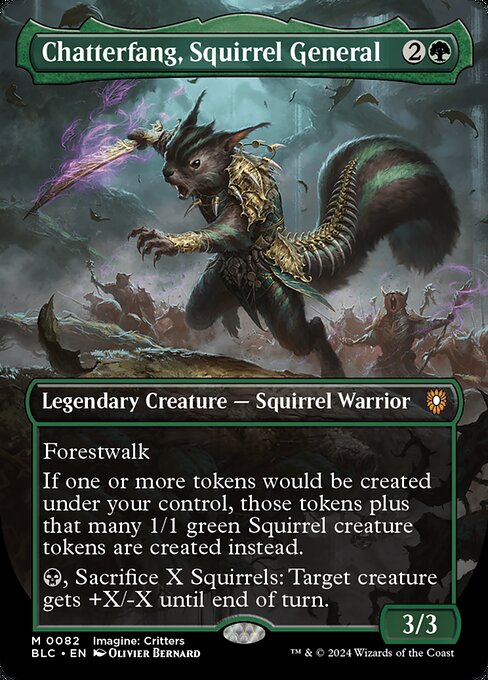
These sacrifices translate directly into table pressure through multiple drain effects such as Blood Artist, Zulaport Cutthroat, Marionette Apprentice, and Mirkwood Bats which all steadily convert each sacrificed creature or artifact into life loss for opponents, meaning even routine moves chip away at the entire table. Chatterfang, Squirrel General multiplies token production and enables additional sacrifice lines, while Revel in Riches offers an alternate victory path if Treasures accumulate unchecked. In many games, opponents won’t lose to combat damage at all, they simply get drained out while the Korvold player continuously cycles their board into new resources.


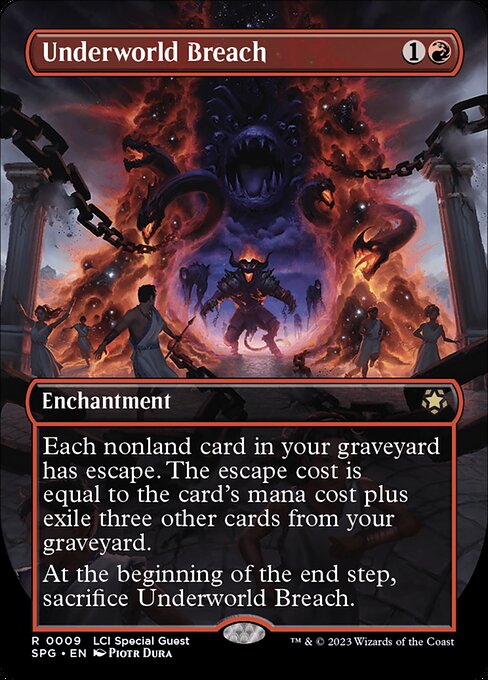
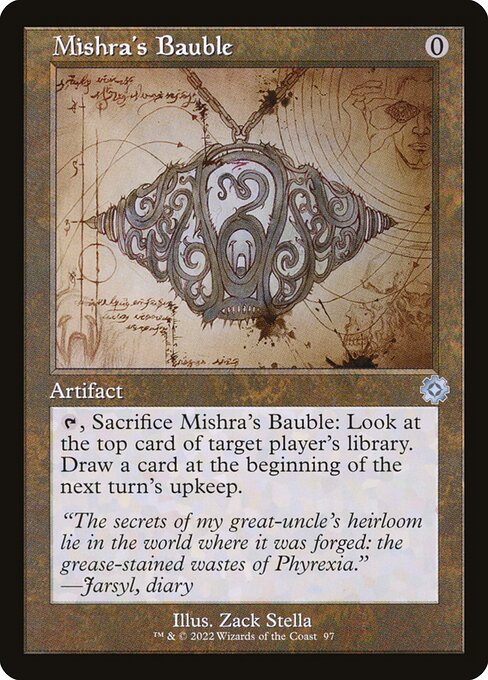
Underworld Breach enables graveyard-based recursion loops with cheap artifacts like Mishra's Bauble. Finale of Devastation serves both as a tutor and as a finishing overrun when the deck has generated enough mana. Because so many cards replace themselves through Korvold, these combos often appear naturally without requiring dedicated setup turns.

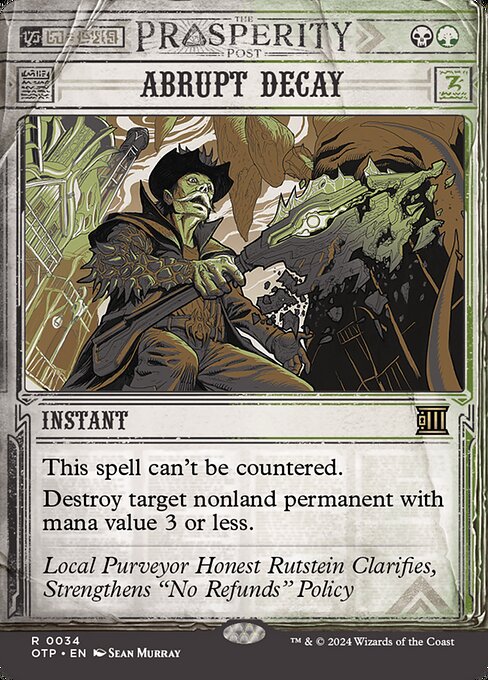
The deck also runs a dense package of efficient interaction and protection. Abrupt Decay,


If chaining sacrifices into massive draw turns, explosive Treasure production, and sudden combo kills sounds like your kind of strategy, feel free to check out the decklist here:
Archetype 3: Group Slug
With Yurlok of Scorch Thrash at the helm, this deck embraces one of the strangest and most uniquely political mechanics in Commander: giving everyone mana… and making them regret it. Rather than restricting opponents or racing ahead with conventional ramp, the strategy here is to flood the table with extra resources, then weaponize that generosity through mana burn, punishing effects, and explosive X-spells that convert absurd mana totals into instant wins.

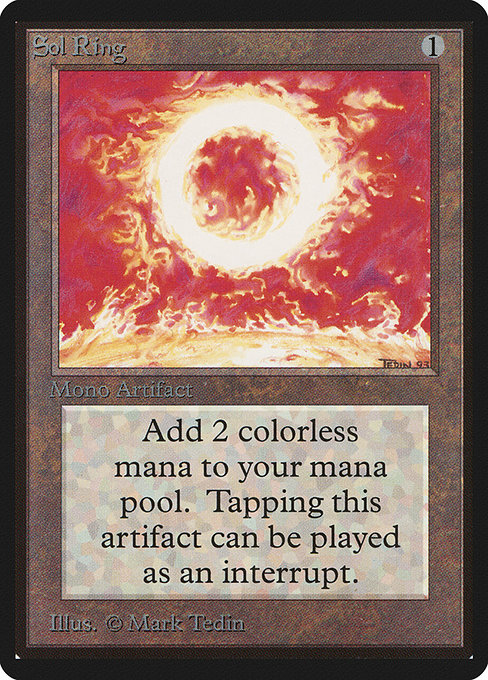
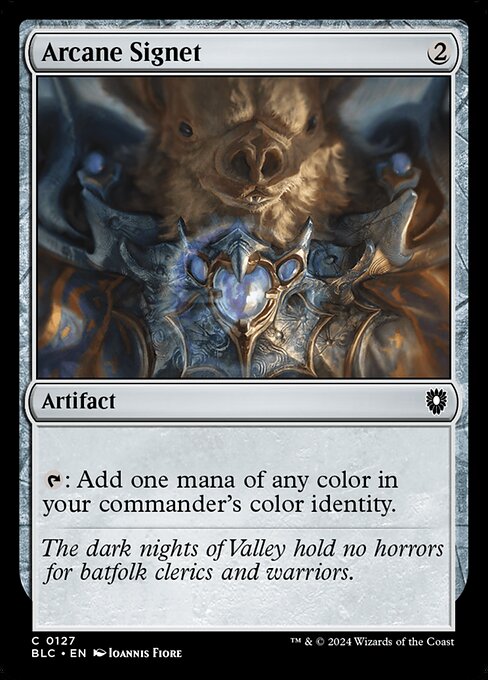
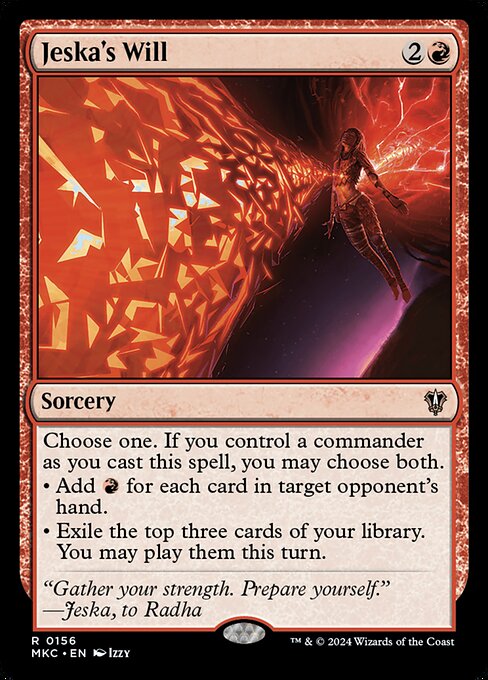
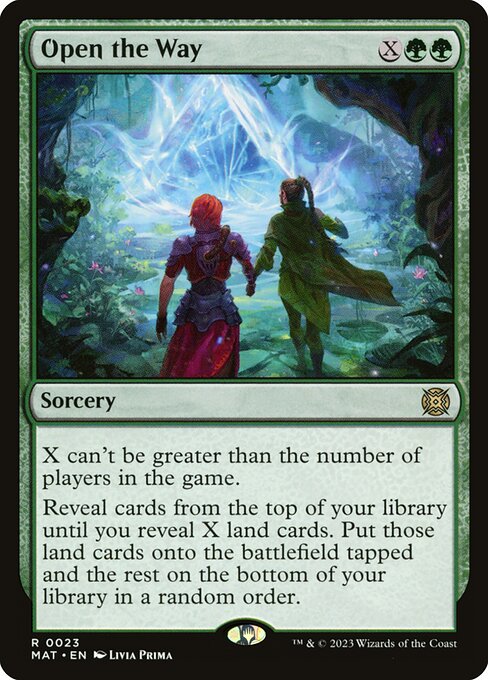
Early acceleration from Sol Ring, Arcane Signet, Jeska's Will, Tireless Provisioner, Ragavan, Nimble Pilferer, and land search spells like Open the Way ensures Yurlok can arrive quickly. Once online, the commander immediately changes how every player must sequence their turn. Mana can no longer be floated safely, and every activation risks direct life loss. From that moment forward, the game becomes a pressure puzzle for the entire table.
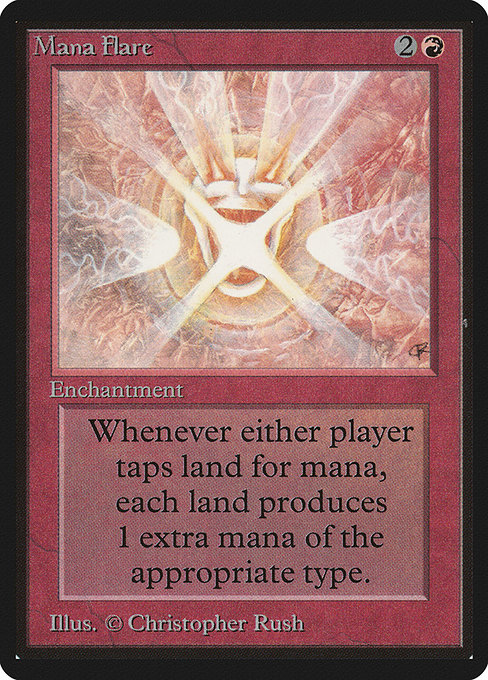
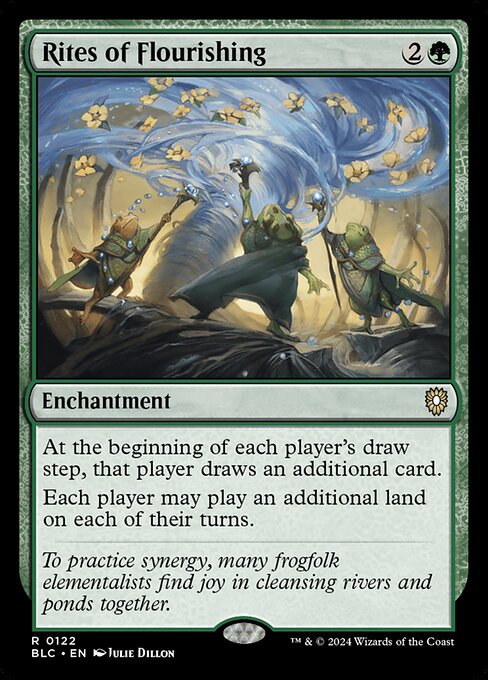
The core plan revolves around symmetrical mana doublers and global ramp that massively inflate available resources. Heartbeat of Spring, Mana Flare, Overabundance, Collective Voyage, New Frontiers, and Rites of Flourishing dramatically increase how much mana everyone produces. Under normal circumstances these effects would be risky, but here they are intentional traps. When players suddenly have far more mana than they can safely spend, Yurlok turns that excess directly into damage.



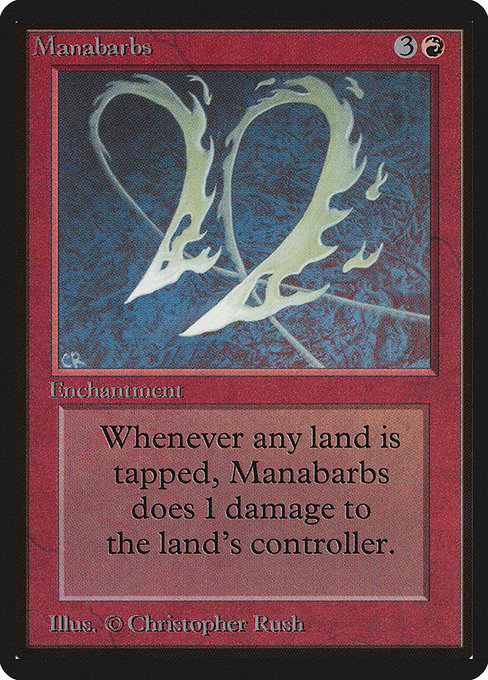
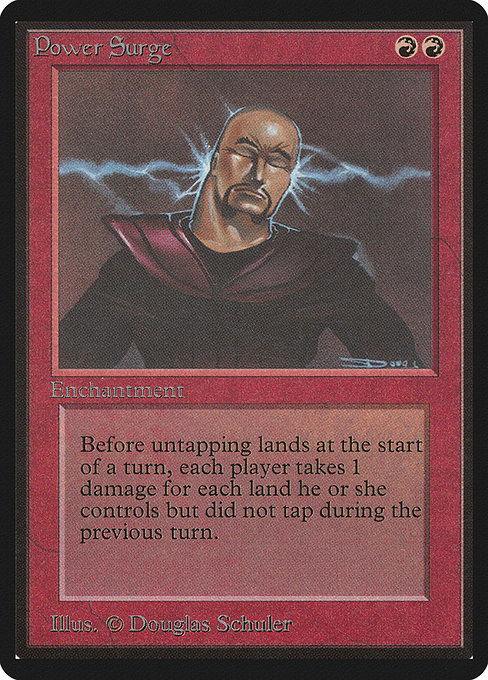
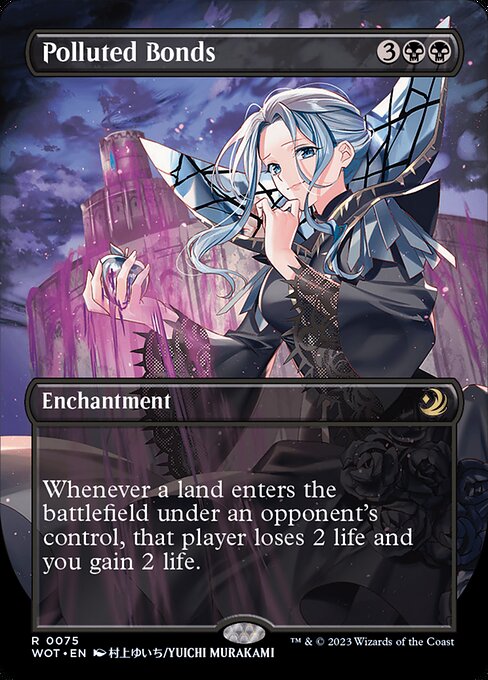
That pressure is amplified by dedicated punishment pieces that make tapping lands or holding mana actively dangerous. Citadel of Pain punishes unused mana during end steps, Manabarbs and Power Surge convert land usage into damage, Polluted Bonds drains opponents for developing their mana base, and Cindervines or Mayhem Devil ensure that routine gameplay actions steadily chip away at life totals.



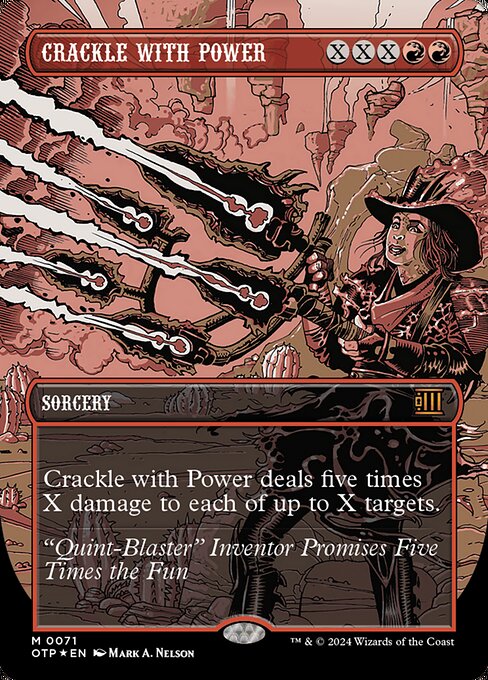
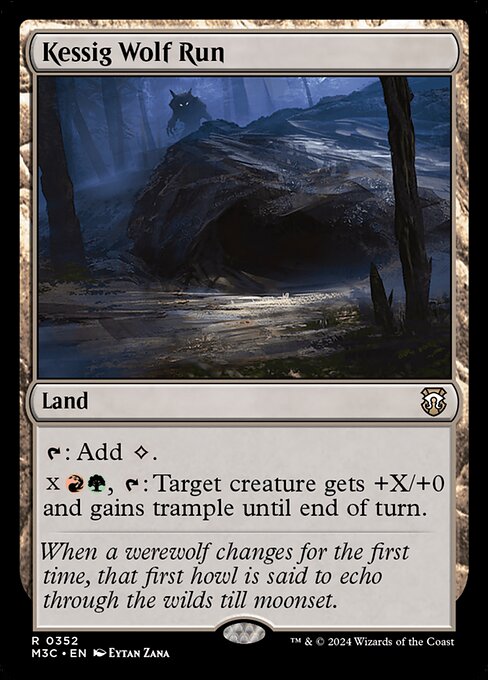
Because the deck is generating absurd amounts of mana, it packs multiple ways to convert that resource advantage into decisive finishing blows. Crackle with Power, Exsanguinate, Damnable Pact, and Genesis Wave all scale directly with available mana and can end games outright once the table has been supercharged. Helix Pinnacle offers an alternate inevitability engine, quietly stockpiling counters while the rest of the table scrambles to survive the accelerated resource environment. Even War Cadence and Kessig Wolf Run can suddenly turn a modest creature board into lethal damage once mana totals explode.


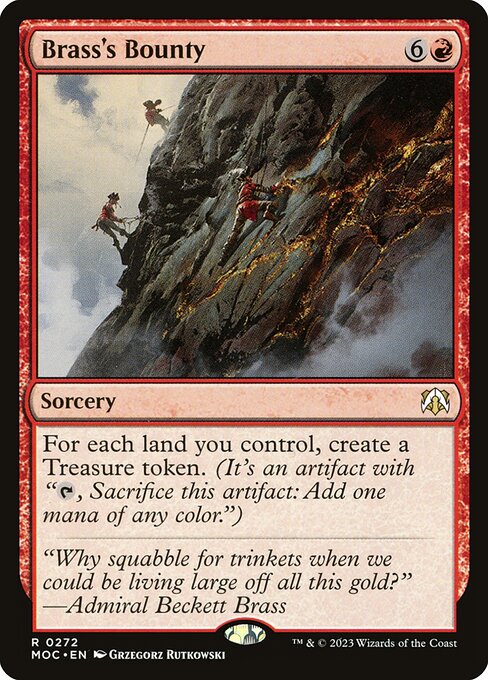
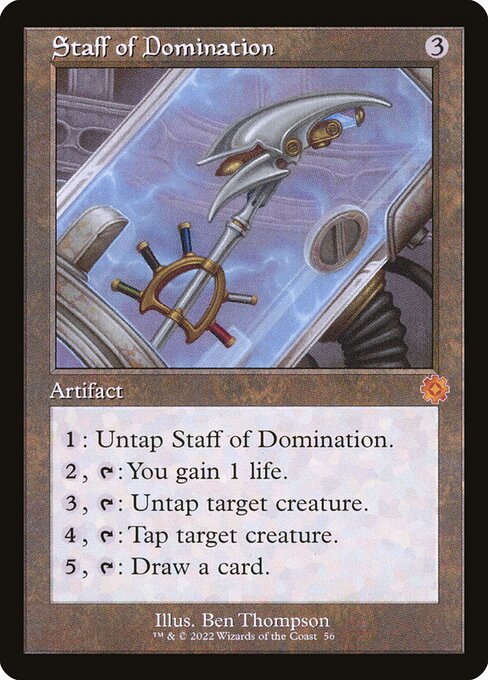
Treasure production and artifact synergies provide another scalable engine. Brass's Bounty, Bootleggers' Stash, Goldspan Dragon, Ancient Copper Dragon, Old Gnawbone, and Magda, Brazen Outlaw can each create enormous bursts of Treasures, which both fuel massive spells and trigger drain effects like Mirkwood Bats. Goblin Engineer and Goblin Welder help recycle key artifacts such as Staff of Domination, Horizon Stone, or Treasure Vault, ensuring the deck can repeatedly leverage its strongest mana payoffs even through removal.




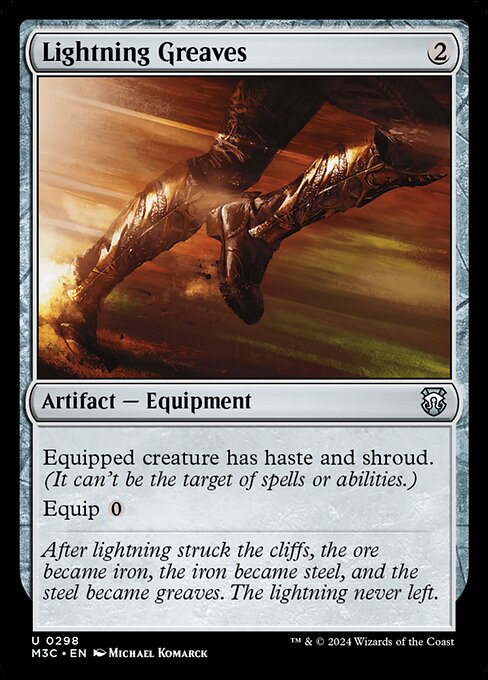
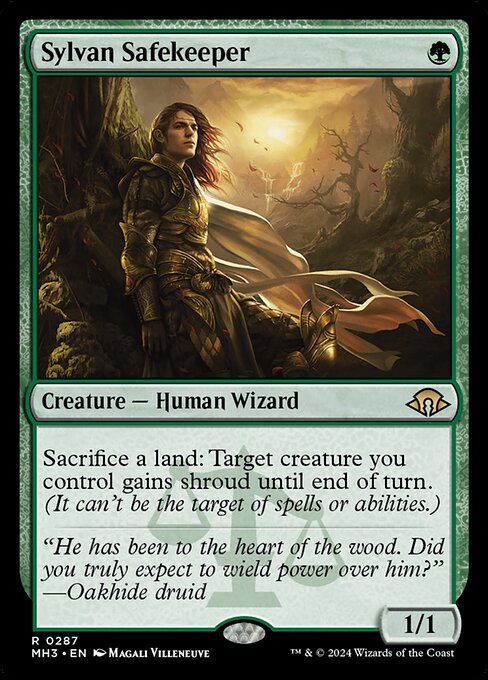
To keep the chaos controlled in your favor, the deck includes strong tutoring in Demonic Tutor and Vampiric Tutor; while Lightning Greaves and Sylvan Safekeeper help keep Yurlok alive long enough to reshape the game. Dosan the Falling Leaf reduces the risk of opponents interrupting your decisive turn, while Vexing Shusher does just that and allows you to have a handy mana sink in case you need to get rid of the extra mana.


If turning the entire table’s mana production into a ticking time bomb sounds like your kind of chaos, feel free to check out the decklist here:
Archetype 4: Aristocrats / Reanimator
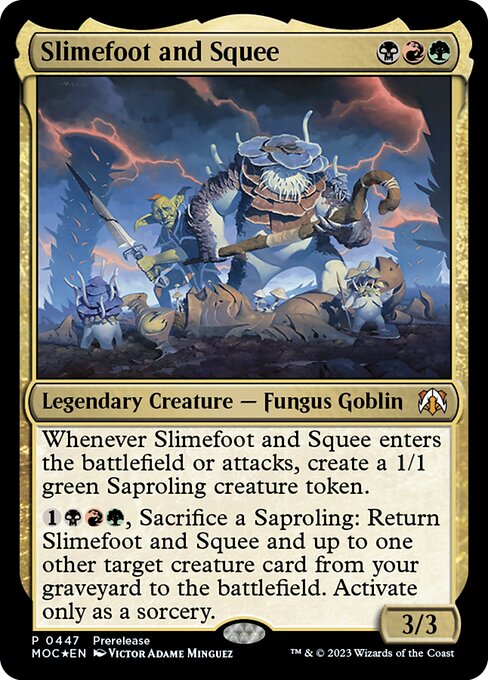
With Slimefoot and Squee at the helm, this deck embodies one of Jund’s most relentless philosophies: nothing truly dies, it just becomes fuel. Blending sacrifice engines, token swarms, and repeatable reanimation, this strategy turns the graveyard into an extension of the battlefield and treats creatures less like permanent threats and more like recyclable resources. Instead of committing to a single explosive turn, this deck steadily builds an ecosystem where creatures enter, die, drain opponents, and return again.
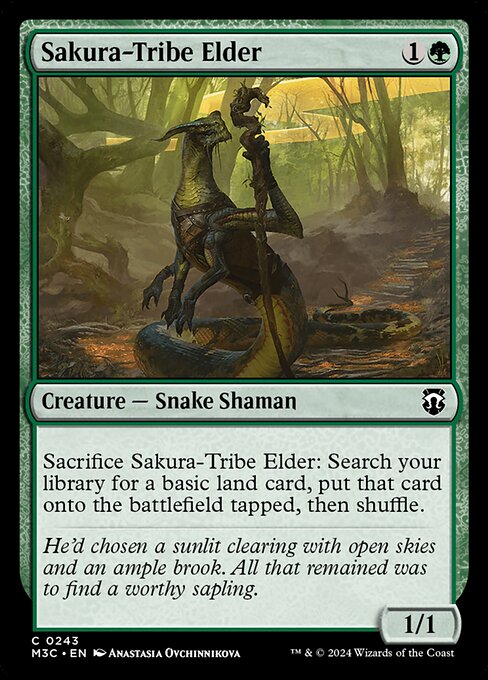
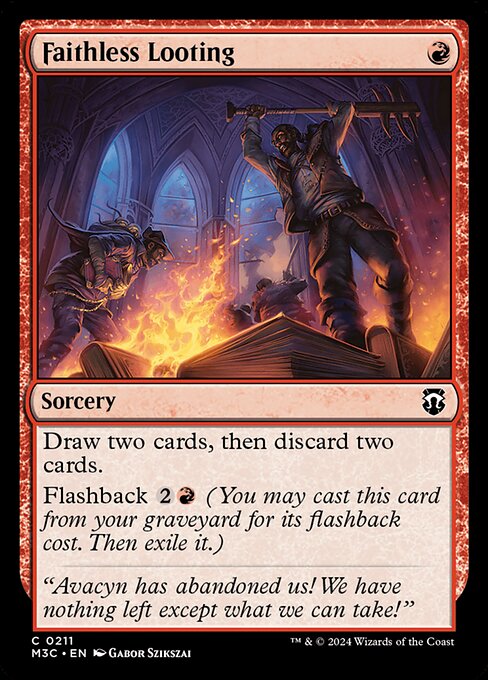
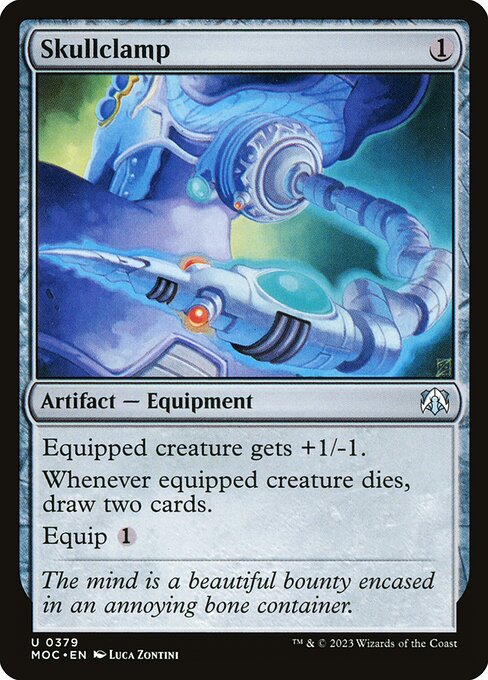
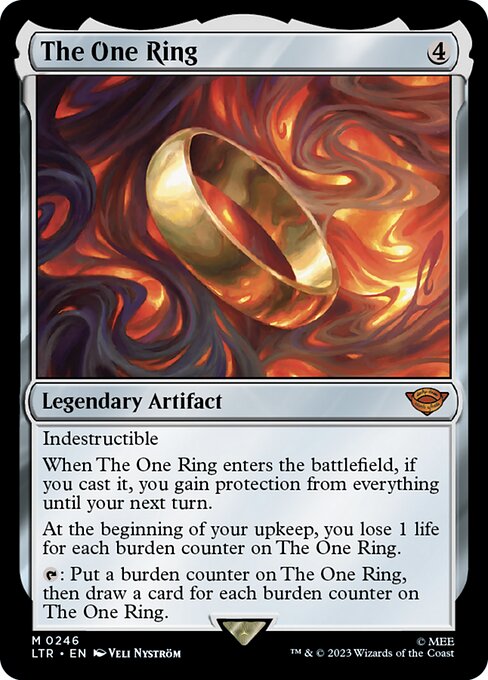
Early development focuses on ramp and mana dorks such as Birds of Paradise, Bloom Tender, Ignoble Hierarch, Deathrite Shaman, Sakura-Tribe Elder, and Sol Ring. Card selection and graveyard setup from Faithless Looting, Sylvan Library, Skullclamp, and The One Ring help stock the hand while naturally placing creatures into the graveyard.


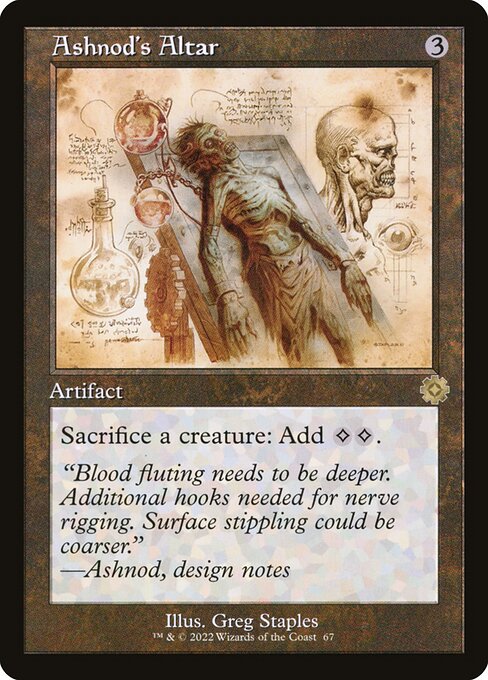
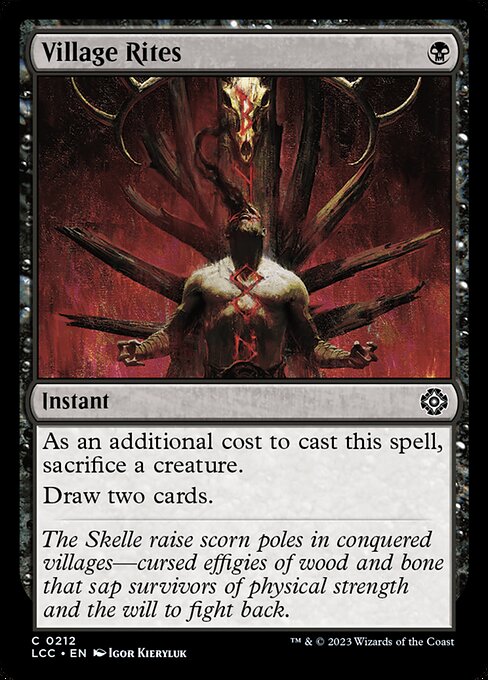
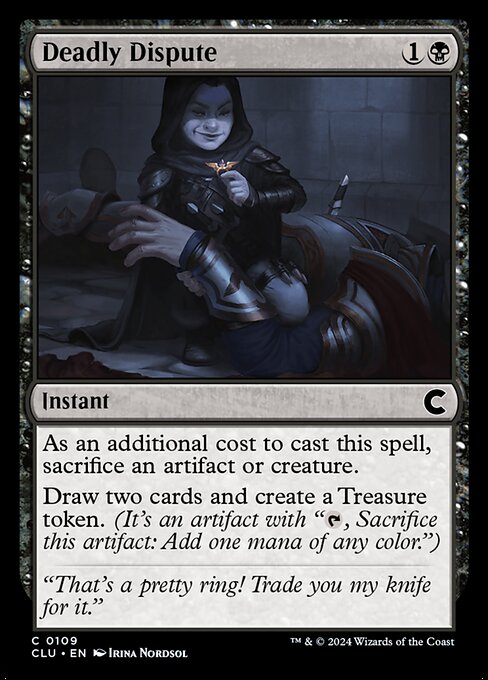
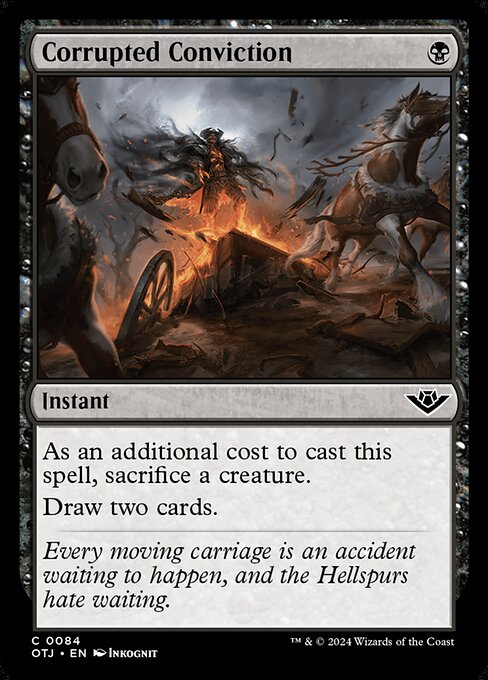
Once the engine starts, the sacrifice core becomes the heart of the deck. Ashnod's Altar, Phyrexian Altar, Viscera Seer, Village Rites, Deadly Dispute, Corrupted Conviction, Plumb the Forbidden, and Braids, Arisen Nightmare all convert expendable creatures into cards, mana, or filtering. Because Slimefoot and Squee can repeatedly return creatures from the graveyard by sacrificing Saprolings, these outlets rarely represent a true cost, instead they function as repeatable value multipliers.



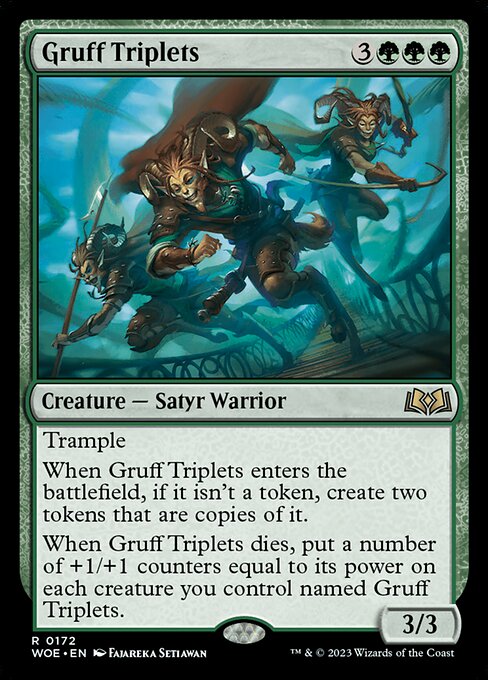
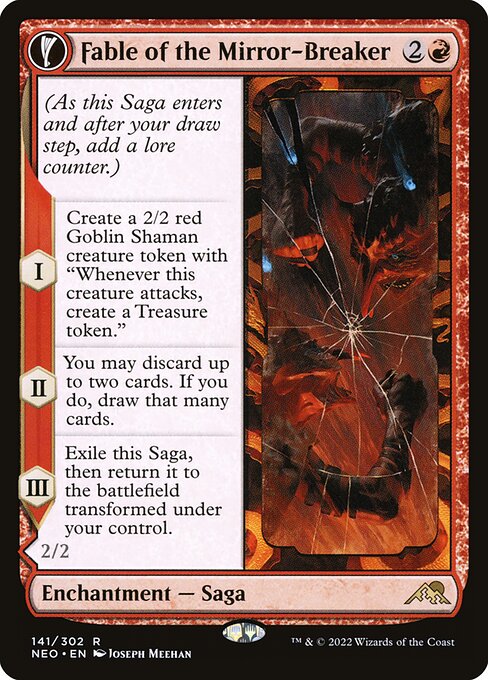
Token producers ensure there is always material to feed those engines. Prossh, Skyraider of Kher, Siege-Gang Commander, Sling-Gang Lieutenant, Sprouting Thrinax, Tendershoot Dryad, Gruff Triplets, and Undercellar Myconid continuously generate creatures that both defend the board and are sacrifice fodder. Even Fable of the Mirror-Breaker contributes by generating Treasure and filtering cards into the graveyard.



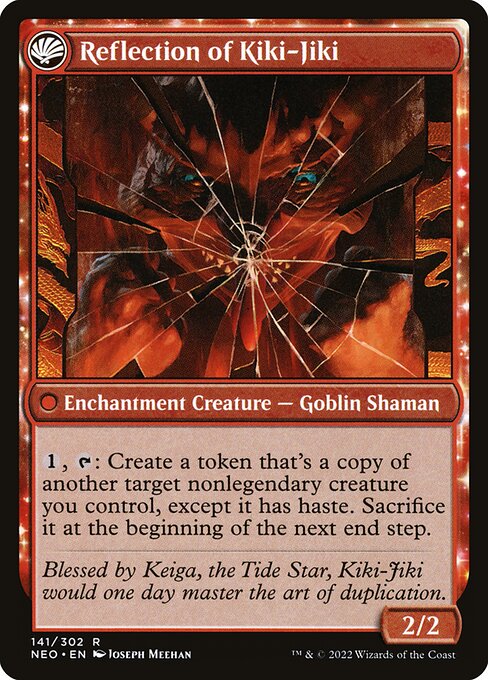
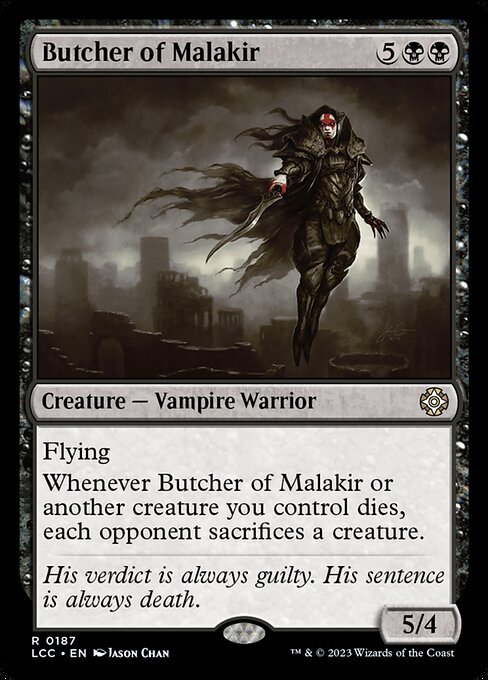
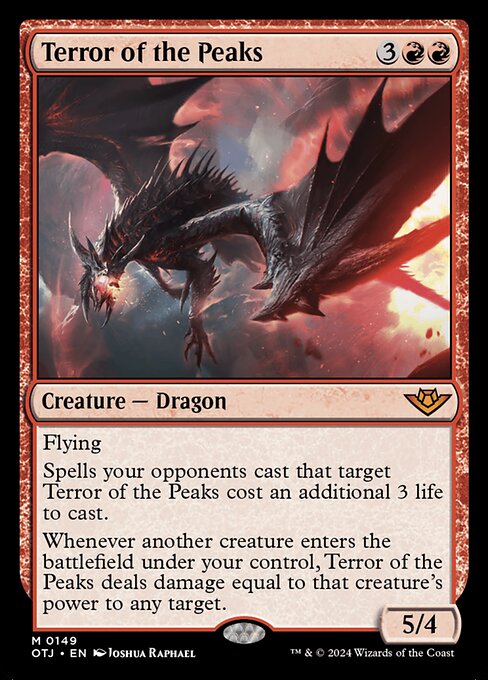
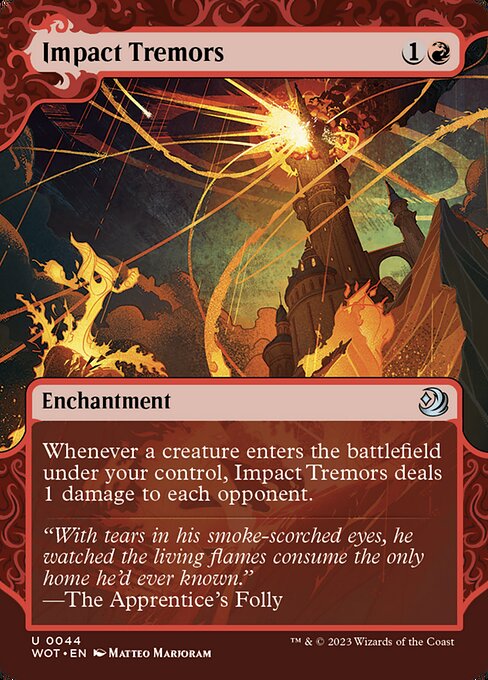
Where the deck truly shines is in its layered punishment effects that transform every sacrifice into table-wide damage. Zulaport Cutthroat, The Meathook Massacre, Mayhem Devil, and Butcher of Malakir ensure that each creature death drains life, controls opposing boards, or both. Terror of the Peaks and Impact Tremors add another point of pressure by turning every creature entering play into direct damage.

Card draws are rarely a problem with cards like Morbid Opportunist, Disciple of Bolas, Toski, Bearer of Secrets, and Tribute to the World Tree.
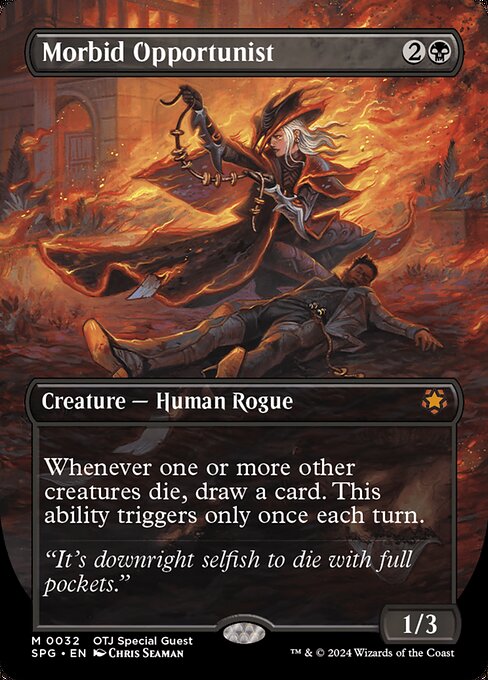

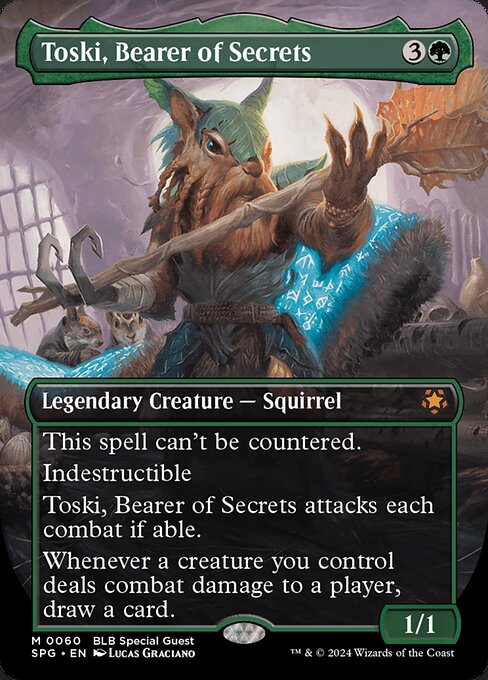
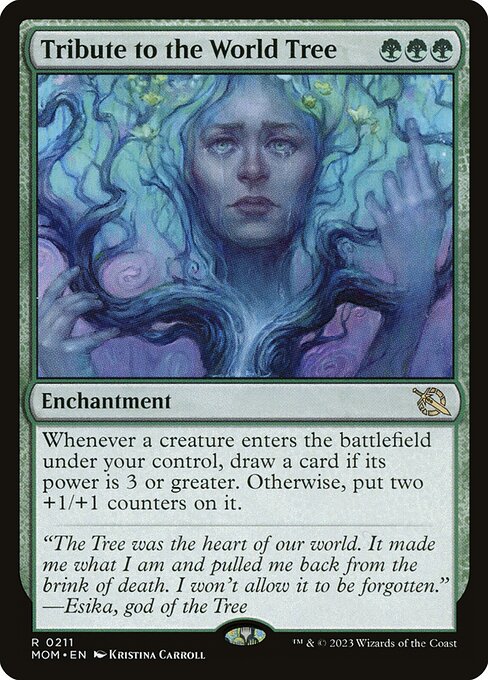
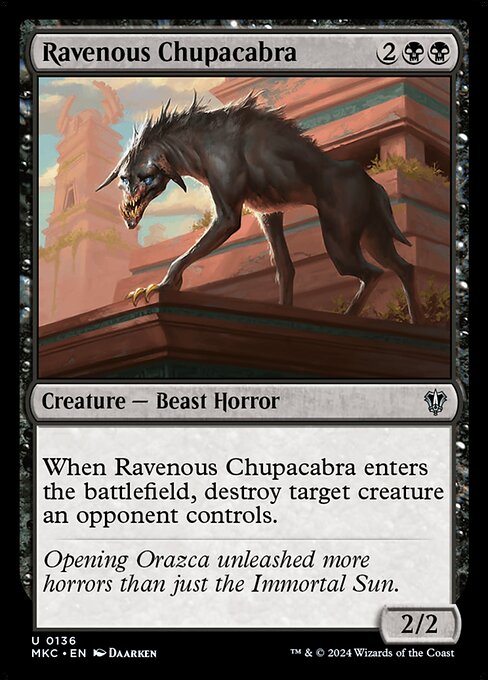
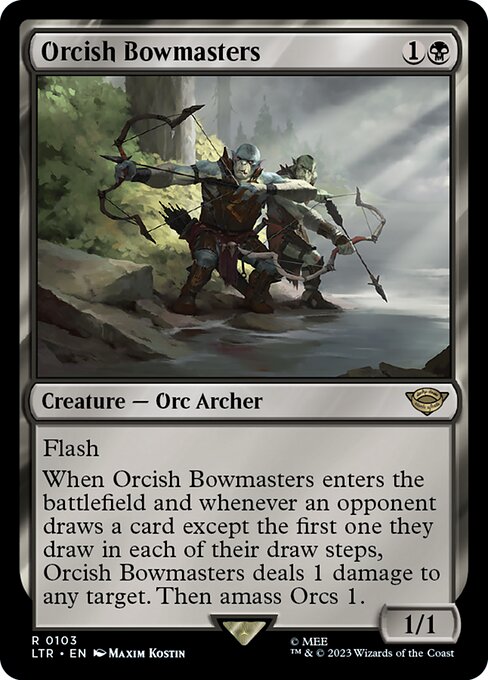
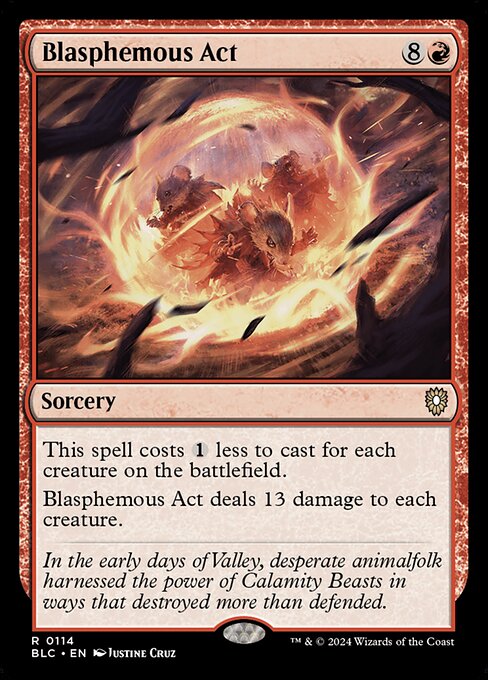
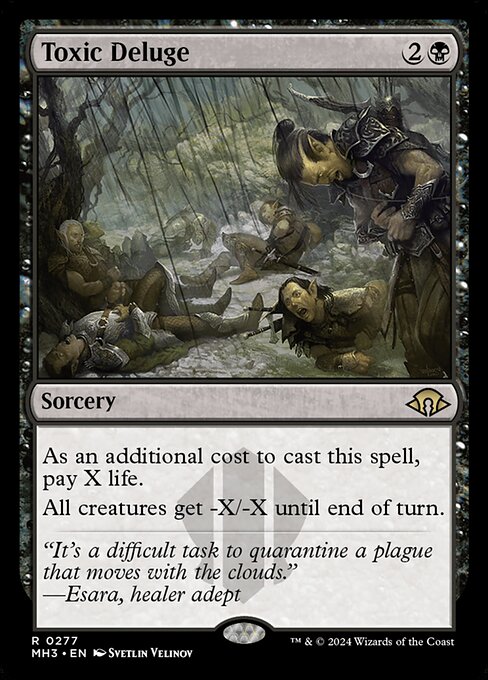
Ravenous Chupacabra repeatedly answers threats; Orcish Bowmasters punishes draw-heavy decks; Druid of Purification and Tear Asunder provide flexible answers. Even sweepers like Blasphemous Act or Toxic Deluge often favor this deck, since clearing the board simply loads the graveyard with new targets to bring back.


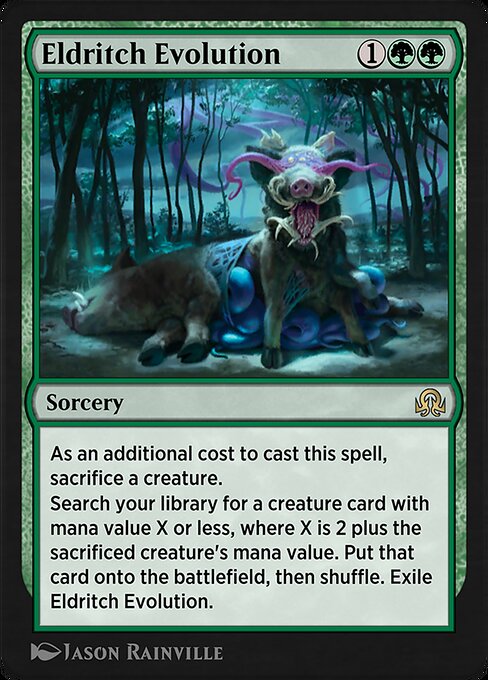
Demonic Tutor and Eldritch Evolution help find whichever sacrifice outlet, payoff, or token generator is missing, while Deflecting Swat, Malakir Rebirth, and Bala Ged Recovery help preserve key pieces or recover them if removed.


If you enjoy grinding incremental advantage, looping creatures endlessly, and watching the table slowly drain as your graveyard becomes a second hand, feel free to check out the decklist here:
Closing Thoughts
Jund thrives in Commander because it turns the game’s natural churn into advantage. Lands become resources, creatures become currency, and the graveyard becomes a toolbox rather than a limitation.
What ties these strategies together is momentum through attrition. Jund doesn’t need pristine board states or carefully protected combos; it simply keeps converting permanents into value until opponents run out of ways to keep up. If you enjoy Commander games where resources are meant to be spent, boards are meant to explode, and the graveyard is just another extension of your hand, Jund offers one of the most brutally efficient and satisfying playstyles in the format.