





Table of Contents
The Rakdos Archetype (Red & Black)
Black and Red, Chaos and Blood, spectacle and destruction — Rakdos embodies all of these things and turns them into art. In Commander, Rakdos decks usually thrive on reckless efficiency, trading stability for immediate power, explosive turns, and emotional highs.
Rakdos doesn’t build slowly or plan carefully. It erupts. Its identity lies in sacrifice, pain, and profit, using life totals, creature deaths, and graveyard recursion as fuel for overwhelming aggression.
Playing both Black and Red gives us access to the best of both worlds and some extra goodies in the likes of:
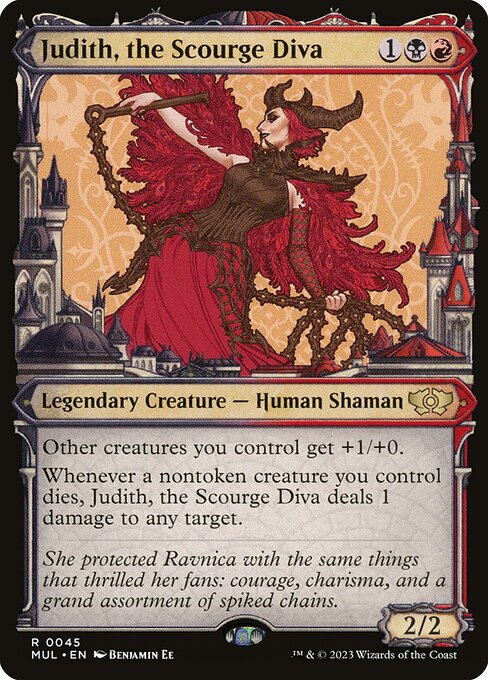
Weaponizing Death and Sacrifice — Judith, the Scourge Diva | Mayhem Devil | Harvester of Souls | The Balrog, Durin's Bane
Turning Chaos into Power — Rankle and Torbran | Balor | The Ruinous Powers | Rakdos, the Showstopper
Trading Pain for Value — Black Market Connections | Vampiric Rites | Rowan, Scion of War | Rankle, Master of Pranks
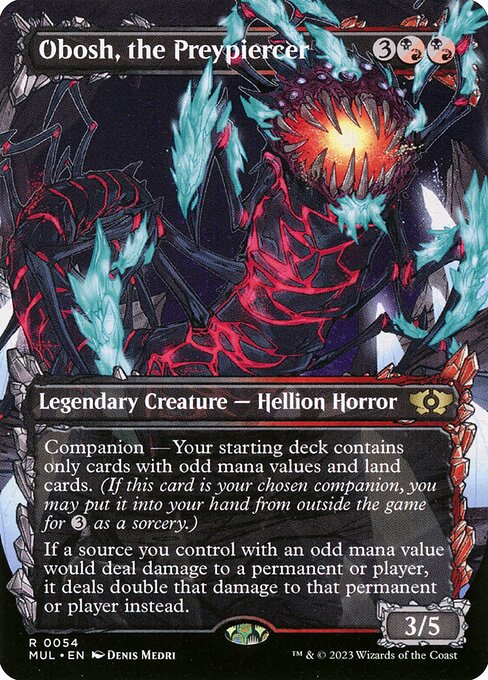
Doubling Destruction — Gratuitous Violence | Dictate of the Twin Gods | Obosh, the Preypiercer
Where black sees death as opportunity and red sees it as freedom, Rakdos combines the two into a philosophy of glorious self-destruction. Whether through blood-soaked rituals, explosive combat, or theatrical sacrifice, Rakdos decks seek not just to win, but to make the act of winning loud, fast, and unforgettable.
So come on and let us explore some possible archetypes under the Rakdos name.
Archetype 1: Rakdos Aristocrats
Core Idea: Sacrifice is not loss, it’s an encore.
The Rakdos Aristocrats archetype thrives on turning death itself into a performance, where every creature’s demise fuels another act of destruction. Under Judith, the Scourge Diva even the smallest creature gets their moment in the spotlight, and every explosion of gore earns applause in the form of card advantage, damage, and sheer chaos.
Judith rewards you for the art of dying, quite literally. Whenever one of your creatures takes its final bow, she scorches your opponents, keeping the stage alight with her fiery charisma. In this deck, everything is a resource to be spent for the sake of the show.
Every Aristocrats deck needs three moving parts: creatures to die, ways to kill them, and rewards for their sacrifice. The following deck is packed with all three.
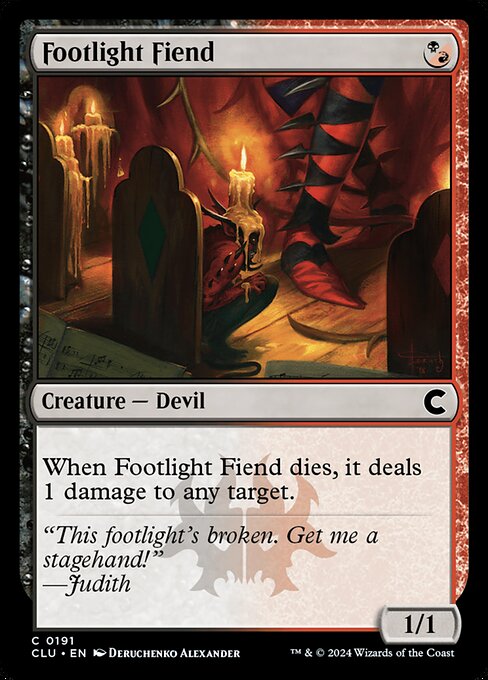
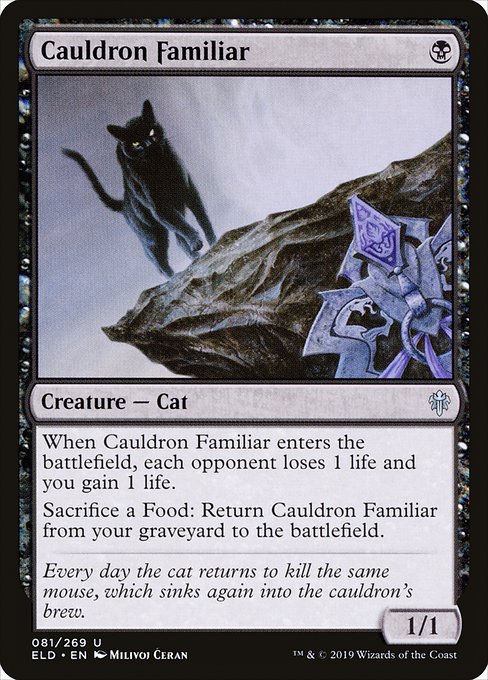
The cast of expendable creatures includes actors like Grim Initiate, Impulsive Pilferer, Footlight Fiend, and Shambling Ghast. Each one enters play ready to “perform”, and when they leave the stage, they leave value behind; whether that’s a Treasure, a token, or a final ping of damage. These fodder creatures keep your engines like




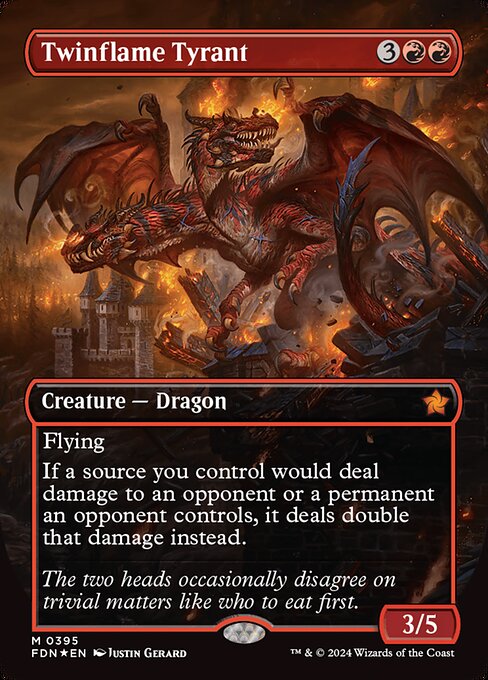
Mayhem Devil is Judith, the Scourge Diva‘s partner in crime, and every single time you sacrifice a creature, you will be racking up damage and very angry views from your opponents. And if they aren’t already on fire, Dictate of the Twin Gods, Obosh, the Preypiercer and Twinflame Tyrant crank the volume to eleven, doubling and redoubling every spark of pain.


This deck opens up with cheap, disposable creatures and early sacrifice outlets. Use Judith, the Scourge Diva, Mayhem Devil, and Warren Soultrader to start converting bodies into damage and mana. The point of this archetype is to keep the pressure up as much as you can. Every time one of your creatures that you’re gaining an advantage so don’t be afraid to kill them over and over again!
You also have creatures like Rankle and Torbran, Alesha, Who Laughs at Fate that keep your board pressence and pressure while your engines are being established. And if your opponents manage to survive, Sheoldred, Whispering One will make sure it isn’t quite so for very long.
Commander
Creatures (28)
Instants (6)
Sorceries (8)
Artifacts (14)
Enchantments (10)
Lands (35)
101 Cards
$502.79
Sideboard
1 Cards
$0.49
Archetype 2: Machine Graveyard Recursion
Core Idea: Every artifact is a stepping stone to total control.
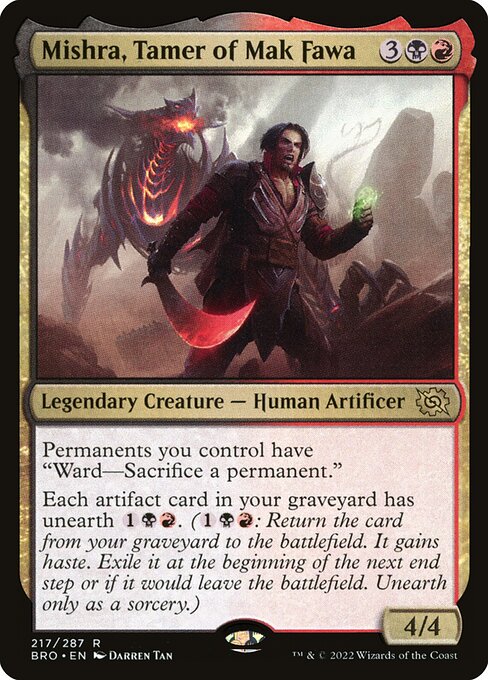
This archetype thrives on turning artifacts into endless advantage, where each creation, sacrifice, or reanimation of your metal minions compounds into value. Under Mishra, Tamer of Mak Fawa, every artifact you play, sacrifice, or recur becomes a new opportunity to draw cards, generate mana, or increase your board presence. In this deck, nothing is ever “spent” everything is a resource to fuel your next big play.
Artifacts are the engine, recursion is the fuel, and Mishra is the spark. Every artifact that hits the battlefield is a potential catalyst for explosive turns or slow, inevitable domination.
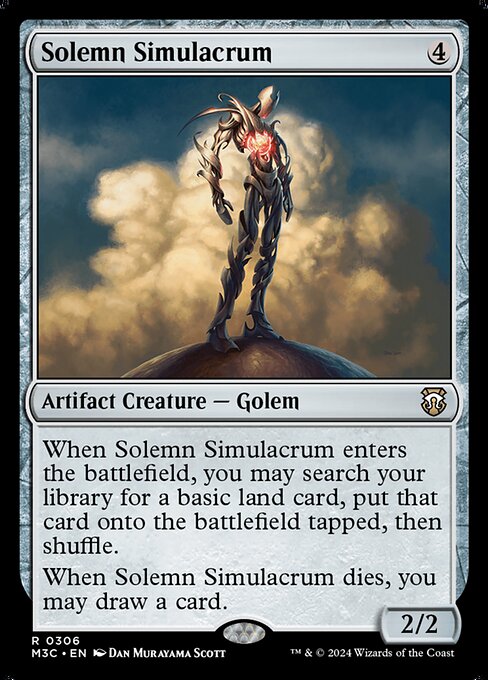
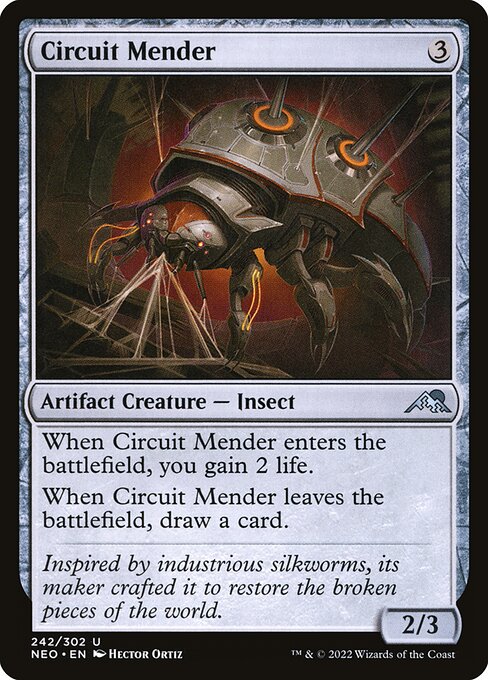
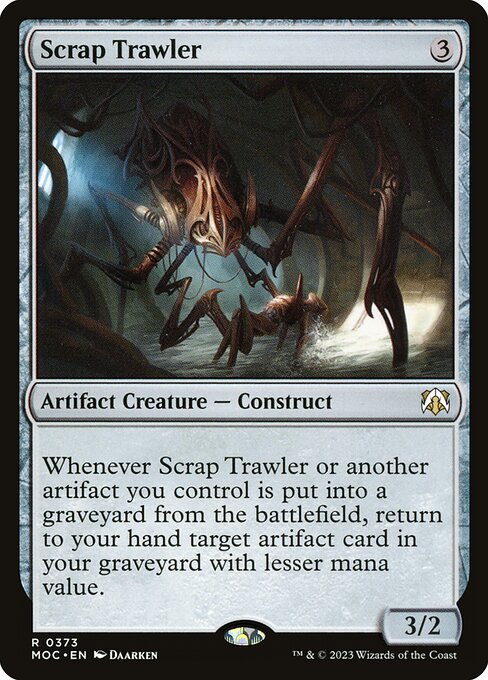
The field of artifacts includes staples like Solemn Simulacrum, Circuit Mender, Myr Retriever, and Scrap Trawler. Each one generates incremental advantage and contributes to the bigger picture. Sacrificing or recycling artifacts isn’t a setback; it’s a way to generate mana, cards, or even more artifacts. While Krark-Clan Ironworks and Goblin Welder let you convert artifacts into explosive plays.



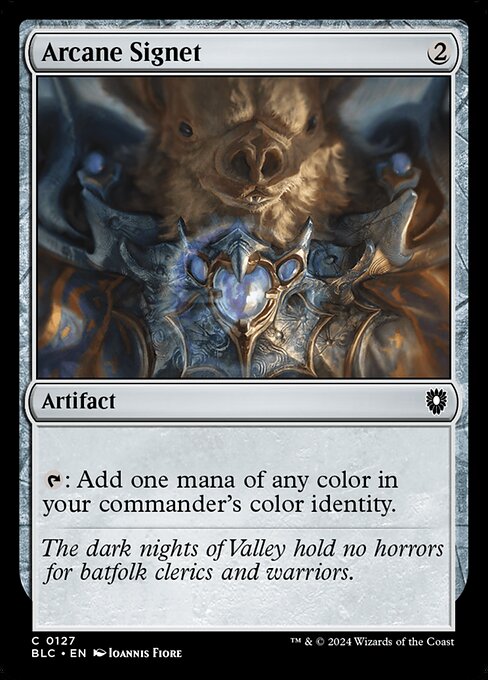
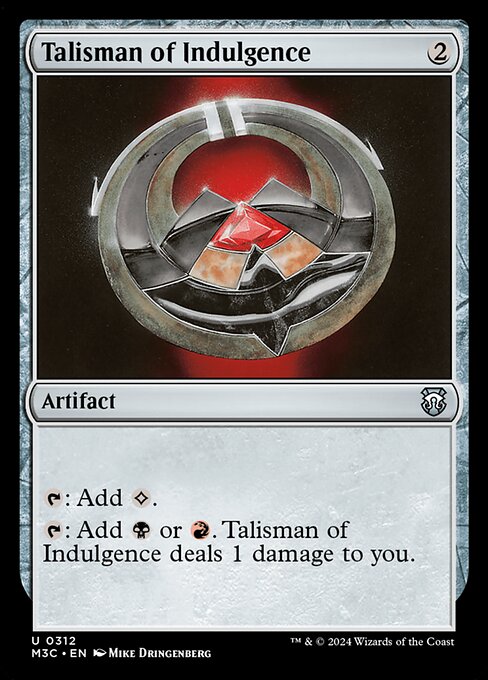
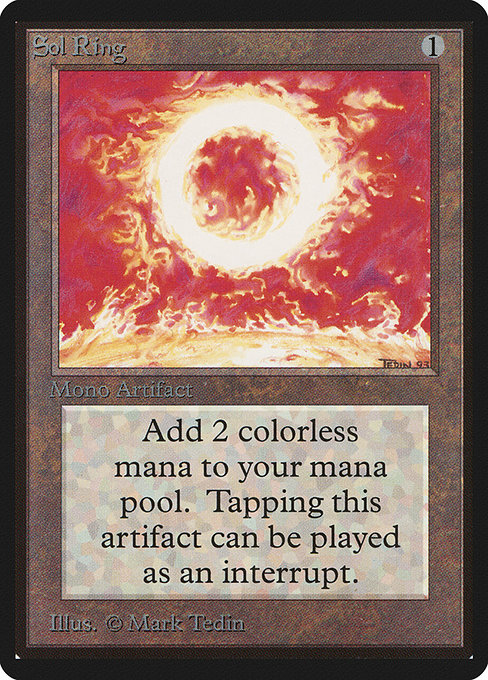
Early turns focus on ramping into the metal engine. Cards like Arcane Signet, Talisman of Indulgence, and Sol Ring accelerate your artifact plays, letting you deploy Mishra and start chaining your value engines. Once the deck is running, every artifact entering or leaving the battlefield is a new story.
Mishra’s best friend is Sundial of the Infinite because it allows you to cheat Unearth mechanic’s downside (having to exile the permanent at the end of the turn) and allowing you to keep it forever. Yes, you read that right, you can just cheat the downside by immediately ending your turn whenever you’re done so you don’t have to lose your unearthed artifacts. Conjurer's Closet can achieve this very same effect but it only works with creatures.
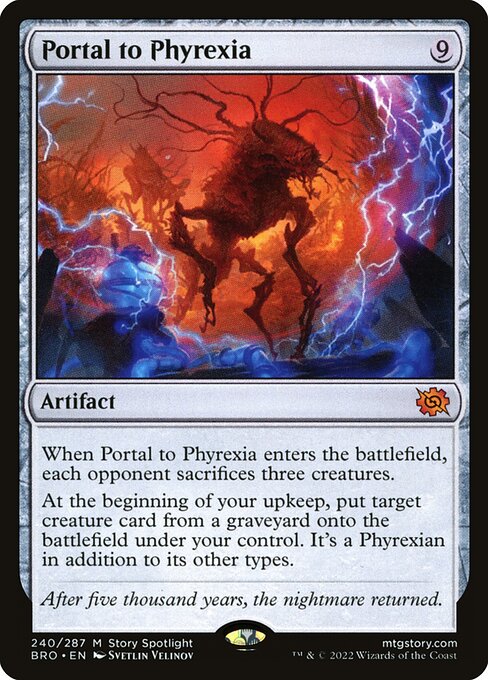
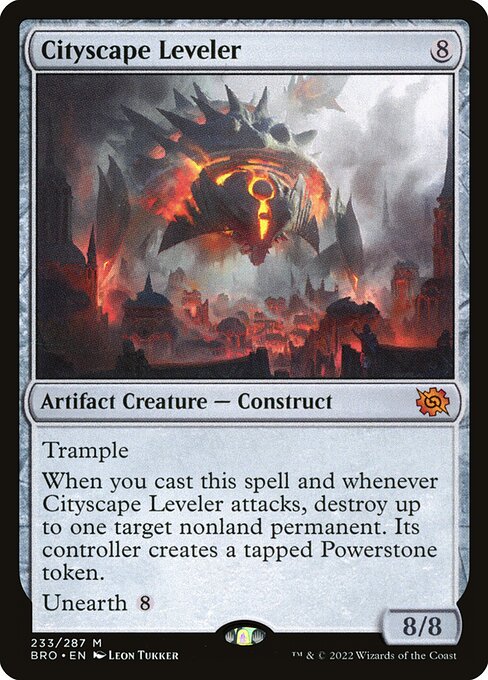
This allows you to easily cheat into play game changing artifacts and creatures like Portal to Phyrexia, Cityscape Leveler, and Technomancer.



The point of this deck is to use and re-use every one of your artifacts to its utmost potential. Keep it in play if you want, and exploit its entering or leaving the battlefield effect over and over again by sacrificing them and bringing them back anytime you need to recycle its value.
By mid to late game, Mishra transforms the board into an ever-growing engine of chaos and advantage. Every artifact you recycle fuels the next play, and every artifact you play gives Mishra more opportunities to turn ordinary permanents into spectacular effects. By this point, the board state is often overwhelming, and your opponents are left scrambling to respond to a machine that seems to run itself.
Commander
Creatures (28)
Instants (6)
Sorceries (8)
Artifacts (18)
Enchantments (5)
Lands (33)
100 Cards
$1637.27
Archetype 3: Treasures Abound
Core Idea: Wealth is power, and power is everything.
This archetype thrives on turning treasures into raw advantage. Every hypothetical coin from these treasures is used to its utmost potential as
Your focus should be mostly on playing
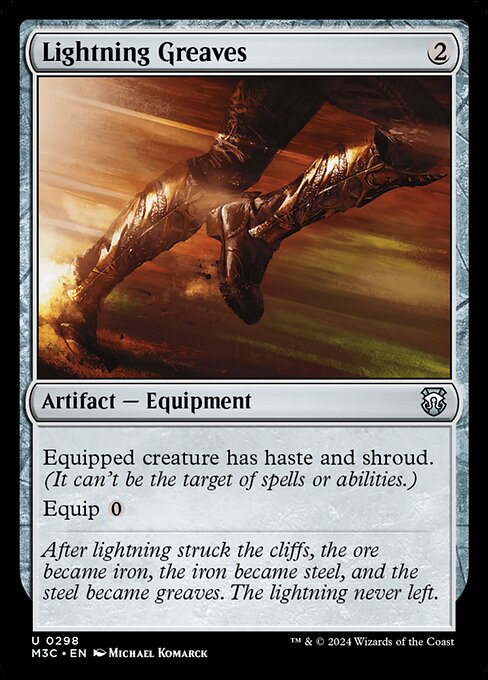
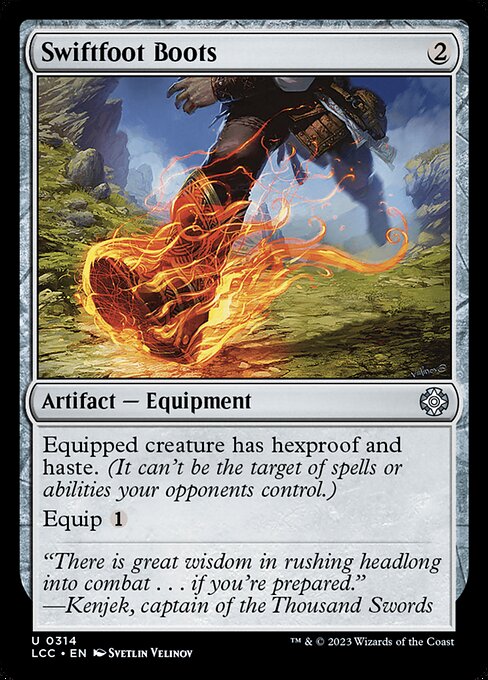
With Prosper in play, any card that you play from Exile will give you extra value, so prioritize doing that. If he exiles any land, play those over the ones on your hand so you can slowly start to rack up treasures and create a snowballing effect of you getting more and more treasures as well as cards to play with them.
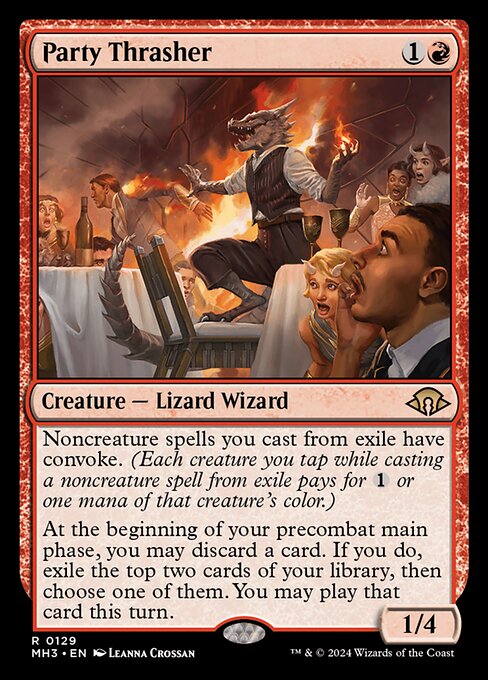
Dream Devourer allows you to foretell any card on your hand (other than lands), this means you can play them from exile, activating Prosper. Party Thrasher allows you to convoke any spell you cast from exile, further helping you play more and bigger cards.

Cards like Academy Manufactor, Xorn make every treasure token you creature have extra value, while Storm-Kiln Artist makes it so that every instant or sorcery spell also gives you an extra treasure for you to keep it all going.
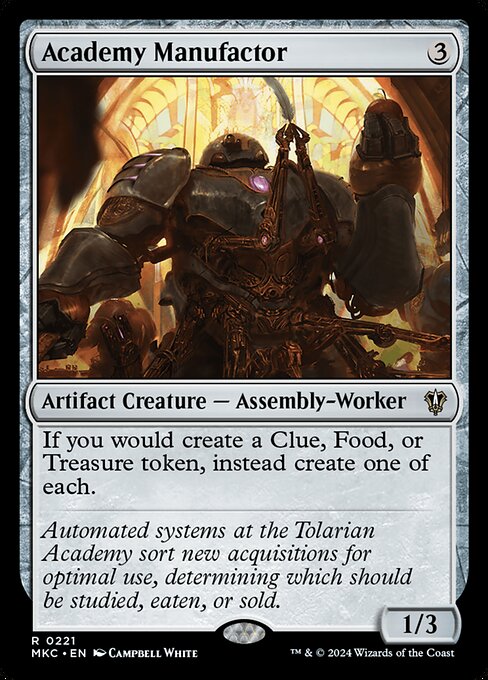


None of these treasure tokens, artifacts and other tokens ever go to waste, as cards like Disciple of the Vault, Marionette Apprentice, Reckless Fireweaver, Mayhem Devil, Nadier's Nightblade, Mirkwood Bats, Marionette Master and Agent of the Iron Throne all serve a similar purpose of turning every single one of them into tons of extra damage. You can see how easily this all can get out or control.

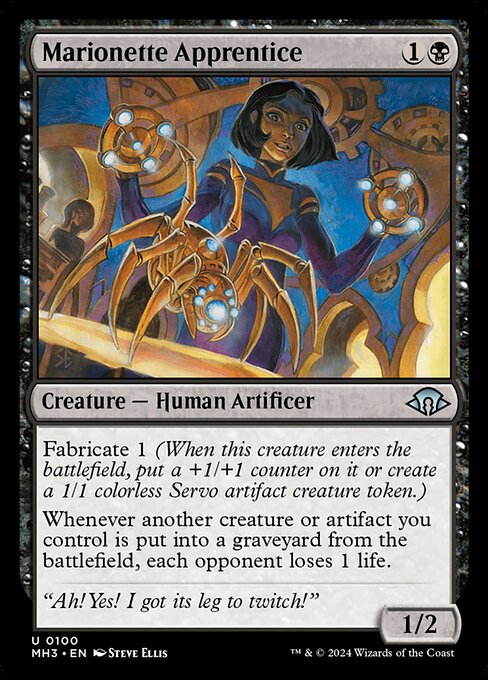

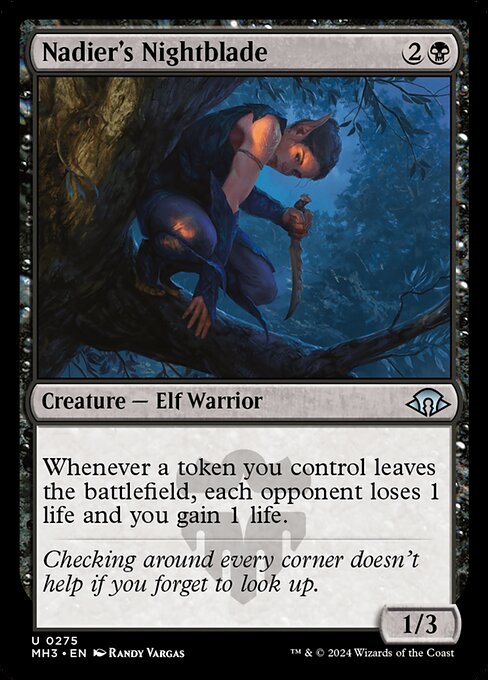
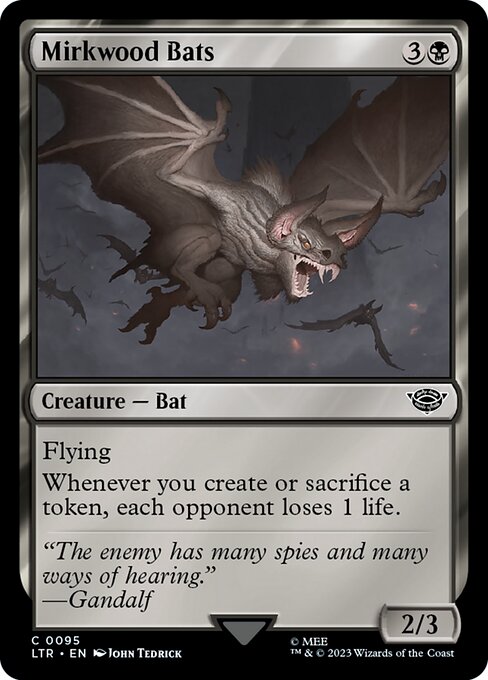
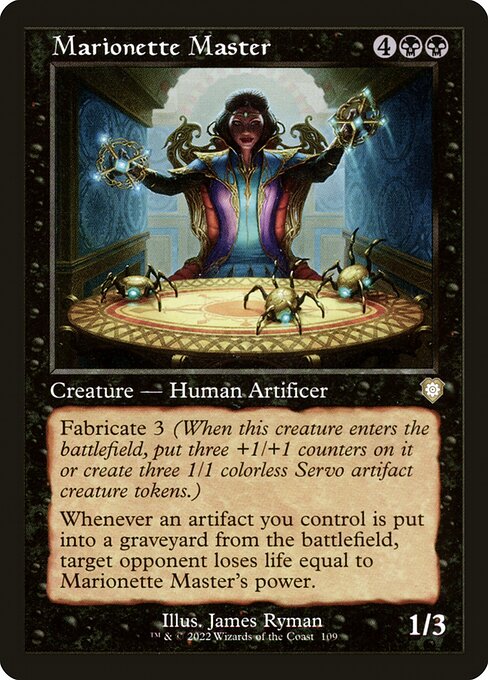

In the meantime while your enemies are worried about the more obvious threats in play, others (while less obvious) are just as important but much more quiet. While playing with this deck it’s not unheard of to win with Hellkite Tyrant or Revel in Riches while your opponents are more concerned about the things immediately menacing their livelihood.


This deck offers a myriad of ways to play cards from exile, thus generating treasures, thus immediately creating pressure in the form of bigger plays and small but cummulative pings into the life of your enemies, all the while keeping your options open. Just try to keep Prosper alive and you will… Well, Prosper.

Commander
Planeswalkers (1)
Creatures (35)
Instants (7)
Sorceries (8)
Artifacts (10)
Enchantments (7)
Lands (32)
100 Cards
$523.94
Archetype 4: Overwhelming Pressure
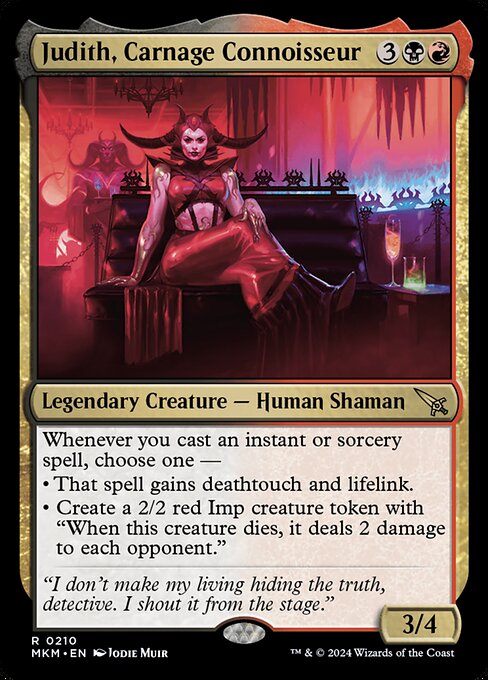
While Judith, Carnage Connoisseur can be played in a more controlling and asphyxiating way, this time we will be mostly exploring her second ability, which reads: “Whenever you cast an instant or sorcery spell, Create a 2/2 red Imp creature token with -When this creature dies, it deals 2 damage to each opponent-“. This allows us to exert endless overwhelming pressure onto our opponents.
And while we will be focusing on Judith’s ability to create an army of imps, we always have the flexibility of her ability’s first option, turning any 1 damage into a lethal strike onto any creature on the field, thus killing any threat that might be getting out of control.
This archetype and this deck are based on the idea of casting many, many cheap spells in order to create an overwhelming army of imps which will attack. It doesn’t matter if they actually reach the enemies with their little, ugly claws, because if they get stomped they will explosively splatter hurting all of your opponents at once. Even better!!
We have some creatures that take advantage of our imps dying, such as Blood Artist, Mirkwood Bats, and Butcher of Malakir. On this particular deck we’re not very fond of our actual creatures dying, so try to keep them around as much as possible, and only use the Imp tokens as fodder. Other cards like Electrostatic Field, Erebor Flamesmith, Young Pyromancer and Guttersnipe take extra advantage of our immense arsenal of instants and sorceries, turning each of them into extra damage and creatures.
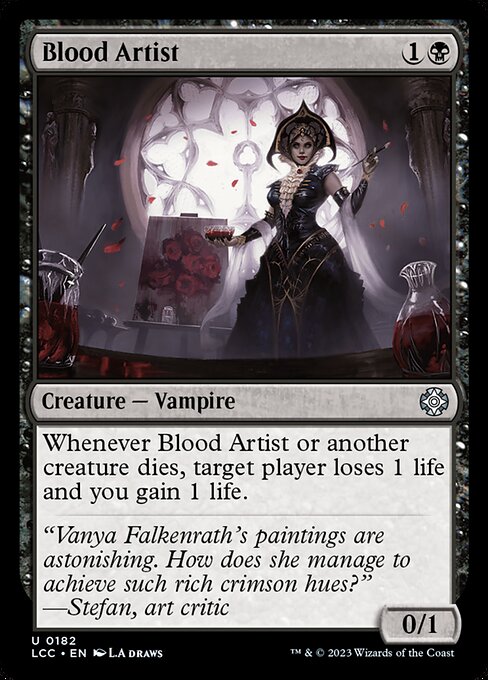
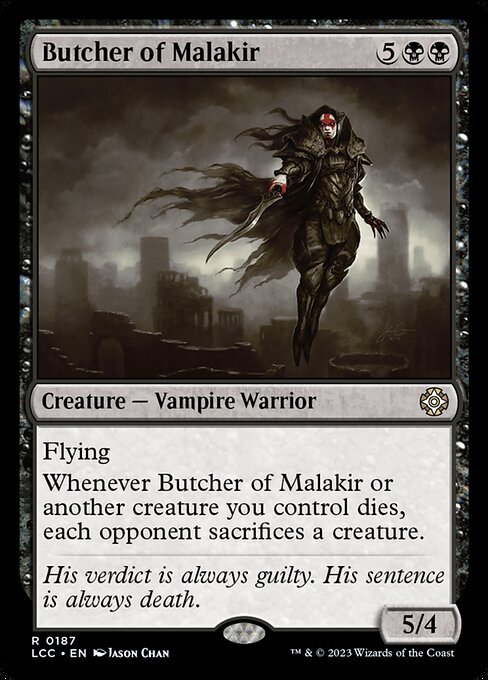

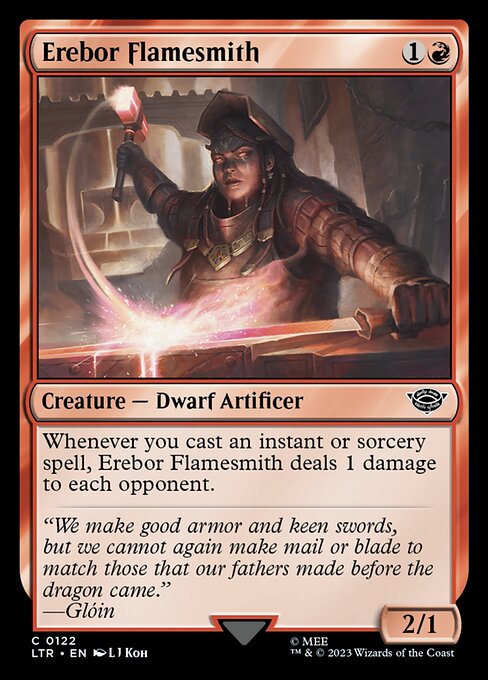


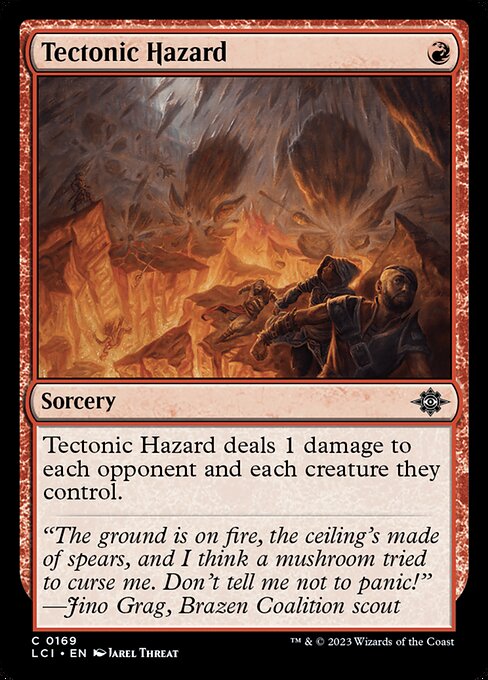
Of course, having some or all of these pieces in play might take some time, but no worries, if your opponents are looking too comfortable setting up their board, you can always bring them back to the stone age by having Judith in play and using any one of your board-wide spells with her abilities first mode: Giving your spell deathtouch and lifelink. Some examples include: Blazing Volley, End the Festivities, Tectonic Hazard and Boiling Earth.



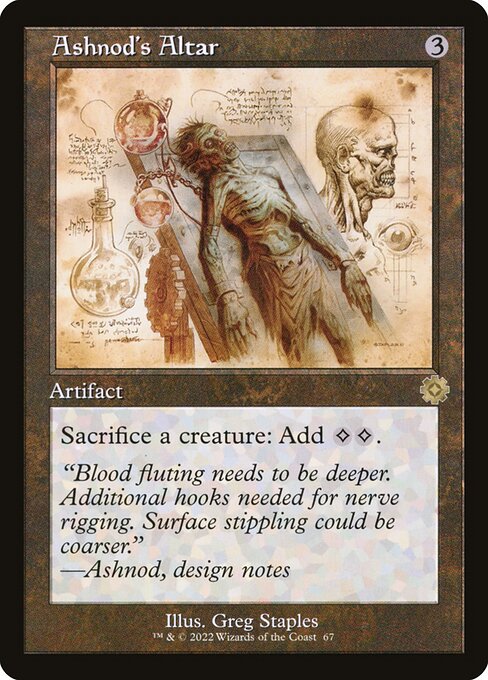
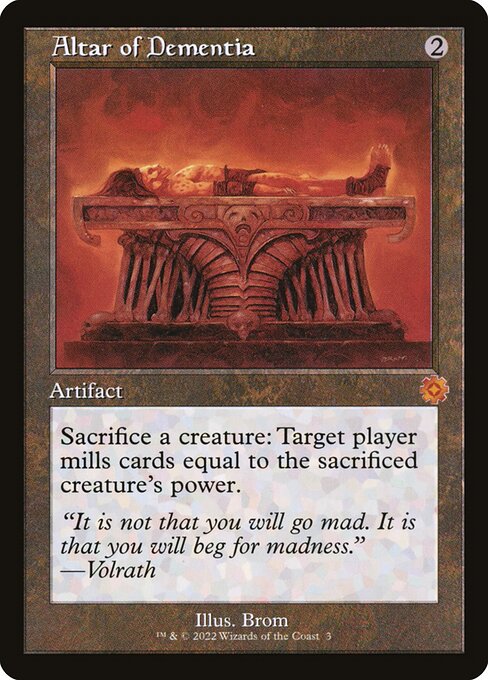
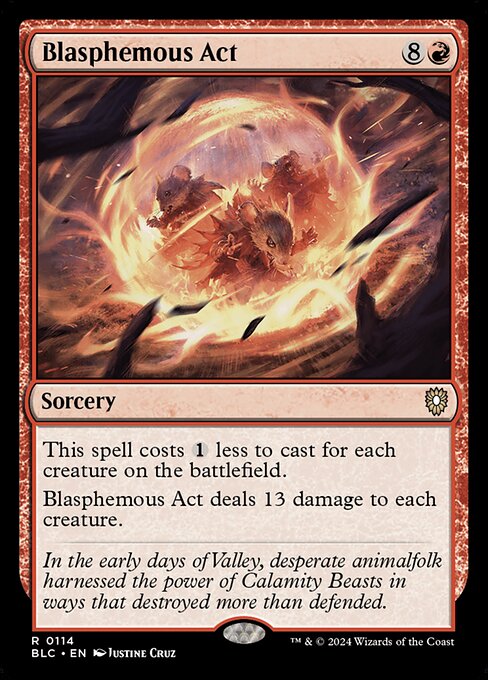
If you have trouble having your imps killed you can always resort to cards like Altar of Dementia, Ashnod's Altar, Last-Ditch Effort to get rid of them while squeezing every bit of value from them, or blowing everything up with a Blasphemous Act.

The gameplayfor this deck is quite straightforward, take as much time as you need to set up your board, control as needed with Judith and cheap spells, and then explosively take control of the game.
Commander
Creatures (11)
Instants (14)
Sorceries (23)
Artifacts (9)
Enchantments (10)
Lands (33)
100 Cards
$252.94
Closing Thoughts: Have Fun
Rakdos is more than a combination of red and black, it’s a philosophy. Whether you’re reveling in the theatrics of sacrifice with Rakdos Aristocrats, grinding incremental advantage through Machine Graveyard Recursion, hoarding treasures with Prosper, Tome-Bound, or unleashing relentless armies with Overwhelming Pressure, the core of Rakdos is chaos as an opportunity.
Every deck under the Rakdos banner encourages bold, decisive plays. It rewards creativity, risk-taking, and an appetite for spectacle. Your life totals, your creatures, your artifacts, and even your treasures aren’t just resources, they’re tools to engineer explosive turns, punish opponents, and keep the table guessing. If you play Rakdos, you play to dominate, entertain, and never let a moment of opportunity go to waste.
So, whether you’re setting the stage for a grandiose display of destruction or quietly building wealth to crush your opponents in one decisive swing, one thing is certain: Rakdos decks are loud, fast, and unforgettable. Embrace the chaos, and make every game a performance worth remembering.