






Few mechanics in Magic: The Gathering provoke as strong a reaction as Infect. First introduced in the Scars of Mirrodin set, and I would argue there has never been a mechanic more hated than Infect. Creatures with Infect deal damage in the form of -1/-1 counters to other creatores, or in the form of Poison Counters on players.
Poison Counters can be applied to players by many other means, and can also be manipulated (amplified) by many others; however they are impossible to interact with, aside from stopping counters from being able to be applied, or to restart the game. In Commander, whenever a player reaches 10 Poison Counters they lose the game, regardless of if they had 40 life, or 100 life.
For some players, it represents a fast, ruthless way to end games. For others, it feels like a fundamentally different axis of play, one that ignores the traditional rules of life totals and replaces them with something far more dangerous.
In Commander, where players start at 40 life and games often stretch into long, value driven battles, Infect cuts through the noise. It doesn’t care how much life you’ve gained, how stable your board is, or how long the game has gone. All it takes is Ten Poison Counters to eliminate a player, and suddenly the entire pacing of the game changes.
This article dives deep into Infect as a mechanic in EDH. Whether you’re curious about trying Infect yourself or just want to understand why it commands so much respect (and fear) at the table, there’s a lot to unpack.
A Brief History of Infect
Infect was introduced in Scars of Mirrodin, a set built around the conflict between Mirrodin’s inhabitants and the spreading corruption of Phyrexia. The mechanic was designed to represent the insidious, unstoppable nature of Phyrexian infection, something that doesn’t just deal damage, but fundamentally alters and corrupts.
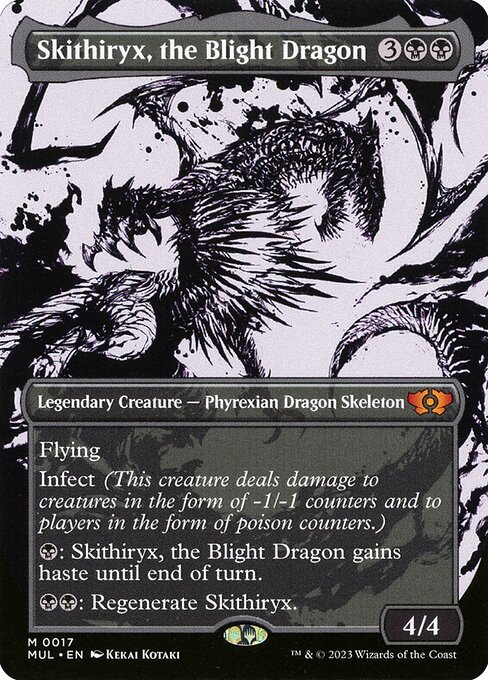
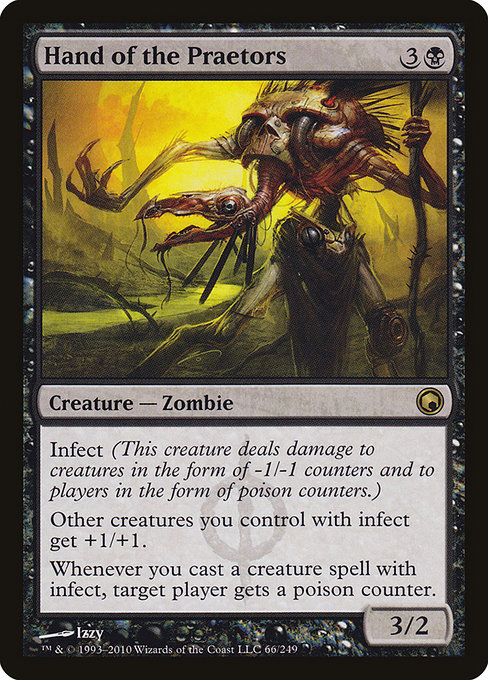
Early Infect cards like Skithiryx, the Blight Dragon and Hand of the Praetors established the core identity of the mechanic: aggressive, synergistic, and lethal when left unchecked. Infect creatures were often smaller than their non-Infect counterparts, but their ability to bypass life totals made them disproportionately threatening.
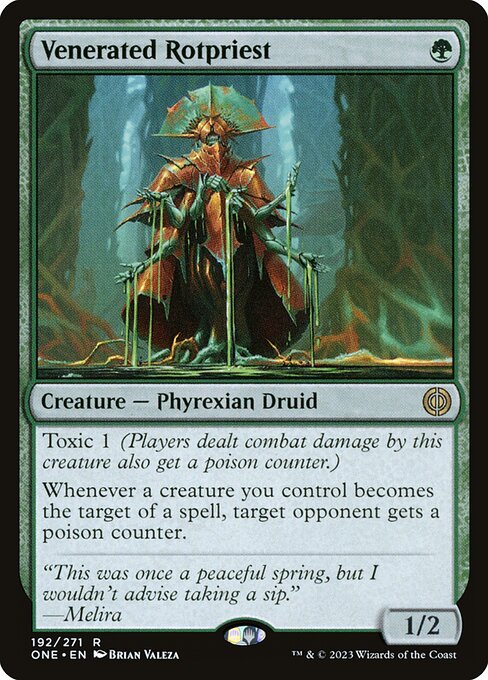
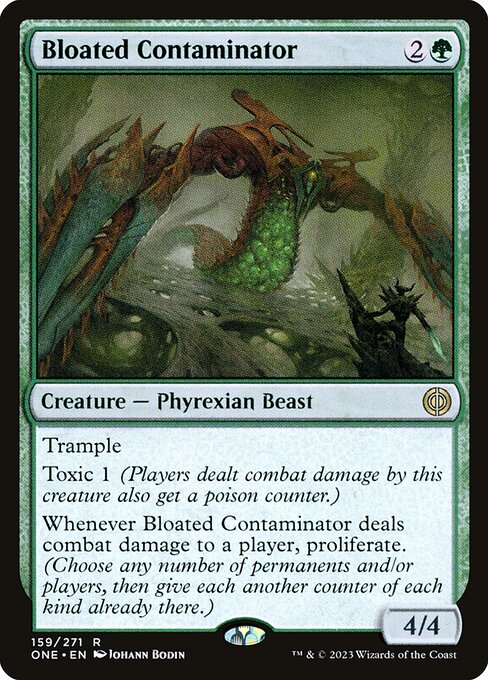
The mechanic returned in later sets, particularly in New Phyrexia and more recently in Phyrexia: All Will Be One, with a new twist on Poison through the “Toxic” mechanic. Infect was no longer a “hit X get X Poison Counters” but creatures had a defined number of Toxic redgardless of their power or toughness. Cards like Venerated Rotpriest and Bloated Contaminator helped modernize the Poison strategy, giving Infect decks more tools and resilience.
Over time, Infect has evolved from a niche aggressive mechanic into a fully supported archetype, especially in Commander, where its unique win condition stands out in a format dominated by life gain and long games.
Why Infect Works in Commander
Commander is a format defined by high life totals, multiplayer dynamics, and powerful engines. Infect disrupts all three at breakneck speed.
First, it pretty much invalidates life gain. A player sitting comfortably at 80 life is just as vulnerable to Infect as someone at 5. This makes Infect an excellent counter to strategies that rely on stabilizing through life total buffers. This is what makes Infect so unique, it exists entirely outside the normal resource system of the game.
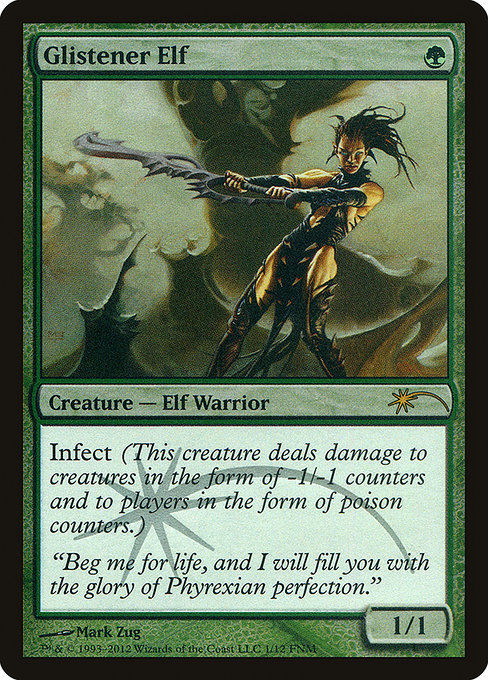
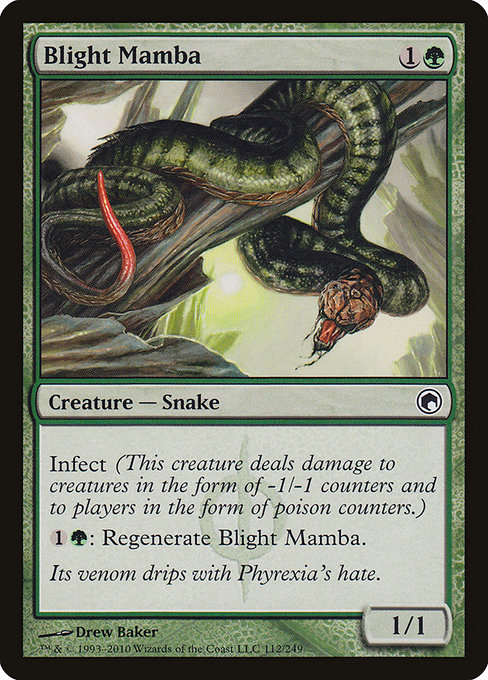
Second, it compresses the clock. While most decks need to deal 40 damage to eliminate a player, Infect only needs to deal 10. This means that even creatures like Glistener Elf or Blight Mamba which may look small on paper, can still pressure opponents and become lethal threats with the right support. A 1-power Infect creature doesn’t represent a slow clock, it represents 10% of a player’s total “health” in Commander. And when combined with other mechanics like Proliferate, infecting an opponent with just 1 Poison Counter can often mean death.
Third, it introduces psychological pressure. Once a player has even a few Poison Counters, they become acutely aware of the threat. This often forces suboptimal plays, as opponents prioritize removing Infect threats over advancing their own game plans.
However, Infect also paints a target on your back. Because of its reputation and lethality, Infect players are often perceived as the biggest threat at the table, even when they’re not currently ahead.
How Infect Decks Win
Infect decks typically win through one of three main approaches: combat damage, pump-based bursts, or counter-based Proliferation.
Pump Spells and One-Shot Kills
One of the most explosive aspects of Infect is its interaction with pump effects. Cards like Scale Up or Invigorate can dramatically increase a creature’s power for a single turn, turning a small Infect creature into an immediate lethal threat.
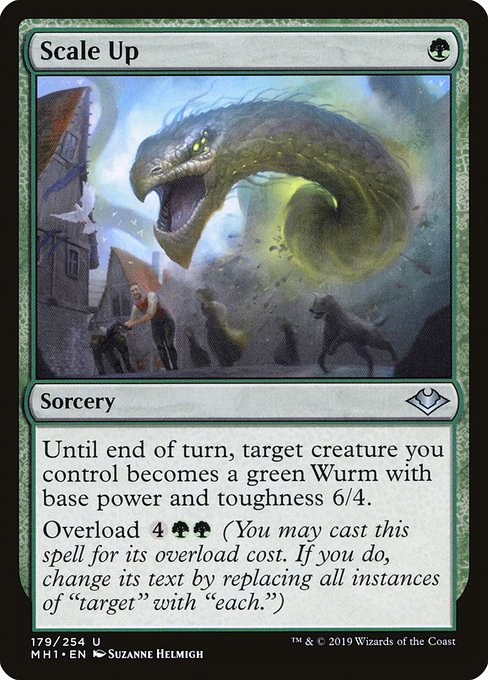
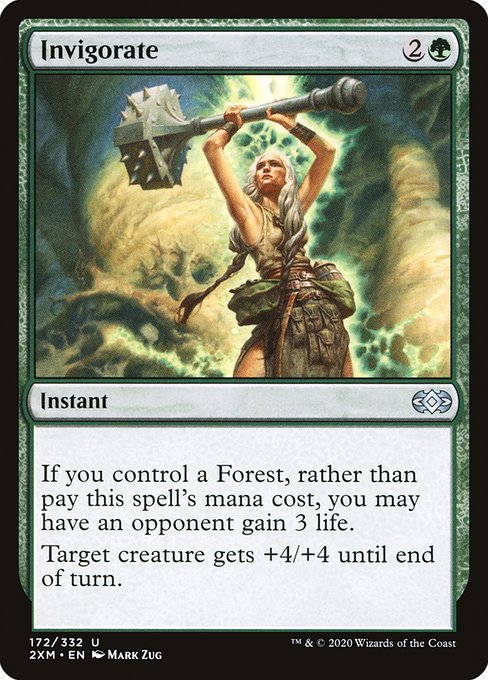
For example, a Glistener Elf can go from 1 power to 10+ with just a couple of pump spells, instantly knocking out a player. This “one-shot” potential is one of the reasons Infect is so feared, it can end games out of nowhere.
These strategies often rely on careful timing and protection, as losing your creature mid-combat can be devastating. This strategy is more fickle in that you may be able to take one enemy down, but in a multiplayer game of Commander, you may only get to do that once and run out of gasoline. It is most effective on 1 on 1 games.
Combat Damage and Evasion
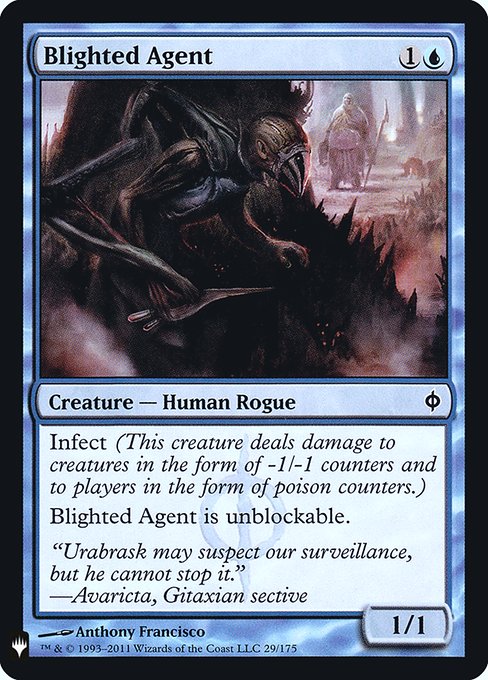
The most straightforward plan is to attack with Infect creatures and accumulate poison counters over time. Creatures like Blighted Agent are particularly effective because of their built-in evasion, making them difficult to block.
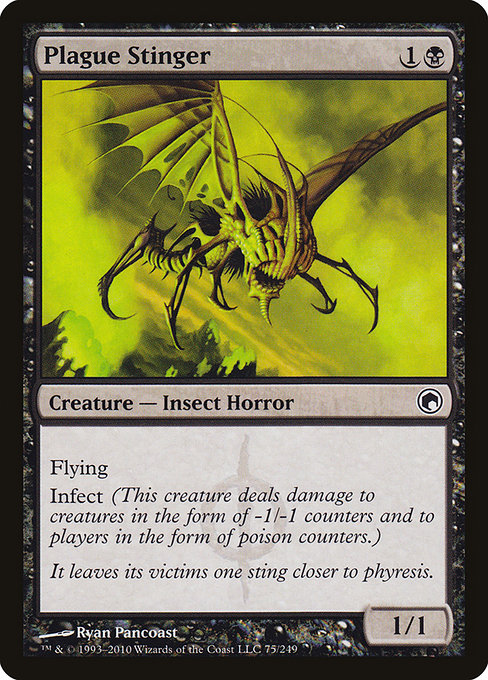
Flying threats such as Skithiryx, the Blight Dragon or Plague Stinger also play a key role, ensuring that your attacks connect consistently. Because you only need to deal 10 damage, even a few successful attacks can eliminate a player.
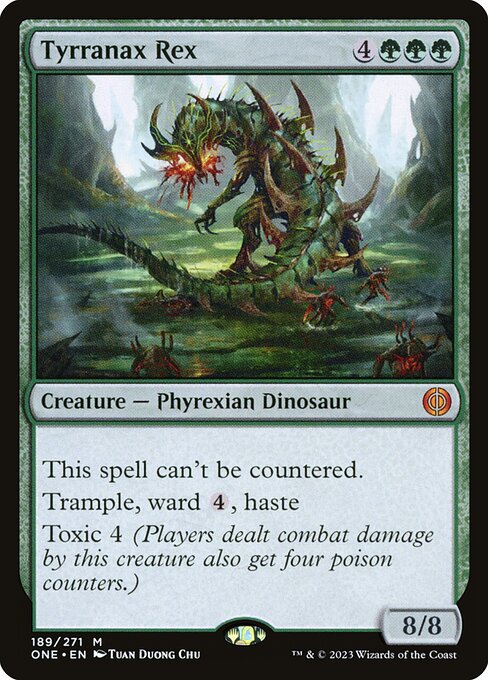
Massive creatures like Tyrranax Rex which can’t be countered are also a good option.
Alternatively, you can use any creature with built-in evasion and attach protection to it, then give it Infect or Toxic with cards like Glistening Oil or Phyresis to achieve the same.
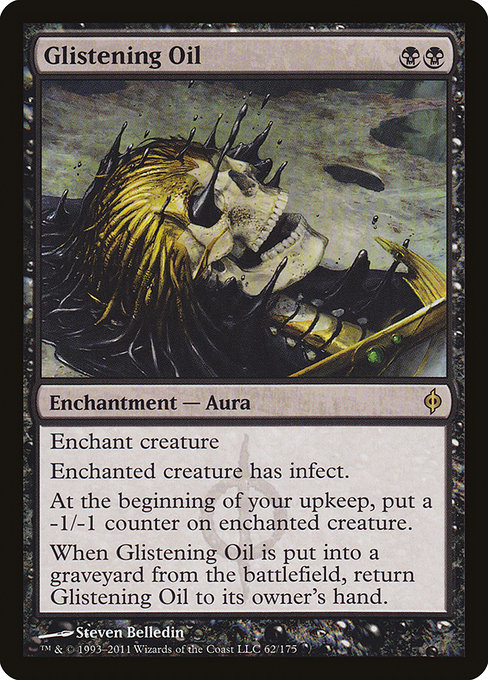
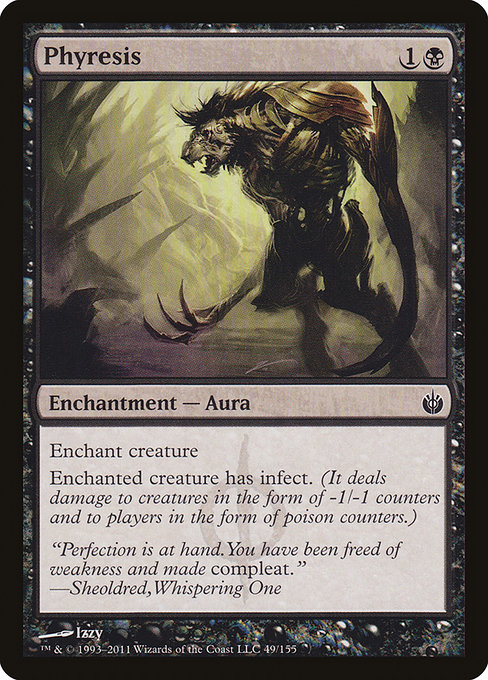
These strategies usually rely on a lot of setup until you have a creature that can’t be removed and can blow up an enemy in one hit. The difference with the last strategy, is that it takes more time to set up, and once it is in place, it usually means you will be able to finish off more than one opponent with it.
Proliferate and Incremental Poison
Not all Infect decks rely on combat alone. Some take a slower, more methodical approach by using Poison Counters as a starting point and then increasing them through proliferation. Once each opponent has even a single counter, your strategy is to steadily push them toward defeat.
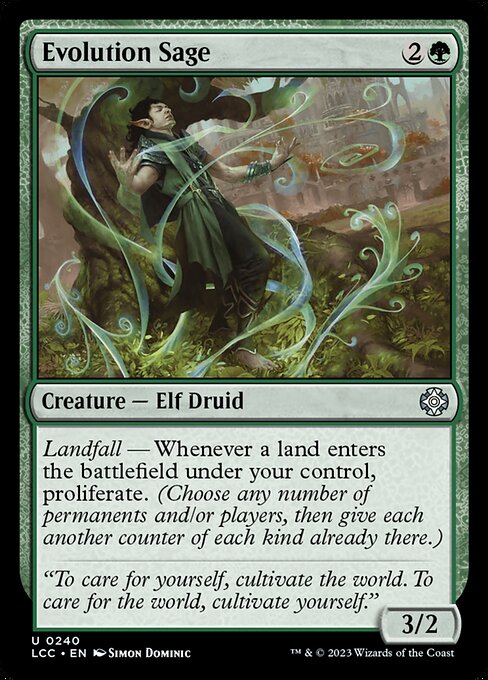
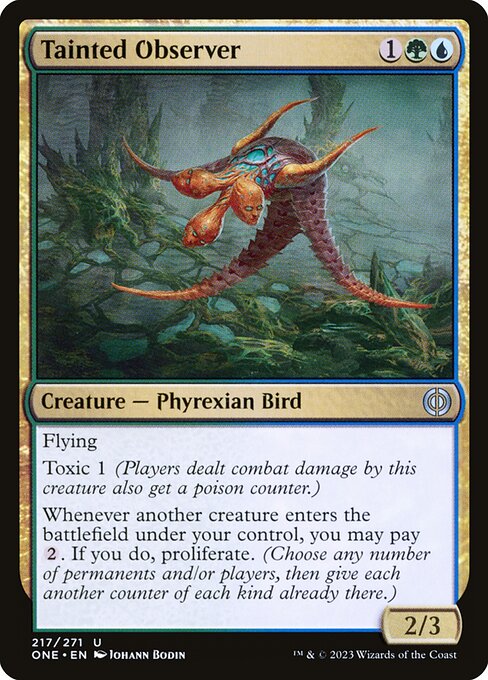
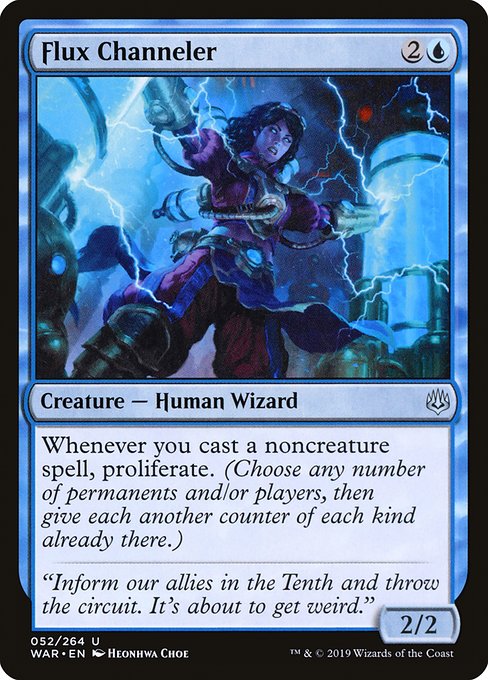
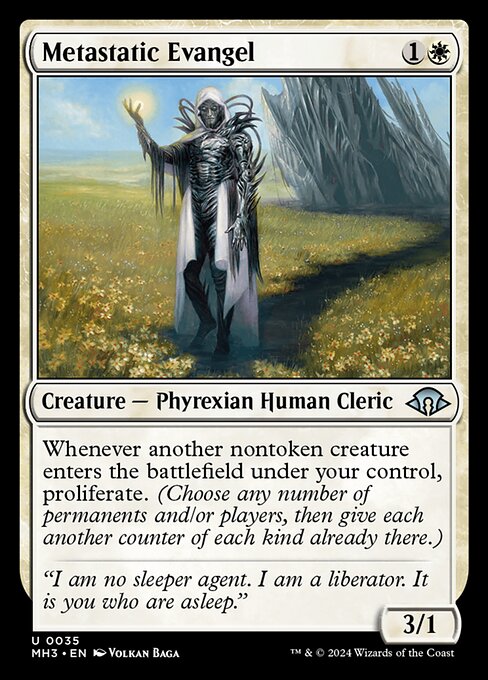
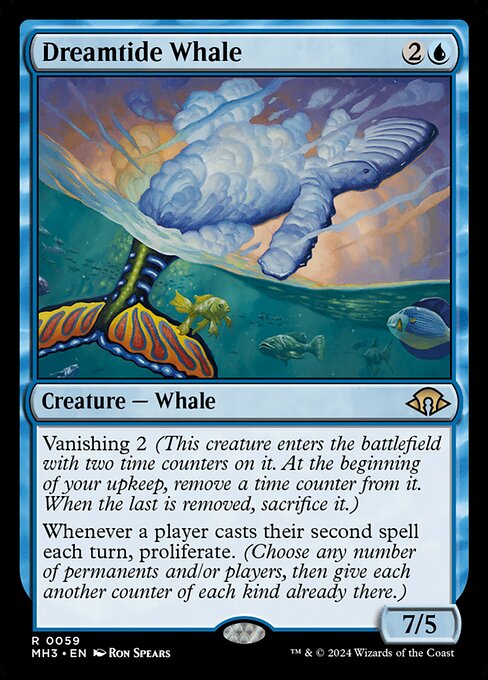
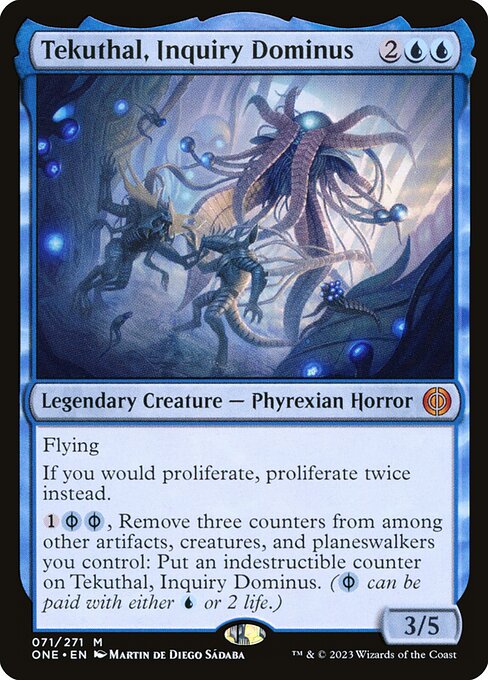
Cards like Evolution Sage, Tainted Observer, Flux Channeler, Metastatic Evangel, Dreamtide Whale and Tekuthal, Inquiry Dominus allow you to add additional Poison Counters steadily without ever needing to attack.
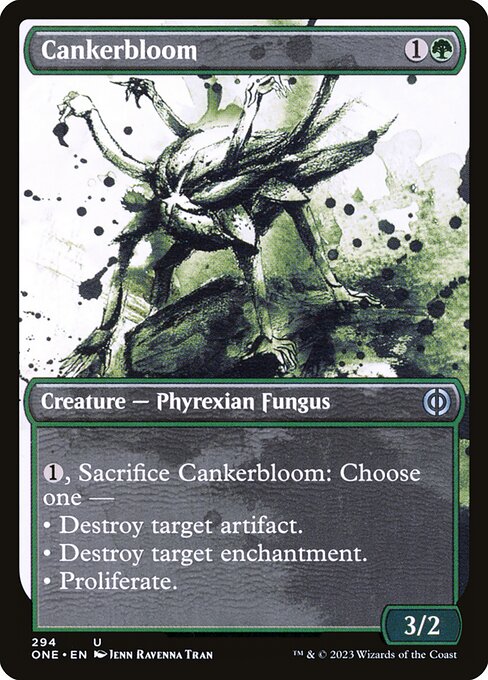
There are also cards that just exist to proliferate once like Cankerbloom, Blightbelly Rat, Venomous Brutalizer, Contentious Plan, Serum Snare and Steady Progress among many, many others.
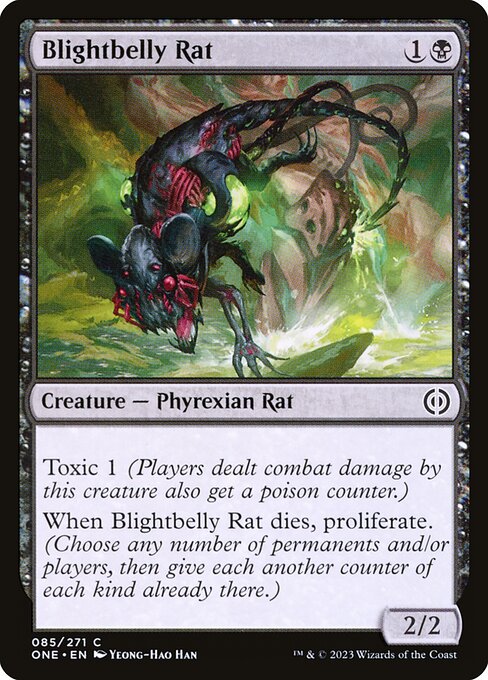
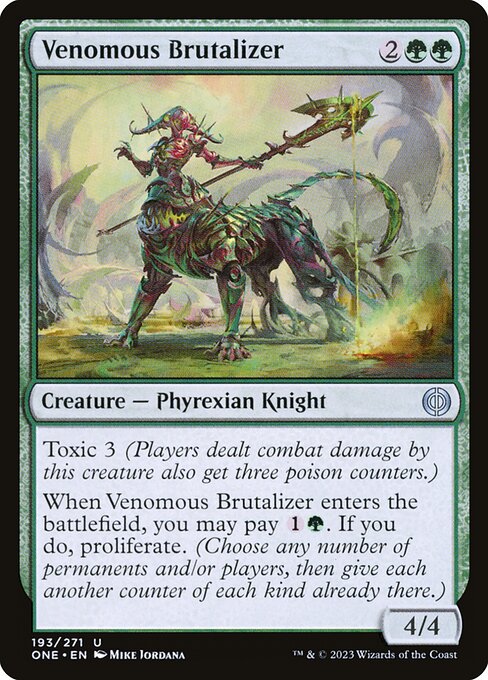
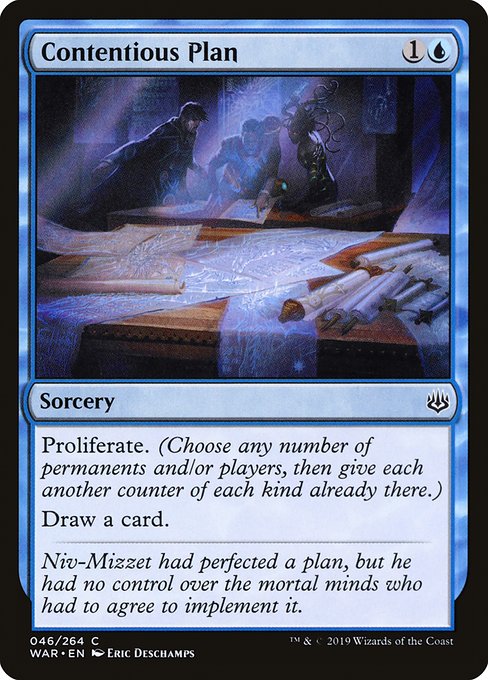
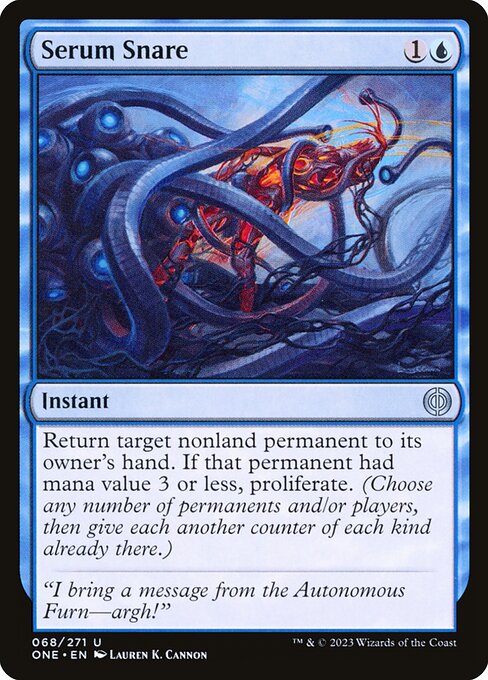
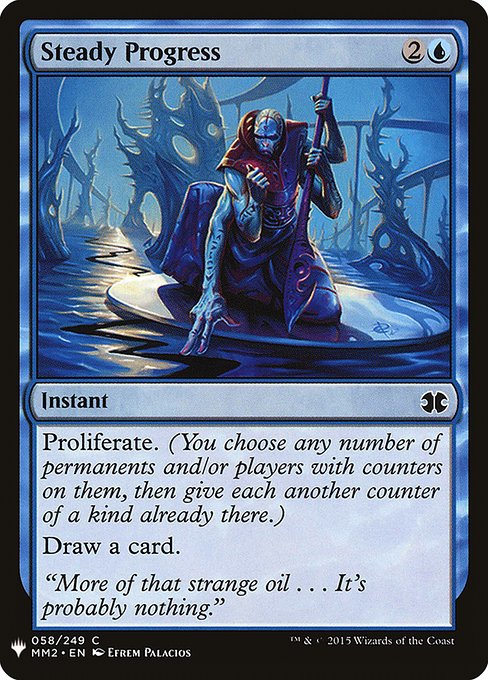
These strategies often rely on having many different ways to steadily Proliferate like Contagion Clasp, Contagion Engine, Throne of Geth, Ichormoon Gauntlet and even lands like Karn's Bastion.
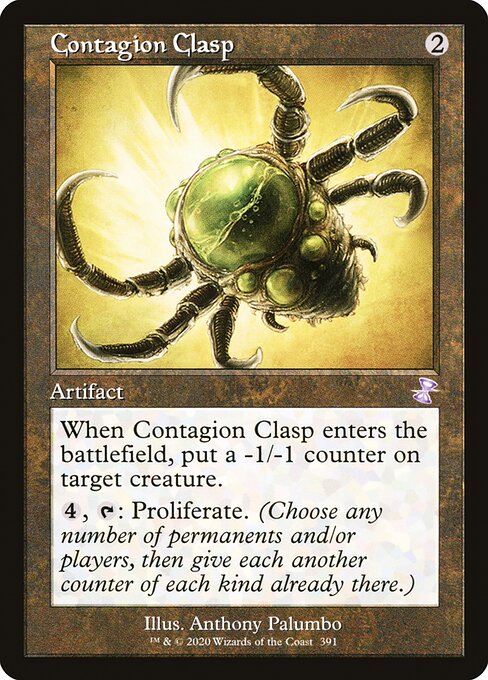
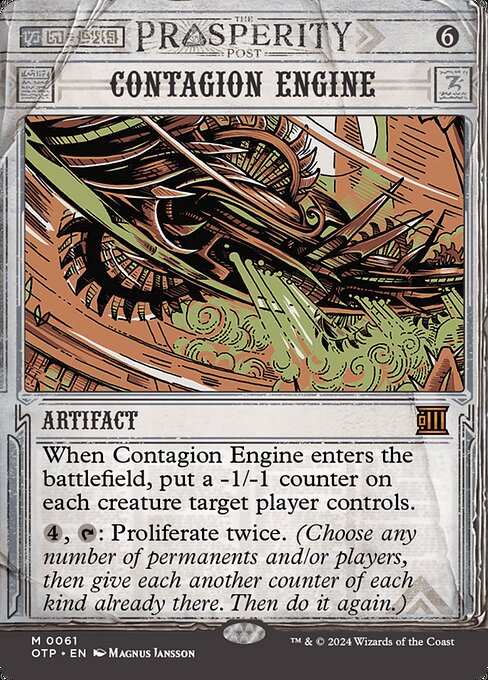
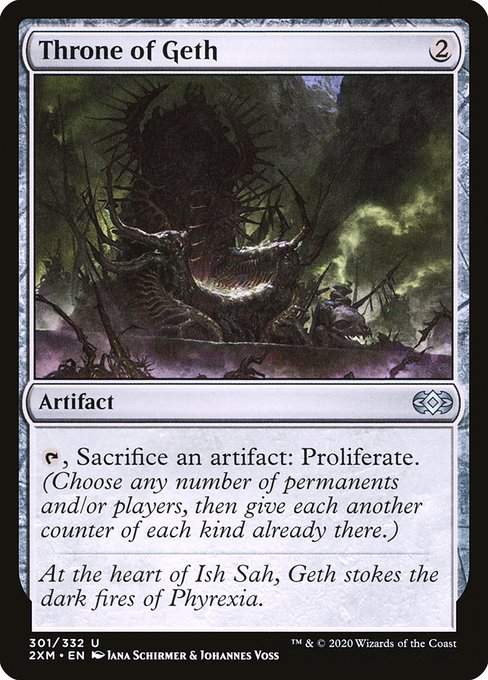
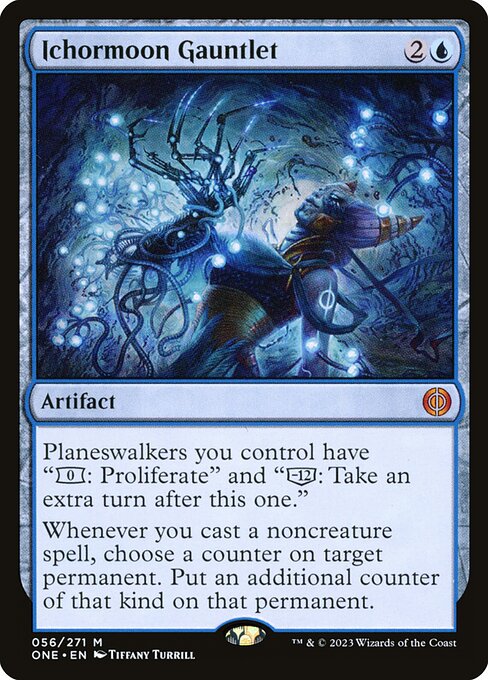
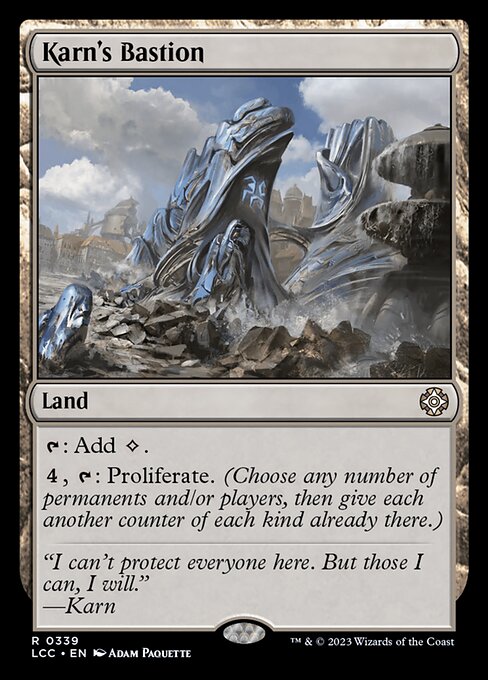
This approach is often paired with control elements, allowing you to manage the board while your Poison engine does the work. This strategy is engineered to be resilient, steady, and ruthless. It is the most effective way to win a multiplayer game of Commander with Infect.
Strengths of Infect
Infect has several key strengths that make it a powerful choice in Commander:
- Bypasses life totals entirely
- Faster clock than traditional damage
- Punishes slow or greedy decks
- Strong synergy with pump and counters
It’s especially effective in metas where players rely heavily on life gain or take time to set up their strategies.
Weaknesses of Infect
Despite its strengths, Infect is far from unbeatable:
- Highly dependent on applying that first Poison Counter
- Vulnerable to removal and interaction
- Draws significant table aggression
- Limited card pool compared to other archetypes
Infect decks often struggle in longer games if they can’t close things out quickly.
Ways to Deal with Infect
Dealing with Infect can be reduced to removing the creatures that have it; even with evation and protection there’s always ways. Dealing with Poison Counters, however, is virtually impossible, which is why this mechanic is hated so much.
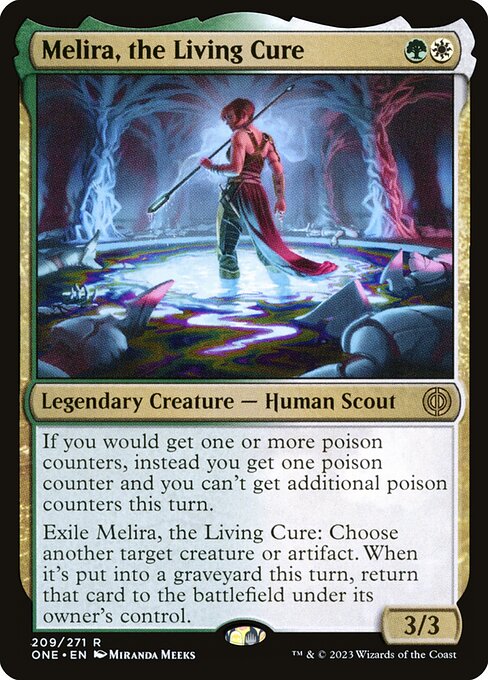
The only way to avoid Poison Counters is to not get them in the first place, and even that is difficult to achieve, as only a few cards can do so. Cards like Melira, Sylvok Outcast and Solemnity completely stop Poison Counters. Melira, the Living Cure limits the amount of Poison Counters you can get at once, but as a deterrent it isn’t that good.
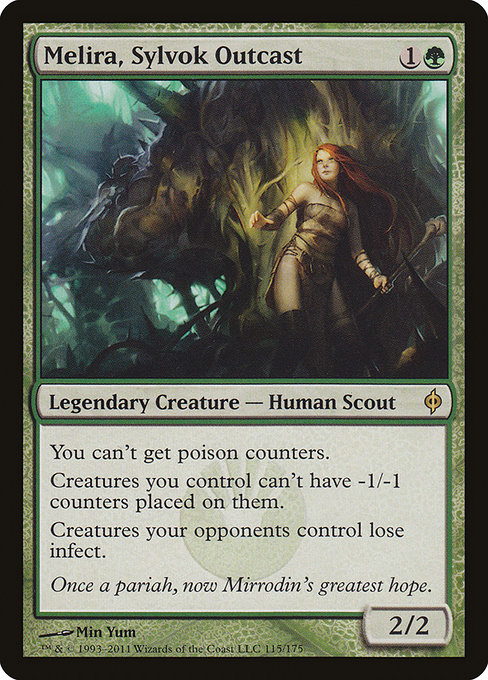
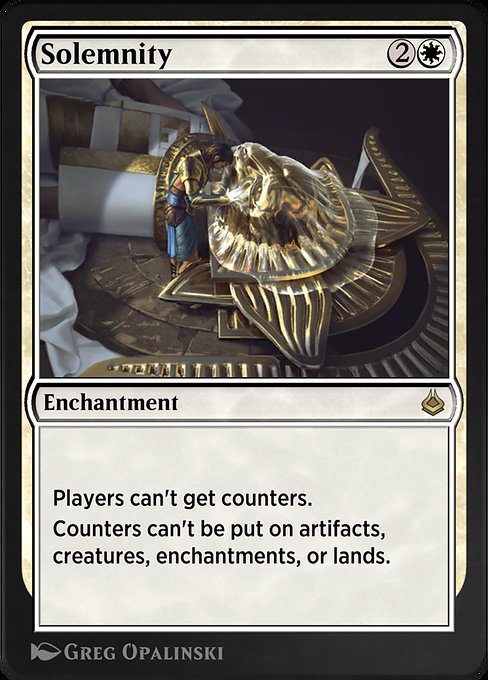
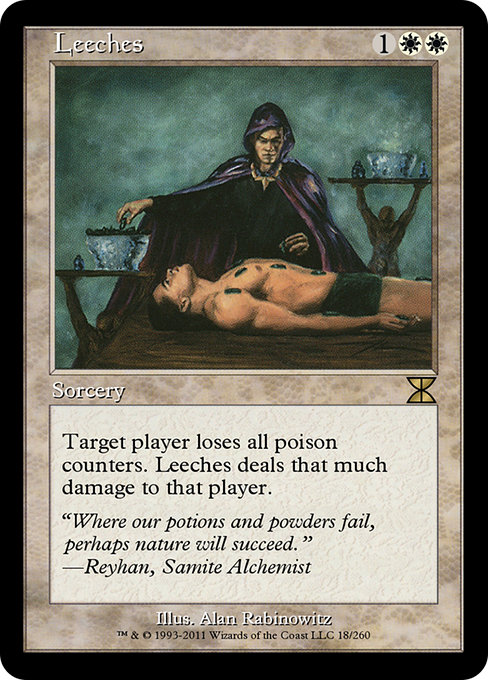
Leeches is the only known card to be able to deal with Poison Counters altogether.
Karn Liberated can also completely wipe Poison Counters by restarting the game with his ultimate ability.

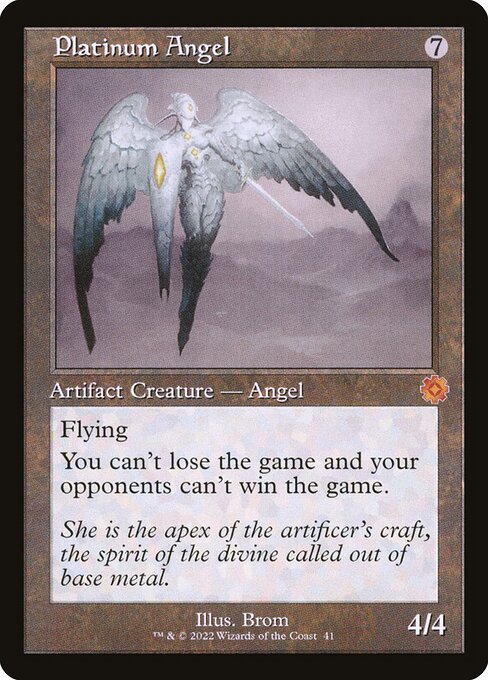
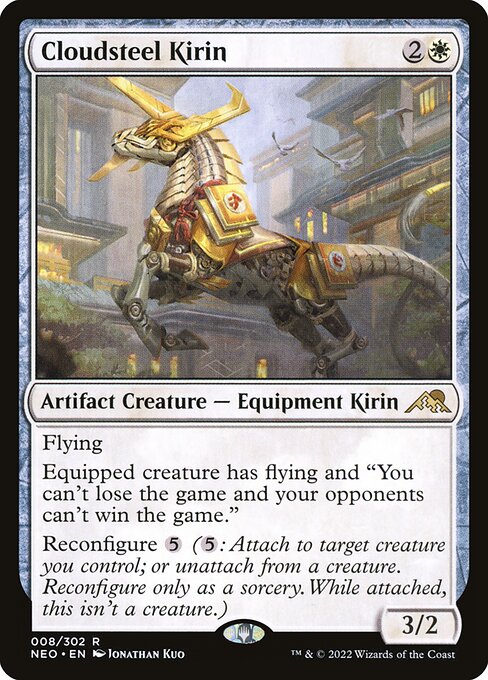
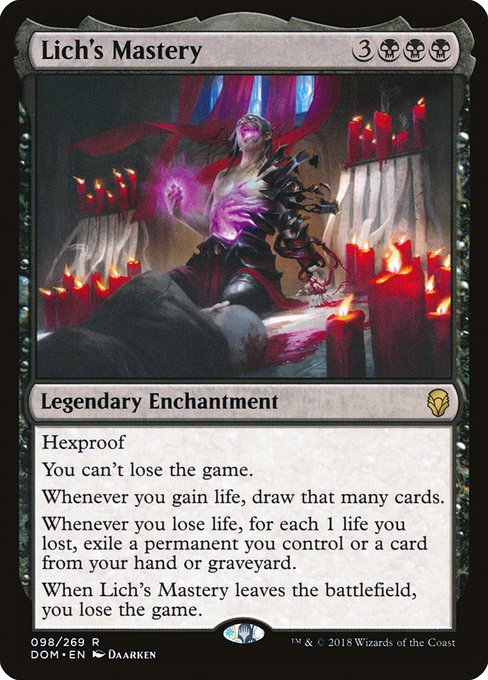
Another way to prevent death by Poison Counters is to completely prevent yourself from losing the game with cards like Platinum Angel, Herald of Eternal Dawn, Cloudsteel Kirin or Lich's Mastery.

The Future of Infect
New cards from Commander sets continue to expand the mechanic, offering more tools and flexibility. More and more tools that support Proliferate will probably also be added over time, giving Infect decks even more options.
The introduction of Toxic and other Poison related mechanics suggests that Wizards of the Coast is interested in exploring this design space further, potentially giving Infect players even more options in the future.
Infect Commanders
There is a surprising amount of Commanders that fit or can be used within the Infect contraints, let’s explore a few of them:
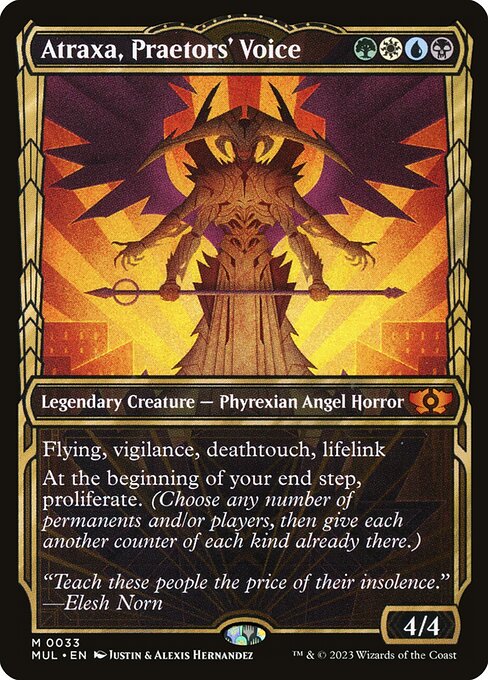
Atraxa, Praetors' Voice Proliferates twice and the end of your turn, making Poison Counters increase at insane speeds while also synergizing pretty well with Planeswalker cards, being able to get them to their ultimate abilities way quicker than expected.
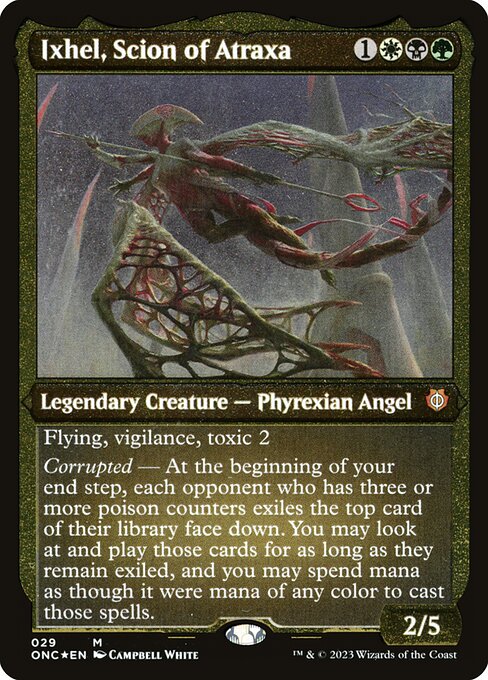
Ixhel, Scion of Atraxa takes a more interactive and “fun” approach. At the beginning of your end step, any opponent who has 3 or more Poison Counters on them exile the top card of their library and you can cast them whenever you want by paying their cost. This means you get to use tools from your opponents without a super fast clock on them.
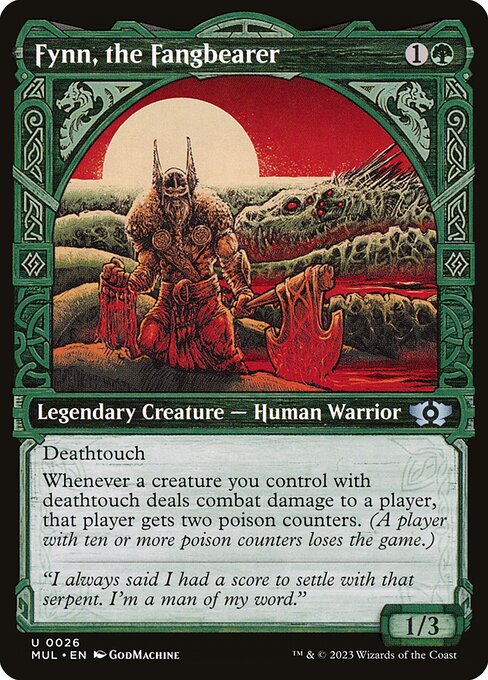
Fynn, the Fangbearer is a very interesting one. He turns every creature you control with Deathtouch a super menace, because if they hit a player, they get 2 Poison Counters per hit. Decks built around him prioritize cheap Deatchtouch creatures, evasion, and even have efficient removal by using the Fight mechanic.
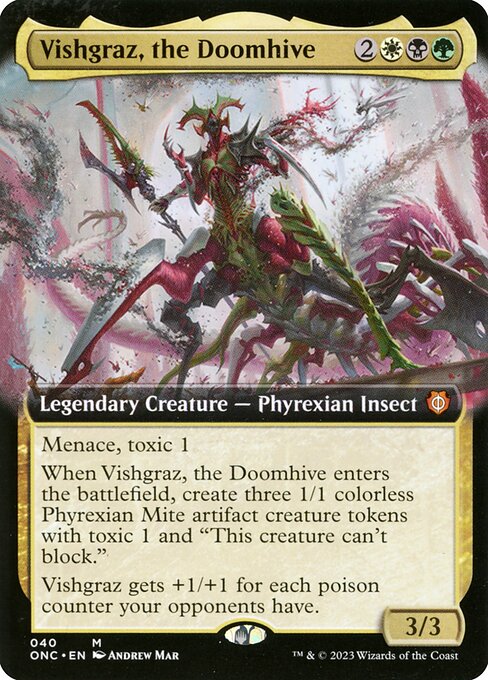
Vishgraz, the Doomhive decks opt for a go-wide strategy by populating the field with many, many small 1/1 Infect creatures that keep on coming, making blocking and removing them quite difficult.
Skithiryx, the Blight Dragon decks usually opt for an all-in on Skithiryx, setting the battlefield ready for his coming, giving him protection and buffing him to make sure you only have to hit an opponent once to take them out of the game.
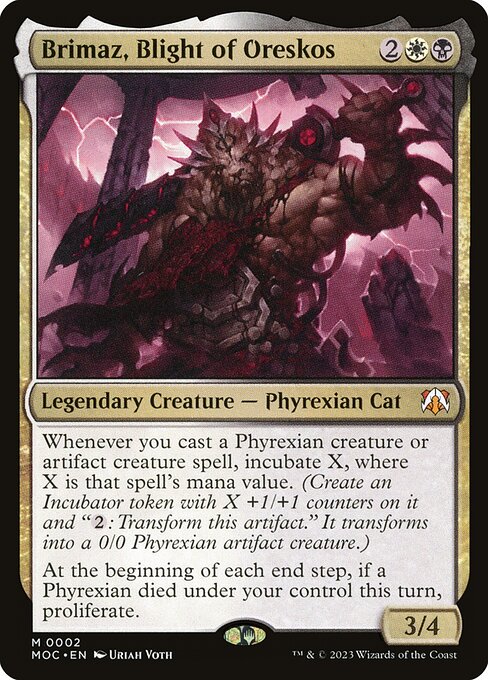
Brimaz, Blight of Oreskos takes on a more “aristocratic” approach supported by his colors of White and Black; his ability creatres extra Phyrexian tokens whenever you cast a Phyrexian creature, and then turns every dead Phyrexian creature into Proliferation. Opponents are often pushed between a rock and a hard place.
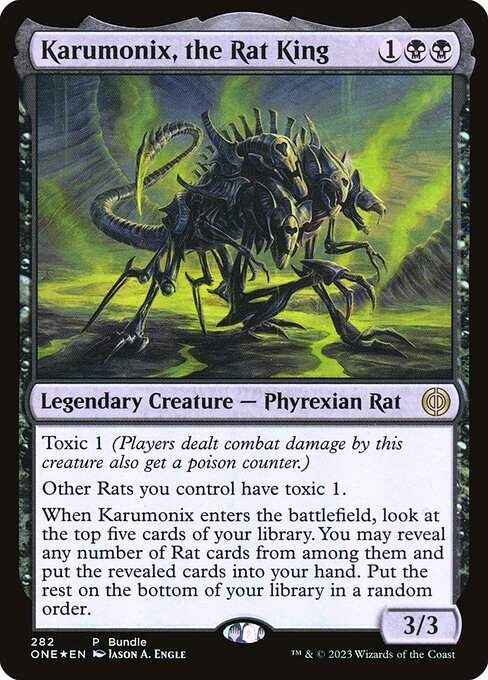
Karumonix, the Rat King decks go for a tribal approach, since it makes all rats have Toxic one and its ability lets you grab a bunch of rats from the top of your deck. Supported by rats like
Tekuthal, Inquiry Dominus turns every one of your Proliferate triggers into double, quickly turning the clock on your opponents. Having access to only Blue heavily limits your options when it comes to adding Poison Counters on players, but these decks usually rely on control to be able to get there, and once your opponents get infected, their game is pretty much over.
Final Thoughts
Infect is one of the most unique and polarizing mechanics in Commander. It challenges the fundamental assumptions of the format, offering a faster, more direct path to victory that ignores traditional life totals.
But it’s not just about speed, it’s about precision. Infect often rewards careful planning, timing, and understanding of the table. When played well, it can dismantle even the most established strategies.
Eventhough Infect is quite straight-forward, the ways it can be used and abused in commander are plentiful and varied.
Love it or hate it, Infect demands respect. And if you’re willing to embrace its strengths and manage its risks, it can be one of the most powerful and satisfying ways to win in Commander.