






Table of Contents
White, Blue, and Black. Order, Knowledge, and Ruthless Precision — Esper is the color combination of weaponized systems. Born with the plane of Alara, Esper was the machine supremacy heaven. White establishes the rules, Blue refines them to perfection, and Black ensures they are enforced without mercy. In Commander, Esper thrives by restricting options, extracting value from every interaction, and turning patience into power. It doesn’t race anyone at the table, it dictates the pace and wins by making sure everyone else knows their place.
Esper makes opponents question every decision they make because this color identity doesn’t just interact, it dictates the terms of interaction. Whether it’s locking down the stack with soft control, building unwieldy resource advantages, or exploiting every discard and life point as currency, Esper is philosophical and ruthless, deliberate and unrelenting. Put another way: while other color combinations revel in chaos or aggression, Esper revels in harnessing that chaos and converting it into structured outcomes that favor the one who planned ahead.
Having access to the 3 most oppressive colours in Magic generally allows Esper to rule the board and make your opponents fight the rules instead of each other, it has access to:
Rules enforcement and removal —
Gaining advantage through taxation —
Disruption and pure control —
Tutoring —
Squeezing extra value from the graveyard —
So let’s go and explore 4 archetypes that embody different aspects of the same… Coin? Die? Color Triad.
Archetype 1: Heavy Control
Our Commander
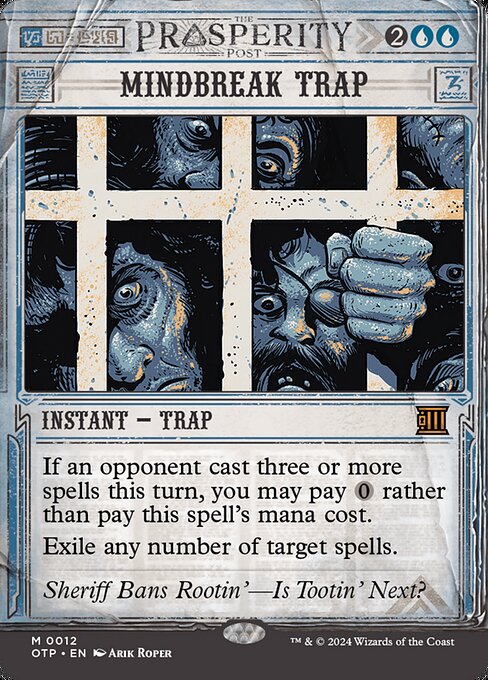
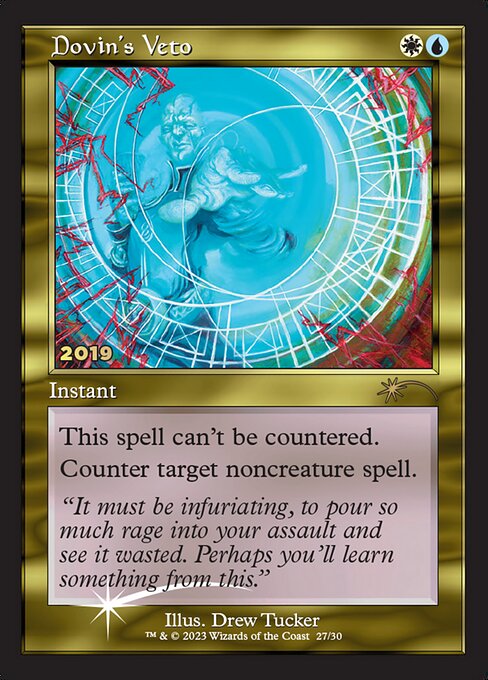
What stands out is how layered the interaction is. You’re not just countering spells for the sake of it; you’re choosing moments that completely stall momentum. Hard stops like



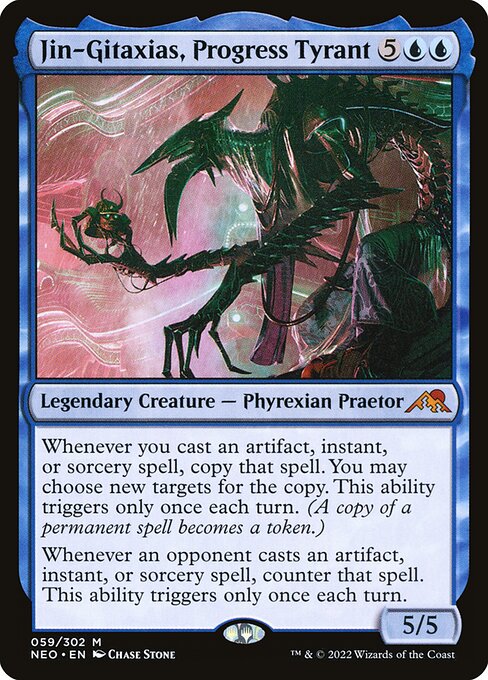
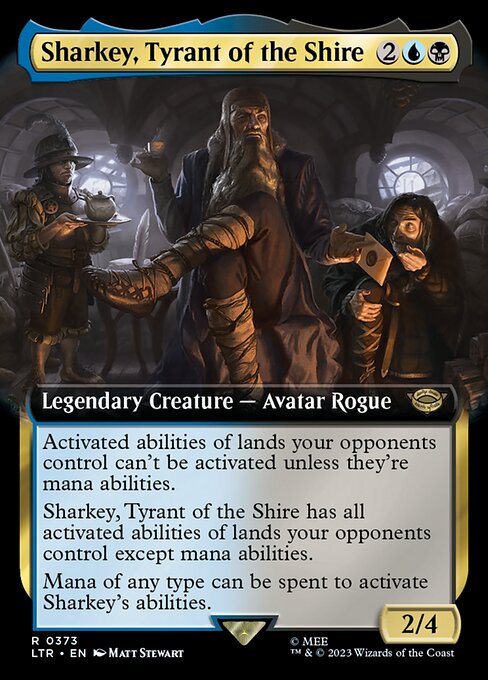
Creatures like





Then punishment phase begins. Cards like
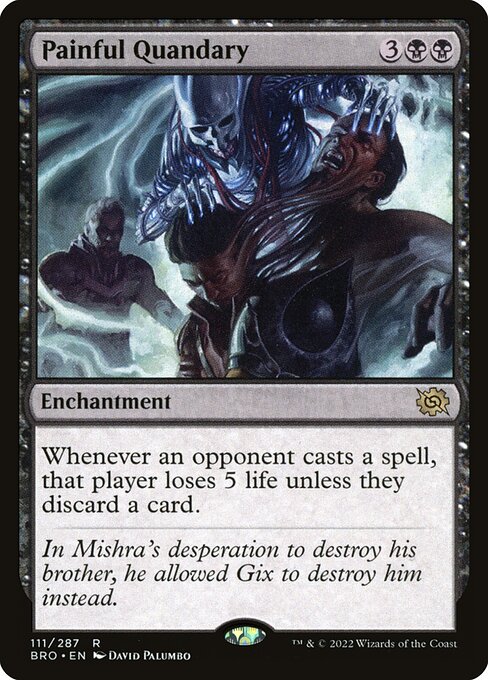

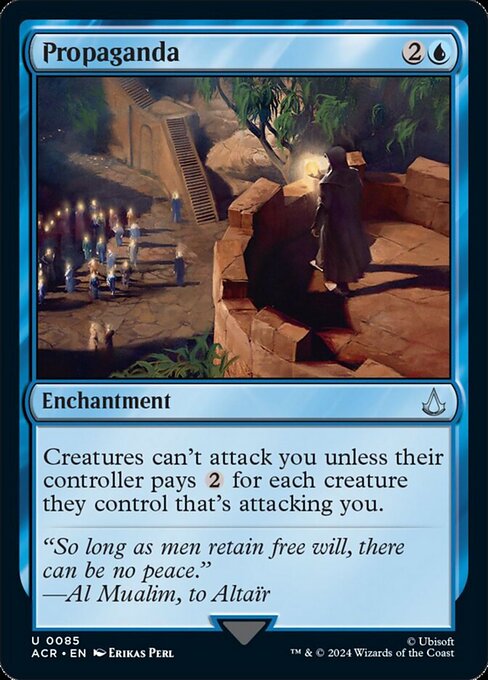
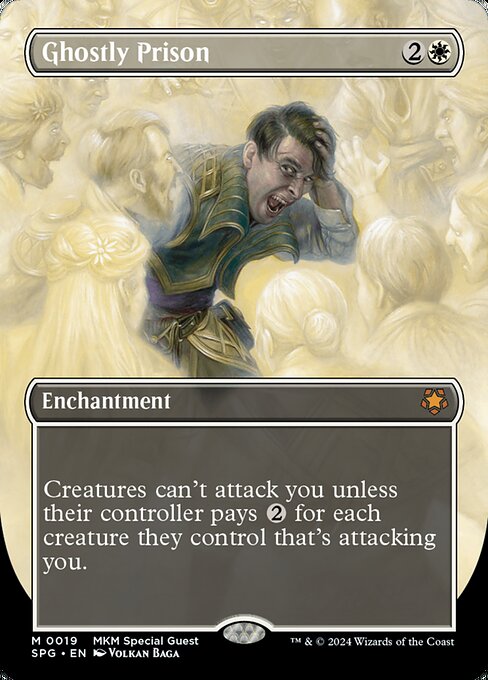

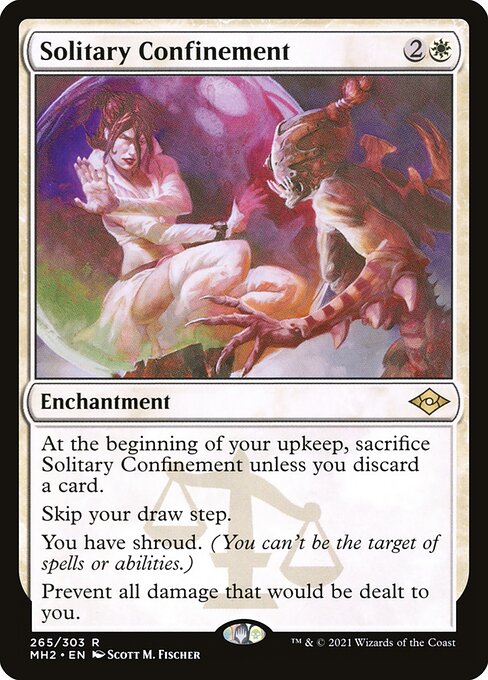
Card advantage is plentiful,
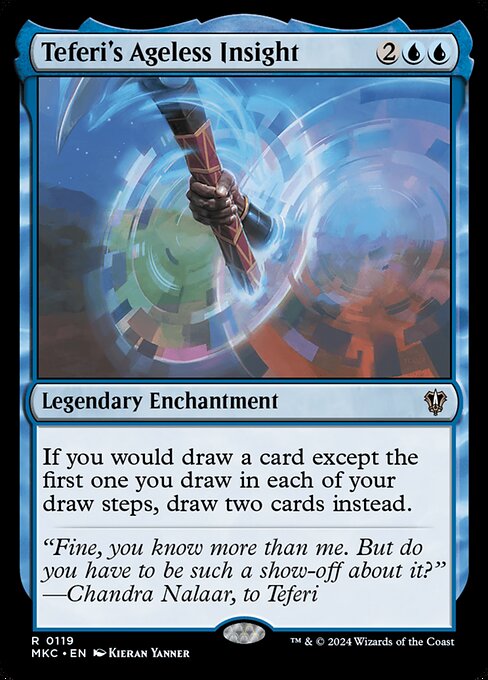
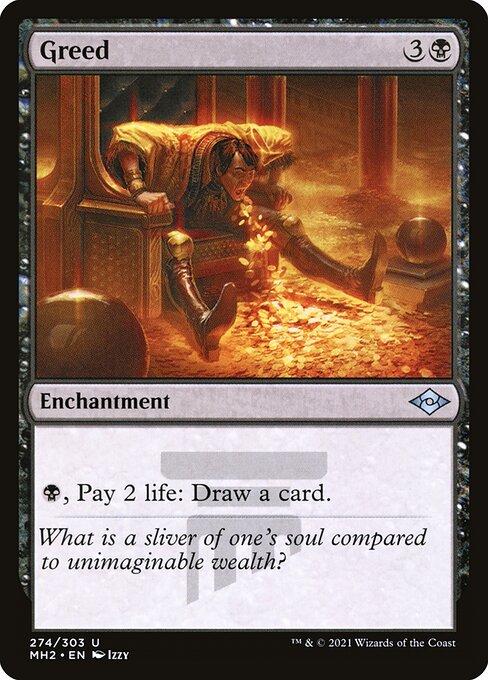
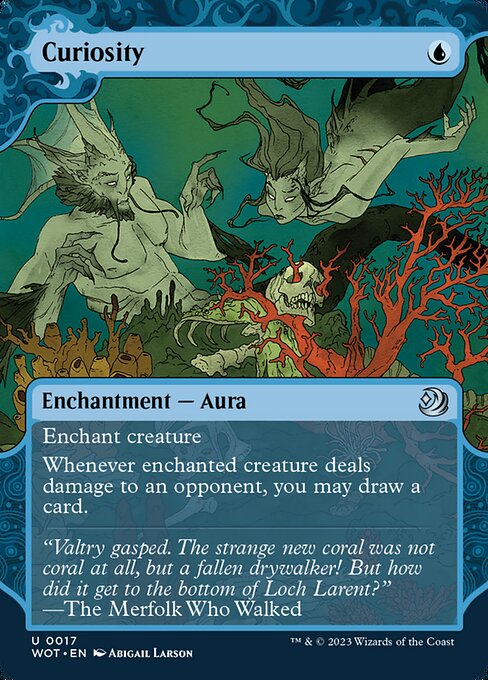
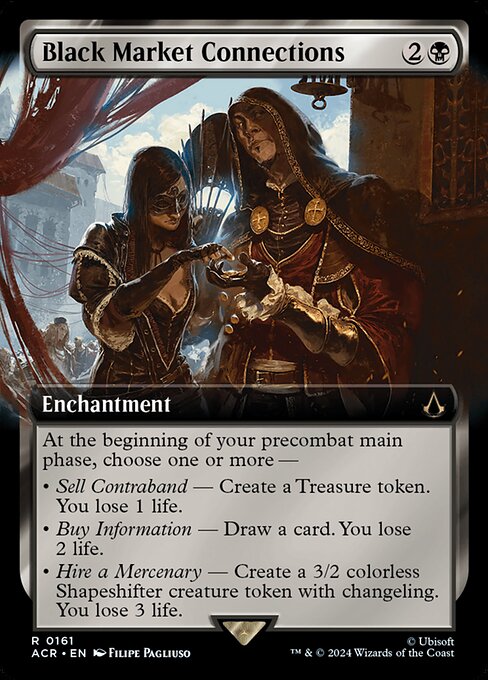

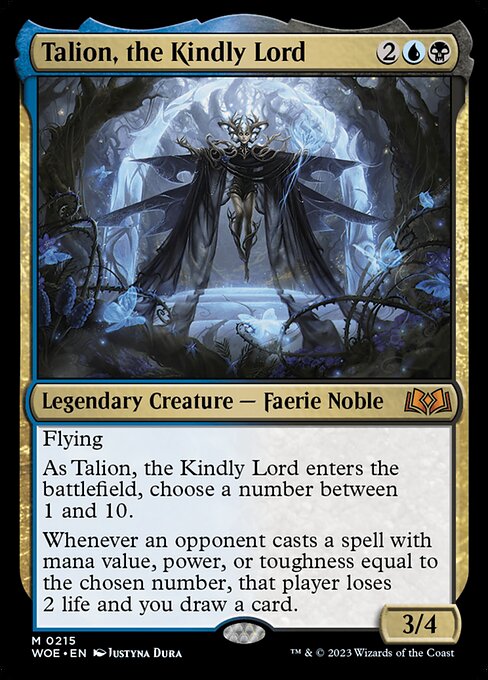

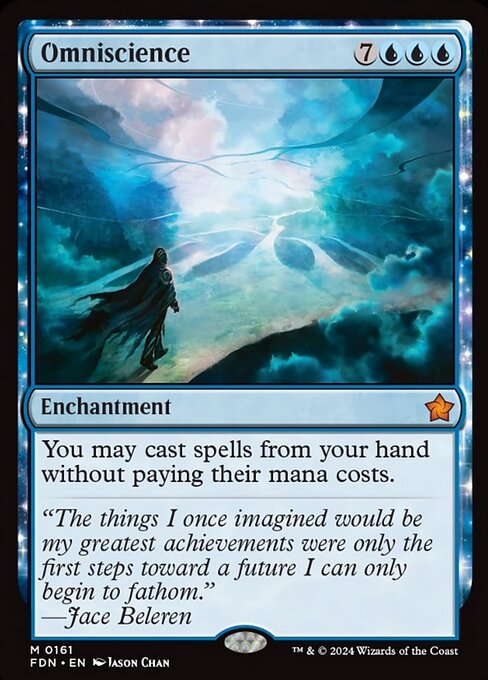
Y’shtola herself ties this all together by rewarding you for playing the long game. You’re incentivized to keep mana open, interact at instant speed, and let other players overextend into your answers. When the board finally needs a reset,
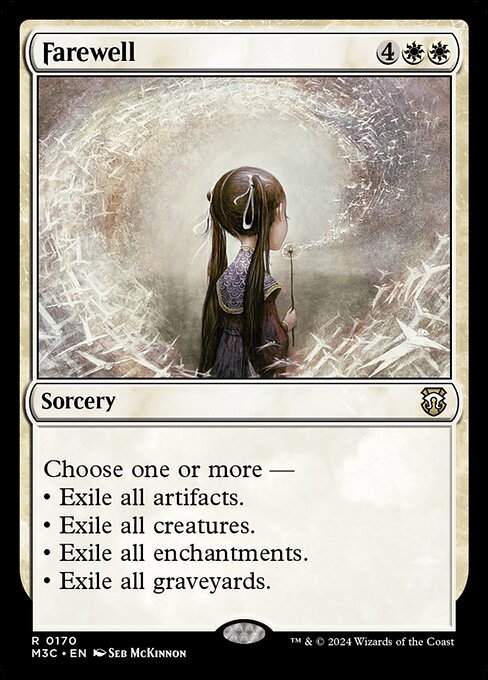

Closing games is deliberate. Finishers like


Overall, this Y’shtola build is a textbook example of what Esper does best: deny options, punish impatience, and win by being the last player who still has meaningful decisions left to make.

Planeswalkers (1)
Creatures (12)
Instants (20)
Sorceries (8)
Artifacts (11)
Enchantments (17)
Lands (32)
101 Cards
$768.91
Archetype 2: Machine Supremacy
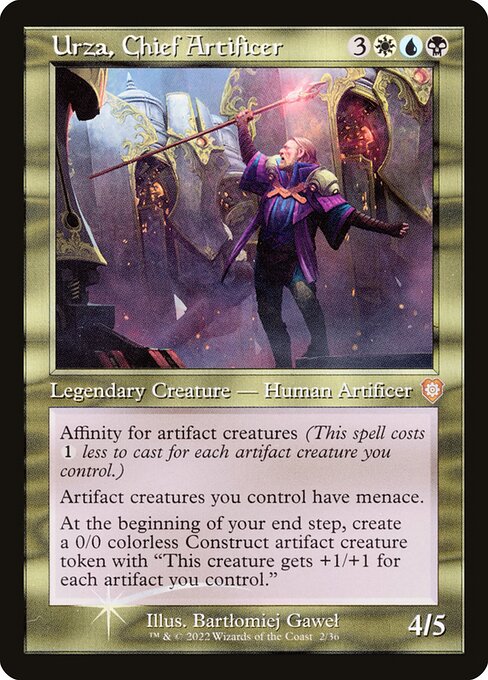
This archetype does what Esper was born to do. It is methodical, snowballing, and increasingly hard to interact with as the game goes on. With
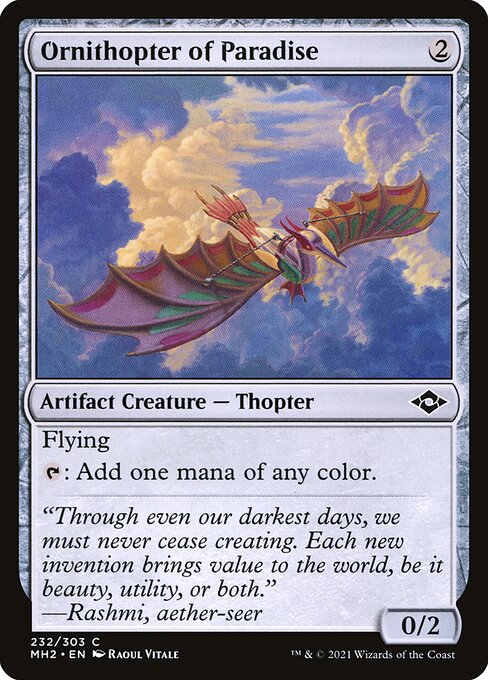
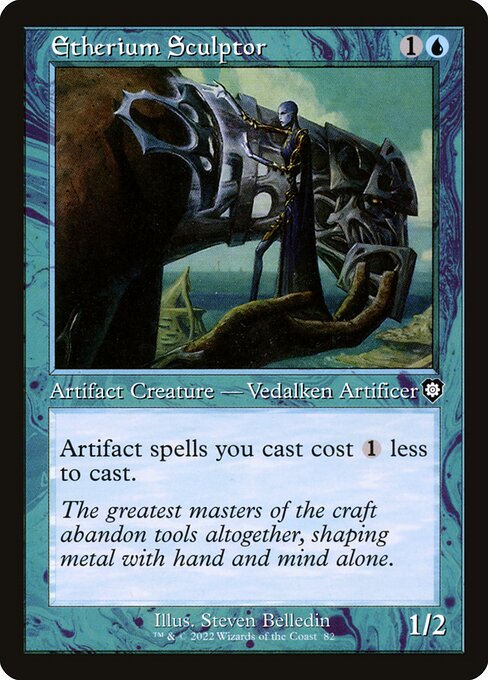
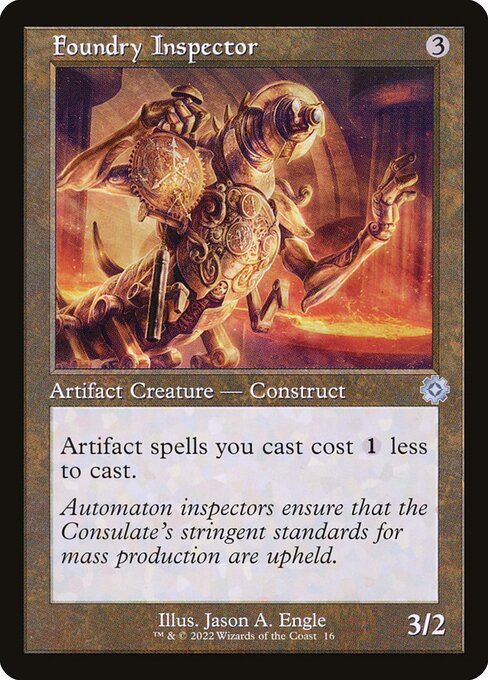
The early game is all about establishing density. Cheap artifacts like

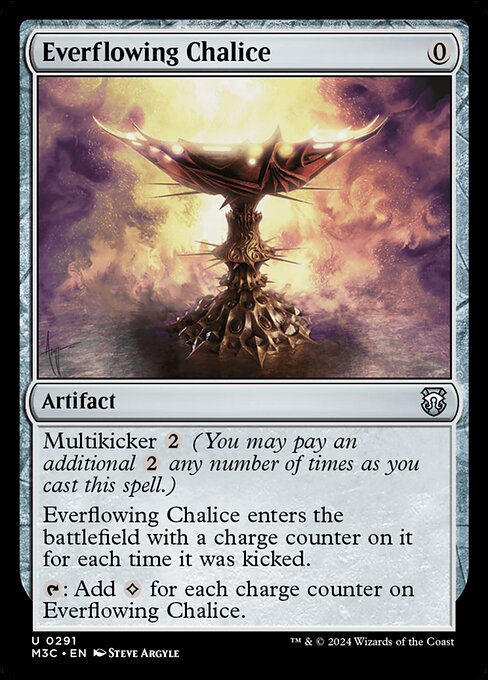

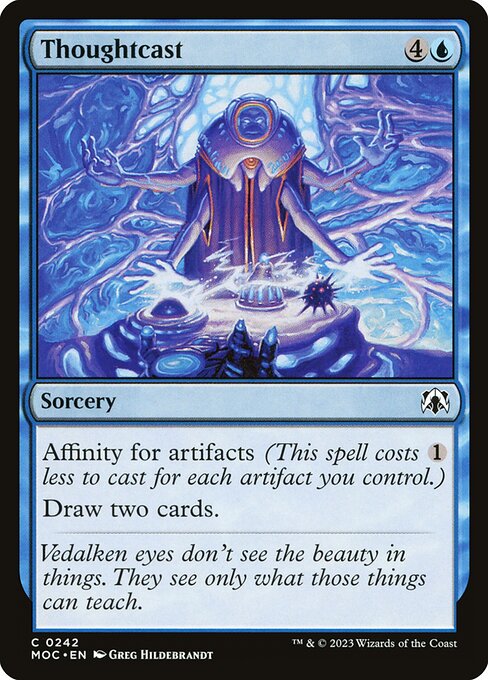
Draw engines like

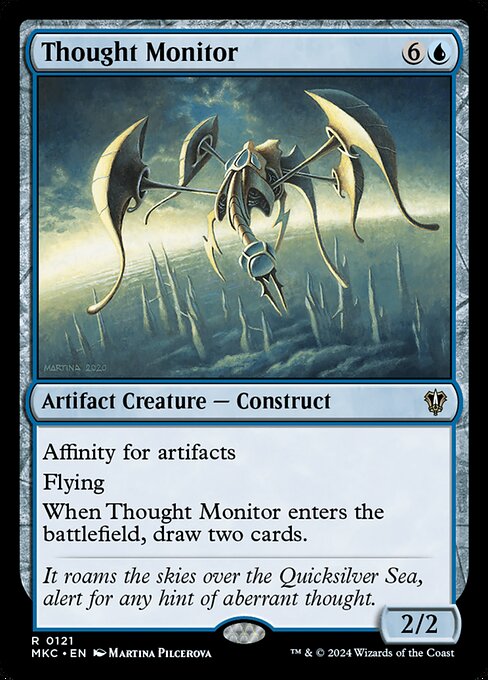
As the board develops, the deck starts switching gears to pivot from setup to pressure.
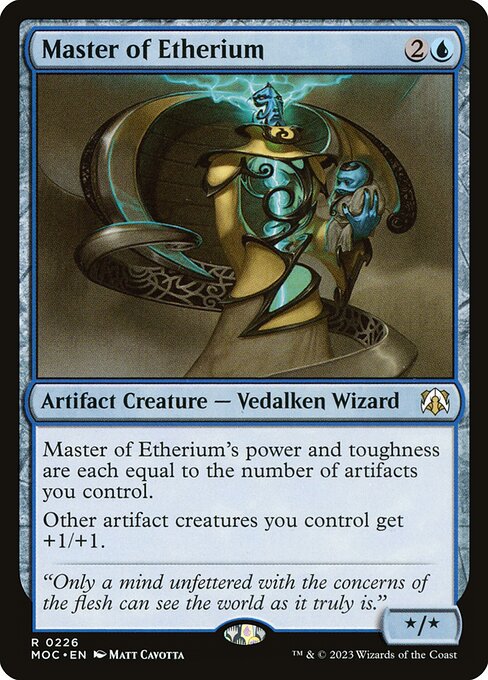
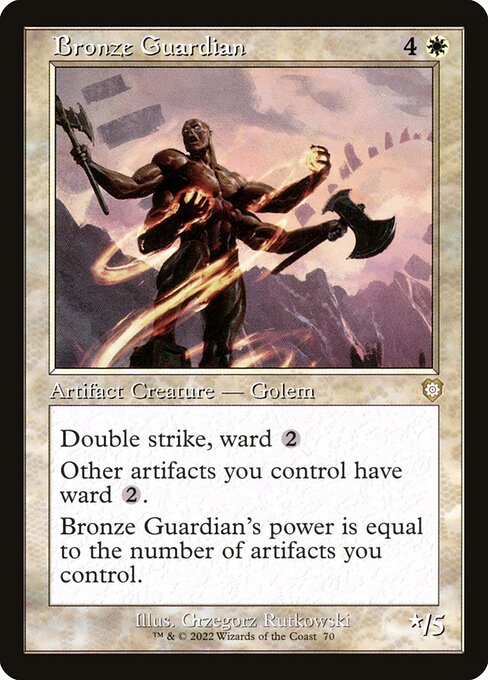
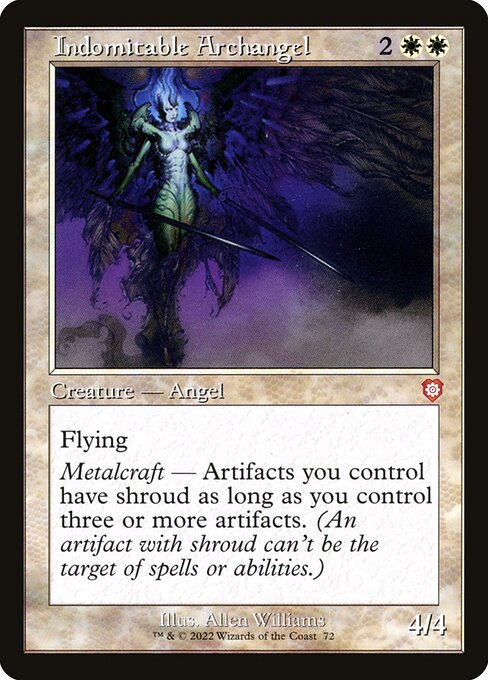

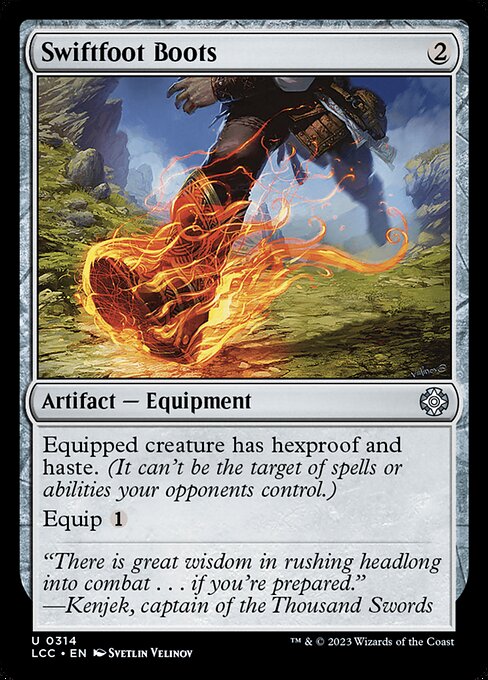
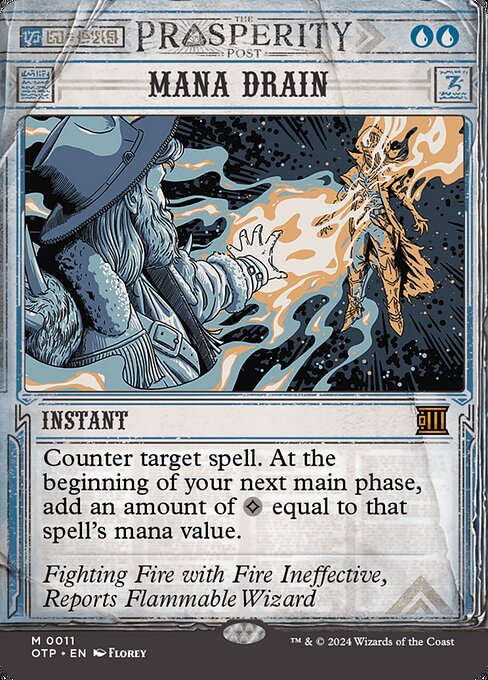


One of the deck’s real strengths is how it converts going wide into overwhelming advantage without relying on a single threat. Token generators like
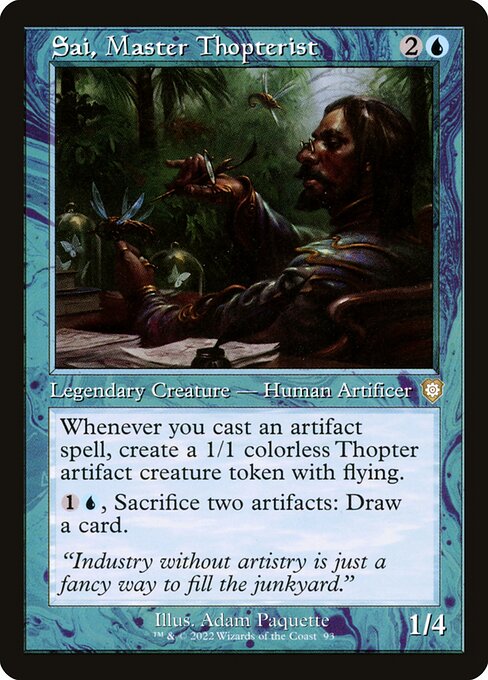
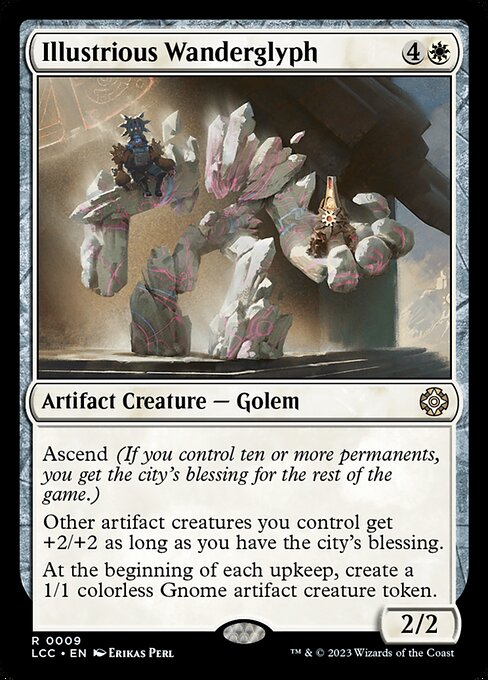
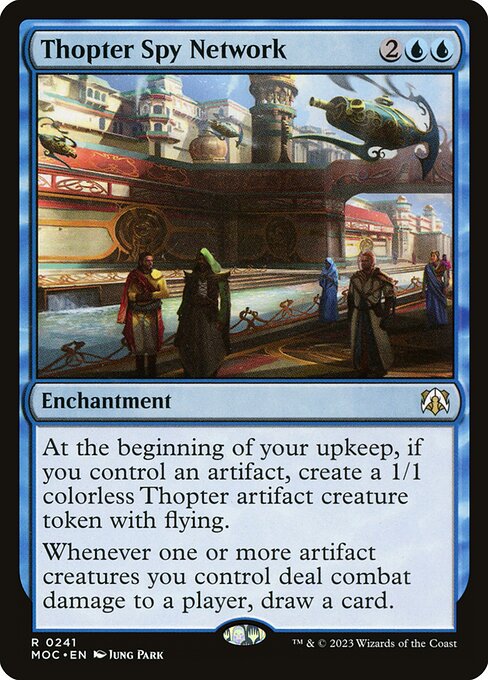
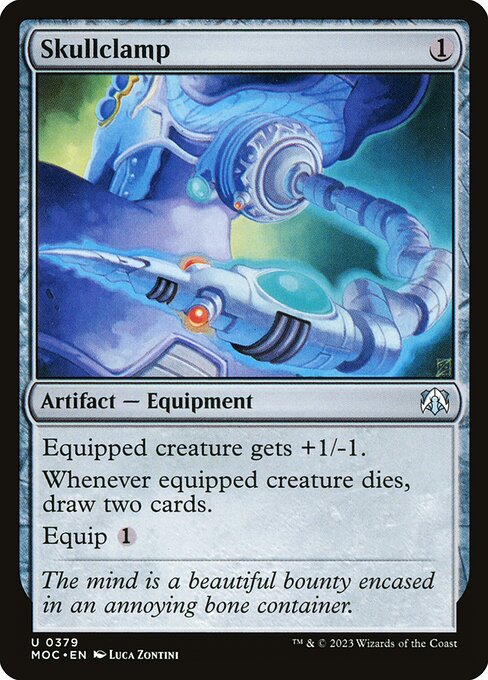
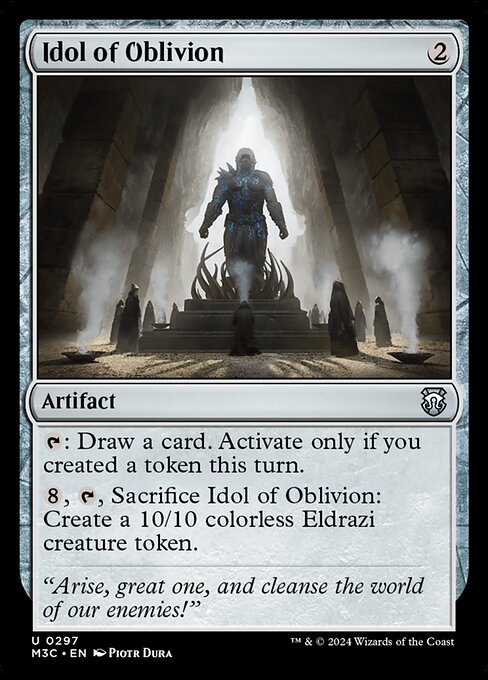
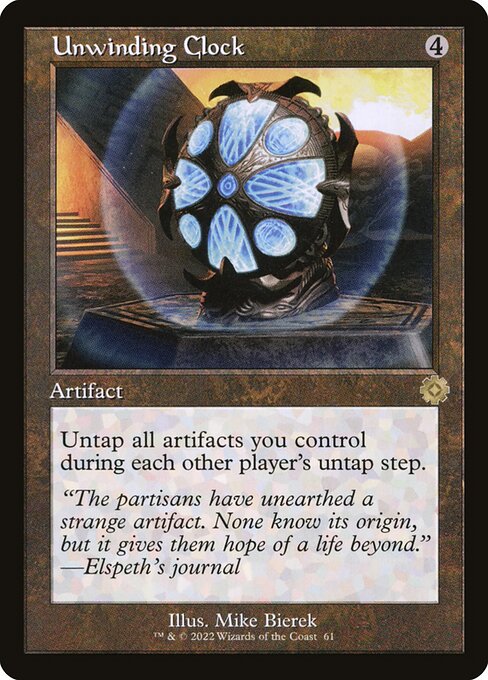
Finishers arrive naturally:


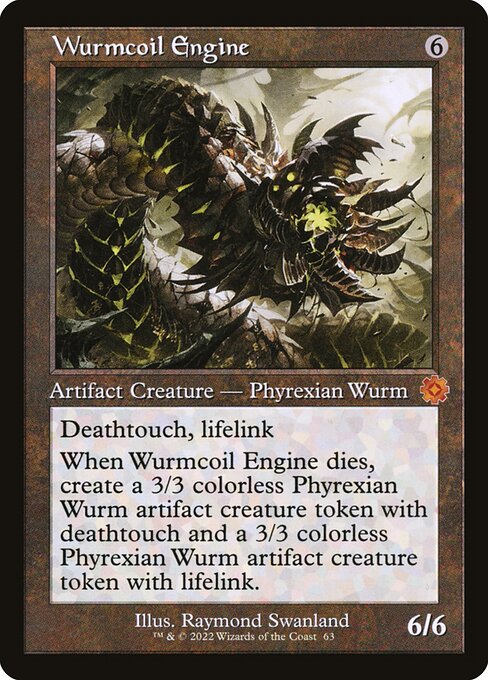
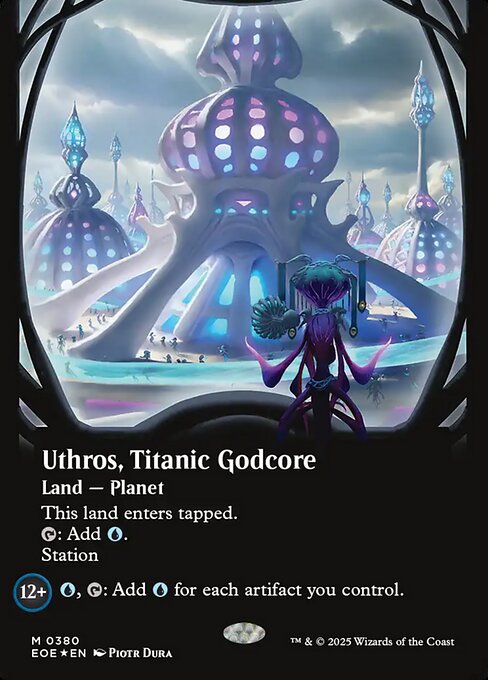
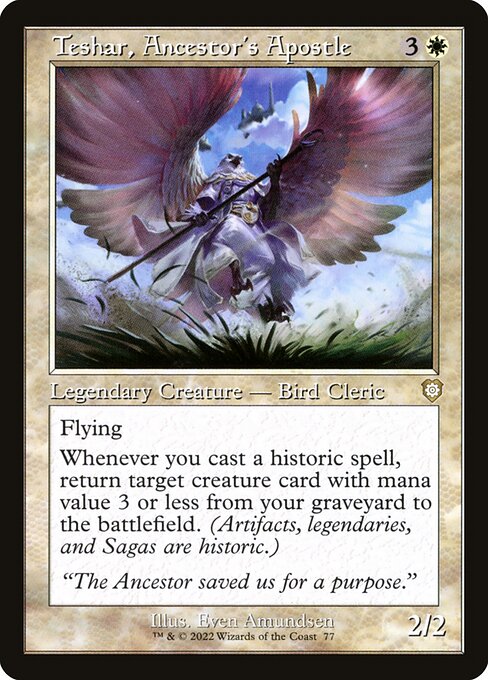
What really defines this deck, though, is how hard it is to meaningfully disrupt. Board wipes hurt less when half your deck is mana and card draw stapled to artifacts. Spot removal struggles against layered protection and recursion from cards like
In short, this Urza build is Esper at its most industrial: efficient, relentless, and unapologetically dominant. It doesn’t win with tricks or politics, it wins by assembling a machine that simply does more than everyone else, every turn, until the table runs out of answers.
Planeswalkers (1)
Creatures (29)
Instants (7)
Artifacts (29)
Enchantments (4)
Lands (28)
101 Cards
$1294.17
Archetype 3: Discard Value
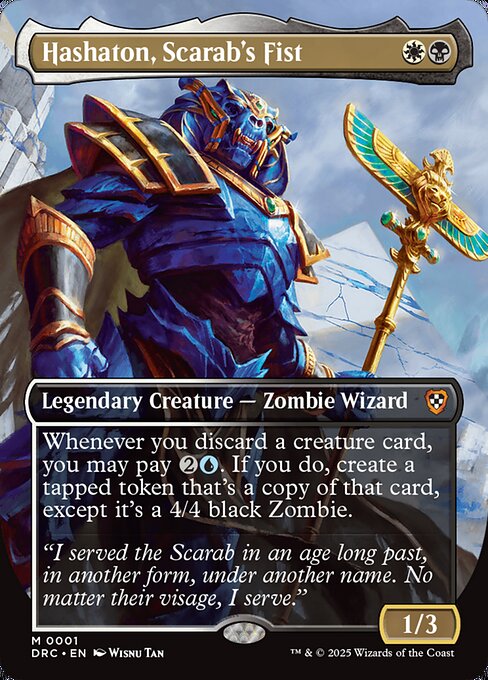
This archetype takes Discard and brings a new meaning to it. You’re not discarding your opponents and keeping them starved, rather you’re letting them do whatever they want, because the threats you bring to the table come out of nowhere, better, and stronger. This isn’t discard for the sake of attrition alone, it is used to reshape the battlefield itself.
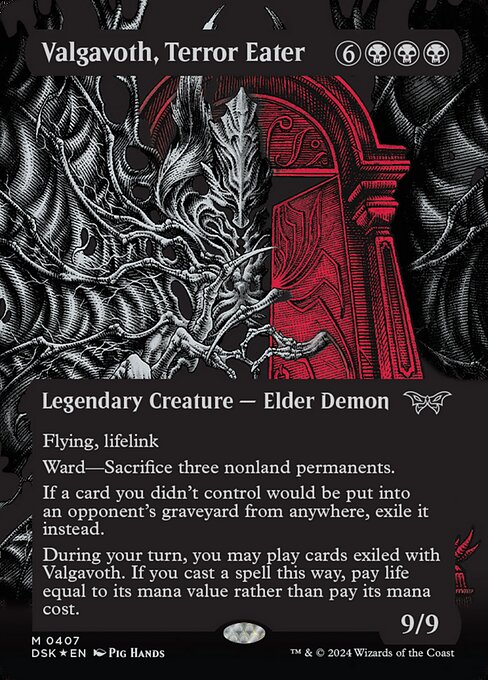
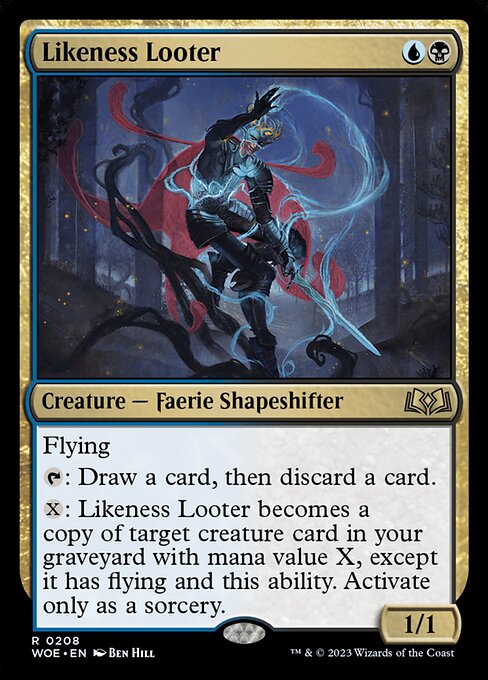
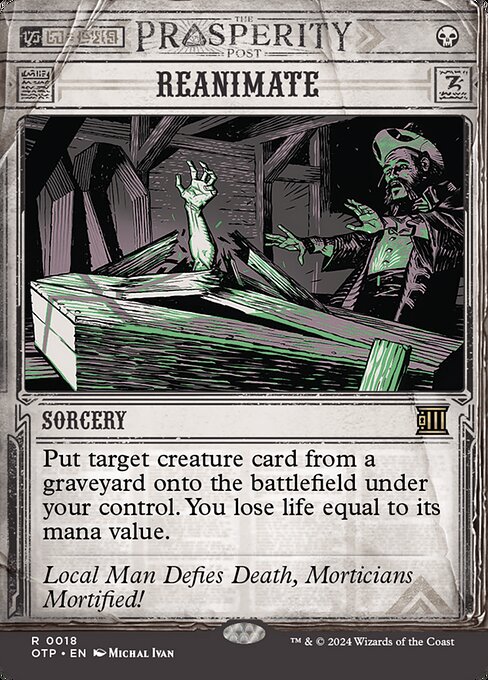
Dropping threats like
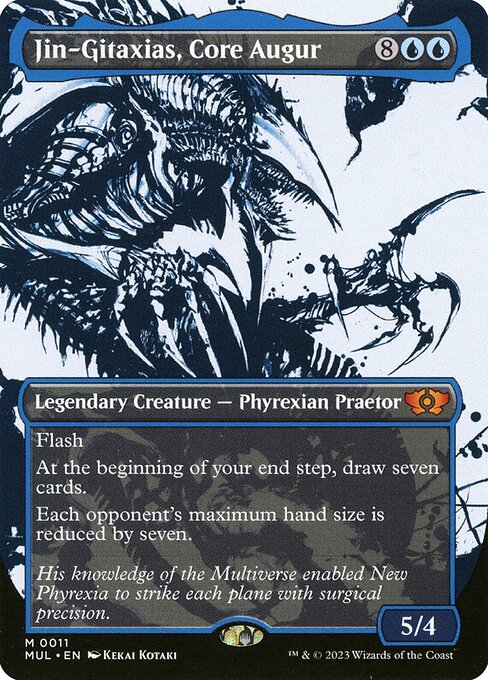

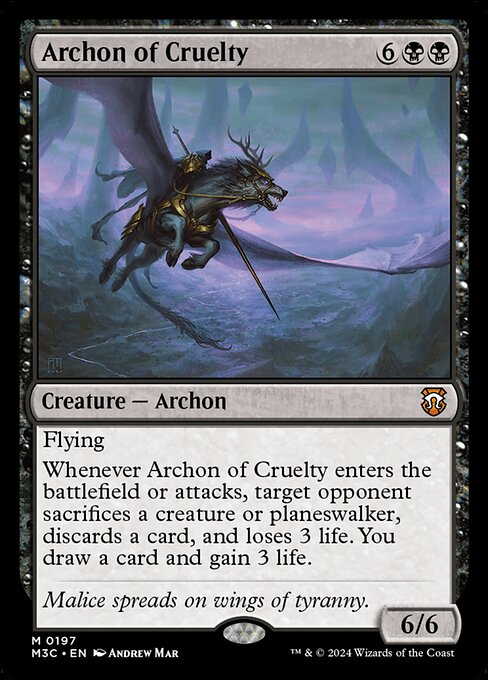


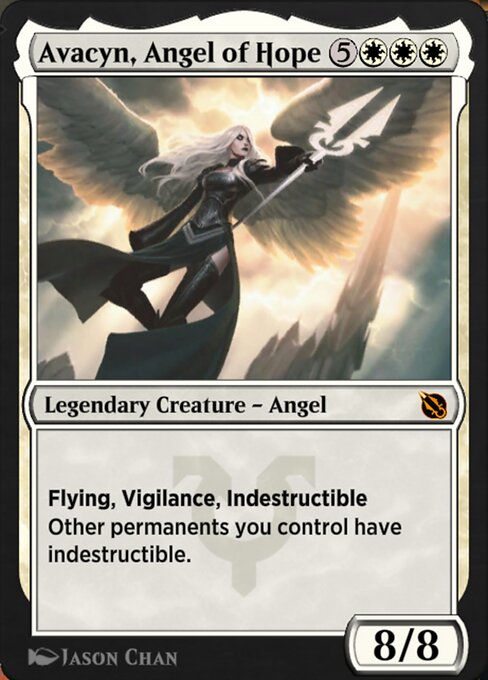

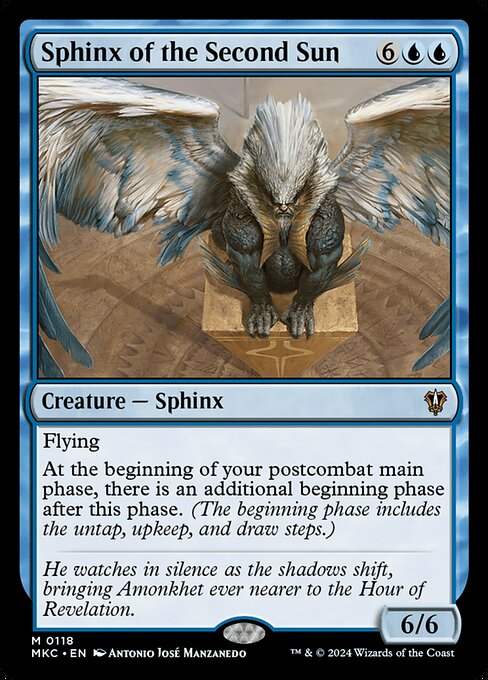
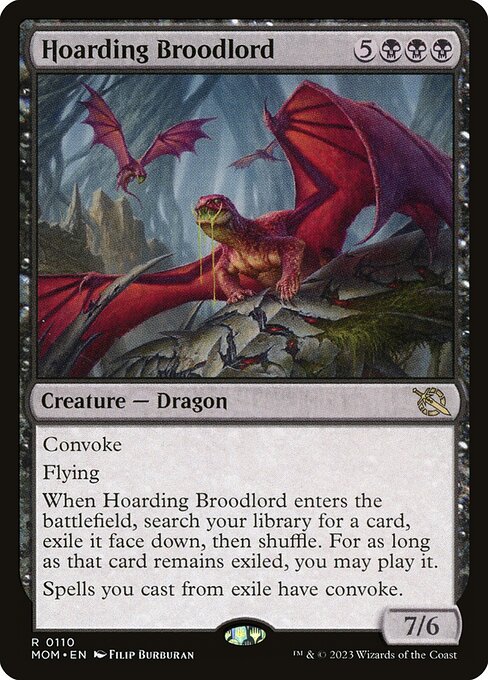
The deck is full of value creatures to choose from. Cards like


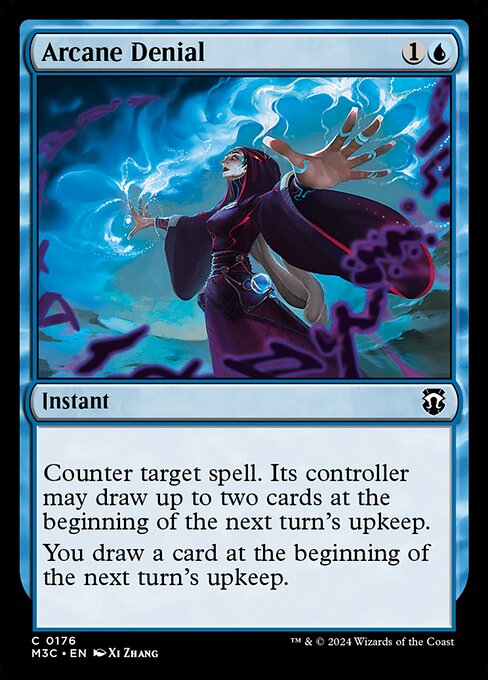
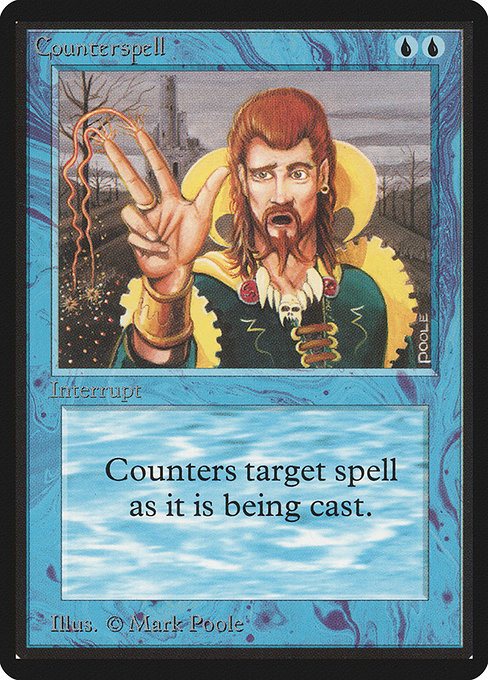
To keep your gameplan safe you have your fair share of spell interaction like
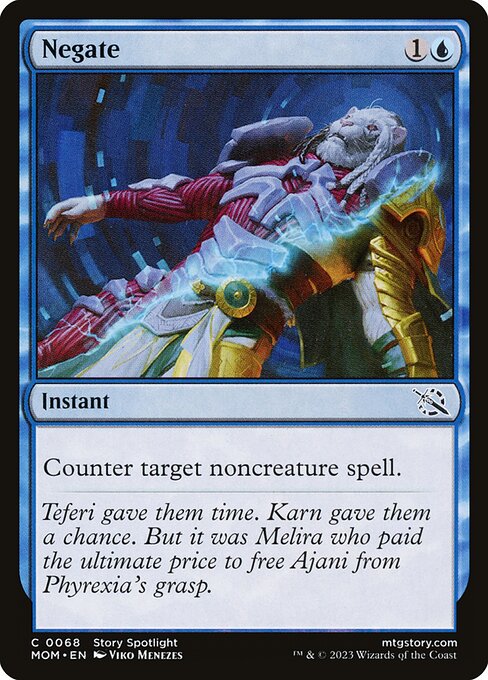
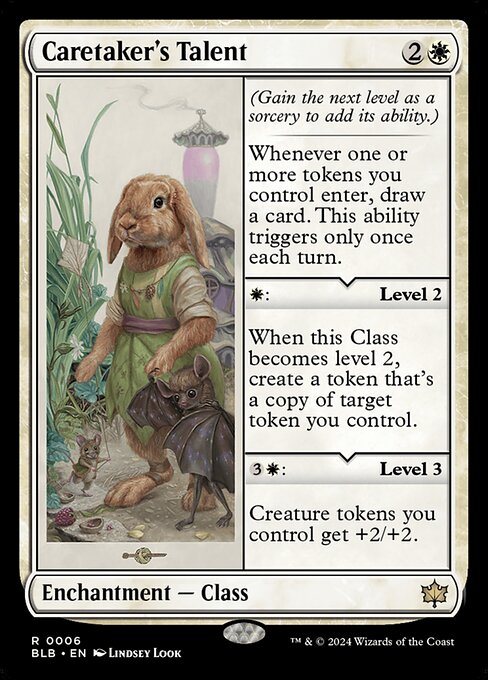
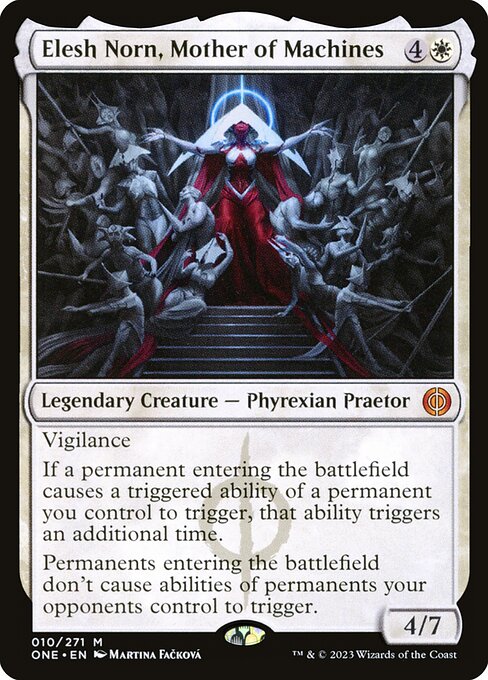
Subtle engines such as
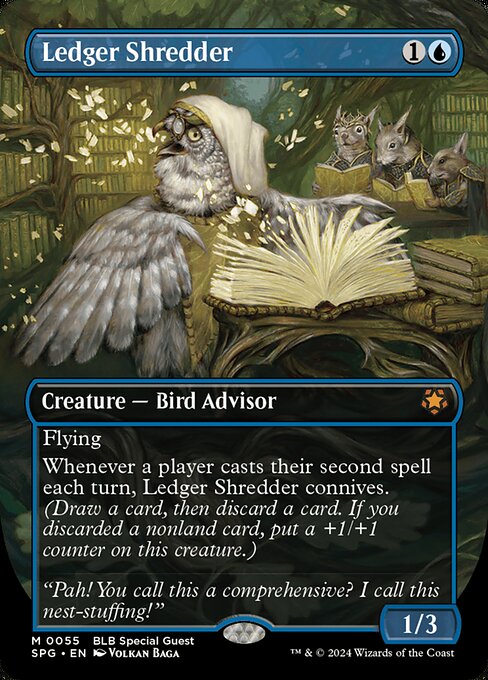
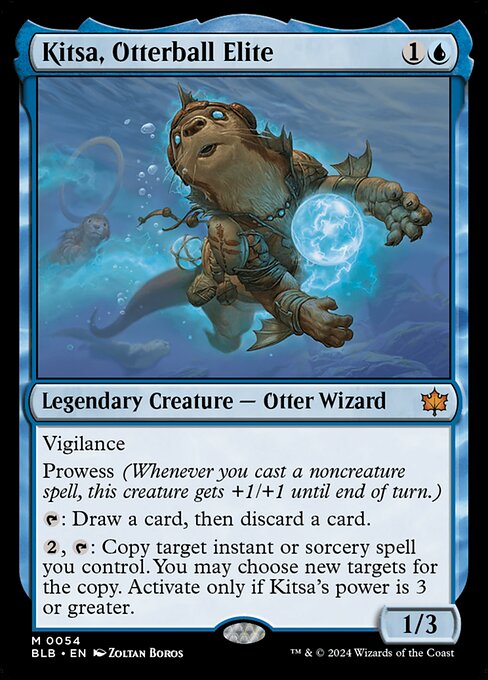
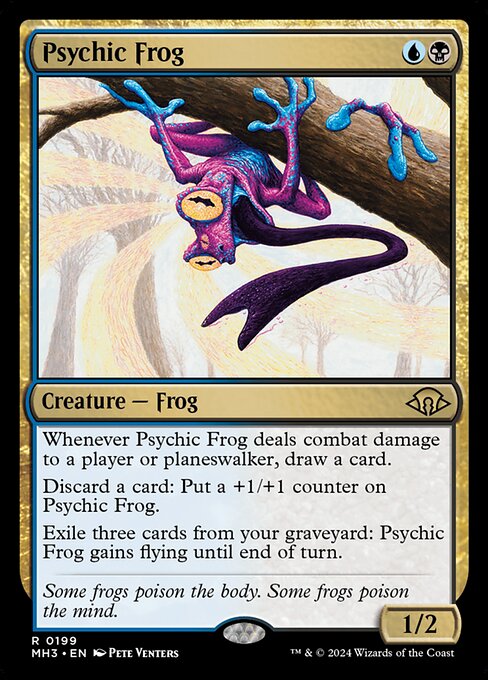

Esper’s defensive infrastructure also does a lot of work.

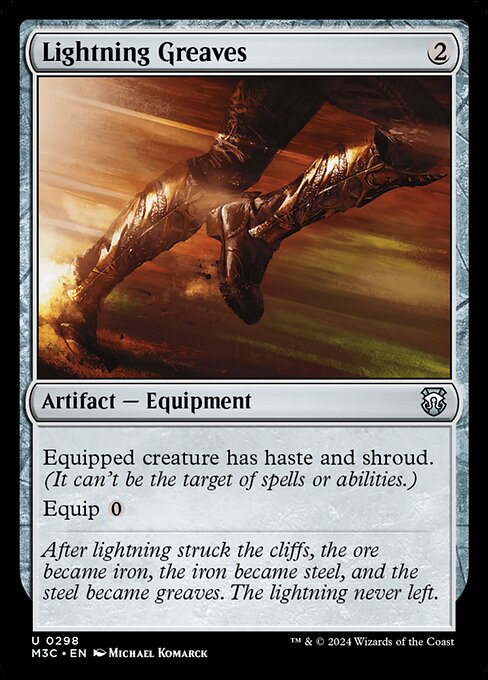
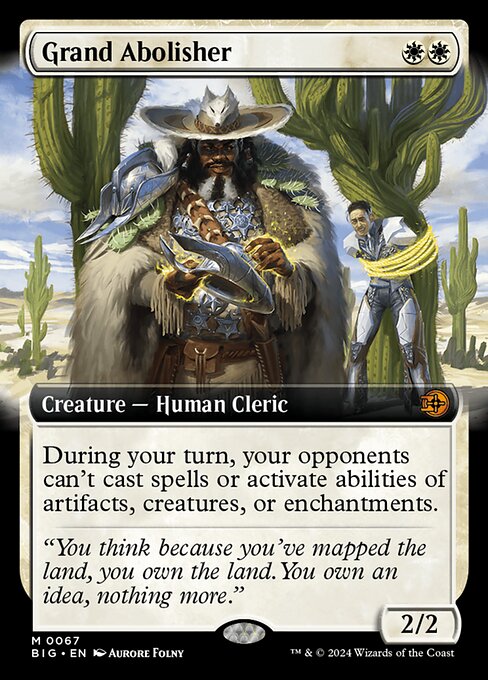
This archetype captures Esper at its most cunning and intellectual, taking advantage of what should be an slow gameplan and turning it into surprisingly explosive turns while keeping yourself protected.
Planeswalkers (1)
Creatures (41)
Instants (11)
Artifacts (12)
Enchantments (4)
Lands (29)
101 Cards
$890.17
Archetype 4: Twisting Lifegain into Death
The core philosophy here is simple: every life point gained should hurt someone else. Cards like
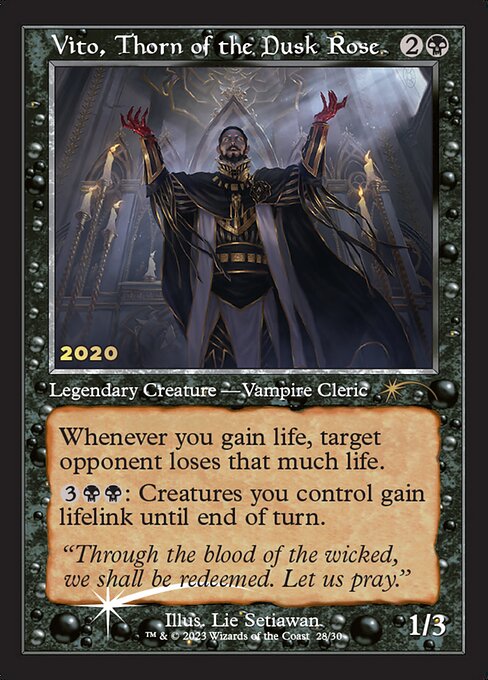
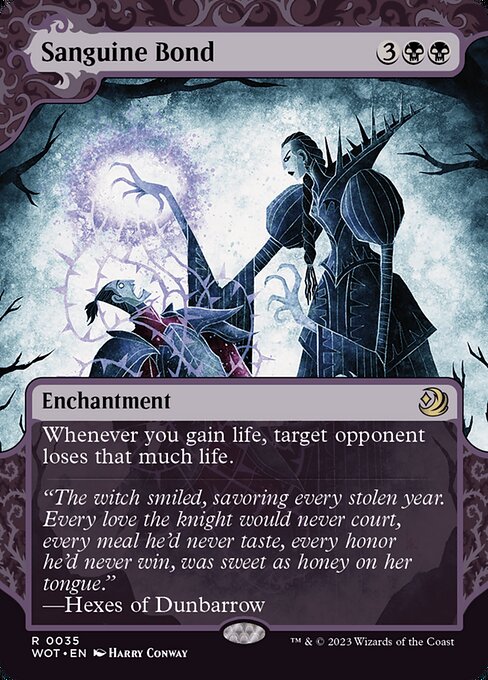




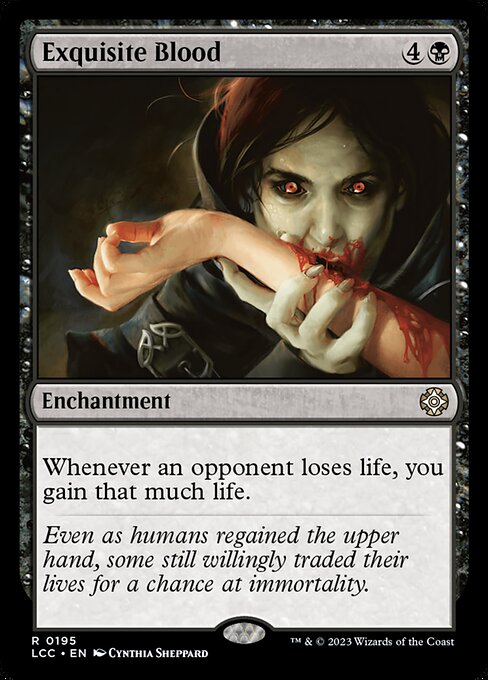
Of course, we don’t just rely on any single combo. All of our pieces are strong by themselves, and even stronger when paired with others.
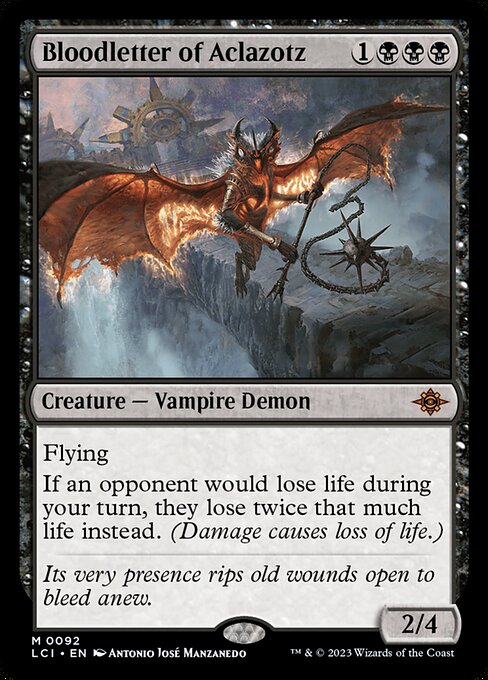


Defensively, this deck is a nightmare to interact with, by using prime stax cards like
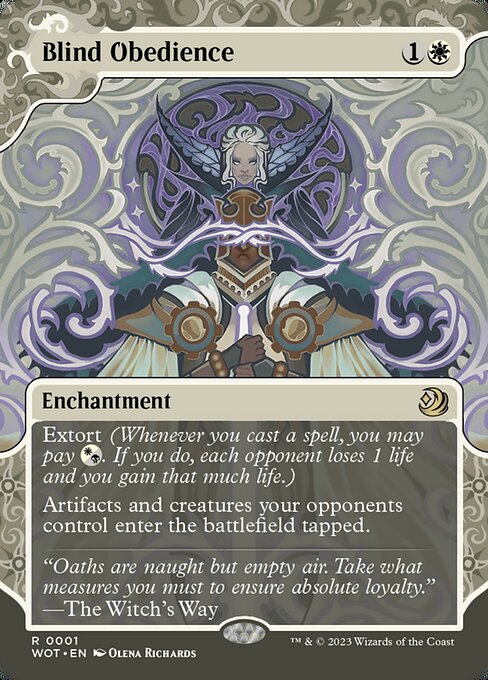
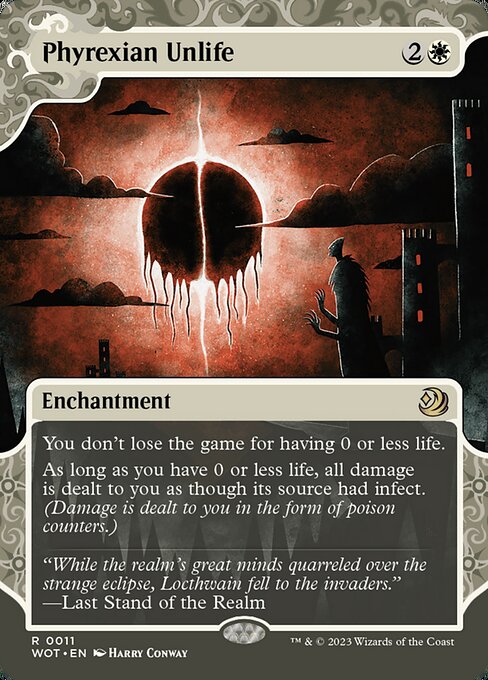
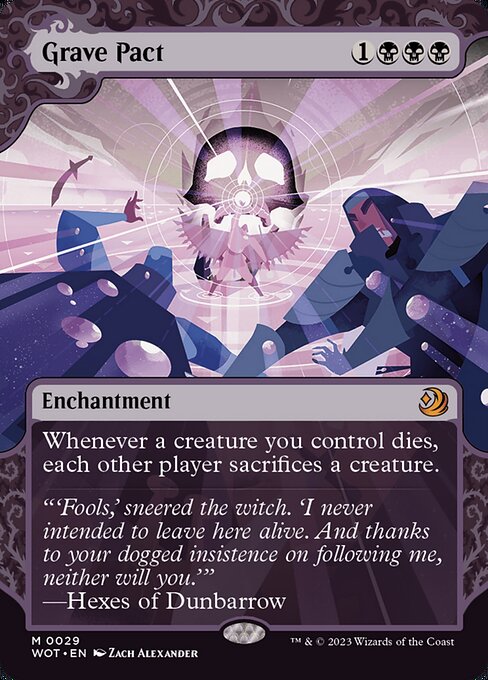

Other smaller and crippling combos include

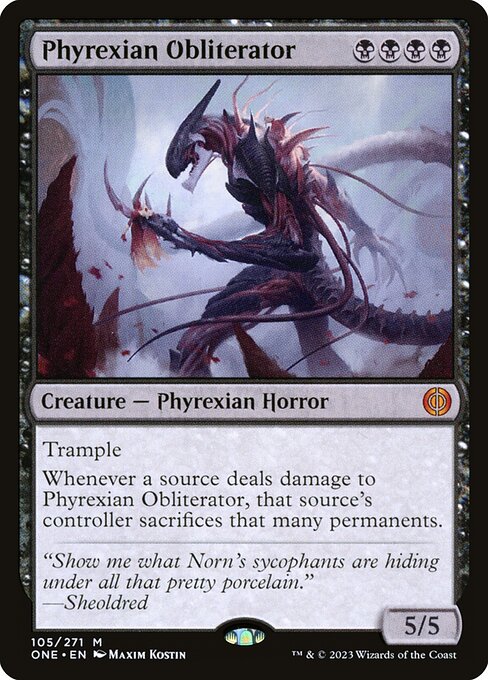
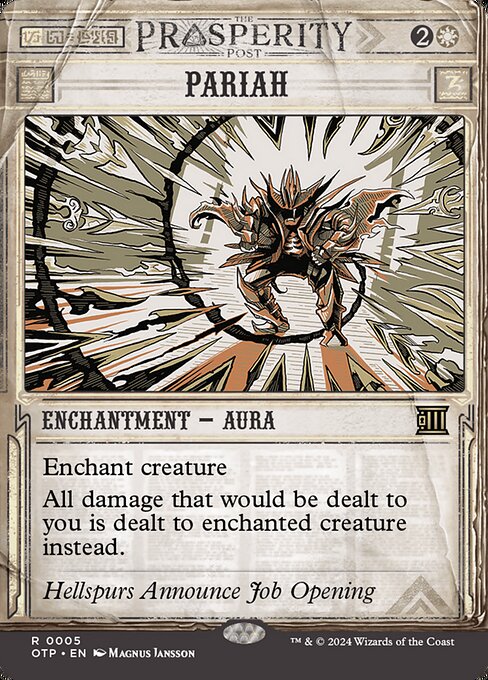

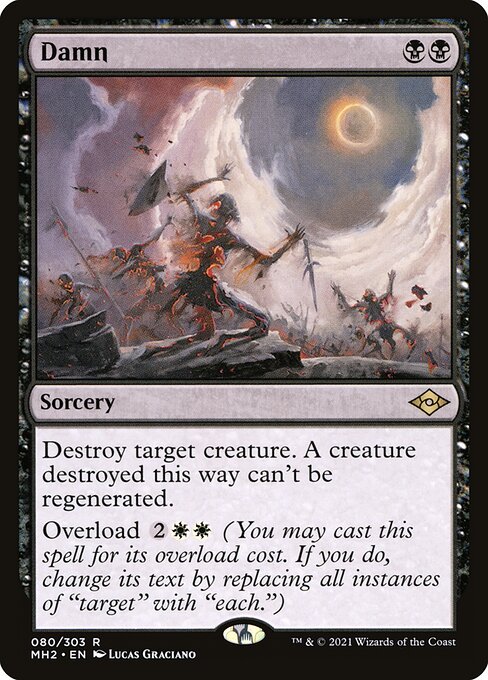
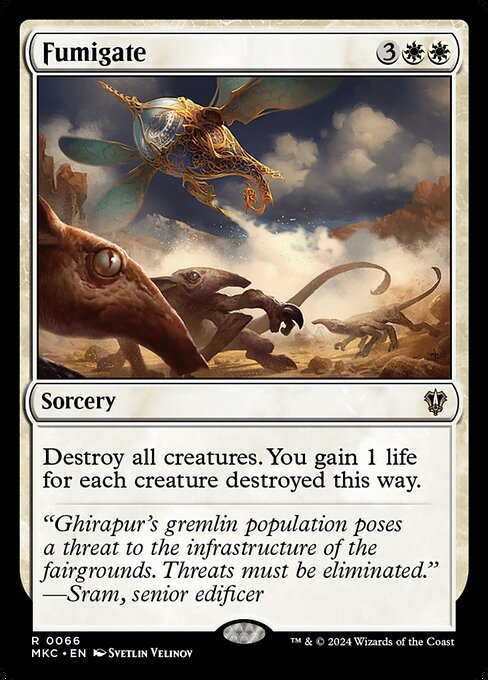

Graveyard and resource recursion ensure an extra layer of redundancy.
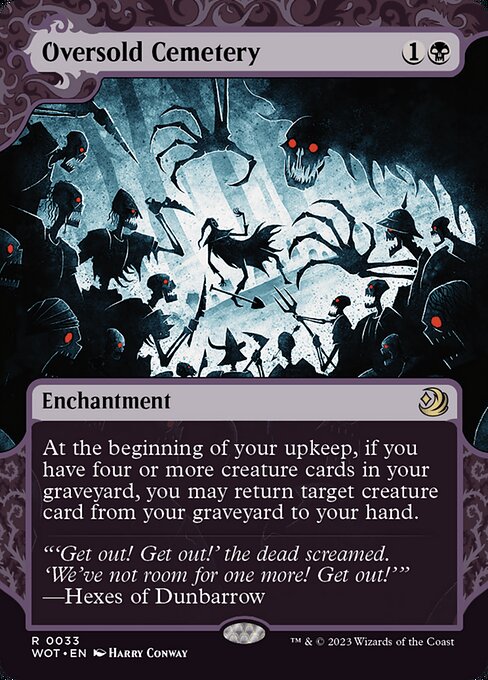

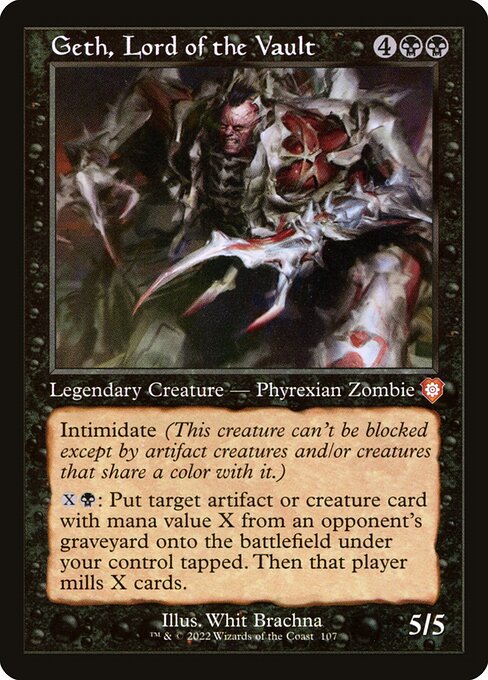
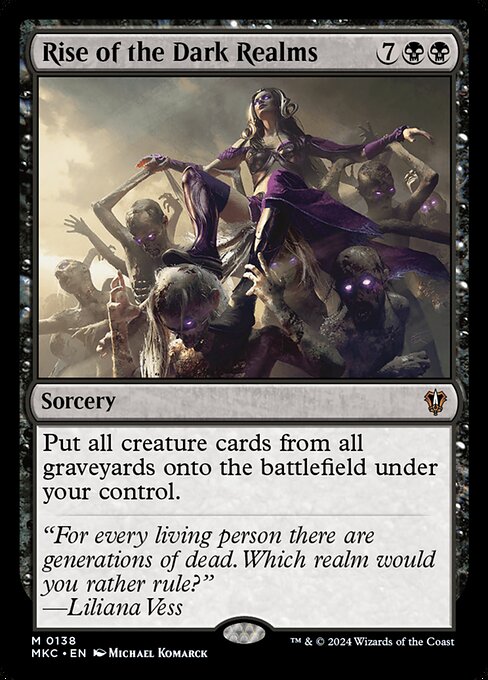
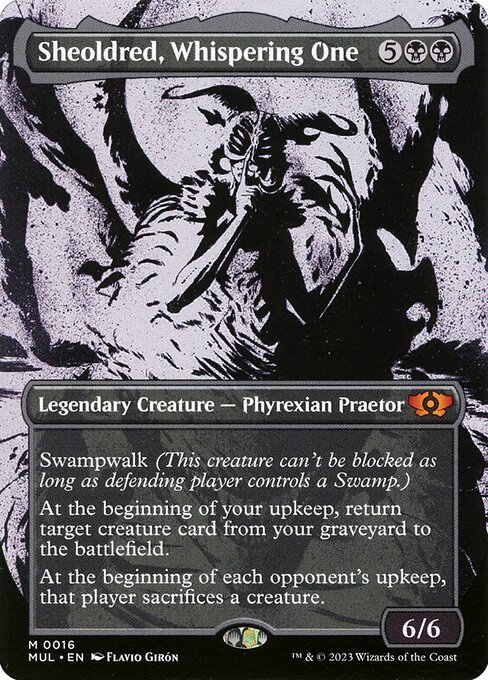
All of this happens while
Despite being on the cheaper side (for Commander decks) this one is also one of the strongest. This archetype embodies Esper’s darker side: control through comfort, power through excess. By the time the table realizes how much damage your harmless lifegain has already done, their life totals are cratering, their resources are gone, and Oloro has already decided the outcome.

Planeswalkers (4)
Creatures (26)
Instants (8)
Sorceries (10)
Artifacts (10)
Enchantments (15)
Lands (27)
100 Cards
$784.4
Closing Thoughts
Esper is not about winning fast, it’s about winning correctly. Whether it’s denying resources, constricting the table with layered interaction, or quietly building an advantage that no one can realistically claw back from, Esper excels at turning Commander into a long, deliberate game of inevitability. You don’t need the flashiest board or the loudest win condition; you just need time, and Esper is unmatched at buying it.
What makes Esper so compelling in Commander is its flexibility within control. It can lean hard into permission and taxation, pivot into artifact engines or graveyard pressure, drain the table through lifegain and punishment effects, or simply sit behind a wall of answers until a single spell ends the game. Every version feels different, but they all share the same philosophy: nothing meaningful happens without your approval.
If you enjoy dictating the pace of the game, punishing overextension, and watching opponents slowly realize they’ve already lost three turns ago, Esper will always be there for you. Patient. Unyielding. And waiting for everyone else to run out of options.

