


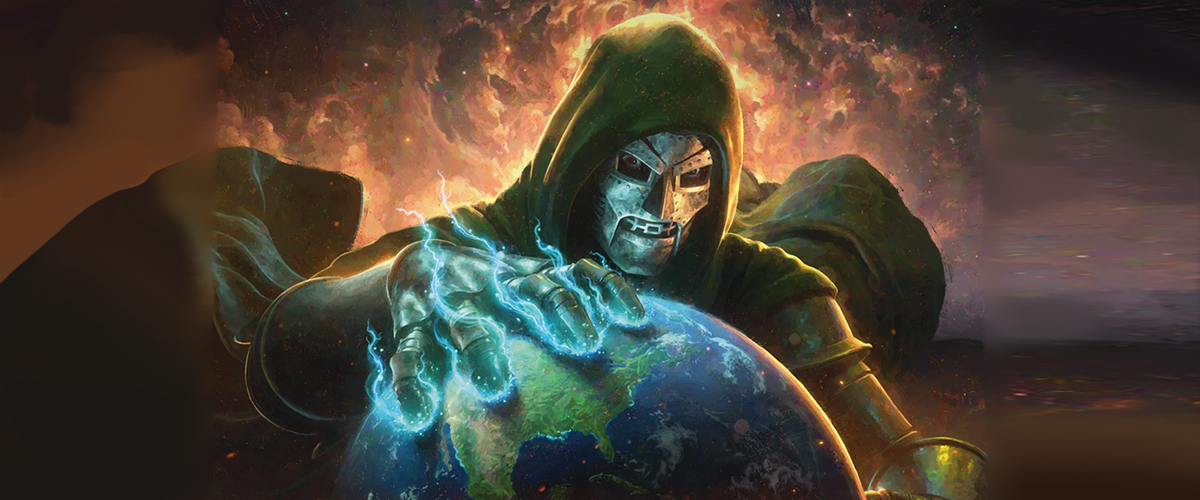
The arrival of the Marvel Superheroes set is one of the most ambitious crossover releases Magic: The Gathering has ever produced. Rather than treating Marvel’s iconic characters as simple cosmetic additions, the set embraces their personalities and stories through mechanics that feel uniquely suited to each hero and villain. Captain America rewards teamwork and Equipment, Spider-Man excels at agility and tempo, while Doctor Doom approaches the battlefield exactly as fans would expect: through calculated planning, overwhelming resources, and an army of loyal machines carrying out his will.
Victor Von Doom has always been defined by preparation rather than impulse. Across decades of Marvel stories, Doom has conquered kingdoms, rivaled cosmic entities, and challenged entire superhero teams not because he was physically stronger than every opponent, but because he always seemed to have another contingency waiting in reserve. His Magic card captures that philosophy surprisingly well. Rather than immediately threatening the table with overwhelming power, Doctor Doom establishes a position that becomes increasingly difficult to dismantle as the game progresses.
For six mana, Doctor Doom enters the battlefield alongside two 3/3 Doombot artifact creature tokens, immediately presenting nine power across three bodies. Those tokens also serve another important purpose, ensuring Doom remains indestructible thanks to his static ability as long as you control an artifact creature or a Plan. To complete the package, Doom rewards patience by drawing an additional card during each of your end steps at the cost of only a single life. None of these abilities are individually explosive, but together they create a commander that naturally generates board presence, protects himself, and steadily accumulates card advantage without requiring any additional mana investment.
That combination gives the deck an identity that is somewhat different from traditional Mono-black artifact strategies. Doctor Doom is not an artifact commander in the same sense as commanders that directly reduce artifact costs or reward casting them. Likewise, he is not an aristocrats commander despite many sacrifice synergies appearing throughout the list. Instead, Doom functions as the engine that enables those strategies. Every time he enters the battlefield he supplies expendable artifact creatures, guarantees a steady stream of extra cards, and provides a resilient body that is difficult for opponents to remove permanently. The rest of the deck is built around converting those advantages into increasingly powerful resource loops.
Rather than treating the Doombots as ordinary attackers, this list views them as valuable resources. They can pressure life totals when combat is favorable, but they are equally happy being sacrificed for mana, turned into additional artifacts, or recycled from the graveyard to fuel larger combinations. Because Doctor Doom continually supplies both creatures and cards, the deck rarely runs out of material to work with. Each sacrifice advances another engine, every recursion piece recovers additional value, and every turn spent with Doom on the battlefield increases the gap between you and the rest of the table.
The result is a commander deck that feels remarkably thematic. Instead of relying on explosive early aggression, it gradually assembles a carefully engineered machine that becomes more efficient every turn. By the time opponents realize just how many interconnected pieces are working together, Doctor Doom has already accumulated enough resources to overwhelm the table through superior inevitability.
If you have read some of my other articles you might already know I love Mono-Black, but in case you havent, here are two other Showcase articles in which I wrote about Mono-Black Commanders: The Power of Black Commanders and Braids Brings Salt to the Table
Game Plan – Building Latveria’s Perfect Machine
Doctor Doom may not appear immediately threatening compared to many modern six-mana commanders, but his strength lies in how much value he creates without demanding anything else from the pilot. Casting your commander immediately establishes a meaningful battlefield, provides insurance against many removal spells, and begins generating extra cards every turn. Those advantages allow the rest of the deck to focus on maximizing the value of the Doombots rather than worrying about whether the commander can survive.
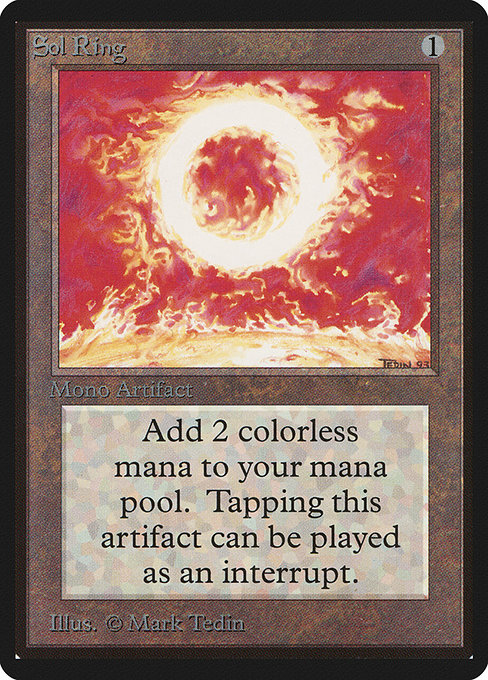
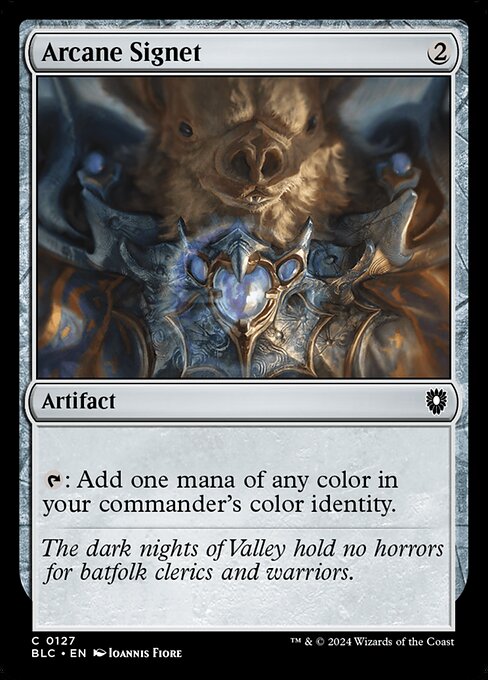
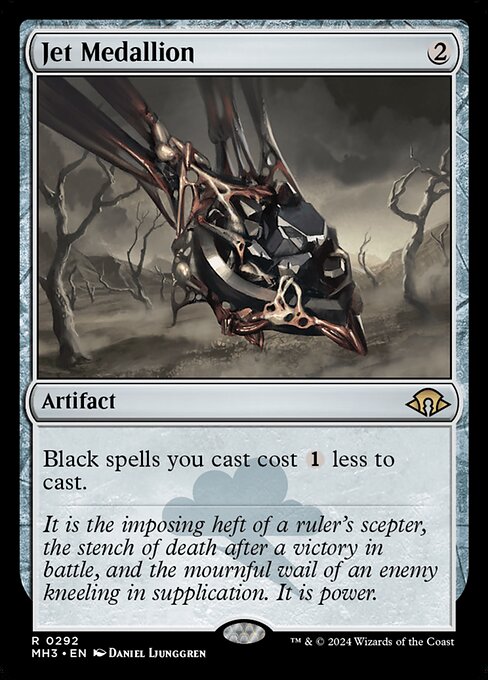
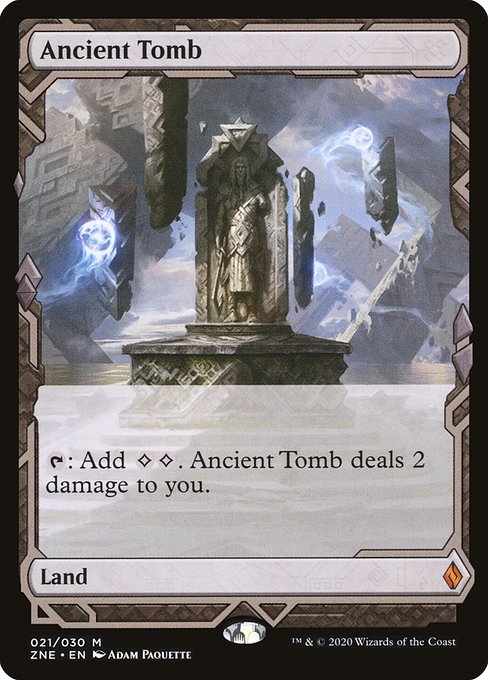
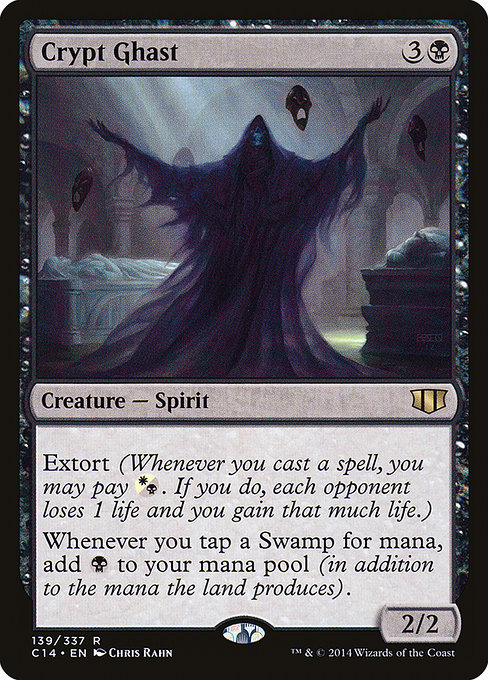
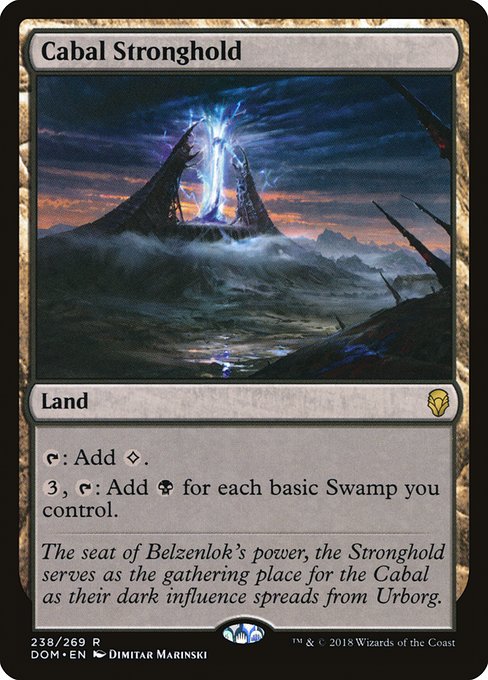
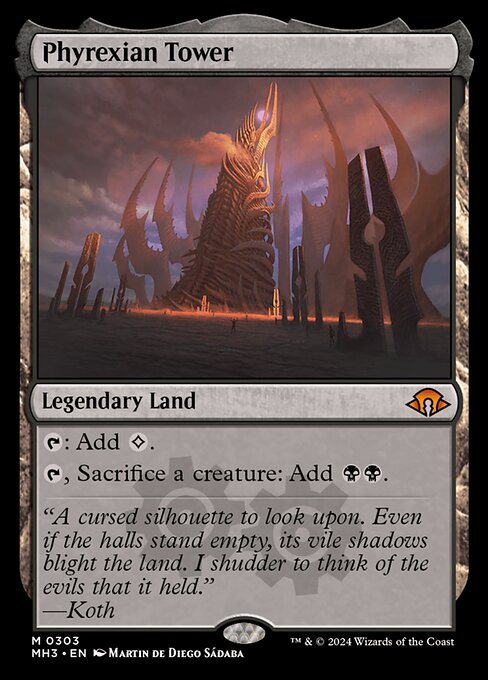
The opening turns are largely dedicated to accelerating mana while assembling the support pieces that make Doom so effective once he arrives. Cards like Sol Ring, Arcane Signet, Jet Medallion, and Ancient Tomb allow Doctor Doom to hit the battlefield ahead of schedule, while additional acceleration from Crypt Ghast, Cabal Stronghold, and Phyrexian Tower ensures that expensive payoff cards are never far behind.
Once Doctor Doom resolves, the focus shifts toward making every Doombot as valuable as possible. Although two 3/3 artifact creatures represent respectable combat power, attacking is often not the option to take. The tokens are far more valuable because they interact with nearly every major engine throughout the deck. Sacrifice outlets convert them into mana, recursion pieces bring supporting artifacts back to the battlefield, and death-trigger payoffs punish opponents whenever they leave play.
This philosophy is what separates the list from more traditional artifact decks. The Doombots are not simply there to increase your creature count, they function as flexible resources that can be exchanged for whichever advantage the current game state demands. Against aggressive decks they can trade in combat to preserve your life total. Against slower opponents they become fuel for powerful sacrifice engines. If the battlefield stalls, they remain artifacts that continue protecting Doctor Doom’s indestructibility while waiting for the right opportunity to be converted into additional value.
Doom also encourages a style of play that rewards patience. Since he naturally draws an extra card every turn, there is little incentive to overextend into opposing board wipes. Instead, the deck prefers to establish a few efficient engines and allow them to generate incremental advantages over several turns. Every end step adds another card to your hand, every sacrifice creates another profitable exchange, and every recursion spell ensures that even destroyed permanents remain useful. Over time, those seemingly modest advantages accumulate into an overwhelming resource advantage that becomes extremely difficult for opponents to overcome.
Turning Doombots into Advantage
The defining feature of this deck is not simply that Doctor Doom creates artifact creatures, but that nearly every permanent in the deck has been selected to extract additional value from those tokens.

Commander
Planeswalkers (1)
Creatures (28)
Instants (8)
Sorceries (7)
Artifacts (18)
Enchantments (7)
Lands (31)
100 Cards
$1601.68
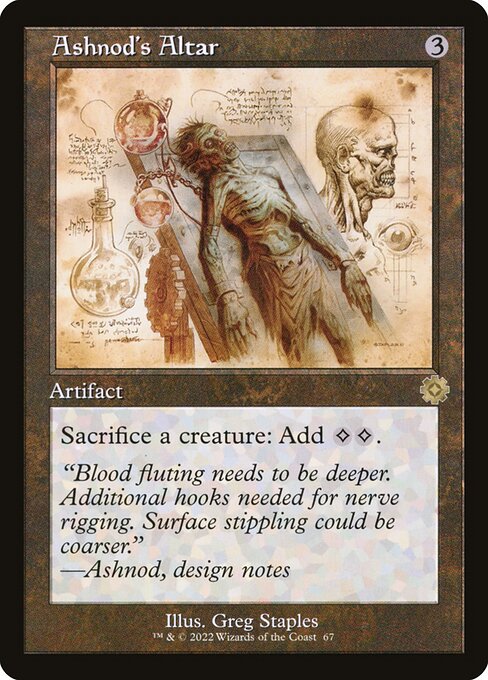
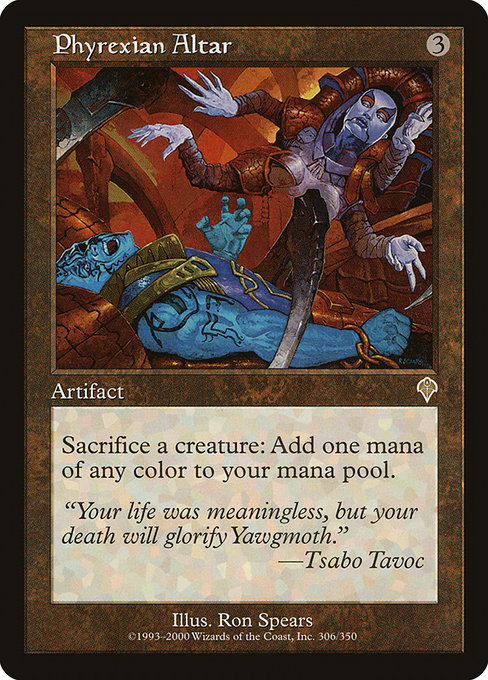
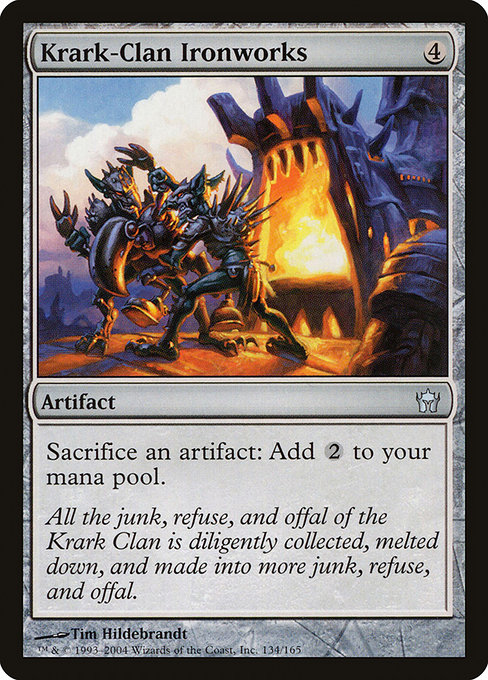
The sacrifice outlets form the backbone of this strategy. Ashnod's Altar, Phyrexian Altar, and Krark-Clan Ironworks allow Doombots to be transformed directly into mana, effectively refunding much of the investment spent casting Doctor Doom in the first place. Because the commander supplies two expendable artifacts every time he enters the battlefield, these effects are rarely short on fuel. Instead of fearing removal spells or combat trades, the deck often prefers to sacrifice its own creatures proactively whenever doing so generates additional resources.
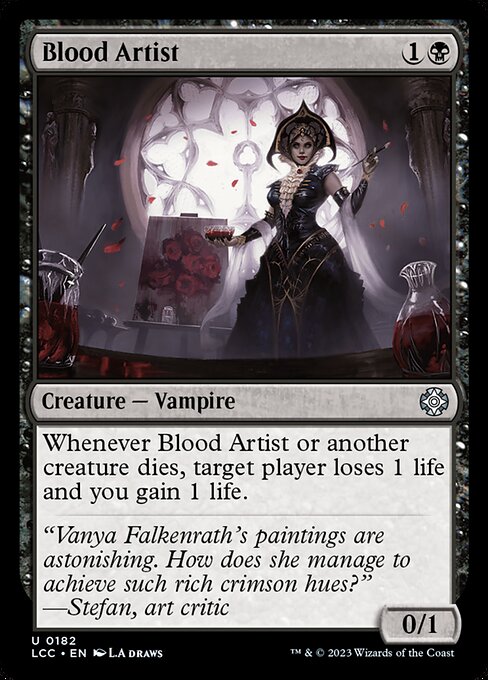
The sacrifice engines become even more dangerous once the deck’s aristocrats package begins coming online. Cards such as Blood Artist, Disciple of the Vault, Marionette Apprentice, and especially Marionette Master ensure that every sacrificed artifact also chips away at opposing life totals. What begins as a harmless pair of Robot tokens quickly transforms into repeatable sources of unavoidable damage, forcing opponents to respect even seemingly minor sacrifice sequences.
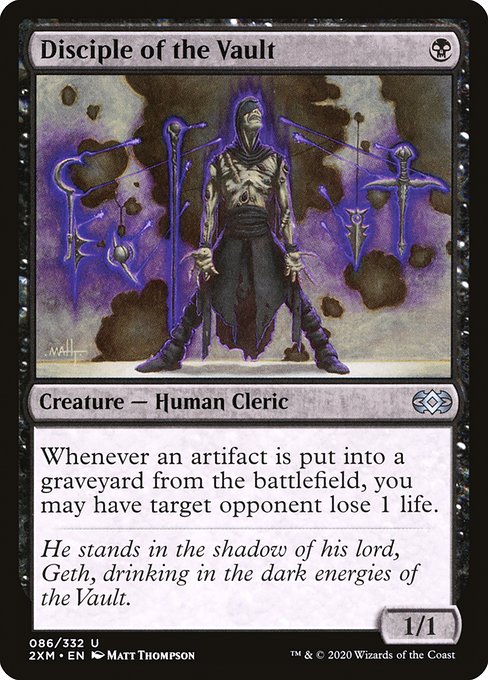
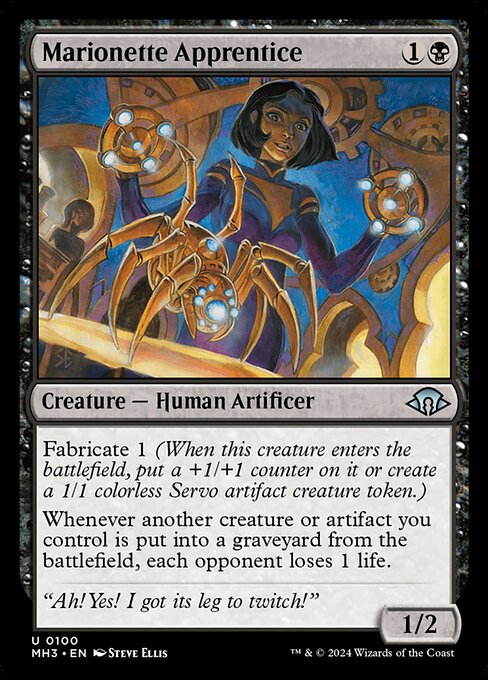
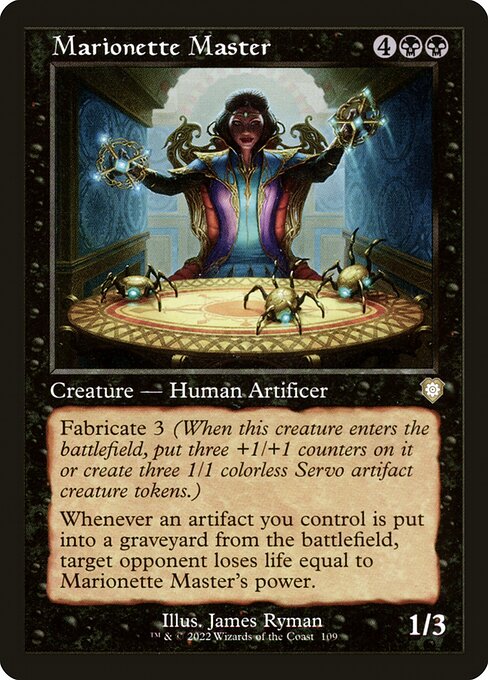
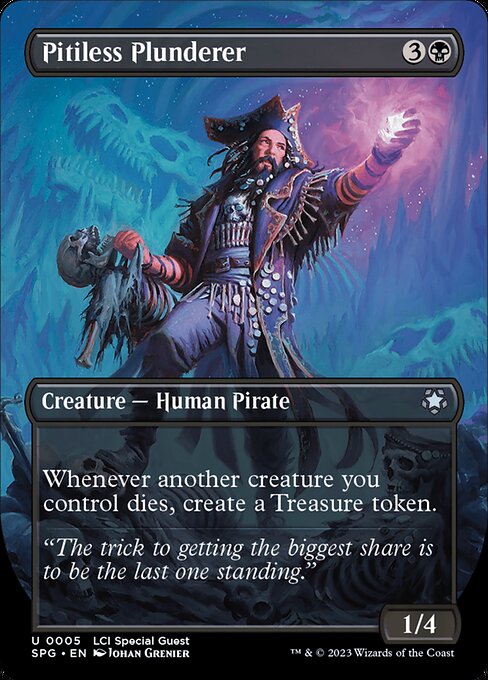
Pitiless Plunderer takes those interactions another step further by rewarding creature deaths with Treasure tokens. Those Treasures not only accelerate future turns but also contribute additional artifacts to the battlefield, creating yet more resources that can be sacrificed for value. The result is a positive loop where sacrificing creatures generates mana, mana casts more permanents, those permanents create more artifacts, and every artifact entering or leaving the battlefield contributes toward the deck’s long-term advantage.
One of the reasons this strategy feels so cohesive is that Doctor Doom himself never has to participate directly in these exchanges. His role is to provide the infrastructure. The Doombots establish the initial supply of artifact creatures, Doom’s indestructibility allows him to survive many sweepers alongside his engines, and his reliable card draw ensures that the deck always has additional resources to continue assembling its machine. While the rest of the battlefield is consumed by sacrifice triggers and recursion loops, Doctor Doom remains safely at the center of the operation, steadily providing the reinforcements needed to keep everything running.
This layered approach to resource generation is ultimately what gives the deck its feeling of power. Every Doombot potential mana, future damage, recursion fuel, protection for your commander, and another cog in the elaborate machine that Doctor Doom has spent the entire game constructing.
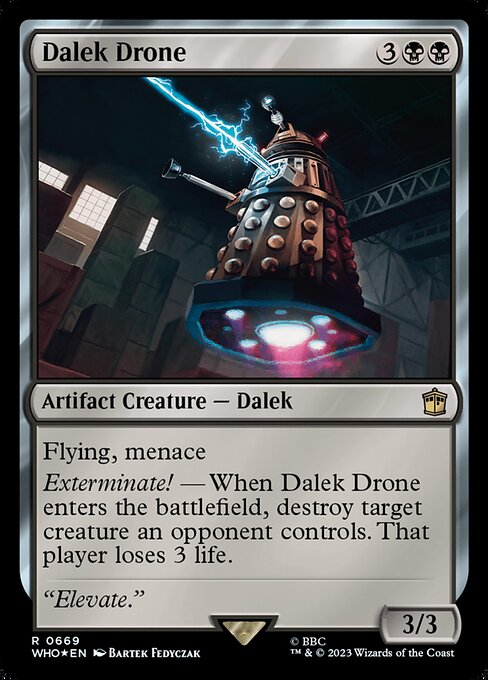
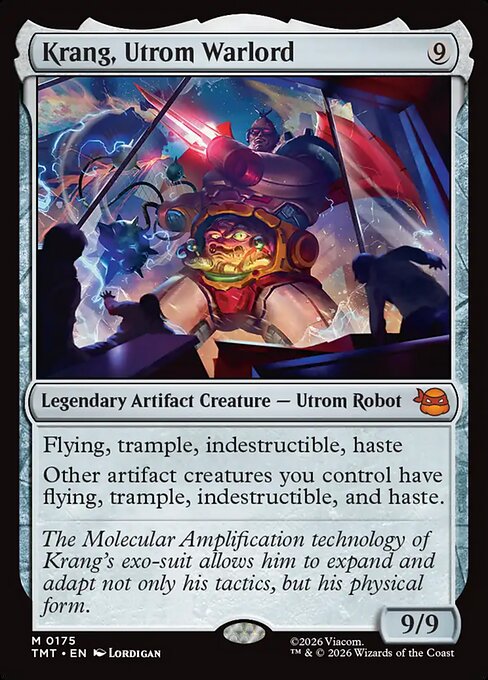
Newer cards like compliment out strategy very nicely. Dalek Drone destroys creatures, M.O.D.O.K. keeps out enemies creatures in check,

Artifact Recursion – Every Machine Has a Purpose
While the Doombots are the foundation of the deck’s engine, they are only one part of a much larger machine. Doctor Doom‘s constant supply of expendable artifact creatures allows the list to take full advantage of one of Mono-black’s greatest strengths: repeatedly using the graveyard as an extension of the battlefield. Rather than viewing destroyed artifacts as lost resources, this deck is designed to recycle them over and over again until opponents simply run out of answers.
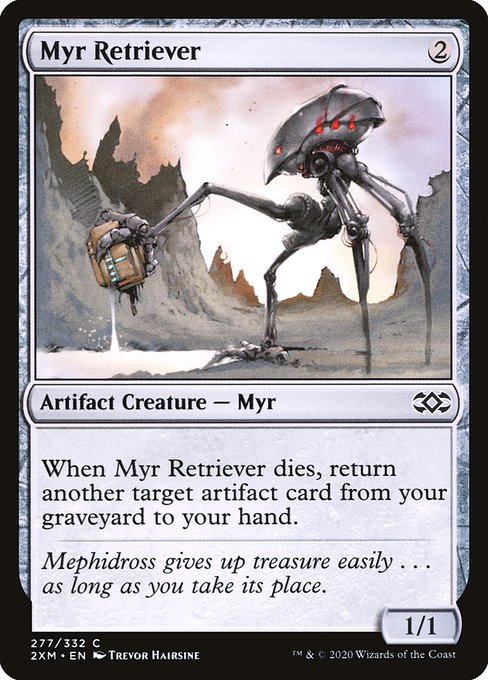
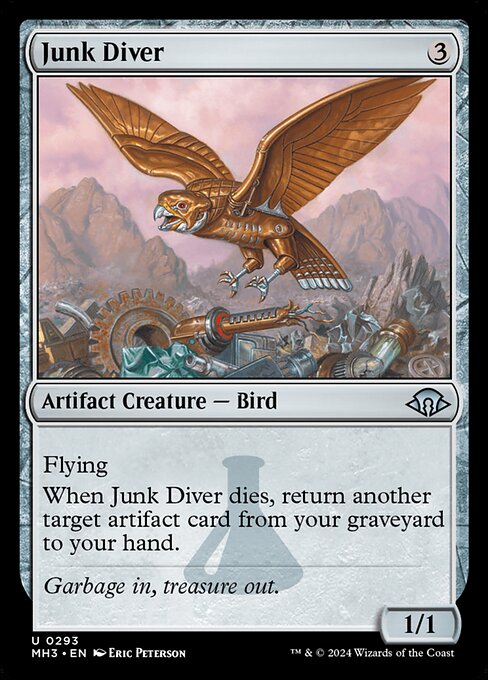
Several creatures make that possible. Myr Retriever and Junk Diver have long been staples of artifact based Commander decks because they reward sacrificing themselves by returning another artifact to your hand. Here, they fit perfectly into the broader strategy. Whether they are sacrificed to Ashnod's Altar, fed to Krark-Clan Ironworks, or simply traded away in combat, they continue advancing your position by recovering another important piece of the engine.
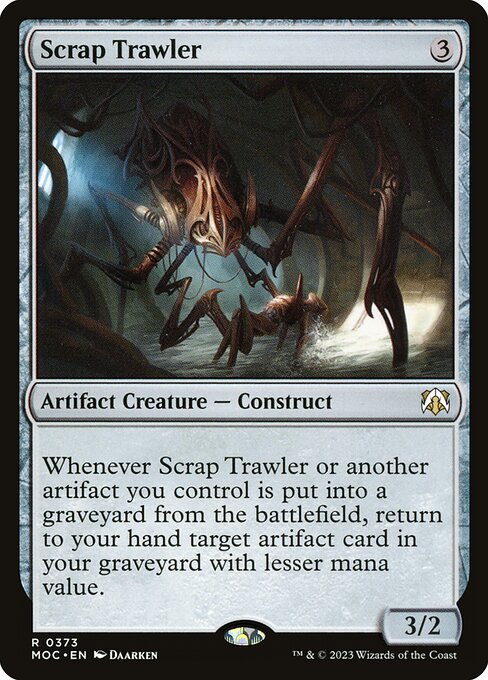
That recursion becomes even more powerful with Scrap Trawler. Instead of retrieving only a single artifact, Scrap Trawler allows chains of permanents to be recovered based on their mana values. Once multiple sacrifice outlets are active, it becomes possible to continually recycle mana rocks, utility creatures, and payoff artifacts while generating additional mana in the process. It is one of the cards that transforms the deck from a straightforward value engine into something capable of producing explosive turns.
Doctor Doom‘s own Doombots naturally support these interactions. Although the tokens themselves cannot be returned to your hand, they provide the expendable artifact bodies necessary to fuel sacrifice engines without forcing you to sacrifice your more valuable creatures. That distinction is important. Rather than sacrificing your recursion pieces directly, the Doombots absorb much of the workload, allowing cards like Myr Retriever and Junk Diver to be used precisely when recovering an important artifact becomes most impactful.
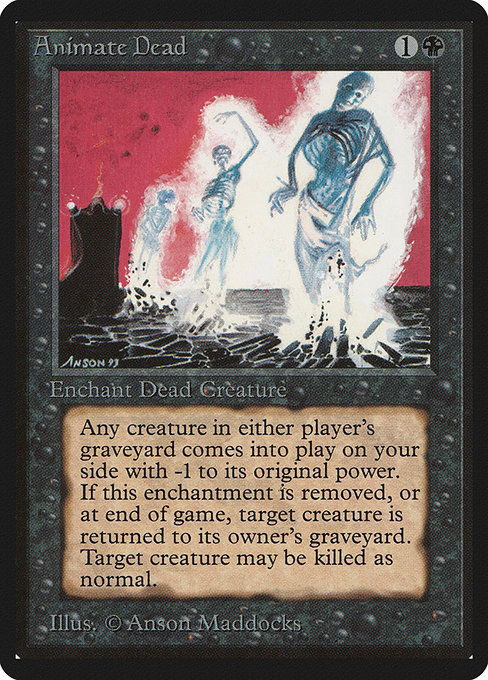
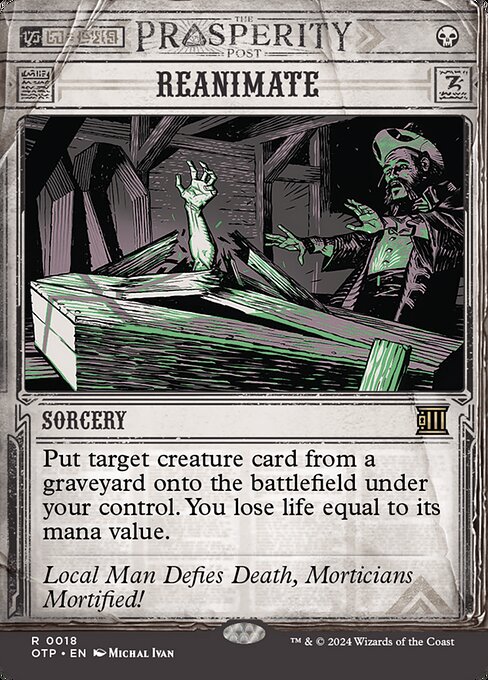
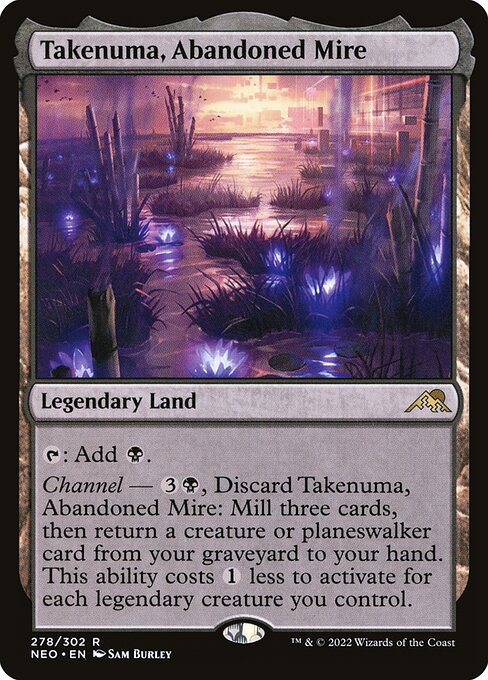
The recursion package is supported by Mono-black’s traditional reanimation tools. Animate Dead and Reanimate allow important creatures to return for only a fraction of their original cost, while Takenuma, Abandoned Mire quietly provides additional redundancy from the mana base. Even if key artifact creatures are destroyed, they rarely stay gone for long.
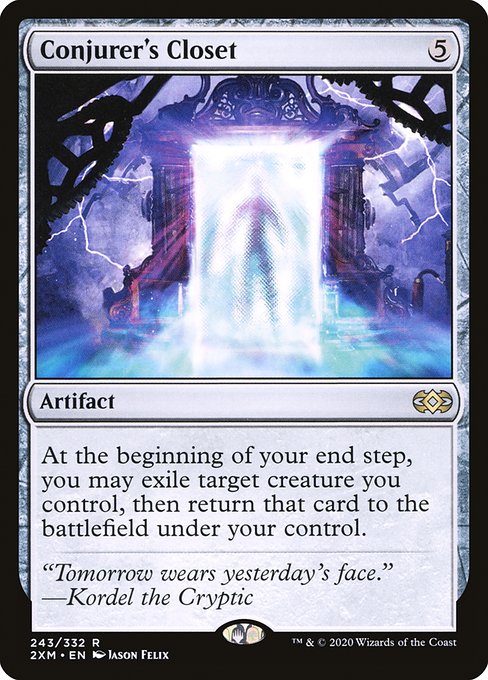
One particularly flexible inclusion is Conjurer's Closet. At first glance it may appear slightly out of place in a sacrifice deck, but blinking Doctor Doom represents one of the cleanest ways to replenish your supply of Doombots. Every successful blink produces two additional artifact creatures without requiring your commander to leave the battlefield permanently. Those fresh tokens immediately restore Doom’s indestructibility if it had somehow been disabled while simultaneously providing even more material for sacrifice engines during future turns.
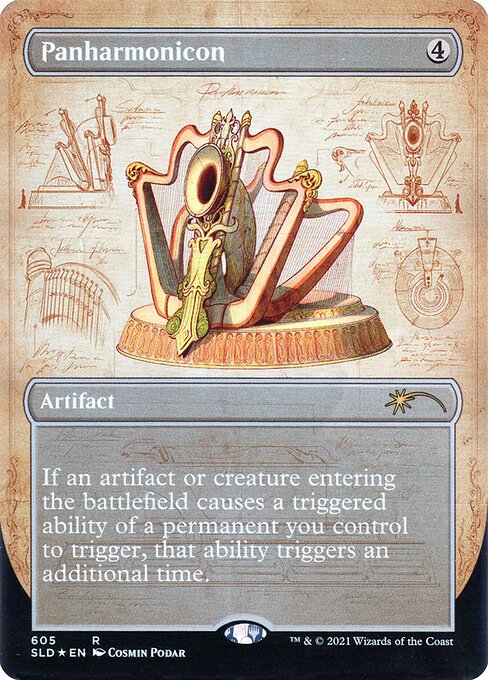
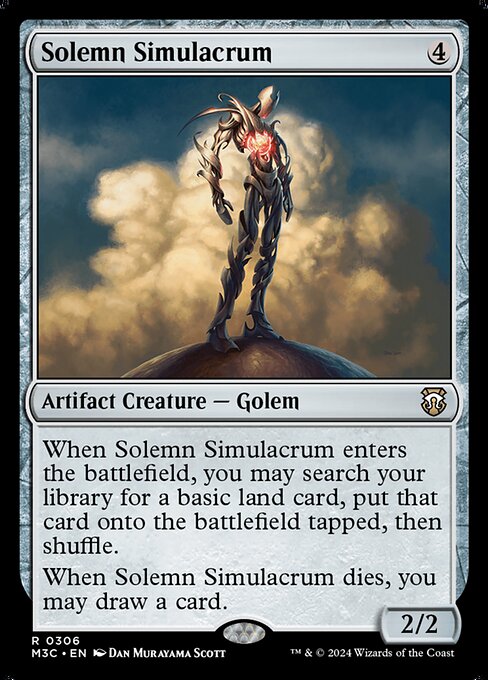
Another excellent value piece is Panharmonicon. Since Doctor Doom‘s entrance to the battlefield is already one of the strongest parts of his design, doubling enter-the-battlefield abilities dramatically increases the deck’s ceiling. Additional Doombots mean additional artifacts, more sacrifice fodder, and significantly more resources entering the battlefield from a single spell. Beyond Doom himself, Panharmonicon also enhances value creatures like Solemn Simulacrum, allowing them to accelerate your mana development while drawing cards more efficiently over the course of the game.
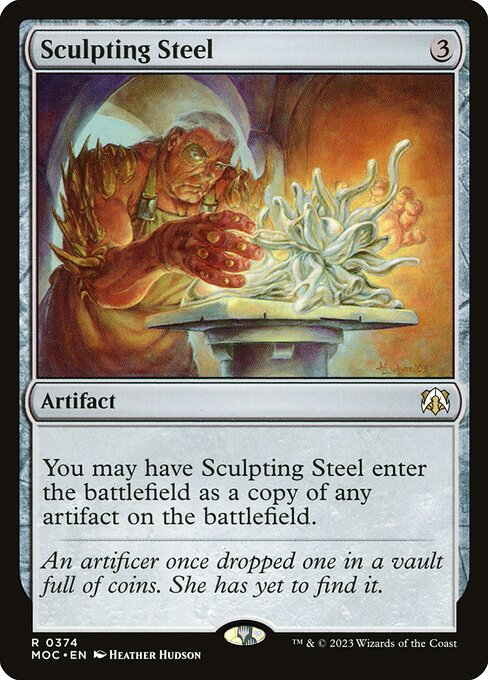
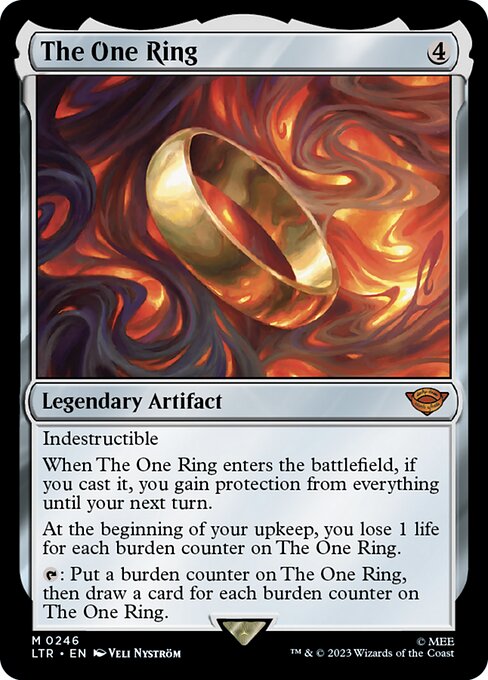
Even cards such as Sculpting Steel become surprisingly versatile. Sometimes it copies your strongest mana rock to accelerate further ahead. In other games it duplicates an important payoff artifact, another sacrifice outlet, or even something as simple as The One Ring to maintain momentum. The flexibility offered by clone effects means the deck can adapt to different board states without dedicating numerous slots to redundant effects.
Because nearly every important artifact can eventually be recovered, opponents are placed in an uncomfortable position. Destroying a single permanent rarely solves the problem. Removing Ashnod's Altar still leaves Krark-Clan Ironworks and Phyrexian Altar. Eliminating one recursion creature often allows another to retrieve it later. Doctor Doom’s steady stream of card advantage ensures replacements continue arriving naturally, making it increasingly difficult for opposing players to permanently dismantle the engine once it has been assembled.
Winning the Game – Doom Always Has a Contingency
Although the deck spends much of the game generating incremental value, it possesses multiple ways to actually close games once its engine has been established. Rather than relying on a single deterministic combo, Doctor Doom offers several overlapping win conditions that force opponents to answer threats coming from multiple angles.
The most consistent path to victory is through incremental life drain. Cards like Blood Artist, Disciple of the Vault, Marionette Apprentice, and especially Marionette Master ensure that every sacrificed artifact steadily reduces opposing life totals. Since Doctor Doom continually supplies fresh Doombots, these payoffs naturally become more threatening as the game progresses. Even if opponents successfully neutralize your combat step, they remain vulnerable to dozens of small sacrifice triggers accumulating over several turns.
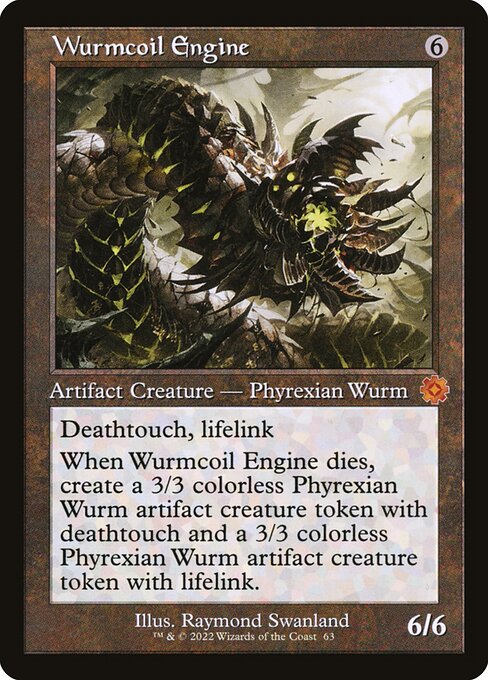
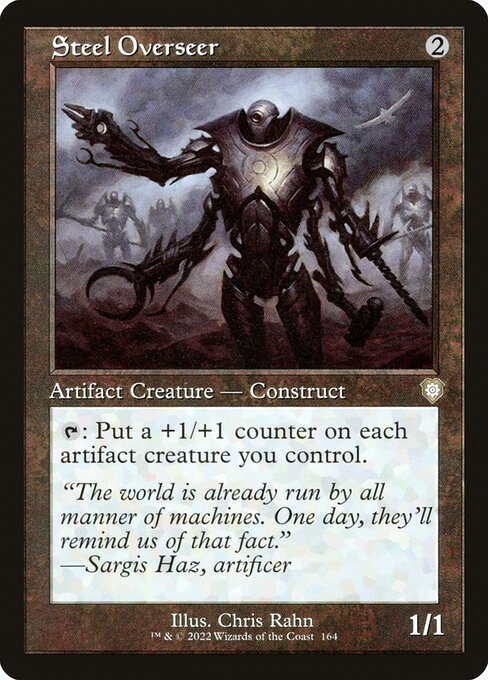
Combat remains a legitimate secondary plan. Two 3/3 artifact creatures every time Doctor Doom enters the battlefield represent a respectable offensive force on their own, and the deck includes numerous powerful artifact creatures that can quickly dominate combat. Wurmcoil Engine stabilizes aggressive matchups while leaving behind additional artifact bodies when it dies, and Steel Overseer gradually transforms your collection of artifacts into a legitimate army capable of ending games through conventional damage.
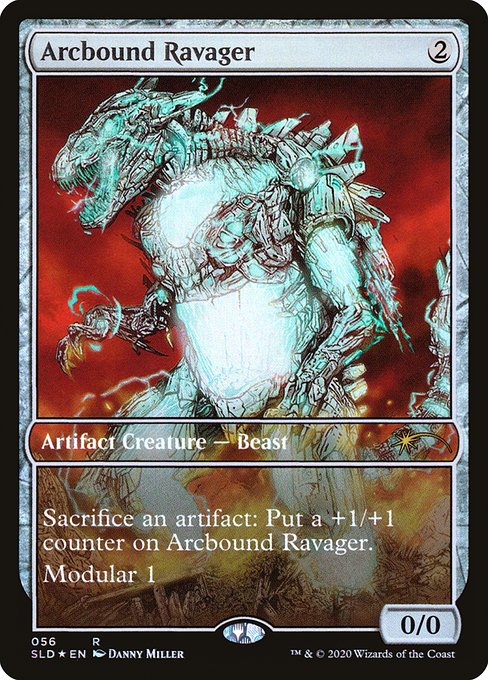
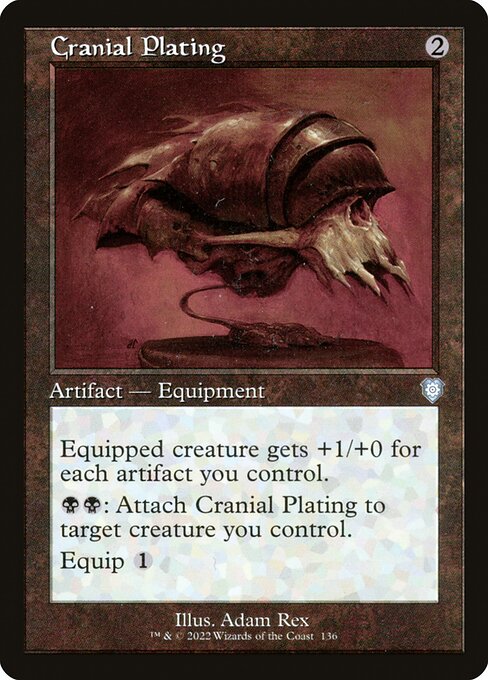
Cards like Arcbound Ravager reward careful sequencing, allowing expendable artifacts to be converted into an increasingly threatening attacker while simultaneously triggering your sacrifice payoffs. Meanwhile, Cranial Plating can turn even an otherwise harmless Doombot into a must-answer threat capable of eliminating players in only a few attacks.
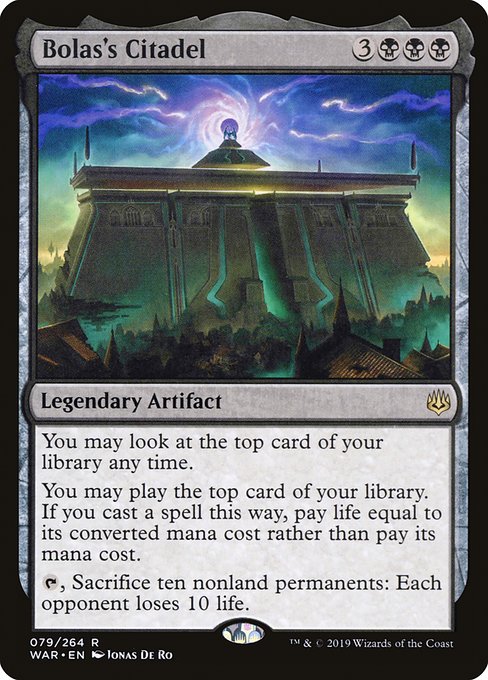
The deck also contains several explosive finishers that capitalize on the tremendous amounts of mana generated throughout longer games. Bolas's Citadel often enables enormous turns where life is converted directly into spells, allowing entire sections of your library to be deployed in rapid succession. Combined with Doctor Doom’s steady card draw and the deck’s numerous sacrifice outlets, Citadel frequently produces turns that opponents simply cannot recover from.
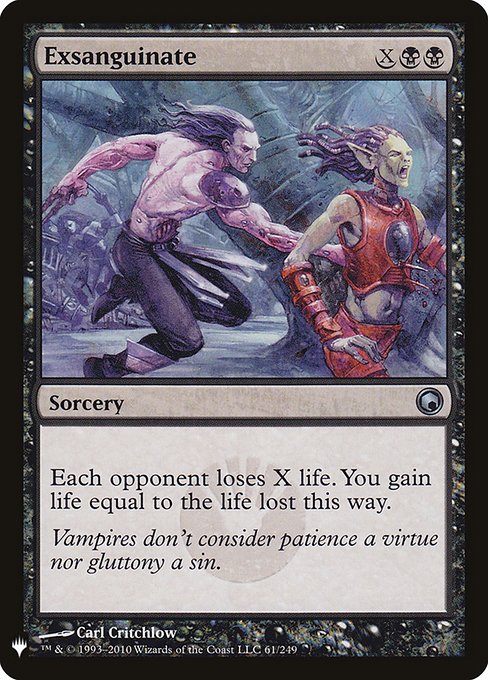
Finally, Exsanguinate provides an elegant way to finish stalled games. After several turns of mana acceleration from Crypt Ghast, Cabal Stronghold, artifact mana, and sacrifice outlets, Exsanguinate often drains every opponent simultaneously while restoring your own life total to comfortable levels. It serves as an ideal payoff for a deck that naturally excels at generating enormous quantities of black mana.
Perhaps the greatest strength of these win conditions is that they do not compete with one another. Every sacrifice outlet contributes toward life-drain victories while also generating mana for Exsanguinate. Every artifact creature pressures life totals through combat while simultaneously feeding recursion engines and aristocrats effects. Every extra card drawn by Doctor Doom increases the likelihood of assembling whichever route to victory best suits the current game. Rather than forcing the pilot into a single linear strategy, the deck adapts naturally as the game unfolds.
Closing Thoughts
Doctor Doom is one of the most flavorful new commanders to emerge from the Marvel Superheroes set because his design captures exactly what makes Victor Von Doom such a compelling villain. He does not overwhelm opponents through raw statistics or explosive one-turn combos. Instead, he patiently constructs an advantage that becomes increasingly difficult to challenge, surrounding himself with loyal machines while quietly accumulating the resources necessary to ensure his eventual victory.
What makes the list especially satisfying is how naturally every section supports the others. The result is a commander deck that rewards thoughtful sequencing and long-term planning rather than reckless aggression. Every decision matters, every sacrifice has a purpose, and every Doombot represents another piece of Doom’s ever-expanding empire. By the time the table realizes how many interconnected engines have been assembled, the ruler of Latveria has already secured the advantage and, true to character, victory becomes inevitable rather than just a posibility.