

In the first half of our look at Warhammer 40,000 Commander, we explored the two decks representing the Imperium and the Necrons respectively.
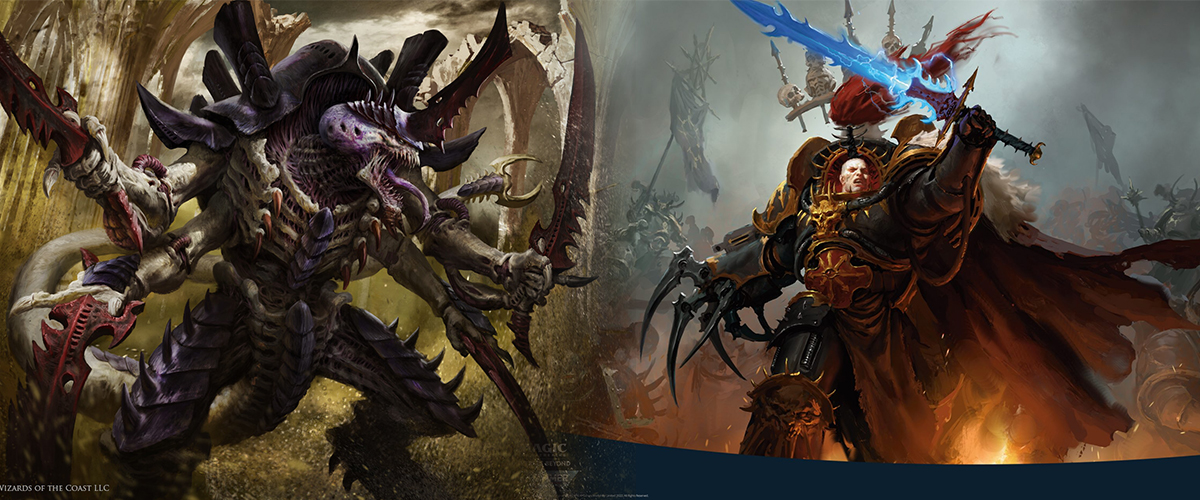
The remaining two decks take the setting in very different directions. Tyranid Swarm is built around the relentless biological growth of the Tyranid Hive Mind, using enormous creatures, +1/+1 counters, and ramp to create an army that becomes increasingly difficult to contain. The Ruinous Powers, meanwhile, represents Chaos through a combination of powerful Daemons, Chaos Space Marines, spellcasting, and high-variance effects that make every game feel somewhat unpredictable.
This was a deliberate part of Wizards’ approach to the product. The design team wanted each of the four decks to feel like commanding a different Warhammer army, with the color identity and central mechanics chosen around the personality of each faction. For the Tyranids, that meant ramping into enormous creatures and representing their ability to evolve; for Chaos, it meant embracing high-variance effects and the influence of the four Chaos Gods.
Tyranid Swarm: Evolution as a Strategy
Of the four Warhammer decks, Tyranid Swarm might be the easiest to understand from a purely mechanical perspective. The Tyranids are an enormous biological threat that descends upon worlds, consumes their inhabitants, and adapts to whatever stands in its way. Translating that into Magic naturally leads to a strategy built around ramping into increasingly large creatures, and that is exactly where the deck goes.
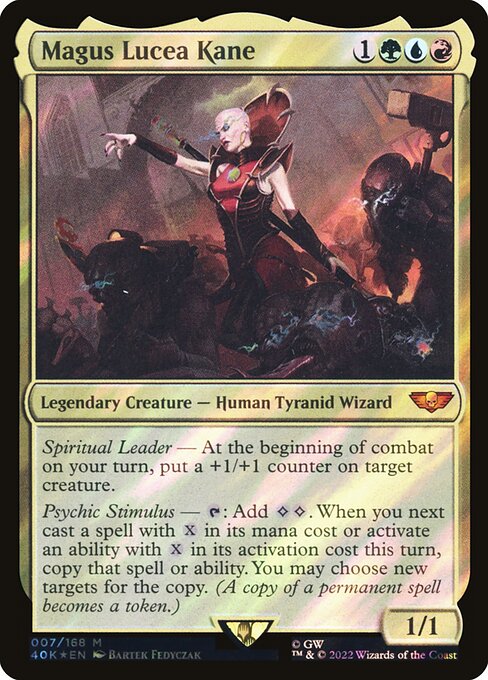
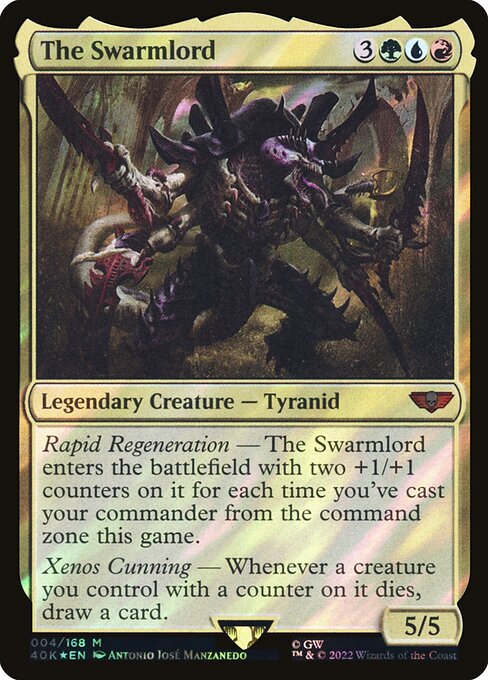
The deck is Temur, combining Green’s access to mana acceleration and massive creatures with Blue’s manipulation and Red’s aggression. Its face commander, The Swarmlord, represents the Hive Mind’s ability to continue the invasion even after its creatures have been destroyed, while Magus Lucea Kane, the alternate commander, allows a different aspect of the Tyranid army to take center stage. Wizards specifically described “ramping into huge creatures” as classic Commander gameplay that fit the Tyranids particularly well.
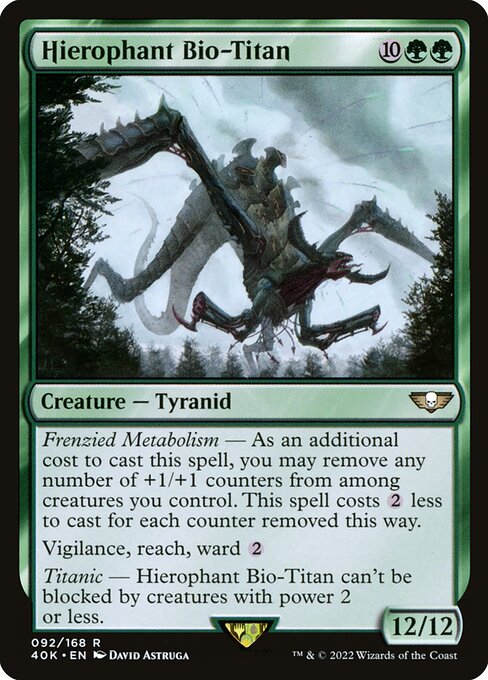
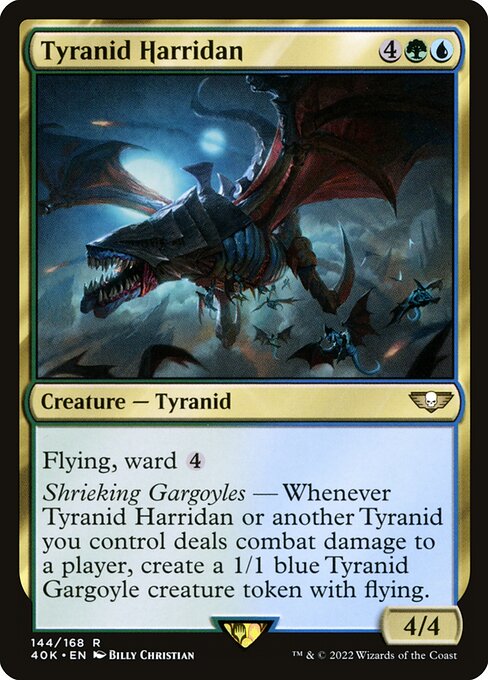
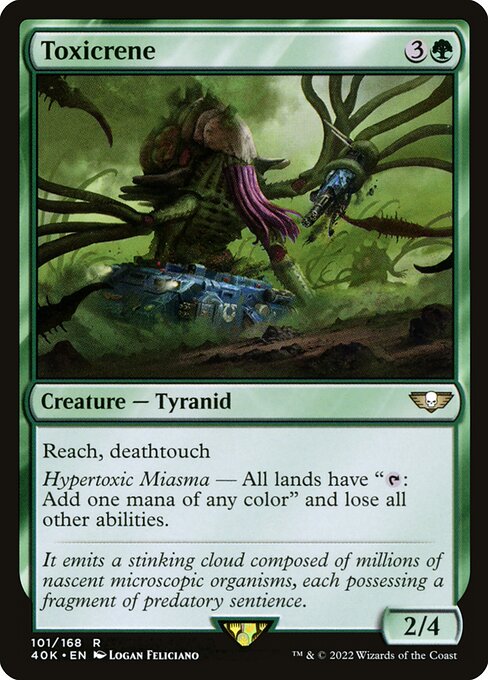
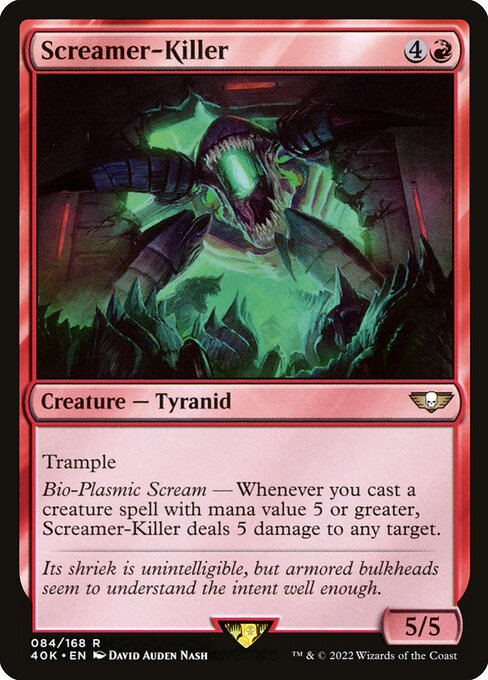
The creature selection makes that theme immediately apparent. Hierophant Bio-Titan, Tyranid Harridan, Trygon Prime, and Winged Hive Tyrant provide some of the deck’s biggest bodies, while Exocrine, Haruspex, Toxicrene, and Screamer-Killer fill out the middle of the curve with creatures that feel substantial without requiring the deck to wait until the very end of the game. These cards help make the deck feel like an actual Tyranid invasion rather than a generic Temur creature deck, because the majority of the battlefield is made up of creatures that are explicitly part of the Hive Mind.
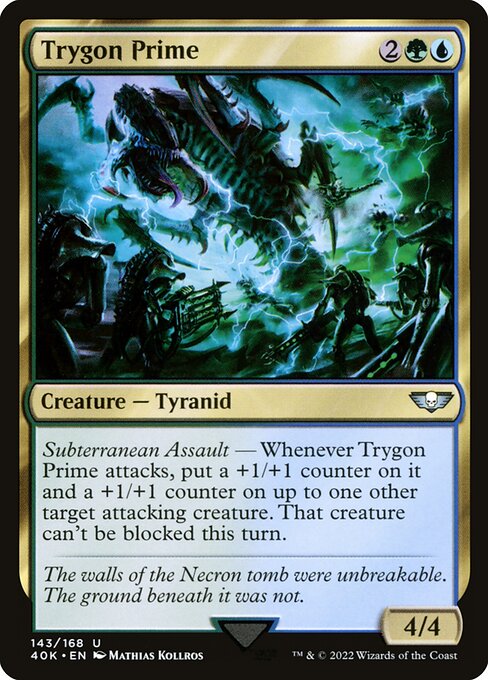
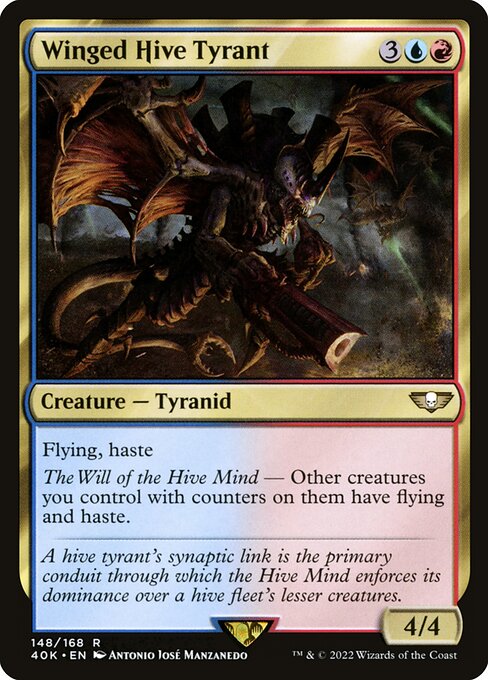
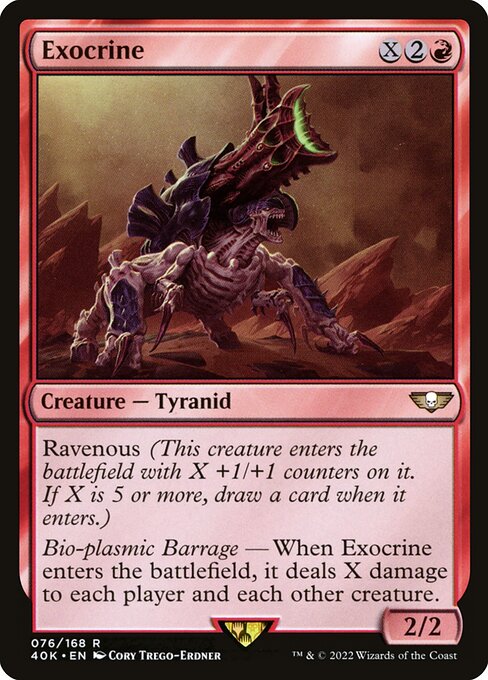
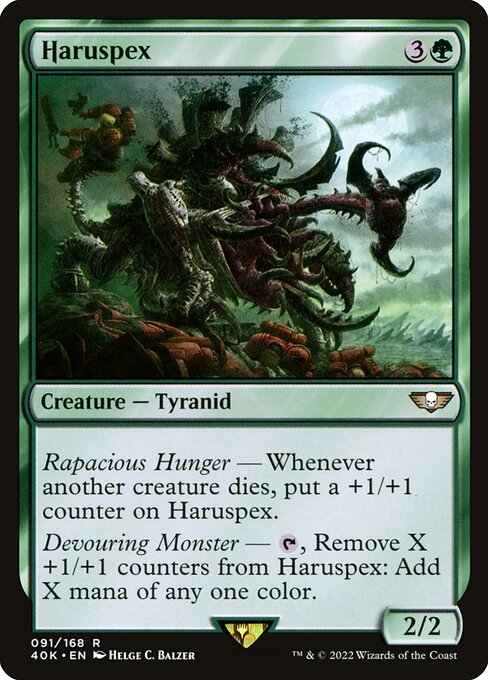
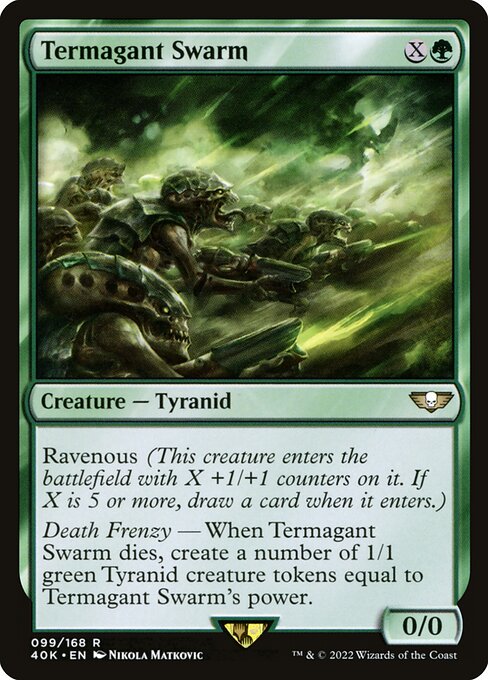
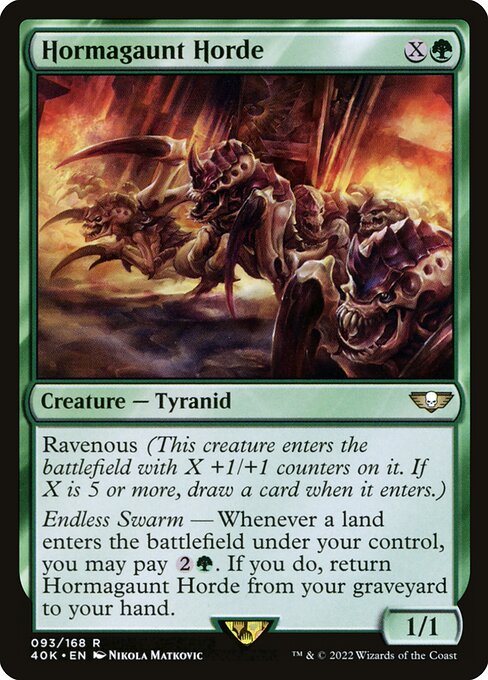
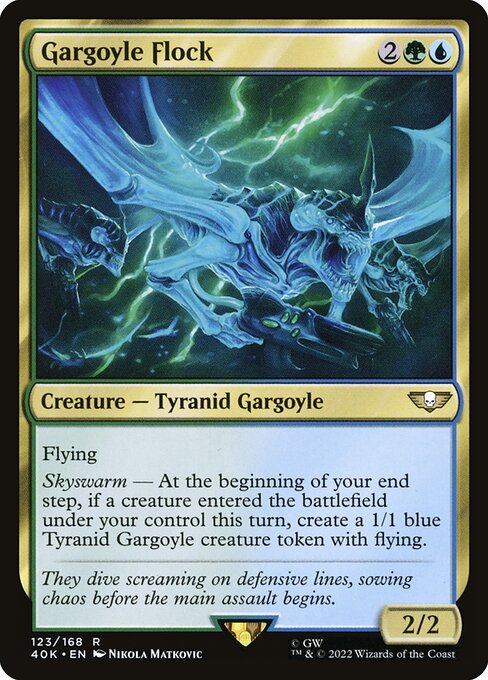
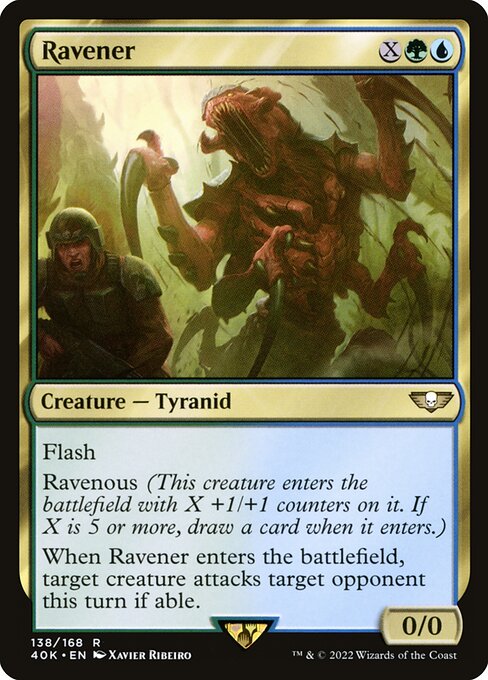
The smaller creatures are just as important to that feeling. Termagant Swarm, Hormagaunt Horde, Gargoyle Flock, and Ravener give the deck a way to establish a presence before its enormous monsters arrive. This creates the sense that the Tyranid army is arriving in waves rather than simply dropping one giant creature onto the battlefield. It also mirrors the way the faction is represented in Warhammer itself: smaller organisms swarm across the battlefield while increasingly specialized creatures and massive bioforms support the invasion.
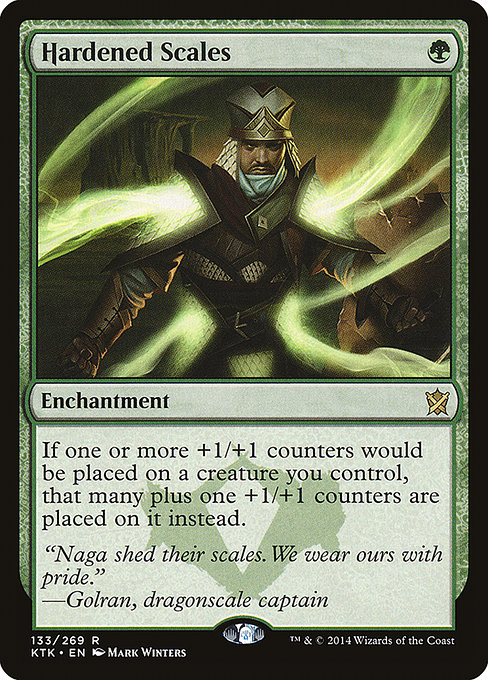
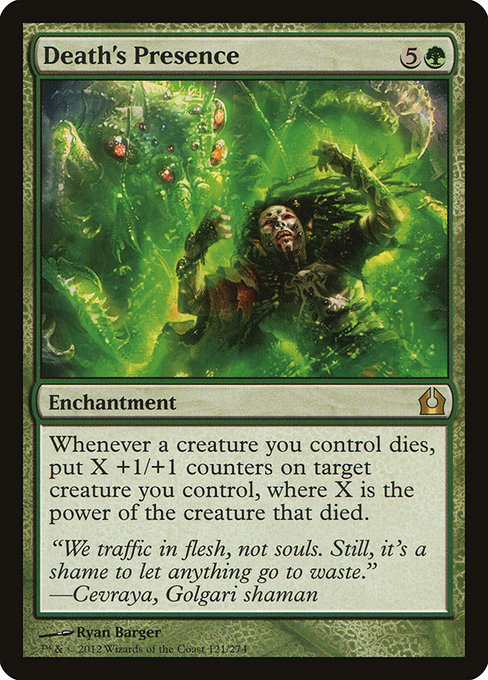
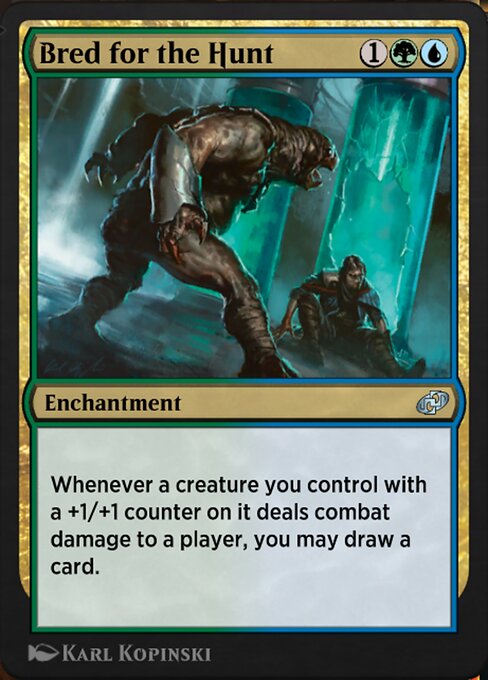
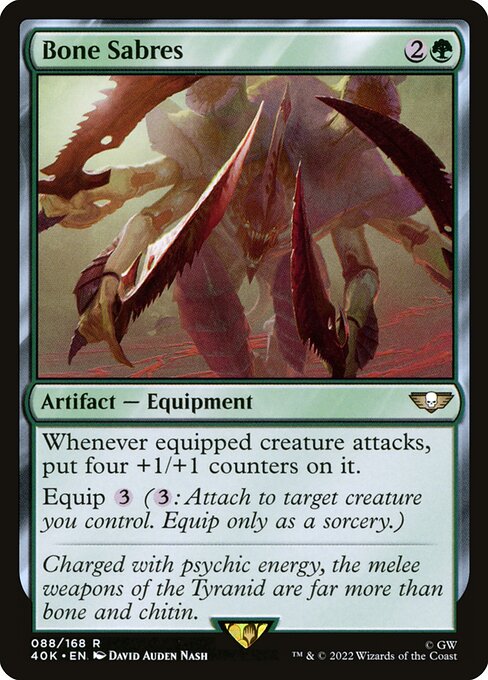
The most important mechanical feature of Tyranid Swarm is its use of +1/+1 counters. Hardened Scales, Death's Presence, Bred for the Hunt, and Bone Sabres all contribute to this strategy, whether by increasing the number of counters being placed, rewarding creatures for having counters, or giving individual creatures additional ways to become larger.
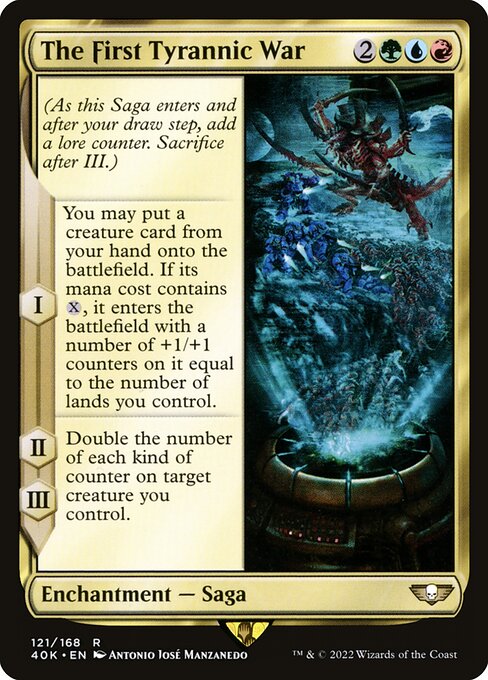
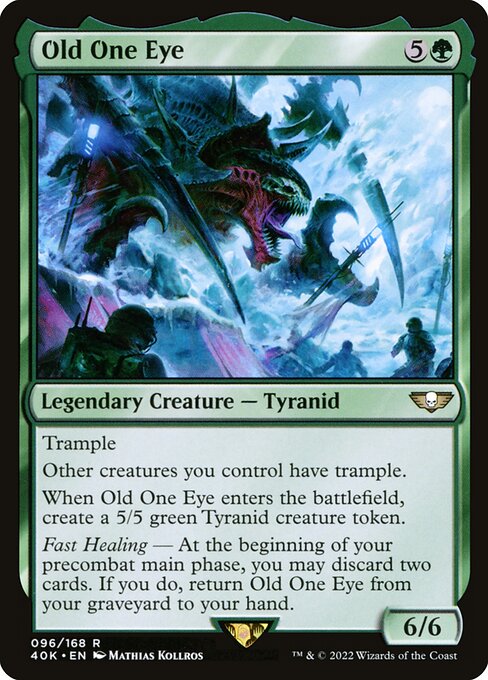
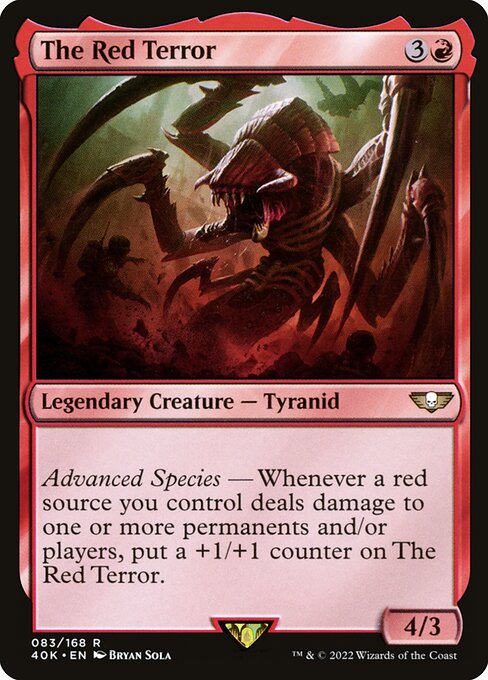
The First Tyrannic War captures the Hive Mind pretty well, allowing the deck to put a creature from its hand directly onto the battlefield and then doubling counters on a creature during later chapters. Old One Eye and The Red Terror are another pair of very powerful legendary Tyranids that further the gameplan.
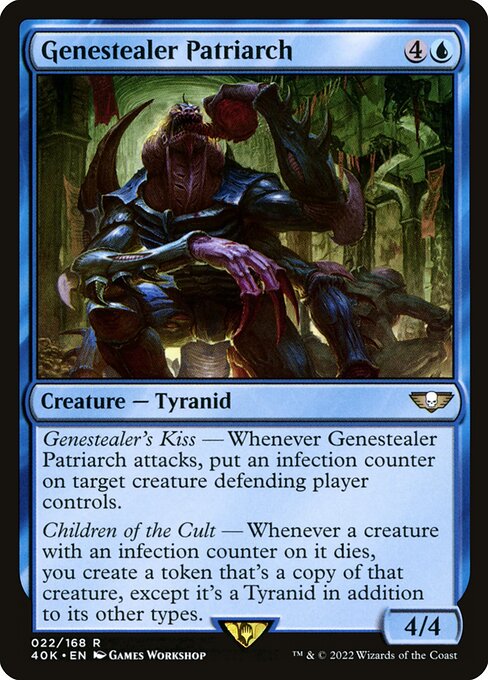
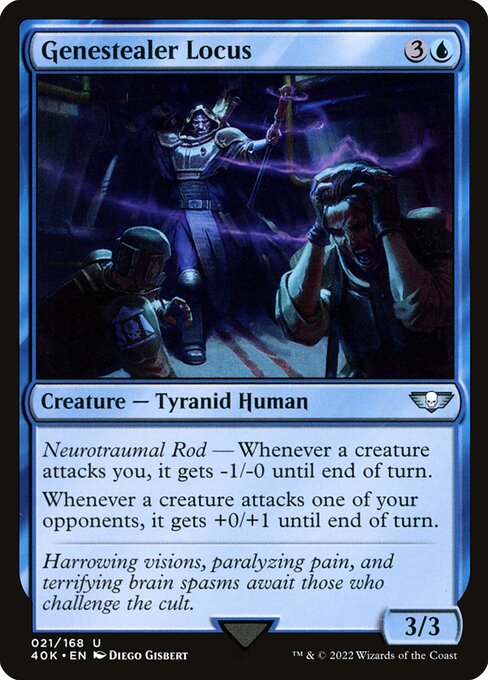
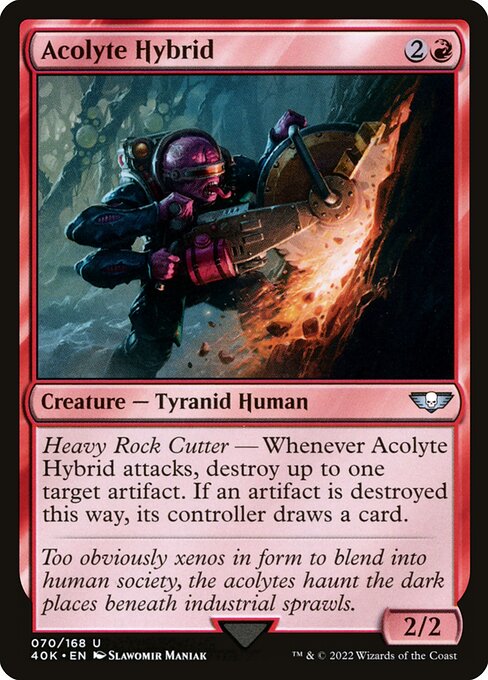
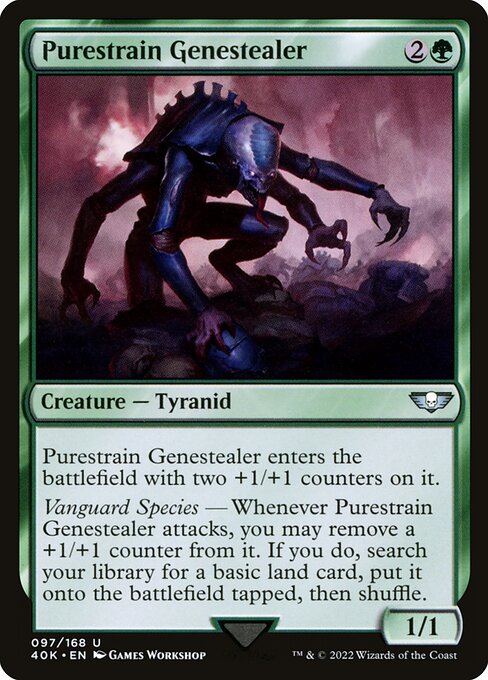
The Tyranid deck is also careful to include creatures that represent different layers of the Hive Mind rather than making every card another enormous attacker. Genestealer Patriarch, Genestealer Locus, Acolyte Hybrid, and Purestrain Genestealer represent the Genestealer Cult side of the faction, giving the deck a connection to the infiltration and subversion that often precedes a full Tyranid invasion.
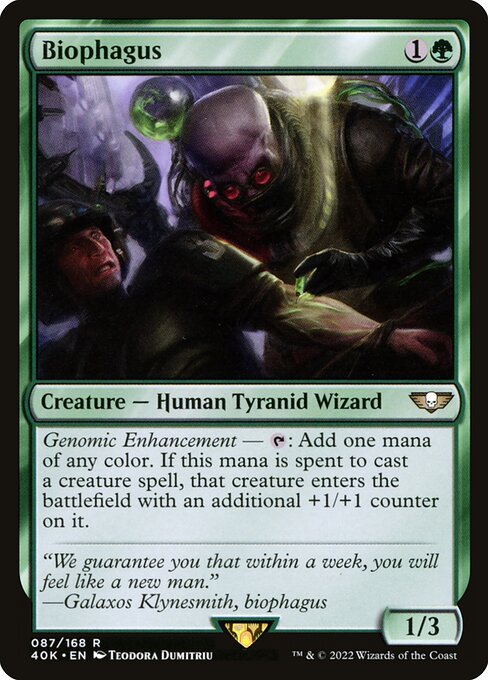
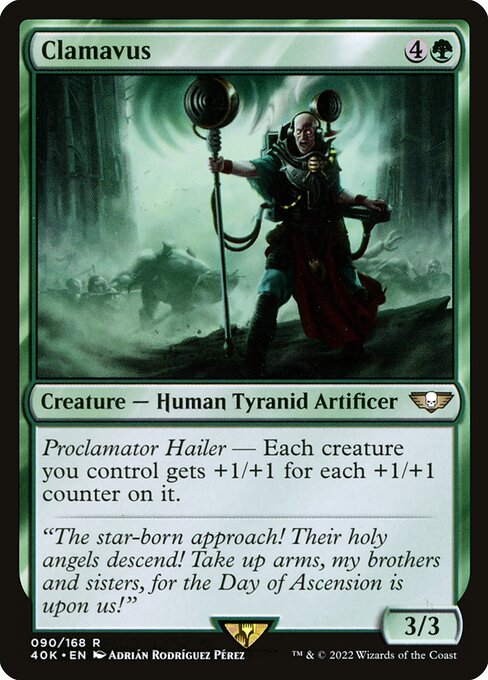
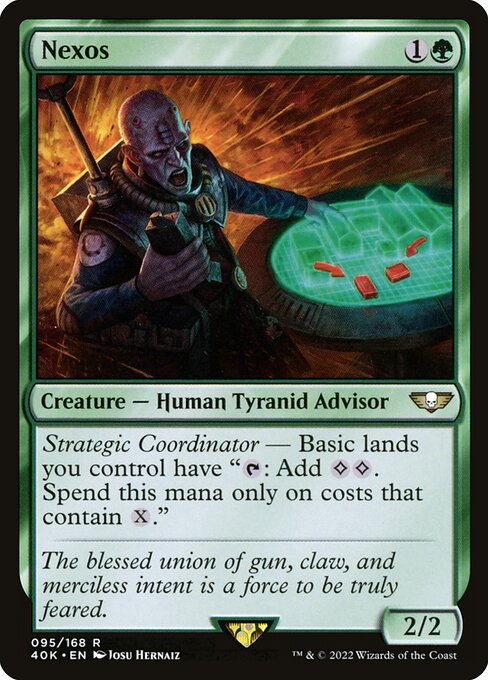
That broader creature selection is one of the reasons Tyranid Swarm feels more complete than a simple “big creatures” deck. Biophagus, Clamavus, Nexos, and Tyrant Guard provide support for the creatures around them, giving the army the feeling of an organized biological system rather than a pile of independent threats. The Tyranids may look like individual creatures on the battlefield, but the deck continually reinforces the idea that they are all components of one larger organism.
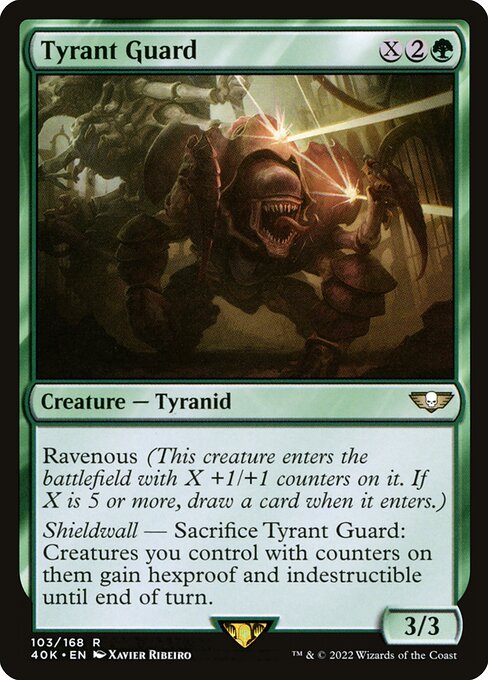
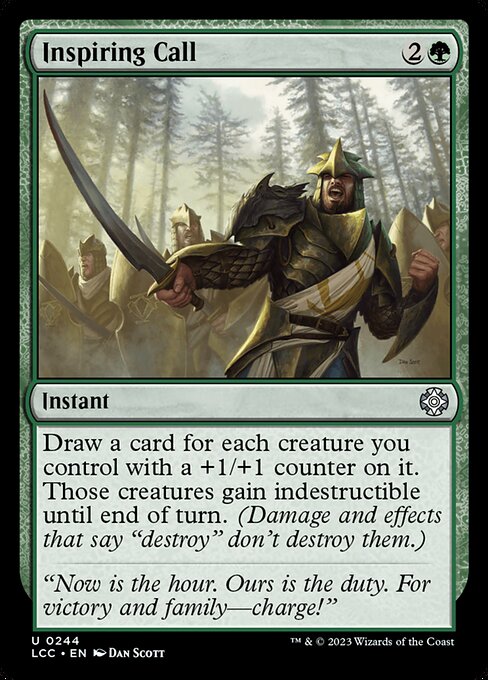
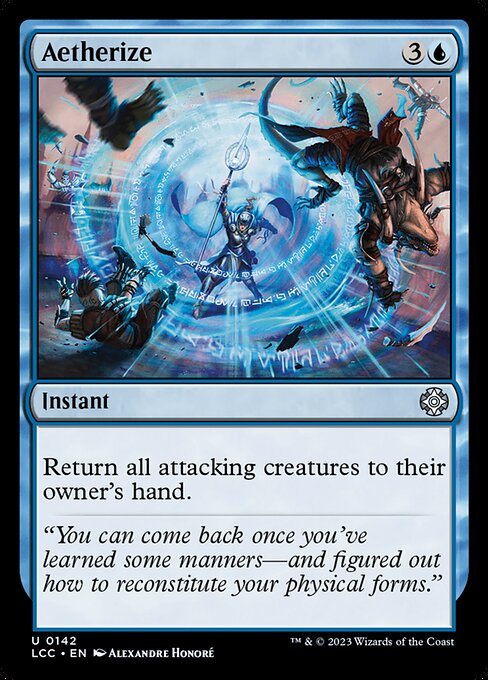
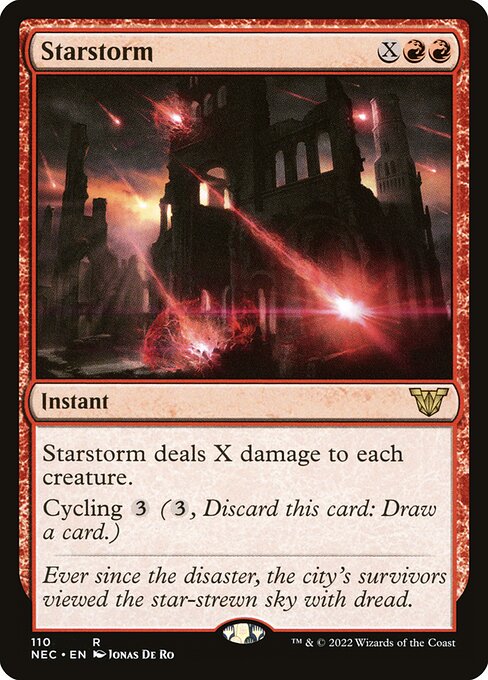
Even the deck’s defensive cards contribute to that identity.
Check out the original decklist here:
Commander
Creatures (37)
Sorceries (6)
Artifacts (6)
Enchantments (8)
Lands (39)
100 Cards
$242.88
The Ruinous Powers: Chaos Comes to Commander
The Ruinous Powers deliberately embraces a greater degree of unpredictability. Chaos is not one faction in the same sense as the Imperium or the Tyranids. It is a collection of forces devoted to four different gods, each with their own philosophies, followers, and methods of warfare.
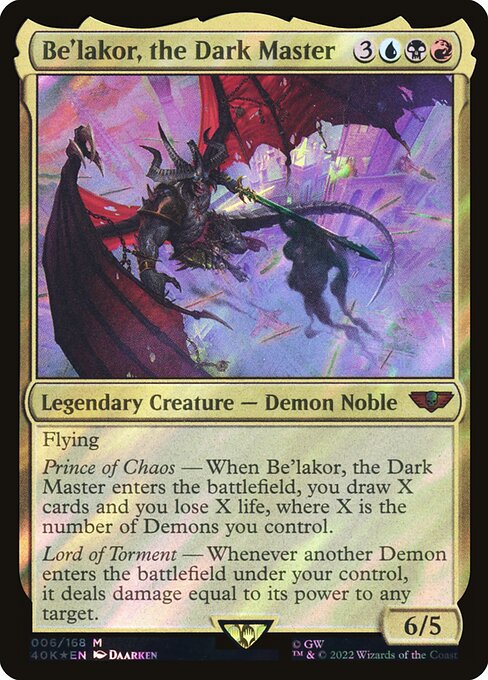
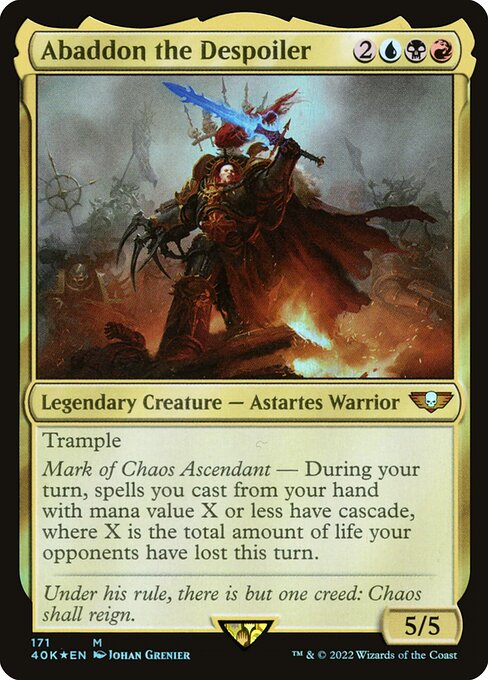
Wizards translated that into a Grixis deck with Abaddon the Despoiler as its face commander and Be'lakor, the Dark Master as its alternate commander. Abaddon represents the Chaos Space Marines and gives the deck a strong connection to cascade and dealing damage, while Be’lakor allows the same card pool to take on a more Demon-focused identity. Wizards specifically described the deck as an opportunity to use high-variance effects that could disrupt the plans of everyone at the table, drawing inspiration from the unpredictable nature of the Warp.
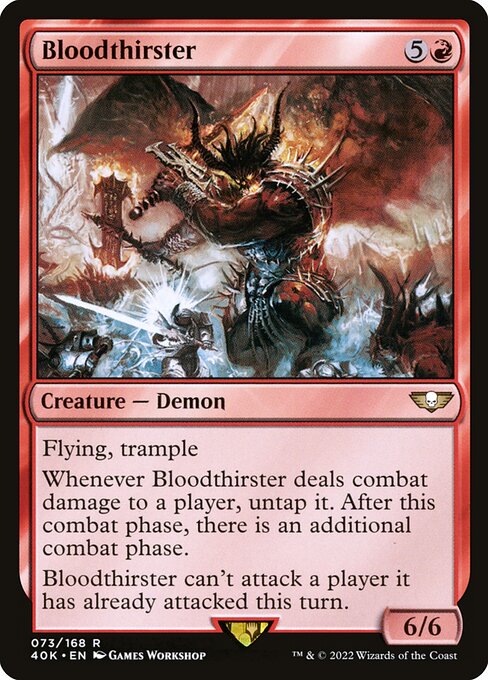
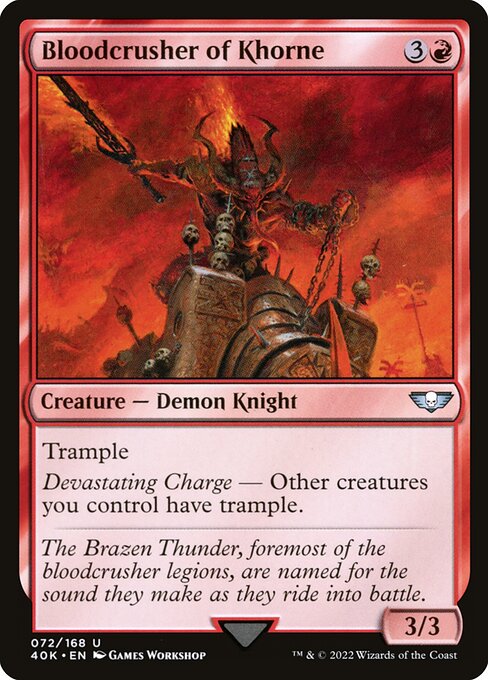
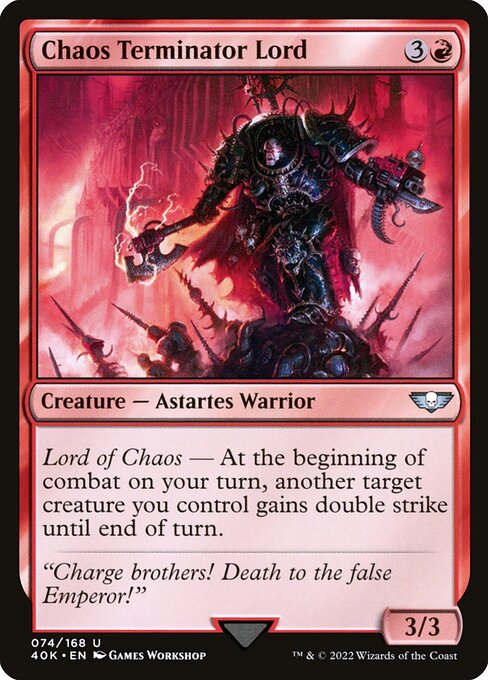
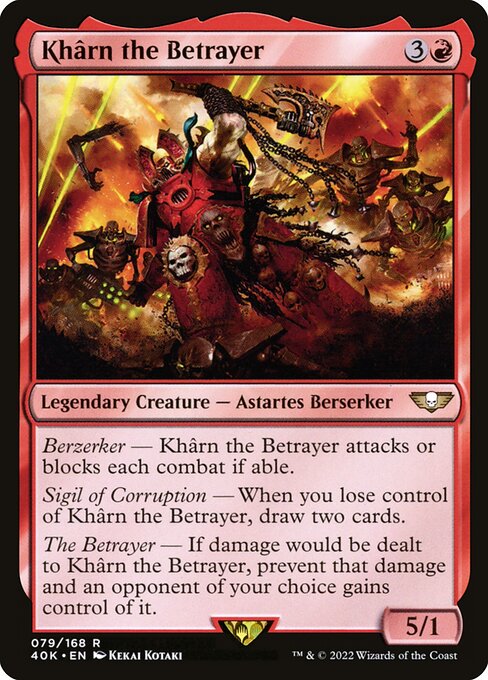
The creature selection does a good job of representing just how broad Chaos actually is. Bloodthirster, Bloodcrusher of Khorne, Chaos Terminator Lord, and Khârn the Betrayer give Khorne‘s followers a strong presence, with aggressive creatures that fit the god of bloodshed and war.
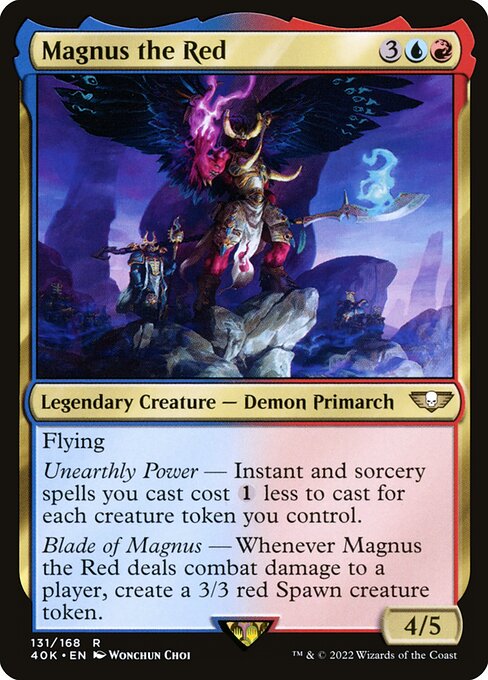
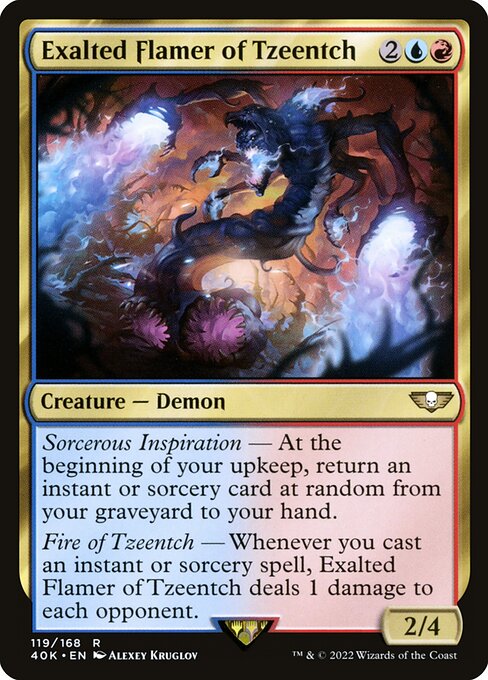
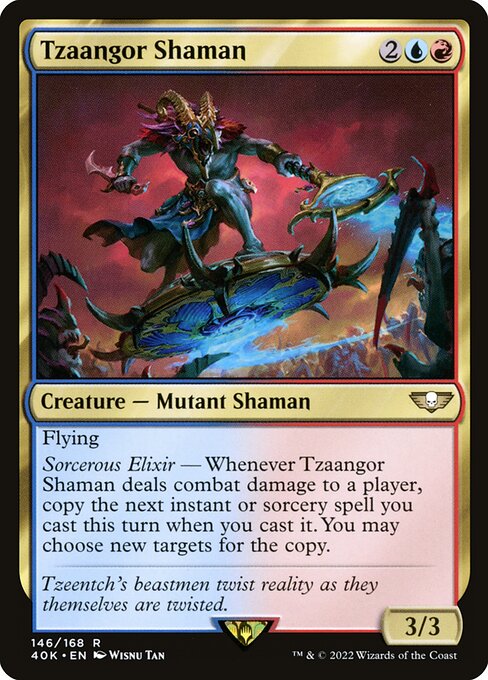
Tzeentch is represented by Lord of Change, Magnus the Red, Exalted Flamer of Tzeentch, and Tzaangor Shaman, shifting the focus toward sorcery, mutation, and the manipulation of magic.

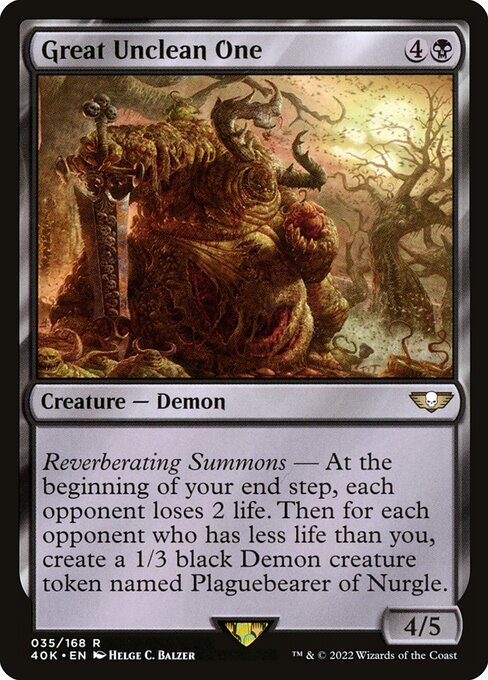
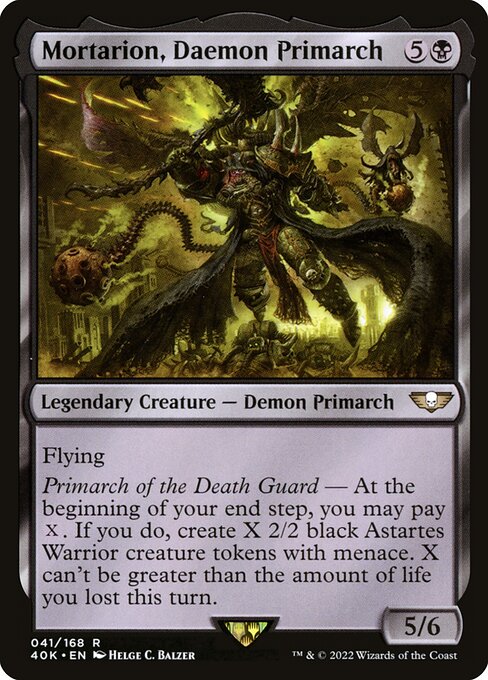
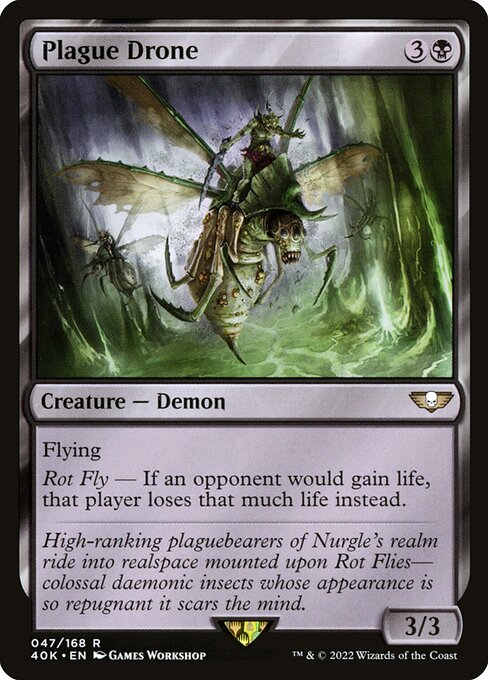
Nurgle receives a very different collection of creatures in Great Unclean One,
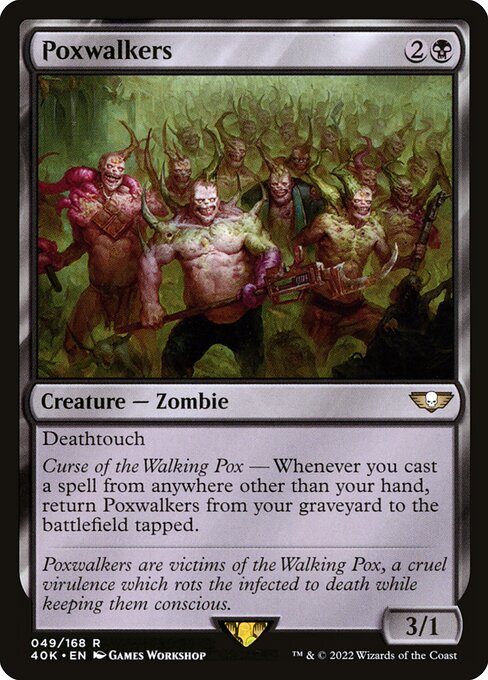
While Slaanesh appears through Keeper of Secrets, Herald of Slaanesh, Seeker of Slaanesh, and other followers.
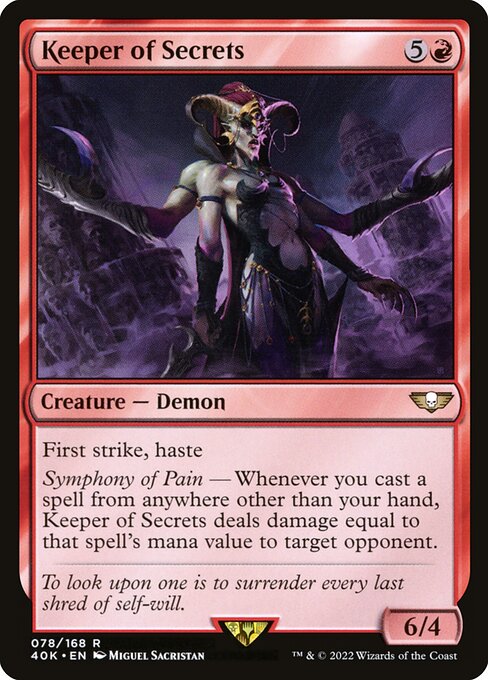
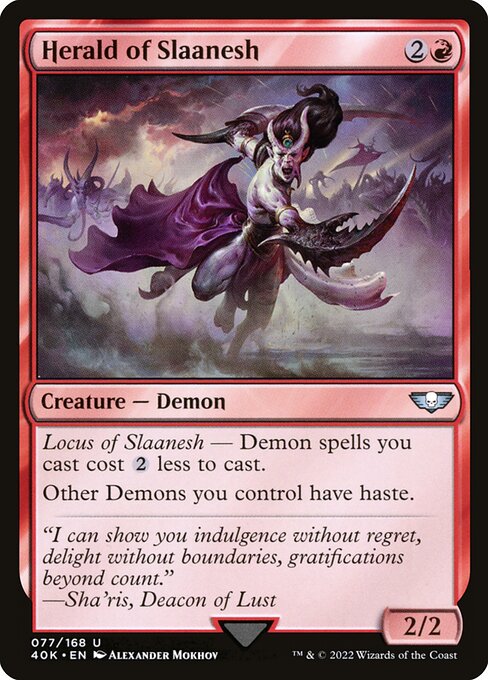
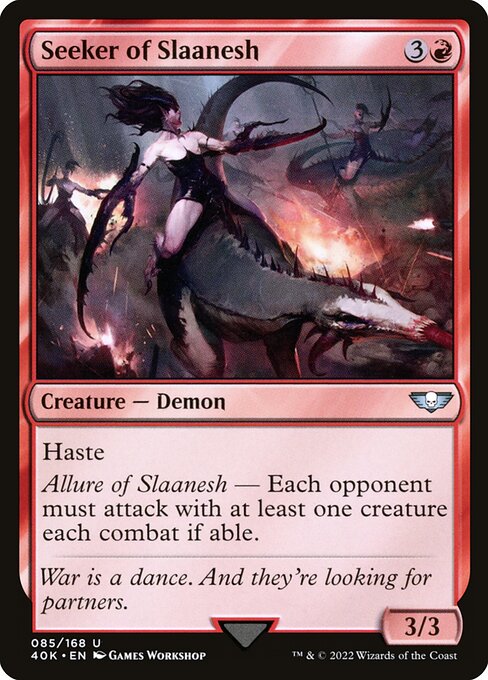
This is a lot of different thematic material to fit into one deck, but the Grixis color identity gives Wizards enough mechanical overlap to make the four groups function together without pretending they are actually the same thing.
That diversity is arguably the most interesting thing about the deck. The Ruinous Powers doesn’t have the same visual and mechanical uniformity as Necron Dynasties, nor does it have the singular biological purpose of Tyranid Swarm. Instead, it feels like several different armies have been thrown together under the banner of Chaos, united by their willingness to use destructive and supernatural means to achieve their goals.
The spell suite is where the deck really establishes its personality.
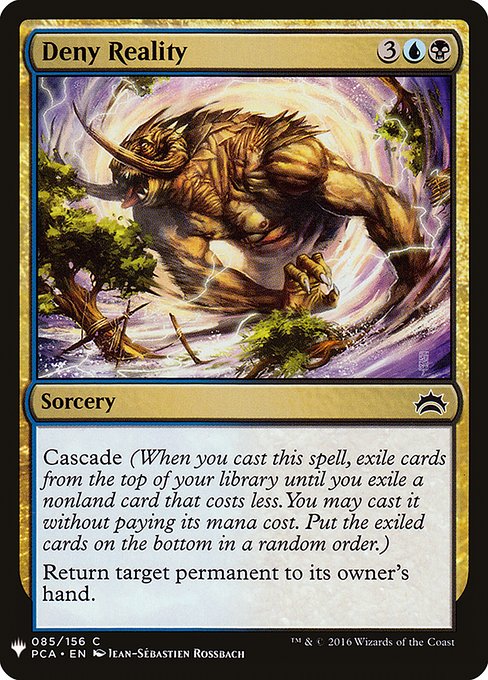
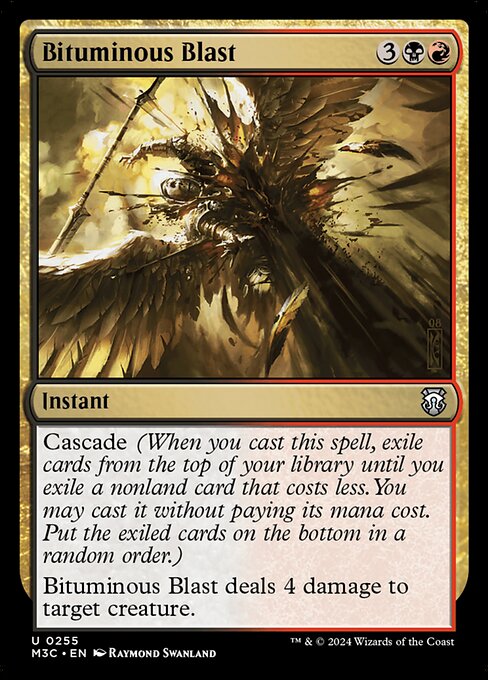
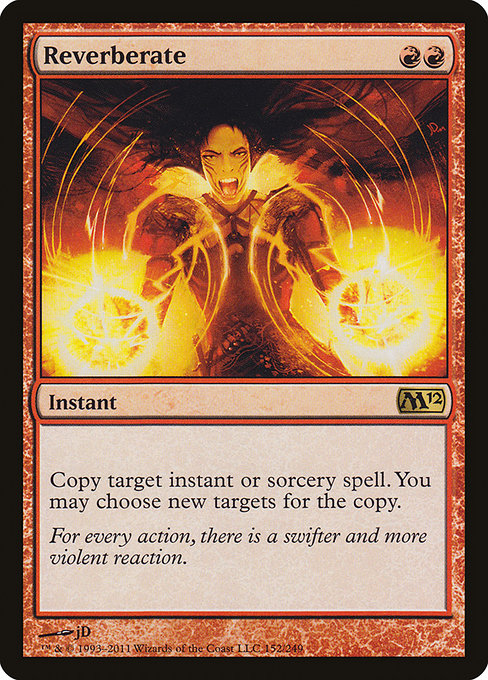
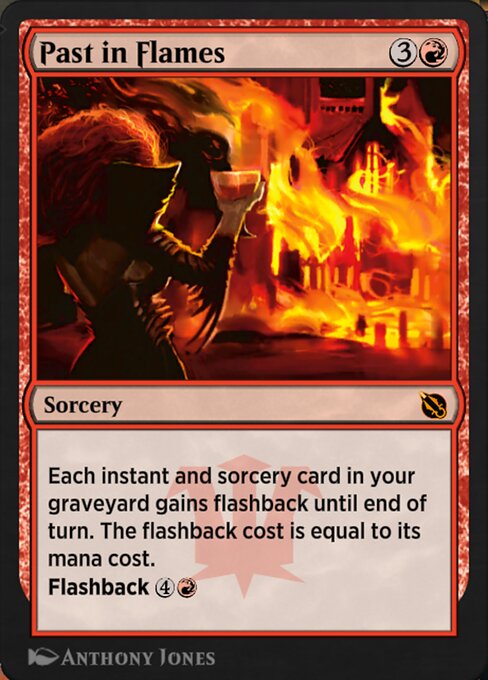
That idea becomes particularly important with
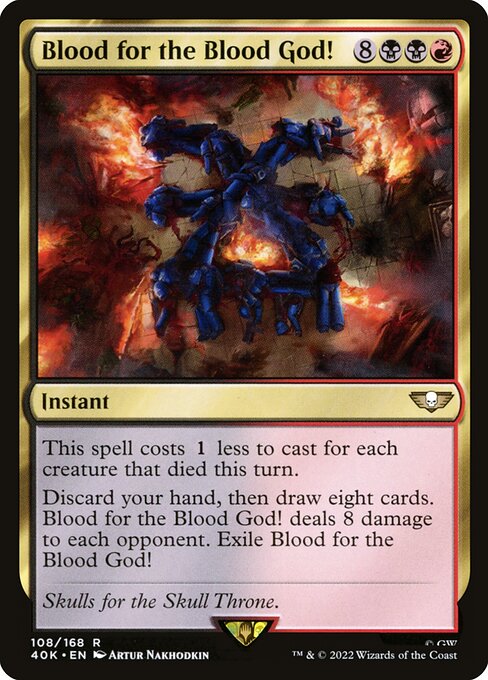
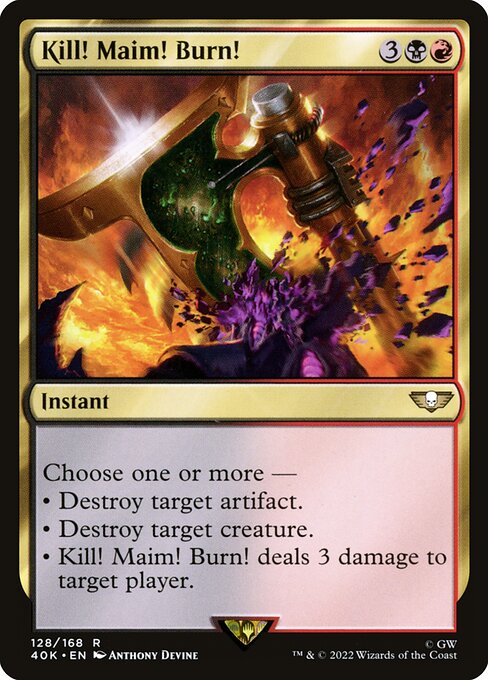
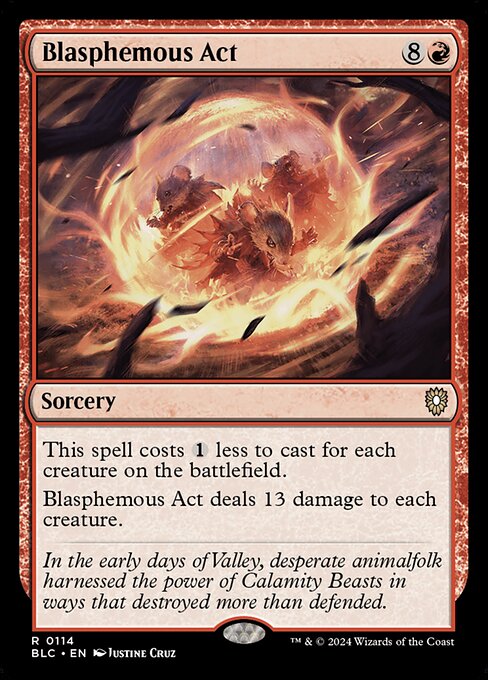
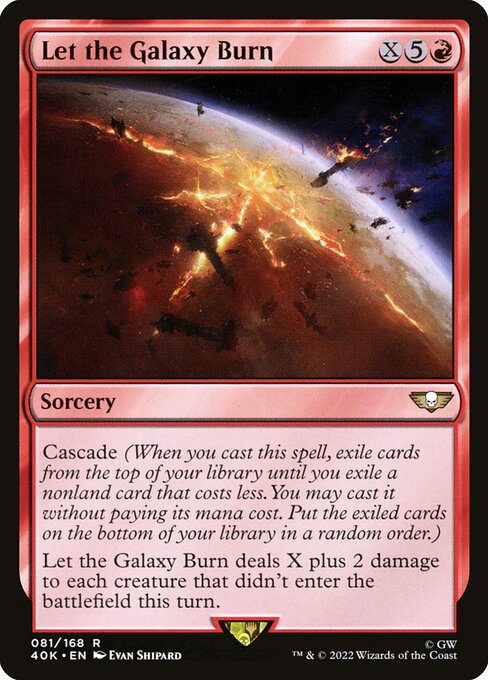
Cards such as Blood for the Blood God!, Kill! Maim! Burn!, Blasphemous Act, and Let the Galaxy Burn then give the deck some extremely dramatic ways to affect the battlefield. These cards can clear creatures, deal large amounts of damage, and generate additional value through the deck’s other mechanics. They also fit the Warhammer setting unusually well because they don’t feel like generic removal that happens to have Chaos artwork; the names and effects themselves reinforce the destructive character of the faction.
Be'lakor, the Dark Master provides an alternative interpretation of the deck that is worth highlighting because it changes how the same collection of cards feels. Where Abaddon encourages a broader Chaos strategy built around dealing damage and cascading into additional spells, Be’lakor makes the many Demons in the deck much more important.
Lord of Change, Great Unclean One, Keeper of Secrets, and Bloodthirster represent four enormous threats from the Chaos Gods, and Be’lakor rewards the deck for filling the battlefield with creatures like them. The same cards can support the broader Chaos strategy under Abaddon or become part of a much more creature-focused Daemon deck under Be’lakor.
That flexibility is especially valuable in a preconstructed deck because it gives players an immediate way to explore the setting from different perspectives.
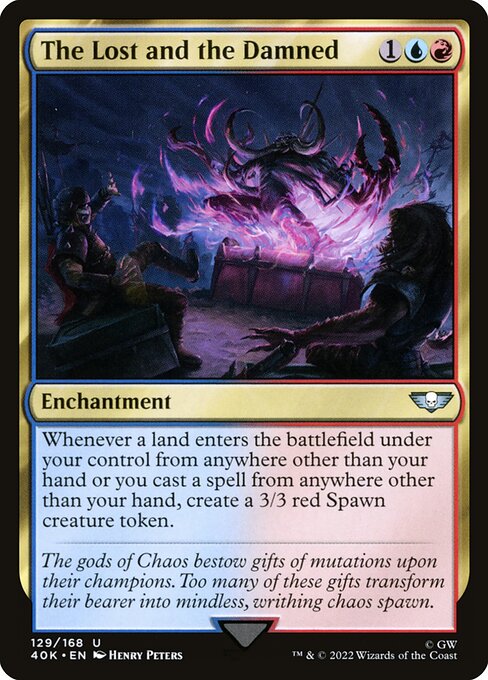
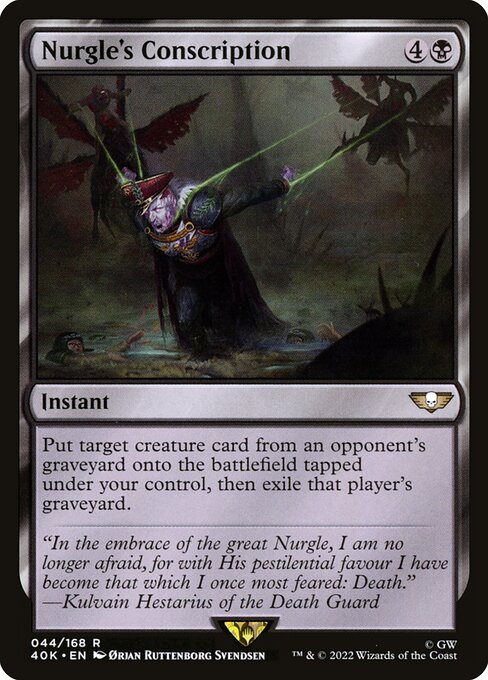
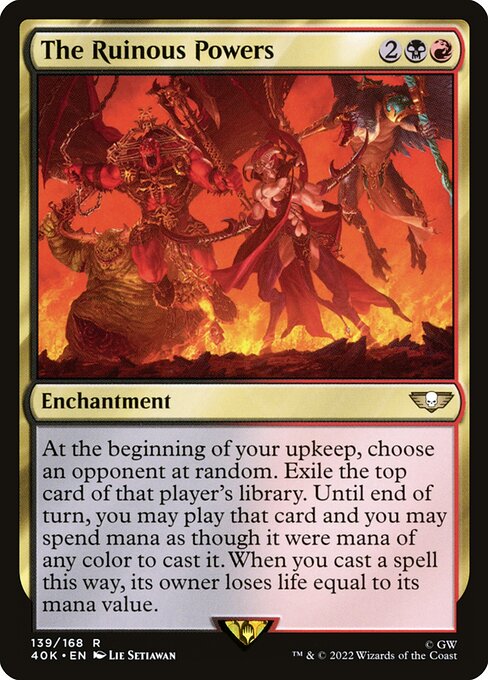
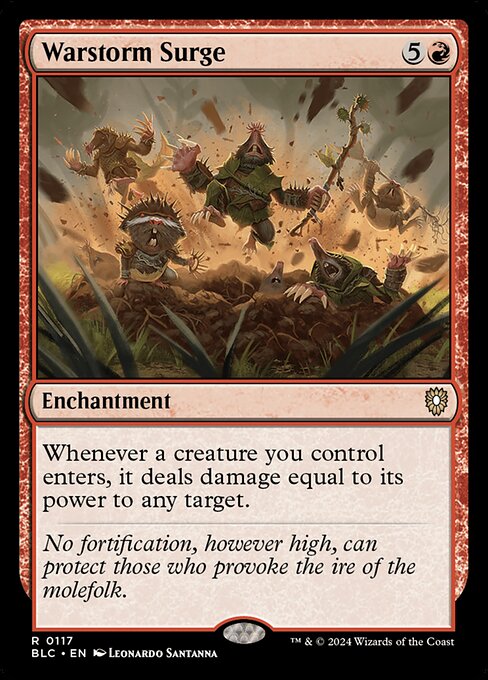
The remaining cards help bridge these two strategies. The Lost and the Damned, Nurgle's Conscription, The Ruinous Powers, and Warstorm Surge all reward the deck for putting more creatures onto the battlefield and turning those creatures into additional damage or resources. Rather than forcing the deck to commit entirely to either spells or creatures, the list allows the two halves to overlap.
That overlap is important because it makes the deck feel like Chaos as a whole rather than a single Chaos God. The creatures are powerful, the spells are destructive, and the deck can move between those plans depending on what is happening at the table.
You can check the original decklist here:
Commander
Creatures (30)
Instants (10)
Sorceries (7)
Artifacts (10)
Enchantments (5)
Lands (38)
100 Cards
$247.89
The Reception
Tyranid Swarm was generally regarded as one of the more straightforward decks in the Warhammer 40,000 release, and that simplicity was largely tied to how naturally its theme translated into Commander. Ramp, enormous creatures, +1/+1 counters, and creature-based combat are all familiar elements of the format, so the deck did not need a complicated mechanical gimmick to communicate what the Tyranids were about.
The deck’s reception also benefited from how thoroughly it committed to the faction. The official decklist contains a huge collection of Tyranid creatures and Genestealer Cult units, with the majority of the creature base consisting of new cards created specifically for the Warhammer setting. That made the deck particularly appealing to players who wanted the experience of commanding a Tyranid army.
There were, of course, discussions around individual commanders and how the deck could be upgraded, as there are with virtually every preconstructed Commander deck. But the basic identity was rarely difficult to understand. If you enjoy building a board, putting counters on your creatures, and eventually attacking with enormous monsters, Tyranid Swarm delivers that experience without requiring the player to learn an especially complicated engine.
The Ruinous Powers received a somewhat different kind of reception from the other decks. Its biggest appeal was also its biggest source of uncertainty: the deck was designed to embrace high-variance gameplay. Wizards was explicit about wanting the deck to use effects that could disrupt the plans of the entire table and create unpredictable sequences, drawing on the concept of the Warp and the nature of Chaos. Sounds great… Until you have to play with it.
Having a consistent deck is paramount in MTG; people spend hours and hours tweaking their decks to achieve smooth draws, a consistent mana curve, and a cohesive gameplan, even if “centered around chaos”. The Ruinous Powers manages to include four Chaos Gods alongside Chaos Space Marines and Daemons, but fails at achieving consistency and a cohesive gameplan; thus it is rich in flavour, and mediocre at gameplay.
The Ruinous Powers succeeded at giving you good value for its cost, but majorly failed as a precon because it doesn’t stand a chance against the other 3 precons, thus anyone who bought one of these, had to do some major restructuring to the deck for it to be competitive against the others.
Closing Thoughts
Taken as a whole, Warhammer 40,000 Commander was an ambitious experiment in how far Magic could take an external universe and translate it into playable decks. Instead of treating the crossover as a collection of character cameos, Wizards built four complete Commander experiences around four very different factions, with each one receiving its own mechanical identity, artwork, commanders, and collection of new cards.
That is ultimately what makes the Warhammer 40,000 Commander release stand out, these precons offer four different interpretations of what it means to command an army in the 41st Millennium.
The product was also an important early demonstration of what Universes Beyond could be when done right. Wizards specifically designed these decks to be cohesive in a way that normal Commander products generally aren’t, giving every card new Warhammer-specific art and creating 42 new cards for each deck so the factions could be represented properly. That extra creative investment is noticeable when you actually look through the lists: the decks are filled with creatures and spells that feel as though they belong to their respective armies rather than simply being generic Magic cards with a crossover treatment.
There are certainly individual cards, commanders, and strategies that players can debate, and the four decks don’t all approach Commander with the same level of mechanical focus. But that variety is part of the appeal. The purpose of the product was to make four decks that felt like four armies from one of the most distinctive science-fiction settings in gaming.
And in that respect, the Warhammer 40,000 collaboration is remarkably successful.
If you’re interested in more recent Commander news, check out this article about the upcoming Reality Fracture precons.