
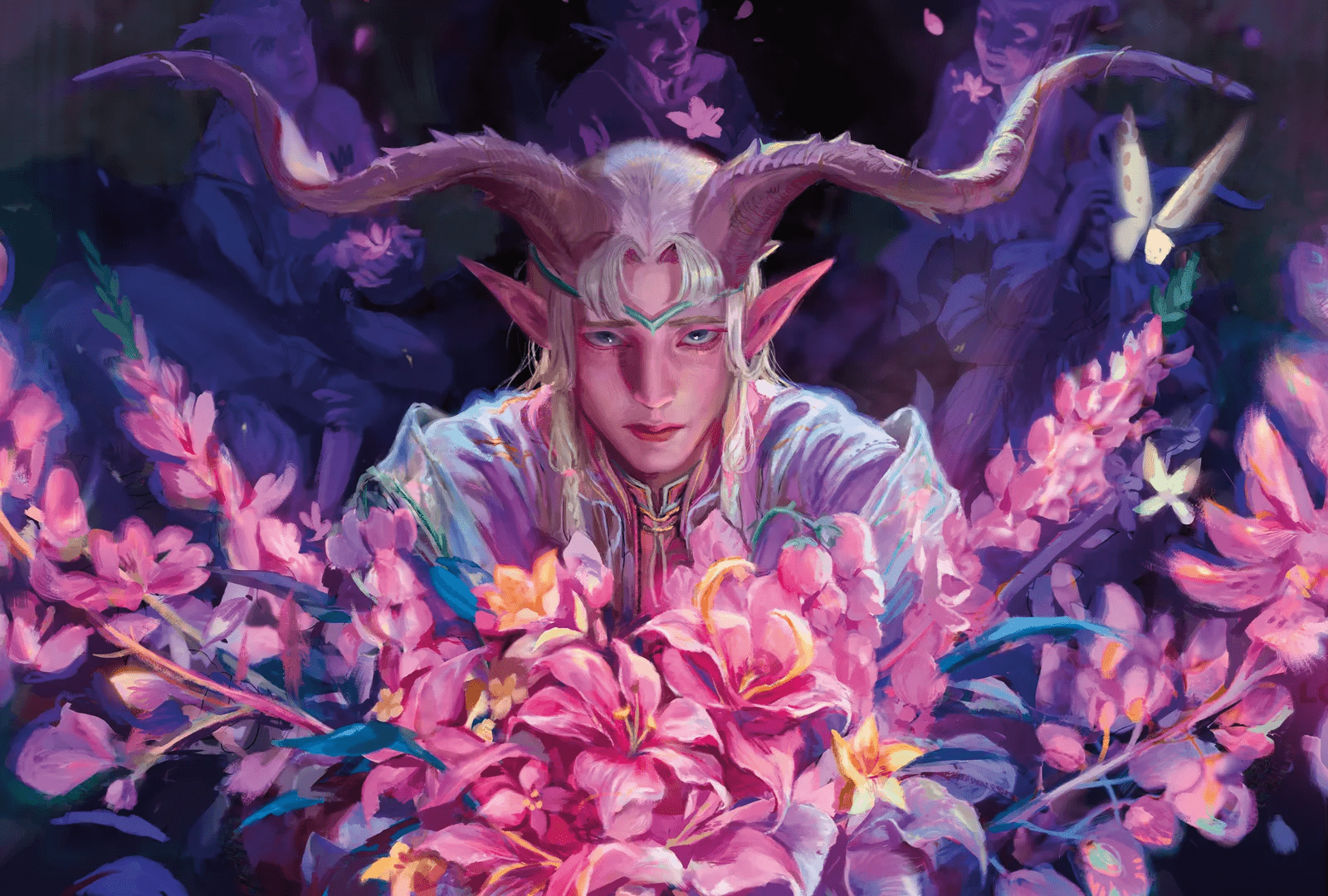



Red, Blue, and Green. Instict, Ingenuity, and Unchecked Growth — Temur is the color combination of raw power guided by intuition. Where other triads impose order, ambition, or morality onto the game, Temur simply asks one question: what can I do right now to gain the biggest advantage? Blue supplies foresight and precision, Green provides raw growth and power, and Red injects passion, speed, and volatility. Together, they form a wedge that captures momentum and punishes hesitation.
In Commander, Temur excels at creating bursts of advantage rather than slow attrition. Temur decks are at their best when they convert mana into cards, cards into pressure, and pressure into decisive turns that force the table to react immediately. This color combination is not built to wait, it is built to snowball.
Unlike other triads such as Esper or Abzan that lean heavily on structure and long-term control, Temur thrives in fluid board states. It adapts on the fly, pivots between aggression and value, and frequently wins by overwhelming opponents with stacked triggers, explosive mana generation, or cascading spell chains rather than locking them out of the game.
What Temur Does Best
Temur’s strength lies in how naturally its colors reinforce one another. Each axis of advantage feeds into the next, allowing Temur decks to scale rapidly without sacrificing flexibility.
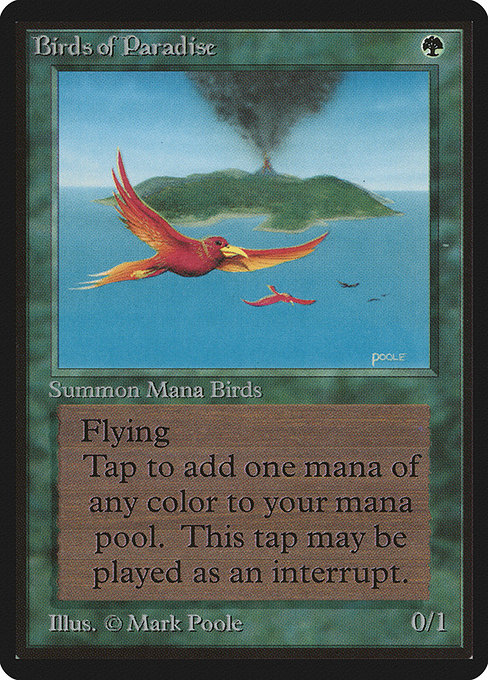
Efficient Mana Acceleration — Cultivate | Farseek | Kodama's Reach | Birds of Paradise
Temur has access to the most efficient ramp in Magic, Green.
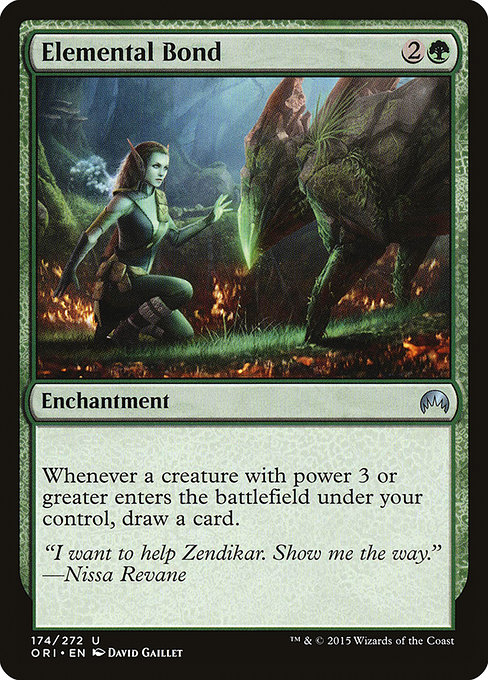
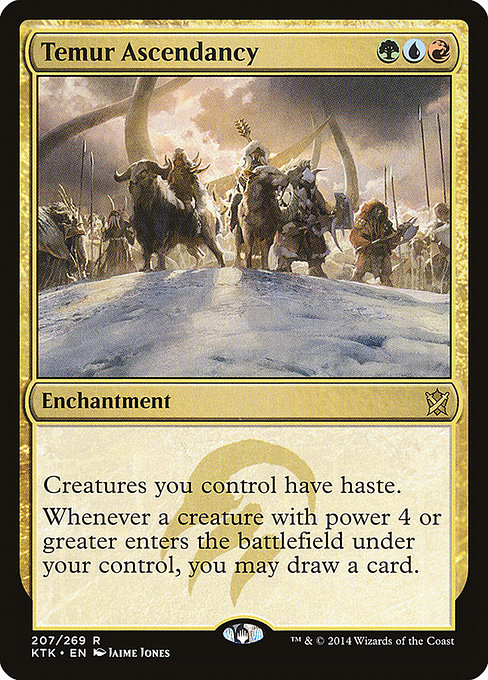
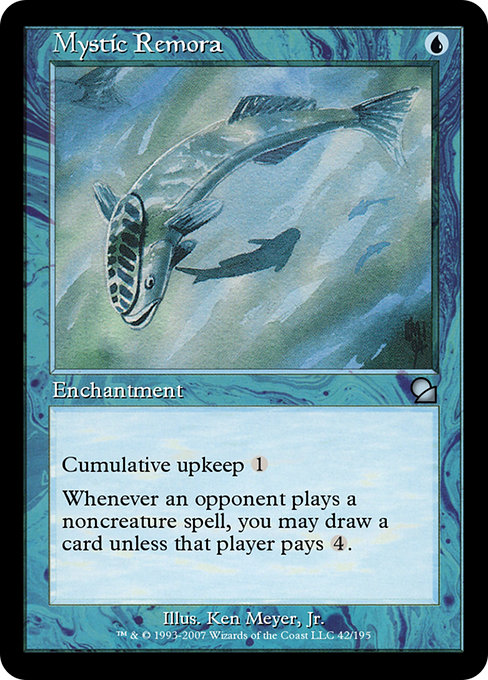
High-Volume Card Advantage — Rhystic Study | Mystic Remora | Elemental Bond | Temur Ascendancy
Temur excels at turning one action into multiple cards, with engines that are either enchantment or creature based.
Interaction and Deck Manipulation — Ponder | Preordain | Chaos Warp | Beast Within
Cheap cantrips and flexible interaction allow Temur decks to maintain tempo while advancing their own game plan. Temur becomes especially effective at spellslinger strategies, where chaining actions together matters more than any single card.
Creature-Based Pressure — Terror of the Peaks | Animar, Soul of Elements | Old Gnawbone | Etali, Primal Storm
Temur’s creatures are not just bodies, they generate mana, reduce costs, or trigger additional effects that push Temur decks toward overwhelming board states.
So let’s now explore 4 distinct subtypes within the Temur combination, as an appetizer to show what can be possible.
Archetype 1: Huge Dragons
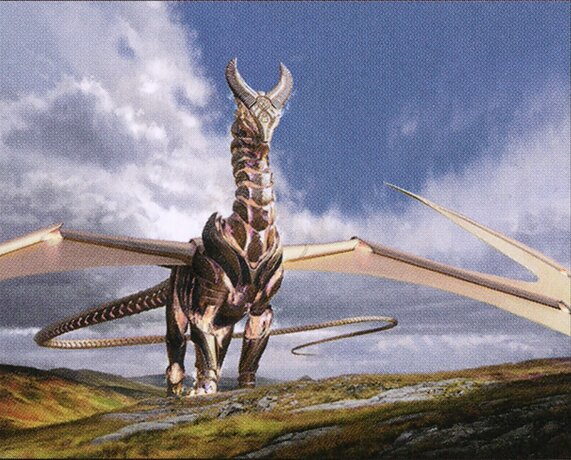
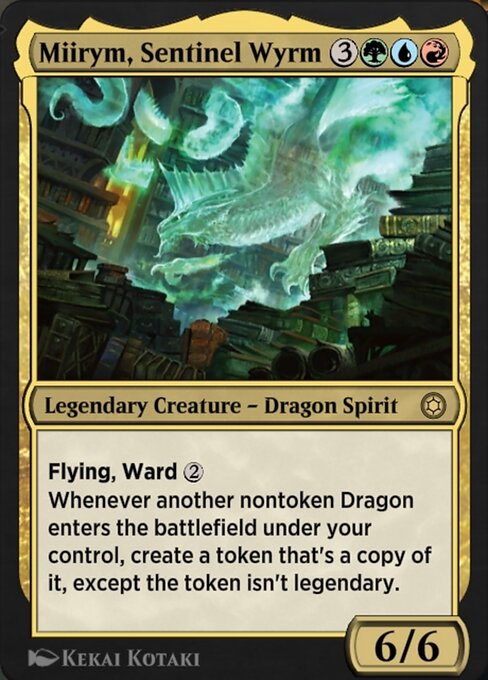
If there is an archetype that perfectly captures Temur’s philosophy of unchecked growth and overwhelming momentum, it is Dragons. Miirym, Sentinel Wyrm takes one of Commander’s most iconic creature types and turns it into a cascading engine of mana, cards, and damage. Rather than simply attacking with large flyers, Miirym decks aim to compound value every time a Dragon enters the battlefield.
Where many tribal strategies struggle with efficiency, Temur Dragons thrive by leveraging Green’s ramp, Blue’s card advantage, and Red’s explosive damage. Miirym sits at the center of that triangle, rewarding the pilot for doing exactly what Temur already wants to do: play powerful creatures and turn them into immediate impact.
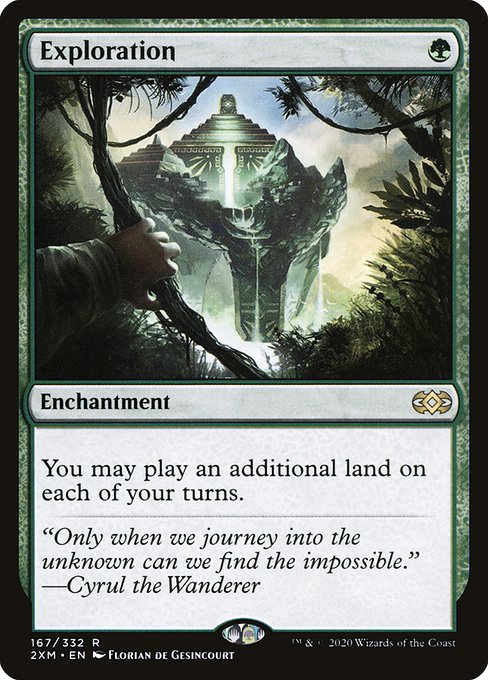
This deck is a proactive midrange engine. The early game is spent accelerating mana with cards like Exploration, Nature's Lore, Rampant Growth, and Gwenna, Eyes of Gaea; and establishing card draw with the goal of resolving Miirym as early as possible. Once Miirym is on the battlefield, every Dragon becomes a multiplier and not just in power and toughness, but in triggers and resources.
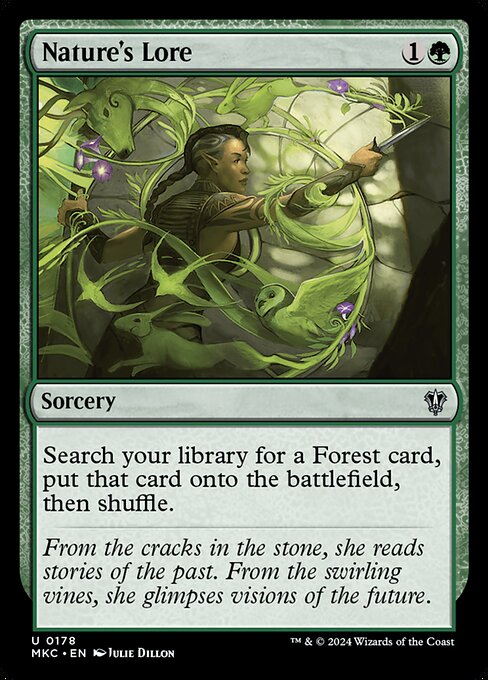
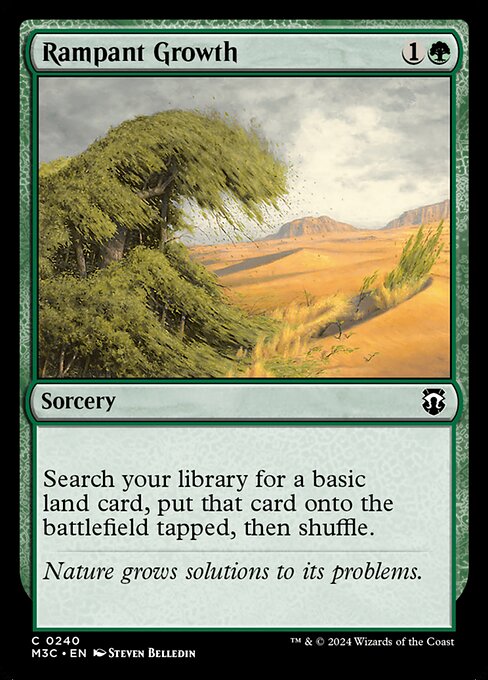
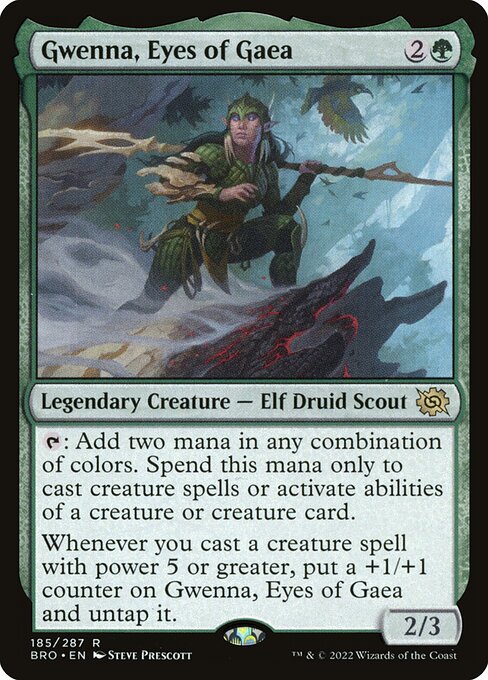
From that point forward, the deck snowballs rapidly. One Dragon often generates the mana or cards needed to cast the next, creating turns where the Miirym player pulls decisively ahead of the table.
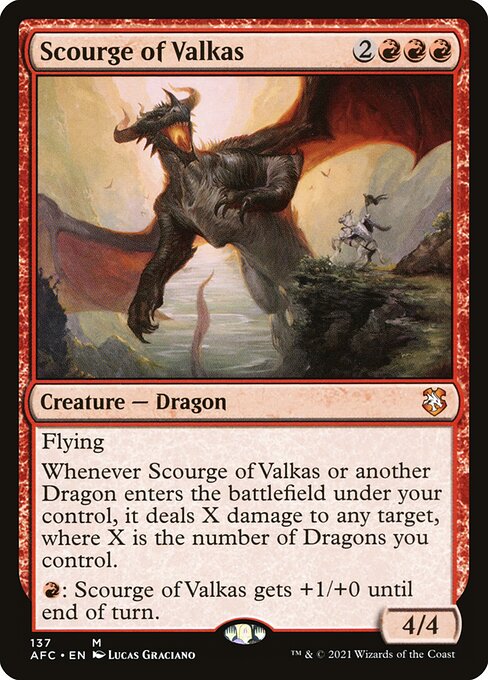
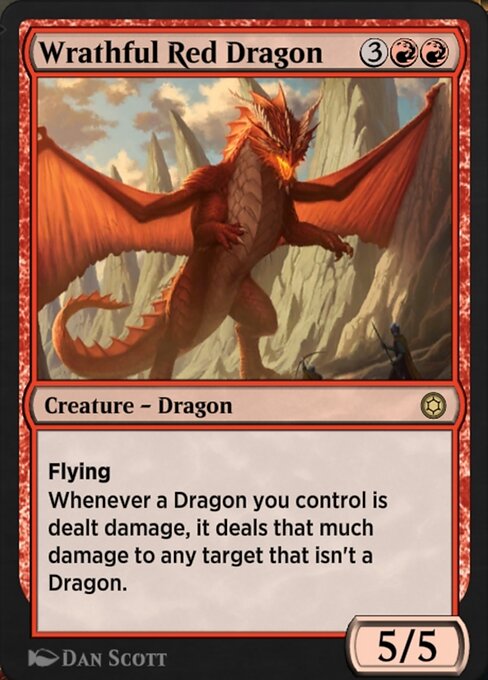
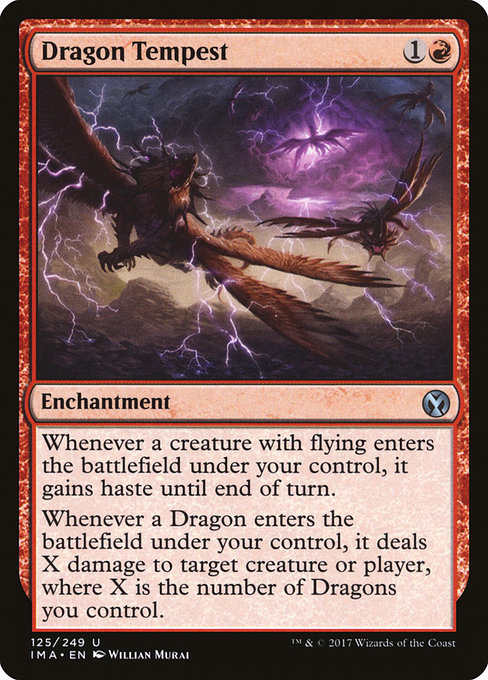
What separates Miirym from other Dragon commanders is how effectively it turns ETB effects into win conditions. Copying Dragons doubles every relevant trigger, allowing the deck to pressure opponents without relying solely on combat. Cards like Terror of the Peaks, Scourge of Valkas, Wrathful Red Dragon, and Dragon Tempest convert each Dragon entering the battlefield into direct damage. With Miirym in play, even a single Dragon spell can represent a massive life swing, forcing opponents to answer the board immediately or risk losing on the spot.
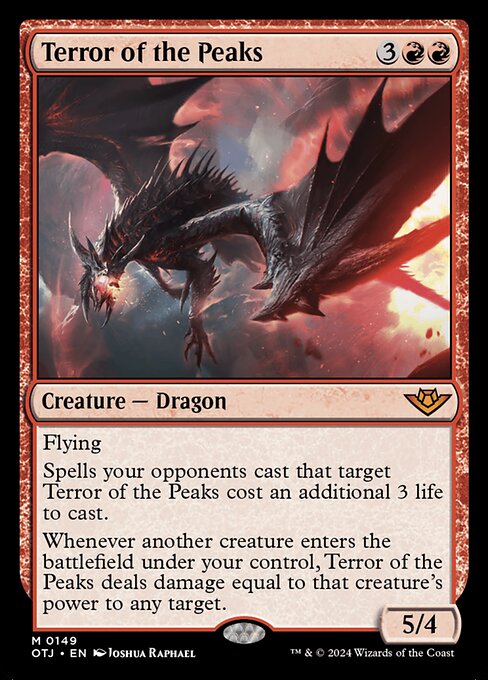
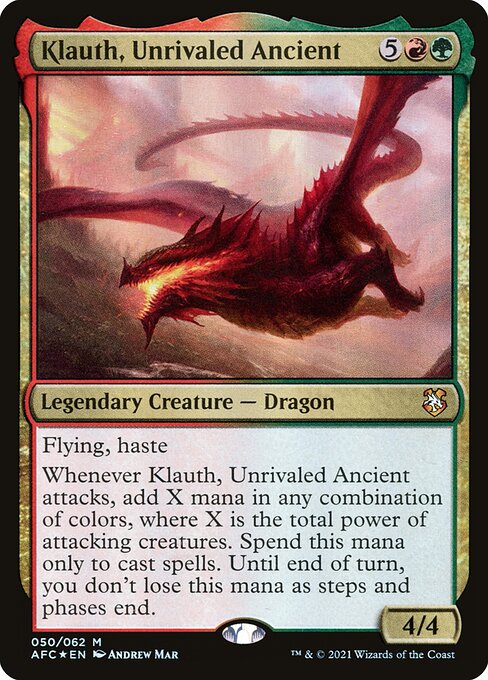
Temur Dragons not only cost mana, they can generate it. This list leans heavily into Dragons that refund or multiply mana, enabling explosive turns that chain multiple threats together. Klauth, Unrivaled Ancient, Savage Ventmaw, Goldspan Dragon, Ganax, Astral Hunter, and Old Gnawbone turn combat and Dragon into enormous mana bursts. When these effects are copied by Miirym, the deck often moves from parity to dominance in a single turn cycle.
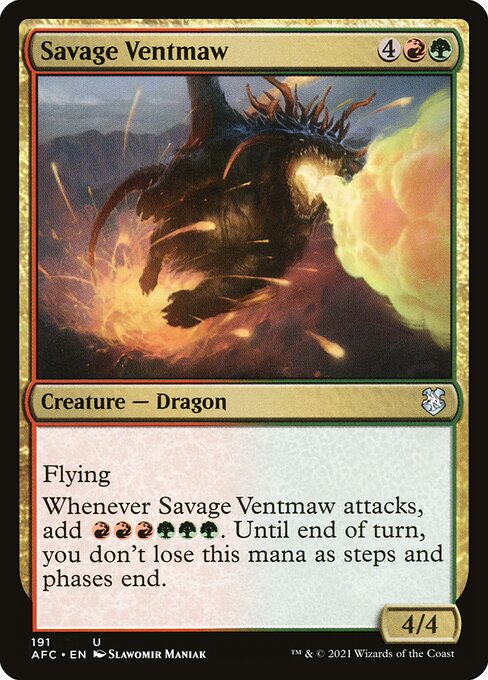
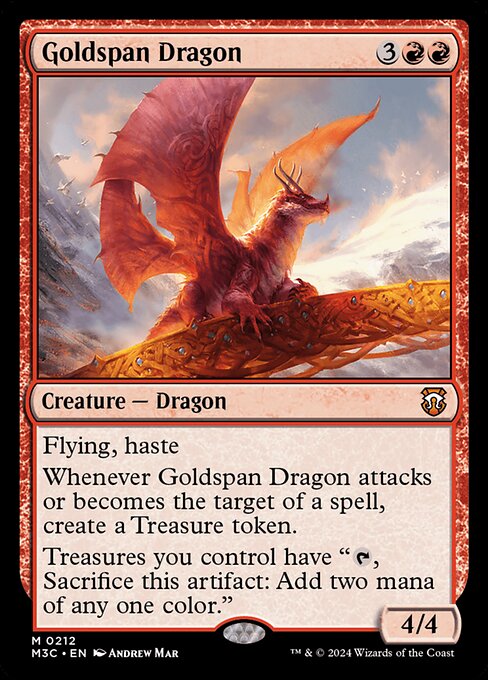
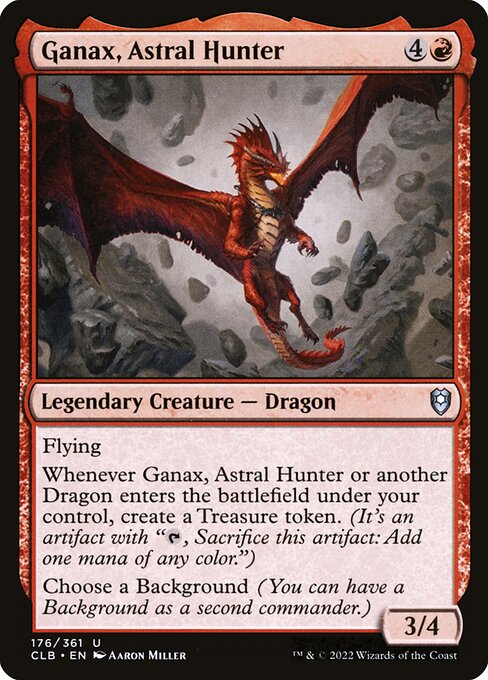
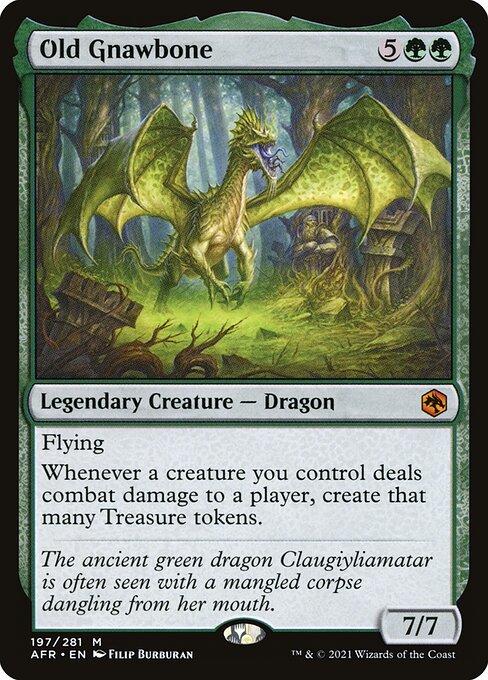
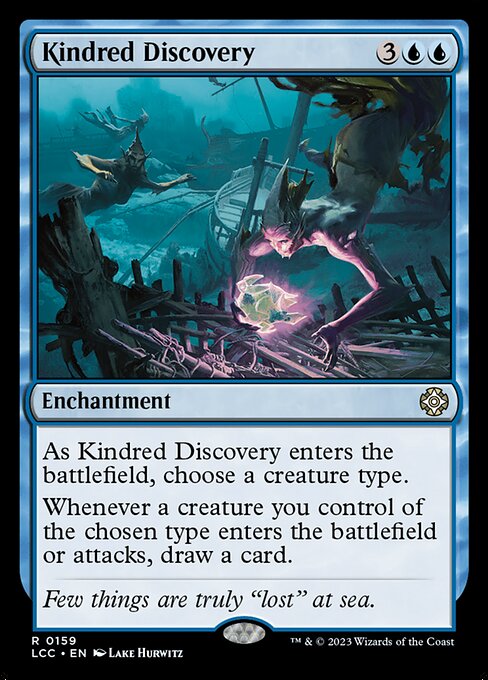
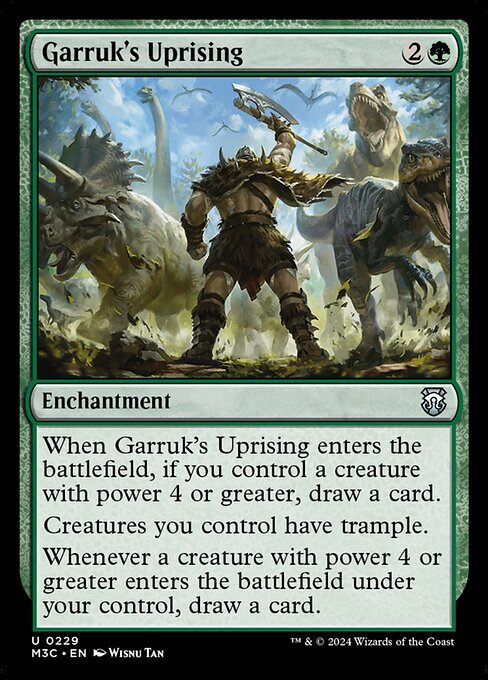
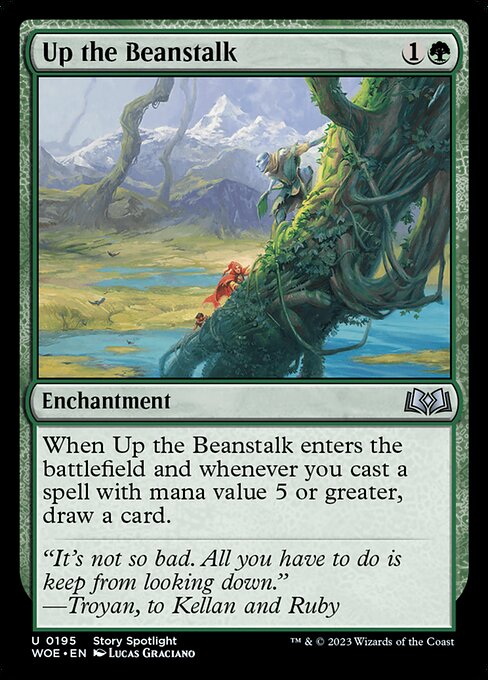
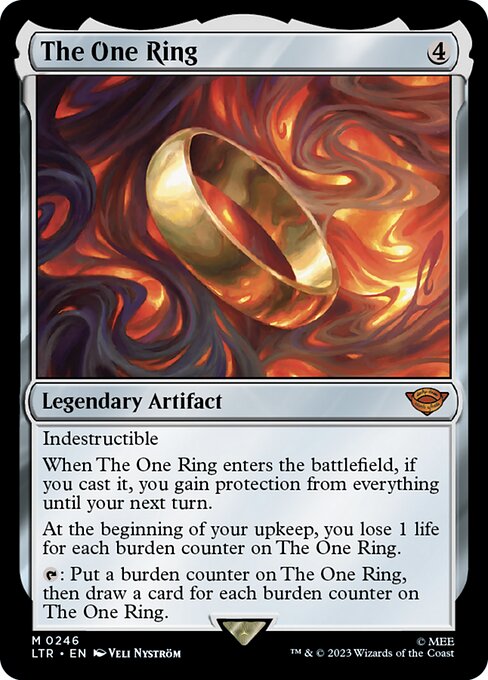
To support its high curve, the Miirym archetype relies on persistent, board-based card draw rather than one-shot spells with engines like Kindred Discovery, Elemental Bond, Garruk's Uprising, Temur Ascendancy, Up the Beanstalk, and The One Ring. They all ensure the deck never runs out of pressure and with Miirym doubling Dragon entries, these effects routinely draw multiple cards per spell, keeping the deck fueled well into the late game.
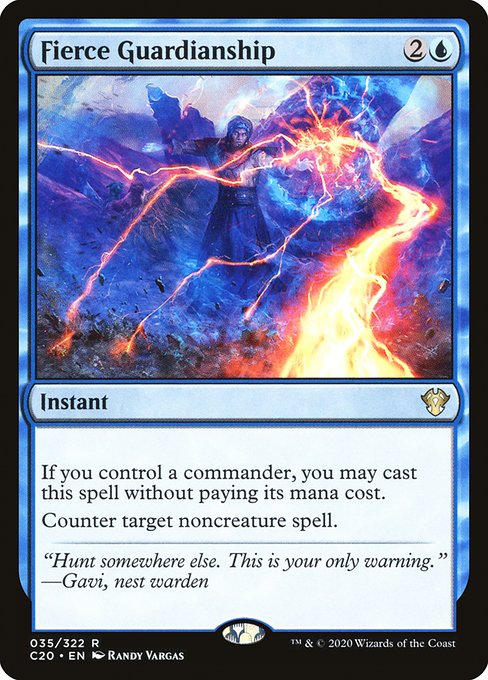
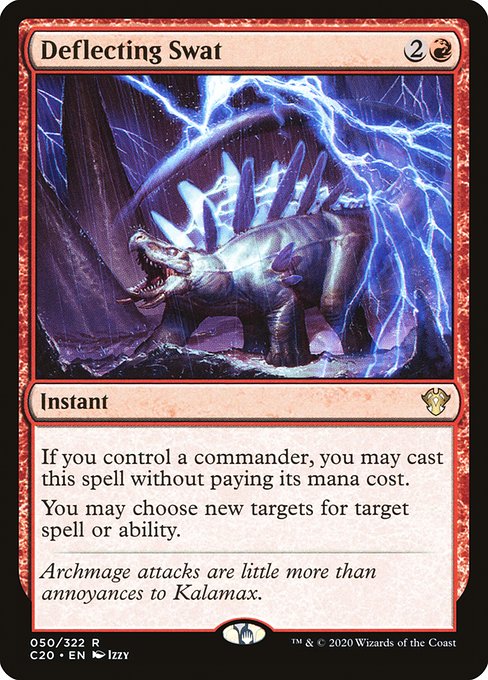
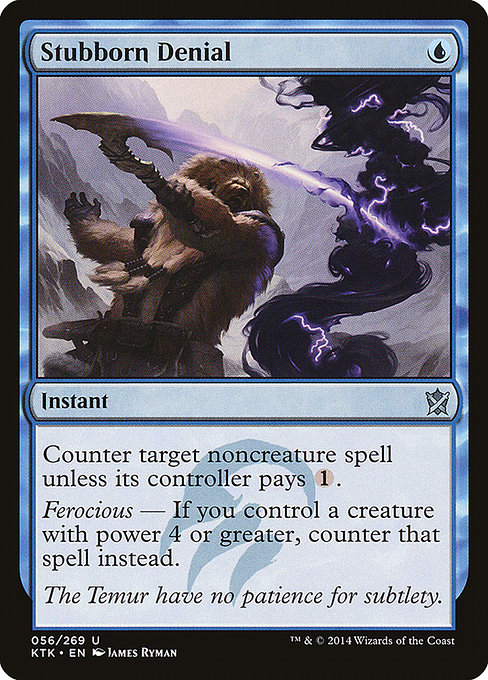
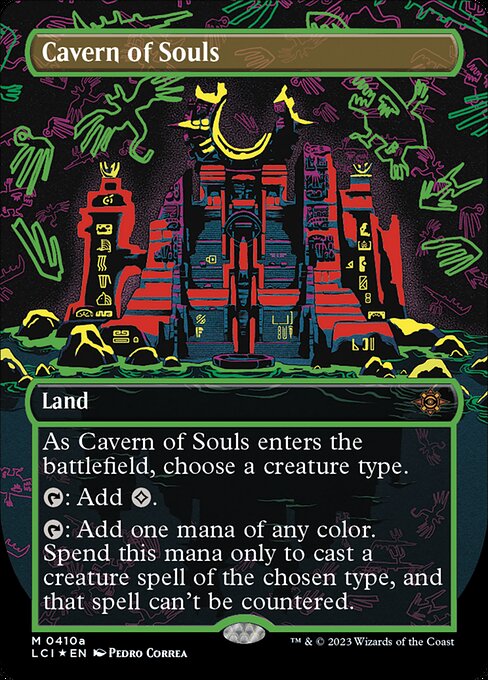
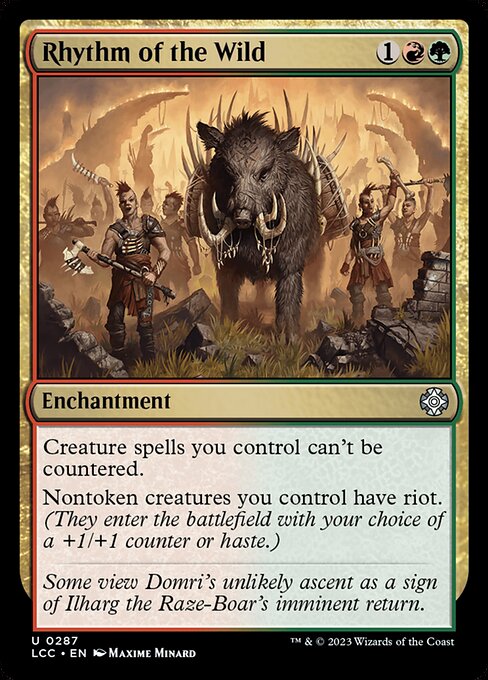
Because Miirym decks commit heavily to the battlefield, protecting key turns is critical. Rather than trying to control the entire table, this archetype uses efficient interaction to defend its engine. Free or low-cost protection like Fierce Guardianship, Deflecting Swat, Stubborn Denial, Cavern of Souls, and Rhythm of the Wild help force Dragons through counterspells and removal.
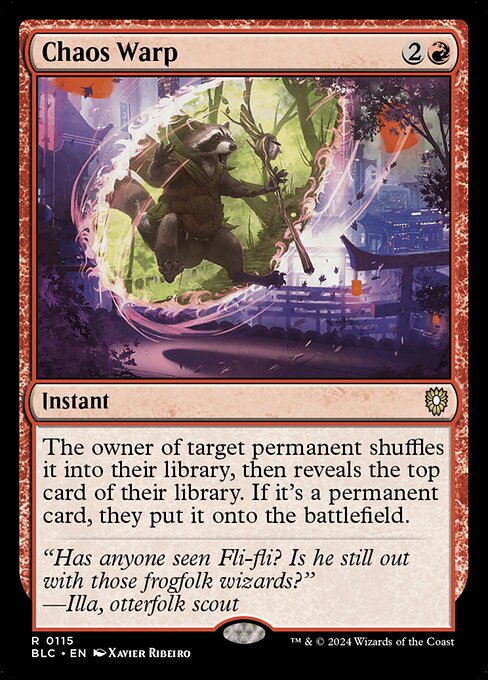
While flexible answers such asChaos Warp, Beast Within, Reality Shift, and Kenrith's Transformation prevent opponents from stabilizing.
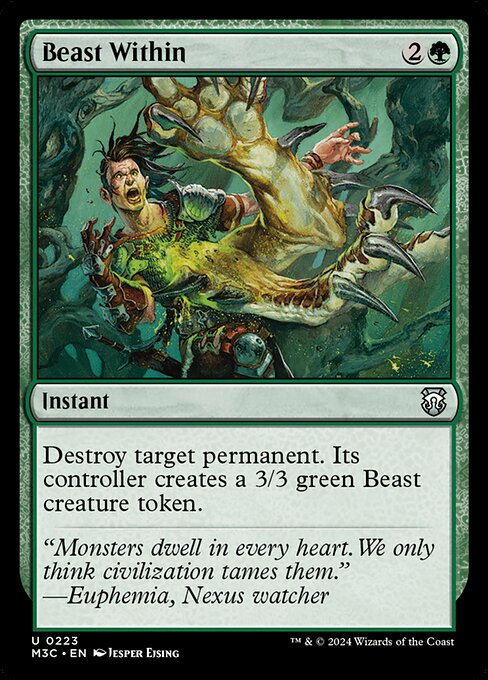
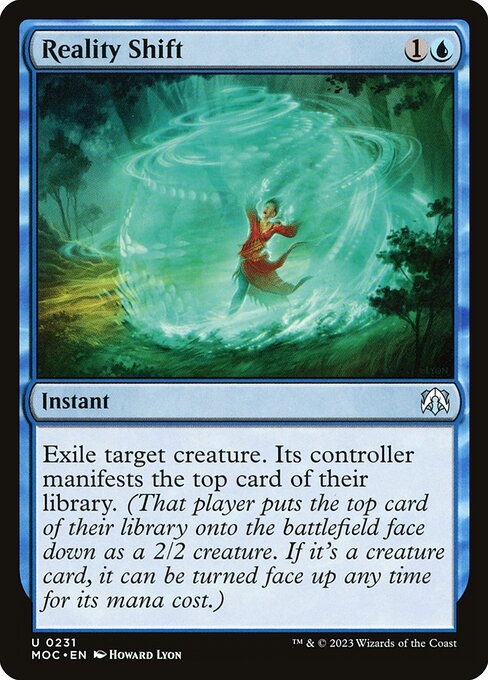
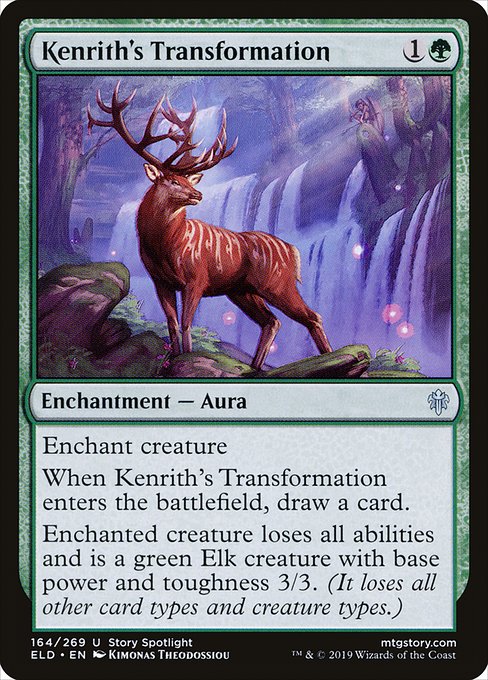
Once Miirym has survived a turn cycle, the deck often reaches a point where removing one threat is no longer enough and the advantage compounds too quickly, embodying Temur’s greatest strength: momentum that cannot be contained.
There are many incredible combos built within the deck, but those are for you to discover on your own; we just scratched the surface here.
If playing huge, overwhelming creatures that endlessly compound sounds like your thing, check out this deck:
Commander
Planeswalkers (1)
Creatures (21)
Instants (13)
Sorceries (9)
Artifacts (5)
Enchantments (12)
Lands (38)
99 Cards
$4495.39
Archetype 2: Huge X Spells
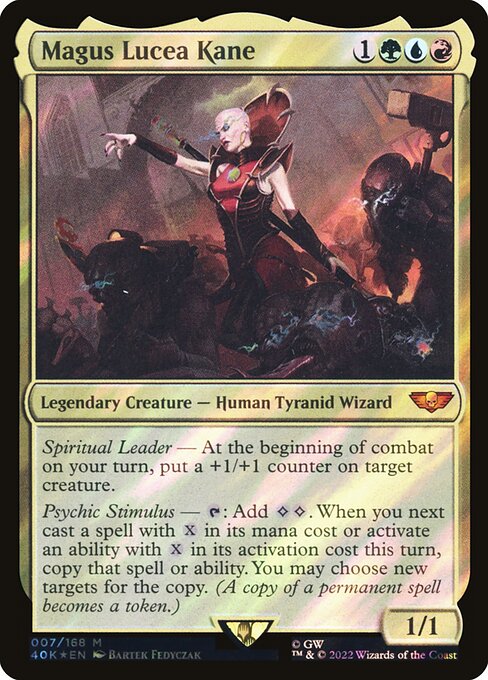
Temur’s affinity for explosive mana and scalable effects finds its most direct expression in X spells, and no commander embodies that better than Magus Lucea Kane. Rather than committing to a specific permanent-based engine, this deck focuses on converting raw mana into flexible, game-warping effects that scale naturally as the game progresses.
This deck plays the early game prioritizing mana development and setup over immediate pressure. The goal is not to win quickly, but to reach a point where every spell threatens to dominate the table.
Once Magus Lucea Kane is active, the deck pivots sharply. X spells that would normally be strong become overwhelming when copied, and flexible removal or card draw scales into win conditions. The deck excels at choosing its moment, waiting until it can resolve a single spell that either ends the game or leaves opponents unable to recover.
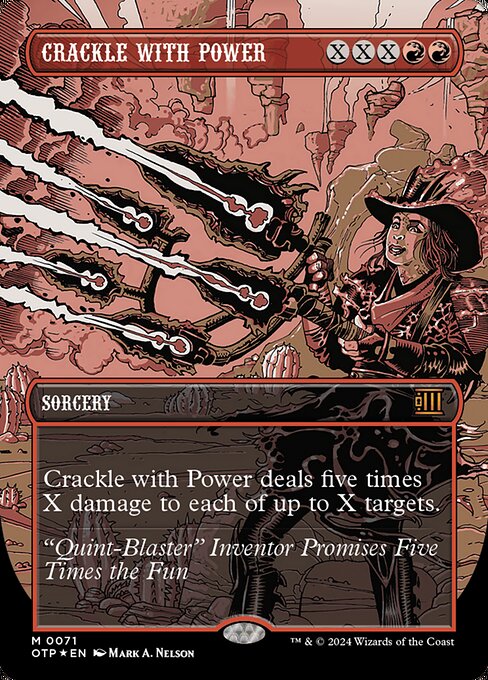
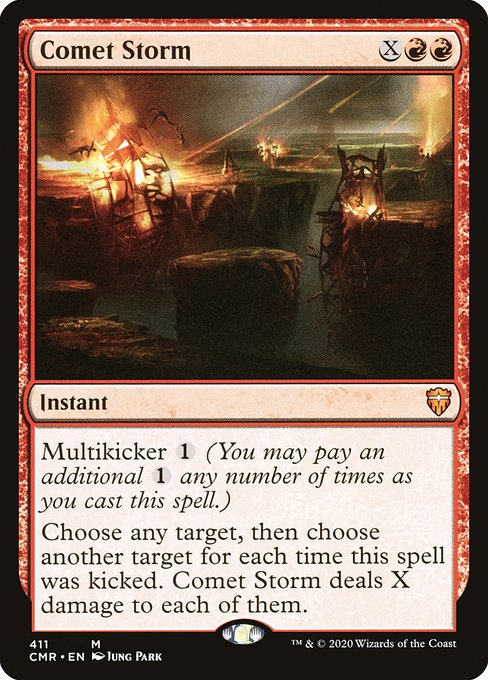
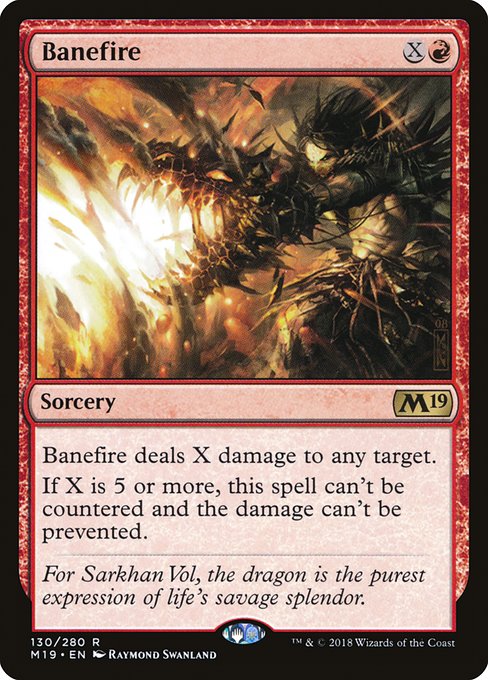
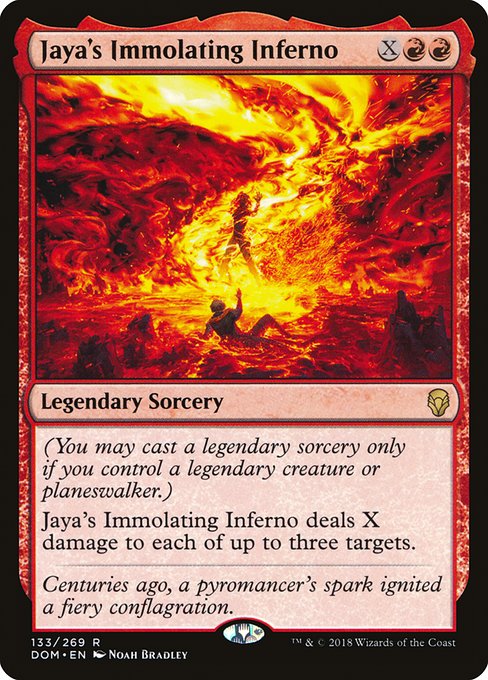
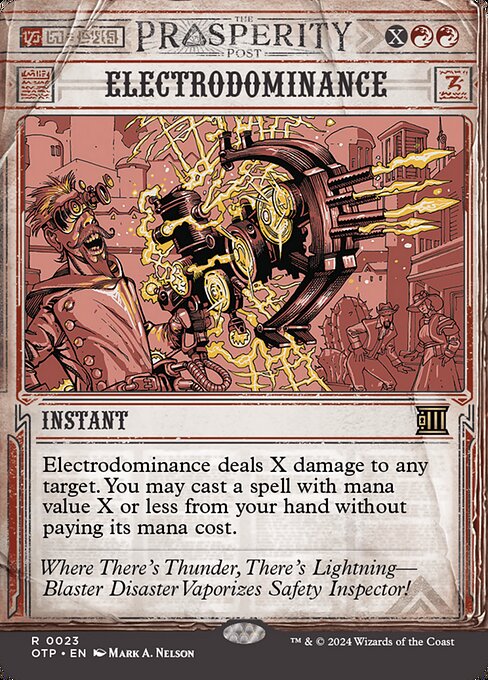
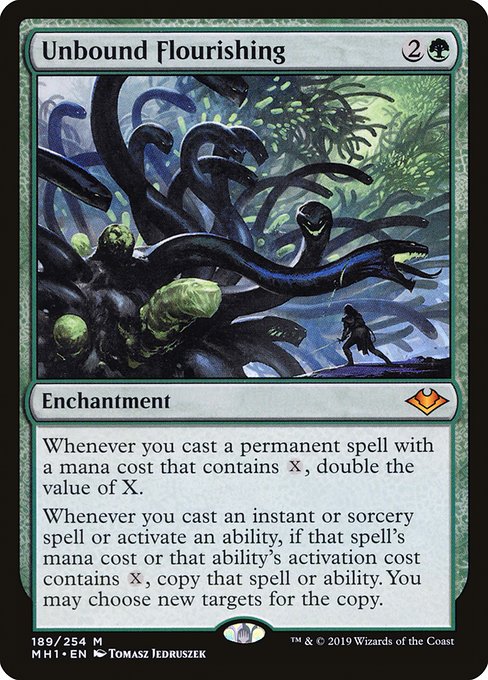
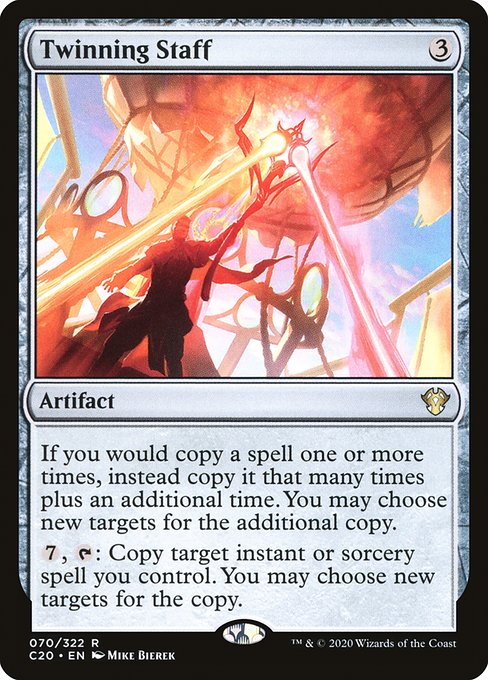
Damage-based finishers like Crackle with Power, Comet Storm, Banefire, Jaya's Immolating Inferno, and Electrodominance allow the deck to end games decisively, often without entering combat. When copied by Lucea Kane or enhanced by Unbound Flourishing and Twinning Staff, these spells quickly scale beyond what opponents can survive.
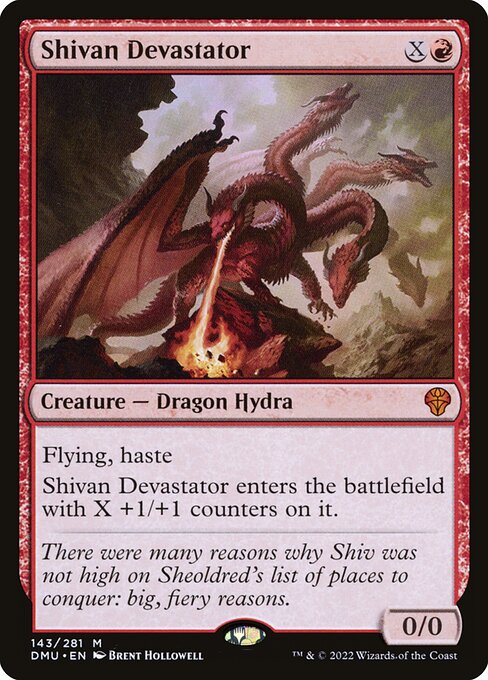
Creature-based X spells such as Shivan Devastator, Goldvein Hydra, Ingenious Prodigy, Mawloc, and Rampaging Yao Guai provide flexible pressure, doubling as removal, mana generation, or card advantage depending on the board state.
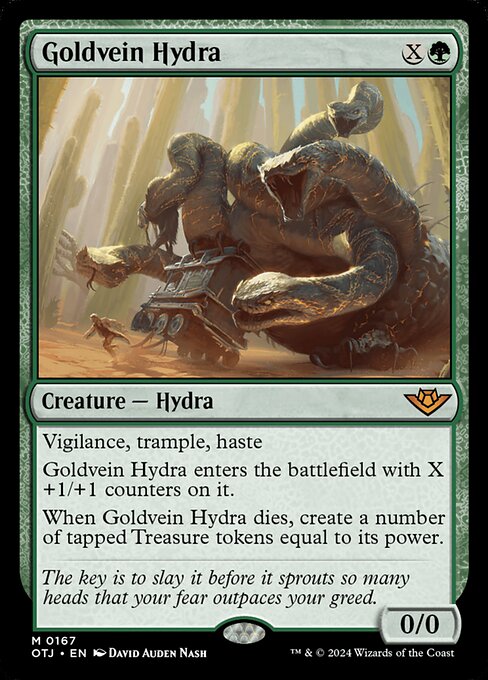
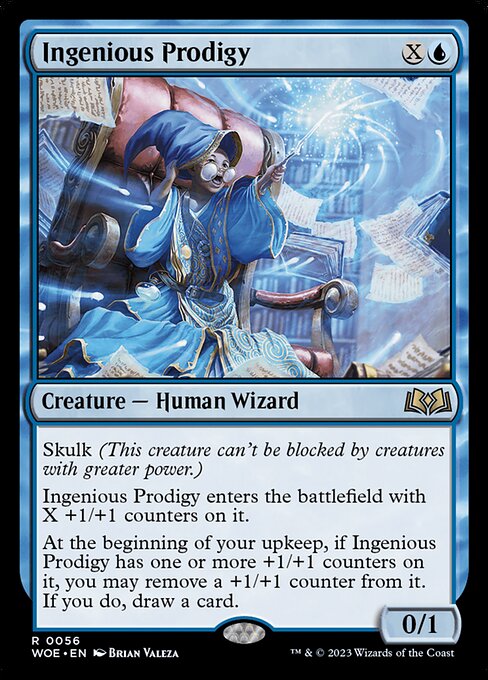
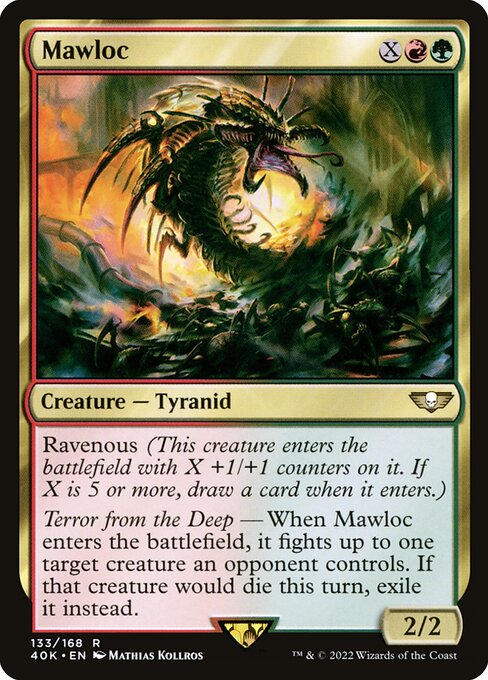
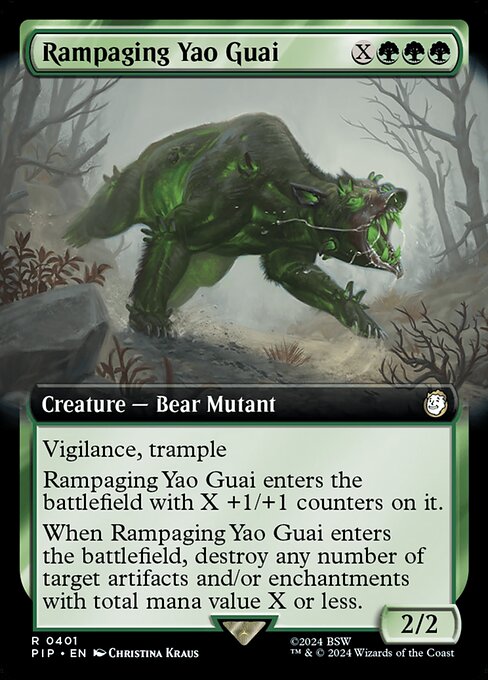
This deck lives and dies by its mana production, and this list is built to maximize it. Traditional ramp spells and mana dorks establish a strong baseline, while Temur’s access to powerful mana creatures pushes the deck into explosive territory.
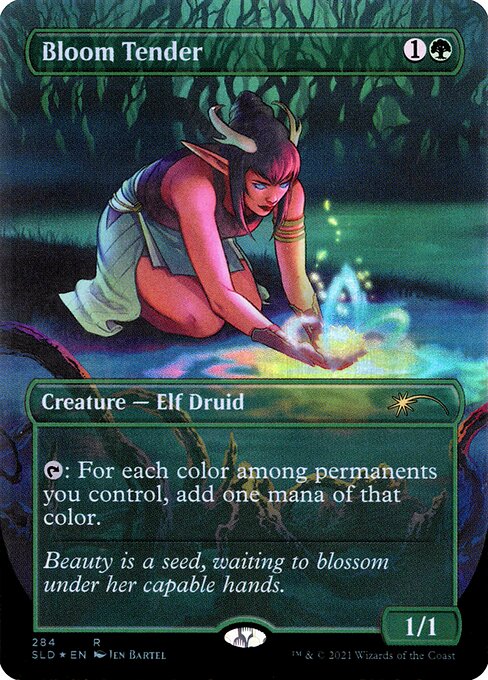
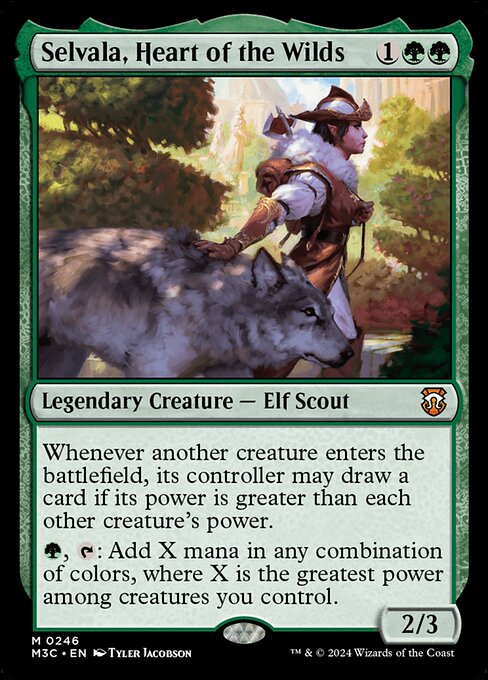
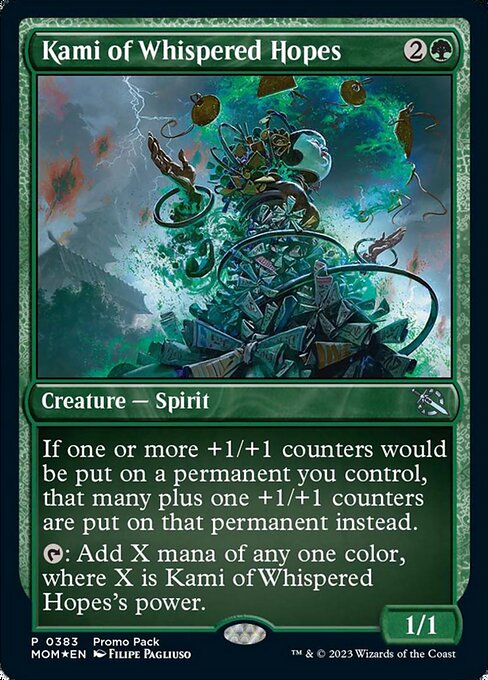
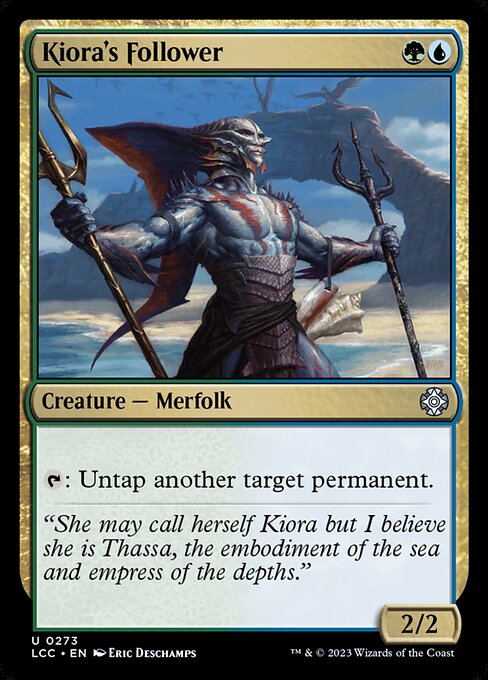
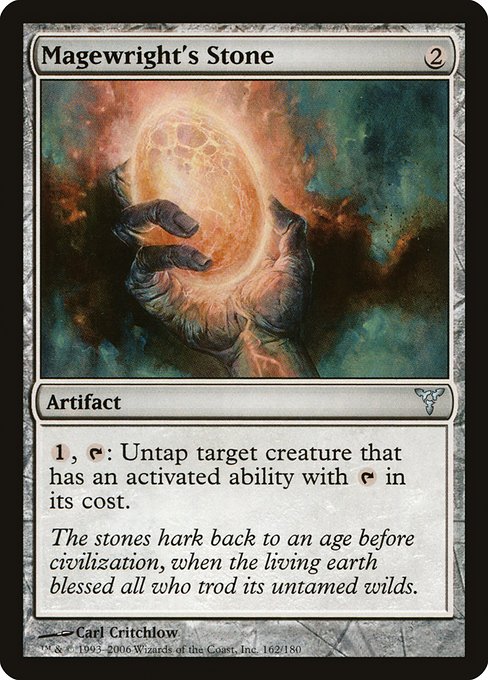
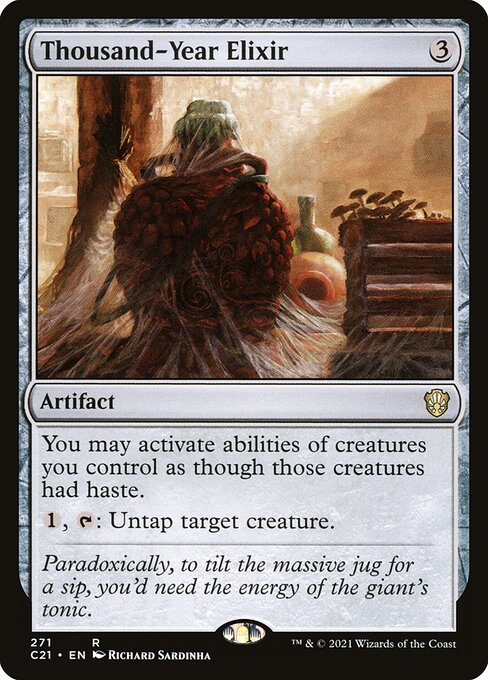
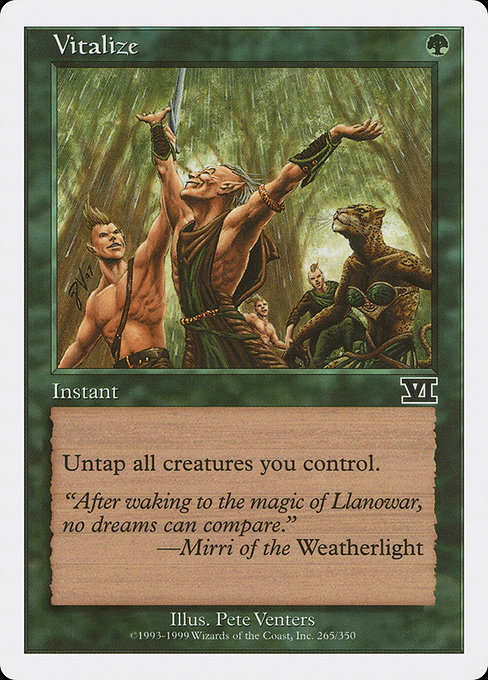
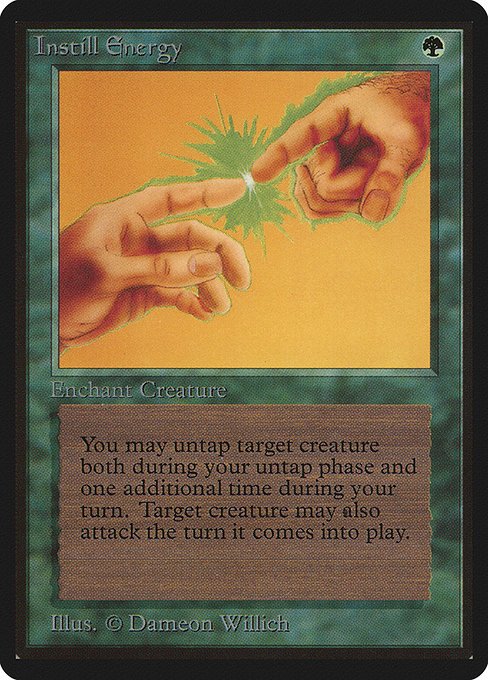
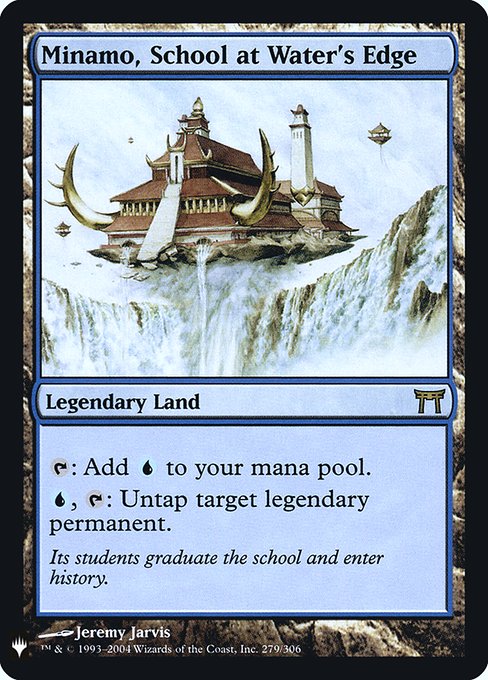
Cards like Bloom Tender, Selvala, Heart of the Wilds, Kami of Whispered Hopes, and Birds of Paradise scale naturally as the game advances. Untap effects such as Kiora's Follower, Magewright's Stone, Thousand-Year Elixir, Vitalize, Instill Energy, and Minamo, School at Water's Edge allow Lucea Kane and key mana producers to be used multiple times per turn, multiplying the impact of every X spell cast.
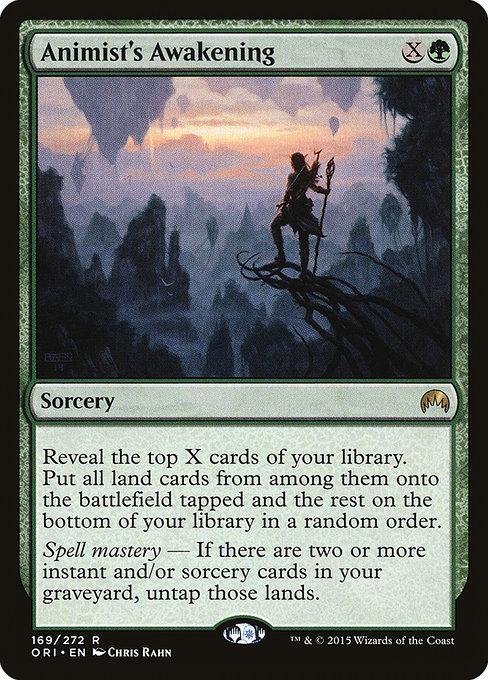
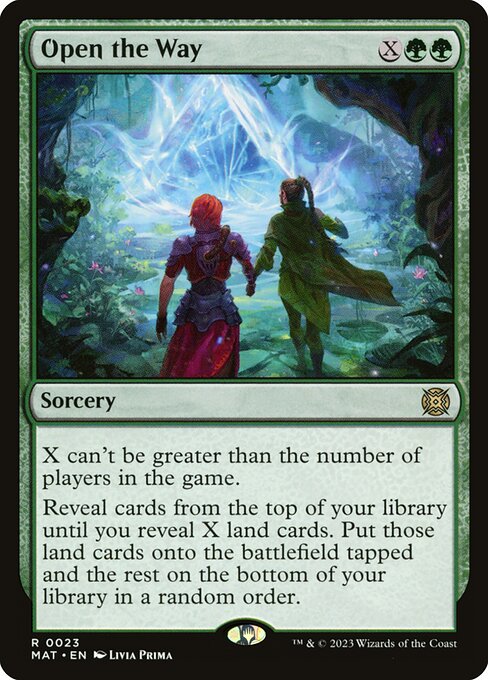
Rather than relying on incremental draw, this deck leverages spells that grow alongside its mana output. Blue and Green ensure the deck never runs out of fuel once it reaches the midgame.
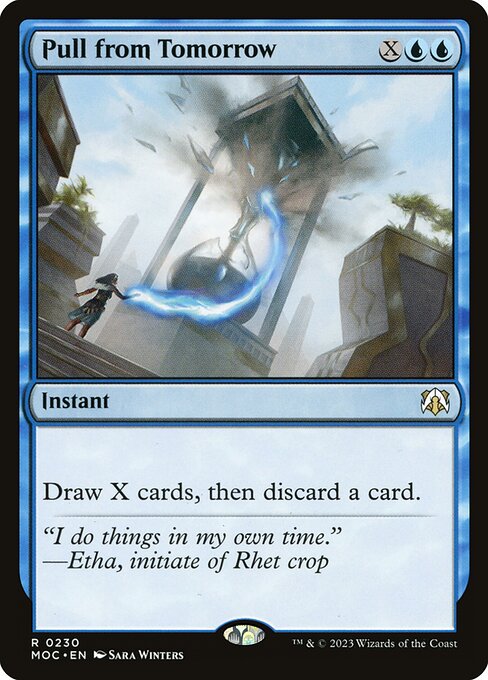
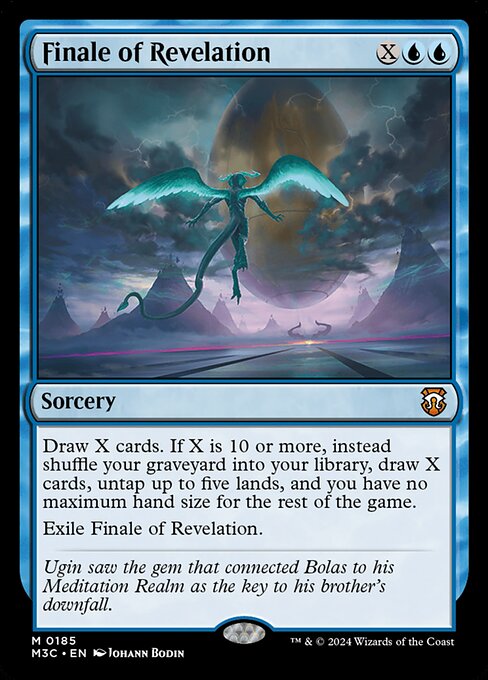
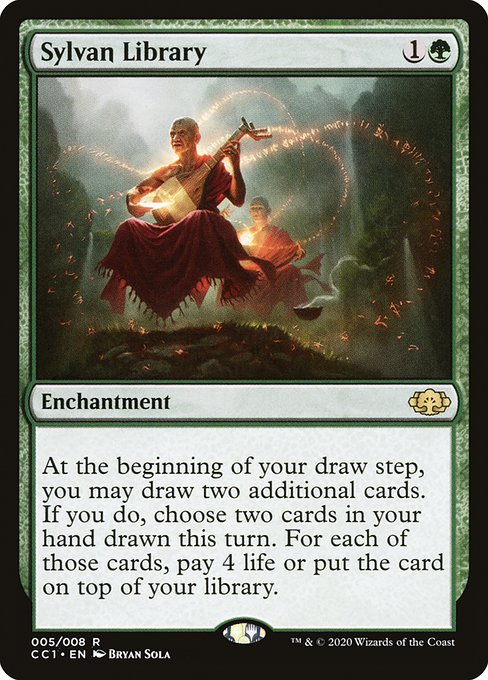
Pull from Tomorrow, Finale of Revelation, Animist's Awakening, and Open the Way reward the deck for generating large amounts of mana, often refilling the hand or rebuilding the board in a single action. Supporting engines like Sylvan Library, Mystic Remora, Faerie Mastermind, and The One Ring keep cards flowing while the deck prepares its decisive turns.
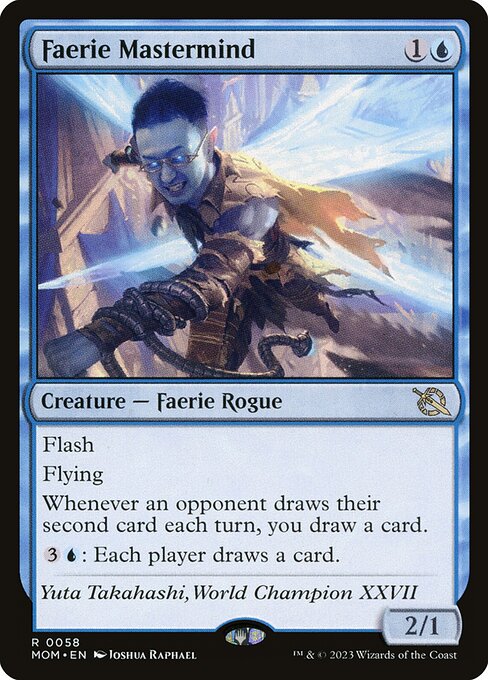
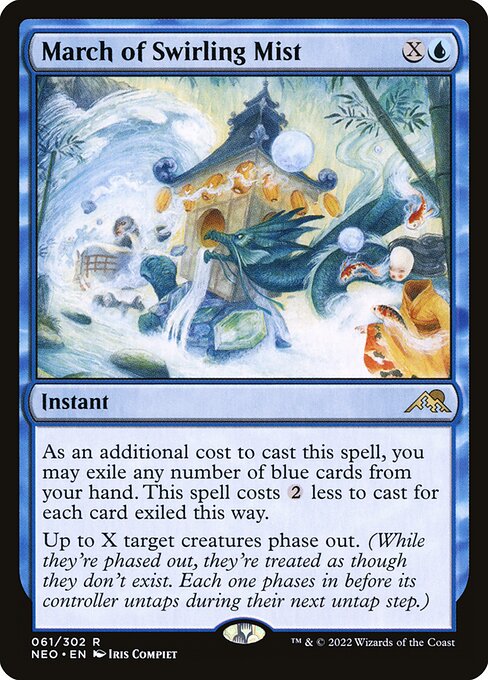
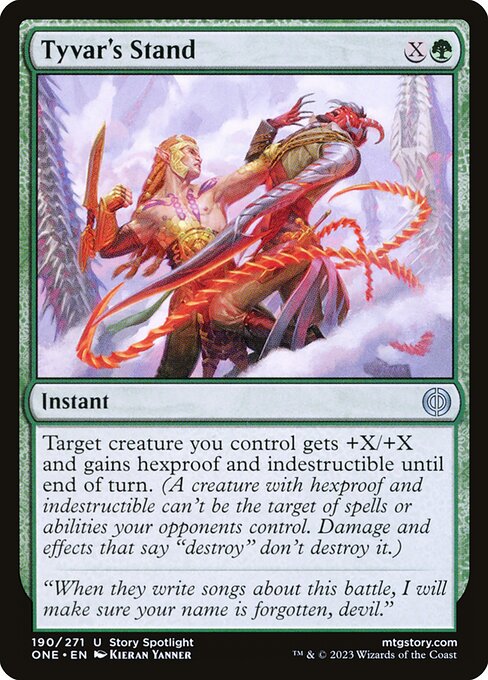
Because the deck often commits heavily to a single spell, protecting that moment is critical. Rather than broad control, this deck relies on efficient, low-cost interaction to force key spells through.
Free or cheap protection such as
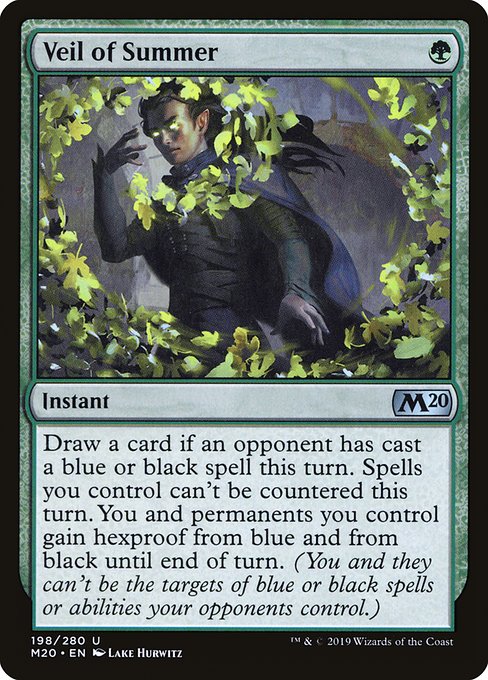
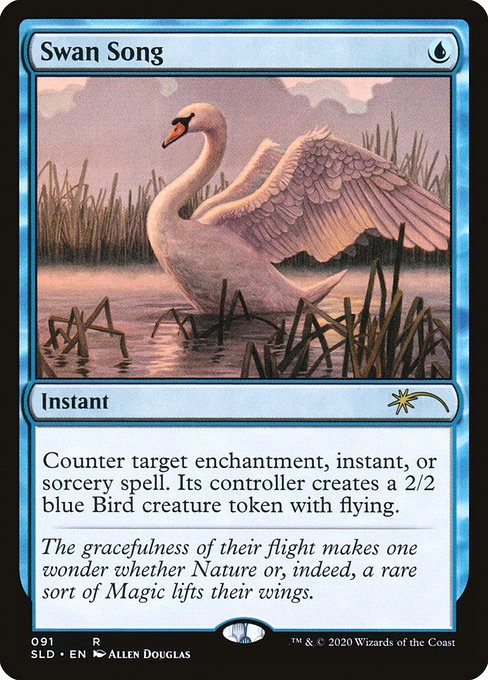
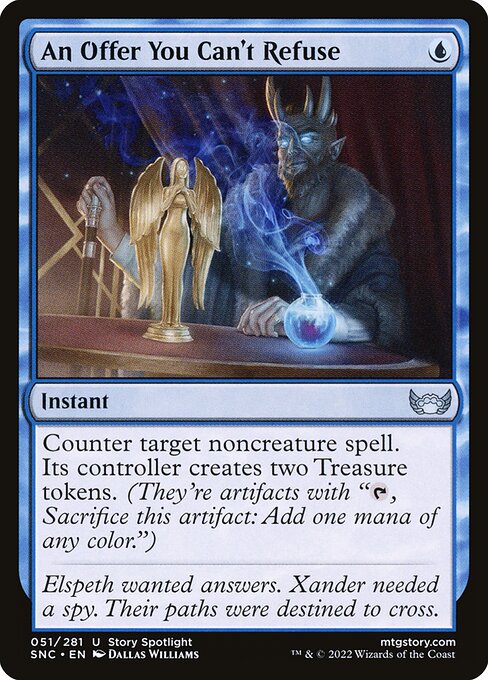
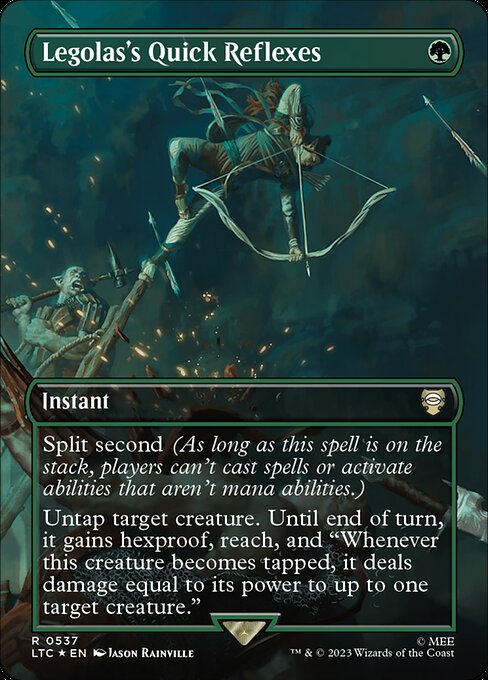
Unlike more linear combo decks, this archetype remains flexible throughout the game. Every draw step presents multiple lines, and every X spell adapts to the board state. When the moment is right, Temur’s raw power takes over, turning one spell into the final word.
If ending the game with (often) powerful and magnificent explosions sounds like you thing, this might be the deck for you:
Commander
Planeswalkers (1)
Creatures (19)
Instants (17)
Sorceries (12)
Artifacts (8)
Enchantments (8)
Lands (35)
100 Cards
$1517.78
Archetype 3: +1/+1 Counters Go BRRR
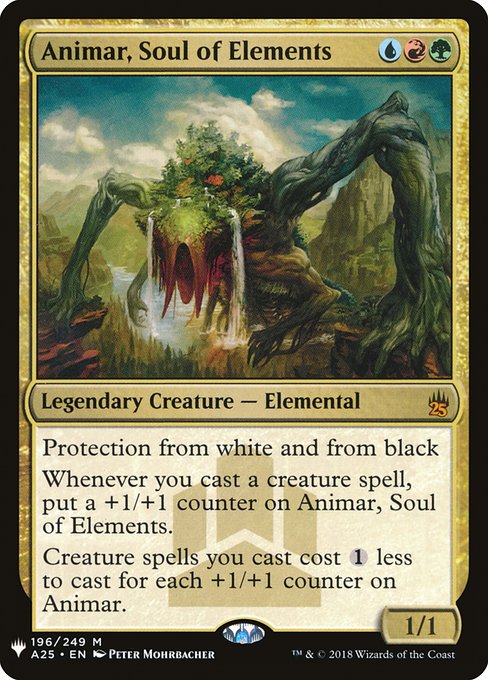
Among Temur commanders, Animar, Soul of Elements represents growth in its most literal form. Animar rewards simply playing the game. Each creature spell fuels the next, turning incremental actions into exponential advantage through cost reduction and +1/+1 counters.
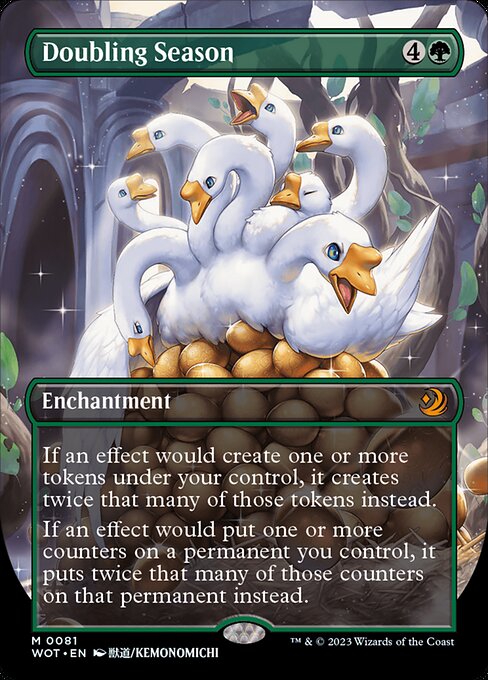
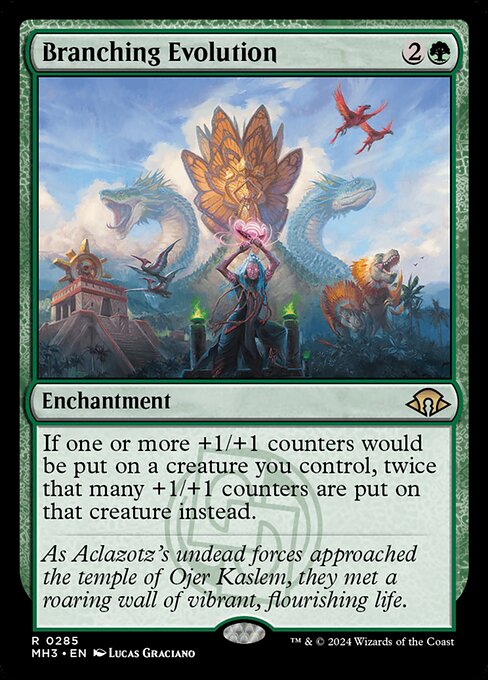
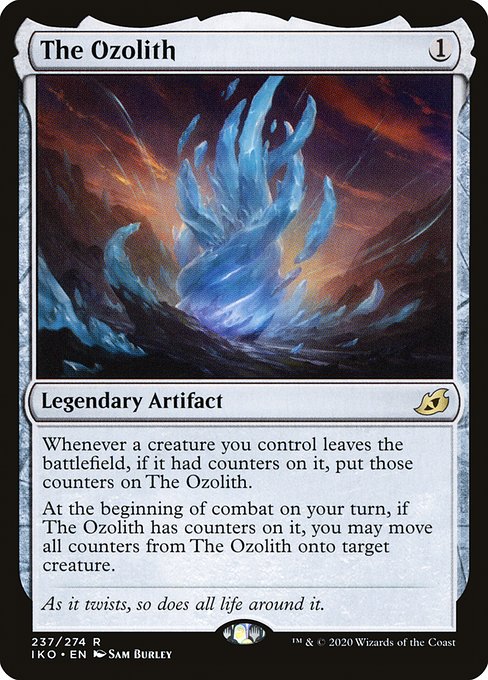
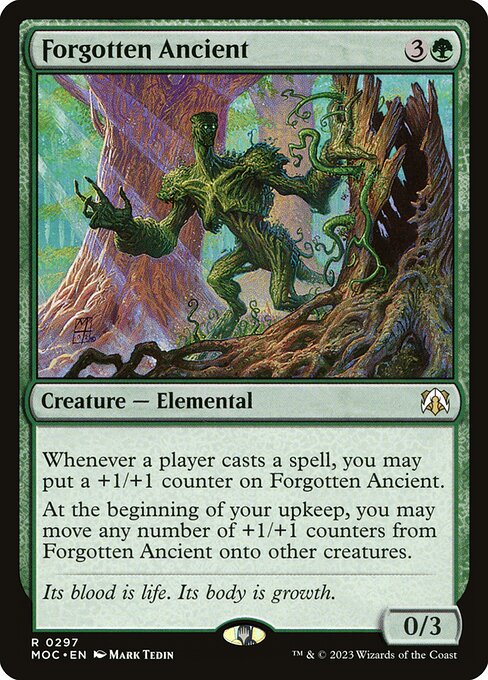
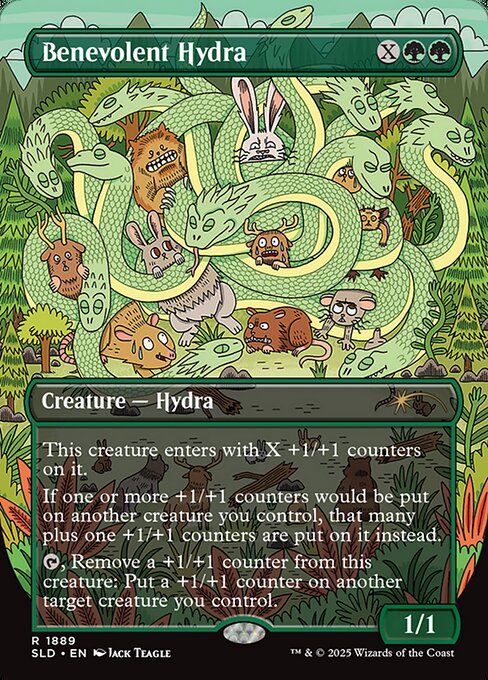
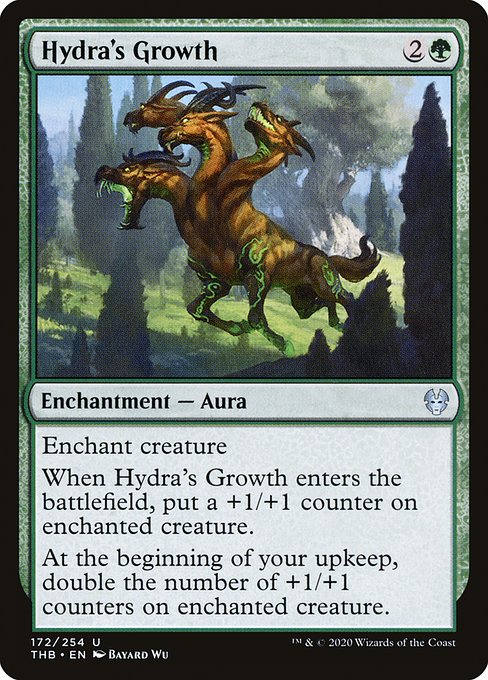
Unlike spell-heavy Temur strategies, this deck prefers board presence over tempo, forcing opponents to answer an ever-growing battlefield. At the heart of the archetype is Animar’s interaction with +1/+1 counters. The deck amplifies this mechanic through dedicated support cards that accelerate growth and reward scale.
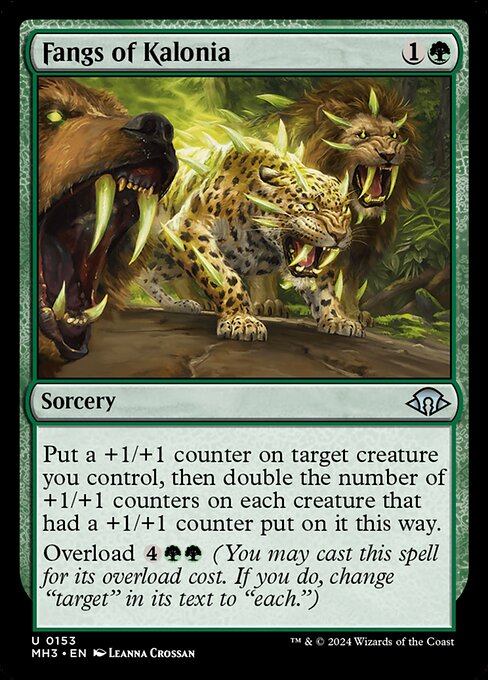
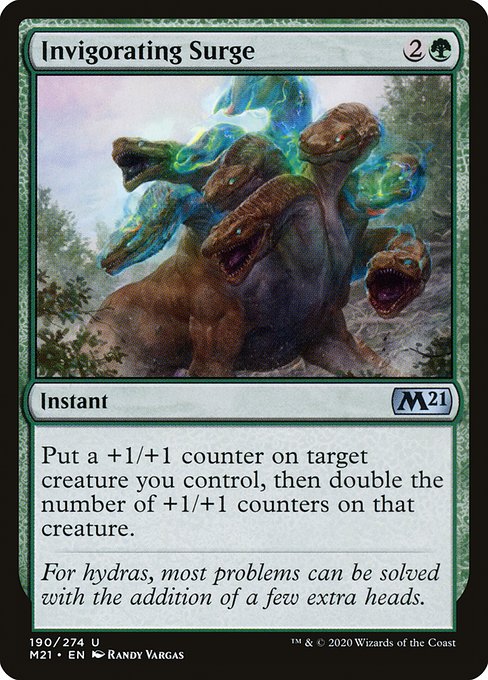
Cards like Doubling Season, Branching Evolution, The Ozolith, Forgotten Ancient, Benevolent Hydra, and Kami of Whispered Hopes ensure that counters accumulate quickly and persist even through removal. Effects such as Hydra's Growth, Fangs of Kalonia, and Invigorating Surge allow Animar or other threats to balloon in size, pushing the deck toward lethal board states.
Animar decks rely heavily on creatures that replace themselves or generate value on entry. Because Animar reduces costs, even expensive creatures become efficient sources of advantage.
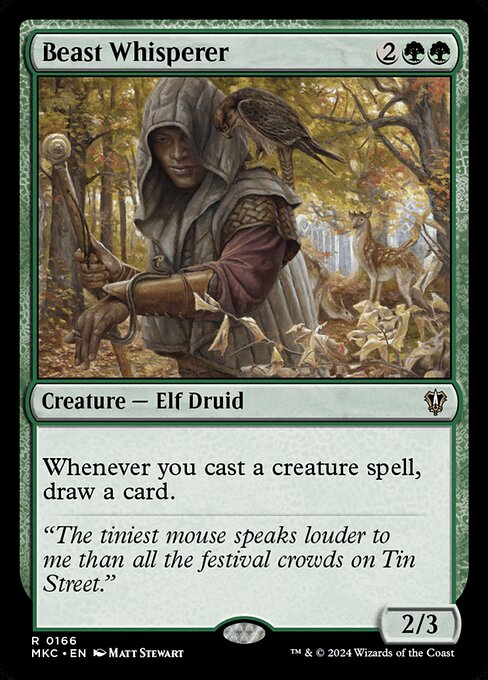
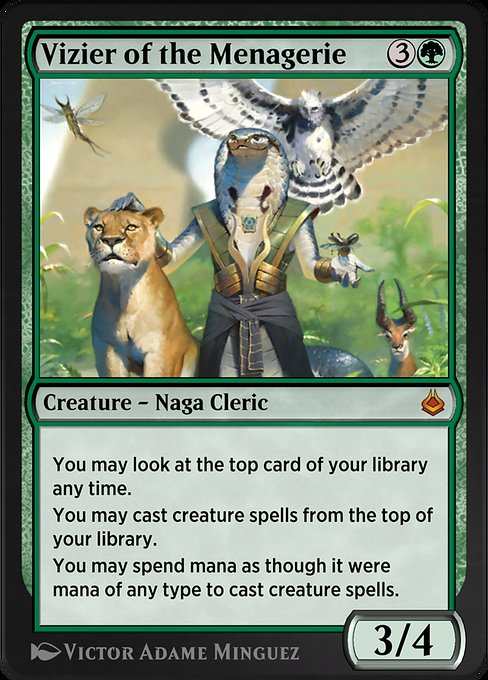
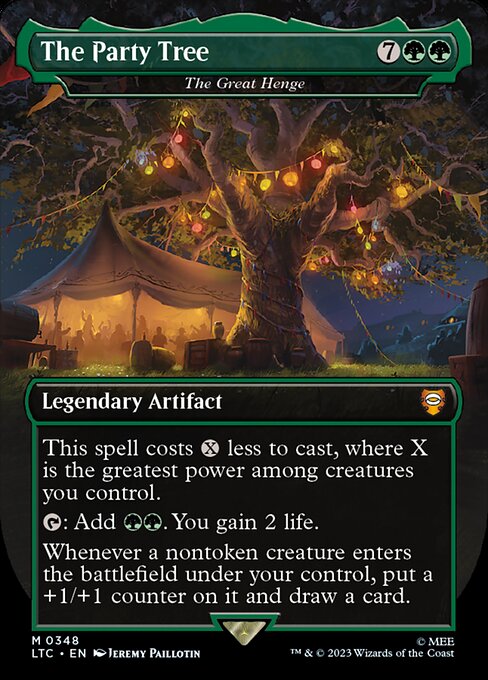
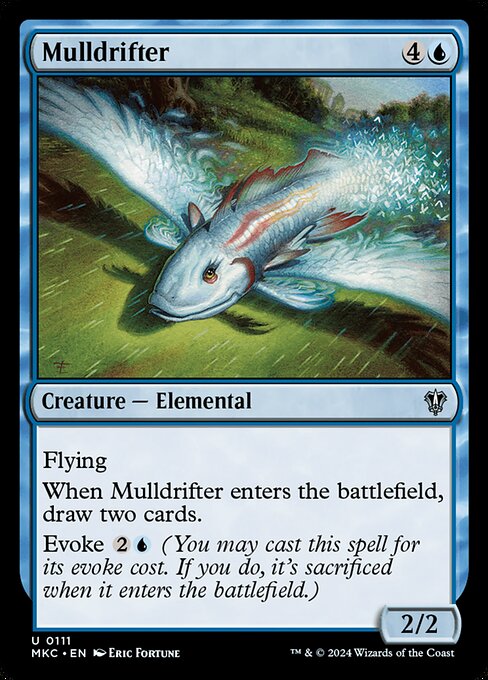
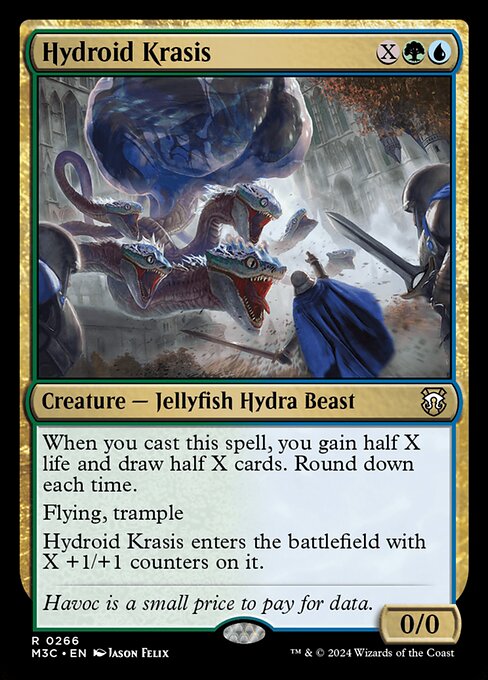
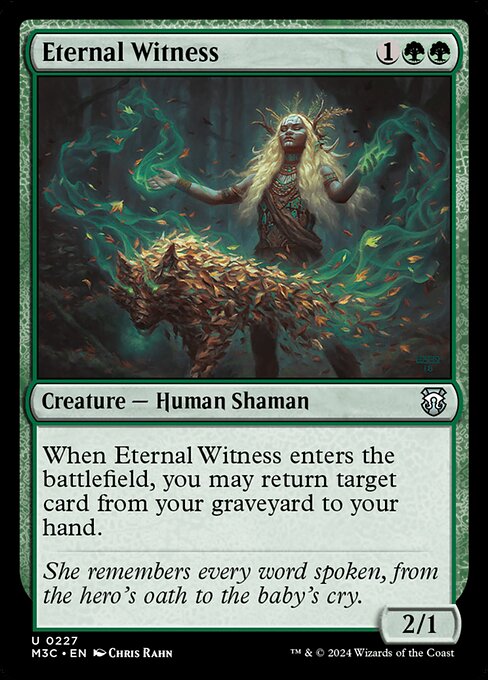
Beast Whisperer, Vizier of the Menagerie, The Great Henge, Mulldrifter, Hydroid Krasis, and Eternal Witness keep cards flowing while maintaining board presence. This approach allows the deck to grind through interaction without losing momentum.
Although Animar reduces costs, the deck still invests heavily in mana acceleration to fuel large turns and support non-creature spells.
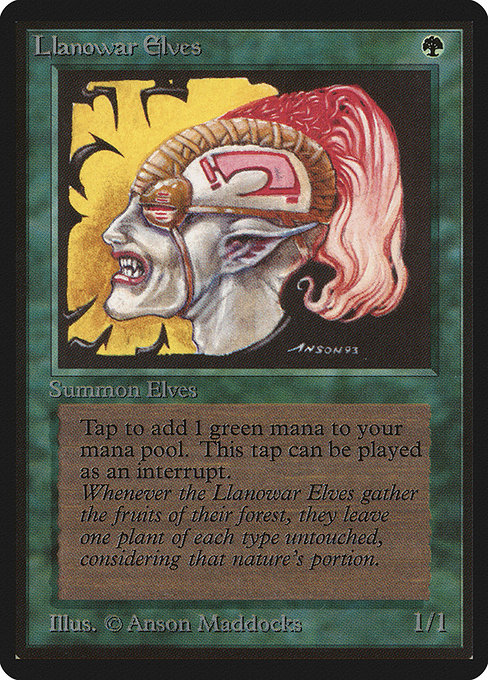
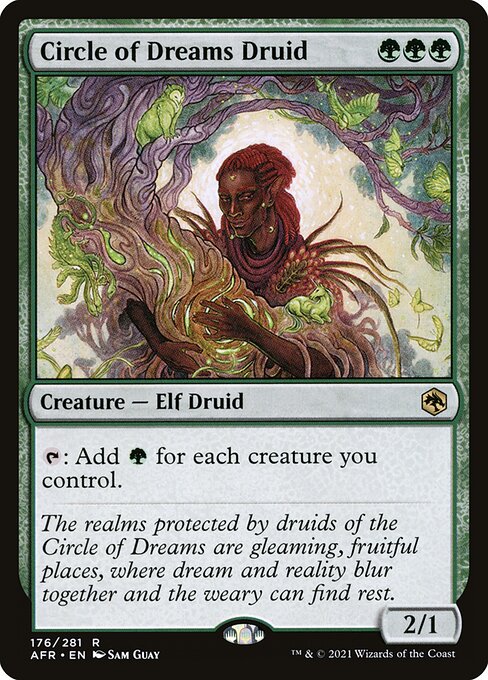
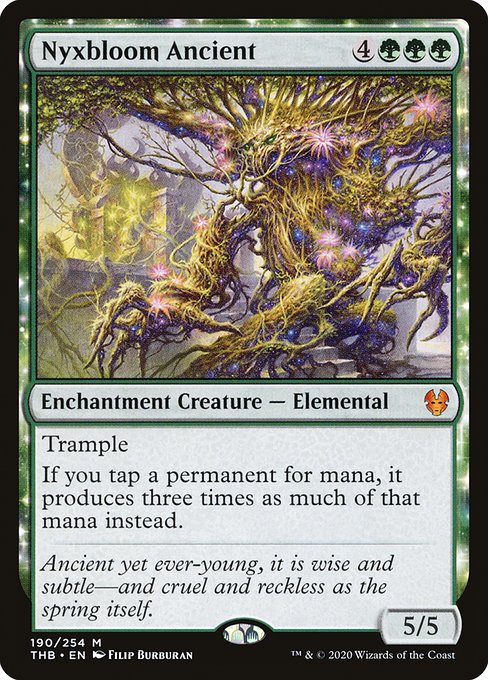
Mana creatures like Birds of Paradise, Llanowar Elves, Bloom Tender, Circle of Dreams Druid, Gwenna, Eyes of Gaea, Kami of Whispered Hopes, and Nyxbloom Ancient allow the deck to cast multiple spells per turn. Combined with Animar’s cost reduction, this creates turns where the deck effectively ignores mana constraints altogether.
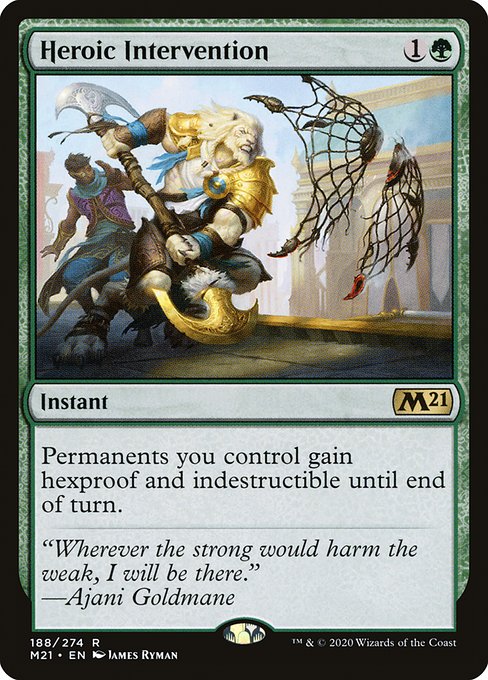
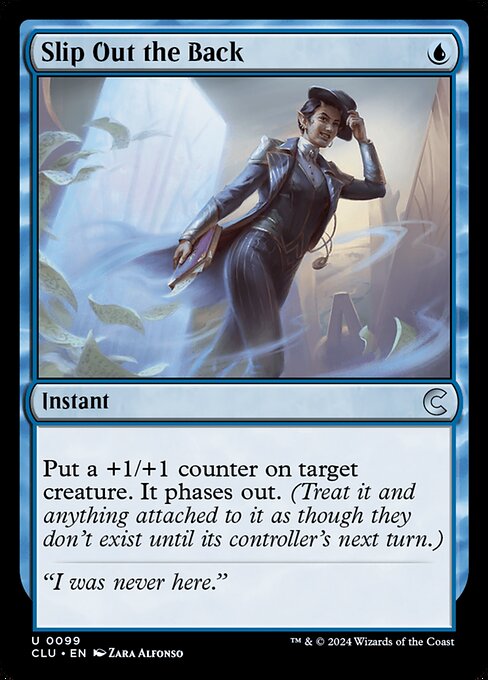
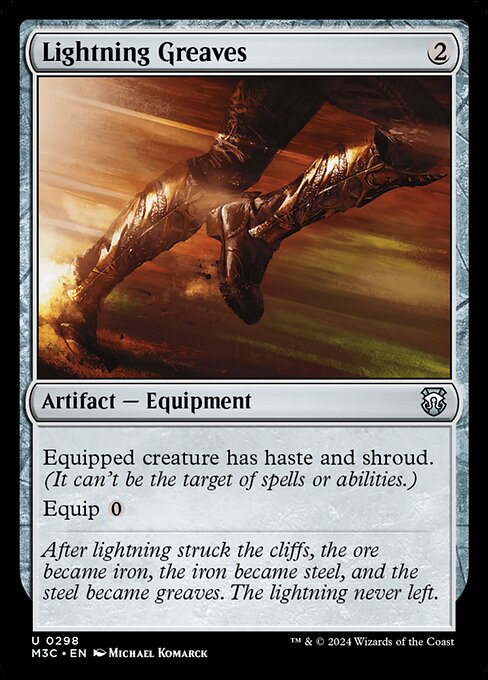
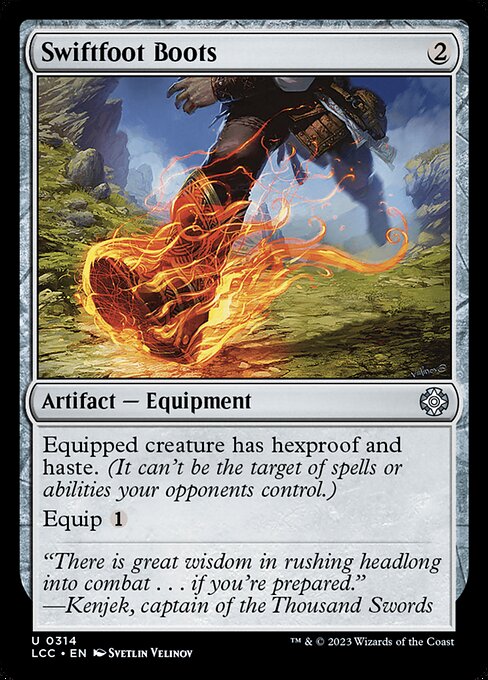
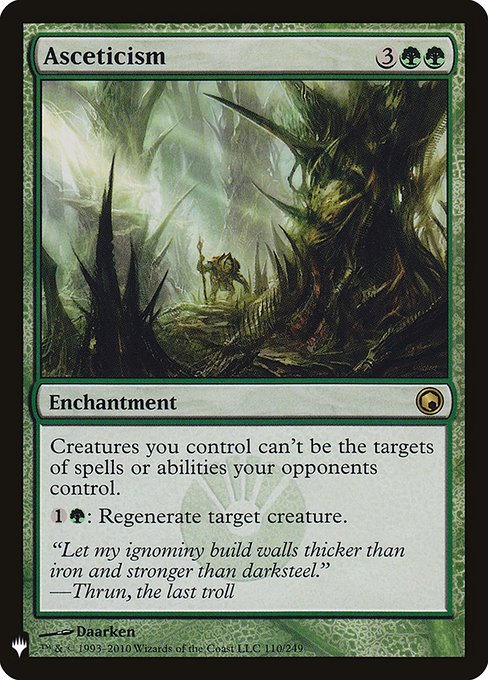
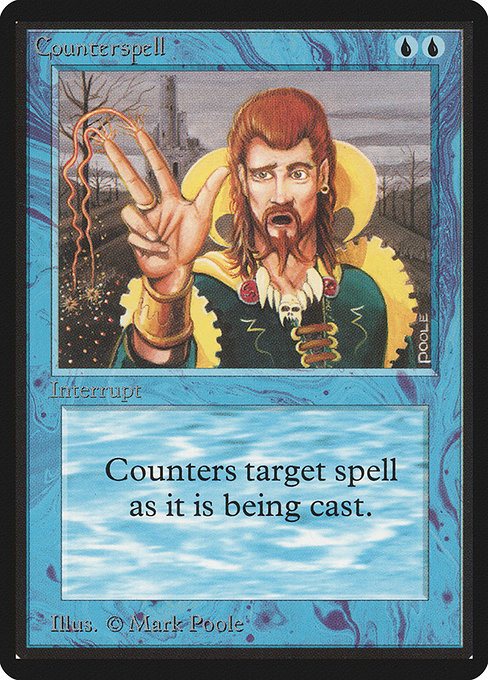
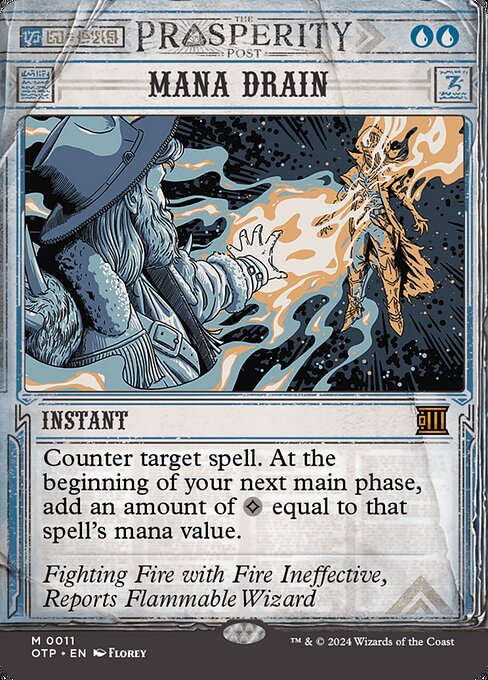
Because Animar is central to the deck’s engine, protecting it is critical. This archetype uses layered protection rather than hard control to maintain pressure. Lightning Greaves, Swiftfoot Boots, Asceticism, Heroic Intervention, Slip Out the Back, and Rhythm of the Wild help keep Animar and key creatures on the battlefield, while countermagic such as Fierce Guardianship, Swan Song, Counterspell, Mana Drain, and Force of Negation defends against sweepers and targeted disruption.
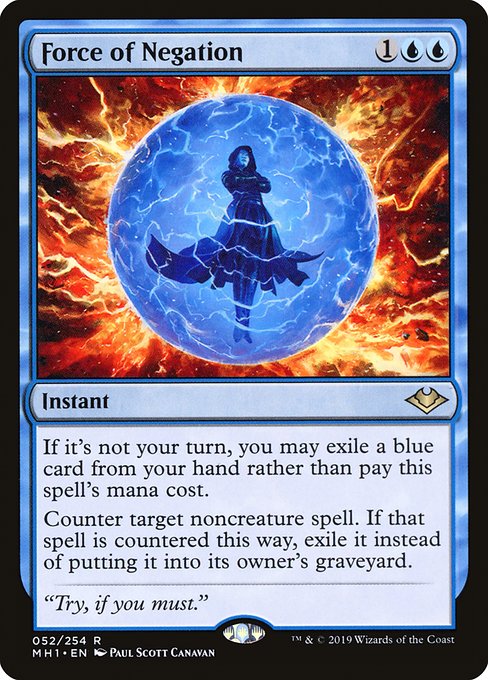
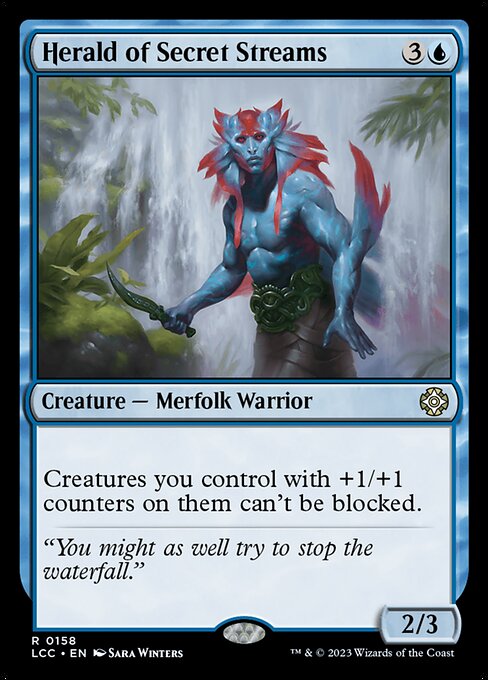
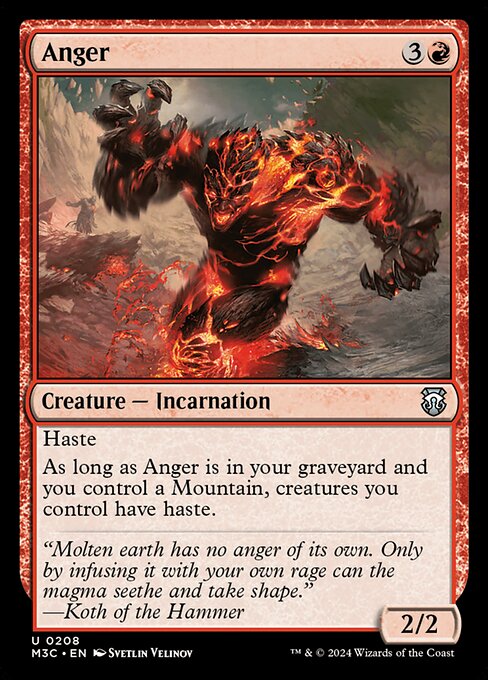
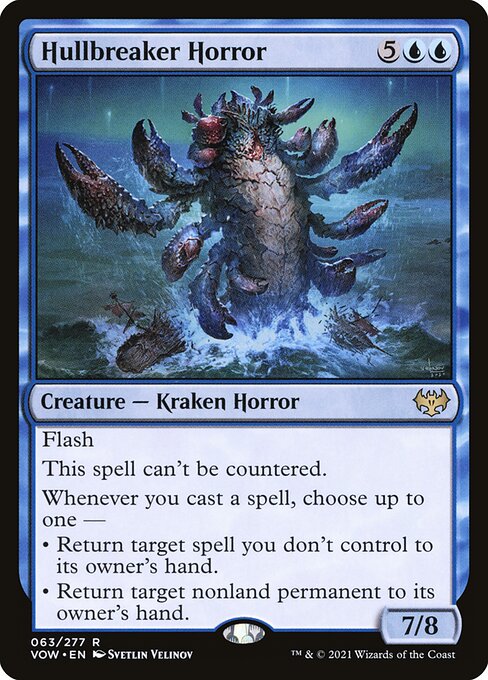
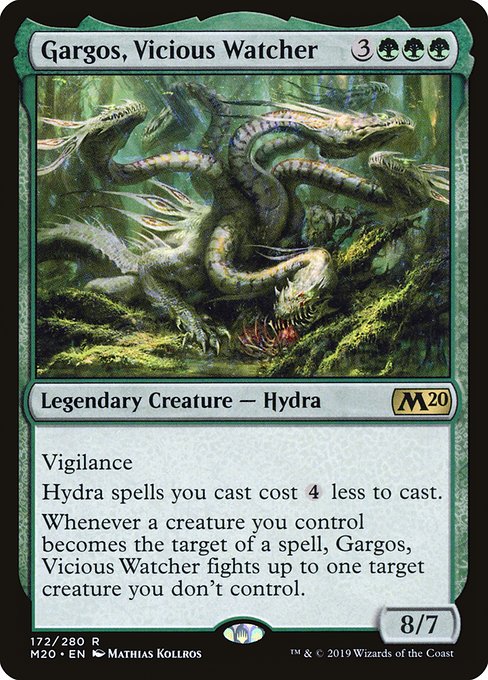
As the board grows crowded, Animar decks need ways to force damage through. Rather than relying solely on raw size, this list uses evasion and inevitability. Herald of Secret Streams and Secret Tunnel allow large creatures to bypass blockers entirely, while Temur Ascendancy and Anger ensure haste keeps pressure constant. When needed, powerful haymakers like Hullbreaker Horror, Gargos, Vicious Watcher, and other massive Hydras provide finishing power.

In a color combination defined by growth and adaptability, Animar is a reminder that sometimes the strongest plan is simply to keep doing more than your opponents can answer.
Commander
Creatures (36)
Instants (11)
Artifacts (8)
Enchantments (9)
Lands (33)
100 Cards
$3899.74
Archetype 4: Spellslinger
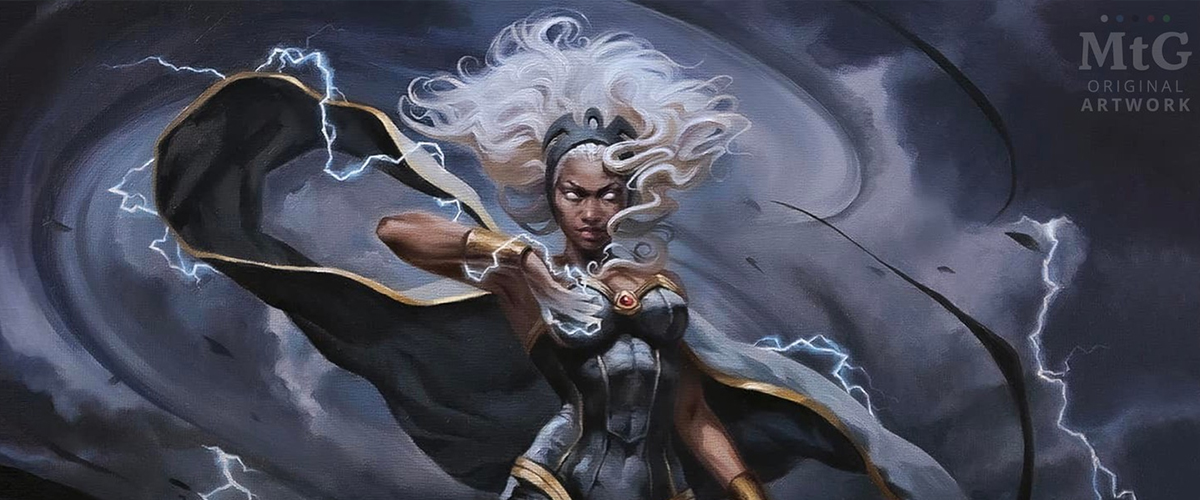
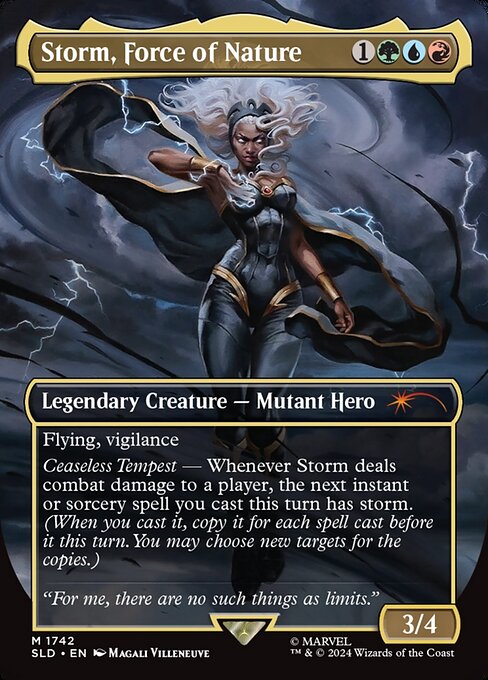
With Storm, Force of Nature at the helm, this deck leans fully into Temur’s spellcasting rhythm: constant motion, incremental advantage, and pressure that builds naturally as the game progresses. This is a spellslinger deck that values flow over spectacle, aiming to stay ahead on cards and tempo rather than assembling a single overwhelming storm turn. Storm functions less as a combo enabler and more as a value amplifier, rewarding the deck for doing what it already wants to do: cast cheap, efficient spells in succession.
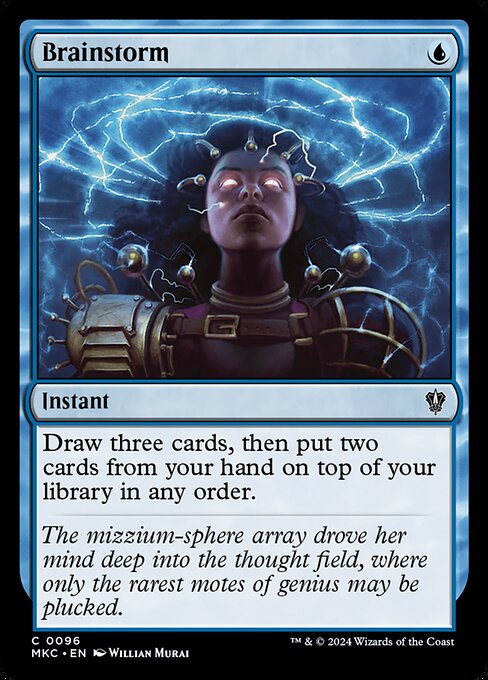
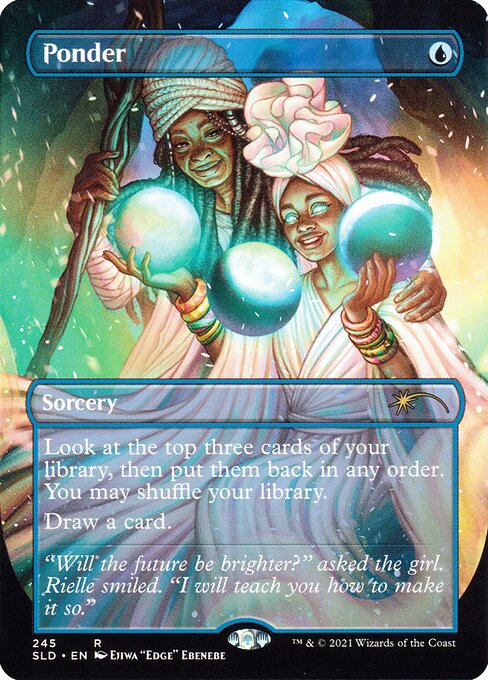
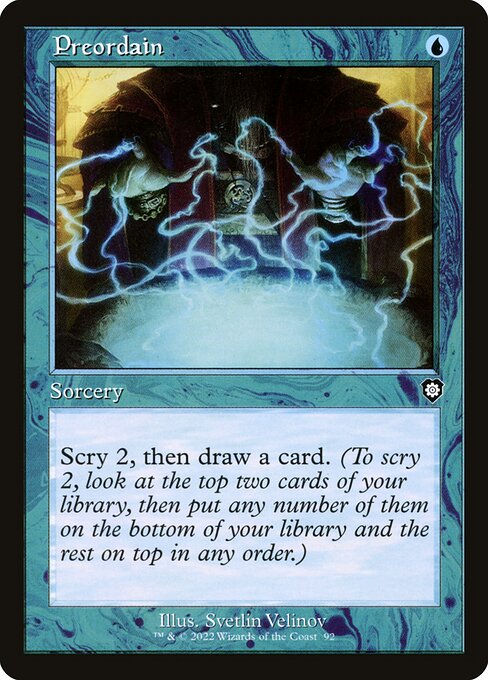
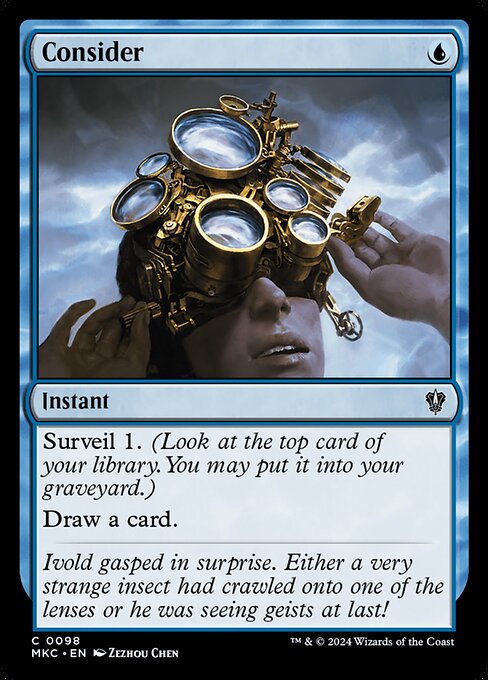
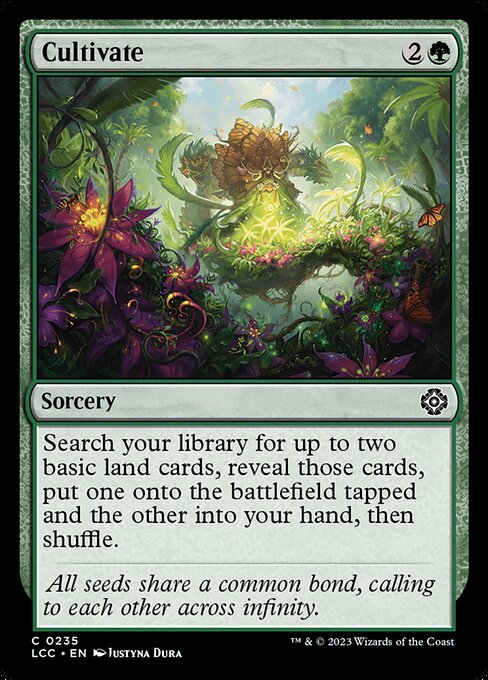
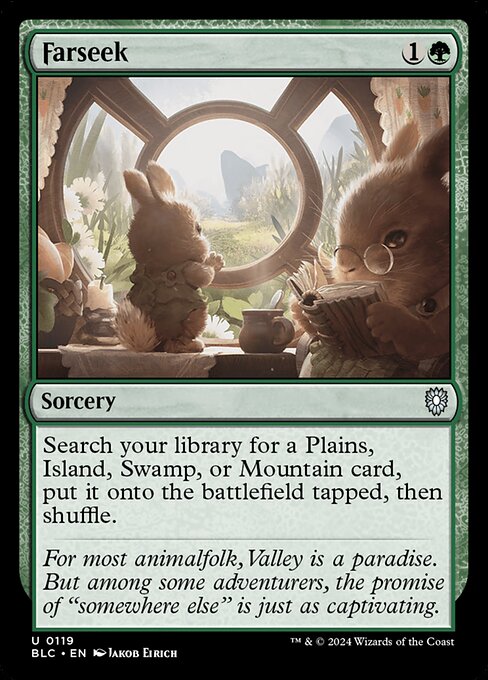
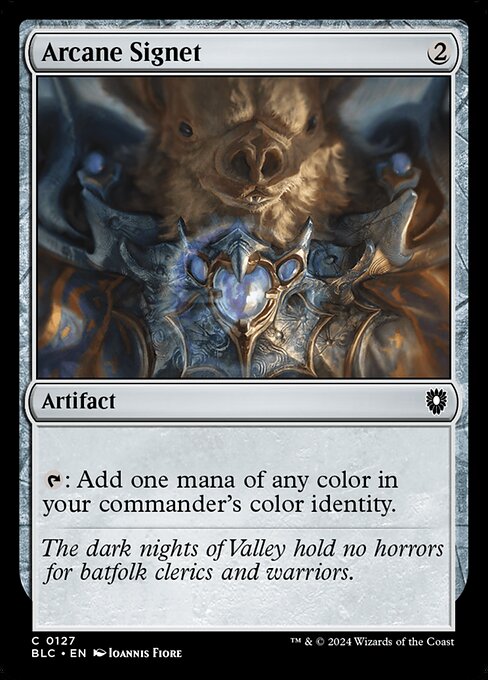
The early game is defined by setup and information. A dense package of cantrips and card selection; Brainstorm, Ponder, Preordain, and Consider smooth draws and ensures land drops while quietly stocking the graveyard for later recursion. Green ramp such as Cultivate, Farseek, Rampant Growth, and Arcane Signet provides stability, allowing the deck to hold up interaction without falling behind. This approach lets the deck play reactively in the opening turns, shaping the table rather than racing it.
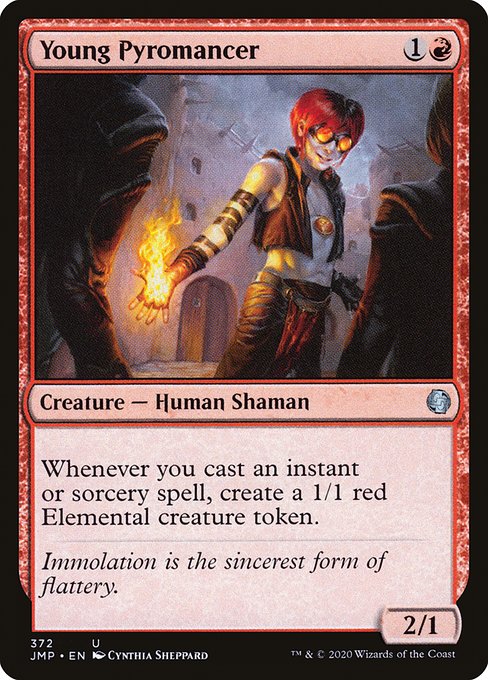
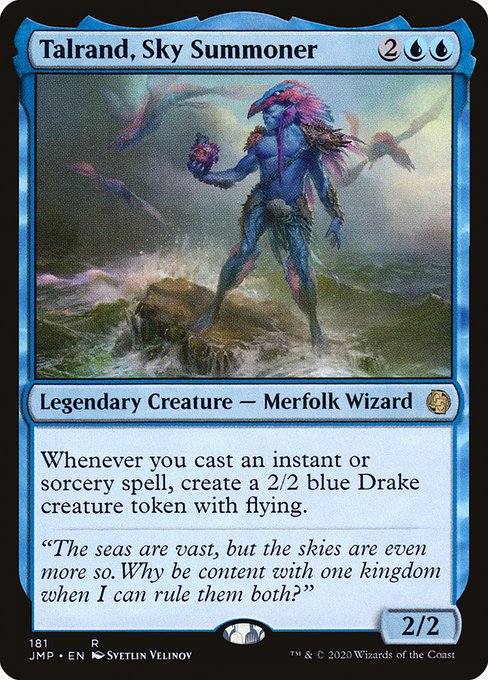
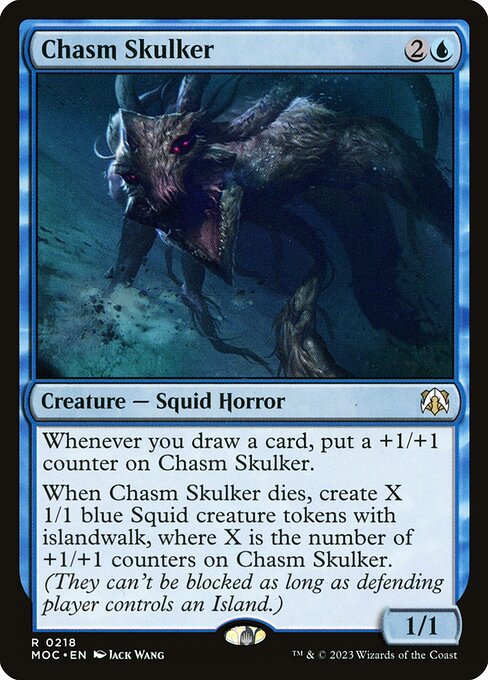
As Storm enters play, the deck’s spell density begins to translate directly into board presence and pressure. Creatures like Young Pyromancer, Talrand, Sky Summoner, Chasm Skulker, and The Locust God turn every spell into material advantage, creating threats without ever needing to overextend. Archmage Emeritus and Enduring Curiosity ensure that even interaction-heavy turns continue to generate cards, allowing the deck to maintain velocity through disruption. These engines make it difficult for opponents to trade one-for-one, as every exchange leaves the Storm player ahead.
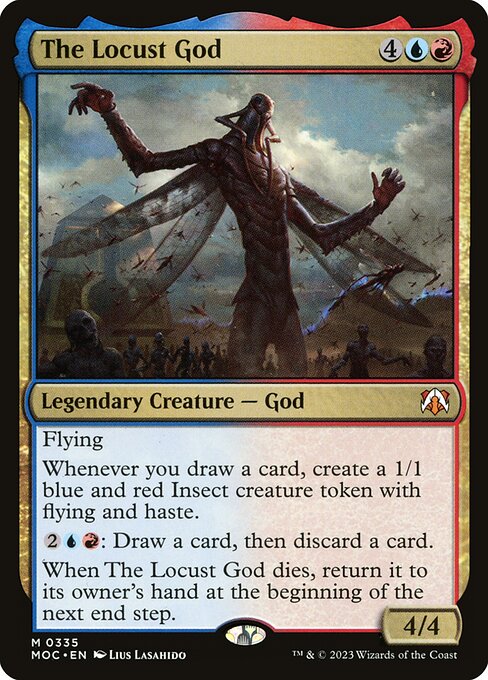
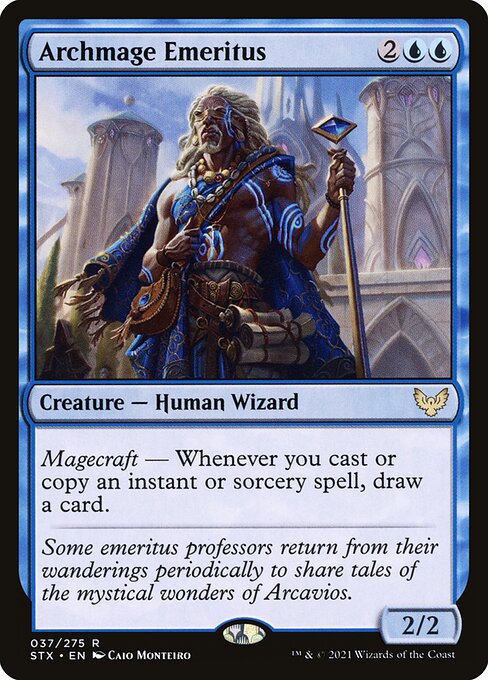
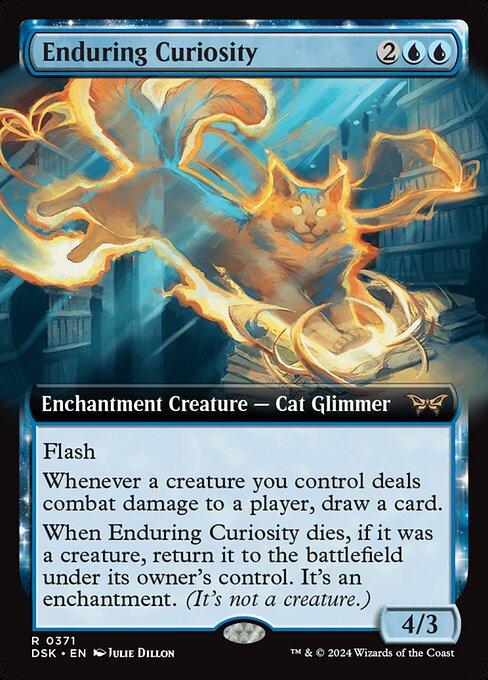
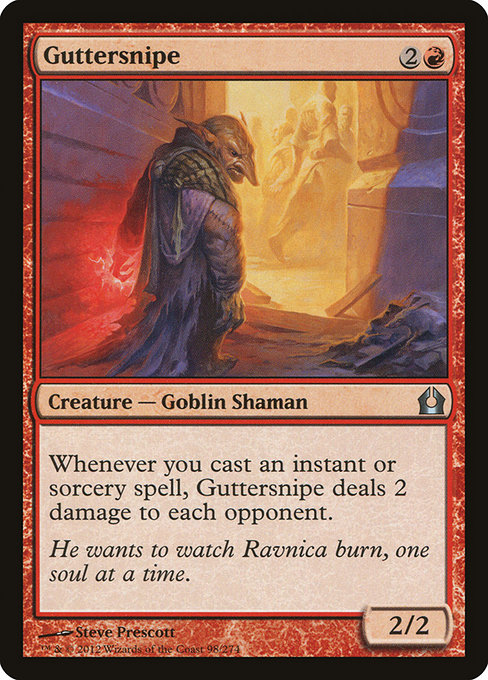
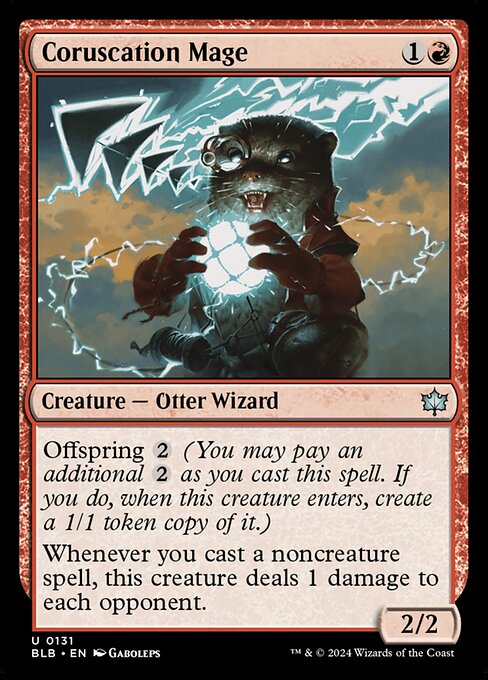
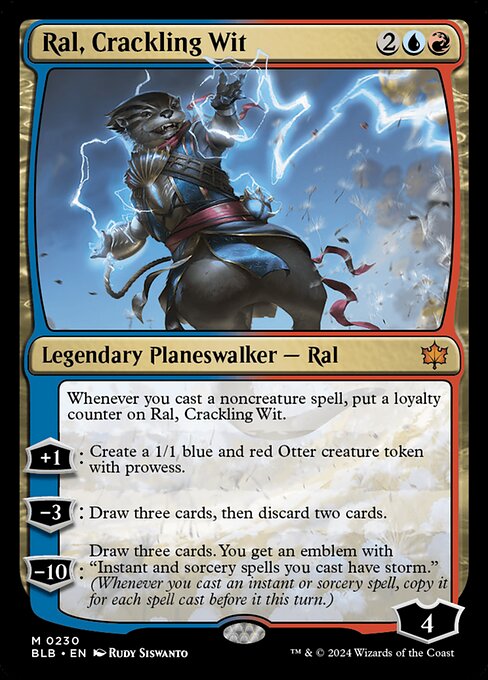
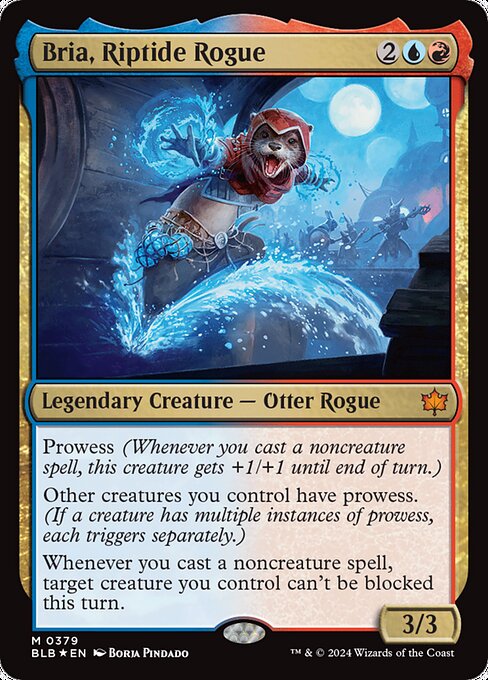
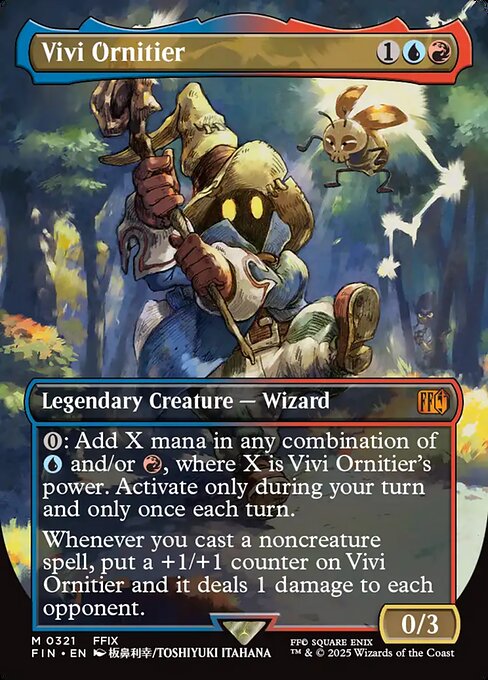
Red’s contribution pushes that advantage even more. Guttersnipe and Coruscation Mage convert spell chains into direct damage, while Ral, Crackling Wit rewards longer turns with additional pressure. Bria, Riptide Rogue and Vivi Ornitier add layers of payoff that turn spellcasting into scaling threats rather than isolated effects. Even when combat is not the primary plan, these cards ensure that time favors the Storm player.
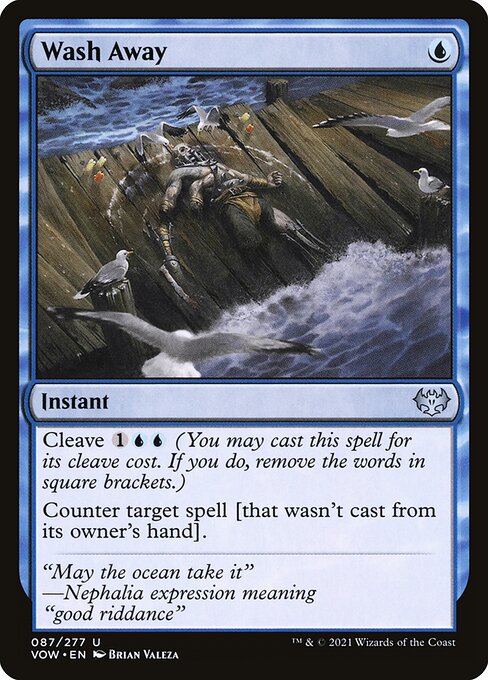
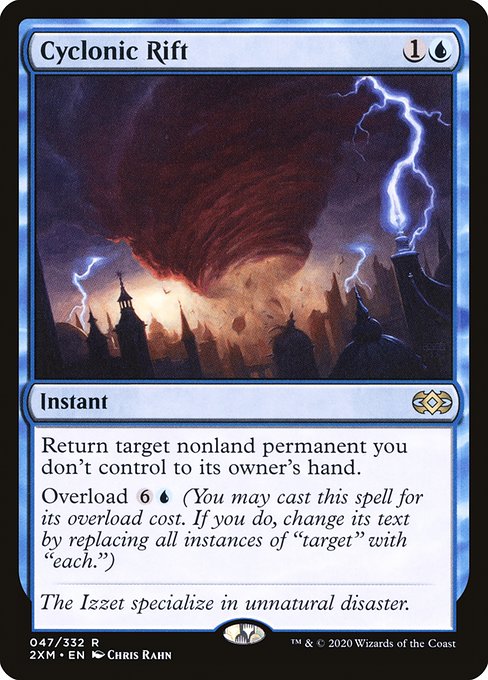
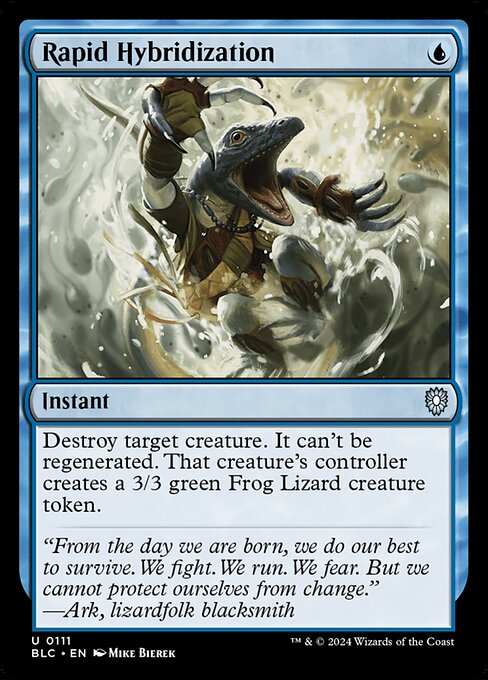
Interaction is deliberately efficient and selective. Counterspell, Swan Song, An Offer You Can't Refuse, Wash Away, and Fierce Guardianship protect key turns without demanding heavy mana investment. Cards like Cyclonic Rift, Rapid Hybridization, and Tishana's Tidebinder maintain tempo. Rather than locking the table down, the deck aims to interrupt opponents just long enough to keep momentum on its side.

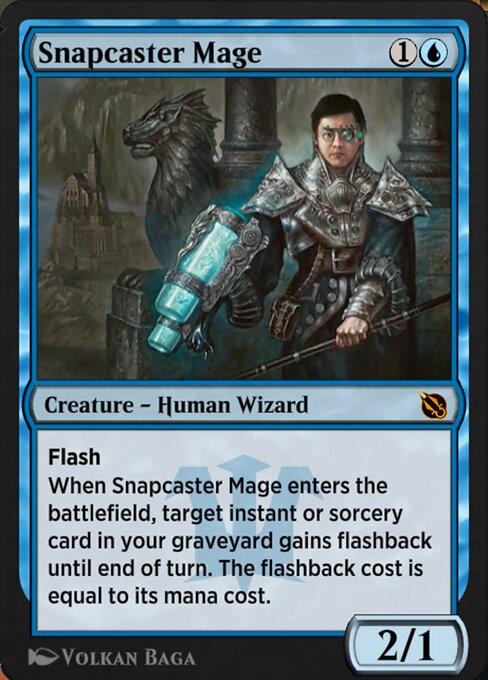
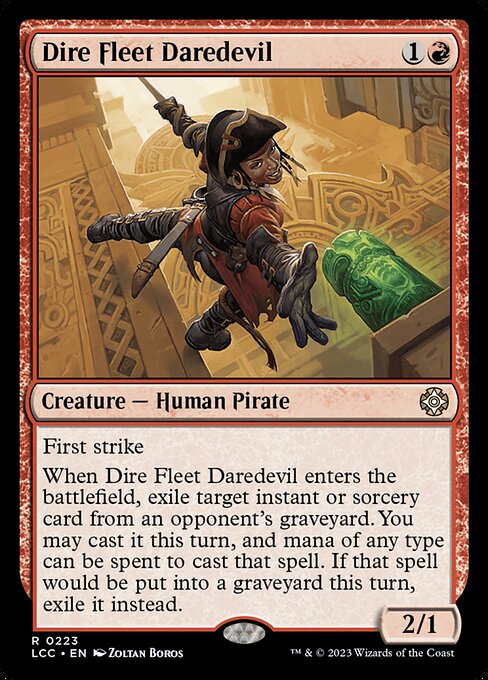
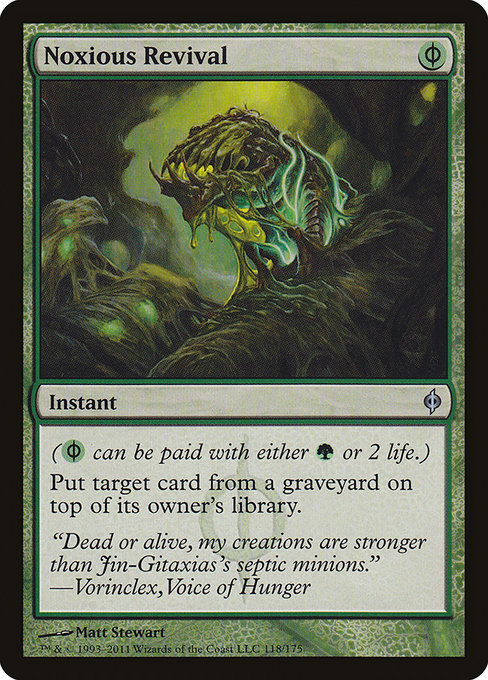
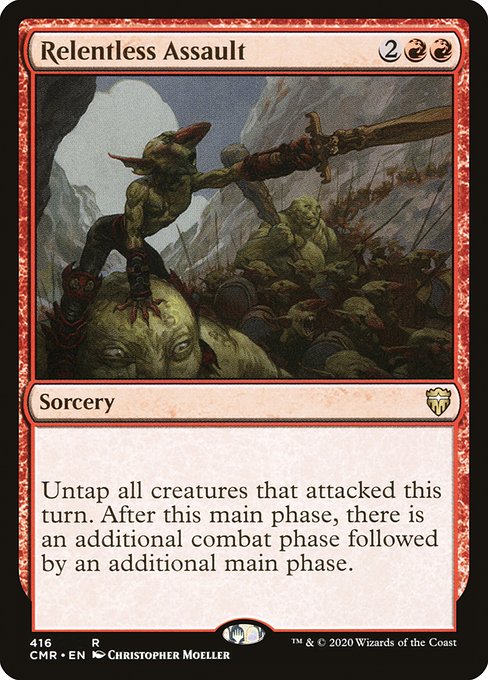
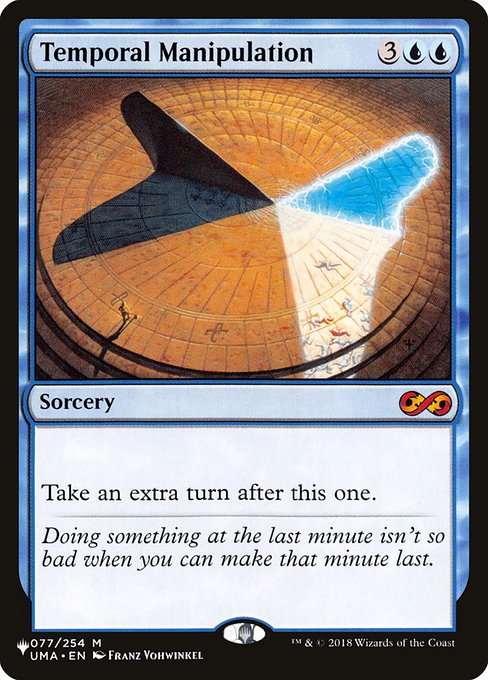
Recursion and flexibility further reinforce this approach. Snapcaster Mage, Dire Fleet Daredevil, and Noxious Revival allow important spells or payoffs to be reused or recontextualized, making the deck resilient to disruption and sweepers. Relentless Assault and Temporal Manipulation when combined with Storm’s ability can simply end the game right then and there.
Ultimately, this Storm, Force of Nature build wins by staying in motion; casting spells, drawing cards, creating threats, and forcing opponents to react until they no longer can. It can win off of a single climactic turn, or it can win by offering steady escalation that feels inevitable. If that flexibility sounds like your thing, this might just be the deck for you.
Commander
Planeswalkers (1)
Creatures (21)
Instants (21)
Sorceries (16)
Artifacts (4)
Lands (35)
100 Cards
$3908.82
Closing Thoughts
Temur in Commander is not about domination through control or inevitability through attrition, it is about raw power. Whether through Dragons that multiply their own impact, X spells that scale beyond expectation, or Storm engines that never stop moving, Temur rewards players who recognize when and how to press forward.
To wield the storm is to embrace that philosophy. Temur decks succeed not by locking the table down, but by staying one step ahead, forcing constant responses until resistance collapses. In a format defined by powerful effects and long games, Temur stands apart by reminding players that sometimes the strongest plan is simply to do more. Faster, louder, and without hesitation.