



First of all: Why Mono-red? Well, Red thrives in Commander when the table slows down just enough for explosive turns to matter, and that’s exactly the environment Bracket 3 tends to create.
Games in this bracket range have real power to them, but they’re not hyper-optimized, which means strategies built around momentum, aggression, and sudden bursts of damage can actually close games before slower engines completely take over. Red excels at doing exactly that: accelerating the pace of the game and forcing opponents to react before they’re fully set up.
What makes Mono-Red particularly strong in this bracket is how efficiently it converts resources into pressure. In Bracket 3 Commander, that combination of speed, volatility, and explosive potential gives Mono-Red a unique edge.
In this article, we’ll explore three very different ways Mono-Red accomplishes that goal: Torbran, Thane of Red Fell turning every small ping of damage into a lethal threat, Etali, Primal Storm with devastating extra combat turns, and Chiss-Goria, Forge Tyrant and its artifact-fueled board states.
Deck #1: BURN
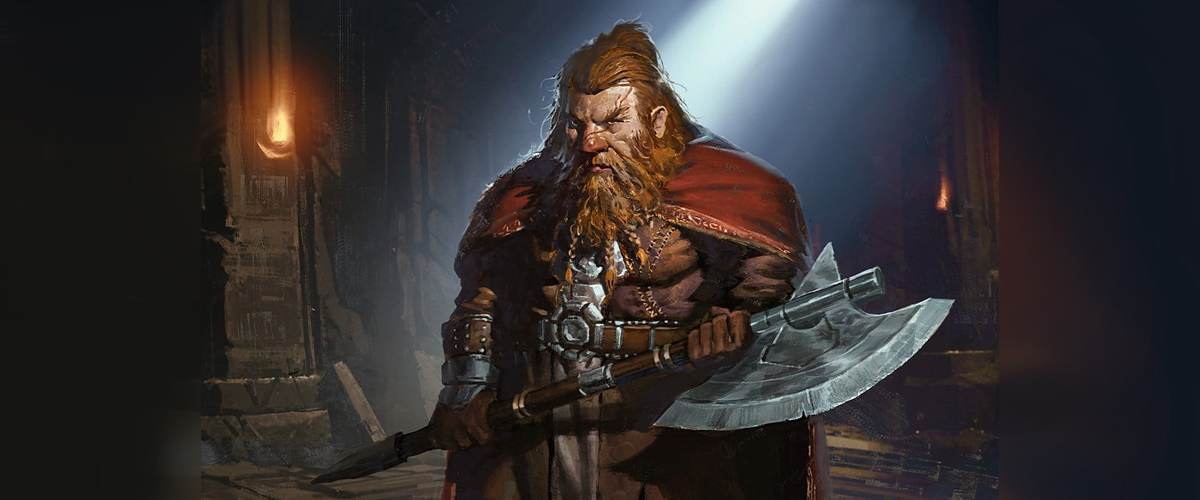
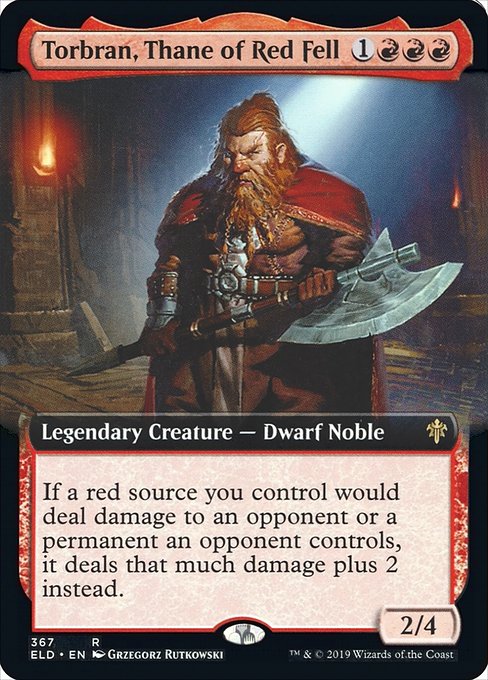
Commandeered by Torbran, Thane of Red Fell Mono-Red Burn turns into the most dangerous version of itself. Torbran’s ability adds two additional damage whenever a red source you control deals damage to an opponent or their permanents. In practice, this turns even the smallest pings into meaningful threats. A simple trigger that would normally deal one damage suddenly hits for three. Effects designed to slowly chip away at life totals quickly escalate into serious pressure, forcing the entire table to respect every red source you control.
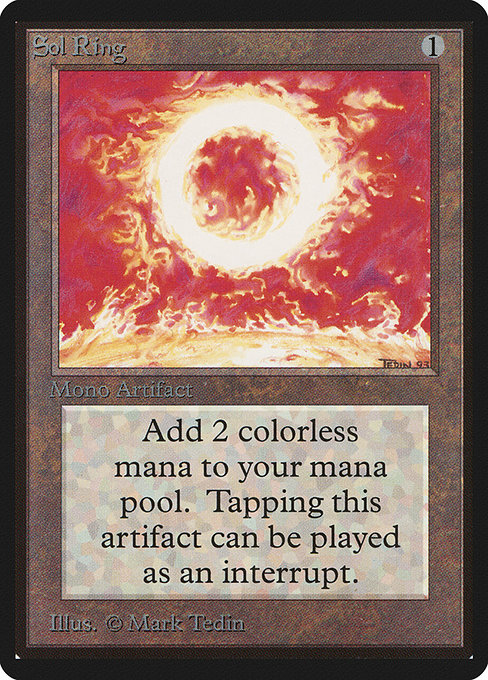
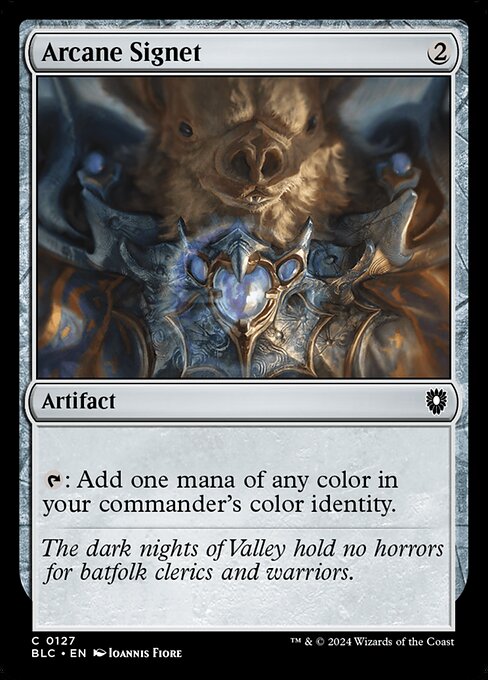
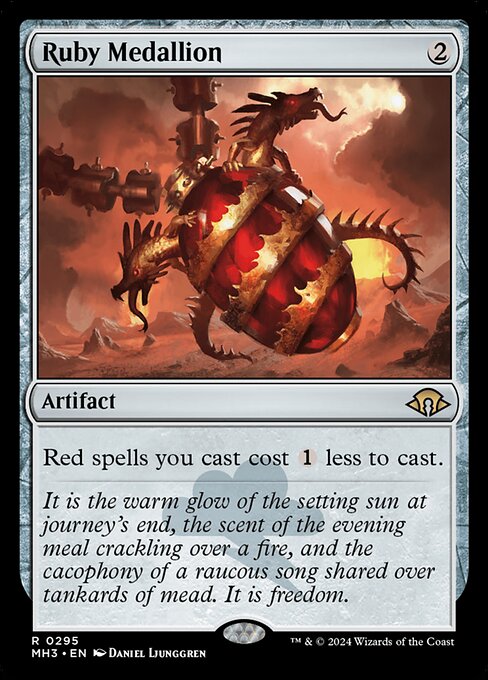
Mana acceleration ensures the deck gets moving quickly. Staples like Sol Ring, Arcane Signet, Ruby Medallion, and Seething Song help power out Torbran and the deck’s damage sources earlier than usual. Getting Torbran onto the battlefield ahead of schedule is often the difference between slowly pressuring opponents and immediately turning every spell into a dangerous burn effect.

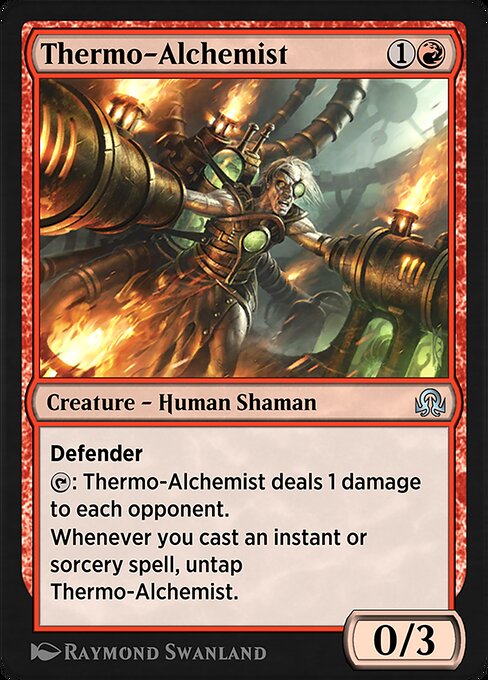
The deck’s first layer of synergy comes from cheap repeatable damage sources. Cards like Thermo-Alchemist, Kessig Flamebreather, Firebrand Archer, and Guttersnipe are normally incremental value pieces, dealing small amounts of damage whenever you cast spells or untap them. Under Torbran, however, those small triggers become real threats. A single spell can suddenly deal three or four damage across multiple triggers, meaning even routine turns steadily push life totals downward. These creatures quietly transform the act of simply playing the game into a continuous burn engine.


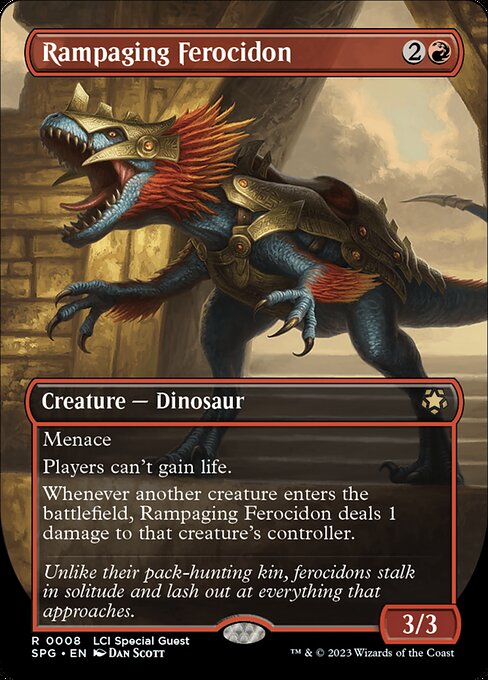
Additional punishment effects reinforce that pressure across multiple angles of play. Cards such as Zo-Zu the Punisher, Rampaging Ferocidon, Scab-Clan Berserker, and Eidolon of the Great Revel turn routine actions like playing lands or casting spells into sources of damage.



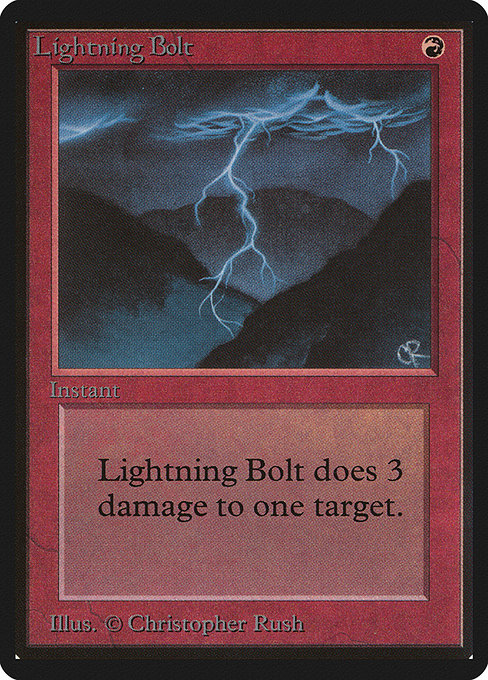
Cards like Lightning Bolt, Price of Progress, Roiling Vortex, and Descent into Avernus also gain an entirely new level of lethality when Torbran is in play.


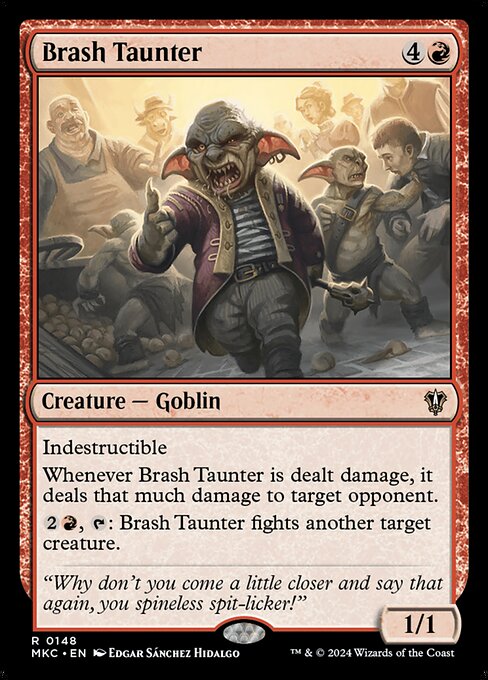
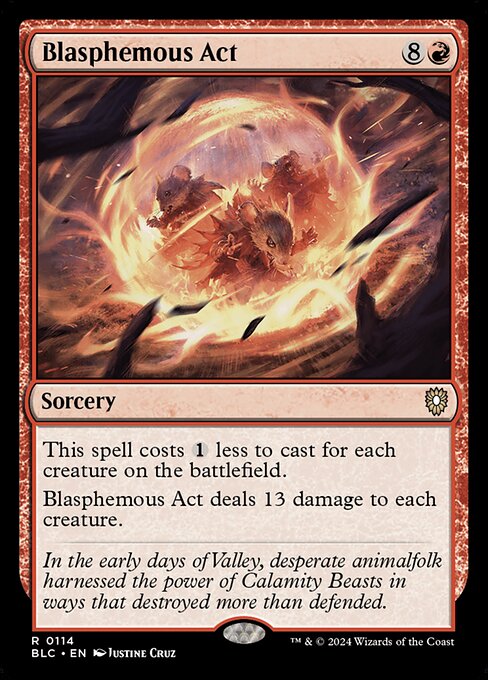
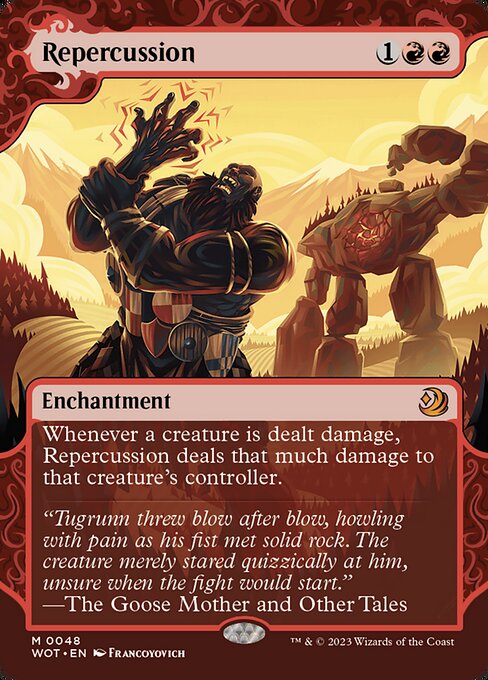
Some of the most dangerous interactions in the deck come from creatures that reflect or redirect damage. Brash Taunter and Stuffy Doll turn incoming damage into damage aimed directly at opponents. A large board wipe from Volcanic Fallout, Chain Reaction or Blasphemous Act combined with these creatures can suddenly translate into enormous life loss for a chosen opponent, especially when paired with cards like Repercussion, which causes creatures to reflect damage back to their controllers.


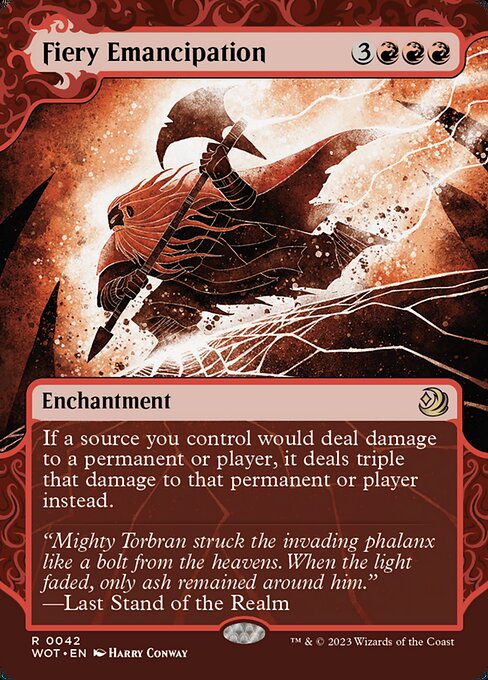
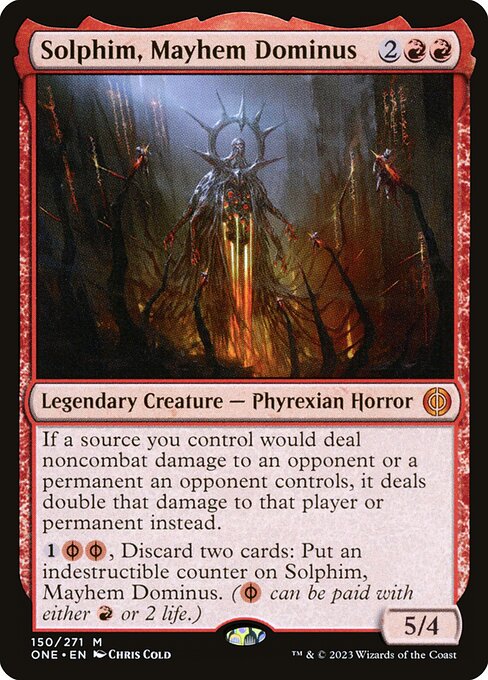
Damage multipliers represent another major layer of synergy. Cards such as Fiery Emancipation, Furnace of Rath, Dictate of the Twin Gods, and Solphim, Mayhem Dominus dramatically increase the output of every burn effect in the deck. A simple burn trigger that might normally deal one damage can suddenly explode into massive bursts that threaten to eliminate players outright.


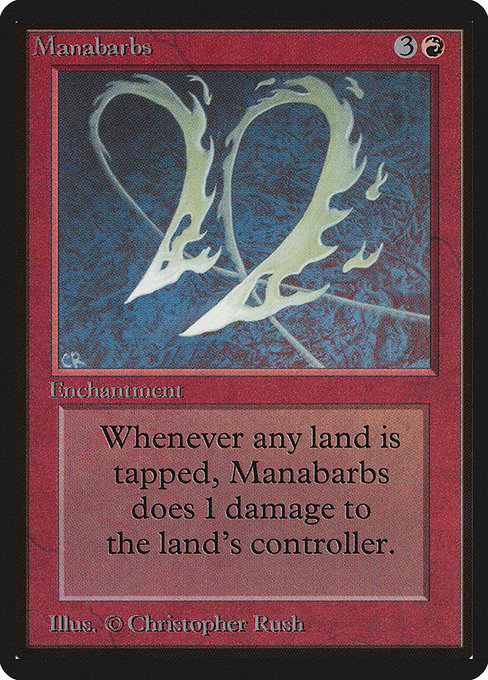
The deck also leans heavily into punishing opponents simply for playing the game. Effects like Manabarbs, Citadel of Pain, Spellshock, and Harsh Mentor ensure that every land tapped or ability activated comes with a painful cost. Opponents quickly find themselves in a difficult position: progress their board and take heavy damage, or slow down, fall behind, and still take damage. Either way, we continue advancing our plan.


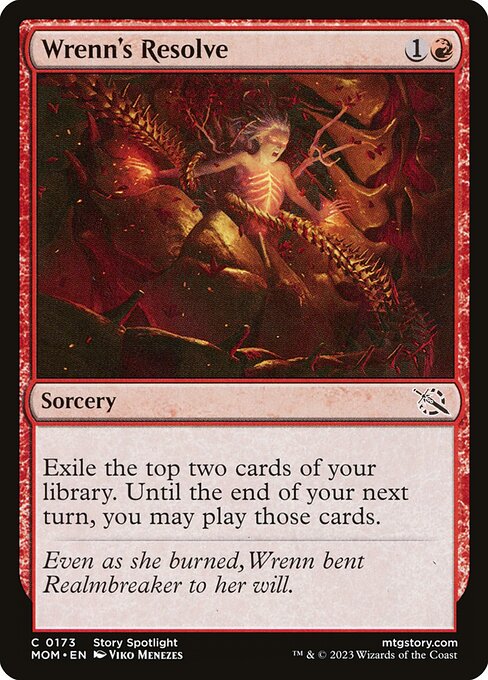
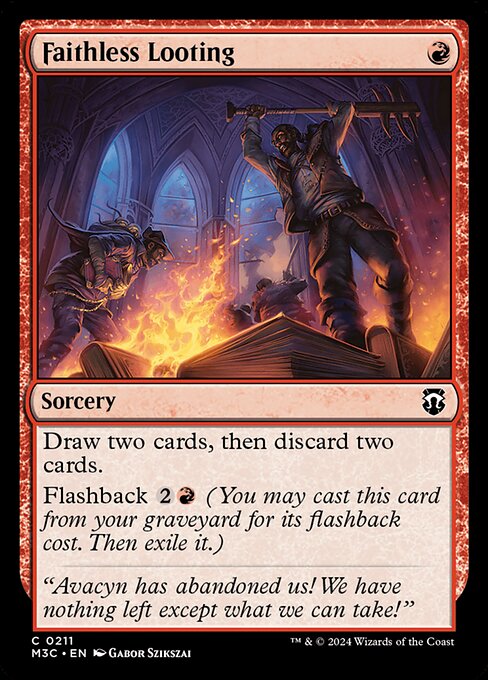
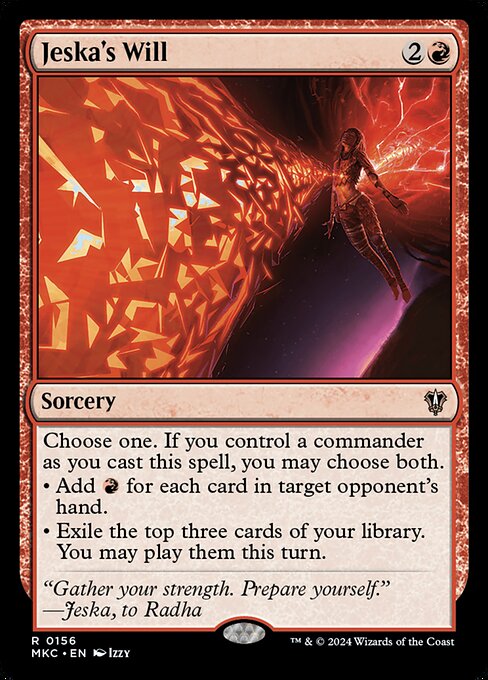
Even the deck’s card advantage tools contribute to the burn strategy. Red’s impulsive draw spells like Reckless Impulse, Wrenn's Resolve, Faithless Looting, and Jeska's Will keep new spells flowing while also triggering the deck’s various damage engines.

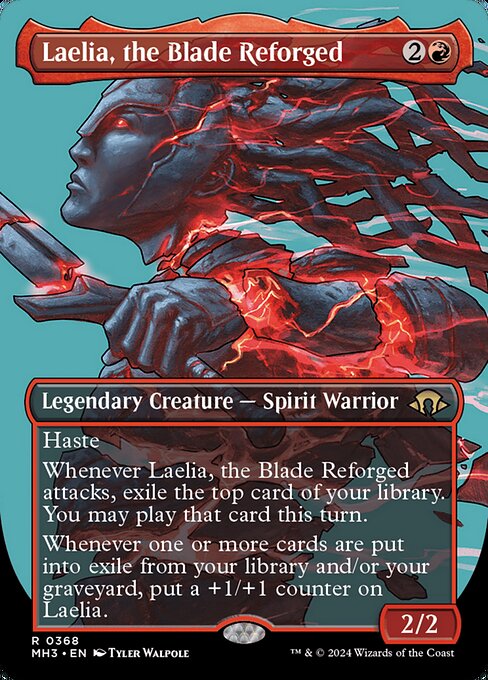
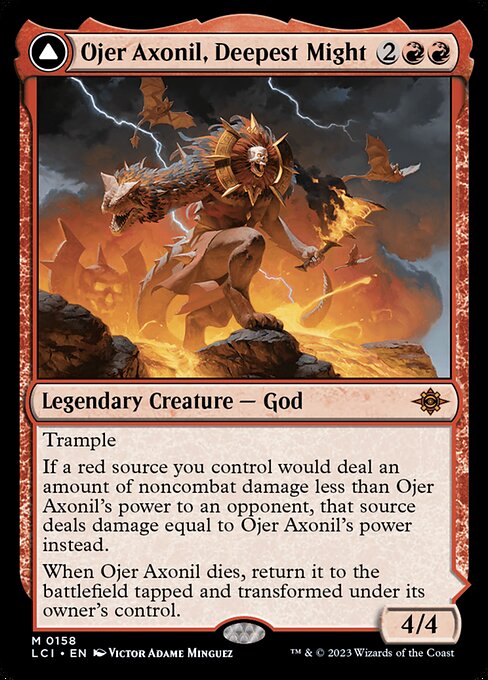
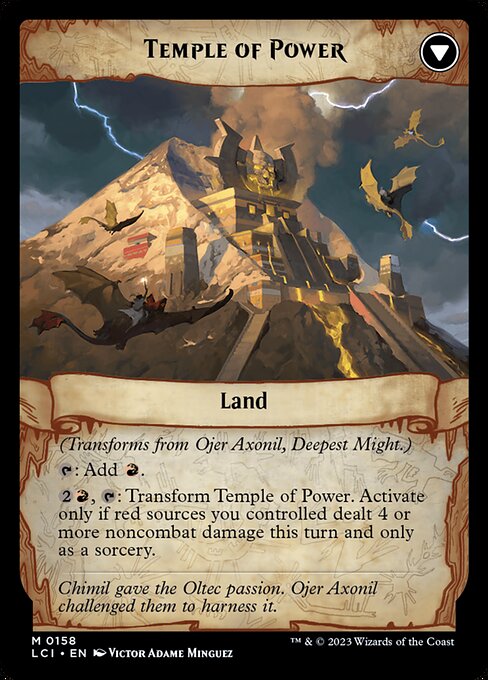
Tectonic Giant, Laelia, the Blade Reforged, Ojer Axonil, Deepest Might, and Toralf, God of Fury each add unique angles to the damage plan. Toralf can redirect excess damage across the board, while Ojer Axonil upgrades smaller damage sources into larger bursts. Together they all ensure that even the smallest damage events can turn into devastating flames.



The deck also includes a few particularly explosive finishers capable of ending games suddenly. Heartless Hidetsugu is one of the most terrifying examples, capable of cutting life totals in half in a single activation. When that damage is amplified by our multipliers, the effect can become outright lethal.

Altogether, the deck plays like a carefully layered firestorm. Small pings become heavy burns, routine actions become painful decisions, and board wipes double as massive damage bursts. The deck doesn’t need enormous combos to win, it simply turns every action into a raging blaze until the table can’t survive the heat. If this sounds like your thing, check the deck here:
Commander
Creatures (20)
Instants (8)
Sorceries (10)
Artifacts (10)
Enchantments (15)
100 Cards
$565.02
Deck #2: Extra Combats
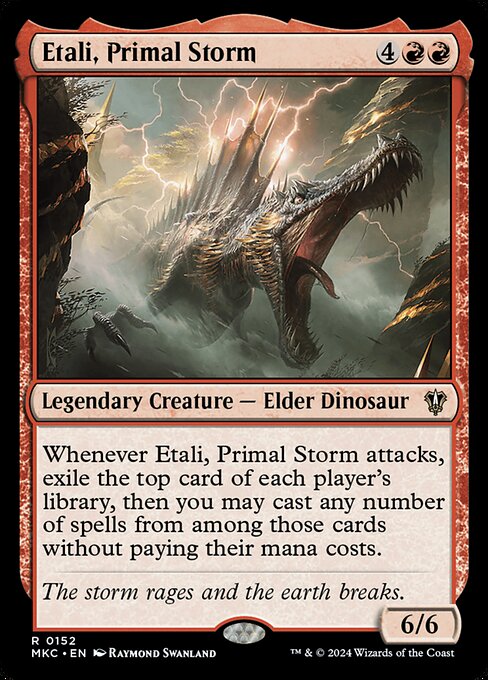
Few commanders capture the explosive nature of mono-red quite like Etali, Primal Storm. Whenever Etali attacks, you exile the top card of each player’s library and cast those spells for free. In multiplayer Commander, that means a single attack can generate three or four free spells instantly. The entire strategy of the deck revolves around maximizing those attack triggers, because the more times Etali attacks, the more spells you steal and cast without spending mana.
Naturally, the first priority is getting Etali onto the battlefield quickly. Mana acceleration from cards like Sol Ring, Arcane Signet, Ruby Medallion, and Generator Servant helps deploy the commander ahead of schedule. Generator Servant in particular can give Etali haste when sacrificed, allowing the dinosaur to attack the moment it enters play. Getting even a single early attack often creates a massive tempo swing that sets the tone for the rest of the game.

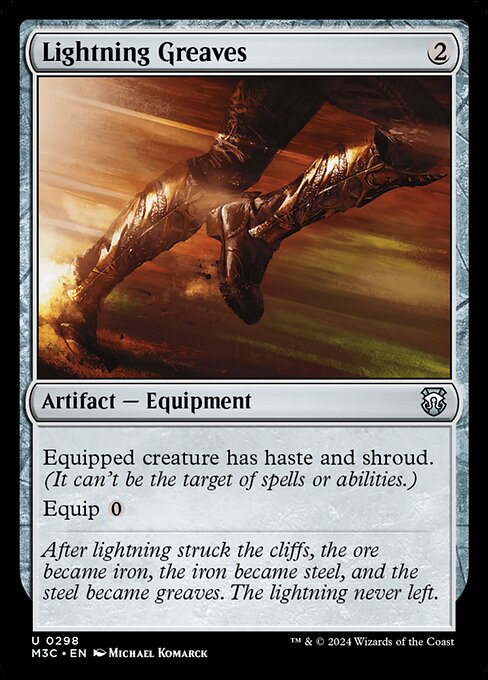
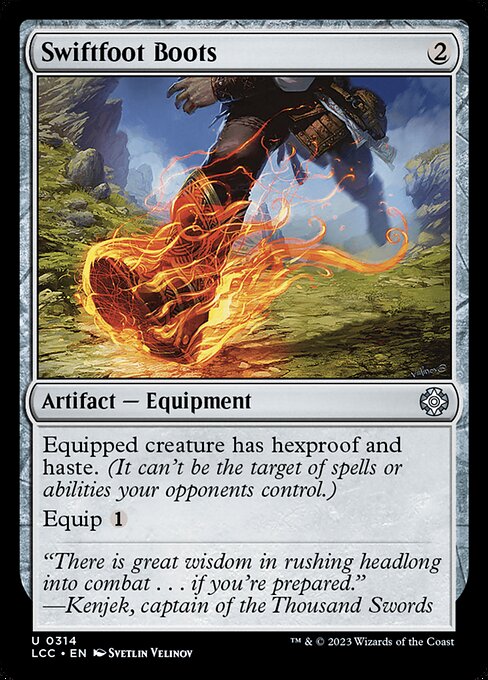
Once Etali is ready to enter, haste becomes critical. Cards like Lightning Greaves, Swiftfoot Boots, Rising of the Day, and Urabrask the Hidden ensure Etali can swing immediately.
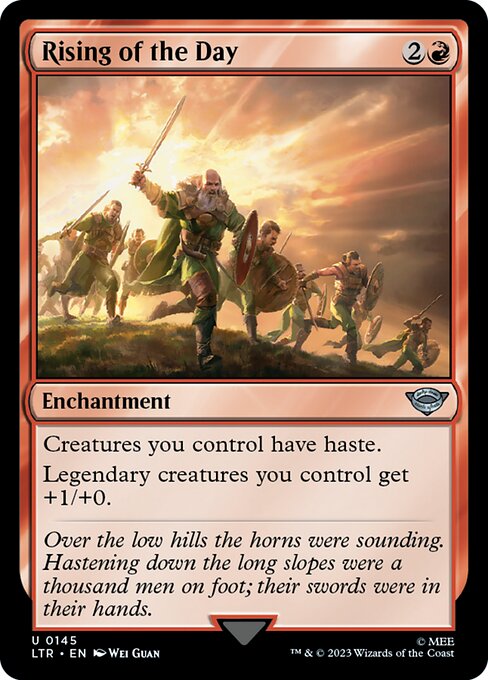
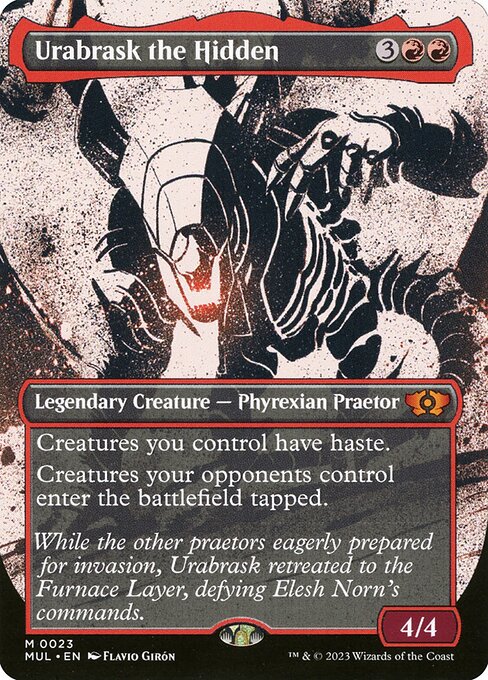
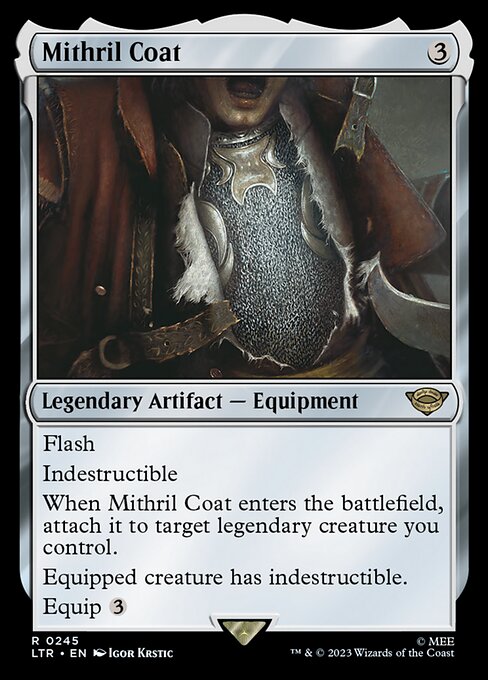
Protection pieces are equally important since Etali tends to attract immediate attention. Equipment such as Darksteel Plate, Champion's Helm, and Mithril Coat help keep Etali on the battlefield through removal and combat. Meanwhile, reactive spells like Deflecting Swat allow you to redirect targeted interaction and preserve your momentum.



With Etali safely attacking, the deck begins multiplying those combat steps. Extra combat spells like Relentless Assault, Aggravated Assault, and Scourge of the Throne allow Etali to attack multiple times in a single turn. Each additional combat means another round of free spells from every player’s deck. Even one extra combat can double the amount of value Etali generates, and when multiple combat effects stack together, the battlefield quickly spirals out of control.

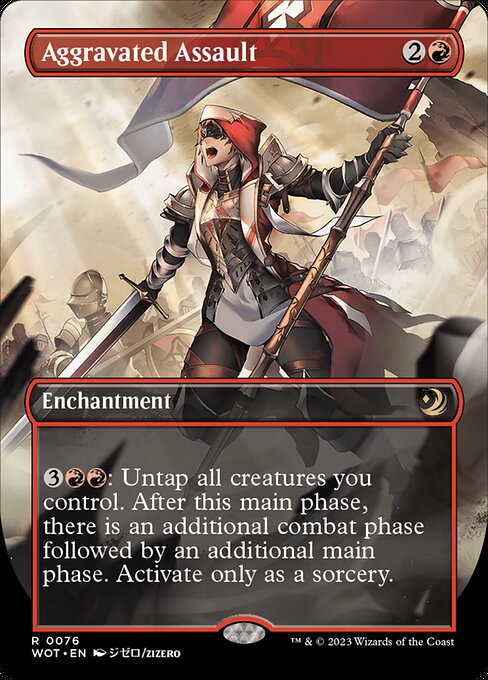
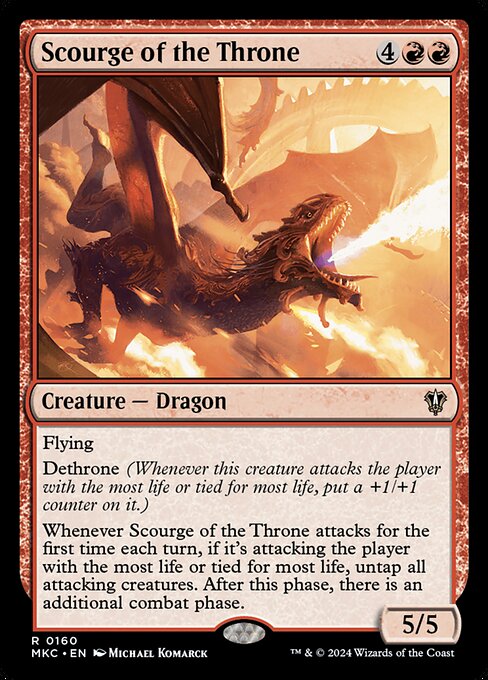
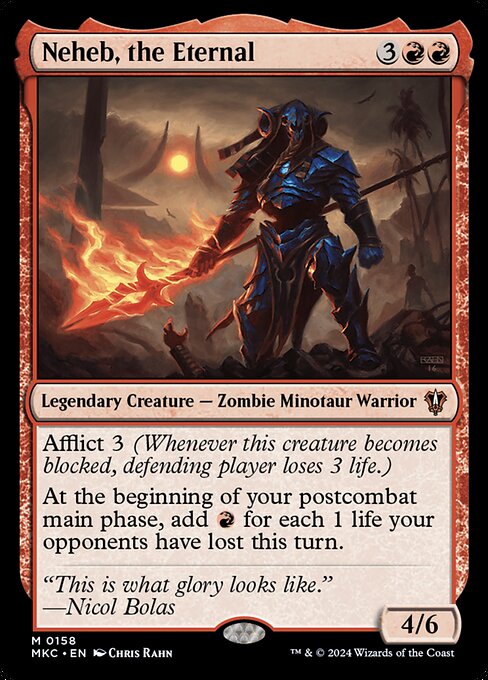
Some of the deck’s most explosive turns come from mana engines that fuel repeated combats. Neheb, the Eternal converts combat damage into enormous amounts of red mana during the second main phase. Combined with cards like Mana Geyser or Jeska's Will, it becomes possible to generate enough mana to activate Aggravated Assault repeatedly. In those situations, Etali can attack again and again in the same turn, casting an avalanche of spells stolen from across the table.

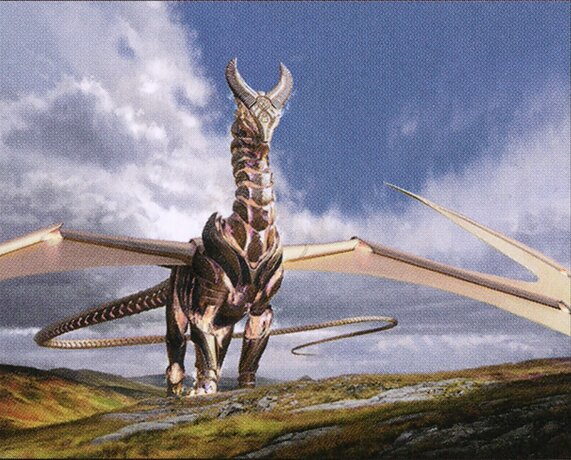
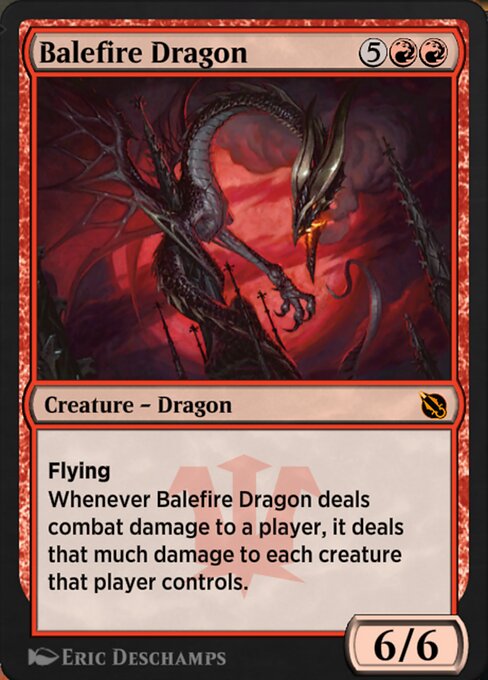
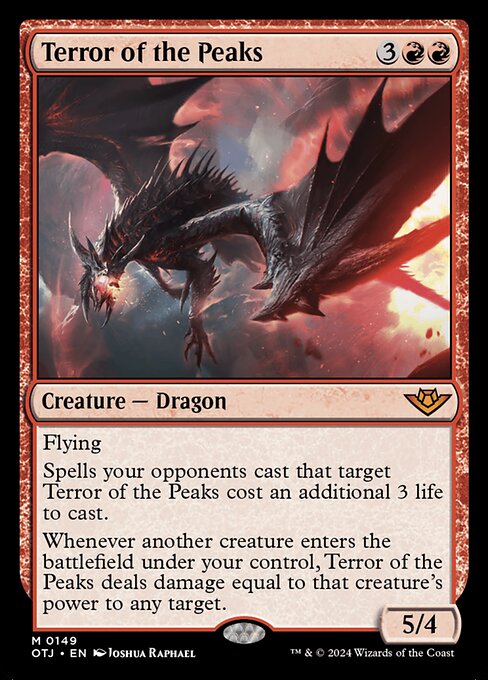
The creatures supporting Etali’s strategy are just as threatening. Massive threats such as Ancient Copper Dragon, Balefire Dragon, Drakuseth, Maw of Flames, and Terror of the Peaks ensure that every attack step carries enormous consequences. These creatures add devastating damage triggers or overwhelming resource generation, making each combat phase increasingly dangerous for opponents.


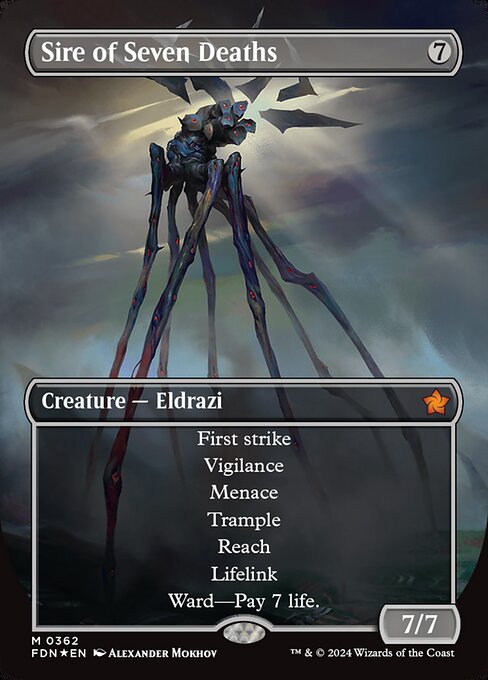
The deck also embraces massive Eldrazi threats that benefit from being cheated into play. Cards like Kozilek, Butcher of Truth, Pathrazer of Ulamog, It That Betrays, and Sire of Seven Deaths bring massive battlefield presence capable of ending games quickly. If Etali’s attack triggers happen to flip powerful spells from opponents’ libraries alongside these threats, the result can be a wildly unpredictable but powerful board state.


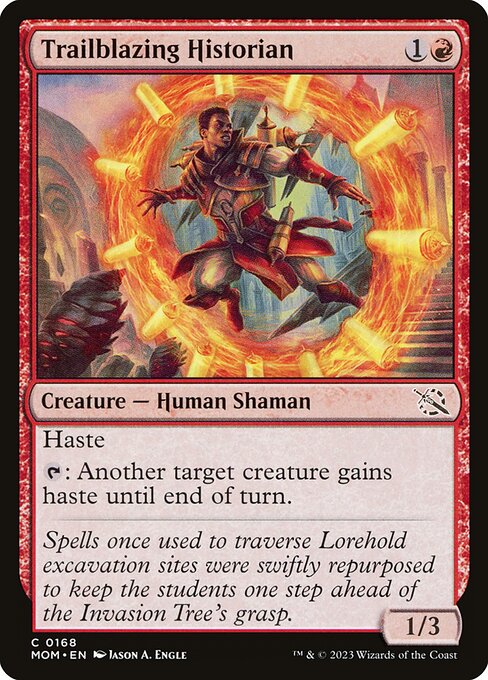
Several support creatures further enhance combat-based pressure. Ogre Battledriver, Trailblazing Historian, Tuktuk Rubblefort, and Purphoros, Bronze-Blooded all provide haste that allow newly cast creatures to immediately join the assault.



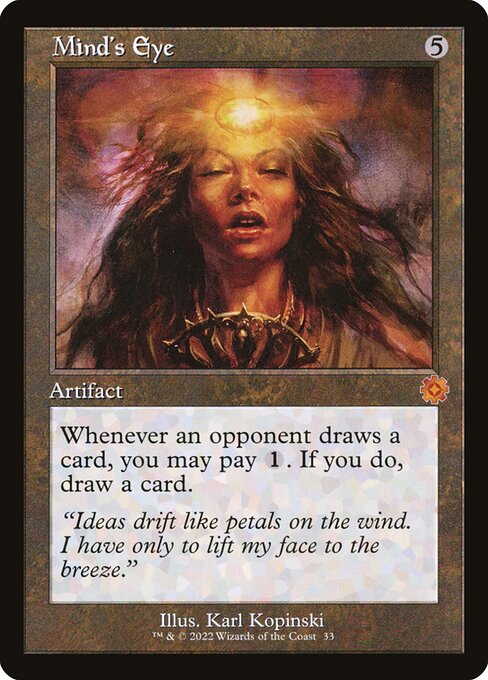
Tools like Crystal Ball, Darksteel Pendant, Mind's Eye, and Explorer's Scope help manage the top of your library to prepare for an Etali trigger, making sure you hit something good.



Every combat step is a gamble that can produce enormous spells, massive creatures, or game-changing effects. By stacking extra combats, accelerating mana, and protecting Etali at all costs, the deck transforms a single attack into an unstoppable chain reaction of free spells and explosive turns. If this more chaotic gameplan suits you, check out the deck here:
Commander
Creatures (24)
Instants (11)
Sorceries (9)
Artifacts (17)
Enchantments (5)
Lands (34)
100 Cards
$785.1
Deck #3: Artifacts
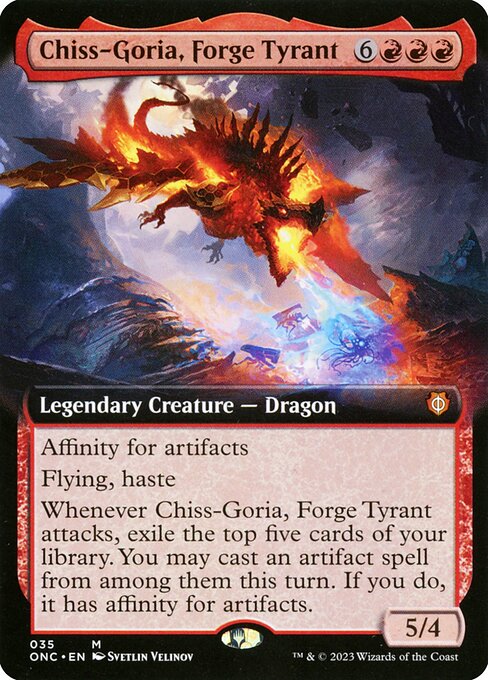
Mono-red artifacts take on an entirely different identity when led by Chiss-Goria, Forge Tyrant. Whenever Chiss-Goria attacks you exile the top five cards of your library and may cast an artifact among them, effectively turning every attack into a chance to cheat another machine onto the battlefield.
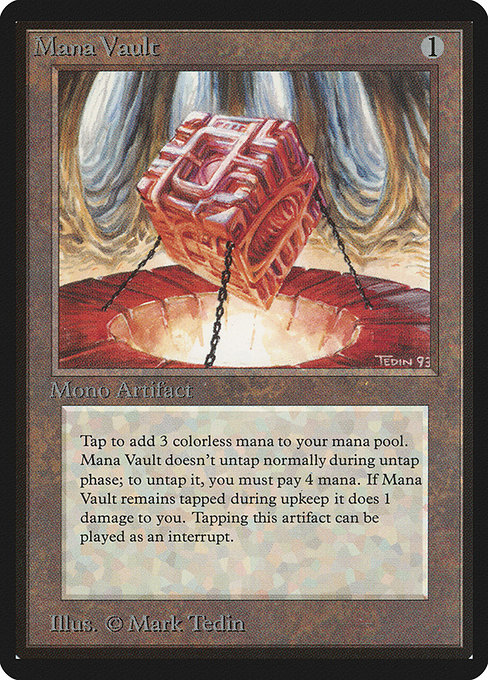
To fuel that ability, the deck begins by establishing a high density of artifacts on the battlefield. Mana rocks like Sol Ring, Arcane Signet, Mox Opal, and Mana Vault accelerate early turns while also contributing to Chiss-Goria’s affinity cost reduction. Because every artifact reduces the commander’s casting cost, even simple mana rocks serve double duty: ramping your mana while also making the dragon significantly cheaper to cast.

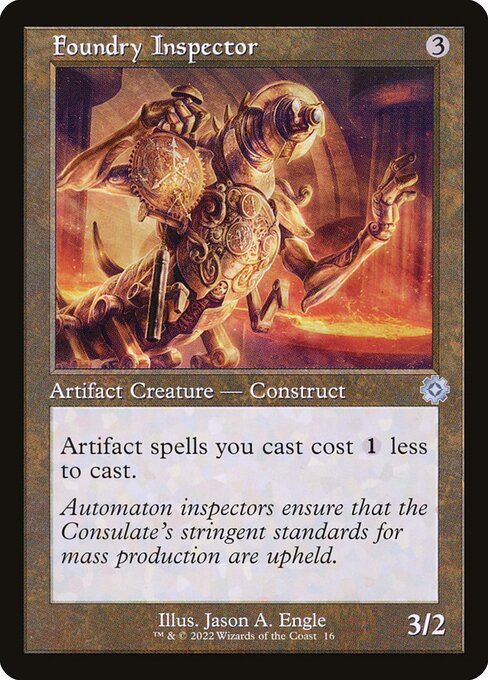
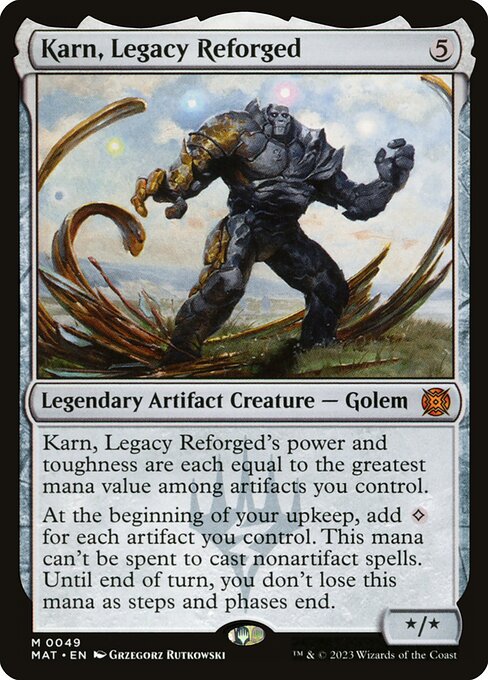
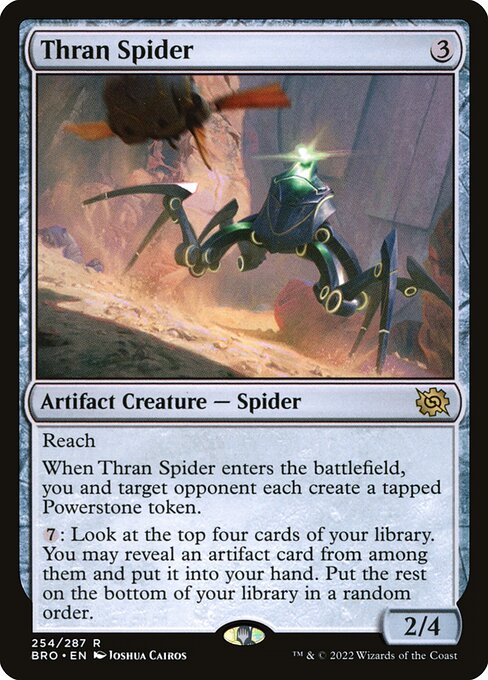
Beyond traditional ramp, the deck relies heavily on artifact synergy creatures that push its mana production even further. Cards like Metalworker, Foundry Inspector, Karn, Legacy Reforged, and Thran Spider generate enormous amounts of mana or reduce the cost of artifact spells. These effects stack quickly, meaning the deck can jump from early setup into casting colossal artifacts several turns ahead of schedule.

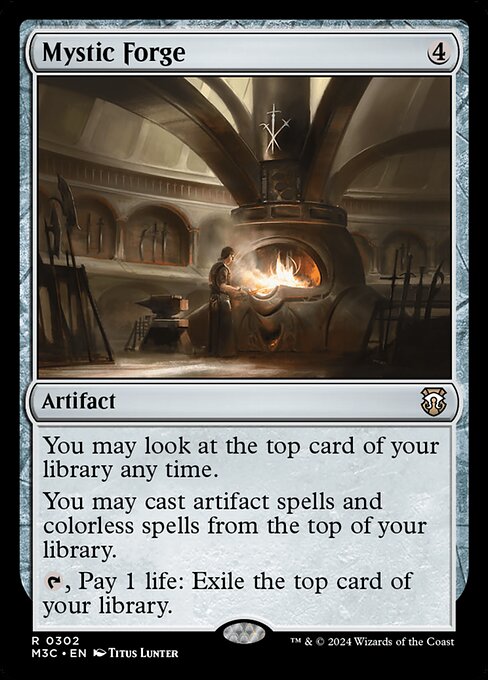
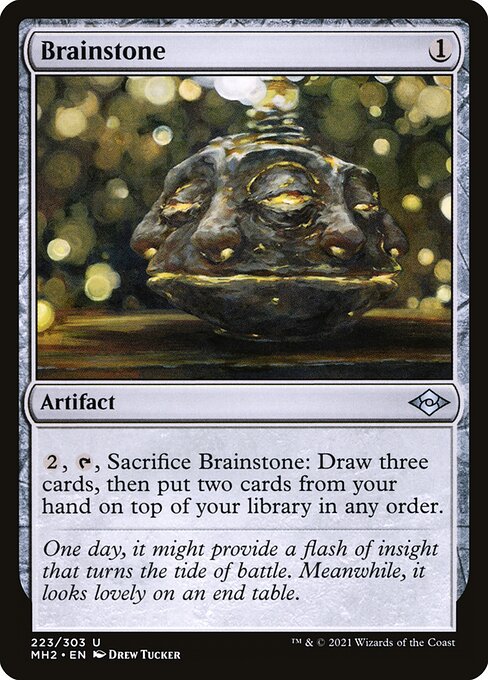
Once Chiss-Goria arrives, the deck begins snowballing advantage through its attack trigger. Support pieces like Scroll Rack, Mystic Forge, Brainstone, and Conch Horn help manipulate the top of your library so that the attack trigger is more likely to reveal powerful artifacts. With a bit of top-deck control, every Chiss-Goria attack becomes a highly reliable way to deploy additional threats without spending mana.


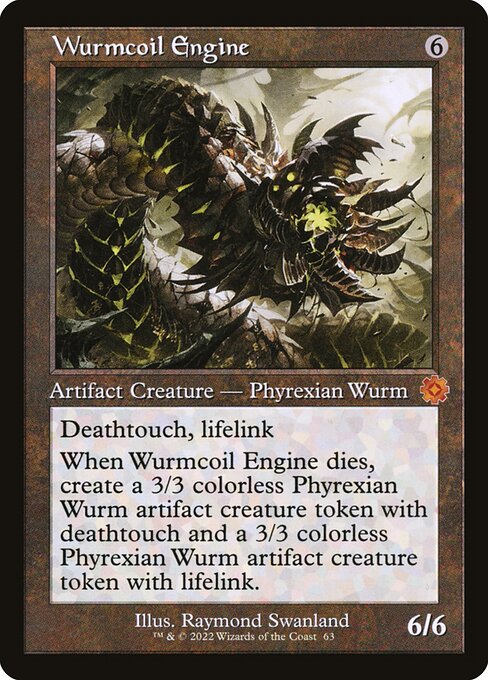
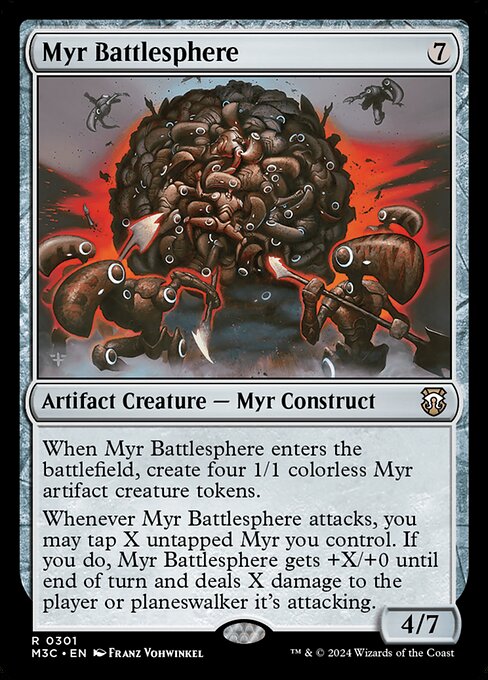
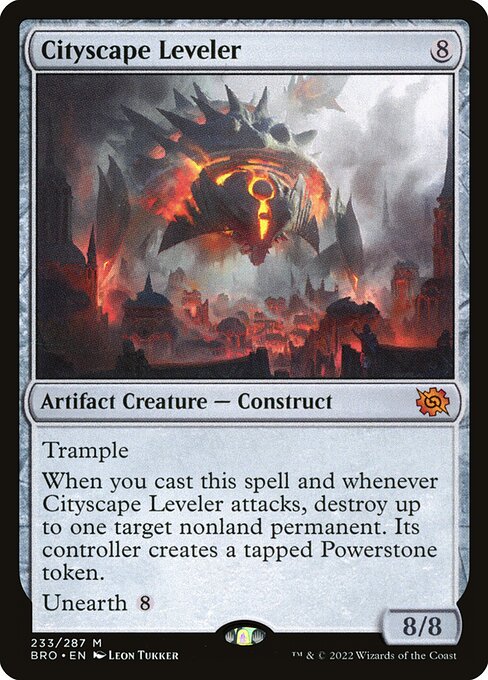
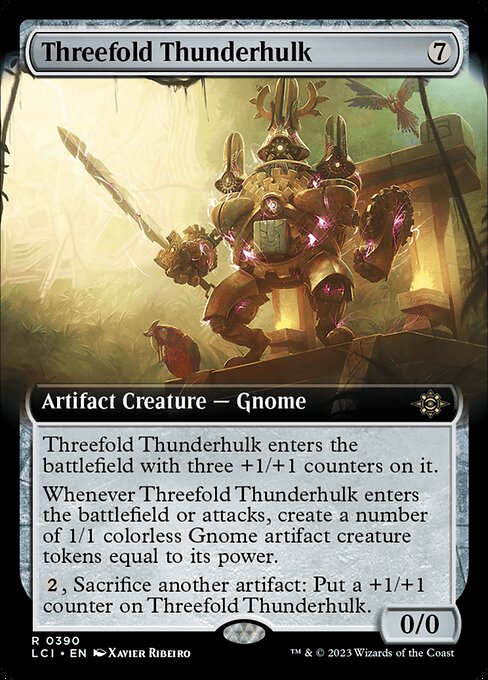
Creatures like Wurmcoil Engine, Myr Battlesphere, Cityscape Leveler, and Threefold Thunderhulk provide enormous board presence while also generating additional value through tokens or destructive effects. When these threats arrive through Chiss-Goria’s attack trigger, they effectively come into play for free.
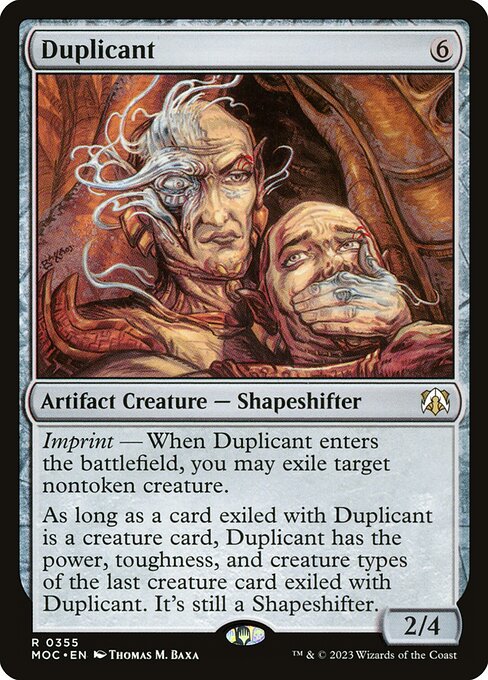
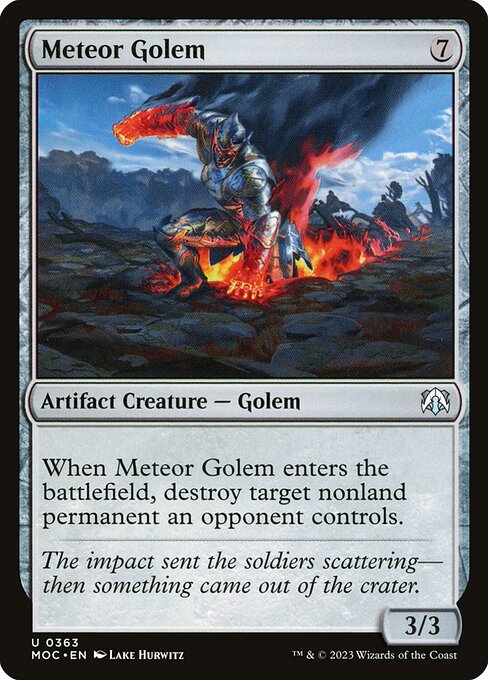
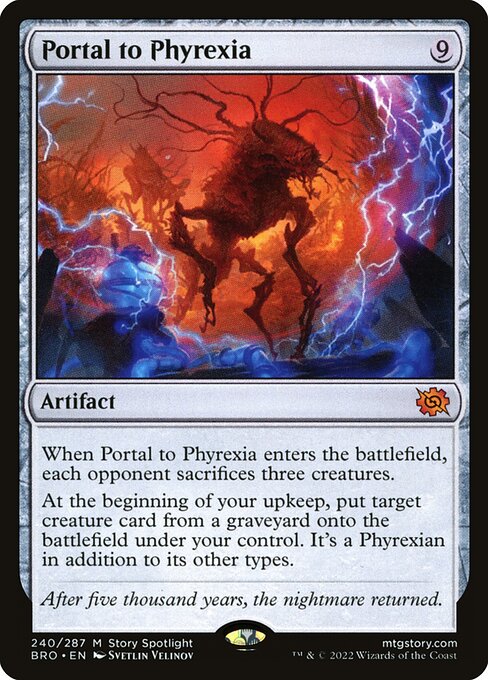
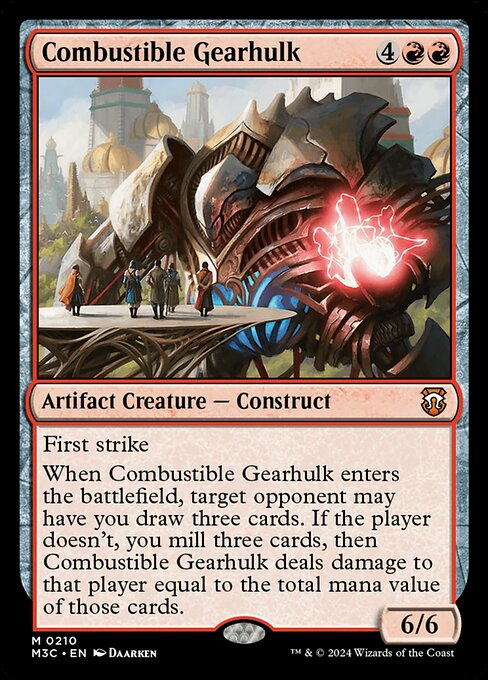
Some artifacts provide devastating utility rather than raw power. Cards such as Duplicant, Meteor Golem, Portal to Phyrexia, and Combustible Gearhulk give the deck access to removal, recursion, and card advantage. These effects ensure that even while deploying giant artifact creatures, the deck can still interact with opponents and maintain control over the board state.
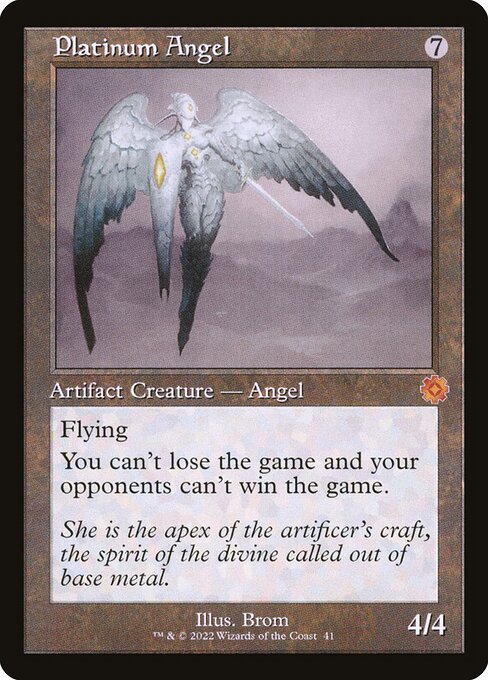
The deck also features several pieces that make its artifact army incredibly difficult to remove. Defensive artifacts like Darksteel Forge, Platinum Angel, Platinum Emperion, and Akroma's Memorial. Darksteel Forge can make your entire artifact suite indestructible, while Platinum Angel and Platinum Emperion can lock opponents out of traditional win conditions.



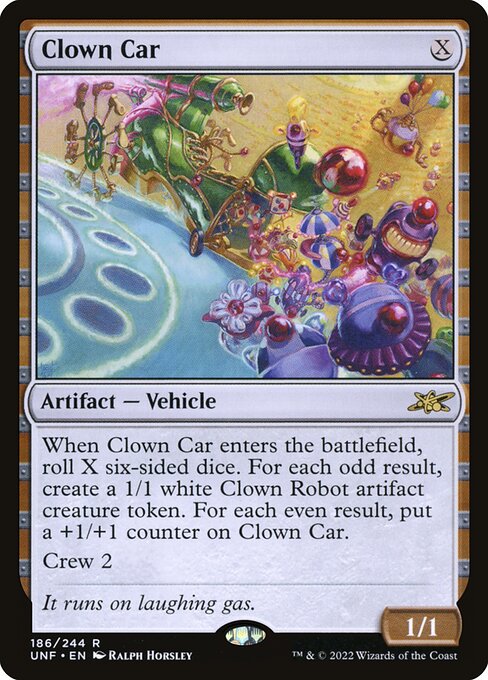
Artifact token generators and scalable threats further increase the deck’s board presence: Hangarback Walker, Walking Ballista, Clown Car, and Canoptek Scarab Swarm.



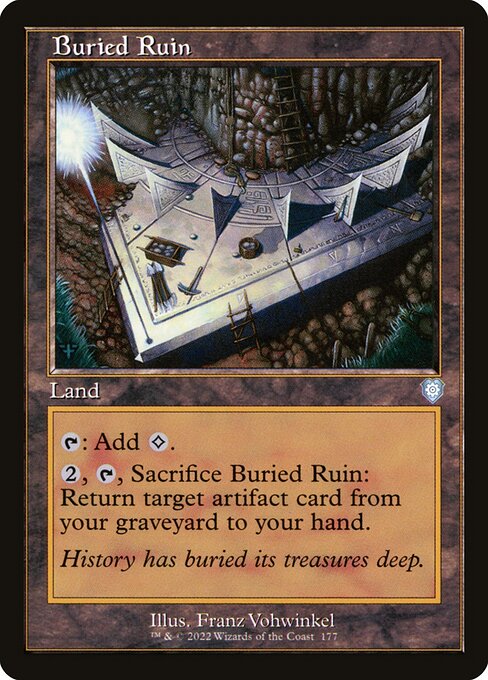
Red’s artifact recursion tools ensure that key pieces can return even after being removed. Creatures such as Goblin Engineer alongside lands like Buried Ruin, Inventors' Fair, and Treasure Vault help recover or tutor for important artifacts. This recursion keeps the deck running even through heavy interaction from opponents.



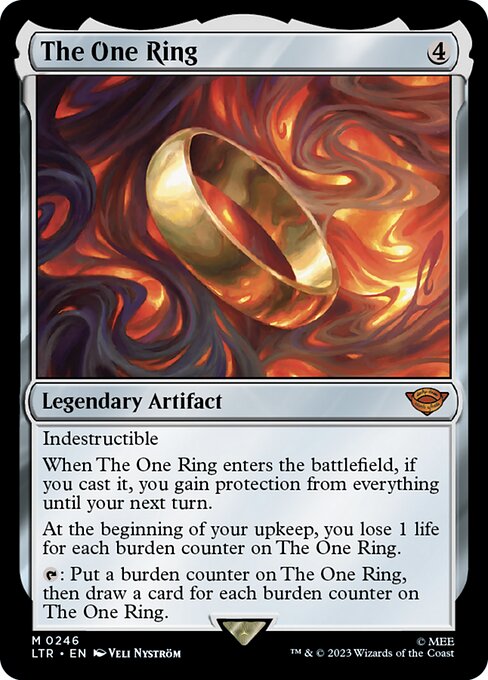
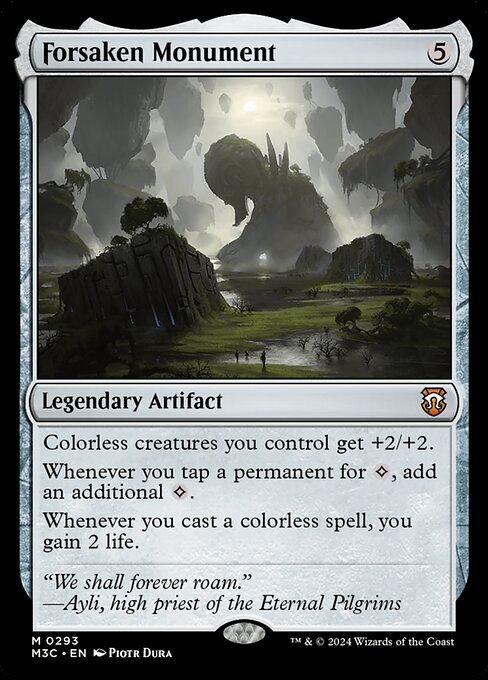
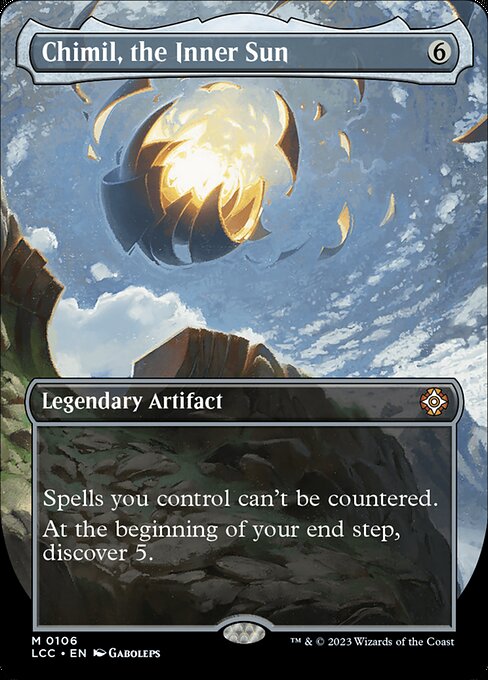
Cards like The One Ring, Mind's Eye, Forsaken Monument, and Chimil, the Inner Sun generate powerful streams of card advantage or resource production. With enough artifacts on the battlefield, these engines allow the deck to continuously deploy threats while maintaining a full hand.
If overwhelming the board with incredibly powerful artifacts at immense speed and never letting go sounds like your thing, check the decklist here:
Commander
Creatures (26)
Sorceries (1)
Artifacts (35)
Enchantments (4)
Lands (30)
99 Cards
$1629.55
Closing Thoughts
These three commanders show just how versatile Mono-Red can be. Whether it’s turning every point of damage into a lethal threat with Torbran, Thane of Red Fell, stealing spells and chaining combat steps with Etali, Primal Storm, or flooding the battlefield with massive artifacts through Chiss-Goria, Forge Tyrant, Red has no shortage of explosive strategies.
These decks don’t rely on slow, intricate engines to win, they create pressure early and force opponents to react. In Bracket 3 Commander, sometimes the fastest path to victory isn’t the most complicated one, it’s simply lighting the fuse and letting Red do what it does best.

