



What Is “Group Hug” in Commander?
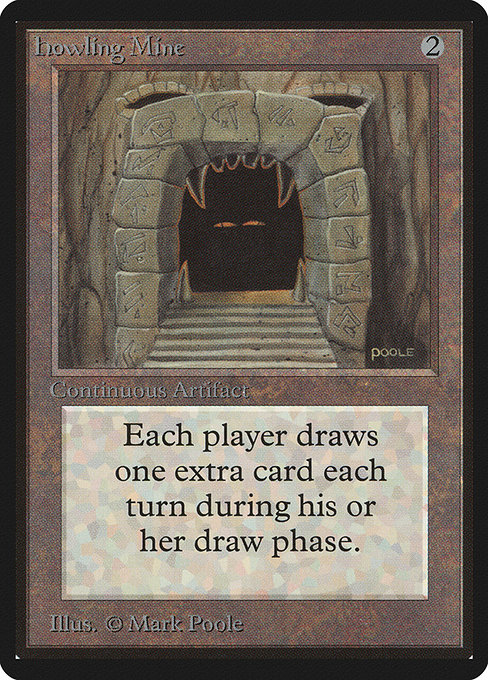
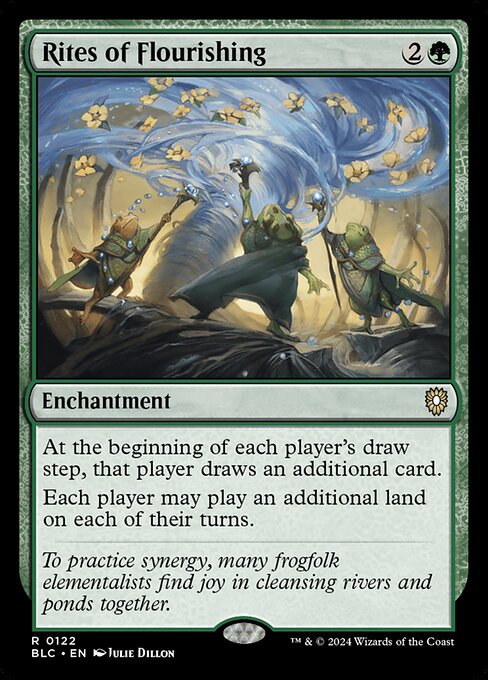
Group Hug is one of the most misunderstood archetypes in Commander. At first glance, it looks like you’re helping everyone else at the table by giving out to everyone extra cards, extra mana, and extra resources with seemingly no downside. Cards like Howling Mine or Rites of Flourishing create an atmosphere where it seems like everyone gets to do their thing often, accelerating the game dramatically.
But beneath that generosity lies intent. Group Hug isn’t about kindness, it’s about control through incentives. You’re shaping the game by dictating how fast it progresses, who benefits the most, and when the balance tips. In many ways, it’s one of the most political archetypes in EDH, relying on perception (and deception) as much as raw power.
Unlike traditional strategies that aim to dominate early or combo quickly, Group Hug thrives in the mid to late game. You’re building a board state where everyone feels ahead until suddenly, you’re the one best positioned to win.
The Real Goal of Group Hug
The goal of Group Hug is not simply to help the table, it’s to engineer a game state where your “symmetrical” effects benefit you more than anyone else.
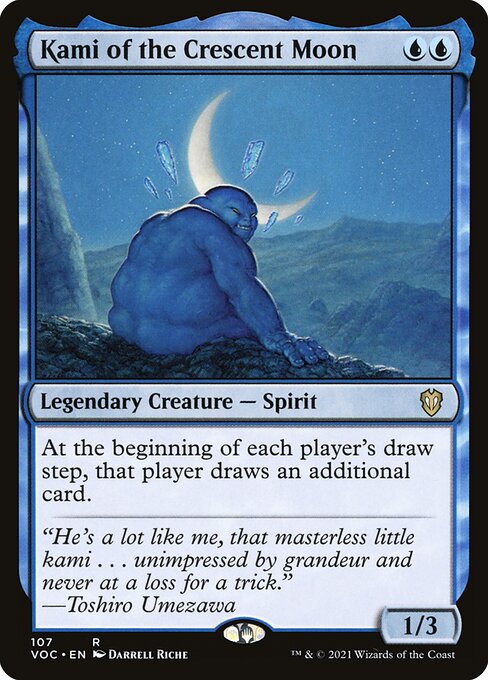
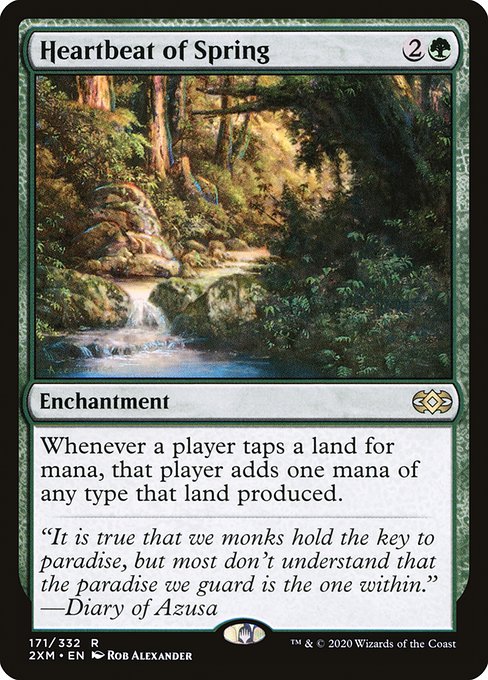
When you play Kami of the Crescent Moon, everyone draws cards. But if your deck is built to take advantage of those extra draws through synergies, combos, or resource conversion, you’re actually gaining more than your opponents. The same applies to mana acceleration from cards like Heartbeat of Spring.
This archetype operates on a principle of asymmetry disguised as symmetry. You give everyone resources, but your deck is designed to:
- Use those resources more efficiently (through synergies embedded into the deck)
- Break parity with additional effects (like maiming everyone elses ability to use the extra resources)
- Convert abundance into inevitability (getting to the finish line closer than everyone else)
Another key goal is deflection. By helping your opponents, you often avoid becoming the immediate threat. Players are less likely to attack the person giving them cards and mana, at least early on. This buys you time to assemble your strategy and set up your win conditions.
Core: How Do We Reach That Goal?
To succeed with Group Hug, you need to balance generosity with control. You can’t just give resources, you need to guide and control how they’re used.
The first step is early acceleration through symmetrical effects.
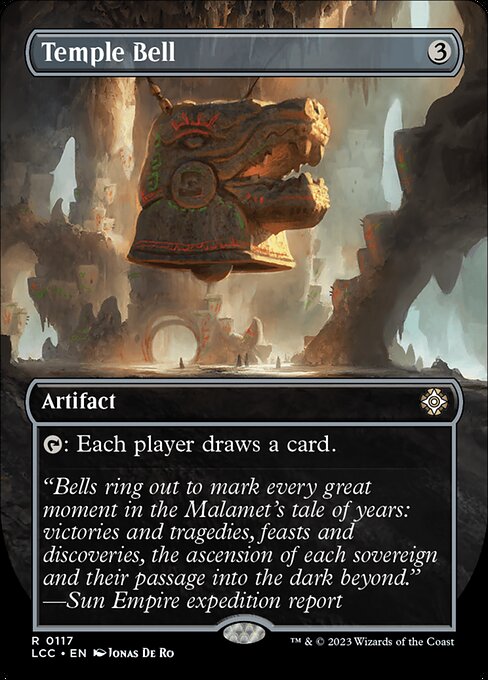
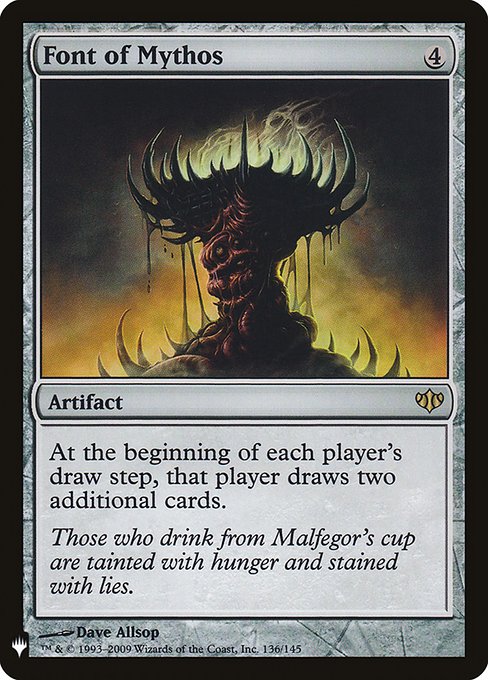
Card Draw for Everyone is the backbone of this archetype: Cards like Howling Mine, Temple Bell, Rites of Flourishing, Kami of the Crescent Moon, and Font of Mythos set the tone of the game by giving everyone extra card draws. These effects ensure that hands stay full and the game keeps moving.
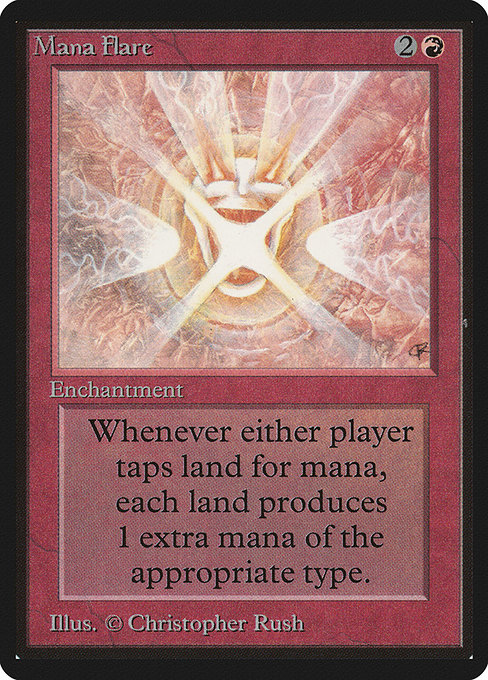
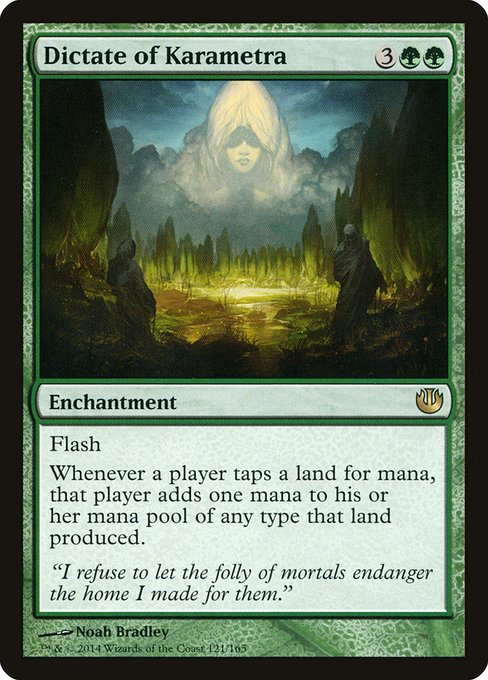
Mana Acceleration for the Table is crucial for speeding up the game, we have it in the form of cards like Heartbeat of Spring, Mana Flare, Rites of Flourishing, and Dictate of Karametra. These all establish you as the “friendly” player by speeding everyone up. These cards allow explosive turns but remember, you need to benefit the most from them.
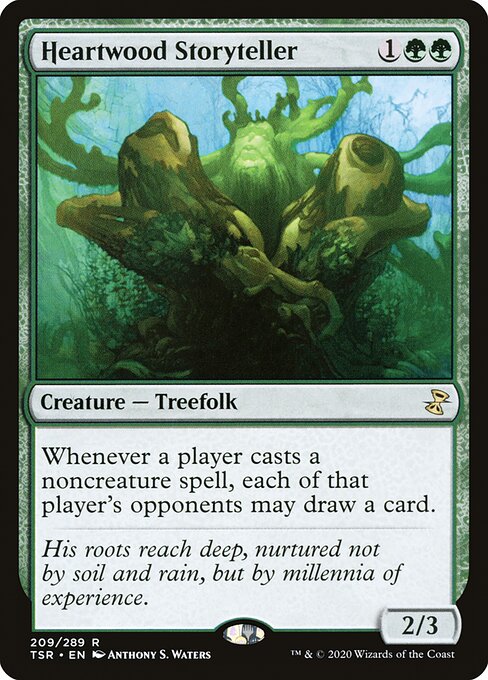
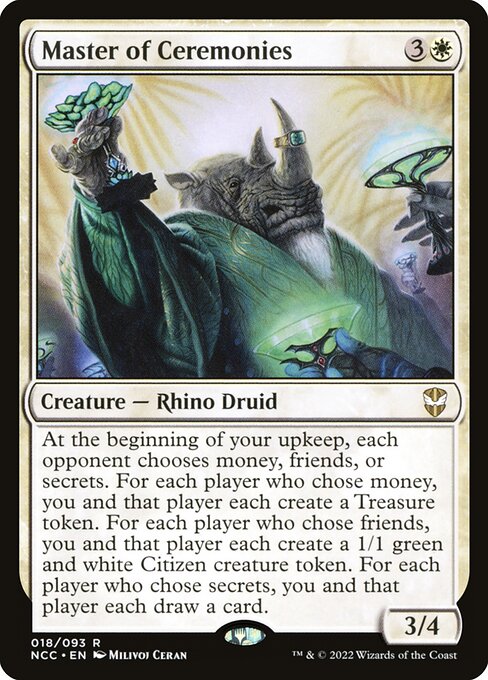
Additionally, we have semi symmetrical effects with cards like Heartwood Storyteller which benefits everyone except one player per play, and Master of Ceremonies which lets everyone choose which kind of advantage to get, while you get all of the chosen ones.
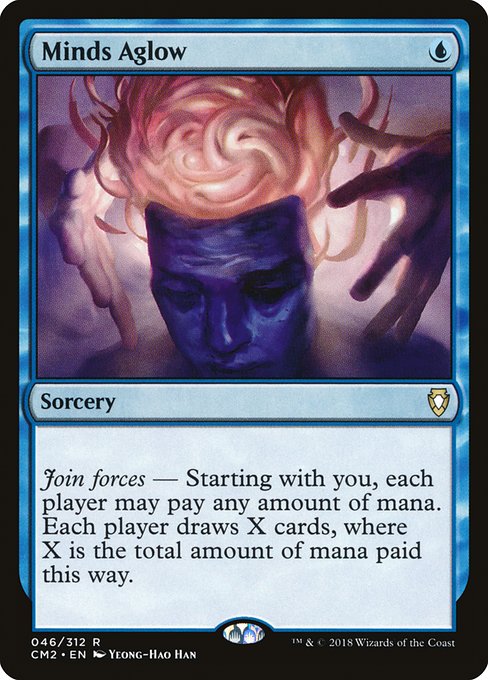
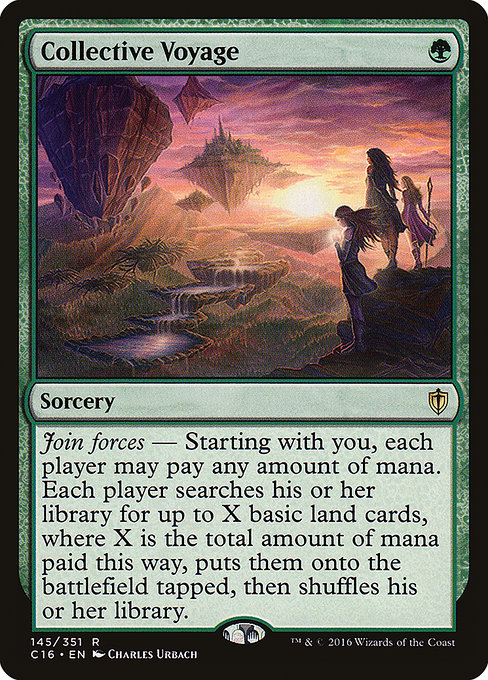
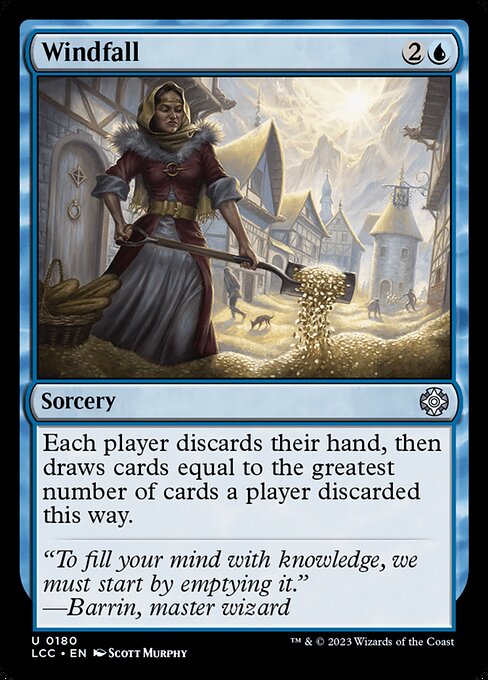
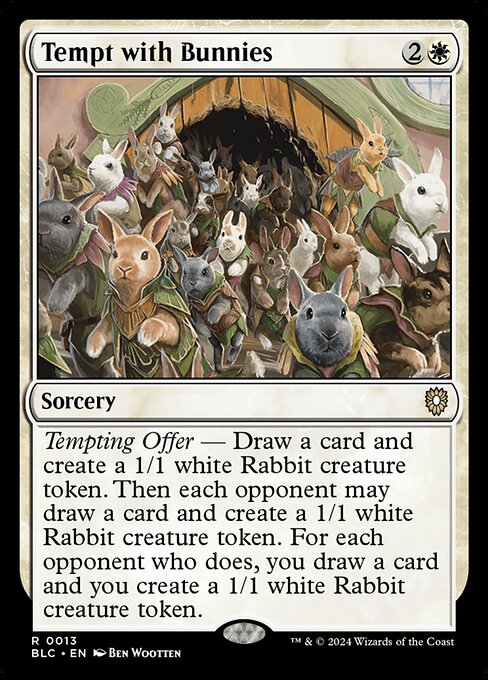
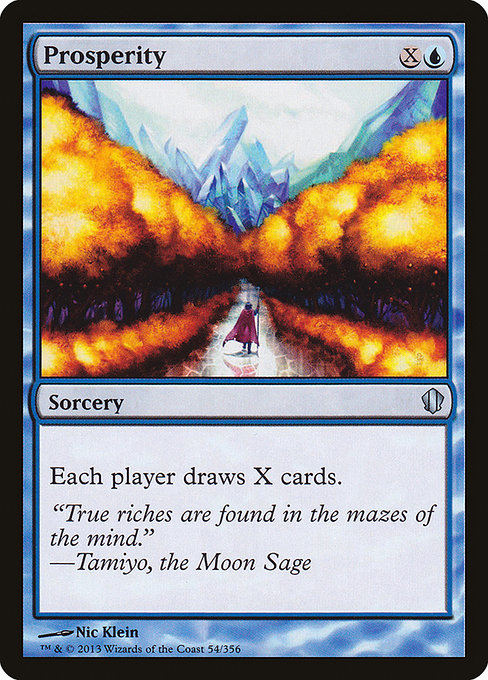
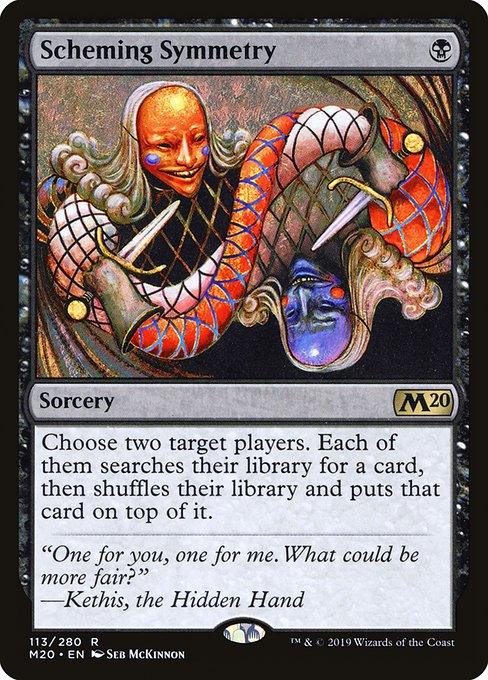
Other powerful symmetrical effects come from cards like Minds Aglow, Collective Voyage, Windfall, Tempt with Bunnies, Prosperity, Scheming Symmetry,
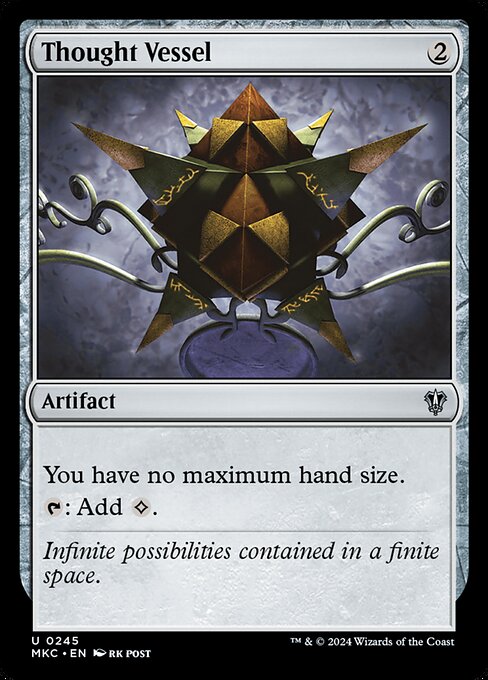
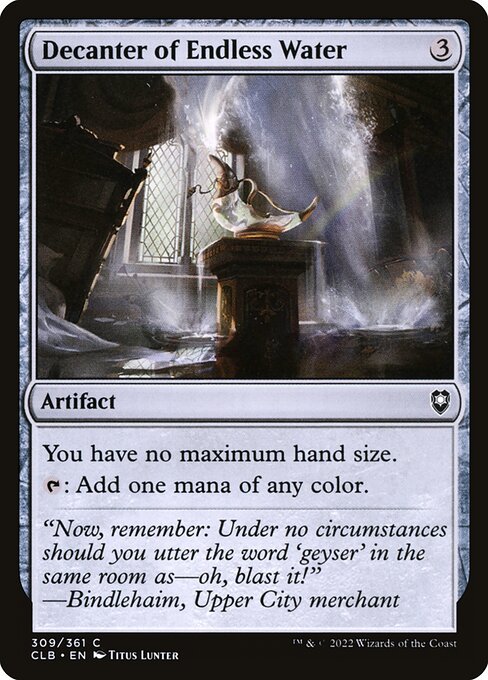
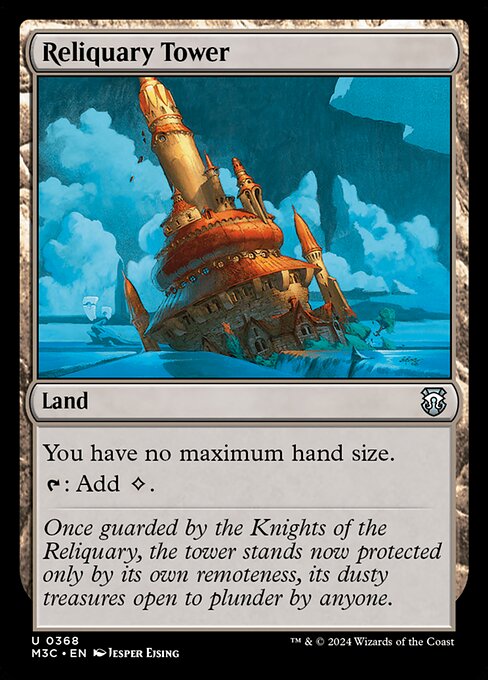
With so many cards drawn we also need to make sure we keep all of them thanks to cards like Thought Vessel, Decanter of Endless Water, and Reliquary Tower.
Breaking the Symmetry
This is where Group Hug decks become truly powerful. Without symmetry breaking, you’re just helping your opponents win faster.
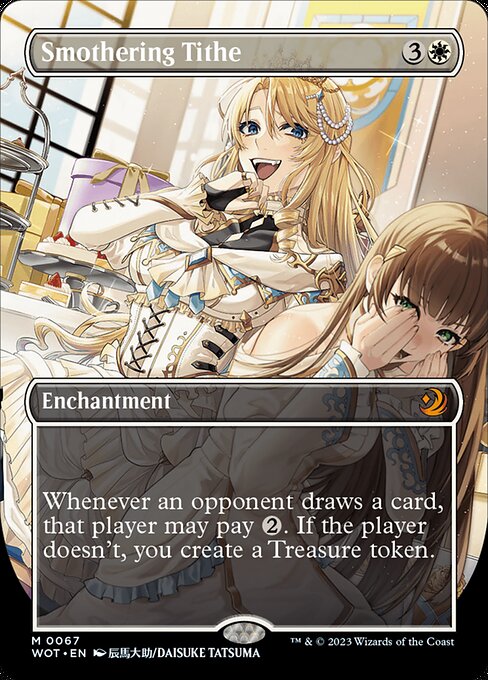
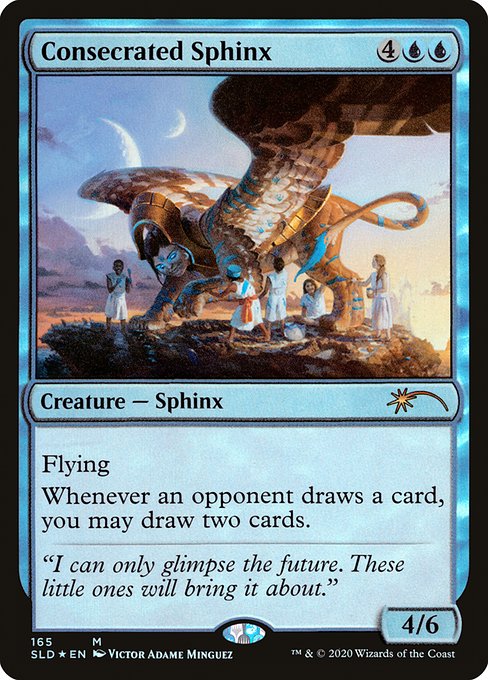
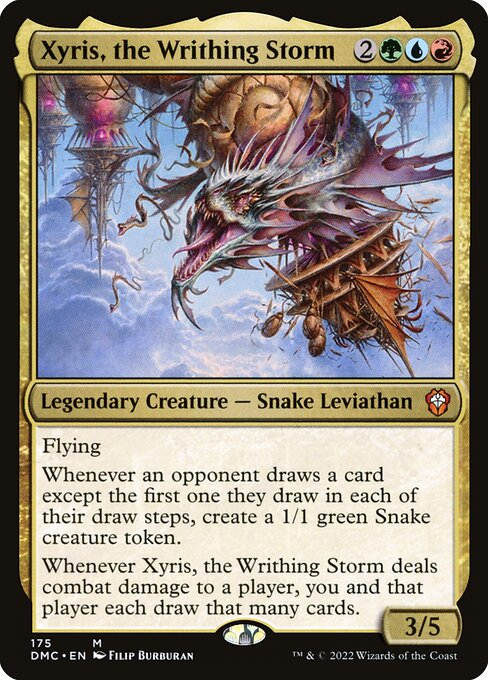
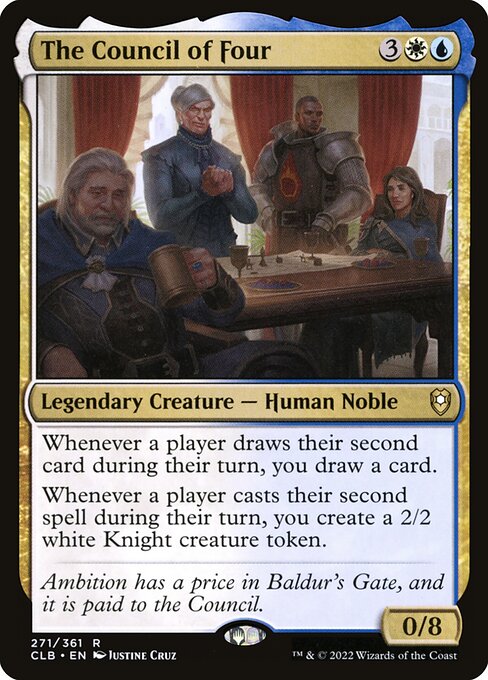
The key idea is simple: everyone gets something but you get more. This is where your deck separates itself from the table and it becomes truly powerful. Without symmetry-breaking, you’re just helping your opponents win faster. Smothering Tithe turn all extra draws into mana for you; Consecrated Sphinx ensures that you draw far more cards than anyone else; Xyris, the Writhing Storm and The Council of Four give you extra creatures for every extra draw your opponents make; they all ensure that you benefit more from the same effects.
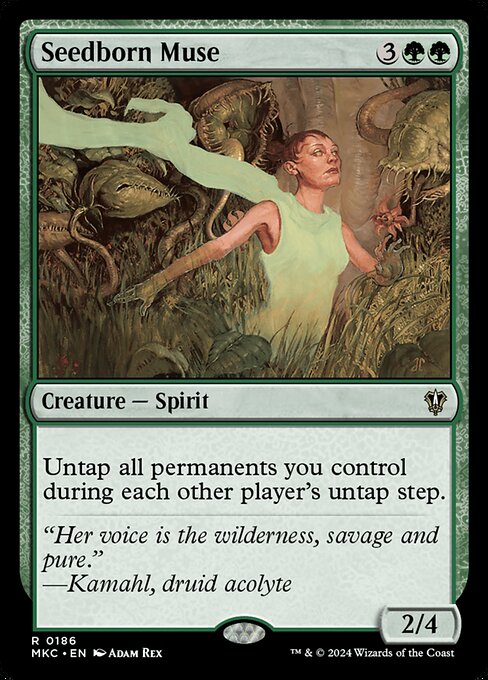
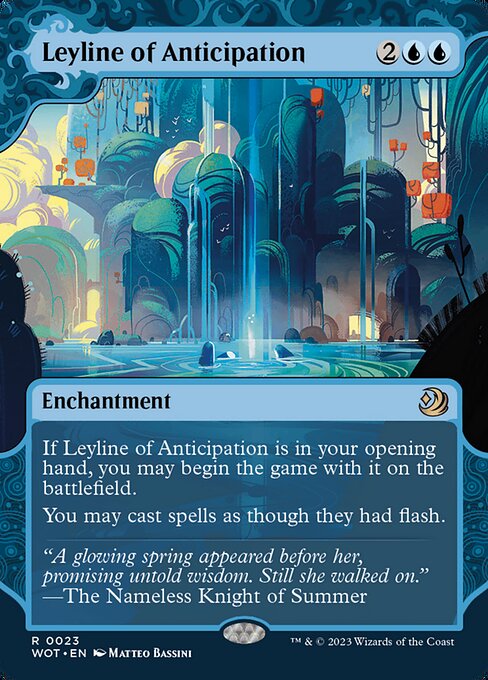
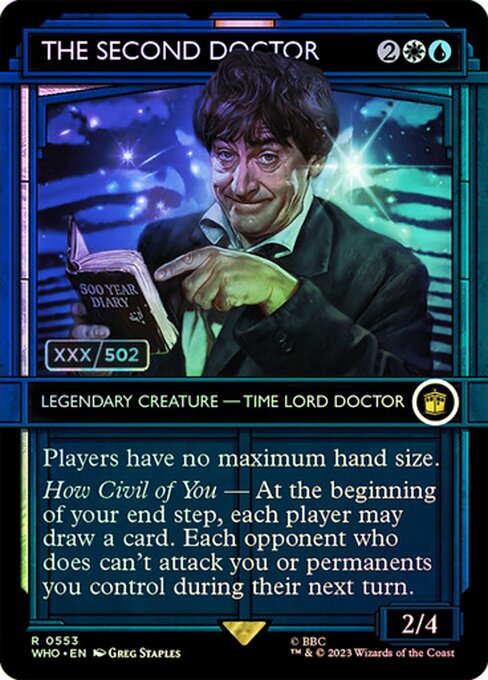
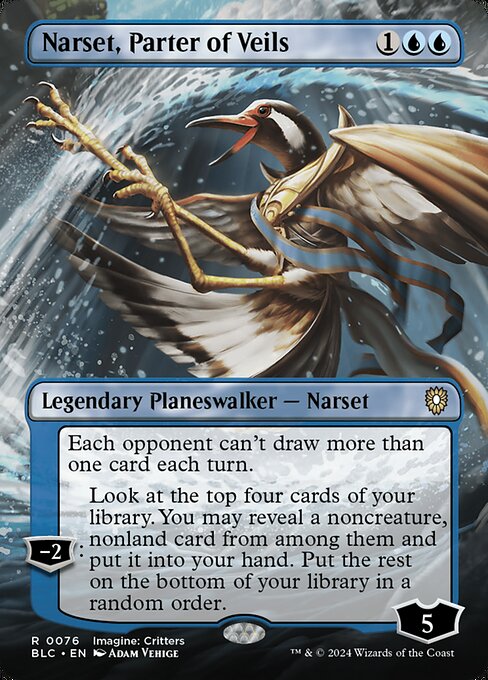
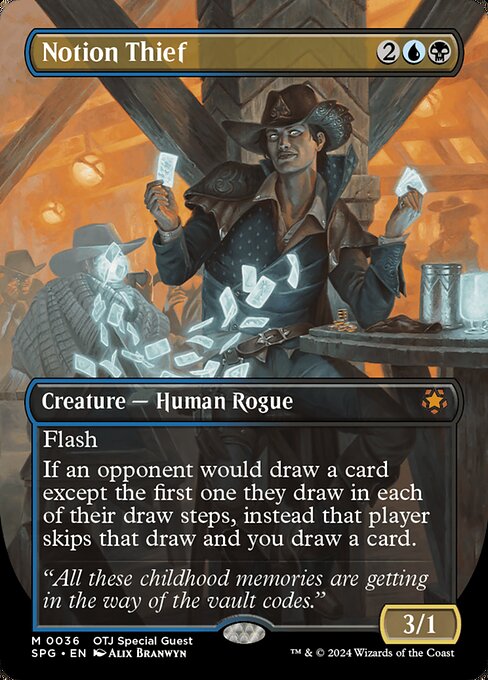
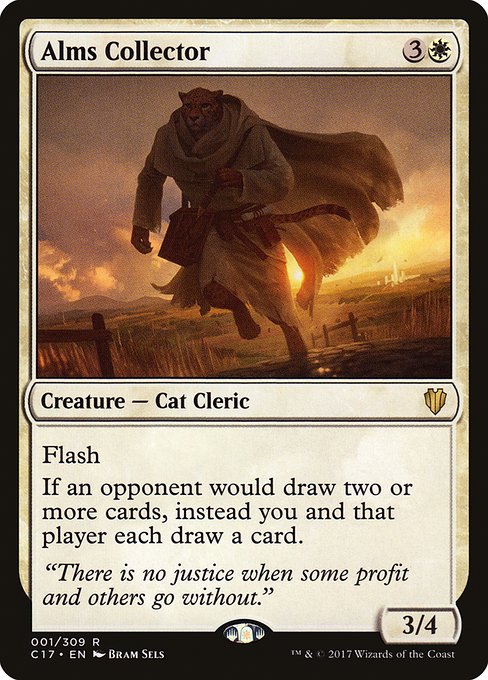
Seedborn Muse keeps you active on every turn, especially if you control a Leyline of Anticipation or a similar effect. Creatures like The Second Doctor also prevent people that use your goodwill to attack you afterwards. Narset, Parter of Veils can completely break the symmetrical draws into a one sided advantage by locking your enemies from ever drawing extra cards. Notion Thief can completely swing the balance, turning group draw into a one-sided engine. Alms Collector limits the benefits from the extra card draws and gives it to yourself.
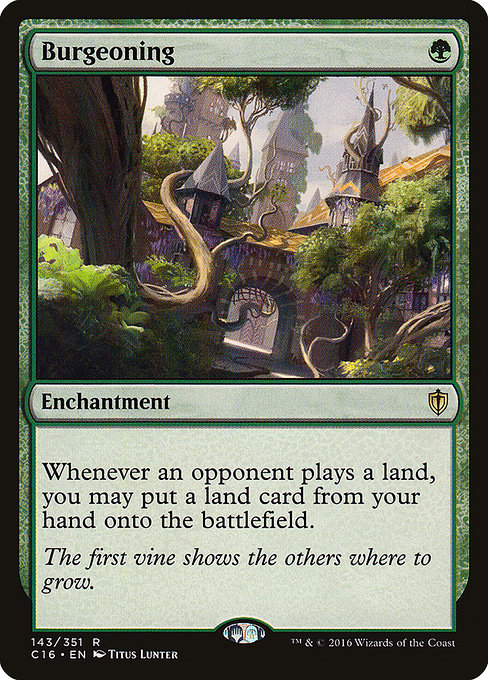
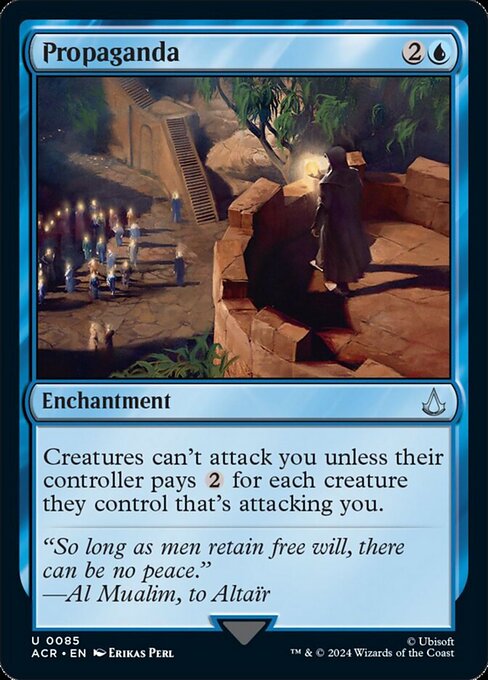
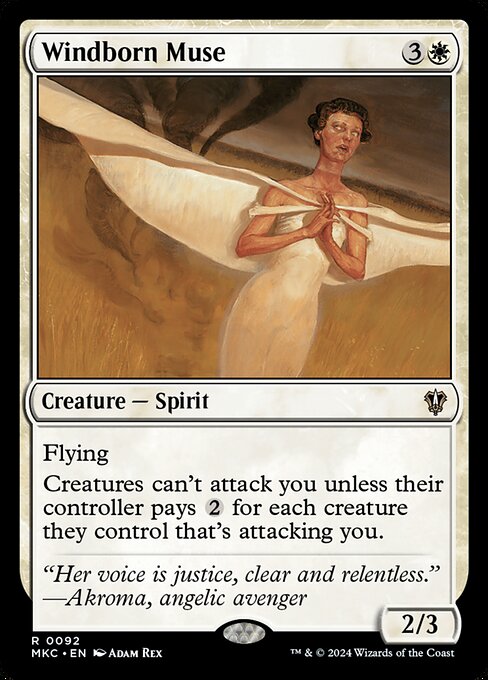
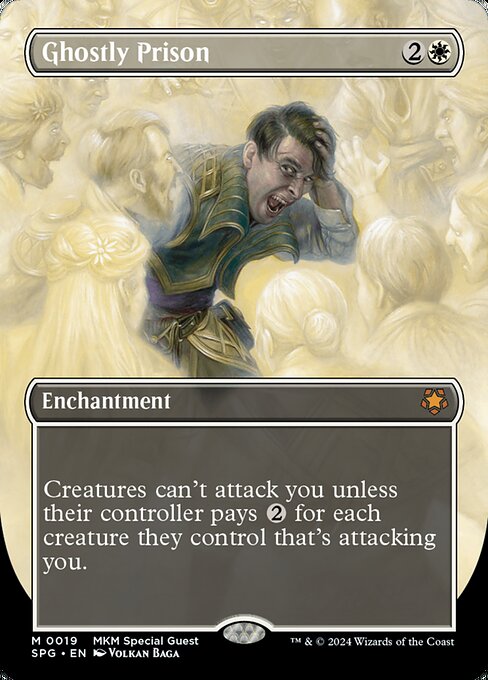
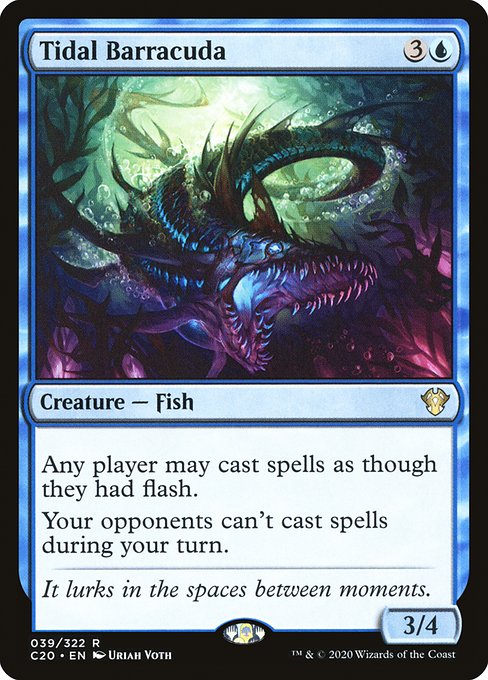
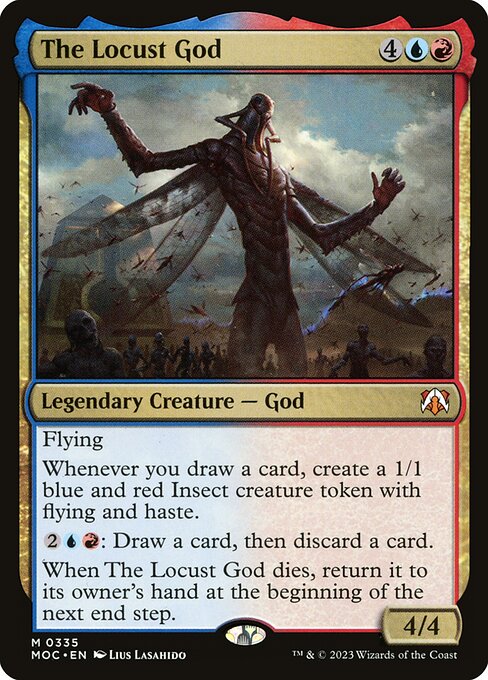
Burgeoning turns your enemies’ land drops into a way to simply play all of your lands before your next turn. Propaganda, Windborn Muse, and Ghostly Prison can keep you safe from any opponents that may see through your deceit. Tidal Barracuda allows everyone to play with Flash, except during your turn, keeping you safe from any disruption your enemies may have tried. The Locust God turns every card you draw into an extra 1/1 flying haste Insect.
Then, you move into control and redirection. Even though you’re helping the table, you still need to manage threats. Political tools and selective interaction keep the game from spiraling out of control. You want chaos, but controlled chaos. This is what we will explore next, as well as positioning ourselves for the decisive end game. Which is where you transition from “helpful” to lethal, often in a single turn cycle.
How Group Hug Decks Actually Win
There’s a common misconception that Group Hug decks don’t have a real win condition, that they just “let chaos happen”. In reality, well built Group Hug decks are extremely deliberate in how they close out games.
One of the most common approaches is resource overload into a finisher. By flooding the table with cards and mana, you create an environment where explosive plays are possible but you’re the one who capitalizes first.
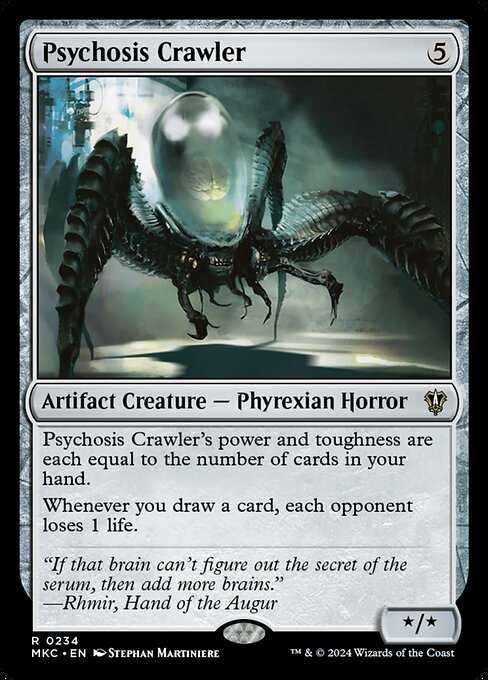
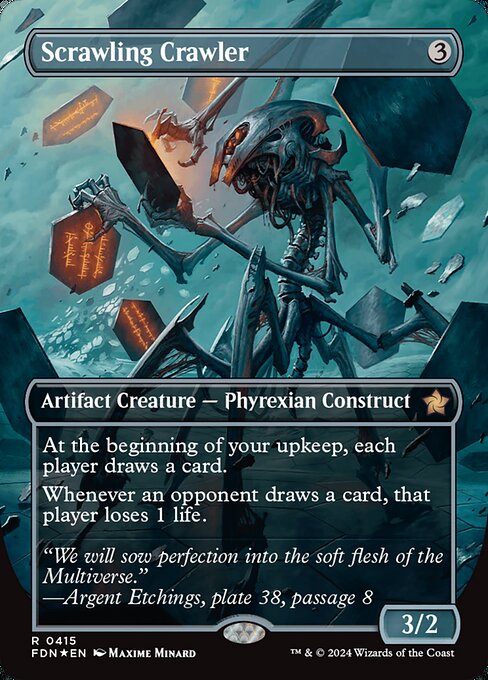
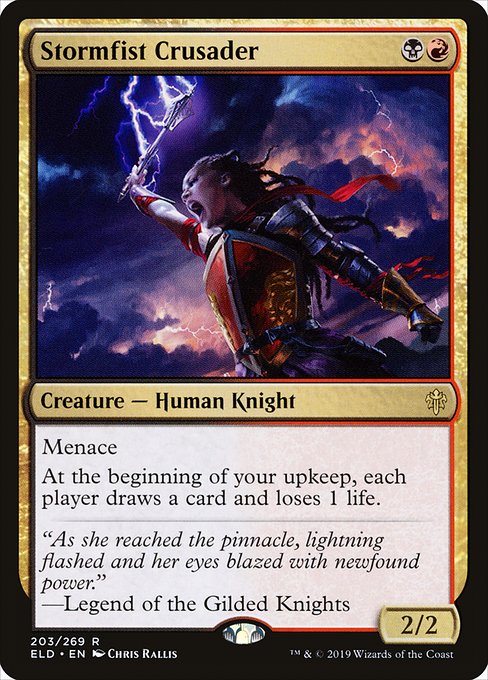
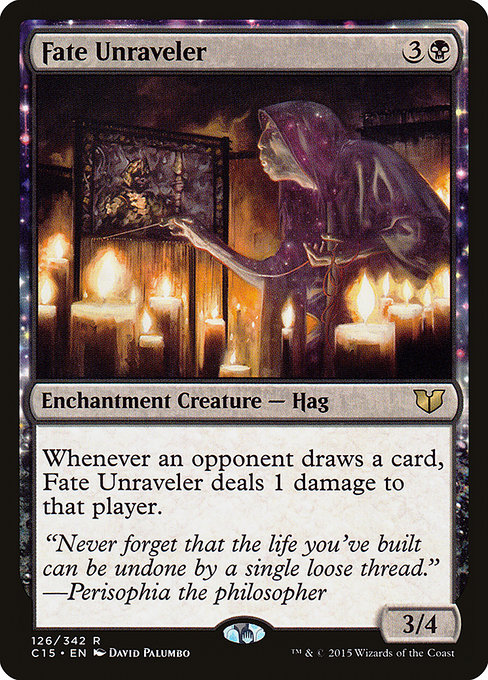
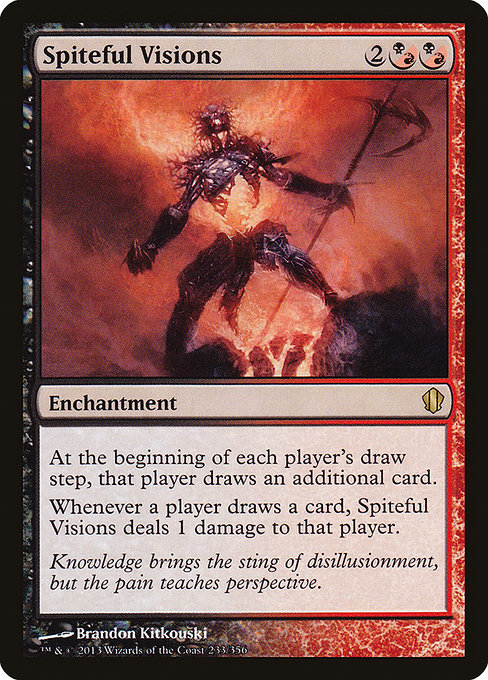
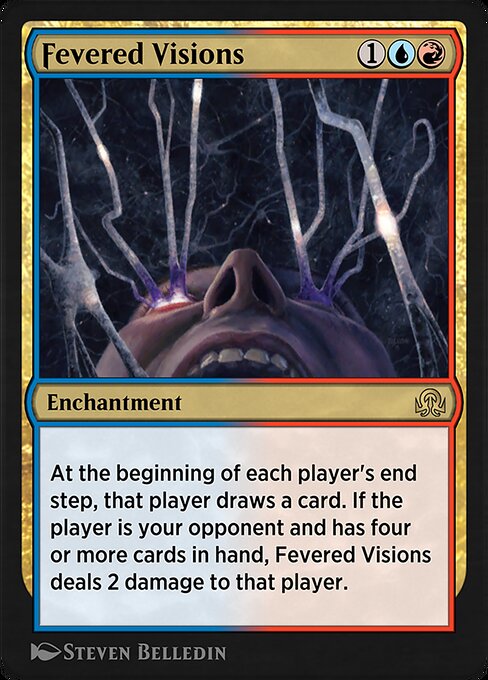
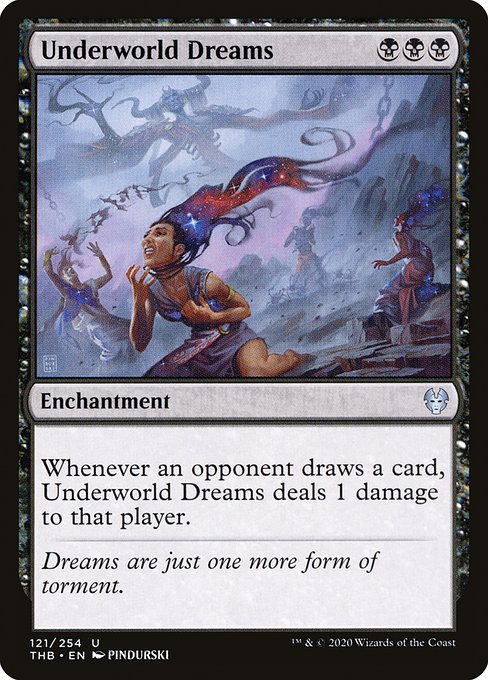
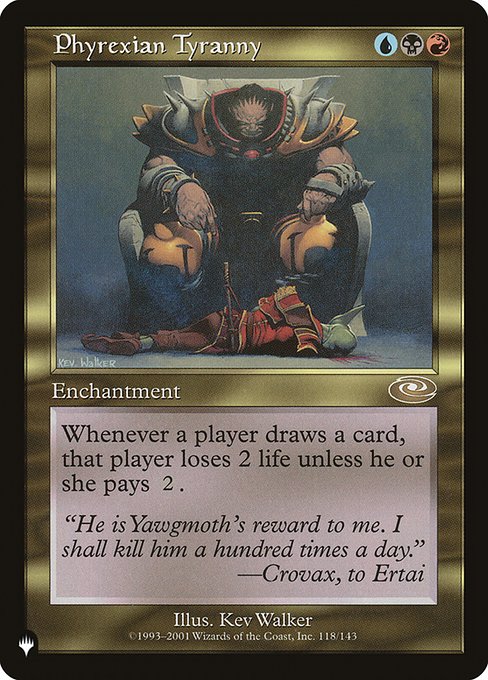
So here come the punishing effects. Cards like Psychosis Crawler, Scrawling Crawler, Stormfist Crusader, Fate Unraveler, Spiteful Visions, Fevered Visions, Underworld Dreams, and Phyrexian Tyranny turn mass card draw into direct damage, allowing you to weaponize the very generosity you’ve been offering.
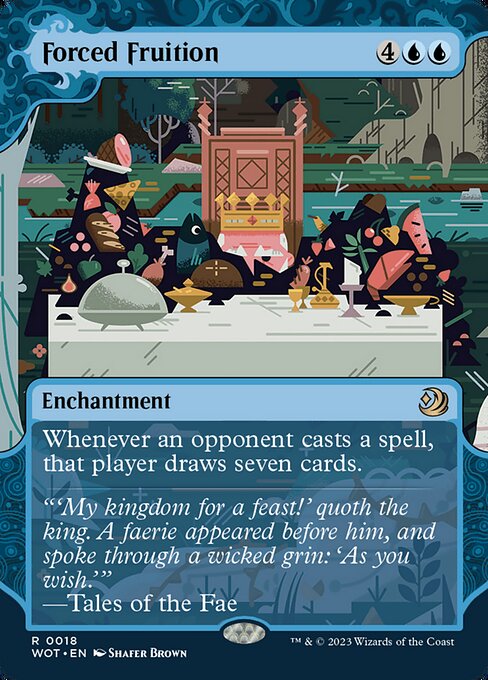
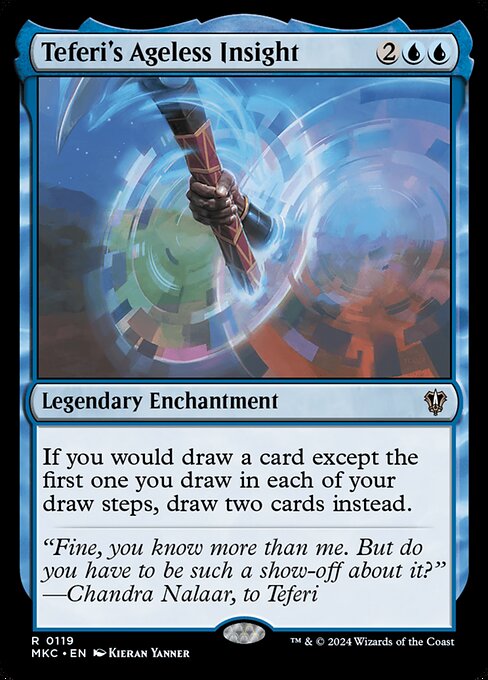
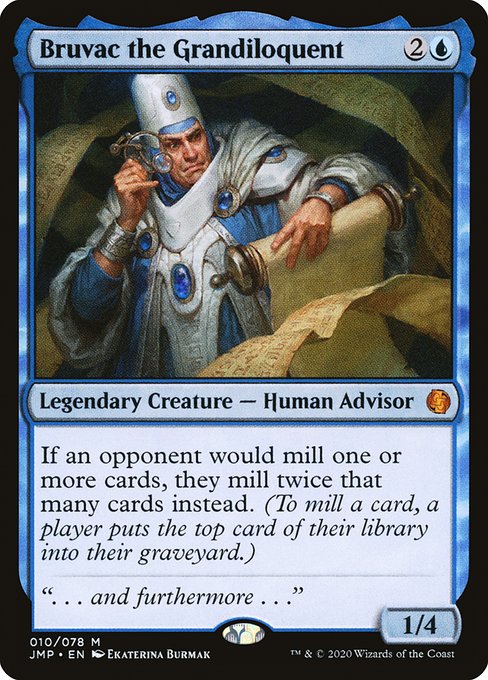
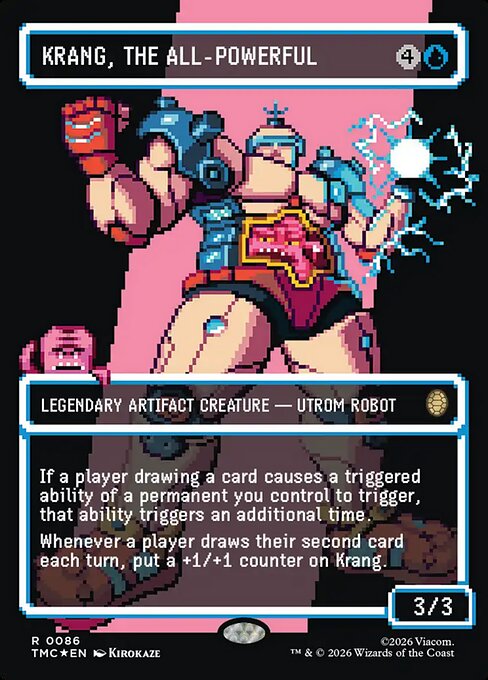
Other win conditions that turn the extra card draws on their head are mill-like effects; for example Forced Fruition which will quickly run an opponents library dry as they try to answer what’s happening, and Teferi's Ageless Insight which turns our plentiful ways to draw cards directly into mill. Bruvac the Grandiloquent doubles all mill effects, while Krang, the All-Powerful turns all draw based triggered abilities to double, making all of these effects even more powerful.
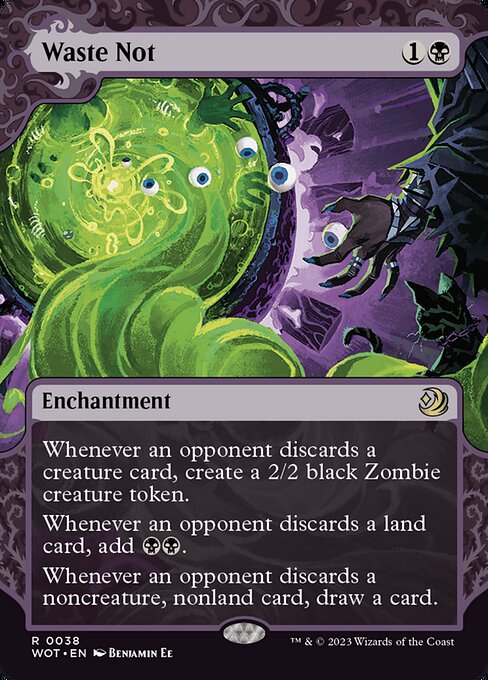
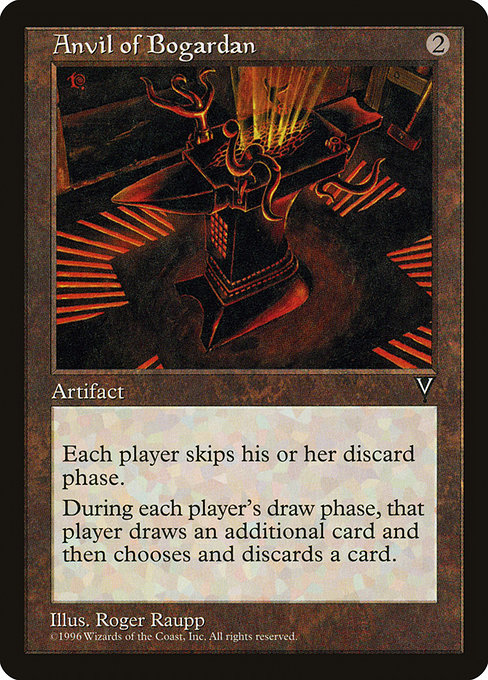
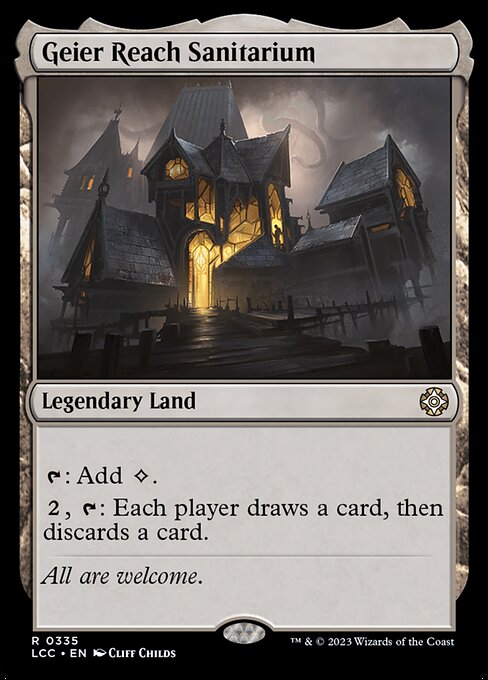
Waste Not takes advantage of the many cards that won’t have time to be played and have to be discarded while Anvil of Bogardan and Geier Reach Sanitarium keep people discarding.
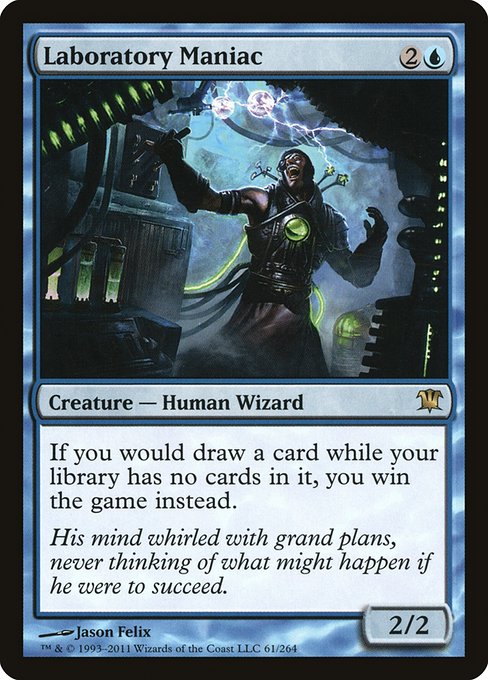
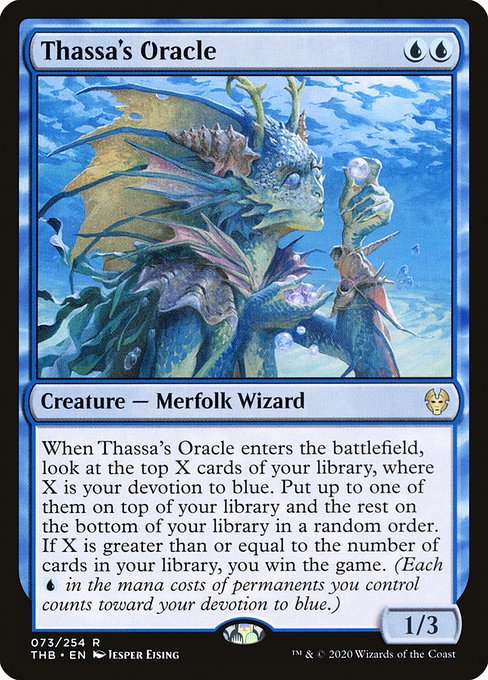
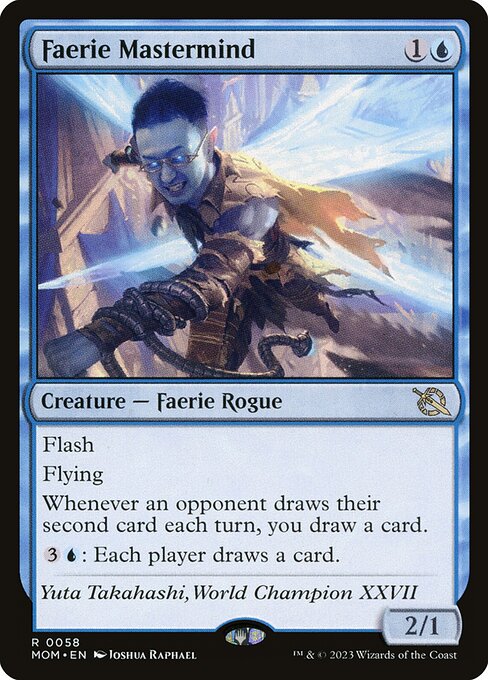
There are also combo finishes involving Laboratory Maniac or Thassa's Oracle, which would normally take quite some time in a game of commander, but it isn’t crazy to get to that point way faster than expected because of how many cards we draw each turn, especially if you add in a Faerie Mastermind.
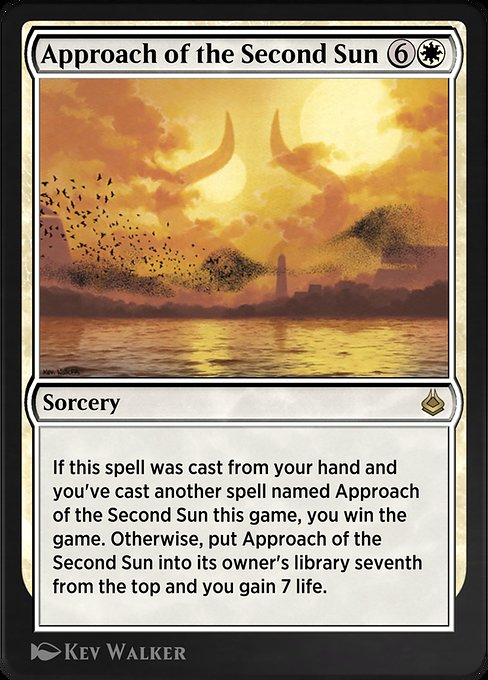
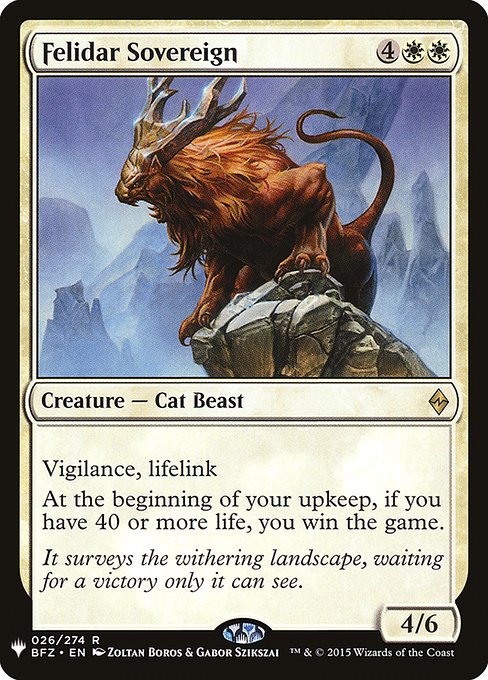
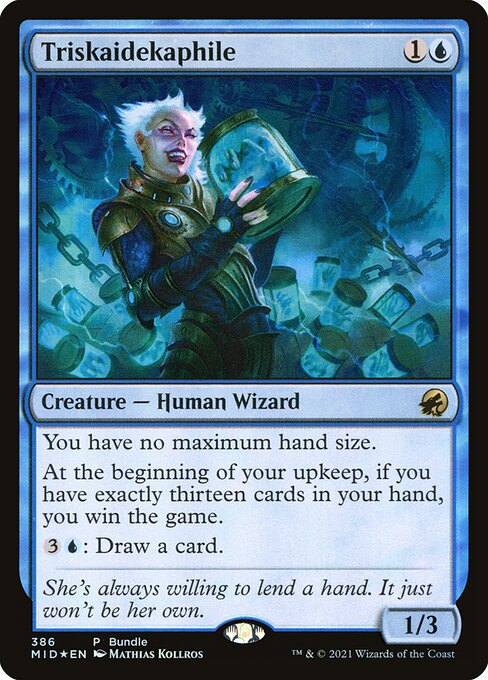
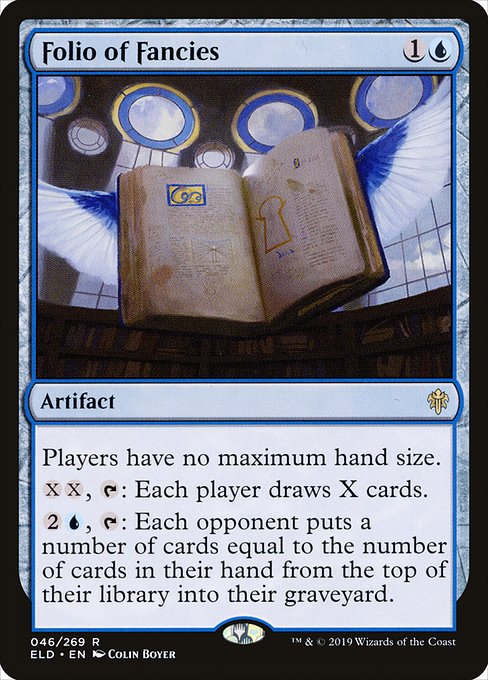
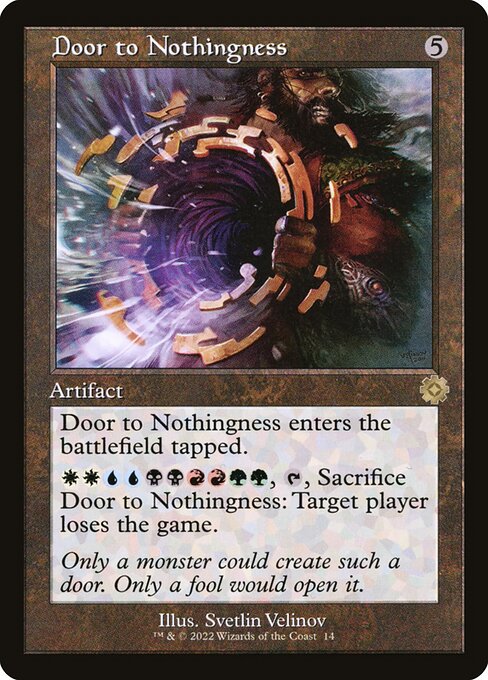
Finally, some builds lean into alternate win conditions, using the accelerated pace of the game to reach them faster. Cards like Approach of the Second Sun or Felidar Sovereign can thrive in a Group Hug shell where time and resources are abundant. Helix Pinnacle can very quickly get to the 100 counter mark. Triskaidekaphile stops looking like a gimmick and more like a serious win condition. Folio of Fancies paried with the explosive amounts of mana we have access to can also get us to a win faster than expected. Door to Nothingness can blow up a target opponent at any time.

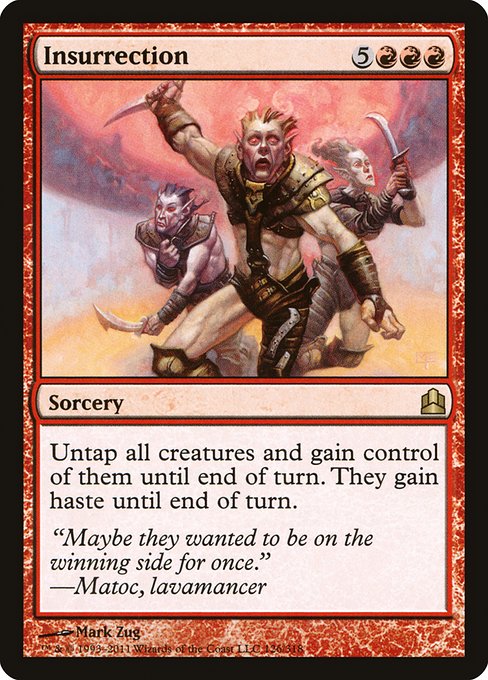
For more explosive finishes, Insurrection can take advantage of the developed board states your deck helps create, turning your opponents’ creatures against them.
Group Hug Flavours
Eventhough Group Hug decks all build upon the same idea, choosing your Commander will heavily influence how you branch off into the game itself and how you win, and it just may be one of the most versatile archetypes.
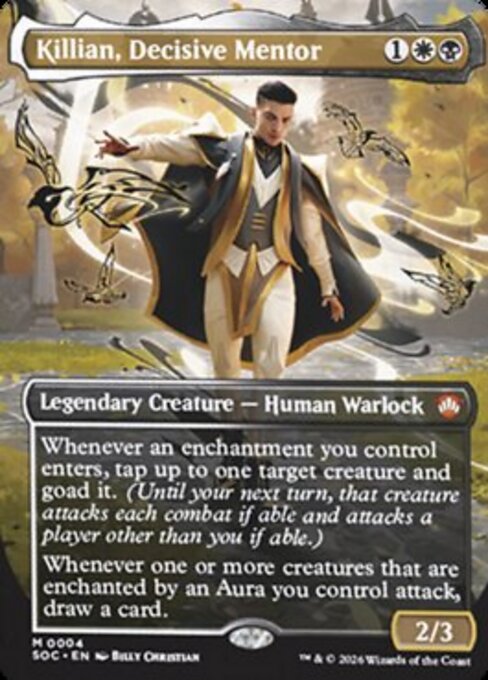
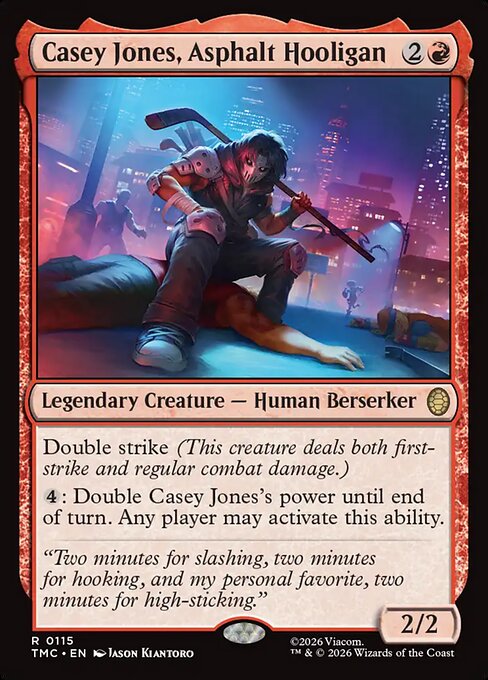
First we have the hot newcommers:

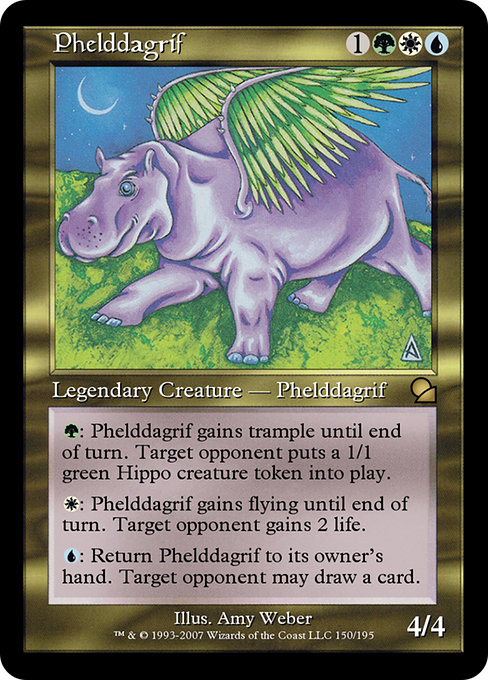
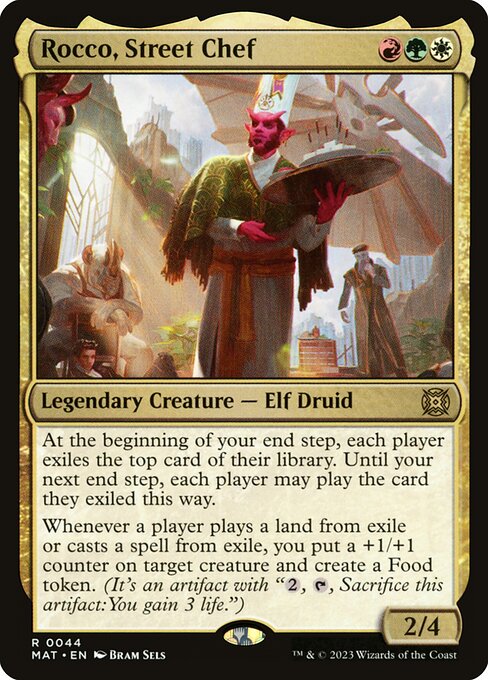
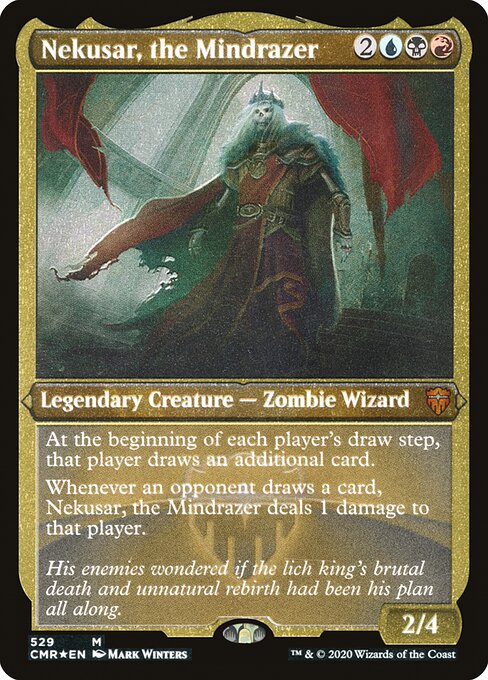
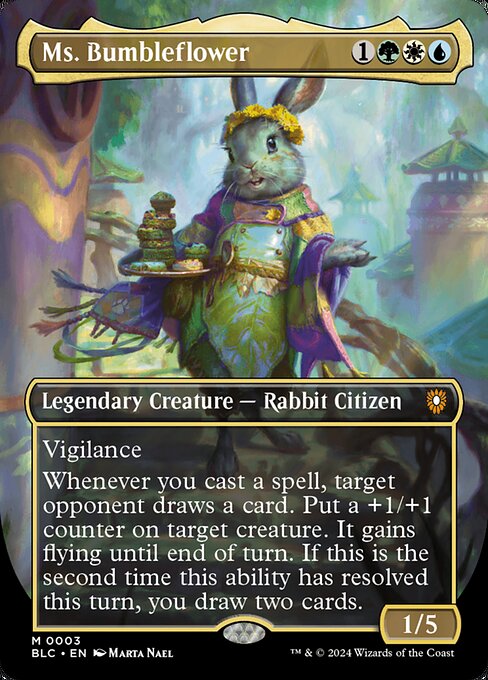
Then we have the all time favorites Ms. Bumbleflower, Kynaios and Tiro of Meletis, Gluntch, the Bestower, Yurlok of Scorch Thrash, Kwain, Itinerant Meddler, Phelddagrif, Rocco, Street Chef, and Nekusar, the Mindrazer. Group Hug can come from pretty much any color combination you desire.
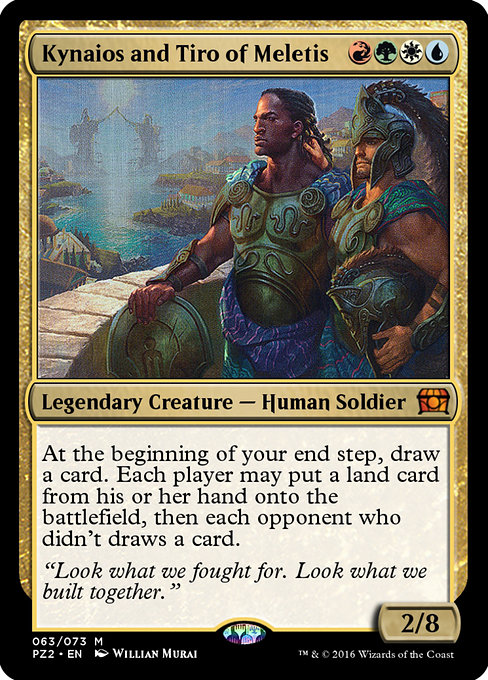
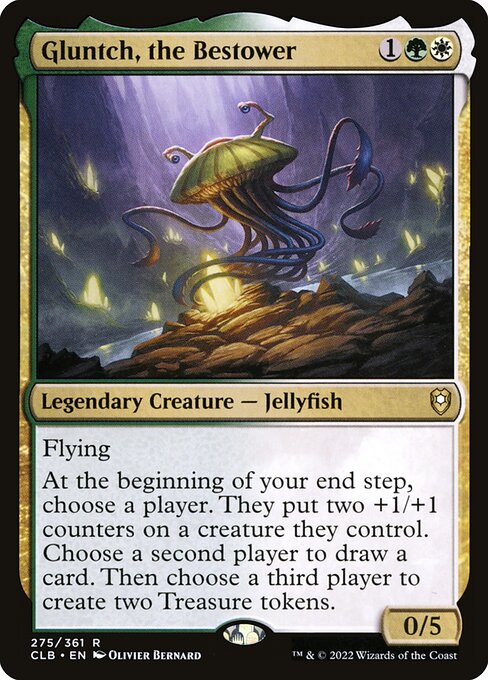
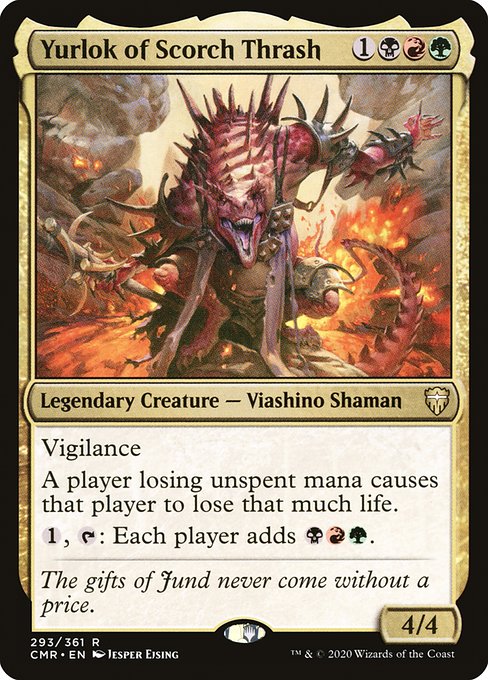
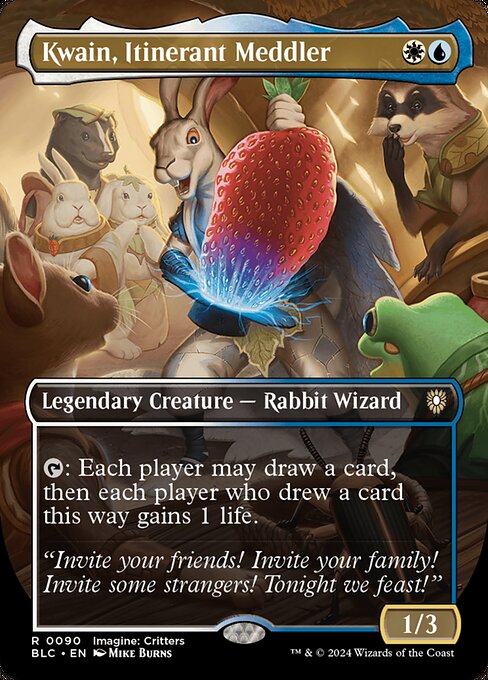
To give an example of how wildly different gameplans can be let’s explore two example decks:
Commander
Creatures (27)
Instants (8)
Sorceries (7)
Artifacts (13)
Enchantments (11)
Lands (34)
100 Cards
$1301.65
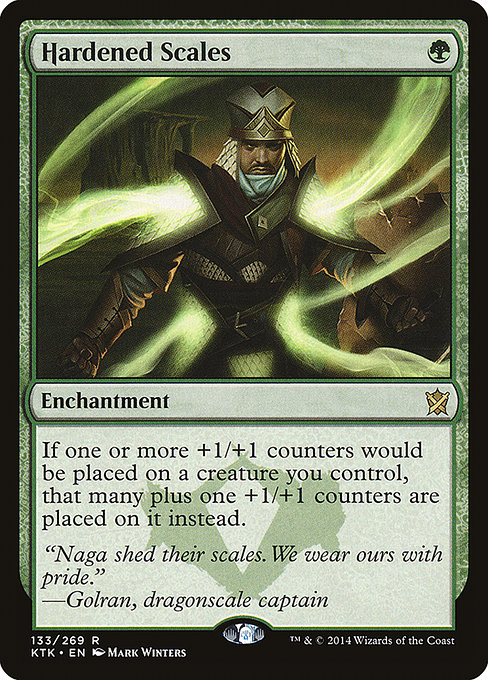
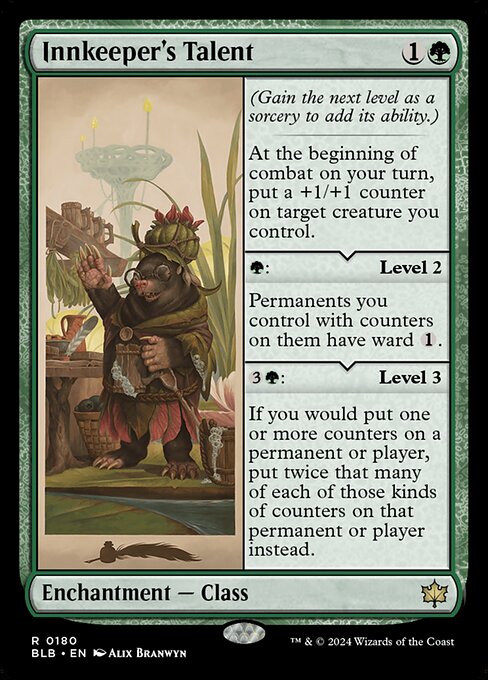
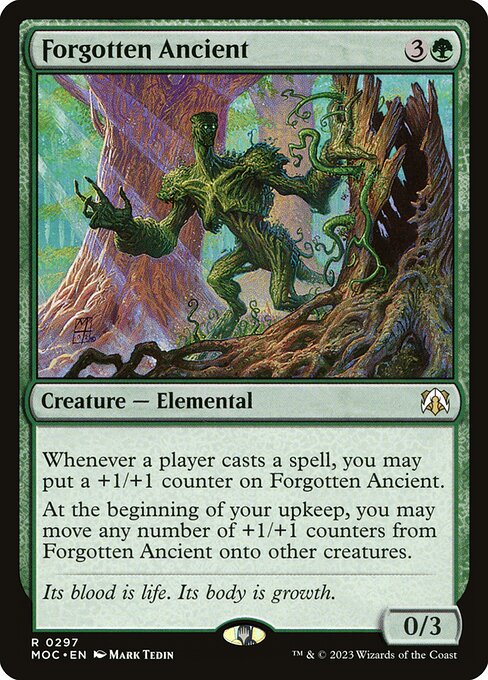
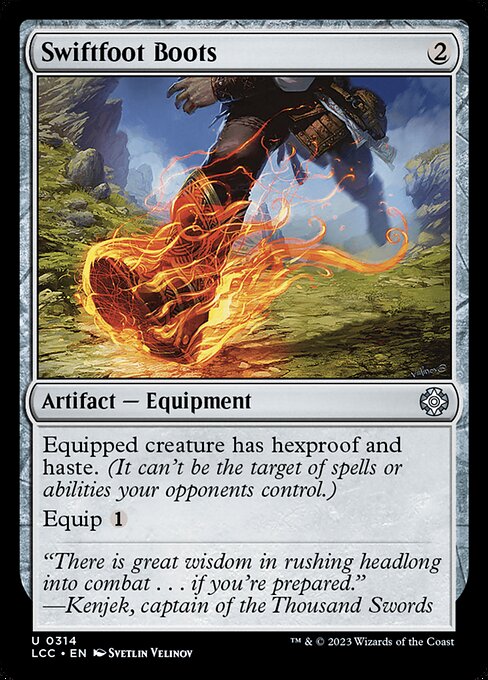
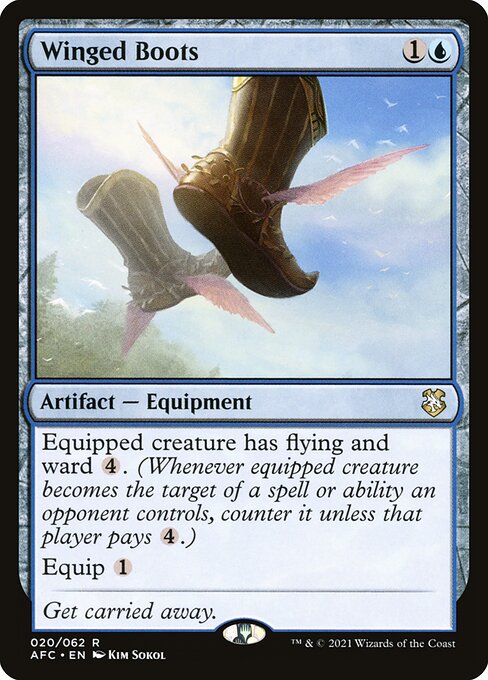
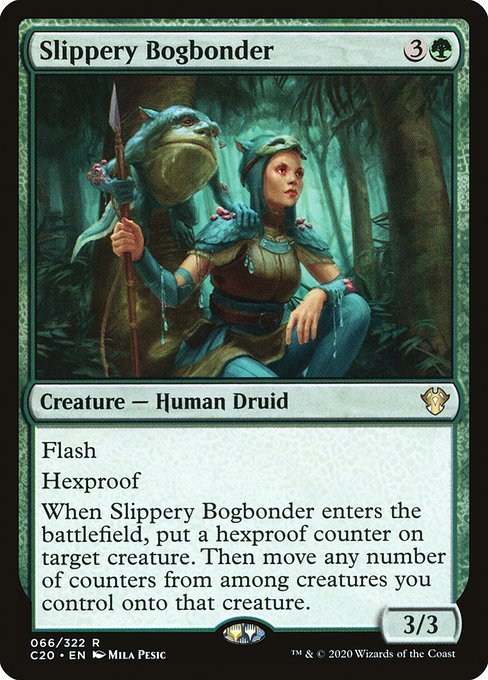
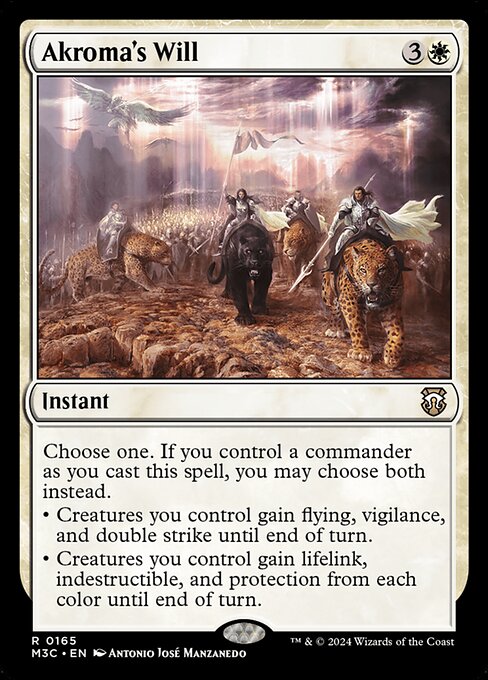
Ms. Bumbleflower decks on the other hand allow everyone to have fun. Usually focused on +1/+1 counters amplified thanks to Hardened Scales, Innkeeper's Talent, and Forgotten Ancient while protecting our key creatures with cards like Swiftfoot Boots, Winged Boots, Slippery Bogbonder and Akroma's Will. Of course, always having our Draw engines in place.
Commander
Creatures (33)
Instants (7)
Sorceries (7)
Artifacts (9)
Enchantments (7)
Lands (37)
100 Cards
$1917.54
Common Pitfalls of Group Hug
The biggest mistake players make is being too generous without a plan. If you’re just giving resources without breaking parity, you’re helping your opponents win faster than you.
Another issue is losing control of the game. Group Hug accelerates everything, which can backfire if a combo deck takes advantage of your generosity before you’re ready, so every Group Hug deck must also have its fair share of interaction to make sure this doesn’t happen.
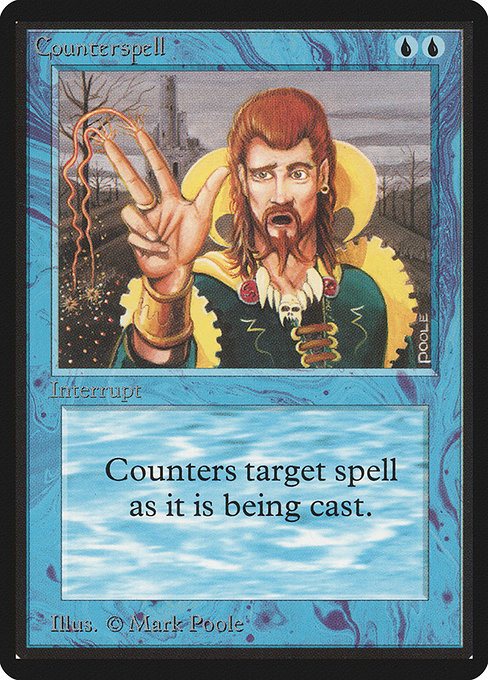
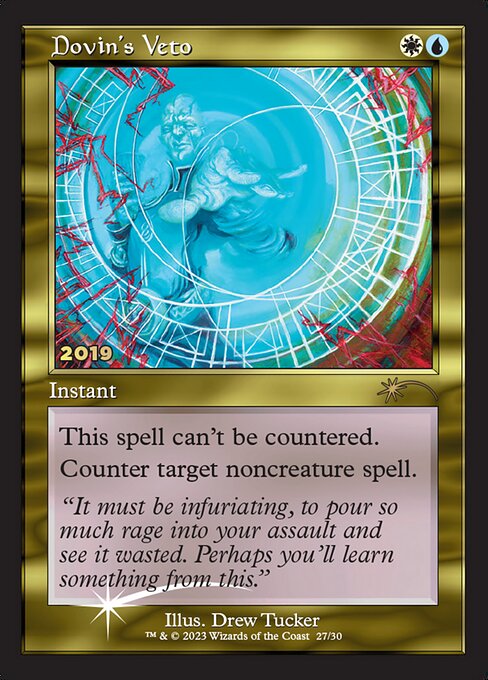
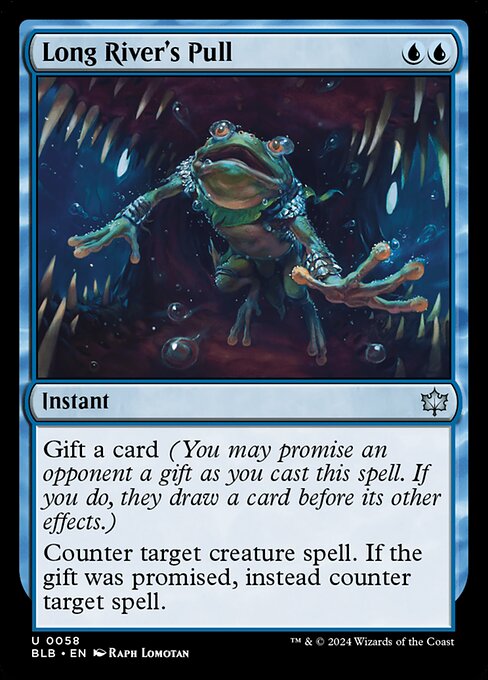
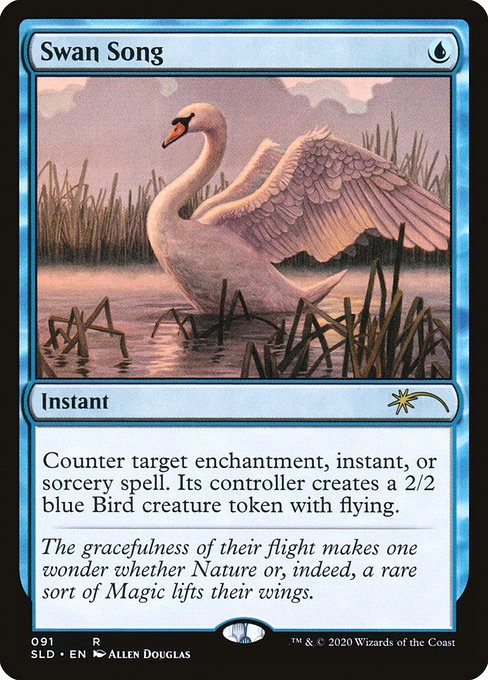
Depending on your colors you can have spell disruption like Counterspell, Dovin's Veto, Long River's Pull, or Swan Song.
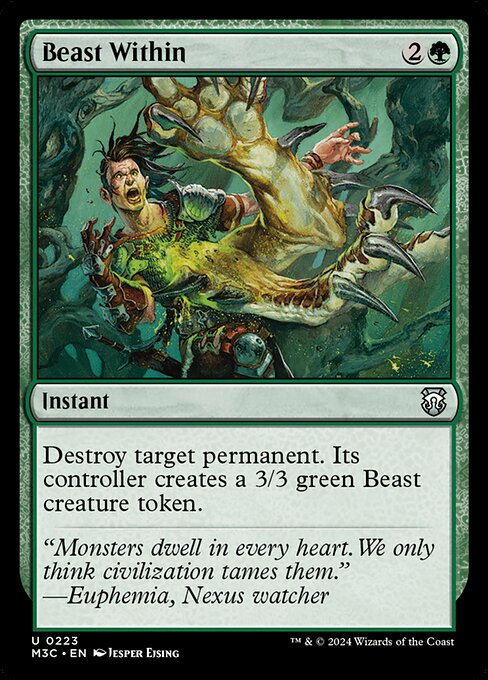
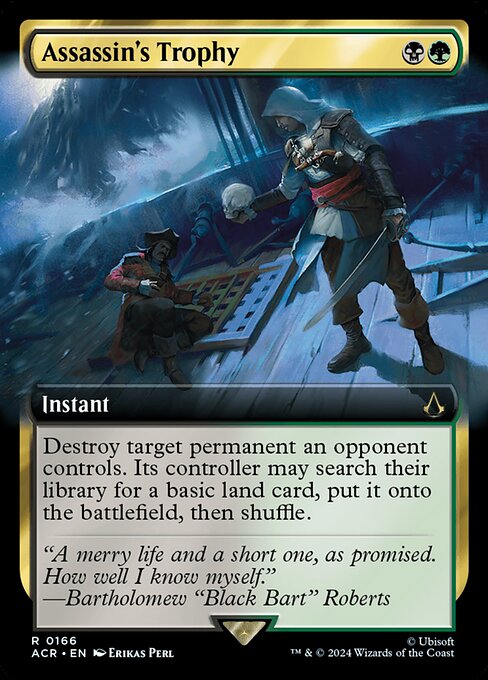
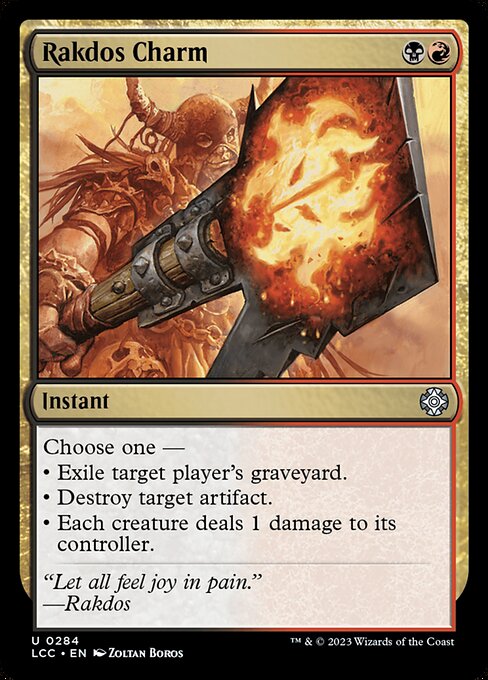
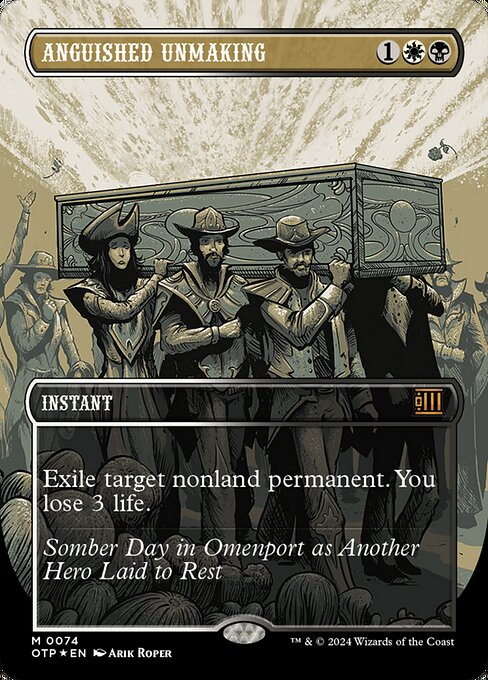
You should also have removal in case it’s needed, cards like Beast Within, Assassin's Trophy, Rakdos Charm, and Anguished Unmaking are very flexible in what they can remove or do.
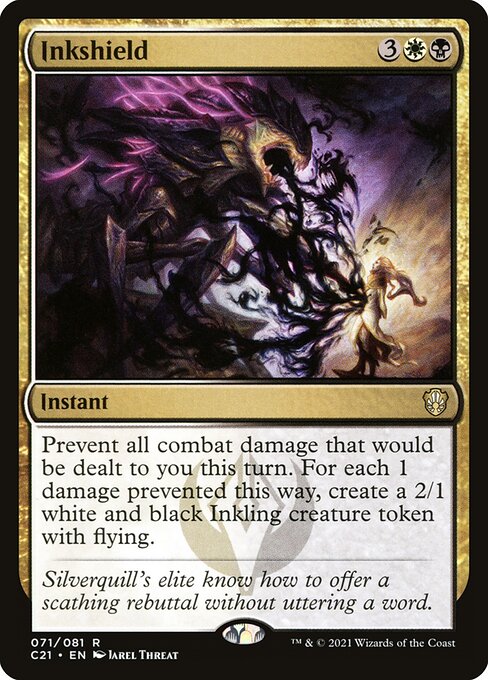
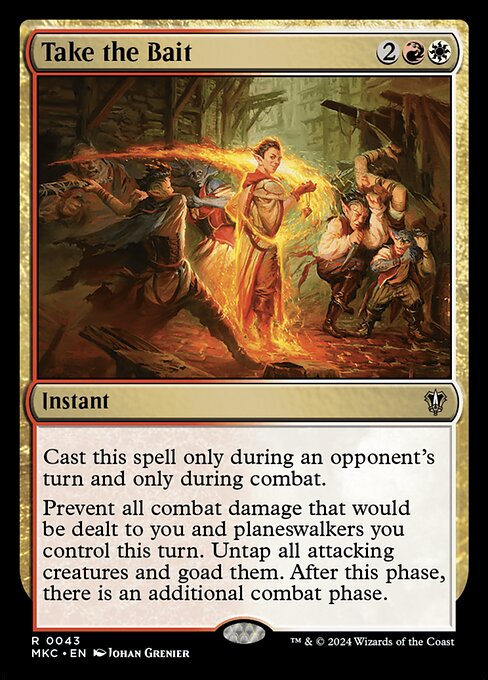
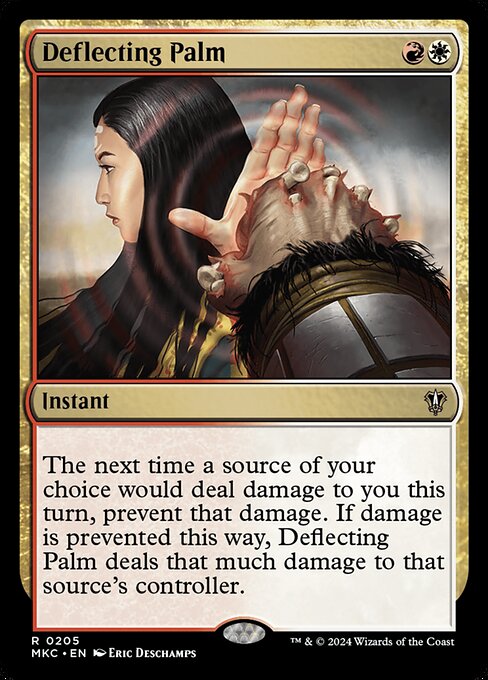
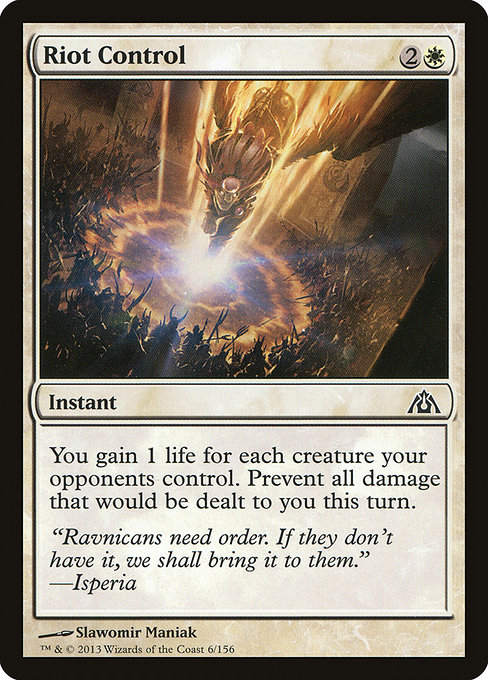
Protection is also needed. We have access to combat protection with cards like Inkshield, Take the Bait, Deflecting Palm, Riot Control.
Protection for our permanents: Dawn's Truce, Heroic Intervention, Everybody Lives!, Teferi's Protection.
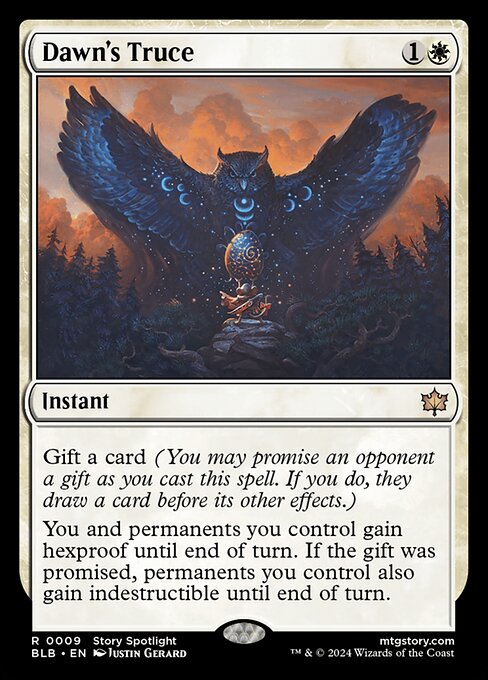
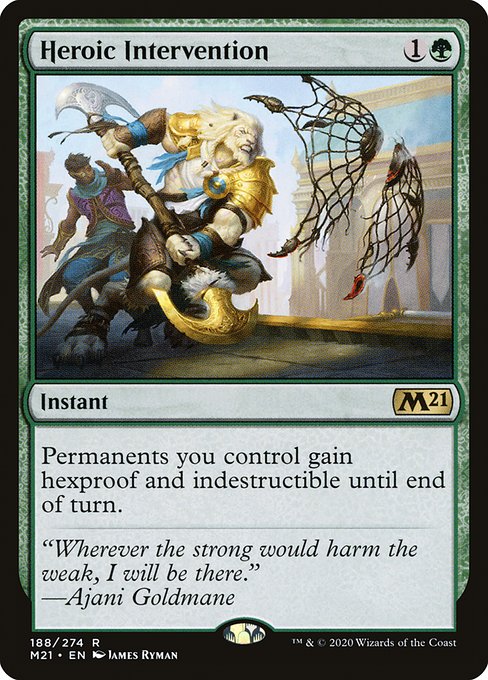
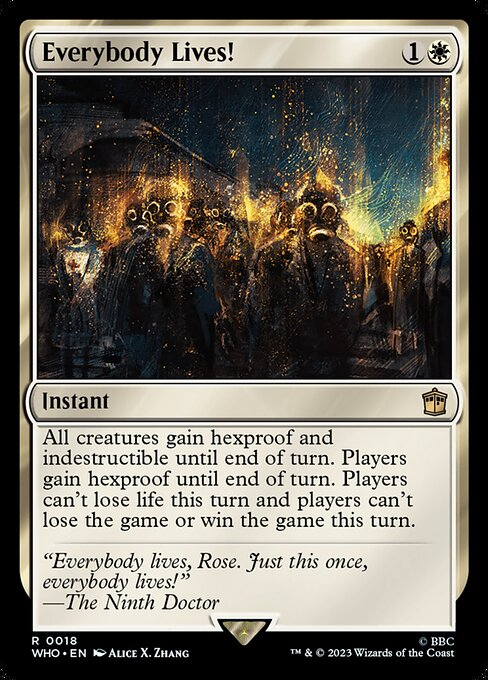
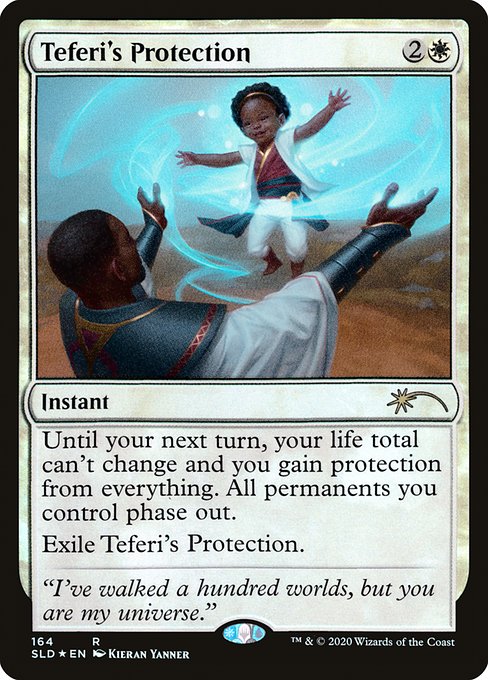
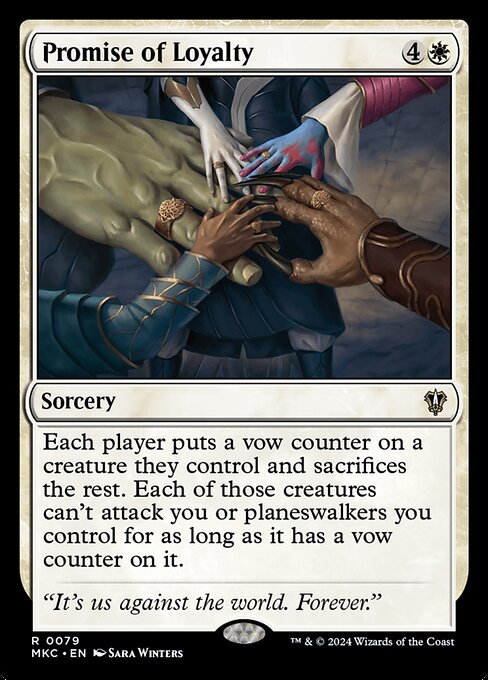
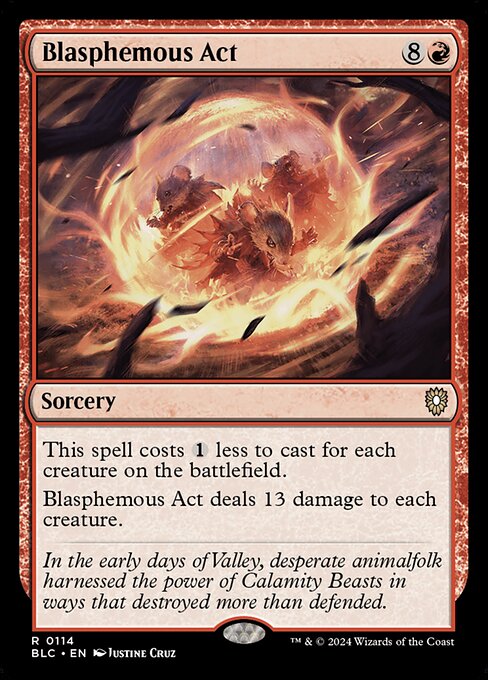
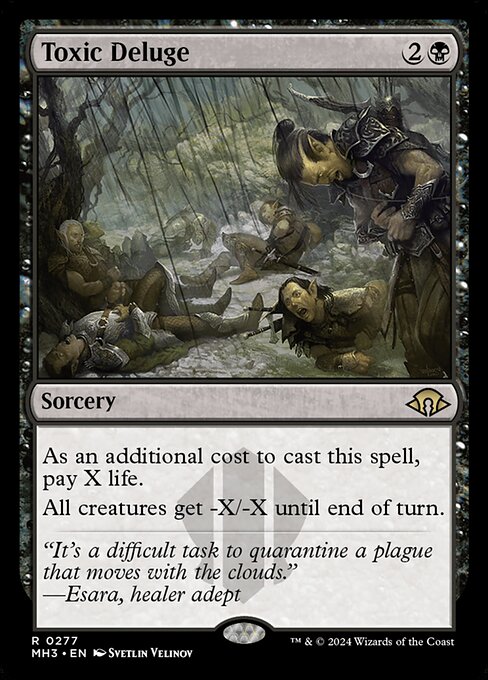
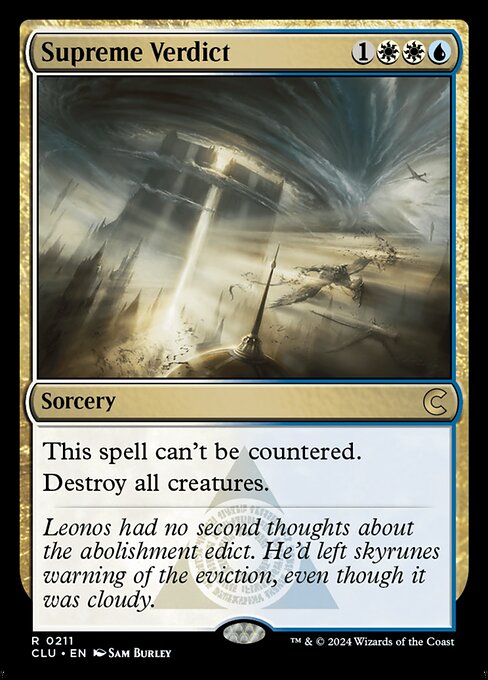
Table control in the from of Wrath-like cards: Promise of Loyalty, Blasphemous Act, Toxic Deluge, Supreme Verdict.
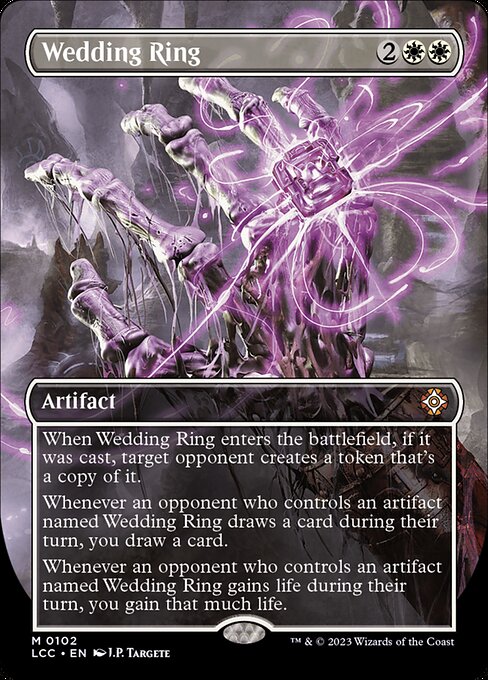
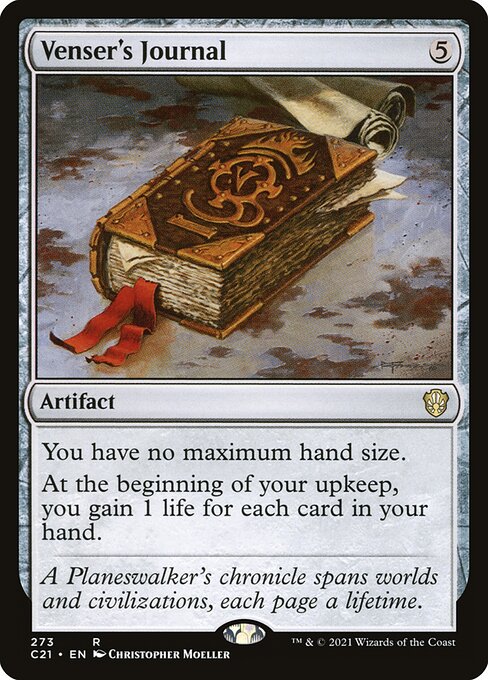
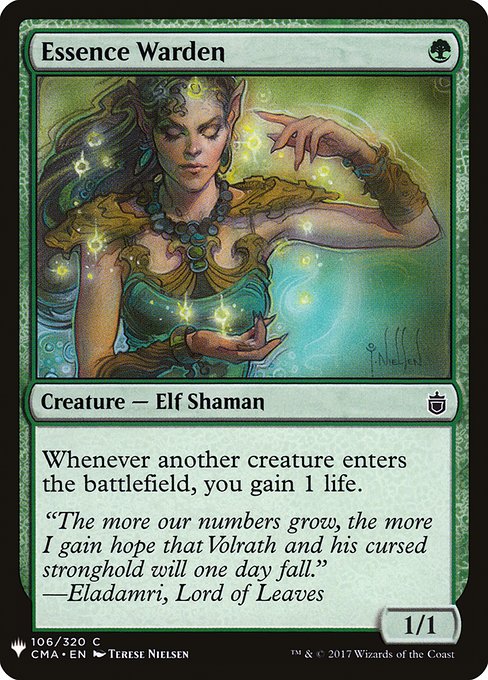
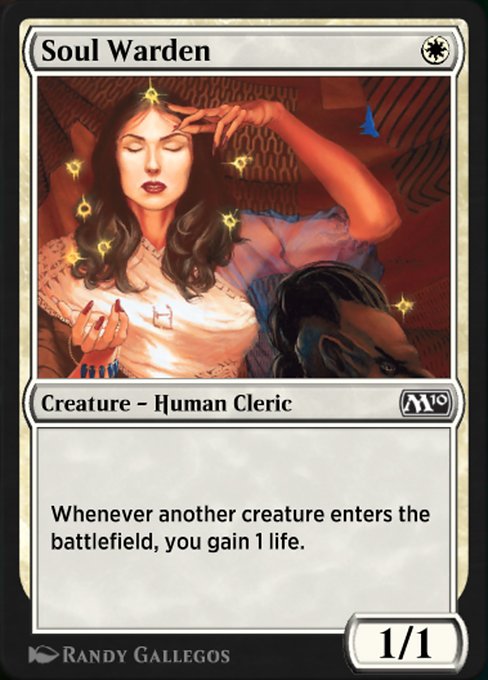
Life gain can also be quite key in many cases: Wedding Ring, Venser's Journal, Essence Warden, Soul Warden.
Final Thoughts
Group Hug is one of the most unique archetypes in Commander because it plays both sides of the game. You’re helping your opponents but only because it helps you more. It’s a strategy built on perception, timing, politics, deception and careful deckbuilding.
When done right, Group Hug doesn’t just create fun games, it creates the most memorable ones. You’re the architect of the chaos, the player who speeds everything up, and ultimately, the one who turns goodwill into a victory.