



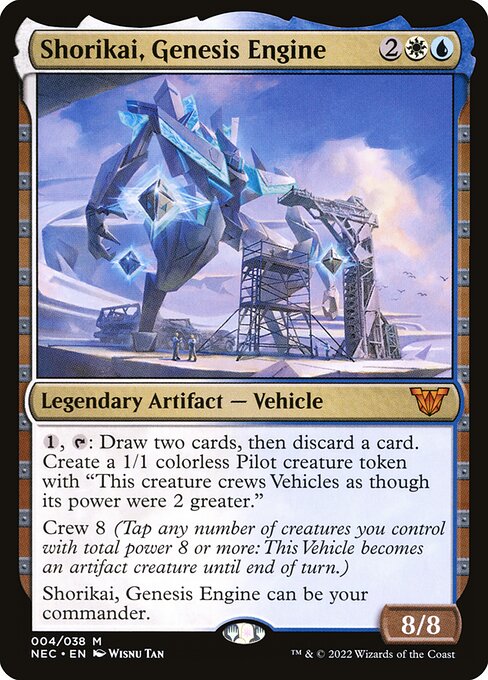
Azorius Control is one of the archetypes that exist in every format of Magic. From the weakest format of Standard to even the high-powered Legacy. Commander is no exception. For those who love playing Azorius Control and want to push it to its limits in Commander, you don’t have many options. In fact, there is only one viable option that can keep up with the speed of cEDH (or Bracket 5): Shorikai, Genesis Engine.
Why Shorikai?
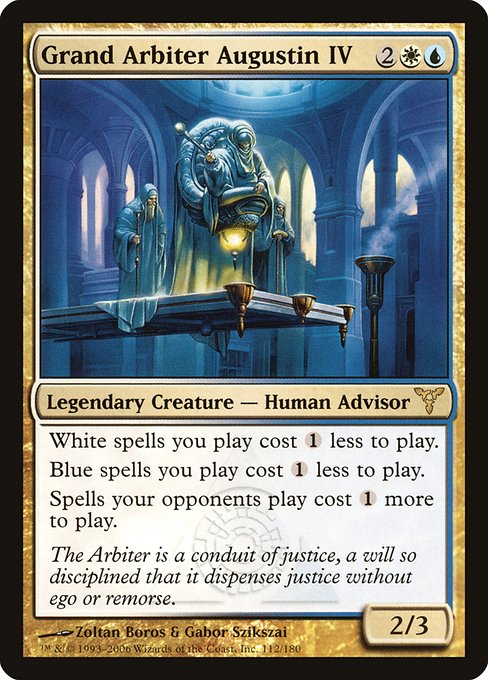
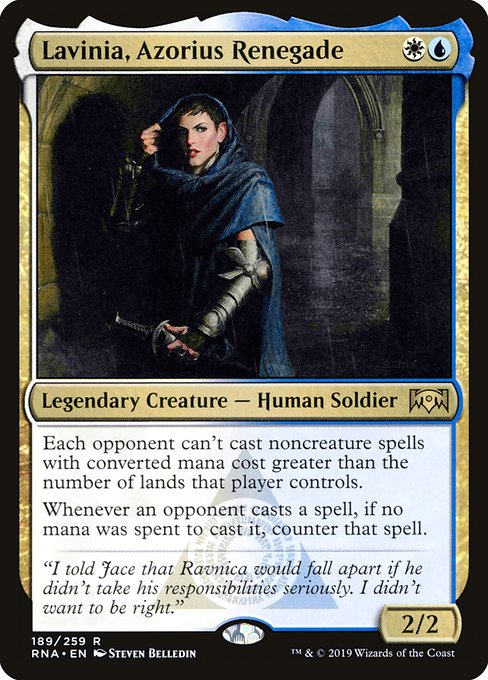
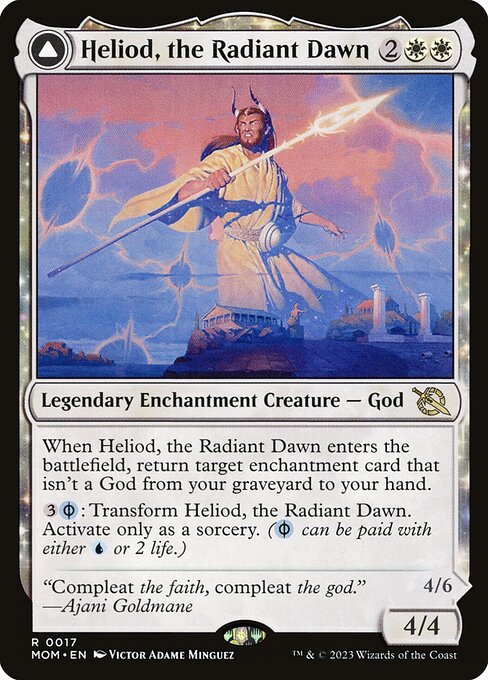
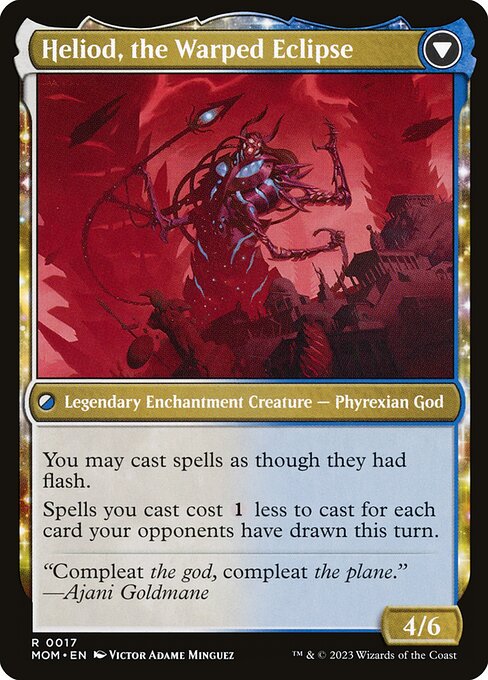
When it comes to Bracket 5, there aren’t a ton of great Azorius commanders. A commander like Grand Arbiter Augustin IV may seem good, but in reality, it’s too slow and not impactful enough for cEDH. Lavinia, Azorius Renegade is a good Stax piece, but for the purposes of cEDH, not an amazing commander. Heliod, the Radiant Dawn is a good commander that sees cEDH success, but it’s less a traditional Azorius Control list and more a Midrange playstyle.
If you want to play as traditional Azorius Control as you can, then [cardn name=”Shorikai, Genesis Engine”] is the best commander. The strength comes from its effect of being able to draw through your deck for just one mana. The Pilot tokens it makes aren’t too useful (unless you’re using a Polymorph variant), and are just bodies on the battlefield. You’re never actually crewing Shorikai, only ever tapping it for its ability. The idea is to utilize effects that untap Shorikai, Genesis Engine to keep activating it to draw a ton of cards.
While Blue is one of the strongest colors in cEDH, White is one of the weaker ones. There aren’t a ton of staples you have access to, so the Blue side of the deck has to do a lot of heavy lifting. Still, you get to run plenty of good cards and tax-like effects, and White is where your main win condition is found. Shorikai, Genesis Engine is for those who love any flavor of Control, and lean more into “hard Control” that are in constant control of the gamestate.
The Tutor Suite
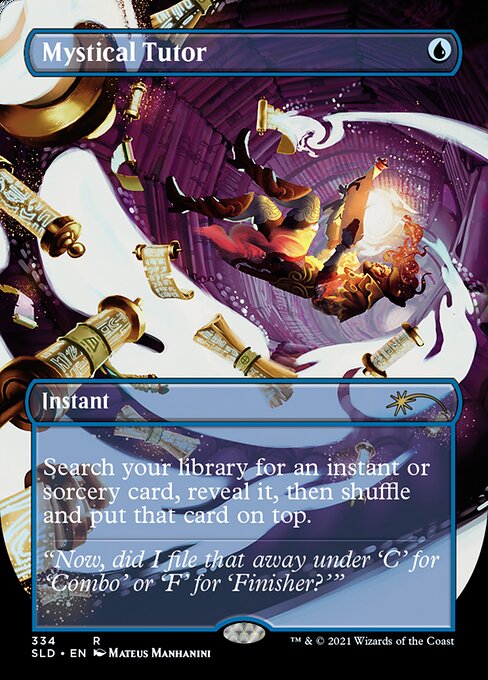
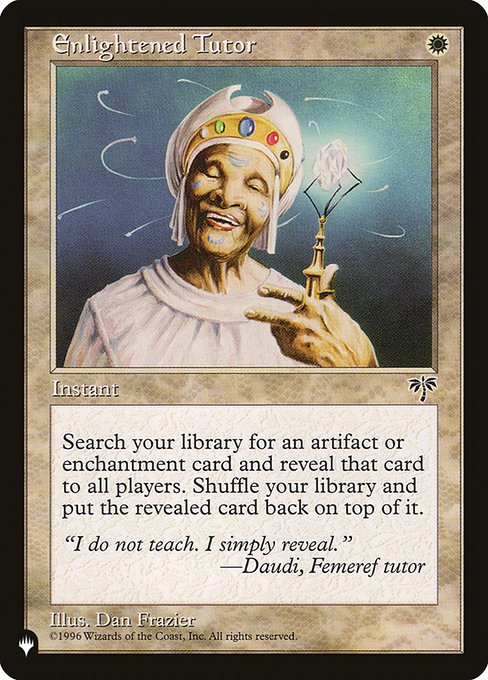
Just like every other cEDH deck, tutors are vital. Shorikai is no exception. Lacking Black does make it harder, but for the most part, you’re tutoring for artifacts, something Azorius is surprisingly good at. The classic staples of Mystical Tutor and Enlightened Tutor are both present, and are often the cards tutoring for your main combo pieces.
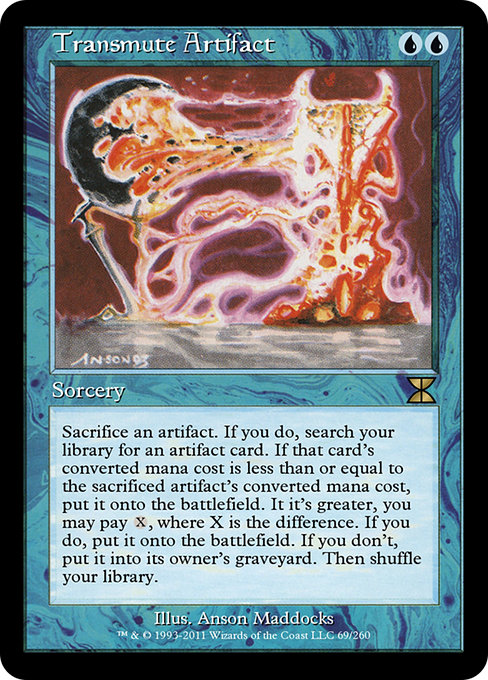
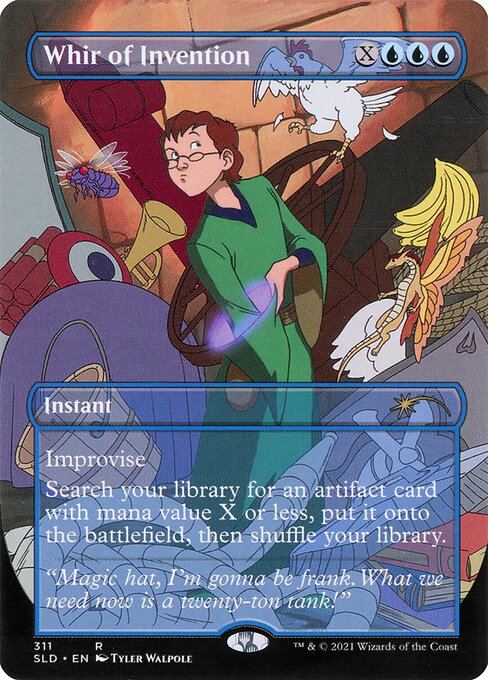
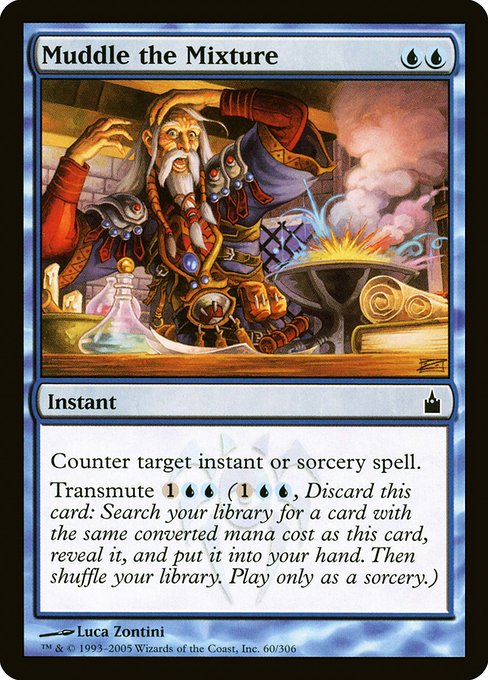
For your engine pieces, you want to get certain artifacts onto the battlefield as quickly as possible. Transmute Artifact requires a sacrifice as well as paying mana in some cases, but gets them out from the library directly. If you have multiple artifacts on the battlefield, you can utilize Whir of Invention to tutor out for any artifact at a discount. There are a lot of important two-drops in the deck, so Muddle the Mixture is often used for its transmute ability instead of countering (unless you absolutely have to counter a certain spell).
Staxes and Taxes
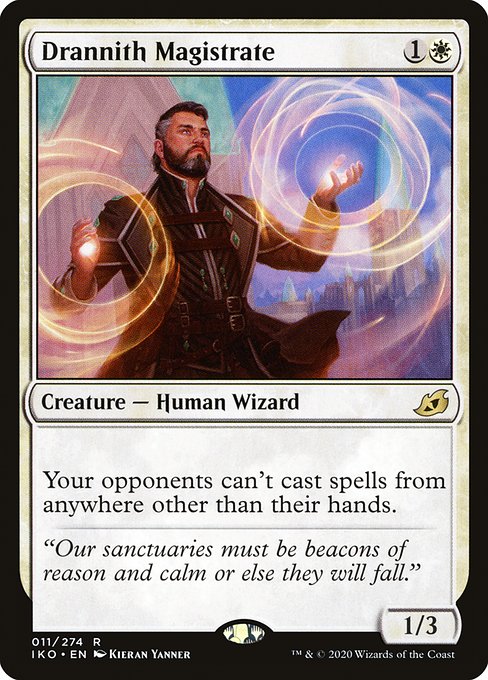
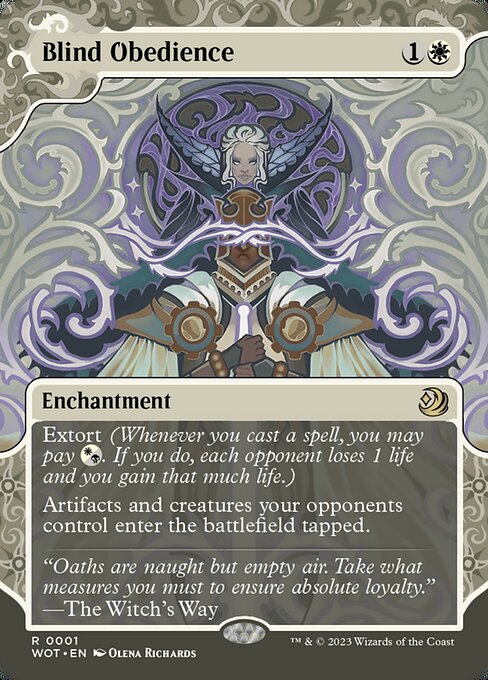
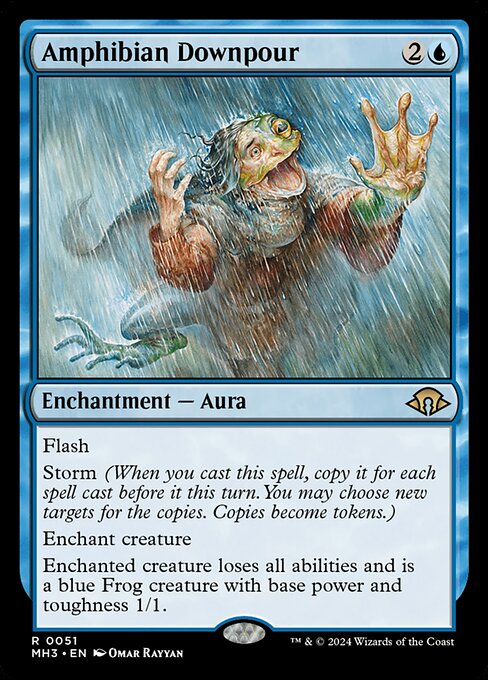
You are playing a Control deck, so you want to make it as hard as possible for your opponents to actually play their decks. This often takes the form of Stax pieces that can slow the game down. These include Drannith Magistrate, which locks your opponents out from playing spells outside their hand and shuts down a ton of different strategies. Blind Obedience is a win condition (which we’ll get to deeper in this article), and a great stall card that makes your opponents’ setup phases slower. If there were a lot of spells played, Amphibian Downpour can turn a lot of creatures into vanilla creatures with no abilities.
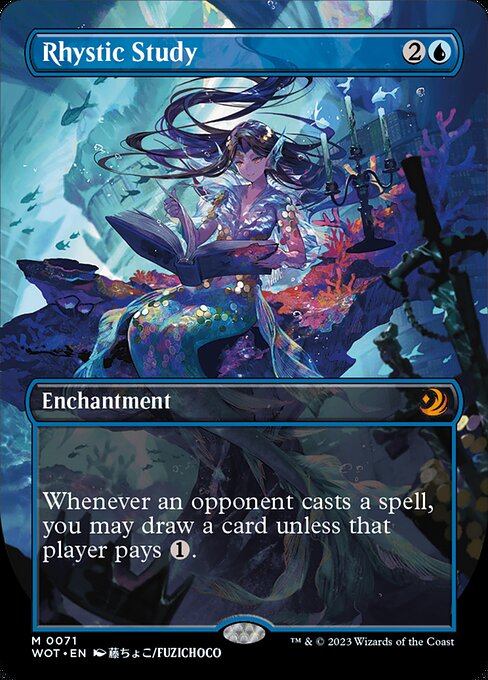
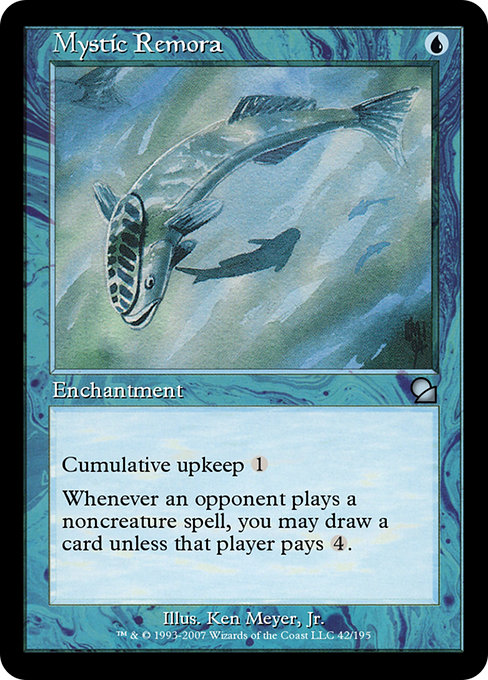
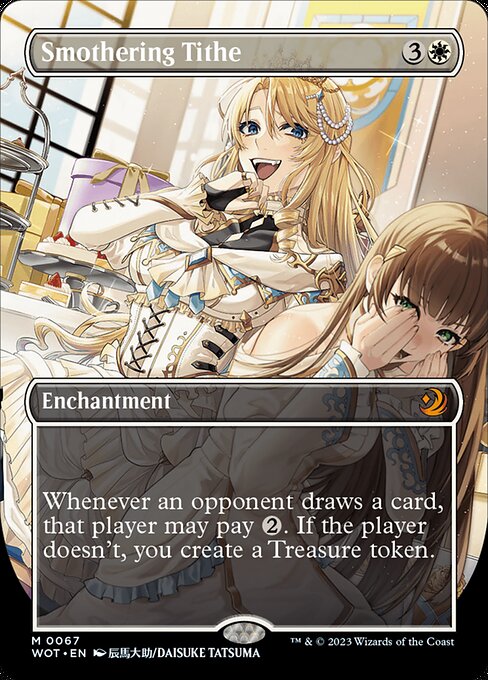
The deck runs the classic tax card of Rhystic Study that lets you draw a card when spells are cast unless one mana is paid. Slightly worse is Mystic Remora, but being only slightly worse than Rhystic Study means it’s still a very good card. Azorius isn’t a color that can ramp, but Smothering Tithe helps to generate a lot of Treasure tokens, since two mana is a tax most players won’t be willing to pay.
Draw Power
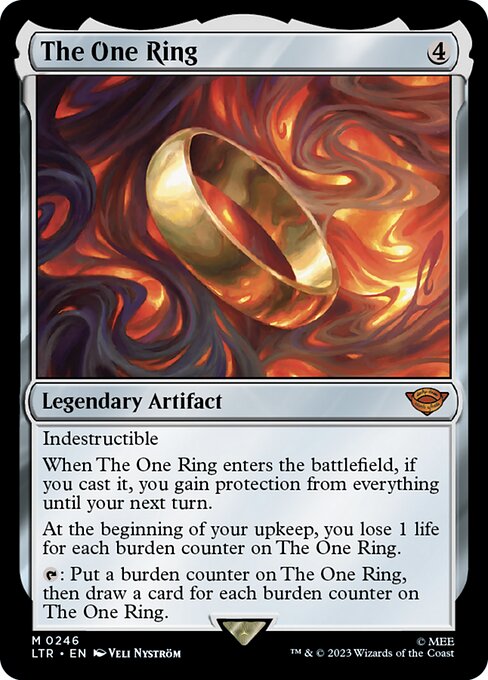
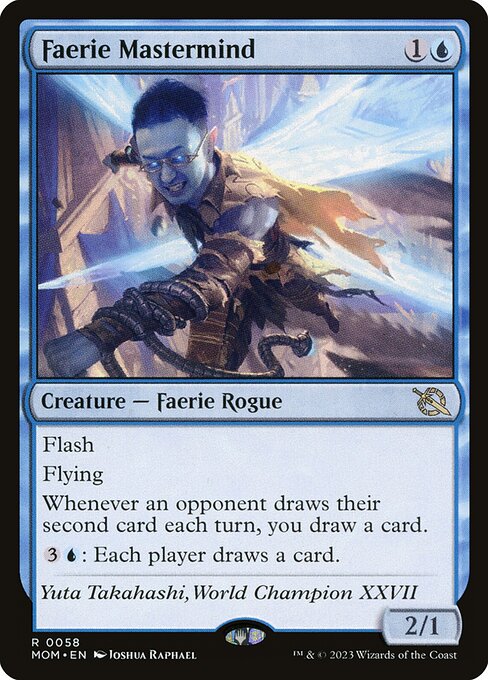
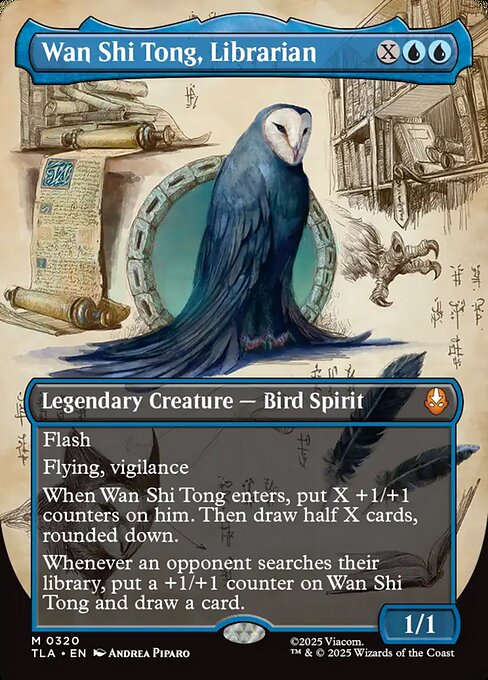
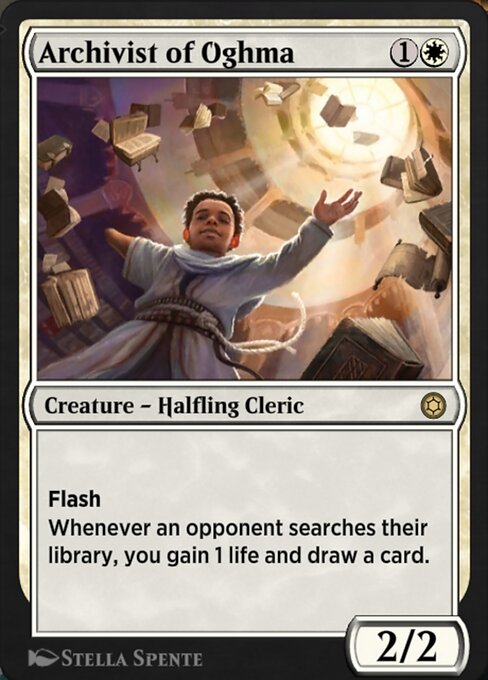
While Shorikai, Genesis Engine is your main draw engine, there are plenty of other ones in the deck. In Azorius Control, you always want to have a lot of cards in your hand so you can always interact with your opponents. The One Ring is the best choice in the deck, and Shorikai is one of the best commanders for The One Ring in cEDH. You also have Faerie Mastermind to draw cards off of extra card draws, and both Wan Shi Tong, Librarian and Archivist of Oghma to draw cards from searches.
Shorikai’s Combos
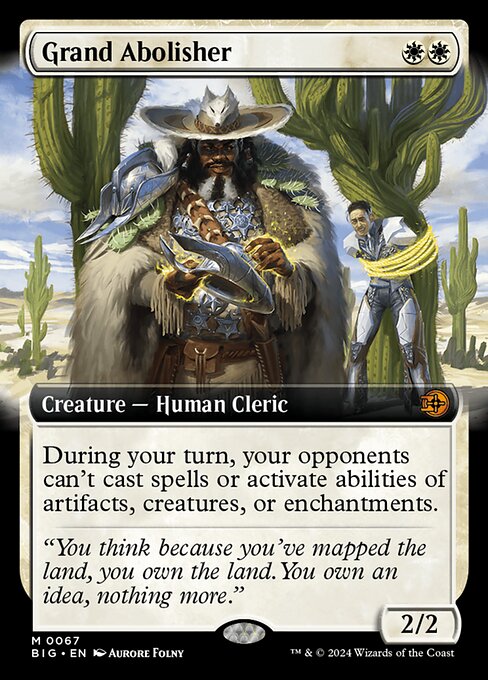
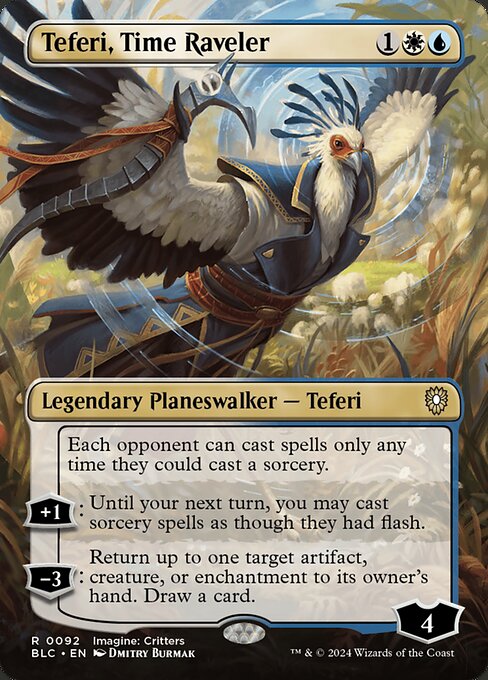
As with every cEDH deck, you’re ultimately winning the game with combos. You’re drawing a ton of cards until you have assembled all your combo pieces together. To make things easier, the deck is running Grand Abolisher and Teferi, Time Raveler, so your combos can’t be interrupted by anything.
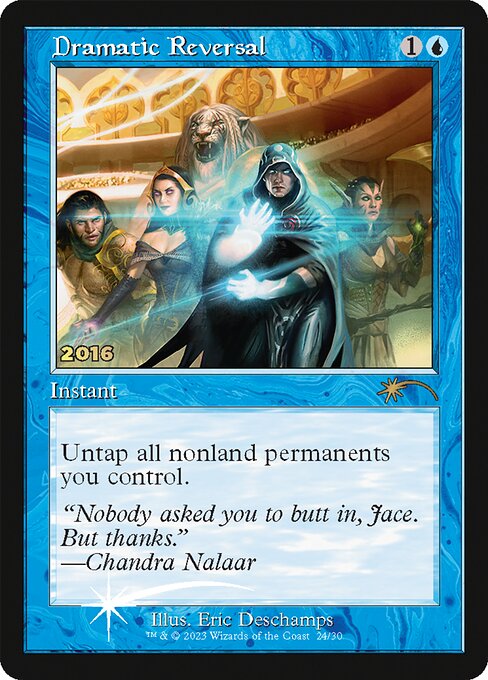
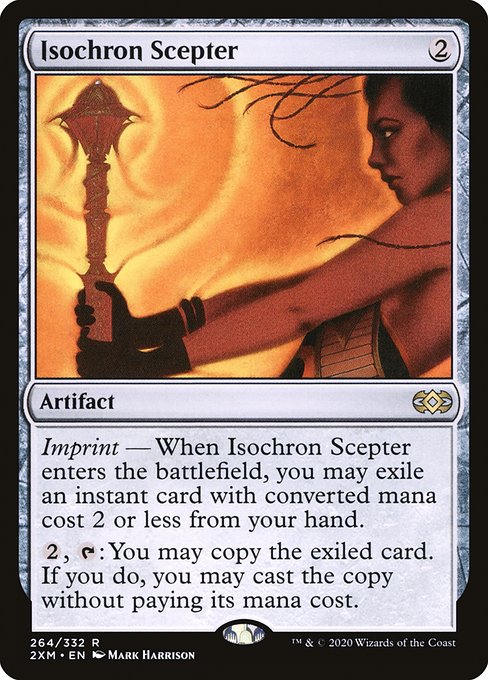
Isochron Scepter + Dramatic Reversal
One of the most iconic combos is also the deck’s primary game-ending strategy. You want to imprint Dramatic Reversal onto Isochron Scepter. Then, you need mana rocks that can make at least three mana. Use two mana to activate Isochron Scepter, which will untap all your nonland permanents. Make sure to tap all your mana rocks for mana as they’ll be untapped with Dramatic Reversal. This creates infinite mana. With that infinite mana, use Shorikai, Genesis Engine to dig for your win condition.
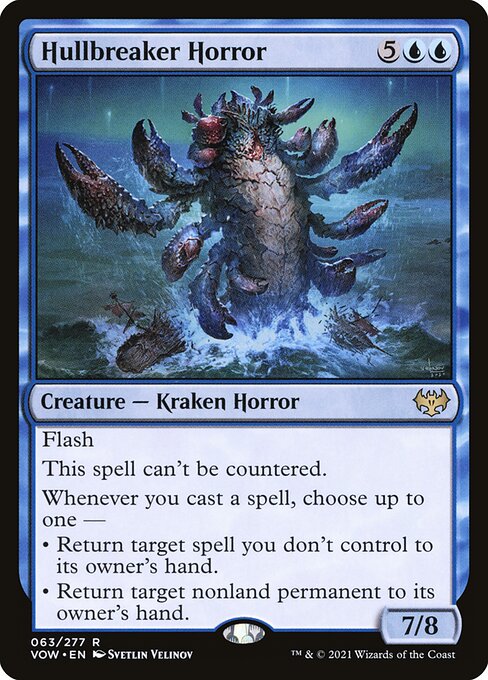
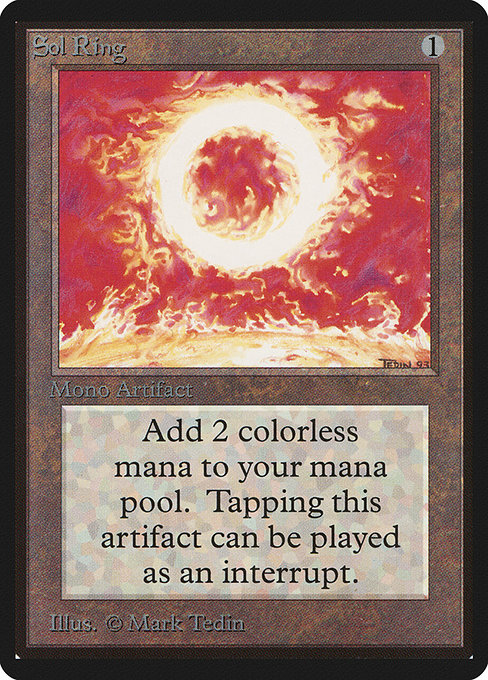
Hullbreaker Horror + Mana Positive Mana Rocks
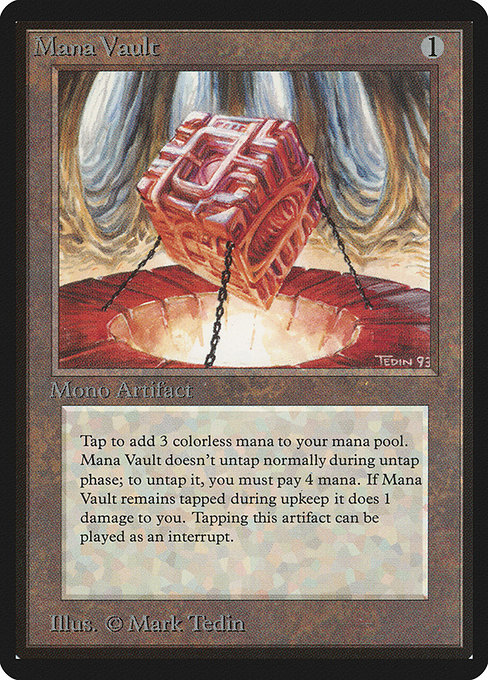
This combo requires Hullbreaker Horror and two mana rocks that make more mana than they cost to cast. For this example, we’ll use Sol Ring and Mana Vault. You need Hullbreaker Horror and either of the mana rocks in play (let’s use Sol Ring for this sample). Cast Mana Vault from your hand, which triggers Hullbreaker Horror. With that, bounce Sol Ring back to your hand (after tapping it for mana). Then, tap Mana Vault to add mana, then cast Sol Ring. This triggers Hullbreaker Horror again, and you bounce Mana Vault. Repeat this process to generate an infinite amount of mana. This mana can be used to dig through your entire deck with Shorikai, Genesis Engine.
Teferi, Time Raveler + Displacer Kitten + Mana Positive Mana Rock
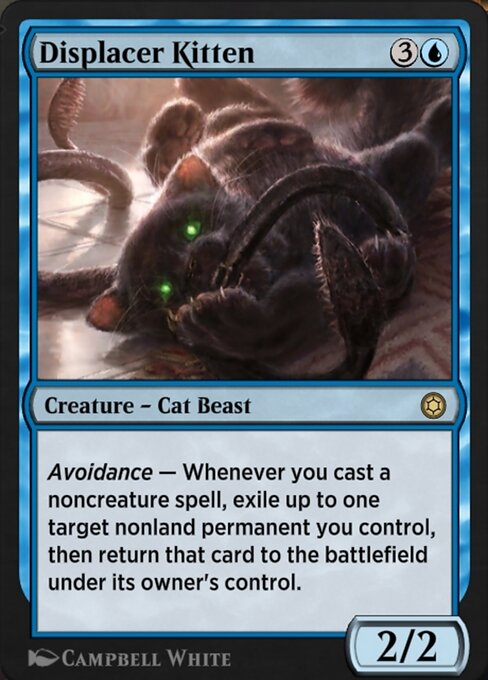
For this combo, you want any mana positive mana rock (we’ll use Mox Opal for this example), Teferi, Time Raveler, and Displacer Kitten. All of these cards should be on the battlefield. Use Teferi, Time Raveler‘s -3 ability to bounce Mox Opal back to your hand. Cast it, which triggers Displacer Kitten. Use that effect to blink Teferi, Time Raveler. Tap Mox Opal for mana, and then repeat the loop. Each loop draws a card, letting you cycle through your entire deck while generating an infinte amount of mana.

Valley Floodcaller + Retraction Helix + Mana Positive Rock
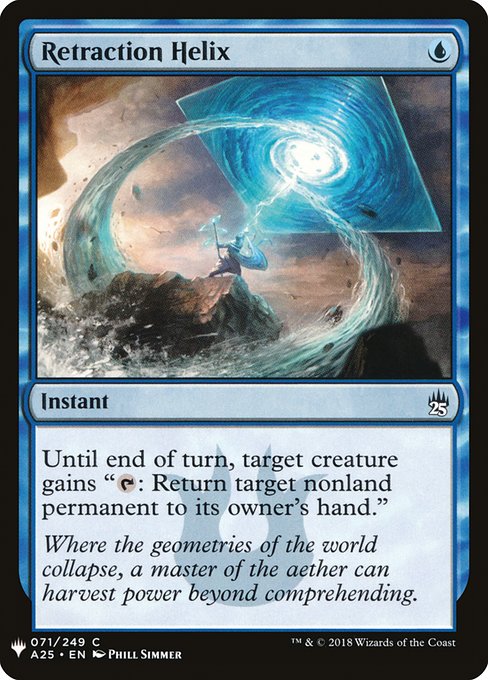
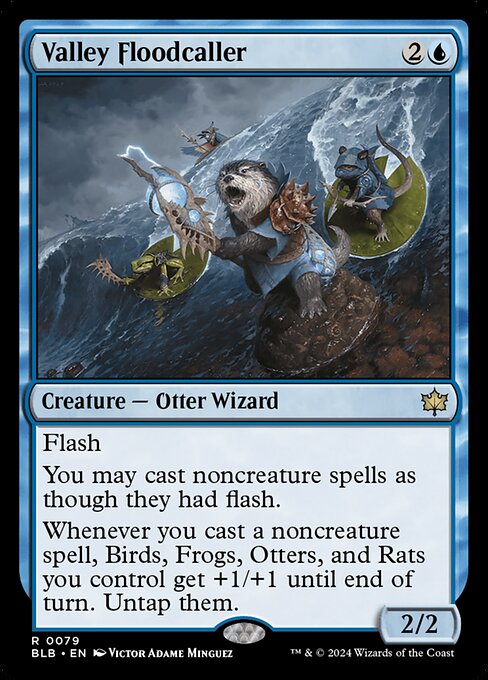
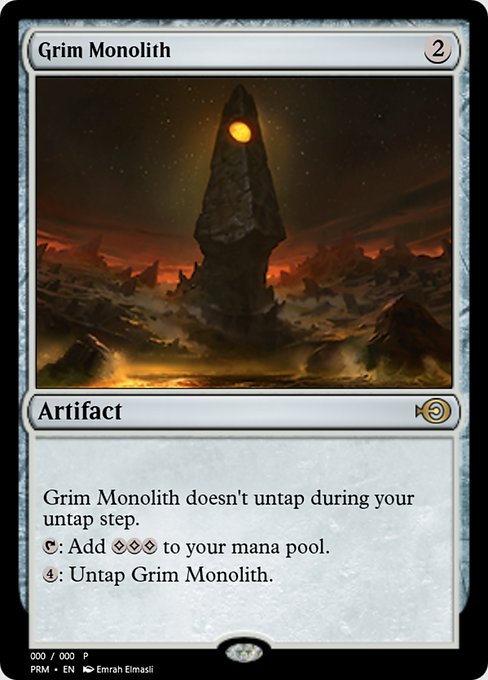
This works quite similarly to Hullbreaker lines, but can be done at instant speed. To start, you want to use Retraction Helix on your Valley Floodcaller that’s not summoning sick. Then, use its effect to bounce your mana rock (such as Grim Monolith) after tapping it for mana. Then, cast it again, which will untap Valley Floodcaller thanks to its effect. Rinse and repeat and create an infinite amount of mana.
Isochron Scepter + Dramatic Reversal + Copy Artifact + Swan Song
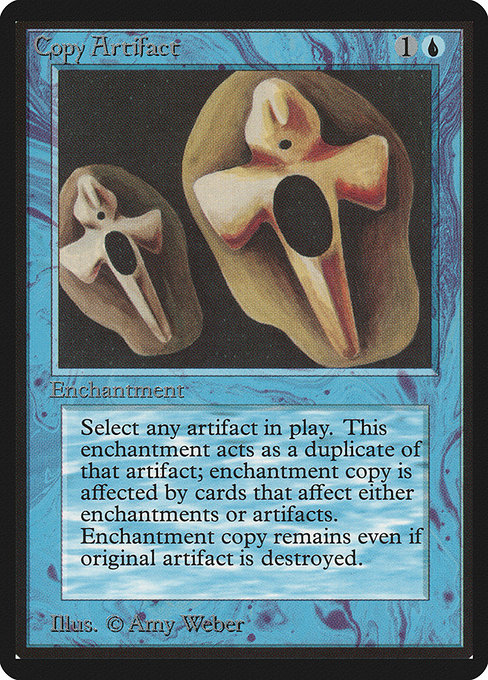
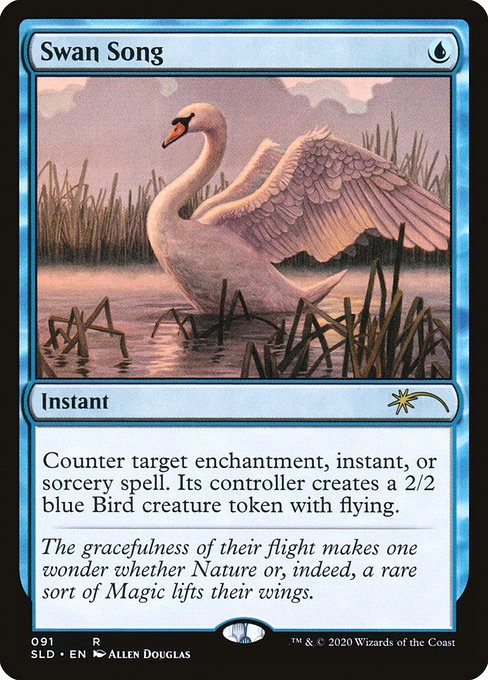
This combo has a lot more moving parts, but it will create an infinite number of Bird tokens. To start, you need an Isochron Scepter imprinted with Dramatic Reversal. Then make a copy using Copy Artifact and imprint Swan Song to it. Cast any spell that Swan Song can counter, and use the Copy Artifact version to cast Swan Song on it. Holding priority, use Dramatic Reversal and let it resolve. Then, tap the Swan Song Isochron Scepter to counter the original Swan Song copy. Then, repeat the process, each time targeting the last Swan Song in the stack. All of these will resolve, countering the spell and making a 2/2 Bird token. If this combo is done on the end step right before your turn, you can win the game with these infinite tokens.
Flow of the Deck
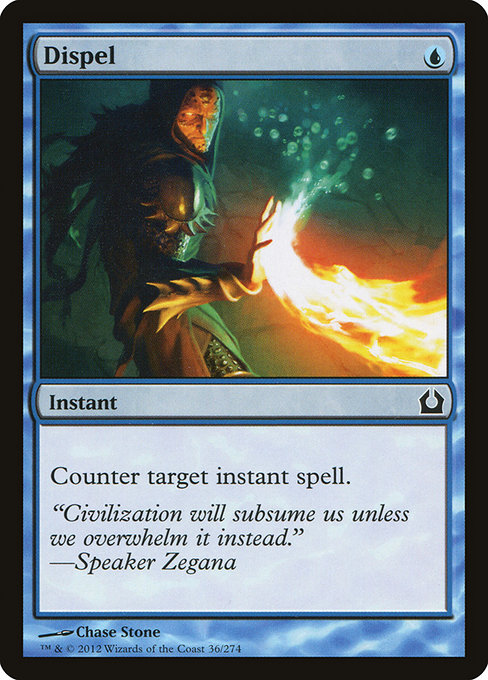
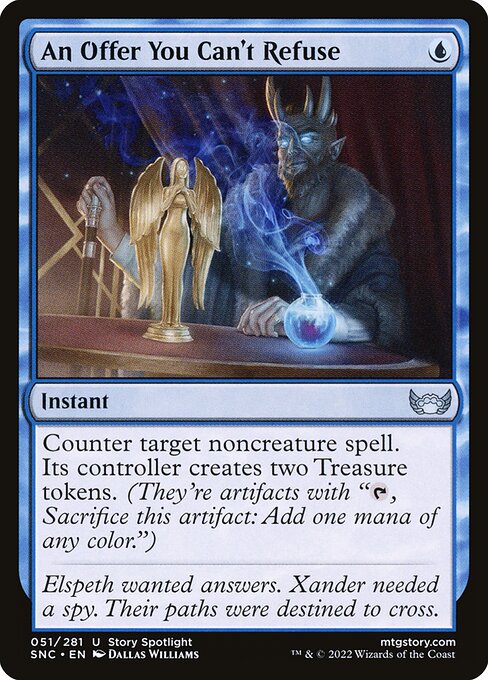
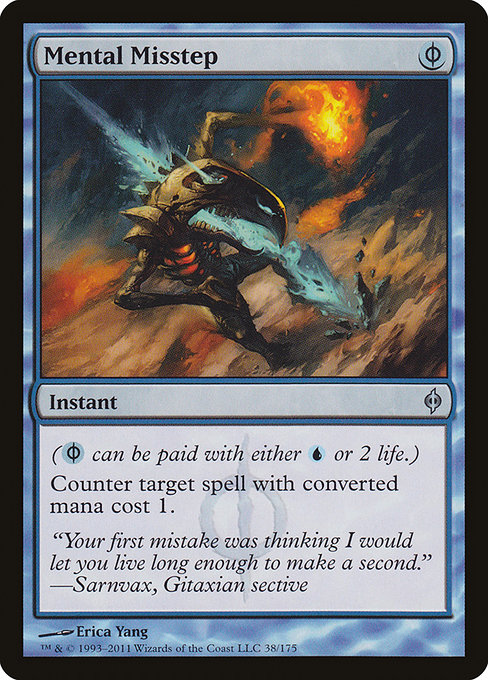
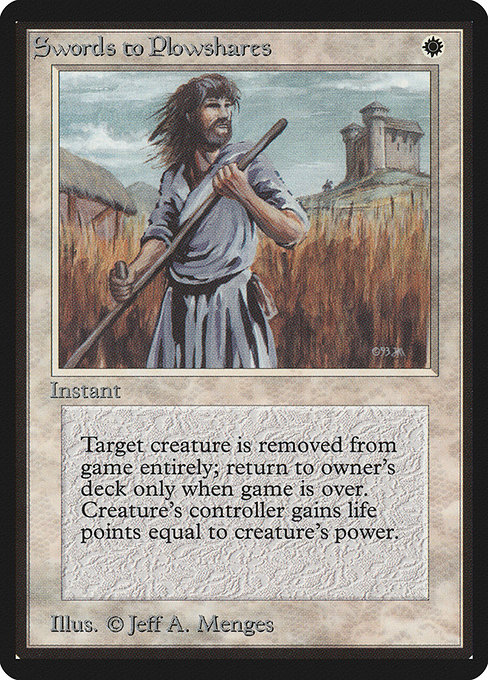
This is not a deck that wins quickly. cEDH wins are usually decided in just a few turns, but Shorikai, Genesis Engine wins in the late-game instead. You control the game state early with cheap counterspells such as Dispel, An Offer You Can't Refuse, and Mental Misstep. You can take advantage of Path to Exile and Swords to Plowshares as well to deal with any early-game threats.
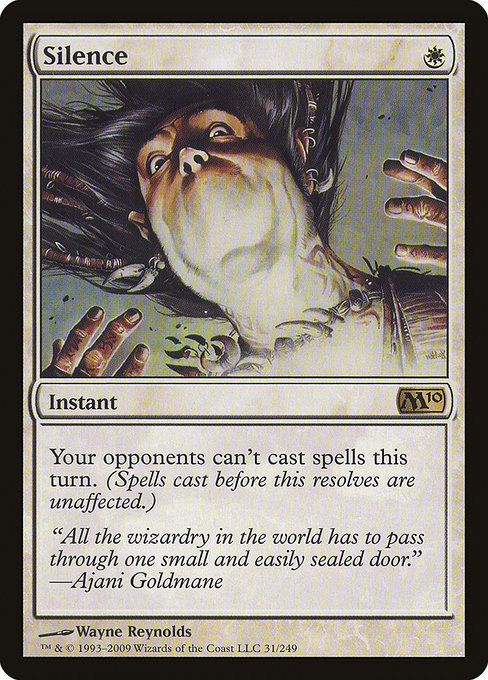
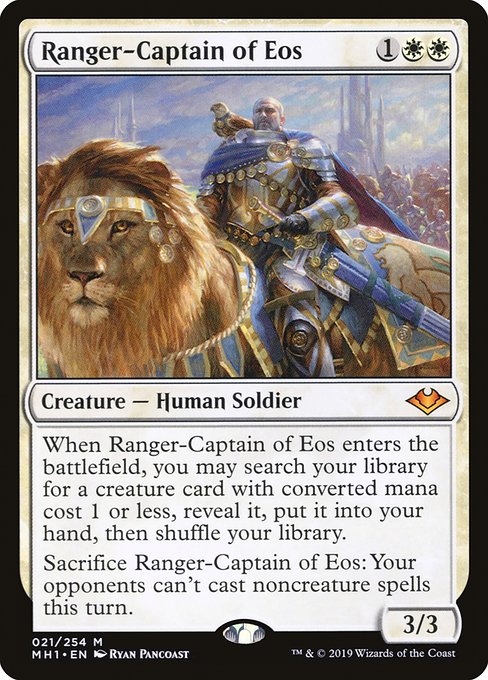
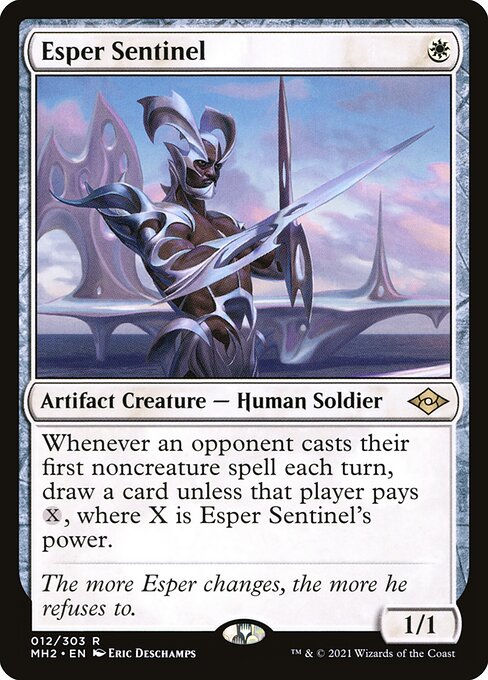
A strength of the deck is being able to hinder your opponents’ abilities to cast spells outside of counterspells. Silence can stop any opponent from casting spells, and can be used both offensively and defensively. You can also prevent noncreature spells by sacrificing Ranger-Captain of Eos, which is also a good tutor for Esper Sentinel. Grand Abolisher is a good way to shut down spells being played on your turn, so you can cast your spells without worrying about counter magic.
By using permanents such as Archivist of Oghma, Rhystic Study, and The One Ring, you’ll always have cards in your hand. If there is one thing this deck is great at, it’s drawing cards and constantly having a full hand. This is how you’re able to constantly interact with whatever it is your opponents are doing. You want to take things slow and not rush to your win conditions too quickly. Be smart with your counterspells and focus on win conditions and not enablers.
Win Conditions
There are two main win conditions in the deck, and one backup. The first main win condition is getting an infinite number of creature tokens. This can be done with the Swan Song loop, or, in some cases, by making enough Pilot tokens from Shorikai, Genesis Engine to swing out to take everyone out of the game.
The other main win condition is with Blind Obedience. Using one of the many ways to cast an infinite number of spells, as discussed in the combo section, you can keep paying for extort. With infinite mana and infinite card casting, you can burn everyone out of the game while gaining an infinite amount of life. This is the easiest to set up and most common win condition. You just might have to draw a lot since Enlightened Tutor and Muddle the Mixture are the only way to tutor for it.
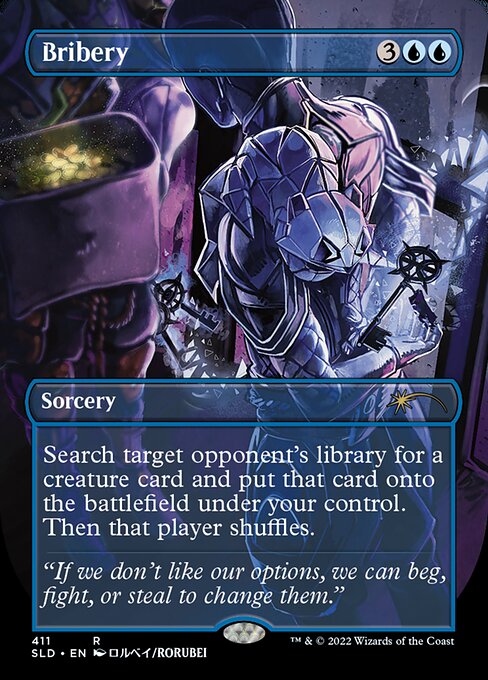
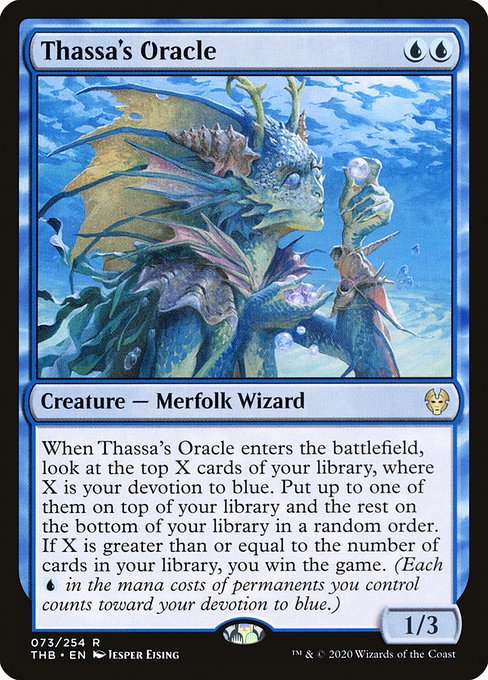
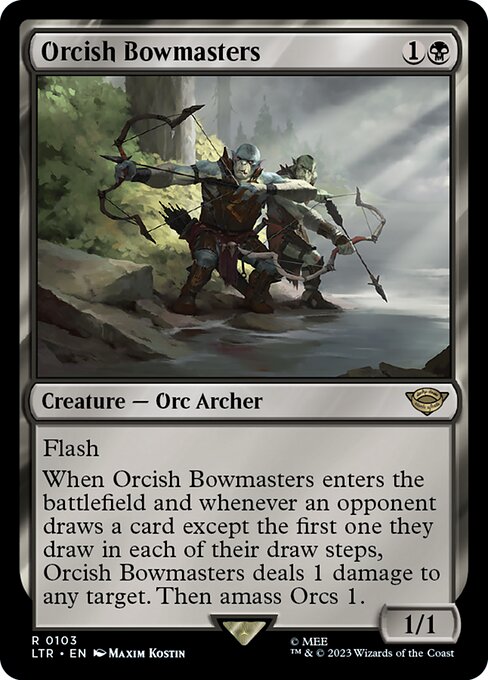
If, for whatever reason, you lose access to these win conditions, you have a fallback with Bribery. You can use this to steal cards you need for a combo, or steal a card like Thassa's Oracle or Orcish Bowmasters to find an alternative route to winning the game.
Shorikai’s Strengths and Weaknesses
Shorikai, Genesis Engine is very good at playing the long game. It isn’t afraid of sacrificing a strong early game in favor of being able to close out games in the later turns. It benefits from a ton of interaction and draw power, making it easy to find answers for any given game state.
The biggest downside of the deck is its speed. cEDH is a very fast format, so a slow deck can lose the game before it ever really begins. There also aren’t a ton of great tutors, so you have to rely on drawing your key cards instead of being able to simply tutor them out.
Decklist
This variation of Shorikai, Genesis Engine utilizes a large artifact and instant suite of cards. The creatures either are combo enablers or help to tax your opponents with effects that help you draw cards to find more answers. There are also a few theft cards to steal other powerful permanents from other players.
Commander
Planeswalkers (3)
Creatures (14)
Instants (23)
Sorceries (4)
Artifacts (19)
Enchantments (12)
Lands (25)
100 Cards
$12642.78
In Conclusion
Shorikai, Genesis Engine is the best Azorius Control commander you can run in cEDH. There are other Control options in other color pairings, but Azorius Control in particular has a special place in many Magic players’ hearts. It is the color pairing of Control, and has strong legs in cEDH.
If you love to tell people “no” to every spell they cast, and play a game of cEDH that has some length to it, then Shorikai is the commander for you.