


Midrange is one of the most popular archetypes in all of Magic. This is largely because there are a ton of more specific archetypes that fall under the Midrange umbrella. Just about every archetype in Magic can be played as a Midrange deck, making it one of the easiest kinds of decks to build.
What Is Midrange?
A Midrange deck refers to a deck that tends to have a slower start in favor of a great late-game. It’s the middle ground between an Aggro and a Control deck. You tend to play control during the early turns of the game, and then snowball at the end with powerful creatures.
Under the lens of Commander, Midrange decks are more about setting up in the early game. This is usually in the form of mana dorks and using permanent destruction spells to keep your opponents off of anything too powerful. Due to this, you’ll find most Commander decks fall in the Midrange line.
What Colors Are Midrange Decks In?
Luckily, you have no shortage of colors to play with. Midrange is a strategy that exists in every color combination you can think of. Whether you like Mono-Colored decks or jamming all the colors possible into one deck, there is something for you.
Midrange Staples
In many cases, a Midrange staple is a staple that is a part of every Commander deck, regardless of whether it falls into the archetype or not. That is largely because the archetype is so versatile, allowing for tons of powerful cards to be played within it.
Removal
One important aspect you’ll be doing is removing permanents. Until you can get to your game-enders, you want to make sure that your opponents don’t have anything powerful sticking onto the battlefield. Otherwise, they can get too far ahead, and you’ll quickly fall behind with a weaker starter battlefield.
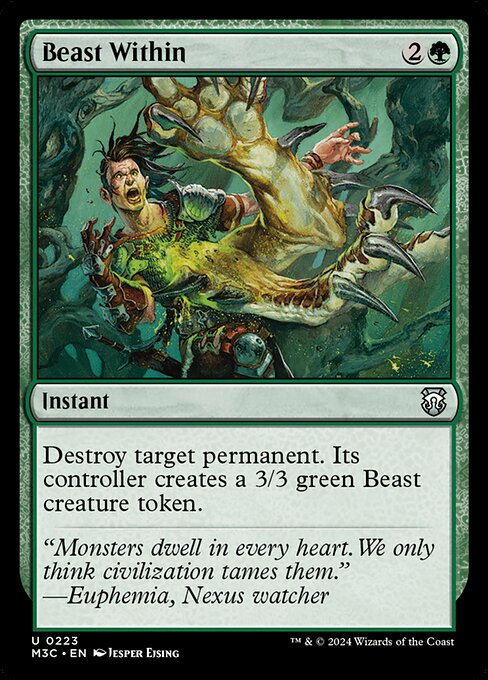
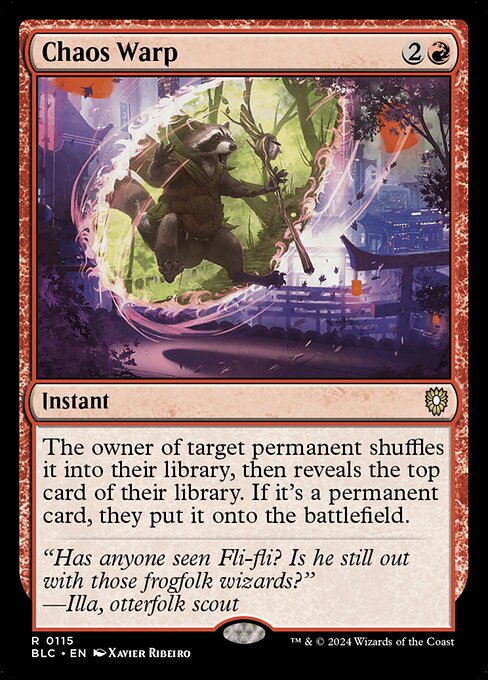
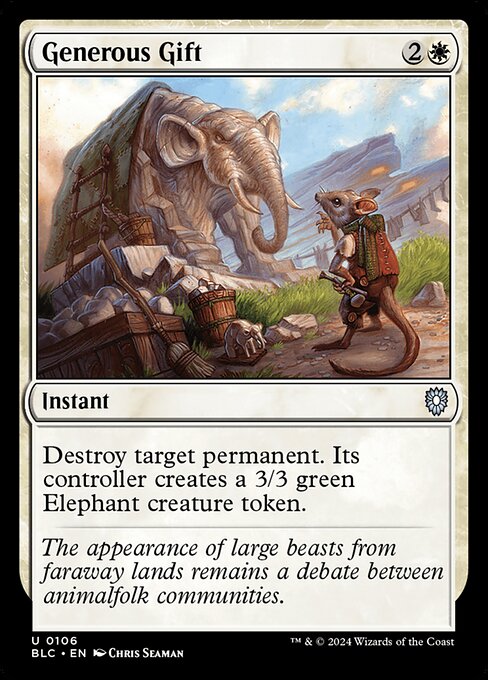
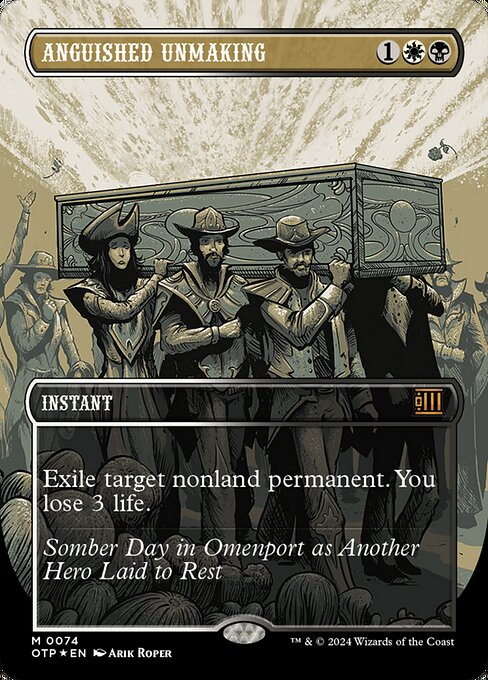
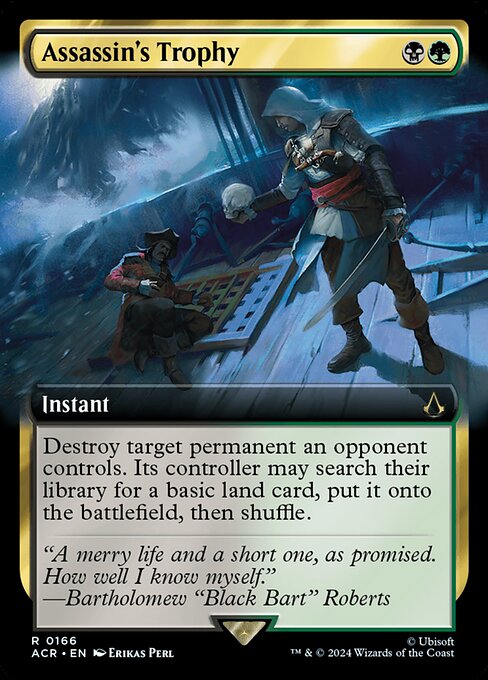
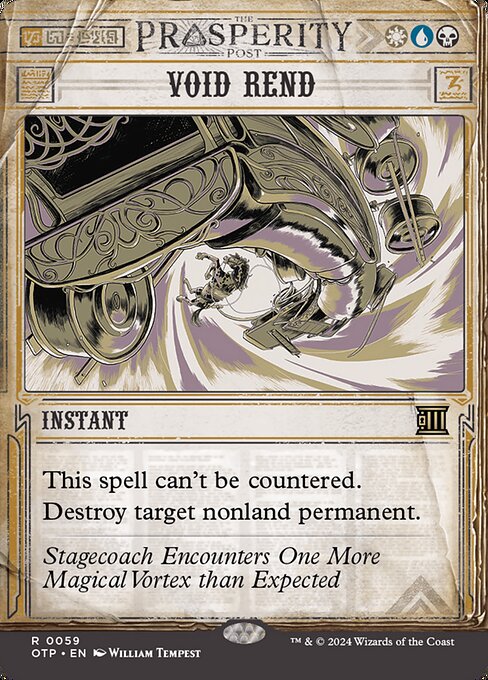
Cards that can get rid of any permanent are the best, such as Beast Within, Chaos Warp, and Generous Gift. If you’re able to play multiple colors, you get some extra cards with this effect, like Anguished Unmaking, Assassin's Trophy, and Void Rend.
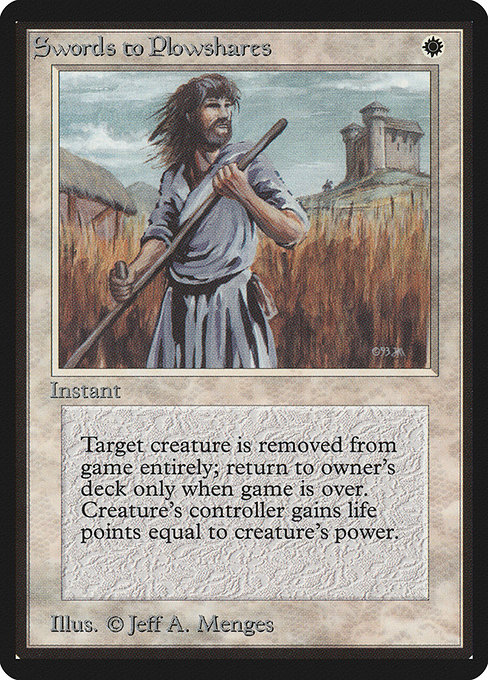
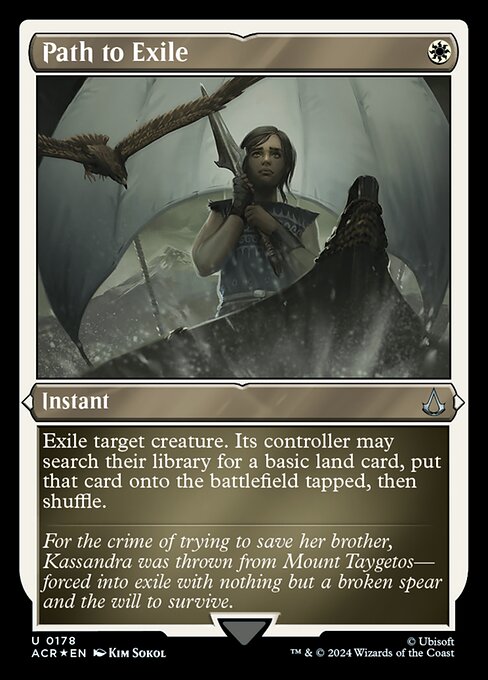
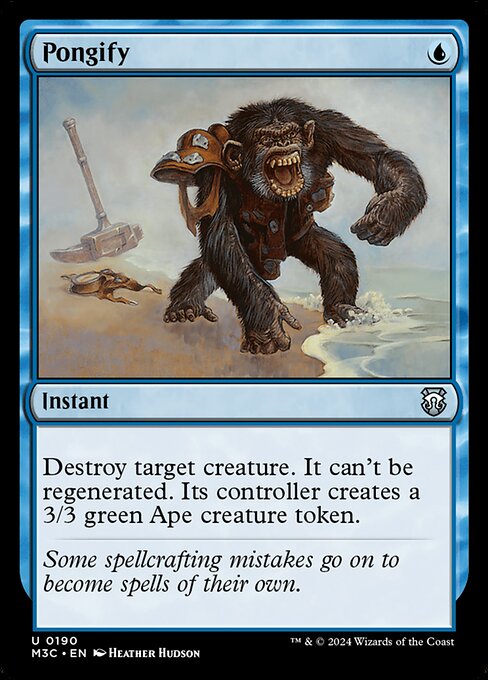
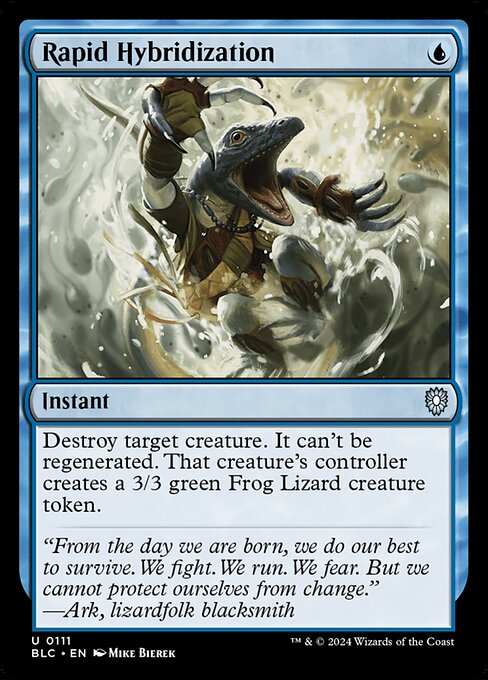
In addition to permanent removal, creature removal is just as important. To help save on mana, spells that only cost one mana are the most useful. You have the classic suite of Swords to Plowshares and Path to Exile if you have access to White. Despite breaking the Color Pie, Blue has access to cards that can destroy creatures too, with Pongify and Rapid Hybridization being similarly great staples.
Mana Dorks
Mana dorks are the cornerstone of a Midrange deck. These help you to get ahead of your mana curve so you have extra mana available for interaction. It also helps you to get to your key cards quicker since they all have low investment to get on the battlefield.
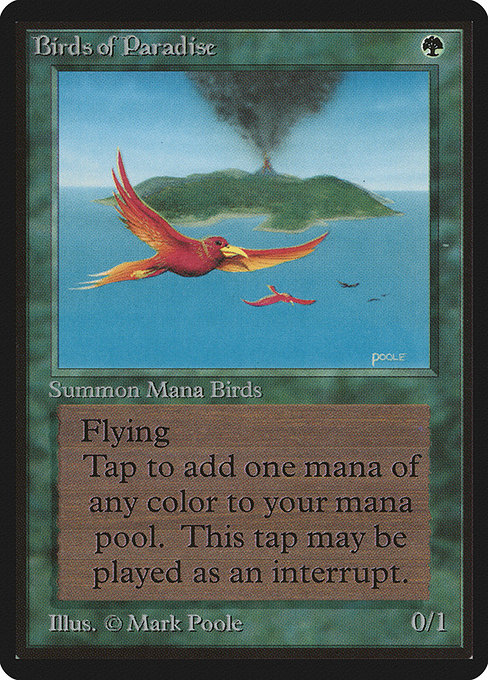
The one-drop mana dorks will always be the most efficient. Birds of Paradise is the best one since it can make any color of mana. If your commander’s color identity allows for them, Noble Hierarch and Ignoble Hierarch are great includes to offer a variety of mana. Essentially, the more colors a mana dork can provide, the better they are to help you not get stuck on your colors. Delighted Halfling is a bit more niche, but making legendary spells uncounterable is great, as it’s a way to (almost) guarantee your commander will hit the battlefield.
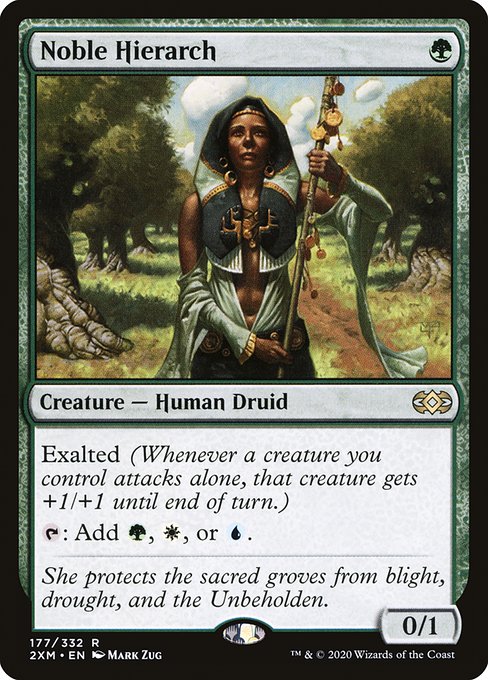
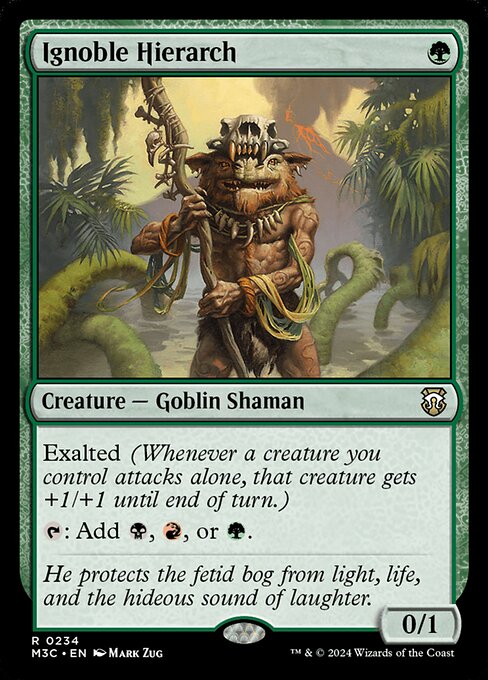
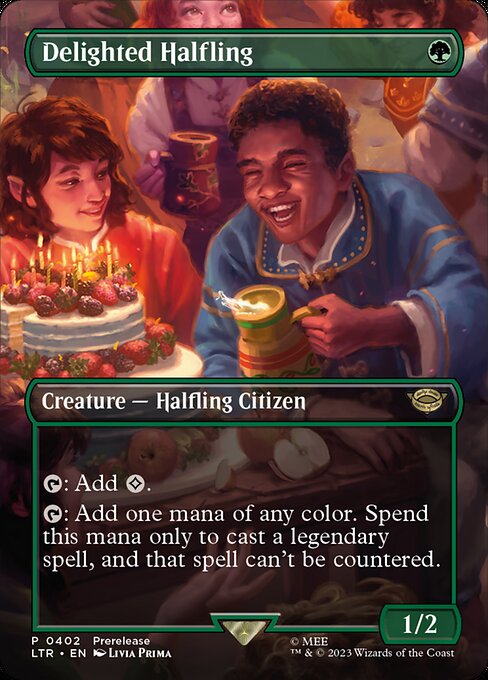
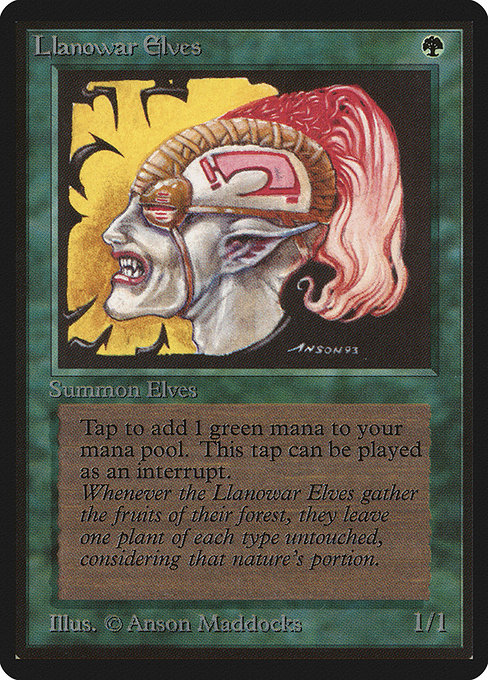
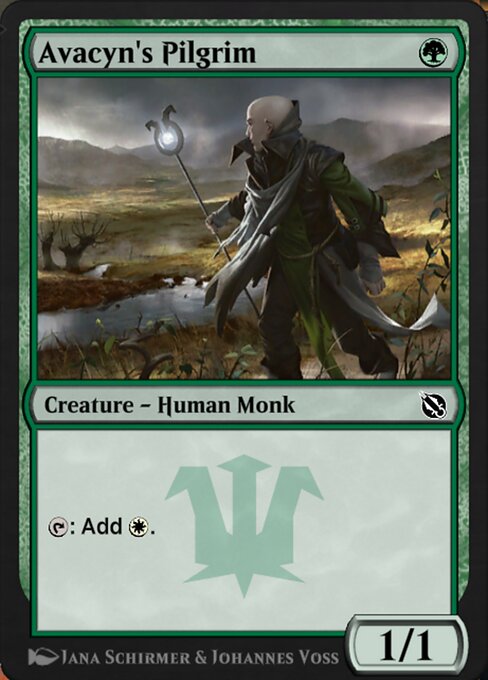
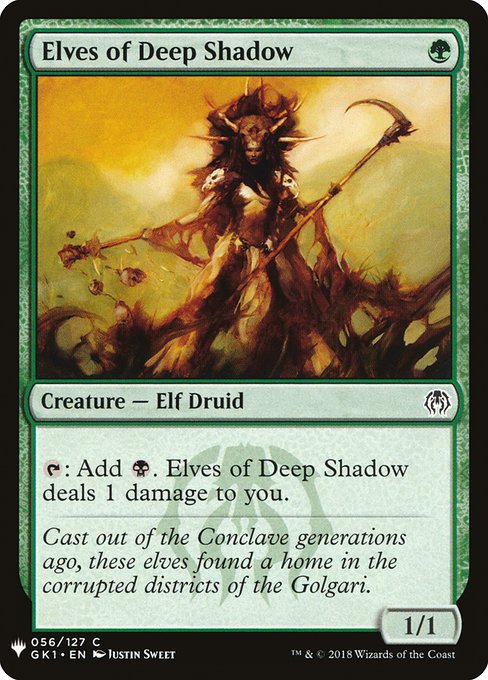
Even if mana dorks can only tap for one color of mana, they’re still great. They are cards that you are always happy to see in the early game (maybe less so late-game, where you have a ton of lands already). Llanowar Elves, Avacyn's Pilgrim, and Elves of Deep Shadow are all great includes because of this.
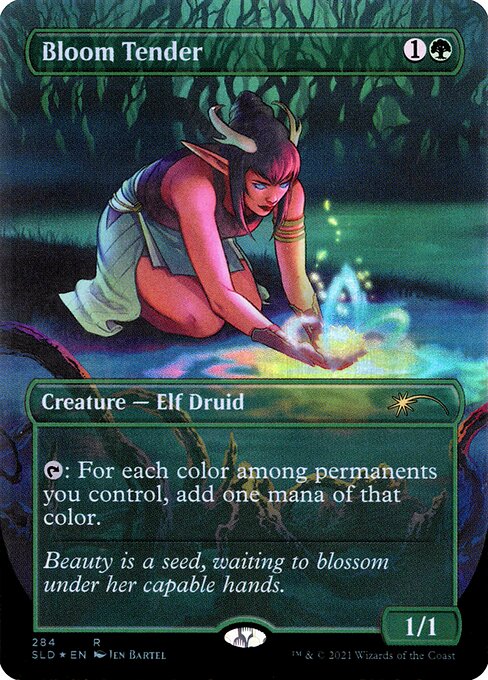
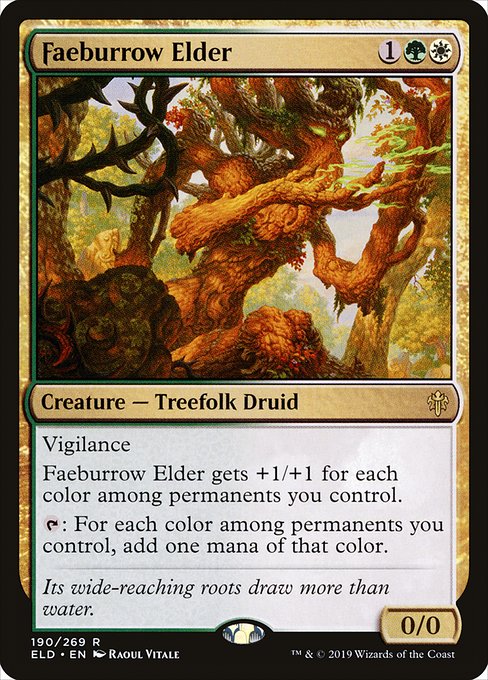
While the best mana dorks only cost one mana, sometimes, you want ones that are more expensive to cast. These mana rocks are ones that can make more than just one mana at a time. The more colors you have, the better cards such as Bloom Tender and Faeburrow Elder become. These cards are better played in decks that run 4 or 5 colors, as they’ll not do enough to be worth paying the mana otherwise.
Counterspells
An important piece of Midrange decks is counterspells. Sometimes, you have to fight against powerful spells on the stack rather than the battlefield. For example, a permanent with indestructible will be very hard to get rid of, something a counterspell can handle much better.
So long as you’re in Blue, you’ll have no problem. You have the namesake Counterspell, along with cheap counterspells such as Swan Song, An Offer You Can't Refuse, and Flusterstorm.
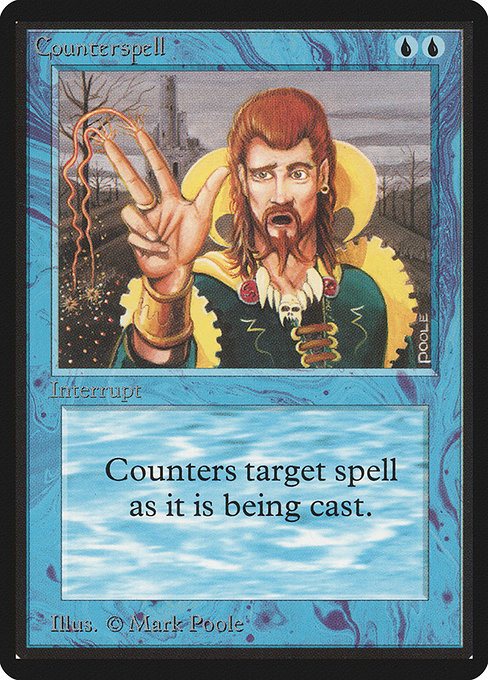
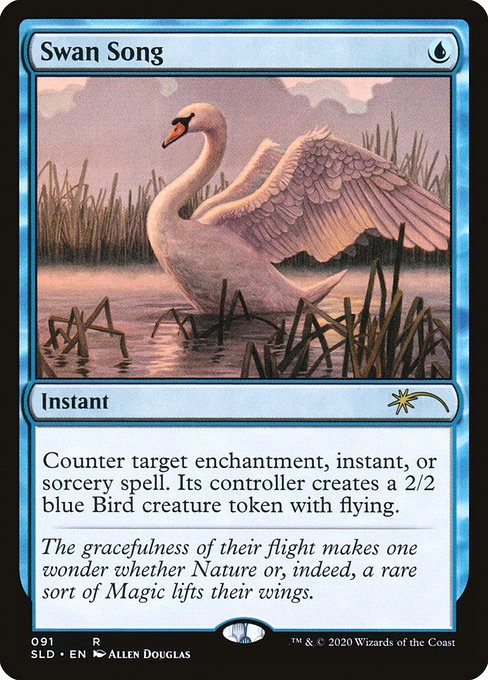
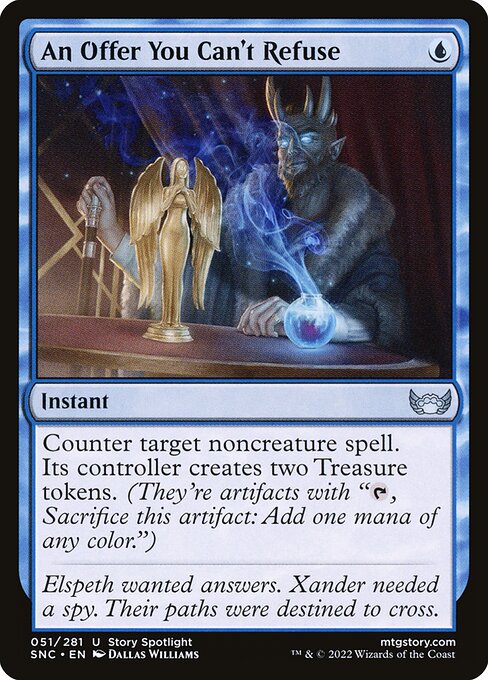
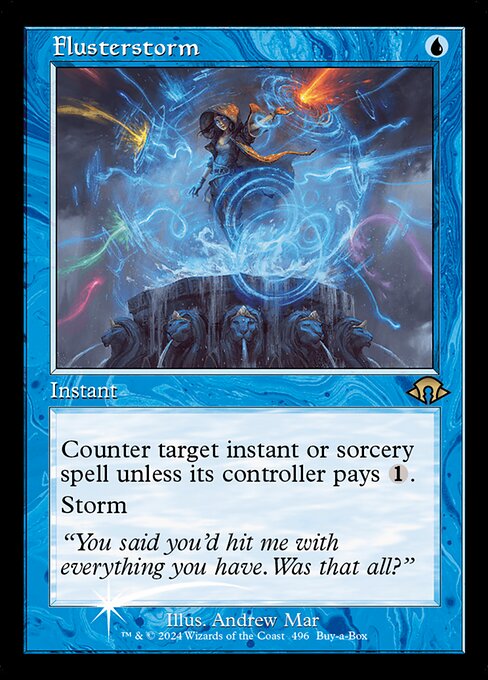
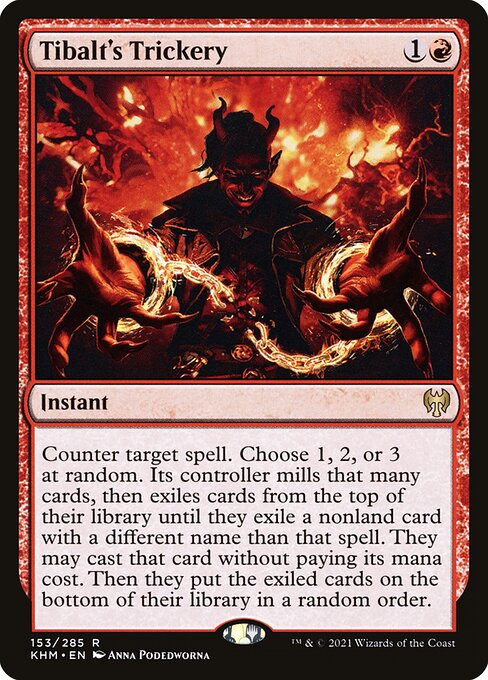
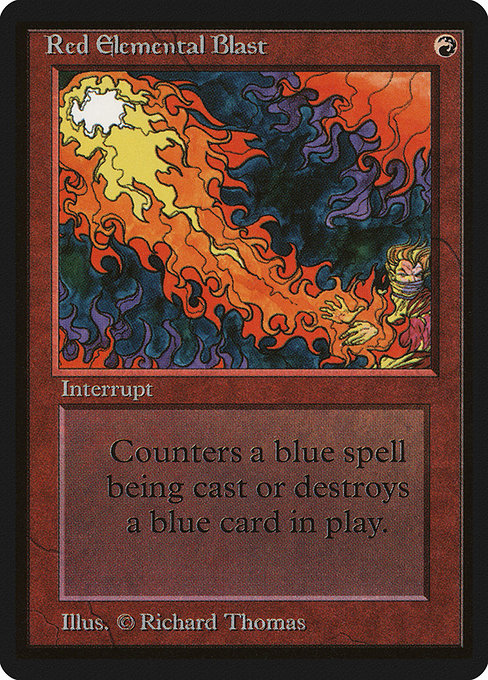
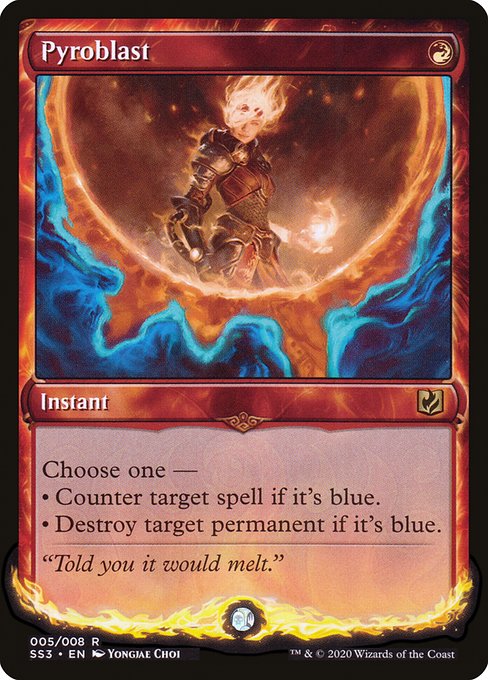
If you’re in other colors, you still have access to a handful of useful counterspells. Tibalt's Trickery can catch opponents off guard, especially if you’re not running Blue at all. At the higher brackets, where Blue is the most played color, Red Elemental Blast and Pyroblast are popular staples as well.
Draw Power
The final part of Midrange decks you need to know about is draw power. This helps you to draw into your interaction so you can answer whatever your opponents are doing. It is also the best way to get to your best cards as quickly as possible.
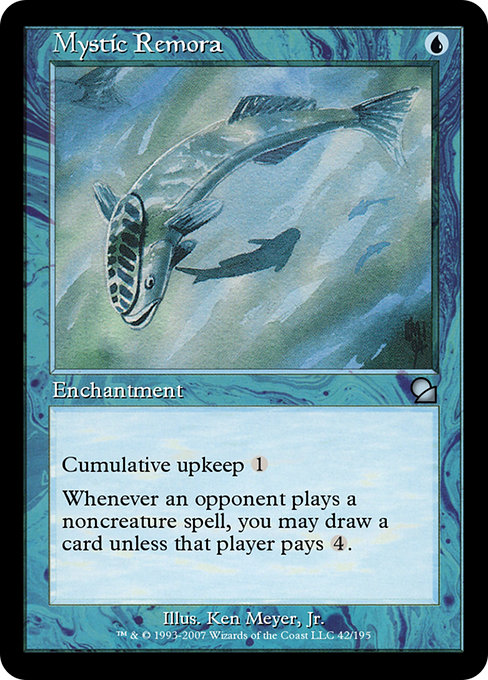
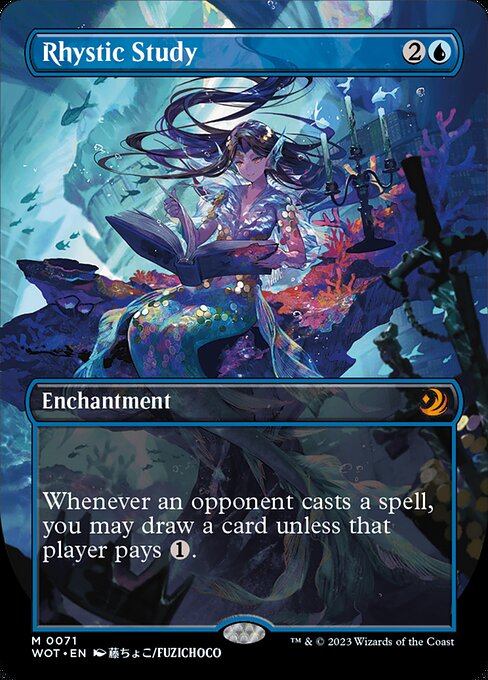
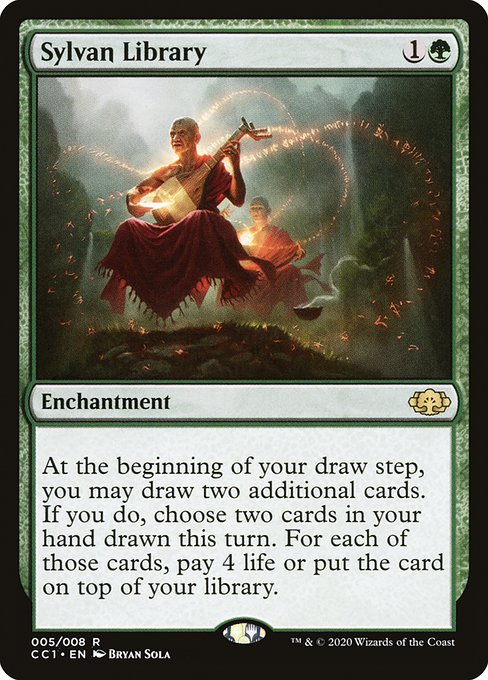
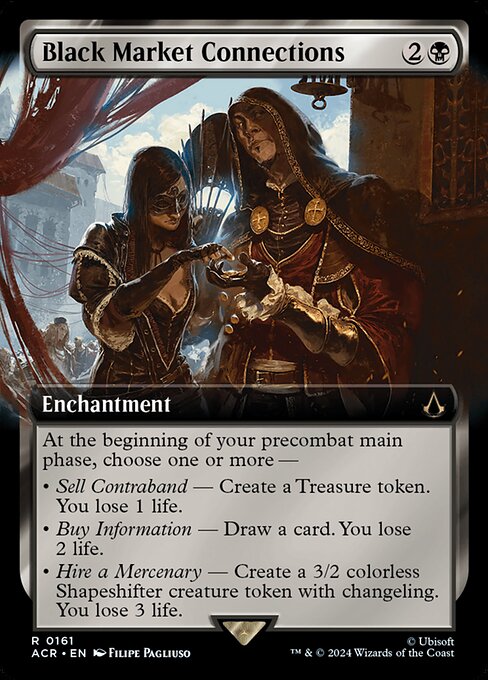
There are plenty of enchantments that help you draw extra cards. Mystic Remora does need you to pay extra mana every upkeep, but it can reward you with a lot of card draw. So long as it fits into your bracket, Rhystic Study is the best card for the job. Sylvan Library and Black Market Connections can both trade life for some extra card draw.
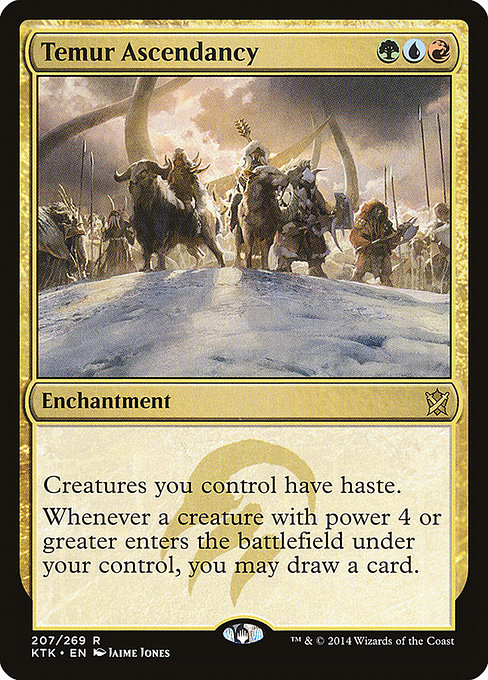
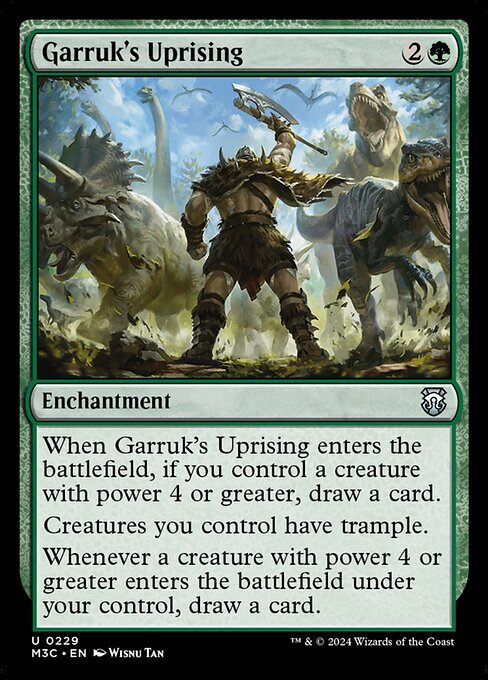
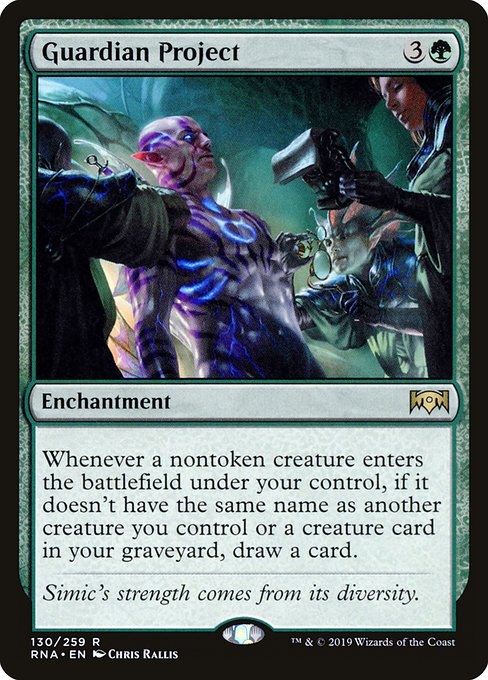
If you’re playing a creature-centric Midrange deck, there are enchantments that help provide even more card draw. Temur Ascendancy and Garruk's Uprising both draw you a card when creatures with 4 or more power enter your battlefield. Guardian Project is guaranteed to always draw you a card since (outside of very specific circumstances) you only have one creature with its name in your deck.
General Game Play
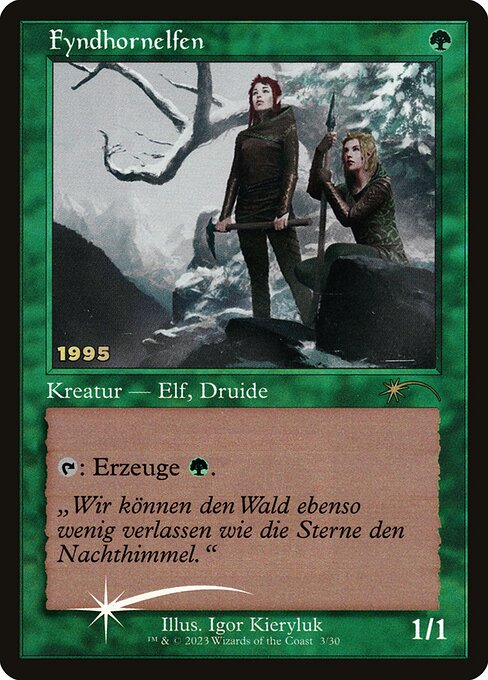
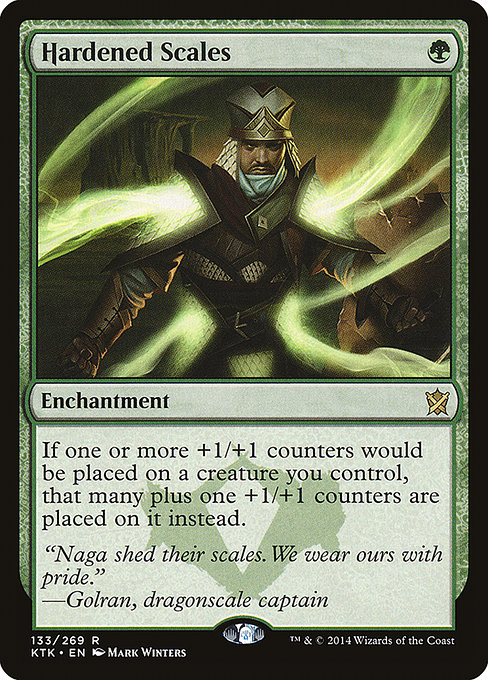
Midrange decks are going to always start off slow before snowballing their way to victory in the late game. What differentiates it from a Control deck is that although its early game isn’t fast, it’s not weak either. Instead, you’re building up resources with your mana dorks like Fyndhorn Elves or setting up for future turns with a card like Hardened Scales.
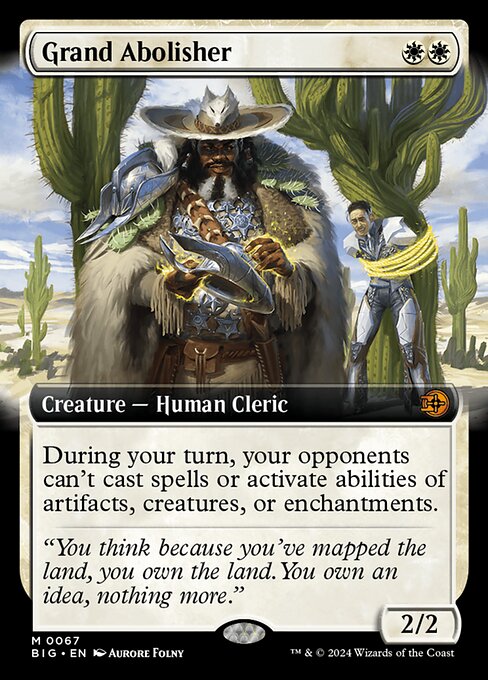
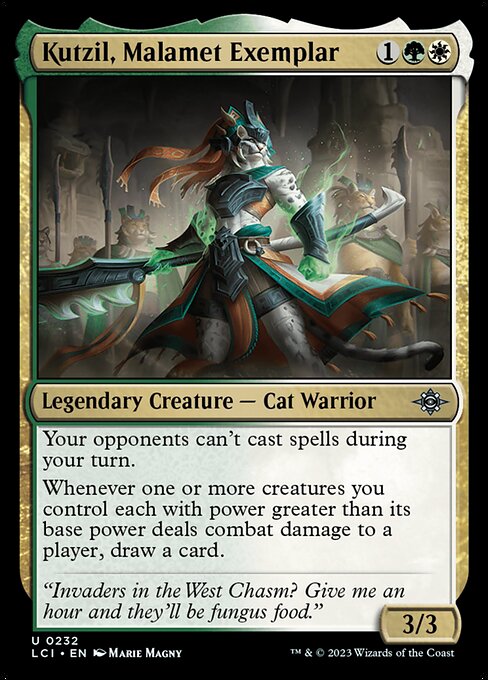
Sometimes, you want to slow your opponents down by forcing them to interact with you on their turn. This is where cards like Grand Abolisher and Kutzil, Malamet Exemplar come in. It’ll stall your opponents in their ability to interact with you, while not affecting you at all. This makes counterspells in particular much stronger, as your opponents can’t counter your spells, but you can counter theirs.
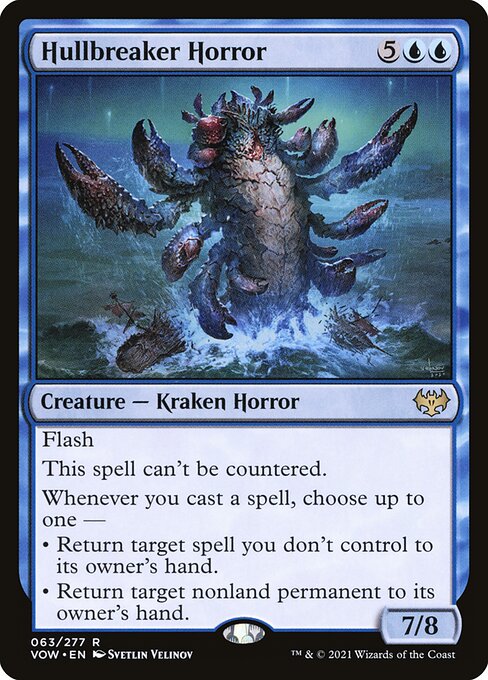
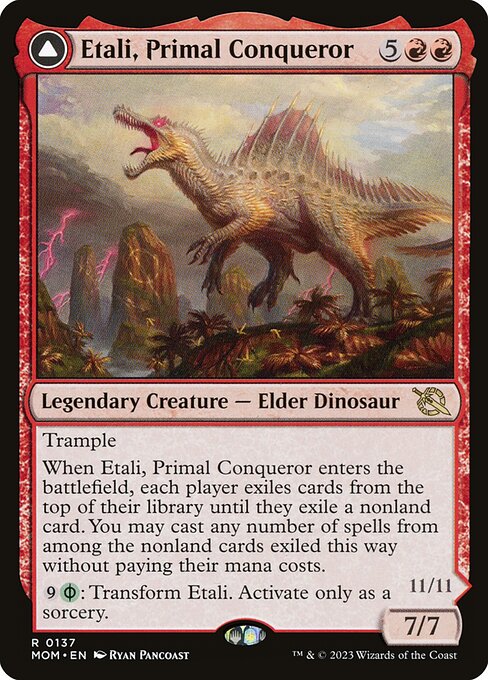
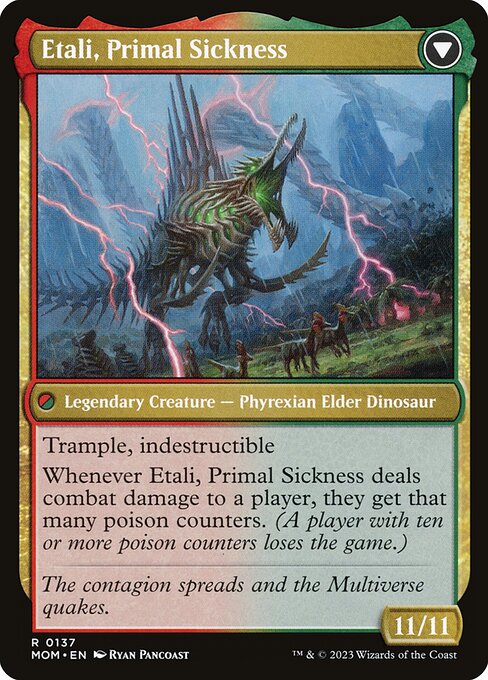
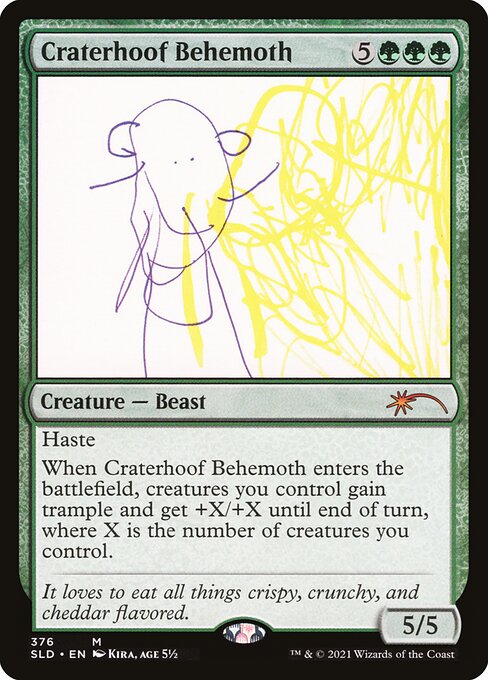
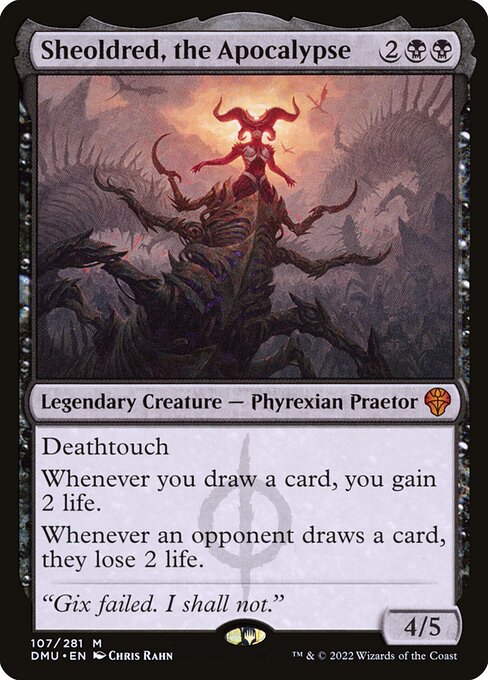
A Midrange deck starts by stalling your opponents out before dropping some big bombs onto the battlefield. There are a variety of powerful creatures you can bring in, but some popular choices include Hullbreaker Horror, Etali, Primal Conqueror, and Craterhoof Behemoth. Generally, you want your creatures to be impactful if they aren’t setup cards. This is either because their effects themselves can end the game (such is Craterhoof Behemoth‘s case), or because they have great passive abilities (such as Sheoldred, the Apocalypse).
Midrange Commanders
There are countless commanders that can be used as Midrange commanders. Some lean more heavily into building card and mana advantage, while others are more creature-focused. To help give an idea of some variations of the Midrange archetype, three different commanders will be discussed here.
Atraxa, Grand Unifier
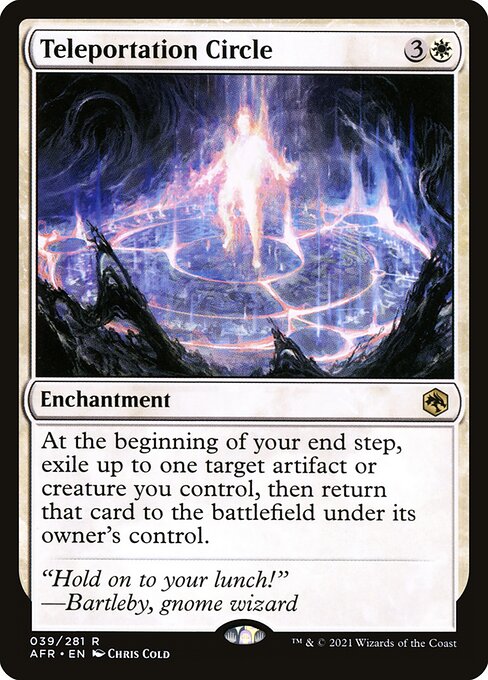
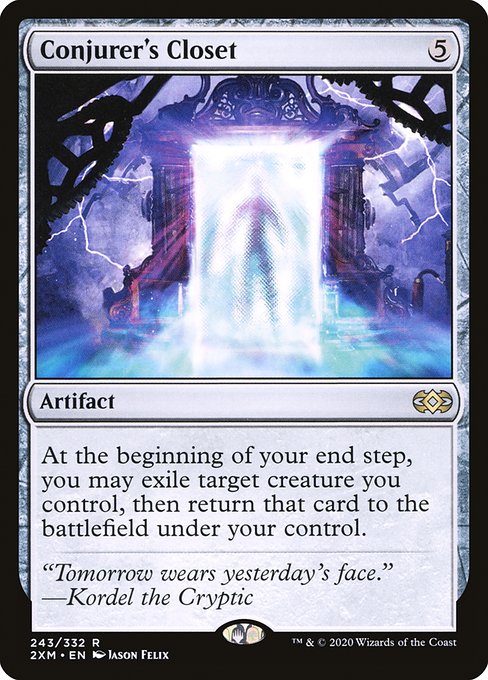
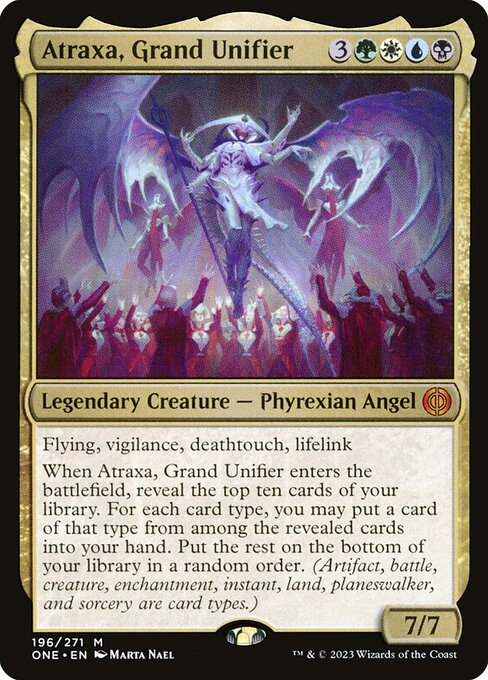
Atraxa, Grand Unifier is a commander that’s built around generating card advantage. The card has such a powerful enter the battlefield trigger, getting multiple card types into your hand. You abuse this effect by repeating it by blinking your commander with cards like Teleportation Circle and Conjurer's Closet. This keeps your hand filled with cards to answer whatever your opponent does.
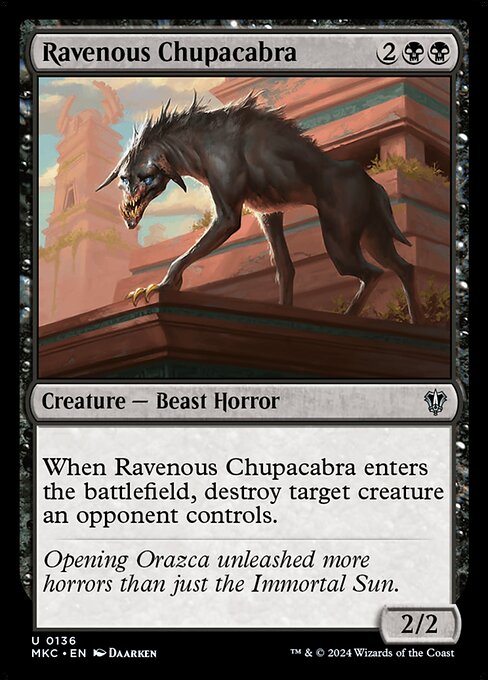
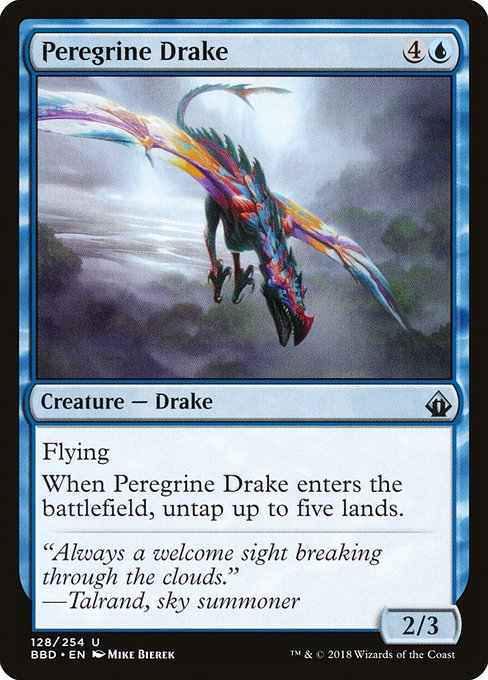
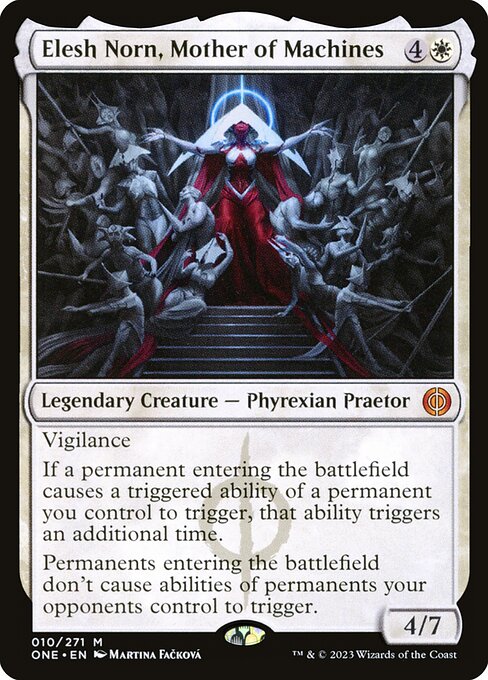
You don’t always have to blink your commander. Sometimes, you’ll want to blink another permanent instead if your hand is too full or you need more utility. Ravenous Chupacabra can be used to destroy any problematic creature, or Peregrine Drake can untap your lands whenever you want. With so many enter the battlefield triggers, Elesh Norn, Mother of Machines can double up on all these effects while shutting down your opponents’ triggers.
To help slow down your opponents, you have cards such as Ghostly Prison and Propaganda to force mana to be paid to attack you. This helps to stall the game out until you draw into powerful cards and build up your card advantage. Teferi, Time Raveler helps to force opponents to play at sorcery speed, slowing them down even further (along with going infinite with Displacer Kitten and Sol Ring.
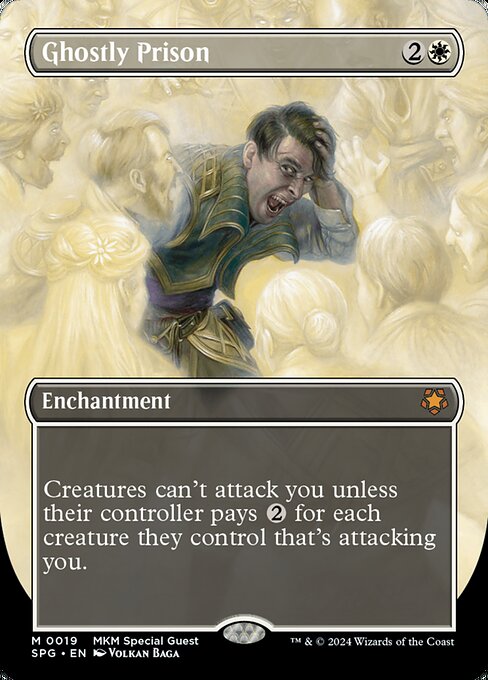
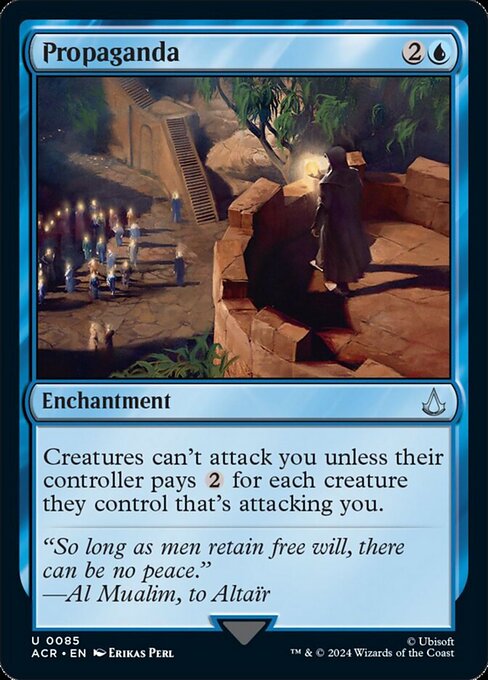
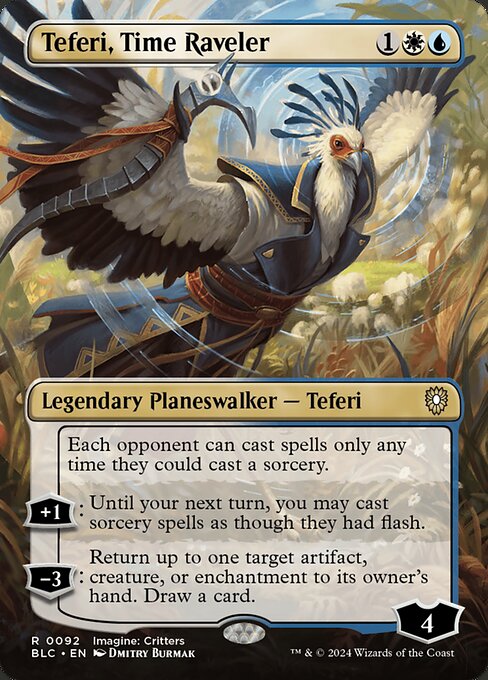
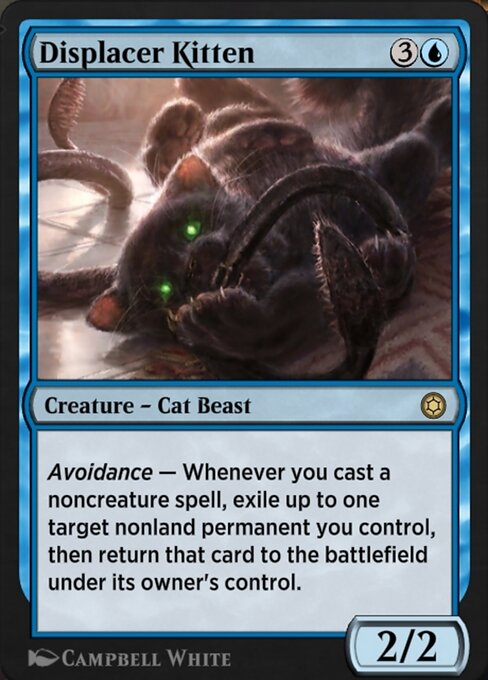
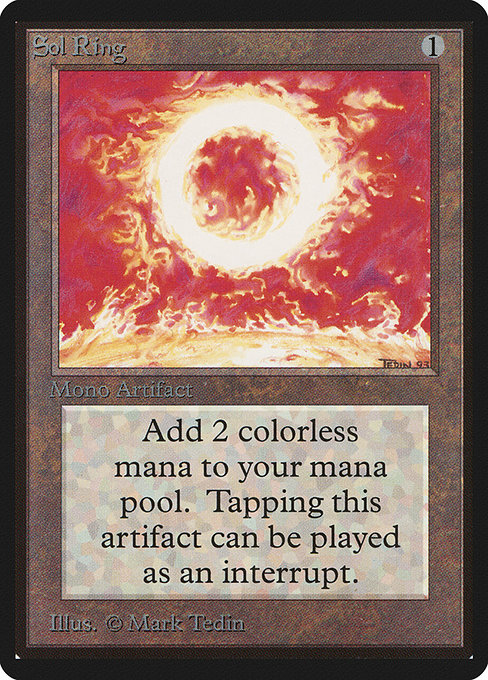
A sample decklist can be viewed below. This one leans more into the Control half of Midrange instead of the Aggro half, more about trading resources than overpowering your opponents with powerful creatures.
Commander
Planeswalkers (1)
Creatures (23)
Instants (21)
Sorceries (8)
Artifacts (8)
Enchantments (5)
Lands (34)
100 Cards
$1000.48
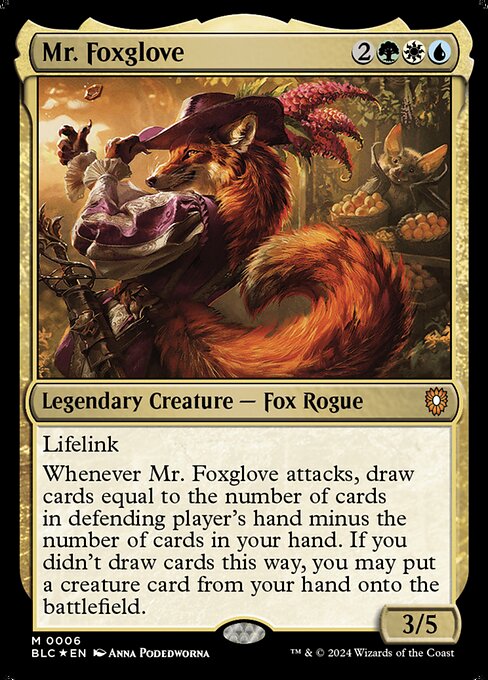
Mr. Foxglove
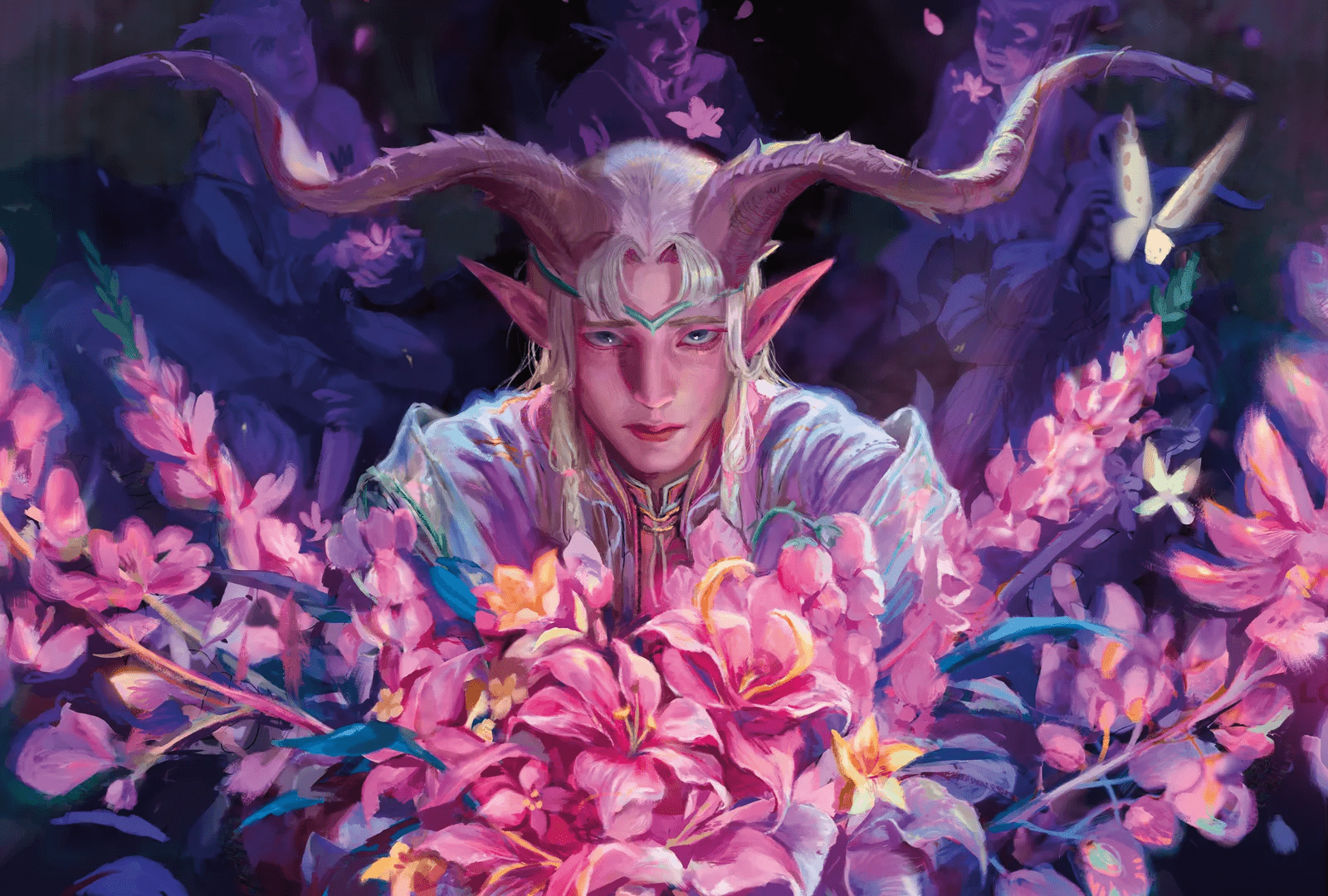
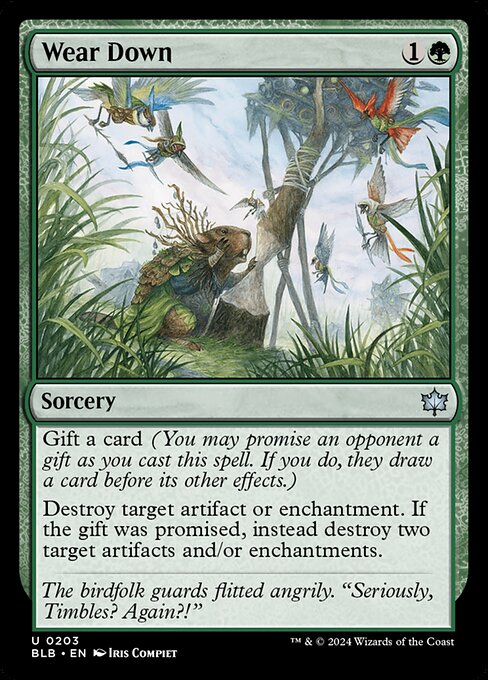
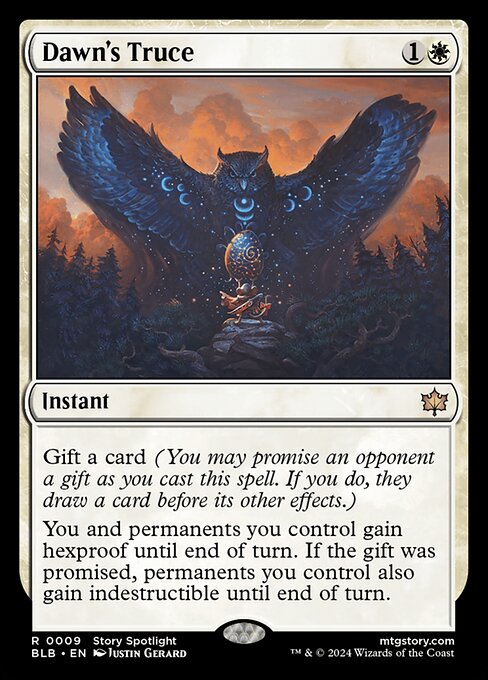
On the flip side of Midrange, Mr. Foxglove is more about creatures. It’s a slow ride up until you get a big hand, then you start slapping down threats onto the battlefield and cheating around mana costs. The commander’s effect helps you to draw interaction. Cards that gift cards are good, as they load up opponents’ hands if you need card draw. So, you’re often using the gift effects of spells like Wear Down and Dawn's Truce.
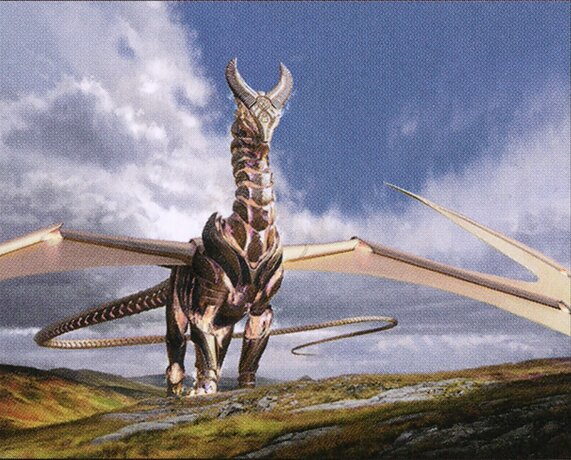
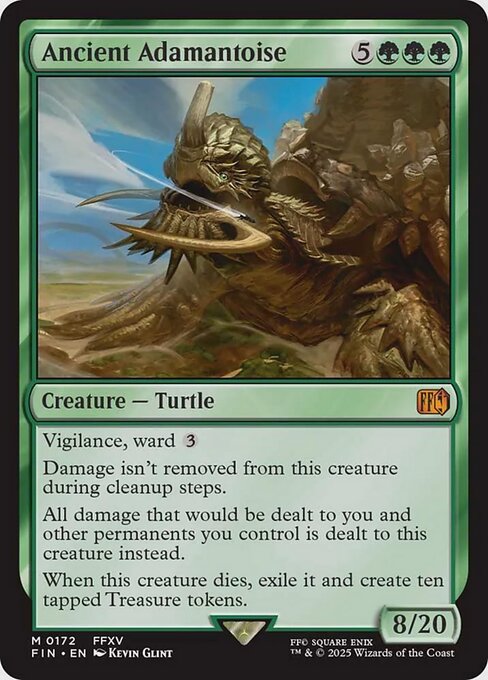
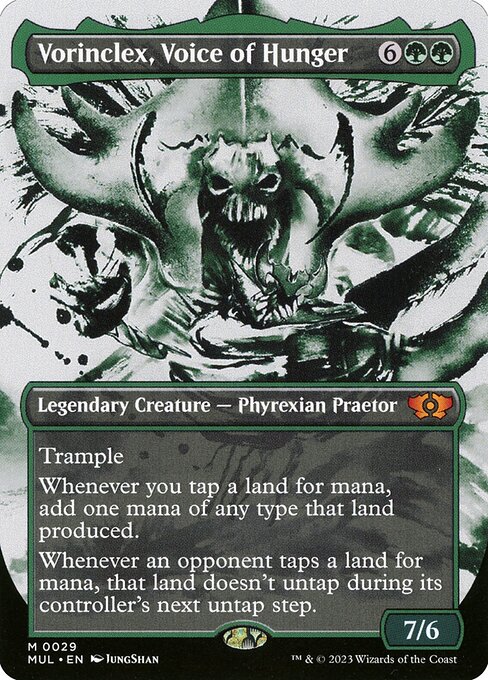
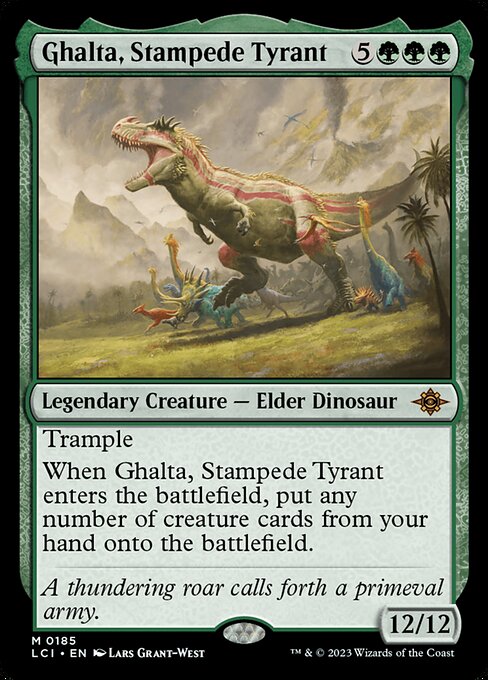
You have creatures that cost a bit of mana in the deck since you’re often not actually paying for their mana costs. Ancient Adamantoise helps to keep life totals and other permanents safe by redirecting damage to itself. You also have Vorinclex, Voice of Hunger to make lands tap for extra mana for you and lock them down for opponents to make it feel bad to use lands for mana. Ghalta, Stampede Tyrant can unclog your hand of expensive creatures by letting you put them all down on the battlefield.
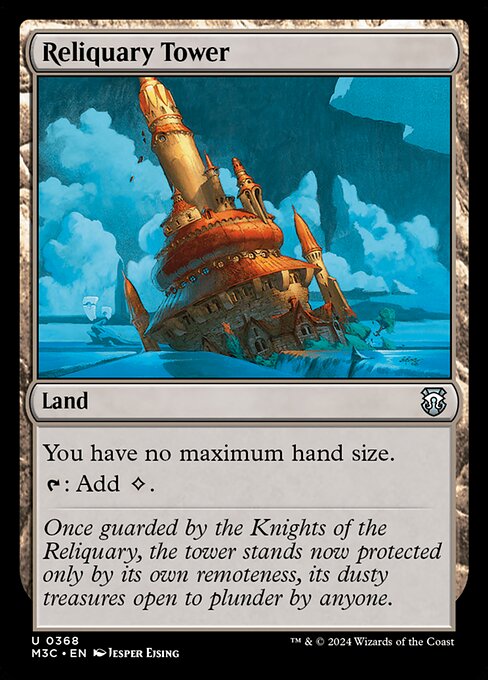
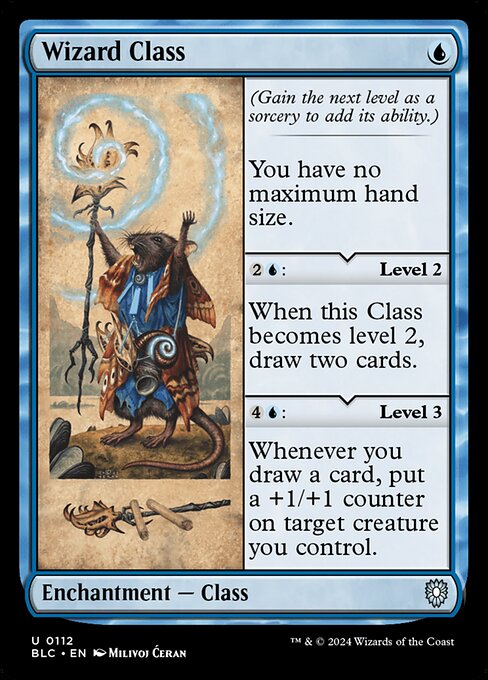
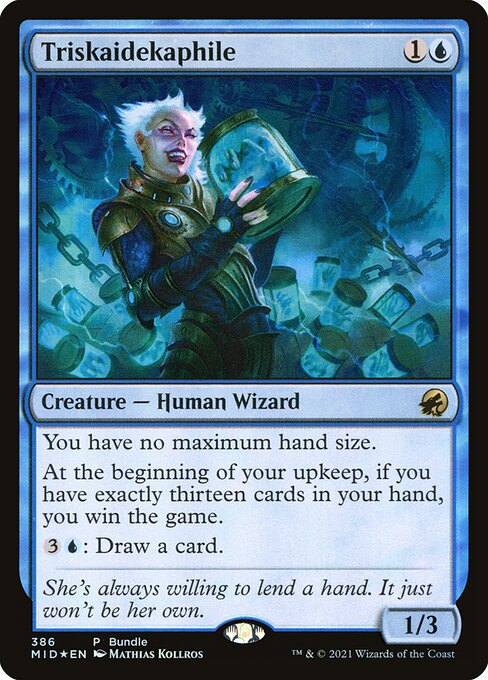
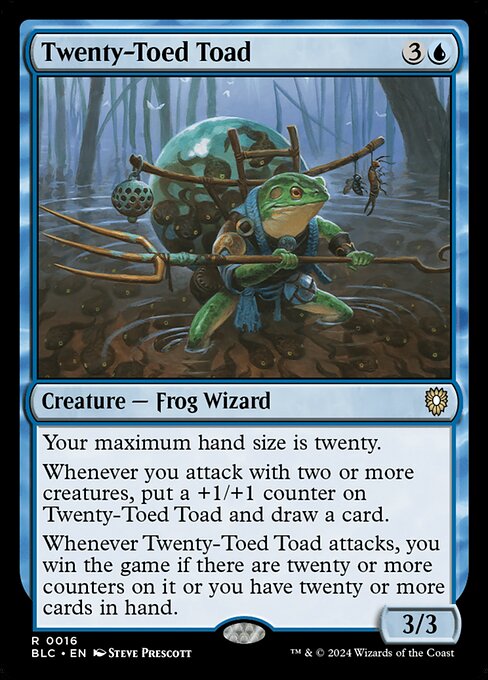
Since you want your hand to be the largest so you can cheat out creatures, cards that unrestrict your hand size are vital. Reliquary Tower and Wizard Class are both great at this, with the latter providing some extra utility. Triskaidekaphile and Twenty-Toed Toad both help to unlimit your hand size while also acting as win conditions.
A sample decklist can be viewed below. This Midrange deck can really amplify in the second half of the game with some powerful creatures. It also provides a built-in draw engine to keep your hand loaded with action.
Commander
Creatures (28)
Instants (16)
Sorceries (10)
Artifacts (9)
Lands (34)
100 Cards
$507.4
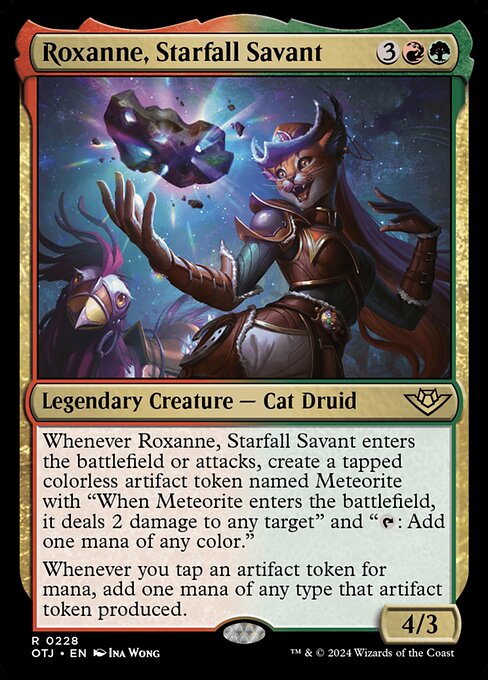
Roxanne, Starfall Savant
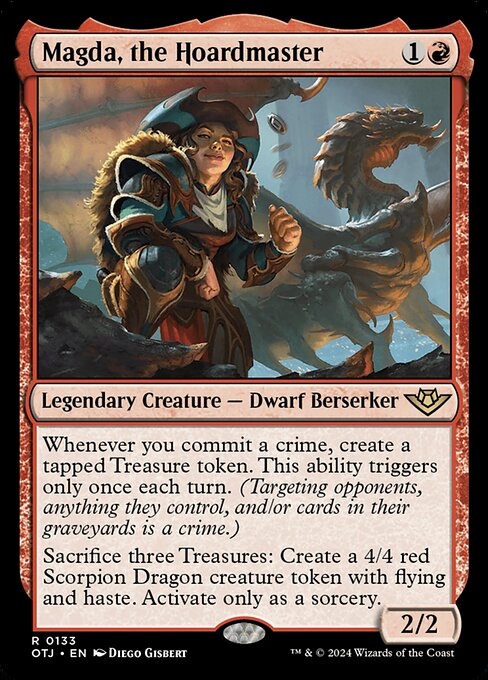
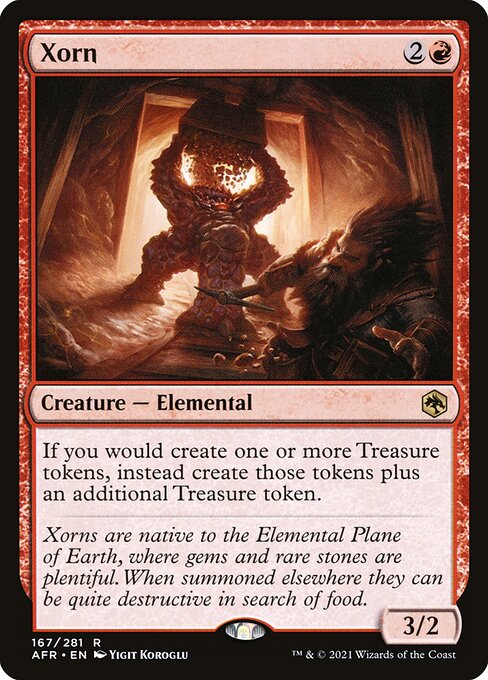
This Midrange deck balances interaction with ramp, utilizing Roxanne, Starfall Savant‘s ability to make artifact tokens make an extra mana when you create mana from artifact tokens. So, this turns all your Treasure tokens into extra mana, so you’re playing a lot of Treasure generation. With how much Midrange decks interact, Magda, the Hoardmaster is a great generator, and Xorn gives you extra Treasures.
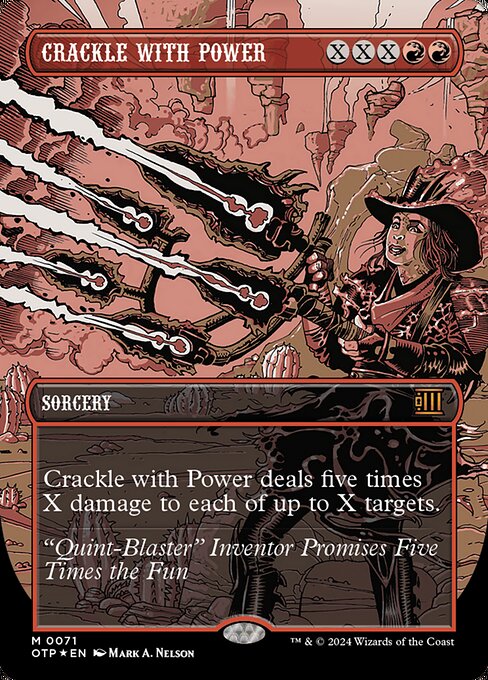
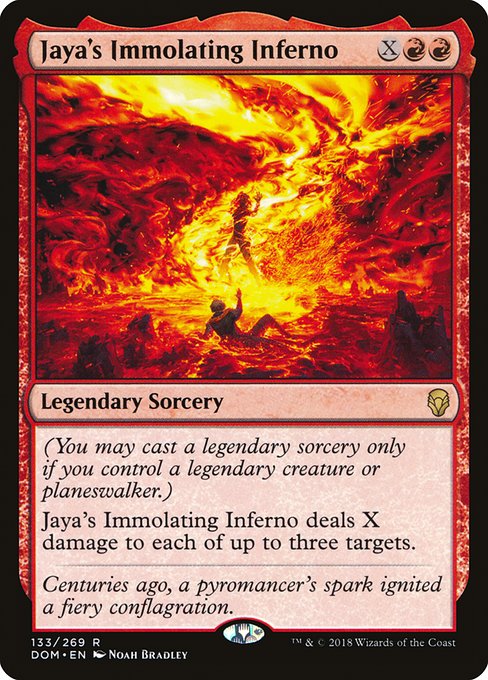
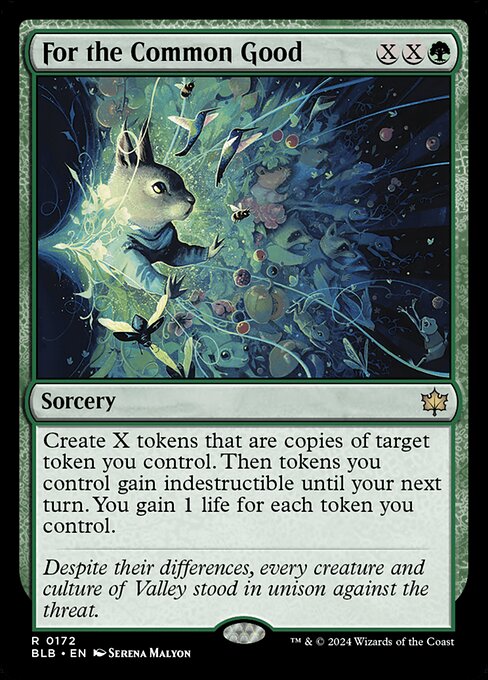
This deck makes use of a lot of X spells, since being able to invest a ton of mana into the X costs is trivial. The best of the lot is Crackle with Power since it can be a game-ender once you have enough mana available to dump into it. Jaya's Immolating Inferno is similar, but not quite as powerful. If you aren’t using your Treasure tokens to make mana, For the Common Good can give you a ton of extra Treasure tokens to use later.
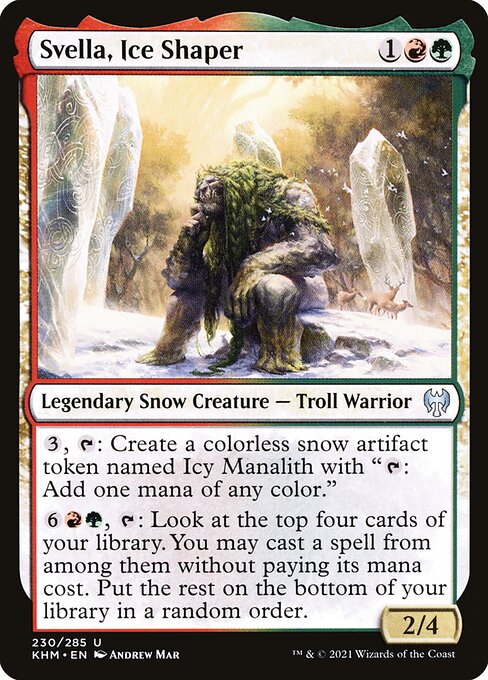
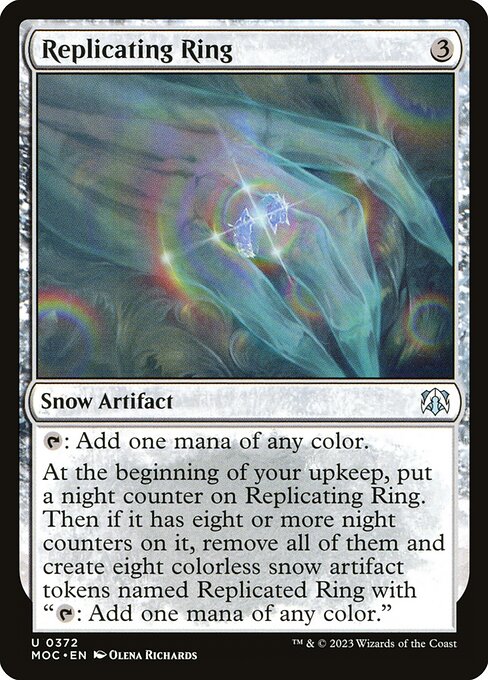
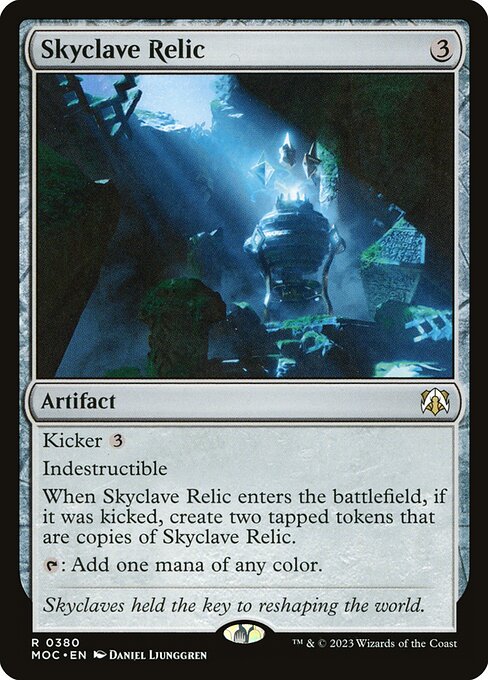
It isn’t just Treasure tokens that you can make use of with your commander. Svella, Ice Shaper can create mana rock tokens that Roxanne, Starfall Savant will provide double mana for (that can then be dumped into Svella’s effect). Once there are eight counters on Replicating Ring, that’s eight mana rocks you get that can tap for two mana if you have your commander out. Likewise, if you kick Skyclave Relic, you get two artifact token copies of it.
A sample decklist can be viewed below. This Midrange deck leverages your commander’s ability to help push your advantage in the late-game once you have a lot of artifact tokens.
Commander
Creatures (27)
Instants (12)
Sorceries (15)
Artifacts (8)
Enchantments (4)
Lands (34)
100 Cards
$462.38
In Conclusion
Midrange decks are everywhere in Commander. The odds of you running into a Midrange deck at any Commander event are incredibly high. Every bracket level has them (with them being extra common at the lower bracket levels). Whether it’s hyper-casual Commander or cEDH, you will always be up against Midrange decks in some capacity.
Midrange is a very unique archetype in Commander because it is so broad. There are a ton of different archetypes, like Group Hug or Blink, that play the Midrange strategy. In general, Midrange is more of a playstyle than an archetype. However, you can laser-focus on Midrange strategies and build a deck around everything Midrange does best.