



Embracing Chaos and Power: Jund in Commander
Jund is one of the most beloved color combinations in Commander, and for good reason. Combining Black, Red, and Green gives you access to some of the most efficient removal, explosive ramp, and grindy value engines in the format. Jund specializes in very efficient resource management and straight up use; what I mean by this is that Lands not only give mana but they also can and will be sacrificed for extra value, same for pretty much any other type of permanent. This means every single permanent you play fulfills double duty on the field; first as whatever they are or did, and second as fuel for following plays.
This deckbuilding guide will break down the essential staples of Jund deckbuilding in EDH, separated by type. While not exhaustive, these categories will give you a strong foundation for building powerful, consistent decks in this color combination by being able to observer what other players value for their own decks. Our deck will function well as long as we have a solid base to build from; once we have the base, everything else is about figuring out what kind of flavour you want your deck to be, and then adding sprinkles on top to finish it off.
Mana Development (Land-Based Ramp)
Green is the absolute best color at ramping in Magic, so we will of course be taking advantage of that by adding the best land ramp in the format. Unlike Artifact and Creature based ramp, Land based ramp is resilient in nature and synergizes really well with recursion strategies.
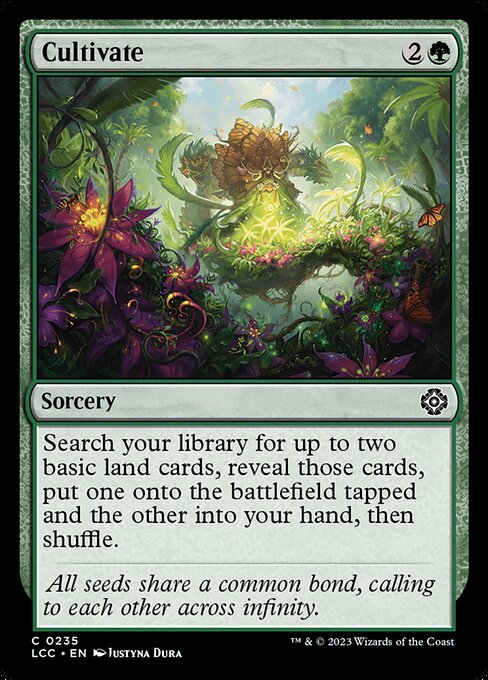
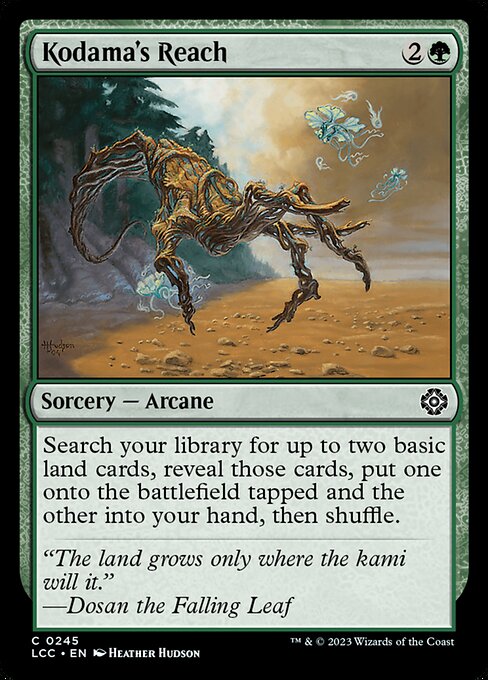
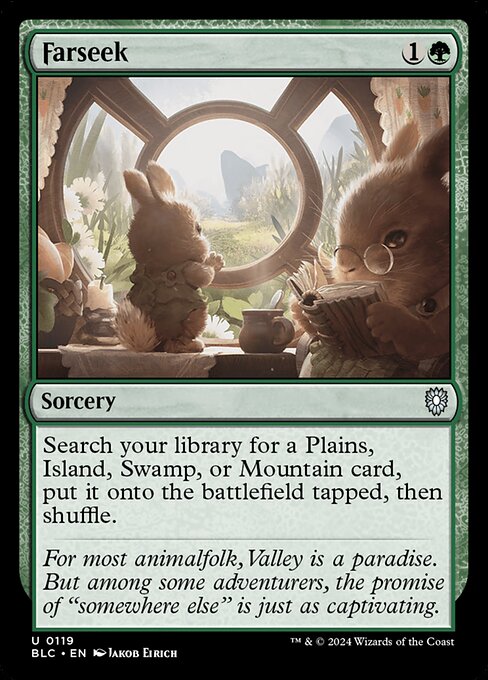
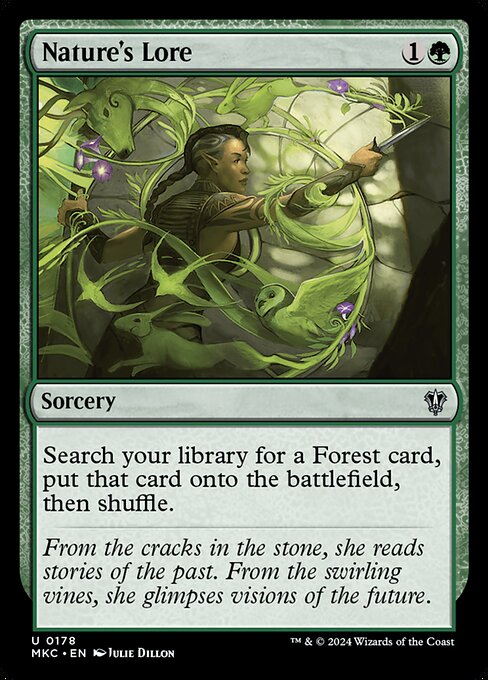
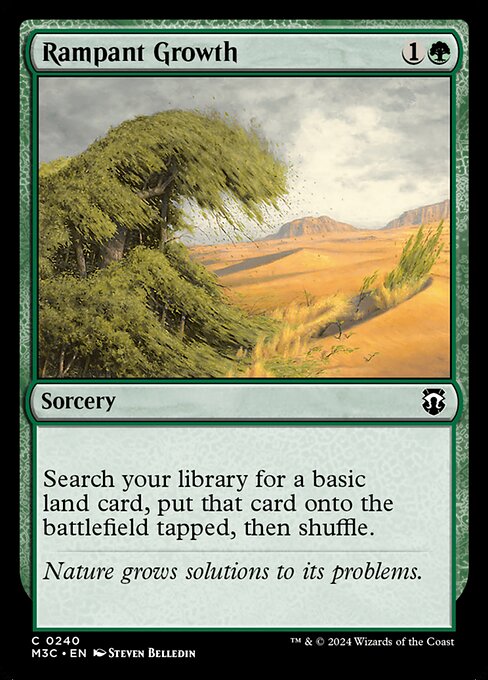
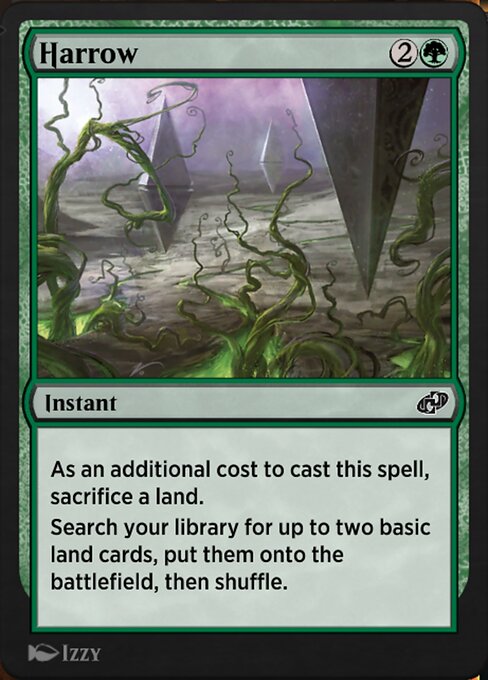
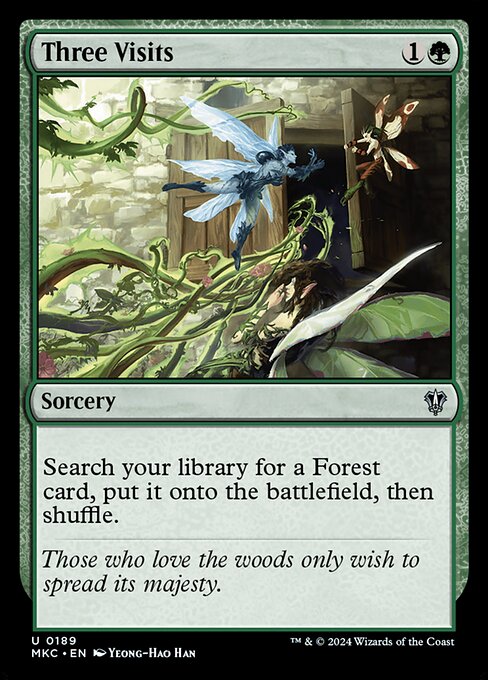
Classic staples like Cultivate, Kodama's Reach, Farseek, Nature's Lore, Rampant Growth, Harrow and Three Visits provide consistent value and are incredibly efficient, putting lands directly onto the battlefield untapped and ensuring you hit land drops while fixing your colors. These are foundational spells that belong in almost every Jund deck and allow for more explosive starts.
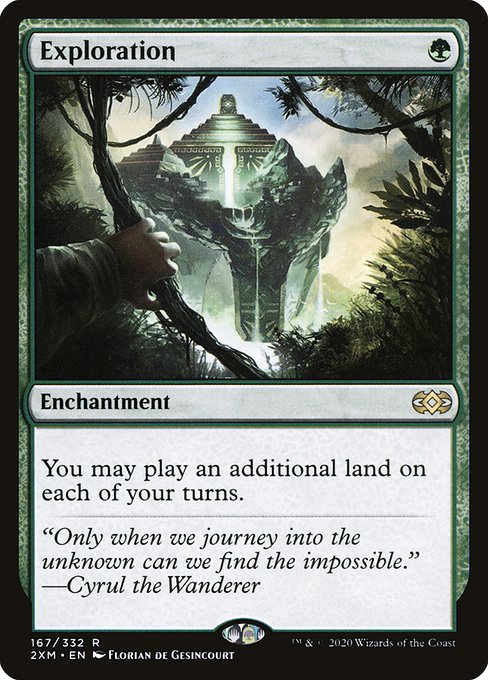
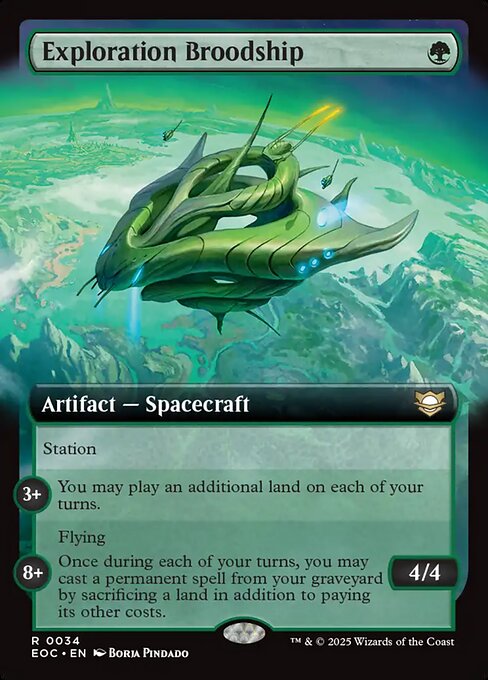
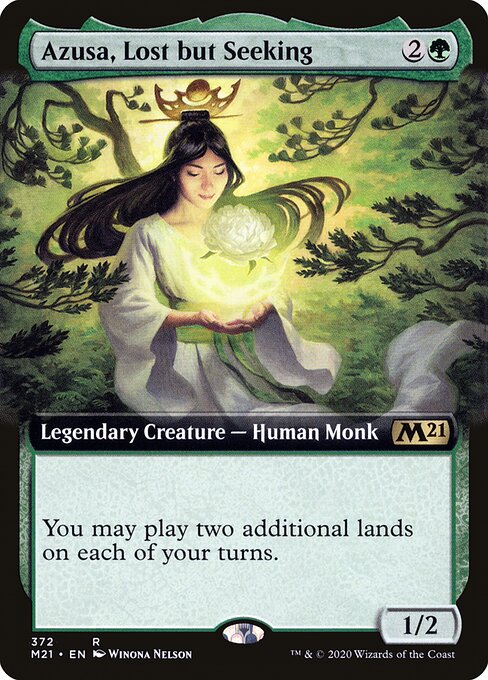
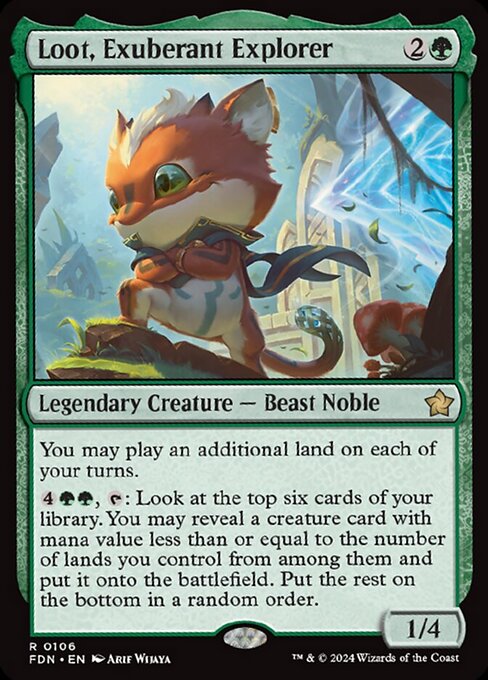
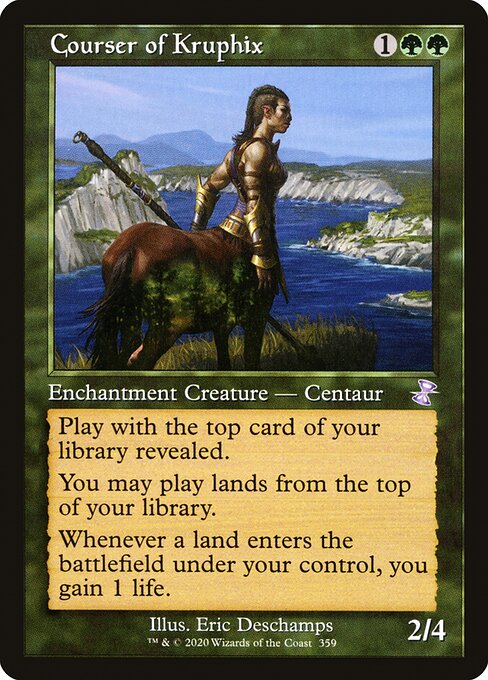
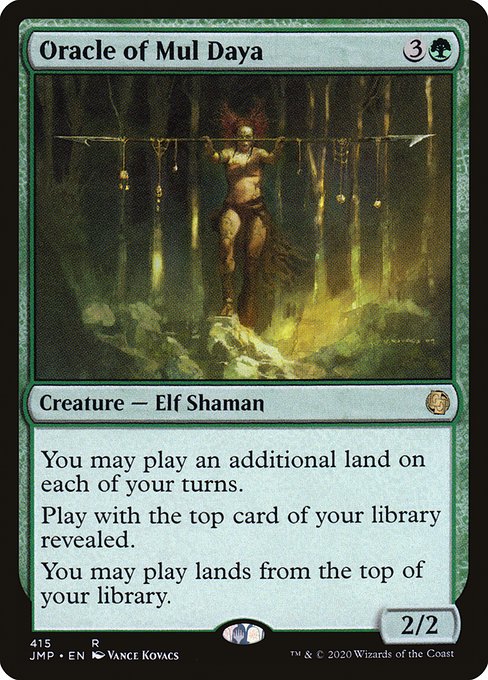
We also have cards like Exploration and Exploration Broodship which let us play additional lands each turn, ensuring we’re never behind. The same effects exists in creature form in the shape of Azusa, Lost but Seeking, Loot, Exuberant Explorer, Courser of Kruphix, Oracle of Mul Daya.
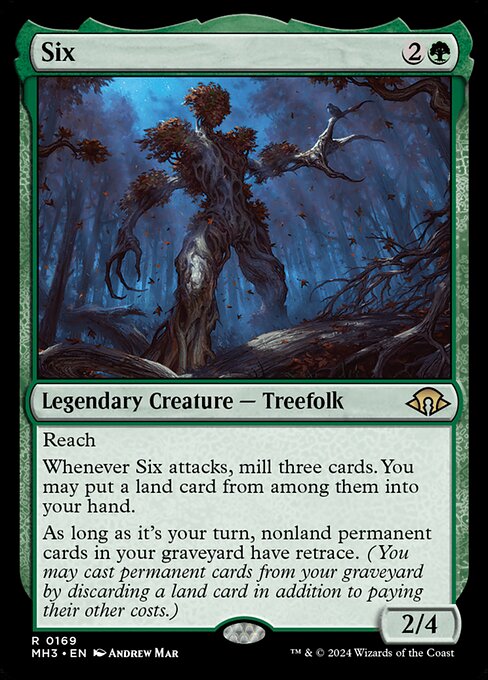
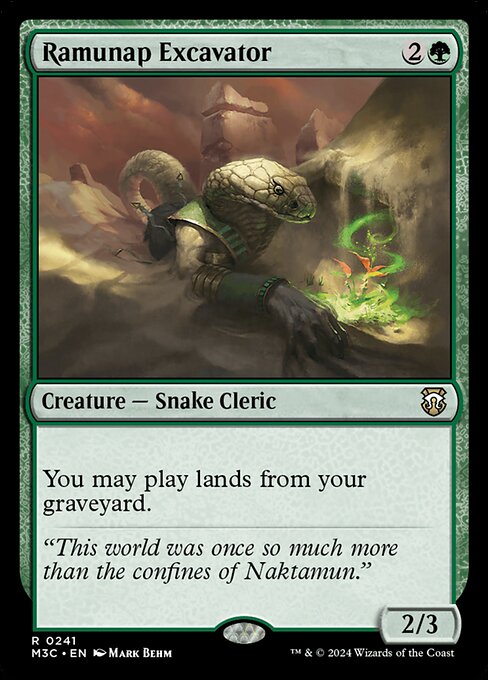
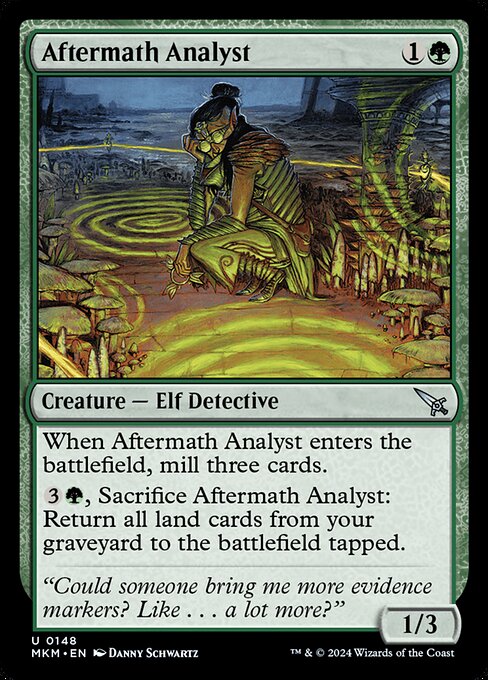
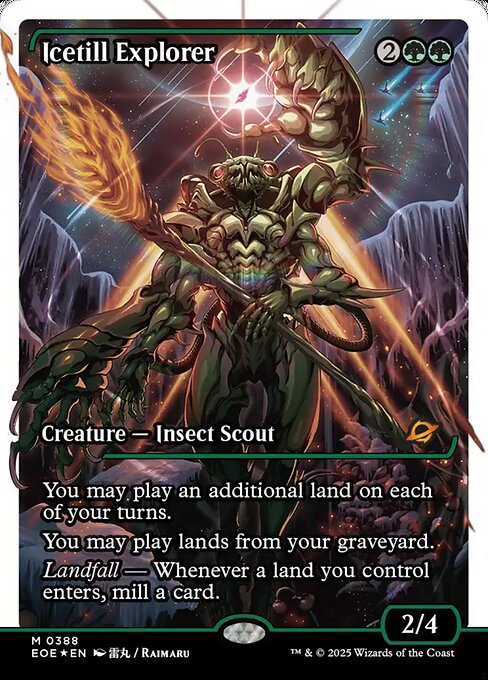
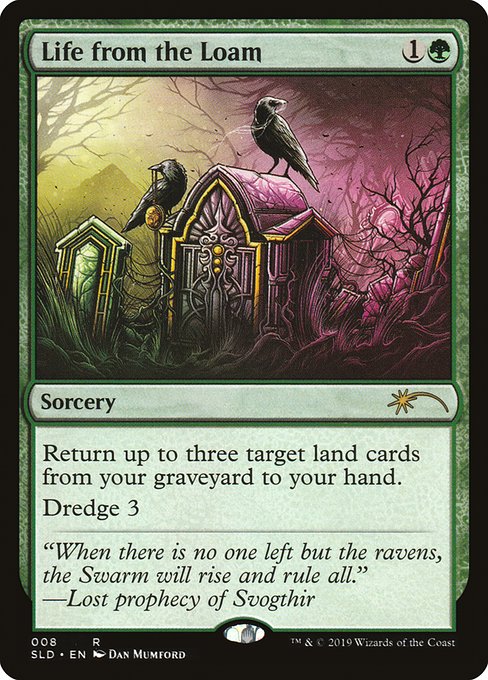
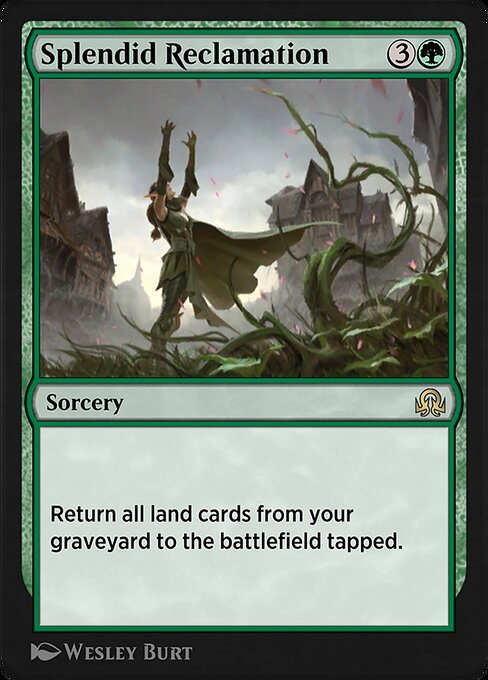
Land recursion and synergy also plays a role here with creatures like Six, Ramunap Excavator, Aftermath Analyst, and Icetill Explorer. While non-permanents cards like Life from the Loam allow you to reuse fetchlands and ensure consistent land drops, and Splendid Reclamation can generate massive bursts of mana in a single turn.
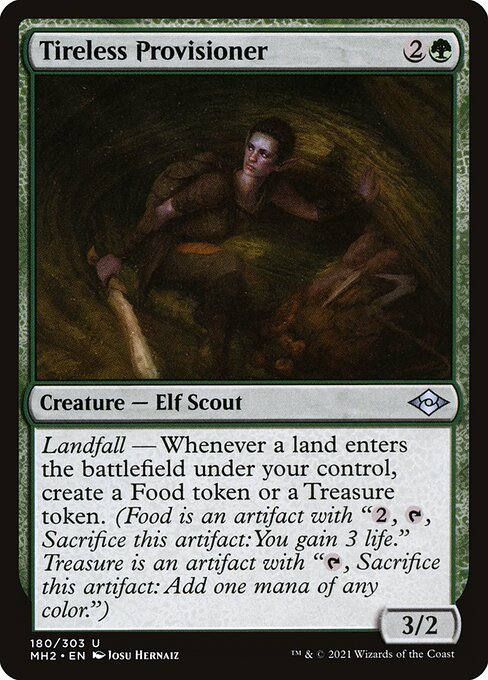
Tireless Provisioner is also worth mentioning because it can take extra advantage of all your played or cheated lands by generating Treasures for even more explosive turns early on. Anyways, Jund decks typically prefer Land based ramp for its long term stability and exploitability.
Mana Dorks (Creature-Based Ramp)
Green also provides access to plenty of mana dorks that enable early acceleration and synergies with Creature based strategies.
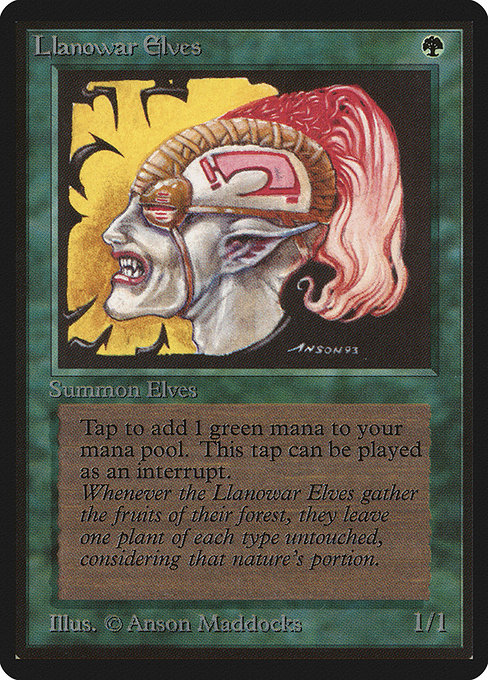
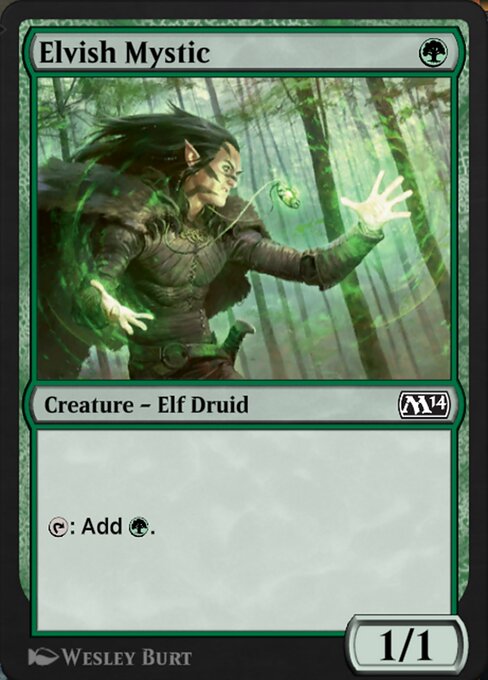
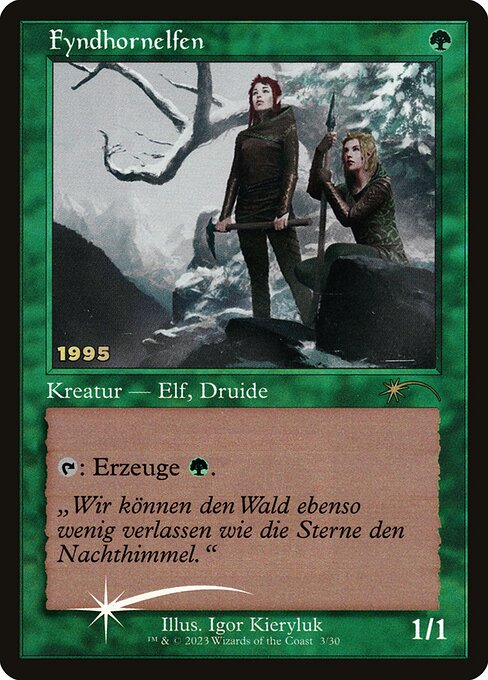
Staples like Llanowar Elves, Elvish Mystic, and Fyndhorn Elves form the backbone of early-game ramp, allowing you to jump ahead by a turn. These are simple but incredibly effective.
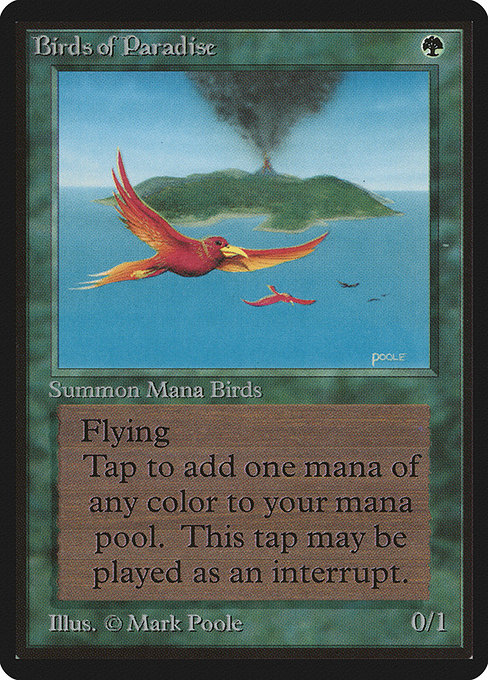
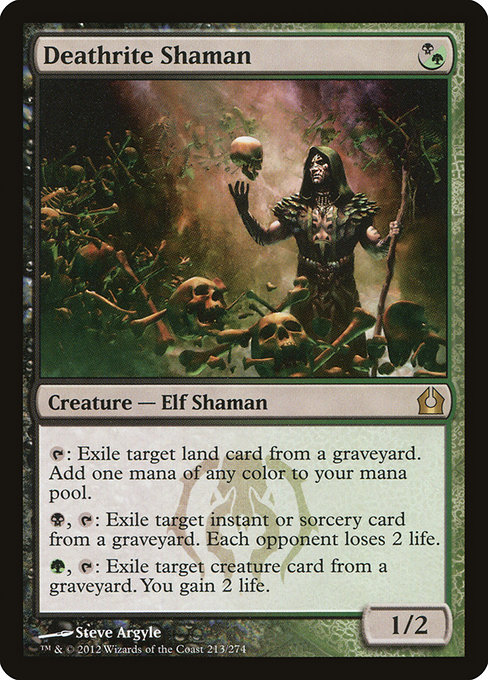
More powerful options include Birds of Paradise, which fixes all your colors, and Deathrite Shaman, which offers utility beyond mana by interacting with graveyards. Ignoble Hierarch is a newer addition and is particularly valuable in Jund, providing all three colors and even boosting attackers with Exalted.
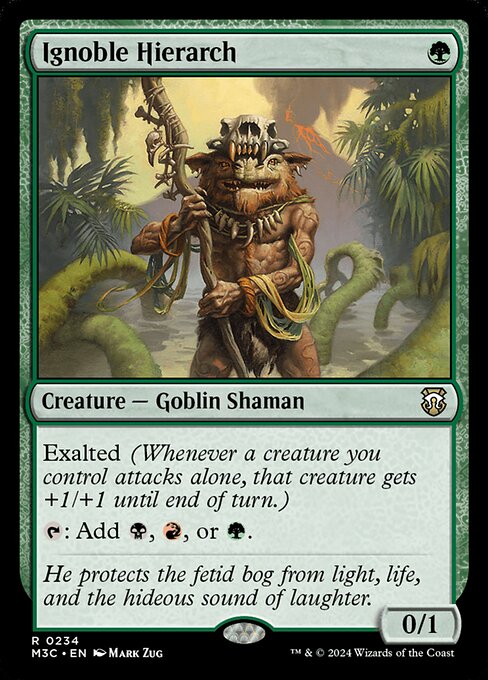
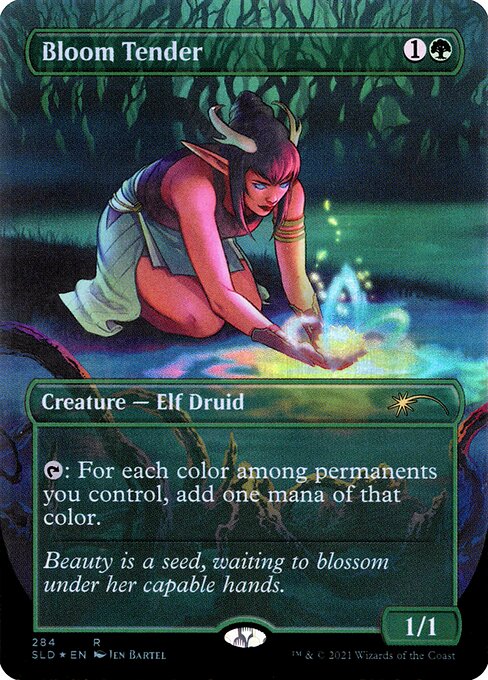
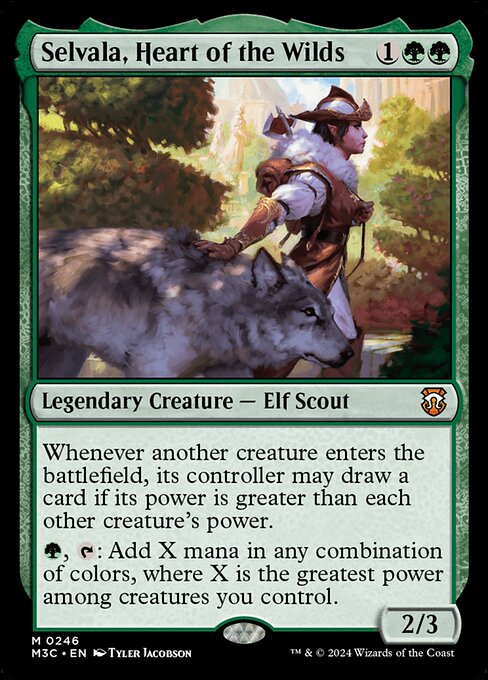
Mid game dorks like Bloom Tender can generate multiple mana per turn, especially in multicolored decks, while Selvala, Heart of the Wilds can produce absurd amounts of mana in Creature heavy builds.
These creatures also synergize well with sacrifice and recursion strategies, making them more than just early game tools; they become part of your engine depending on your deck.
Control (Removal and Interaction)
Jund excels at removing threats. Between Black’s targeted removal, Red’s damage based spells, and Green’s ability to deal with artifacts and enchantments, you have answers to nearly everything.
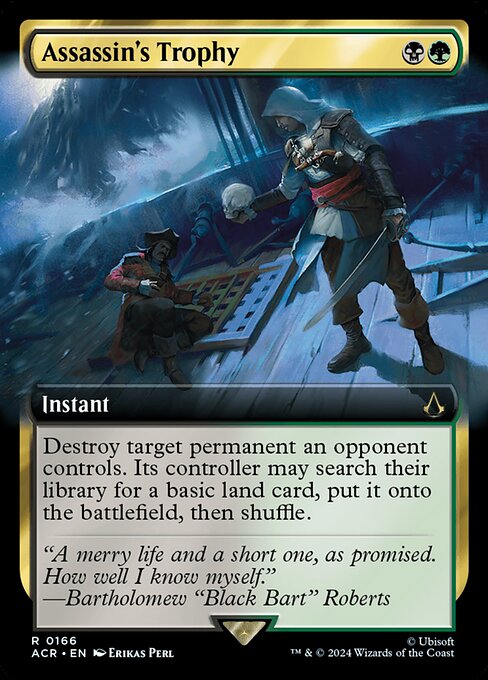
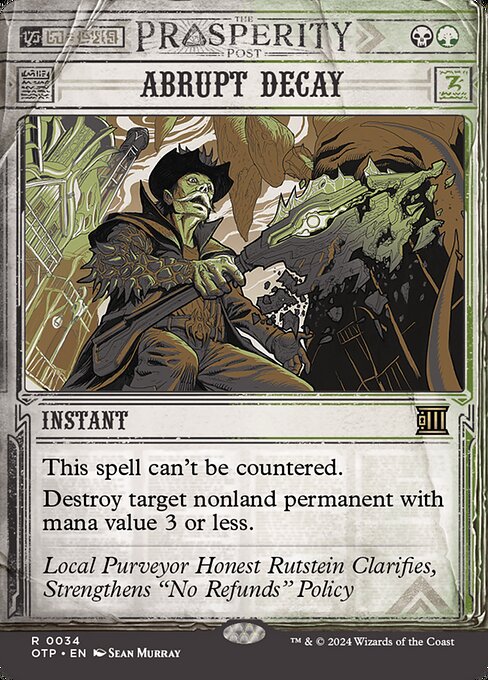
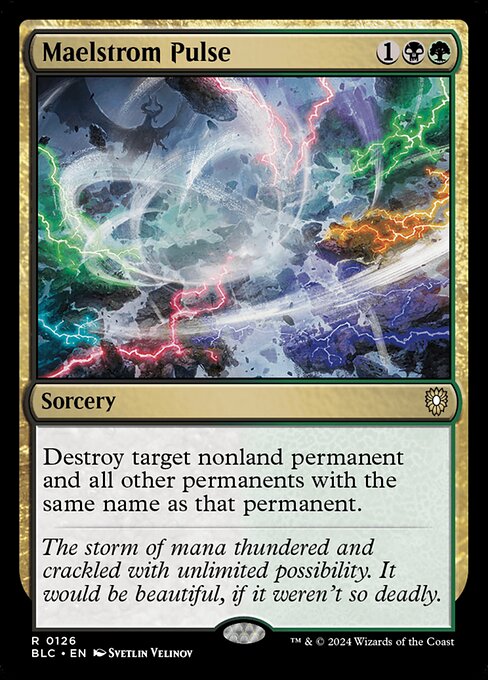
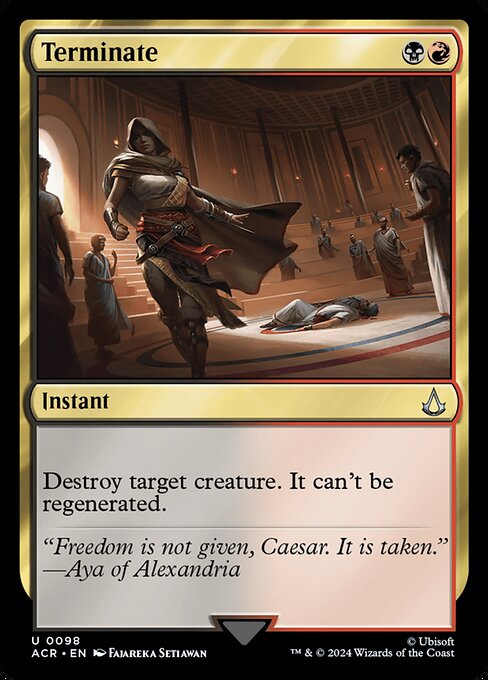
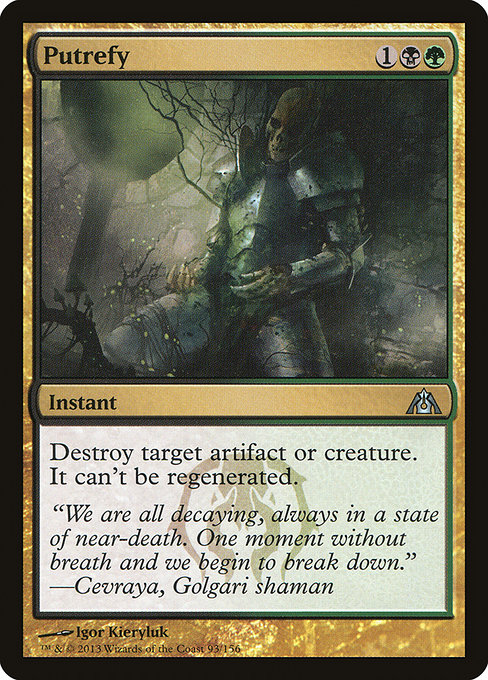
Efficient removal spells like Assassin's Trophy and Abrupt Decay are staples that offer a lot of flexibility at a low cost. Maelstrom Pulse provides broader coverage, especially against tokens or duplicate permanents. Terminate and Putrefy are also quite cheap and effective removal, eventhough they’re not as flexible.
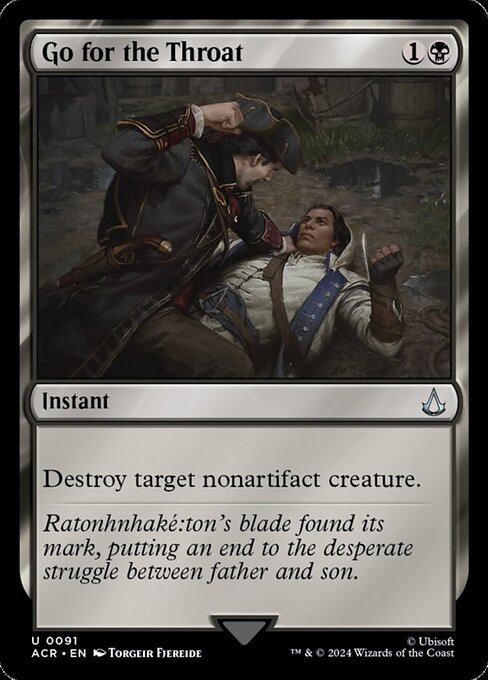
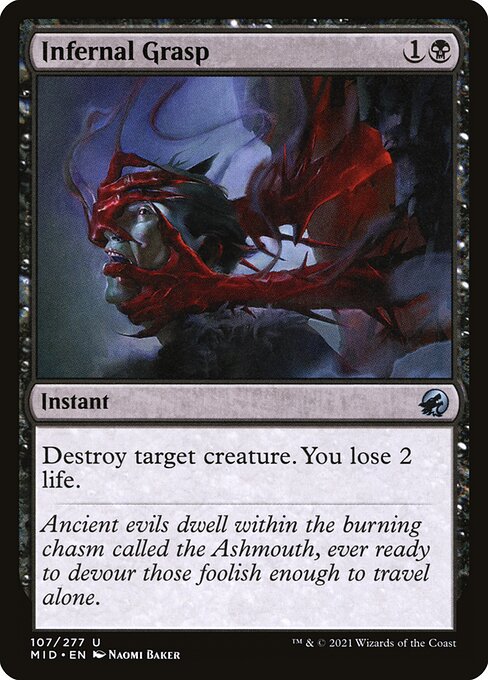
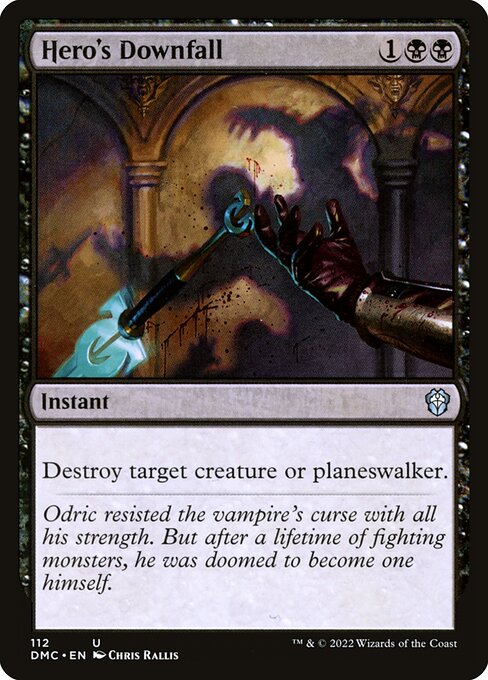
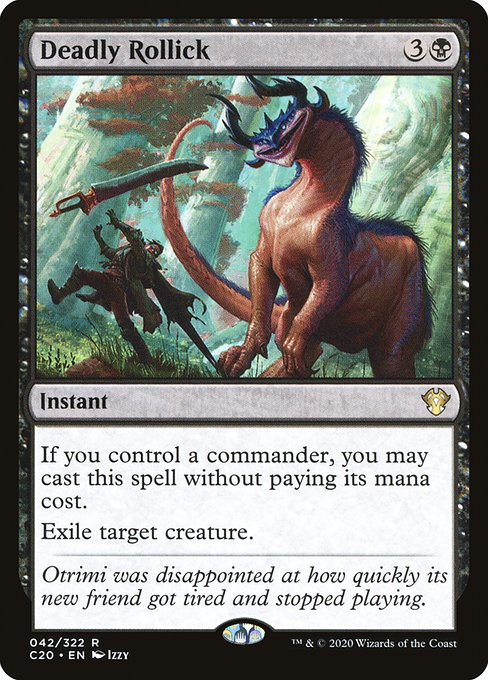
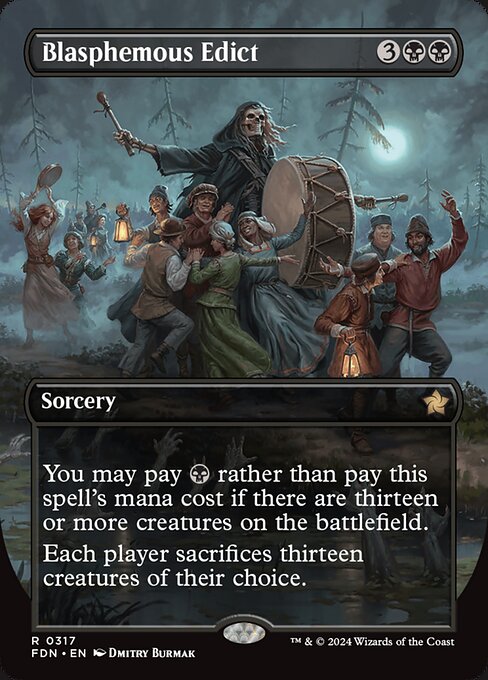
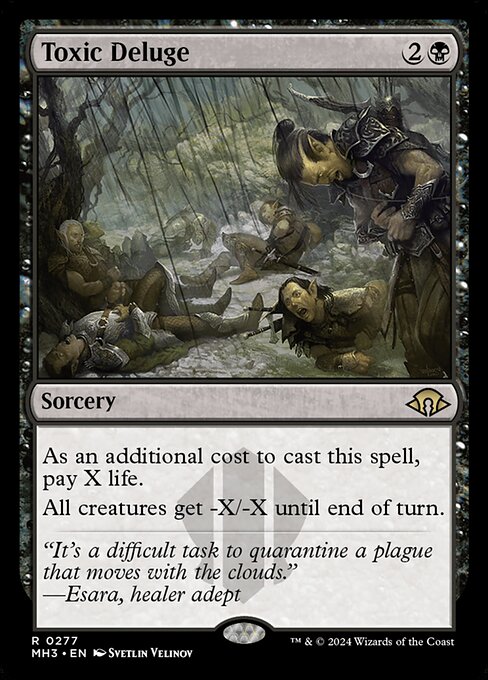
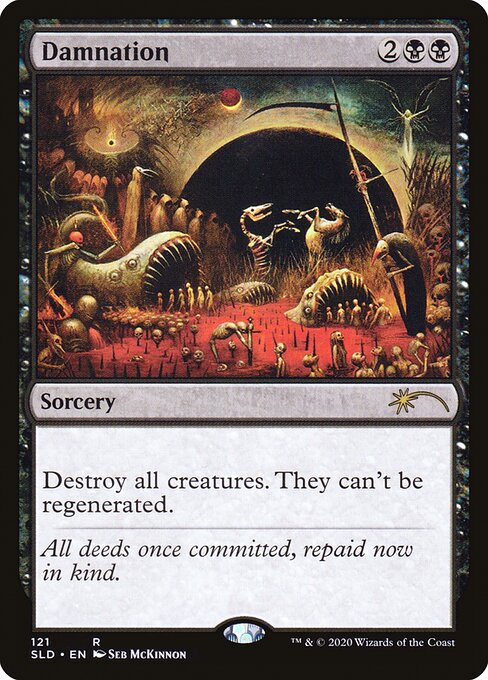
Black contributes some of the best creature removal in the format, including Go for the Throat, Infernal Grasp, Hero's Downfall, and Deadly Rollick; while also offering huge sweepers like Blasphemous Edict, Toxic Deluge, Damnation, and Living Death.

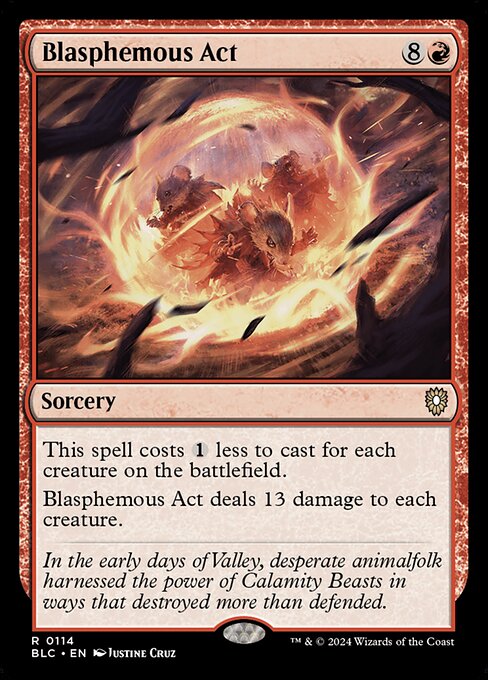
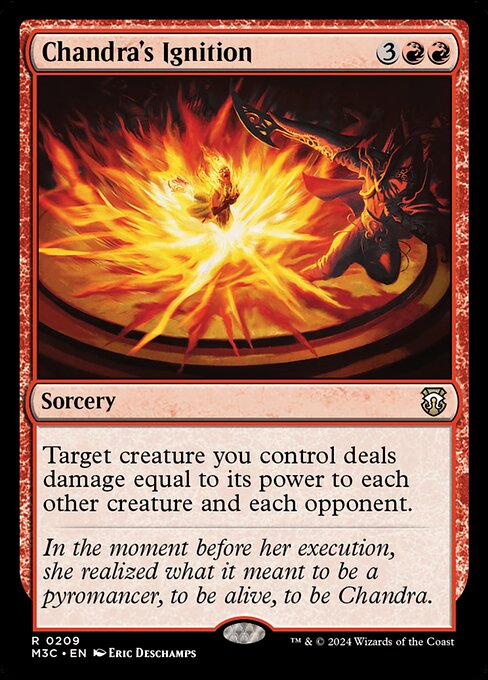
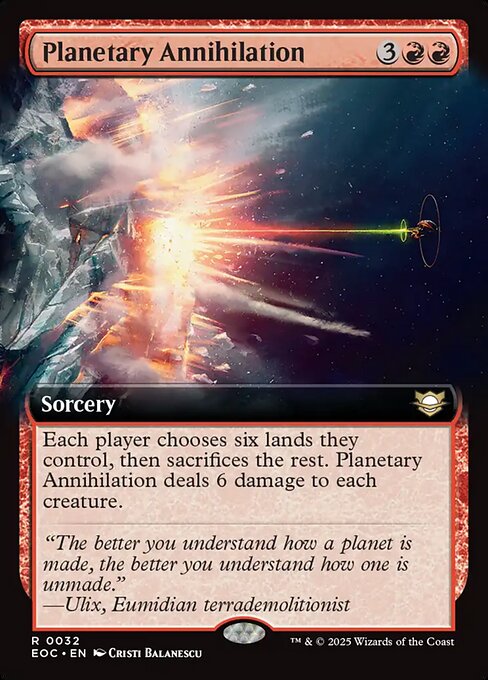
Meanwhile, Red offers sweepers like Blasphemous Act, which can clear the board for minimal mana; Chandra's Ignition which is a creature base sweeper, and Planetary Annihilation.
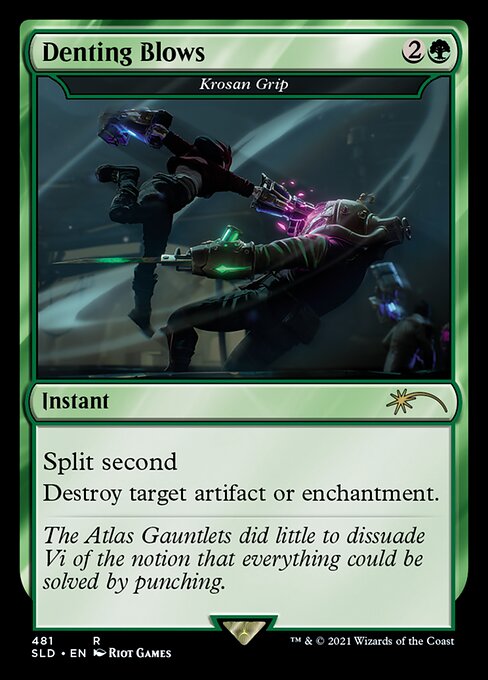
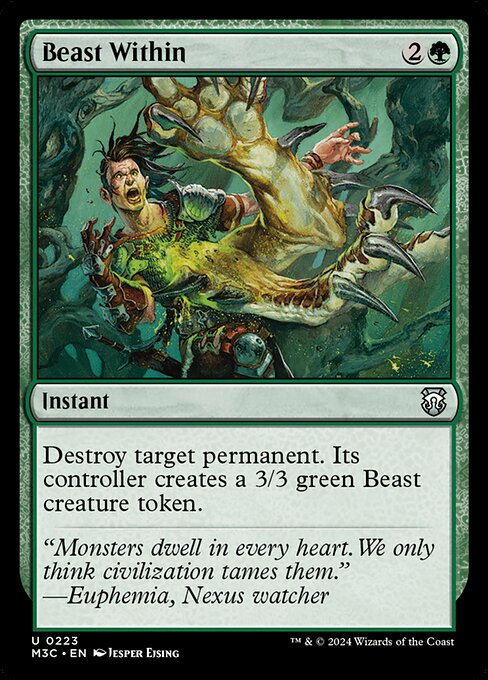
Green rounds things out with cards like Krosan Grip, which is particularly valuable for its split second ability. For more comprehensive answers, Beast Within and Chaos Warp can deal with nearly any permanent type.
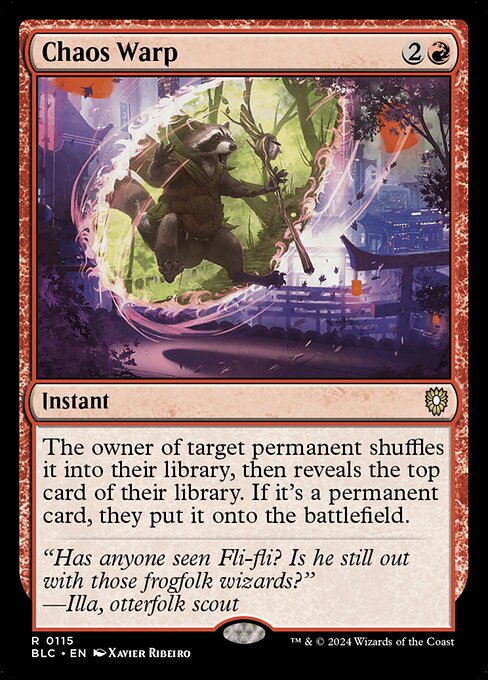
Together, these tools ensure that Jund decks can control the pace of the game and remove any key threats as needed.
Creature Staples (Value and Utility)
Beyond ramp, Jund has access to some of the most powerful utility creatures in Commander. These cards generate value, disrupt opponents, or enable your strategies.
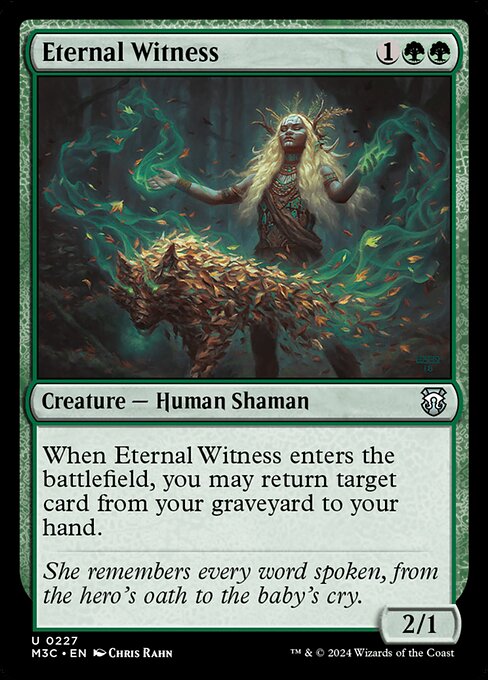
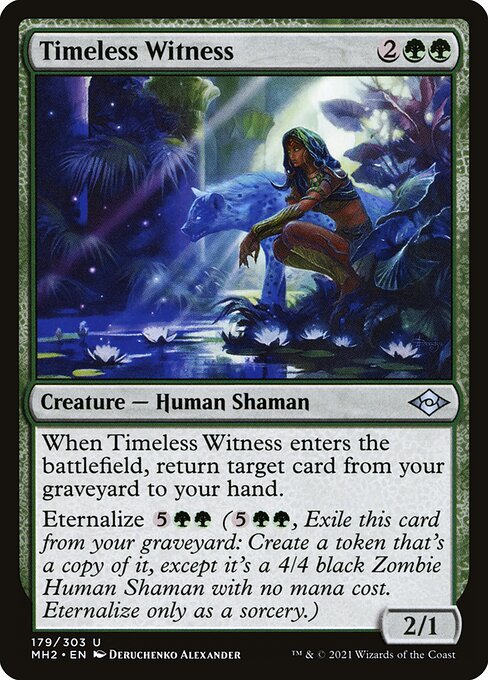
One of the most iconic creatures is Eternal Witness, which allows you to recur any card from your graveyard. Similarly, Timeless Witness provides redundancy with added flexibility.
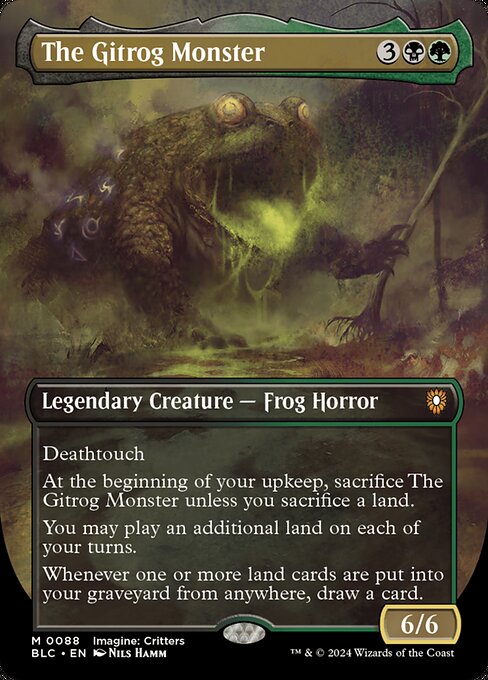
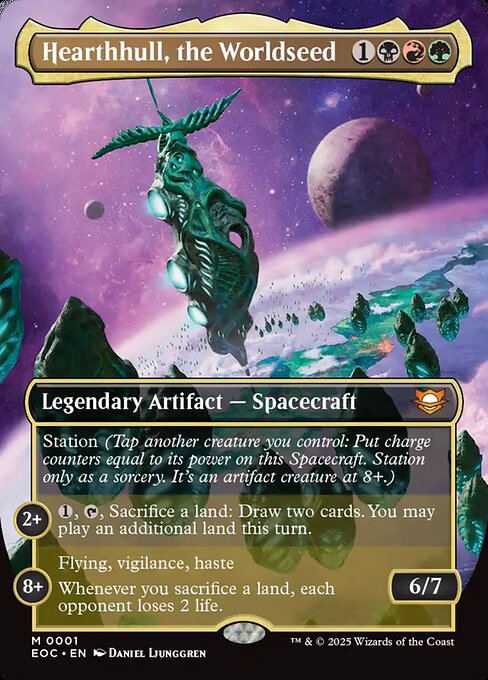
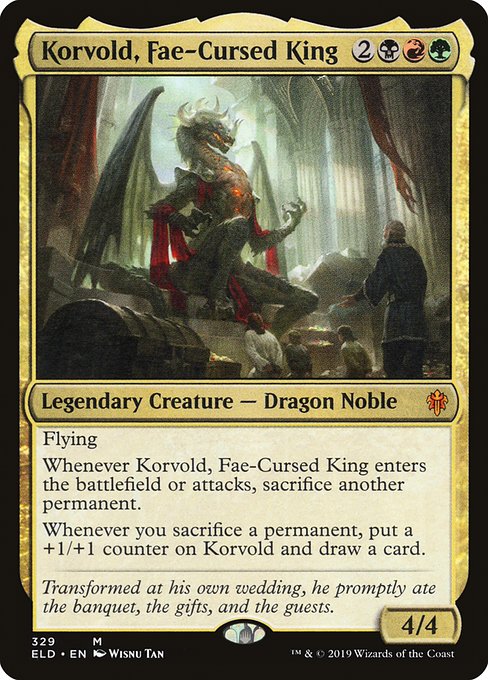
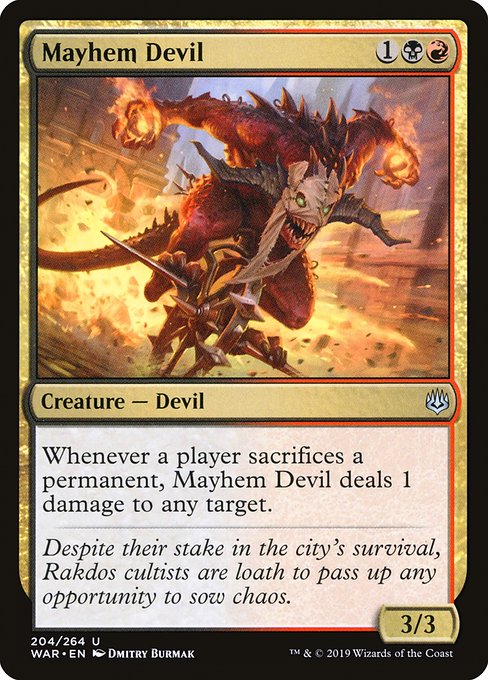
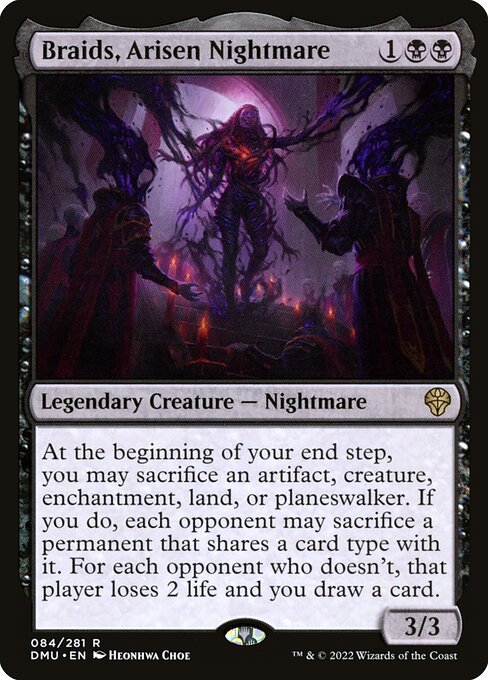
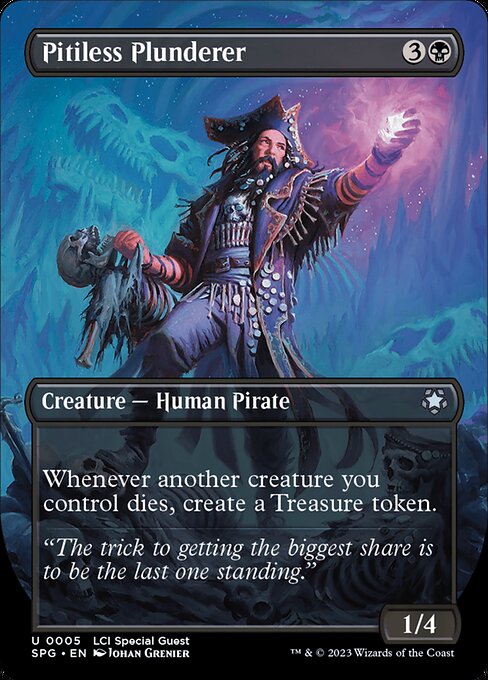
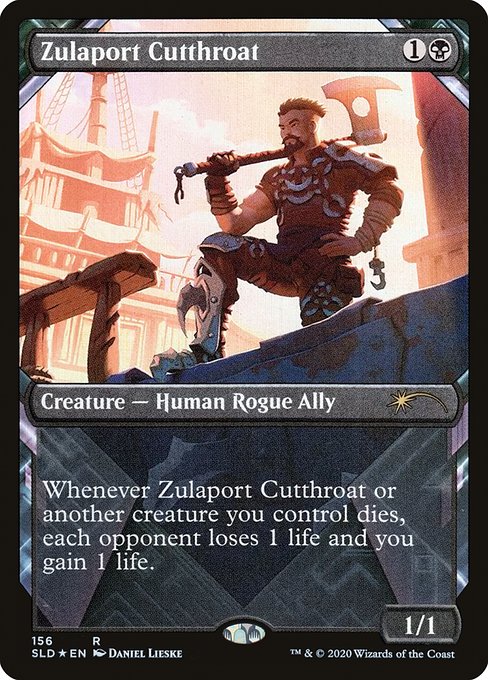
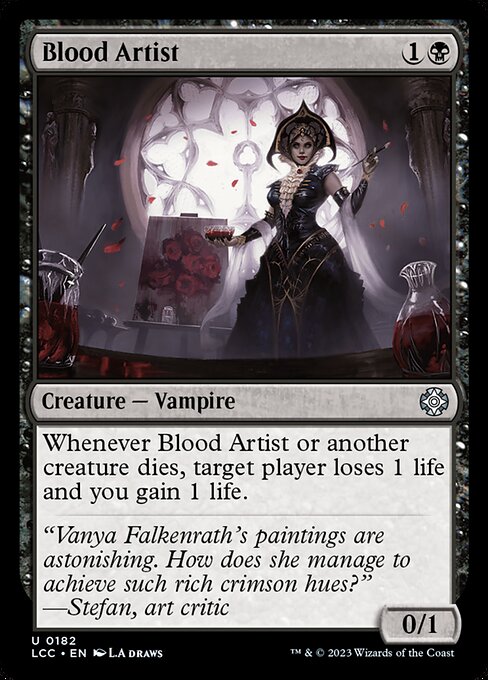
Graveyard and Sacrifice synergies are a major theme, with cards like The Gitrog Monster turning land sacrifice into card draw; Hearthhull, the Worldseed sacrificing lands for extra draw; Korvold, Fae-Cursed King converting sacrifices into massive value and growth; Mayhem Devil can any sacrifice engine into overwhelming damage; Braids, Arisen Nightmare keeping pressure on the table every turn while generating value; Pitiless Plunderer turning every one of our creature deaths into Treasure tokens; and Zulaport Cutthroat and Blood Artist taking advantage of any Creature sacrifice for extra drain.
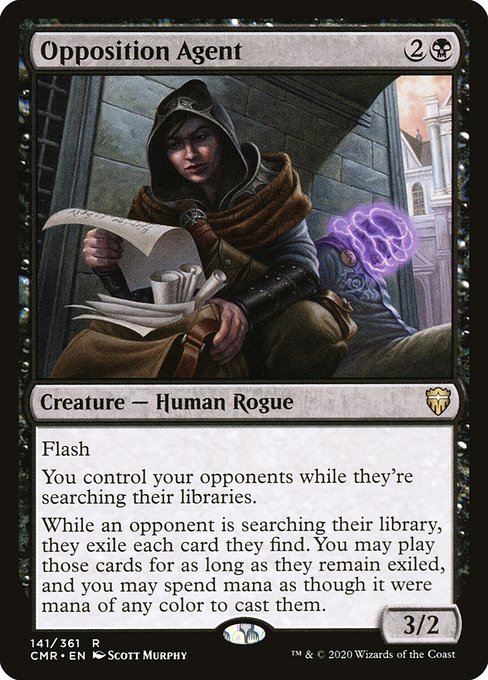
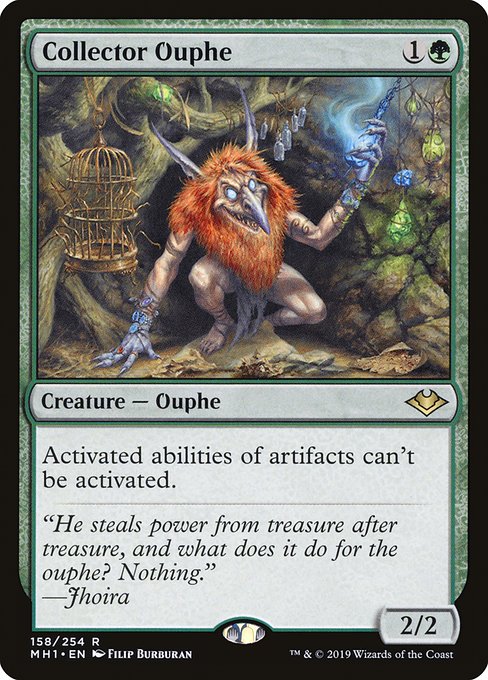
Disruption creatures like Opposition Agent can completely shut down opponents’ tutors, while Collector Ouphe cripples artifact-based strategies.
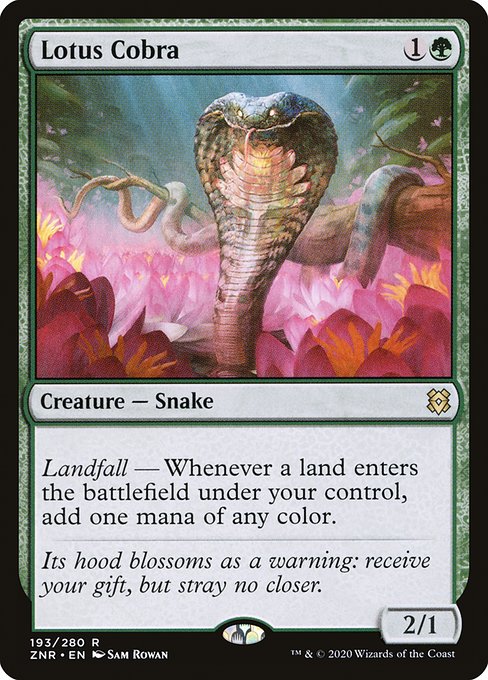
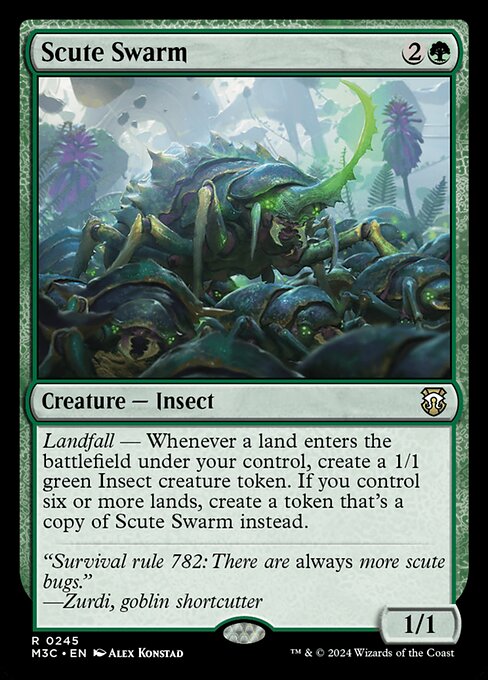
Lotus Cobra and Scute Swarm both can get out of control quite fast with Mana ramping. On the other side we have
Card advantage engines like Tireless Tracker and Tireless Provisioner turn land drops into extra resources, whether that’s cards or treasures. These creatures help ensure that your deck keeps functioning smoothly and transition well into the late game.
Card Draw (Card Advantage)
To ensure we never run out of options, being able to draw extra card is always a good idea.
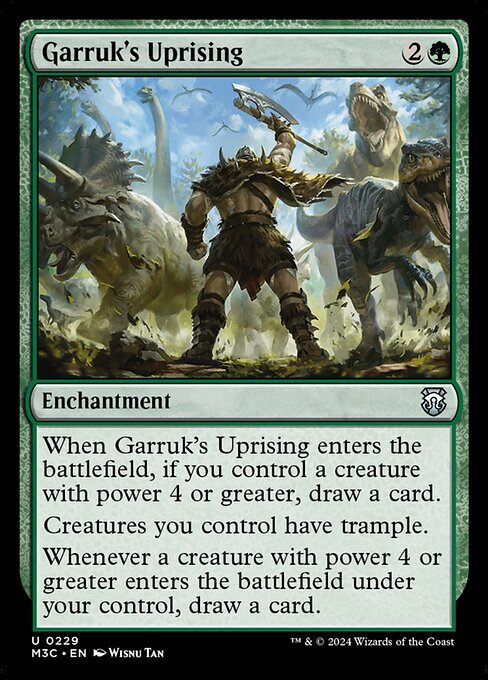
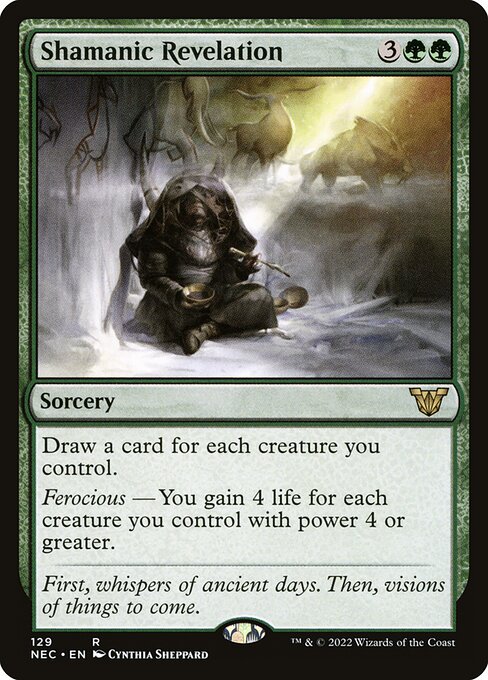
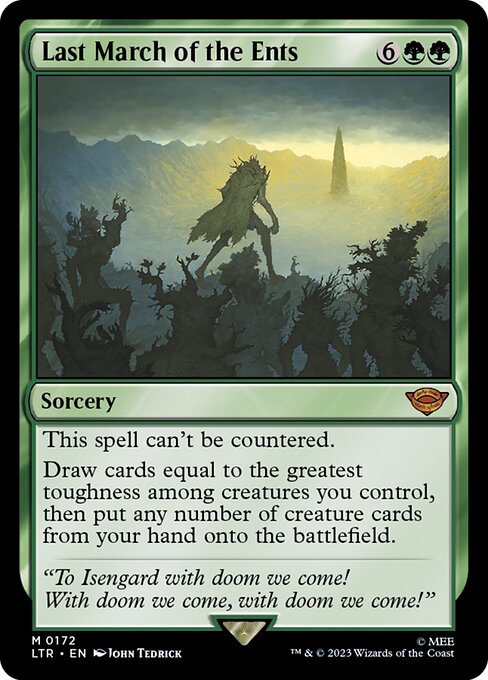
Green offers options with Garruk's Uprising, Selvala, Heart of the Wilds, Shamanic Revelation, and Last March of the Ents.
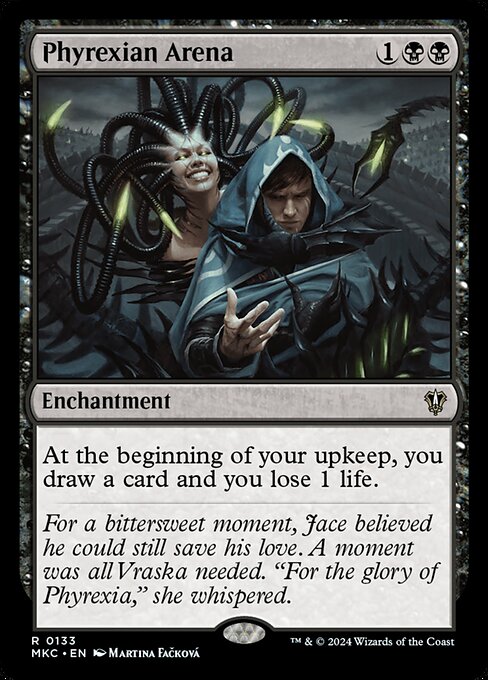
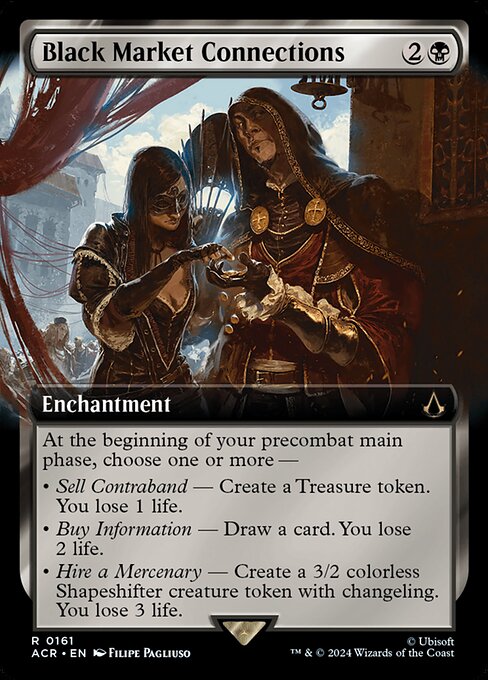
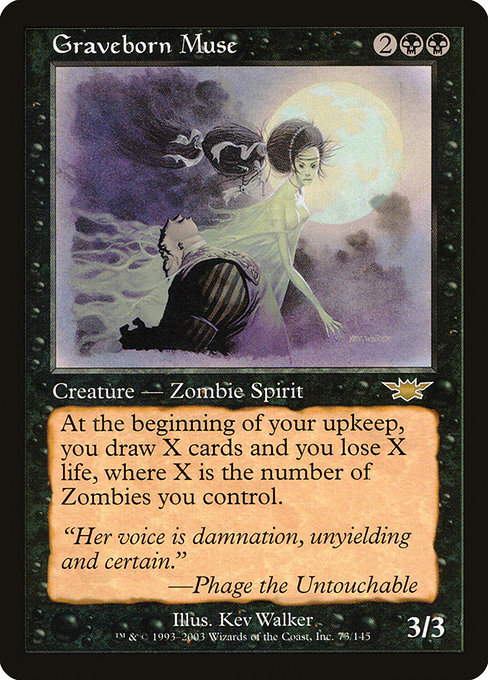
Black offers Phyrexian Arena, Black Market Connections, Graveborn Muse; and condition based card draw with Braids, Arisen Nightmare.
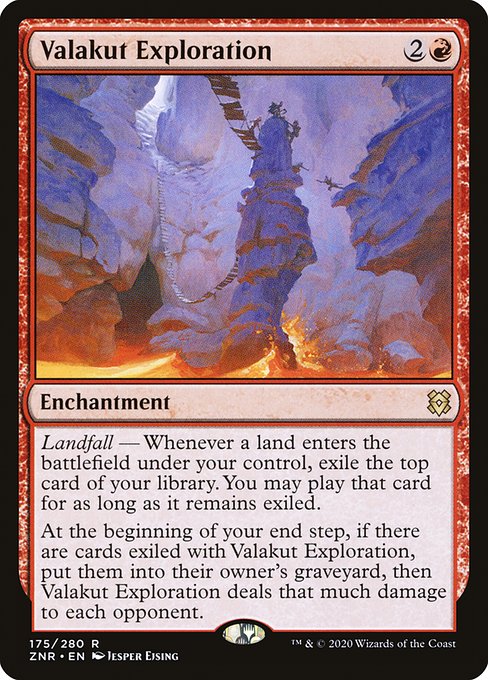
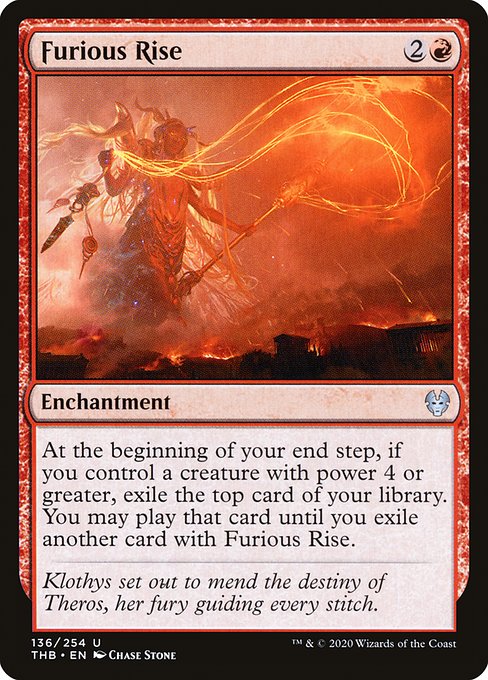
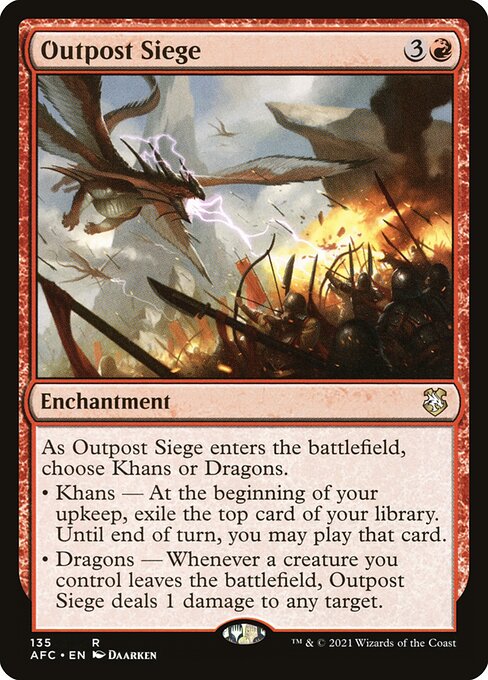
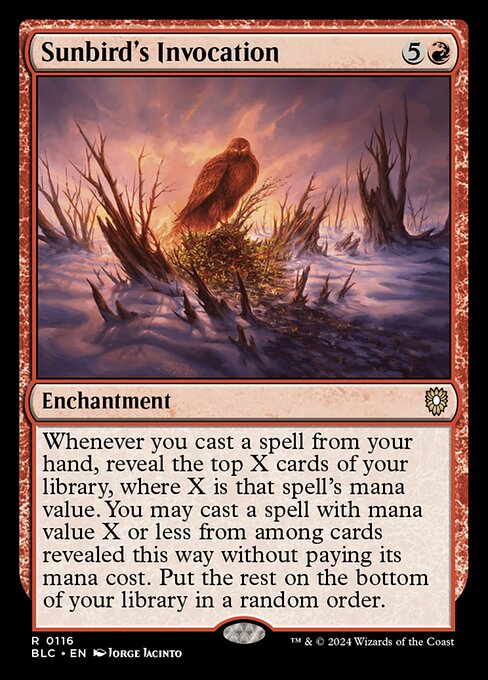
Red offers card draw in a round-about way in the form of exiling the top of your deck; for example with cards like Valakut Exploration, Furious Rise, Outpost Siege, and Sunbird's Invocation.
Reanimation (Graveyard Value)
Reanimation is one of Jund’s strongest themes, particularly thanks to black. It allows you to reuse powerful creatures and recover from board wipes.
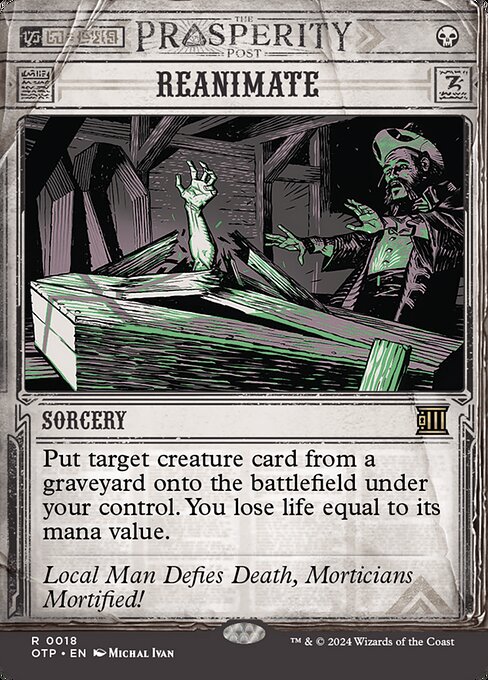
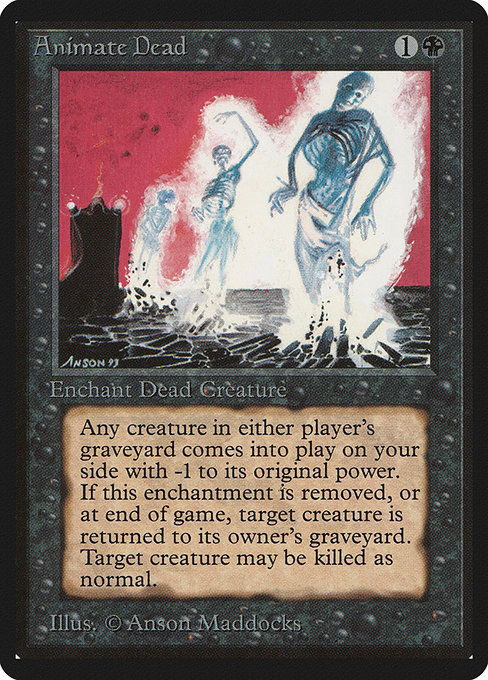
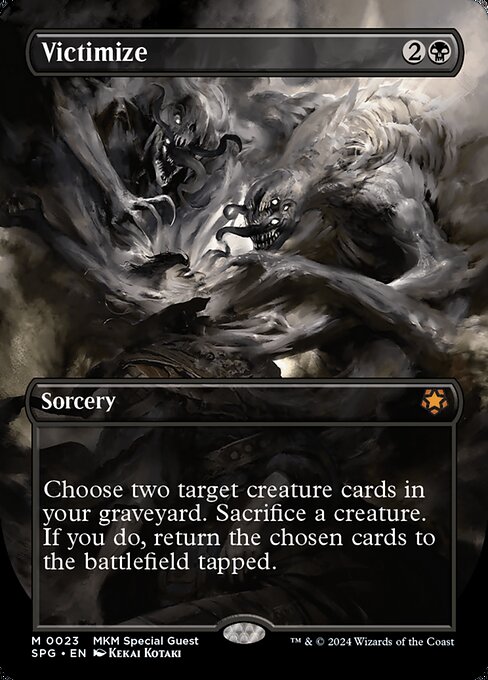
Staples like Reanimate and Animate Dead provide efficient ways to bring creatures back from the graveyard. Victimize offers additional value by reanimating multiple creatures at once.
Cards like Cauldron of Essence, and [ cardname=”Grave Researcher”] are some of the newer ways Jund has to bring creatures back from the dead.


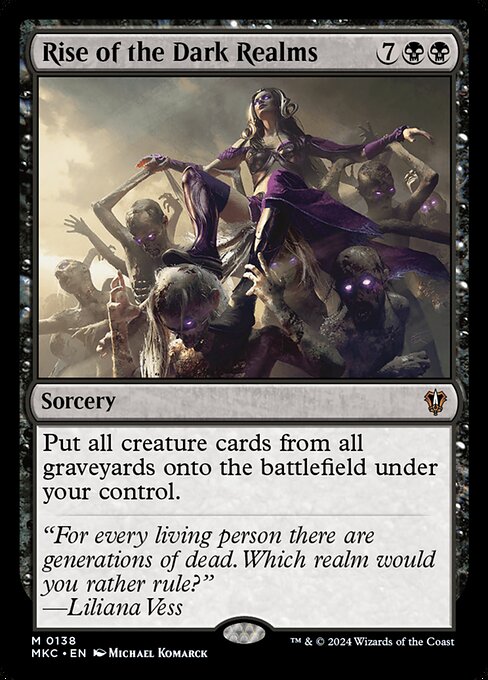
For larger plays, Living Death can completely reset the board in your favor, often acting as both a wipe and a finisher. Similarly, Rise of the Dark Realms can end games outright by stealing every creature from all graveyards.
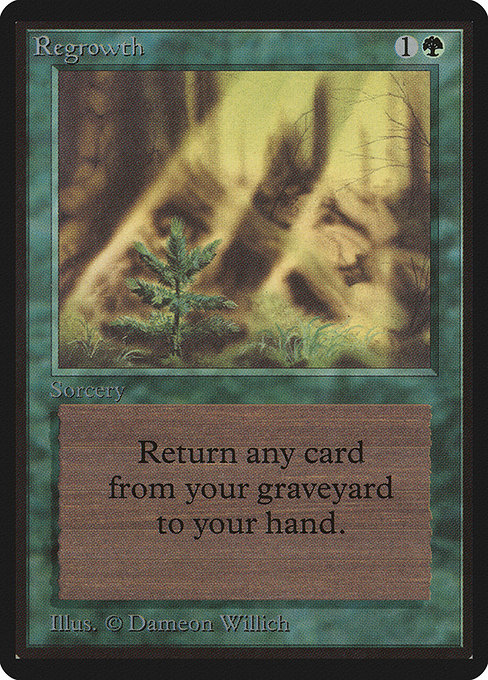
Green complements this strategy with recursion tools like Regrowth, Eternal Witness, and Timeless Witness ensuring that key spells and permanents are never truly lost.
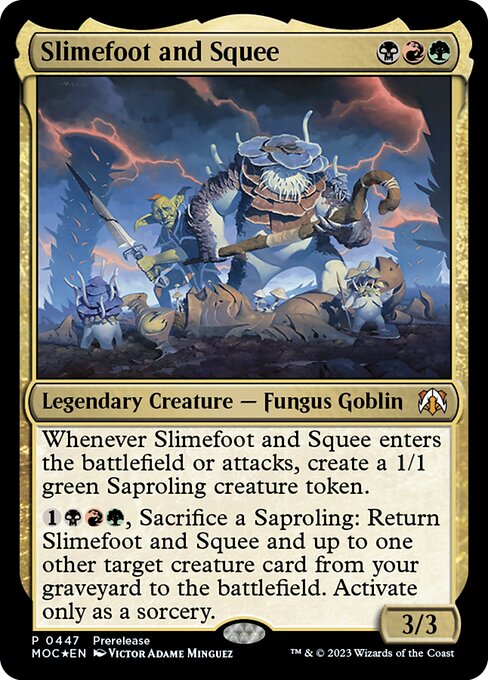
Special mention to Slimefoot and Squee which as a creature can reanimate others from the graveytard itself, as long as we can sacrifice a Saproling.
Usually we want to bring back key synergy pieces, or perhaps huge finisher creatures, which ties nicely into our next section:
Finishers and Powerful Pieces (Closing the Game)
Jund has no shortage of ways to end a game. Whether through combat, combo, or overwhelming value, the color combination excels at closing things out decisively.
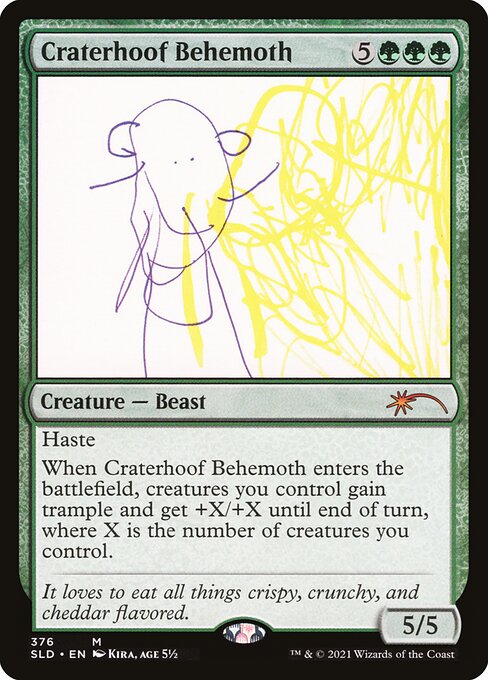
Big creatures like Craterhoof Behemoth can end games immediately when paired with a wide board. Similarly, Avenger of Zendikar creates an army that quickly grows out of control.
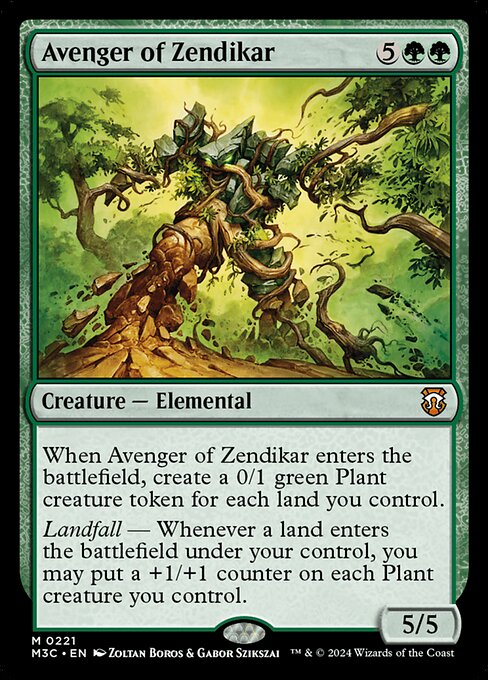
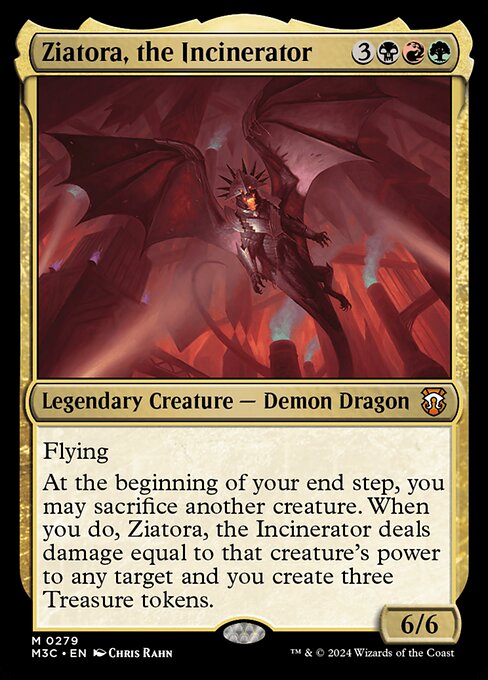
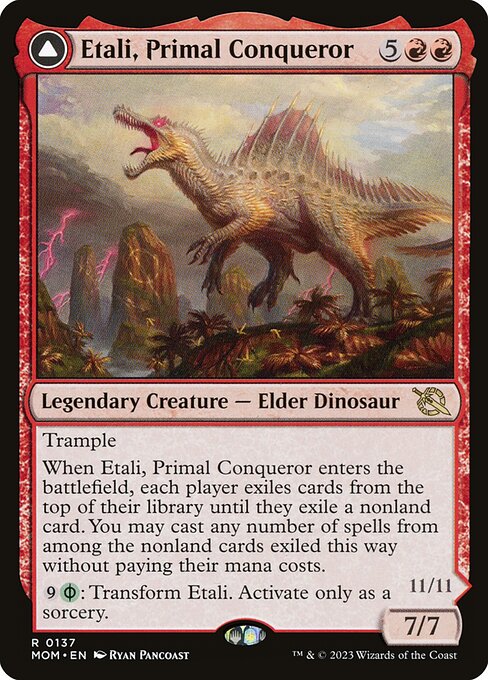
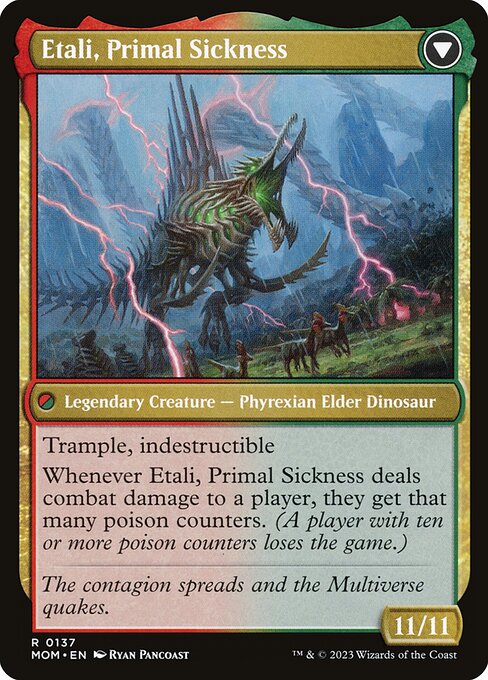
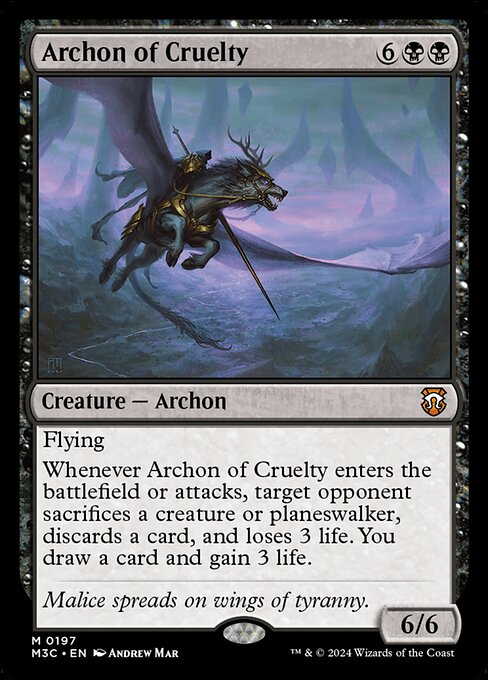
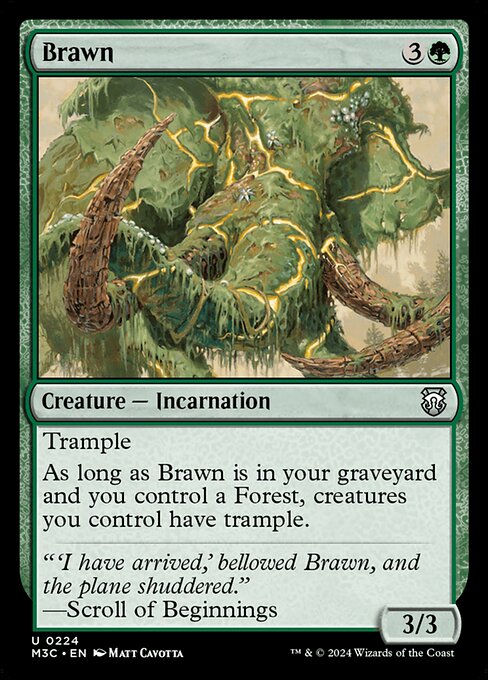
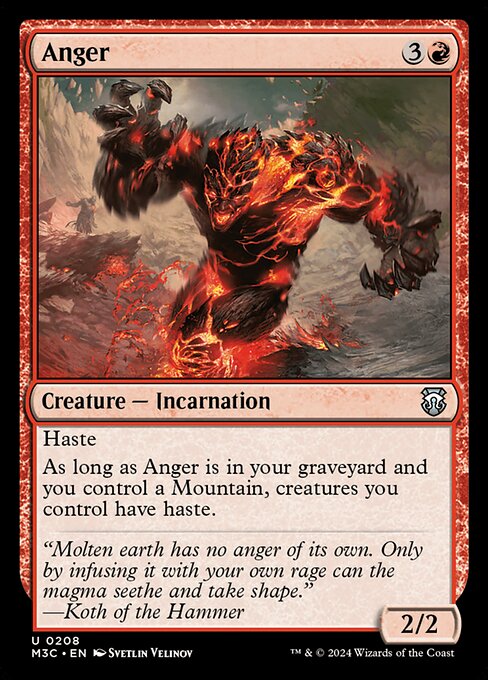
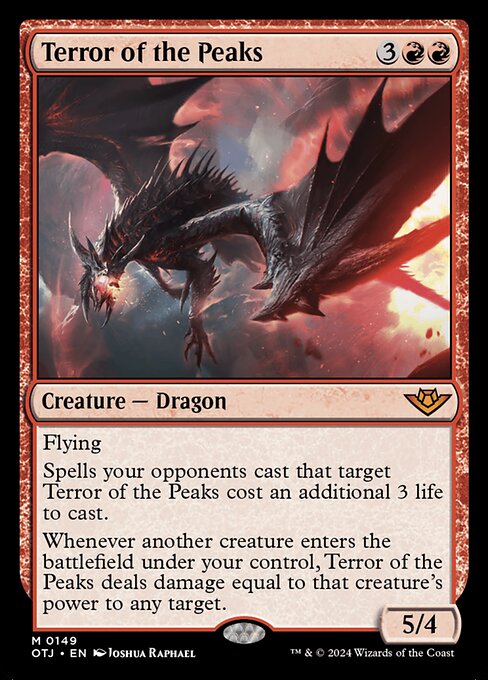
A few more examples include Ziatora, the Incinerator turns creature bodies into direct damage; Etali, Primal Conqueror cheats into play stolen cards, while also turning into a powerful poison finisher; Archon of Cruelty brings immense pressure and advantage; Brawn and Anger both boost our field from the Graveyard; Terror of the Peaks turns every creature entering the battlefield into extra damage. There is many, many more powerful creatures in Jund colors; whatever you decide to include will depend on which kind of deck you’re building.
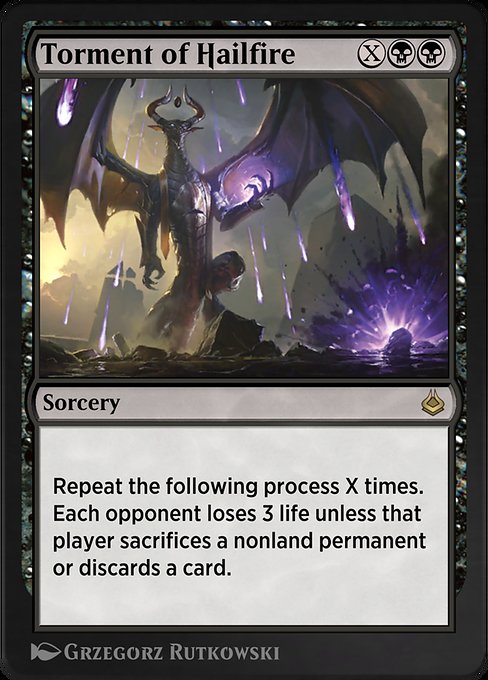
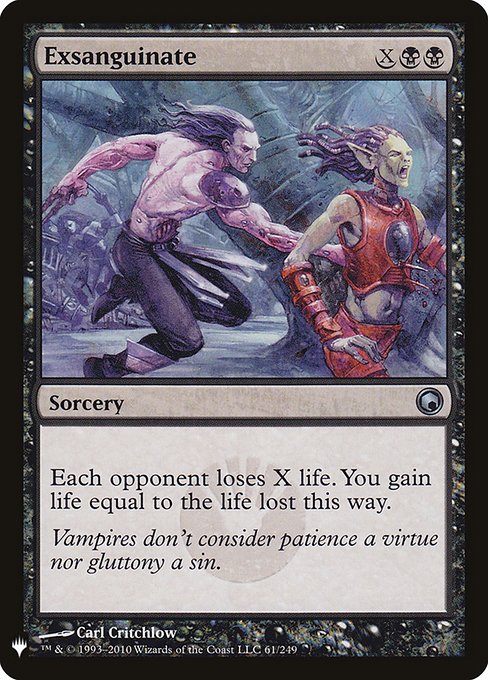
Direct damage finishers like Torment of Hailfire can drain opponents for massive amounts, especially when fueled by large amounts of mana. Exsanguinate offers a similar effect with added lifegain.
Jund also supports aristocrat-style finishes. Cards like Blood Artist and Zulaport Cutthroat turn creature deaths into life drain, allowing you to win through sacrifice loops.
These, however are just a few examples of the kind of finishers you can add to your deck. Planeswalkers and enchantments can also serve as finishers, but most Jund decks rely on creatures or spells that immediately impact the board or life totals. Your finishers will highly vary, depending on the type of strategy you build upon.
Protection (Keeping Your Engine Alive)
While Jund lacks traditional counterspells, it still has access to strong protection tools that ensure your game plan resolves.
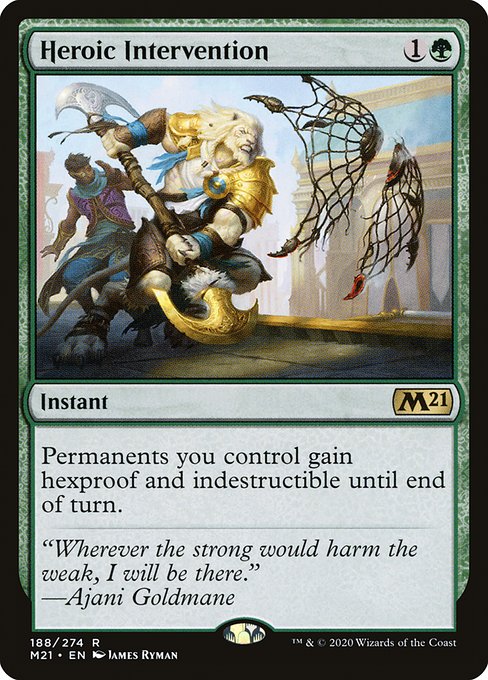
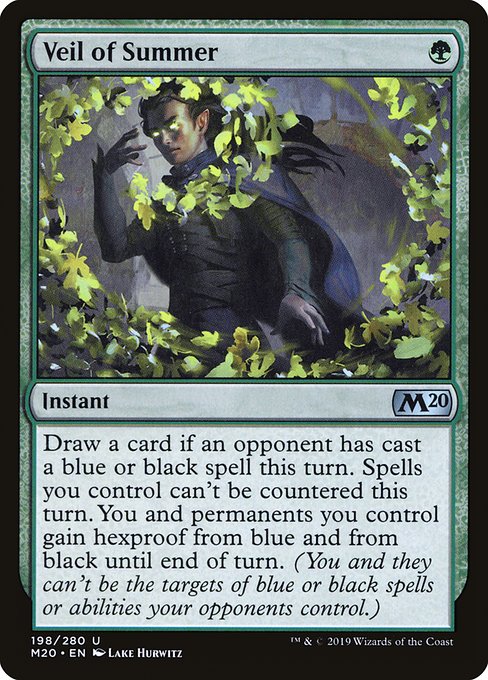
Green provides excellent options like Heroic Intervention, which can protect your board from wipes and targeted removal. Veil of Summer is another standout, countering Blue and Black interaction while drawing a card.
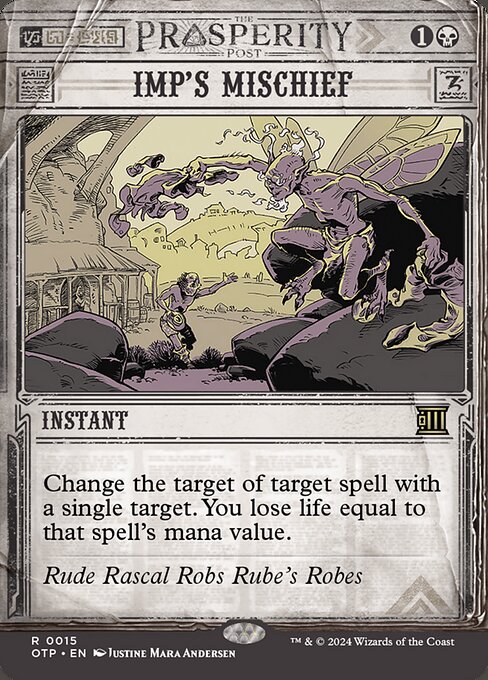
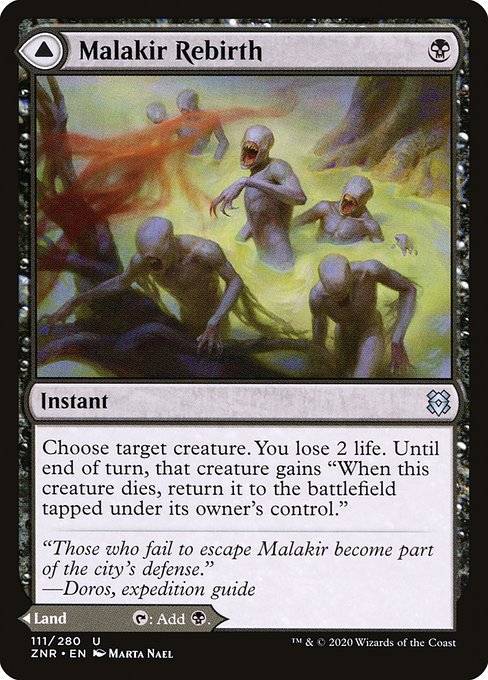
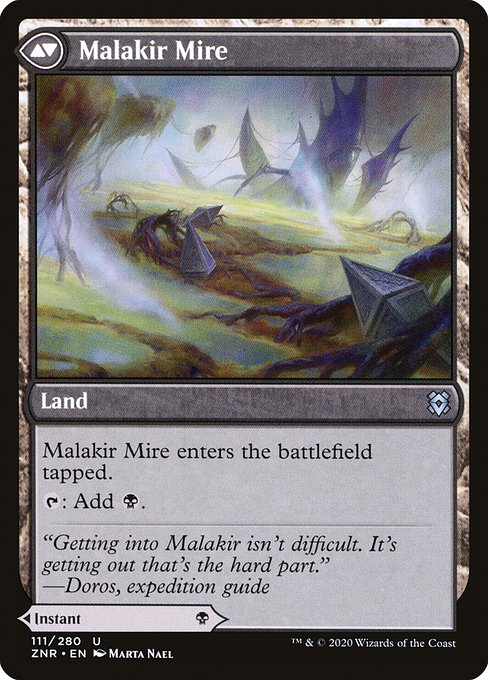
Black offers unique tools like Imp's Mischief, which can redirect spells and disrupt opponents’ plans. Meanwhile, Malakir Rebirth can save key creatures while also functioning as a land when needed.
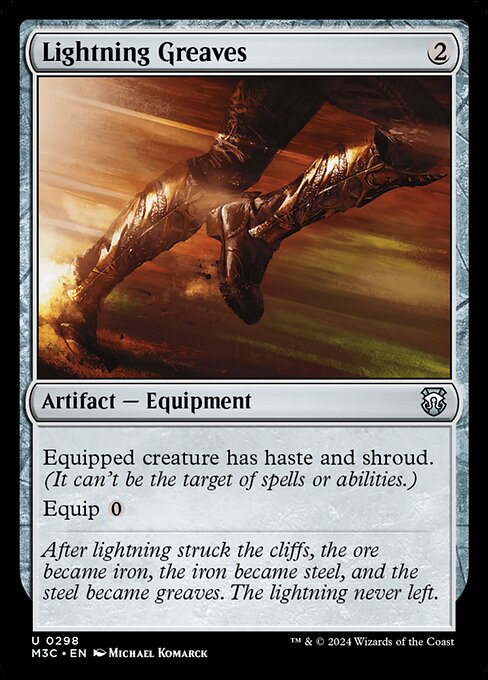
Artifacts like Lightning Greaves and Swiftfoot Boots provide repeatable protection, granting haste and shielding your key creatures from removal.
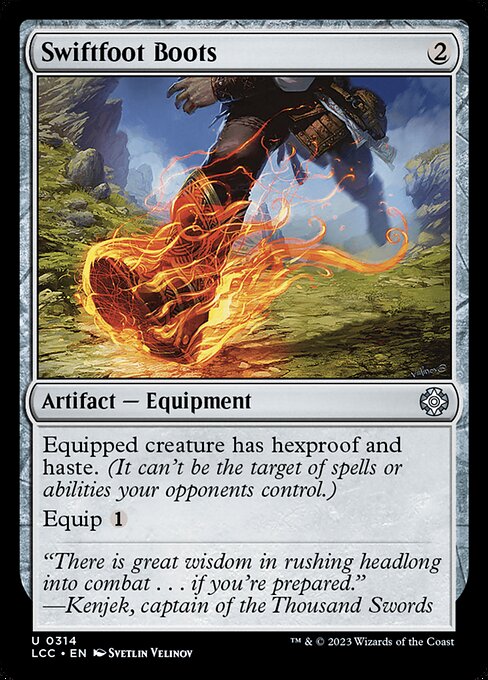
These tools are crucial for ensuring that your big turns whether combo or value-based aren’t disrupted.
Combo and Engine Potential in Jund
Jund may not be known as a “combo-first” color combination, but it still supports several powerful and compact combos.
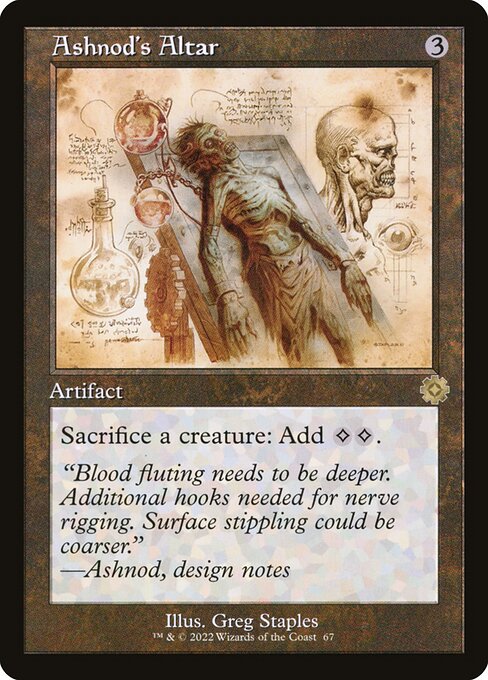
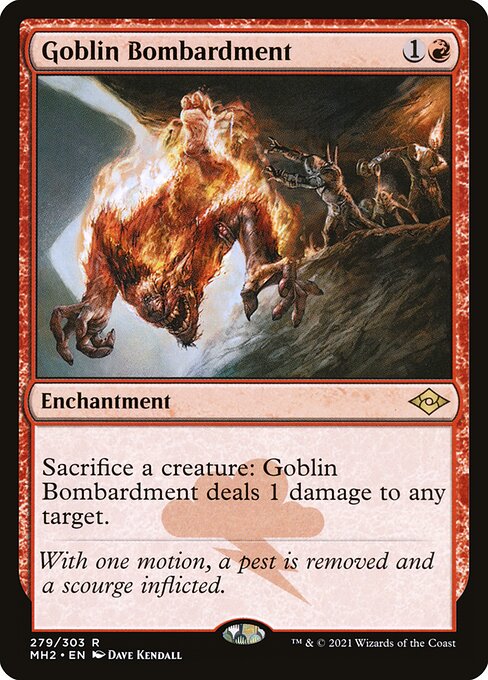
Some of these combos use a combination of Slimefoot and Squee and Pitiless Plunderer; some variations include Ashnod's Altar to generate infinite death triggers; or Goblin Bombardment and a creature with persist or undying to generate infinite damage.
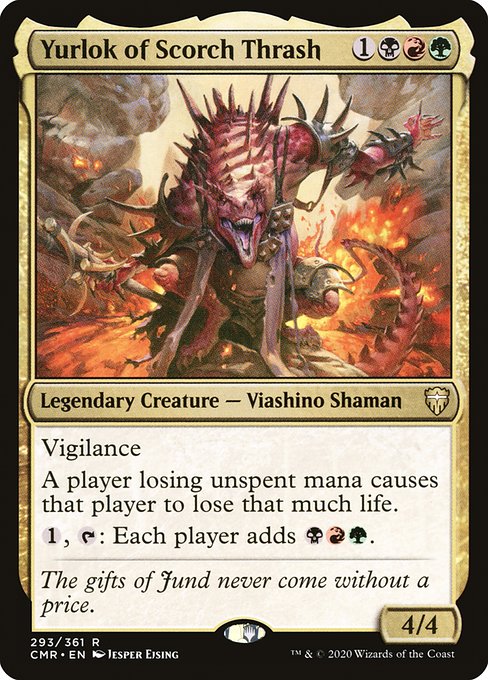
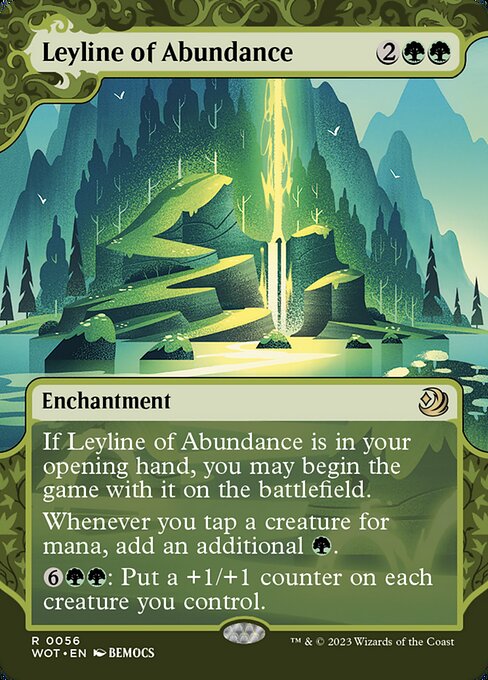
Other combos require Yurlok of Scorch Thrash, Leyline of Abundance, and Umbral Mantle to give your enemies infinite mana which will then burn itself at the end of the turn and kill them thanks to Yurlok.

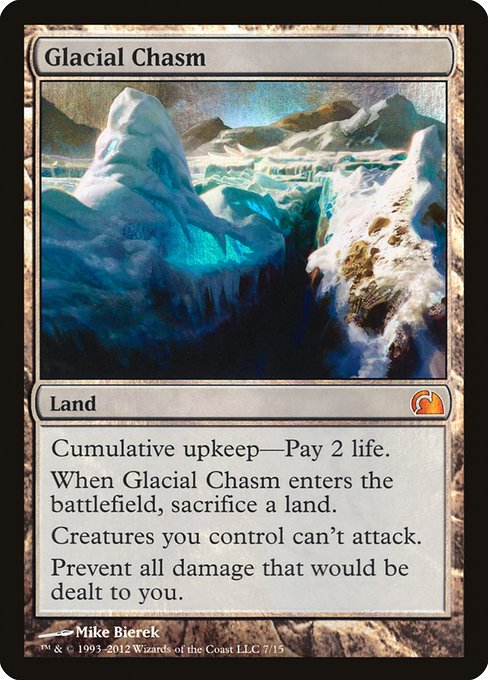
You can even lock games with combos that include Glacial Chasm, a way to sacrifice it, and a way to bring it back every turn, rendering any damage dealt to you completely useless.
Other than combos, the potential for overwhelming engines is massive, you just have to choose a path of Jund to play, and explore the possibilities.
Final Thoughts
Jund is a powerhouse in Commander, offering a blend of ramp, removal, recursion, and finishing power that few color combinations can match. It rewards proactive play, resource management, and synergy, making it both powerful and deeply satisfying to pilot.
Whether you’re building a grindy value engine, an explosive combo deck, or a creature-heavy powerhouse, Jund provides the tools to make it happen. With the right balance of staples and synergy, your deck can dominate the table and embody everything that makes Jund so iconic.
So go ahead and explore the endless possibilities Jund has to offer by using this handy guide to the best pieces of every type.