





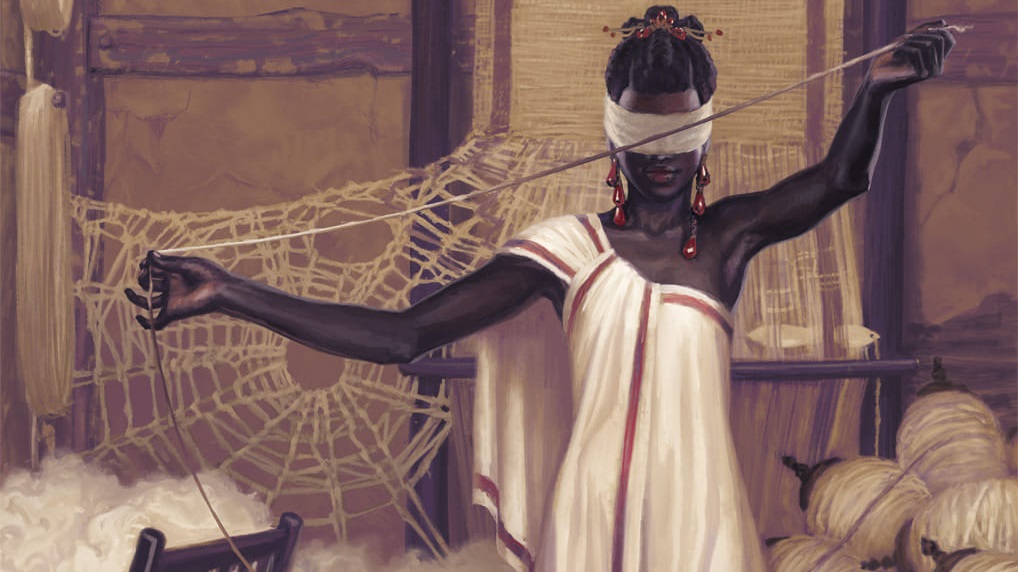
Partner is a very strong ability. If a creature has partner, it lets you play two commanders instead of just one. This gives you two commanders and a 98-card main deck. In Bracket 5 (or cEDH), partner commanders are played very frequently. The best partner commanders are usually multi-colored, as these give you access to multiple colors of the color pie. Bracket 5’s meta is extremely tight, so you want to have as much advantage as possible. This is something that partner commanders provide.
Mono-Colored Commanders
While multi-colored partners are generally better, mono-colored ones are still great. They are usually paired with a multi-colored commander, and often don’t repeat that commander’s colors. Usually, these mono-colored commanders are a bit more specific than they’re multi-colored counterparts.
Rograkh, Son of Rohgahh
Rograkh, Son of Rohgahh is the only partner commander that has for a casting cost. On its own, it’s not a particularly powerful card. It has a few nice keywords, but with awful stats, it’s not going to do a whole lot. So, how does a card that’s rather weak in the grand scheme of things have legs in Bracket 5?
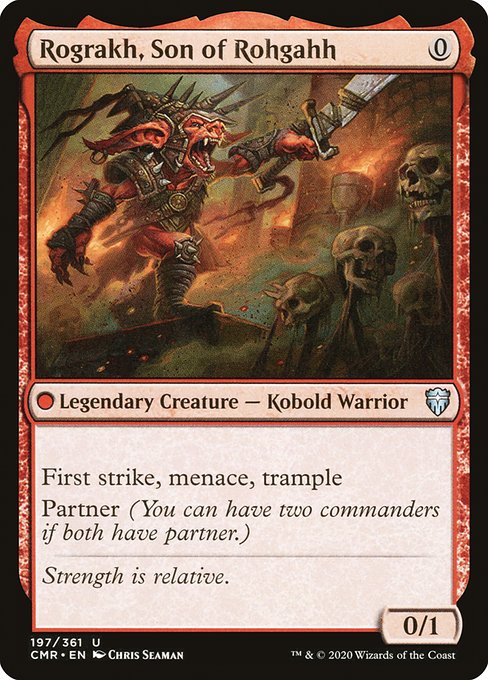
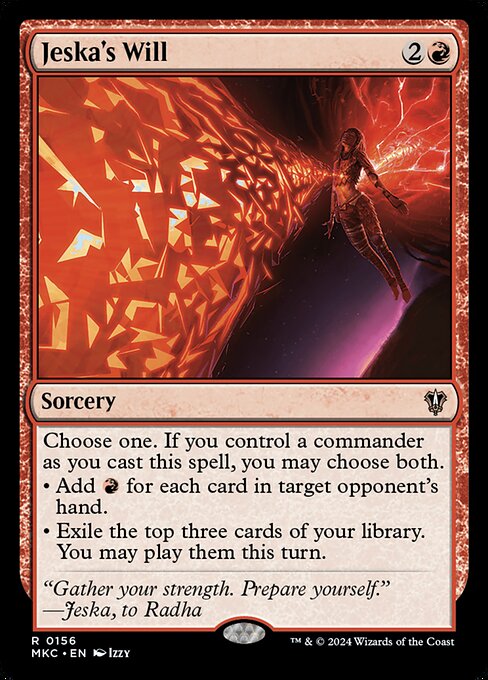
The strength of Rograkh, Son of Rohgahh comes from it being a creature that can come down turn 1 with zero investment. Since it’s your commander, it enables spells that want your commander on the battlefield. It gives you access to a free Fierce Guardianship or Deflecting Swat, along with being able to cast both modes of Jeska's Will
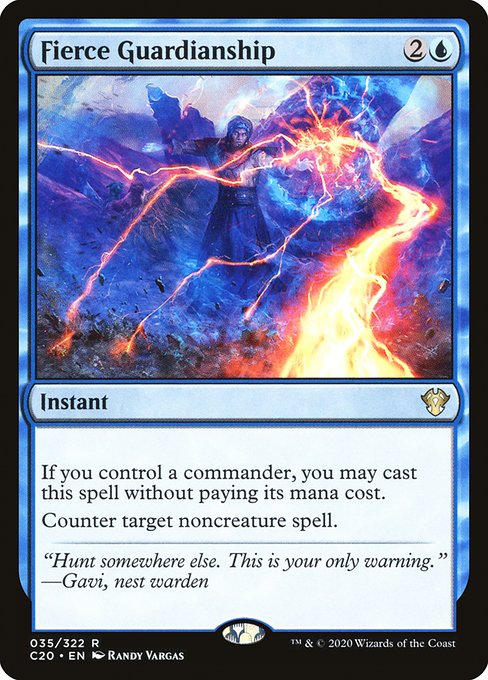
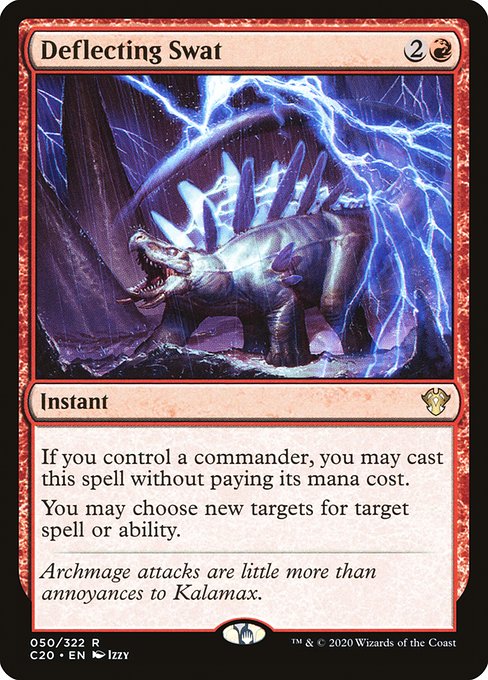
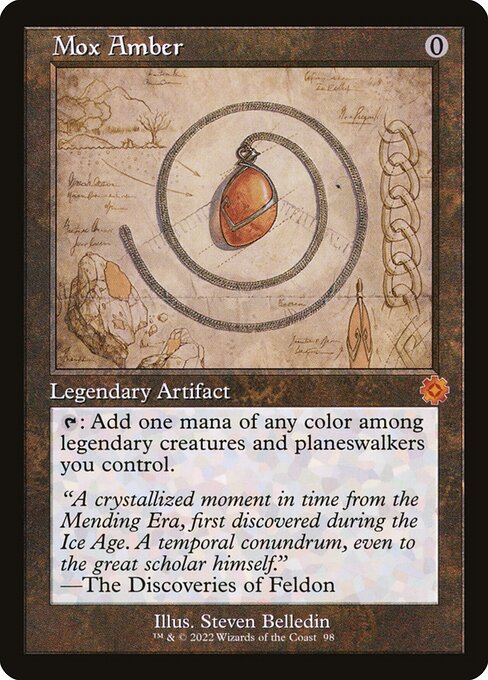
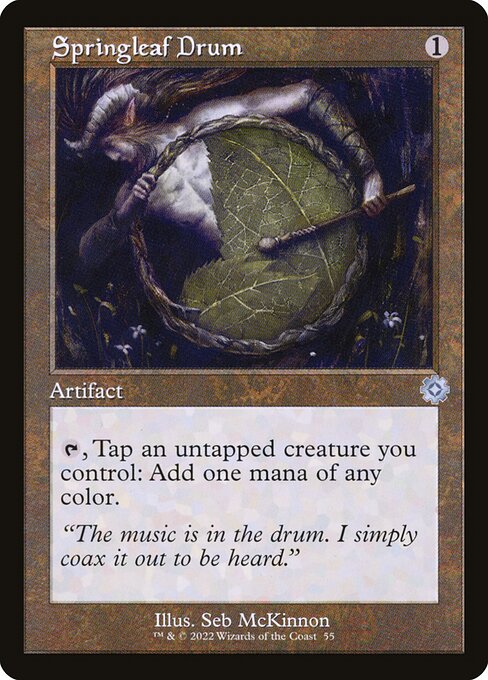
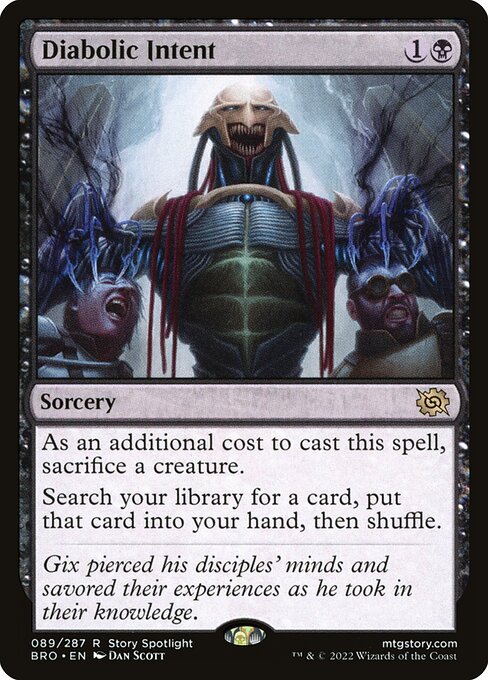
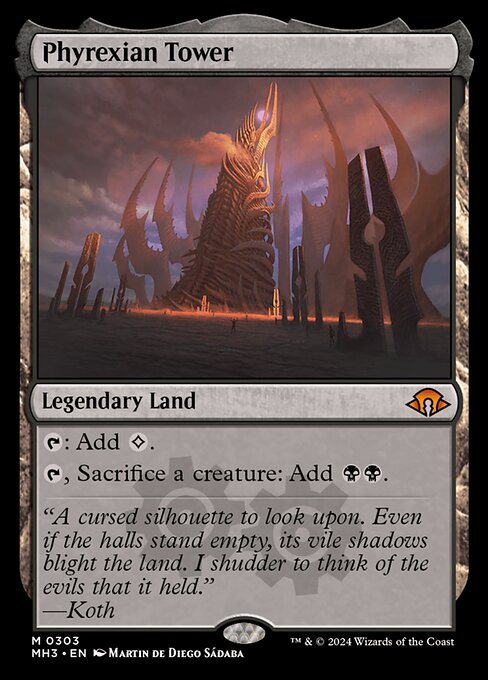
It even helps with cards that just care about having a creature. By playing a free creature turn one, Mox Amber and Springleaf Drum right away to generate some mana. Alternatively, Rograkh, Son of Rohgahh gives you sacrifice fodder for Diabolic Intent or Phyrexian Tower. Very few people will choose to counter a 0-cost creature, so most of the time you’ll be able to resolve Rograkh, Son of Rohgahh without worry.
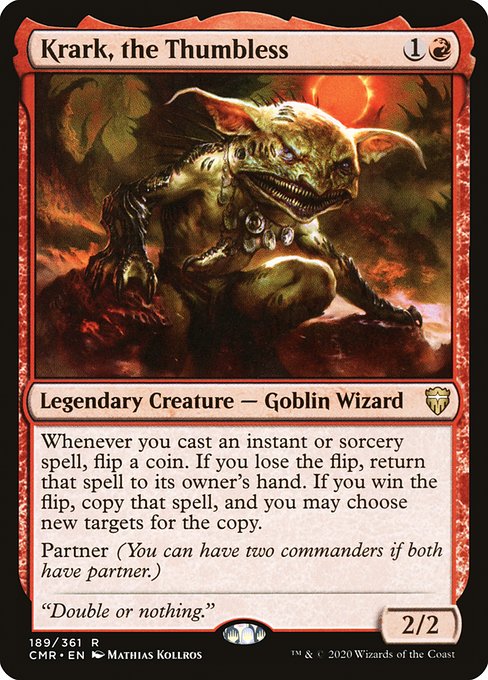
Krark, the Thumbless
The other mono-Red cEDH commander, Krark, the Thumbless is fantastic. It’s most often played in decks that want to cast as many spells as possible. Krark, the Thumbless gives you a 50/50 chance of either copying a spell, or returning it to your hand to recast in order to raise up your storm count while burning everyone out of the game.
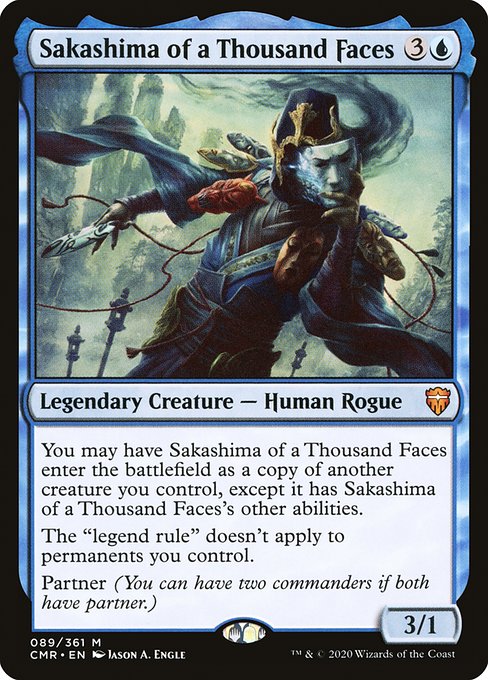
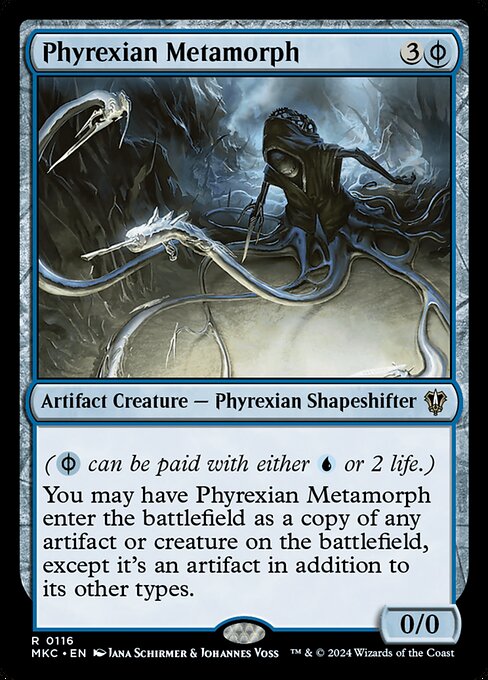
Most often, Krark, the Thumbless is played with clone cards. Sakashima of a Thousand Faces is among its most popular partner pairings (which is a great partner commander, although only with Krark) and is great when it comes in as Krark, the Thumbless. You want as many Krark triggers as possible, to ensure at least one of them returns the original spell to the hand. Phyrexian Metamorph and Irma, Part-Time Mutant are some other ways to copy it.
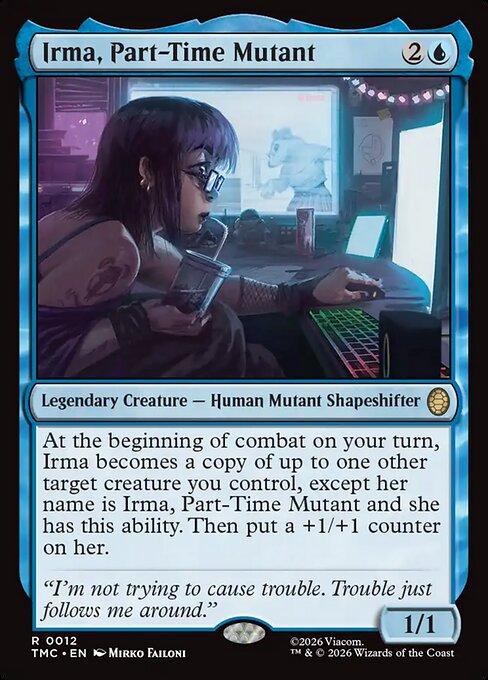
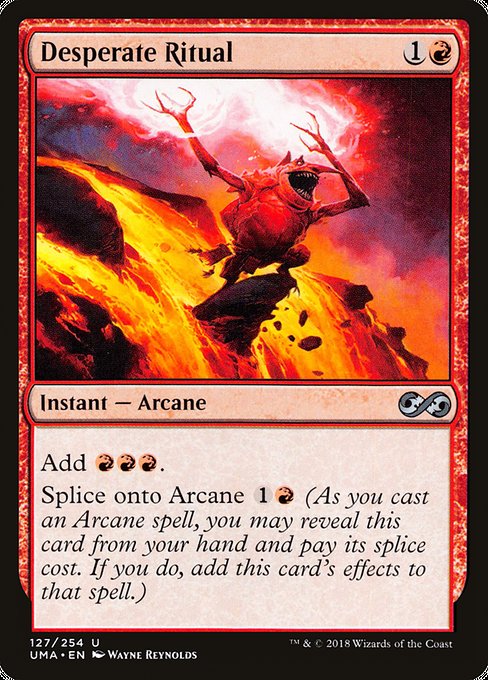
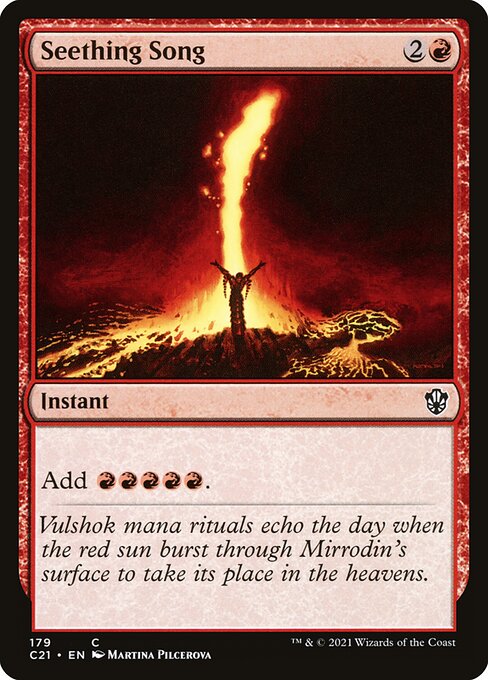
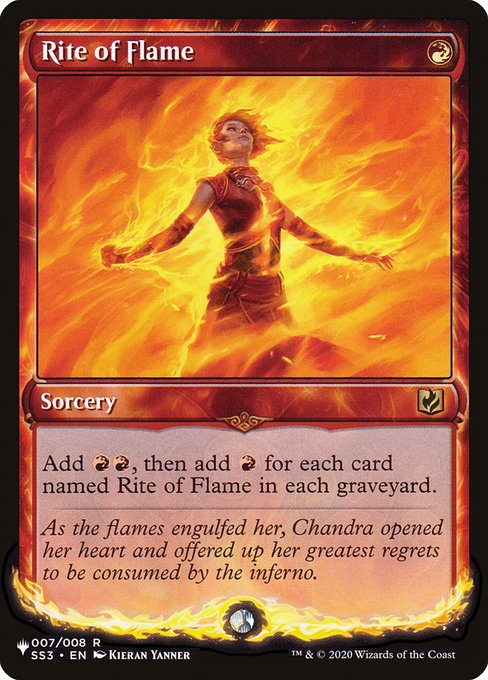
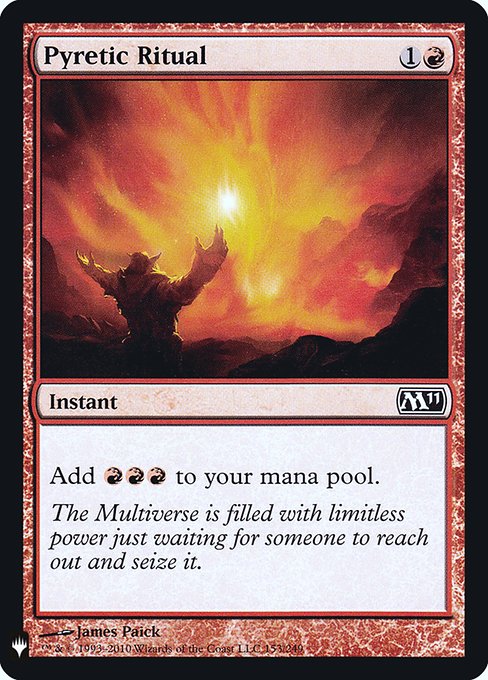
As for spells you’re casting, it’s usually rituals. This includes cards like Desperate Ritual, Seething Song, Rite of Flame, and Pyretic Ritual. The original spell is bounced back to your hand, while Krark, the Thumbless and its copies are hoping to copy the spell to still get the mana out of it. This makes for an easy infinite mana engine that goes infinite with cards that burn when spells are cast (or raising a storm count infinitely).
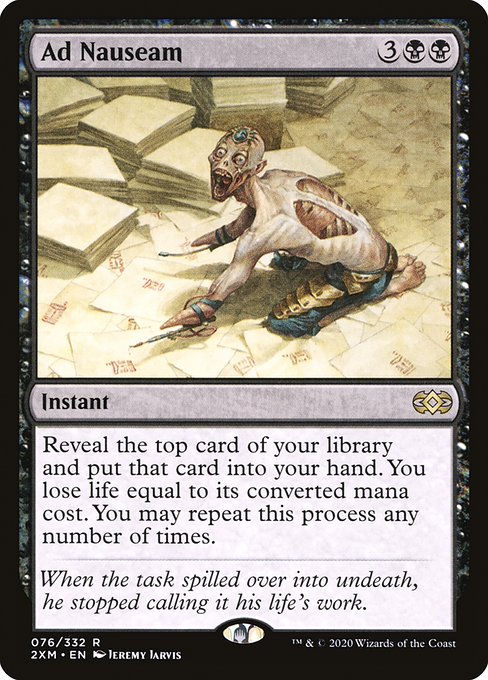
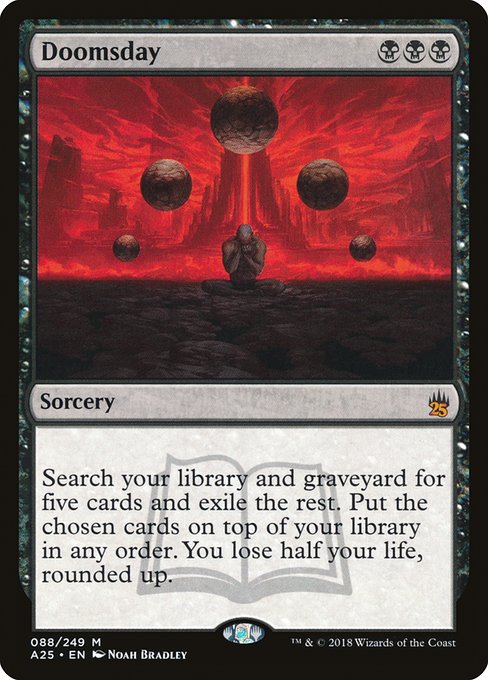
Nothing about Malcolm, Keen-Eyed Navigator screams “cEDH commander.” However, it’s deceptively strong. You want to get it out as quickly as possible (usually turn 1) so you can start dealing damage with it and making Treasure tokens. It’s most often played in turbo decks that need to cast an expensive spell early (most commonly, Ad Nauseam and Doomsday piles.
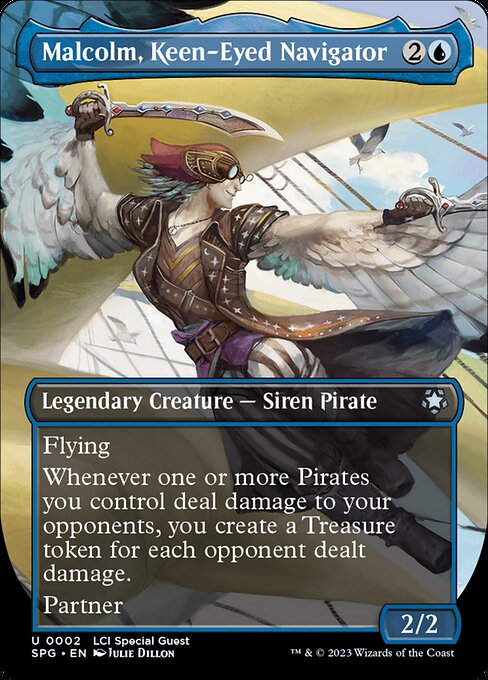
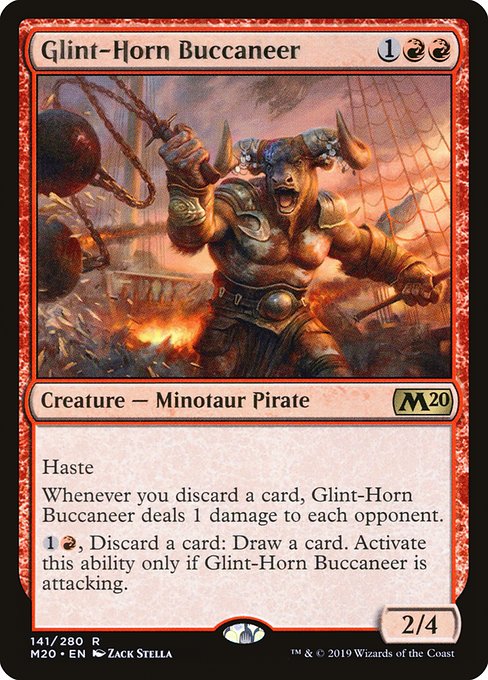
When played Malcolm, Keen-Eyed Navigator, you’re aggressively using your mulligans to ensure you turbo it out. Often, it’s paired with Tymna the Weaver (a card we’ll get to later) to help counteract these lost cards from mulligans. It also pairs very nicely with Glint-Horn Buccaneer, which turns Malcolm into a win condition, giving three Treasure tokens to use Glint-Horn Buccaneer‘s effect infinitely to burn everyone out of the game.
Dargo, the Shipwrecker
Looking at Dargo, the Shipwrecker‘s effect, it becomes quite clear it’s prone to shenanigans. Essentially, you sacrifice three creatures and artifacts so it only costs one mana, and then sacrifice it to make it permanently cost one mana. Every time you sacrifice it to an outlet, that discounts it for another two mana, so you never actually have to pay the commander tax.
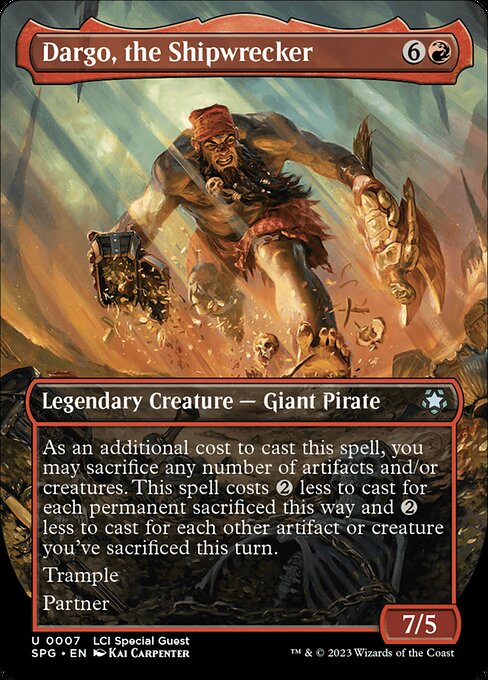
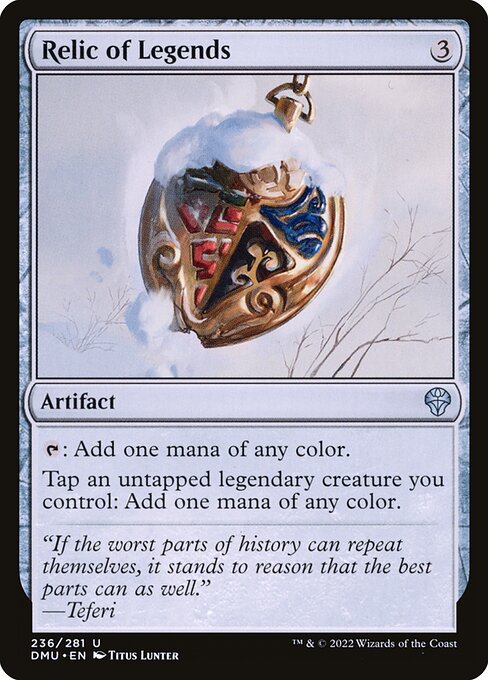
In order to actually go infinite, you need permanents that generate mana to recast Dargo after you sacrifice it. The easiest is Birgi, God of Storytelling which will provide the needed Red mana to cast. You can also use Relic of Legends to tap Dargo, the Shipwrecker before you sacrifice it for the Red mana needed.
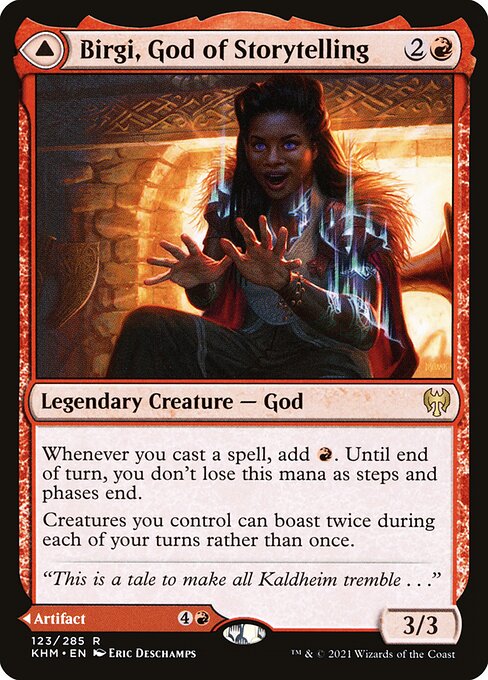
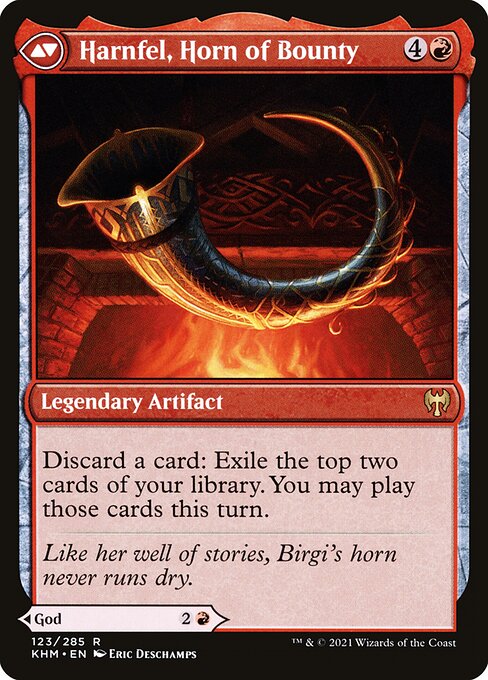
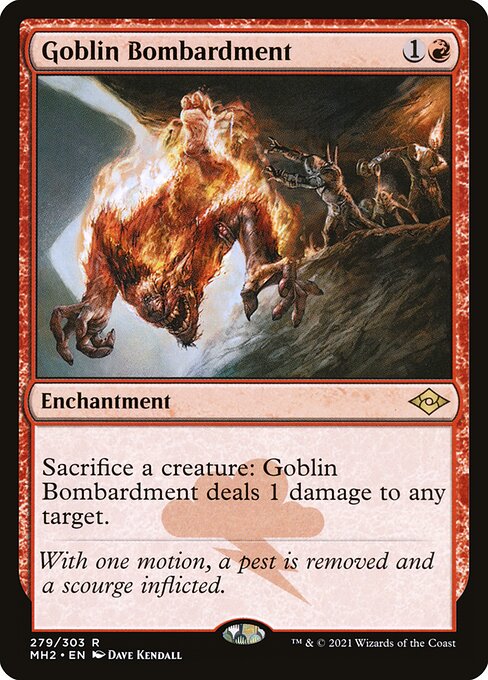
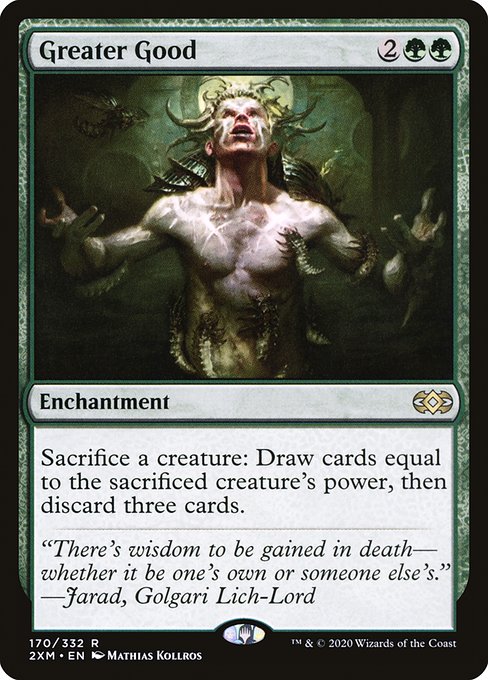
The main thing you’re using to sacrifice Dargo, the Shipwrecker is Goblin Bombardment. This gives you a win condition as it will become an infinte source of damage with each sacrifice once you have a loop going. If you need to dig through your deck for a specific card, Greater Good is sacrificing Dargo to draw 7 cards. This gives the commander some versatility in what it can do with its infinite loops. Dargo, the Shipwrecker gives you a combo card in your command zone so even if it gets removed, you still have access to it.
Multi-Colored Commanders
Multi-colored partner commanders are generally the strongest. On top of giving access to more colors, the best ones have very useful effects too. In many cases, if you look at a Bracket 5/cEDH tournament, odds are a good chunk of the highest placing decks are partner commanders of some kind. They’re popular for a reason, and a large reason why partner commanders have the reputation for being broken.
Tymna the Weaver
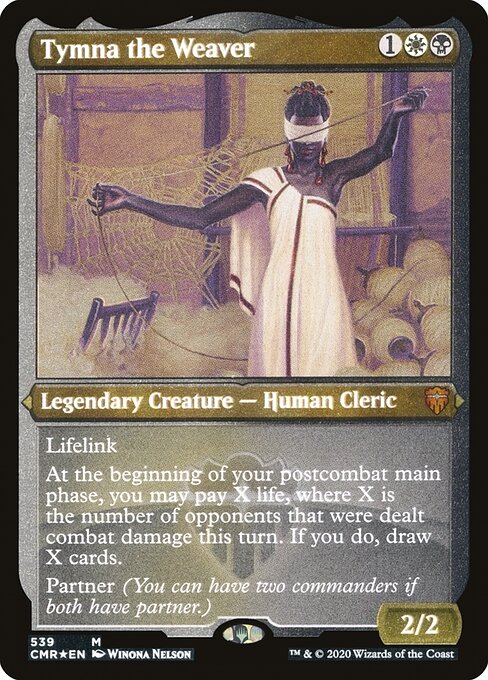
Tymna the Weaver for the purposes of Bracket 5 lets you aggressively mulligan and dig through your deck. So long as you can deal combat damage to players, you can draw up to three cards for only three life. On top of that, White and Black are both great colors to have in cEDH (Black especially). Tymna the Weaver is easy to cast as early as turn one, so you can get the value engine in play right away.
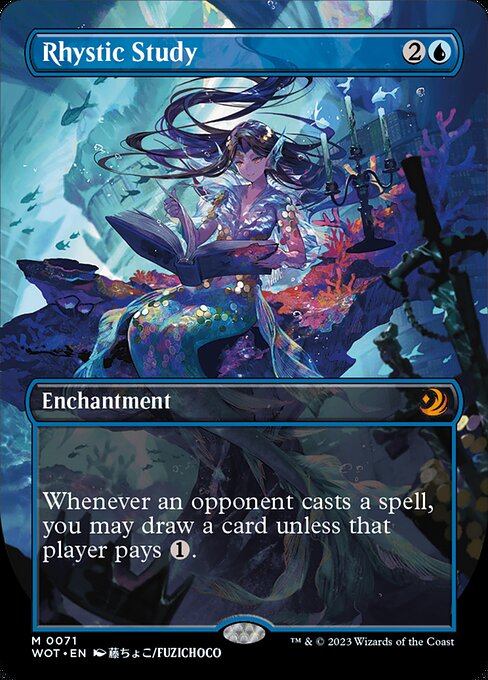
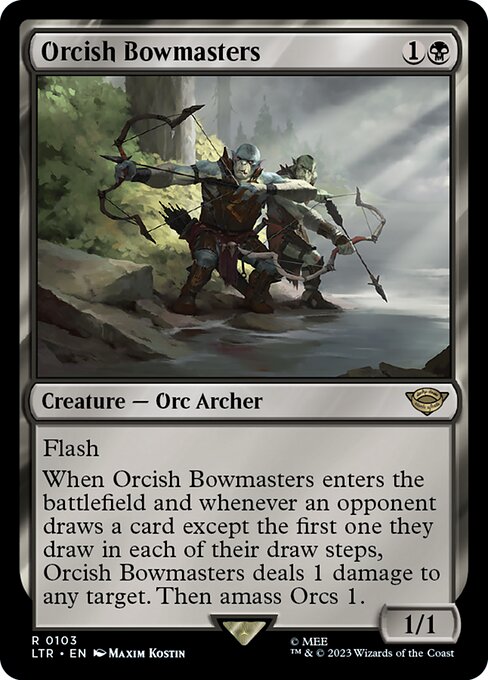
If a deck wants to dig for a specific card, odds are Tymna the Weaver is leading it at the helm. It’s a common commander for Doomsday decks to find your tutors or Doomsday itself quickly. It is also a staple of “Good Stuff Soup” decks, which are decks that just play good cards to control the battlefield with interaction until you find a game-winning combo. Tymna the Weaver can dig for cards like Rhystic Study or Orcish Bowmasters.
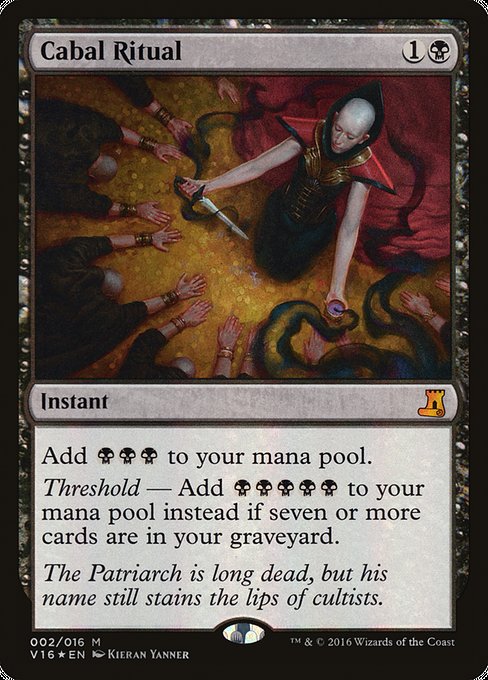
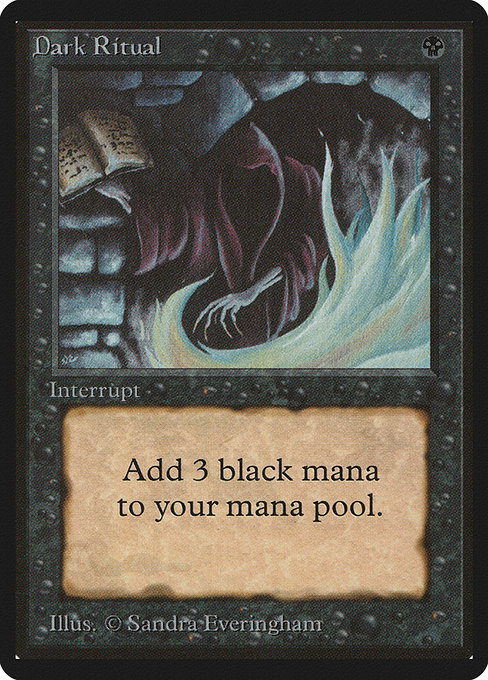
There really is no “wrong” partner pairing when it comes to Tymna the Weaver. It’s just that good of a card. If you’re theorycrafting a new deck, using Tyma as a baseline is a good one to have. It enables toolbox decks for how easy it makes it to find your Demonic Tutor tutor or Dark Ritual for ramp. There is just so much versatility it enables.

Thrasios, Triton Hero
With how common combos are in Bracket 5, being able to play a combo enabler in your command zone is what makes Thrasios, Triton Hero such a powerful card. With its effect and any infinite mana loop, you can dig through your entire deck. Thanks to having a Green-Blue color identity, you have access to some fantastic colors (Blue especially, which is cEDH’s best color).
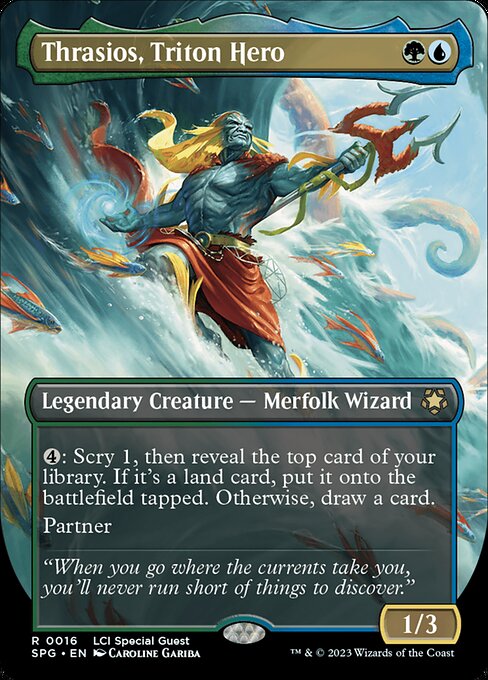
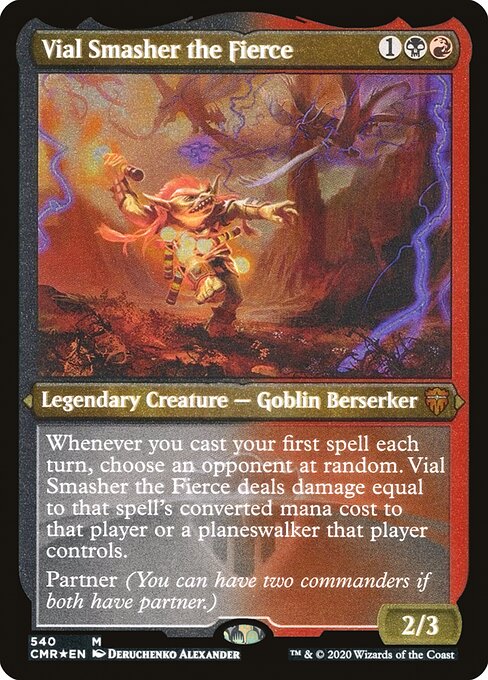
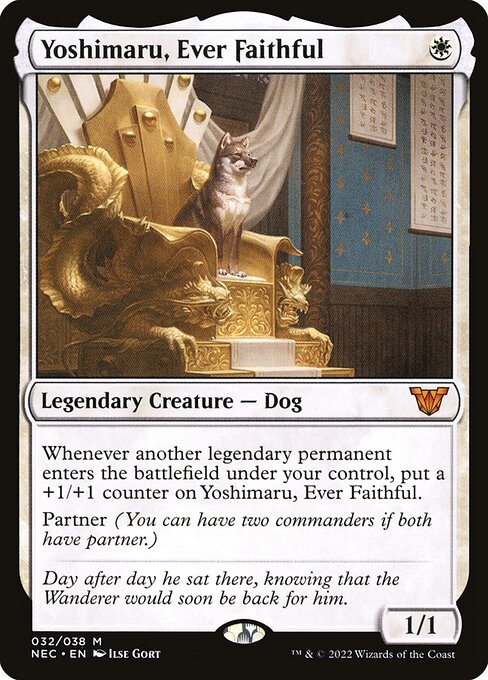
You can really throw Thrasios, Triton Hero with any partner commander and it’ll do great things. If you want to have a midrange list, you can pair it with Vial Smasher the Fierce. Want a ton of card draw? Partner with Tymna the Weaver. You can even partner it with Yoshimaru, Ever Faithful for turbo combo decks and use Thrasios, Triton Hero as a backup.
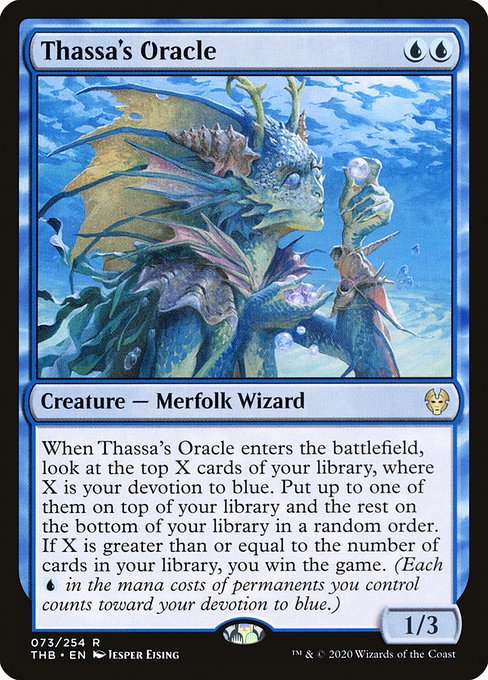
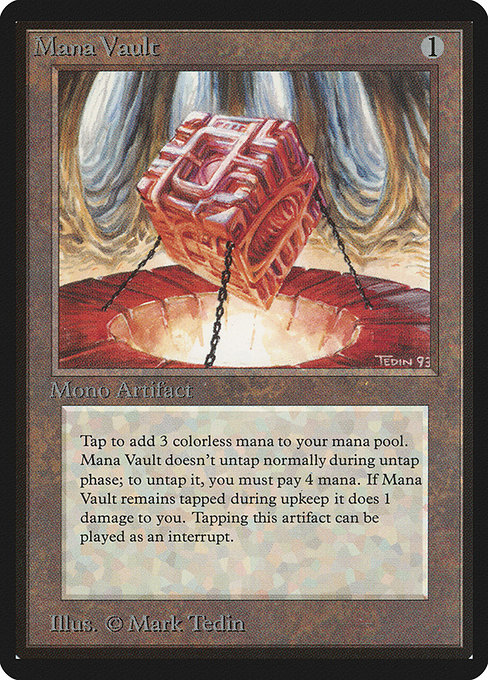
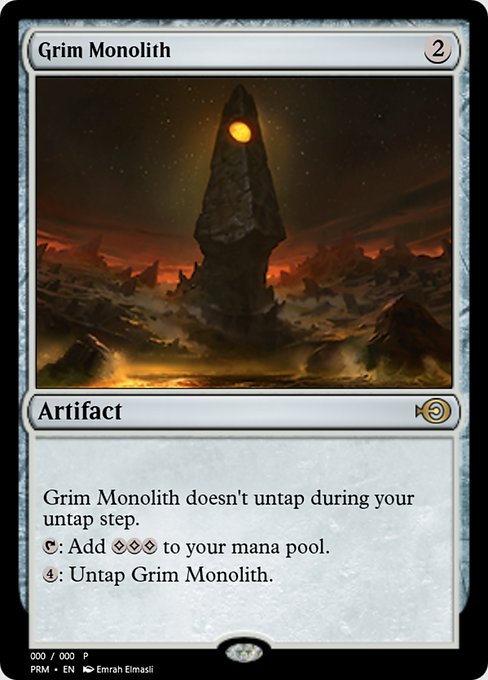
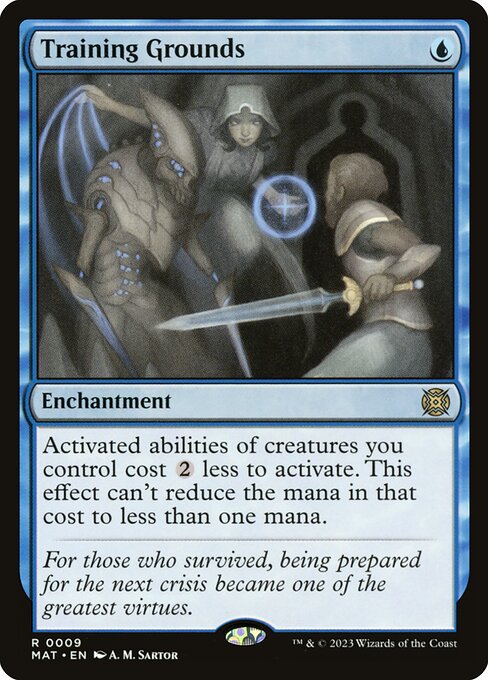
Thrasios, Triton Hero can put every land onto your battlefield and put your entire deck into your hand for easy Thassa's Oracle plays. Thrasios doesn’t need any specific mana either. Just a simple Mana Vault or Grim Monolith loop means you probably win the game. You don’t even need to combo to get value out of Thrasios, Triton Hero. You can just use the effect to get some extra cards out of your deck, something made easier with Training Grounds and similar effects.
Vial Smasher the Fierce
Vial Smasher the Fierce is a commander that is more often played for its color identity as opposed to its effect. Black and Red both have great cards, and pairs well with various other partner commanders. The effect is still useful, but requires some more setup compared to other partner commanders.
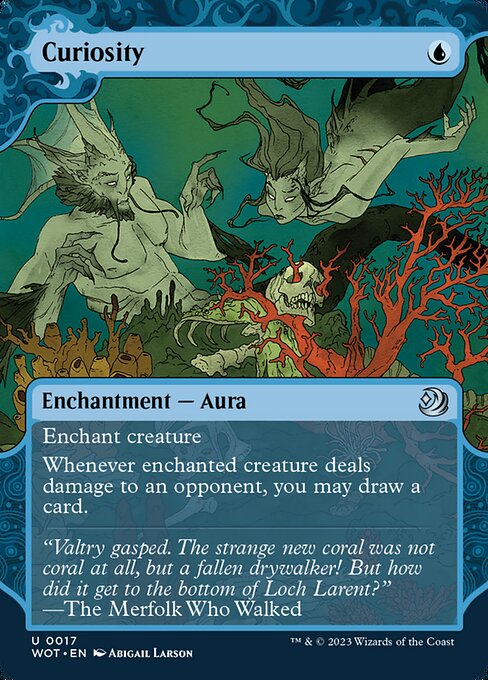
More often than not, Vial Smasher the Fierce is played in Midrange and Control decks. Its effect triggers on the first spell you cast every turn, not just your own. So, it’s often enchanted with Curiosity, Keen Sense, and Snake Umbra. This makes it so the first spell you cast every turn becomes card draw as well (multiple card draws if more than one is enchanted on Vial Smasher the Fierce.
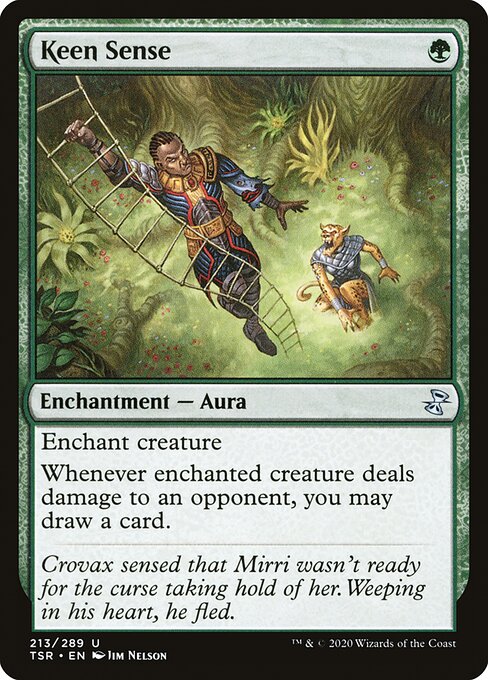
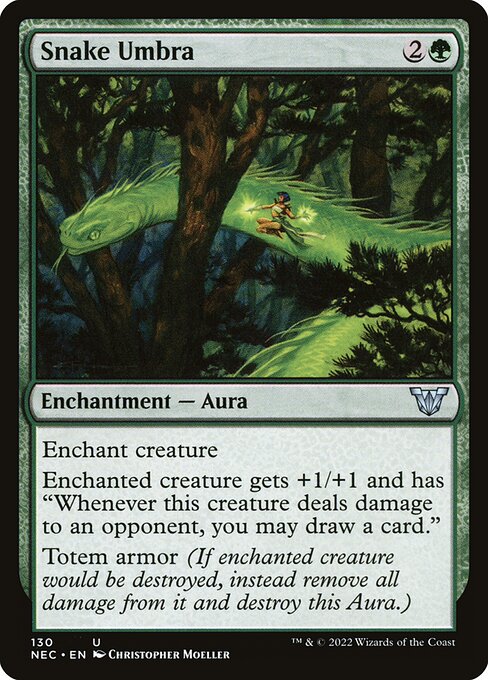
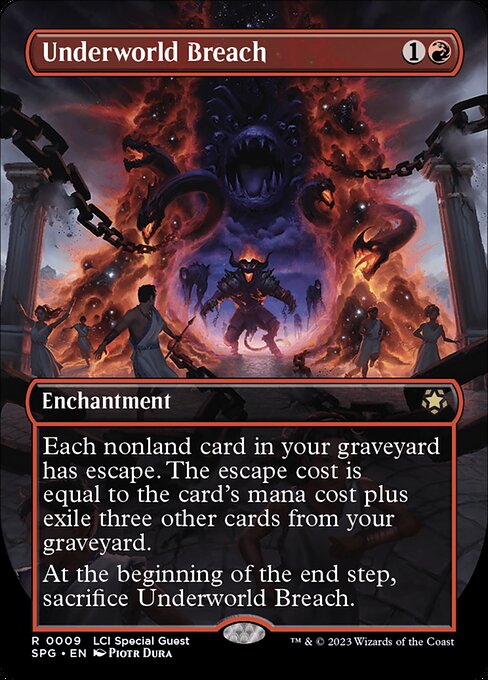
There are usually two main flavors of Vial Smasher the Fierce: Turbo and Midrange. Vial Smasher the Fierce is often used in Ad Nauseam lists. Alternatively, it’s paired with other partner commanders to cover all but one color of the color pie, taking advantage of Red to have Underworld Breach lines/second chances for combos.
Silas Renn, Seeker Adept
Sometimes, just being a certain color(s) is enough to be a great partner commander. Silas Renn, Seeker Adept is one of those commanders. You can maybe recur an artifact in the graveyard with its effect in a very niche scenario, but odds are you’ll never actually cast it.
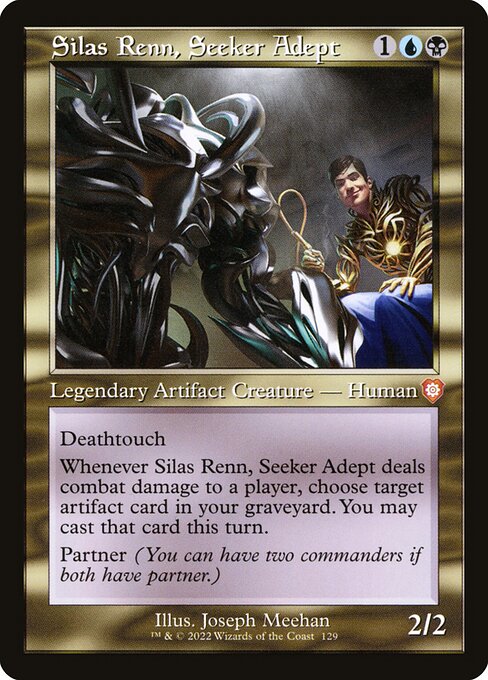
Most commonly, Silas Renn, Seeker Adept is played with a Red partner commander such as Rograkh, Son of Rohgahh or Krark, the Thumbless. Grixis gives you three of the best colors in Bracket 5, letting you play cards like Underworld Breach, Vampiric Tutor, and Fierce Guardianship all in the same deck.
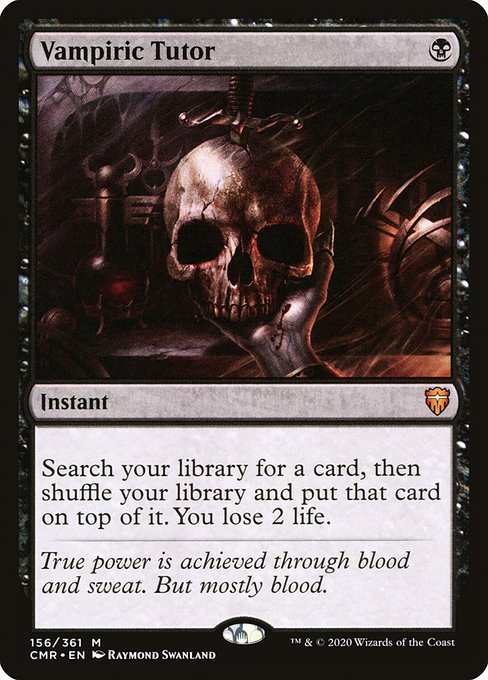
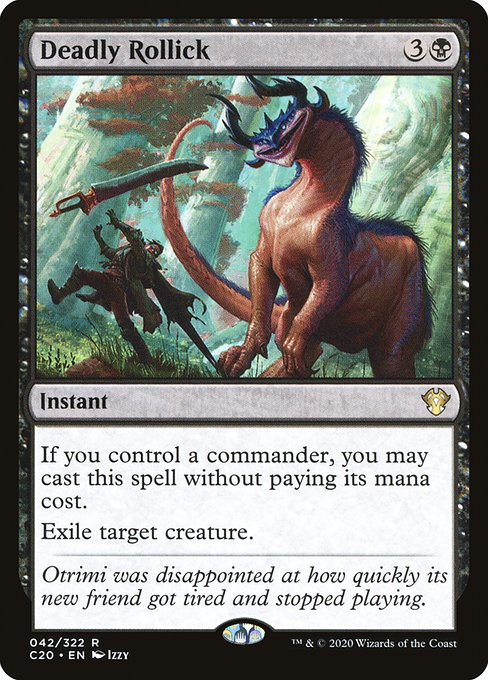
Silas Renn, Seeker Adept is so unique in the grand scheme of the best partner commanders. In most cases, partner commanders have some kind of use. And yet, Silas Renn, Seeker Adept spends more games staying in the command zone than outside of it. The only time you’d really ever cast it is if you just have three mana to throw around, or you really need something to sacrifice to Diabolic Intent or a commander on the battlefield to turn on Deflecting Swat or Deadly Rollick
Kraum, Ludevic’s Opus
Kraum, Ludevic's Opus is very unique in that it is part of the best partner pairing (with Tymna the Weaver), but outside of this pairing, it’s not played very often. However, Kraum, Ludevic's Opus is still great, giving you a value engine that you can cast quickly. Most turns in Bracket 5 consist of multiple spells being cast, so
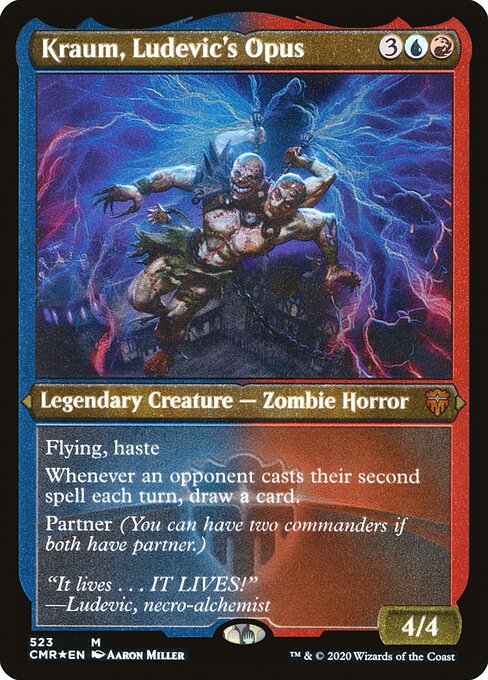
Kraum, Ludevic's Opus is often played with decks that can turbo out win conditions. It’s used to quickly get to cards like Underworld Breach for game-enders, or Rhystic Study to get an extra value engine. Kraum, Ludevic's Opus is a part of decks that can do just about anything and everything with no restriction.
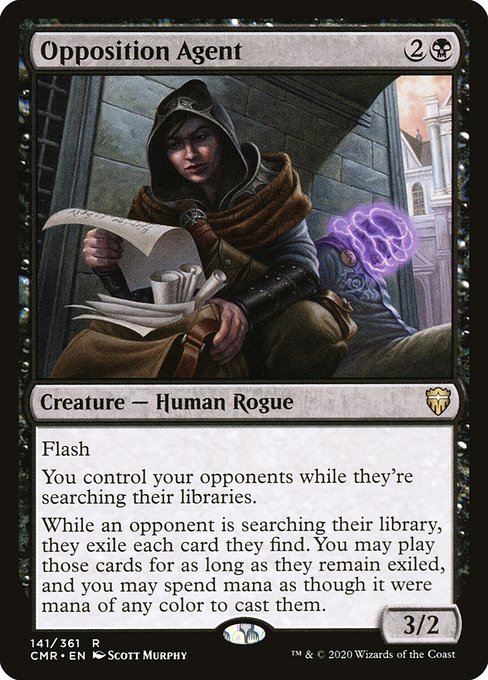
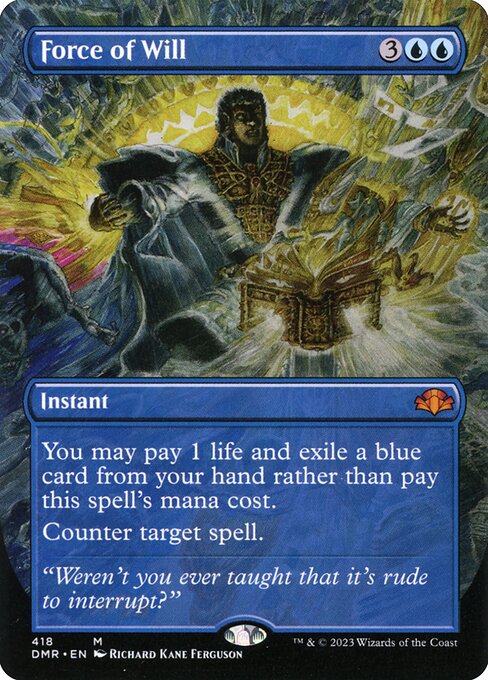
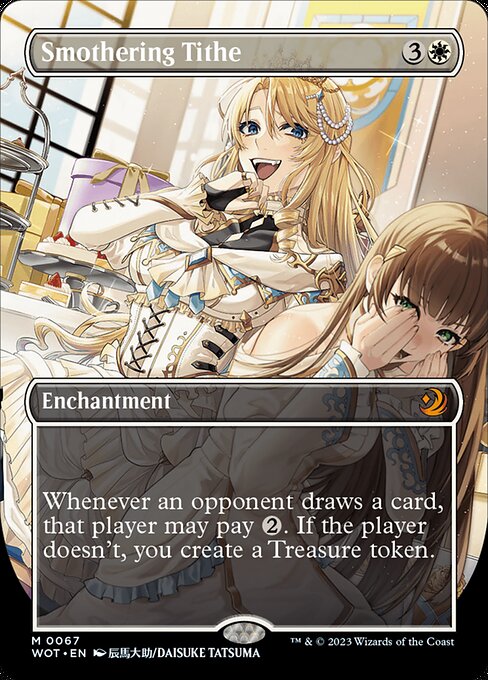
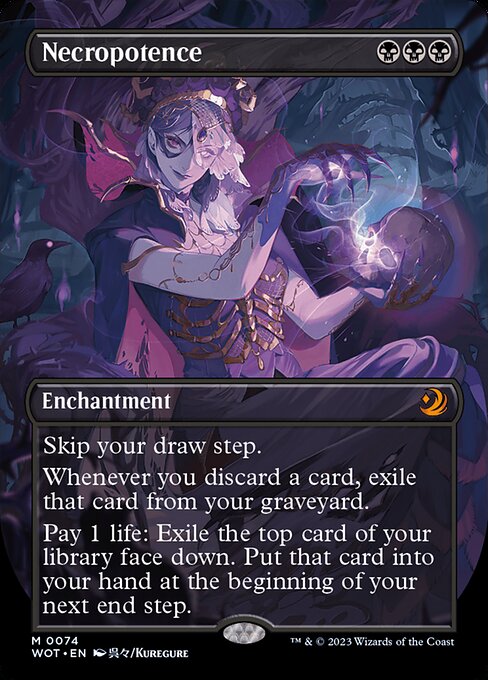
Decks that use Kraum, Ludevic's Opus have just about every “best” card in Bracket 5 included. There is Opposition Agent to steal tutors, Force of Will for a free counterspell, Smothering Tithe for easy ramp, or Necropotence as a draw engine. These decks can just be used to assemble whatever win condition you want, and is why Kraum, Ludevic's Opus is such a strong partner commander; it enables this.
In Conclusion
Partner commanders are among the strongest commanders you can run. With multi-colored partners especially, you can pick and choose whatever color combination you want. Most partner commanders have useful effects, and even those that don’t are still strong just because of their color identities.
Partner commanders are a staple of Bracket 5. There are some that are just too weak or too bad or too narrow to see play. But the ones gone over here are the ones that stand out among the rest for one reason or another. Take these partner commanders and get out there at those cEDH Bracket 5 tournaments.