
What Is “Superfriends”?
In Magic, “Superfriends” refers to decks built around Planeswalkers as the primary engine and win condition. The nickname comes from the old Super Friends cartoon, referencing a team of heroes working together, much like multiple Planeswalkers on the battlefield.
Rather than relying heavily on creatures, Superfriends decks often focus on accumulating value through loyalty abilities. Each Planeswalker acts as a repeatable source of card draw, removal, token generation, or many many more. Individually they’re strong, but together they create layered board states where opponents struggle to answer everything at once.
For example:
- Teferi, Hero of Dominaria generates cards and controls the board
- Liliana, Dreadhorde General creates sacrifice pressure and card advantage
- Wrenn and Realmbreaker ramps and fixes mana
- Chandra, Torch of Defiance provides removal and mana acceleration
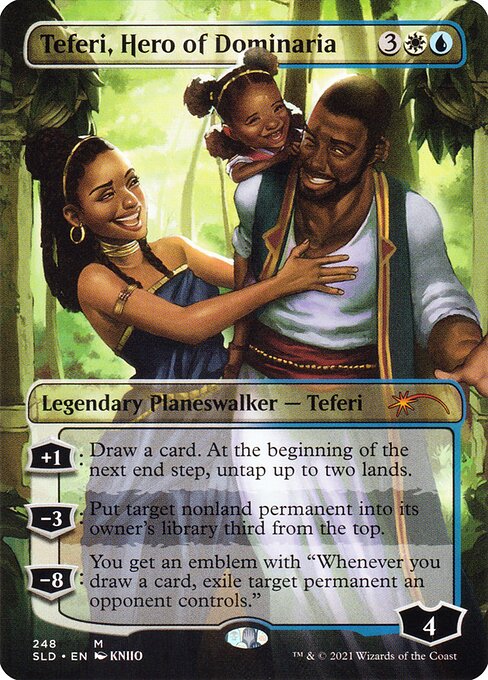
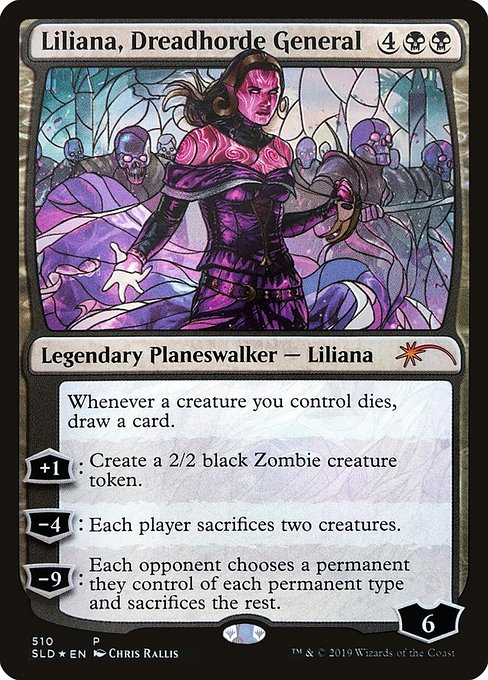
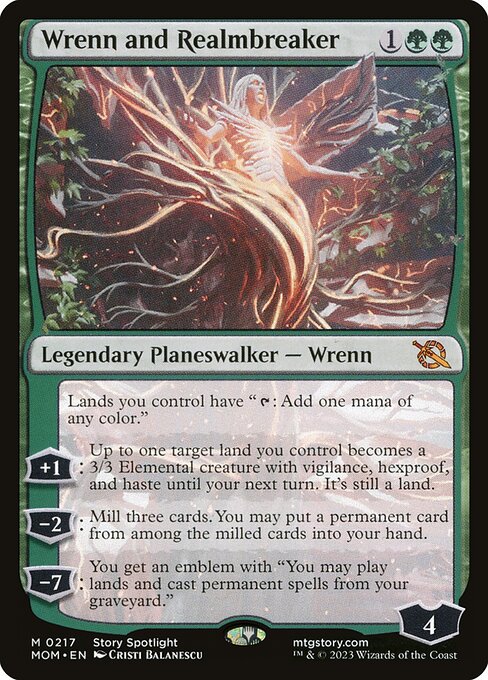
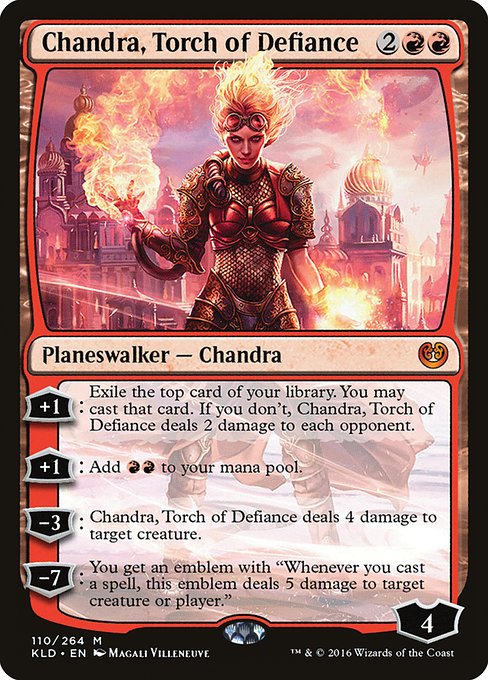
One Planeswalker could be manageable. Four or five on the same field can completely take over a game.
The archetype thrives because Planeswalkers naturally generate incremental advantage. If left unanswered for even a couple of turns, they often repay their mana investment several times over.
Few archetypes in Commander feel as cinematic as Superfriends. Massive planeswalkers dominate the battlefield, loyalty abilities stack turn after turn, and every activation pushes the game closer to an overwhelming advantage. Unlike traditional creature based strategies, Superfriends decks often feel like a slow cook, it takes time and patience, but once it’s set up, the results are amazing.
In EDH, where multiplayer politics and long games define the format, Planeswalkers become uniquely powerful. Opponents must divide their attacks between players and walkers, which often gives Superfriends decks enough breathing room to snowball out of control. And once multiple planeswalkers are active at the same time, the amount of value generated each turn becomes almost impossible to match.
But Superfriends is more than “play a bunch of planeswalkers”. The archetype requires careful deckbuilding, defensive tools, synergy pieces, and a clear understanding of how to convert loyalty into victory. Without proper support, Planeswalkers are fragile and could die after using their abilities once. With the right shell, however, they become one of the most oppressive and resilient archetypes in Commander.
This article explores everything you need to know about Superfriends in EDH: what the archetype is, how it functions, staple cards, protection tools, finishers, color combinations, and the strategies that make the deck tick.
The History of Planeswalkers
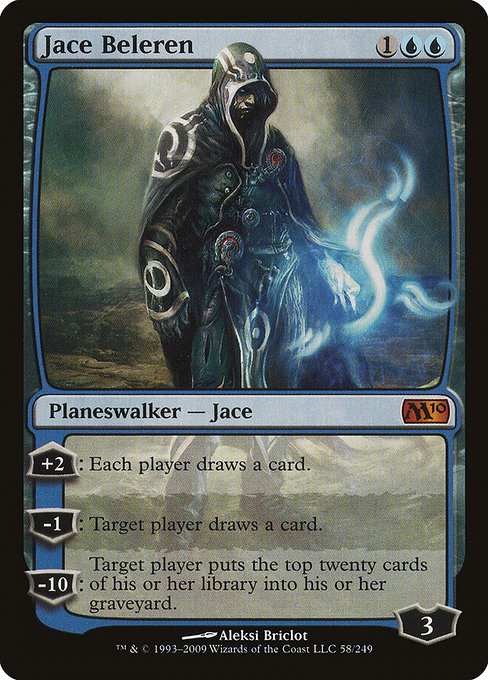
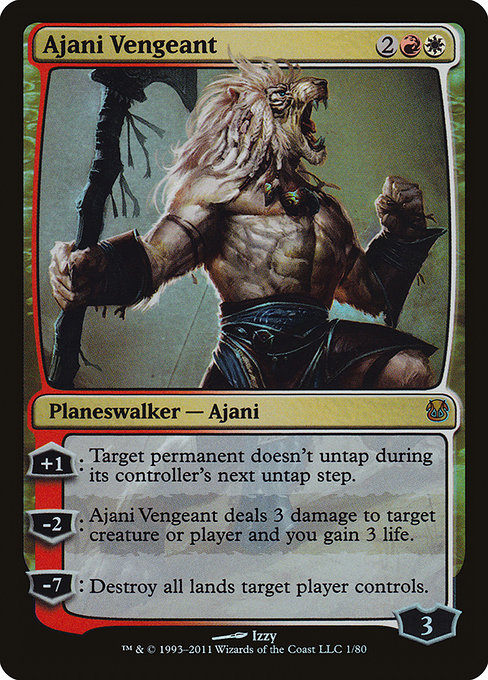
The Superfriends archetype began emerging shortly after planeswalkers were introduced in Lorwyn in 2007. Early Standard decks experimented with controlling shells packed with planeswalkers like Jace Beleren and Ajani Vengeant, but the “Superfriends” archetype needed more time and options to truly start to shine in Commander.
As more planeswalkers were printed, players realized EDH was the perfect environment for them:
- Games lasted longer
- Board wipes were common
- Multiplayer combat spread pressure around
- Value engines were king
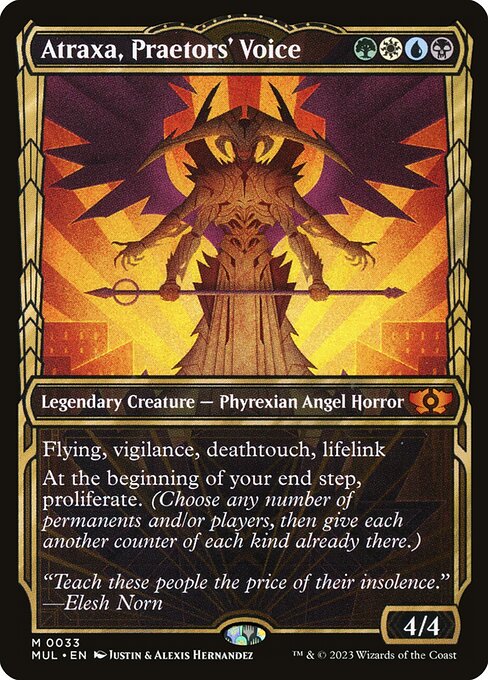
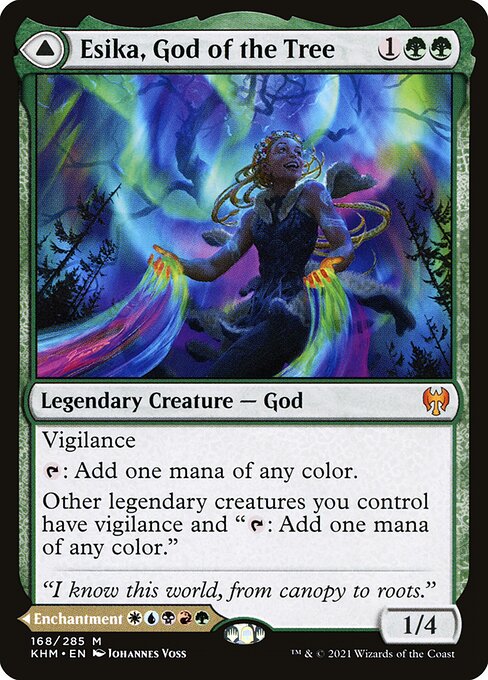
Over time, entire commanders were printed specifically to support planeswalker strategies. Cards like Atraxa, Praetors' Voice and Esika, God of the Tree helped transform Superfriends from a gimmick into a legitimate archetype.
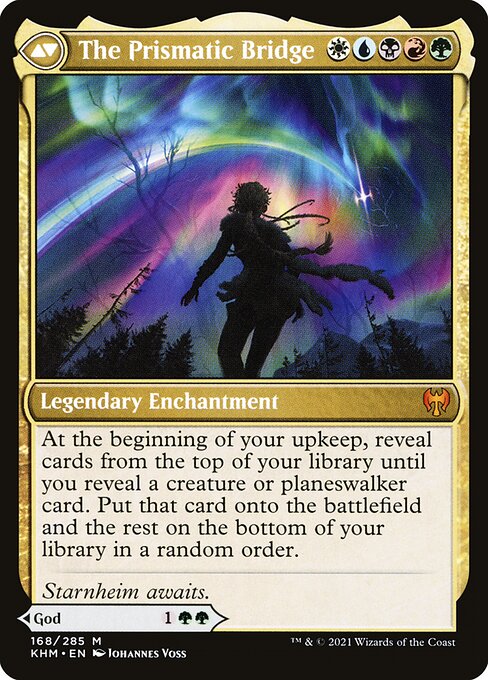
The release of War of the Spark pushed the strategy even further, introducing an enormous wave of planeswalkers and support cards. Suddenly, planeswalker-centric decks had access to more redundancy, interaction, and synergy than ever before.
Today, Superfriends remains one of the most iconic archetypes in Commander: flashy, powerful, and deeply customizable.
The Core Goal of Superfriends
At its heart, Superfriends is about snowballing advantage through repeated Planeswalker activations and continuous layering of more and more Planeswalkers. Getting a Planeswalker to use its “ultimate” ability often decides games; imagine “ulting” with multiple of them.
Unlike creatures, planeswalkers generate value without needing to attack or tap, and every turn they survive represents: more cards, more removal, more mana, more board presence, and more ways to win the game.
The strategy is quite simple: wait until you can protect the Planeswalkers you want to play, get them on the field and start generating value, protect them long enough to convert either their normal abilities or their ultimates into a win.
Superfriend decks often generate so much value that opponents have an incredibly hard time finding ways to answer all your walkers, often just trying to survive whichever walker is closer to ulting.
The longer the game goes, the stronger Superfriends becomes.
Choosing Colors for Superfriends
Superfriends can exist in almost any color combination but some are more popular than others. More often than not, the colors are a byproduct of the kind of Commander you want to play.
For example, let’s say you want to play Atraxa, Praetors' Voice for her ability to constantly proliferate each of your turns; you will, then, build the deck around her colors (Green, White, Blue and Black) and find the best walkers to include.
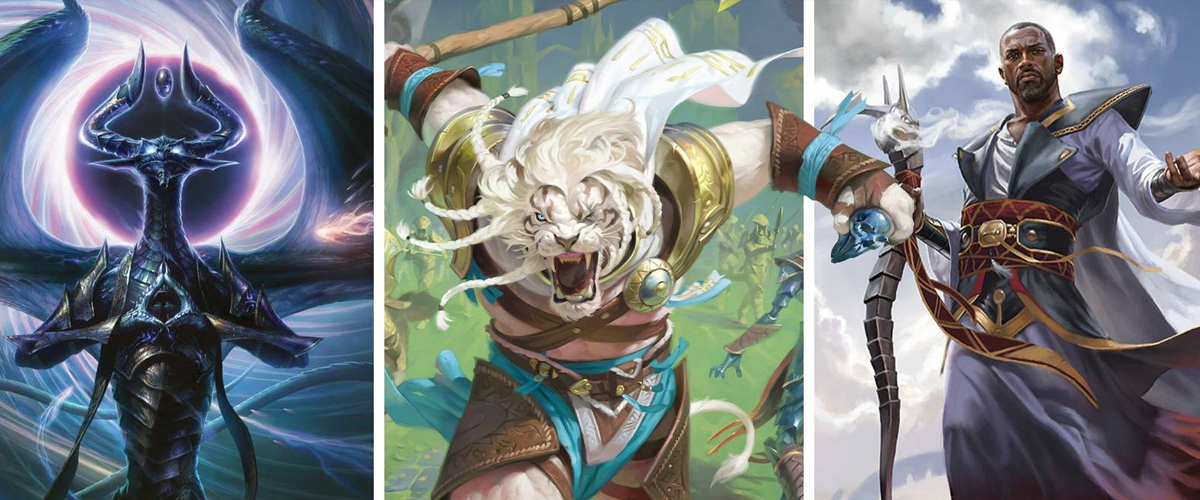
Here are some of the most popular Super Friend Commanders: Atraxa, Praetors' Voice, Commodore Guff, Esika, God of the Tree, Nicol Bolas, the Ravager, Carth the Lion,
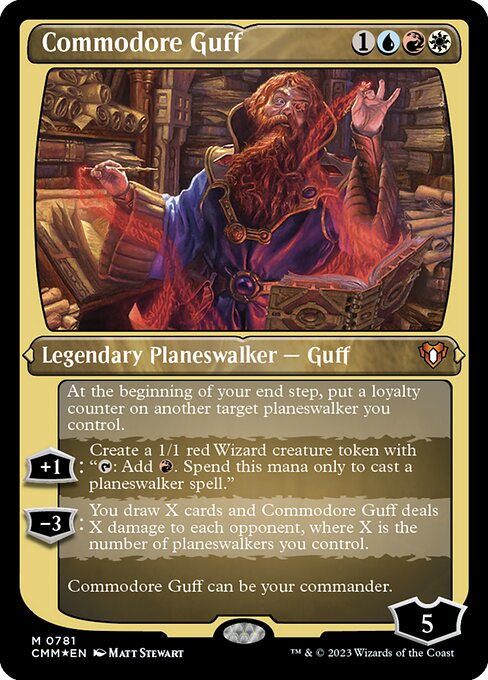
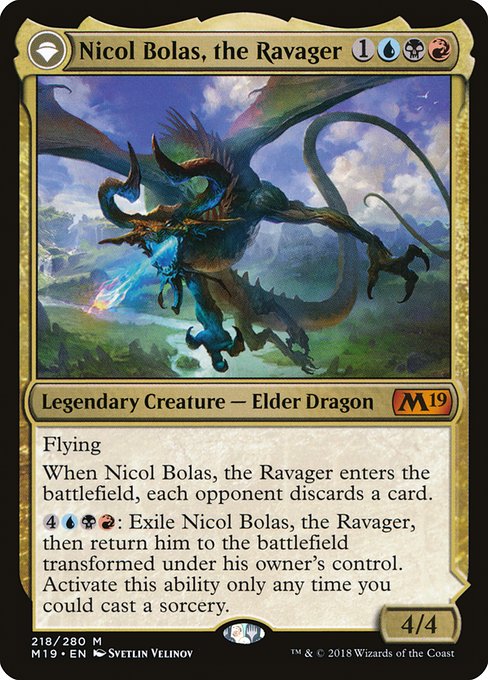
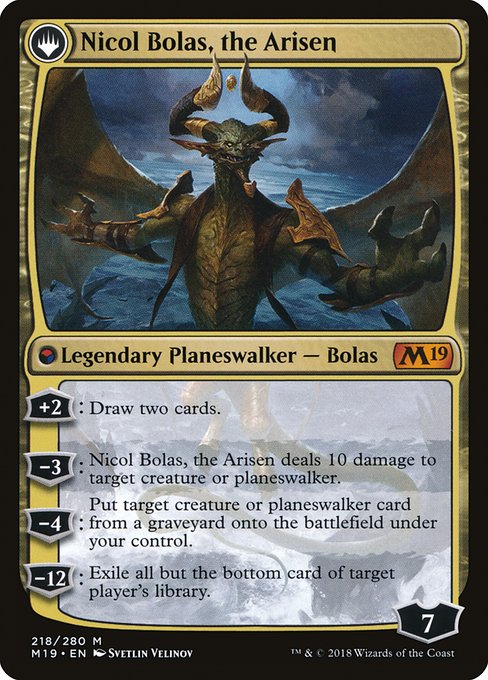
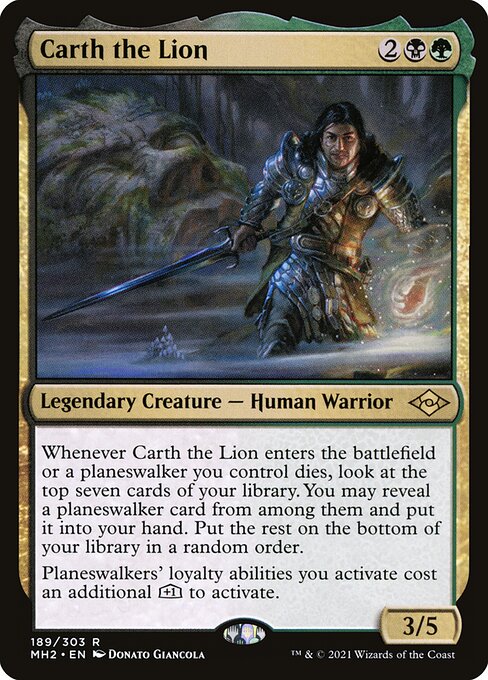
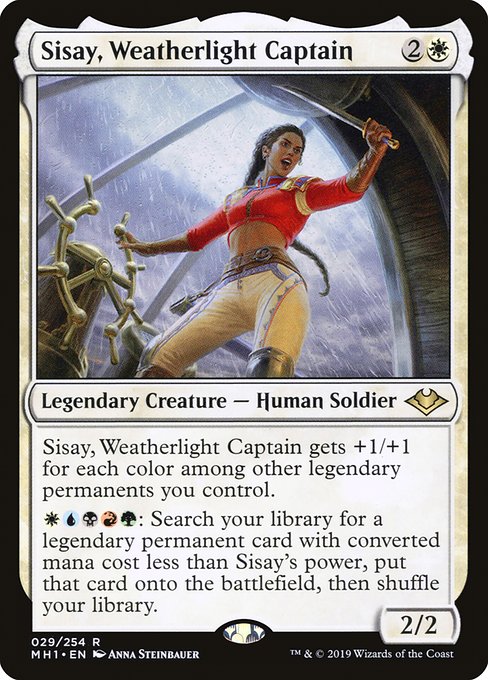
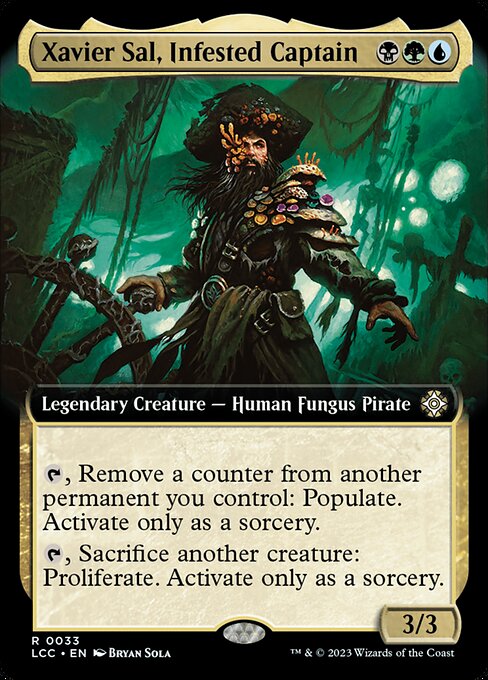
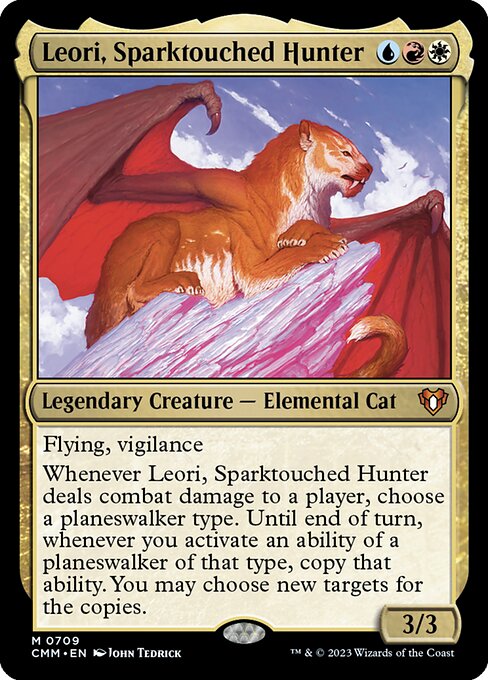
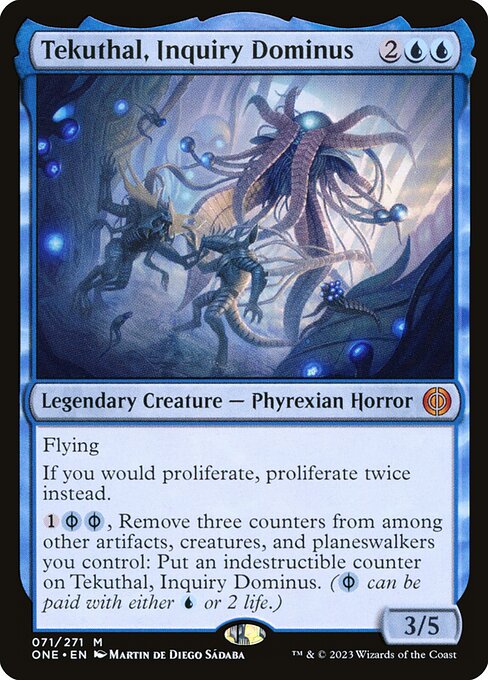
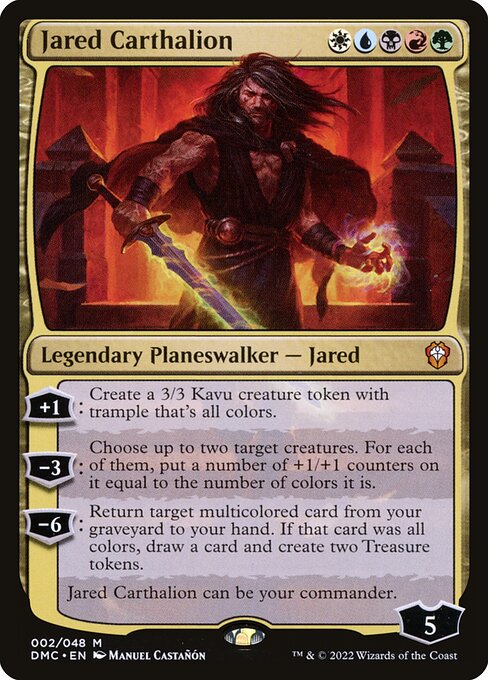
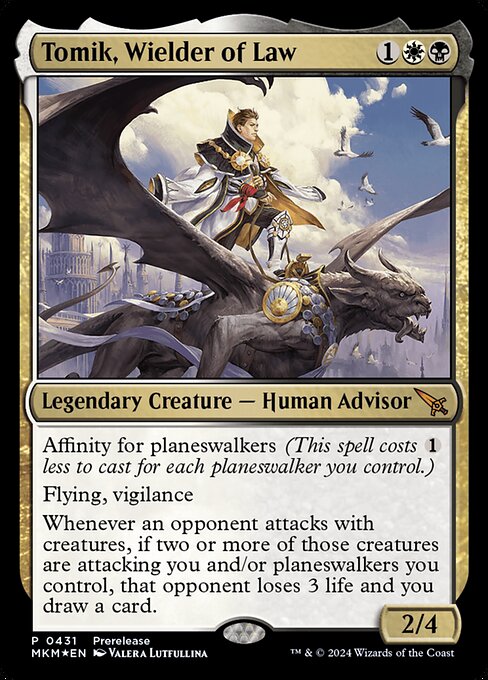
Some of these Commanders play simmilarly, others not so much; what they all have in common is that they can maximize the power of the Superfriends archetype. So when choosing your Commander, think carefully about what you want your deck to be able to do.
Mana Ramp and Development
Regardless of which color combination you choose, Planeswalkers are mana-intensive, so ramp is essential.
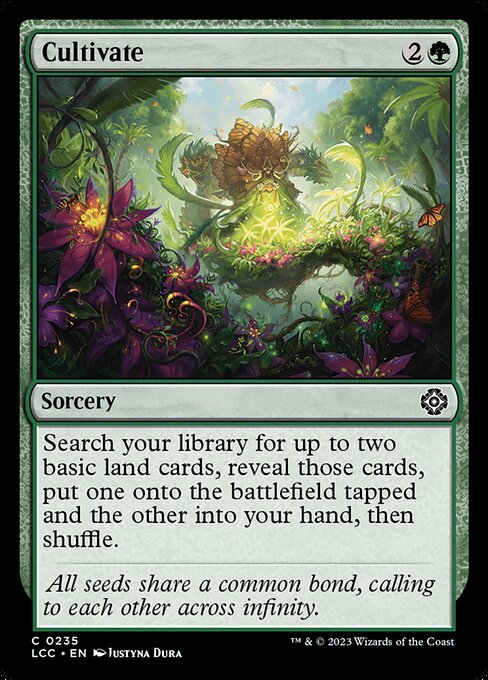
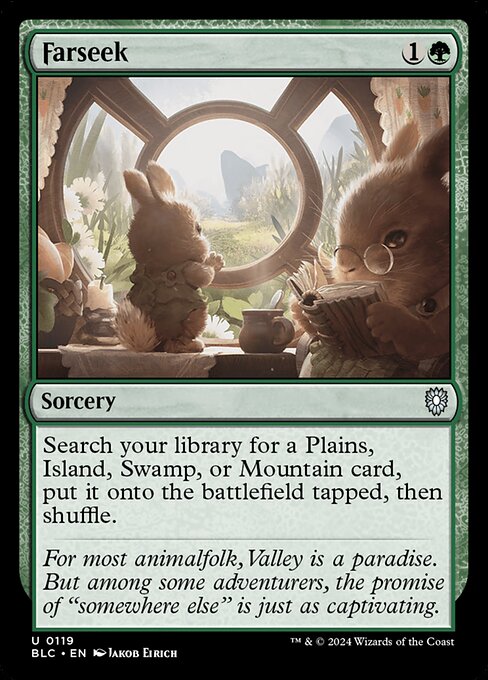
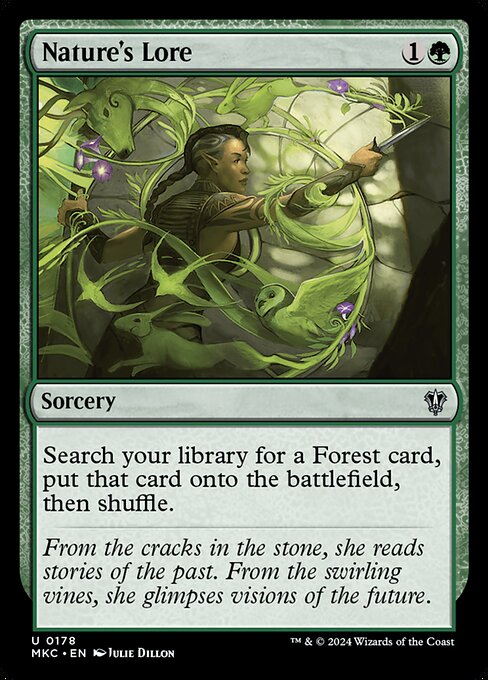
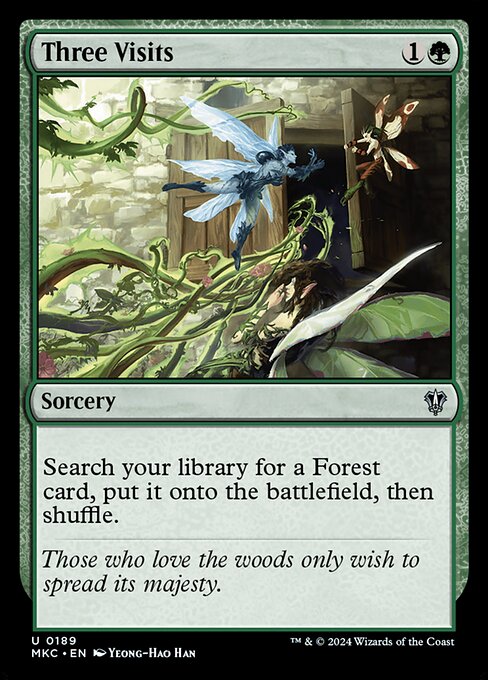
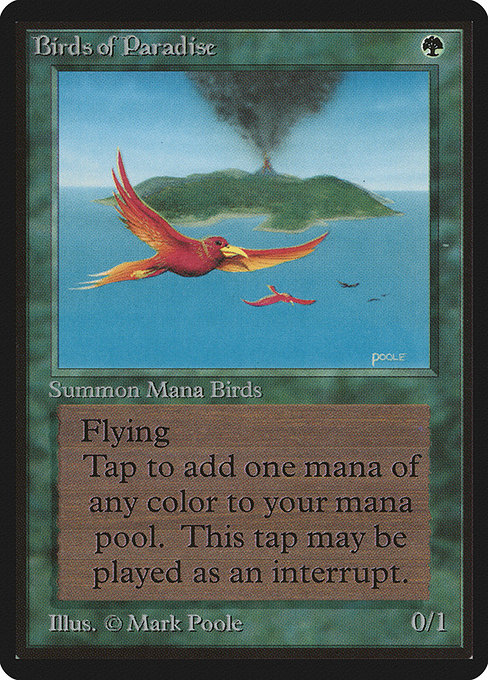
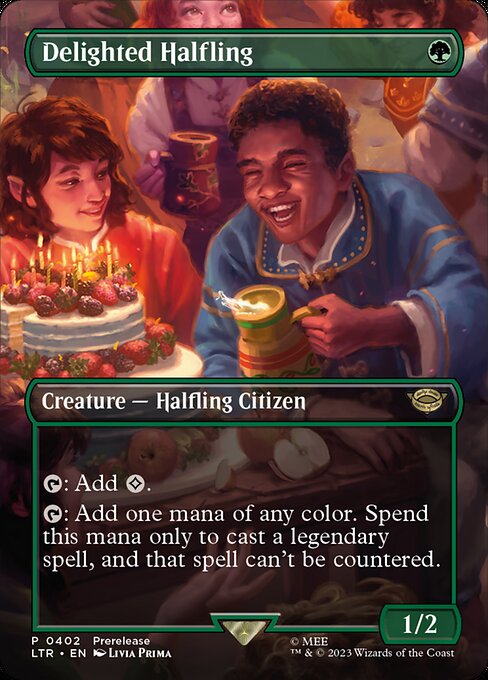
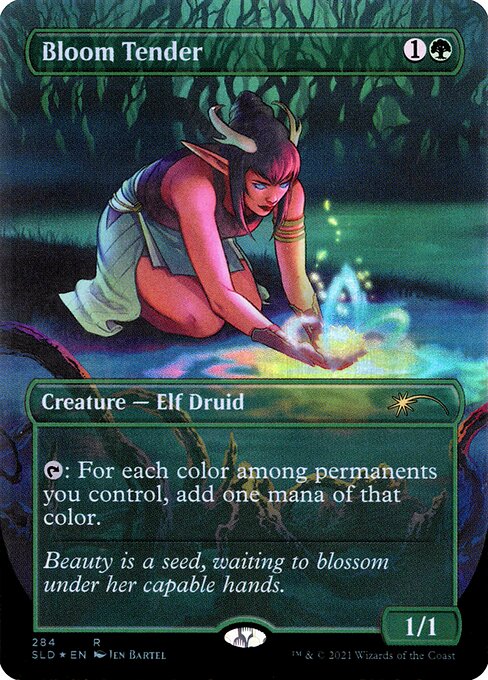
Decks with access to Green can use the always handy staples, like Cultivate, Farseek, Nature's Lore, and Three Visits. As well as Mana dorks that give access to every color: Birds of Paradise, Delighted Halfling, and Bloom Tender.
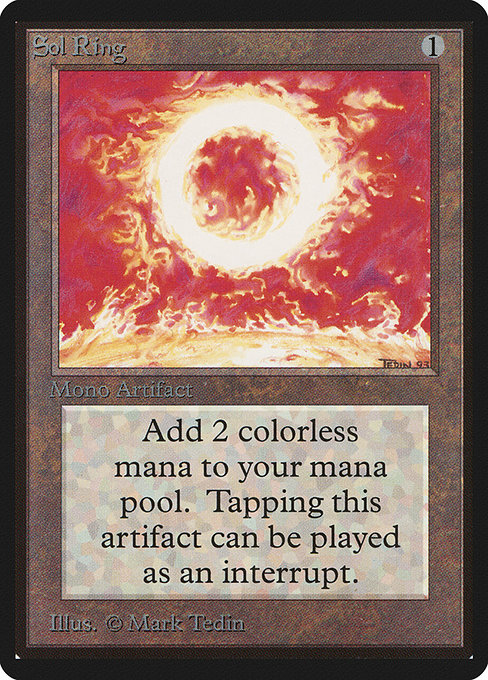
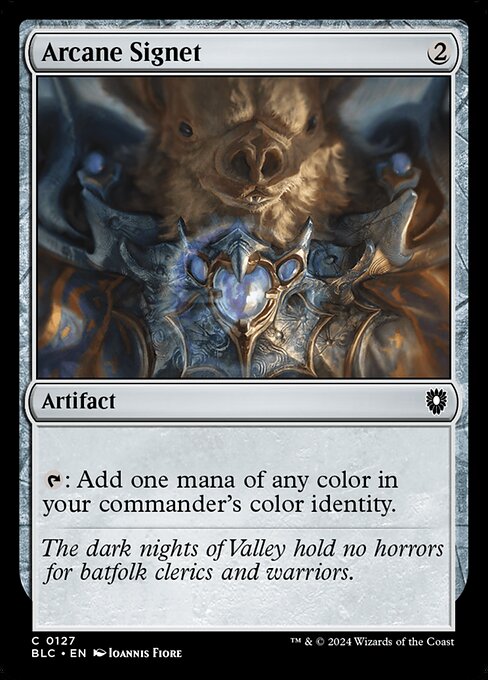
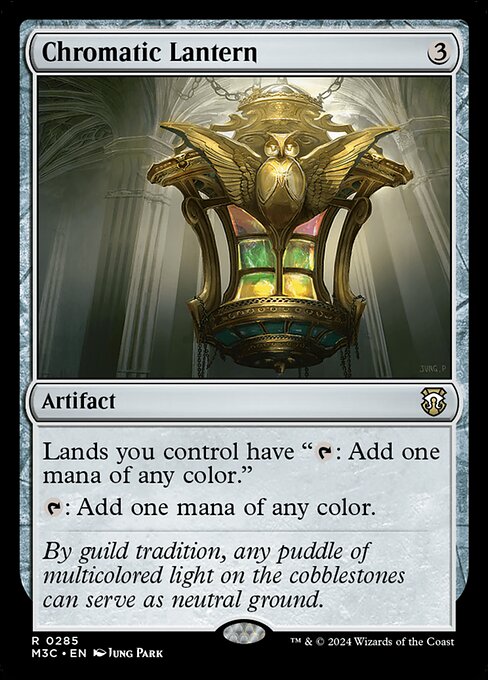
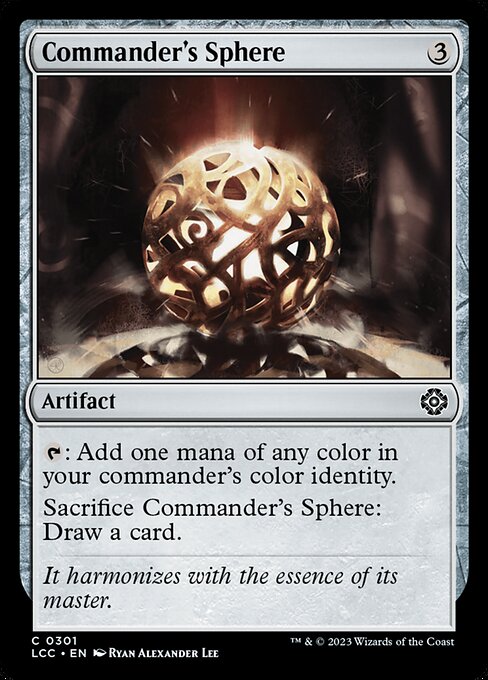
Artifact ramp is equally important, but especially important if you don’t have access to Green. Cards like Sol Ring, Arcane Signet, Chromatic Lantern, and Commander's Sphere.
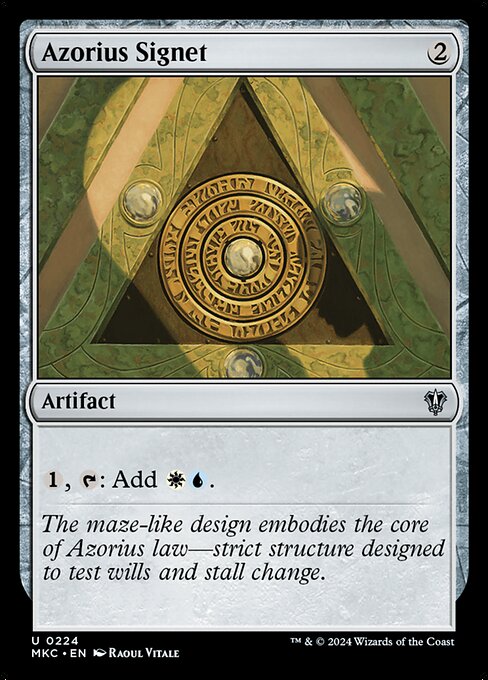
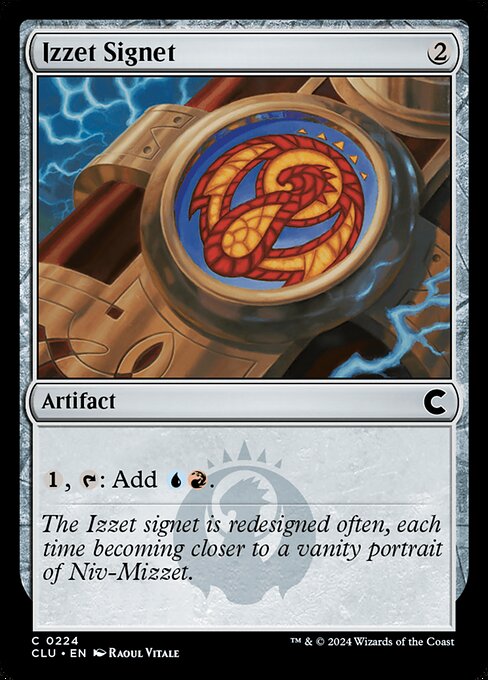
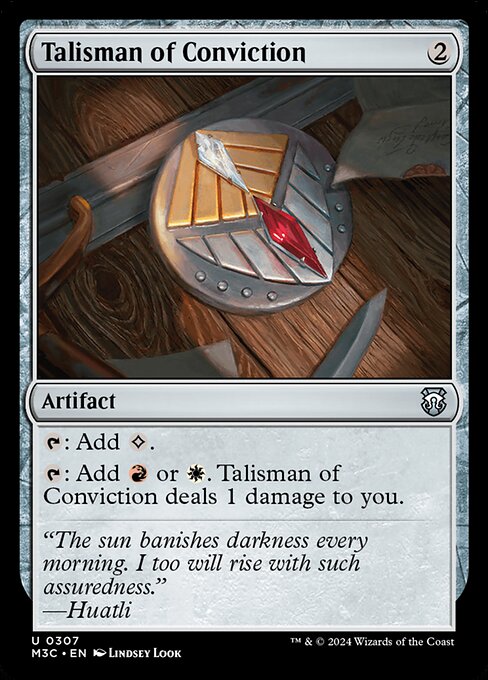
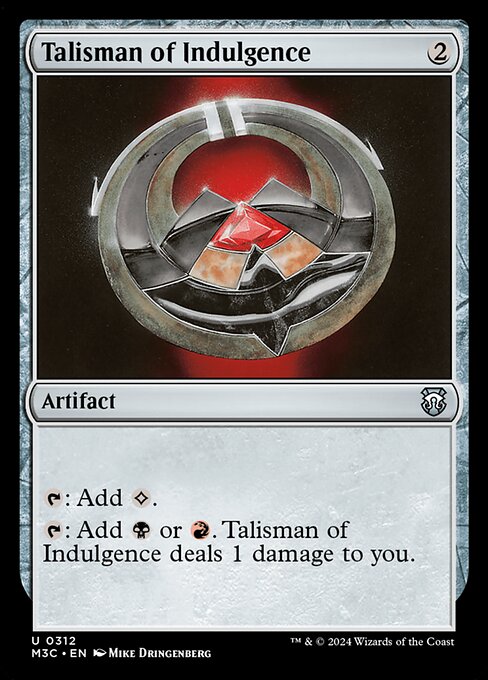
Because Superfriends often plays multiple colors, mana fixing matters just as much as acceleration, so artifacts like Azorius Signet, Izzet Signet, Talisman of Conviction, Talisman of Indulgence, and the many other combinations should find their way into your deck.
Protecting Your Planeswalkers
This is arguably the most important part of the archetype’s gameplan.
Planeswalkers are vulnerable to combat, so your deck must discourage attacks and stabilize the board.
Pillow Fort Effects
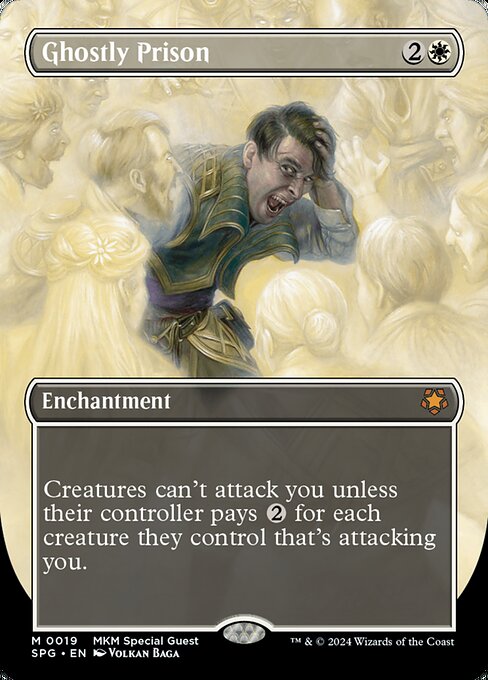
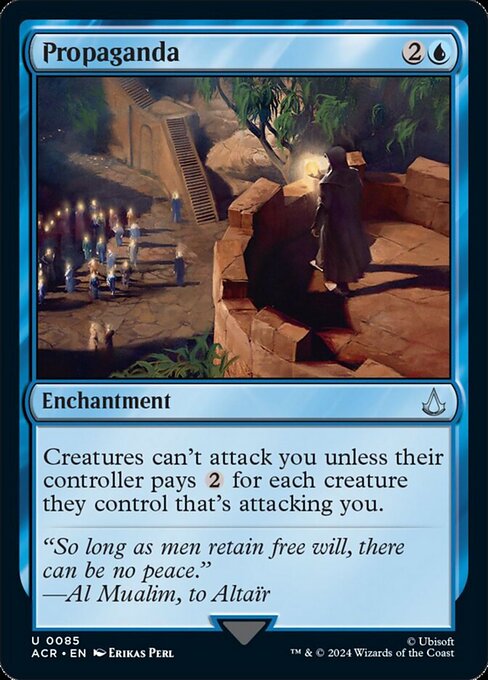
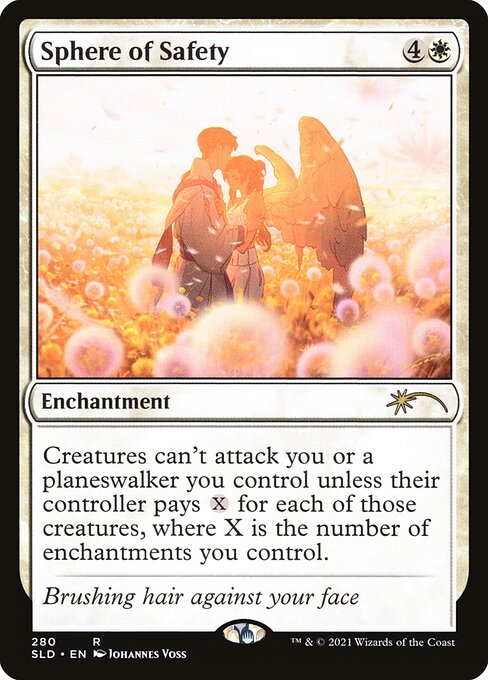
These taxing effects buy critical time by disuading your opponents from attacking your way: Ghostly Prison, Propaganda, and Sphere of Safety.
Board Wipes
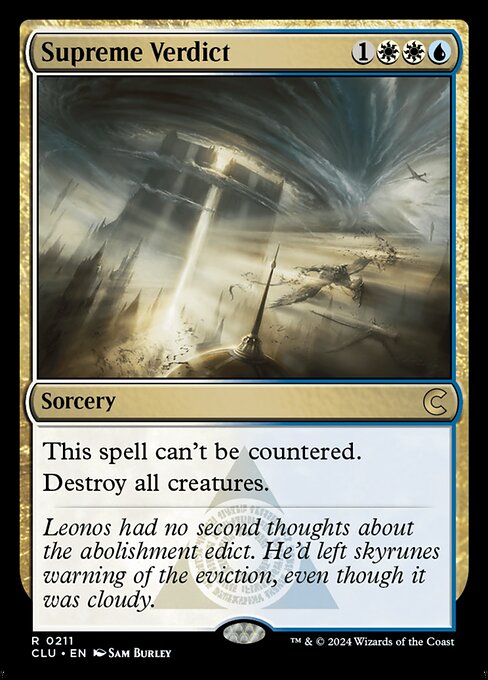
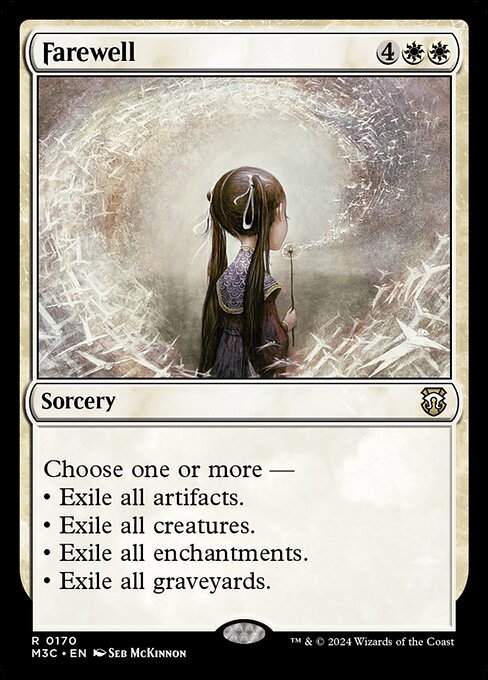
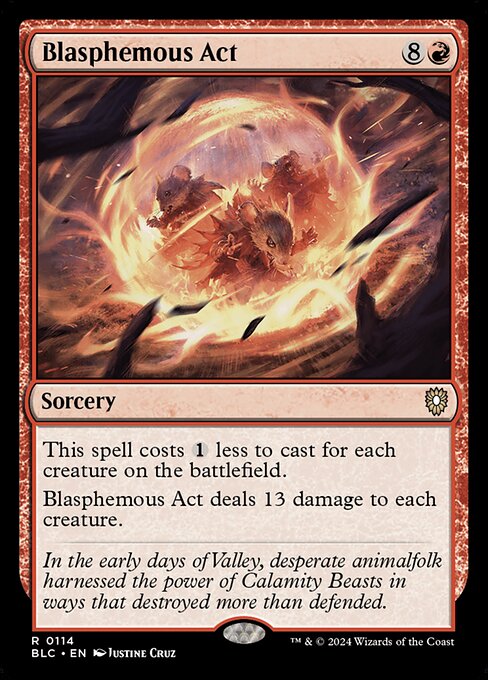
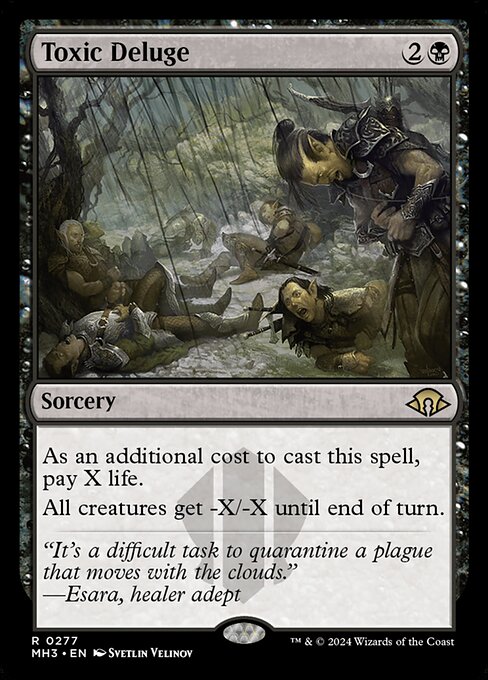
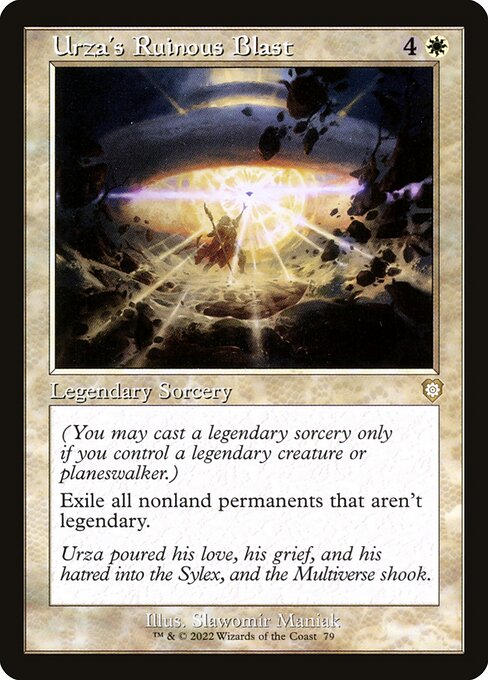
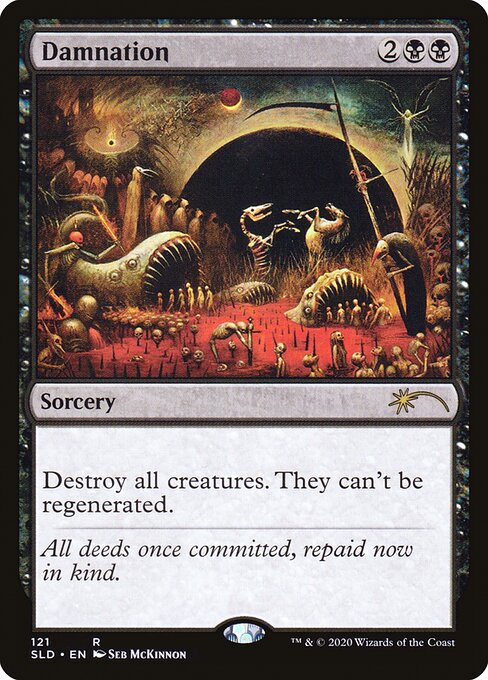
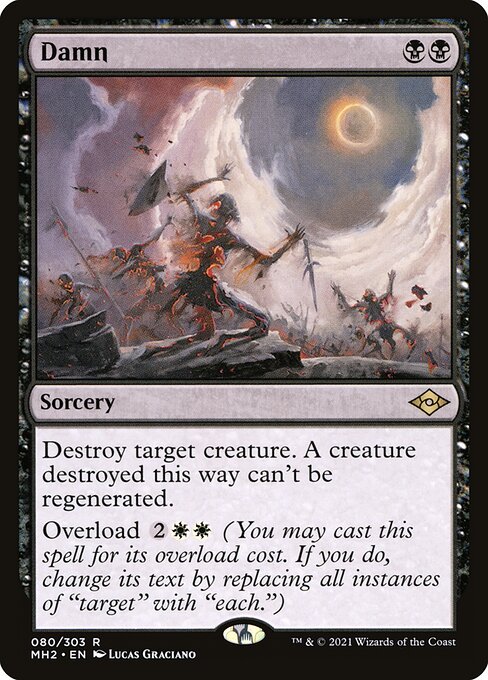
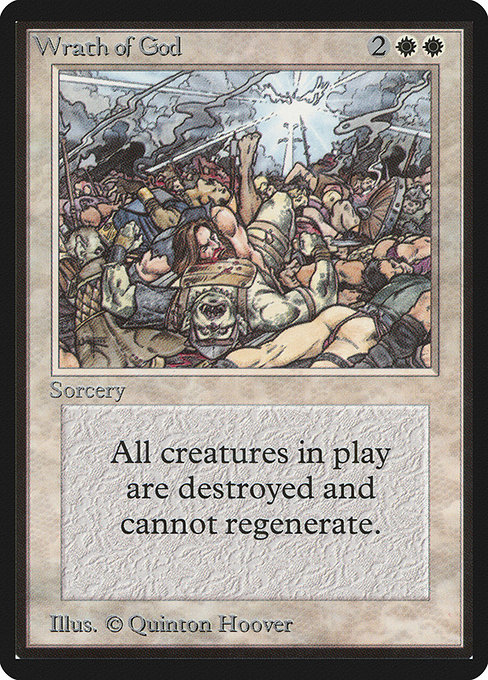
Superfriends decks often rely heavily on sweepers because Planeswalkers survive most versions of them.
Staples include: Supreme Verdict, Farewell, Blasphemous Act, Toxic Deluge, Urza's Ruinous Blast, Damnation, Damn, and Wrath of God, among others. A well-timed wipe often leaves your walkers uncontested.
Token Generation
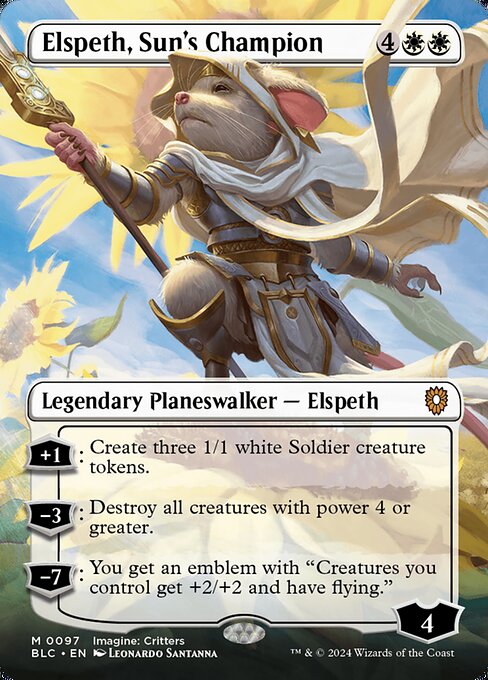
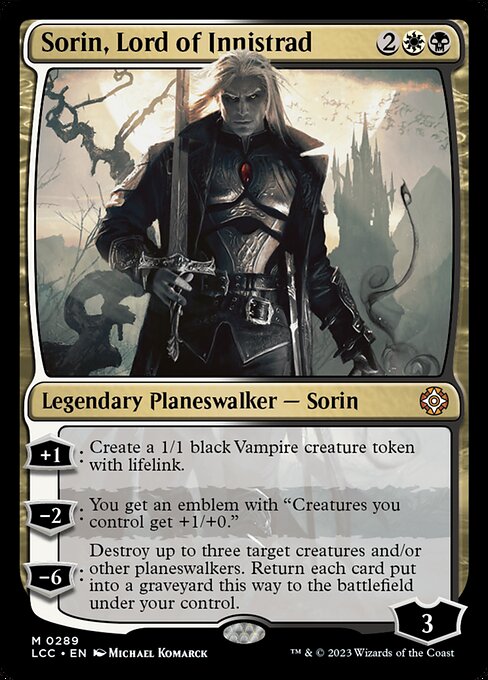
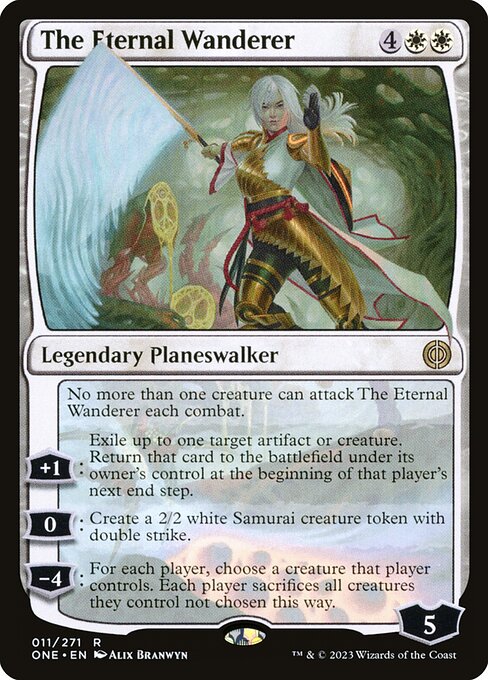
Many planeswalkers defend themselves naturally by creating tokens: Elspeth, Sun's Champion, Sorin, Lord of Innistrad, Liliana, Dreadhorde General, and The Eternal Wanderer are some good examples.
Graveyard Revival
Since all Planeswalker cards are Legendary Permanents, if we ever need to bring them back from the dead we can use cards like Primevals' Glorious Rebirth, Eerie Ultimatum, Triumphant Reckoning, and Ascend from Avernus to return all of them at once!
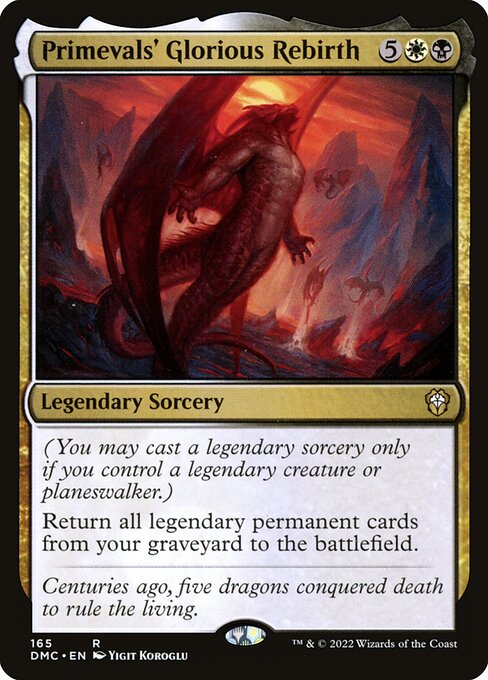
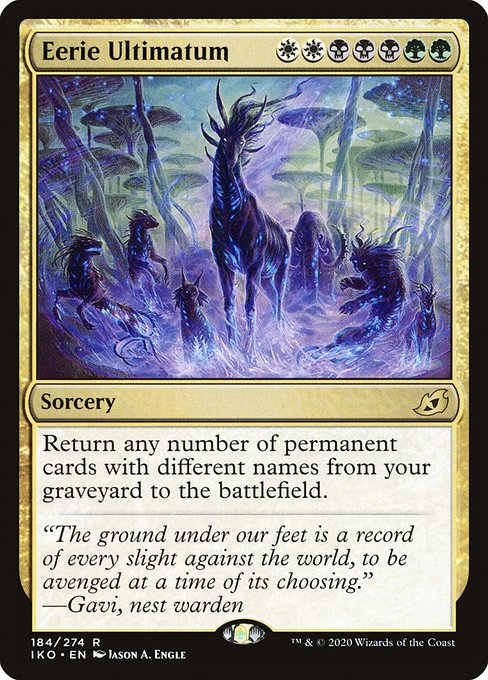
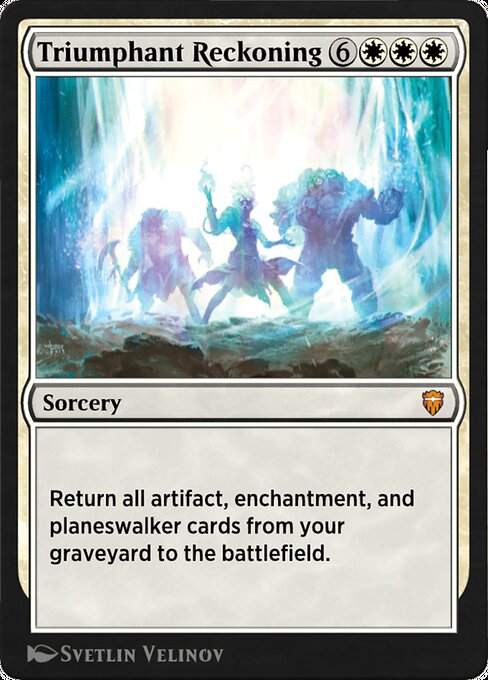
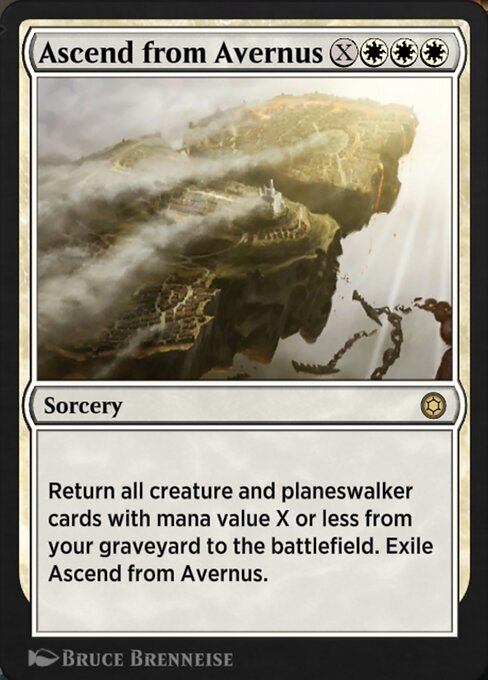
They’re expensive spells, but they’re there to help you flip a game when you have been playing for a long while and you have the mana and graveyard resources for it.
Proliferate and Loyalty Synergies
One of the strongest mechanics in Superfriends is Proliferate, and cards that amplify counters.
Proliferating is a way to passively increase pressure by making your Planeswalkers reach their best abilities faster than expected. Cards like
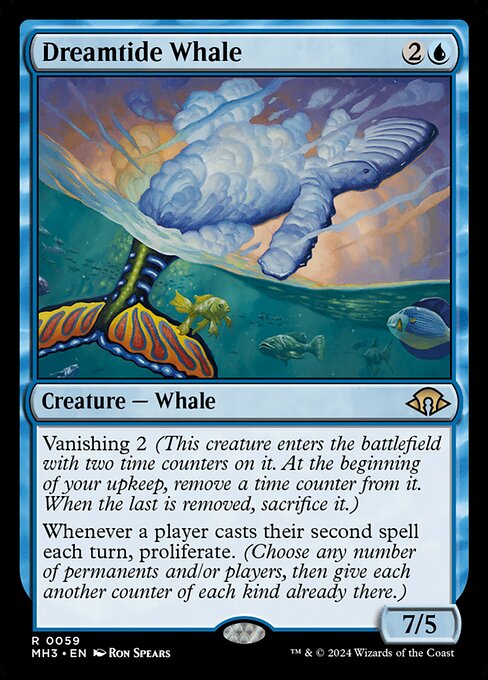
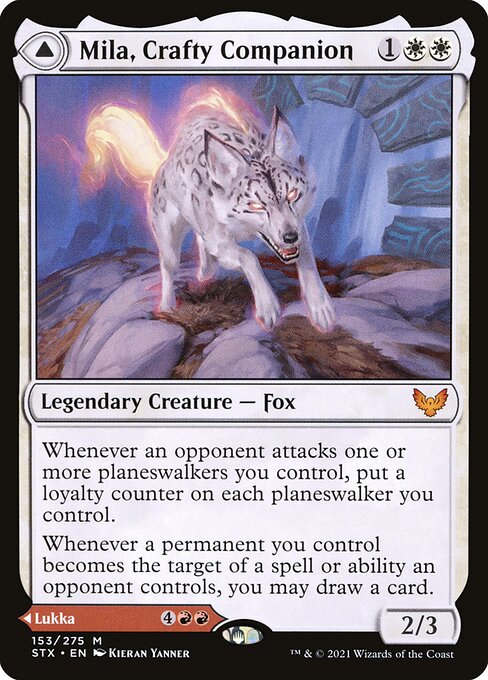
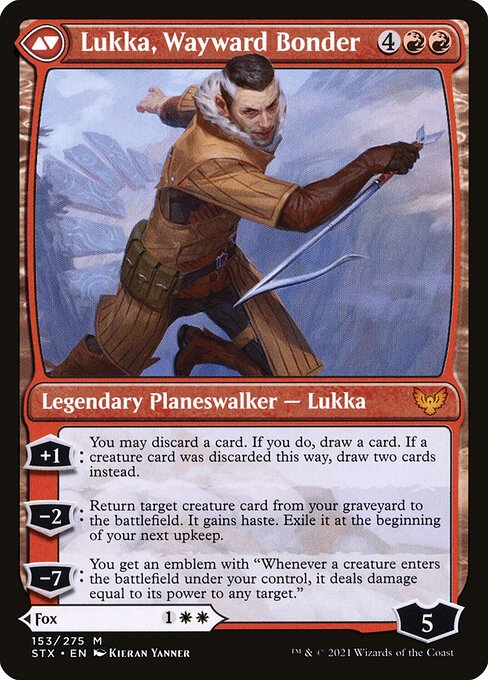
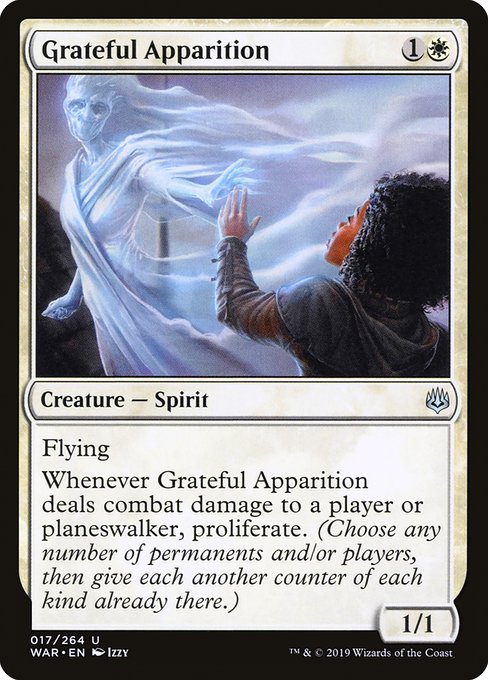
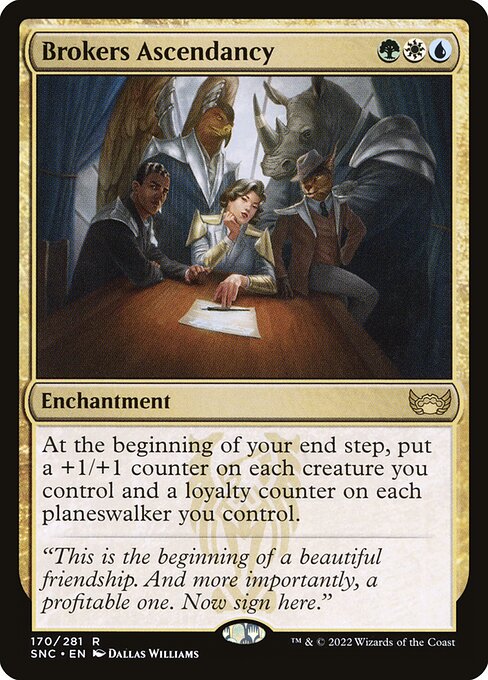
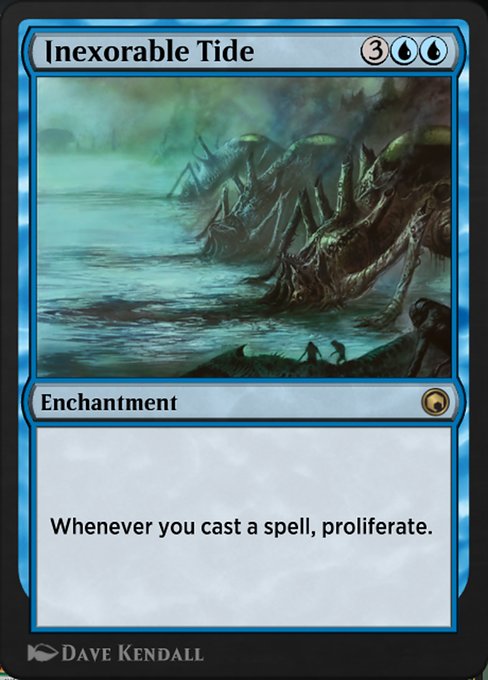
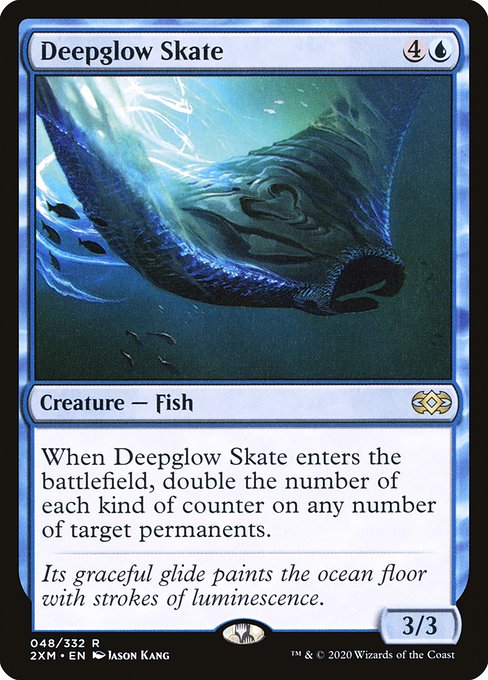
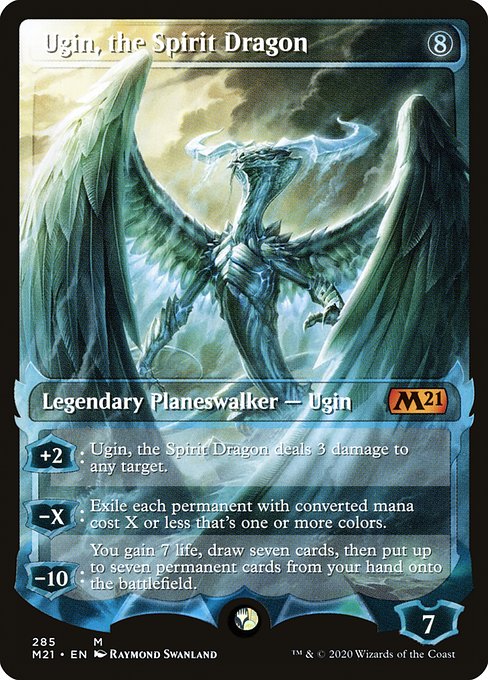
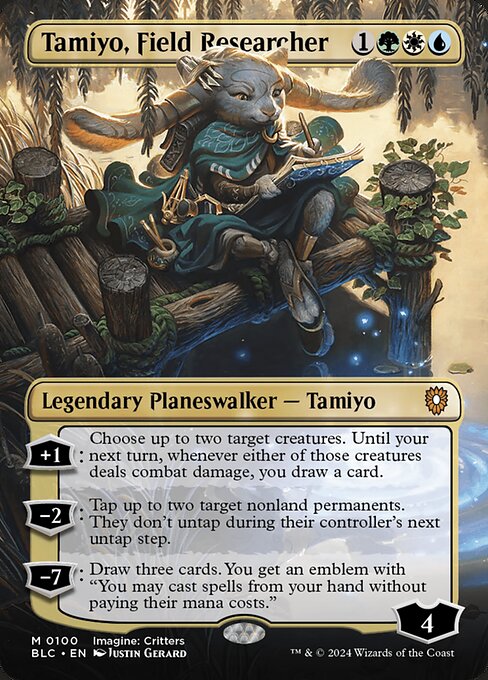
Other cards like Doubling Season, Vorinclex, Monstrous Raider, and Deepglow Skate can instantly enable ultimate abilities by duplicating all counters on a Planeswalker. This is one of the scariest aspects of the archetype, Planeswalkers that normally require several turns can immediately threaten game-ending ultimates.
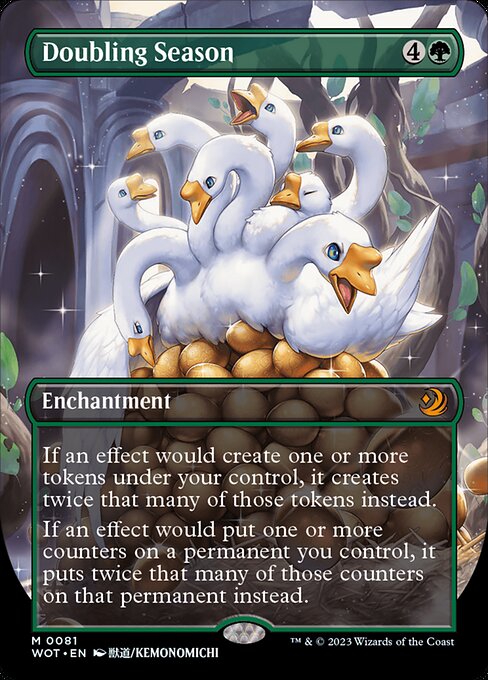
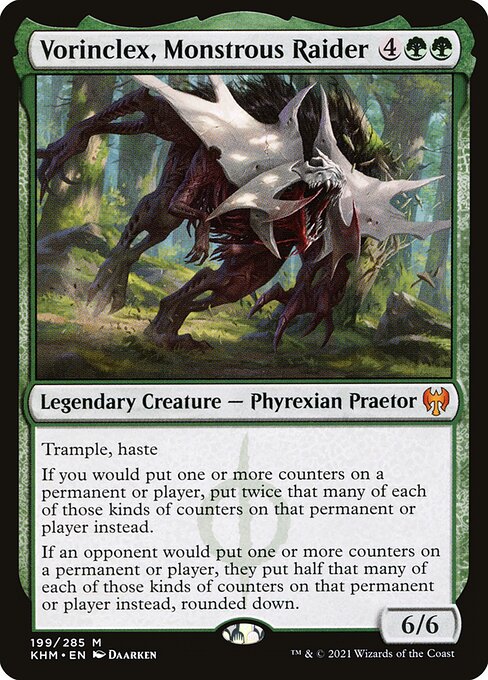
For example:
- Doubling Season plus Ugin, the Spirit Dragon
- Vorinclex, Monstrous Raider plus Tamiyo, Field Researcher
These interactions often force opponents into immediate panic.
Staple Superfriends Cards
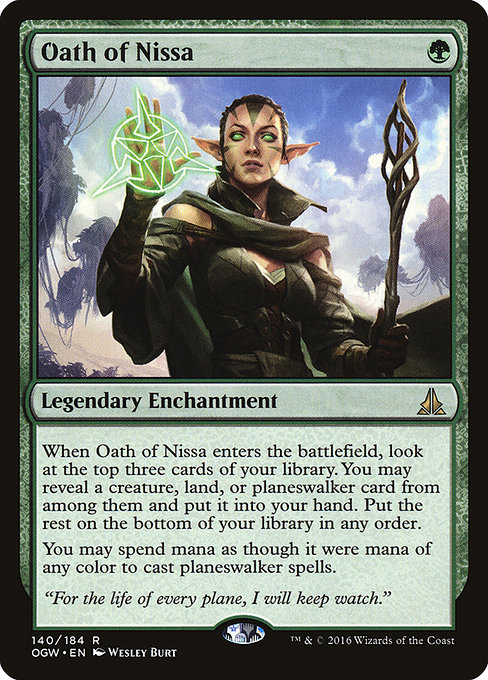
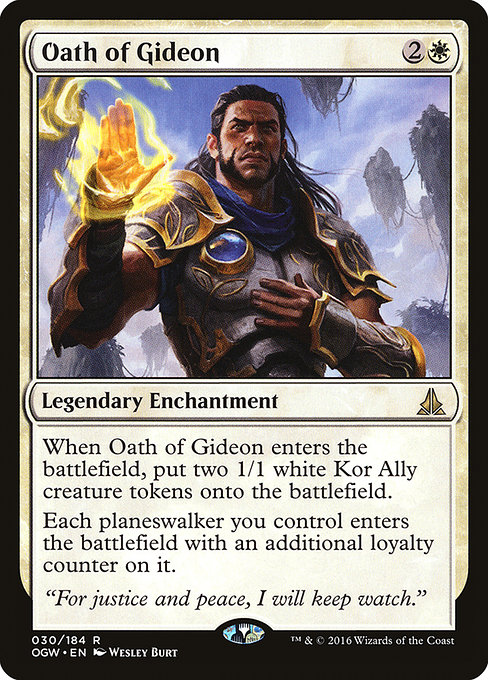
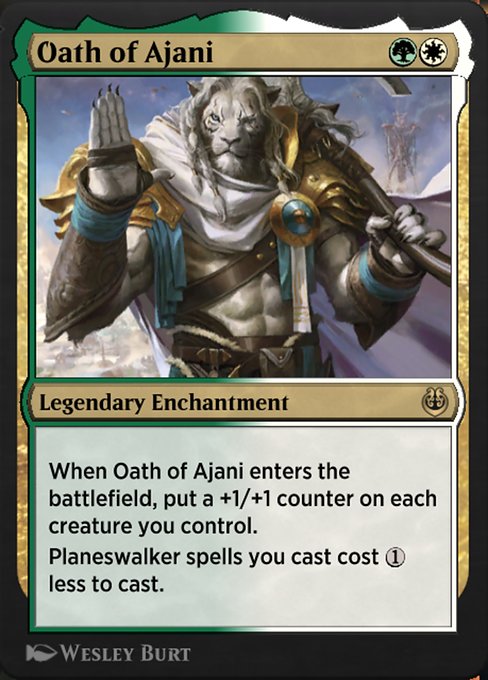
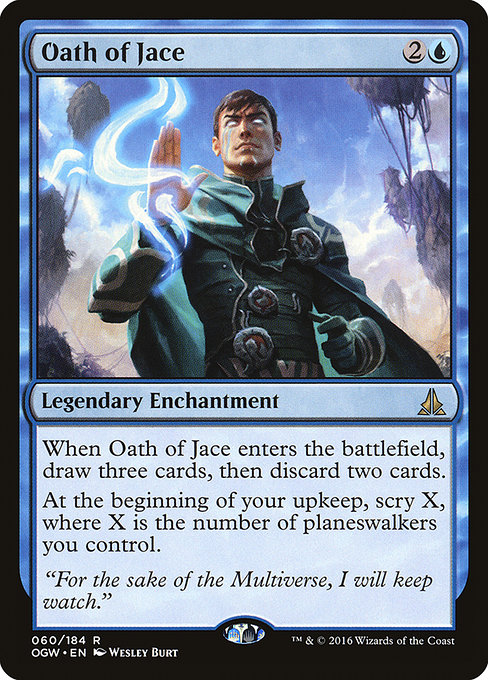
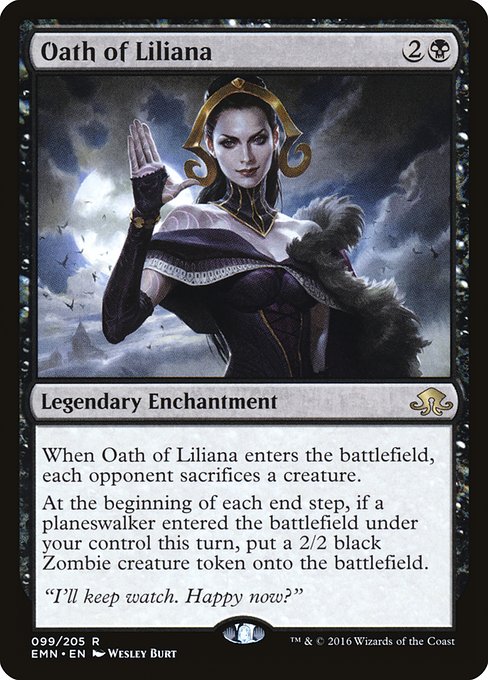
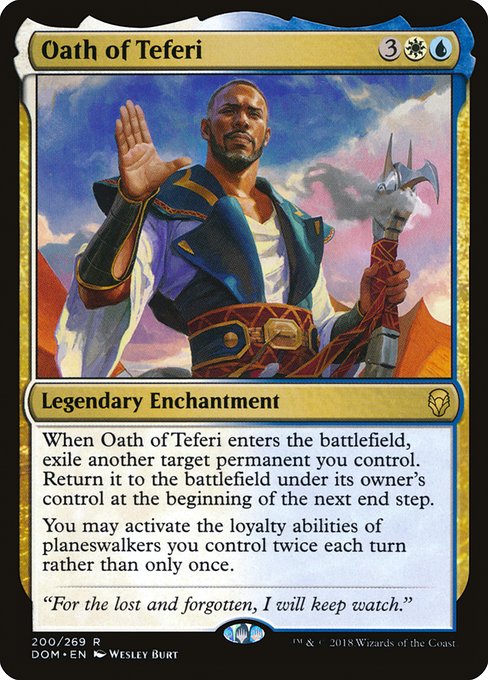
The Oaths are a collection of Legendary Enchantments that boost all of your Planeswalkers, and there’s one for every color you may need.
Oath of Nissa makes sure you always have the correct color of mana to cast Planeswalker spells.
Oath of Gideon creates 2 tokens to defend your walkers as well as providing an extra Loyalty counter to every walker that enters.
Oath of Ajani cheapens the cost of your walkers.
Oath of Jace lets you scry every one of your upkeeps, allowing you to best choose your next draws.
Oath of Liliana serves as an edict, as well as providing extra bodies whenever a Planeswalker enters your field.
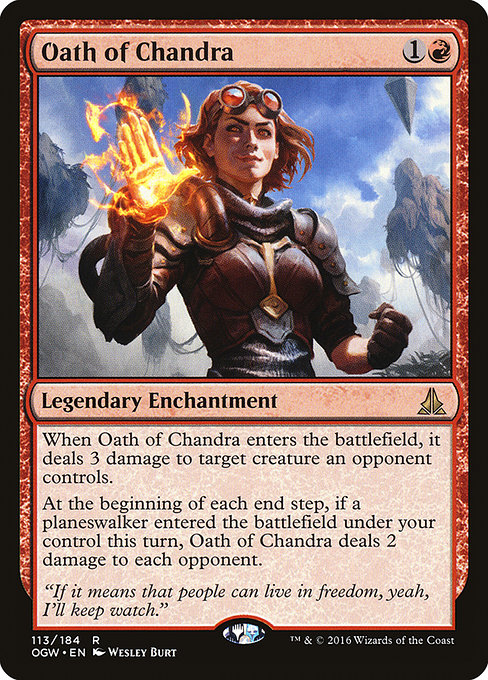
Oath of Chandra serves as cheap control, and also as a constant source of damage.
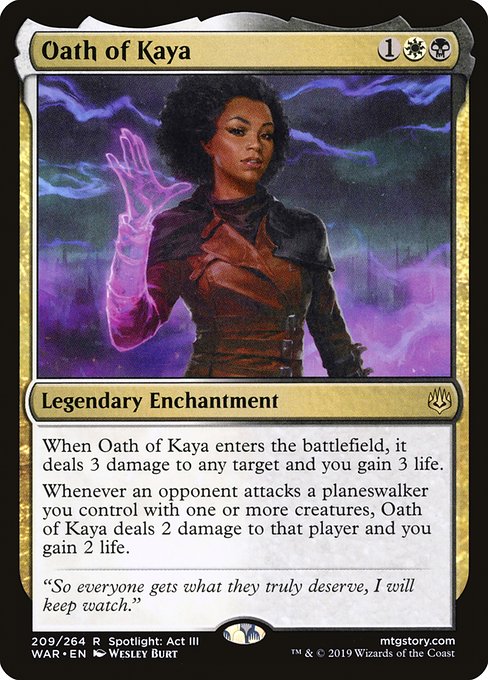
Oath of Kaya keeps you healthy and deters enemies from attacking you or your planeswalkers”].
Planeswalker Staples
Some walkers consistently overperform in Commander:
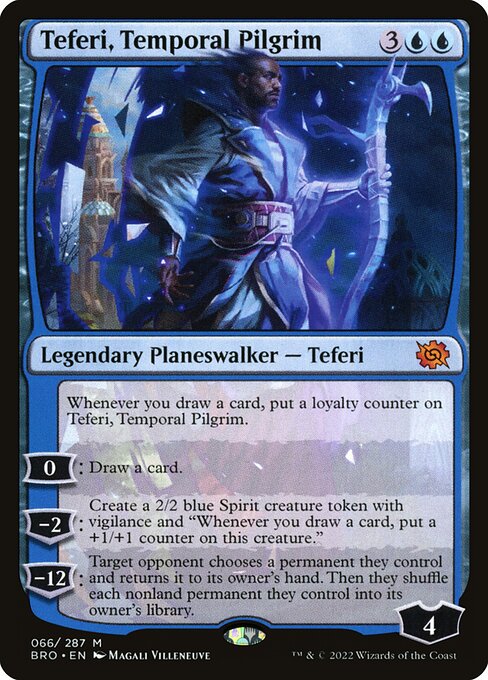
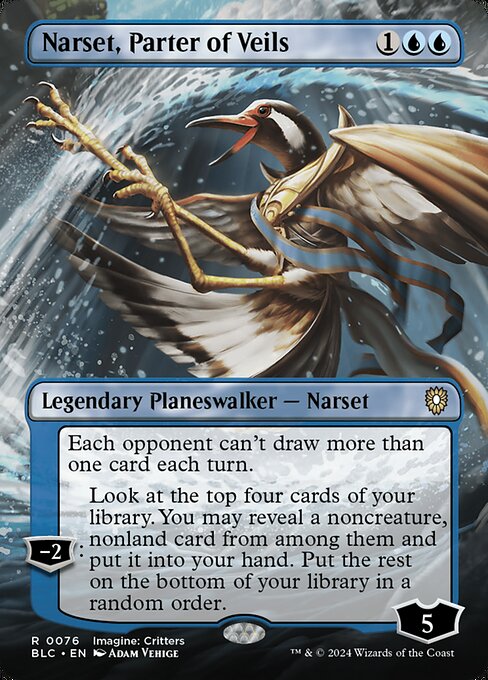
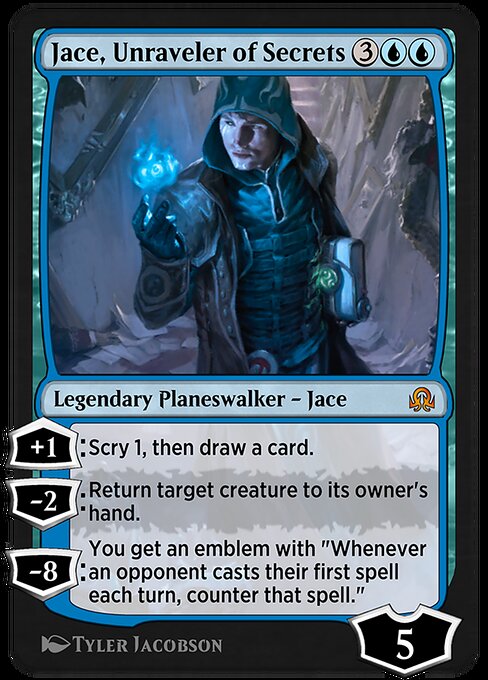
When it comes to Card Advantage walkers like Teferi, Hero of Dominaria, Teferi, Temporal Pilgrim, Narset, Parter of Veils, and Jace, Unraveler of Secrets are king.
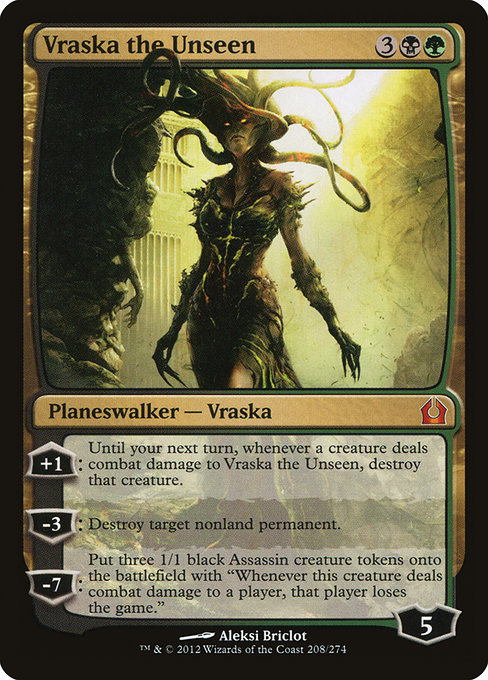
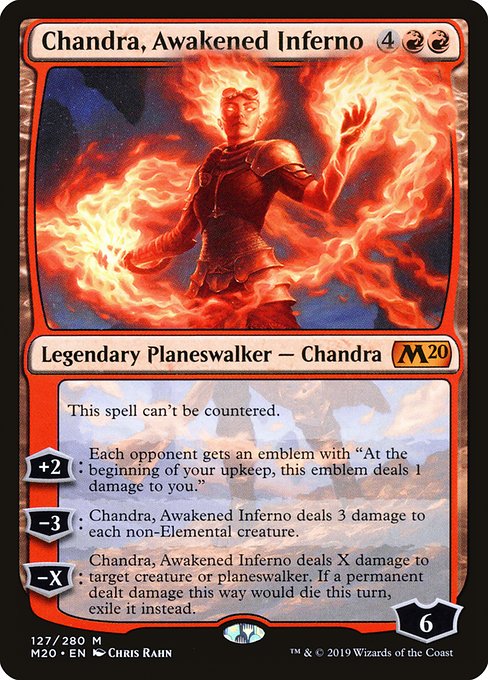
When it comes to Removal walkers like Ugin, the Spirit Dragon, Vraska the Unseen, Garruk, Cursed Huntsman, and Chandra, Awakened Inferno are some of the best.
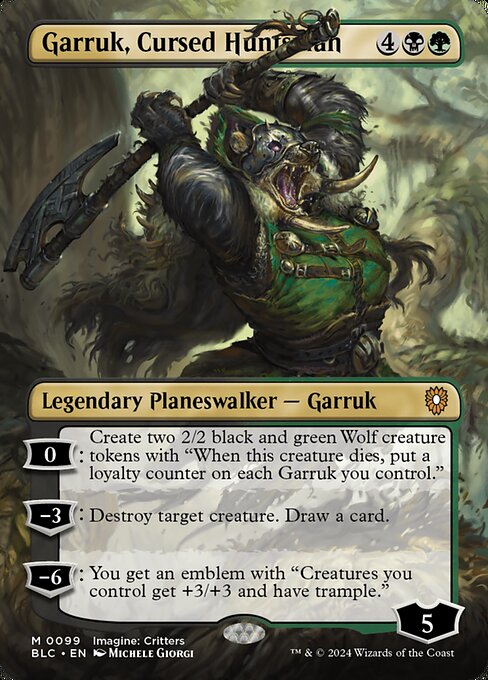
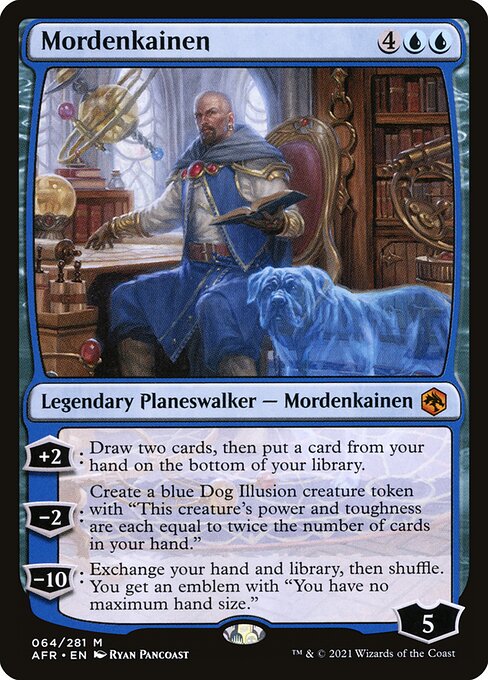
As for Token Production we have walkers like Elspeth, Sun's Champion, Garruk, Cursed Huntsman, The Eternal Wanderer, and Mordenkainen.
How Superfriends Wins
Superfriends decks rarely win quickly. Instead, they grind opponents into submission with constant Loyalty activations until our walkers can reach their Ultimate Abilities.
Ultimate Abilities
The most iconic win condition for Planeswalkers is their ultimates. Teferi, Hero of Dominaria, Ugin, the Spirit Dragon,
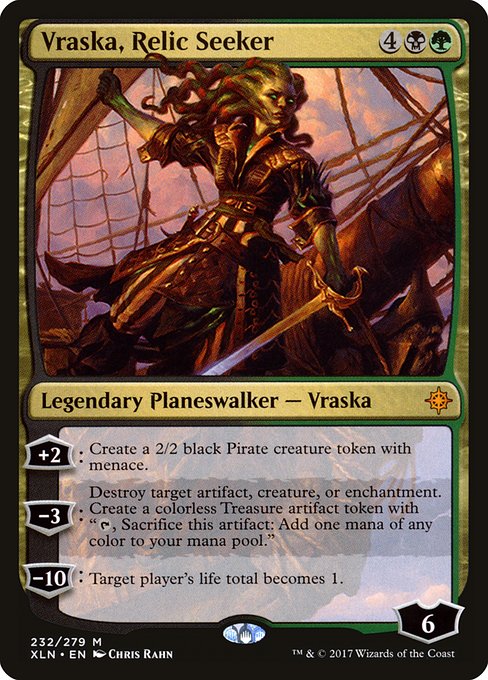
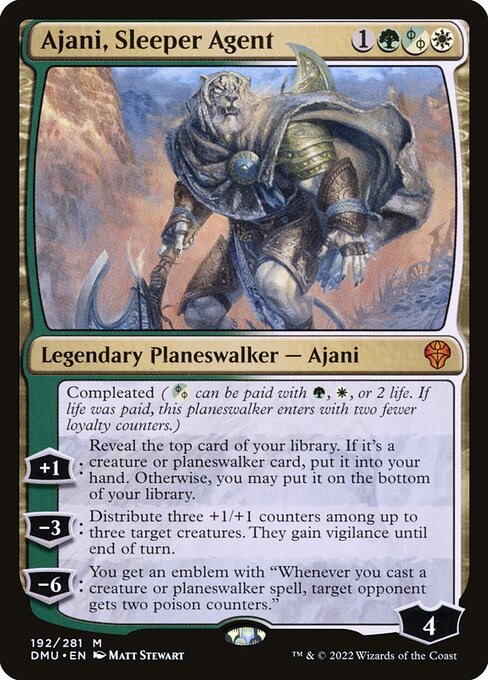
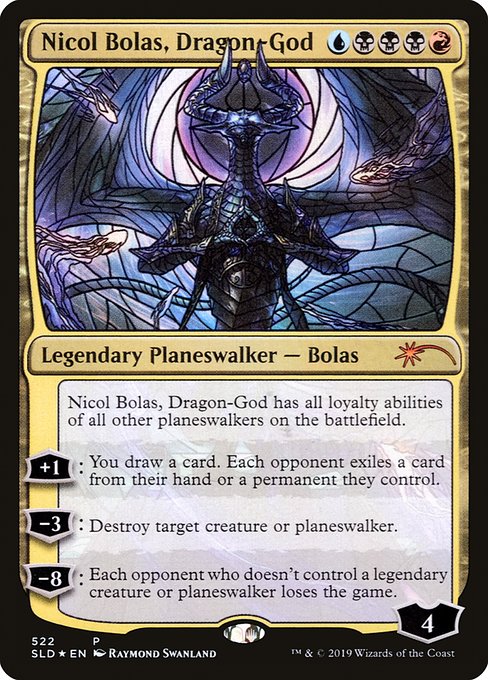
Others ways of winning rely on your desired gamepath. You could win by overwhelming the board with tokens, or you could win by stacking Emblems of Chandra, Awakened Inferno activating her multiple times with a
Weaknesses of Superfriends
Despite its power, the archetype has many weaknesses.
Aggro Pressure: Fast creature decks can overwhelm walkers before they stabilize.
Focused Removal: Cards like The Elderspell which directly targets and kills walkers can cripple your board.
Threat Perception: Once opponents recognize what your deck is about, you become the archenemy quickly. Managing politics and setting up your defenses before it’s too late is crucial.
Politics and Multiplayer Dynamics
Superfriends is naturally threatening, but smart players use politics to survive.
You can:
- Offer removal deals on targets that are more pressing
- Direct attacks elsewhere by making yourself be an unappetizing target
- Use Planeswalkers to help certain opponents temporarily
This social aspect is critical in any multiplayer Commander.
A good Superfriends pilot knows when to appear harmless and when to take over the game.
The Future of Superfriends
As Wizards continues printing Planeswalkers and synergies involving them, Superfriends remains one of the most supported archetypes in Commander. The issue isn’t having more cards that support the archetype, but actually the direct opposite: having to choose between so many good options and keeping the “fat” of your deck well trimmed.
Cards that interact and help Planeswalkers continue to be printed every set, and because Planeswalkers are such iconic cards, the archetype will likely remain popular for years to come.
Final Thoughts
Superfriends is one of Commander’s most dramatic and rewarding archetypes. It turns the game into a battle of value, where every turn cycle matters and every activation compounds your advantage.
It’s not the fastest strategy, but it doesn’t need to be. Once a Superfriends deck stabilizes, it often feels impossible to stop.
Whether you enjoy control, politics, combo finishes, or overwhelming value, Superfriends offers one of the most unique experiences in EDH. There’s something deeply satisfying about watching an army of Planeswalkers slowly dominate the table together.
Because in the end, that’s what the archetype is really about: assembling a team of legendary figures and letting them take over the game.