


When Wizards of the Coast announced a full crossover with J.R.R. Tolkien’s legendary fantasy world, reactions were mixed. Some players were excited to see one of the most influential fantasy settings ever created receive the Magic treatment, while others worried that Universes Beyond products might feel disconnected from the game’s identity.
The Lord of the Rings: Tales of Middle-earth quickly put those concerns to rest.
Not only did the set become one of the best-selling Magic releases of all time, but it also delivered something many crossover products struggle to achieve: mechanically unique cards that felt perfectly aligned with their source material. Sauron truly felt like an unstoppable dark lord commanding endless armies. Aragorn united the Free Peoples of Middle-earth under a single banner. Tom Bombadil transformed Sagas into one of Commander’s most entertaining archetypes, while Shelob turned unsuspecting creatures into food for her monstrous brood.
Commander players embraced the set immediately. Staples such as Orcish Bowmasters, The One Ring, and Delighted Halfling became format-defining cards almost overnight; and not just on Commander but also on formats such as Modern. Beyond the staples, the set also introduced dozens of legendary creatures capable of supporting entirely new archetypes.
The most impressive aspect of the set may be how distinct its commanders feel. Unlike many Commander products where legends often overlap mechanically, the heroes and villains of Middle-earth encourage wildly different strategies. Some overwhelm the board with armies, others reward careful deckbuilding around specific card types, while a few create entirely new ways to approach familiar archetypes.
This article showcases some of the most popular Lord of the Rings Commanders, let’s go on and see these 4 decks:
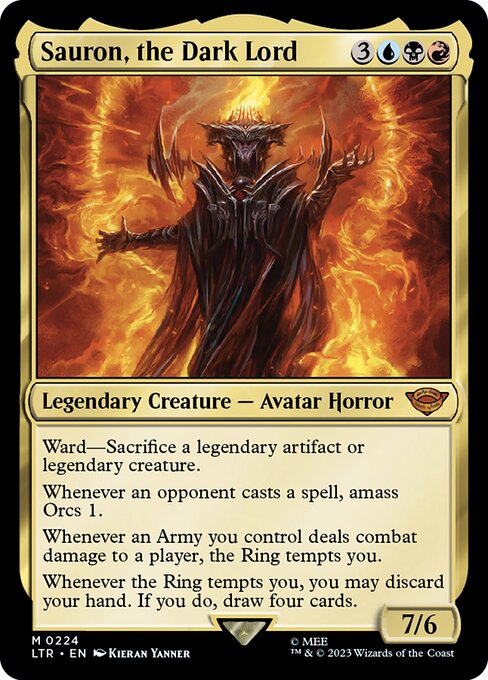
Sauron, the Dark Lord – Amass, Attrition, and Control
This deck is much more than an Amass deck.
First we will explore the angle of overwhelming our opponents at every step of the way with the power of Sauron, the Dark Lord. The gameplan is quite simple: draw cards, amass armies, recur your best threats, and grind value until your opponents buckle beneath an ever-growing mass of Orcs.
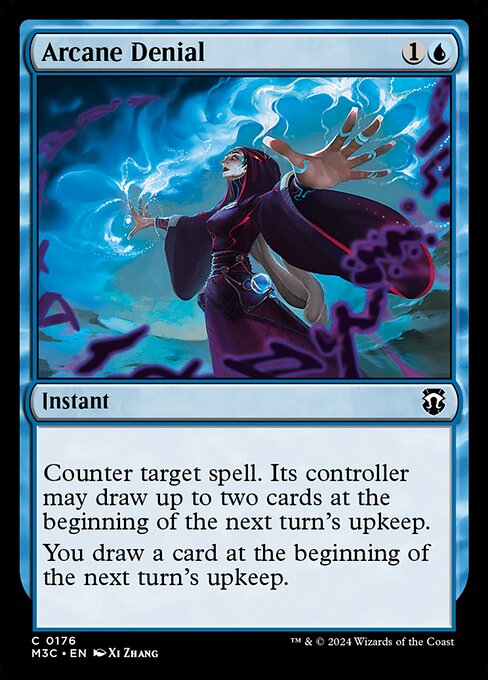
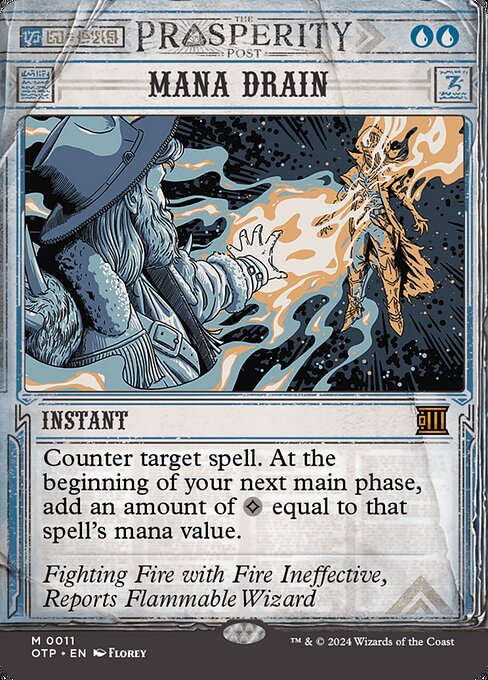
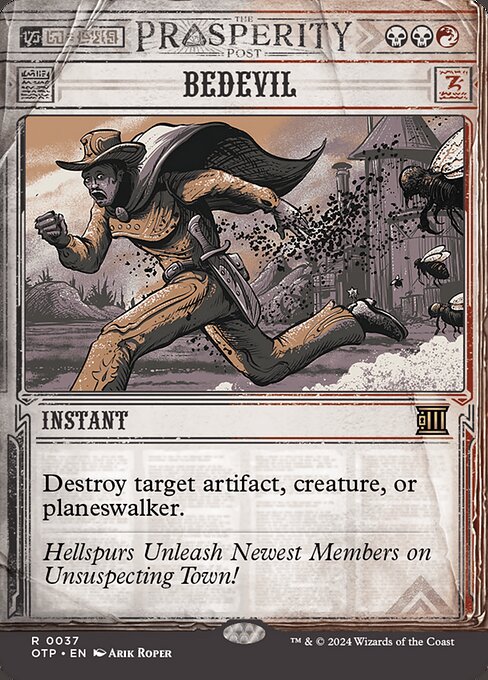
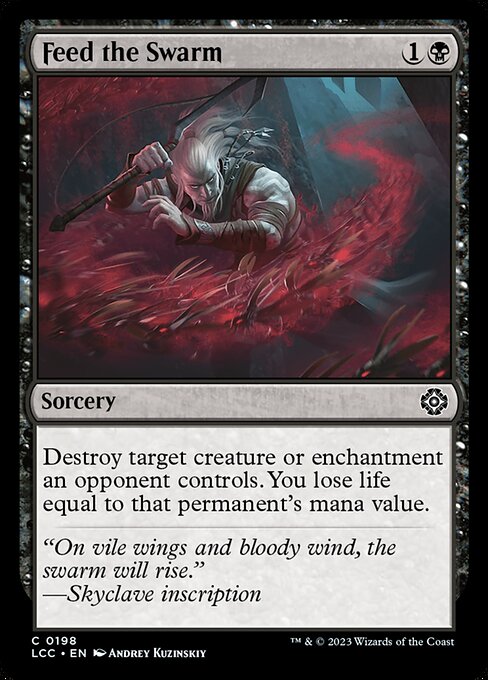
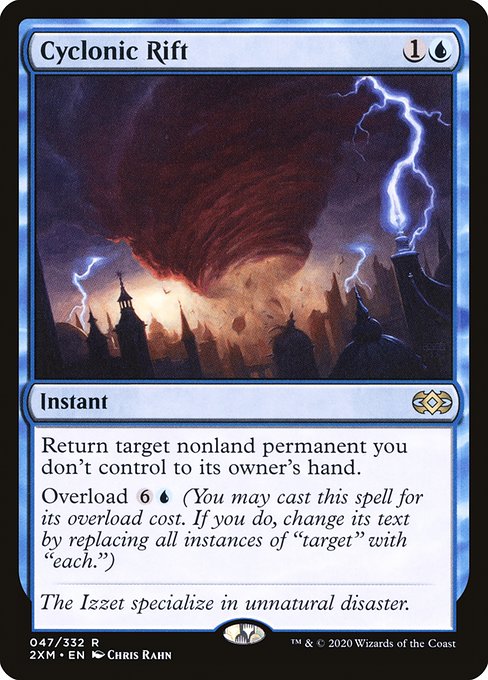
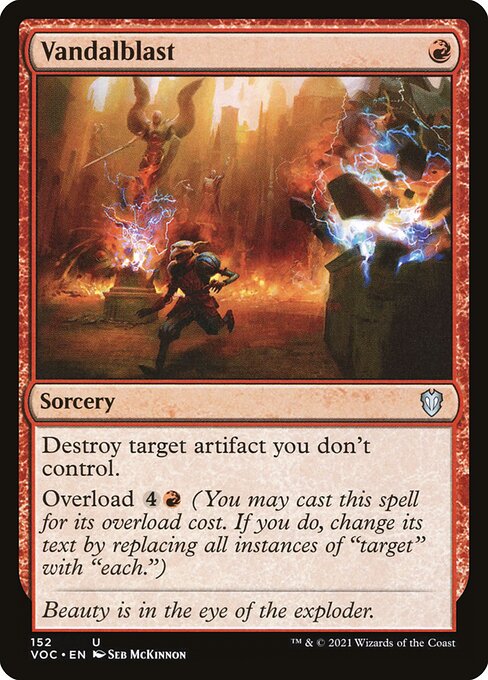
The deck operates as a classic Grixis control shell during the early turns. Interaction pieces such as Arcane Denial, Mana Drain, Bedevil, Feed the Swarm, Cyclonic Rift, and Vandalblast ensure opponents never establish comfortable board states. Unlike dedicated control lists that seek to win through a small number of finishers, Sauron is simultaneously the value engine and the win condition.
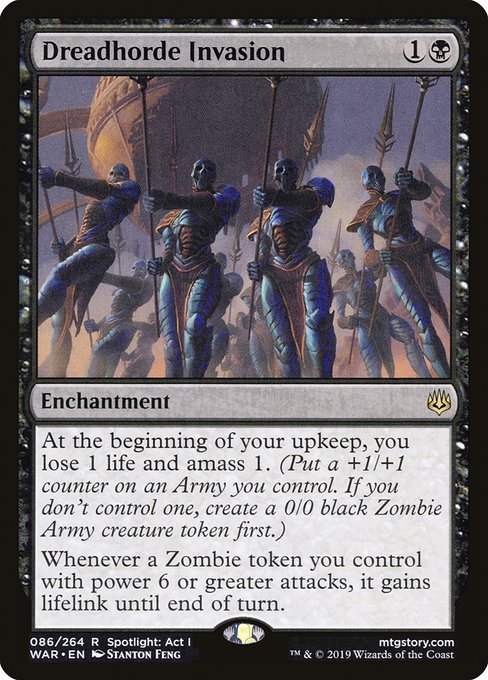
A particularly important aspect of the deck is the density of Amass cards. Dreadhorde Invasion, Mordor Muster, March from the Black Gate, Invade the City, Commence the Endgame, and Mindless Conscription continually increase the size of the Army. Because Amass adds counters to an existing token rather than creating new ones, the deck naturally builds a singular, massive threat that becomes difficult to race in combat.
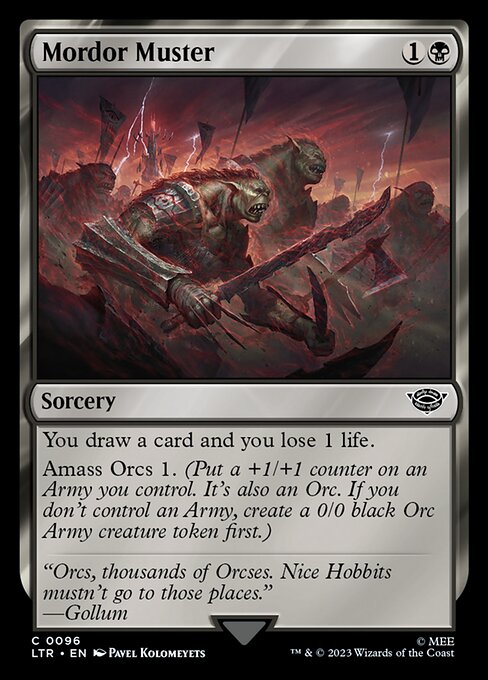
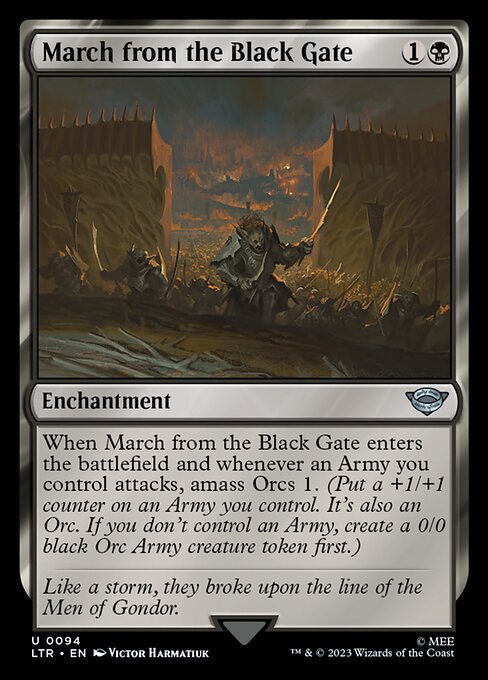
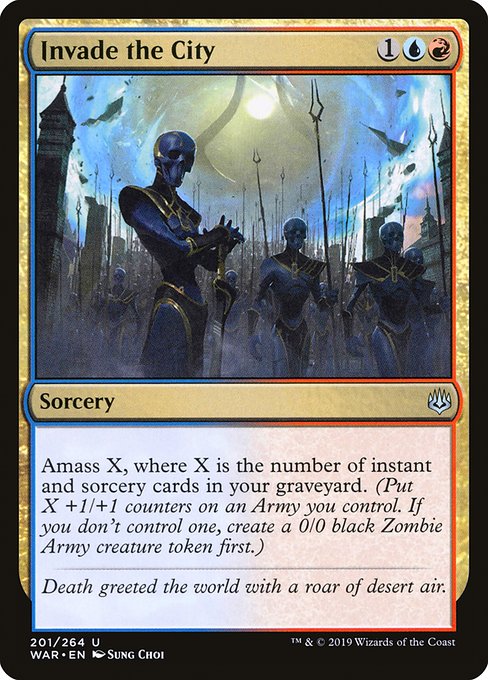
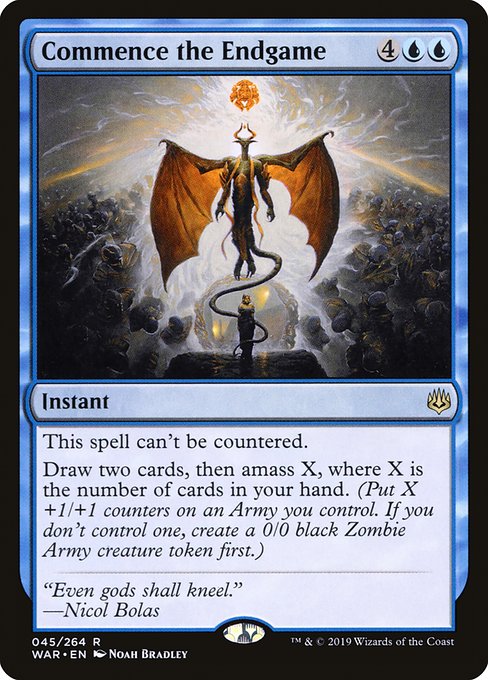
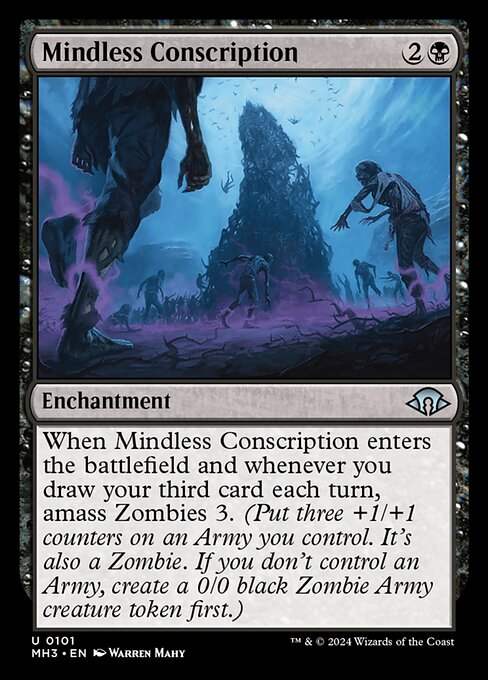
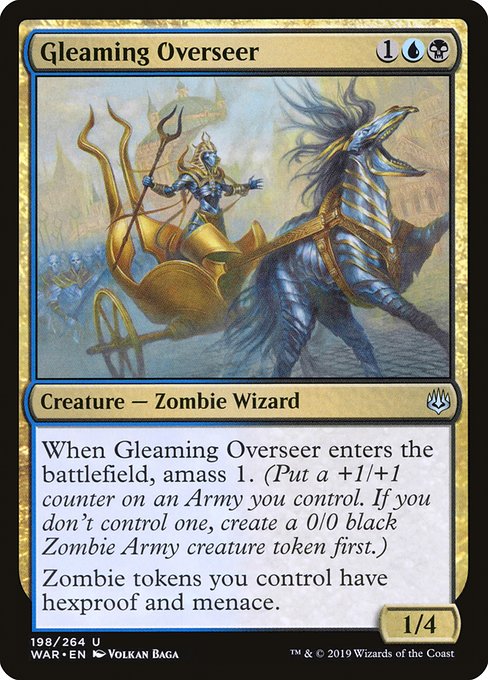
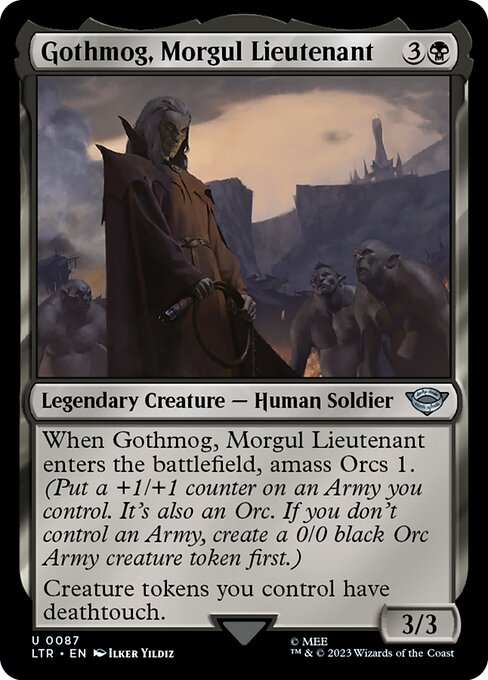
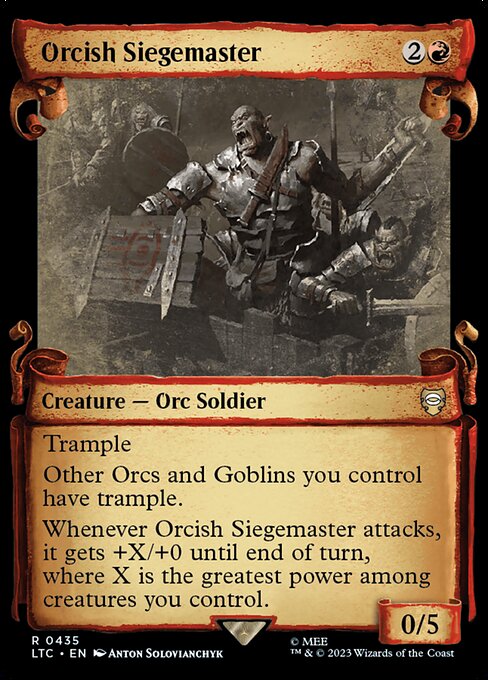
The support creatures make that Army even more dangerous. Gleaming Overseer grants hexproof and menace, making removal and blocking significantly harder. Gothmog, Morgul Lieutenant rewards attacks and sacrifices, while Orcish Siegemaster turns combat into a nightmare for opposing creatures. Together they transform a simple token strategy into a relentless war machine.
One of the most interesting inclusions is All Will Be One. Because Amass repeatedly places counters onto the Army token, every trigger translates directly into damage. What begins as a token engine suddenly becomes a legitimate burn strategy capable of eliminating creatures, planeswalkers, and eventually players themselves. Combined with repeated Amass effects, the enchantment can represent enormous amounts of damage over the course of a game.
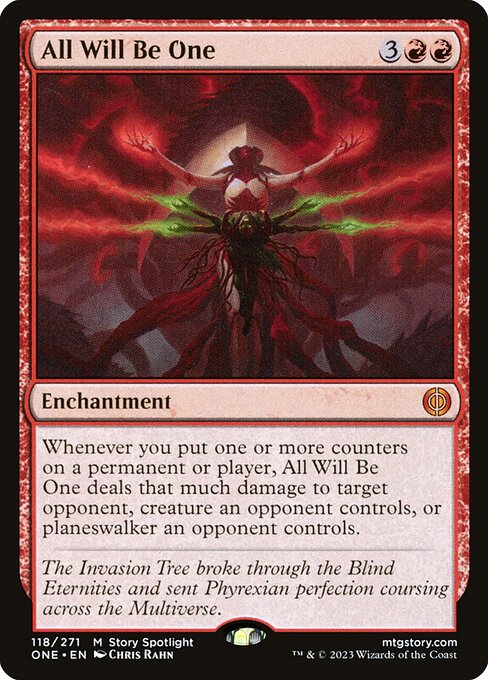
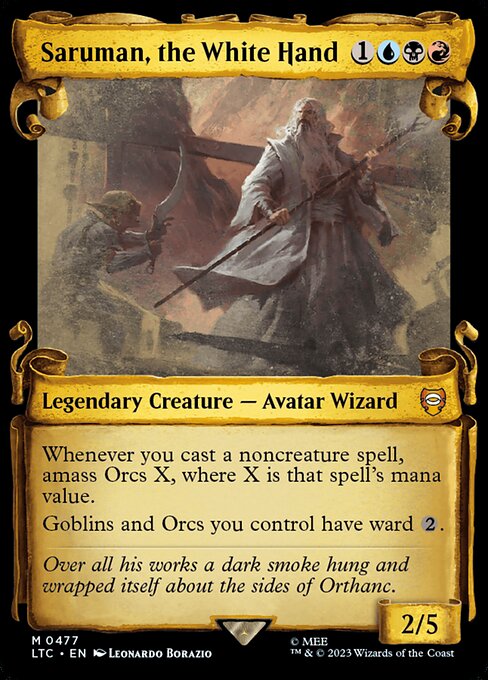
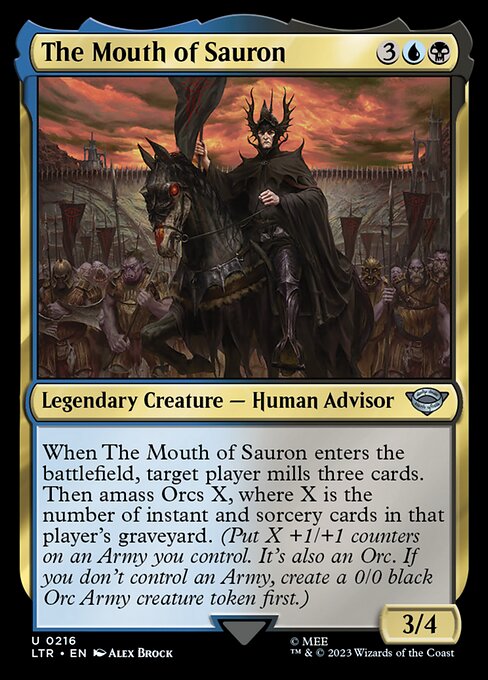
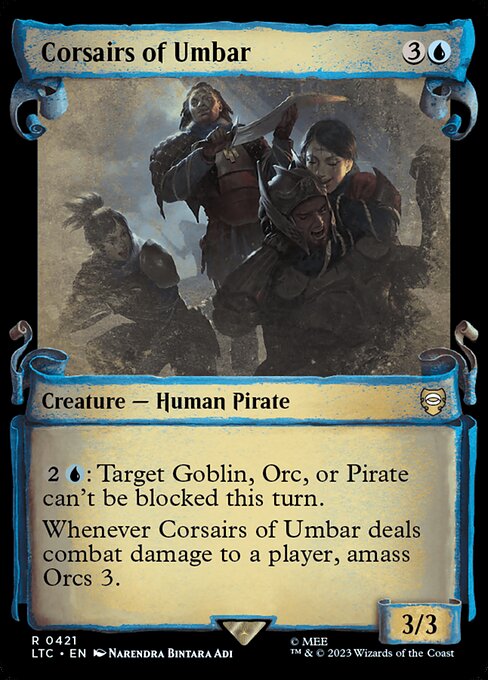
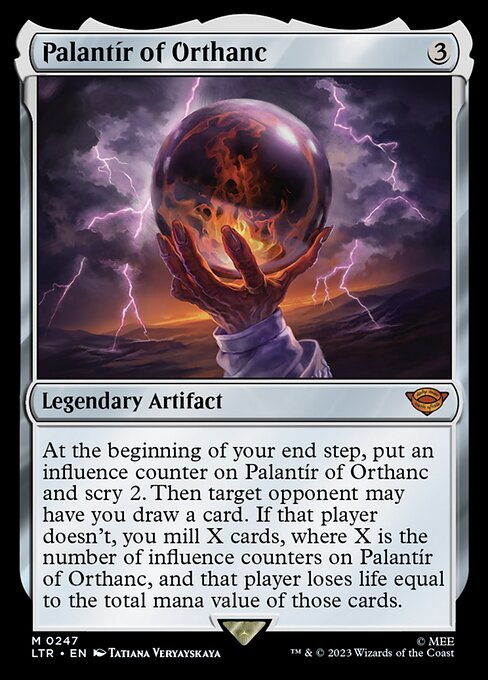
The deck also embraces the flavor of Mordor through cards such as Saruman, the White Hand, The Mouth of Sauron, Corsairs of Umbar, and Palantír of Orthanc. These cards generate value while reinforcing the theme of overwhelming military conquest. The result feels less like a generic Grixis deck and more like an actual Middle-earth army marching toward victory.
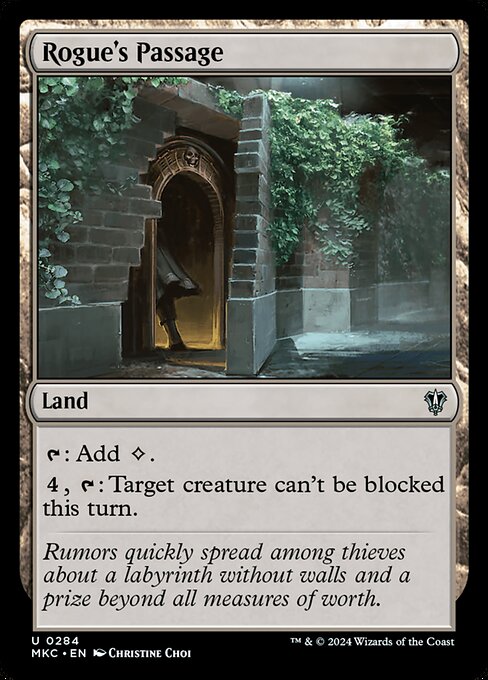
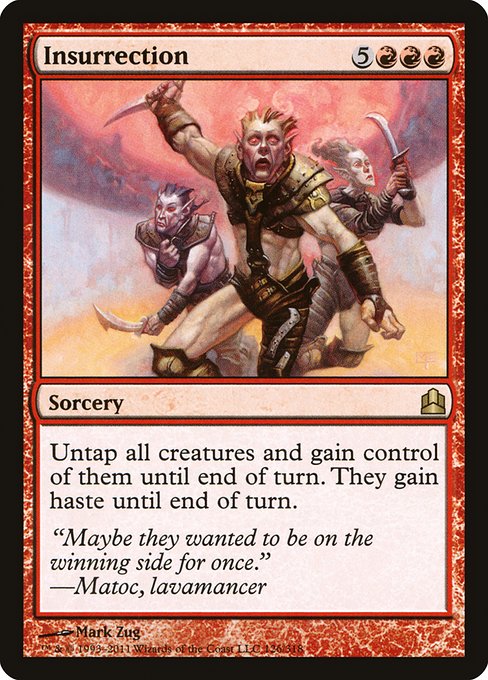
Winning typically happens in one of three ways. The first is simply attacking with a gigantic Army token, often made unblockable through Rogue's Passage or difficult to stop thanks to menace and support effects. The second comes from explosive damage generated by All Will Be One alongside repeated counter placement. The third is the classic Grixis finisher route, using cards like Insurrection or Living Death to completely swing the game in a single turn.

What makes the deck special is that every path feels like Sauron. The deck doesn’t merely play powerful cards, it recreates the feeling of an unstoppable Dark Lord slowly grinding resistance into dust before delivering the final blow.
Check out the deck here:
Creatures (18)
Instants (12)
Sorceries (15)
Artifacts (11)
Enchantments (8)
Lands (36)
100 Cards
$1244.76
Aragorn, the Uniter – The Free Peoples United
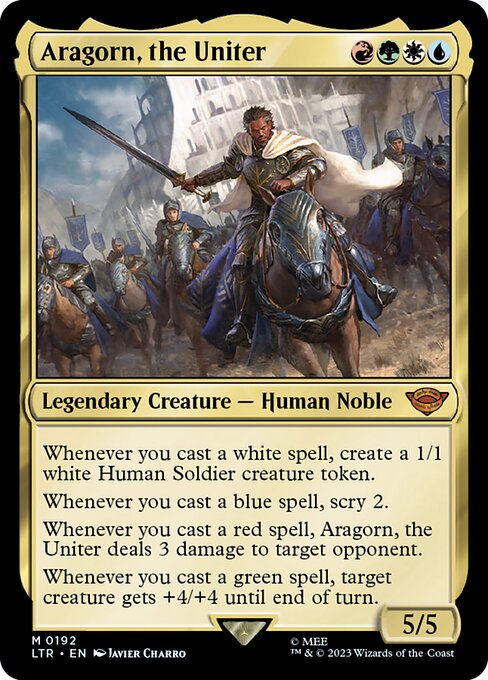
If Sauron represents overwhelming force and inevitable conquest, Aragorn, the Uniter represents exactly the opposite side of Middle-earth’s greatest conflict. Rather than relying on a singular threat, Aragorn rewards cooperation, synergy, and the combined strength of many different heroes working toward a common goal.
Mechanically, he may be one of the most elegant designs in the entire Lord of the Rings set.
Each color contained within a spell rewards you with a different trigger. White creates creatures, blue draws cards, red deals damage, and green places counters on creatures. The result is a commander that naturally encourages players to cast multicolored spells, transforming every card into a miniature value engine. What makes this especially appealing in Commander is that it rewards something many players already love doing: playing legendary creatures.
This deck embraces that concept fully.
The list is packed with heroes from across Middle-earth. Boromir, Warden of the Tower, Boromir, Gondor's Hope, Éomer, King of Rohan, Éowyn, Shieldmaiden, Éowyn, Fearless Knight, Faramir, Prince of Ithilien, and Faramir, Steward of Gondor all contribute meaningful effects while simultaneously triggering Aragorn’s abilities.
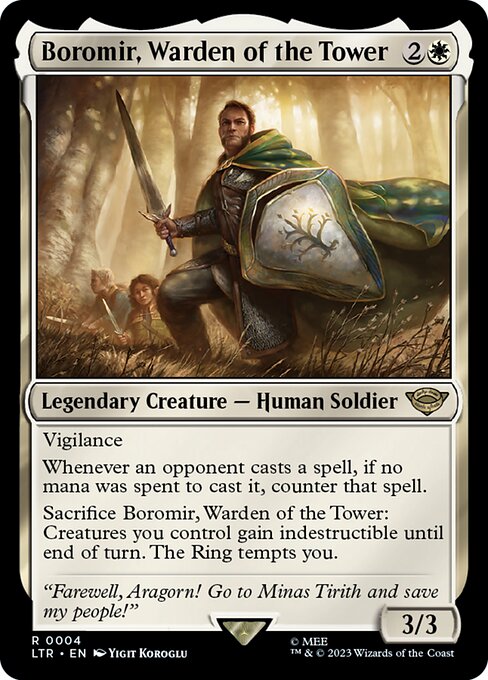
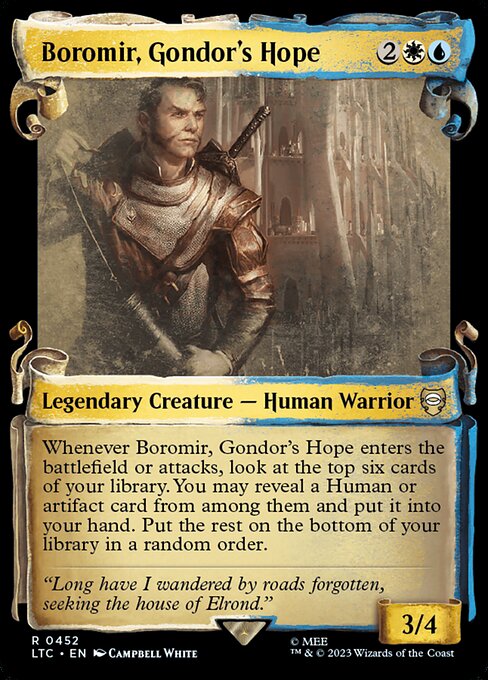
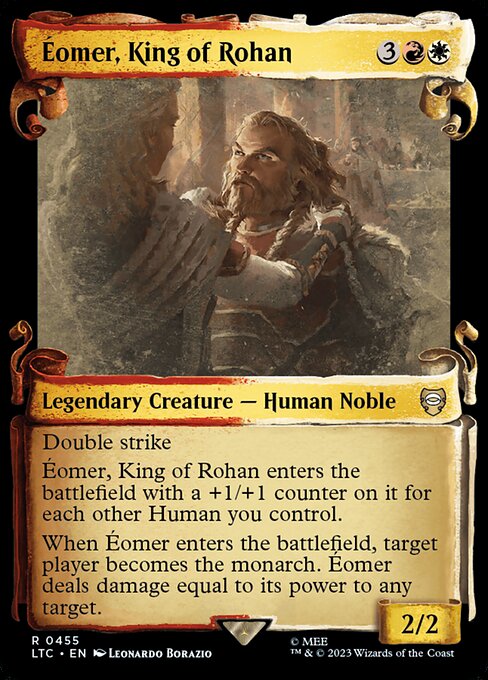
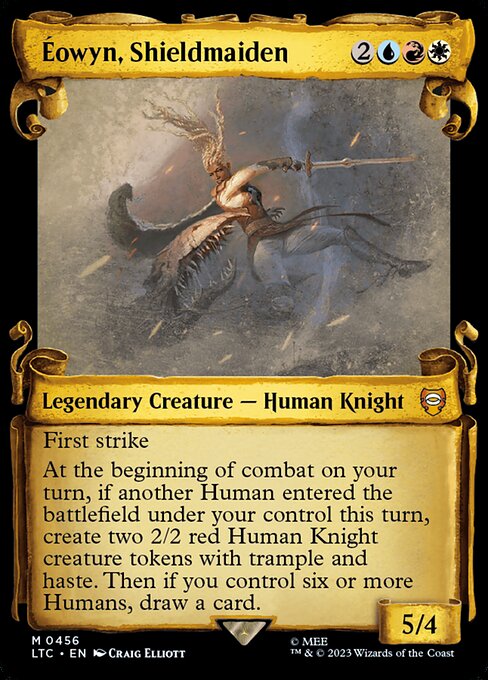
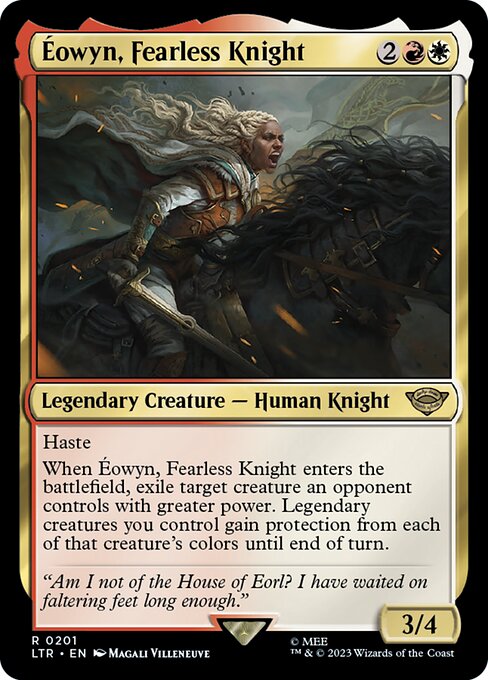
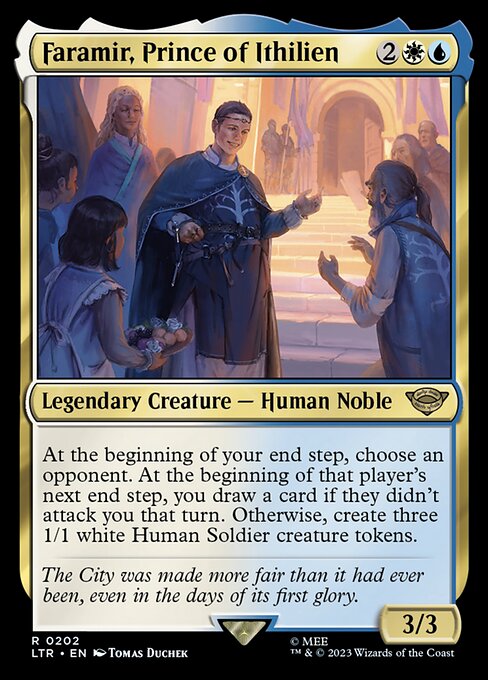
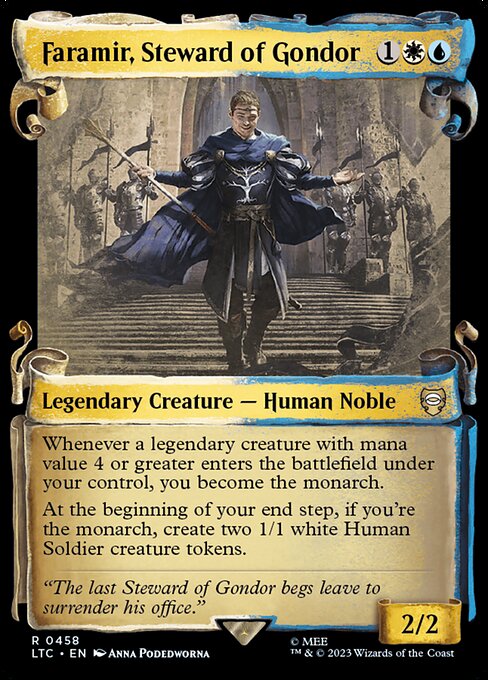
Unlike many tribal or legendary strategies that focus on a single creature type, this deck operates more like a coalition. Every legendary creature contributes something unique, and together they create a board state that becomes increasingly difficult to answer.
One of the most powerful themes throughout the deck is multicolor synergy. Cards such as Bant Charm, Naya Charm, Jeskai Charm, Temur Charm, and Cabaretti Charm do far more than their text boxes suggest. Each one potentially triggers multiple Aragorn abilities simultaneously, creating creatures, drawing cards, distributing counters, and removing threats all from a single spell.
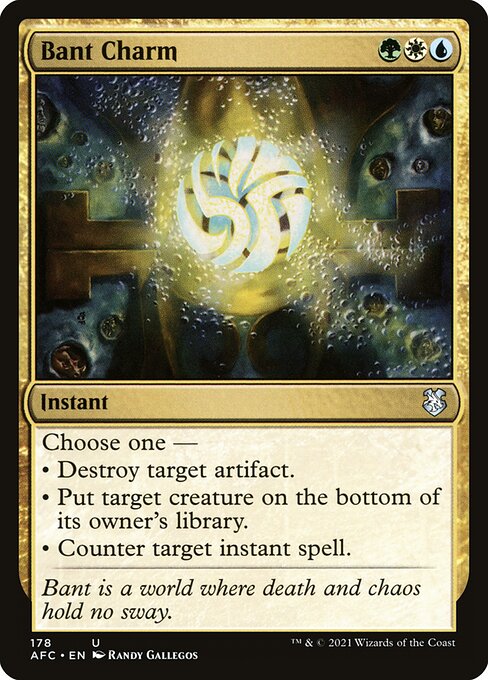
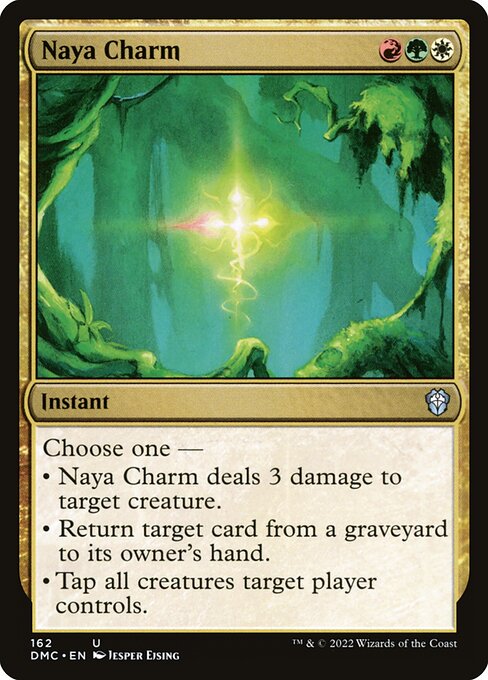
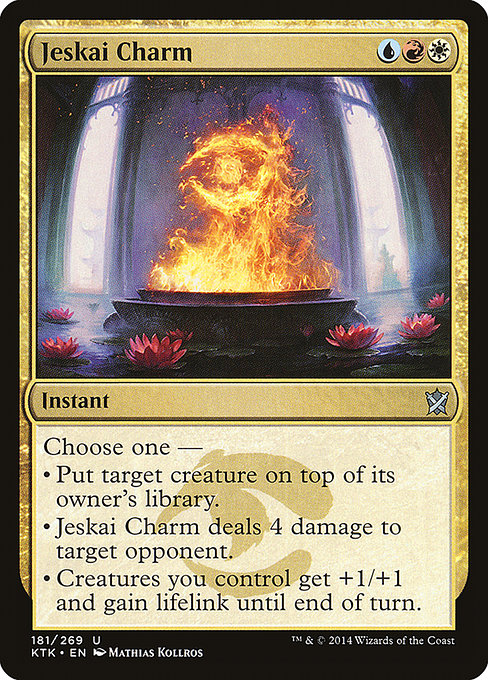
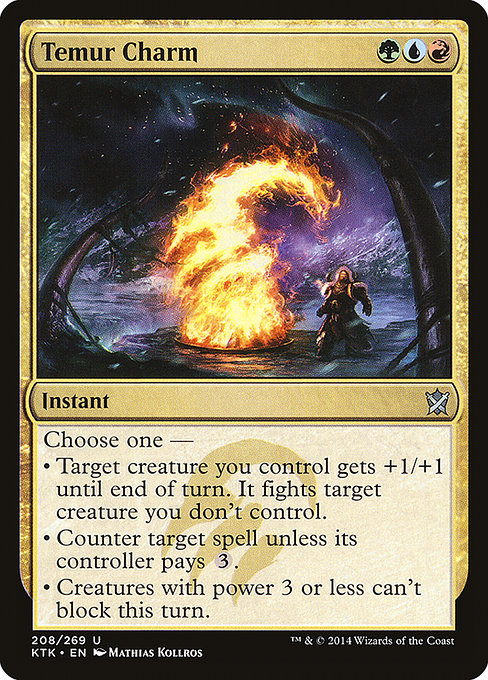
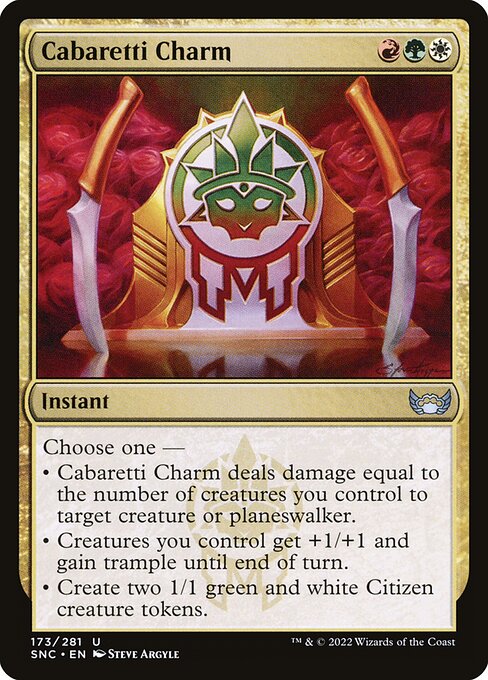
The deck also includes numerous cards that specifically reward casting multicolored spells. Hero of Precinct One continuously generates tokens while General Ferrous Rokiric produces substantial Golem threats. These cards ensure that simply playing the game naturally develops an increasingly dangerous battlefield.
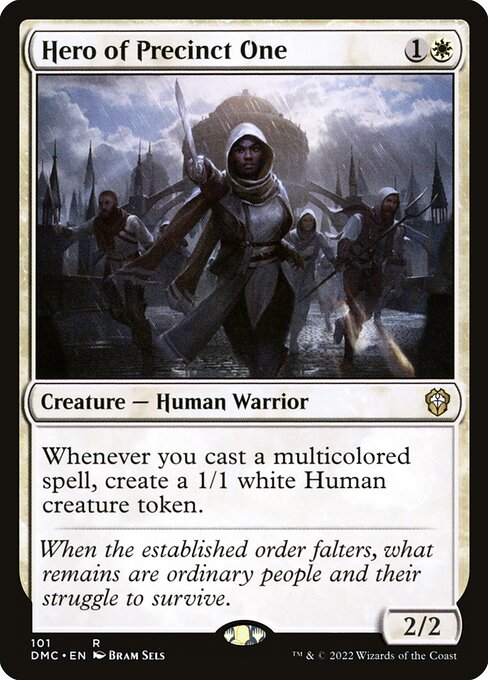
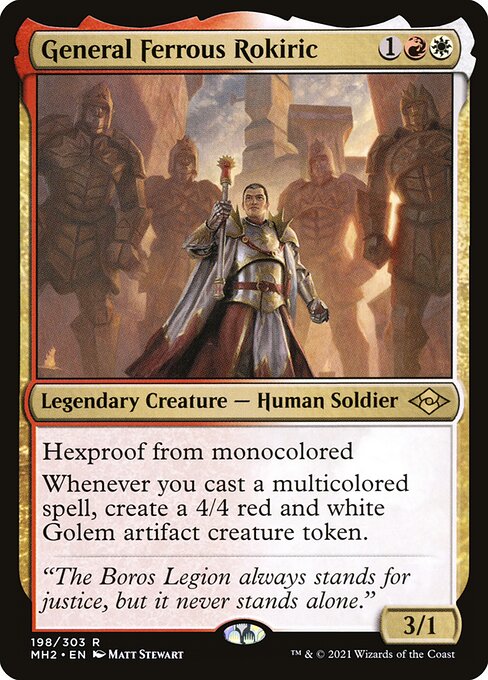
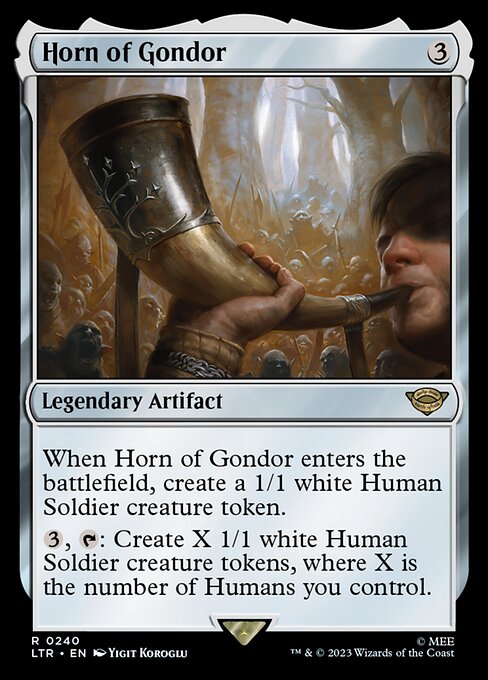
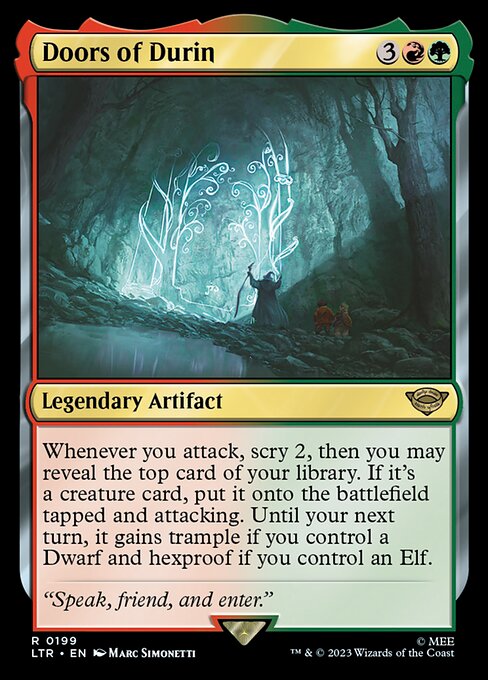
The legendary theme extends beyond creatures. Horn of Gondor creates an army worthy of Minas Tirith while Doors of Durin allows the deck’s many legends to generate even more pressure. Meanwhile Roaming Throne doubles many of the deck’s most important triggers, turning already powerful value engines into overwhelming advantages.
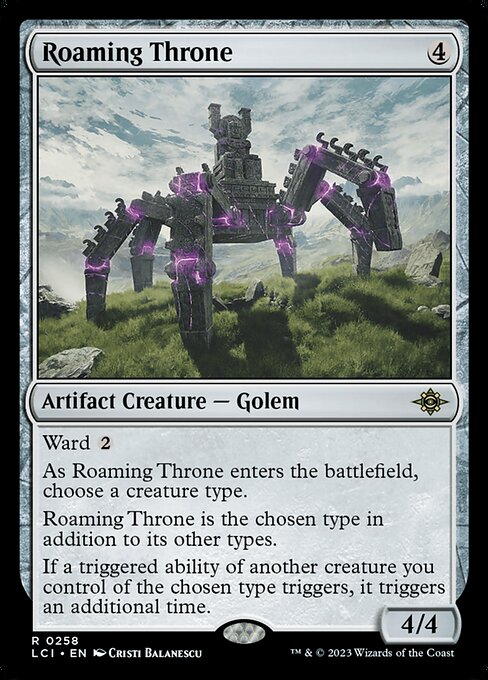
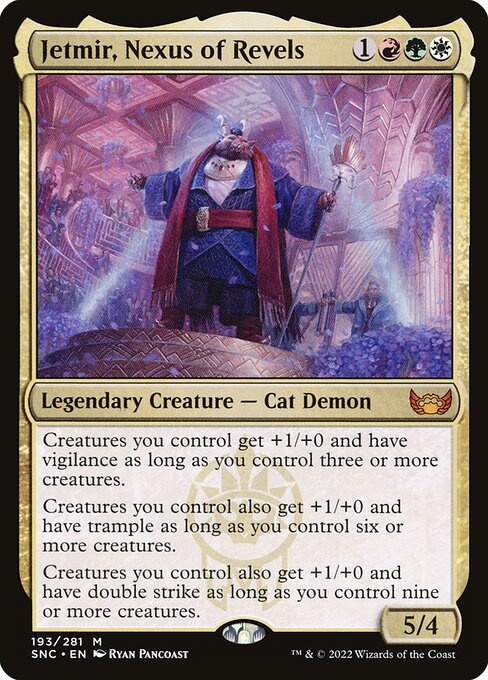
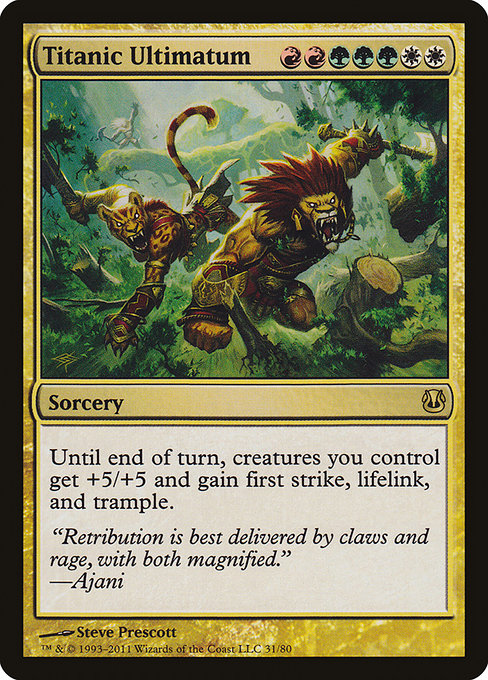
Perhaps the most interesting aspect of the deck is its flexibility. It can function as an aggressive creature strategy, a value-oriented midrange deck, or even a token swarm deck depending on which pieces appear during a game. Jetmir, Nexus of Revels turns wide battlefields into lethal attacks, while Titanic Ultimatum frequently ends games on the spot.
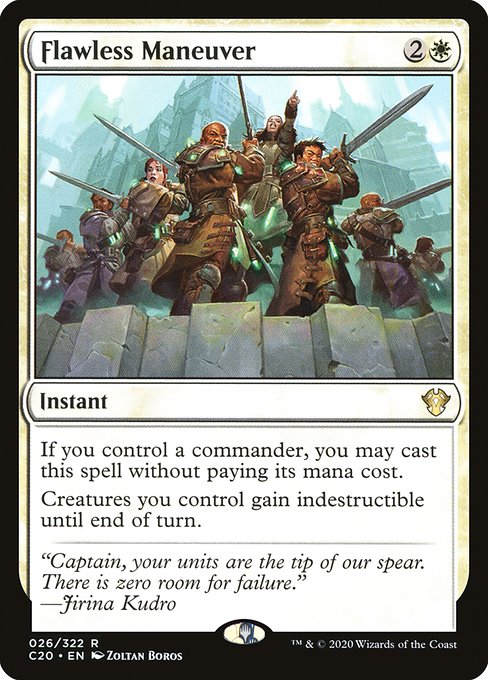
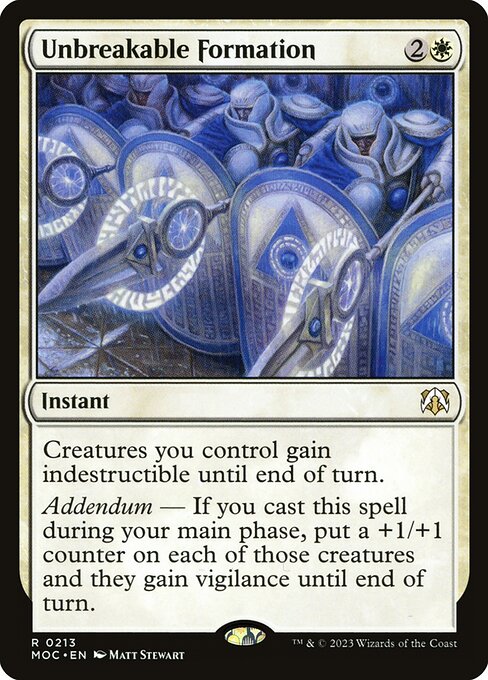
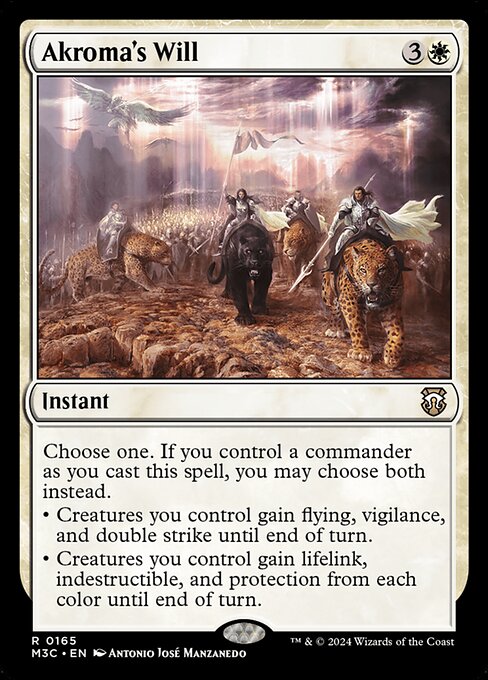
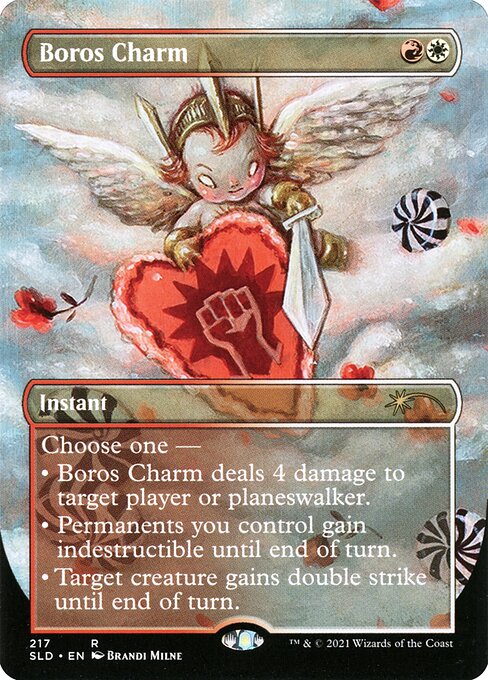
Protection remains a major focus as well. Flawless Maneuver, Unbreakable Formation, Akroma's Will, and Boros Charm help preserve the board through removal-heavy games. Because so much value is concentrated on creatures, protecting them often determines whether the deck dominates the table or struggles to rebuild.
Ultimately, this deck captures Aragorn perfectly. No single card is responsible for victory. Instead, success comes from assembling heroes, supporting them with clever multicolored spells, and leading the combined forces of Middle-earth toward triumph.
Go ahead and check out the deck here:
Commander
Planeswalkers (1)
Creatures (35)
Instants (16)
Sorceries (7)
Enchantments (4)
Lands (35)
100 Cards
$5496.71
Tom Bombadil – Stories Within Stories
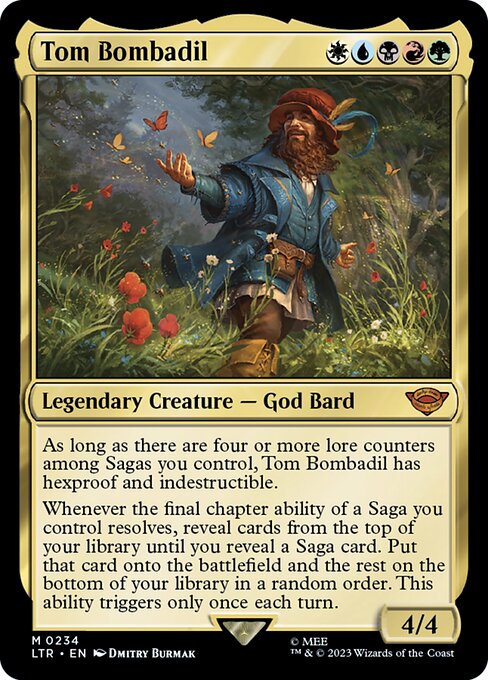
Few commanders changed an archetype as dramatically as Tom Bombadil.
Before his arrival, Saga decks existed, but they were often considered niche enchantment strategies. Tom transformed Sagas into a fully realized Commander archetype capable of generating absurd value, controlling the board, and eventually overwhelming opponents through recursive engines.
The beauty of the deck lies in its storytelling.
Every Saga naturally progresses through chapters. Each chapter provides a different effect before eventually sacrificing itself. Tom fundamentally changes this process by allowing one story to flow directly into another. When a Saga reaches its conclusion, Tom searches for another Saga and places it directly onto the battlefield. Instead of ending, the narrative simply continues.
This particular list expands the concept far beyond the original Lord of the Rings cards.
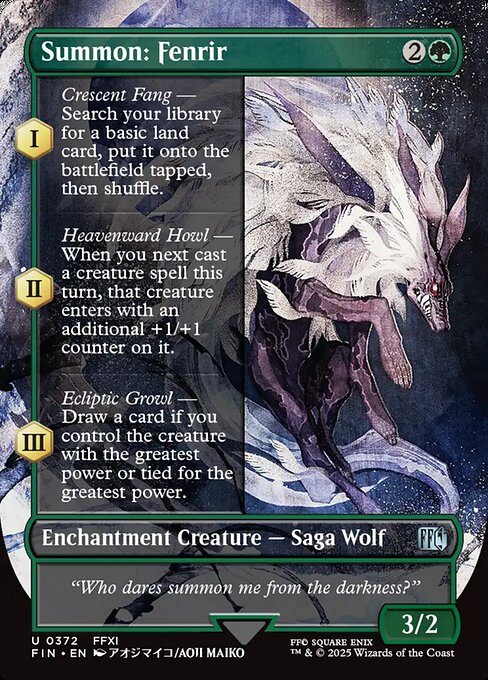
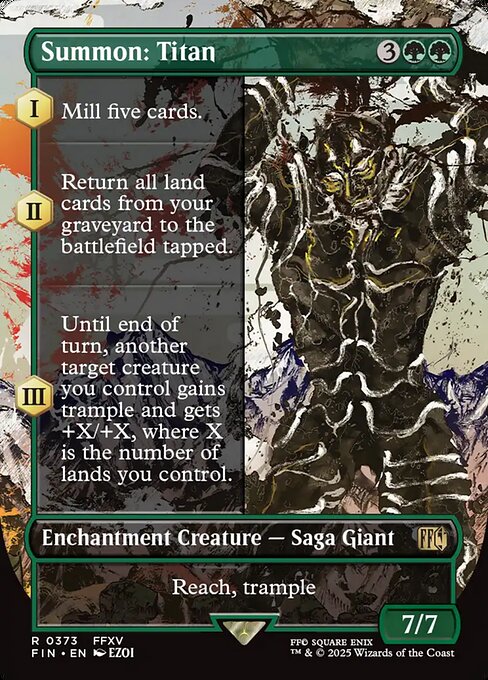
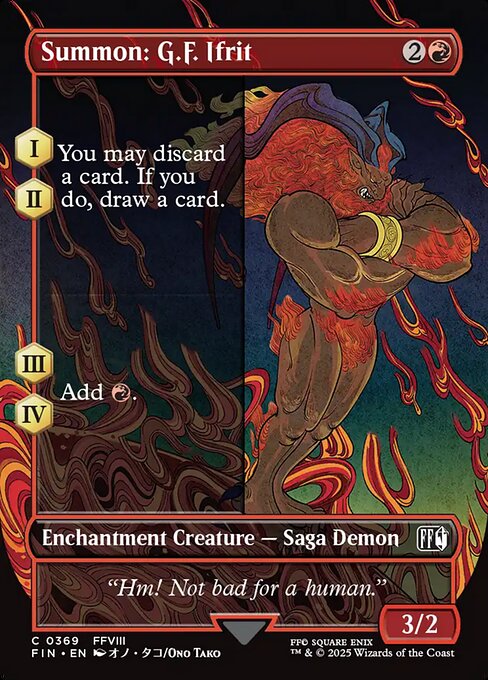
The inclusion of the Final Fantasy Sagas such as Summon: Bahamut, Summon: Knights of Round, Summon: Primal Odin, Summon: Yojimbo, Summon: Fenrir, Summon: Titan, and Summon: G.F. Ifrit demonstrates how the archetype has evolved since Tom’s release. These cards provide powerful chapter effects while also contributing enormous threats once transformed.
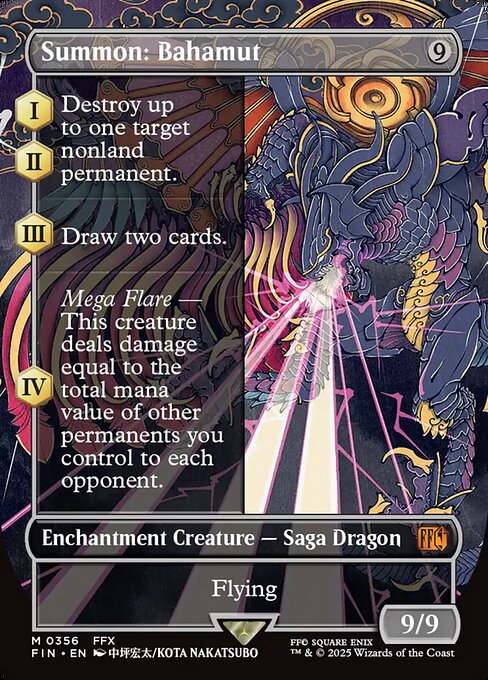
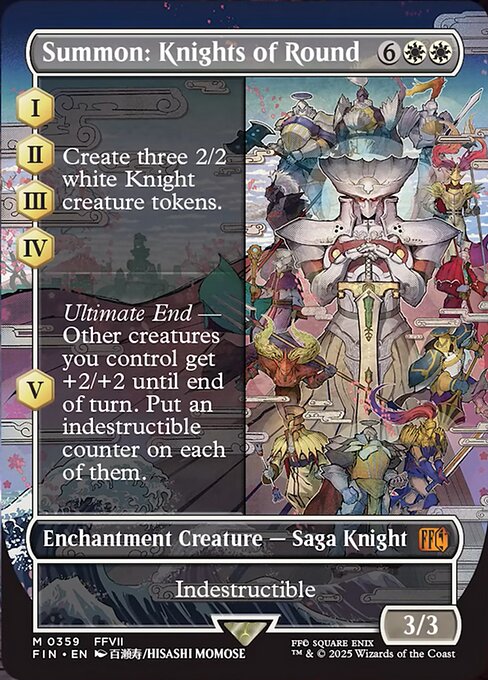
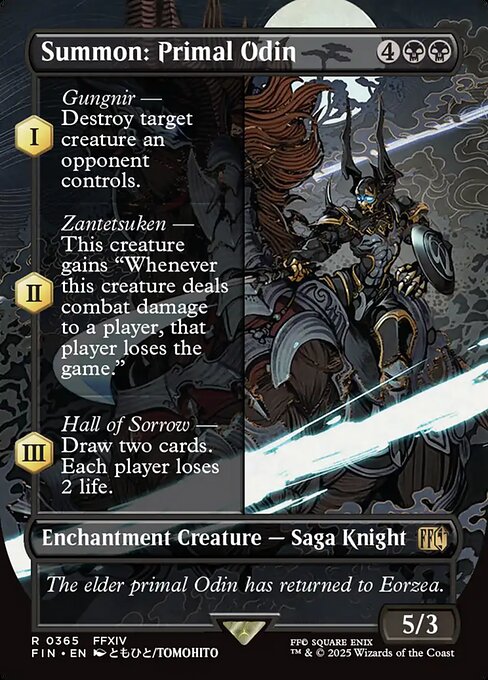
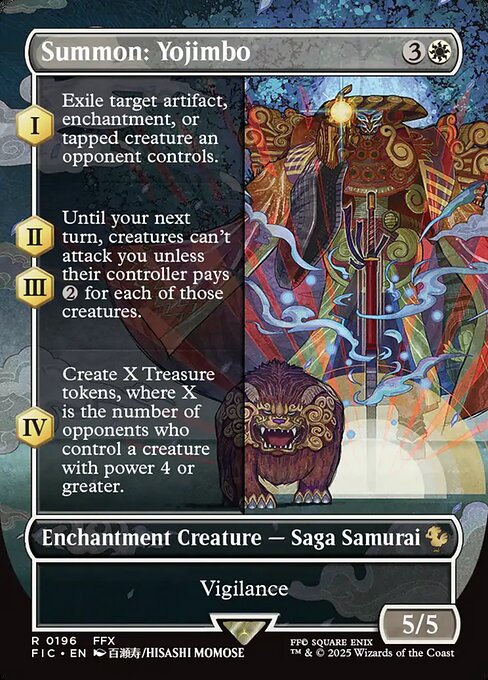
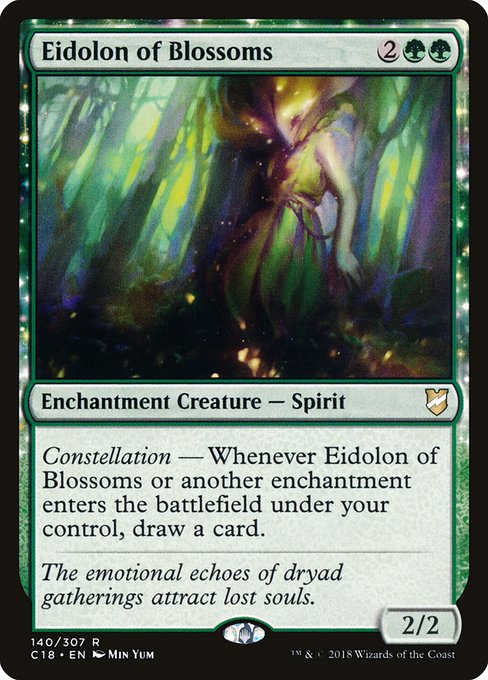
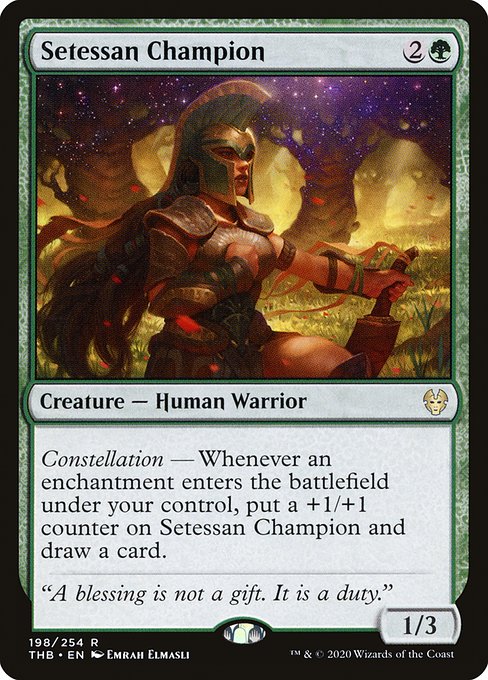
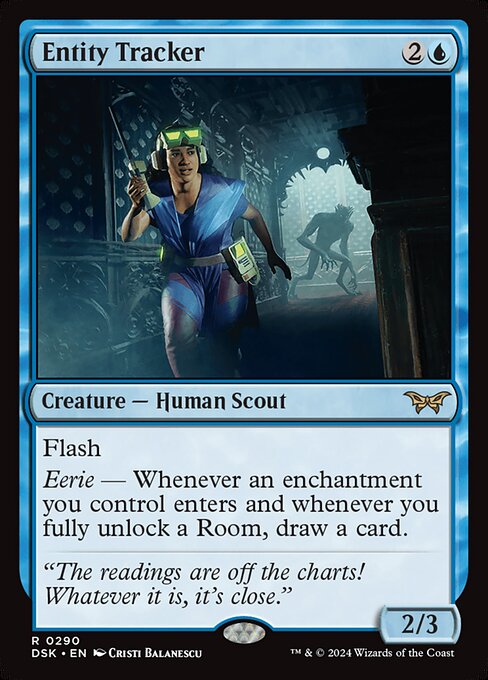
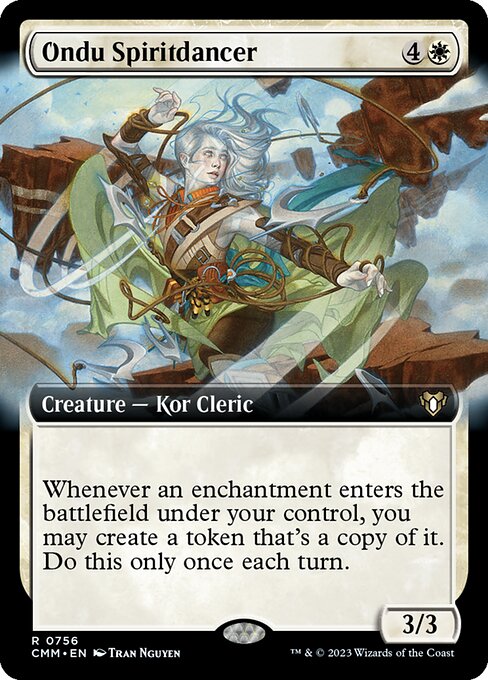
Card advantage is one of the deck’s greatest strengths. Eidolon of Blossoms, Setessan Champion, Entity Tracker, and Ondu Spiritdancer continuously reward enchantments entering the battlefield. Since Sagas constantly enter, advance, and leave, these engines often generate overwhelming amounts of card draw.
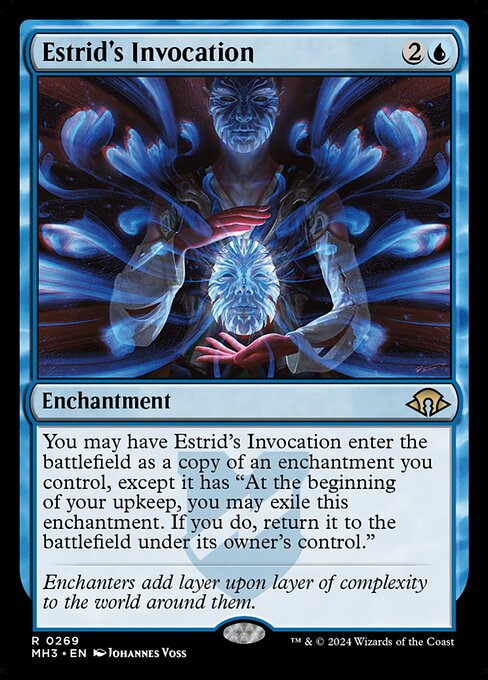
The deck also contains numerous methods for abusing Saga triggers. Estrid's Invocation can copy the strongest Saga on the battlefield, while Satsuki, the Living Lore accelerates chapter progression and recovers important enchantments. Anikthea, Hand of Erebos adds another layer by reanimating enchantments from the graveyard, allowing powerful Sagas to be reused repeatedly.
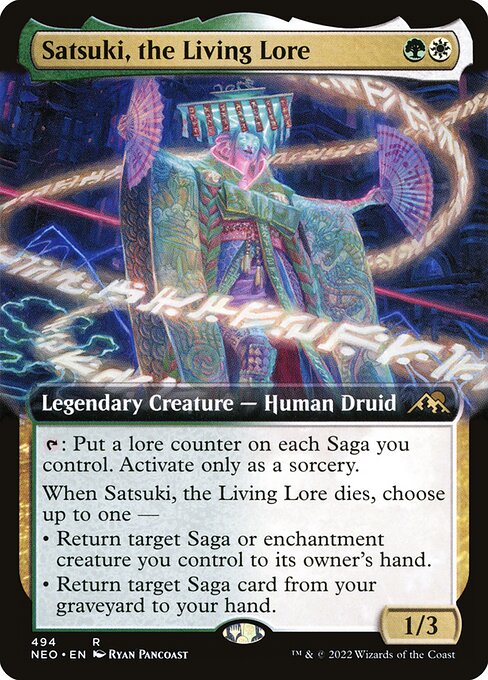
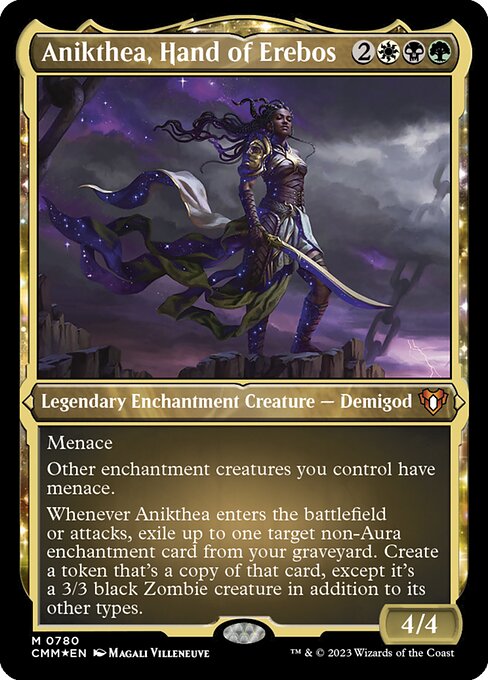
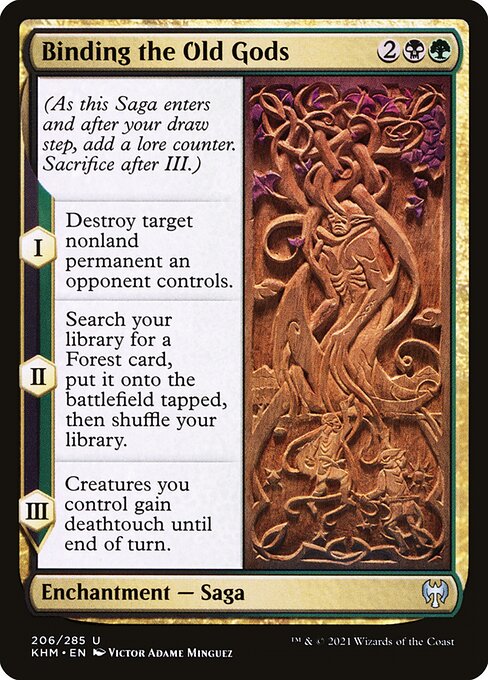
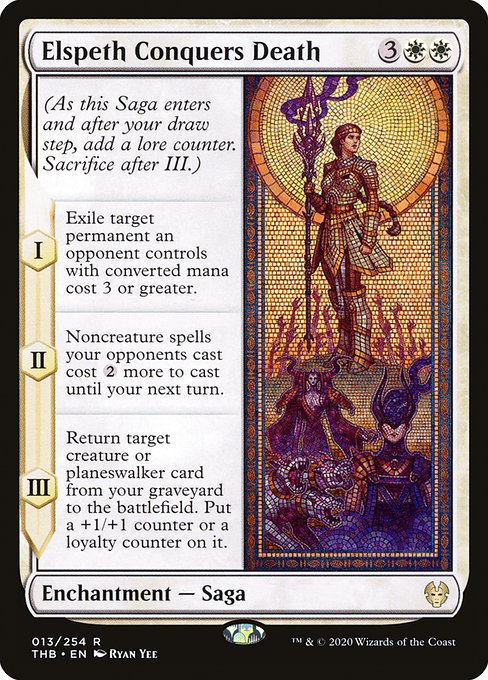
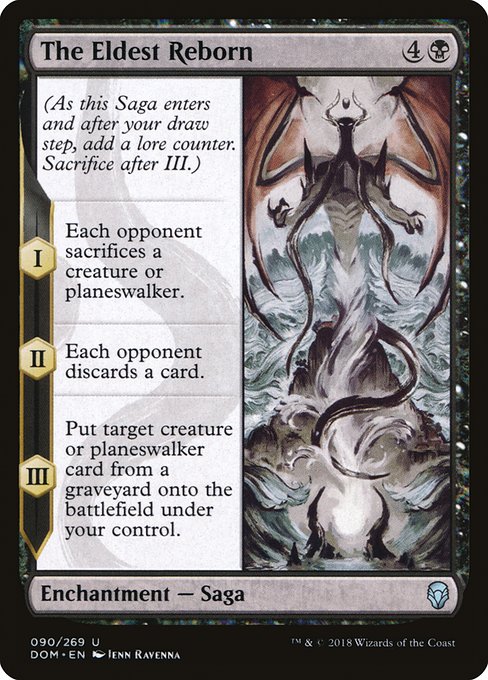
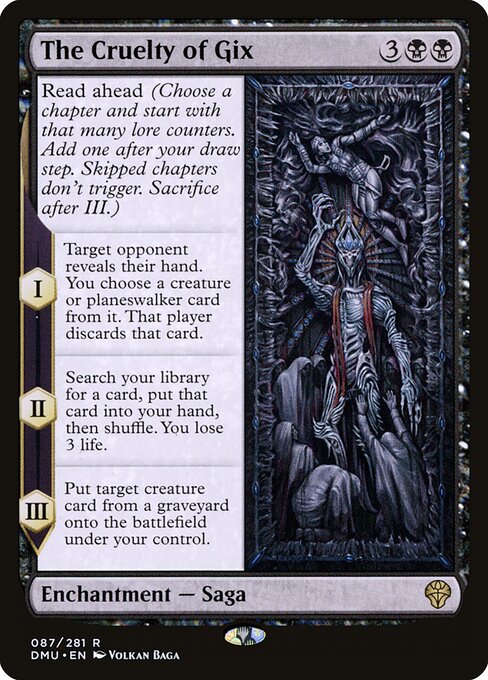
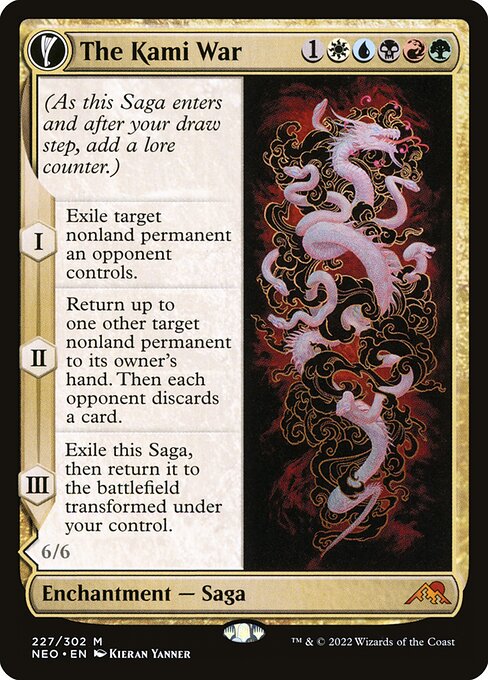
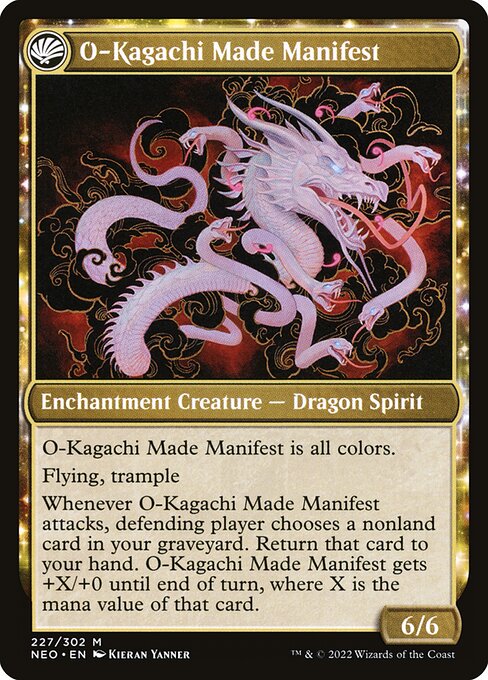
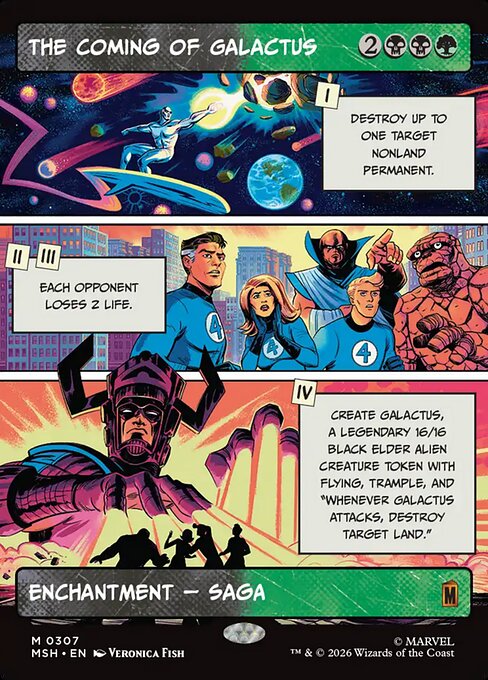
Unlike traditional enchantment decks, this strategy remains highly interactive. Binding the Old Gods, Elspeth Conquers Death, The Eldest Reborn, The Cruelty of Gix, The Kami War, and The Coming of Galactus all provide removal, recursion, and disruption while advancing the overall game plan.
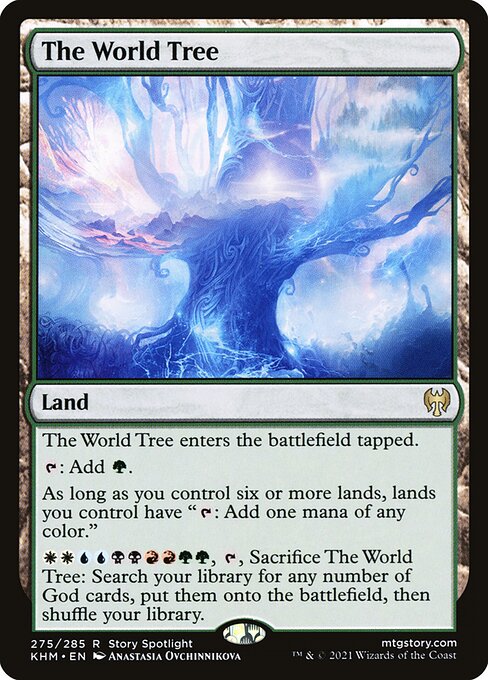
The deck’s mana base deserves special mention as well. Five-color commanders often struggle with consistency, but the abundance of Triomes and premium fixing allows Tom to cast nearly any spell on curve. The World Tree eventually removes color concerns entirely, ensuring every Saga remains accessible.
What truly separates Tom Bombadil from other enchantment commanders is that victory emerges naturally from accumulated value. The deck rarely needs dedicated combo finishes. Instead, it overwhelms opponents through constant card advantage, recurring threats, and an endless procession of stories that never seem to stop.
If this sounds like your thing, check out the deck here:
Commander
Creatures (27)
Instants (7)
Artifacts (7)
Enchantments (15)
Lands (40)
100 Cards
$1062.98
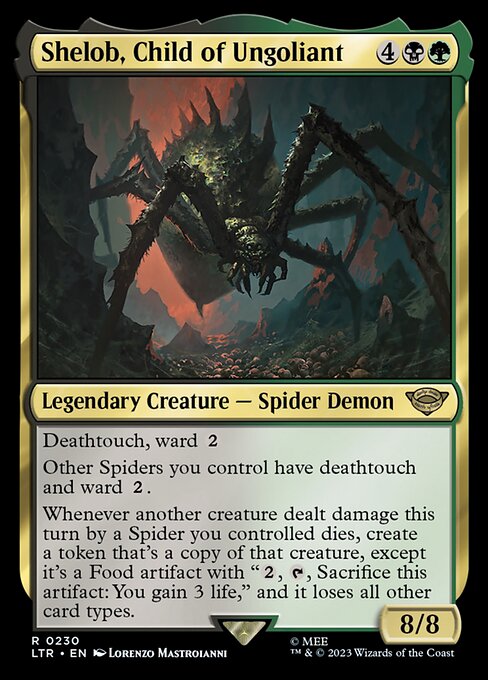
Shelob, Child of Ungoliant – Predators of the Forest
Among all Lord of the Rings commanders, Shelob, Child of Ungoliant may be the one that most perfectly captures its source material.
Shelob was never a conquering warlord like Sauron nor an inspirational leader like Aragorn. She was a predator. A patient hunter lurking in darkness, waiting for prey to wander into her web.
Unlike most tribal strategies that simply accumulate creatures and attack, the Spider archetype thrives through combat manipulation. The goal is not merely to attack opponents. The goal is to force their creatures into impossible situations and profit when they die.
Many cards in the deck function as bait. Lure, Nemesis Mask, Noble Quarry, Roar of Challenge, and Revenge of the Hunted force opposing creatures to block. Under normal circumstances, these cards are already powerful combat tools. With Shelob on the battlefield, they become devastating.
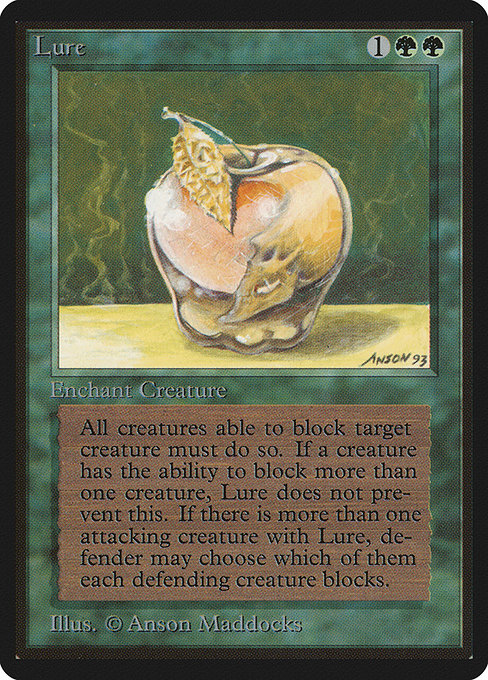
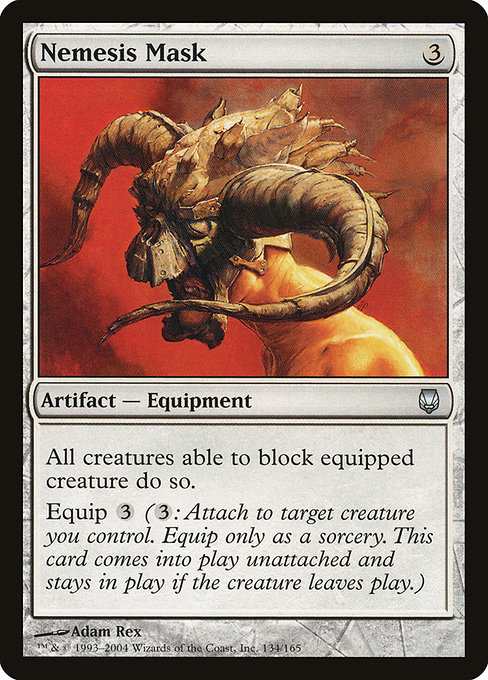
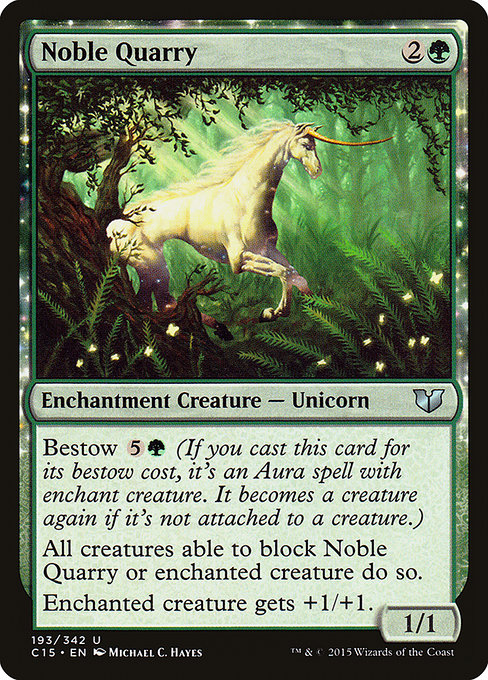
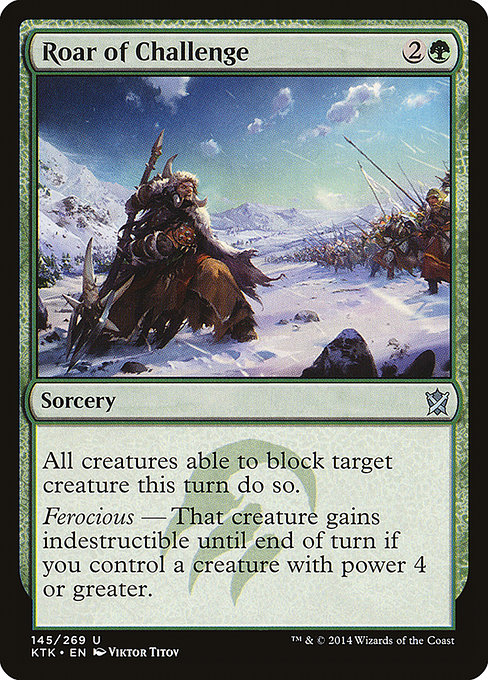
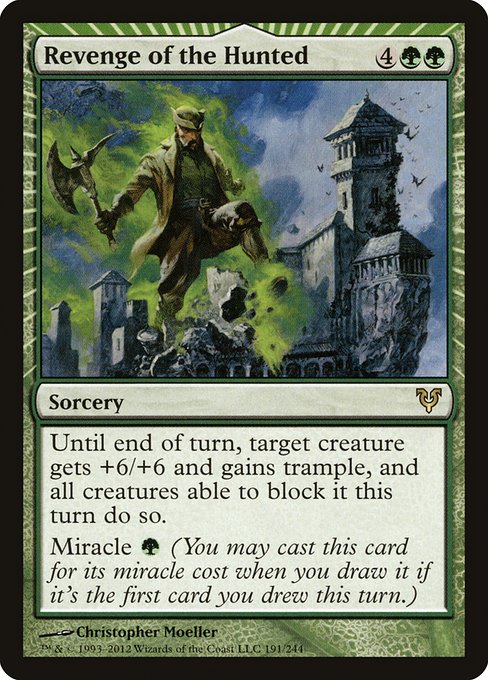
Every creature that dies in combat can become a Food token copy under your control. Suddenly opponents are forced to choose between losing creatures or allowing massive amounts of damage through. Either option benefits the Spider player.
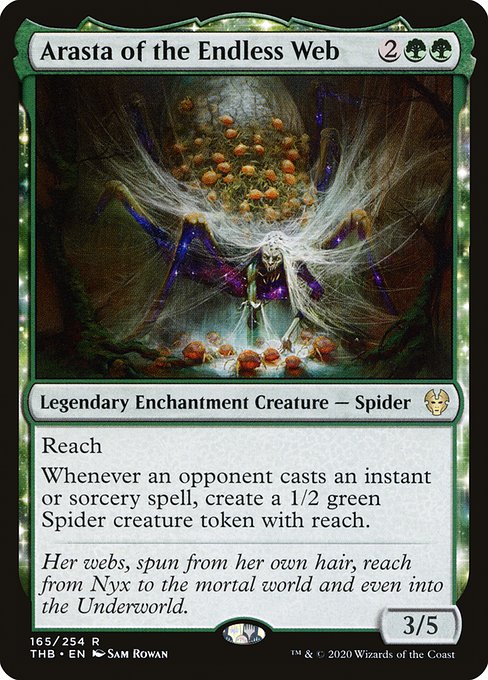
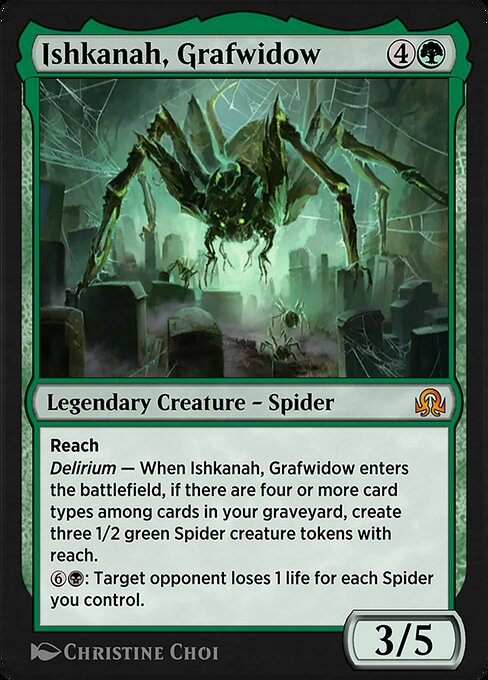
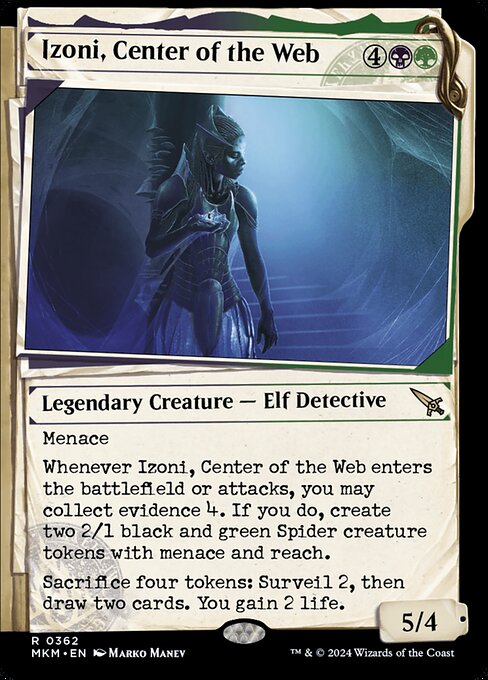
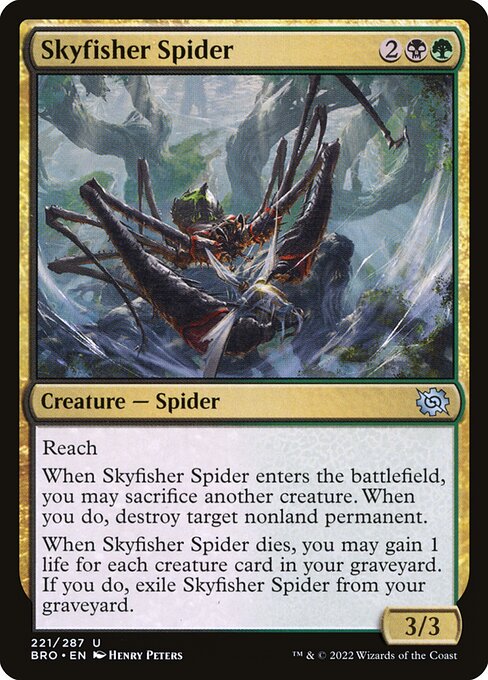
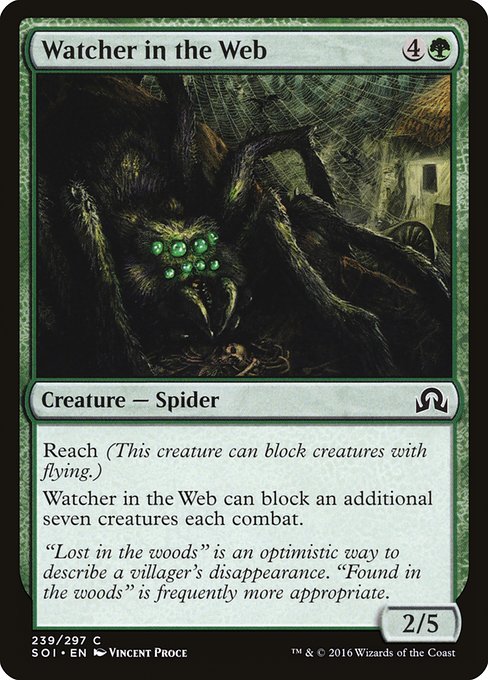
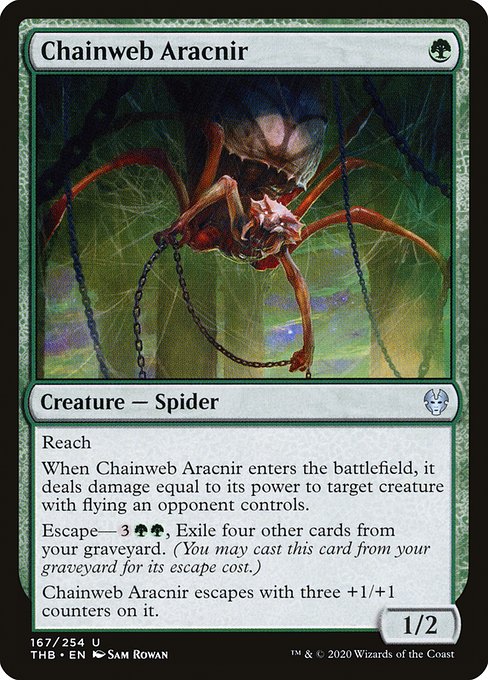
The deck includes an impressive collection of Spider-themed threats. Arasta of the Endless Web, Ishkanah, Grafwidow, Izoni, Center of the Web, Skyfisher Spider, Watcher in the Web, and Chainweb Aracnir each contribute unique advantages while expanding the web of creatures under your control.
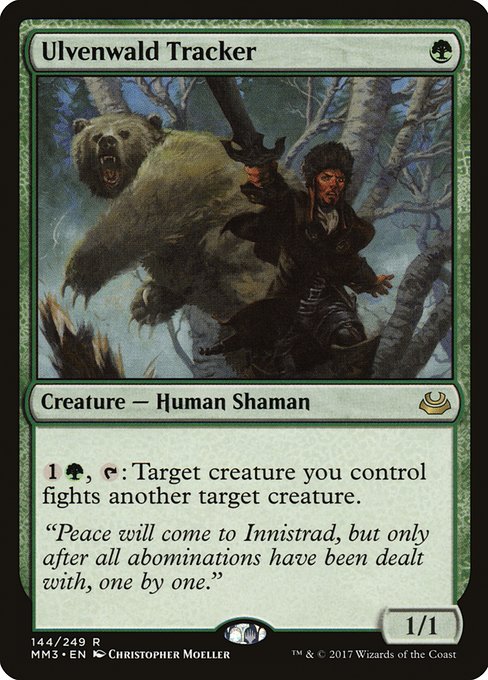
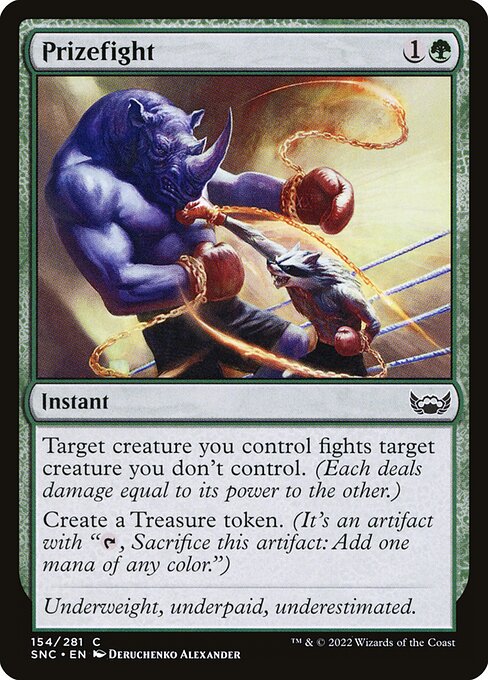
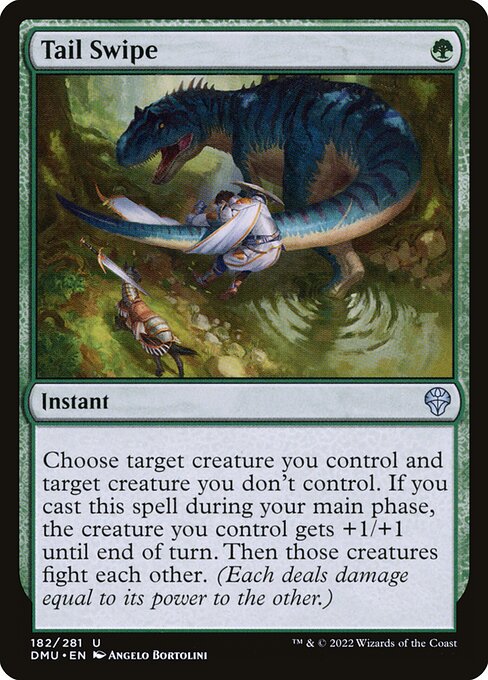
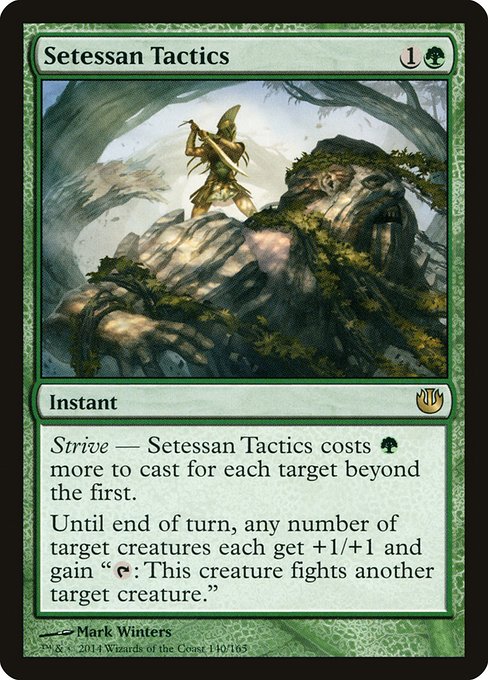
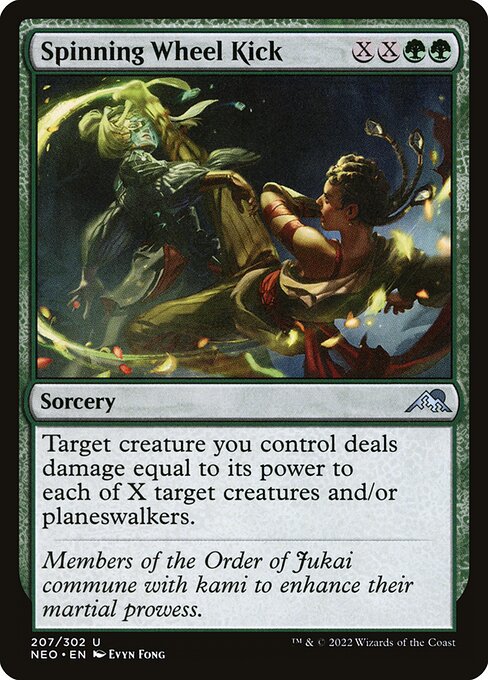
One particularly important aspect of the deck is its ability to turn fighting into removal. Ulvenwald Tracker, Prizefight, Tail Swipe, Setessan Tactics, and Spinning Wheel Kick allow your creatures to pick off opposing threats without entering combat. Since Shelob gives all your spiders Deathtouch and rewards enemy creatures dying, these effects effectively become value-generating removal spells.
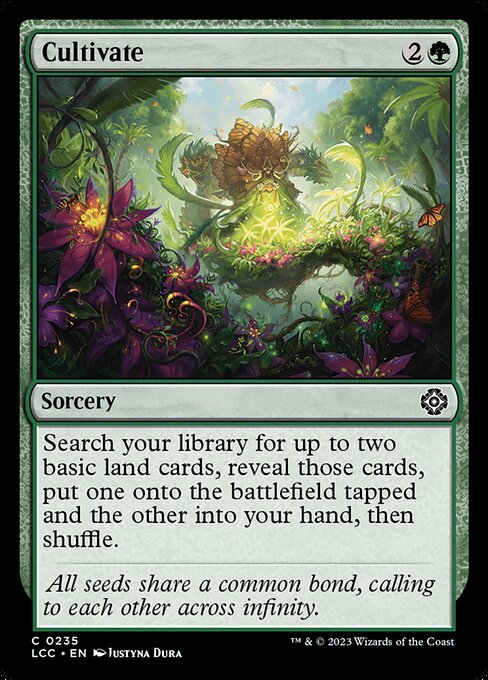
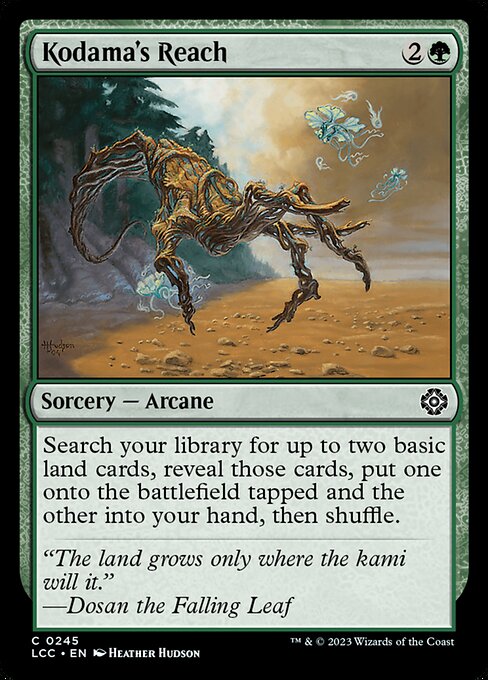
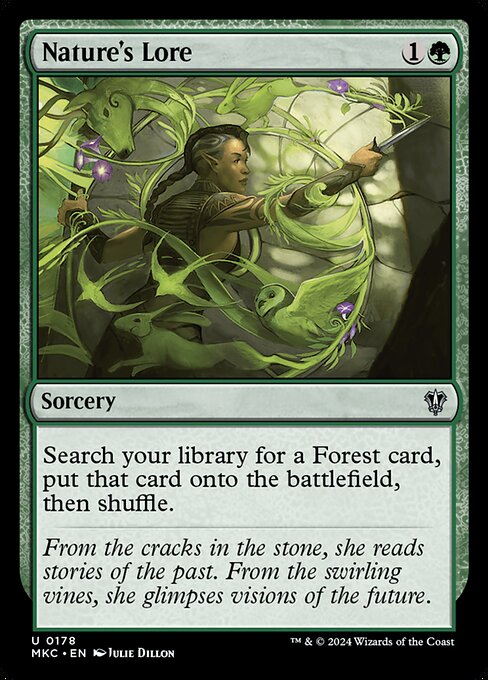
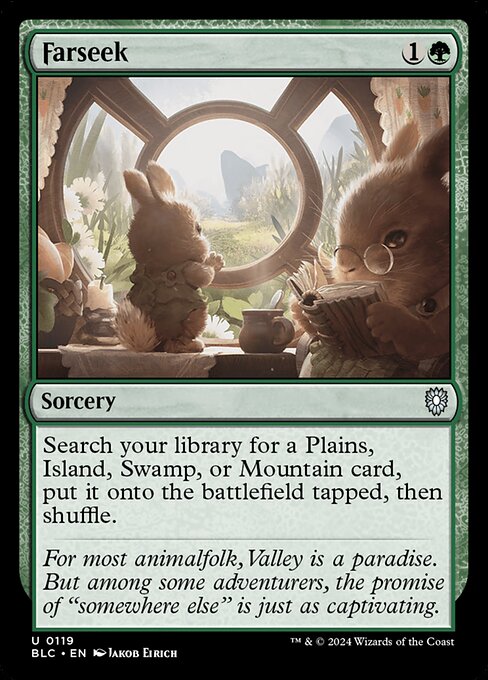
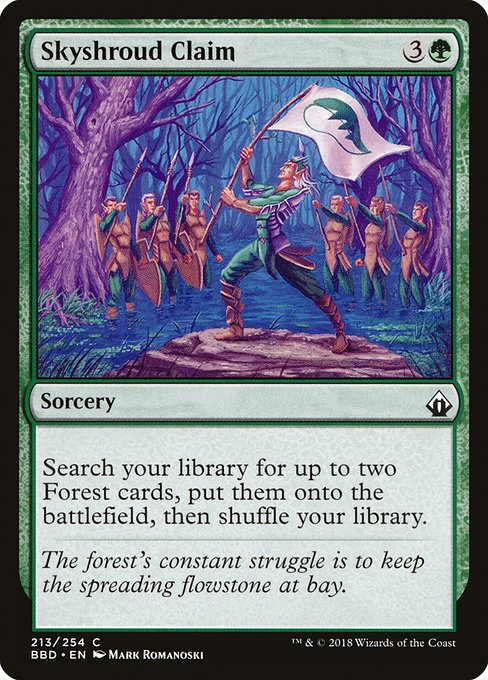
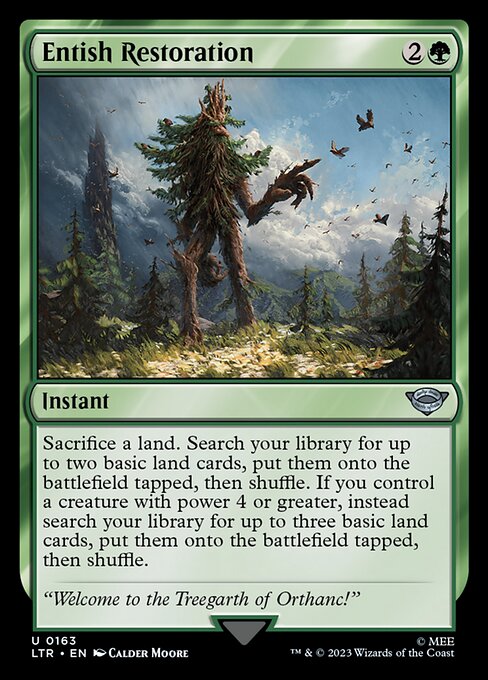
Ramp plays a crucial role as well. Green’s traditional package of Cultivate, Kodama's Reach, Nature's Lore, Farseek, Skyshroud Claim, and Entish Restoration ensures the deck reaches its expensive threats quickly.
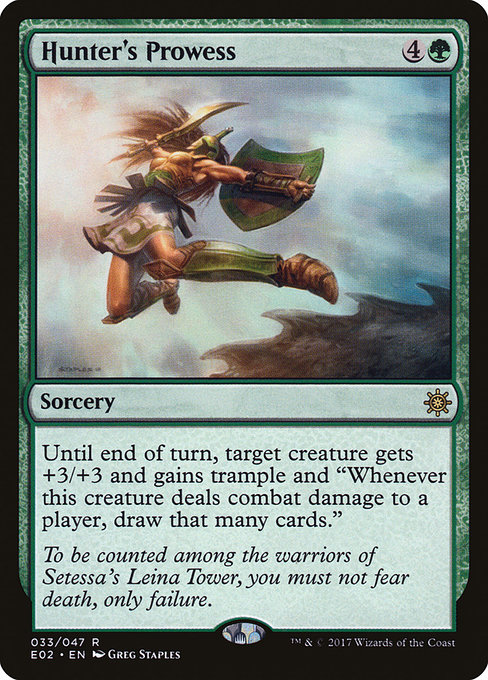
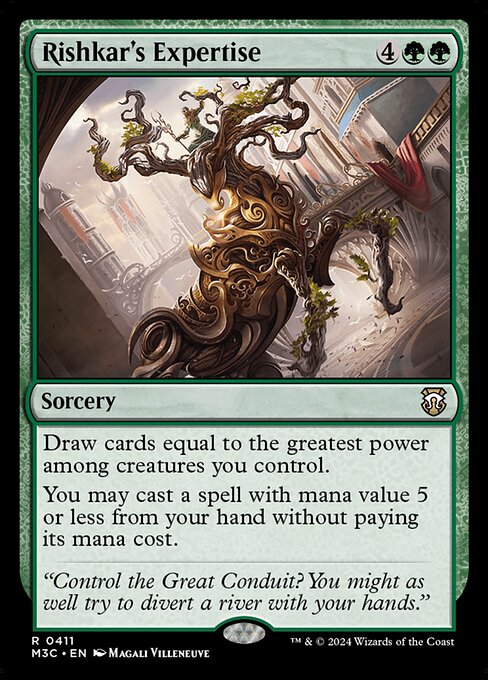
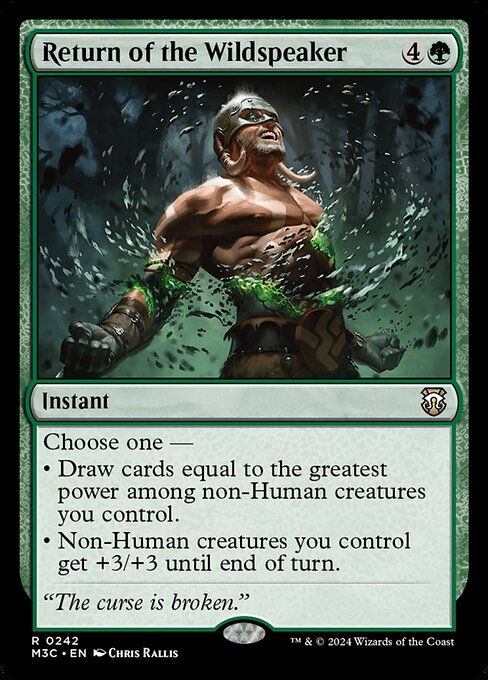
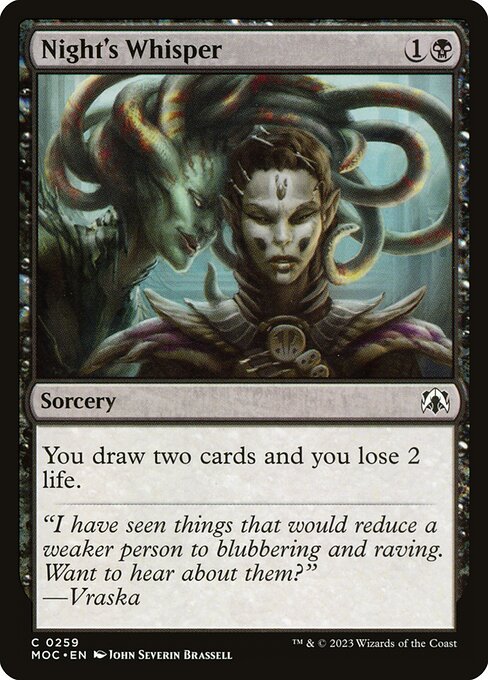
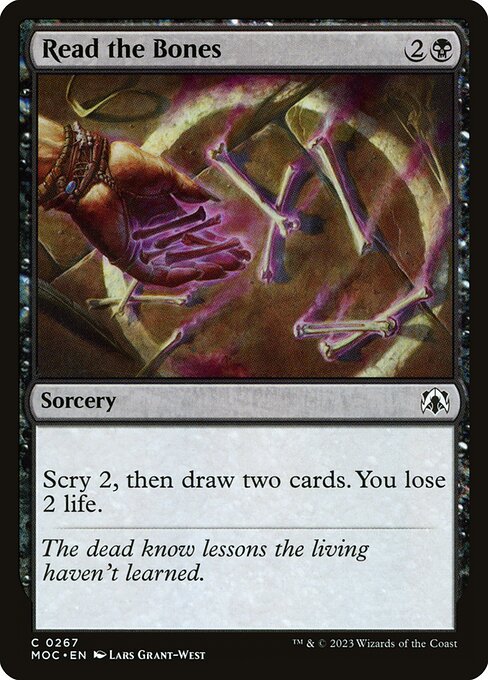
The card advantage engines are equally impressive. Hunter's Prowess, Rishkar's Expertise, Return of the Wildspeaker, Night's Whisper, and Read the Bones keep resources flowing while large Spider bodies make the draw spells increasingly powerful.
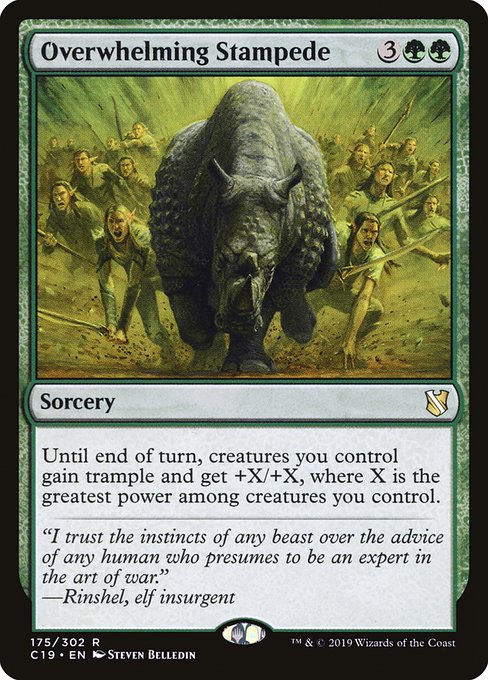
Late-game victories typically come through overwhelming combat pressure. Overwhelming Stampede frequently turns an army of Spiders into lethal attackers, while stolen creature copies generated by Shelob provide additional threats opponents never expected to face.
The result is one of Commander’s most flavorful tribal decks. Every game feels like prey wandering deeper into a web until escape becomes impossible. Check out the decklist here!
Commander
Planeswalkers (1)
Creatures (17)
Instants (16)
Sorceries (25)
Artifacts (6)
Enchantments (7)
Lands (28)
100 Cards
$733.56
Closing Thoughts
The Lord of the Rings: Tales of Middle-earth set accomplished something very few crossover products manage to achieve. It wasn’t simply a collection of familiar names and references pasted onto Magic cards. Instead, it delivered cards that genuinely captured the identities of some of Tolkien’s most iconic characters while also introducing powerful and unique strategies to the Commander format.
That success is perhaps best illustrated by these four decks. Sauron, the Dark Lord embodies relentless pressure and the overwhelming might of Mordor, slowly building an unstoppable force while controlling the battlefield. Aragorn, the Uniter rewards cooperation and leadership, bringing together heroes from across multiple colors and turning every spell into an opportunity for growth. Tom Bombadil transforms storytelling into a game plan, weaving together Sagas from across Magic’s history into a value engine unlike anything else in the format. Meanwhile, Shelob, Child of Ungoliant proves that even a tribe as niche as Spiders can become a terrifying predator strategy capable of dominating creature-based tables.
The most impressive part may be how these commanders continue to evolve long after their release. New Sagas continue to strengthen Tom Bombadil. Every powerful multicolored legend invites Aragorn players to experiment with new builds. Sauron gains new ways to exploit counters, tokens, and spellcasting, while Shelob benefits whenever Magic prints another dangerous Spider or powerful combat trick. Rather than feeling like commanders tied to a single set, they have become permanent fixtures of the format.
For many Commander players, Lord of the Rings was their first experience with Universes Beyond. Looking back, it is easy to understand why the set became such a landmark release. It delivered memorable commanders, format-defining staples, incredible flavor, and deckbuilding opportunities that continue to inspire players years later. Whether you prefer commanding vast armies, leading legendary heroes, telling epic stories through Sagas, or trapping your opponents in a giant web, Middle-earth has a commander waiting for you.
And if these four decks prove anything, it is that the road may go ever on and on, but in Commander, the journey is often just as enjoyable as the destination.