






Commander is often described as a battle of powerful spells, intricate synergies, and explosive late-game turns. While those statements are certainly true, they all depend on one thing: Mana. No matter how impressive your win condition is, it cannot impact the game while it’s still sitting in your hand. The player who consistently develops their mana faster than everyone else usually gets to dictate the pace of the game, resolve their threats first, and recover more easily after interaction.
That is exactly why mana ramp is one of the most important concepts in Commander.
Unlike sixty-card constructed formats, Commander revolves around 100-card singleton decks filled with expensive spells. Most commanders cost between four and six mana, and many of the format’s signature haymakers cost even more. Without some form of acceleration, games can feel slow and inconsistent, leaving players hoping to naturally draw enough lands before they can begin executing their strategy.
Ramp solves this problem.
Mana acceleration allows you to cast your commander ahead of schedule, double-spell earlier than your opponents, and reach game-ending plays while everyone else is still setting up. It also provides insurance against removal and board wipes by letting you rebuild more quickly than the rest of the table.
The importance of ramp extends well beyond simply producing additional mana. Different forms of acceleration offer unique advantages depending on your deck’s colors, strategy, and budget. Some decks prefer creatures that tap for mana, while others lean heavily on artifacts. Green decks often focus on putting extra lands directly onto the battlefield, whereas combo decks may rely on explosive bursts of temporary mana to win in a single turn.
Understanding these differences is one of the biggest steps toward becoming a stronger Commander player.
This guide covers every major form of mana acceleration available in Commander, explains when each is strongest, discusses how the different colors approach ramp, and highlights many of the format’s most powerful cards. Whether you’re building your first Commander deck or refining an established list, understanding how to generate more mana efficiently will improve nearly every strategy you play.
What Exactly Is Mana Ramp?
Simply put, mana ramp is any card or effect that allows you to produce more mana than you would normally have access to by playing one land each turn.
Imagine two players:
Player A simply plays one land every turn.
Player B casts Sol Ring on turn one.
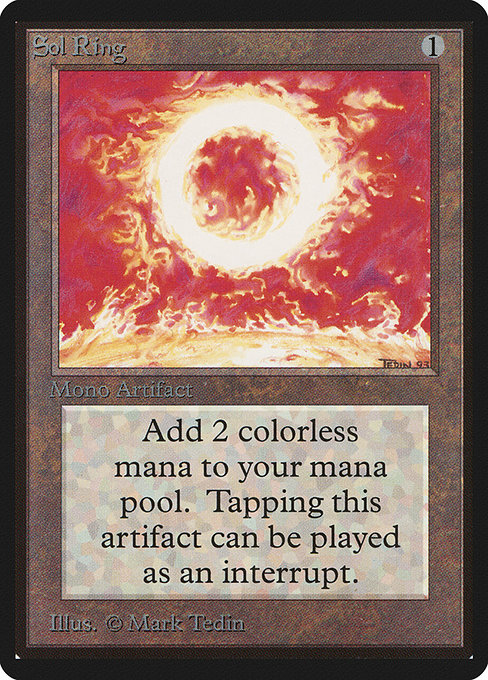
By turn two, Player A has access to two mana. Player B already has four.
That two-mana difference may not sound significant at first, but Commander is a game where every additional mana represents another spell, another activation, or another opportunity to take control of the board. Over several turns, that advantage compounds dramatically.
Not all ramp works the same way, however. Each fills a different role within the format, and understanding their strengths helps determine which belongs in your deck.
Mana Rocks: Reliable, Long-Term Acceleration
Mana rocks are artifacts that permanently increase the amount of mana you can produce each turn. Unlike temporary acceleration, mana rocks continue generating value for the rest of the game, making them one of the safest and most consistent forms of ramp available in Commander.
Because every color can play artifacts, mana rocks are the universal solution to mana acceleration. They’re especially important for color combinations that don’t have access to green’s land ramp, such as Azorius, Dimir, Esper, Grixis, Boros, and Jeskai. In these decks, artifacts often make up the majority of the ramp package.
The most iconic example is Sol Ring, which has become almost synonymous with Commander itself. Although it only costs a single mana, it permanently produces two colorless mana every turn, allowing players to jump ahead on resources while continuing to accelerate throughout the game.
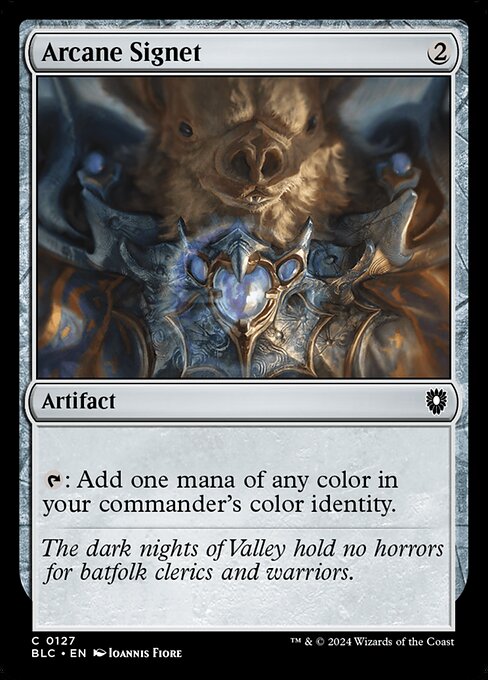
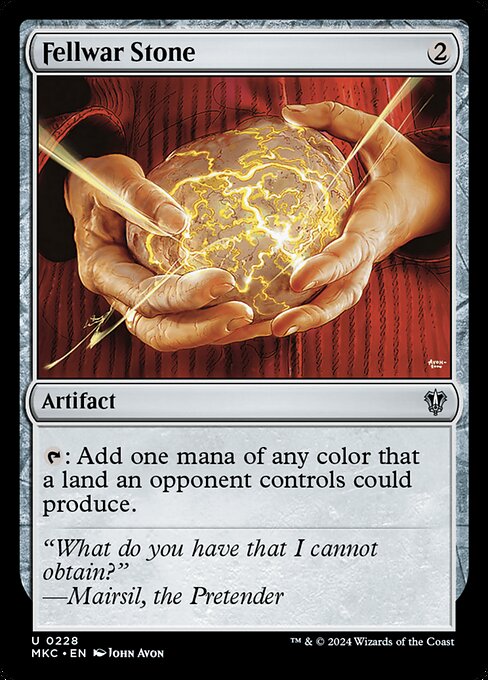
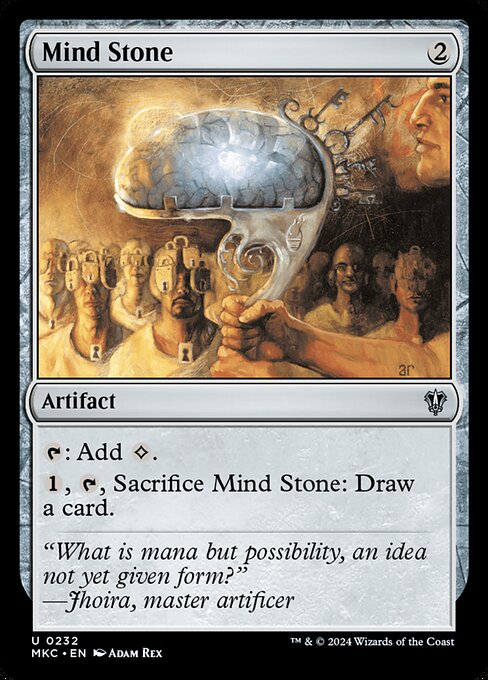
Beyond Sol Ring, most Commander decks rely on efficient two-mana artifacts. Arcane Signet has become the gold standard for color fixing, while Fellwar Stone frequently taps for multiple colors in multiplayer games. Mind Stone provides early acceleration before later cycling itself into another card, and Thought Vessel offers the additional benefit of removing your maximum hand size.
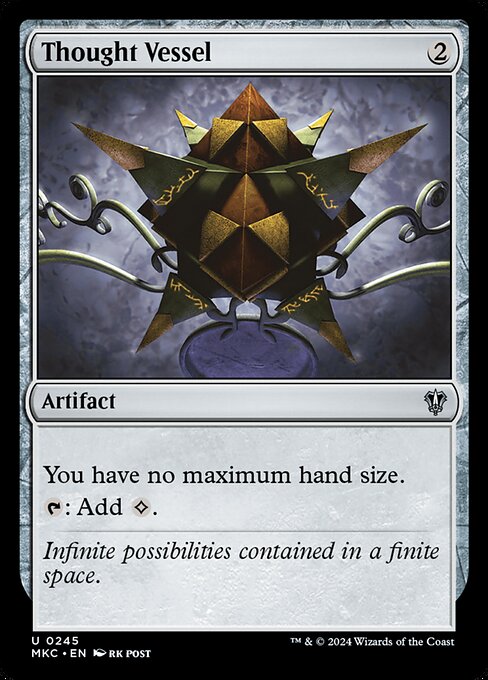
Mana rocks also become stronger as games go longer. Unlike rituals or Treasure tokens, they don’t disappear after being used once. Every untap step effectively increases the value you’ve already gained from them, making them ideal for slower, value-oriented Commander games where incremental advantages decide the winner.
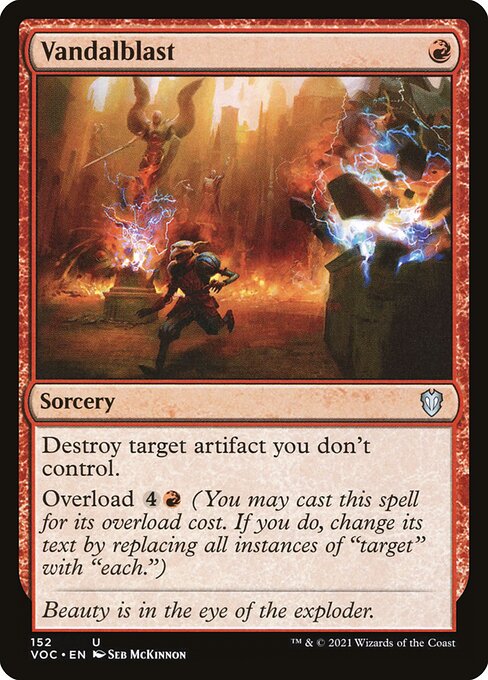
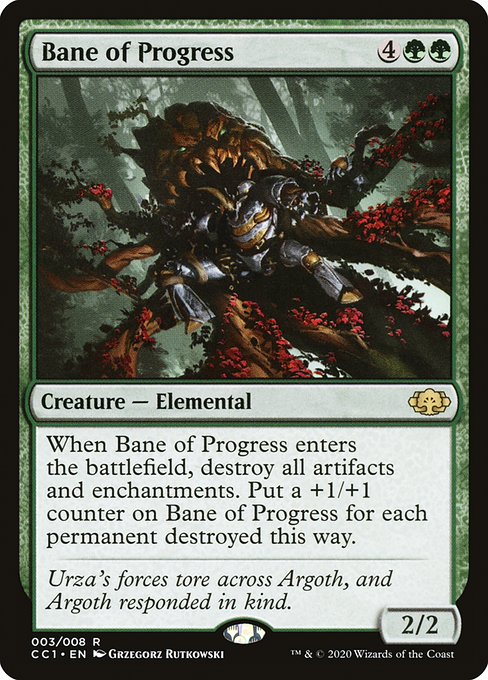
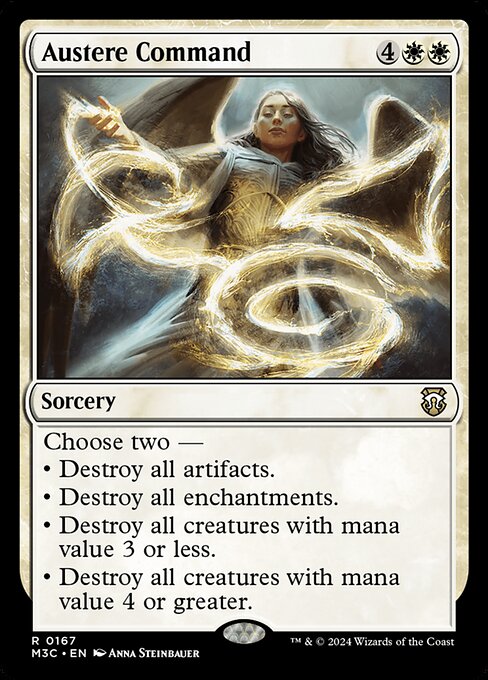
Their main weakness is their vulnerability to artifact removal. Cards like Vandalblast, Bane of Progress, or Austere Command can remove multiple mana rocks at once, potentially setting players back several turns. Even so, their consistency and accessibility make them one of the most reliable forms of ramp in the entire format.card name=”Sol Ring”] and Arcane Signet simply because their efficiency is unmatched.
Treasure Tokens: Ephimeral, Temporary Acceleration
Few mechanics have changed Commander deckbuilding as dramatically as Treasure tokens.
Introduced in Ixalan and expanded heavily over the past several years, Treasures have become one of the most versatile forms of mana acceleration ever printed. Unlike mana rocks that stay on the field giving you access to extra mana every turn, Treasure tokens are temporary resources that can be sacrificed for mana whenever needed, allowing players to convert almost any game action into explosive bursts of acceleration.
Cards such as Smothering Tithe, Dockside Extortionist, Professional Face-Breaker, Big Score, Unexpected Windfall, and Storm-Kiln Artist have become Commander staples because they generate enormous amounts of mana while simultaneously advancing other game plans.

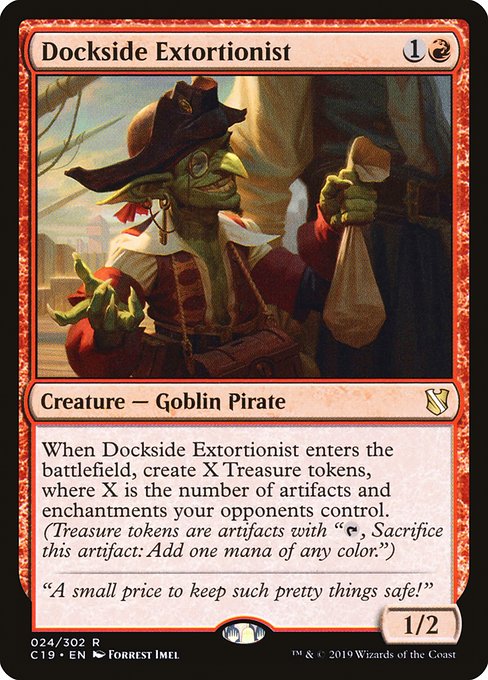
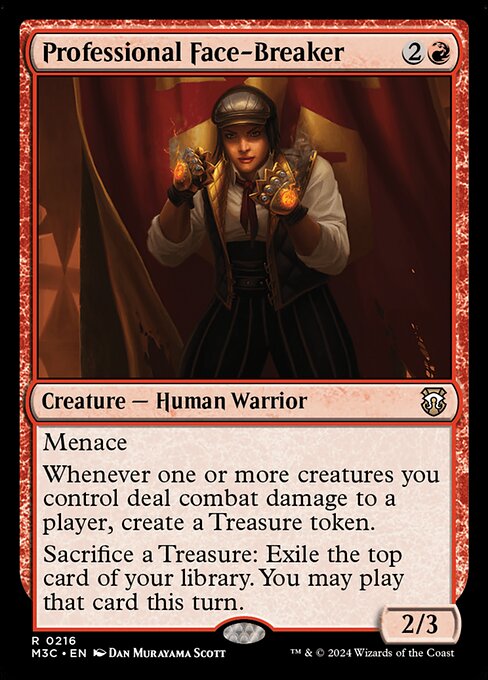
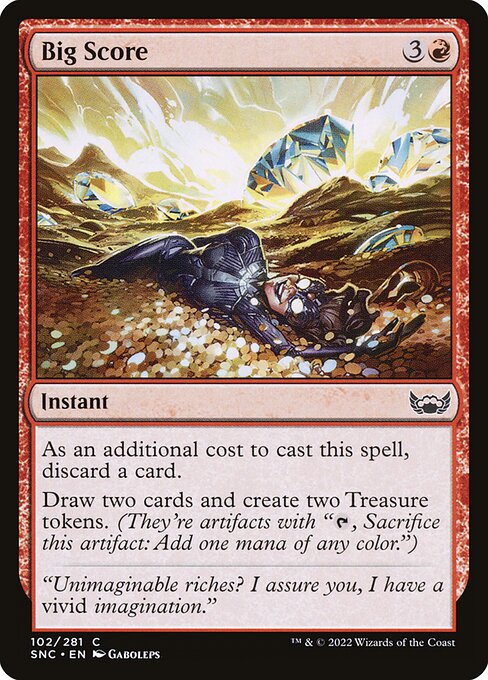
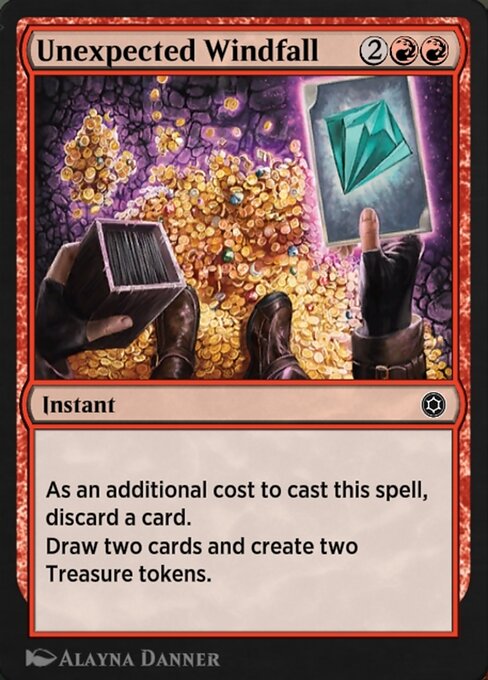
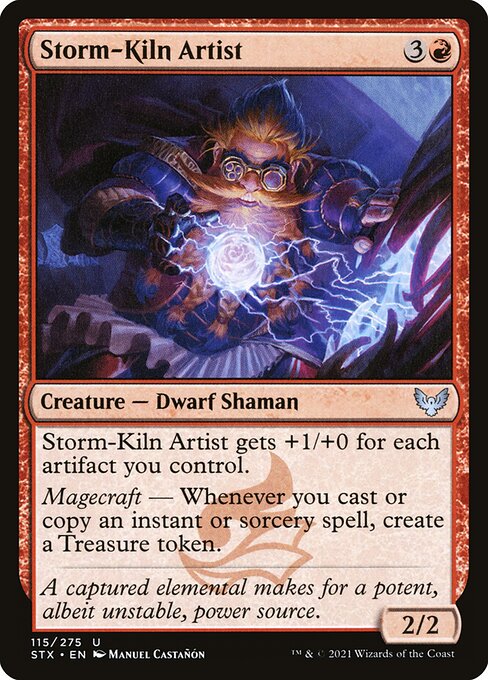
Treasure’s greatest strength is flexibility.
Unlike traditional ramp, Treasures can be saved across multiple turns before being spent all at once. A player may accumulate six or seven Treasure tokens over several turns before suddenly casting multiple expensive spells in a single explosive turn.
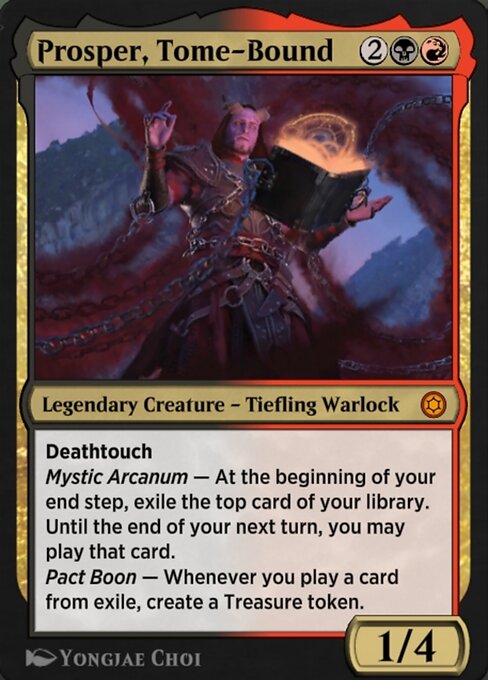
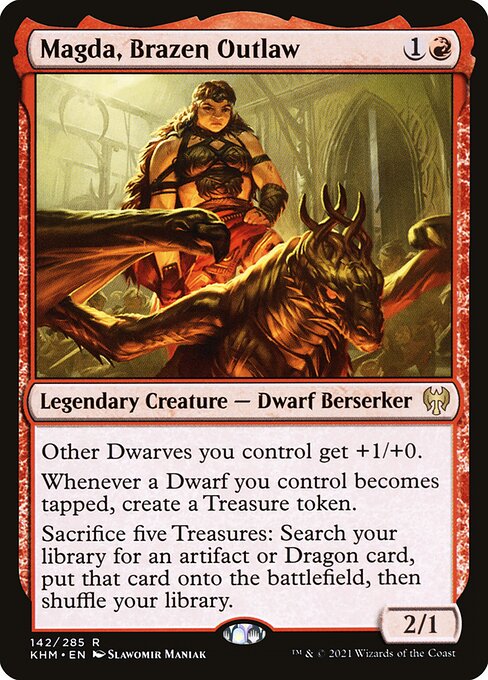
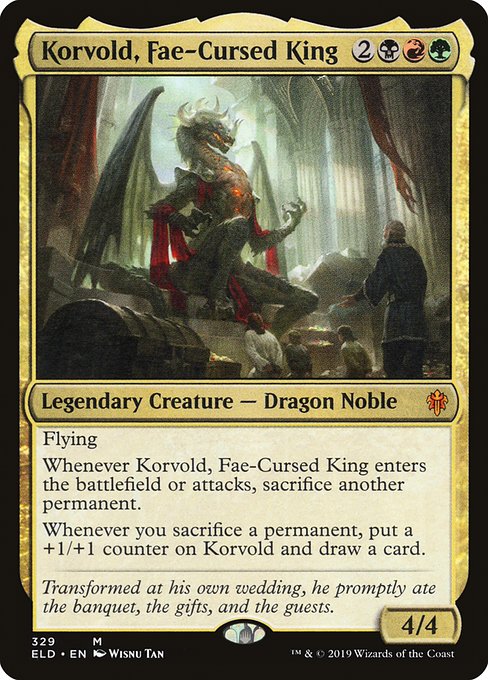
Many modern commanders are also designed specifically around Treasure production. Decks led by Prosper, Tome-Bound, Magda, Brazen Outlaw, or Korvold, Fae-Cursed King treat Treasure not simply as mana, but as an integral resource that fuels sacrifice engines, artifact synergies, and combo lines.
Treasures also synergize naturally with artifact-based strategies. Cards like Academy Manufactor, Marionette Master, Disciple of the Vault, and Krark-Clan Ironworks transform what appears to be simple mana acceleration into devastating value engines capable of winning games outright.
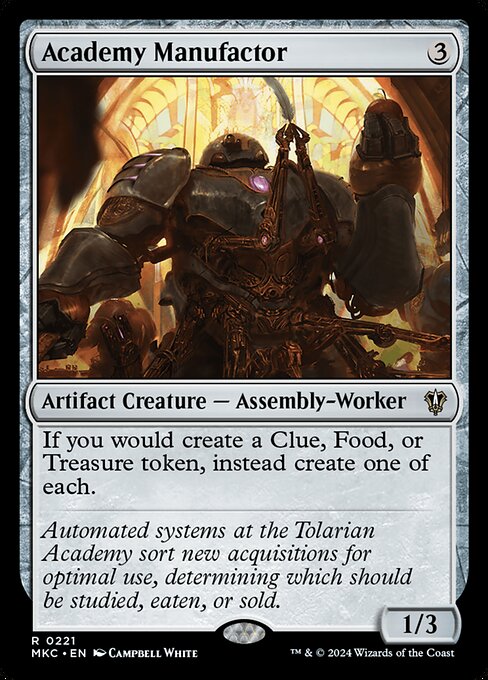
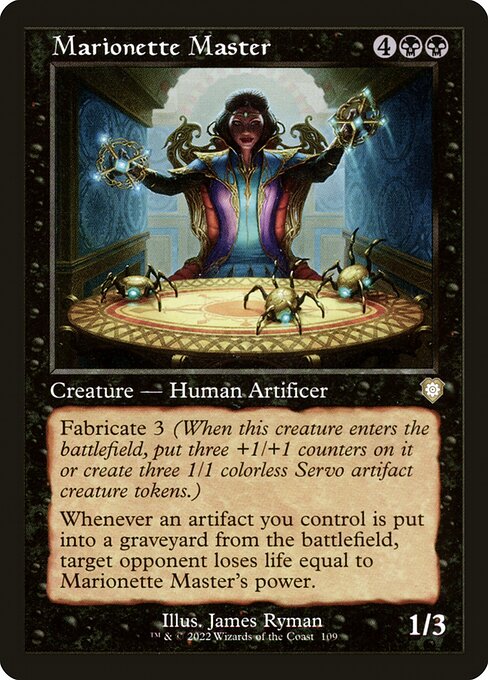
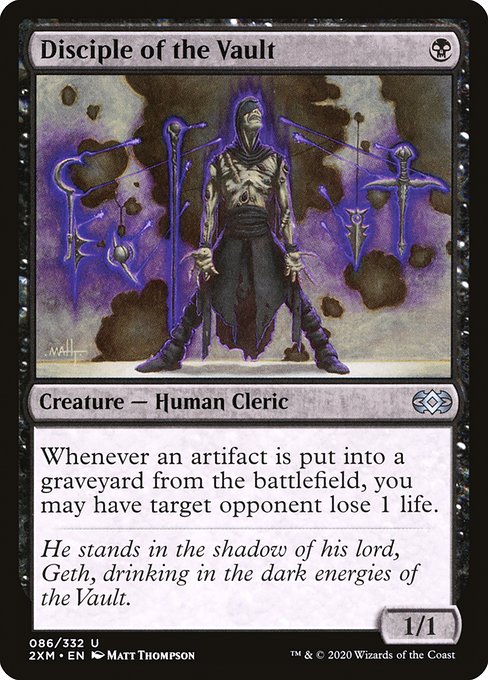
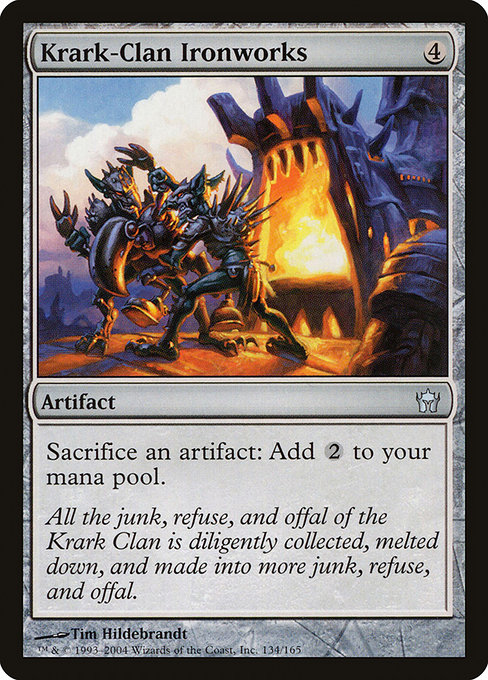
While Green remains the best color for permanent mana development, Treasure has dramatically improved the ramp capabilities of Red, Black, and White. Today, even color combinations without Green can generate extraordinary amounts of mana thanks to efficient Treasure production.
Mana Dorks: Creatures That Become Lands
Mana Dorks are creatures that tap to generate mana. They have been part of Magic since the game’s earliest years, and despite their simplicity, they remain among the strongest forms of acceleration available.
Their biggest advantage is speed.
Many cost only a single mana, allowing decks to jump from one mana on turn one to three mana on turn two. That means casting commanders an entire turn earlier or deploying multiple spells before opponents have fully developed their own boards.
Classic Green examples include: Llanowar Elves, Elvish Mystic, and Fyndhorn Elves. These three cards are almost identical, and together they form the backbone of countless Green Commander decks.
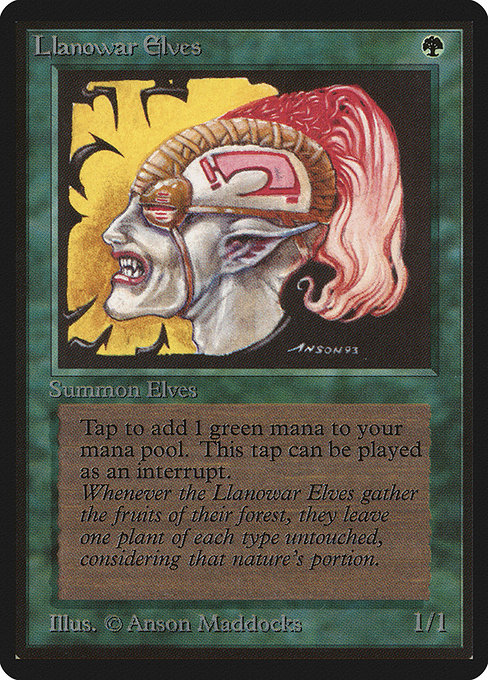
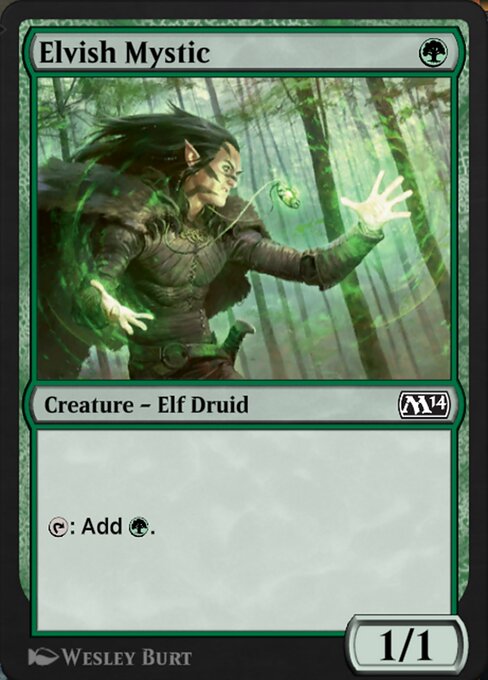
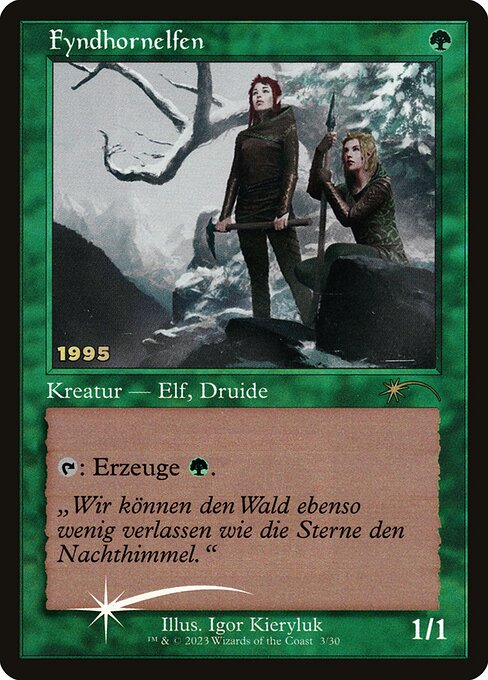
As the game progresses, Mana Dorks become increasingly diverse.
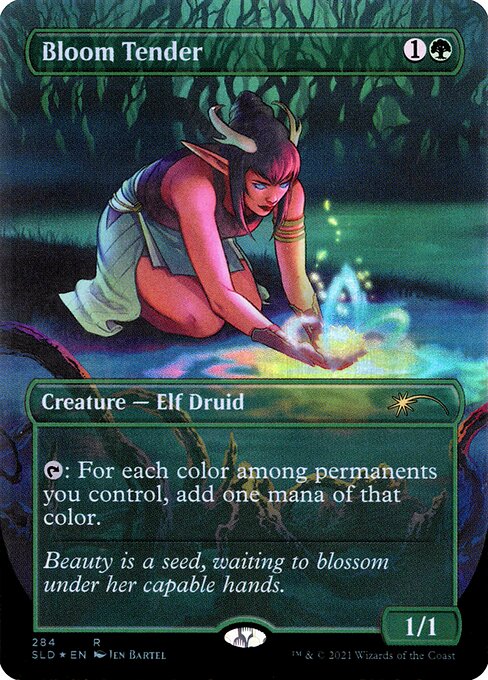
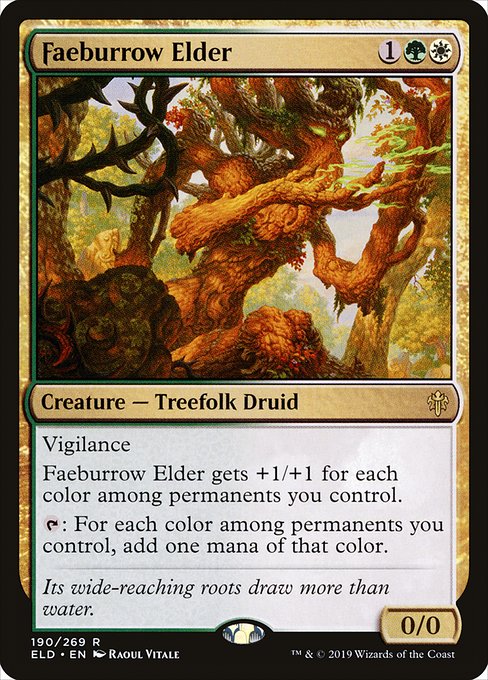
Some produce multiple colors, such as: Birds of Paradise, Bloom Tender, and Faeburrow Elder.
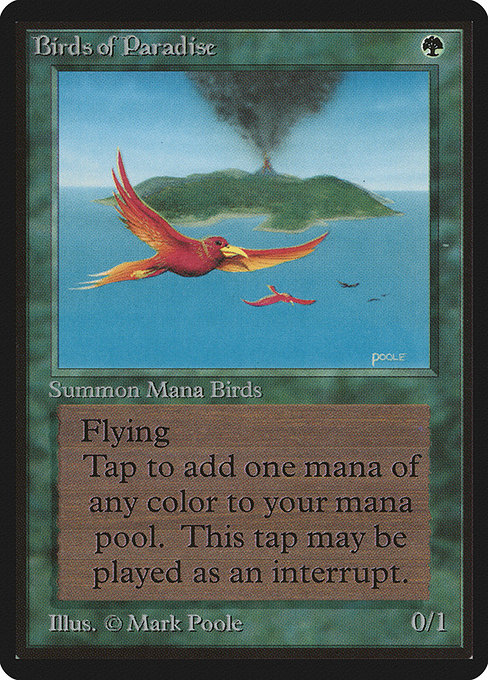
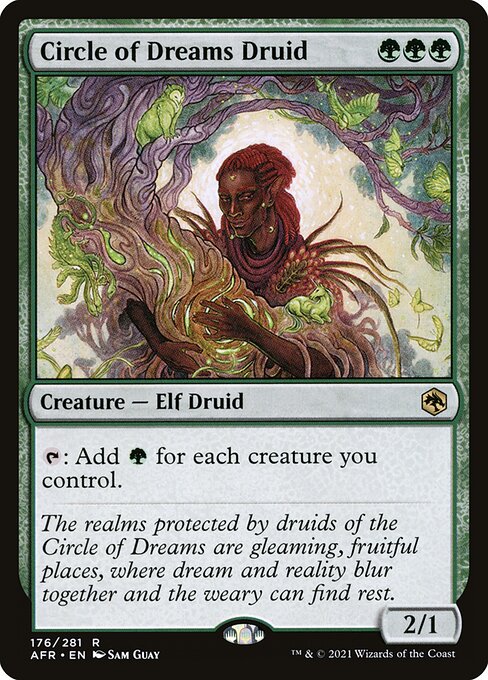
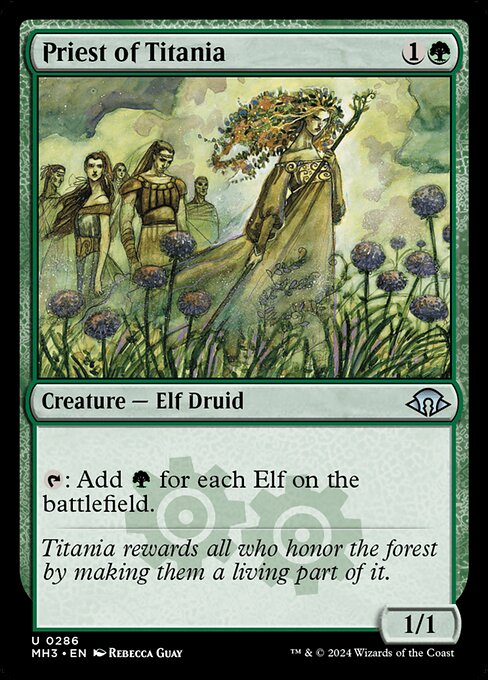
Others scale with your board. Cards like Circle of Dreams Druid or Priest of Titania can generate enormous quantities of mana, especially in token or tribal strategies.
Mana Dorks also create powerful synergies that artifacts simply cannot. For example the most recent addition of Badgermole Cub doubles the effectiveness of all of your Mana Dorks.
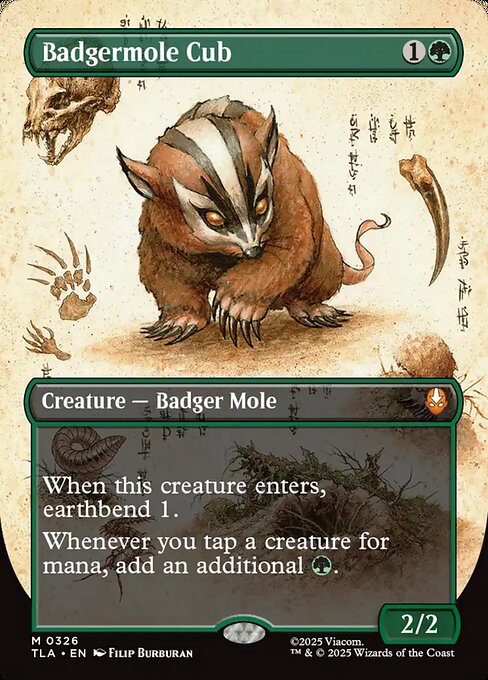
Creature-focused decks can untap them repeatedly, copy them, reanimate them from the graveyard, or buff them into legitimate attackers. Elf tribal decks, for example, often treat their mana creatures as both acceleration and offensive threats.
Of course, Mana Dorks have weaknesses, and the largest drawback is their vulnerability.
Unlike lands, creatures die to nearly every board wipe. Cards such as Wrath of God, Blasphemous Act, or Toxic Deluge can eliminate your entire mana base if it relies too heavily on creatures.
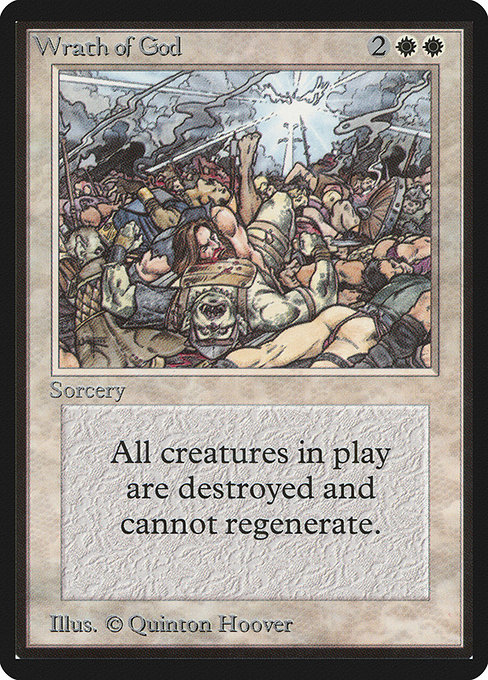
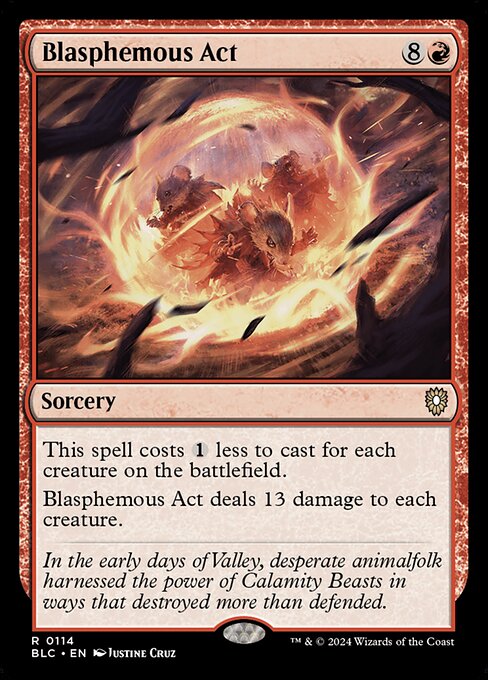
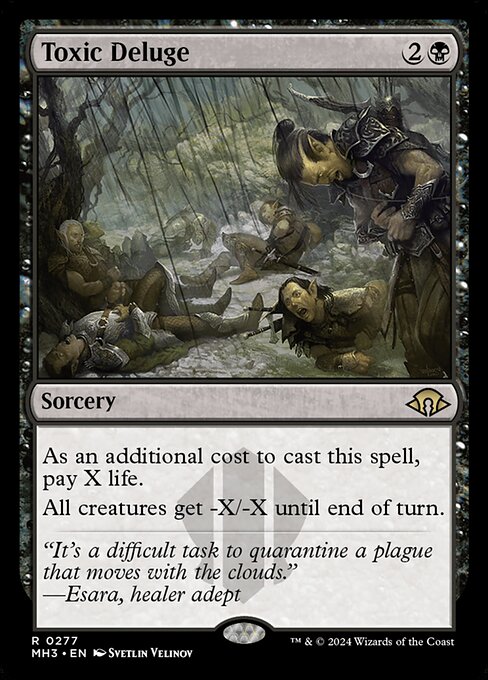
This makes them strongest in aggressive decks that intend to capitalize on early acceleration before sweepers become common.
Mana dorks are especially valuable in:
- Elf tribal
- Creature combo
- Counters strategies
- Token decks
- Green stompy
- Creature-heavy midrange decks
Many experienced Commander players view one-mana mana dorks as some of the strongest opening plays available in Green.
A first-turn Llanowar Elves may not look flashy, but it quietly accelerates your entire game plan by a full turn.
Land Ramp: The Safest Form of Mana Acceleration
Land ramp is arguably the most reliable form of acceleration. Instead of creating new mana sources through artifacts or creatures, land ramp simply puts additional lands directly onto the battlefield.
Because lands are the hardest permanent type to remove, this form of acceleration is remarkably resilient. If an opponent destroys your creatures or artifacts, your lands remain.
That reliability makes Green the undisputed king of mana development.
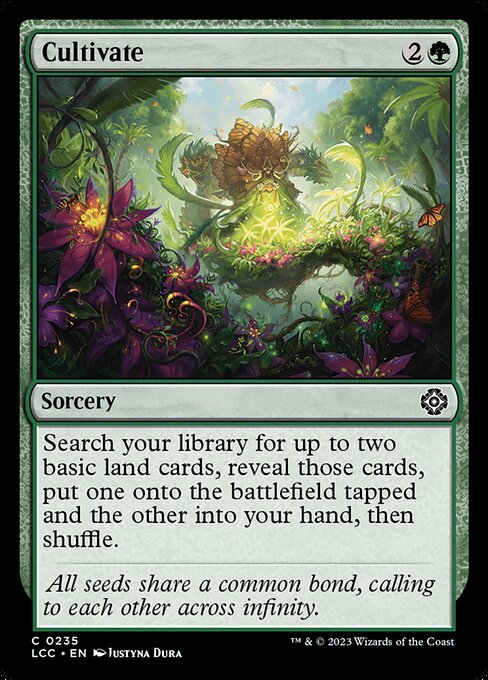
Classic spells like Rampant Growth, Nature's Lore, Three Visits, Farseek, and Cultivate have become Commander staples because they permanently increase your available mana while simultaneously improving color fixing.
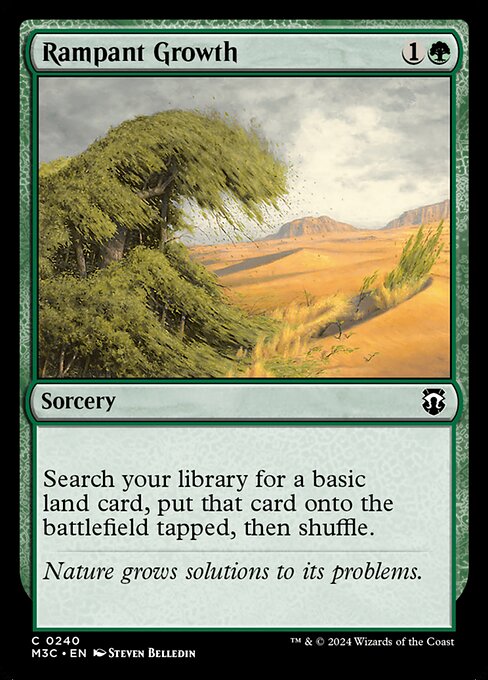
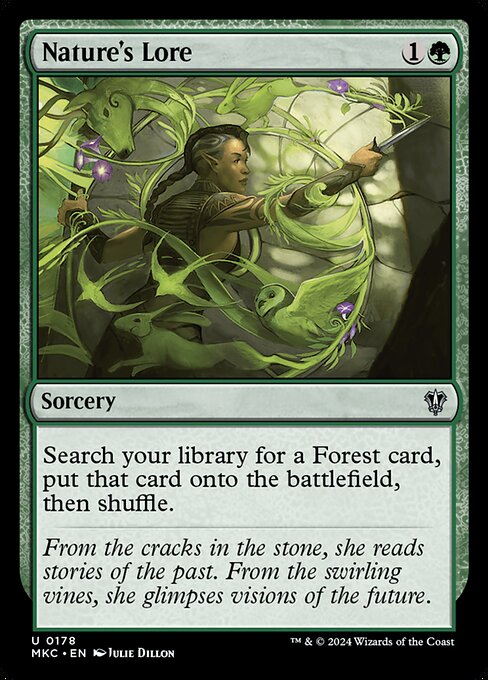
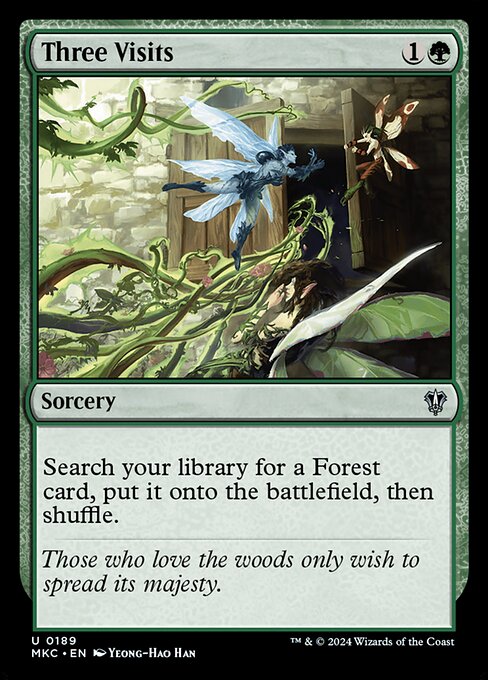
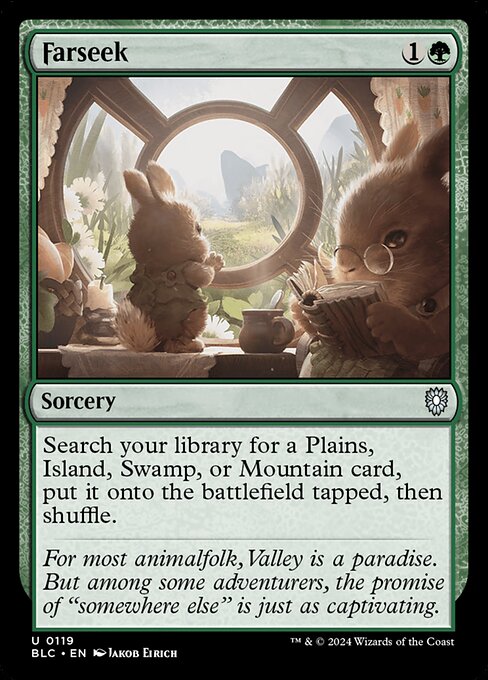
Some spells focus on efficiency.
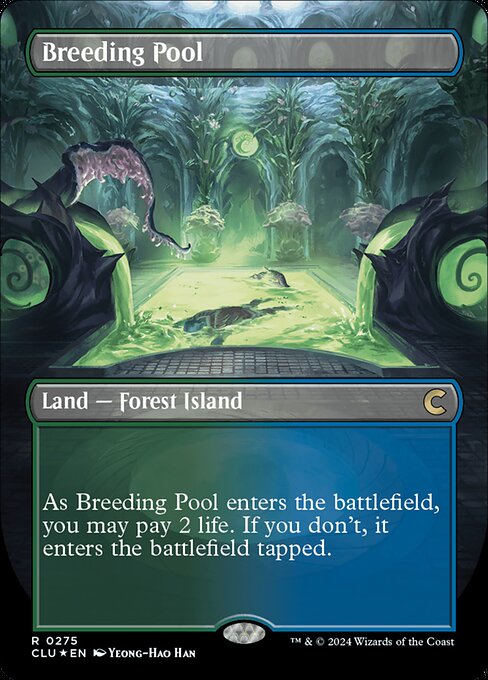
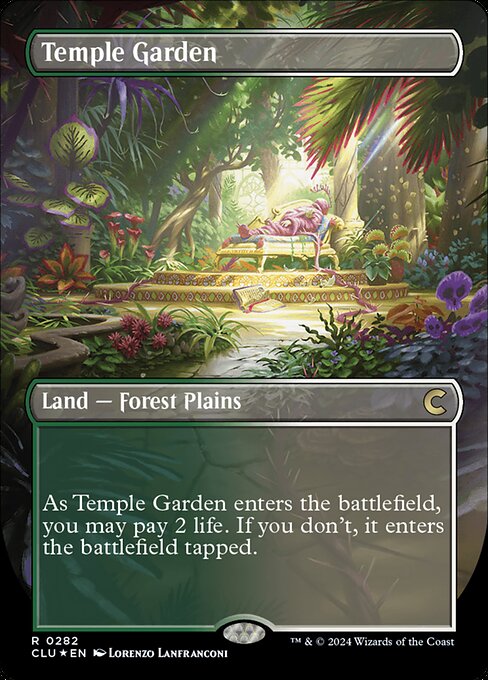
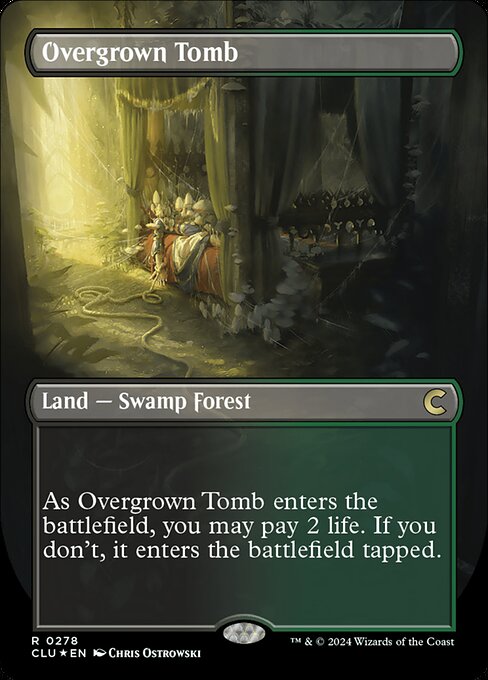
For example, Nature's Lore and Three Visits can search for any Forest card rather than just a basic Forest. That means they can find dual lands such as Breeding Pool, Temple Garden, or Overgrown Tomb, making them among the strongest two-mana ramp spells ever printed.
Others emphasize card advantage.
Cards like Cultivate and Kodama's Reach place one land onto the battlefield while guaranteeing your next land drop by putting another into your hand.
At higher mana values, green’s ramp becomes increasingly explosive.
Spells such as Skyshroud Claim, Migration Path, and Explosive Vegetation rapidly propel decks into the late game, while finishers like Traverse the Outlands can generate absurd amounts of mana after resolving a single large creature.
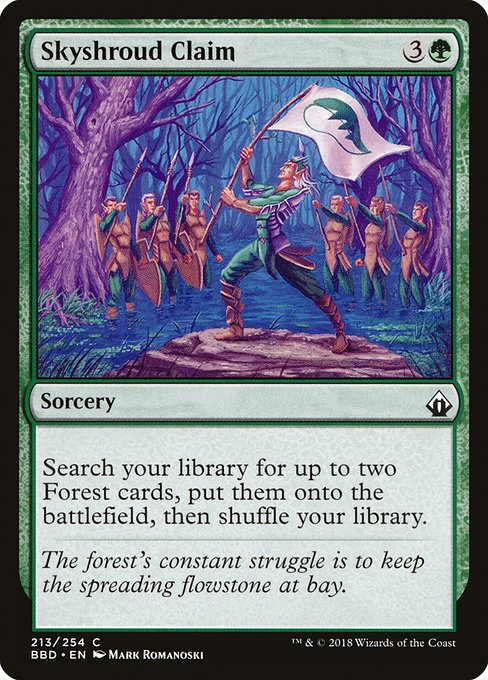
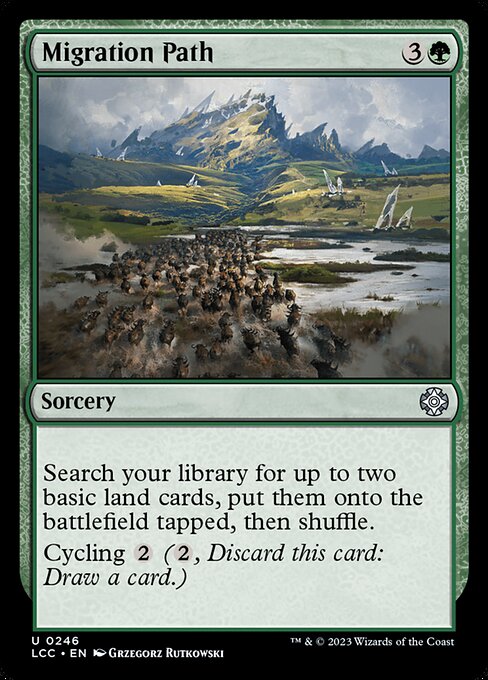
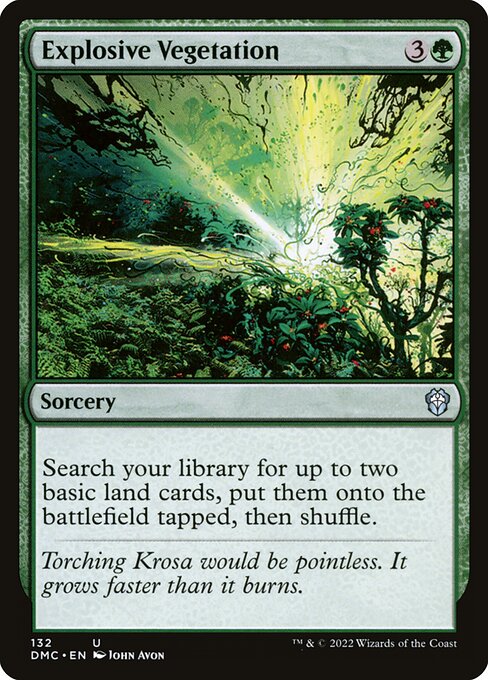
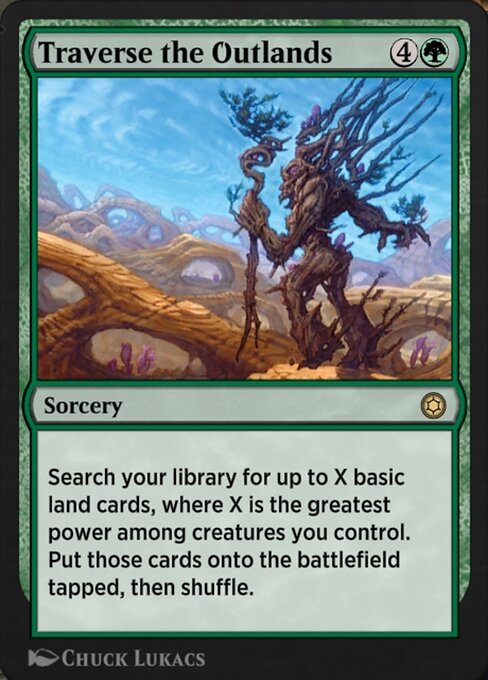
Land ramp is especially important because it naturally scales with the game. Those extra lands continue producing mana every turn, survive most removal, and synergize with countless landfall effects and utility lands.
Green also has cards that allow for multiple land drops per turn, effectively ramping. Cards like Azusa, Lost but Seeking, Oracle of Mul Daya, Icetill Explorer, and Dryad of the Ilysian Grove are just a few of the many examples.

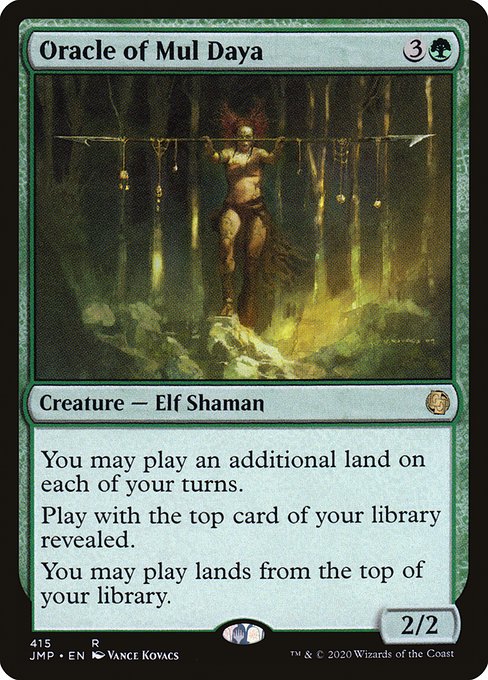

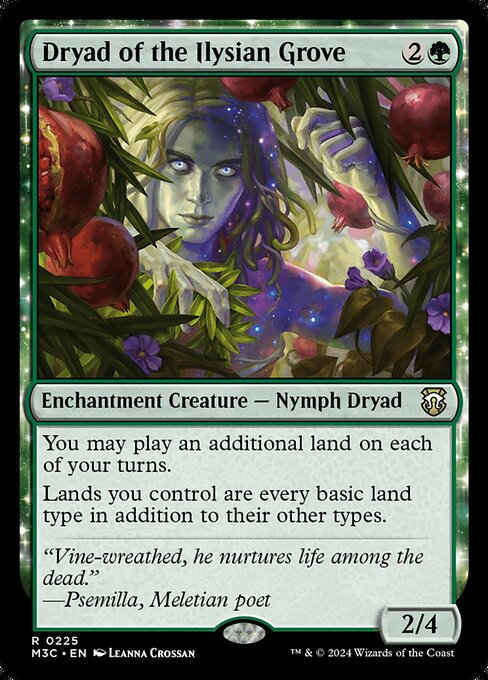
For many Commander players, especially those building Green decks, land ramp is considered the gold standard of mana acceleration. It may not produce the explosive openings of fast mana or one-mana artifacts, but its consistency, resilience, and color fixing make it one of the strongest long-term investments any deck can make.
Fast Mana: Breaking the Mana Curve
Fast mana is defined by whatever lets you produce significantly more mana than you should have access to at that stage of the game.
The goal isn’t long-term efficiency. The goal is speed.
Fast mana allows players to skip the early turns almost entirely, deploying commanders, combo pieces, or powerful engines multiple turns ahead of schedule. While traditional mana rocks gradually generate value over the course of a game, fast mana is all about creating an immediate advantage before opponents have the opportunity to respond.
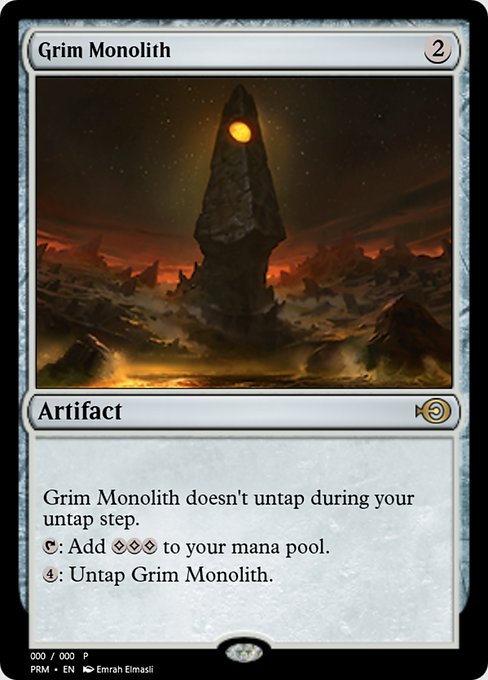
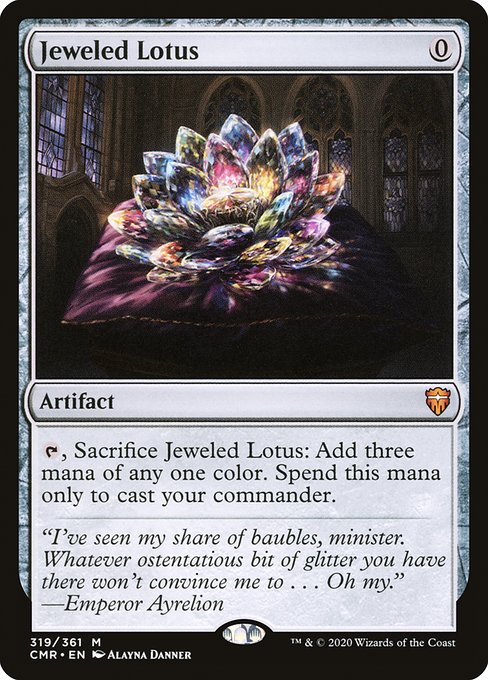
Some fast mana comes from artifacts. Mana Crypt effectively begins the game with two extra mana every turn despite costing nothing to cast. Mana Vault and Grim Monolith sacrifice long-term efficiency for enormous bursts of mana immediately. Jeweled Lotus exists for a single purpose: casting your commander several turns early.
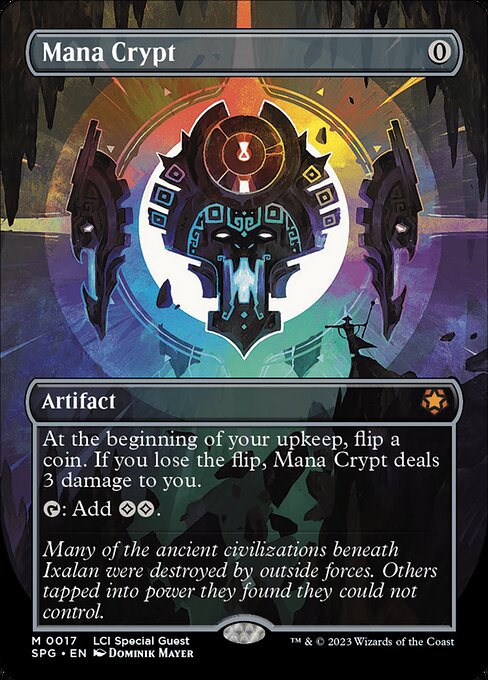
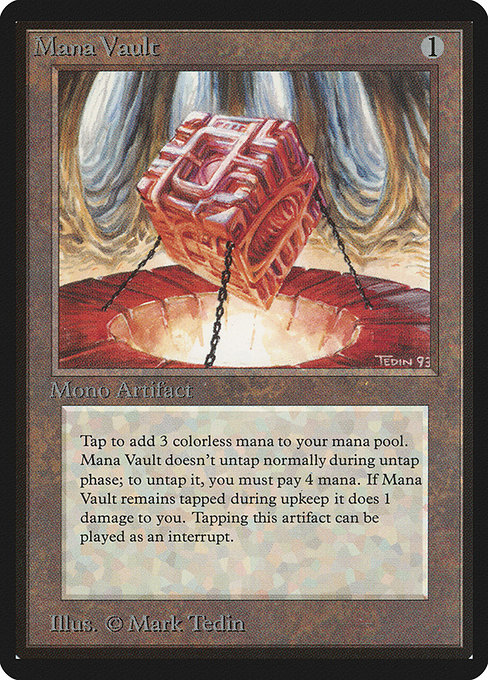
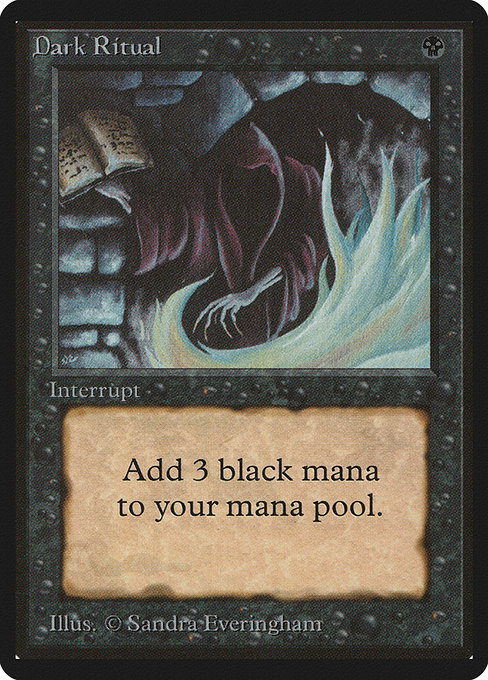
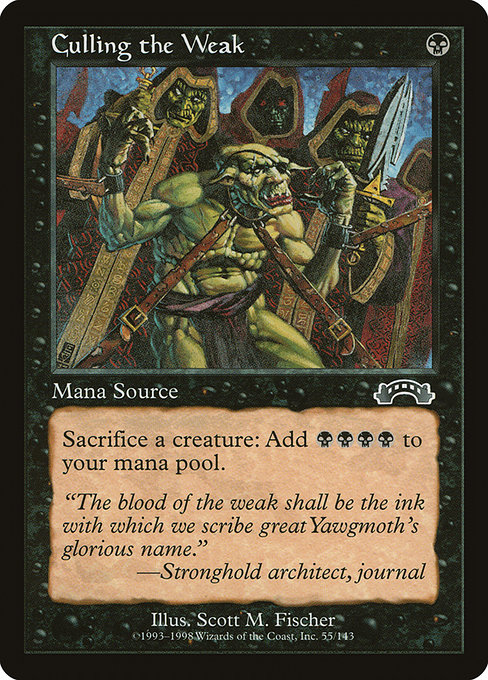
But fast mana isn’t limited to artifacts. Rituals like Dark Ritual, Culling the Weak, Jeska's Will, and Pyretic Ritual all belong in the same category because they fundamentally ignore the game’s intended mana progression. Whether the acceleration lasts for one turn or several, these cards allow players to make plays that would normally be impossible that early.
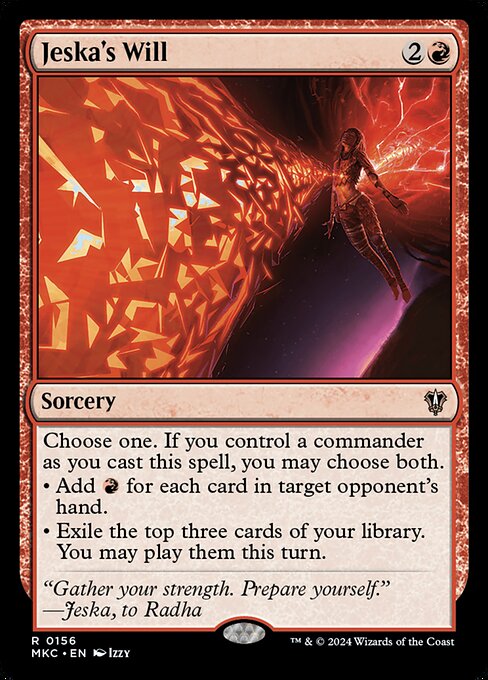
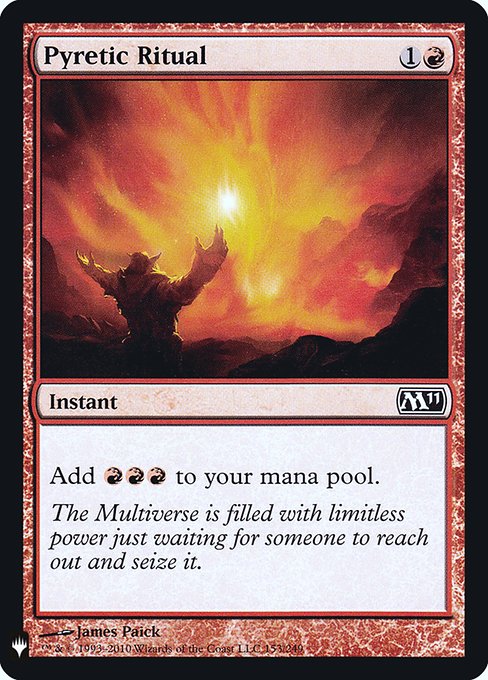
This distinction is why fast mana has such a profound impact on competitive Commander. Opening hands featuring multiple fast mana pieces can produce five or six mana on the first turn, enabling early combo attempts or commanders that immediately begin generating value. At more casual tables, however, these cards often create games where one player races far ahead before anyone else has had the chance to participate, leading many groups to self-regulate or avoid them entirely.
Fast mana is less about efficiency and more about tempo. It isn’t designed to help you cast a seven-mana spell on turn seven, it aims to let you cast it on turn three and generate an explosive turn.
Cost Reduction: Acceleration Without Producing Mana
An often-overlooked form of mana acceleration comes from reducing how much your spells cost rather than producing additional mana.
While cost reducers technically don’t generate mana, they effectively increase your available resources every turn by allowing you to cast more spells with the same number of lands.
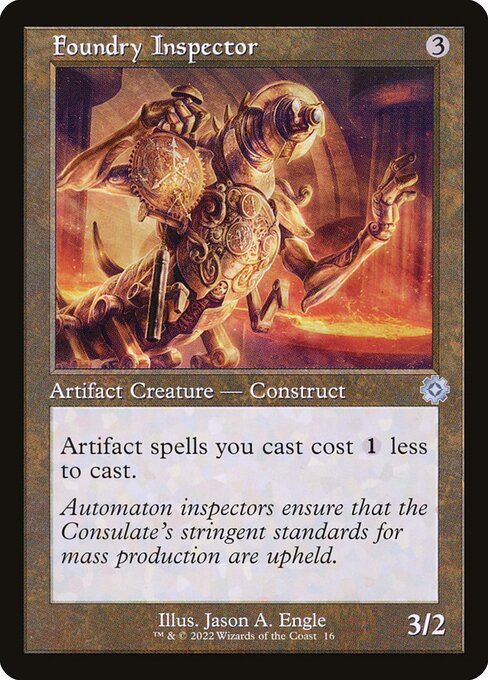
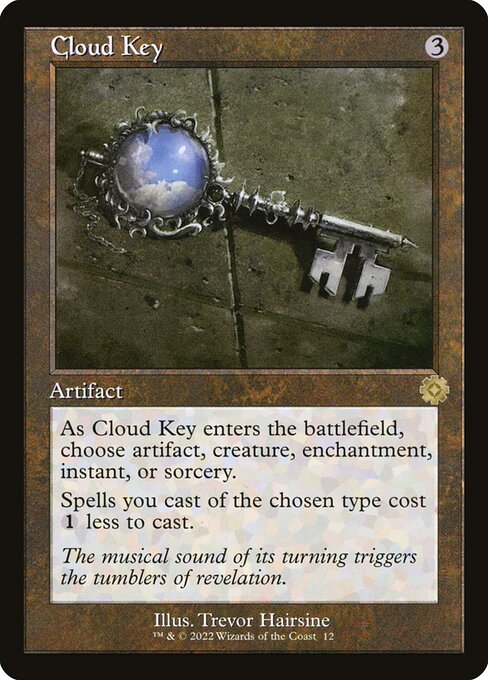
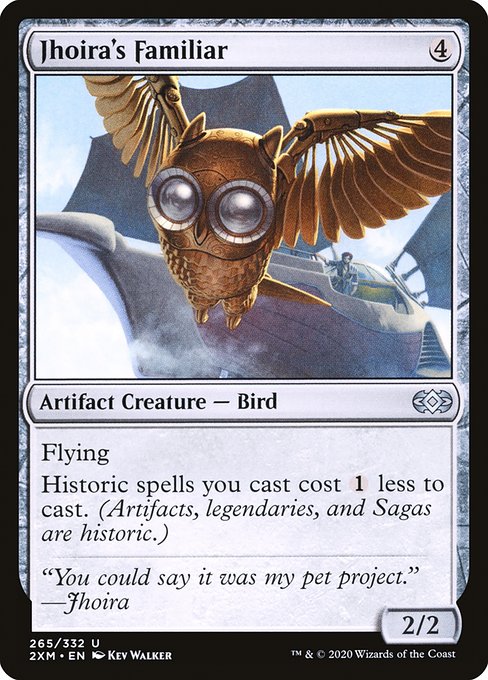
Artifact decks frequently rely on cards like Foundry Inspector, Cloud Key, and Jhoira's Familiar.
Artifact decks also naturally benefit from playing other artifacts, as many have abilities such as Affinity or Improvise. For example the newest addition of Ironheart, Clever Champion gives all your non-creature spells the ability to Improvise.

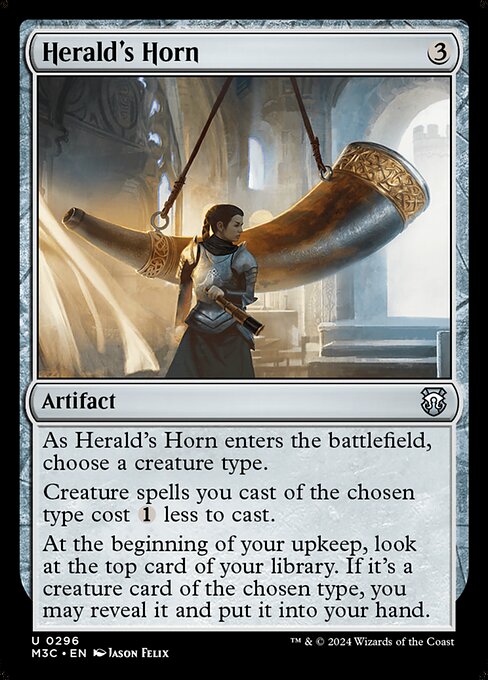
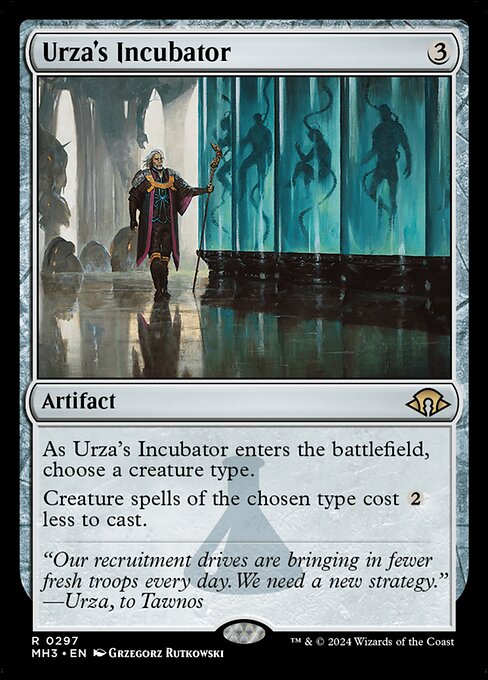
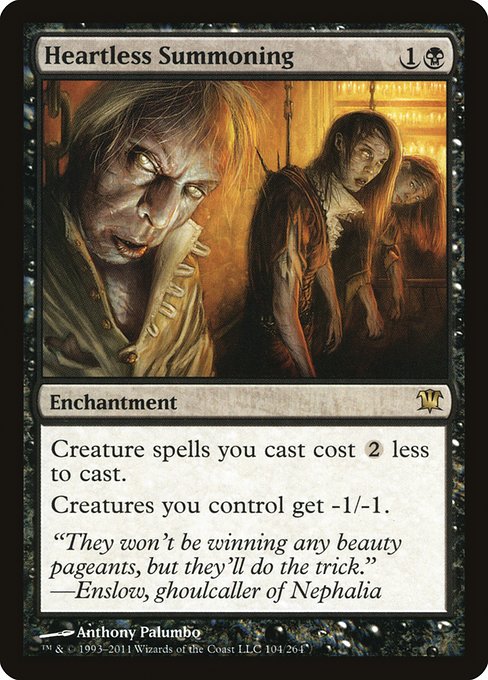
Creature heavy decks often use cards like Herald's Horn, Urza's Incubator, and Heartless Summoning.
Each color has their on cost reducting medallion: Ruby Medallion, Sapphire Medallion, Jet Medallion, Pearl Medallion, and Emerald Medallion.
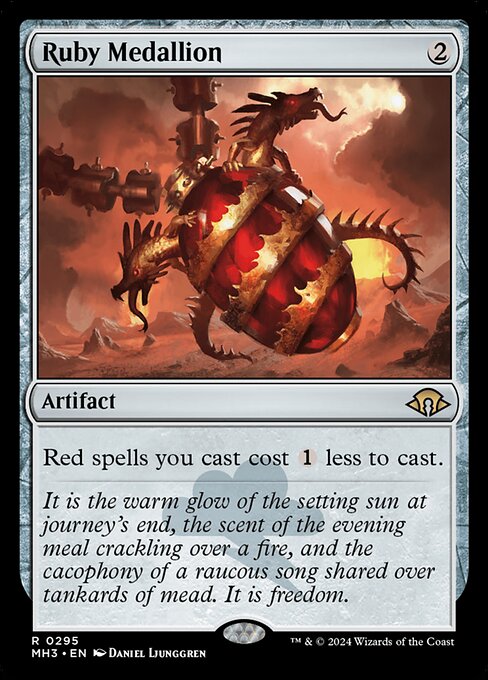
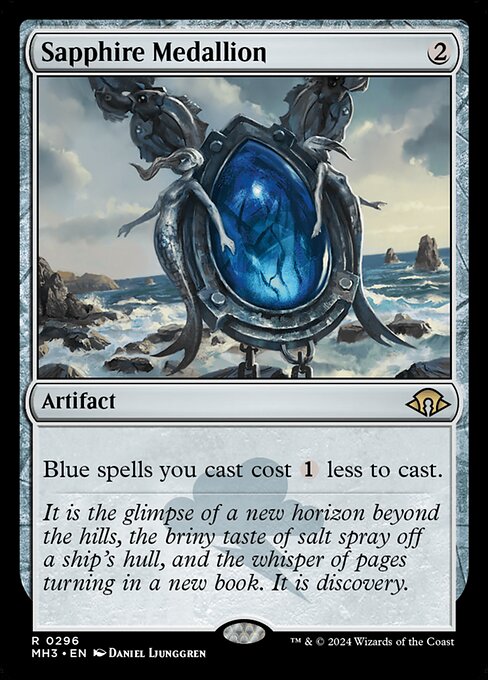
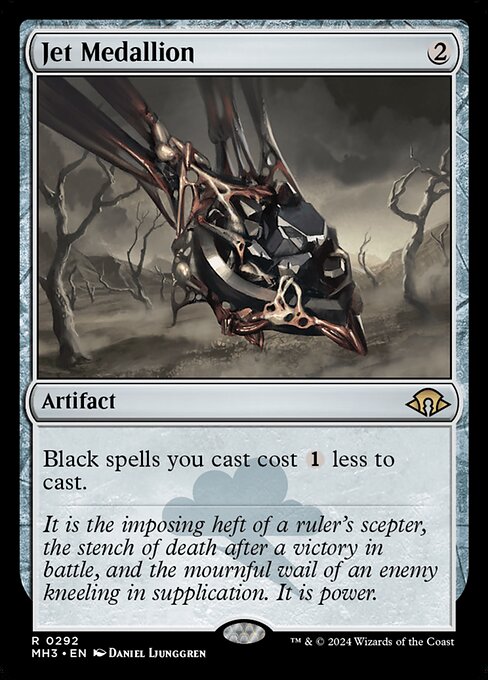
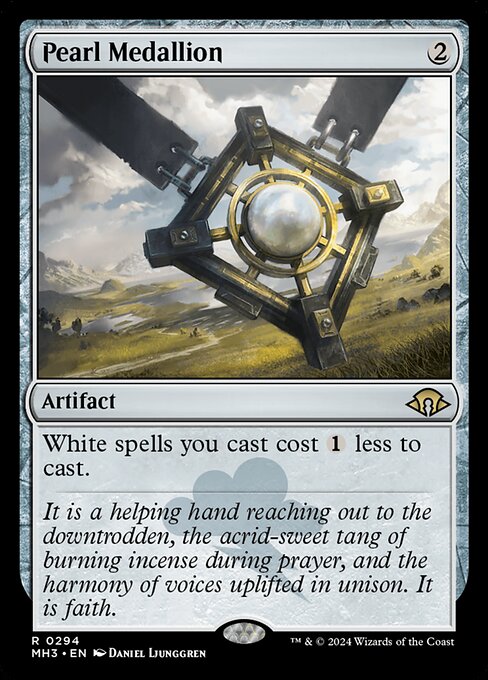
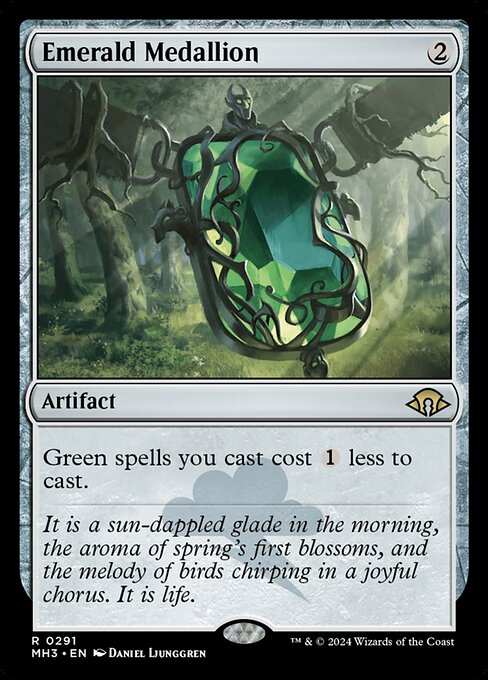
These effects become especially powerful over longer games. Saving one mana on every spell quickly adds up, often representing ten or more extra mana generated over the course of a game.
Many Commander decks now combine traditional ramp with cost reduction, creating engines capable of casting multiple expensive spells every turn without ever technically producing additional mana.
Storm Enablers
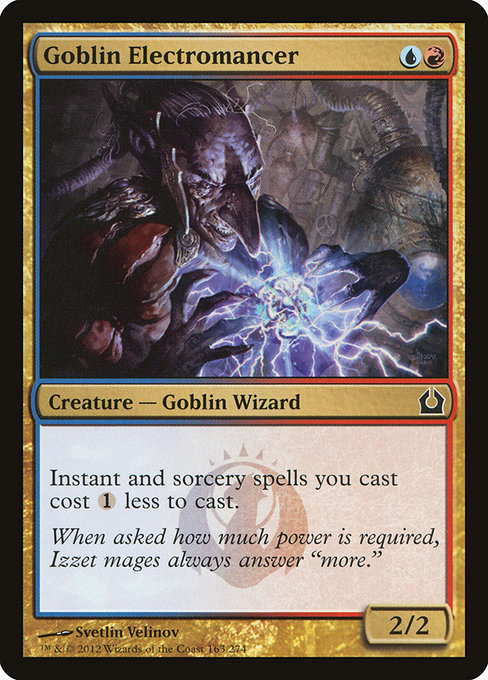
Eventhough these are more niche, they deserve their own section because of how powerful they can be when played around. These are (usually) creatures that enable decks that look to Storm off.
Cards that either reduce costs, or generate mana whenever you play a spell fit in this section: Goblin Electromancer,
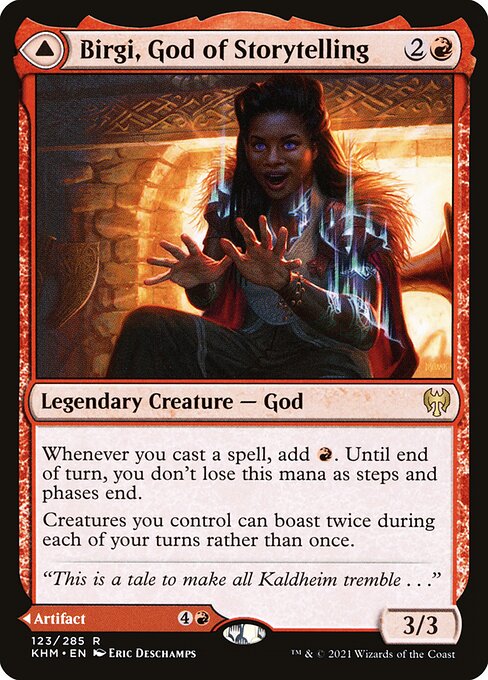
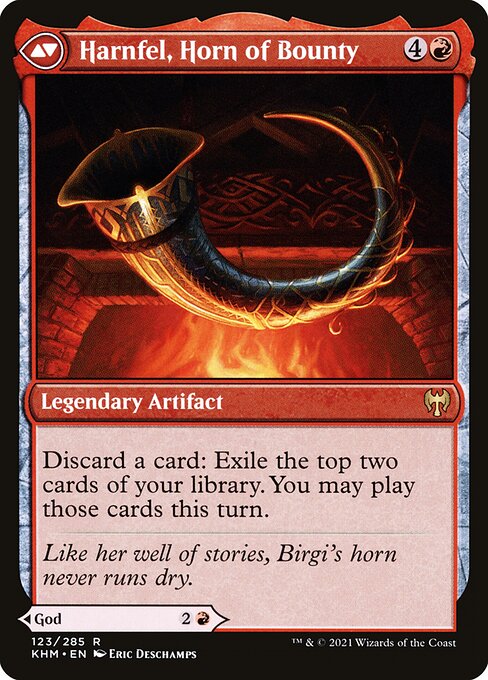
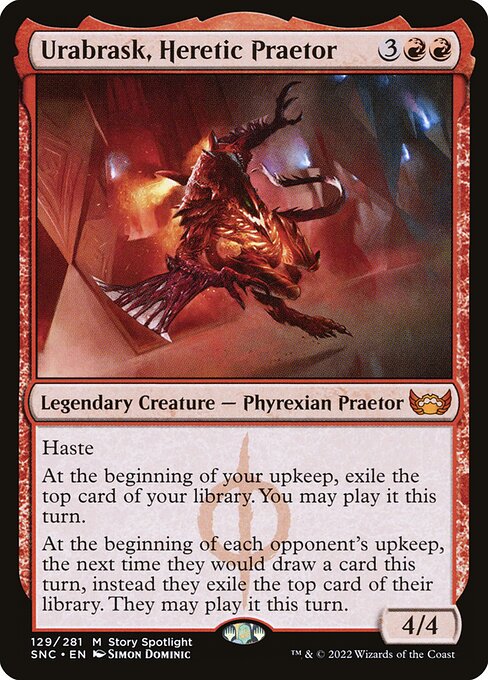
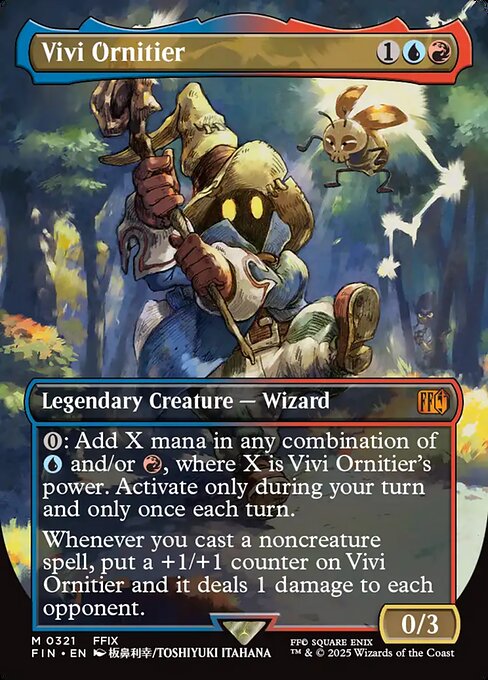
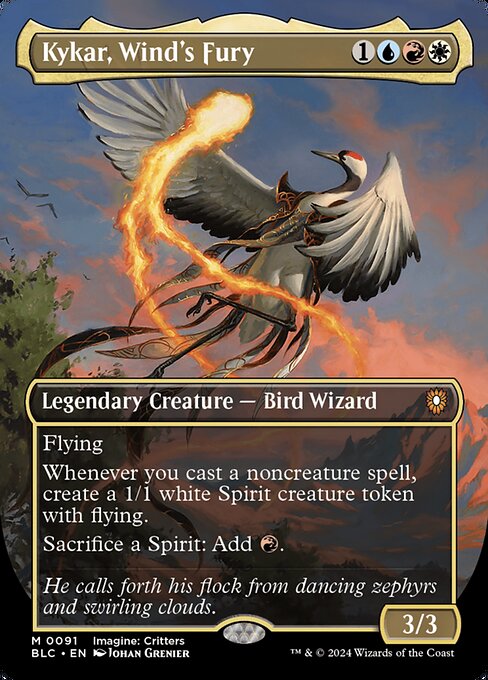
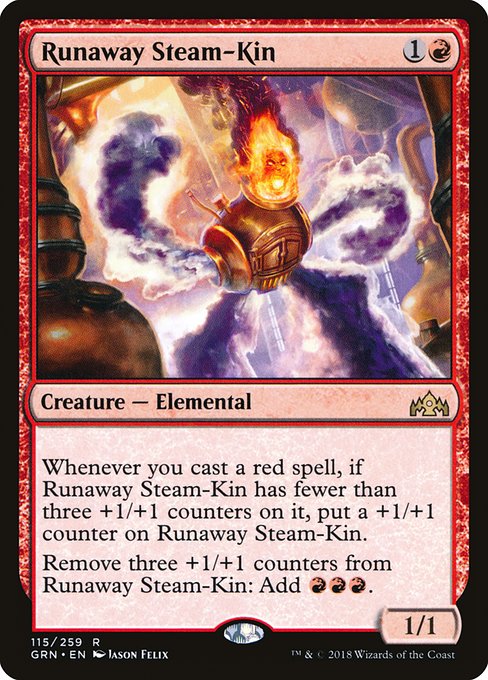

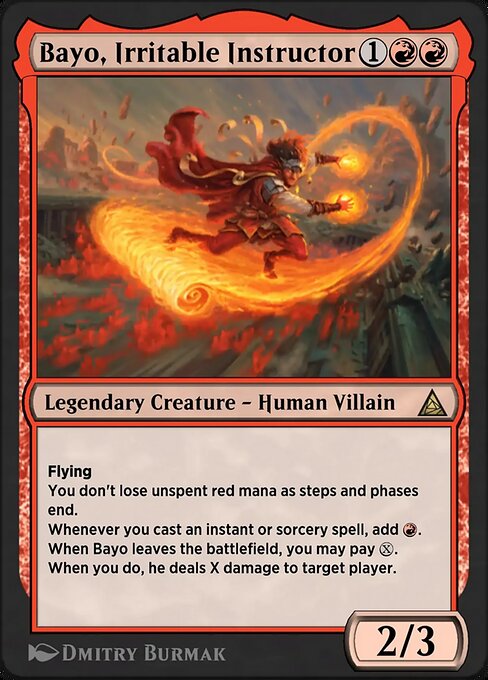
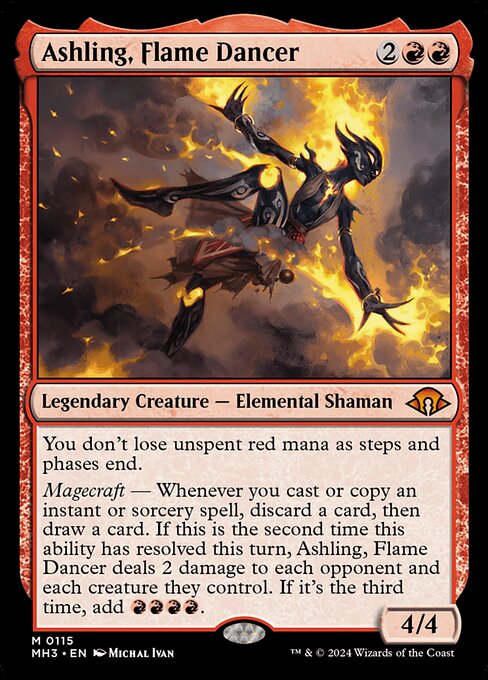
Other cards like Electro, Assaulting Battery and Ashling, Flame Dancer not only generate mana whenever you cast spells, but they also make it so that you don’t lose any of that mana to changing phases or even ending turns.
Mana Doublers
Some cards don’t simply accelerate your mana, they completely redefine what your deck is capable of producing.
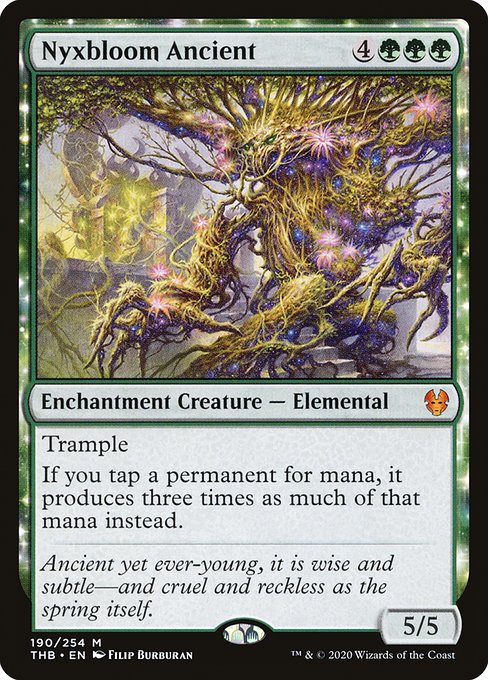
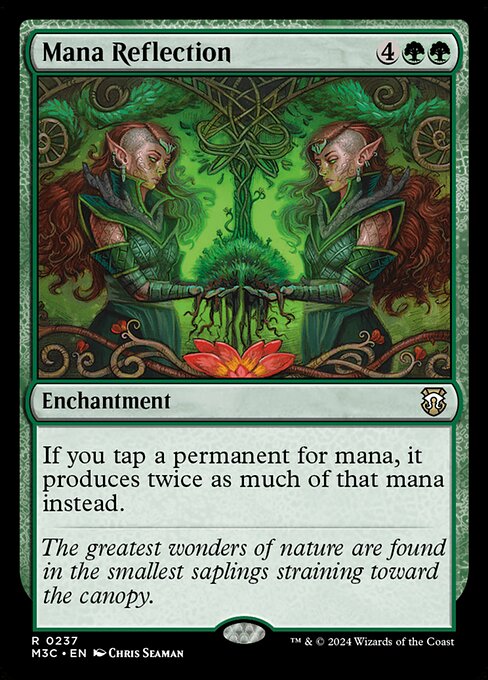
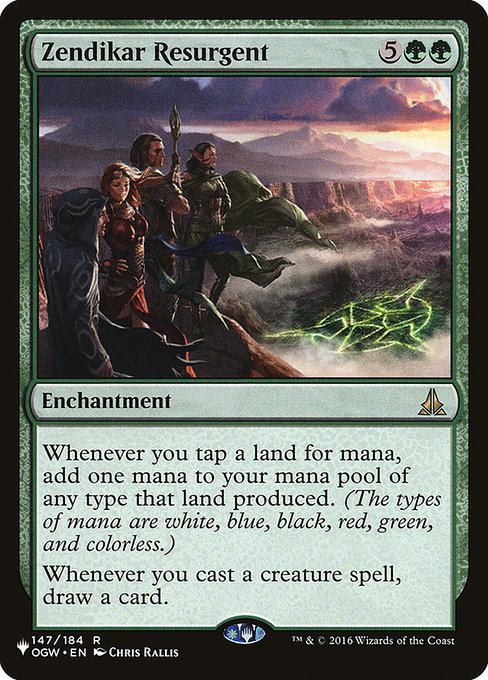
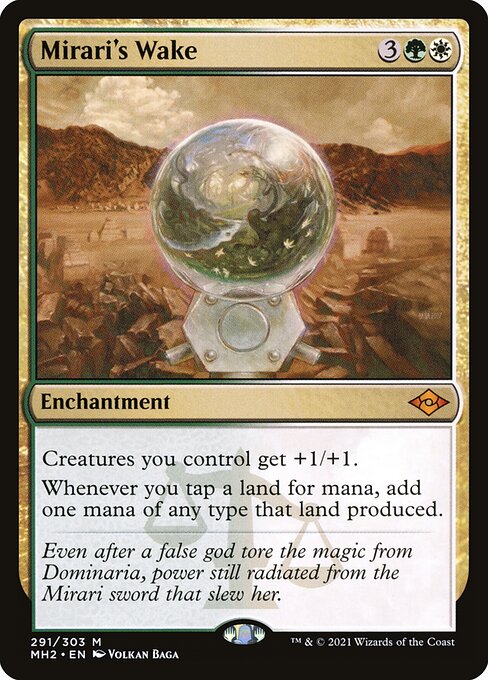
Mana doublers multiply your existing mana production, allowing decks to generate enormous quantities of mana once they’ve already established a healthy battlefield.
Green possesses many of the strongest examples: Nyxbloom Ancient, Mana Reflection, Zendikar Resurgent, Mirari's Wake.
Any color can have access to Caged Sun, Extraplanar Lens, and Gauntlet of Power.
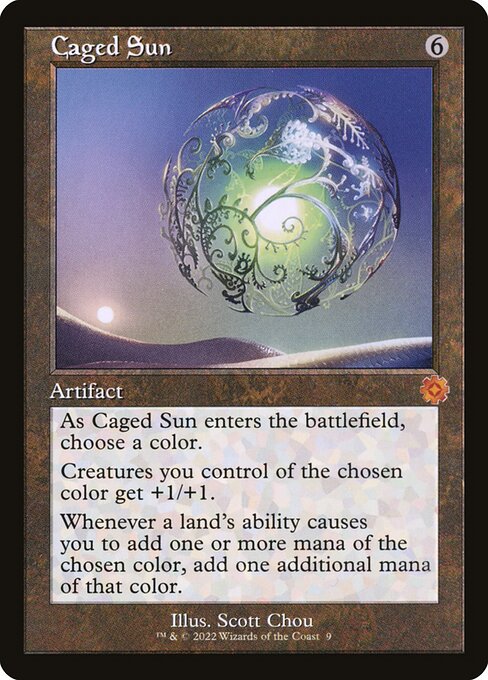
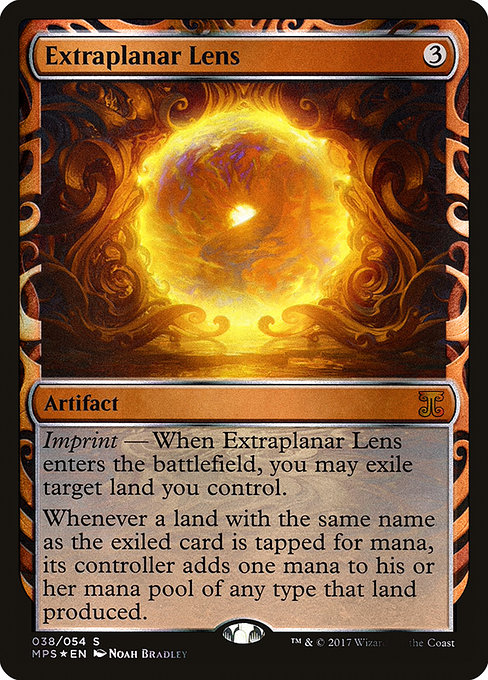
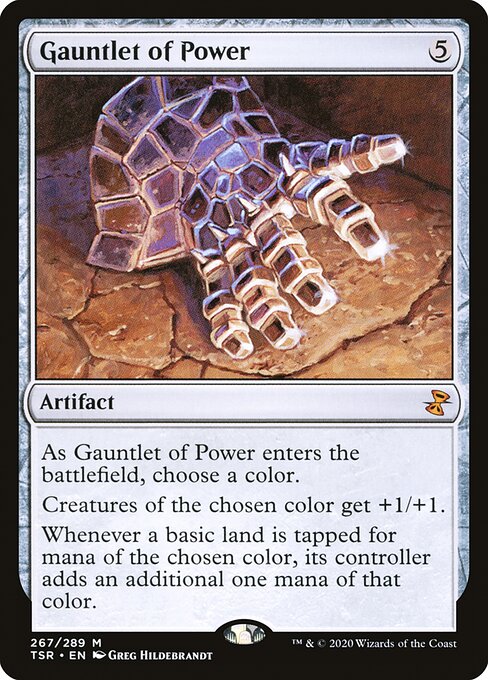
Once these permanents resolve, enormous X-spells such as Torment of Hailfire, Exsanguinate, or Finale of Devastation become legitimate game-ending threats.
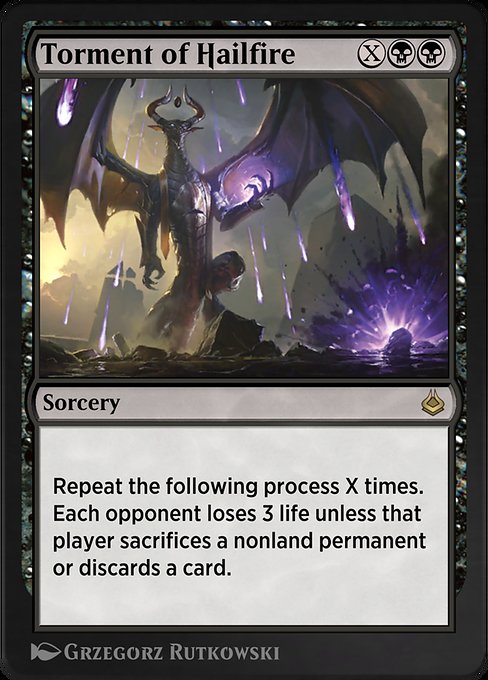
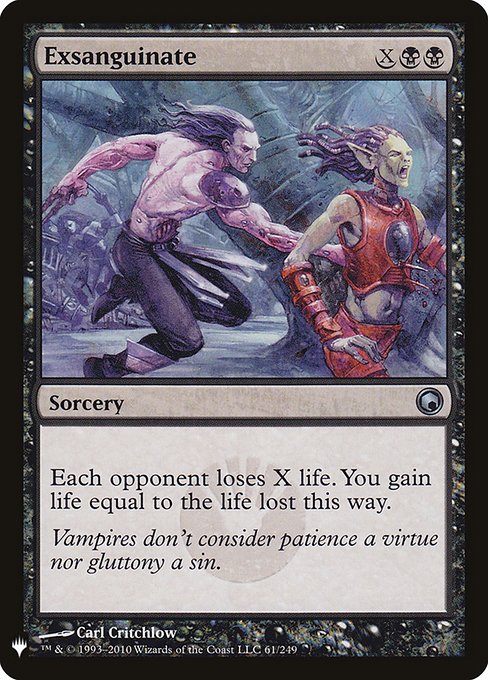
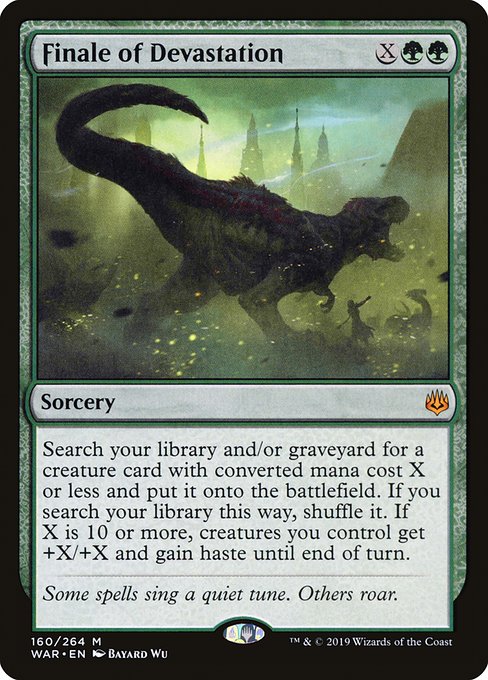
Mana doublers generally occupy the top end of a deck’s curve. They require a significant investment before they begin generating value, but if they survive for even a single turn cycle, they frequently produce enough mana to overwhelm the table.
How Each Color Approaches Ramp
Although Green remains the undisputed master of mana acceleration, every color has developed its own methods of keeping pace.
Green focuses on land ramp and mana creatures. Cards like Nature's Lore, Three Visits, Cultivate, and Llanowar Elves define green’s identity as the premier ramp color.
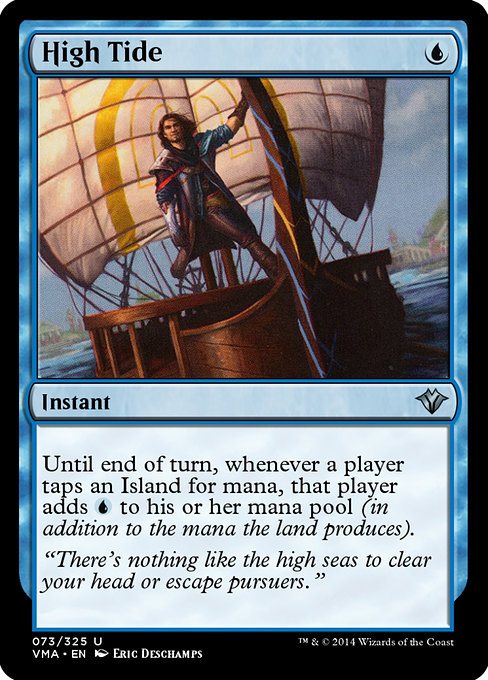
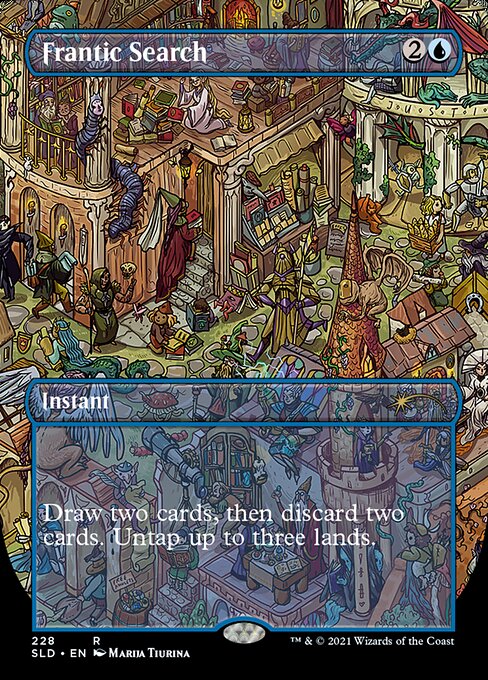
Blue generally lacks true ramp, instead relying on artifact acceleration while occasionally generating temporary mana through untapping effects such as High Tide or Frantic Search. Blue compensates by drawing enormous numbers of cards to consistently hit land drops.
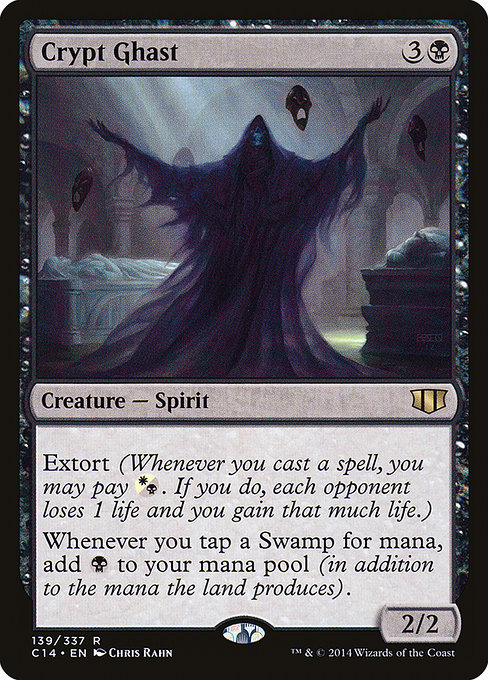
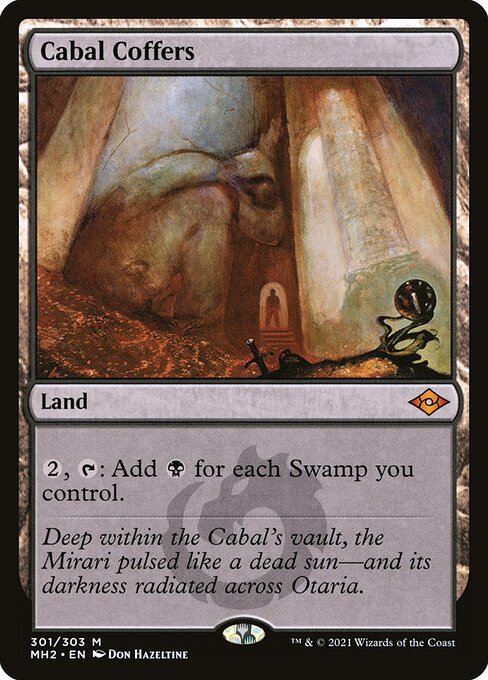
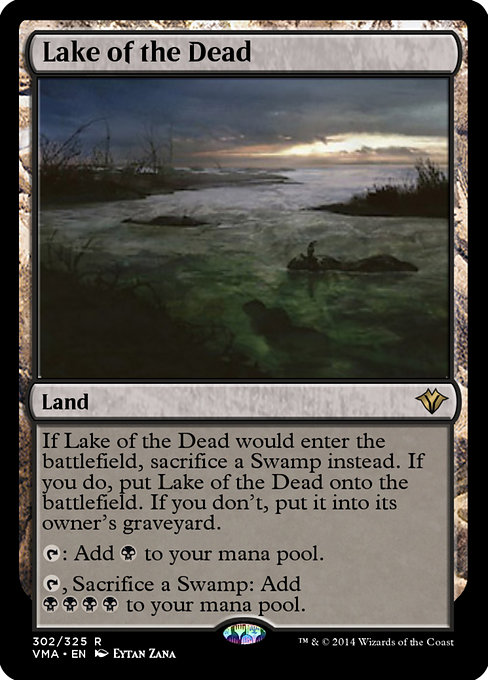
Black specializes in rituals and mana multiplication. Dark Ritual, Crypt Ghast, Cabal Coffers, and Lake of the Dead allow black to produce incredible amounts of mana, particularly in mono-black decks.
Red has evolved dramatically in recent years. While older Red decks relied almost exclusively on rituals like Jeska's Will and Pyretic Ritual, modern Commander sees Red generating vast amounts of Treasure with cards like Professional Face-Breaker, and Big Score.
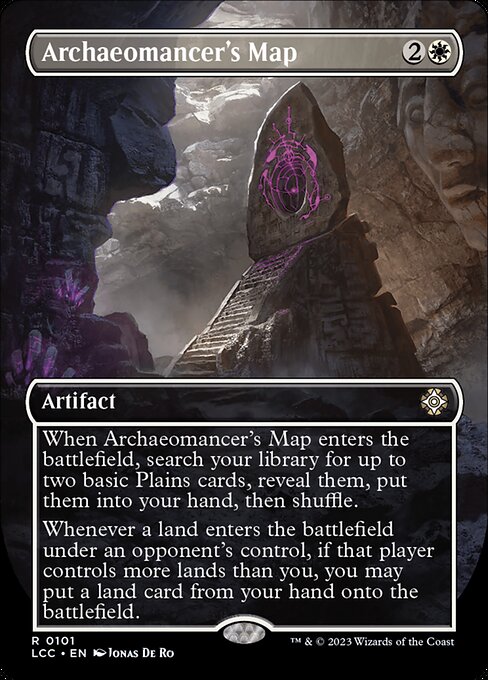
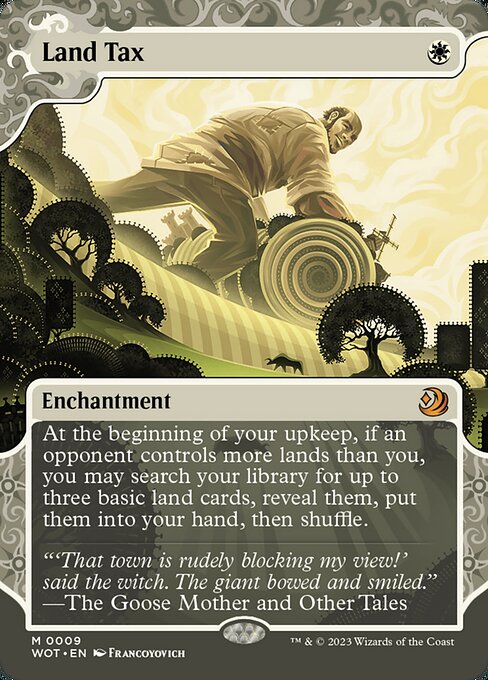
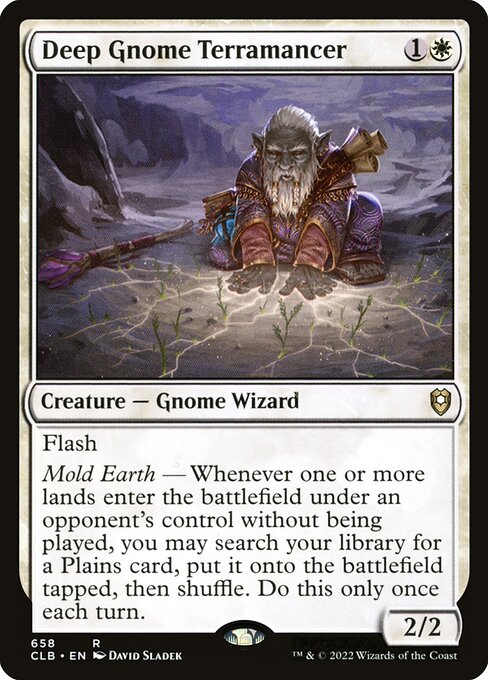
White historically struggled with ramp, but recent designs have significantly improved its options. Cards like Archaeomancer's Map, Land Tax, Smothering Tithe, and Deep Gnome Terramancer allow white decks to remain competitive without abandoning their color identity.
Multicolor decks naturally combine these strengths, often blending green’s land ramp with artifact acceleration or pairing black’s rituals alongside Treasure generation.
How Much Ramp Should You Play?
There is no universal answer, but most Commander deckbuilders follow several general guidelines.
Aggressive decks with lower mana curves can often function with eight to ten dedicated ramp pieces.
Midrange and Value-oriented decks usually prefer ten to twelve.
Battlecruiser strategies featuring numerous six-, seven-, and eight-mana spells may comfortably run thirteen or more.
Just as importantly, try to diversify your ramp package.
Instead of relying entirely on mana dorks or mana rocks, combining multiple forms of acceleration makes your deck more resilient. A player running only creatures may fold to a board wipe, while one relying solely on artifacts becomes vulnerable to cards like Vandalblast. Mixing lands, artifacts, creatures, and other acceleration methods ensures your mana development survives a wider variety of interaction.
To have a deeper look at Mana Bases and how to build them, check out this guide: https://edhmeta.com/?p=7593
Common Ramp Mistakes
Many Commander players unintentionally weaken their decks by misunderstanding mana acceleration.
One of the most common mistakes is simply not playing enough ramp. Expensive spells are exciting, but they lose much of their impact if you cannot cast them on time.
Another frequent error is choosing inefficient ramp. Spending four mana to accelerate by one often delays your development more than it helps. Whenever possible, prioritize spells that cost two or three mana and begin paying dividends immediately.
Many players also overload on one type of ramp. Filling a deck entirely with mana rocks, mana dorks, or rituals makes it much easier for opponents to disrupt your strategy with a single well-timed removal spell.
Finally, remember that ramp should complement your deck’s game plan. Artifact decks naturally favor mana rocks, creature strategies prefer mana dorks, and green decks maximize land ramp. Choosing acceleration that synergizes with your commander is almost always better than selecting generically powerful cards.
Closing Thoughts
Every Commander deck has a plan, whether it’s assembling an intricate combo, overwhelming the table with combat damage, locking opponents out of the game, or simply casting gigantic spells that dominate the battlefield. None of those plans matter if you never have enough mana to execute them.
That’s why experienced Commander players often evaluate a new deck by looking at its mana base and ramp package before anything else. Consistent mana development makes every other card in your deck better. Your commander arrives earlier, your interaction remains available more often, and your late-game threats become realistic instead of wishful thinking.
The best part is that effective ramp doesn’t require an unlimited budget. While premium cards like Mana Crypt and Jeweled Lotus certainly increase a deck’s explosiveness, countless affordable options can produce excellent results. A carefully balanced package of Sol Ring, Arcane Signet, Nature's Lore, Cultivate, or even simple mana dorks can power decks capable of competing at nearly any casual Commander table.
You might also be interested in learning more about Budget Options for Commander Staples: https://edhmeta.com/budget-options-for-staples/
Ultimately, ramp is the engine that allows every strategy to function. Understanding the strengths and weaknesses of each of them will make you a better deckbuilder regardless of your favorite colors or commanders. Once you start viewing mana as your deck’s most valuable resource, you’ll find your games becoming smoother, your turns more impactful, and your victories far more consistent.