




Commander’s Premise
Mono-Red artifact strategies traditionally rely on direct aggression, rapid mana acceleration, or single-minded combo wins. However, running Joven and Chandler as your commander opens up a completely distinct, versatile gameplay loop. This legendary team enters the battlefield as a five-mana Human Rogue with three power and three toughness. Their operational power centers on two complementary mechanics that punish opponents while rewarding your own sacrificial play patterns.
First, Joven and Chandler features a potent passive growth trigger. Whenever an artifact is put into a graveyard from the battlefield, you put a number of plus-one/plus-one counters equal to that artifact’s total mana value directly onto Joven and Chandler. Sacrificing high-cost artifacts rapidly transforms your commander into a massive threat capable of delivering lethal commander damage in a single strike.
Second, their activated ability requires three red mana and a tap to temporarily take control of any target artifact until end of turn, untapping it and granting it haste. This lets you steal high-value utility artifacts or mana sources from opponents, utilize their abilities for a turn, and then sacrifice them using your internal sacrifice outlets before control reverts. This dynamic creates a commanding presence that rewards tactical sequencing, resource manipulation, and continuous artifact recursion.
How it Compares to Others?
Evaluating Joven and Chandler alongside prominent artifact and token commanders across the format highlights distinct structural playstyles:
- High-Speed cEDH Loops vs. Midrange Synergy Engine: In dedicated high-velocity builds led by Emry, Lurker of the Loch, the core strategy relies on aggressive self-mill, fast mana, and zero-mana artifact loops to secure instant-speed victories on early turns. While Emry, Lurker of the Loch focuses on hyper-efficient, deterministic combo assembly, Joven and Chandler operates as a resilient midrange aristocrats platform. Instead of racing to assemble fragile loop pieces on turn two, this deck builds persistent passive ping damage and relies on stealing opposing utility artifacts to generate incremental value.
- Aristocrat Pastry Swarms vs. Voltron Death Triggers: Token-heavy aristocrat decks like Brenard, Ginger Sculptor flood the board with Golem copies, sacrificing small creature tokens to widen their board presence and grind out opponents through wide combat swings. In contrast, Joven and Chandler turns artifact sacrifices into concentrated tall power on a single threat. Rather than spreading stats thin across a wide token army, every sacrificed artifact feeds counters directly into Joven and Chandler, allowing you to simultaneously pressure life totals through passive burn while threatening lethal one-shot commander damage.
- Color-Restricted Precision vs. Open Esper Systems: Multi-colored artifact engines, such as those found in Esper artifact builds, leverage blue control, black tutor density, and white defensive protection to create airtight, perfected systems. Operating purely in Mono-Red strips away that broad safety net, forcing you to utilize aggressive resource cycling, spell-trigger pingers, and temporal artifact theft. Joven and Chandler transforms the drawbacks of Mono-Red into a direct strength by converting every sacrificed cantrip and stolen opposing mana rock into fuel for continuous burn and rapid board growth.
Core Gameplay
The overarching goal of this deck is to transform routine game actions into lethal damage and massive commander power. You achieve this through three interlocking components: cost-reduction engines, card-drawing artifacts, and passive pingers that trigger whenever an artifact enters or leaves the battlefield.
In the early stages, you focus on laying down low-cost artifacts that cantrip, ensuring you never run out of options or miss land drops. Mid-game turns revolve around establishing cost reducers to cast multiple spells per turn, building a critical mass of triggering cards while establishing Joven and Chandler.
Once your pingers and commander are established, every artifact played deals damage across the table. When those same artifacts are sacrificed using internal outlets, additional triggers fire off, refunding mana, drawing cards, and placing permanent plus-one/plus-one counters on Joven and Chandler. The late game resolves into massive recursive turns where you loop artifacts from the graveyard, draining life totals in rapid fashion or swinging in with an enormous commander.
Early Game
Your primary goal during the first three turns is resource deployment and hand maintenance. You want to see opening hands with at least three lands and one or two cheap artifacts that draw a card upon entering the battlefield.
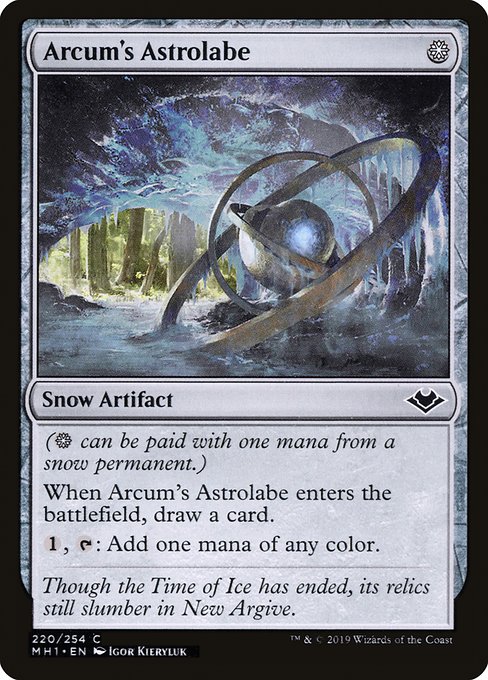
Avoid casting high-priority engines immediately without protection or ramp. Instead, spend turn one and turn two setting up mana filtering and card draw with cards like Arcum's Astrolabe or Chromatic Sphere. These early plays ensure you draw deeper into your deck while keeping your mana flexible.
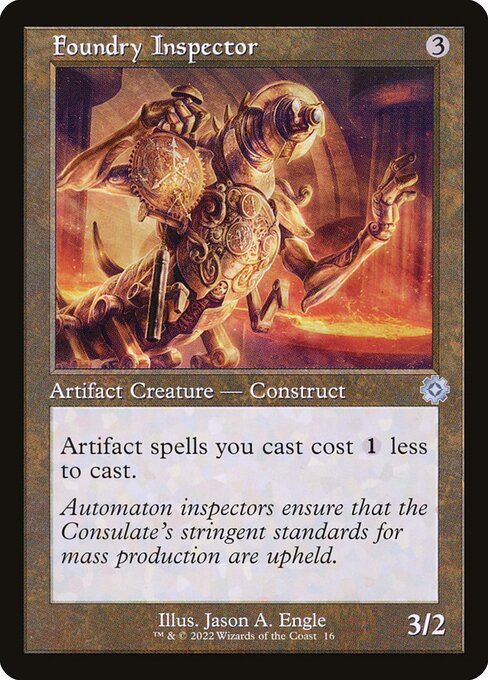
By turn three, you should aim to cast a cost reducer or an early damage engine. Establishing a card like Foundry Inspector on turn three dramatically accelerates your upcoming turns, allowing you to string together multiple artifacts back-to-back while keeping your hand full.
Mid Game
During turns four through six, the deck transitions from quiet setup to active threat generation. This is where you deploy your core pingers and deploy Joven and Chandler to start pressuring the table.
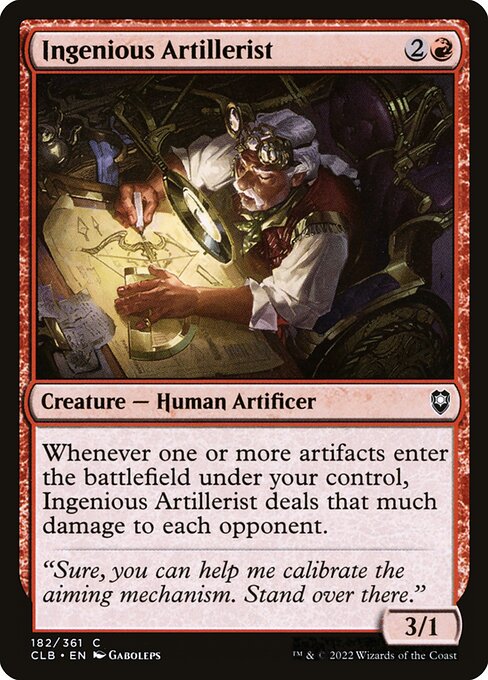
You should aim to assemble at least two ping creatures on the board simultaneously. Cards like Reckless Fireweaver and Ingenious Artillerist turn every single artifact drop into significant damage spread across all opponents.
This is also the ideal window to cast Joven and Chandler once your mana base is stable. Having your commander on the field ensures that every artifact sacrifice yields immediate plus-one/plus-one counters. Furthermore, you can hold three red mana open to steal key utility artifacts from opponents right before your turn begins.
End Game
The late game is defined by massive artifact recursion, explosive damage outputs, and lethal commander attacks. Once your graveyard is stocked with low-cost artifacts, you utilize powerful recursion creatures to loop pieces back and forth.
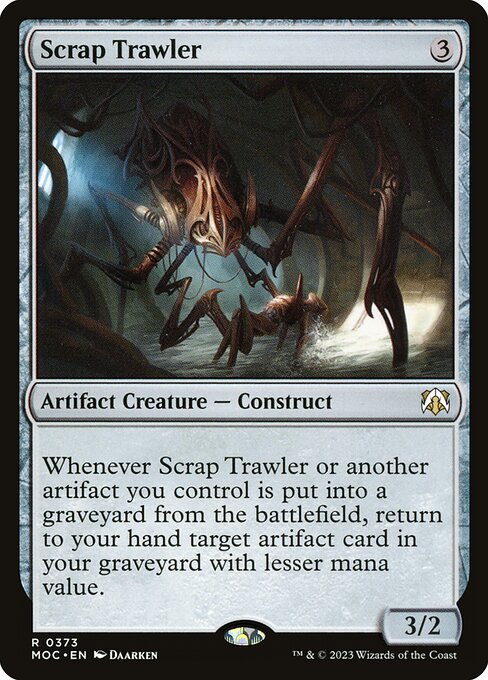
Cards like Scrap Trawler and Scrap Welder allow you to exchange used artifacts for fresh ones, generating cascades of enter-the-battlefield and dies triggers. A single sacrifice can trigger multiple damage sources, refund mana, and add a stack of plus-one/plus-one counters to Joven and Chandler.
If life totals are low, a well-timed deployment of a massive artifact threat or an unblockable swing with Joven and Chandler using utility lands can eliminate players instantly. Alternatively, the sheer volume of passive ping damage generated by playing five to six discounted artifacts in a single turn will comfortably seal the victory.
Power Analysis and Decklist
Operating in Bracket 3, this deck balances synergistic power with fair, interactive gameplay. It lacks instant-win infinite combos, choosing instead to win through optimized synergy, tactical resource management, and overwhelming board momentum. It responds well to opposing artifact strategies by stealing key components with Joven and Chandler, while maintaining a high operational ceiling that out-values slower control strategies.

Creatures (29)
Artifacts (37)
Enchantments (1)
Lands (34)
101 Cards
$151
Deep Analysis
This deck operates as a Mono-Red artifact eggs archetype that synergizes low-cost cantrip artifacts with passive burn engines and commander-centric growth. The general intent is to continuously recycle modular artifacts to draw cards, chip away at opposing life totals via damage pingers, and accumulate massive stat boosts on Joven and Chandler. By combining temporal theft of opposing artifacts with consistent graveyard loops, the strategy seamlessly transitions between controlling board states and threatening rapid, game-ending combat damage.
Creatures
The deck includes a total of 27 creatures that form the backbone of the deck. These cards provide passive ping damage on spell casts, reduce the costs of your artifact spells, act as instant-speed sacrifice outlets, and execute deep graveyard loops to keep your hand and board full of resources. Below, we highlight 12 key creatures essential to driving this strategy forward.
Direct Burn Engines
These specialized creatures continuously convert your game actions into direct damage against the entire table. By triggering whenever artifacts hit the battlefield or noncreature spells are cast, they steadily erode opposing life totals while you execute your normal setup turns.
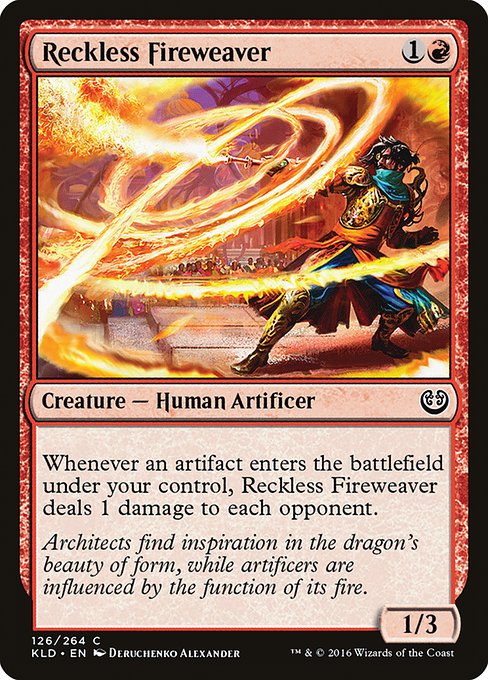
- Reckless Fireweaver stands out as a fundamental two-mana creature that deals one damage to each opponent whenever an artifact enters the battlefield under your control. Because it drops early in the curve, it scales smoothly across the match, ensuring that every egg played doubles as direct group burn.
- Ingenious Artillerist expands on this burn archetype significantly. Costing three mana for a three-power body, it deals damage equal to the quantity of artifacts that entered the battlefield under your control to every opponent whenever an artifact lands on your board. This double-potency burn turns modest two-mana utility artifacts into devastating offensive bursts across all three opponents.
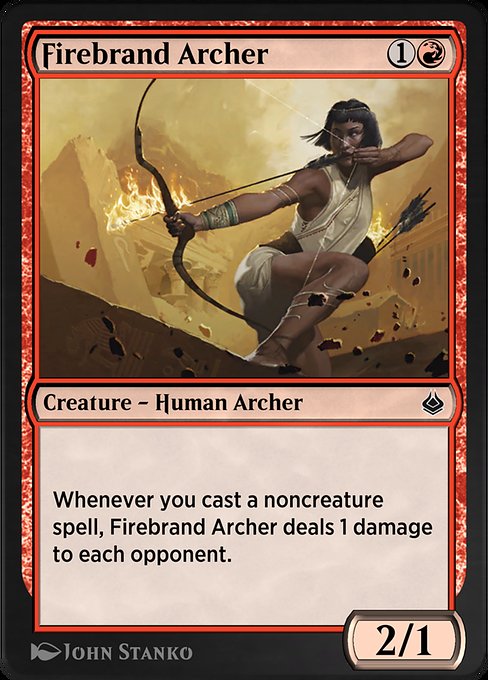
- Firebrand Archer ties direct table damage to your entire noncreature casting volume. As a two-mana creature, it deals one damage to each opponent whenever you cast any noncreature spell, guaranteeing that your non-artifact support spells and artifact deployments consistently drain opponent life totals.
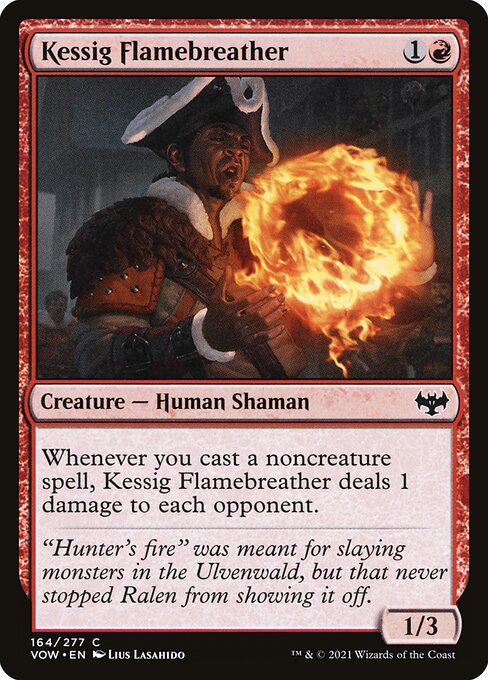
- Kessig Flamebreather mirrors this noncreature spell trigger with added defensive resilience. Operating as a two-mana creature with one power and three toughness, its high toughness lets it block early aggressive threats effectively while continuously chipping away at enemy life pools.
Cost Reducers and Mana Engines
These creatures focus on resource efficiency and mana generation. They reduce the costs of playing your spells, allow you to chain multiple artifacts together in a single turn, and convert sacrificed artifacts into extra mana to fuel further plays or buff your commander.
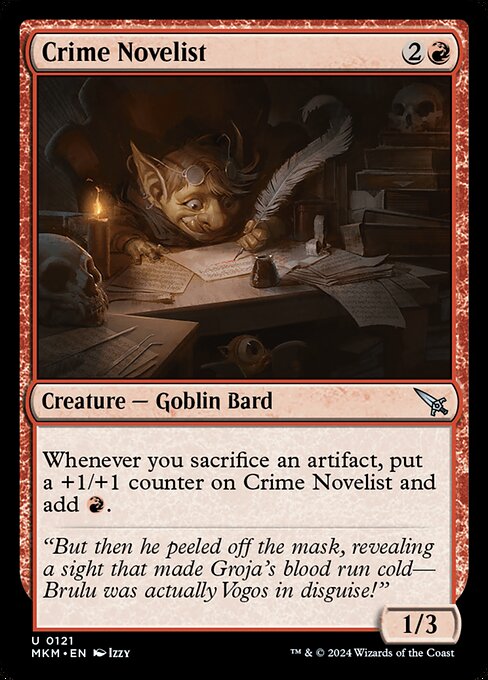
- Crime Novelist acts as an extraordinarily explosive mana engine for the deck. This three-mana creature earns a +1/+1 counter and generates one red mana whenever any artifact is sacrificed, completely refunding your sacrifice costs while feeding counters to Joven and Chandler.
- Foundry Inspector provides essential cost-reduction support. Operating as a three-mana artifact creature, it reduces the casting cost of all your artifact spells by one, allowing you to cycle through one-mana and two-mana utility artifacts for little to no mana cost.
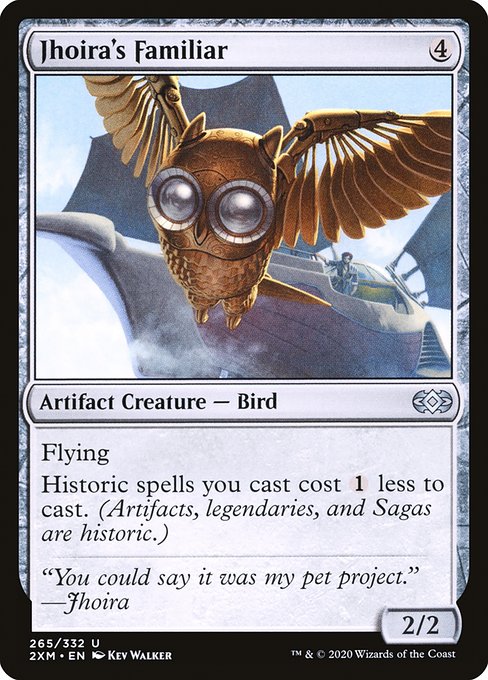
- Jhoira's Familiar delivers identical cost reduction alongside aerial evasion. Costing four mana, this two-power, two-toughness bird artifact creature reduces the costs of all historic spells, which explicitly discounts your artifacts and your commander.
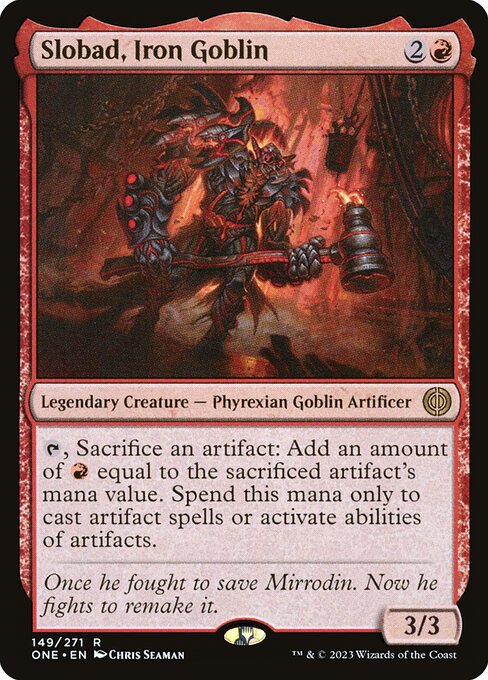
- Slobad, Iron Goblin acts as both a sacrifice outlet and a substantial mana generator. This three-mana creature taps to sacrifice an artifact, adding red mana equal to the sacrificed card’s total mana value, which is converted into counters on your commander.
Graveyard Recursion and Tactical Threats
This subgroup provides long-term sustainability and heavy combat power. These creatures pull key artifacts back out of your graveyard, tutor essential combo pieces directly onto the battlefield, or function as massive threats that exploit your high artifact density.
- Scrap Trawler provides the recursive backbone of your artifact loops. This three-mana artifact creature triggers whenever it or another artifact dies, returning a target artifact with a lower mana value from your graveyard directly to your hand.
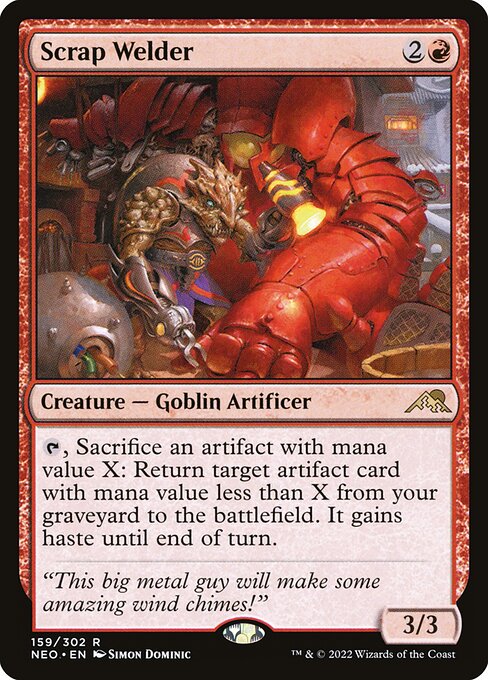
- Scrap Welder offers active, speed-boosted graveyard reanimation. Costing three mana, it taps and sacrifices an artifact from play to return an artifact card with a lower mana value directly to the battlefield, giving the reanimated target haste for immediate turn activation.
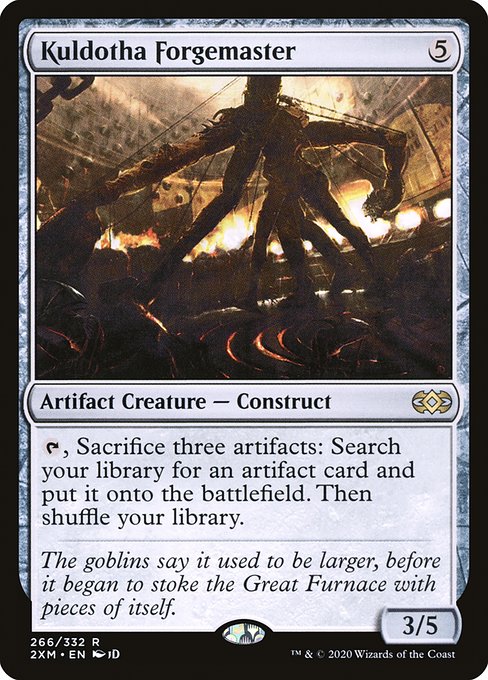
- Kuldotha Forgemaster acts as an unstoppable five-mana tutor engine on an artifact creature body. By tapping and sacrificing three artifacts, it searches your library for any artifact card and places it directly onto the battlefield, pulling key utility pieces on demand.
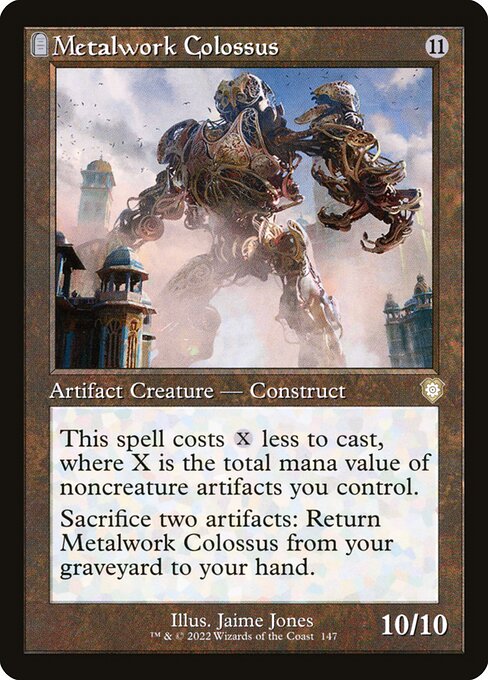
- Metalwork Colossus brings massive combat stats that cost virtually nothing in the late game. This eleven-mana, ten-ten construct reduces its casting cost based on the total mana value of your noncreature artifacts, and can sacrifice two artifacts to return itself from the graveyard to your hand.
Artifacts
Being a classic eggs commander, the deck contains 33 artifacts to serve as the fuel for your core gameplan. These cards draw fresh cards upon entering or leaving the battlefield, accelerate your mana, grant protection and evasion, and provide reliable sacrifice material to grow your commander and trigger ping damage.
Cantrips and Double Draw Engines
These low-cost artifacts focus entirely on card cycling and hand replenishment. They enter the battlefield quickly, immediately replace themselves in your hand, and offer secondary card draw triggers when sacrificed to feed your engines.
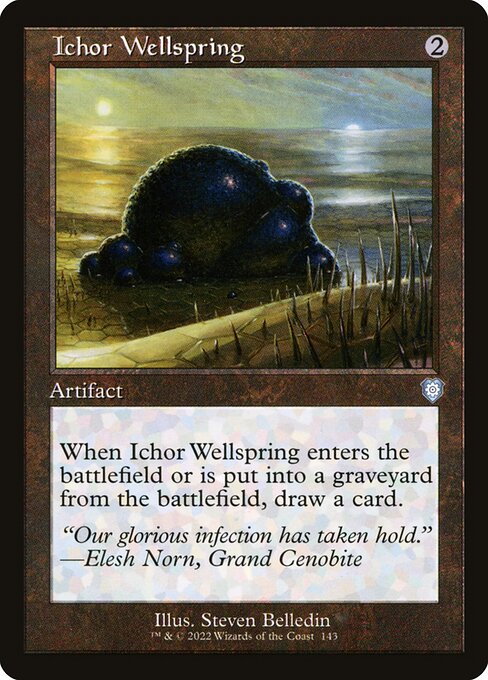
- Ichor Wellspring represents the ultimate sacrifice target in the entire deck. Costing two mana, it draws a card when enters the battlefield and draws another card when sent to the graveyard, generating immense card advantage when sacrificed to Joven and Chandler.
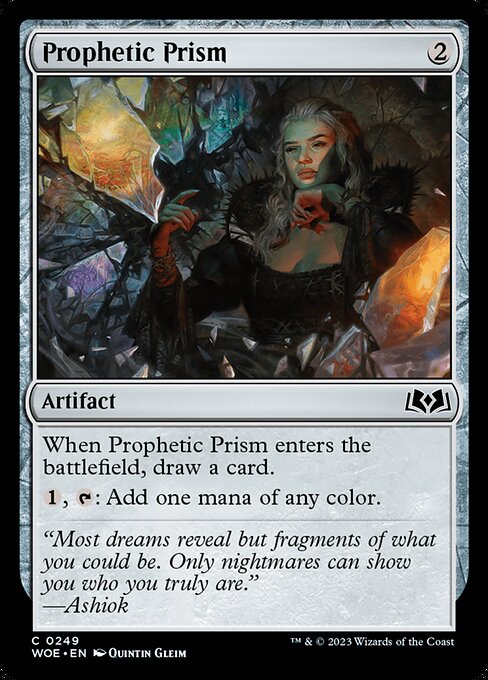
- Prophetic Prism enters for two mana, immediately drawing a card while providing continuous mana filtering.
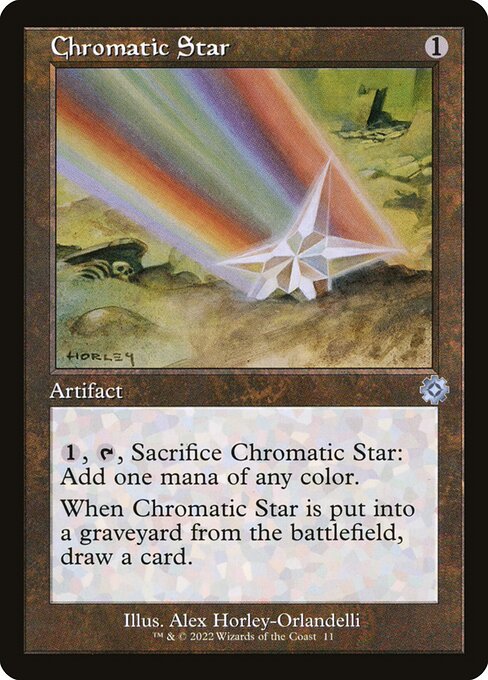
- Chromatic Star costs one mana and draws a card whenever it hits the graveyard from the battlefield, regardless of whether it was sacrificed for mana or destroyed by an effect.
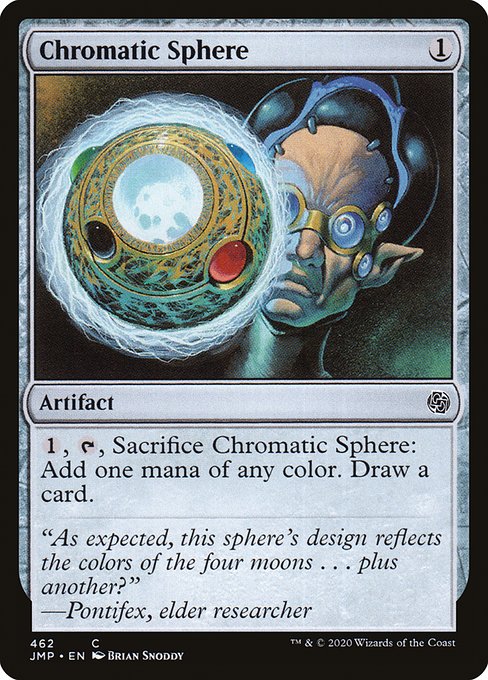
- Chromatic Sphere operates as a fast one-mana artifact that sacrifices itself for mana while drawing a card, providing an immediate, low-cost trigger for your ping engines and commander growth.
Utility Cards and Cost Reducers
These key artifacts optimize your spell casting and card selection across every phase of the game. They drastically reduce spell costs, grant direct access to the top of your library, or provide fundamental mana acceleration to keep your tempo ahead of the table.
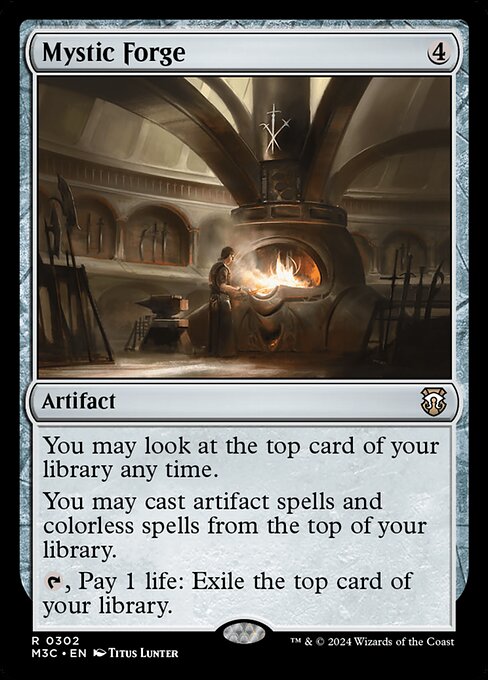
- Mystic Forge acts as a premier card-advantage engine. This four-mana artifact lets you inspect the top card of your library at any time, allowing you to cast colorless spells and artifacts directly off the top of your deck to initiate long chains.
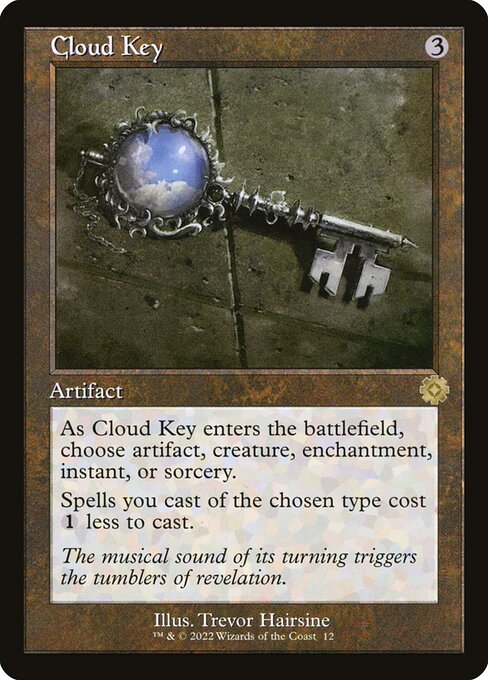
- Cloud Key lets you select artifacts upon entry, reducing the mana cost of all artifact spells by one. This discount stacks directly with other cost reducers to make your utility artifacts completely free.
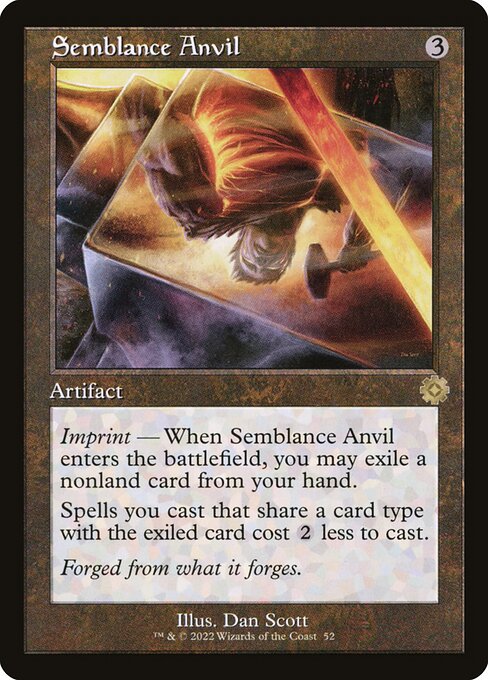
- Semblance Anvil provides aggressive two-mana discounts. Costing three mana, it exiles an artifact, in this case, from your hand on entry, permanently reducing the mana cost of all future artifact spells by two mana.
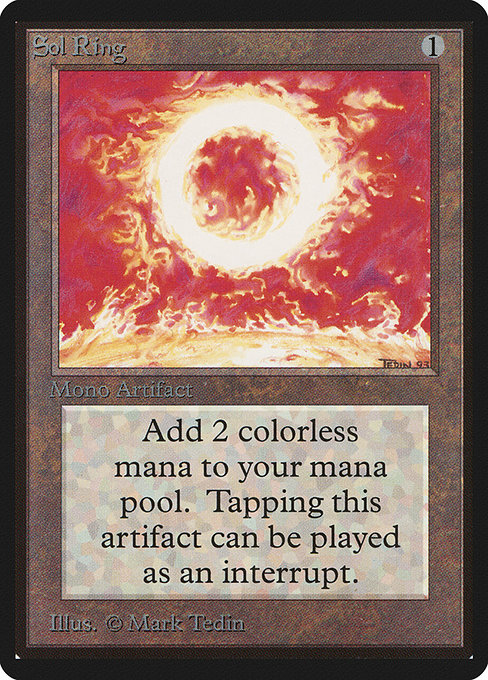
- Sol Ring is the classic one-mana ramp tool, generating two colorless mana immediately to drop your high-value engines or commander several turns ahead of schedule.
Evasion, Equipment, and Utility Tools
This selection of equipment and utility tools focuses on board flexibility and commander protection. They grant essential protection like hexproof and shroud, guarantee unblockable attacks for lethal commander strikes, and offer cheap cycling or copy effects.
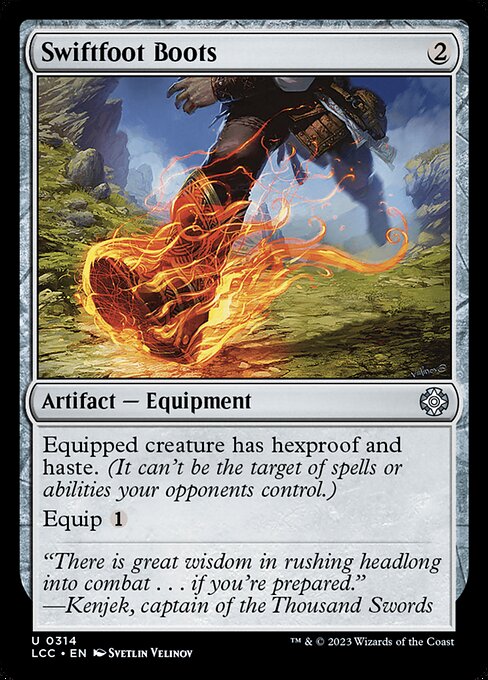
- Swiftfoot Boots costs two mana to cast and one to equip, granting hexproof and haste to protect Joven and Chandler from single-target removal while enabling immediate attack triggers.
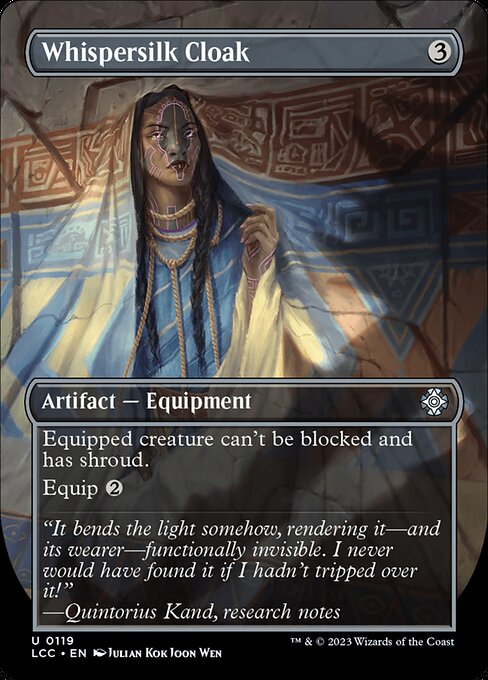
- Whispersilk Cloak costs three mana and grants the equipped creature shroud and unblockability. Equipping this to Joven and Chandler ensures that your massive commander swings directly for lethal damage without interference.
- Arcum's Astrolabe costs a single snow mana to draw a card on entry, serving as the cheapest possible artifact deployment for triggering pingers and fueling sacrifice loops.
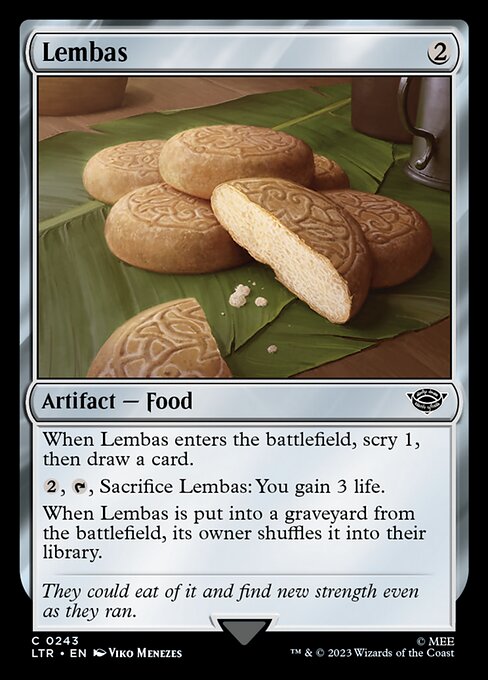
- Lembas costs two mana, scrying one and drawing a card upon entry, while automatically shuffling itself back into your library from the graveyard when sacrificed.
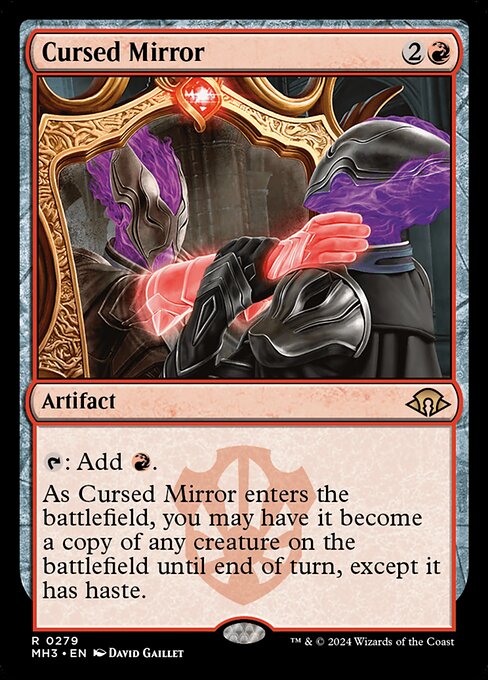
- Cursed Mirror acts as a three-mana mana rock that can enter the battlefield as a temporary copy of any creature on the board with haste, offering incredible versatility.
Enchantments
The deck includes a single, highly specialized enchantment designed to enhance hand quality and massively scale your noncombat damage output.
Passive Damage Amplification
This card functions as a continuous damage force multiplier, filtering through unneeded cards early on while escalating the lethal potential of every pinger and commander ability on your board.
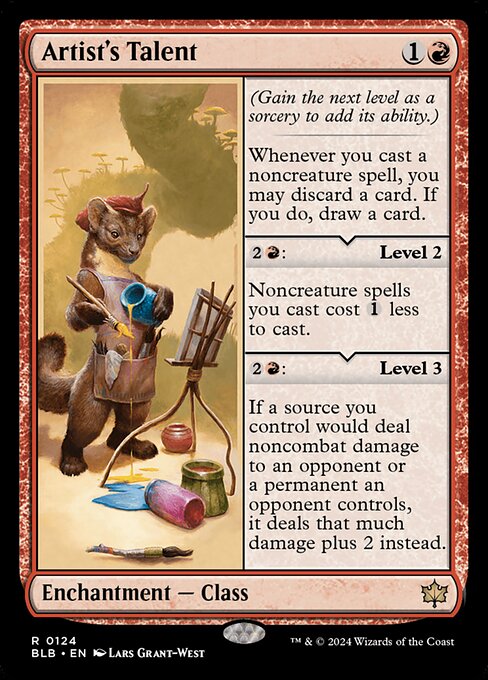
- Artist's Talent is the lone enchantment in the deck, costing two mana. It provides immediate hand cycling by looting whenever you cast noncreature spells. As you invest mana to level up this class enchantment, its ultimate ability adds two additional points of damage to every noncombat damage source you control. This turns every modest pinger trigger into a devastating burst of damage across the table.
Lands
The land base consists of 38 total cards, featuring 25 basic Snow-Covered Mountains and 13 non-basic utility lands. These non-basic lands provide crucial artifact synergies, combat evasion, haste enablement, and deck thinning without sacrificing consistent red mana access. Here are 9 key utility lands highlighted for their tactical importance.
Utility Lands and Artifact Support
These specialized non-basic lands serve dual roles on your battlefield. In addition to tapping for mana, they count as artifacts to trigger passive pingers, provide unblockable status to push commander damage through, or grant haste to ensure immediate activated ability usage.
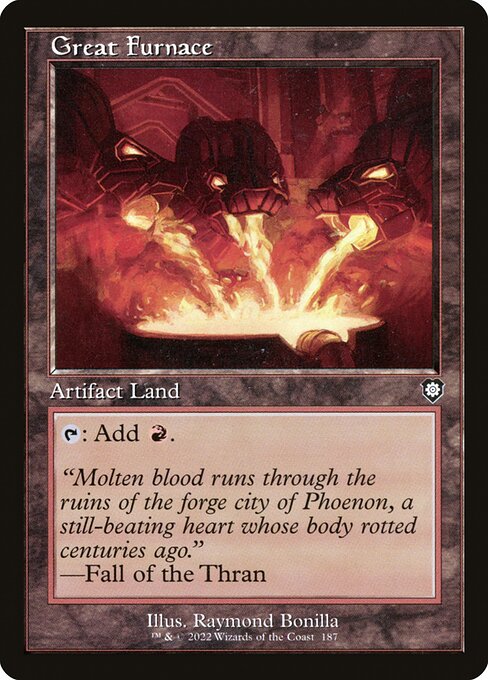
- Great Furnace is a crucial non-basic land that counts as an artifact, triggering entry pingers upon deployment and serving as sacrifice fodder to grow Joven and Chandler.
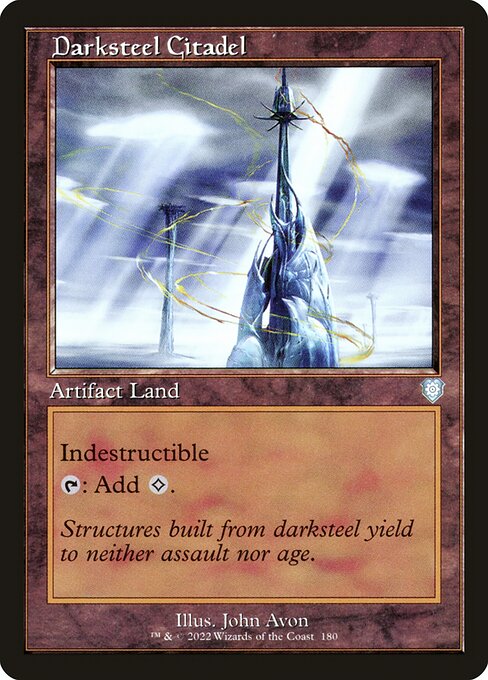
- Darksteel Citadel delivers indestructible mana production while increasing your total artifact count on the battlefield for affinity and discount calculations.
- Scene of the Crime enters as an artifact land capable of investigating and filtering mana, functioning as another dual-purpose land that triggers artifact synergies.
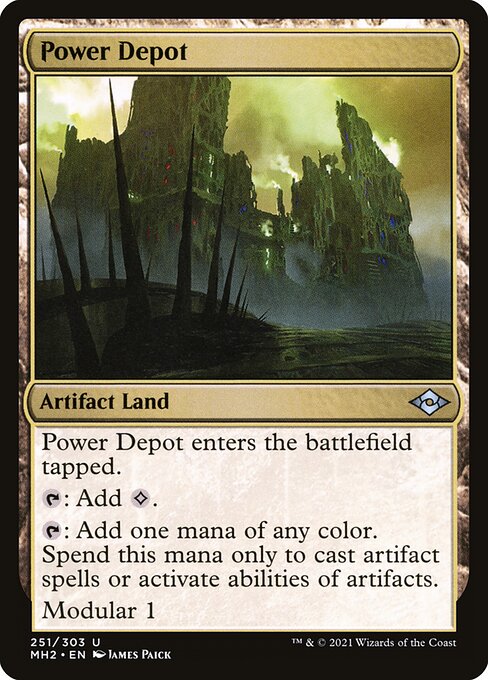
- Power Depot enters tapped as an artifact land that taps for red mana and features modular, transferring its +1/+1 counter to Joven and Chandler upon destruction.
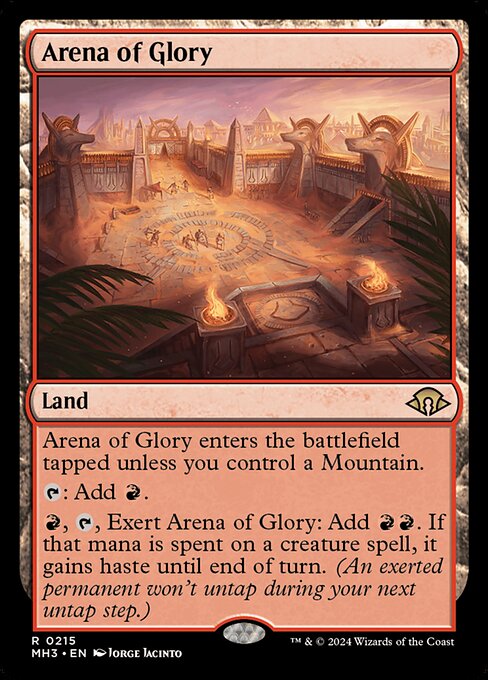
- Arena of Glory provides red mana and allows you to give haste to creatures cast using its exertion mana, allowing Joven and Chandler to attack or steal artifacts immediately upon entry.
- Rogue's Passage taps for colorless mana and offers a four-mana ability to make any creature unblockable, allowing a massive Joven and Chandler to land lethal commander damage.
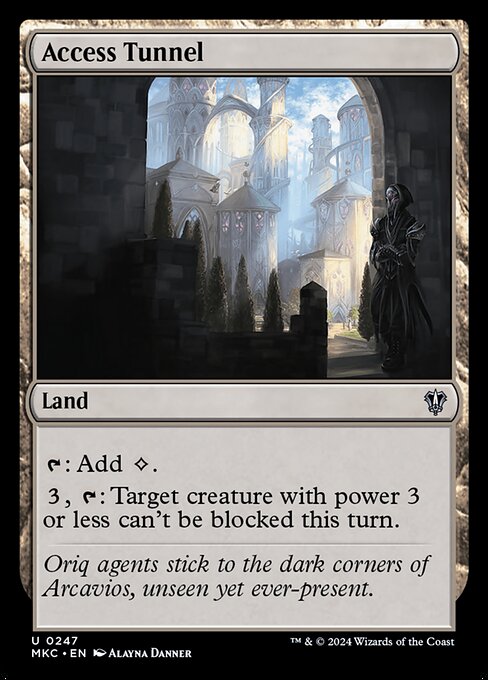
- Access Tunnel provides unblockable status to creatures with two or less power, allowing you to make Joven and Chandler unblockable before inflating their power with artifact sacrifices.
- Hanweir Battlements grants immediate haste enablement for a single red mana while tapping for colorless mana during early setup turns.
- Fabled Passage fetches a basic land directly to the battlefield, entering untapped once you control four or more lands to keep your curve smooth.
Closing Words
Playing Joven and Chandler offers a uniquely satisfying twist on traditional Mono-Red artifact strategies. By shifting the focus toward stealing enemy artifacts, cycling cheap cantrips, and feeding a growing commander, this deck establishes a resilient board state that converts every sacrifice into direct damage and lethal commander swings. Your commander stands as both a threat stealing tool and a massive physical threat, ensuring that opposing playstyles are disrupted while your own recursive engine dominates the table.
Whether you want to surprise your playgroup with a unique card or pilot a deeply interactive, highly synergistic eggs archetype, Joven and Chandler delivers outstanding gameplay. Steal their tools, loop your artifacts, and grow your commander to victory.