






Commander is a format that can have some very expensive decks. If you look at a cEDH deck’s price tag, it can feel like you need a bank loan just to get the mana base. However, despite this, there are a lot of ways to build Commander decks without having to break the bank. You can build decks for less than $50. Of course, you can just buy a preconstructed deck too. However, this guide will help you build your own decks so you’re not limited to whatever the contents of a precon are. Thanks to how many cards are in Commander, it’s easier than ever for budget deckbuilding. In fact, as time goes on, it becomes easier as more functional reprints come along. This guide will go over everything you need to know about budget deckbuilding. From picking a commander to choosing the cards in the 99.
Picking a Commander
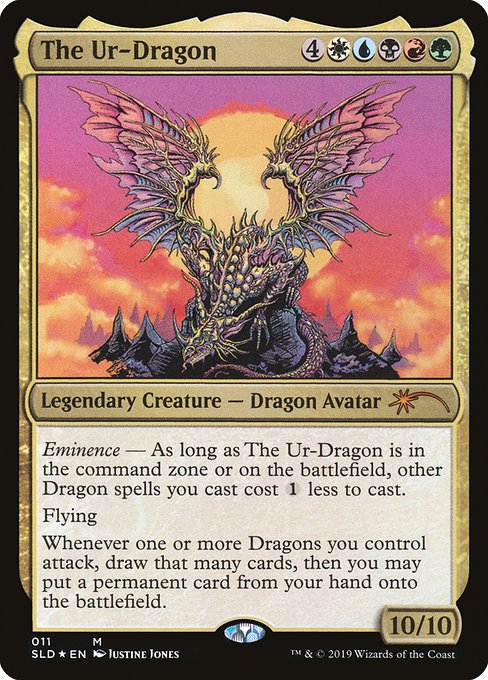
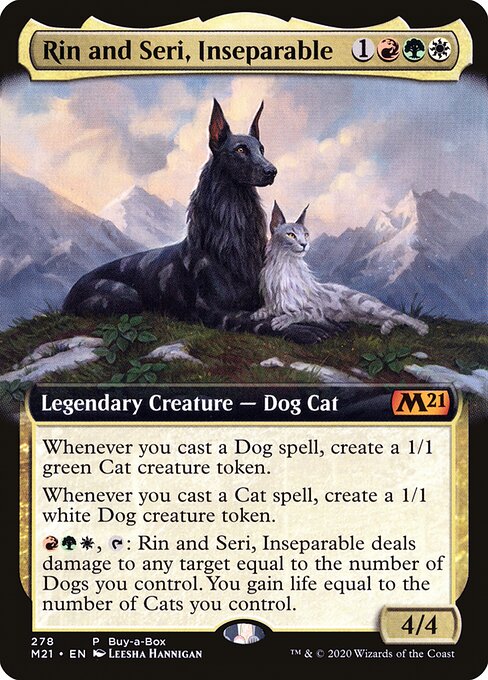
The first thing you’ll need to do is pick your commander. Like cards, commanders come at a large variety of price tags. If you’re planning on building a budget deck, you might want to forgo playing an expensive commander. This lets you be less restrictive on your other cards. But, if you want to play The Ur-Dragon or Rin and Seri, Inseparable, then your commander takes up a lot of the budget. If you consider budget to be $100 and under, The Ur-Dragon takes up a third of the price tag. And with lands and staples, that’s a lot less options you get.
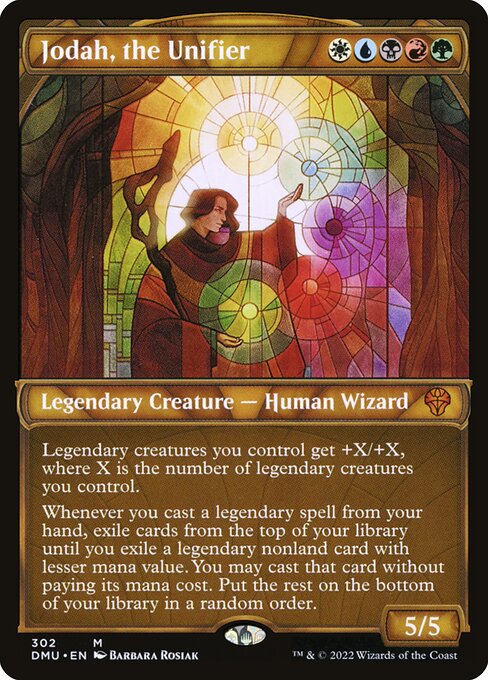
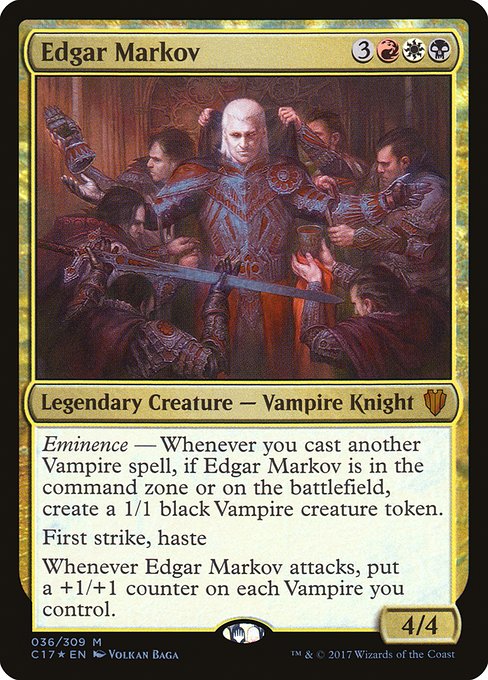
On the contrary, you can build cheaper commanders and spend that budget on some stronger creatures. Jodah, the Unifier isn’t expensive and can be used as a strong Legendary-Matters commander. There are a lot of strong legendary support cards, and you can splurge on ones that have a bit more of a price tag while staying in your budget. Or, you can invest in the commander itself, like Edgar Markov, and invest in bulk bin-tier Vampires to be able to build a strong deck within your budget. The best Tribal commanders with expensive commanders have plenty of cards within that creature type, which makes it easier not to go over budget when filling the 99.
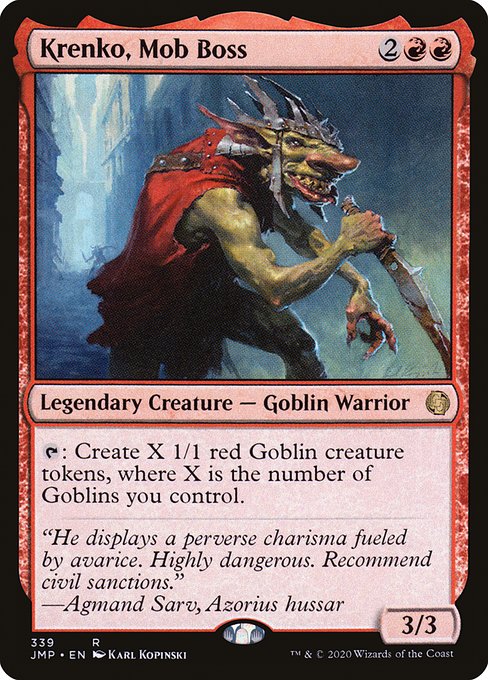
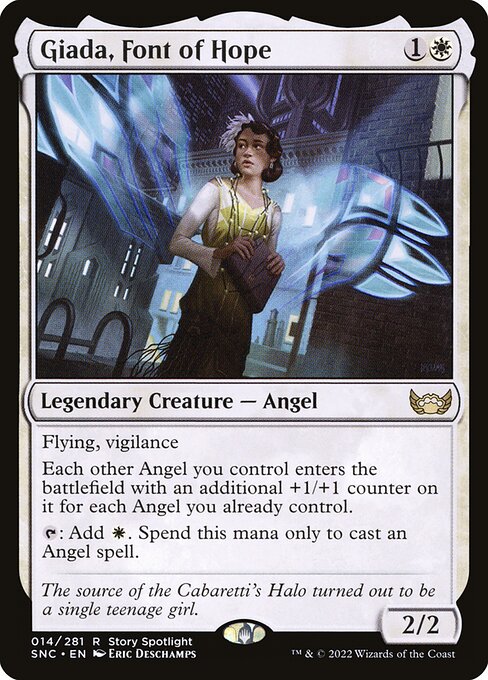
When budget deckbuilding, the less colors, the better. This saves on having to buy dual lands. In the case of Mono-Colored commands like Krenko, Mob Boss or Giada, Font of Hope, your land base can consist of mostly Basic Lands and not lose out on much power. Are utility lands useful to have? Absolutely. Are they necessary? Not at all, especially in budget decks. While you can build budget WUBRG decks, its a lot harder compared to commanders with fewer colors to worry about.
Finding Your Bracket Level
When you decide you want to build a budget deck, you should look at what bracket you want to build. If you want to play Bracket 5, don’t. A budget deck would get eaten alive in the cutthroat meta of cEDH. However, if you want to make a competitive deck without spending a lot of money, looking into cPDH (Competitive Pauper Commander) will yield much better results. Generally speaking, the lower the Bracket level, the easier it is to build a budget deck. This is because the lower the bracket, the less the deck cares about winning. You can build a deck all about everybody flipping coins and rolling dice at Bracket 1, and barely spend any money since these cards in the wider metagame are…bad. But, at Bracket 1, bad cards don’t matter since it’s all about fun and flavor.
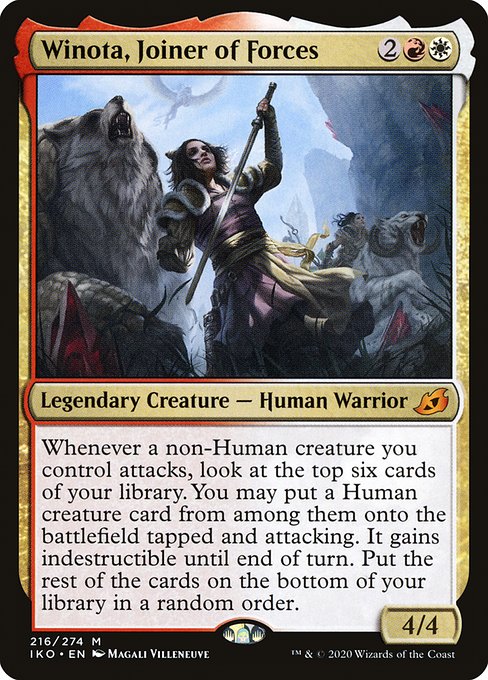
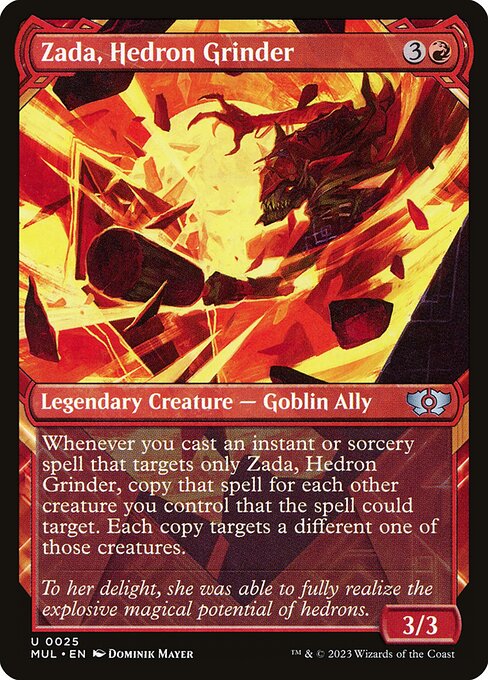
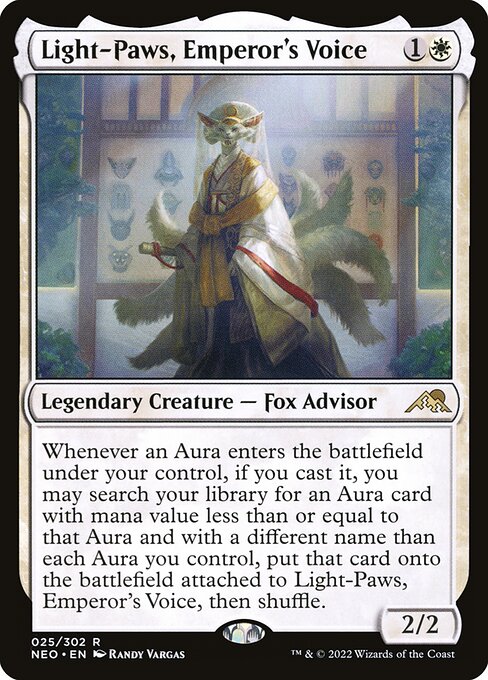
With Bracket 2, it’s also fairly easy to have budget builds. This is the level meant for precons and precon-powered leveled decks. Bracket 3 is when it gets much more complicated. This is where things become less about flavor and more about building a deck that wants to win. It’s the bracket level with the broadest way to build decks. Bracket 4 is borderline with Bracket 5 in that it’s near impossible to build on a budget. Really, the only way to build a budget Bracket 4 deck is with Voltron, using a commander like Light-Paws, Emperor's Voice. Outside of some very specific commanders like Winota, Joiner of Forces and Zada, Hedron Grinder, you can struggle with some budget builds in that Bracket level.
Crafting the 99
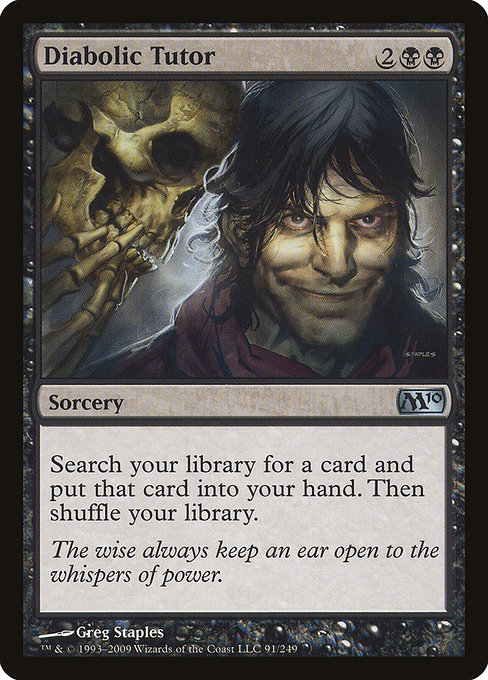
Now, it’s time to go over building the 99. When budget deckbuilding, it’s all about sacrificing power in favor of budget. While any deck can appreciate a Demonic Tutor, not everyone can afford a $70 card. Instead, you opt for the weaker version of

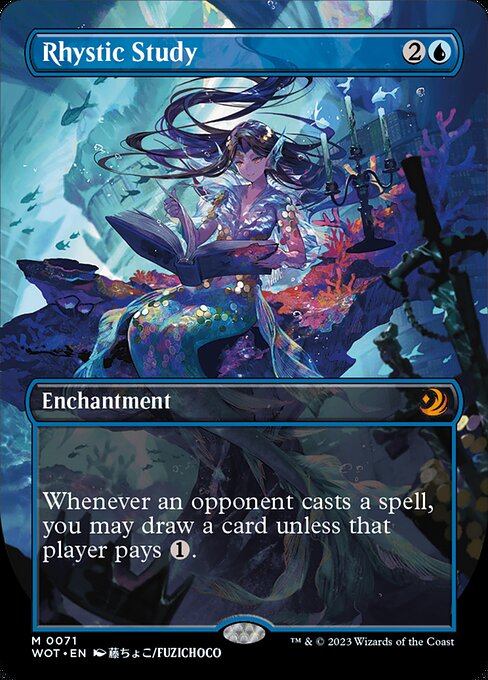
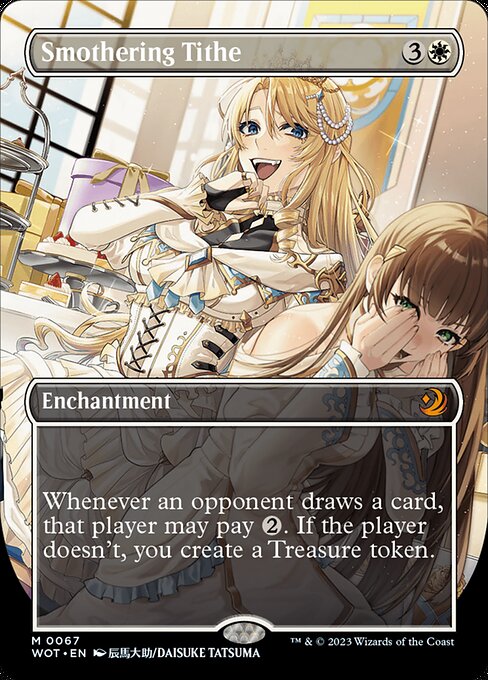
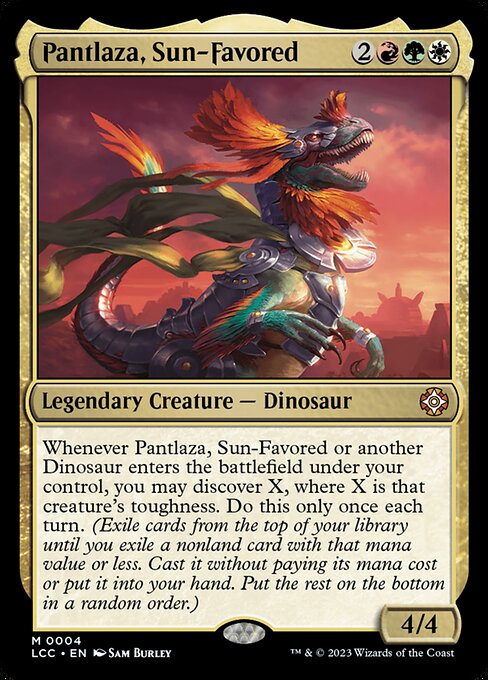
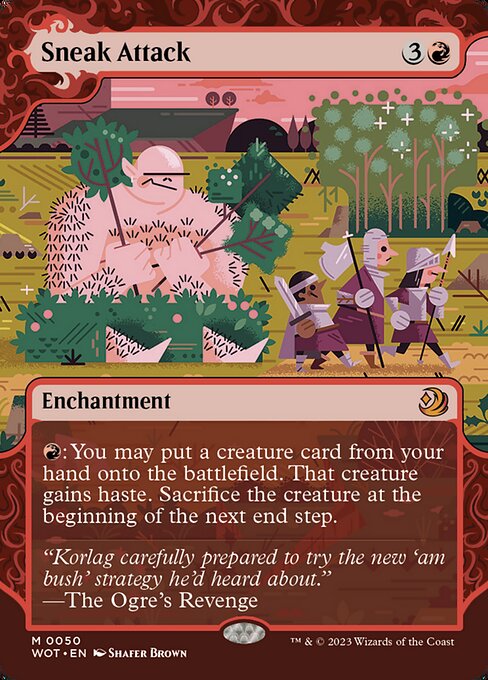
One thing to remember with budget deckbuilding is that you don’t need staples. Would having Rhystic Study or Smothering Tithe make your deck strong? Absolutely. But you don’t need to run them to have a strong deck. There are so, so many Magic cards in Commander you can use that even without these staples, you aren’t going to struggle for power. A Dinosaur deck running Pantlaza, Sun-Favored, for example, can run away with games just by playing a ton of strong Dinosaur cards without the need for any staples. It benefits from Sneak Attack, but can function just fine without it.
Budget Deckbuilding Manabase
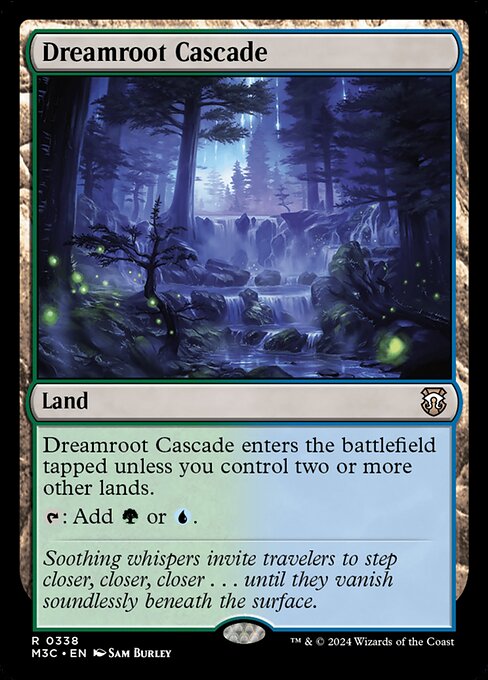
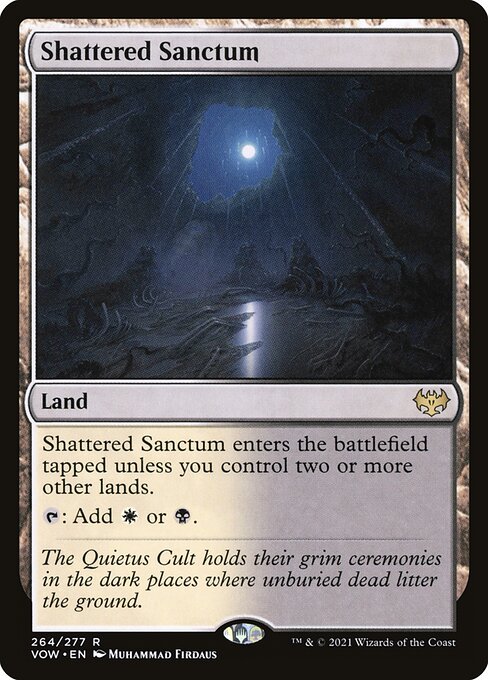
Now, if you are playing Multi-Colored decks, you need lands that can tap for more than one color. However, with fetchlands, triomes, and shocklands being the most optimal mana base, the price of it can get very, very high. Luckily, there have been a lot of land cycles over the years, with some very strong ones being reprinted. For example, about half of the Slowland cycle (Dreamroot Cascade, Shattered Sanctum, etc.) is rather cheap, and a great set of dual lands that most of the time will enter the battlefield untapped.
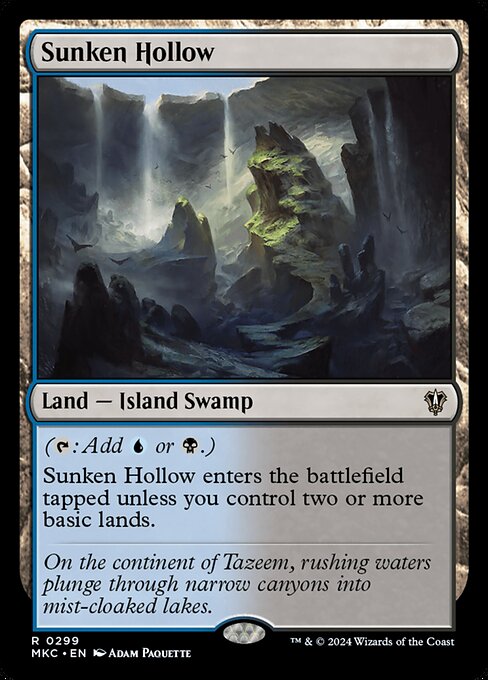
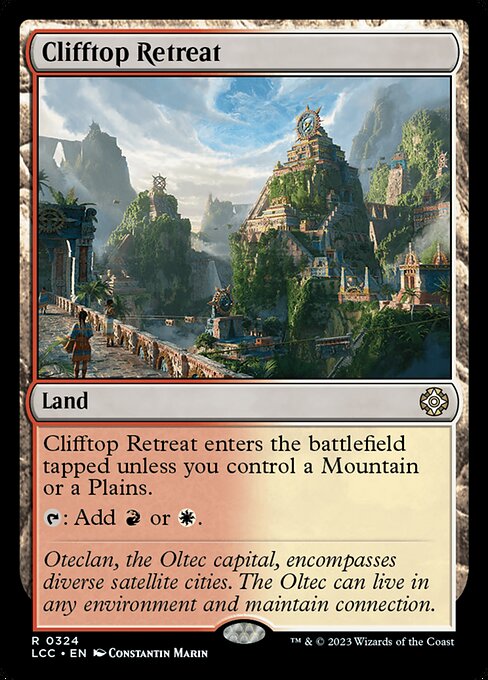
Since budget decks run a lot of Basic Lands, the Tango land cycle (Sunken Hollow) is a great choice, though unfortunately, the enemy color pairs don’t have cards here yet. Checklands (Clifftop Retreat are another great budget land cycle and are easy to get onto the battlefield untapped. Pain lands (Brushland) are another great choice. These are the best dual lands, as their conditions to enter untapped are all easy to reach.

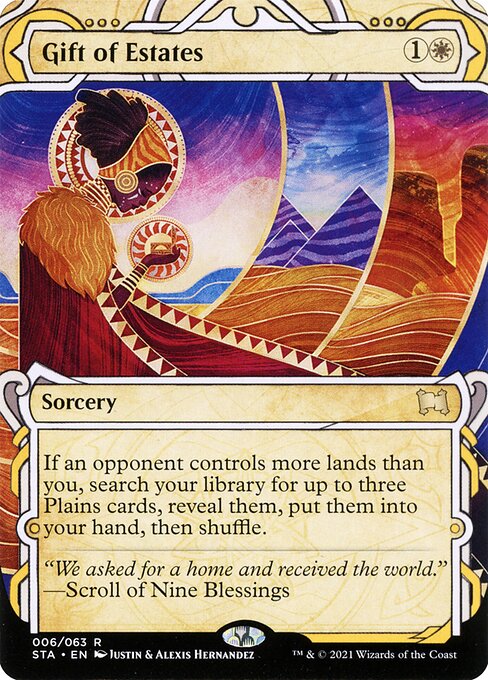
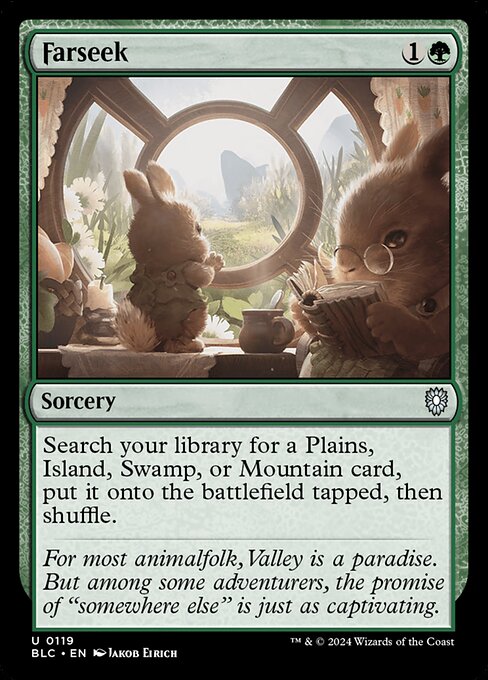
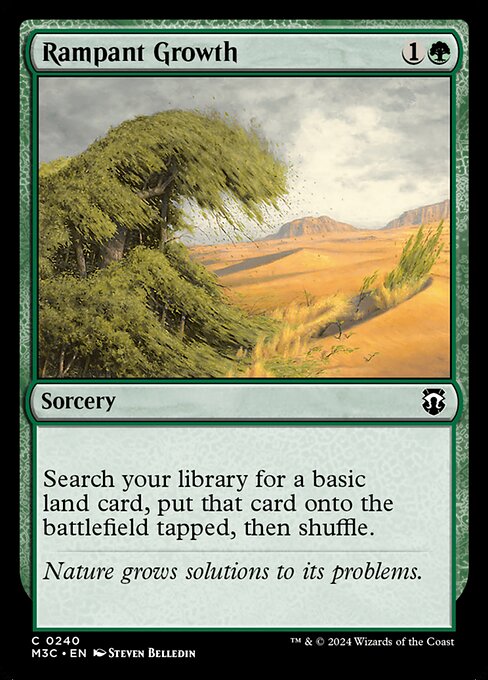
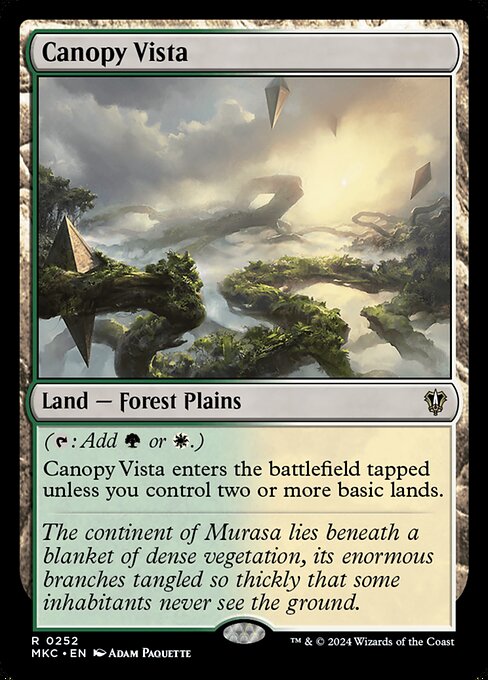
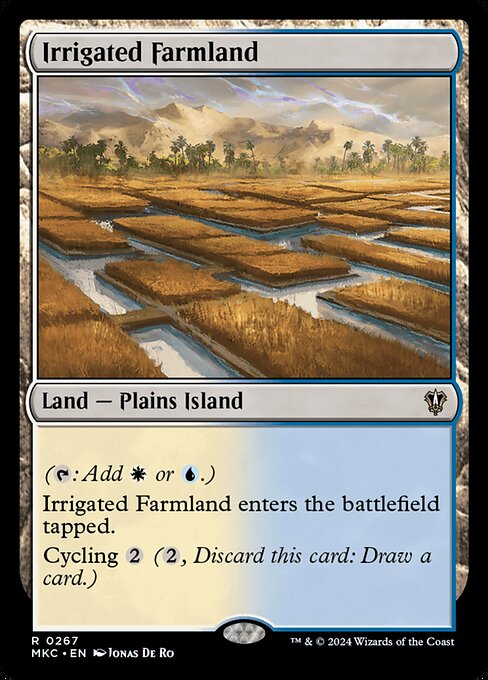
With budget deckbuilding, ramp spells become much more important. Cards like Gift of Estates, Farseek, and Rampant Growth become much stronger. This helps you to fix your mana base to get all of your colors online. Ones that specify a land type can be used to tutor for any dual lands that have that typing. So, Farseek would be able to get Canopy Vista, and Gift of Estates can put Irrigated Farmland and two other Plains cards into your hand. They do not need to be Basic Lands.
Best Archetypes for Budget Deckbuilding
Certain archetypes make for better budget decks. By their nature, they are simply a lot cheaper than some of the others. For example, Polymorph decks can get expensive, as you need good creatures for the strategy to be viable. On the contrary, archetypes with a ton of different options are much easier to build. To help guide you, we’ll go over a few of them.
Budget Archetype 1: Voltron
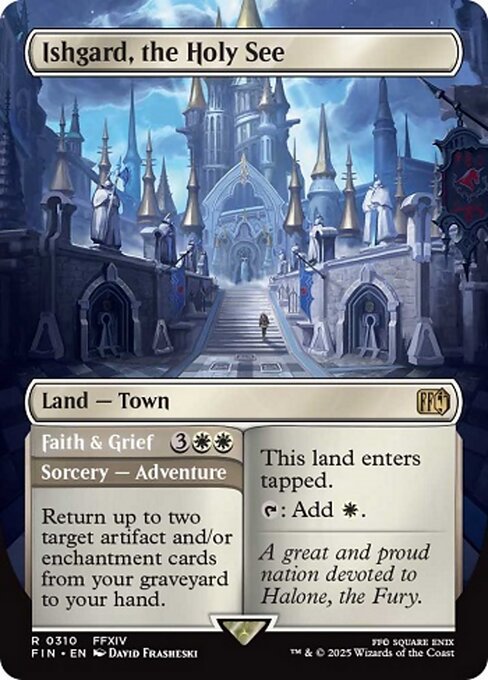
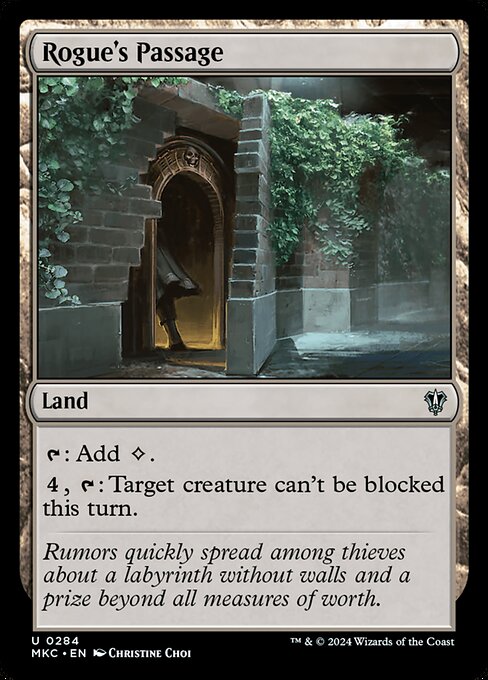
Perhaps one of the easiest budget decks to build is a Voltron deck. And one of the easiest budget Voltron decks to build is Light-Paws, Emperor's Voice. The commander does it all while also being Mono-Colored to keep the mana base cheap and accessible. The only real utility land you’d want is Ishgard, the Holy See, though Rogue's Passage can be useful too (as well as useful in most Voltron lists).
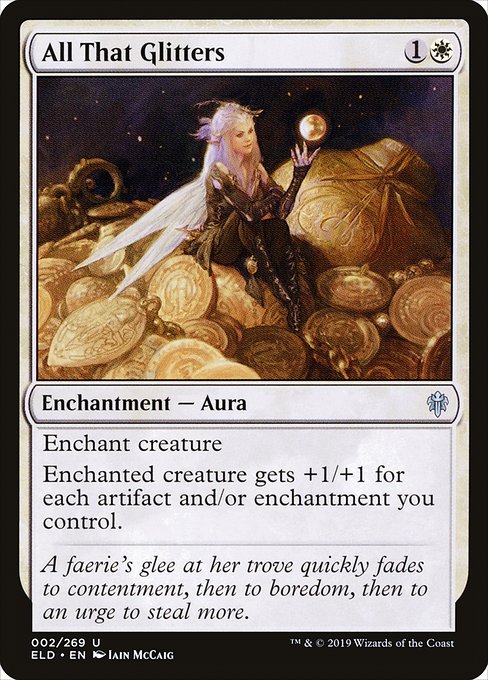
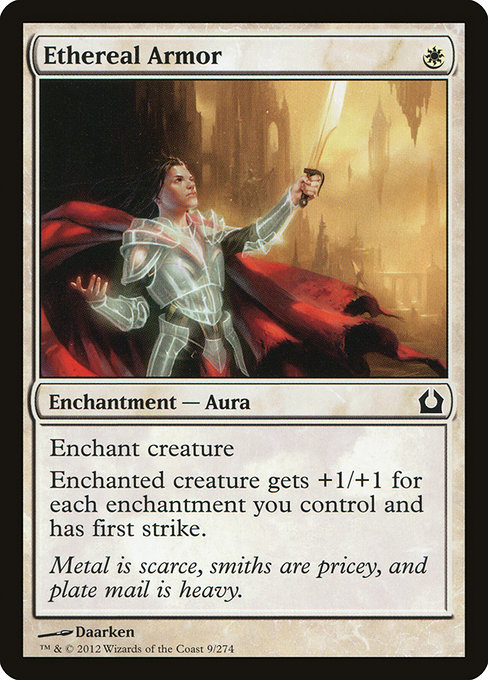
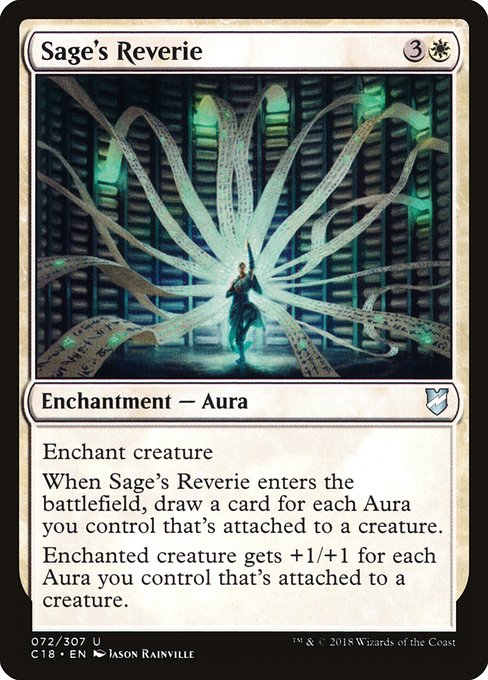
A lot of Mono White’s best Auras are very cheap. All That Glitters, Ethereal Armor, and Sage's Reverie are all fantastic ways to pump up the stats of your commander. Voltron decks are focused on making your commander as strong as possible and as quickly as possible. And many of the best Voltron cards don’t break the bank, as they aren’t splashable in many other decks.
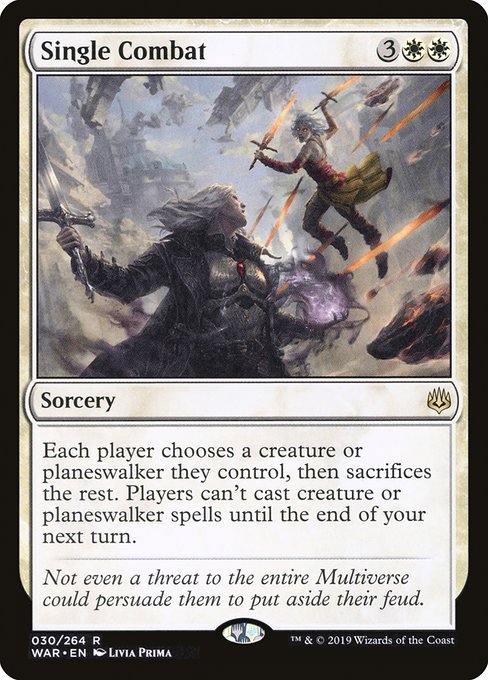
And thanks to Voltron only caring about one creature, you can play plenty of cheap board wipes. Single Combat, Promise of Loyalty, and Divine Reckoning are all wipes that leave one creature alive for each player. Cheap board wipes can sometimes have a higher price tag, but since you want one creature, they do everything you could ask for.
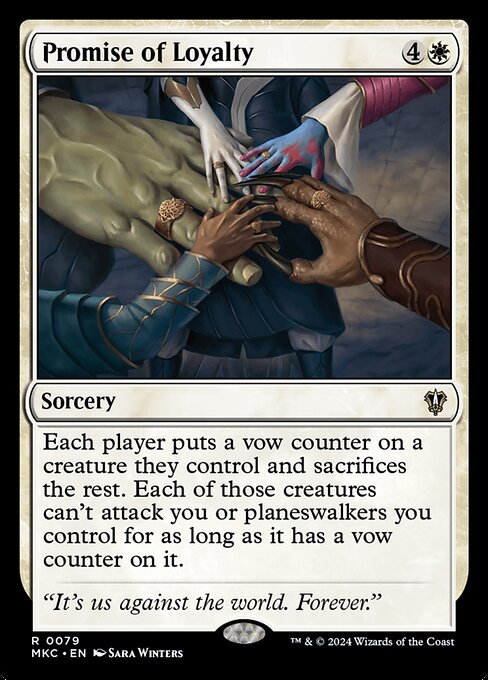
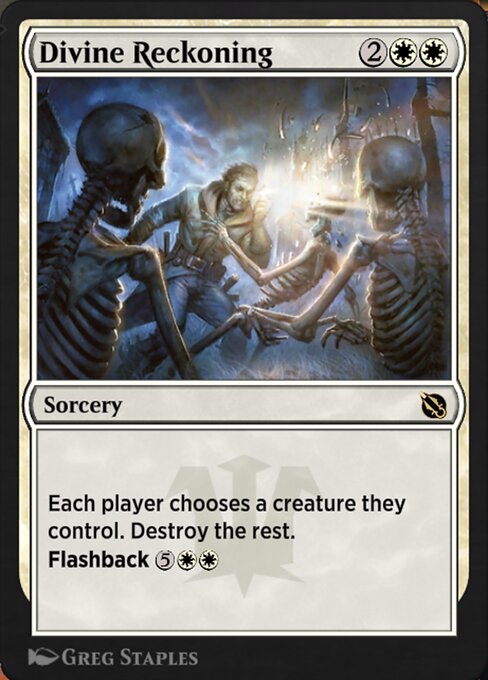
You can view a sample decklist below. This lists highlights many of the strongest Voltron options, and can use it to build your own, either with Light-Paws as your commander or another.
Commander
Creatures (13)
Instants (10)
Sorceries (5)
Artifacts (10)
Enchantments (30)
Lands (32)
100 Cards
$126.72
Archetype 2: Spellslinger
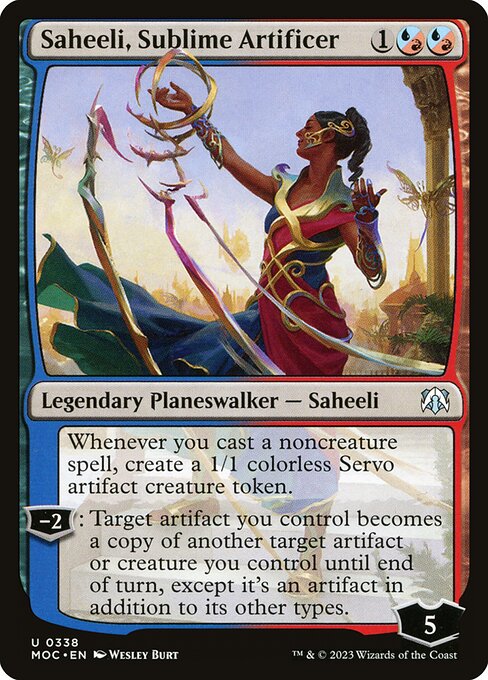
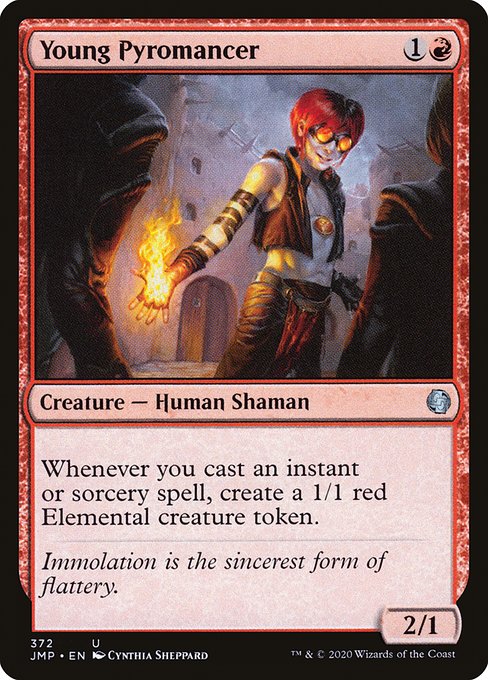
Another archetype that is surprisingly cheap is Spellslinger. These are decks that want to just cast a ton of cheap spells constantly. For this example, we’ll use Kykar, Wind's Fury as a commander. It provides both ramp and a way to keep casting spells, as well as board presence with tokens if you don’t. Many other cards create token when you cast spells, such as Saheeli, Sublime Artificer and Young Pyromancer. These are cheap cards, and generally how you make creatures.
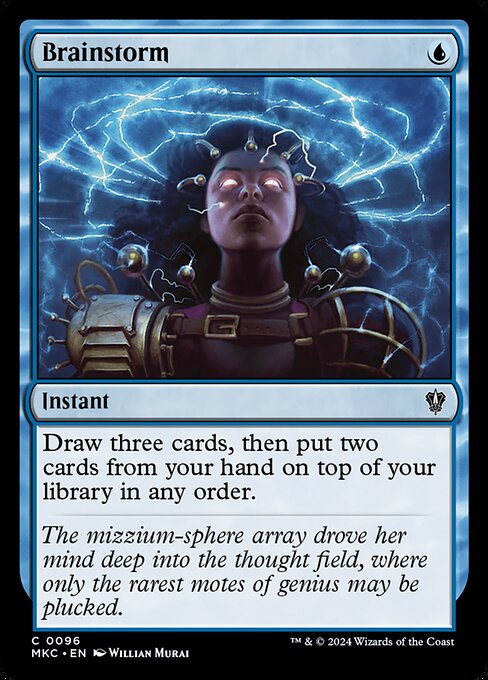
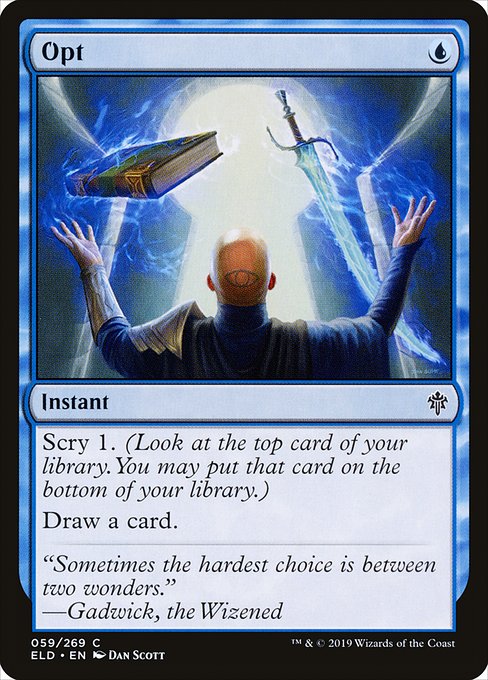
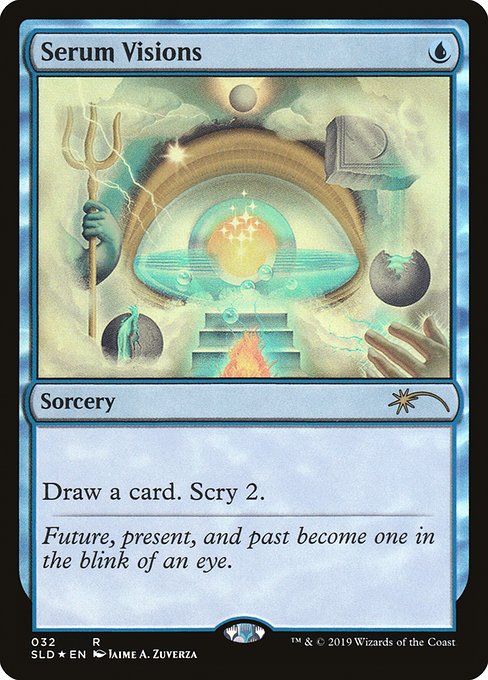
There are so many cheap spells you can play in Spellslinger decks. Cards like Brainstorm, Opt, and Serum Visions are among the many options. These cards replace themselves, allowing you to keep drawing cards to replace them. These are staples of all Spellslinger decks, be they burn versions or Storm variations. Cantrips are reprinted constantly and are almost never more than a dollar to buy, making them perfect cards for budget decks.
Commonly, Spellslinger decks play permanents that burn when you cast spells. Cards such as Guttersnipe, Fiery Inscription, and Kessig Flamebreather are all common ones. This turns all the spells you’re casting into a win condition, dwindling down life totals. They become especially strong when you stack these effects. And the best part? They’re all incredibly cheap.
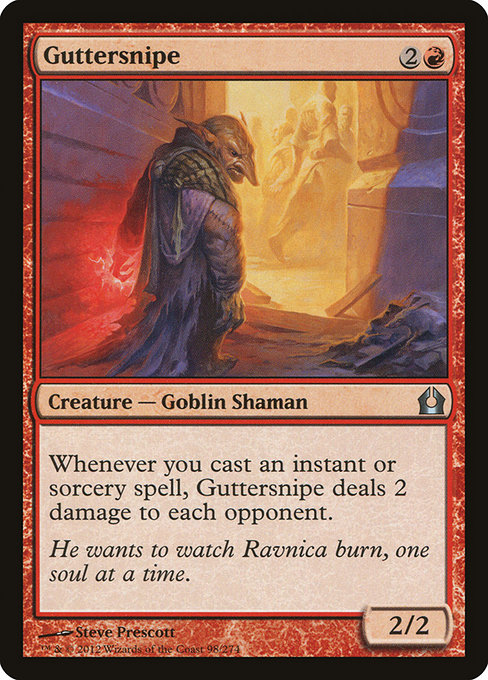
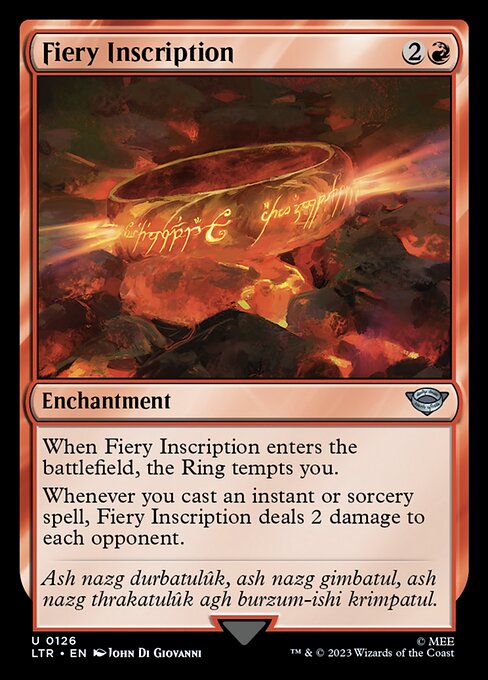
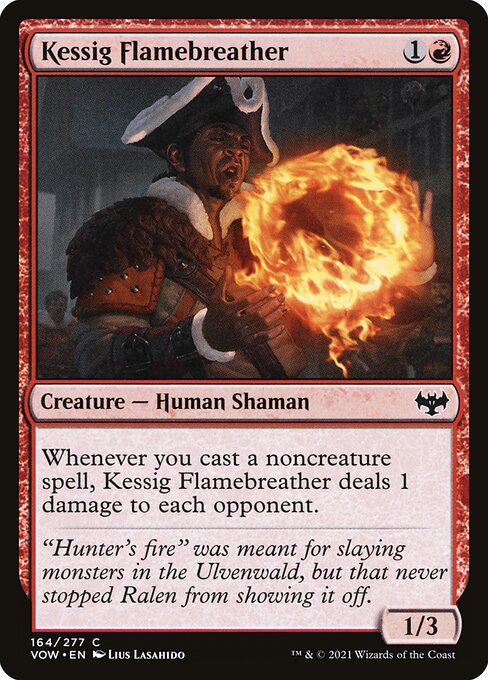
You can view a sample decklist below. The list runs most popular cantrips, and even if you don’t build Kykar, if you’re building a Storm or Spellslinger list, you’ll want to remember them.
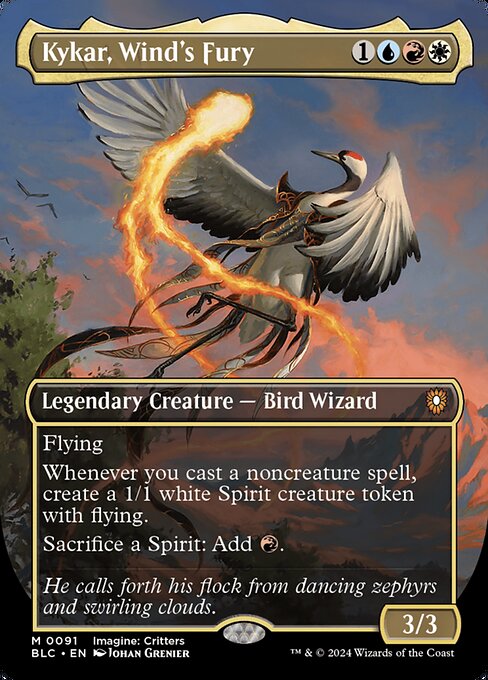
Commander
Planeswalkers (1)
Creatures (20)
Instants (17)
Sorceries (14)
Artifacts (9)
Enchantments (5)
Lands (34)
100 Cards
$155.92
Budget Deckbuilding: Pauper Commander
Before we go, when it comes to budget deckbuilding, it’s hard to get more budget than Pauper Commander. This is a Commander variant where any uncommon creature can be your commander, and the 99 have to be cards that have been printed at the common rarity. Commons are, well, the most common cards in booster packs, so most commons are incredibly cheap. The only exceptions are cards that haven’t seen a reprint but are staples in various formats.
You can build multiple budget Pauper Commander decks for the price of one single budget Commander deck. Speaking from personal experience, I’ve built Pauper Commander decks for less than $10 total. When it comes to Competitive Pauper Commander, decks are still cheap, and generally hover around the $50 range, if not less. Due to the nature of the format’s card legality, it is much easier to stay competitive in the format. If you want to experience the spirit of Bracket 5 without needing a car payment, check out cPDH.
While we won’t do a full overview in this article, you can learn more about Pauper Commander in our format overview guide here.
In Conclusion
Budget deckbuilding is something that takes a different kind of way of thinking. Rather than focusing on purely optimizing your deck or finding combos, it’s instead about finding a way to make power out of cards that are weaker than others. In a way, it’s its own challenge, navigating the plethora of Magic cards that have been released over the years so that you can find substitutes for the various power cards you forgo.
If you’re interested in some powerhouse budget Commander decks, check out our budget Esper commander showcase this way.