





Esper has always been one of Commander’s most beloved color combinations. White brings efficient removal and protection, Blue offers card advantage and stack interaction, while Black ties everything together with recursion, tutors, and powerful value engines. Put together, Esper decks have access to answers for nearly every situation while also supporting an incredible variety of archetypes.
The downside is that Esper also carries a reputation for being expensive, as you can tell from my more comprehensive guide to Esper here: https://edhmeta.com/esper-artifacts-precision-power-and-perfected-systems/. Many of the format’s strongest staples live inside these colors, making it easy for deck prices to spiral into several hundred dollars before you even realize it. Fortunately, Commander isn’t won by price tags. A focused game plan, proper synergy, and a Commander that rewards you for sticking to a theme can outperform a pile of individually expensive cards.
Budget Commander has become increasingly popular because it rewards thoughtful deck construction over raw financial investment. Instead of relying on universally powerful staples, budget lists lean heavily into their commander’s strengths. Every card is chosen because it actively contributes to the deck’s strategy rather than simply being “good stuff”. The result is often a smoother, more cohesive game plan that can surprise far more expensive tables.
For this showcase we’re looking at four very different approaches to budget Esper Commander. Similar to my Azorius Budget article: https://edhmeta.com/azorius-decks-that-wont-break-the-bank/, each list demonstrates a unique aspect of what the color combination can accomplish while remaining accessible for players who don’t want to invest thousands into a deck.
Deck #1: Knight Tribal
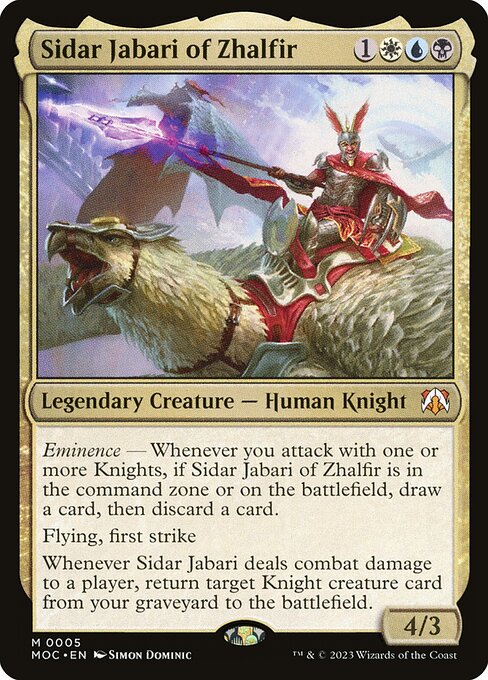
At first glance, Sidar Jabari of Zhalfir looks like a straightforward Knight tribal commander. Play Knights, attack with Knights, and eventually overwhelm the table through superior combat. While that certainly happens, the commander is secretly doing something much more powerful: turning your graveyard into a second hand.
At just USD$104 (on today’s pricing), Sidar Jabari of Zhalfir rewards aggressive combat by letting your Knights loot whenever they deal combat damage, allowing you to draw cards while selectively placing creatures into your graveyard. Unlike many tribal commanders that simply reward going wide, Sidar actively wants you to discard expensive creatures because attacking allows him to reanimate Knights directly onto the battlefield. Suddenly every combat step becomes both card selection and free mana.
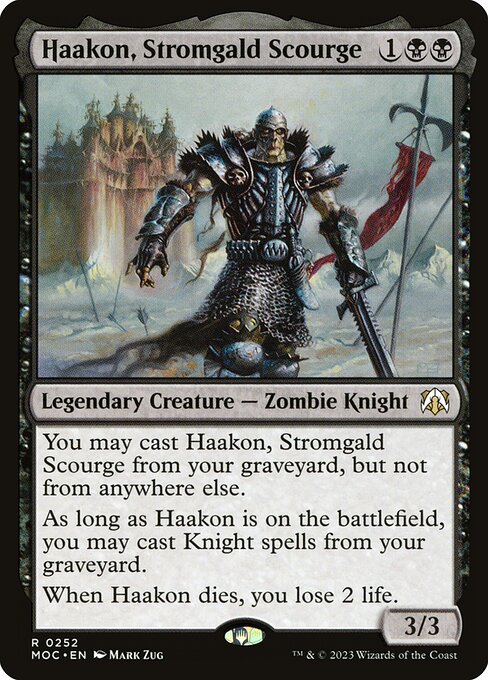
This makes the deck feel surprisingly resilient. Board wipes become less devastating because many of your best threats are happy sitting in the graveyard waiting to be revived. Cards like Haakon, Stromgald Scourge become especially impressive, turning your graveyard into an extension of your hand by allowing Knights to be cast directly from it. What would normally be discarded becomes additional resources.
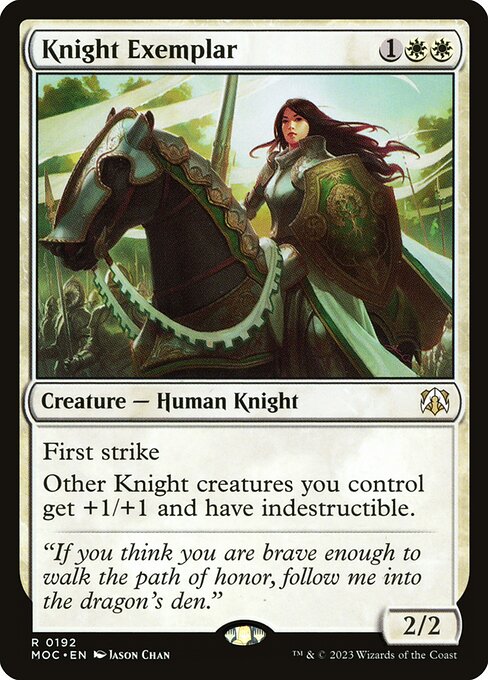
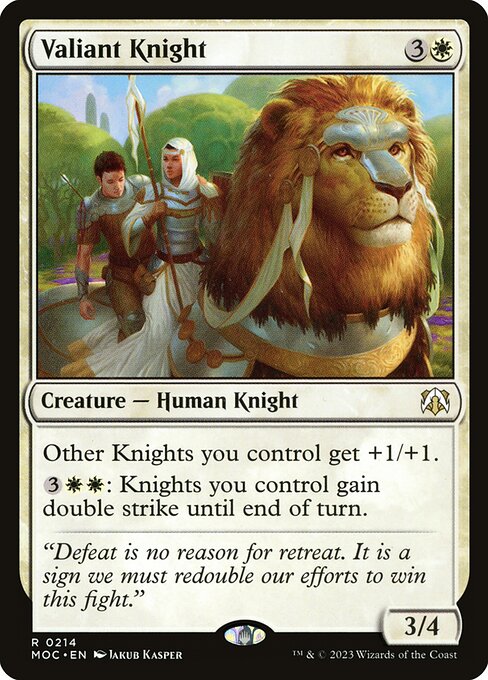
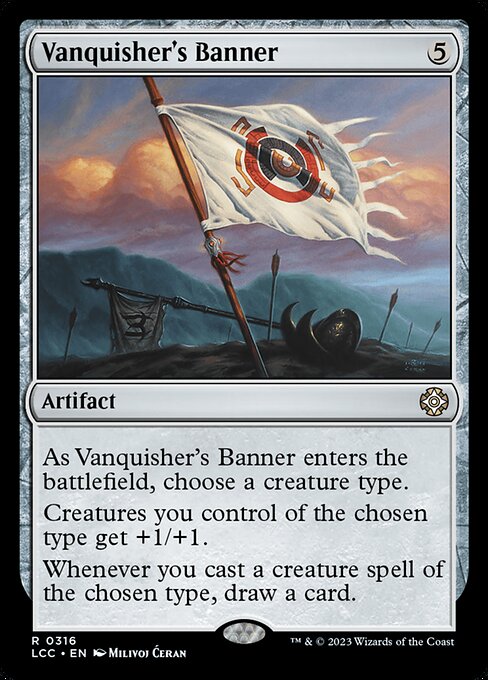
Naturally, the deck wants a healthy density of tribal payoffs. Knight Exemplar provides one of the strongest anthem effects available while granting indestructible to your entire army, making sweepers significantly less threatening. Valiant Knight offers another powerful lord effect while threatening to end games outright through its devastating double strike activation. Meanwhile Vanquisher's Banner keeps cards flowing as every new Knight enters the battlefield.
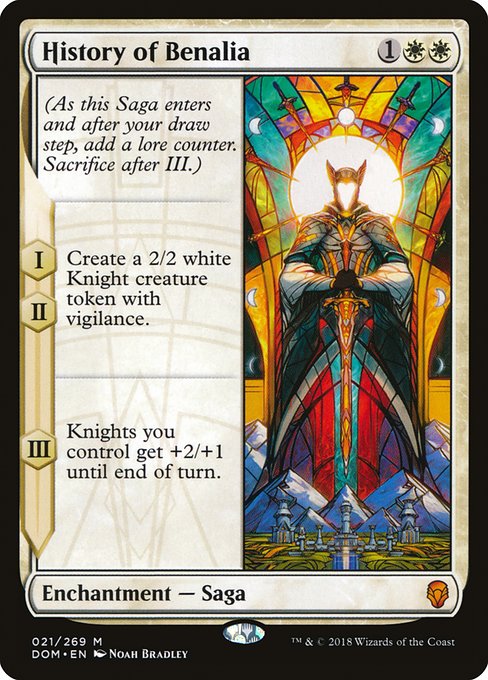
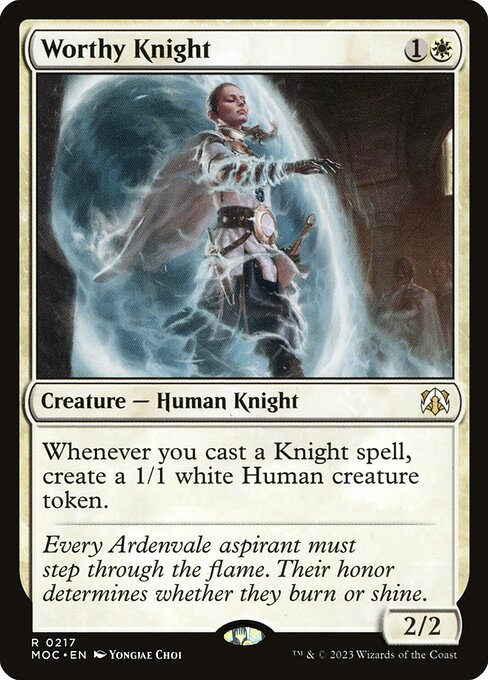
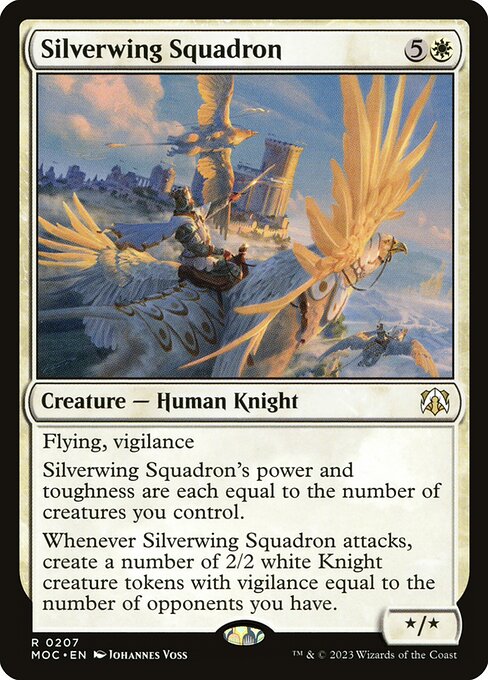
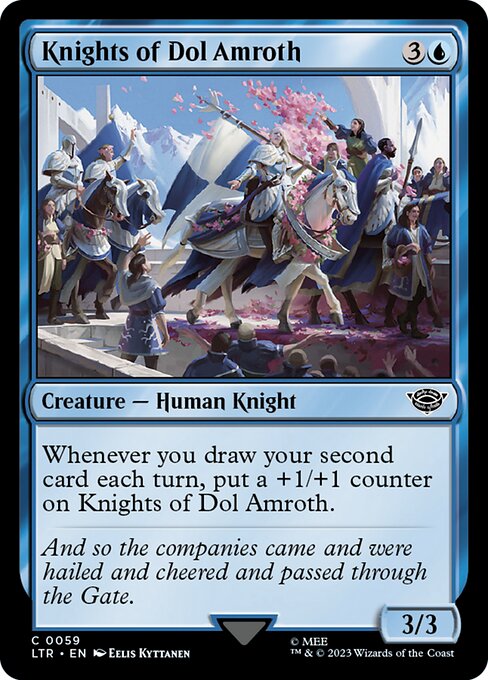
Token generation also plays an important role. History of Benalia, Worthy Knight, Silverwing Squadron, and Knights of Dol Amroth ensure the battlefield remains populated even if your premium threats are removed. Those extra bodies become especially dangerous once anthem effects begin stacking, transforming otherwise modest tokens into legitimate threats.
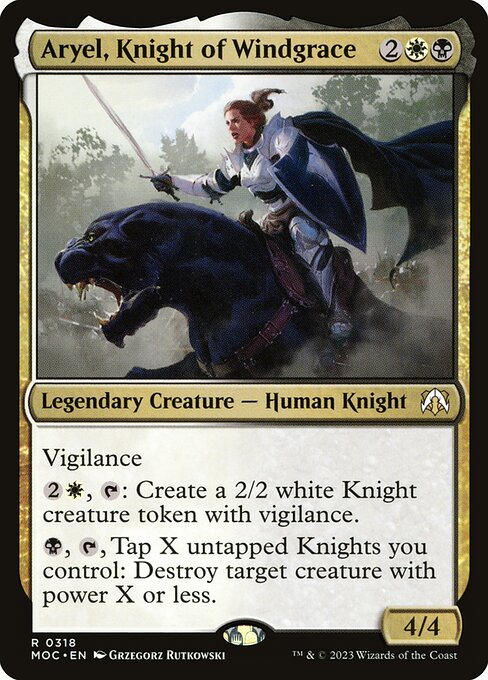
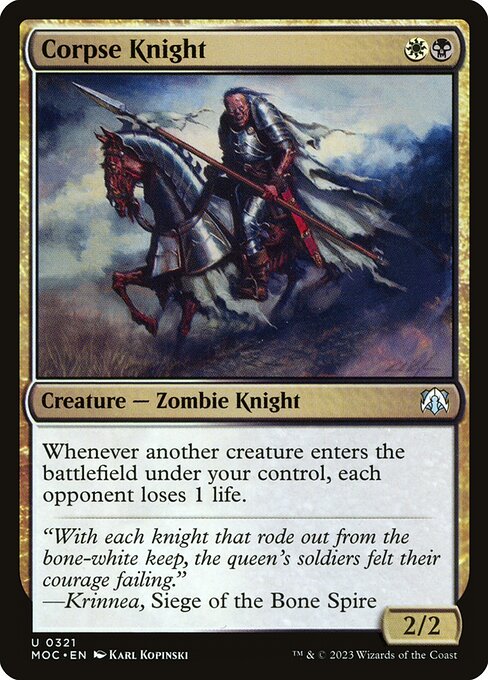
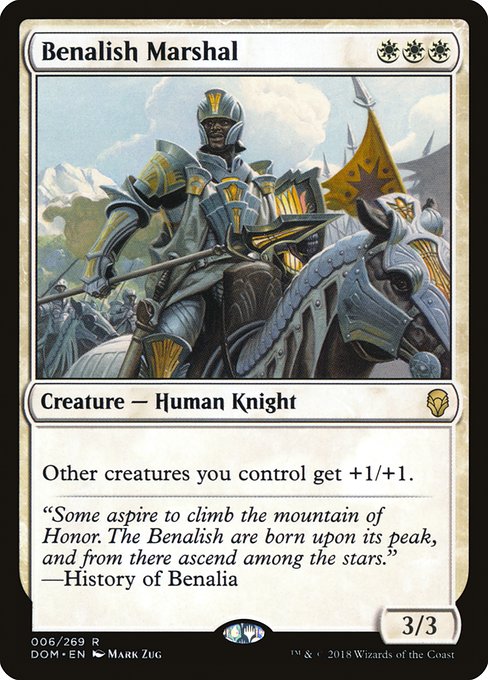
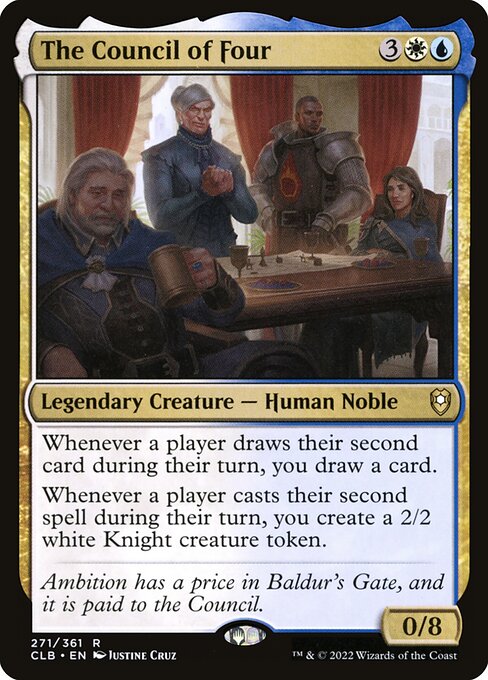
One of the most impressive aspects of the deck is how many of its creatures naturally provide utility beyond combat. Aryel, Knight of Windgrace doubles as repeatable removal, Corpse Knight slowly drains opponents while your board develops, Benalish Marshal buffs the team, and The Council of Four quietly provides card advantage throughout longer games. Rather than relying on dedicated value engines, the creatures themselves keep the deck functioning.
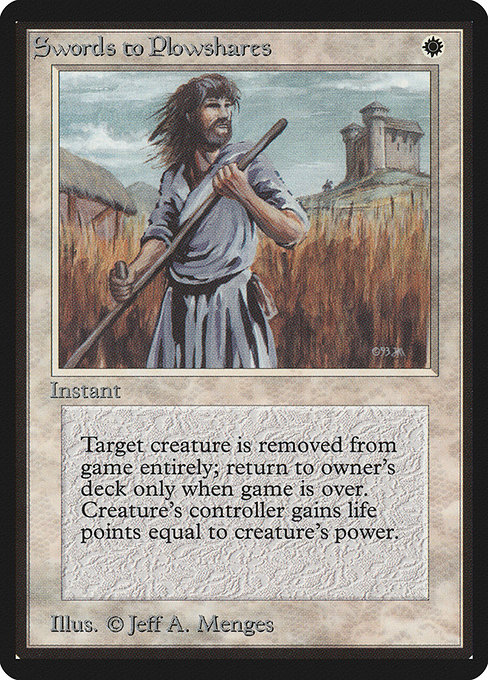
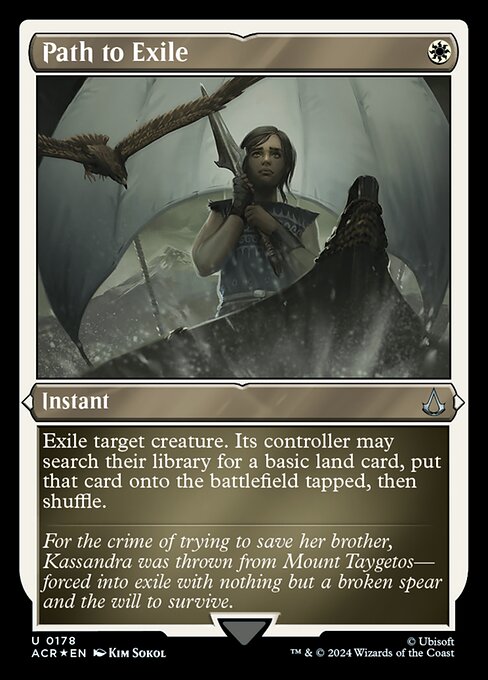
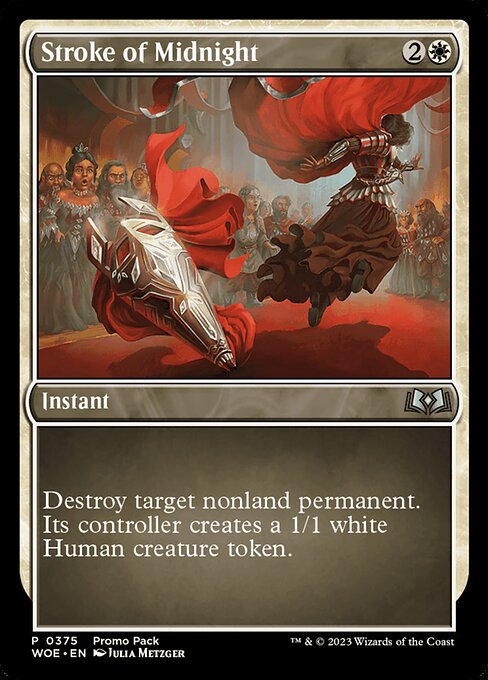
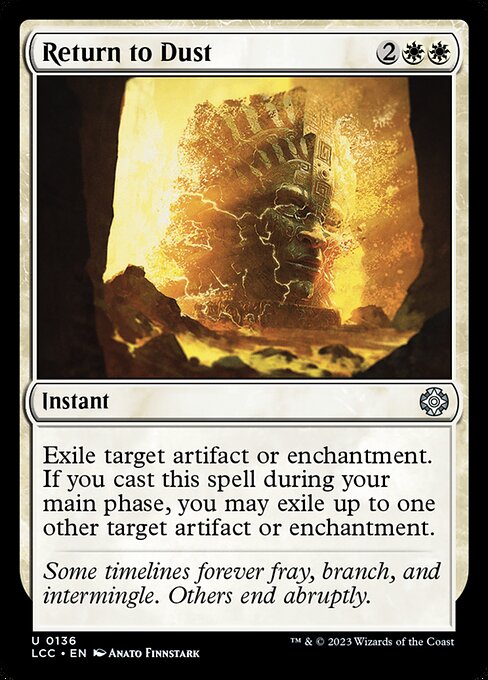
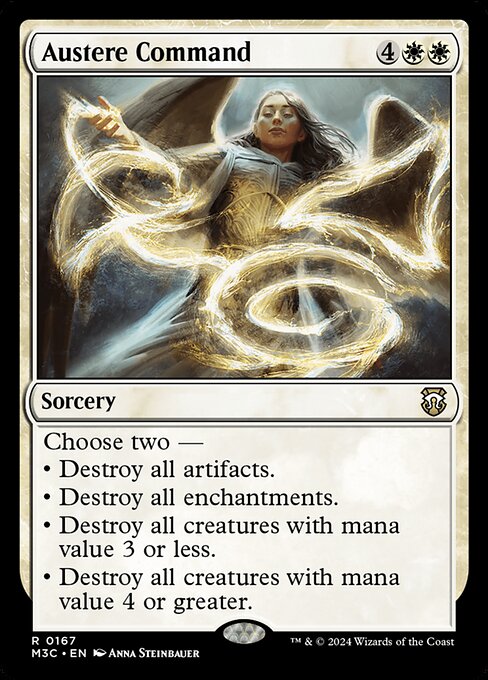
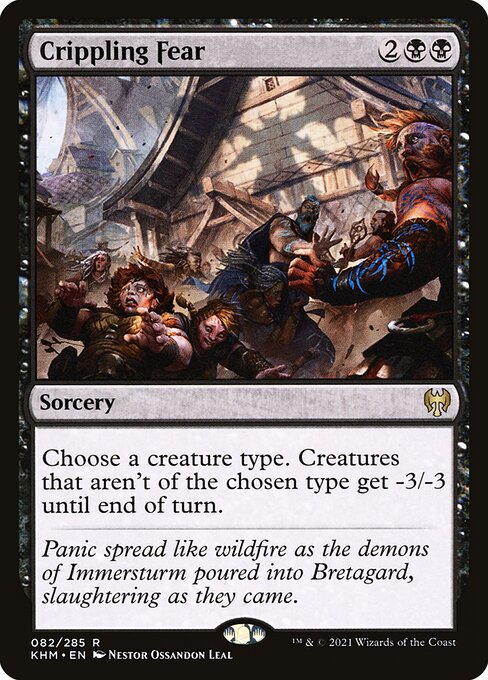
The Esper color identity gives the tribe something many aggressive strategies lack: premium interaction. Cheap answers like Swords to Plowshares, Path to Exile, Stroke of Midnight, and Return to Dust remove problematic permanents without sacrificing tempo, while Austere Command and Crippling Fear provide highly flexible sweepers that can often leave your own battlefield largely intact.
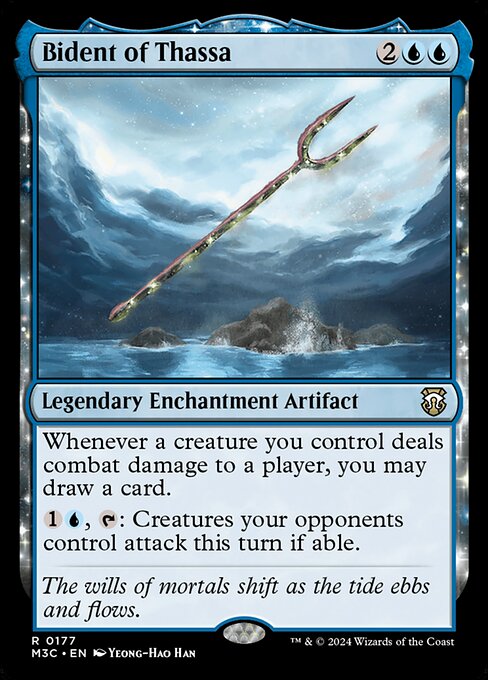
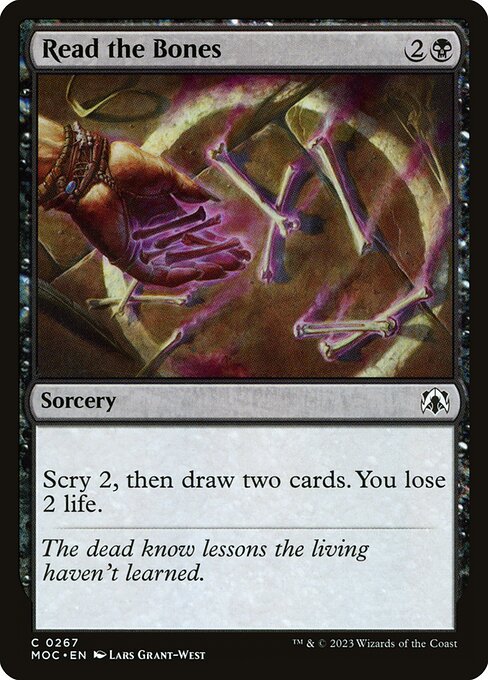
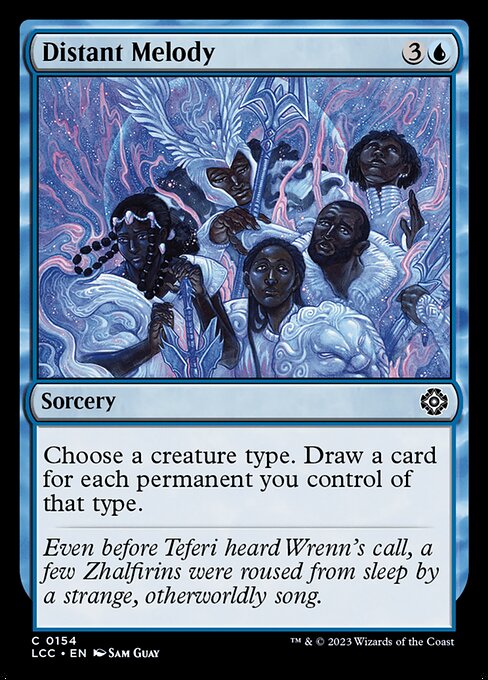
Card draw is another pleasant surprise. Bident of Thassa rewards attacking, Read the Bones provides efficient filtering, and Distant Melody can become an enormous refill once a healthy number of Knights occupy the battlefield. Combined with Sidar’s built-in looting, it’s remarkably difficult to run completely out of gas.
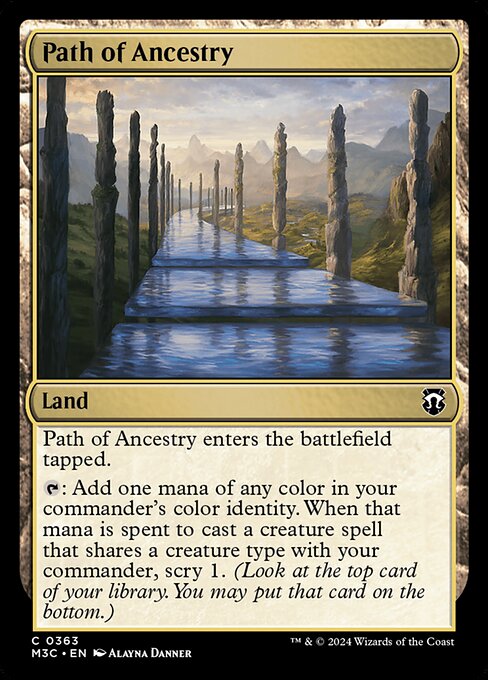
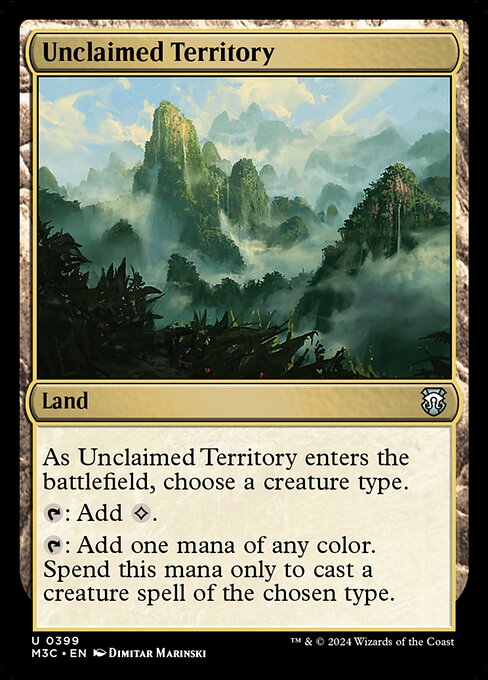
The mana base also reflects the budget philosophy. Instead of relying on expensive fetchlands and shocklands, the list uses numerous affordable dual lands and tribal lands like Path of Ancestry, Unclaimed Territory, and the various Temples and Guildgates. While entering tapped occasionally slows development, the deck’s relatively fair curve means the drawback is rarely crippling.
Ultimately, Sidar Jabari of Zhalfir succeeds because it doesn’t ask players to choose between tribal synergy and value. It effortlessly combines both. Every combat step improves your hand, fills your graveyard, develops your board, and threatens additional reanimation. Even after multiple board wipes, the deck often rebuilds faster than opponents expect thanks to Sidar’s recursive engine.
For players wanting a tribal deck that feels more interactive and strategically rewarding than simply casting creatures on curve, Sidar Jabari of Zhalfir delivers one of the most satisfying budget experiences Esper has to offer. So check out the deck here:
Commander
Creatures (37)
Instants (6)
Sorceries (6)
Artifacts (12)
Enchantments (4)
Lands (35)
100 Cards
$111.89
Deck #2: Zombie Value and Self-Discard
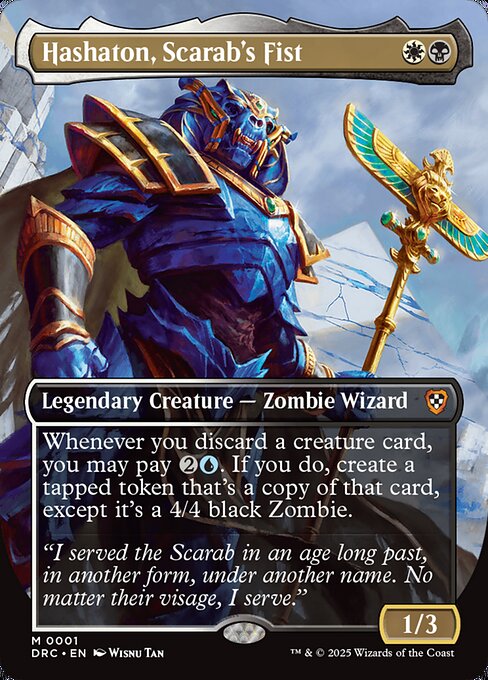
Rather than viewing discard as a drawback, Hashaton, Scarab's Fist embraces the graveyard as the deck’s primary resource. This strategy actively wants to throw creatures into the graveyard because almost every discarded card eventually becomes additional value. At just USD$122, this deck punches way above it’s price.
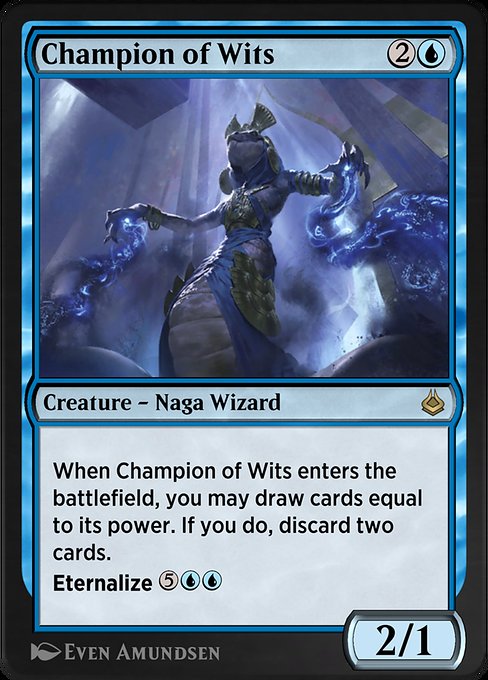
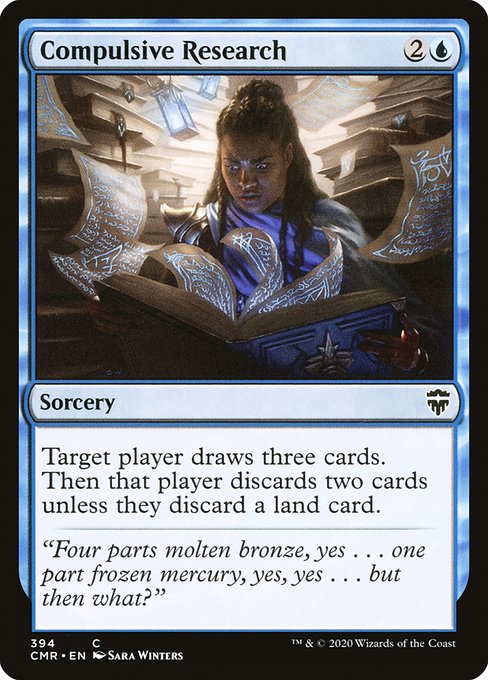
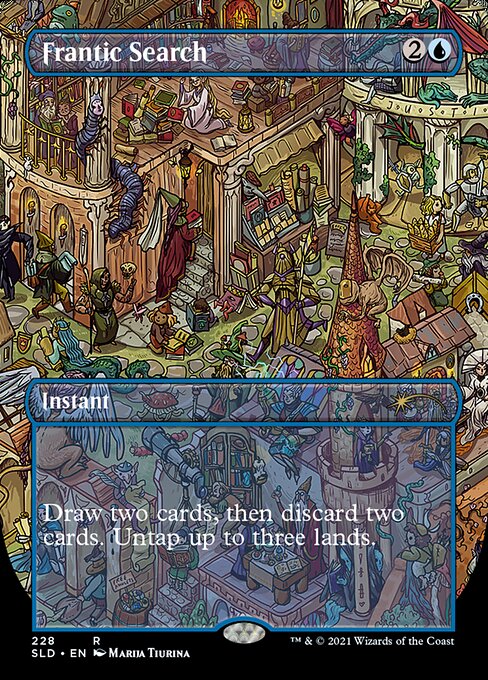
The deck spends its early turns setting up. Looting effects like Champion of Wits, Compulsive Research, Frantic Search, Dihada's Ploy, Likeness Looter, Obsessive Stitcher, and Tomebound Lich steadily sculpt your hand while intentionally filling the graveyard with premium targets. In most decks, discarding a seven-mana creature would be painful. Here, it’s often exactly what you wanted.
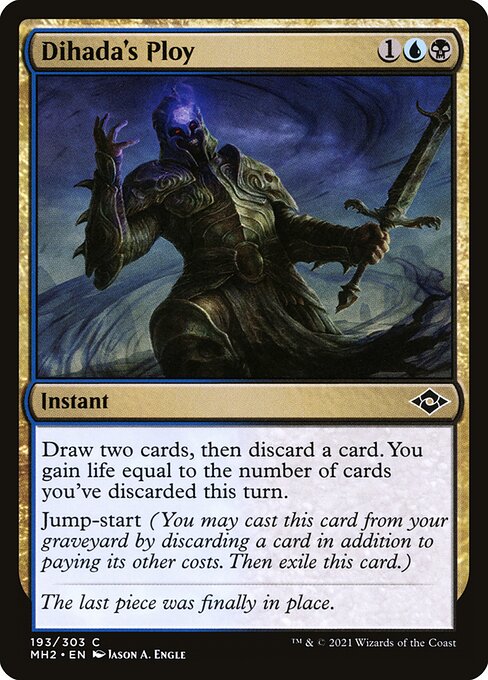
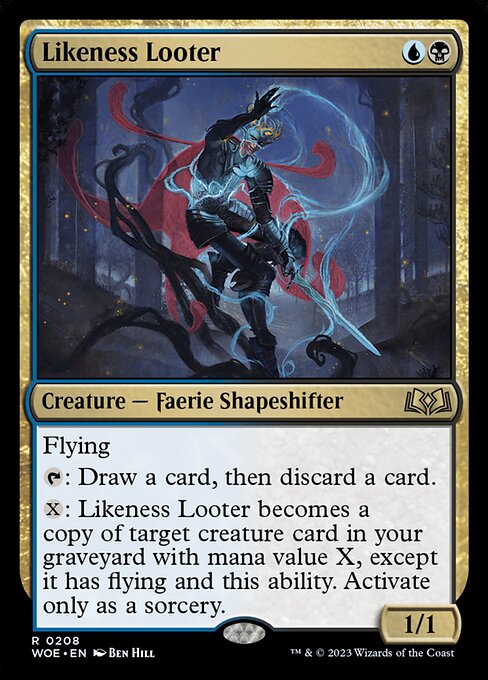
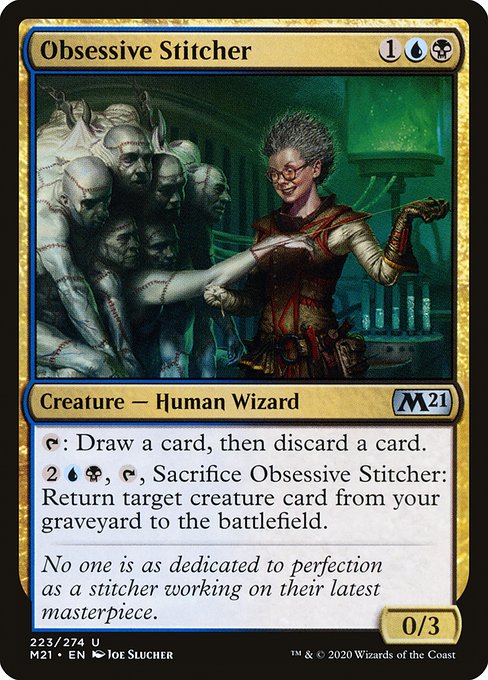
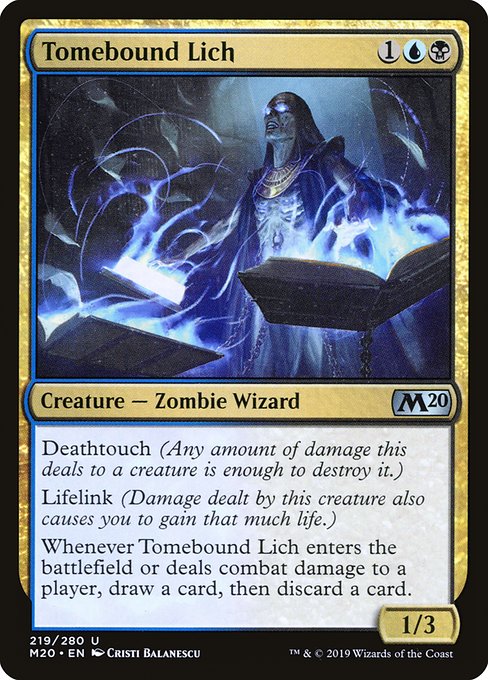
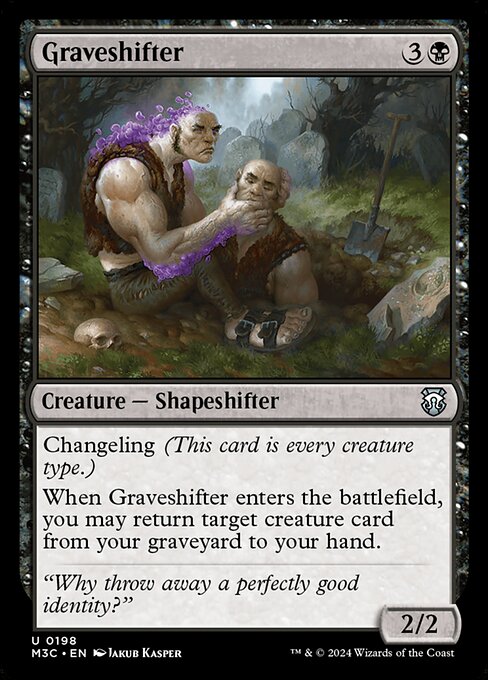
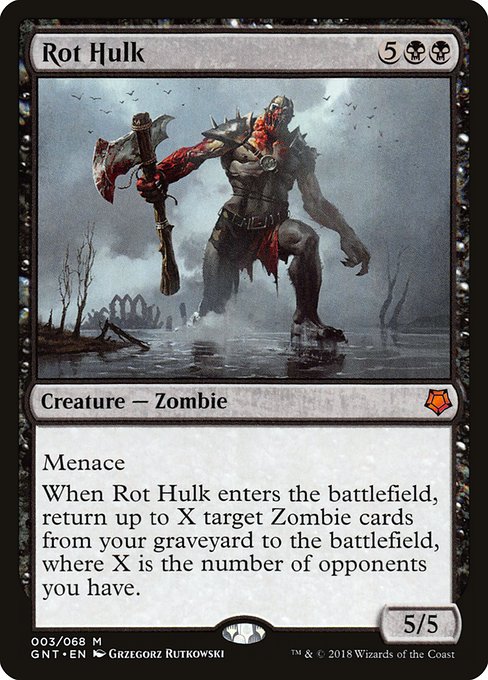
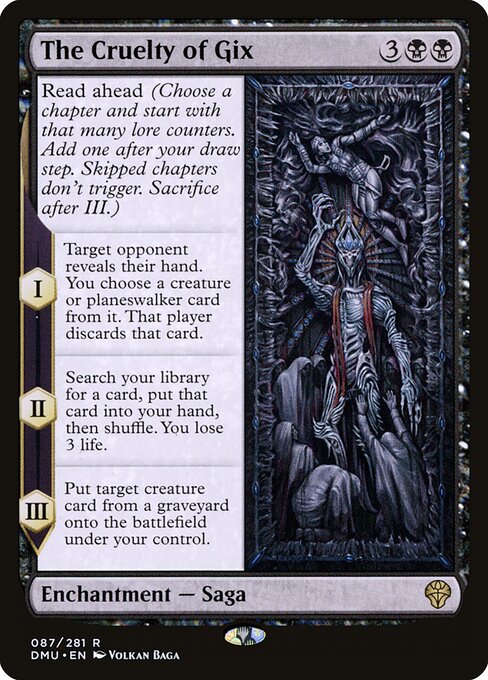
Once the graveyard is stocked, recursion begins taking over. Restless Dreams, Oversold Cemetery, Sun Titan, Gravedigger, Graveshifter, Rot Hulk, and The Cruelty of Gix ensure valuable creatures repeatedly return to the battlefield. The deck becomes surprisingly difficult to exhaust because threats rarely stay dead for long.
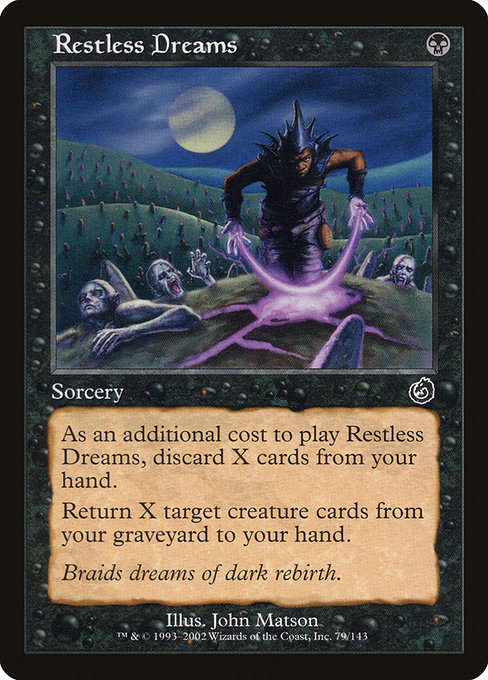
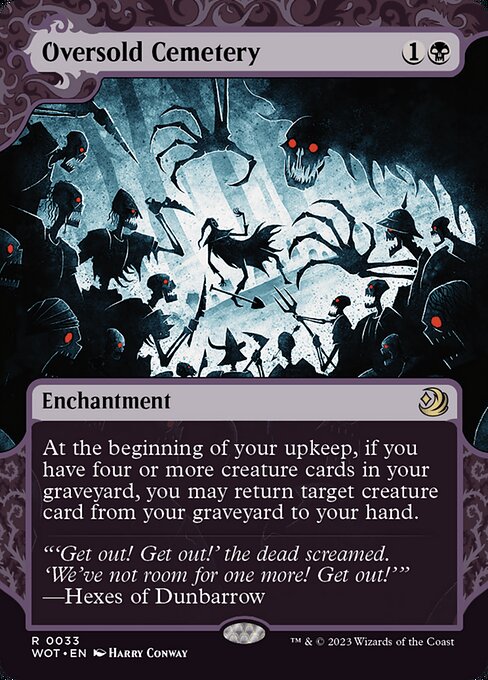
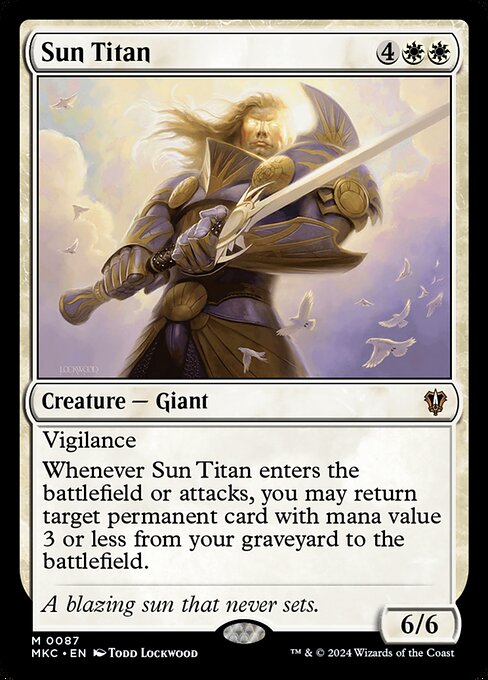
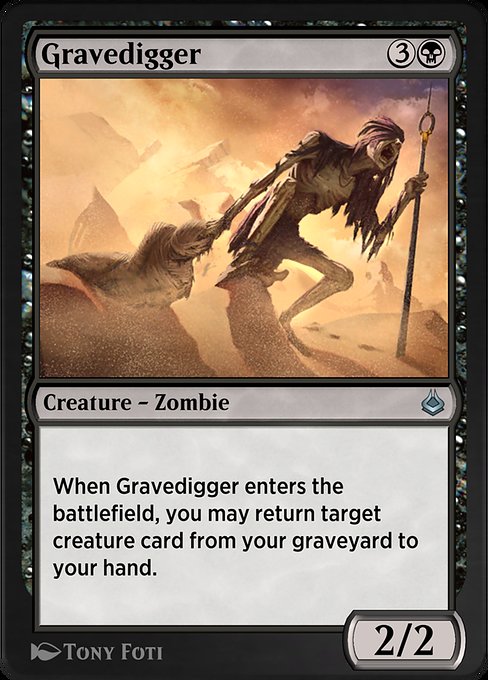
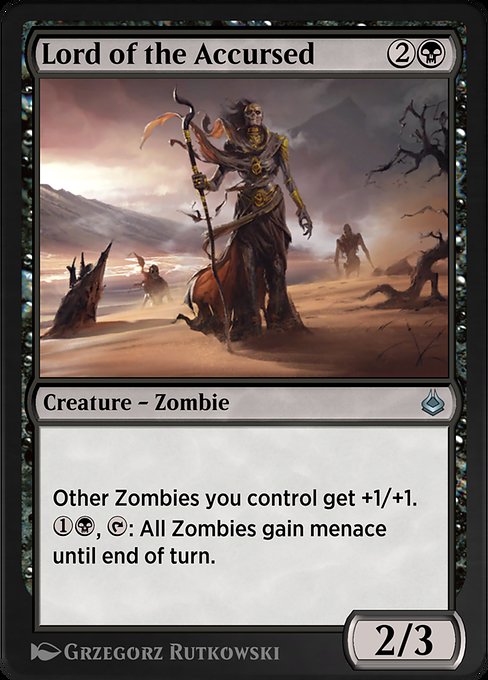
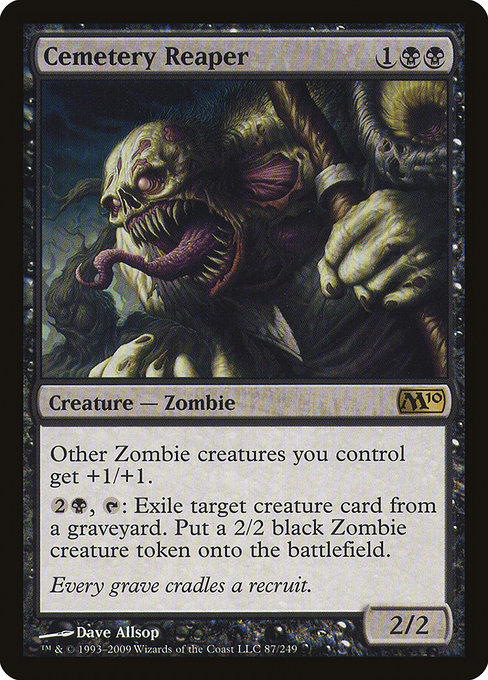
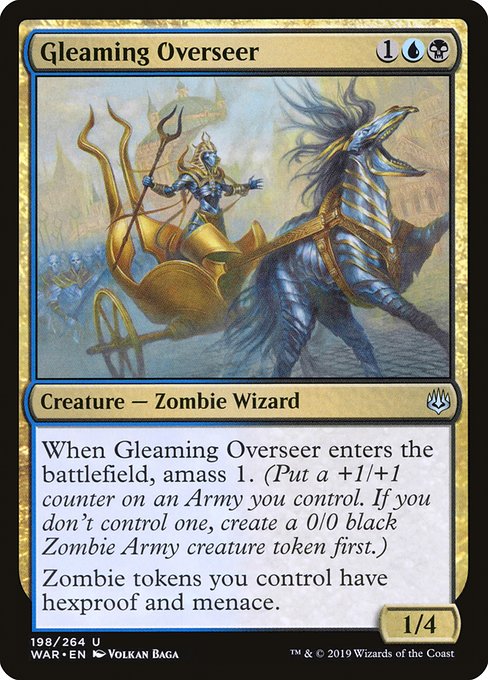
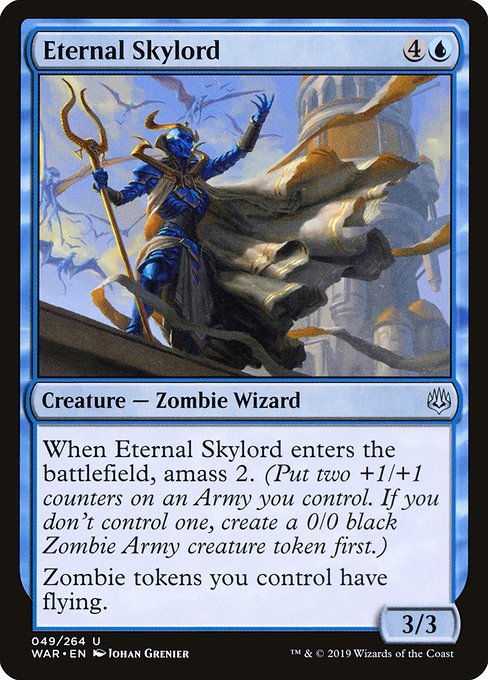
Zombie tribal synergies amplify this plan even further. Lords like Lord of the Accursed, Cemetery Reaper, Gleaming Overseer, and Eternal Skylord quickly transform an army of otherwise modest creatures into legitimate win conditions. Even simple Zombie tokens become dangerous once multiple anthem effects begin stacking.
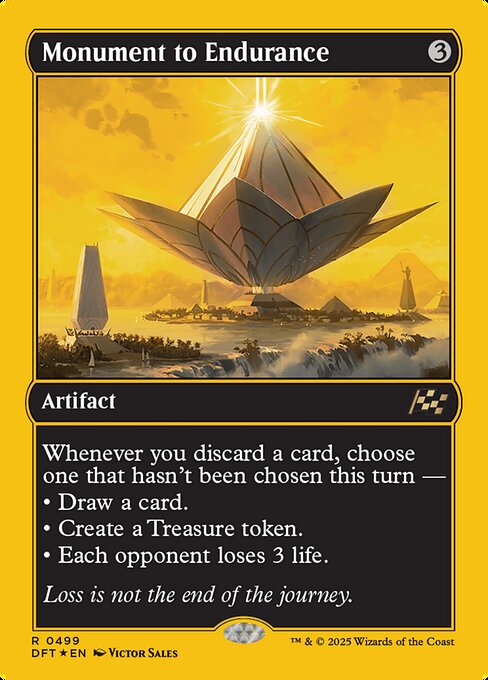
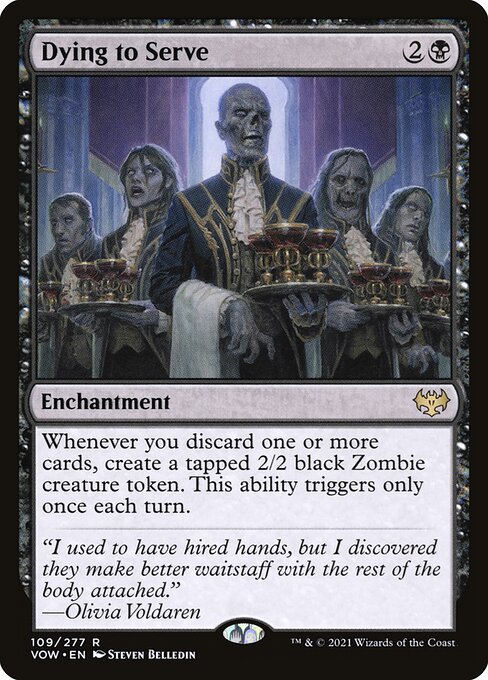
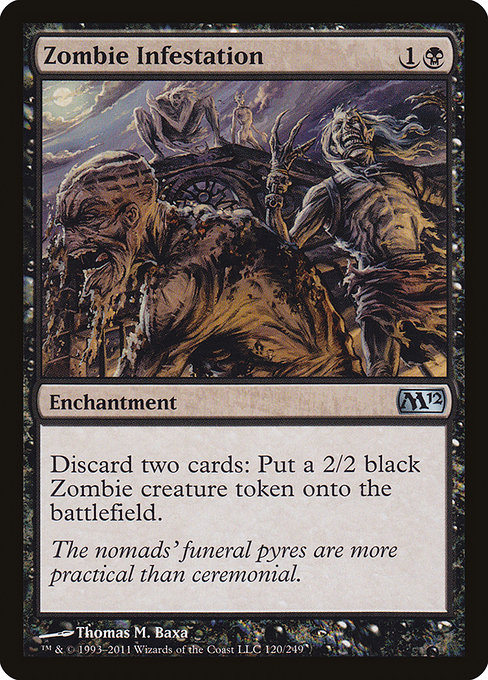
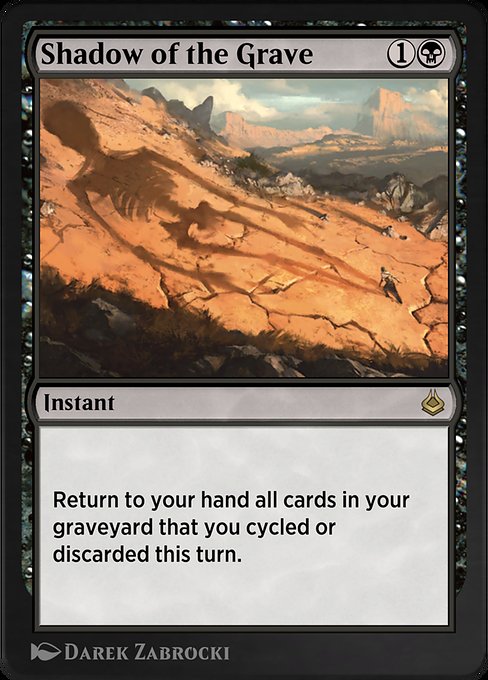
One particularly clever aspect of the list is how many cards reward the act of discarding itself. Monument to Endurance, Prophet of the Scarab, Dying to Serve, Zombie Infestation, and Shadow of the Grave all convert discarded cards into tangible battlefield advantage. Instead of losing resources, you’re effectively investing them for future turns.

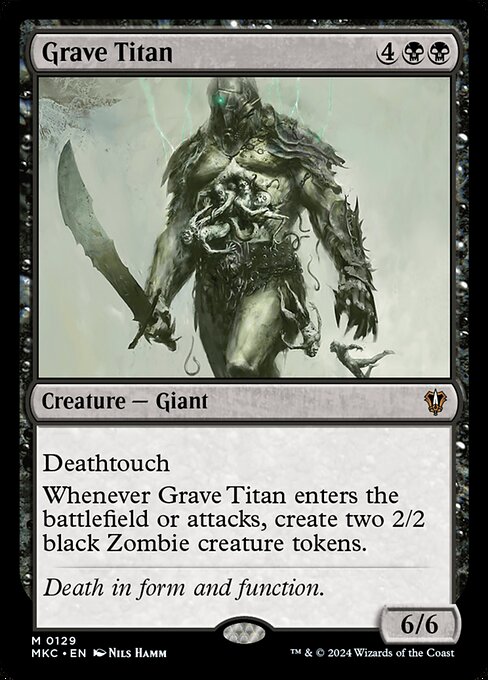
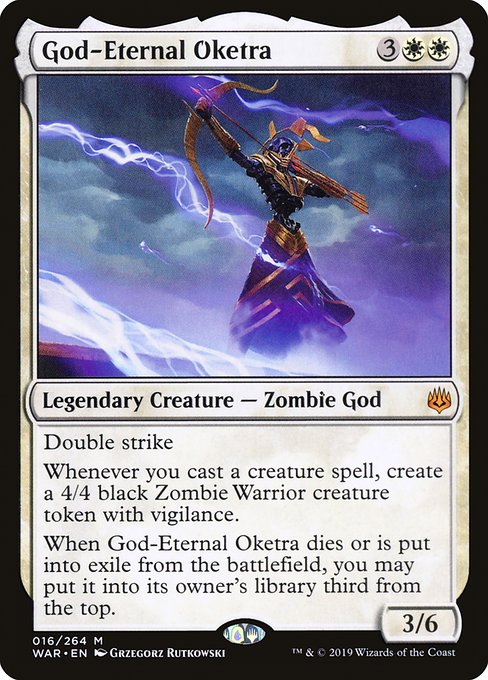
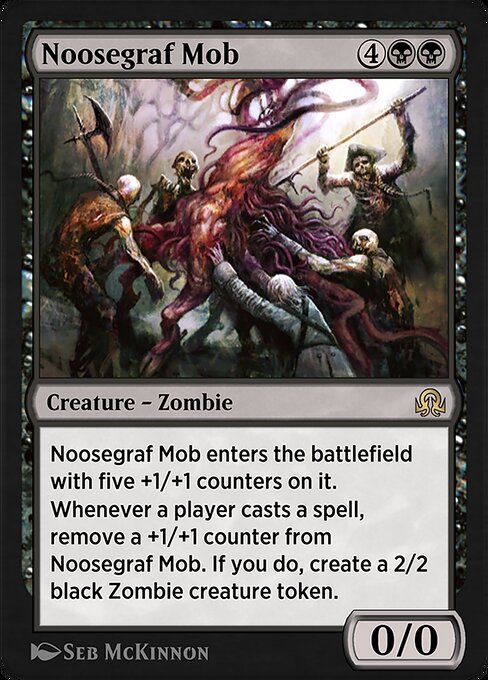
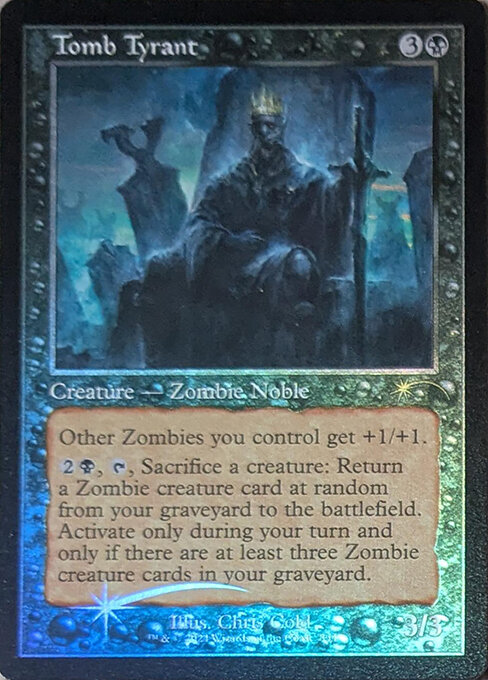
The token package deserves special attention. Cards like Grave Titan, God-Eternal Oketra, Noosegraf Mob, and Tomb Tyrant continuously increase your board presence while simultaneously providing sacrifice fodder, blockers, or simply overwhelming combat pressure. Combined with Zombie lords, these token generators frequently become the primary path toward victory.
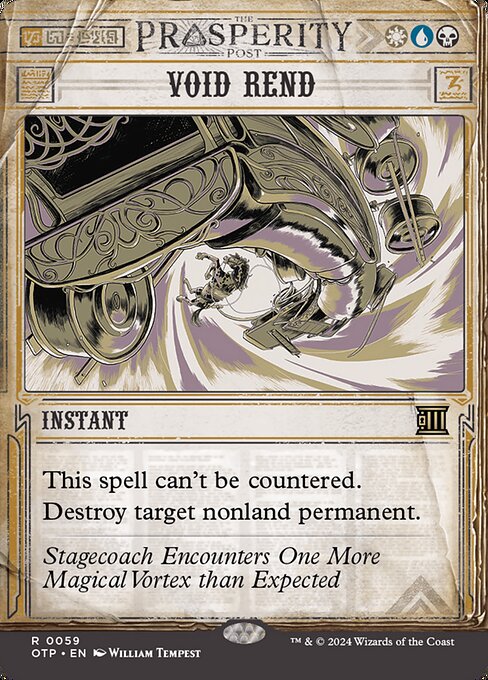
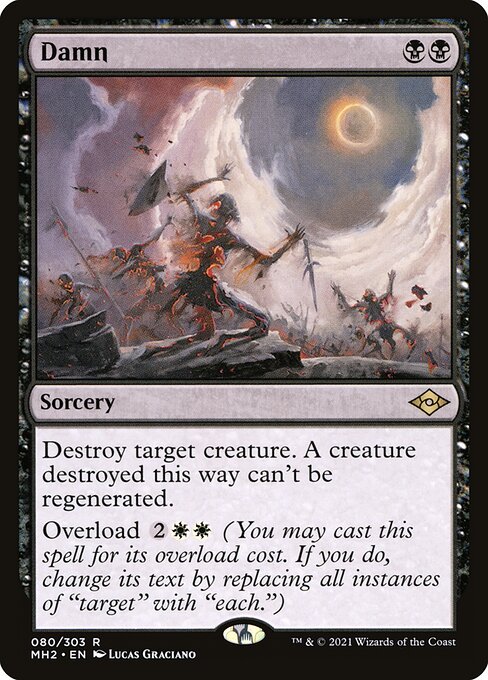
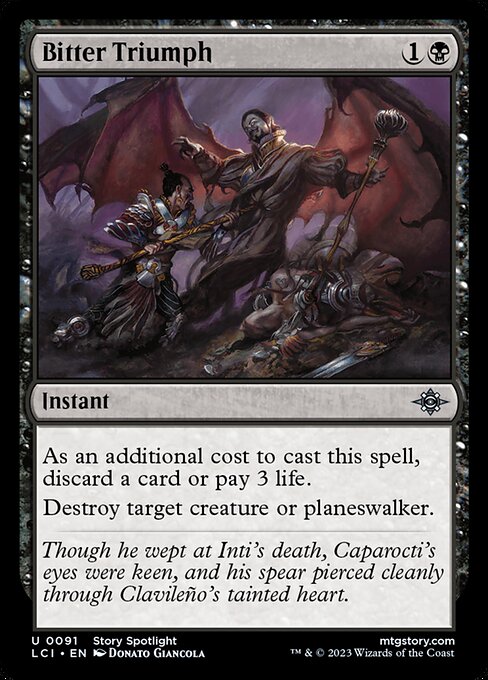
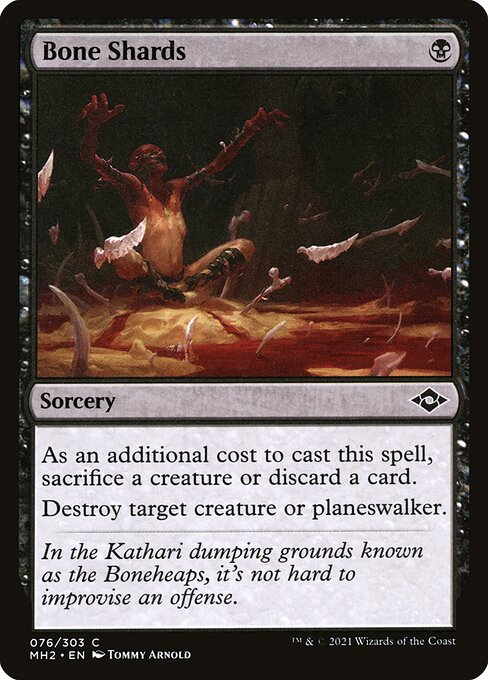
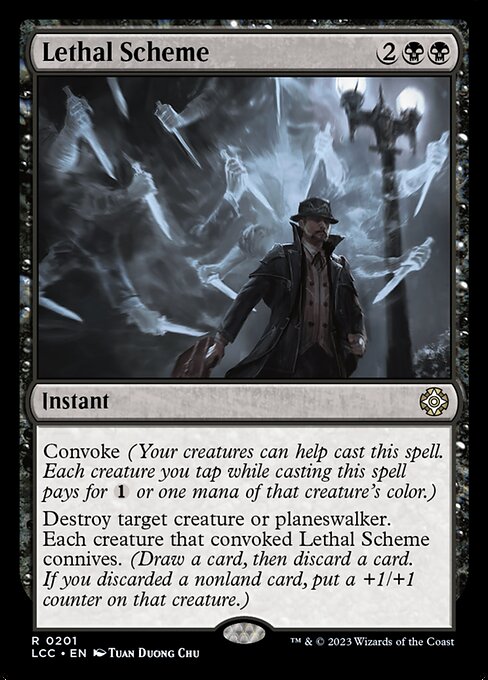
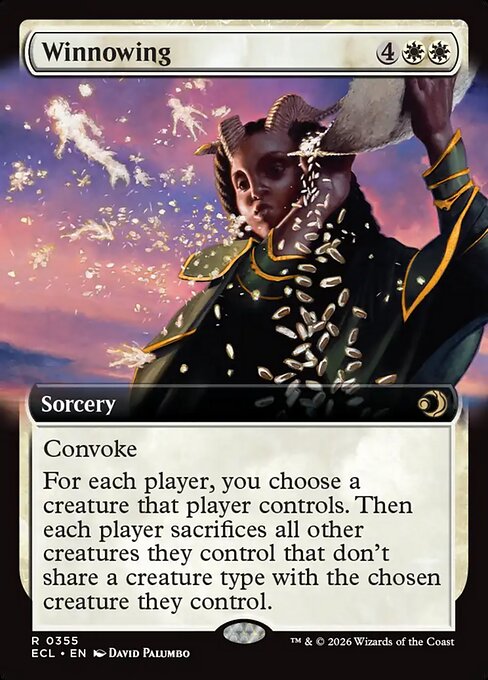
Removal remains efficient despite the budget constraints. Void Rend, Damn, Crippling Fear, Bitter Triumph, Bone Shards, Lethal Scheme, and Winnowing allow the deck to answer nearly any threat while often advancing its own strategy. Bone Shards, for example, happily asks you to discard another creature you’d rather reanimate later.
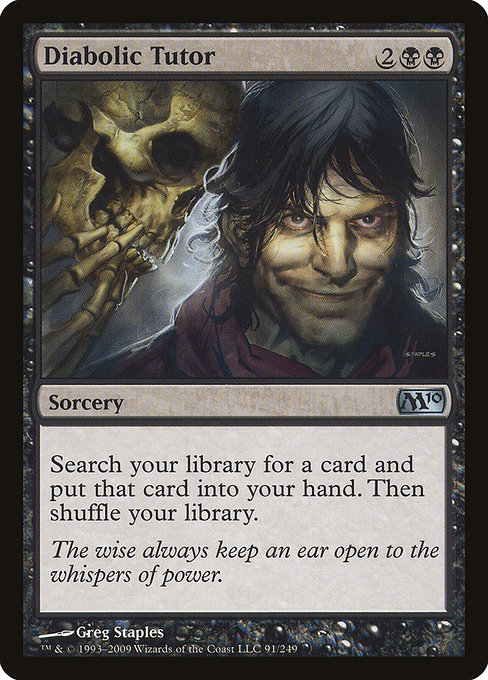
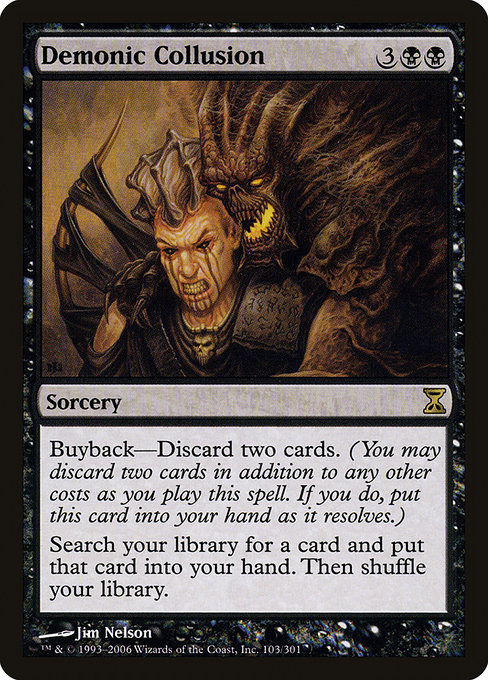
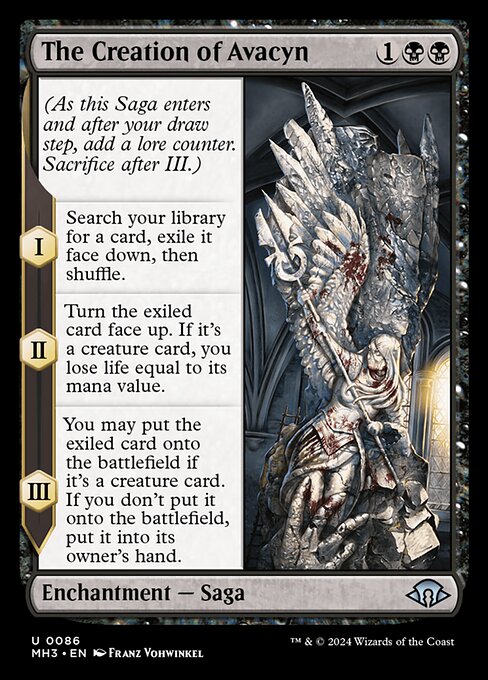
Even the tutor package stays on theme. Profane Tutor, Diabolic Tutor, Demonic Counsel, Demonic Collusion, and The Creation of Avacyn help assemble whichever engine piece is currently missing, whether that’s a discard outlet, recursion spell, or payoff creature.


Hashaton, Scarab's Fist‘s greatest strength is inevitability. Opponents may remove individual threats repeatedly, but every exchange usually favors the Zombie player because discarded creatures, sacrificed creatures, and destroyed creatures all remain available for future recursion. Long games naturally favor this deck, as its graveyard steadily grows into a toolbox filled with answers and threats.
Budget players often worry that graveyard strategies require expensive staples to function smoothly. Hashaton, Scarab's Fist proves the opposite. By maximizing internal synergy rather than relying on individually powerful cards, the deck continuously generates value from resources other decks would consider spent. Every discarded Zombie becomes future board presence, every reanimation spell creates tempo, and every recursion effect extends the game in your favor.
For players who enjoy intricate resource management, recursive gameplay, and constantly squeezing value out of every single card, Hashaton, Scarab's Fist offers one of the most unique and rewarding budget Esper strategies currently available. Check out the decklist here:
Commander
Creatures (29)
Instants (10)
Sorceries (12)
Enchantments (8)
Lands (38)
100 Cards
$116.32
Deck #3: Budget Ninjas
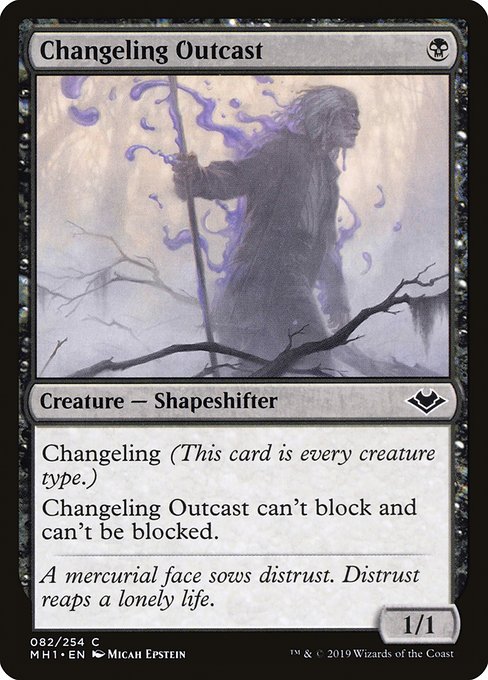
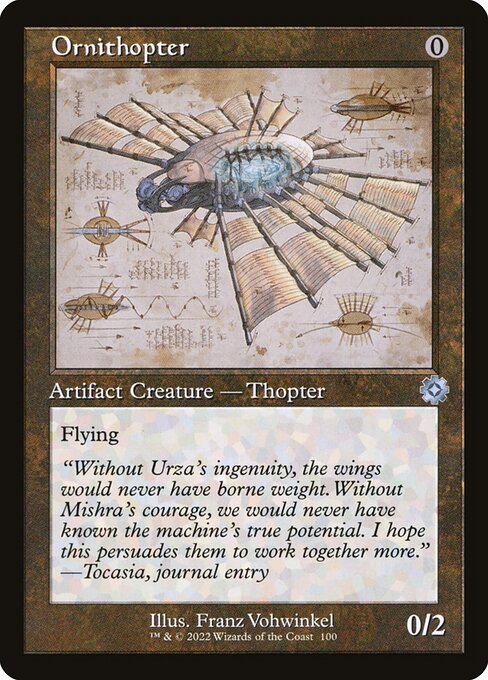
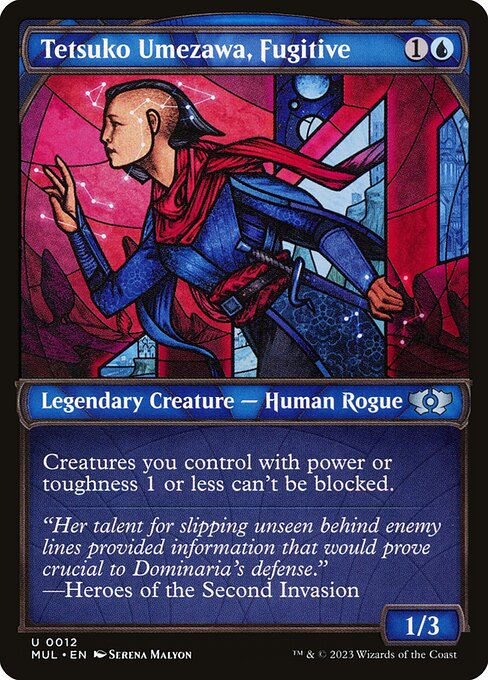
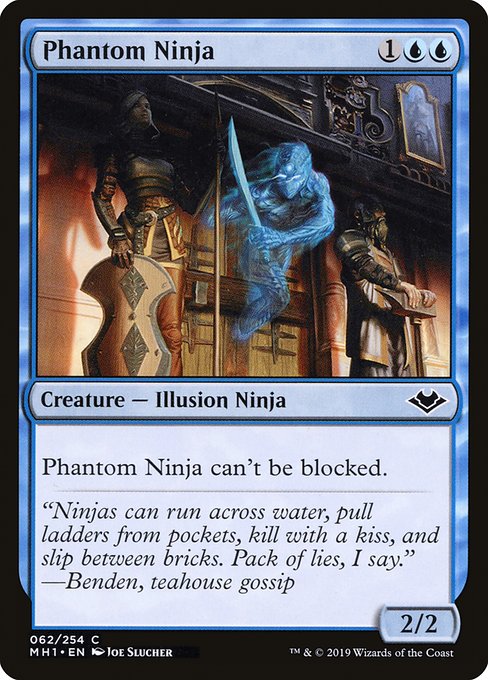
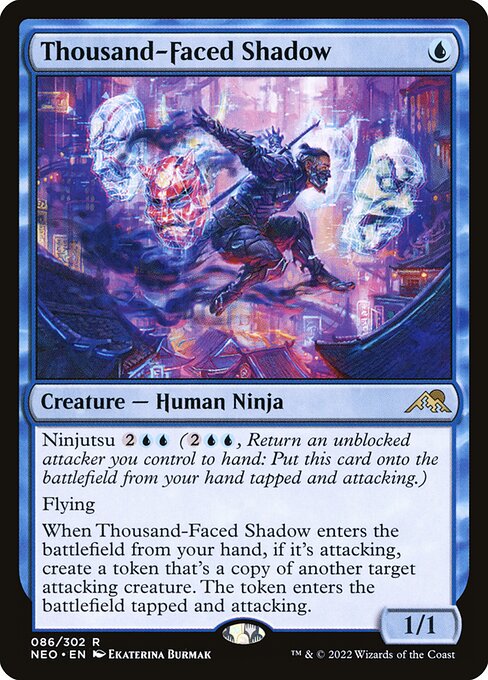
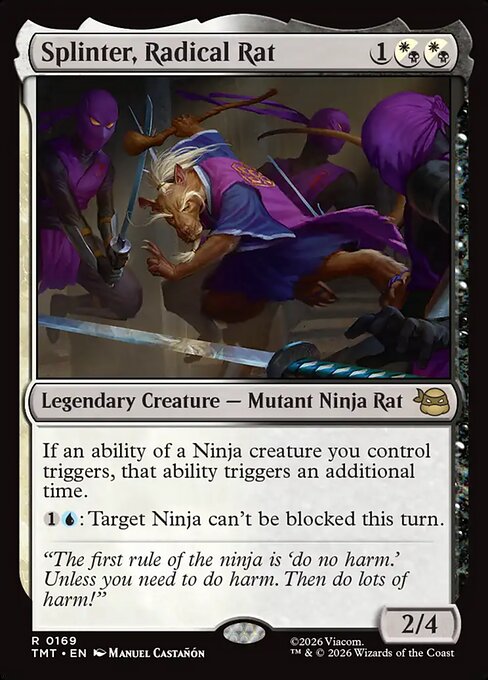
Coming at USD$84 is out cheapest deck today. At the center of the strategy is Splinter, Radical Rat, a commander that rewards you for constantly attacking and keeping pressure on opponents. Like every good Ninja deck, the first few turns are dedicated to establishing creatures that are difficult to block. Cards like Changeling Outcast, Ornithopter, Tetsuko Umezawa, Fugitive, Phantom Ninja, and Thousand-Faced Shadow are not impressive attackers by themselves, but they provide the perfect platform for repeatedly deploying Ninjas without paying their full mana costs.
Once combat starts connecting, the deck shifts into its real game plan. Ninjutsu allows expensive creatures to appear seemingly out of nowhere while simultaneously returning smaller creatures to your hand for future reuse. That constant cycling of creatures creates an incredibly resilient battlefield presence, since your important threats rarely stay exposed for very long.
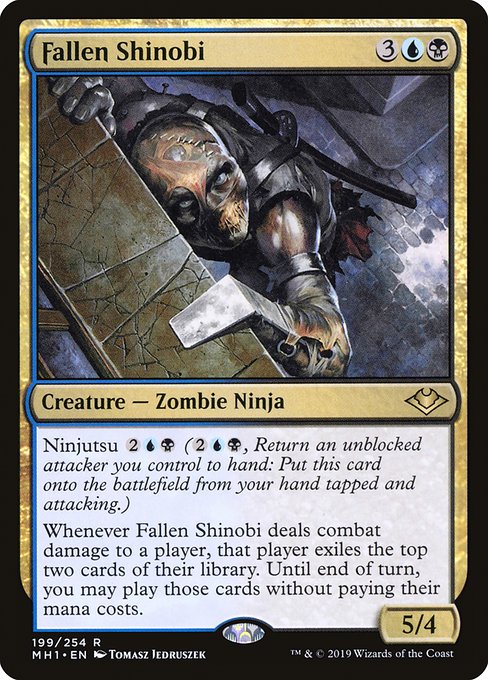
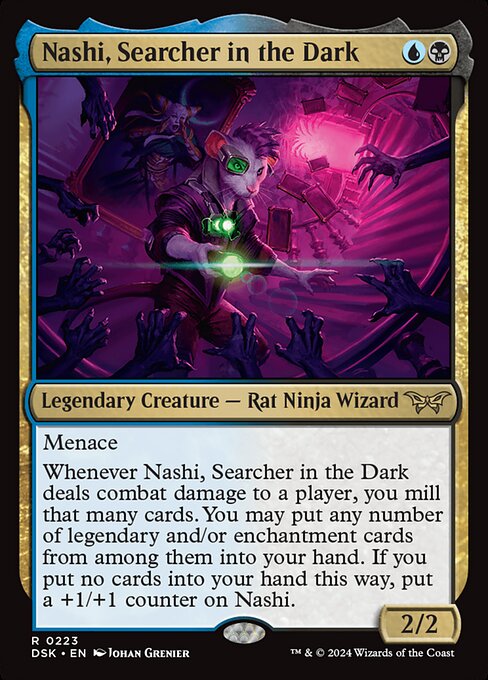
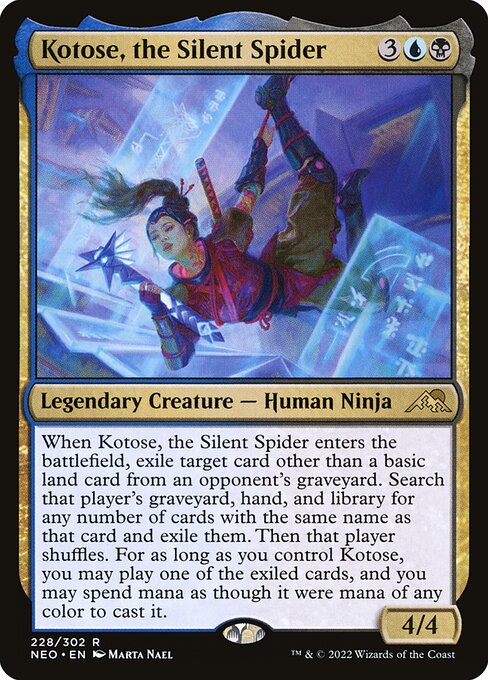
Many of the Ninjas included generate immediate value the moment they connect. Fallen Shinobi remains one of the strongest payoff cards in the tribe, potentially casting spells directly from opponents’ libraries and completely changing the pace of a game with a single successful attack. Nashi, Searcher in the Dark continues that philosophy by converting combat damage into card advantage, while Kotose, the Silent Spider provides disruptive utility by interacting with opposing graveyards and shutting down important combo pieces.
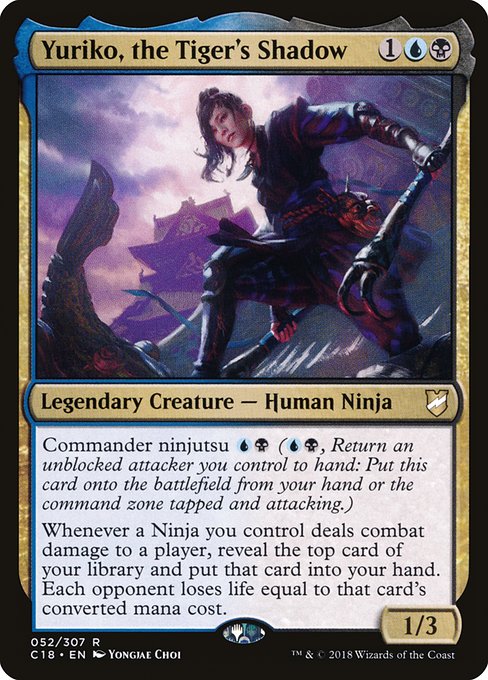
Naturally, no Ninja deck would feel complete without Yuriko, the Tiger's Shadow. Even though she is not the commander here, she remains one of the deck’s strongest threats. Every successful Ninja attack turns into additional card draw and life loss for the table, allowing the deck to pressure all opponents simultaneously without committing enormous resources to combat.
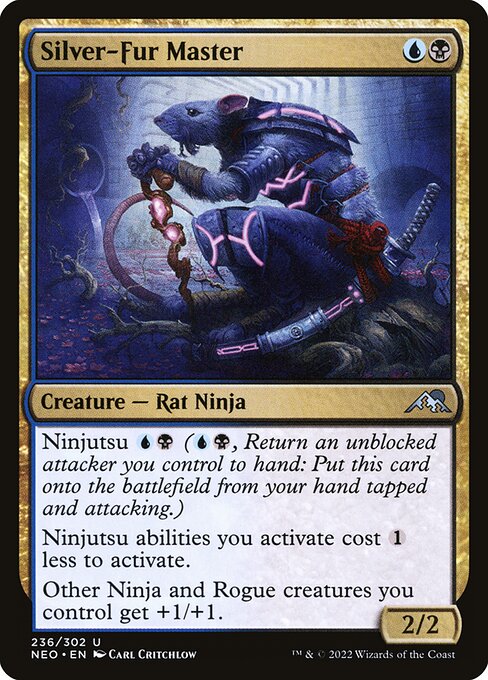
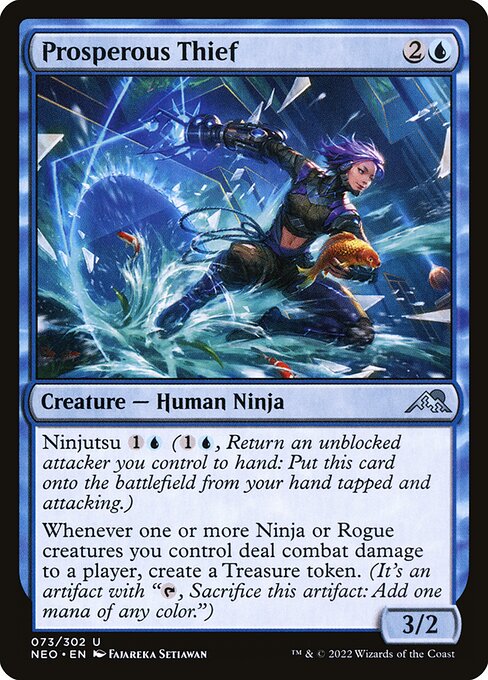
The supporting cast reinforces the tribe while remaining surprisingly inexpensive. Silver-Fur Master functions as both a lord and a mana reducer, making every Ninja significantly easier to deploy while increasing combat damage. Prosperous Thief quietly accelerates your mana by producing Treasure whenever Ninjas connect, allowing explosive second main phases where additional creatures or interaction can be deployed immediately.
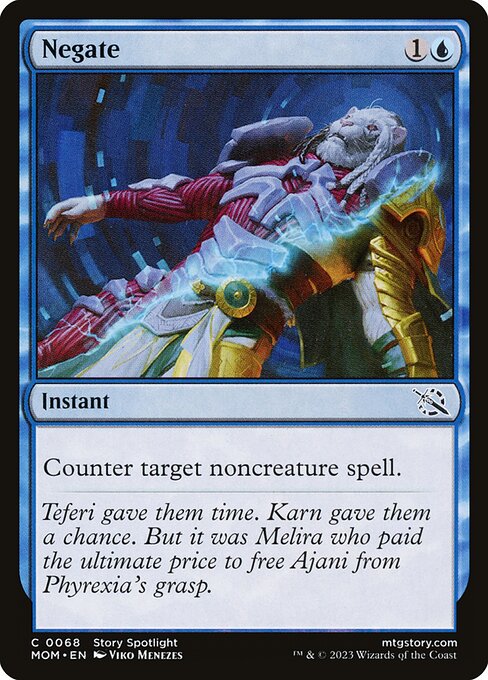
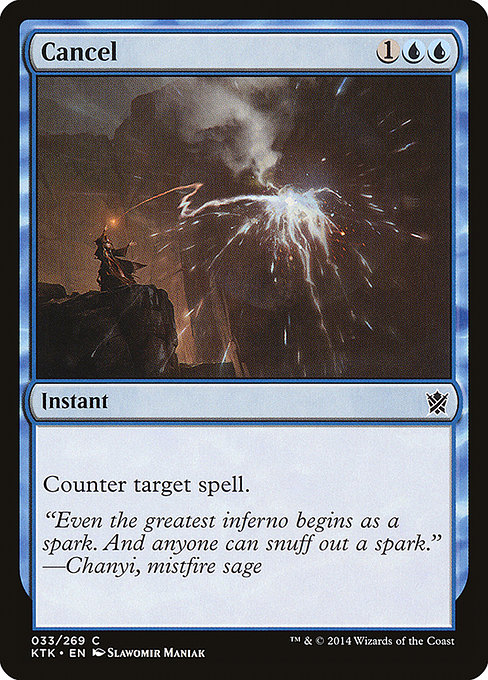
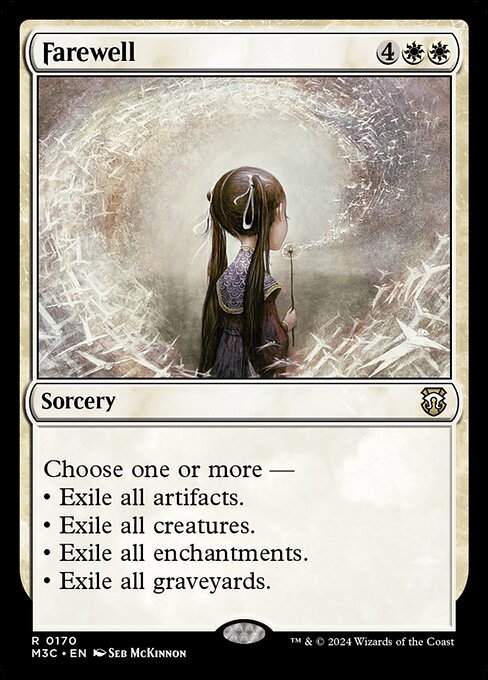
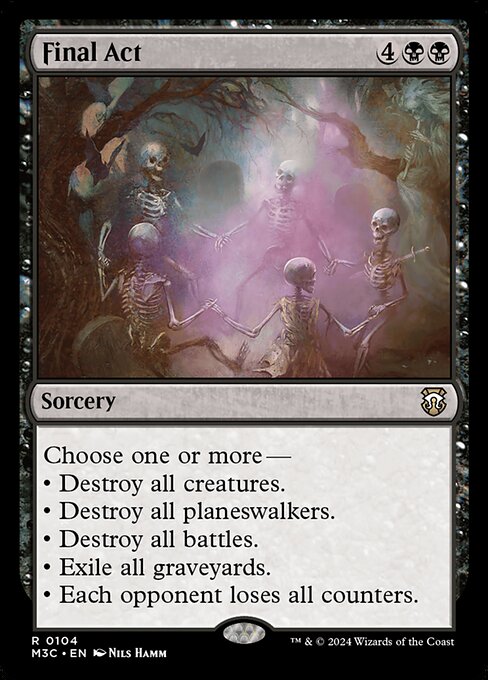
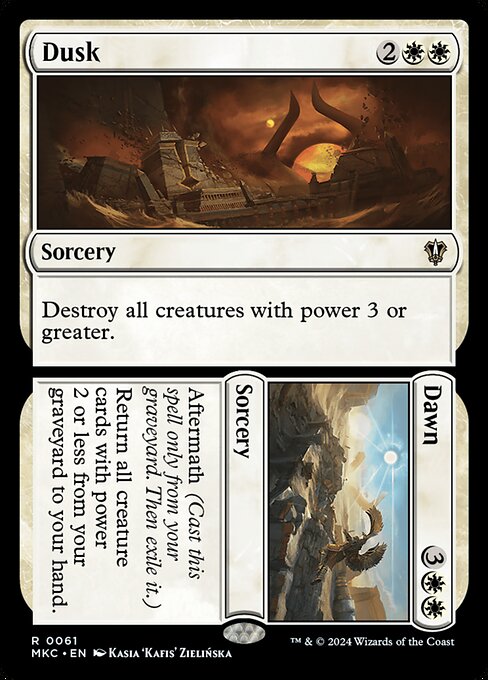
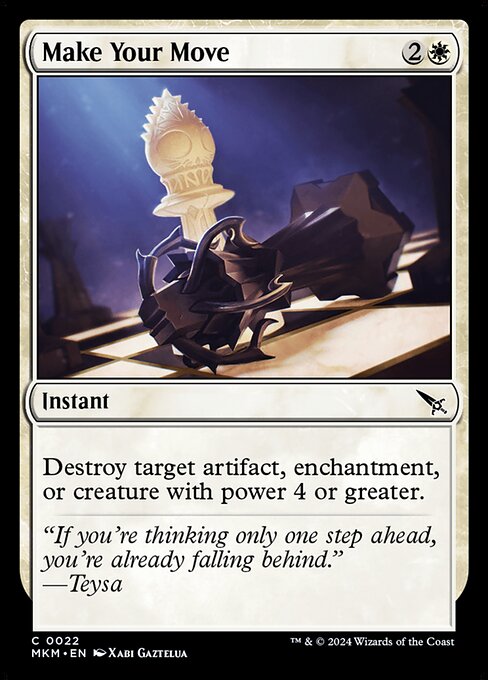
Unlike many tribal decks that simply attack every turn, this list plays a remarkably patient game. Cheap interaction like Negate, Cancel, Path to Exile, Farewell, Final Act, Dusk // Dawn, and Make Your Move ensures opponents cannot simply overwhelm your relatively small battlefield. Because many creatures repeatedly leave and re-enter combat through Ninjutsu, traditional removal is often awkward against this strategy.
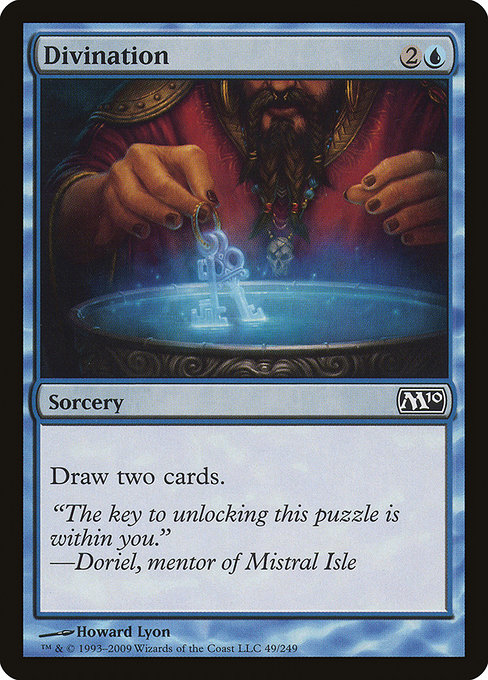
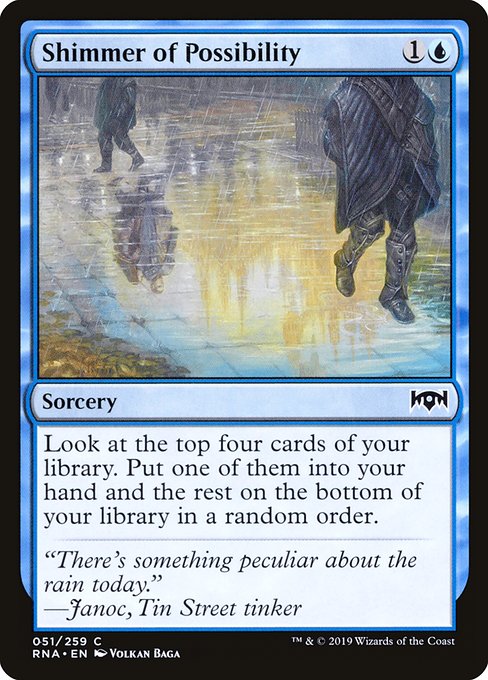
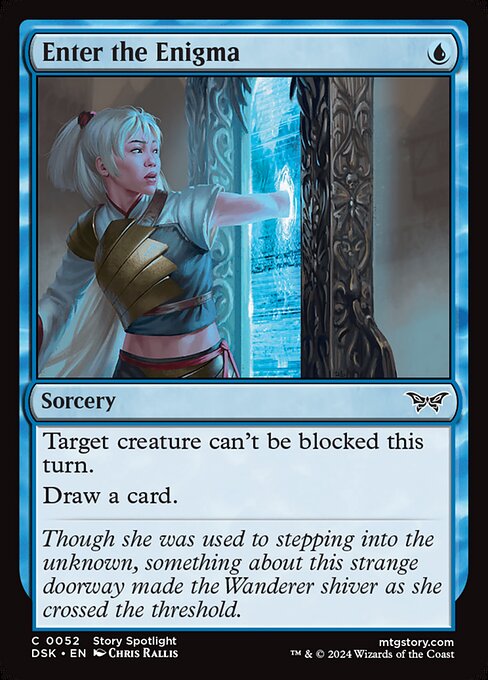
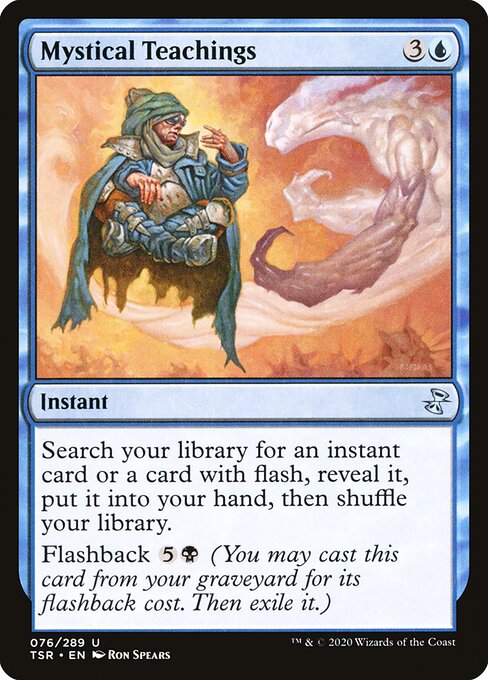
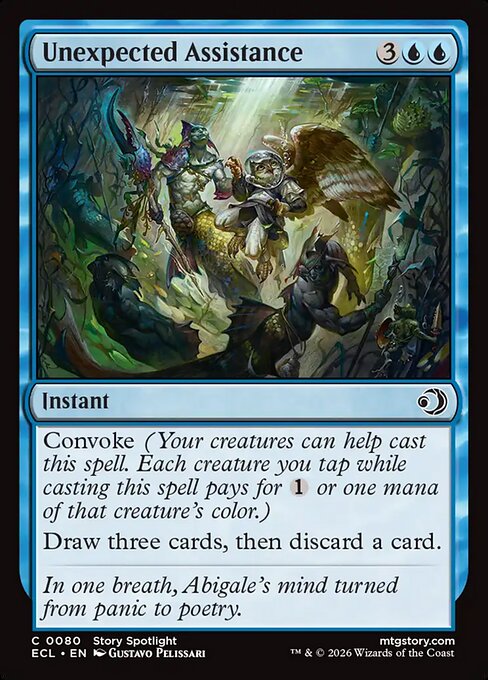
Card selection also plays a significant role. Divination, Shimmer of Possibility, Enter the Enigma, Mystical Teachings, Unexpected Assistance, and Spirit Water Revival help smooth draws while ensuring you always have another Ninja ready to deploy. Unlike all-in aggressive decks that empty their hands quickly, this list maintains a steady stream of threats throughout the game.

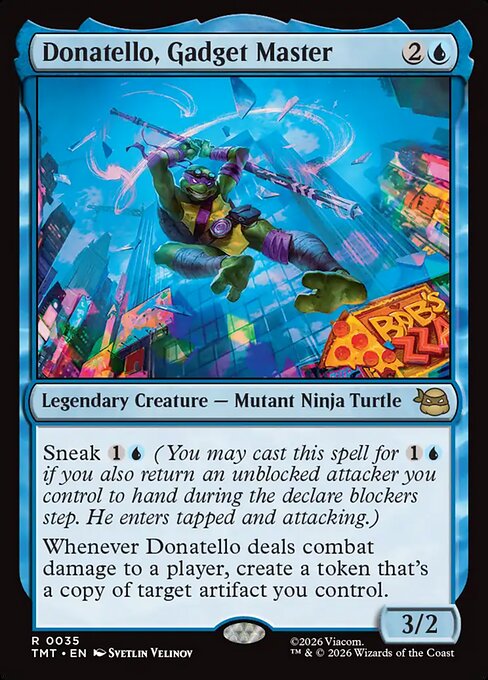
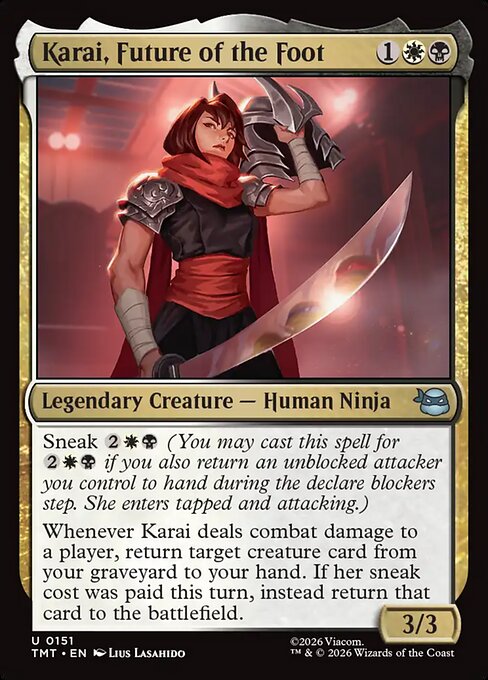
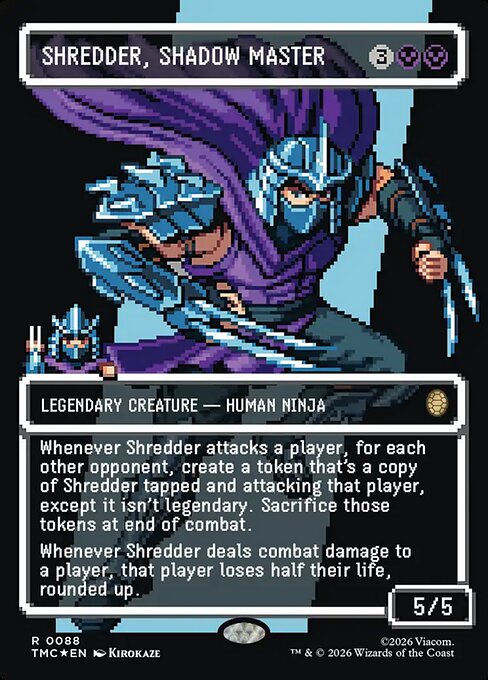
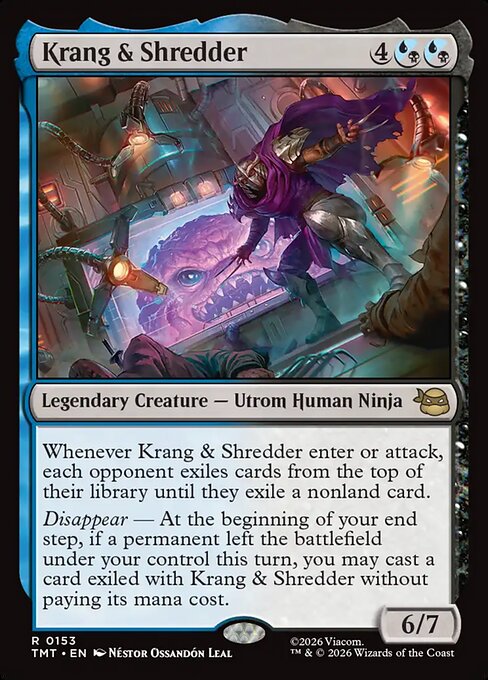
The inclusion of several Universes Beyond cards from the Teenage Mutant Ninja Turtles release gives the deck a distinctive identity as well. April O'Neil, Kunoichi Trainee, Donatello, Gadget Master, Karai, Future of the Foot, Shredder, Shadow Master, Oroku Saki, Shredder Rising, Dream Beavers,




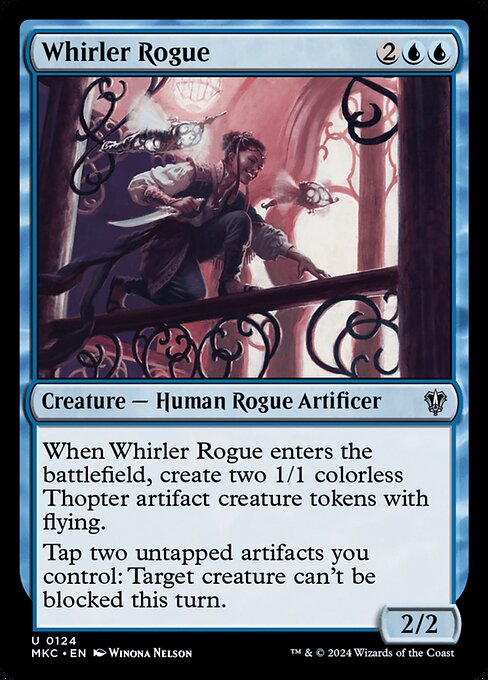
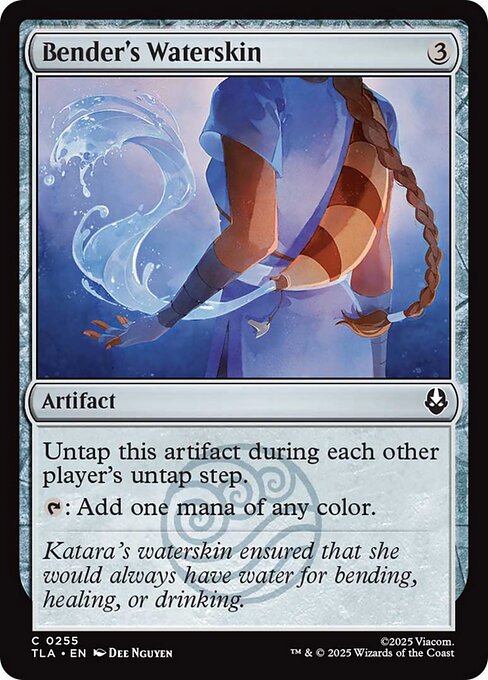
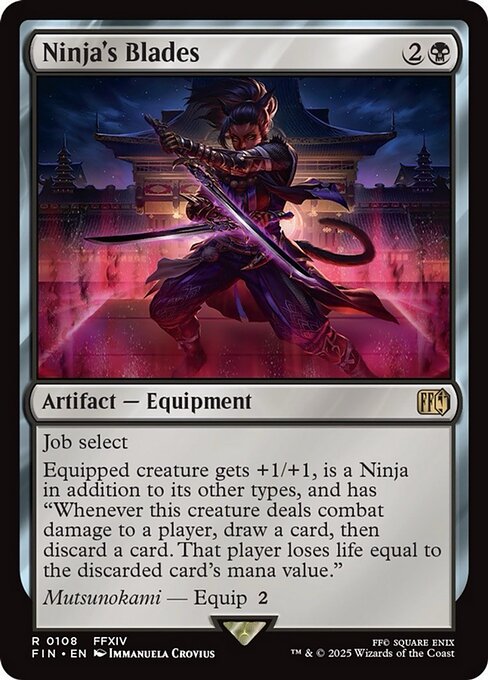
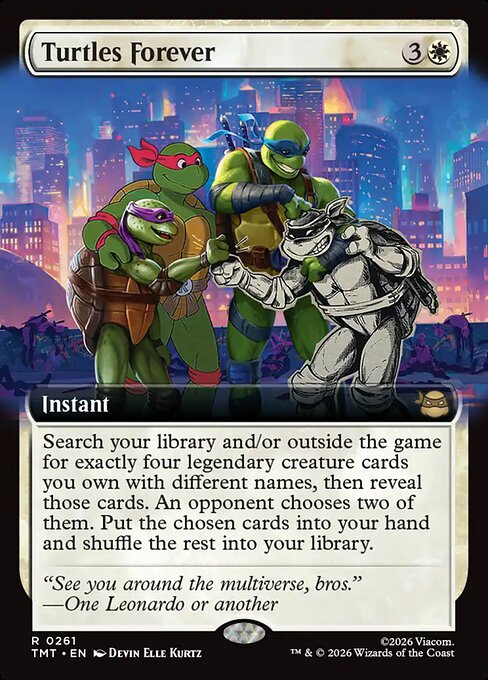
Despite operating on a modest budget, the deck still possesses explosive finishing potential. Repeated Ninja triggers steadily generate overwhelming card advantage, while token producers like Whirler Rogue create additional evasive bodies that continue enabling Ninjutsu throughout the game. Combat buffs from Bender's Waterskin and Ninja's Blades allow even small creatures to become meaningful threats, while Turtles Forever provides a dramatic payoff that can swing an entire board state.
More importantly, the deck demonstrates why budget Commander can often feel more interactive than fully optimized builds. Every combat step presents multiple decisions, every creature can become a surprise attacker, and every successful hit advances several different engines simultaneously. Rather than relying on infinite combos or overwhelming mana production, this deck wins through clever sequencing, resource management, and rewarding patient play. For players who enjoy tactical combat and constantly keeping opponents guessing, Splinter offers one of the most entertaining budget Esper strategies available. If this sounds more like your thing, please check out the decklist here:
Commander
Planeswalkers (1)
Creatures (30)
Instants (14)
Sorceries (8)
Artifacts (7)
Enchantments (4)
Lands (36)
100 Cards
$94.68
Deck #4: Budget Enchantments and Flying Value
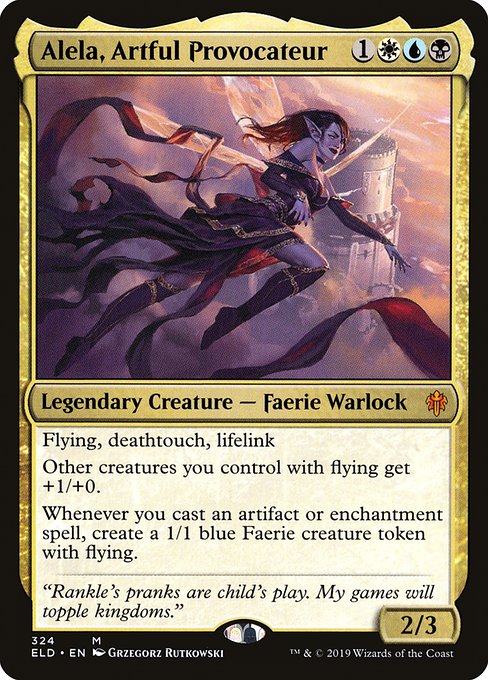
Few Esper commanders generate as much value for as little effort as Alela, Artful Provocateur, and coming at just USD$108 it’s a bargain. Every Artifact and Enchantment becomes another evasive Faerie, allowing the deck to develop its board almost incidentally while simply playing cards it already wanted to cast. That efficiency makes Alela one of the best commanders for budget players because inexpensive enchantments and utility artifacts suddenly become token generators, anthem effects, and sources of overwhelming board presence all at once.
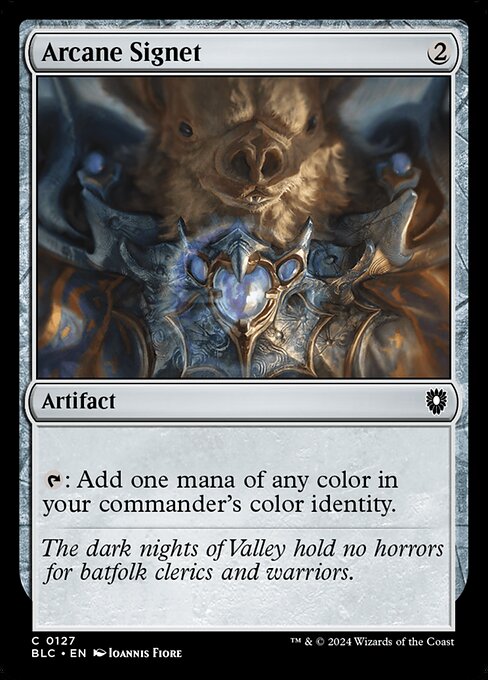
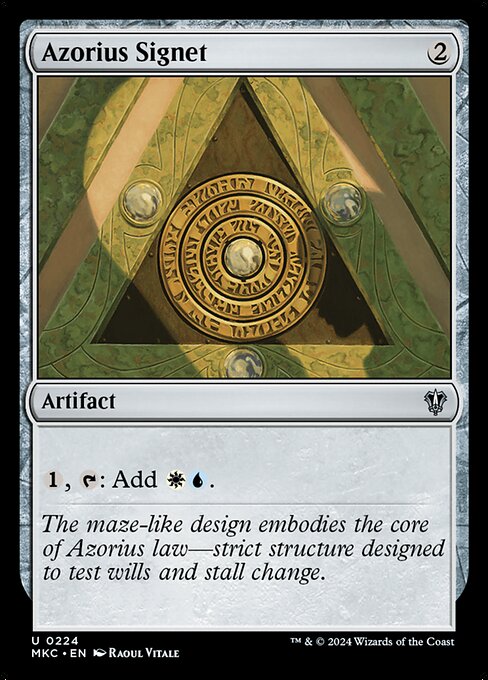
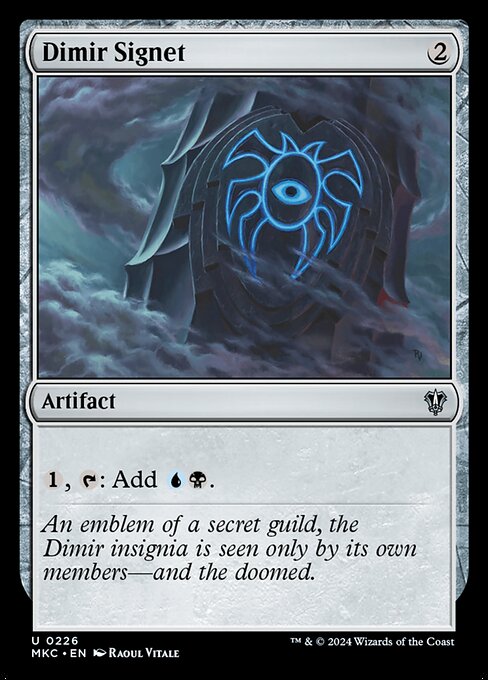
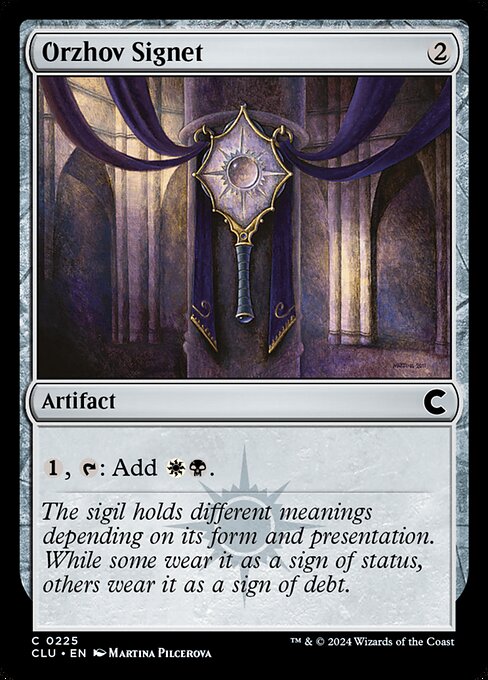
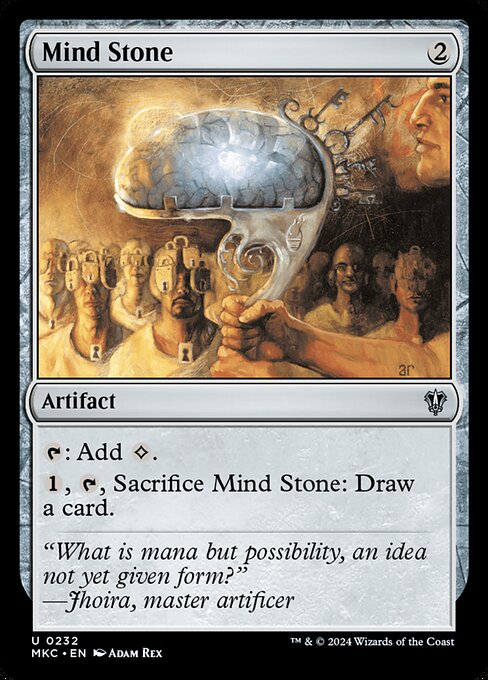
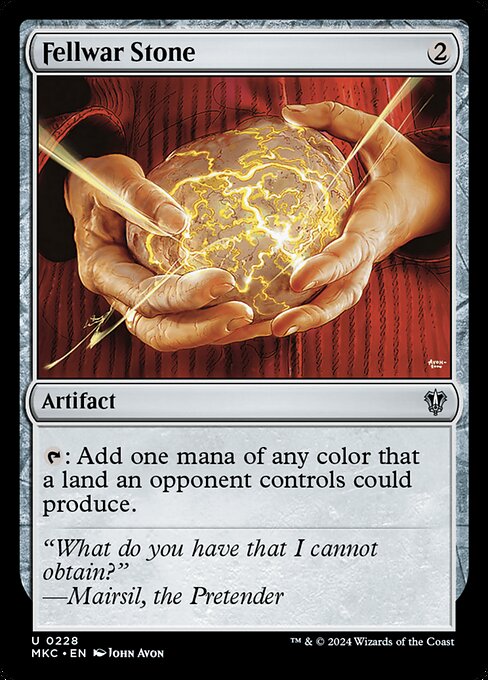
The strategy begins by accelerating into Alela with affordable mana rocks such as Arcane Signet, Azorius Signet, Dimir Signet, Orzhov Signet, Mind Stone, Fellwar Stone, and the three Talismans. Once Alela is on the battlefield, nearly every spell continues developing your air force without requiring dedicated token cards.
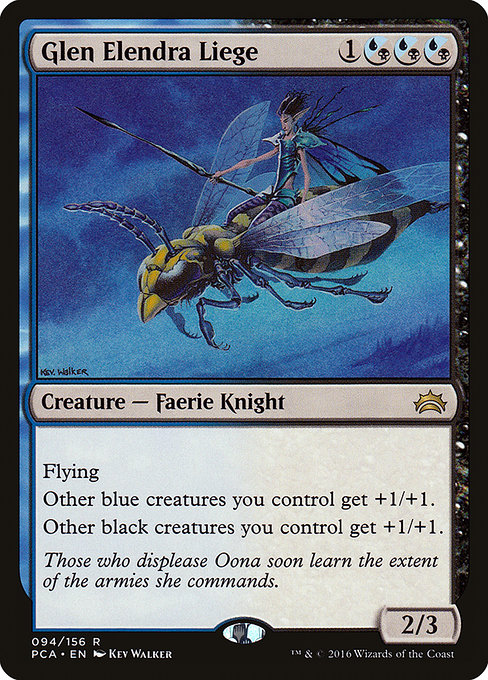
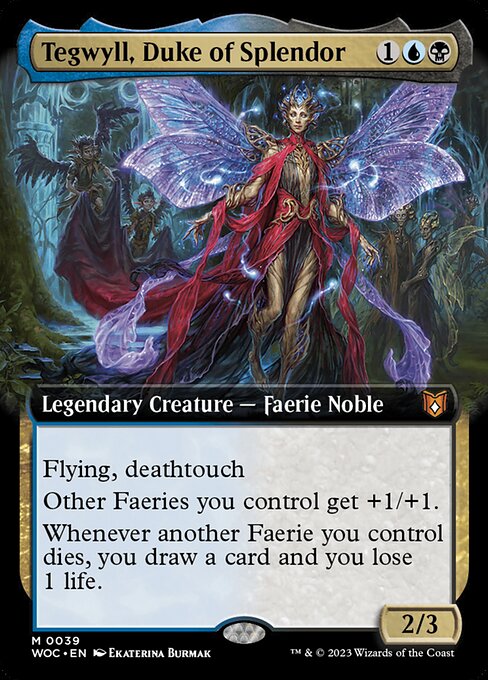
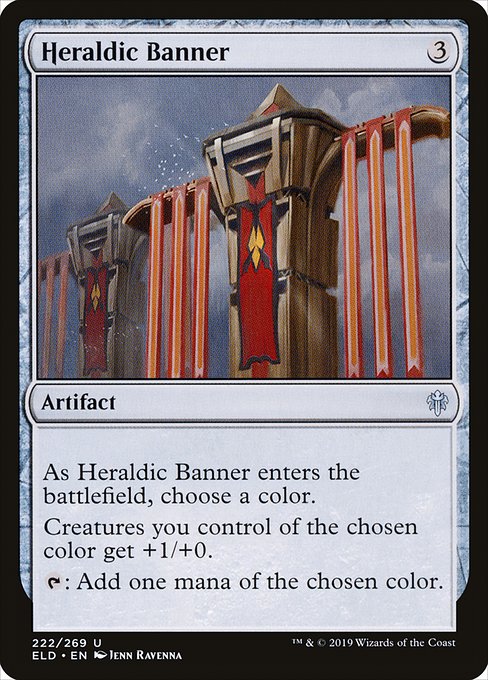
Those Faerie tokens quickly become much more threatening thanks to the numerous anthem effects scattered throughout the list. Empyrean Eagle, Thunderclap Wyvern, Glen Elendra Liege, Tegwyll, Duke of Splendor, and Heraldic Banner steadily transform a collection of 1/1 fliers into a legitimate offensive threat capable of ending games through combat.
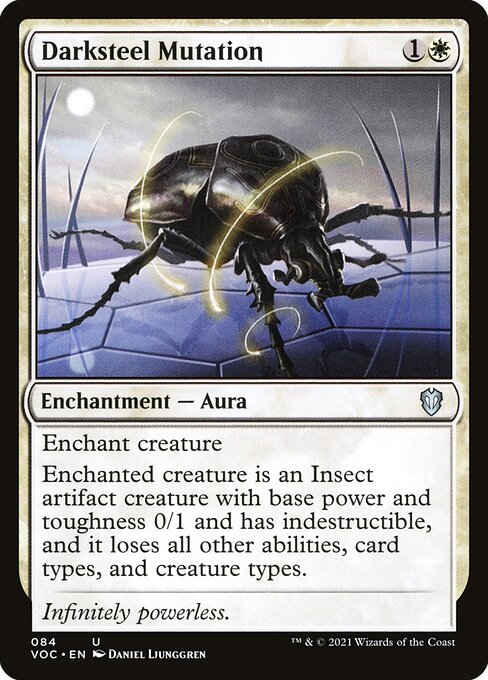
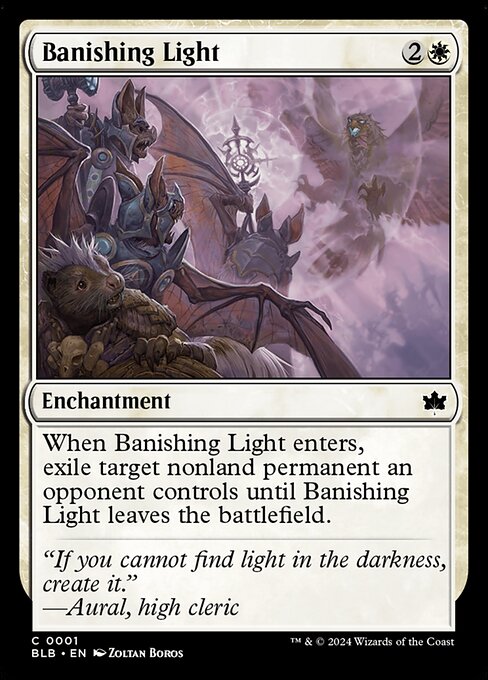
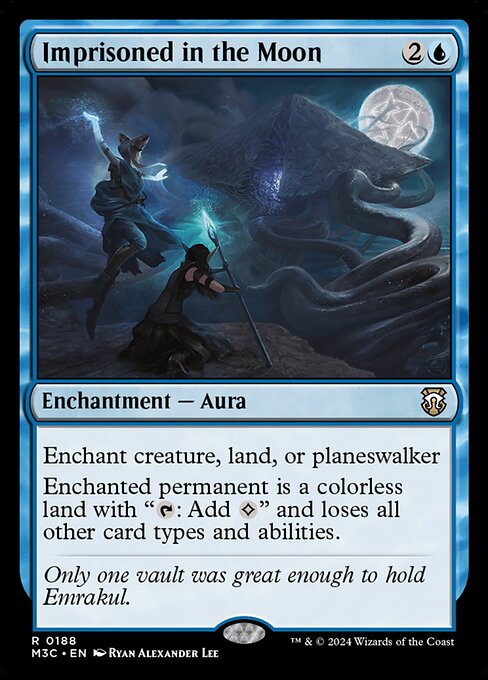
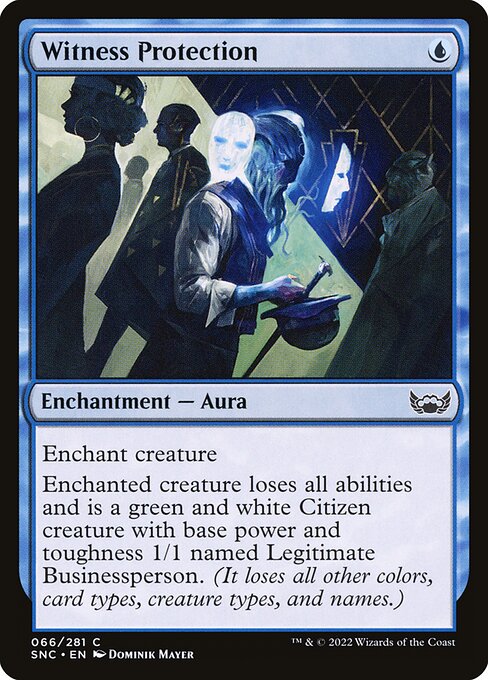
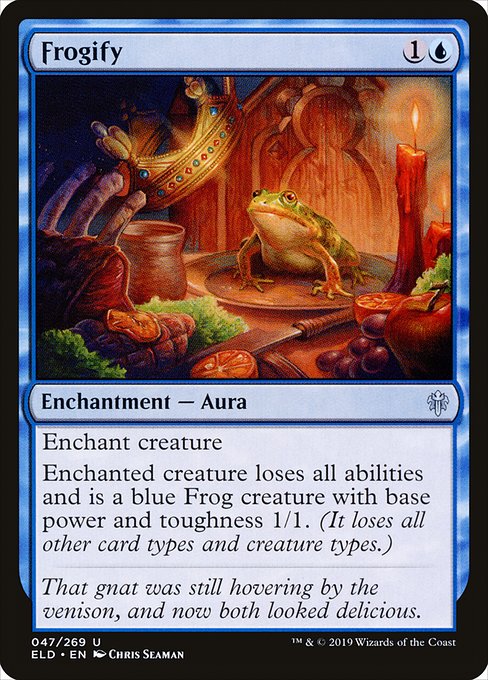
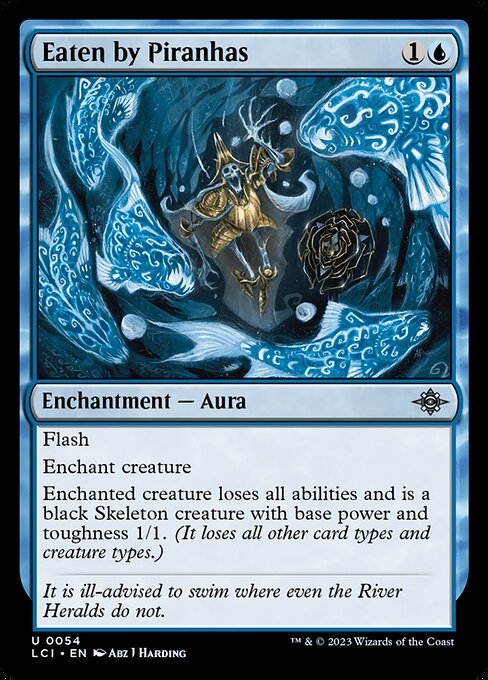
The enchantment package provides both interaction and synergy simultaneously. Removal spells like Darksteel Mutation, Banishing Light, Imprisoned in the Moon, Witness Protection, Frogify, and Eaten by Piranhas answer problematic commanders while also creating additional Faeries. This is one of Alela’s greatest strengths: your interaction advances your own game plan instead of slowing it down.
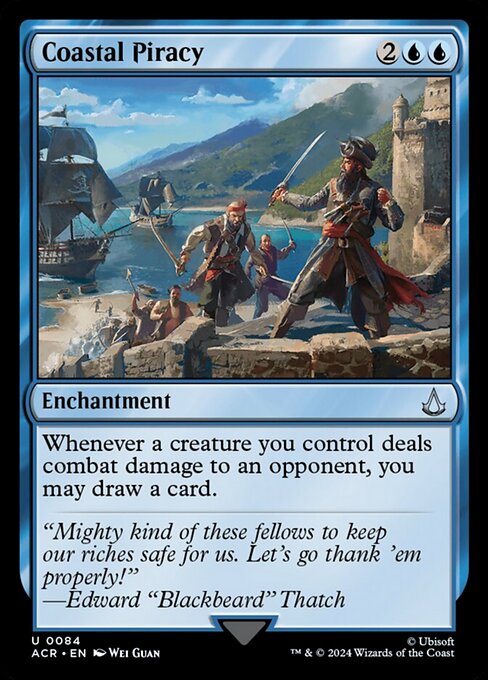
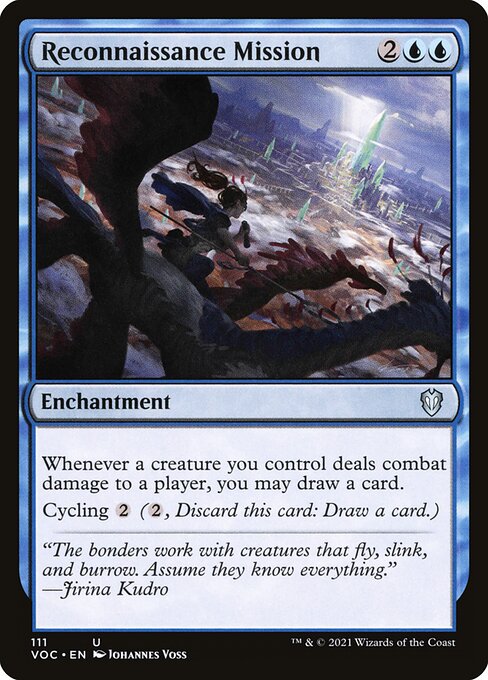
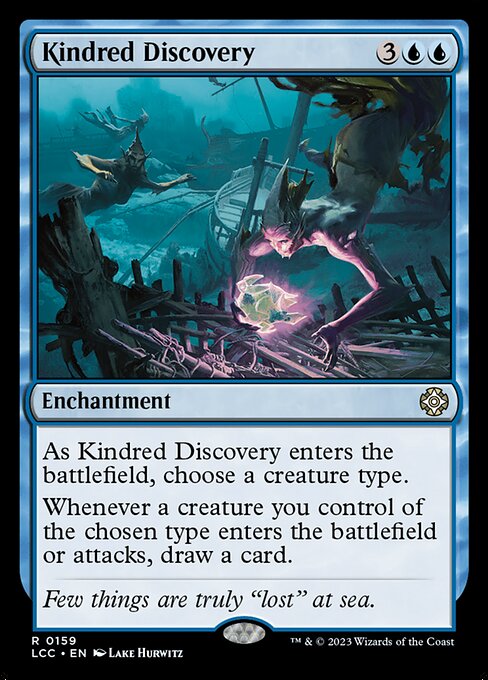
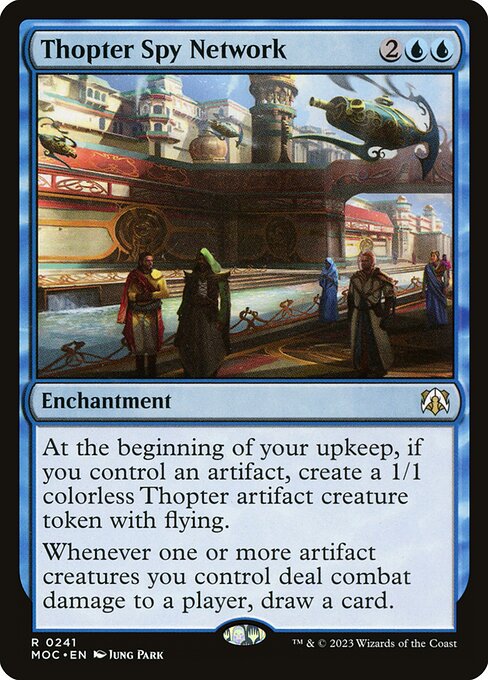
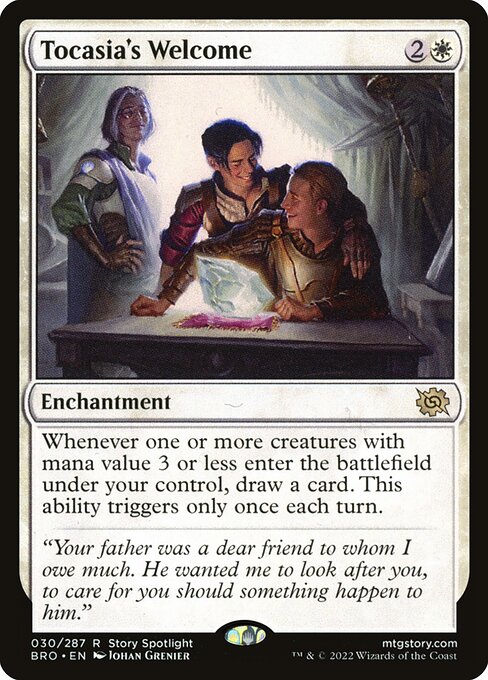
Drawing cards is equally efficient. Coastal Piracy, Reconnaissance Mission, Kindred Discovery, Thopter Spy Network, Tocasia's Welcome, Winged Words, and Bident of Thassa all reward you for doing what the deck naturally wants to do: attack with a growing army of evasive creatures. Because nearly every token flies, connecting in combat becomes surprisingly consistent even against crowded battlefields.
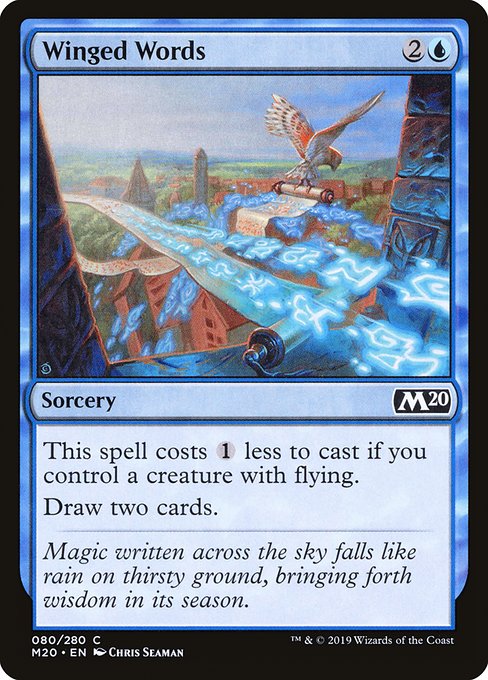
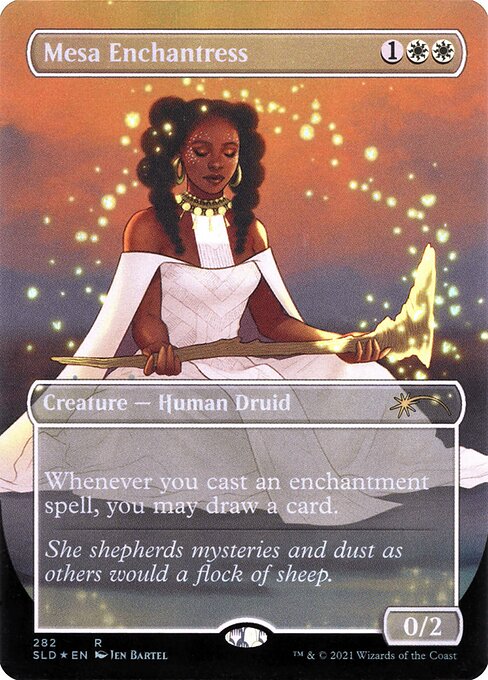
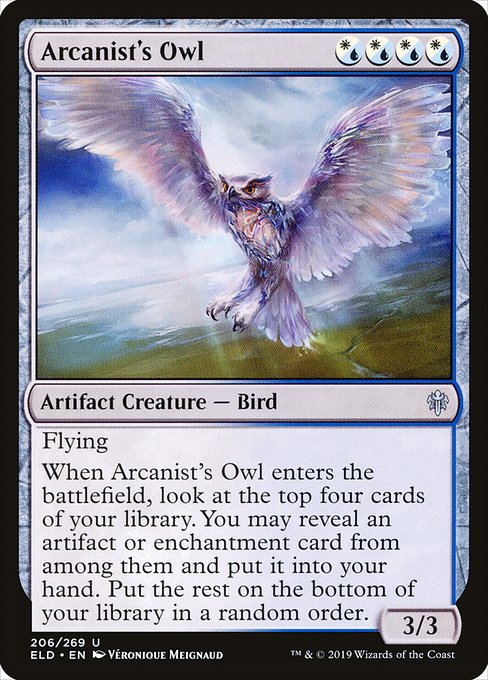
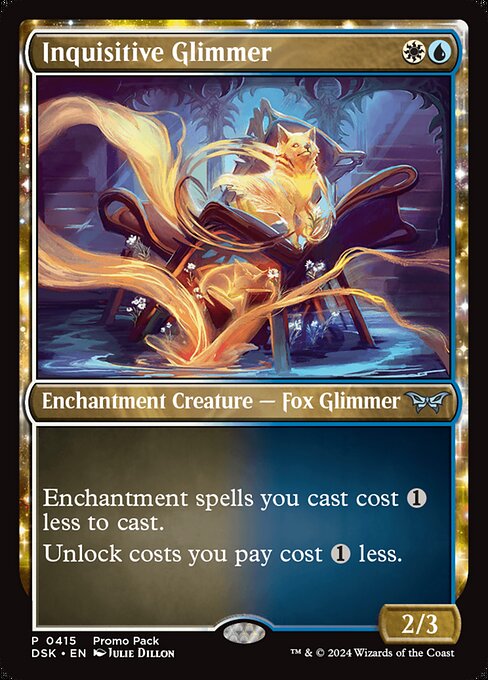
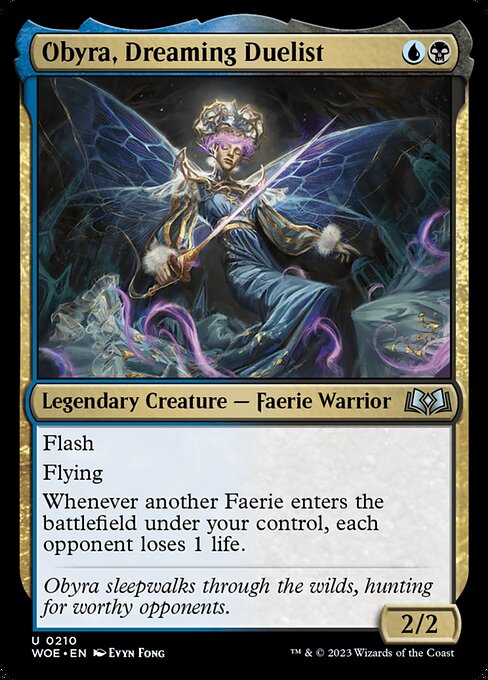
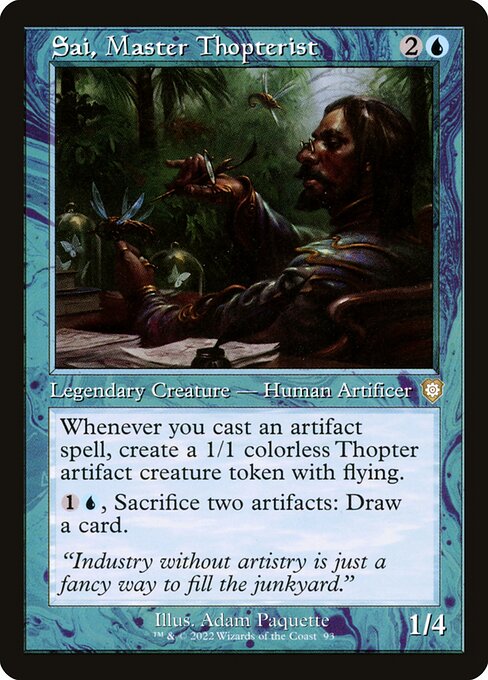
Several creatures further reinforce the enchantment theme. Mesa Enchantress converts enchantments into additional card draw, while Arcanist's Owl helps locate key permanents. Inquisitive Glimmer and Obyra, Dreaming Duelist reward your constant stream of Faeries, and Sai, Master Thopterist ensures artifact spells contribute another token engine alongside Alela herself.
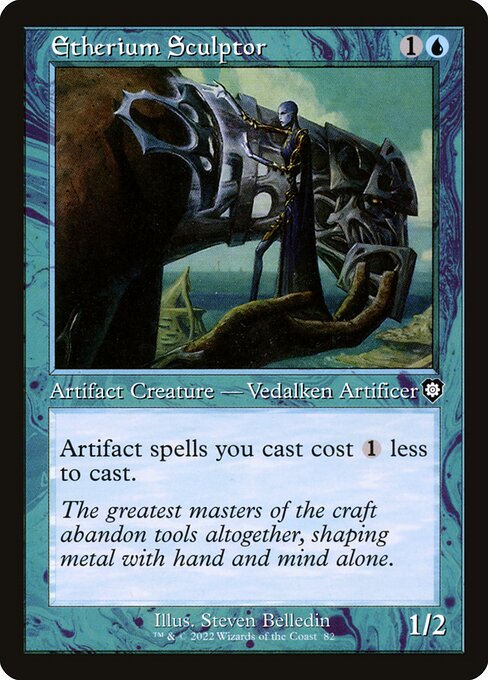
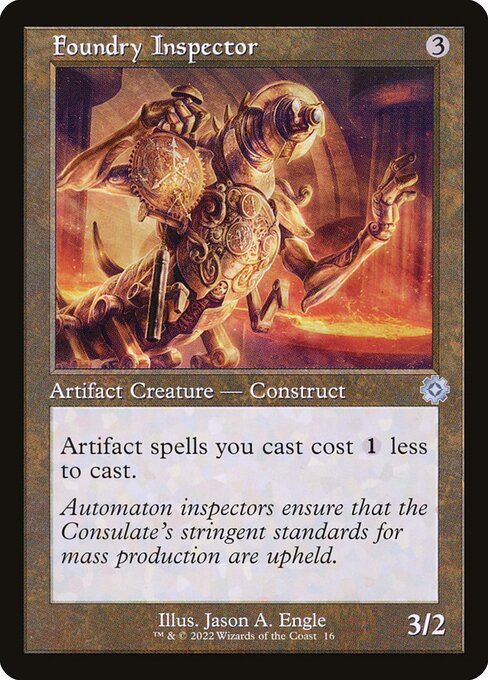
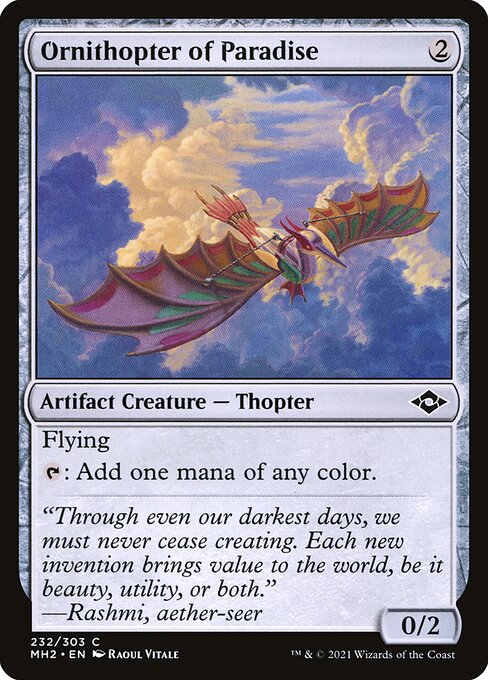
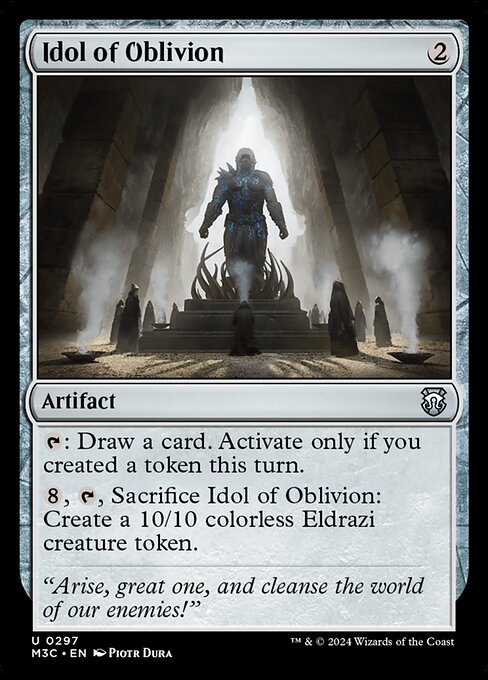
The deck also includes a subtle artifact subtheme that helps maximize value from inexpensive permanents. Etherium Sculptor, Foundry Inspector, Ornithopter, Ornithopter of Paradise, and Idol of Oblivion provide efficient utility while continuing to trigger Alela’s token production. Even simple mana rocks become meaningful plays once every artifact effectively reads “create a flying creature”.
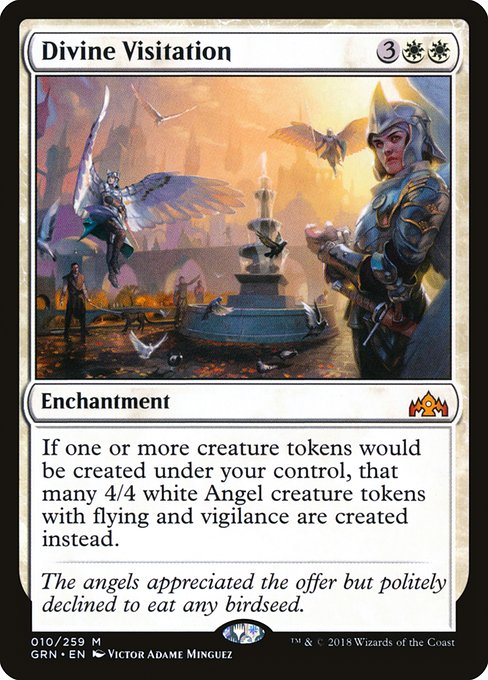
One particularly exciting payoff is Divine Visitation. Since Alela continuously creates creature tokens, replacing every Faerie with vigilant 4/4 Angels dramatically changes the deck’s ceiling. Suddenly, every enchantment or artifact becomes a sizable aerial threat capable of ending games in only a few combat steps.
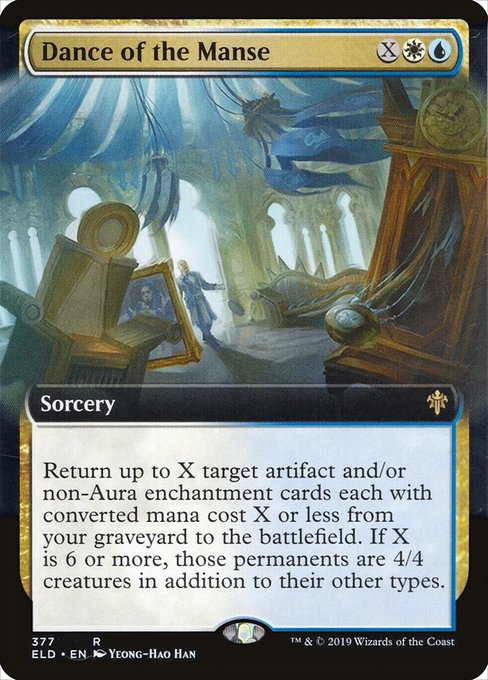
Late-game recovery is handled beautifully through Dance of the Manse. After a board wipe, the deck can return a massive number of enchantments and artifacts directly to the battlefield, immediately rebuilding both its engines and token production. It is one of the strongest recovery tools available for a strategy built around permanents.
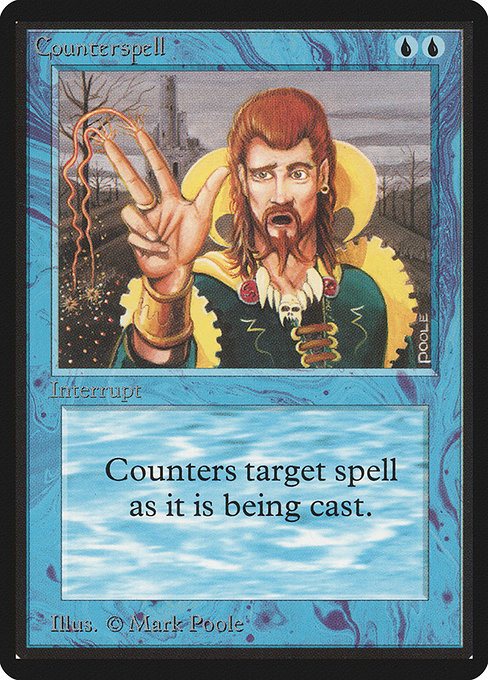
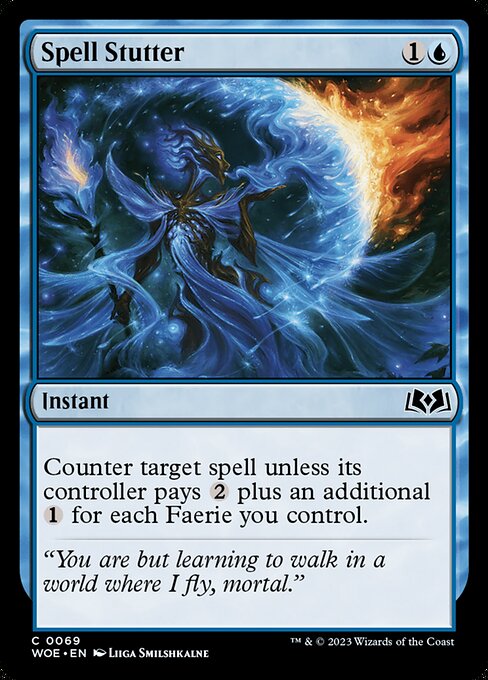
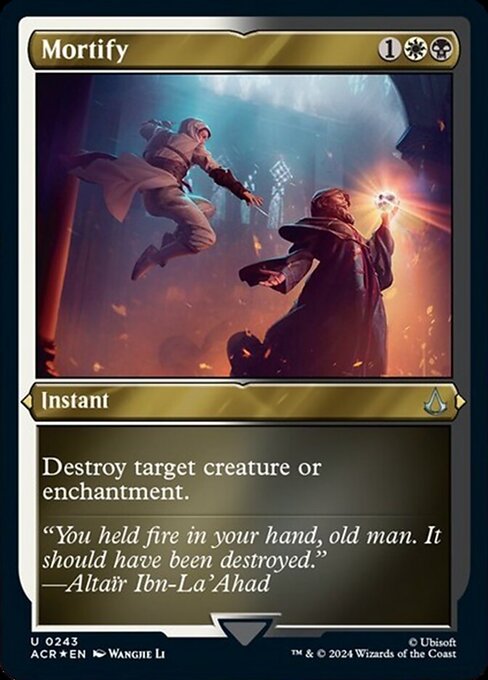
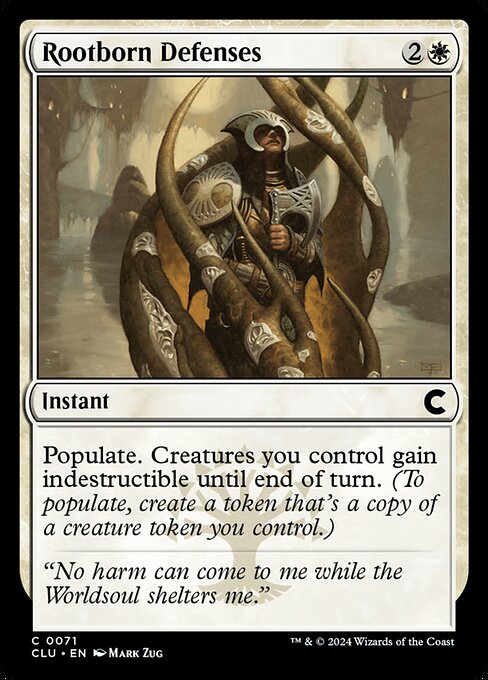
Protection and interaction remain efficient despite the budget restrictions. Counterspell, Negate, Spell Stutter, Mortify, Void Rend, Swords to Plowshares, Path to Exile, and Rootborn Defenses allow the deck to answer virtually every permanent type while protecting its carefully assembled battlefield.
Perhaps the most appealing aspect of this list is how naturally everything works together. There are very few dedicated “combo” cards. Instead, every enchantment advances your token plan, every token improves your draw engines, every anthem increases combat damage, and every attack generates more resources. That layered synergy is exactly what makes Alela such an outstanding budget commander. The individual cards are affordable, but together they create a battlefield that feels far more expensive than the deck’s actual cost.
For newer Esper players, Alela also serves as an excellent introduction to resource management. The deck rewards sequencing, careful threat assessment, and efficient use of interaction without demanding complicated combo lines or encyclopedic rules knowledge. It is powerful enough to compete with significantly more expensive decks while remaining approachable, resilient, and consistently enjoyable to pilot. If this has your interest, check out the decklist here:
Commander
Creatures (23)
Instants (8)
Artifacts (16)
Enchantments (14)
Lands (36)
100 Cards
$112.36
Closing Thoughts
Esper has long carried the reputation of being one of Commander’s most expensive color combinations. Between premium mana bases, powerful tutors, and format-defining staples, it is easy to assume that building an effective Esper deck requires a significant financial investment. These four commanders prove exactly the opposite.
Each of these decks approaches Esper from a completely different angle. Tribal aggression, graveyard recursion, tempo-based combat, and enchantment value engines all showcase unique aspects of the color combination, ensuring there is something here for nearly every type of Commander player. None of these lists attempt to imitate fully optimized competitive builds. Instead, they lean into strong internal synergies, efficient resource management, and commanders that naturally multiply the value of every card you cast.
That is ultimately the greatest lesson budget Commander has to offer. Winning games is not about playing the most expensive cards available, it is about building a cohesive strategy and sticking to it. When your commander ties the entire deck together, even modestly priced cards begin performing far above their individual power level.
If you’re looking to explore Esper without breaking the bank, these four commanders provide an excellent starting point. They are affordable to build, rewarding to master, and more than capable of holding their own at the average Commander table, proving that good deckbuilding will almost always outperform a bigger budget.