



Golgari has always had a particular way of looking at Magic. Green wants to grow, Black wants to exploit, and neither color is especially concerned with whether its creatures stay alive for very long. In Commander, that philosophy becomes especially powerful because the graveyard is rarely an endpoint. It is another resource, another hand, and sometimes the place where the game is actually won.
Competitive Golgari decks take that to an extreme. They combine some of the best acceleration in the format with Black’s tutors and combo pieces, Green’s creature-based acceleration and protection, and an unusually deep collection of cards that turn life, death, sacrifice, and the graveyard into advantages. The result is a color pair that can develop a threatening board very quickly while still having access to compact combos capable of ending the game without needing a huge battlefield.
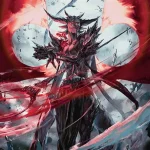
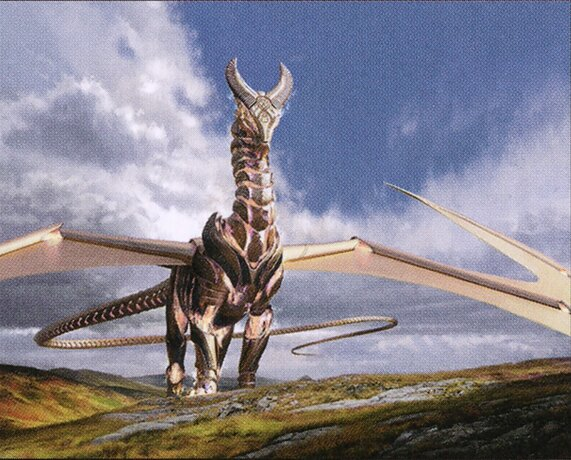
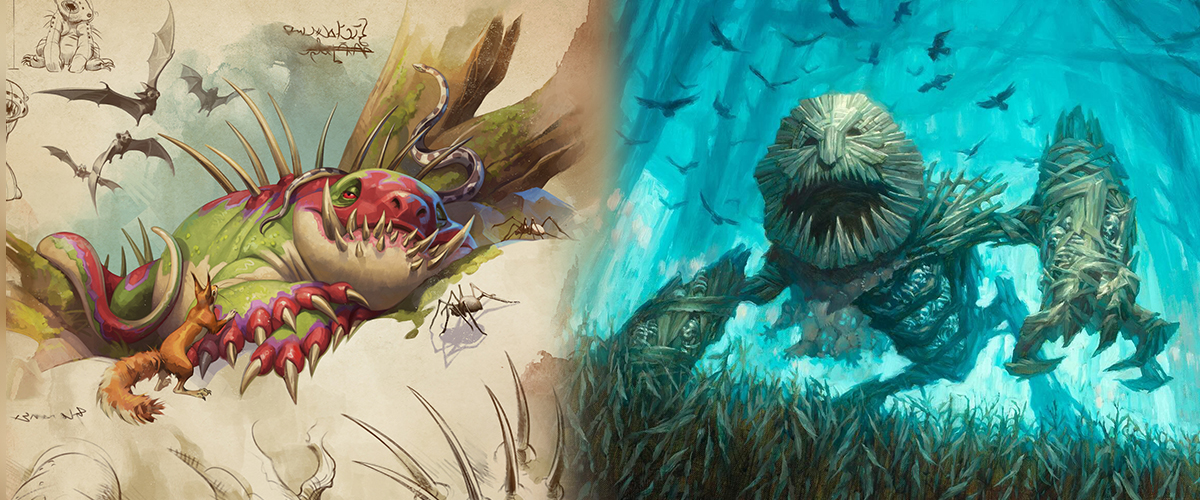
The two decks we’re looking at today demonstrate two very different versions of that philosophy. Blech, Loafing Pest turns life gain into an overwhelming board, building an army of creatures that can grow explosively while also supporting several life-loss combos. Rendmaw, Creaking Nest, meanwhile, takes a much more traditional cEDH approach, using fast mana, tutors, graveyard combos, and efficient interaction to assemble a win as quickly and reliably as possible.
Both are Golgari, but they approach competitive Commander from very different directions.
Blech, Loafing Pest: Life Gain Becomes a Weapon
At first glance, Blech, Loafing Pest looks like an unusual choice for a competitive Commander deck. Rather than offering a direct tutor, a mana discount, or an immediately obvious combo, Blech rewards you whenever you gain life by placing a +1/+1 counter on every Pest, Bat, Insect, Snake, and Spider you control.
That might sound more like a casual tribal strategy than a cEDH powerhouse, but this deck is using the ability as something much more dangerous. Life gain is already deeply integrated into several of its combo pieces, so the deck doesn’t need to choose between advancing its commander and assembling a win. The same triggers that make the deck’s creatures larger can also become the fuel for its life-drain engines.
The creatures in this deck demonstrate that nicely. Bogwater Lumaret and Virulent Emissary both reward creatures entering the battlefield by gaining life, while Teacher's Pest provides a recurring source of life gain whenever it attacks and can return itself from the graveyard. With Blech on the battlefield, those otherwise modest effects become much more valuable. Every point of life gained can translate into a counter on an entire collection of creatures.


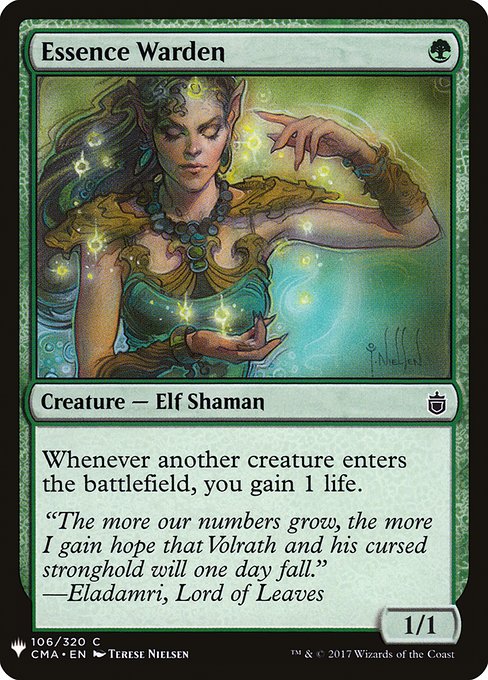
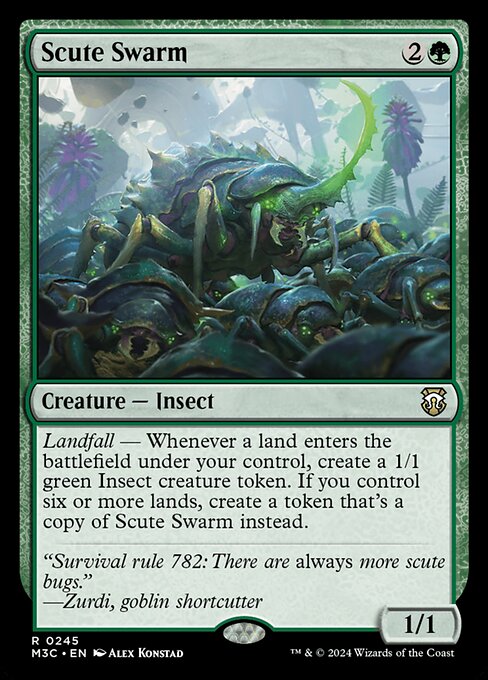
Essence Warden pushes the same plan even further. She turns creatures entering the battlefield repeatedly into a steady stream of life gain, which in turn becomes a steady stream of counters through Blech. Scute Swarm is particularly attractive here because it can transform land development into a growing board of creatures, giving the deck an engine that can become enormous if the game isn’t immediately stopped.
Turning Life Gain into a Combo
The real competitive edge comes from the fact that this deck doesn’t need to attack with its enormous creatures to win.
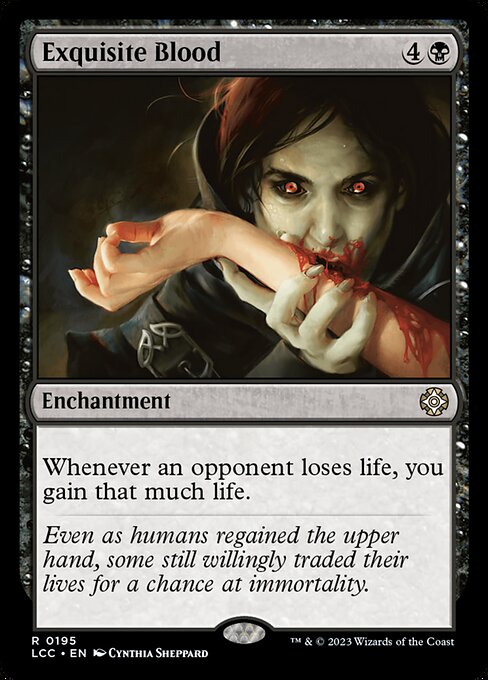
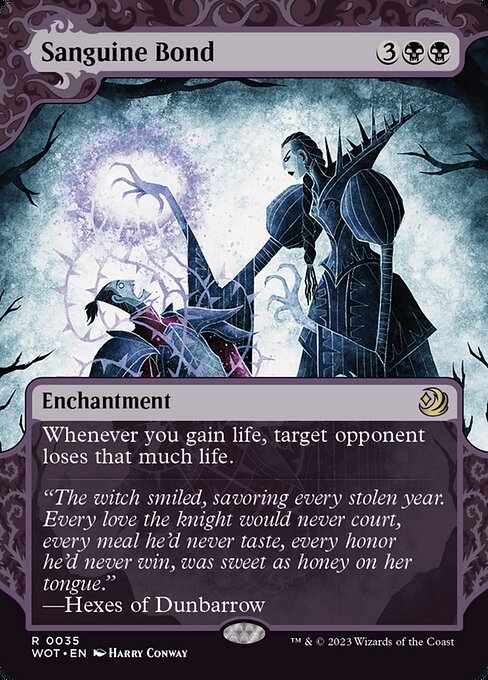
The classic combination of Exquisite Blood and Sanguine Bond is one of the clearest examples. One card turns life gain into life loss, while the other turns an opponent losing life into life gain. Once the two are functioning together, a single life-loss or life-gain event can begin a loop that drains the table.
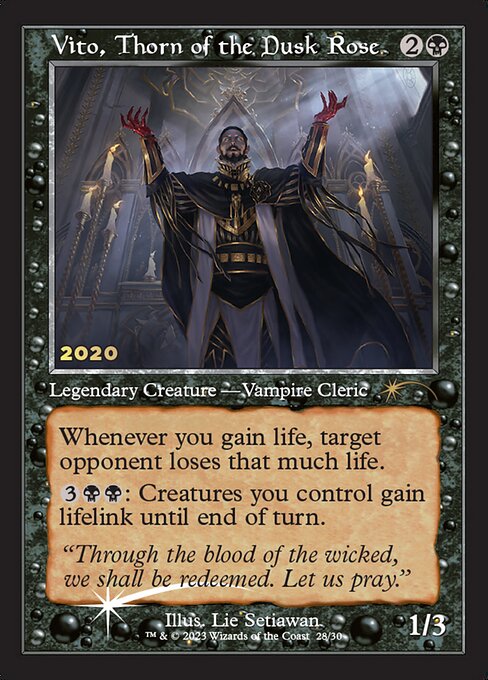
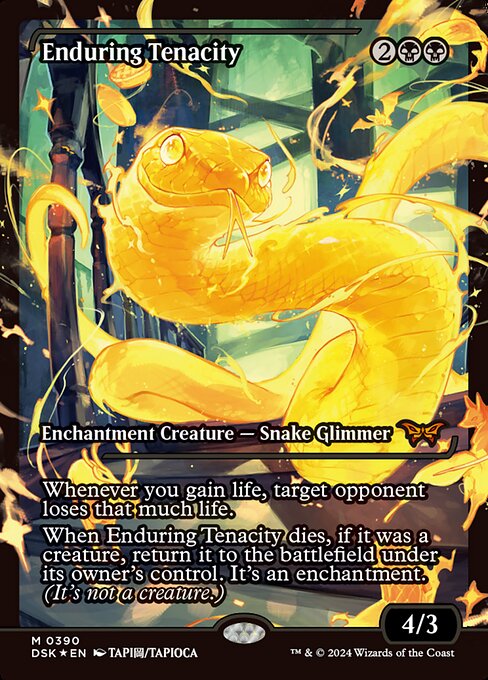
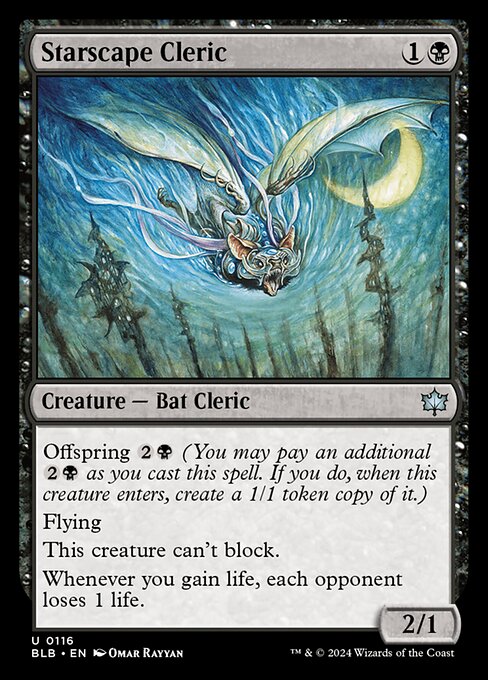
The deck has several ways to reproduce this effect without relying exclusively on those two enchantments. Vito, Thorn of the Dusk Rose provides another way to convert life gain into damage, while Enduring Tenacity performs a similar role and can return to the battlefield after dying. Starscape Cleric is even more direct: whenever you gain life, each opponent loses life.
That makes the deck’s seemingly innocent life-gain creatures considerably more threatening than they first appear. A creature entering the battlefield can gain life, Blech can turn that event into counters, and one of the deck’s payoffs can simultaneously turn the same life gain into damage.
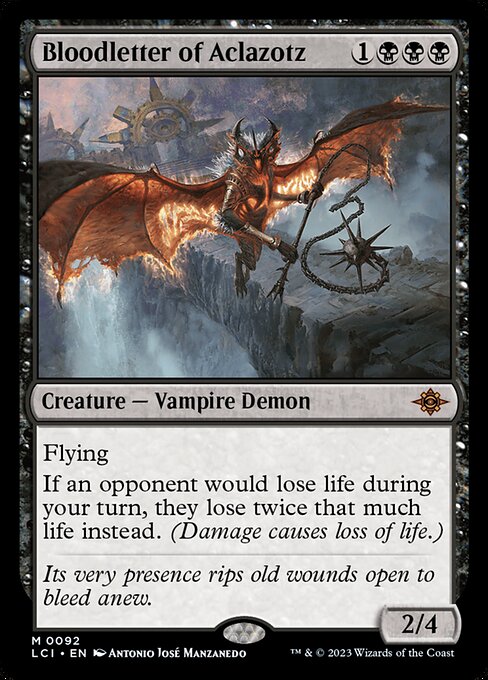
Bloodletter of Aclazotz gives the deck another way to dramatically increase its damage output by doubling life loss to opponents during your turn. It doesn’t create the primary combo by itself, but once the deck has an engine producing repeated life-loss triggers, Bloodletter can turn a winning sequence into an even faster one.
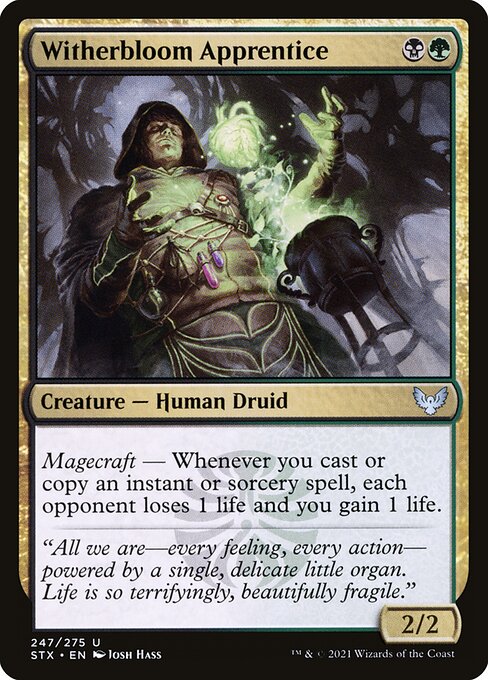
There is also a more spell-oriented route through Witherbloom Apprentice and Chain of Smog. Witherbloom Apprentice rewards the casting of instants and sorceries by causing opponents to lose life when you copy those spells, making Chain of Smog a compact combo piece. With the right setup, the deck can transform a relatively ordinary discard spell into a lethal sequence.

This variety is one of the deck’s greatest strengths. It doesn’t have to find exactly one pair of cards. Its tutors can search for whichever part of the engine is missing, while the rest of the deck continues to function as a life-gain and creature-based strategy.
The Graveyard Is Another Piece of the Puzzle
Golgari’s greatest competitive advantage may be the graveyard, and Blech takes full advantage of it.
Cauldron of Essence is particularly well suited to the strategy. It rewards your creatures dying with life gain and can sacrifice a creature to return another creature from the graveyard directly to the battlefield. That gives the deck both a sacrifice outlet and a form of recursion, while also feeding the commander and life-loss engines.

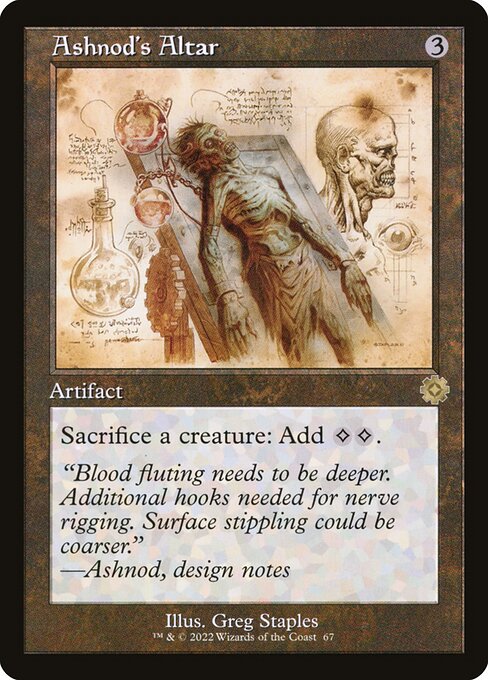
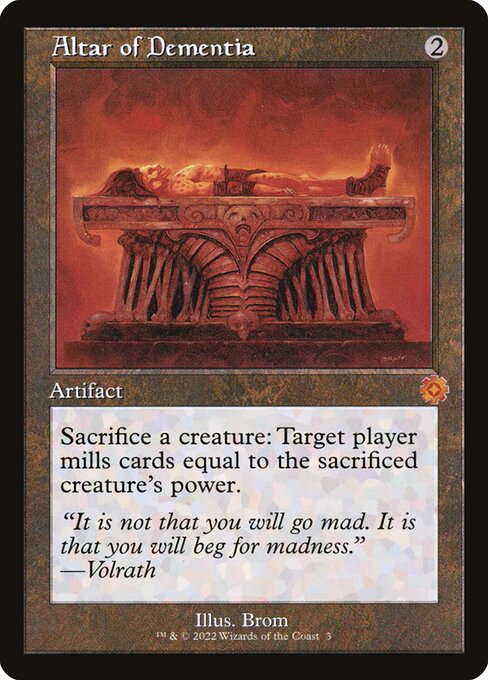
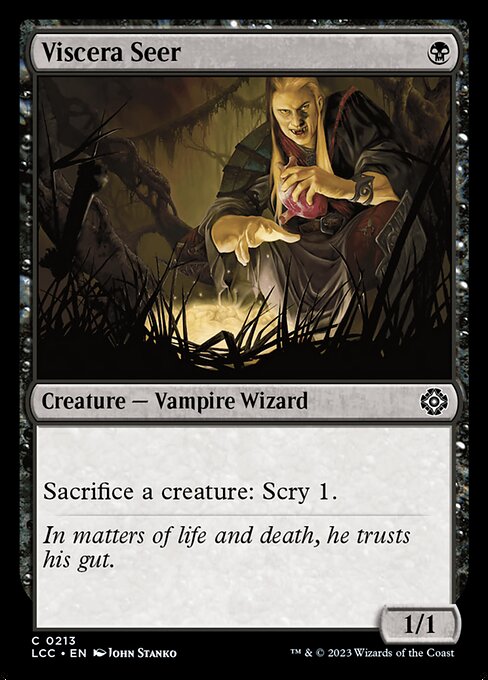
The deck doubles down on this approach with Ashnod's Altar, Altar of Dementia, and Viscera Seer. These cards let creatures become resources rather than simply permanents on the battlefield. A creature can generate mana, mill cards, or manipulate the top of the library before being brought back for another round.
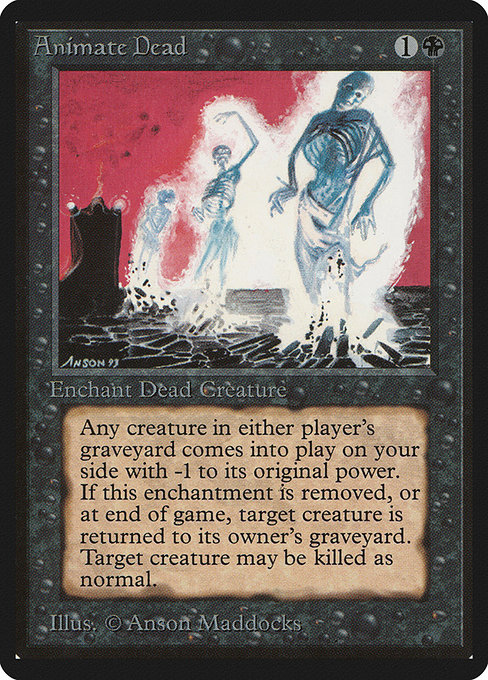
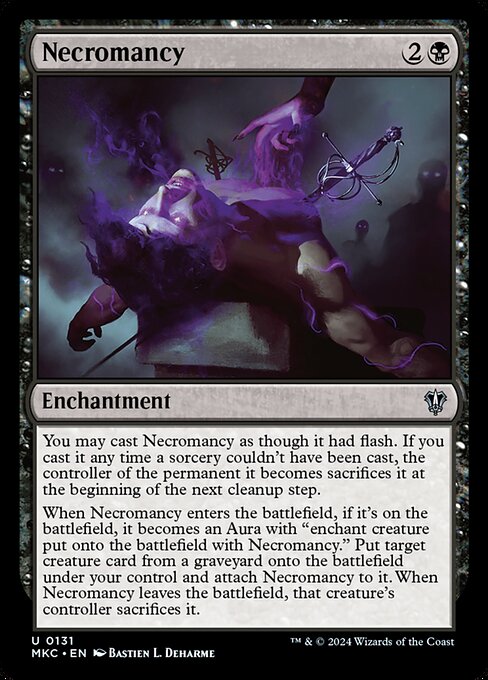
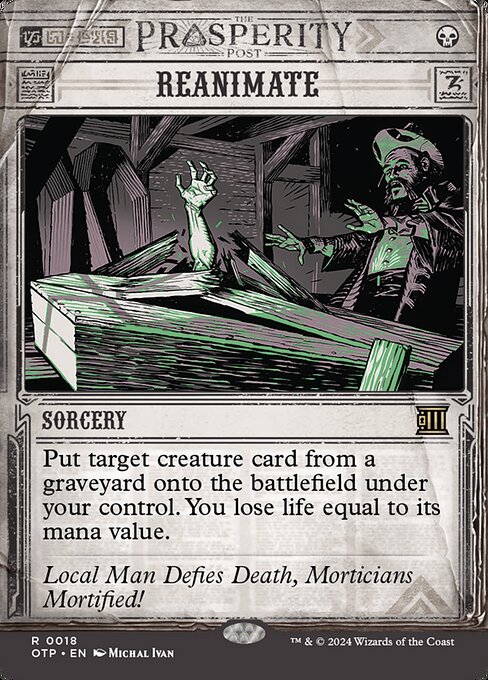
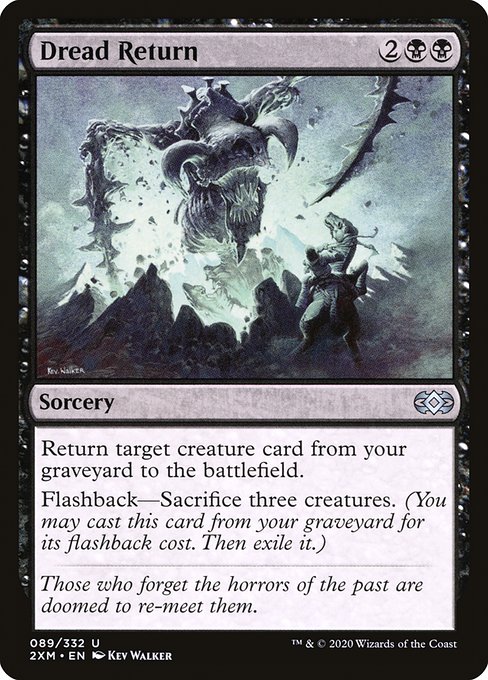
The reanimation package of Animate Dead, Necromancy, Reanimate, and Dread Return means the deck is perfectly comfortable putting its best creatures into the graveyard. In a deck with sacrifice outlets, that can even be advantageous. The graveyard isn’t somewhere the deck hopes its cards don’t end up. It is another zone from which the deck expects to operate.
That makes the deck especially interesting compared with more conventional life-gain strategies. It isn’t trying to sit behind a giant life total and slowly accumulate value. Instead, life gain, sacrifice, recursion, and creature production are all connected. Each resource feeds another part of the machine.
Getting the Deck Moving
Competitive Commander demands speed, and Blech has plenty of it.
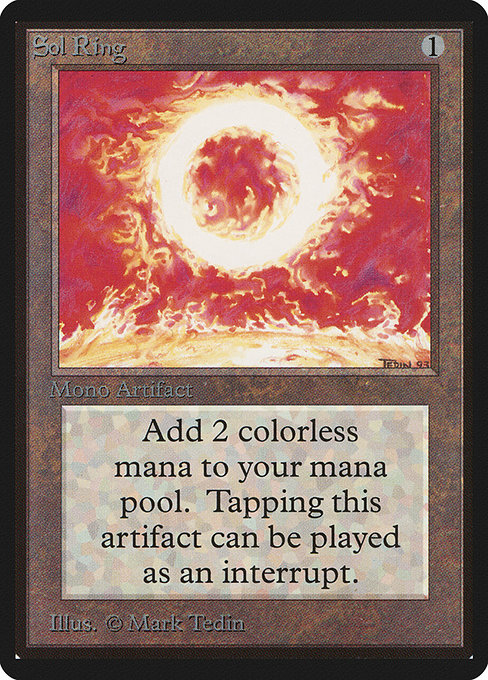
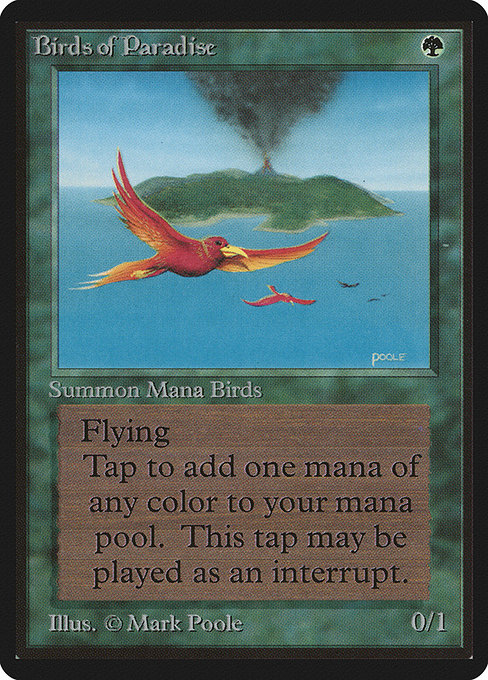
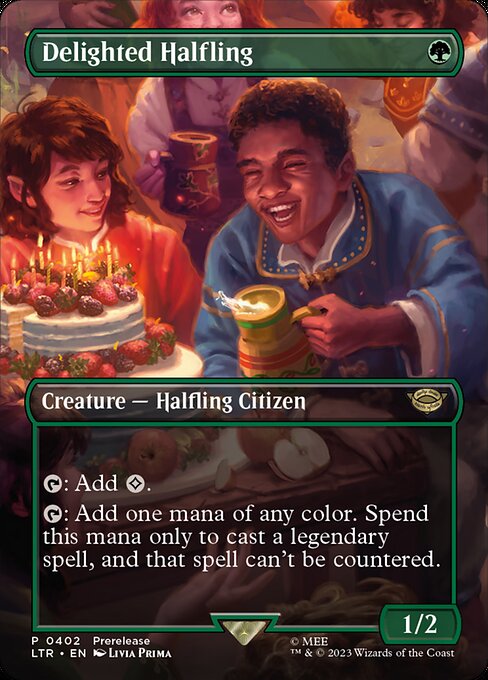
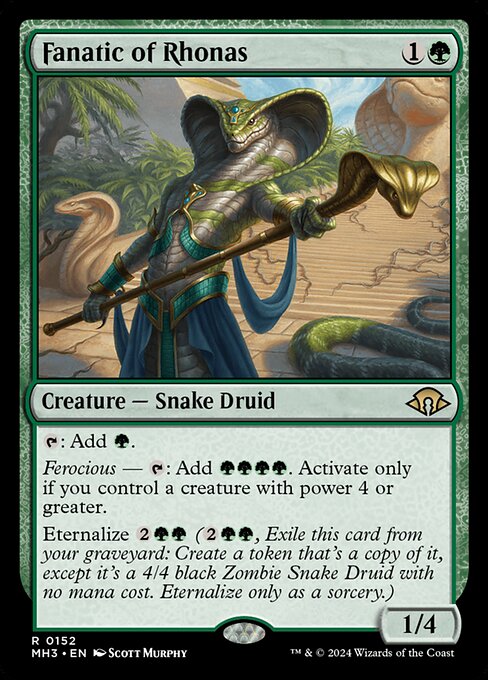
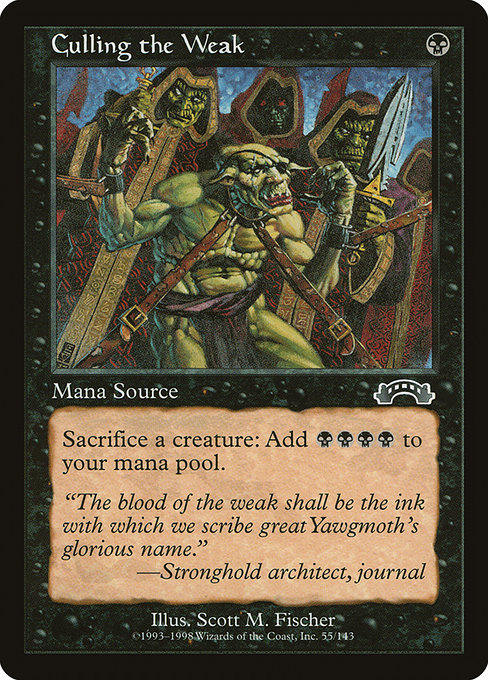
Sol Ring, Mana Vault, Chrome Mox, Lotus Petal, and Cabal Ritual give the deck the explosive starts expected from a competitive list. Creature-based acceleration comes from Birds of Paradise, Delighted Halfling, and Fanatic of Rhonas, while Culling the Weak can turn a disposable creature into a major burst of black mana.
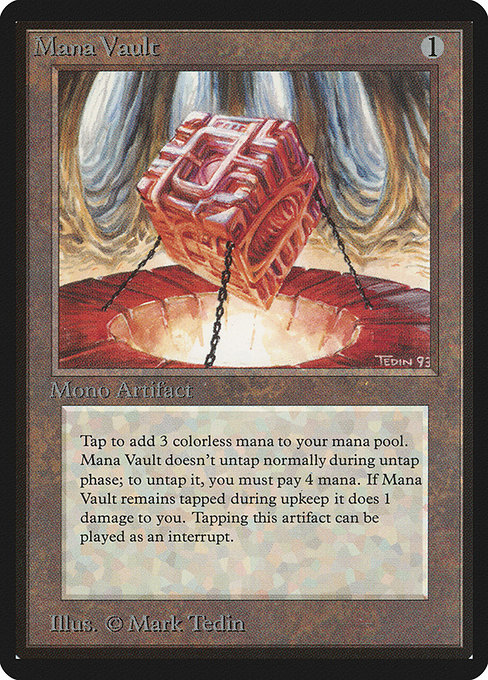
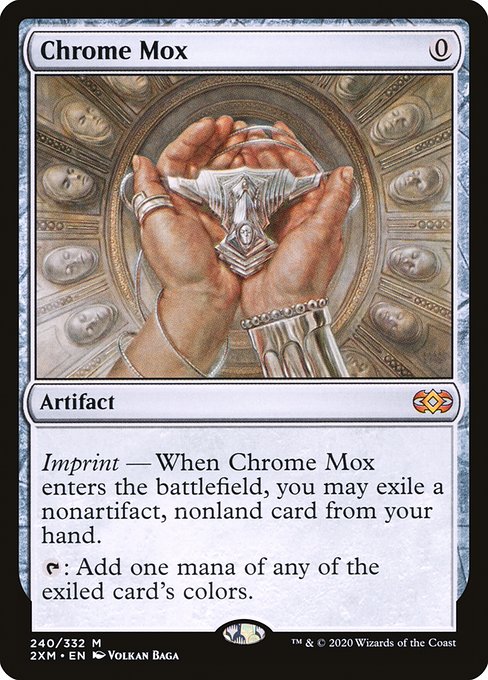
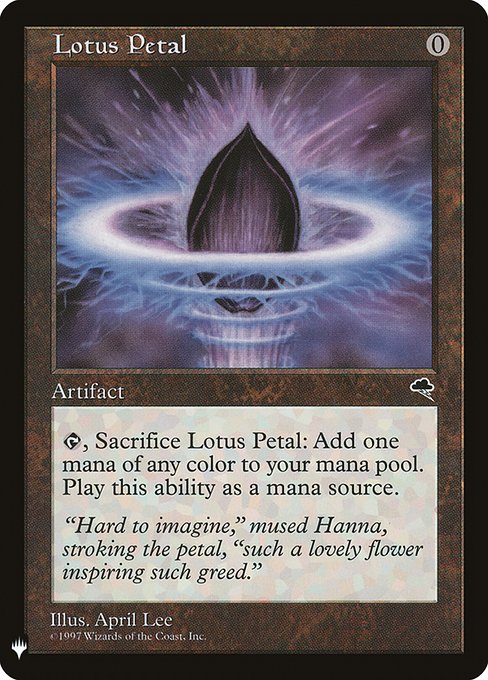
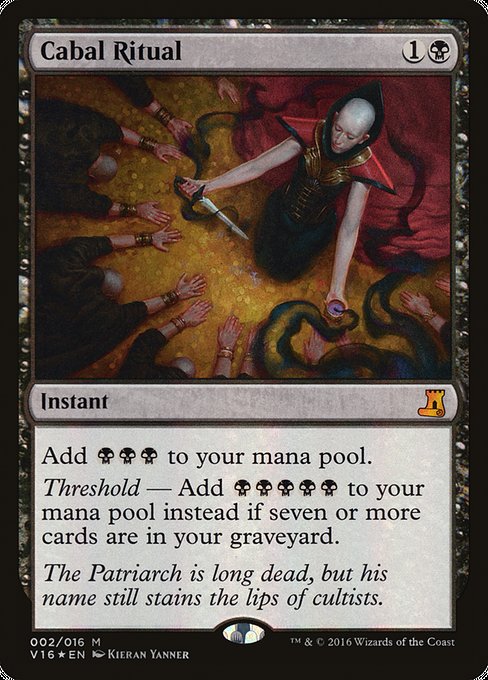
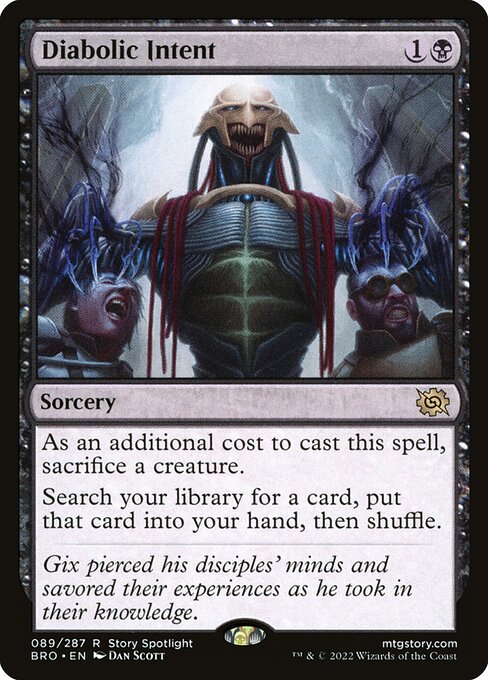
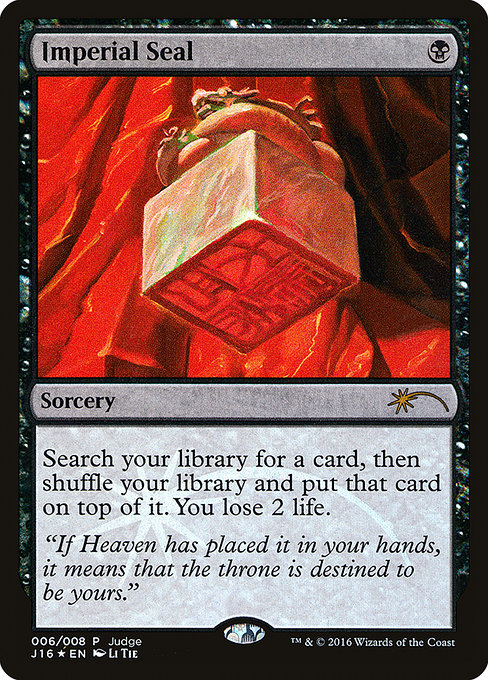
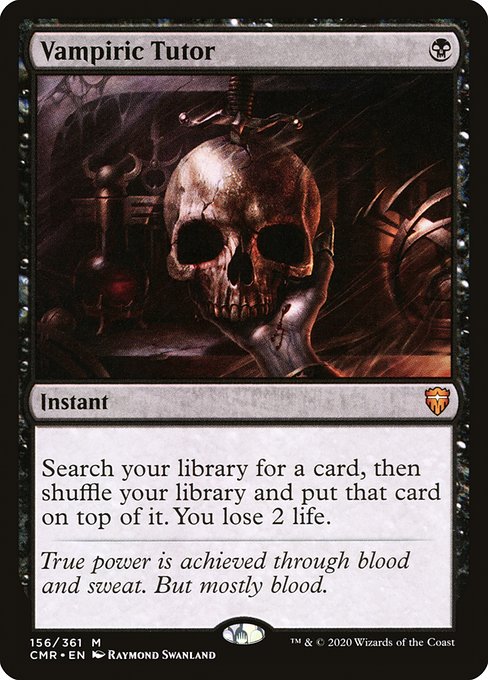
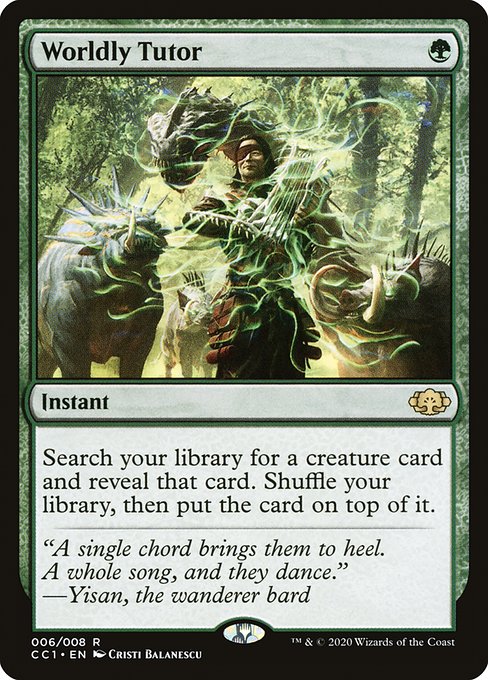
Most importantly, the deck has the tutor density to turn all that acceleration into something meaningful. Demonic Tutor, Diabolic Intent, Imperial Seal, Vampiric Tutor, Worldly Tutor, Praetor's Grasp, and Wishclaw Talisman give it a huge amount of access to its important pieces.

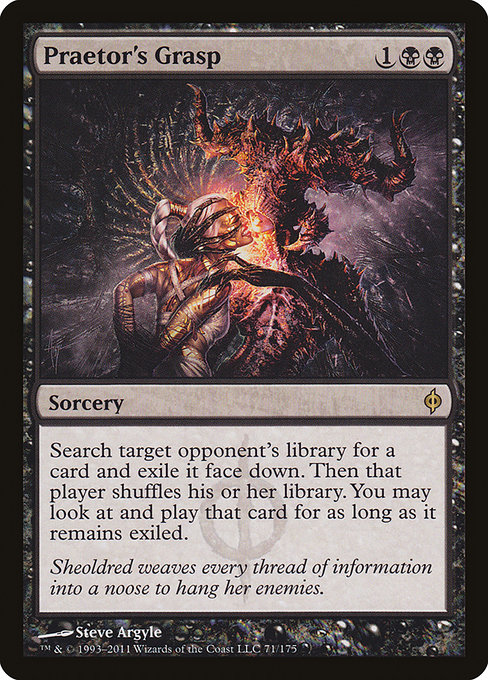

The deck therefore has two identities operating simultaneously. It can develop a creature-heavy board and build toward a life-gain engine, or it can treat those same cards as components of a compact combo deck. That flexibility makes Blech considerably more dangerous than its relatively whimsical commander suggests.
Check out the decklist here:

Commander
Creatures (21)
Instants (14)
Sorceries (10)
Artifacts (15)
Enchantments (6)
Lands (32)
100 Cards
$2610.9
Rendmaw, Creaking Nest: A Different Kind of Golgari
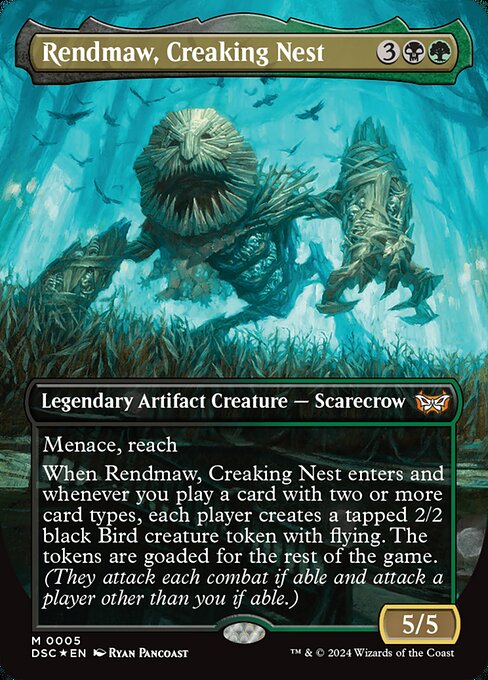
If Blech represents Golgari’s life-and-death philosophy, Rendmaw, Creaking Nest represents its willingness to turn the entire battlefield into a resource.
Rendmaw is a five-mana 5/5 Scarecrow with reach and menace, but its most important ability triggers whenever you play a card with two or more card types. When that happens, every player creates a tapped 2/2 Bird token with flying, and those Birds are goaded for the rest of the game.
That ability gives the commander a very different role from Blech. Rendmaw isn’t primarily a combo piece. Instead, it creates a battlefield where opponents are encouraged (or forced) to attack one another while the Golgari player concentrates on assembling a win.
The deck itself, however, is much more focused on pure competitive efficiency than its commander might suggest. Rather than building around Bird tokens, it uses Rendmaw as a value maker while packing an enormous collection of fast mana, tutors, interaction, and compact combo packages.
Fast Mana, Tutors, and the Golgari Core
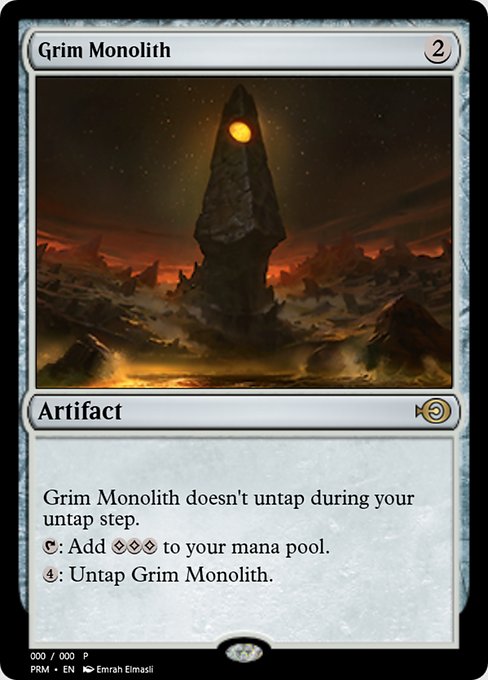
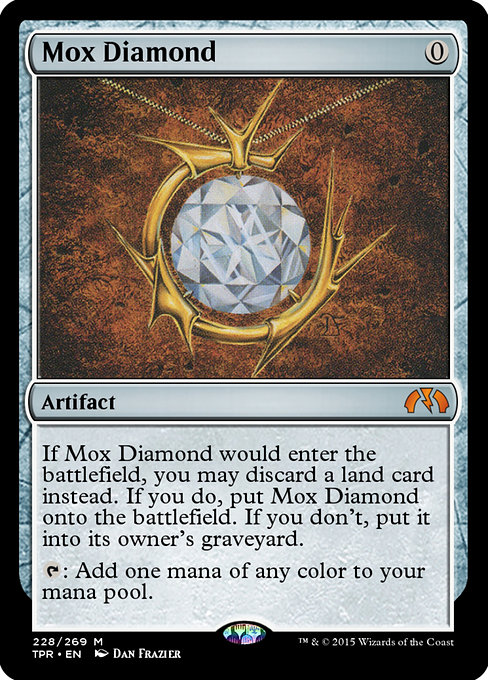
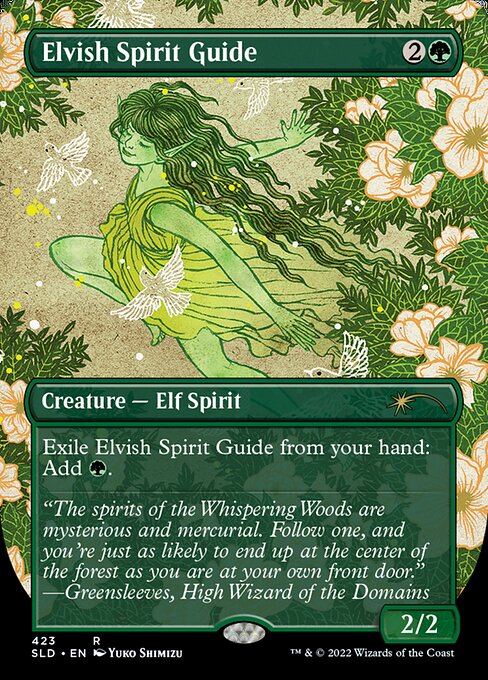
Sol Ring, Mana Vault, Grim Monolith, Chrome Mox, Mox Diamond, Mox Opal, Lotus Petal, and Elvish Spirit Guide give the deck an enormous amount of acceleration.

The mana dork package is equally impressive. Birds of Paradise, Deathrite Shaman, Delighted Halfling, Elves of Deep Shadow, and Elvish Mystic make the deck capable of accelerating without relying entirely on artifacts.


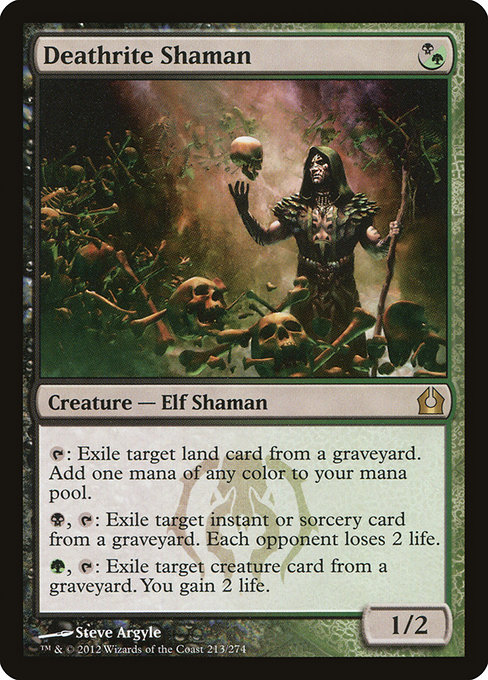
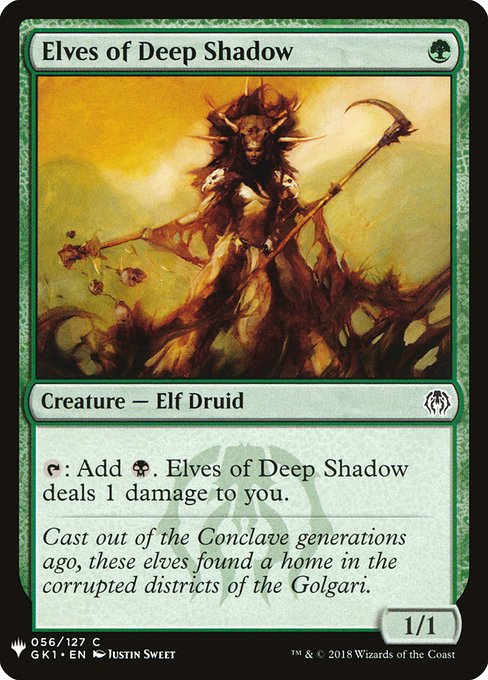
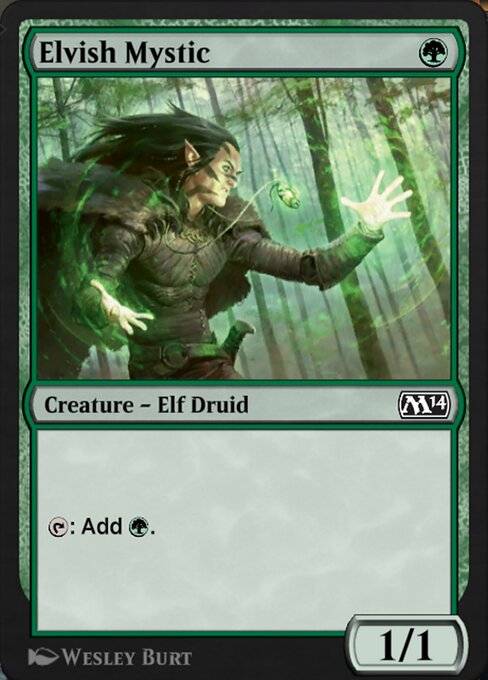
Then Black takes over.
Demonic Tutor, Imperial Seal, Vampiric Tutor, Grim Tutor, Diabolic Intent, and Beseech the Mirror give the deck a huge number of ways to find exactly what it needs. Creature tutors such as Chord of Calling, Eldritch Evolution, and Finale of Devastation make the creature-heavy combo packages just as accessible.

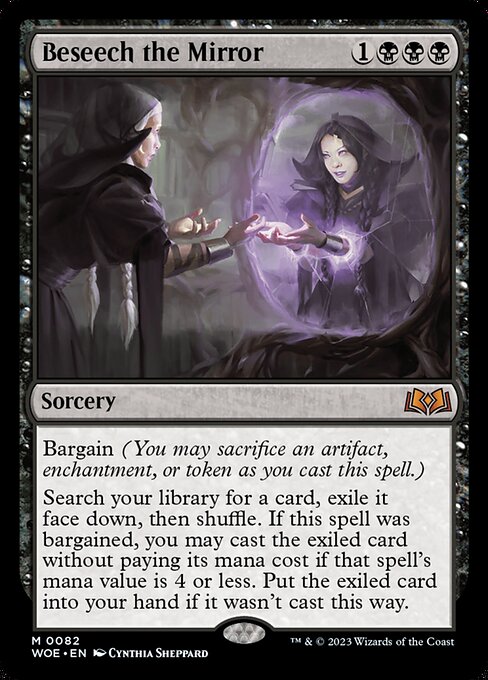
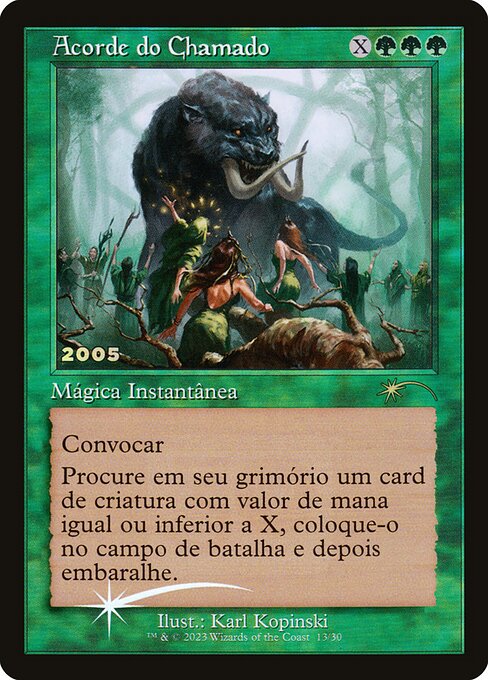
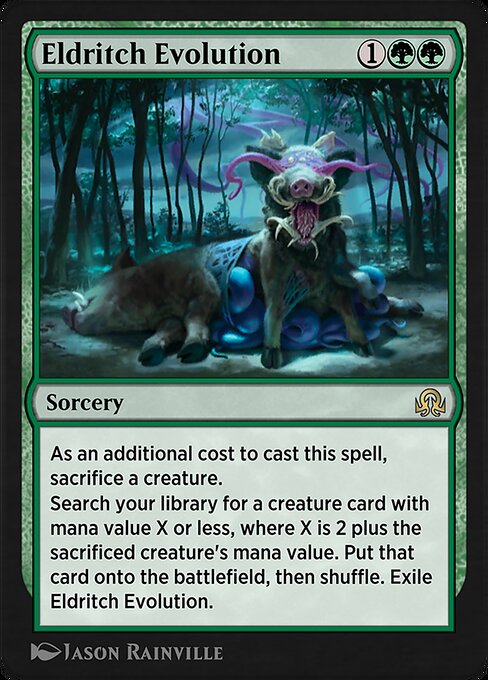
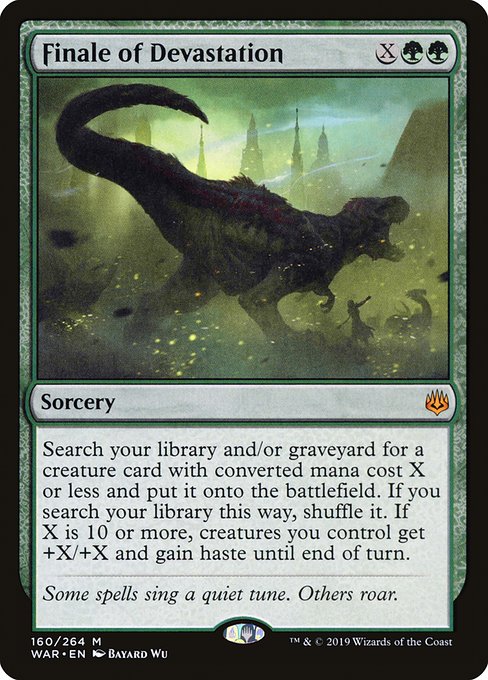
This is where the two decks diverge most clearly. Blech wants its individual cards to reinforce a central life-gain strategy. Rendmaw is much more willing to use cards simply because they are efficient components of a powerful competitive shell.
Food Chain and the Graveyard
One of the deck’s most interesting packages revolves around Food Chain and Eternal Scourge.


Food Chain allows creatures to be exiled for mana, while Eternal Scourge can be cast from exile. Together they form a powerful combo that can generate enormous amounts of mana. In a deck with Eternal Witness, Finale of Devastation, and other payoff pieces, that mana can be converted into a decisive advantage.
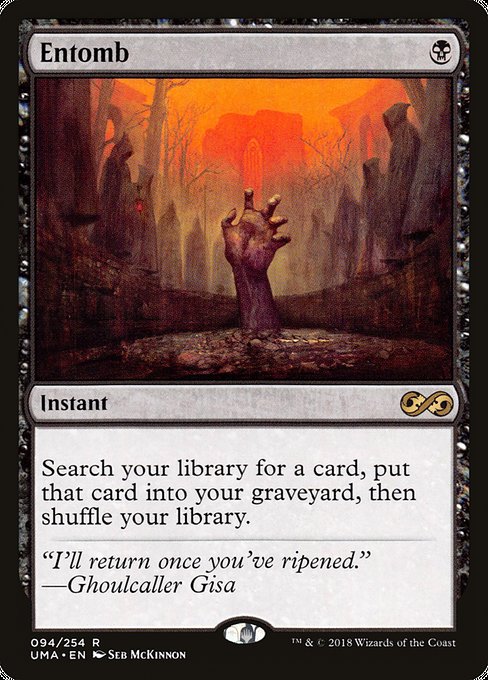
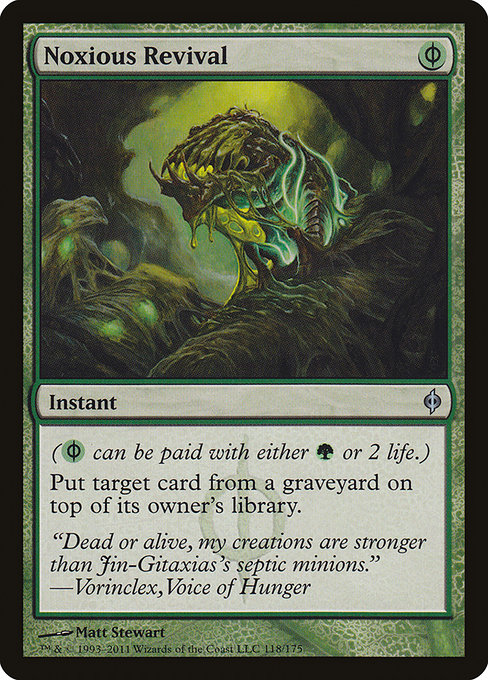
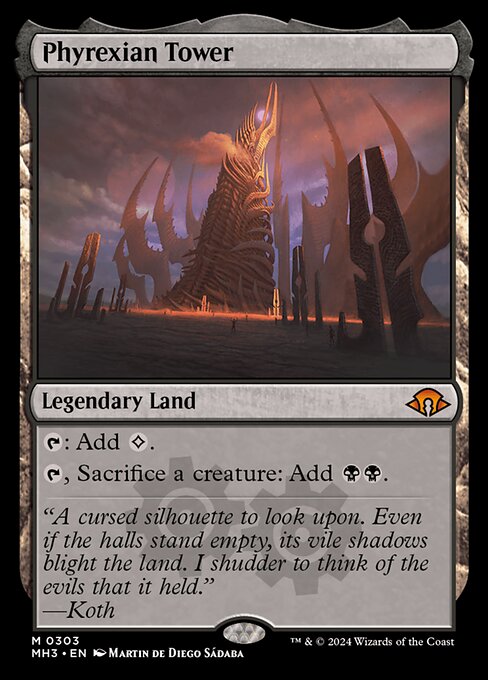
The list also has a distinctly Golgari graveyard package. Entomb, Reanimate, and Noxious Revival make the graveyard highly accessible, while Phyrexian Tower provides another way to turn creatures into mana.
Then there is Jarad, Golgari Lich Lord. Jarad can grow based on the number of creature cards in your graveyard and can sacrifice another creature to make each opponent lose life equal to that creature’s power. In a deck capable of producing enormous creatures and generating large amounts of mana, Jarad becomes an excellent way to convert a creature-based deck into a lethal punch.

The presence of Phyrexian Devourer points toward another unusual combo route. Devourer can exile cards from the top of your library to accumulate +1/+1 counters, and the deck can combine that mechanic with other graveyard and sacrifice-based effects to turn the creature into a source of enormous power. This is exactly the kind of compact, unusual interaction that Golgari’s creature and graveyard toolkit makes possible.

The Citadel
The deck also has one of the most powerful artifact engines available to Black decks: Bolas's Citadel.
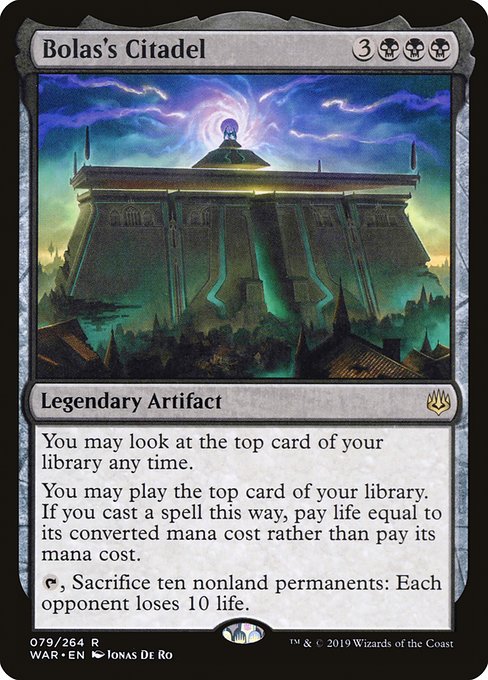
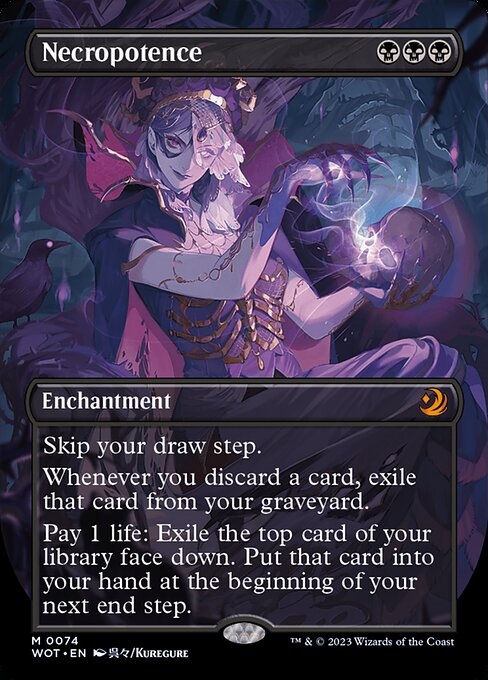
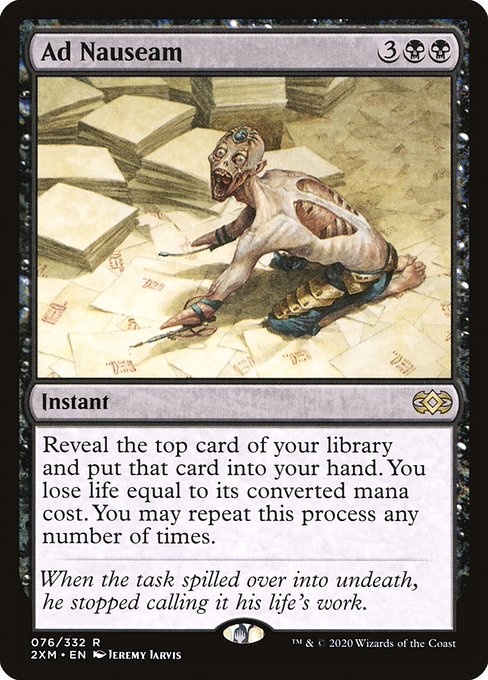
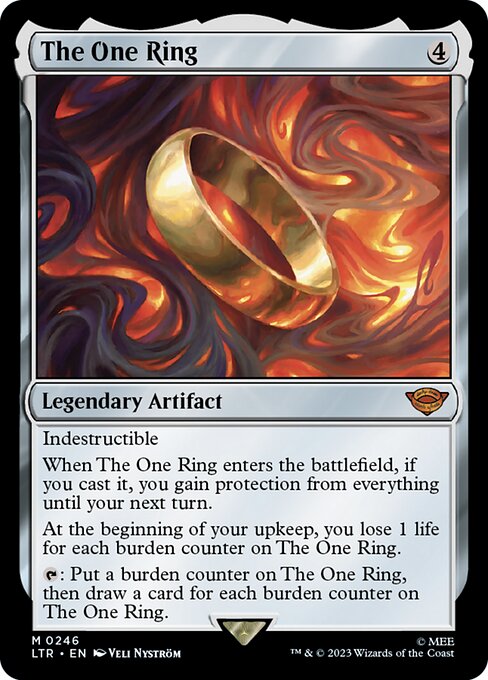
Citadel lets you play cards from the top of your library by paying life instead of their mana costs, turning life into an extension of your available resources. In this deck, that is particularly dangerous because Necropotence, Ad Nauseam, and The One Ring provide additional ways to generate enormous amounts of card advantage.
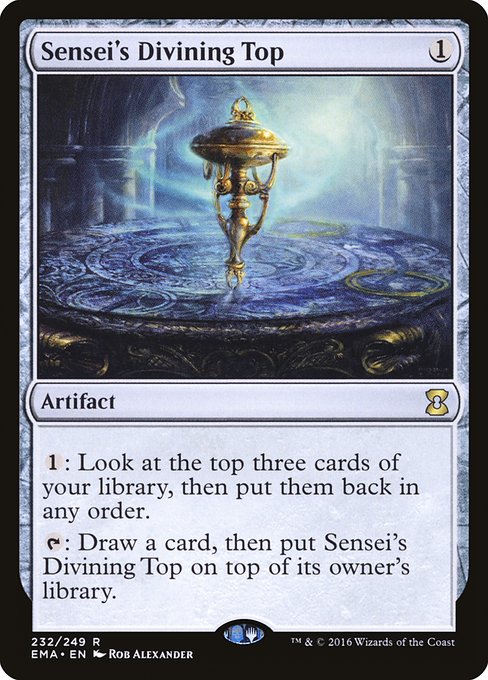
Sensei's Divining Top is especially important alongside Citadel. Top can manipulate the top of the library while Citadel allows the deck to cast cards from that position, creating a powerful engine that can generate a tremendous amount of value and eventually convert the accumulated resources into a win.
Aetherflux Reservoir provides the natural finishing point. Once the deck is casting enough spells in a single turn, Reservoir can turn that storm of spells into a lethal burst of damage.

This gives Rendmaw a fascinating contrast with Blech. Both decks can use life as a resource, but Blech weaponizes life gain while Rendmaw is perfectly happy to spend life aggressively if doing so allows it to draw cards and cast spells faster.
Keeping the Table Honest
The deck needs ways to stop opposing players from executing their own plans, thus it is just that we need cards to do so.
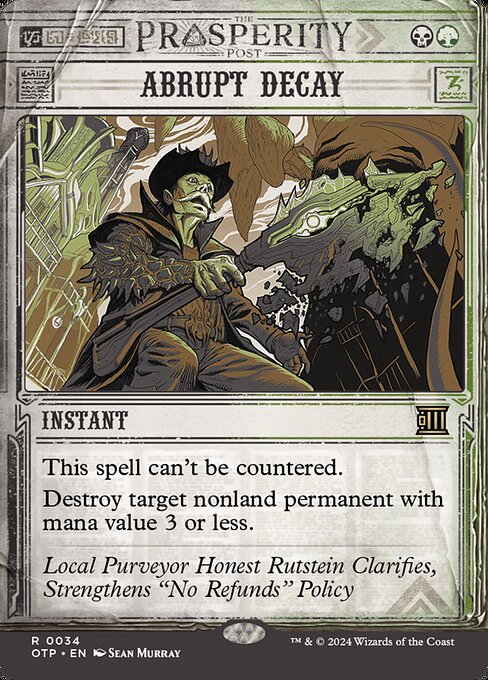
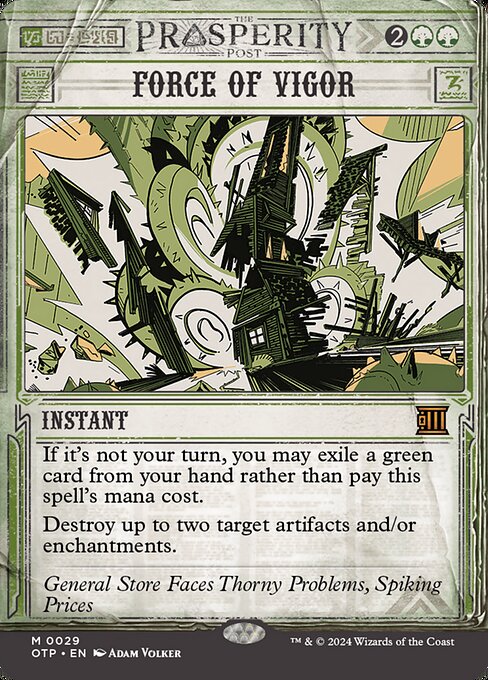
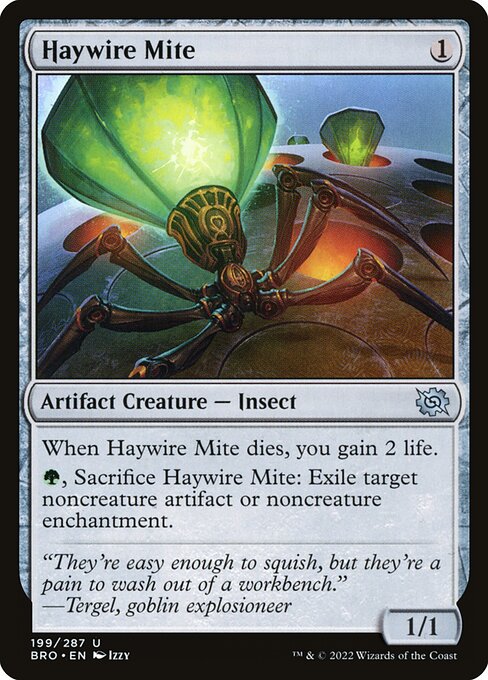
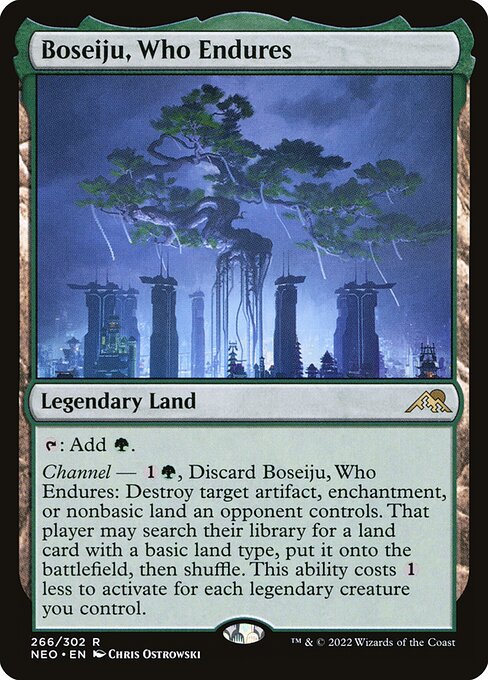
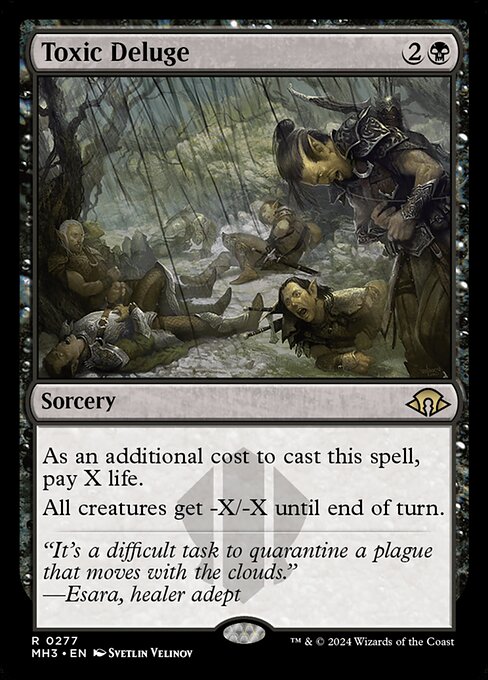
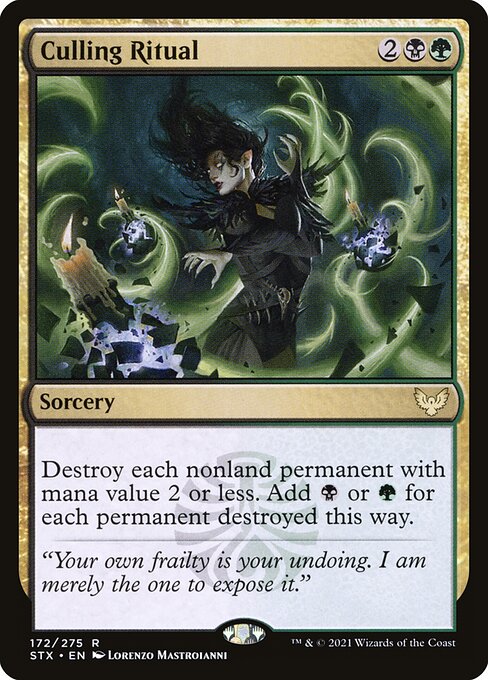
Abrupt Decay, Nature's Claim, Force of Vigor, Haywire Mite, and Boseiju, Who Endures provide efficient answers to problematic permanents. Toxic Deluge handles creature-heavy boards, while Culling Ritual can simultaneously clear a battlefield and generate mana.

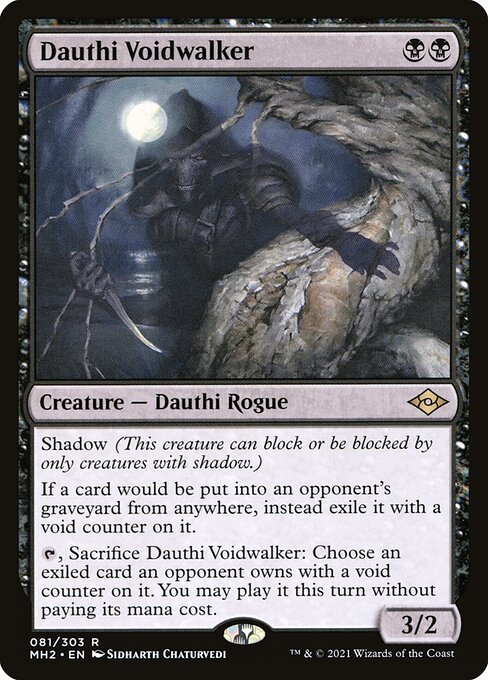
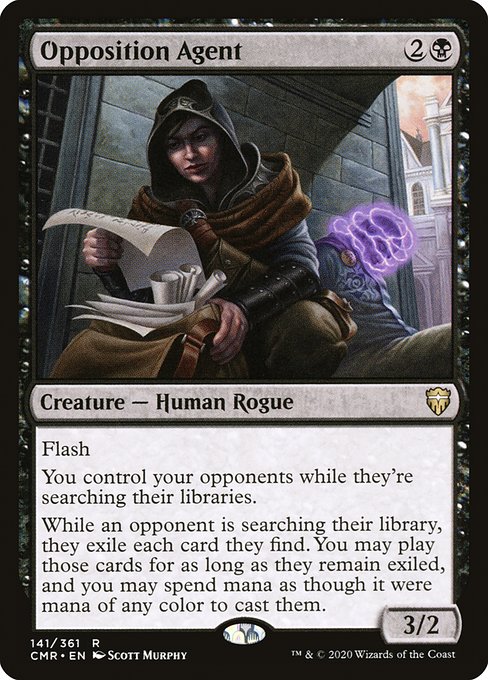
The deck also has some particularly nasty pieces of disruption. Dauthi Voidwalker attacks graveyards while threatening to steal something valuable, and Opposition Agent turns opposing tutors into opportunities for the Rendmaw player.
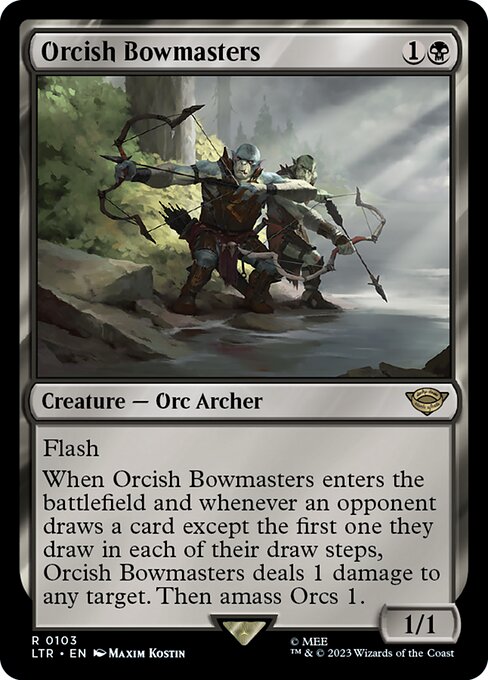
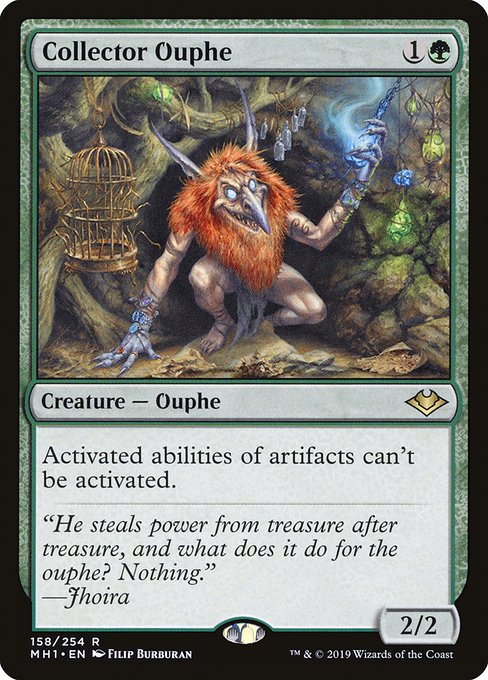
Orcish Bowmasters provides another powerful way to punish card draw, while Collector Ouphe can shut down artifact-heavy strategies. The latter is especially interesting in a deck running so many mana rocks itself, because it demonstrates the deck’s willingness to play powerful symmetrical effects when its own strategy can operate around them.
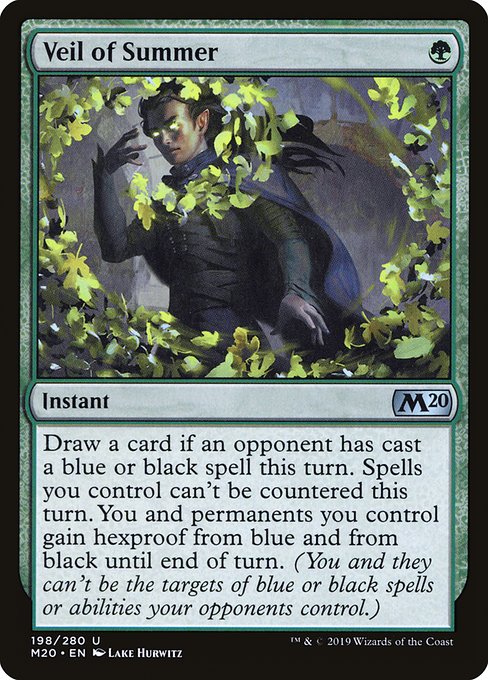
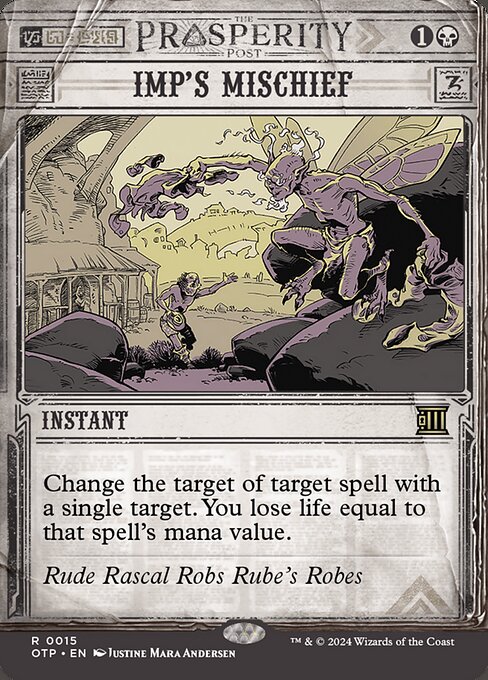
Protection comes from cards such as Veil of Summer and Imp's Mischief, giving the deck ways to defend its key plays without needing to hold up a large amount of mana.
Check out the decklist here:
Commander
Creatures (20)
Instants (19)
Sorceries (12)
Artifacts (16)
Enchantments (5)
Lands (27)
100 Cards
$7556.26
Two Faces of Competitive Golgari
These decks demonstrate just how broad Golgari can be in competitive Commander.
Blech, Loafing Pest is the more thematic of the two. Its entire deck is built around the idea that life is never merely life. Gaining life grows creatures, creature production creates more life gain, sacrifice turns creatures into resources, and the resulting life-loss triggers can become lethal. The deck feels like a Witherbloom experiment that happens to have been optimized for a competitive table.
Rendmaw, Creaking Nest, by comparison, is much more of a traditional cEDH deck. Its commander offers an unusual form of battlefield manipulation, but the ninety-nine are packed with the tools that make Golgari one of the strongest two-color combinations for competitive play: fast mana, efficient tutors, creature tutors, graveyard recursion, compact combos, and some of the best disruption available.
What they share is perhaps more important than what separates them. Neither deck treats creatures as disposable simply because they are cheap. A mana dork can become sacrifice fodder. A creature in the graveyard can become a combo piece. A life-gain trigger can become lethal damage. A tutor can find a creature that is simultaneously an answer, an engine, or a win condition.
That is the essence of Golgari in competitive Commander. Green provides the growth, mana, creatures, and resilience; black provides tutors, recursion, life manipulation, and the willingness to turn every resource into something else. The result isn’t merely a color pair that happens to have good cards. It is a philosophy of resource conversion.
If you’re interested in more cEDH decks, please check out these 2 articles:
https://edhmeta.com/cedh-heliod-bracket-5s-flashiest-deck/
https://edhmeta.com/cedh-malcolm-and-tana-turbo-wins-easy-wins/