




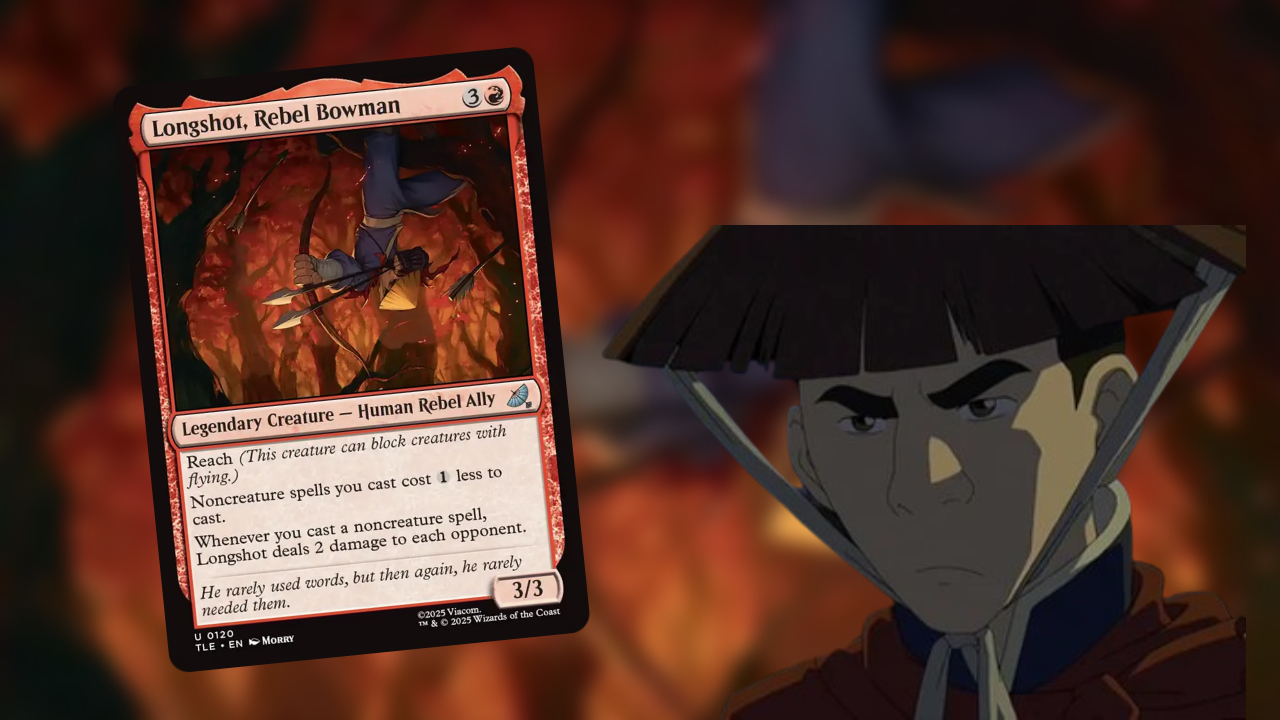
cPDH is Pauper Commander pushed to its limits. Only the best of the best can hang in the metagame. It’s not quite as an explored format as its traditional Commander counterpart, allowing for plenty of unique styles to find a home. For this article, we’ll be looking at Longshot, Rebel Bowman. For fans of Mono Red and fast, aggressive decks, Longshot is the perfect commander for you.
Interested in more Mono Red in PDH? Check out our guide on Alexios, Deimos of Kosmos this way.
Why cPDH Longshot?
Before we get into the decklist, let’s look at the commander. Longshot, Rebel Bowman is a simple card. Once it’s on the battlefield, all noncreature spells are discounted by one mana, and when you cast one, it deals two damage to all opponents. This makes it much easier to cast spells, and in some cases, allows for you to win the game in just one turn.
Assuming no one can gain life, you can win the game with just 15 noncreature spells being cast. Life totals only start at 30, after all. This doesn’t even account for opponents taking combat damage, or combining it with other cards that can ping for damage. All of this makes cPDH Longshot a deck that can win the turn very quickly, and out of nowhere.
“Eggs”
For the unfamiliar, Eggs refer to artifacts that generally cost one mana, and draw you a card. These can be when you put them in a graveyard, or when they enter the battlefield (and sometimes both). Since Eggs cost one mana (usually), Longshot, Rebel Bowman makes them free, allowing you to draw deeper in your deck without ever needing to spend mana.
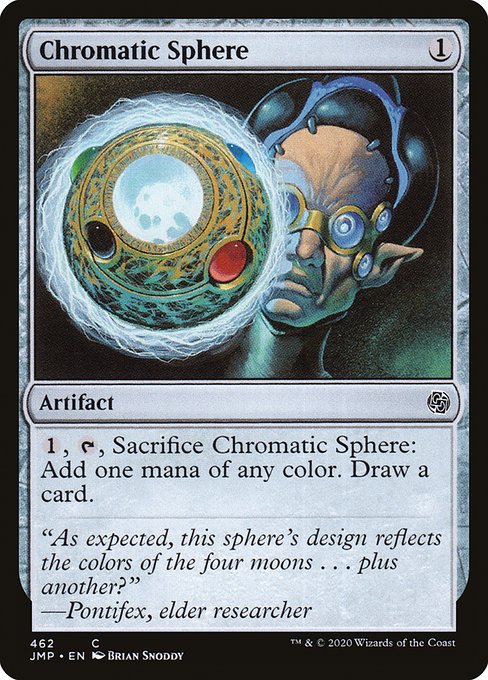
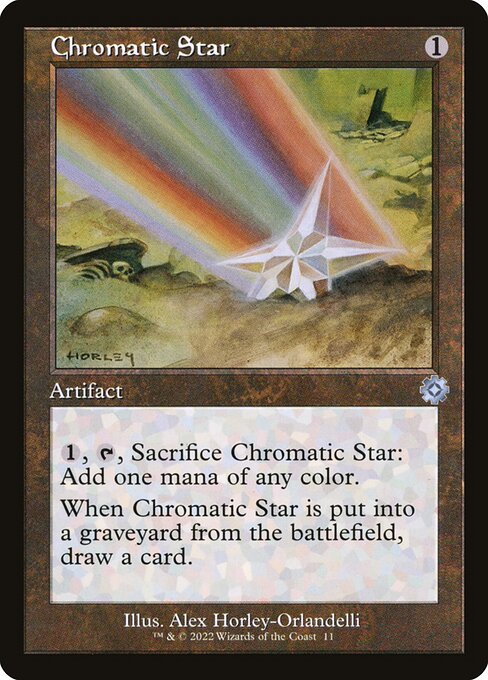
With your commander on the battlefield, you can utilize cards like Conjurer's Bauble, Chromatic Sphere, Chromatic Star, and Wizard's Rockets to draw you a card when they go to the graveyard. You usually need to spend a mana to sacrifice it, but since they were free to cast, it essentially reads as “pay one mana, draw a card” (assuming they resolve).


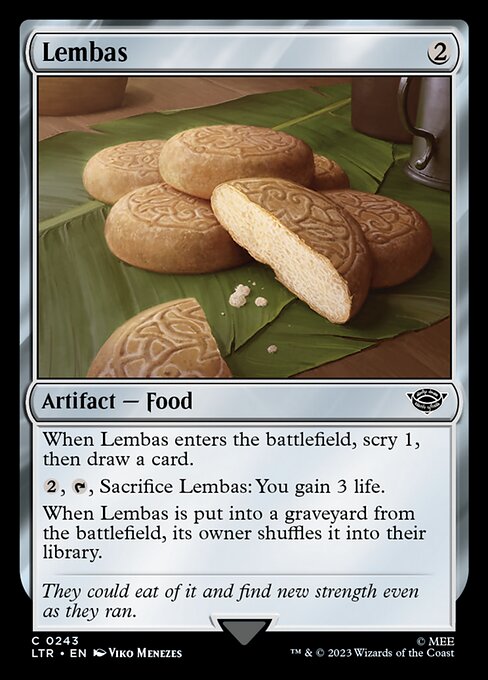
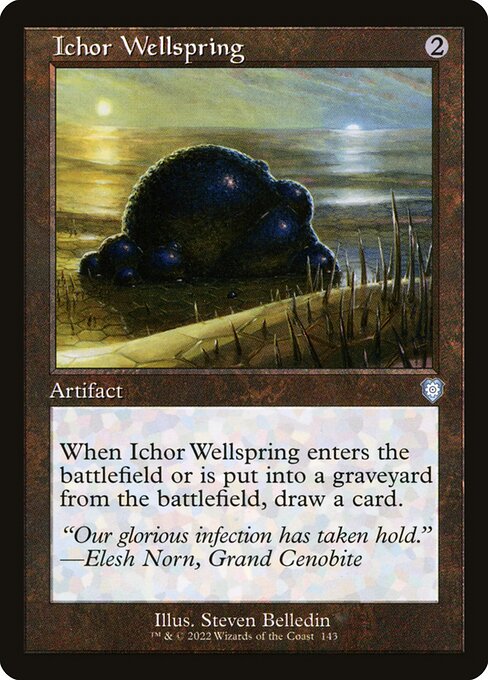
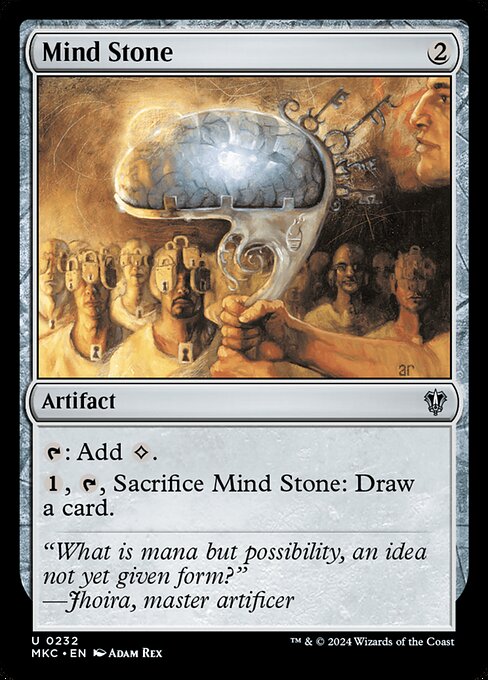
A few more “expensive” Eggs are Lembas, Ichor Wellspring, and Mind Stone. They’re not as free as the other Eggs in the deck, but with Longshot, Rebel Bowman, they only cost one mana to make it easier to cast them without a hefty mana investment. These ones usually
Pingers
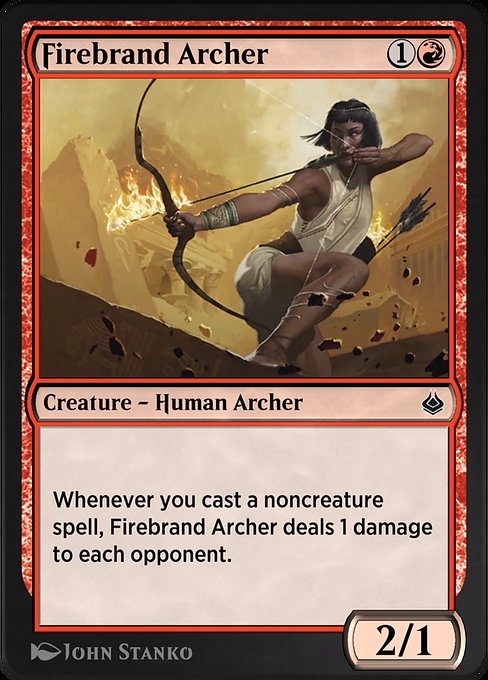
There are going to be times your commander isn’t available. To help in situations like this, you have a small suite of other creatures that deal damage when you cast noncreature spells. Firebrand Archer, Kessig Flamebreather, and the token made from Mysidian Elder burn anytime you cast a noncreature spell for some extra damage.
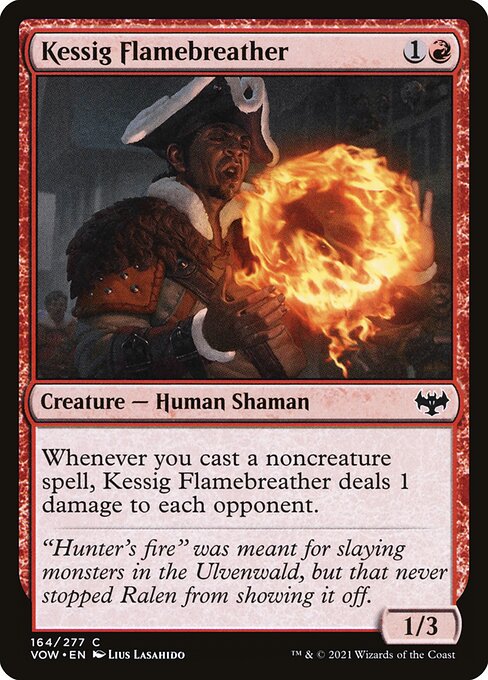

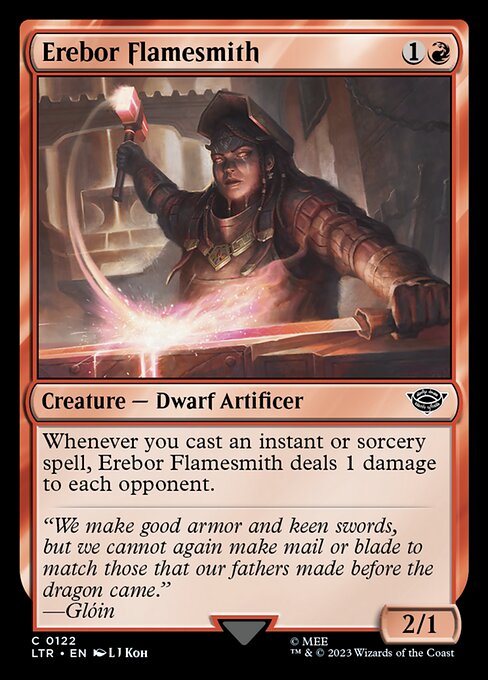
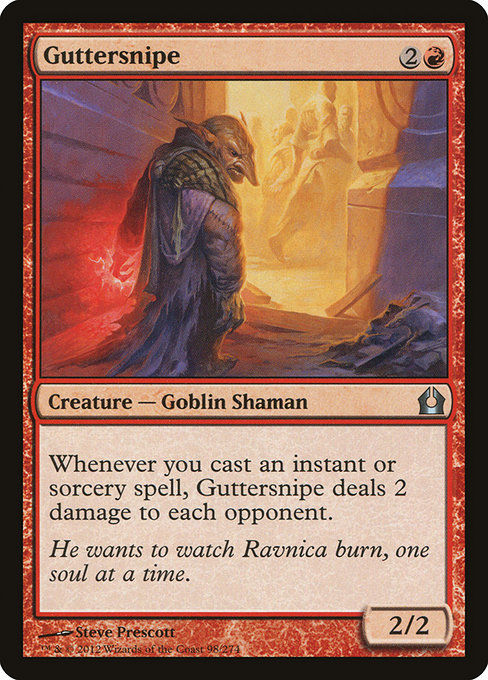
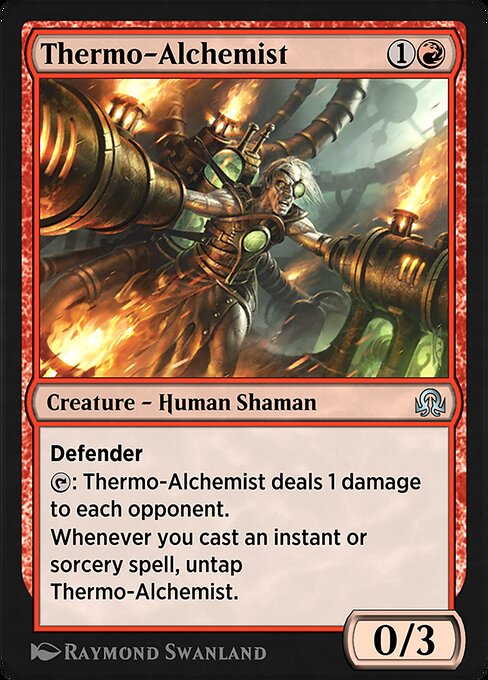
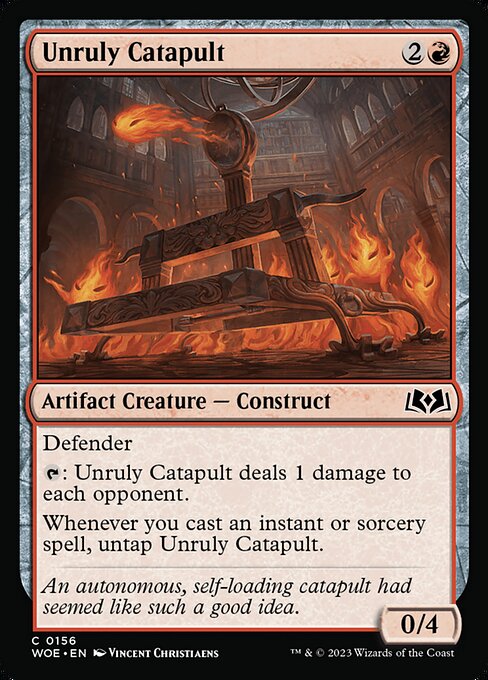
They’re slightly more narrow, but Erebor Flamesmith, Guttersnipe, Thermo-Alchemist, and Unruly Catapult can all burn repeatedly with instant and sorcery spells. Even though not every noncreature in the spell triggers these creatures, they make up a good amount of the deck, so they’ll trigger frequently. Since all of these stack, the more of these effects on the battlefield, the better.
Mutli-Castable
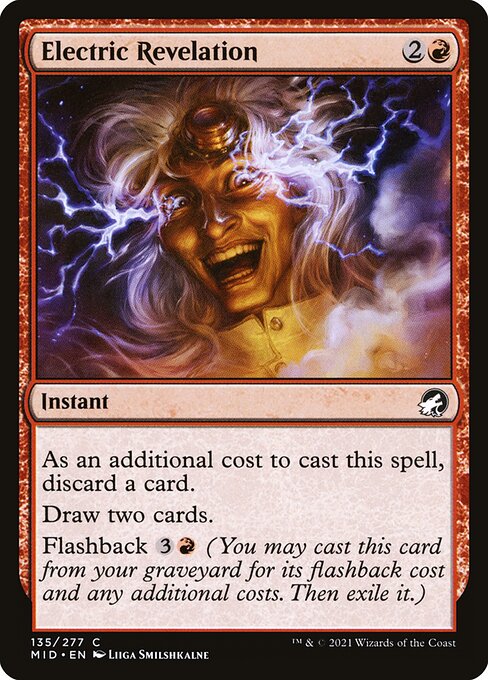
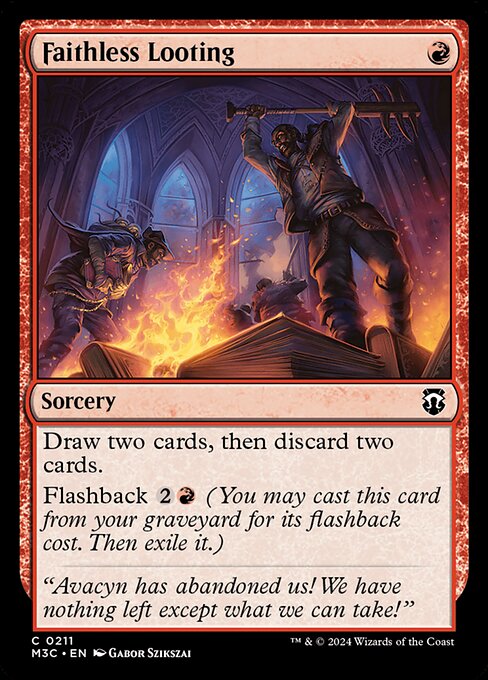
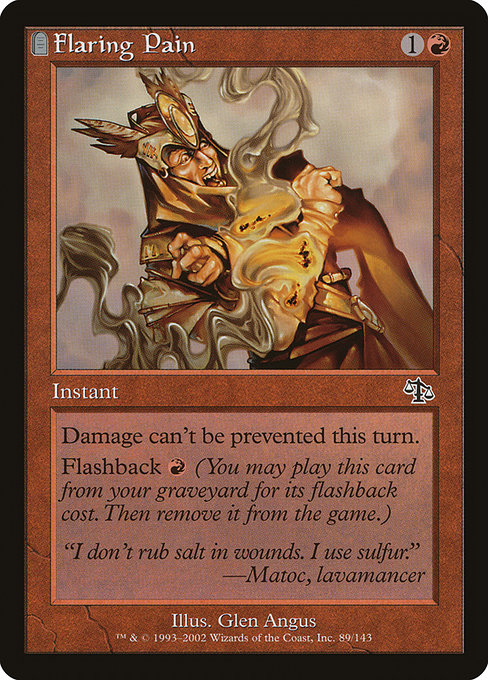
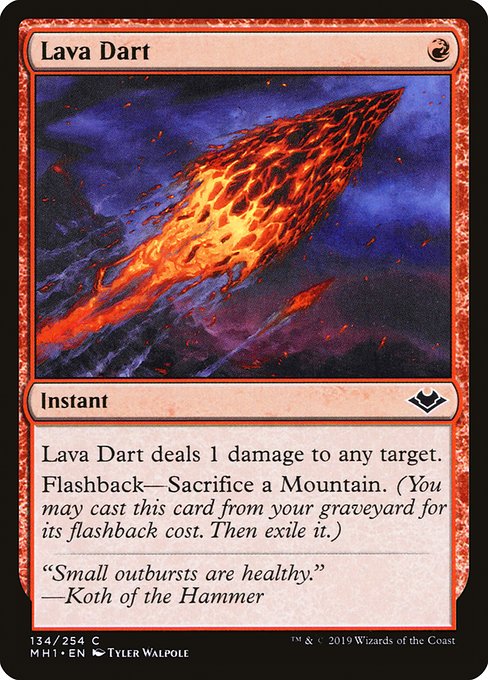
Some of the strongest cards in the deck are ones that you can cast more than once. Most commonly, this is found on cards with flashback. Many of them draw cards, and include Electric Revelation, Laughing Mad, and Faithless Looting. You also have a few others, such as Flaring Pain and Lava Dart. One of the best is Satyr's Cunning, since you can keep casting it multiple times so long as you have cards to exile for escape.


Draw Power
The most important kind of card in the deck are ones that draw you cards. With Longshot, Rebel Bowman on the battlefield, these deal two damage to everyone, while getting you to more cards. If your commander, they’re also discounted to make it easier to not hit a wall on the turn you go for a win.
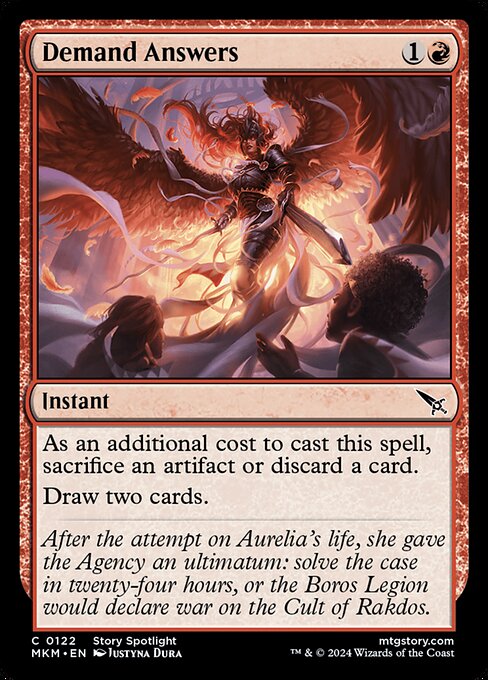
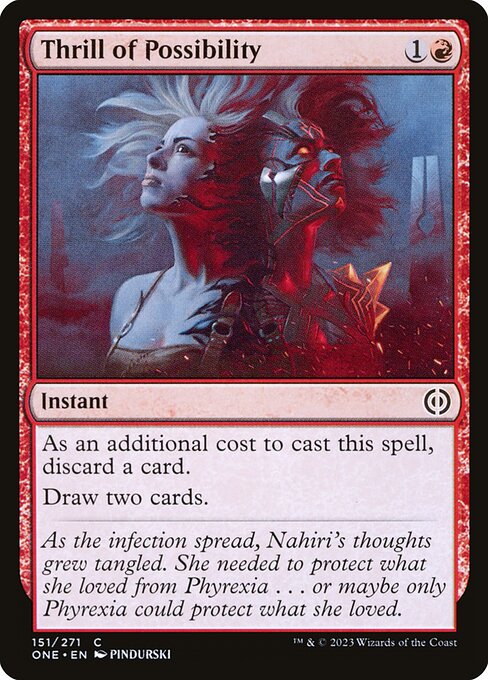
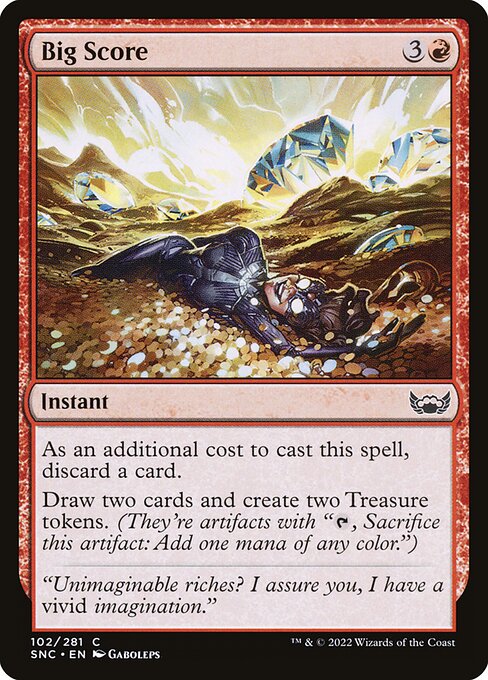
You have a good bit you can use at sorcery speed. These include Demand Answers, Sazacap's Brew, Thrill of Possibility, and Faithless Salvaging. In addition to these, you have cards that make Treasure tokens to get more mana, including Big Score and Unexpected Windfall.


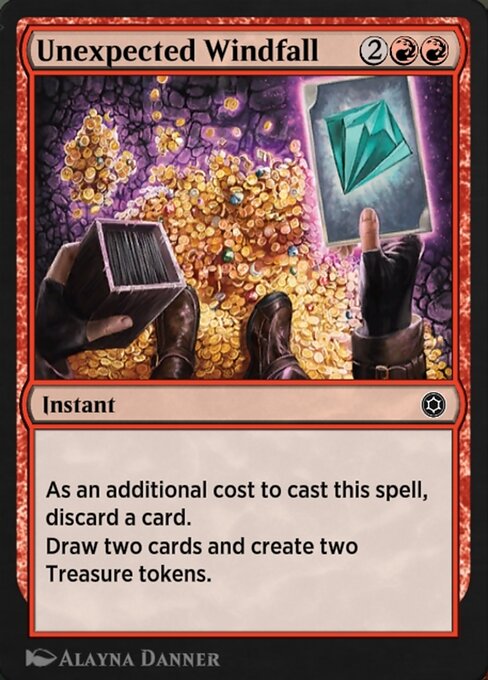
On the sorcery side of things, you have some more options. Cathartic Reunion, Grab the Prize, Highway Robbery, Romantic Rendezvous, Tormenting Voice, and Witch's Mark all net you some cards. Like instants, you have some that create Treasure tokens, including Pirate's Pillage and Seize the Spoils.


Rituals
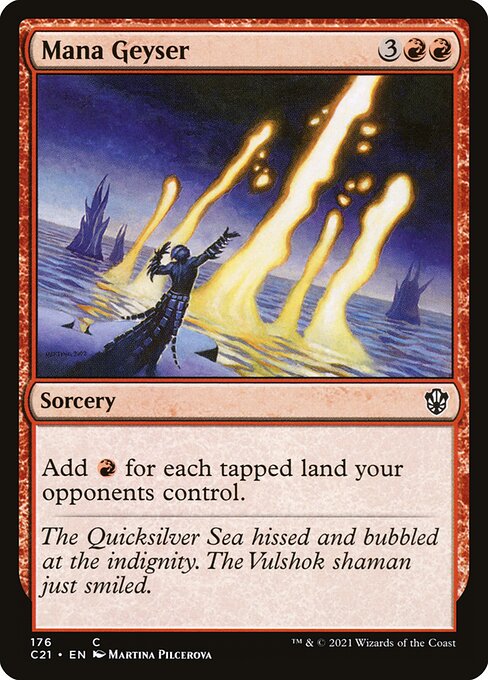
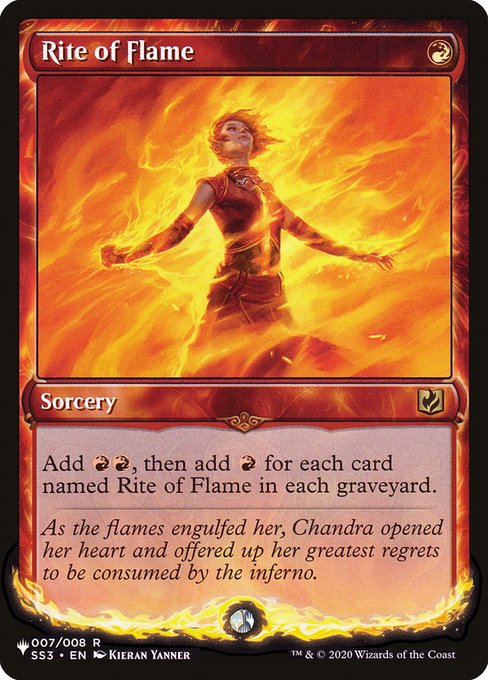
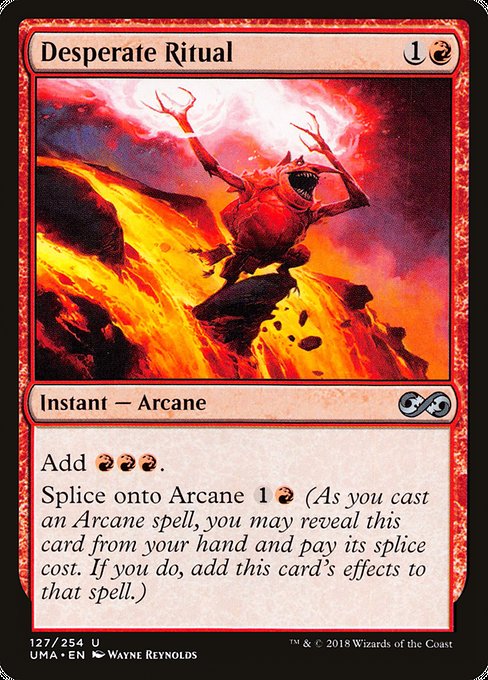
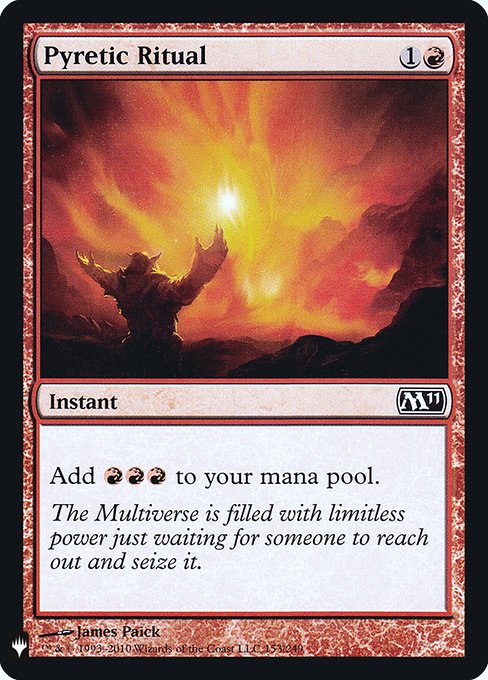
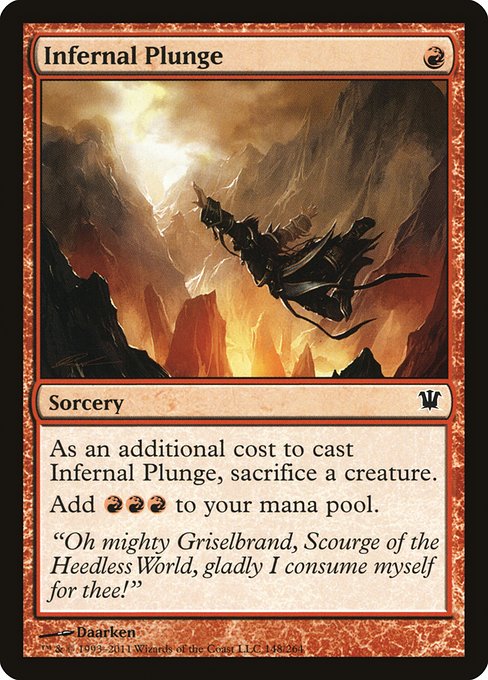
A very good selection of cards in the deck are Rituals. These are cards that create more mana than they cost to cast. With Longshot, Rebel Bowman, you can discount the more expensive rituals to make them generate even more mana from the one card. These Rituals include Mana Geyser, Rite of Flame, Desperate Ritual, and Pyretic Ritual. You also have Infernal Plunge, but you do have to sacrifice a creature to actually use it. This assures you’ll always have access to mana, and they’re best saved for when you’re going for a win. Vessel of Volatility is one you want to cast early so you can sacrifice it later.

Impulse Draw
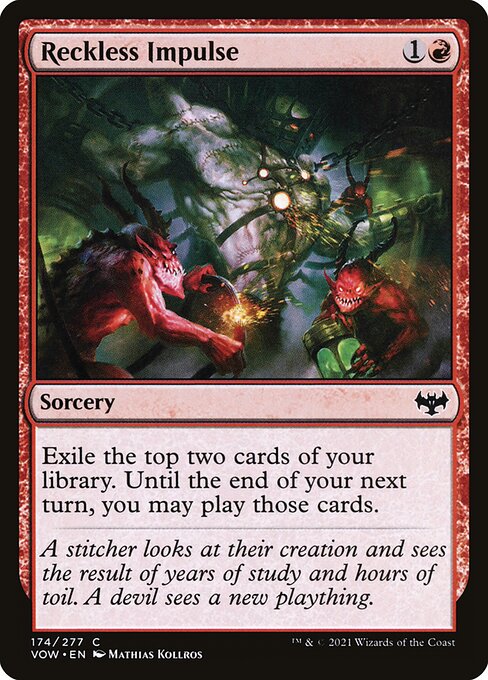
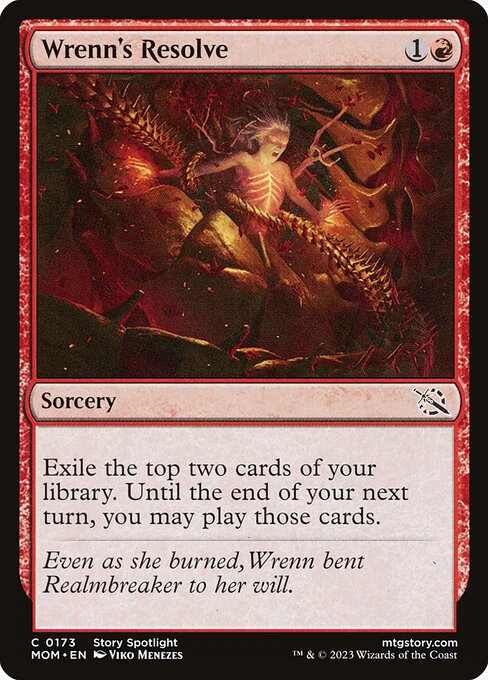
Impulse draw are cards that exile cards from your library, but you lose then during the end step. This is a bit riskier than traditional draw spells, as you might wind up permanently exiling a card you want. However, in this deck, you’re often winning the turn you start casting spells like this, so it likely won’t come up. Cards that impulse draw include Galvanic Relay, Glimpse the Impossible, Reckless Impulse, Wrenn's Resolve, and Seize Opportunity. All of these may wind up chaining into one another. You want to be more careful with these, as you generally only want to play them when you know you can cast the spells that are getting exiled.



Ramp
Mono Red isn’t too great at ramping. You do have Rituals, but generally, you want to save this for when Longshot, Rebel Bowman is on the battlefield. So, you’re not really using this to ramp, but instead to make sure you don’t run out of stem before you burn everyone out of the game. Instead, this is where mana rocks come in.
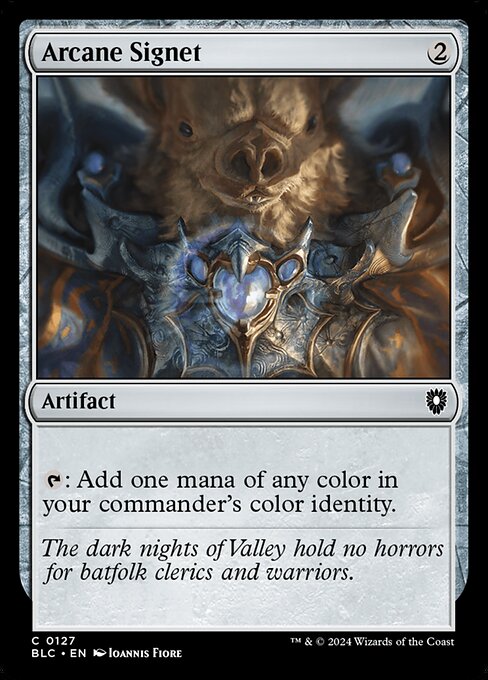
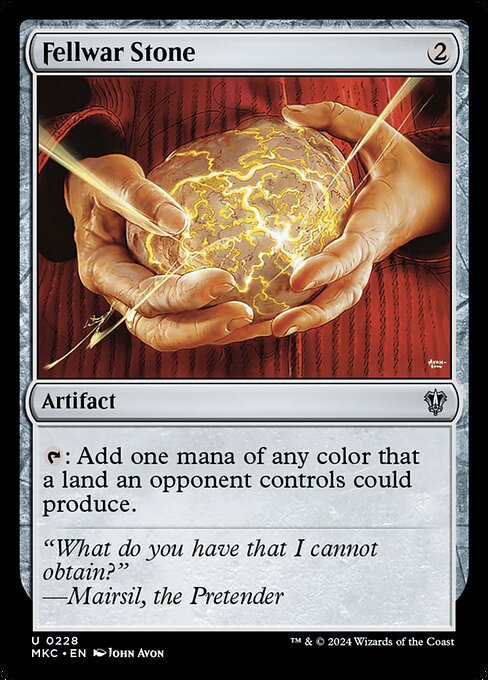
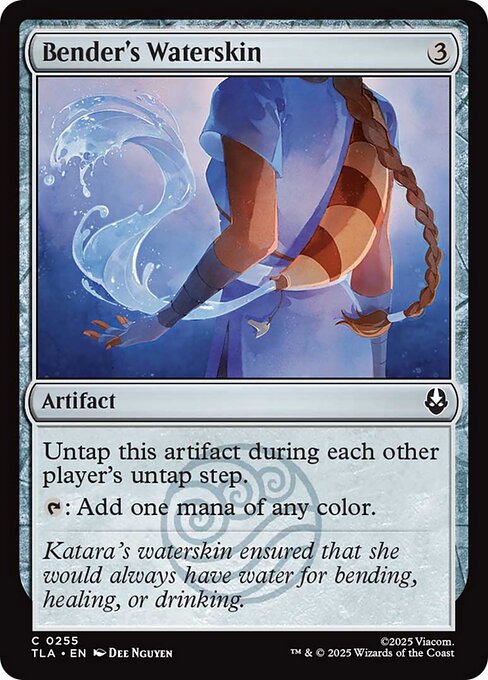
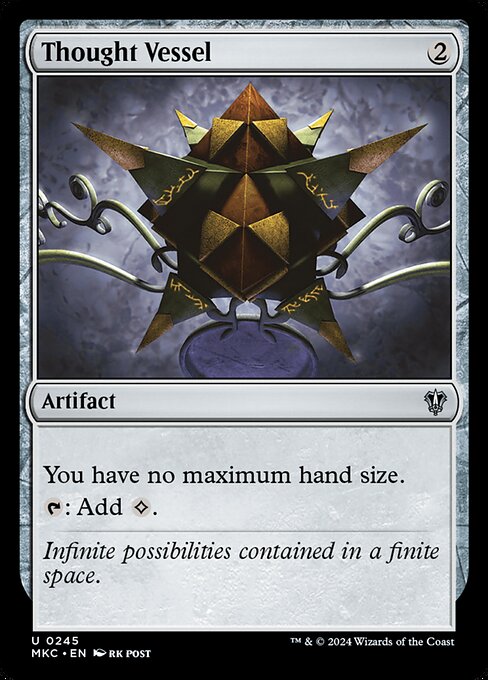
You want to slap Arcane Signet, Fellwar Stone, Bender's Waterskin, and Mind Stone on the battlefield as quickly as possible. Thought Vessel as well, which also takes away your hand size limit so you’re not discarding cards with all the drawing you do. It is vital to get these permanents on the battlefield, as this helps you to cast your commander quicker. Longshot is how cPDH Longshot wins, and without it, you likely can’t do enough damage before your opponents win.
Playing cPDH Longshot
In the early game, cPDH Longshot is more about setting up for your main turn. This often takes the form of playing mana rocks, getting your mana ready for when you can start popping off. Generally, you don’t want to cast noncreature spells until Longshot, Rebel Bowman hits the battlefield; otherwise, you’re missing out on potential burn damage. If you have cards like Firebrand Archer and Kessig Flamebreather in your hand, the early game is the best time to get these on the battlefield.
You don’t have answers to counterspells, and you don’t have access to many forms of protection. You have a few, such as a one-time-use Goblin Chirurgeon to regenerate your commander (technically two-time use with Guttersnipe). In addition, Herbal Poultice can be sacrificed to regenerate a creature. These are the only protection spells in the deck, so you have to make them count. You can’t rely on having these when you cast Longshot, but it certainly helps to have them around to make sure it sticks.


One of the main things to know about playing cPDH Longshot is knowing your openings. Blue can be a struggle to go up against, as a countered ritual can stop you in your tracks and give your opponents a chance to take you out of the game. So, you want to be careful with Blue, both when casting high-priority spells like rituals or your commander itself.
Winning with cPDH Longshot
The main win condition of cPDH Longshot is storming off. Ideally, you’re casting as many spells as possible before your opponents can set up. With some lucky openings, you can get this going early, but it’s generally going to take a few turn cycles before you have enough mana available to win the game on the turn you start playing spells.
You’re not dealing combat damage at all, and combat on your turn is only required to go through because it’s, well, required. You never want to actually attack with your creatures. If you’re winning with combat damage, something went terribly, terribly wrong.
Instead, you’re burning your opponents for casting noncreature spells while Longshot, Rebel Bowman is on the battlefield. As mentioned before, assuming no one gained life, 15 noncreature spells is enough to deal the necessary 30 life to take everyone out of the game. In ideal openings, you’ll be able to back it up with creatures like Guttersnipe and Thermo-Alchemist to make this number smaller. The more pingers you can stick on the battlefield, the better. There are only 10 non-commander creatures in the deck, so don’t expect them, but they’re nice to have.
You want to go for a win on one turn. The slower you are at casting spells and burning, the higher the likelihood of an opponent swiping the game instead increases. You want to make sure you’re being hyper-aggressive once you stick Longshot on the battlefield, otherwise you risk losing it all.
Pros and Cons of cPDH Longshot
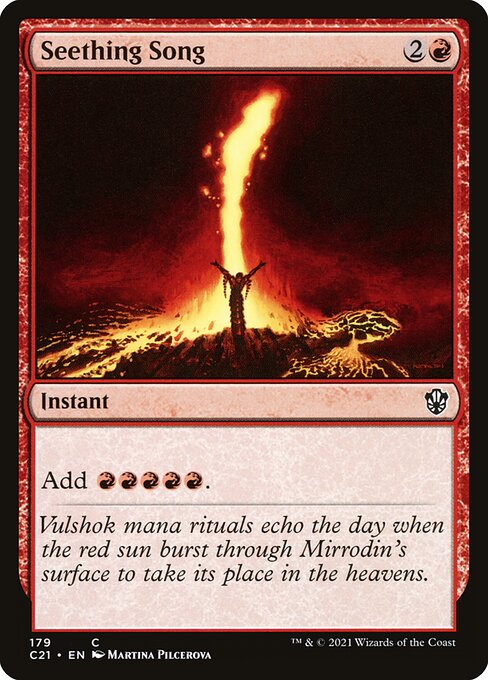
cPDH Longshot is a deck that can hit high highs and very low lows. Its biggest strength is clear: just how much damage it can do and how quickly it can do it. With how much drawing, impulse drawing, and “free” spells cPDH Longshot can play, casting 15 noncreature spells with Longshot, Rebel Bowman on the battlefield is quite trivial. If your opponents don’t have any form of interaction in their hand or are tapped out, the odds of you winning the game are quite high (just make sure to be careful of spells like Daze). Galvanic Relay can do a ton if it’s one of the later spells you cast, letting you exile a ton of cards that you can use to make it easier to win. Rituals like Seething Song help to keep the action going, and are why the deck is good at not running out of steam when you make a play for a win.

As for the biggest flaw, it’s that no win is guaranteed. Sure, the impulse draws and Rituals help to add consistency to the deck, but you can still whiff. You might wind up exiling or drawing nothing but lands, or you might not get through enough spells to burn everyone out of the game. Longshot, Rebel Bowman is a kill on sight commander, as many know just how much damage it can do when left unchecked. This makes getting your win condition going an uphill battle, as you’ll be targeted early on by your opponents before you have a chance to even make a play. Outside of your main turn where you go for a win, the deck is very passive and very defenseless. You don’t really do anything until it’s time to storm off with Longshot.
In Conclusion and Decklist
Despite some of its downsides, cPDH Longshot can dish out a ton of damage. While you benefit greatly from your commander, you don’t need it to win the game (it’ll just make it a lot harder). cPDH Longshot is a fast deck, and one that can steal games under your opponents’ noses. If your pod is unprepared for it, cPDH Longshot is a deck with no clear “right” answer to cut off. If Longshot, Rebel Bowman hits the battlefield and sticks there, your opponents will quickly learn why you shouldn’t ever leave Longshot alone. It’s a great deck choice for players who love Aggro, or love playing the slot machine.
The decklist can be viewed below.

Commander
Creatures (11)
Instants (15)
Sorceries (21)
Artifacts (24)
100 Cards
$176.56
Looking for a slower competitive Pauper Commander deck? cPDH Mahadi is a solid Control commander. Check out our guide on it here.