






Blue and Black have always made an effective pair in Commander. Blue gives you the ability to draw cards, plan several turns ahead, and stop dangerous spells before they resolve. Black makes sure that the creatures which do hit the battlefield rarely get to stay there. Together, they can dismantle an opponent’s plans one decision at a time, forcing the table to spend resources while you keep your options open.
This budget build of Vren, the Relentless takes those principles and applies them to a roughly $40 Commander deck. It focuses on a straightforward plan: draw cards, answer threats, counter important spells, and make opponents sacrifice their creatures. Every creature removed when Vren is on the field becomes another potential threat, allowing the deck to turn a defensive game plan into an increasingly dangerous battlefield.
The result is a Dimir control deck that doesn’t need to rush. It wants to make land drops, preserve its answers, and choose the right moments to interact. The deck’s power comes from the way its ordinary control tools work together, not from any single expensive card. When opponents finally run out of creatures to protect themselves, Vren’s growing Rat army can finish the game.
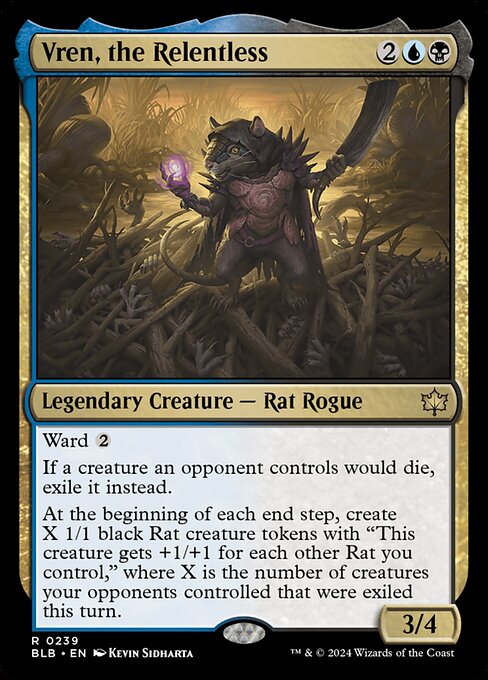
Vren, the Relentless: Every Death Feeds the Swarm
Vren, the Relentless is the centerpiece of the deck, and understanding his ability explains almost every major card choice in the list. Vren has Ward {2}, making opponents pay an additional two mana whenever they target him with a spell or ability. More importantly, whenever a creature an opponent controls would die, Vren exiles it instead. At the beginning of each end step, you create a 1/1 black Rat creature token for each creature that was exiled from an opponent’s control that turn. Each Rat also gets +1/+1 for every other Rat you control.
That final detail is what makes Vren so threatening. Your Rats grow together, so every new token increases the size of the entire army. You don’t need to spend mana casting a separate threat for every opponent you remove. Instead, the interaction you were already playing generates the army that eventually wins the game.
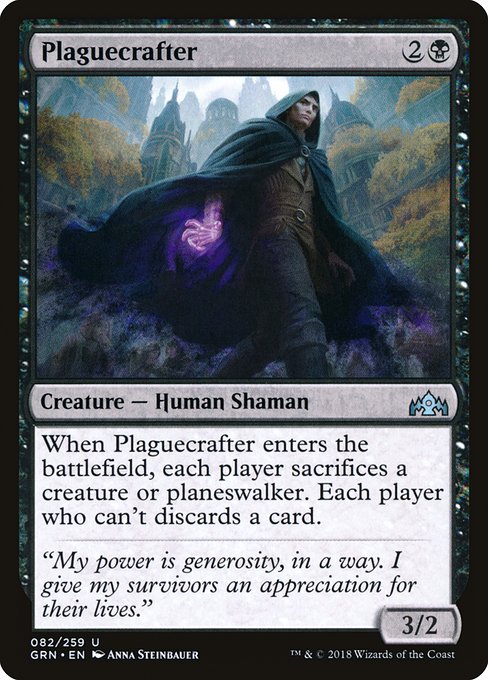
This list maximizes that relationship through removal and sacrifice effects. There are no dedicated packages of expensive Rat lords or token multipliers competing for space with the deck’s control tools. Instead, cards like Fleshbag Marauder, Merciless Executioner, and Plaguecrafter make opponents sacrifice creatures while helping Vren build a board.
The distinction between destroying a creature and making its controller sacrifice one matters. A targeted removal spell can be stopped by hexproof, protection, or a well-timed response. An edict effect asks an opponent to sacrifice a creature, often forcing them to lose whatever threat they were hoping to protect. Against a player with only one creature, these effects can be particularly effective. Against a player with several creatures, they still reduce the board while allowing you to conserve your more specialized answers.
The Edict Package: Making Every Opponent Play Fair
The deck’s sacrifice effects are more than a collection of removal spells. They are the foundation of its multiplayer strategy, allowing one card to pressure several opponents while advancing your own board.
Fleshbag Marauder and Merciless Executioner are straightforward examples. When they enter the battlefield, each player sacrifices a creature. Because you control the creature producing the effect, you can often plan around the sacrifice, choosing to lose a creature you no longer need or allowing the edict to resolve when you have no creature at all. With Vren on the battlefield, opposing creatures sacrificed this way are exiled instead of dying, contributing to your Rat production at the next end step.


Plaguecrafter adds another layer by making players without creatures sacrifice a planeswalker or discard a card instead. This gives the deck a way to keep applying pressure even when an opponent has already lost their creature board. It is not always ideal to force a player to discard a card rather than remove a creature, but the flexibility makes the effect useful across a wider range of board states.
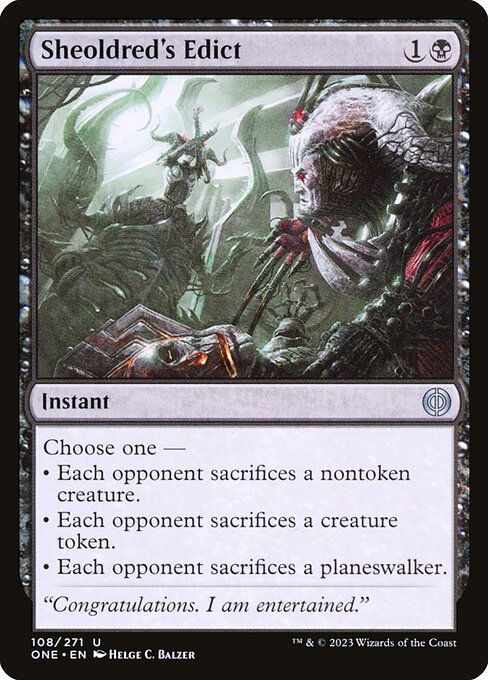
The deck also includes several edicts that can be aimed at individual opponents. Liliana's Triumph, Sheoldred's Edict, Mire in Misery, Pharika's Libation, and Consumed by Greed provide different ways to attack a troublesome permanent or force a sacrifice. Their exact restrictions matter, but the overall purpose is consistent: remove threats without requiring you to match their size or spend an excessive amount of mana.



Myrkul's Edict and Extract a Confession expand the deck’s ability to make opponents give up more important resources, while Curtains' Call becomes especially attractive in a multiplayer game because it can remove two creatures for a reduced cost. These are the kinds of cards that help a modestly priced deck keep pace with several opponents developing their boards at once.


The important skill is knowing when to use them. It is tempting to remove the first creature that looks threatening, but doing so may leave you without an answer when another opponent presents a more dangerous threat. Dimir decks reward patience, specially a budget control deck. If a creature isn’t currently threatening your position, it may be better to save your removal for a more important moment or use a broad edict when it can affect multiple players.
That approach also makes your removal more efficient. A single edict that forces three opponents to sacrifice creatures can represent considerably more value than a targeted spell that answers only one creature. More importantly, with Vren active, those sacrifices can translate into several Rats, each contributing to the strength of the others.
Controlling the Board: Removal for the Threats That Matter
Edicts are excellent tools, but they cannot answer every problem on their own. Opponents can protect their best creatures by keeping other creatures on the battlefield, and some threats are dangerous enough that you cannot afford to let them remain in play. The deck therefore complements its sacrifice package with targeted removal and board wipes.
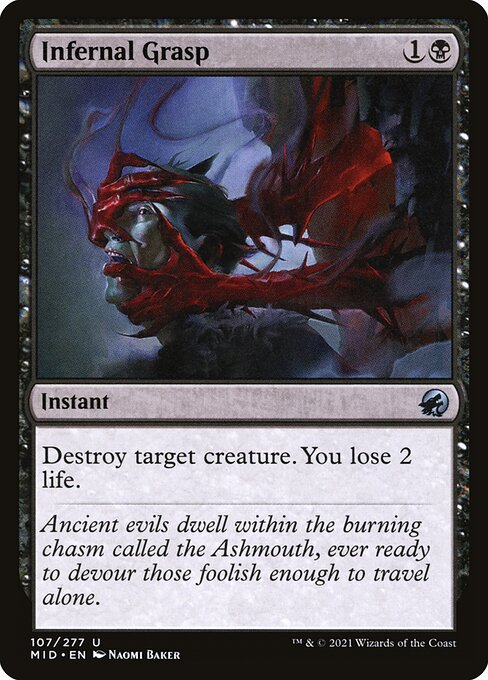
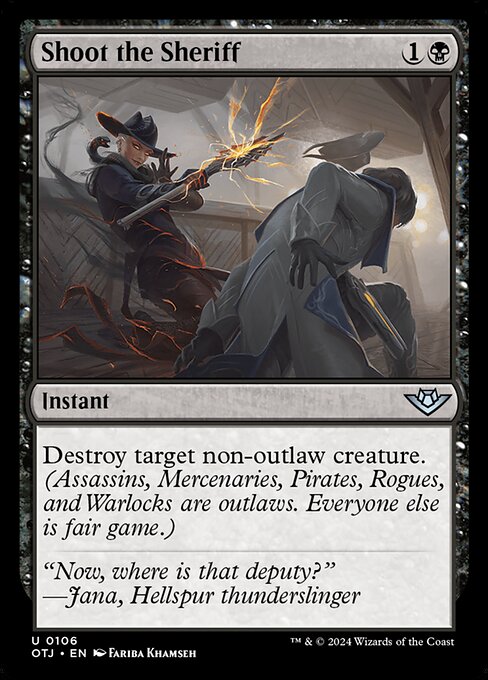
Infernal Grasp, Shoot the Sheriff, Terror, and Victim of Night give you efficient ways to destroy creatures. Their individual restrictions mean that no single spell can answer everything, but having several different options reduces the chance of being caught without a relevant answer.


Planeswalkers deserve special attention because the deck’s main removal plan is primarily concerned with creatures. Cards such as Bitter Triumph, and Vraska's Fall are included to cover some of those gaps.
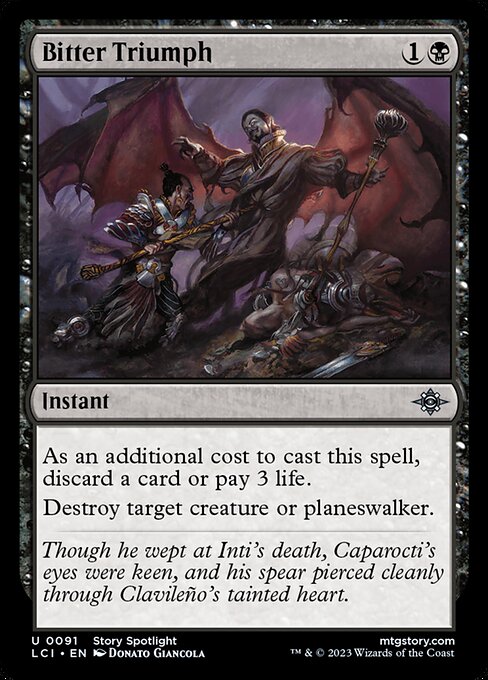

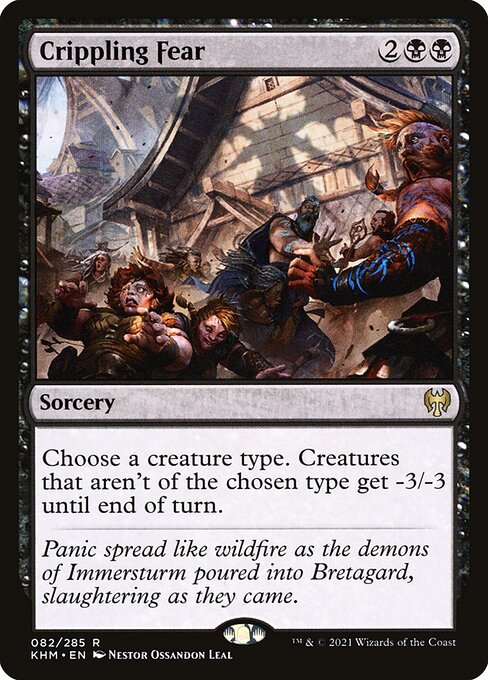
When the battlefield becomes too crowded, Yahenni's Expertise, Crippling Fear, Hex, and Necromantic Selection provide broader answers. Choosing the correct one depends on what your opponents have developed and how much of your own board you are willing to lose.



Against token decks Bloodline Culling can be particularly effective, and your rat tokens are usually out of danger because they buff each other.

Holding Up Mana and Choosing Your Moment
This deck has a substantial collection of card selection and card draw to support a more reactive approach. Anticipate, Impulse, Telling Time, and Brainsurge help you find the next land, answer, or payoff. Stock Up and Memory Deluge give you ways to look deeper into your library, while Dig Through Time and Treasure Cruise can become more efficient as the graveyard fills with spent spells.


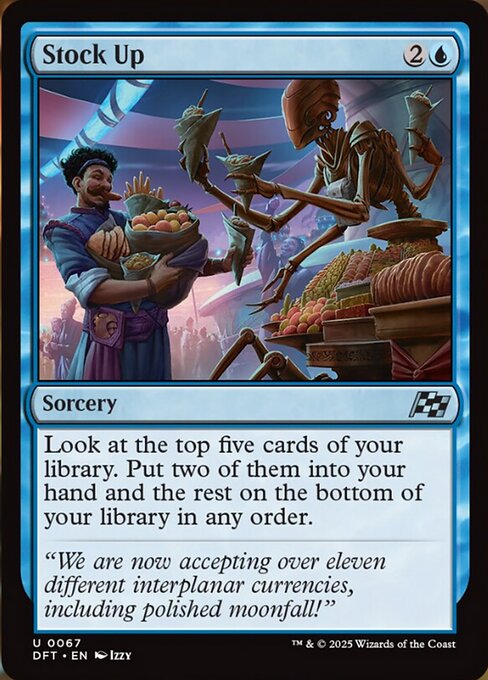

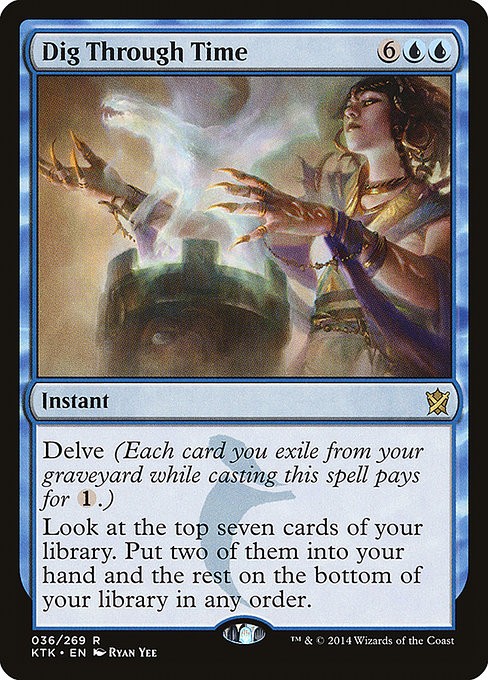

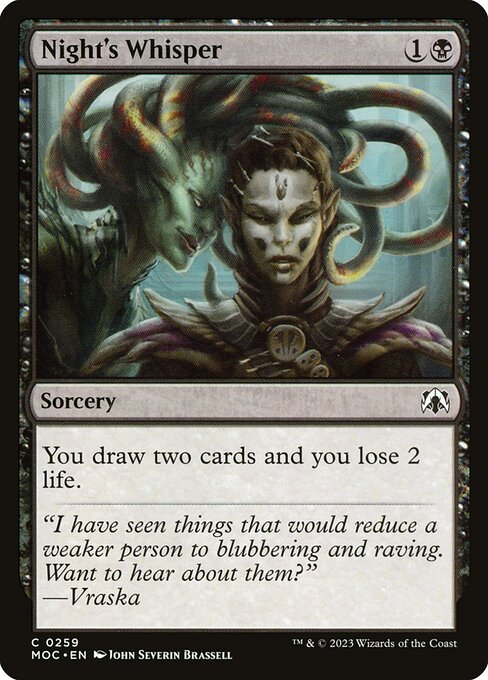
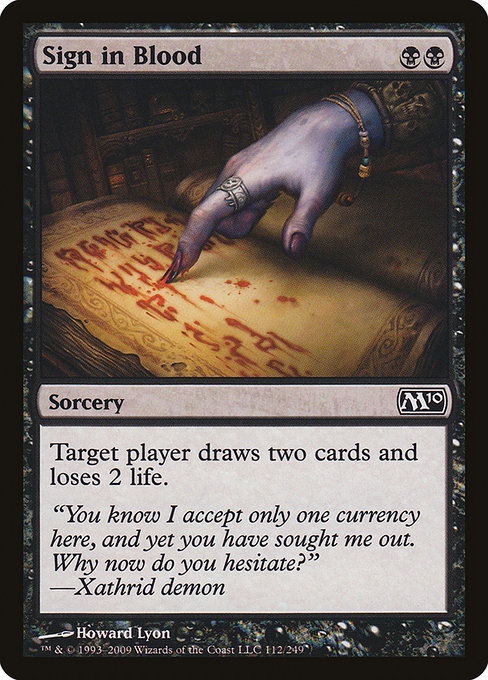
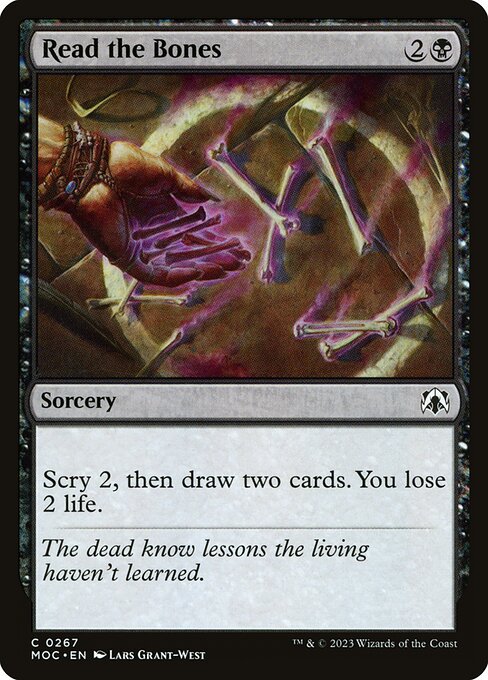
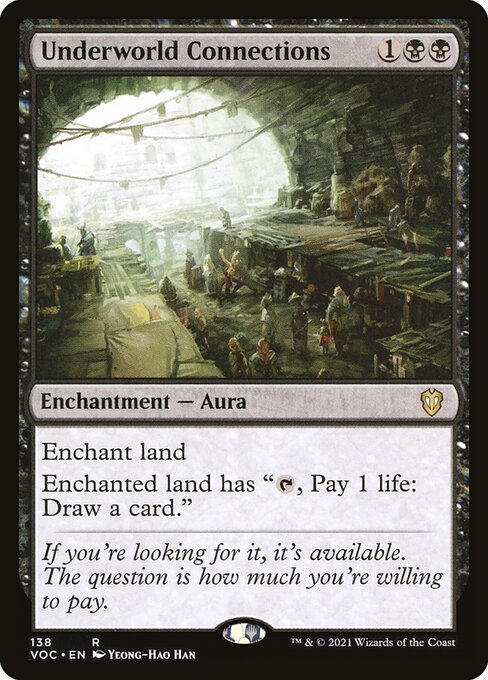
Night's Whisper, Sign in Blood, Read the Bones, and Underworld Connections provide additional ways to keep cards flowing. These effects may cost life, but that is a manageable price when they help you find the removal or counterspell that prevents a much larger loss.
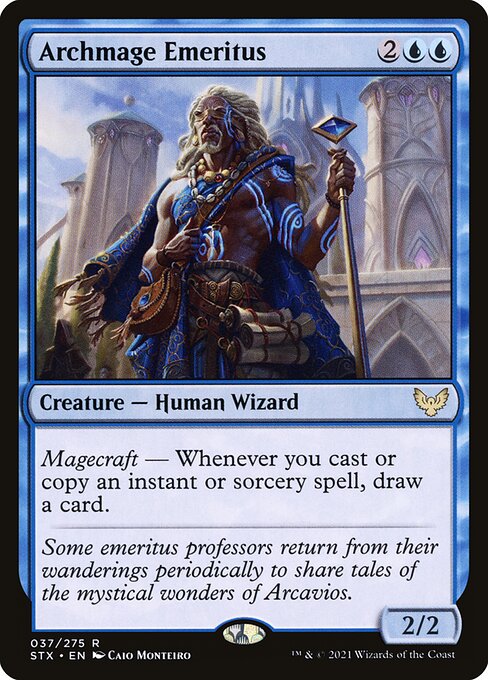
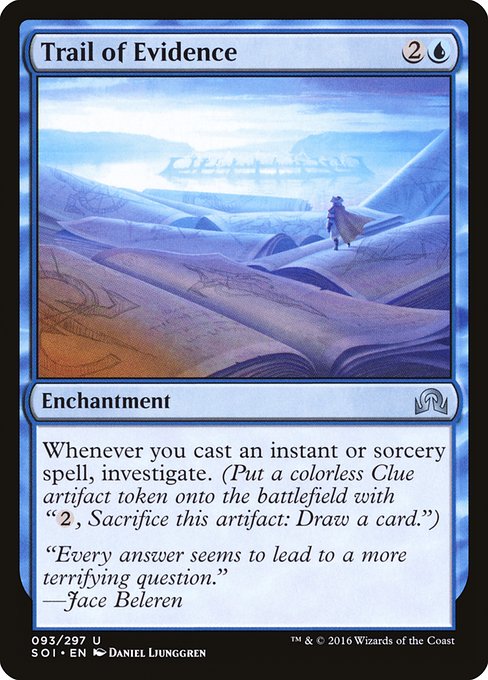
Archmage Emeritus adds another source of value by rewarding you for casting instants and sorceries. With so many spells in the deck, it can turn ordinary interaction into additional cards, allowing you to keep playing a long game without running out of options. Trail of Evidence can also provide incremental value as you cast instants and sorceries, creating Clues that can later be sacrificed for more cards.
The key is not to cast every draw spell as soon as possible. If you have a counterspell available and an opponent is approaching a dangerous turn, keeping your mana open may be more valuable than drawing a few extra cards during your own main phase. When the table is relatively safe, you can use that same mana to dig for lands or refill your hand.
This is what makes the deck’s control plan work. It isn’t trying to counter every spell or remove every creature. It wants to make the opponent’s most important plays fail while allowing less consequential spells to resolve. Over time, that selective interaction lets you preserve your resources while your opponents spend theirs.
Counterspells: Protecting the Plan
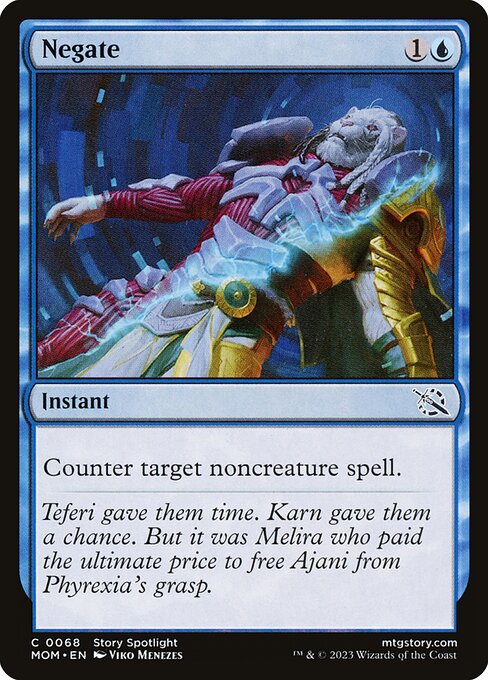
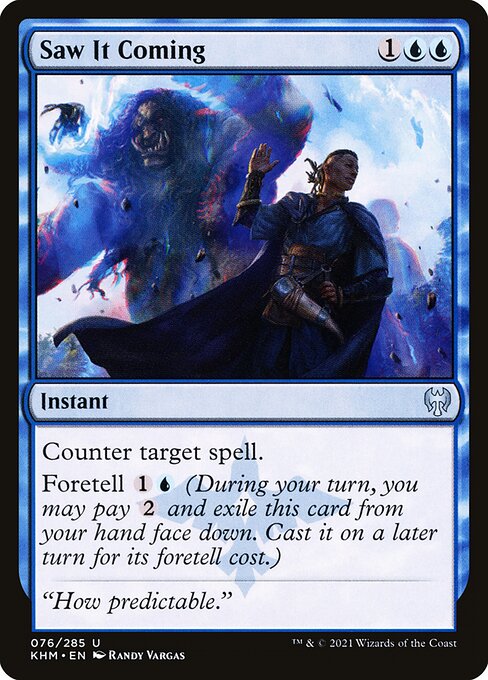
Removal handles the battlefield, but counterspells let you stop problems before they become permanent. The deck includes Countersquall, Dissipate, Forbid, Negate, Saw It Coming, Test of Talents, and Long River's Pull to give you several ways to respond to opposing spells.



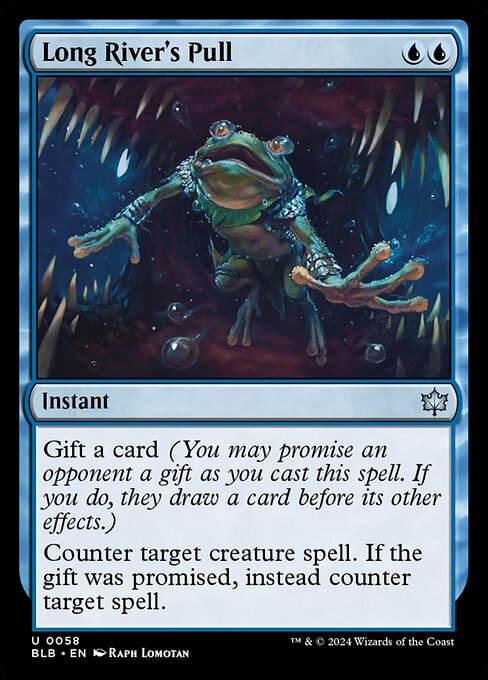
Counterspells also help cover weaknesses in the edict package. A creature that generates value immediately, a spell that would refill an opponent’s hand, or a board wipe that would destroy your Rats may deserve a counter even when you have removal available. You are not only protecting Vren; you are protecting the resources that make your control strategy effective.
Because the deck does not rely on a large number of mana rocks, it is especially important to budget your mana carefully. You won’t always be able to cast a draw spell and hold up a counterspell in the same turn. Instead, prioritize the threats that could fundamentally change the game, and allow opponents to resolve spells that don’t meaningfully threaten your plan.
Grave Betrayal: Another Way to Profit from Opposing Creatures
Grave Betrayal is one of the deck’s most expensive plays in terms of mana, but it provides a different kind of payoff from Vren. Whenever a creature an opponent controls dies, Grave Betrayal can return it to the battlefield under your control at the beginning of the next end step, with a +1/+1 counter.

Unlike Vren, Grave Betrayal rewards creatures actually dying rather than being exiled through a replacement effect. That distinction is important enough to influence how you sequence your plays. If Vren is on the battlefield, opposing creatures that would die are exiled instead, so Grave Betrayal will not return those creatures. You should treat the two cards as alternatives of one another rather than expecting both to trigger from the same creature.
Even so, Grave Betrayal can take over games when Vren is absent. Your edicts and removal spells remain useful.
There is a trade-off, of course. Grave Betrayal costs seven mana, and it does not immediately remove anything from the battlefield. You must survive long enough for its effect to matter. That makes it a card to deploy when you have stabilized the board.
Winning the Game
The primary way this deck wins is by turning the creatures it removes into an increasingly large Rat army. Vren rewards you for interacting with opponents, so the transition from control to offense happens naturally. Early in the game, you focus on making land drops, drawing cards, and removing threats that could overwhelm you. Once Vren is active, those same removal spells begin building your board.
The Rats can become enormous surprisingly quickly. Because each Rat gets +1/+1 for every other Rat you control, even a small number of tokens creates a meaningful clock. If you remove several creatures across a turn cycle, Vren can produce multiple Rats at the next end step. As the army grows, the size of every Rat increases, allowing you to threaten large chunks of life total without dedicating many cards to combat.
You should still avoid attacking recklessly. Opponents may have blockers, instant-speed removal, or a board wipe that punishes an overcommitment. Since the deck’s tokens are both its main offensive force and a source of future pressure, preserving them can be more valuable than dealing a little extra damage. Sometimes the correct play is to keep the army back while you continue controlling the table.
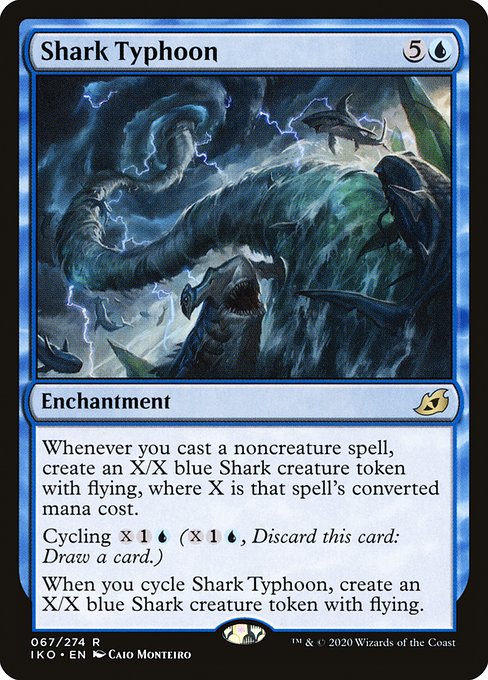
Shark Typhoon provides another threat that fits the deck’s instant-and-sorcery plan. It can generate flying Shark tokens as you cast noncreature spells, and it can also be cycled to create a Shark based on the mana spent. They offer an alternate way to pressure opponents in the air while you continue casting interaction.
The most important part of closing a game is recognizing when you have shifted from defense to offense. Control decks can sometimes spend too long answering everything, even after they have gained a substantial advantage. Once your Rats are large enough to end the game in a few attacks, you should begin forcing opponents to respond to you. Your removal and counterspells are still important, but they now protect your winning position instead of simply keeping you alive.
Closing Thoughts
This Vren deck demonstrates that a control deck does not need an expensive mana base or a collection of premium staples to have a coherent plan. Its approximately $40 budget is built around a simple principle: use affordable interaction to keep opponents’ creatures off the battlefield, then let Vren turn those answers into a growing army.
The list’s 43 lands and lack of mana rocks are intentional choices, not oversights. Rather than racing to deploy Vren as early as possible, the deck prioritizes having enough mana to interact consistently. Its edicts scale well in multiplayer, its counterspells protect against the most dangerous plays, and its card draw helps it keep finding answers over a long game.
It is also a deck that rewards careful decisions. You must choose which threats deserve removal, when to hold up mana, and when your Rat army is ready to start attacking. Vren provides an enormous payoff, but the control package is what allows him to thrive. Without that interaction, the deck is simply hoping to build a board; with it, every opposing creature can become another step toward victory.
For players who enjoy Dimir’s patient, reactive style, this is an appealing way to build around Vren, the Relentless without turning the deck into an expensive Rat-tribal list. It offers a focused game plan, meaningful decisions throughout the game, and a satisfying payoff for doing what blue and black already do best: deciding which threats are allowed to remain, and making sure that every answer brings you closer to winning.
Check out the decklist here:
Commander
Creatures (7)
Instants (28)
Sorceries (17)
Artifacts (1)
Enchantments (5)
Lands (42)
100 Cards
$67.7
And if you’re interested in more budget decks, please check out these 2 articles: Budget Azorius: Powerful Decks That Won’t Break the Bank ; Budget Grixis: A Darkly Powerful Combo