






At the center of this deck is Jace, Multiverse Architect, a new planeswalker card from Reality Fracture that can serve as a commander. His +1 provides card selection, while his −3 exchanges one of your creatures or planeswalkers for a creature or planeswalker found in your library. That ability gives the deck a way to turn modest resources into much larger threats, while his passive ability makes opponents pay mana if they want their creatures to attack your planeswalkers.
This is a strategy built around making the most of every permanent, whether that means using a token to find a major threat, using a planeswalker’s abilities to gain incremental advantages, or forcing opponents to spend their turns answering something new. The result is a deck that can approach the same game from several directions while keeping Jace’s ability at the heart of its plan.
Turning One Permanent into Another
Jace, Multiverse Architect costs five mana and enters with four loyalty. At the beginning of combat on each opponent’s turn, that opponent may pay two mana. If they don’t, their creatures cannot attack your Jaces that turn. His +1 draws two cards, then puts a card from your hand on the bottom of your library. His −3 exiles another target creature or planeswalker you control, then reveals cards from the top of your library until it finds a creature or planeswalker card, which enters the battlefield. The remaining revealed cards go to the bottom of your library in a random order.
These abilities give Jace two jobs. The first is to help you find the cards you need. The second is to transform an existing permanent into a more powerful one. The +1 is particularly useful to filter your draws; if you need a land you get a bigger chance to get to it, and it also doubles in value if you ever draw a threat that would be more useful in your deck to cheat into play later. Because the card goes to the bottom rather than the graveyard, this ability also lets you cycle away a card you don’t need without losing it permanently.
The −3 is where the deck becomes more unusual. Unlike a traditional planeswalker that primarily generates value by creating tokens or removing opposing permanents, Jace can exchange a creature or planeswalker you control for a new creature or planeswalker from your library. The ability is therefore strongest when the permanent you sacrifice is inexpensive, or expendable (like a creature token), or is no longer contributing much to your position.
This is why the deck includes so many token makers, and planeswalkers that can create creatures. A token that has already served its purpose can become an opportunity to find a powerful creature. A planeswalker that has used its most important ability can potentially become another planeswalker or creature. Even a more substantial permanent can be worth exchanging if the next threat is likely to swing the game in your favor.
Jace’s passive ability also creates an awkward choice for opponents who want to pressure your Jace planeswalkers. They must either spend mana that could have been used for other spells or redirect their combat damage elsewhere.
The only limitation is that Jace’s −3 doesn’t guarantee a specific card. It finds the first creature or planeswalker revealed, so the composition of your library matters. If you have already drawn many of your strongest creatures, the result may be less impressive. This deck benefits from keeping enough suitable targets in the library and choosing the right moment to activate Jace rather than treating every available −3 as an automatic upgrade.
Building a Board: Tokens with a Second Purpose
Token production gives the deck the material it needs to make Jace’s ability worthwhile. This list can create several bodies with a single spell or planeswalker activation. Those tokens can block attacks, pressure opponents, protect your planeswalkers, and eventually be exchanged for something much more threatening.
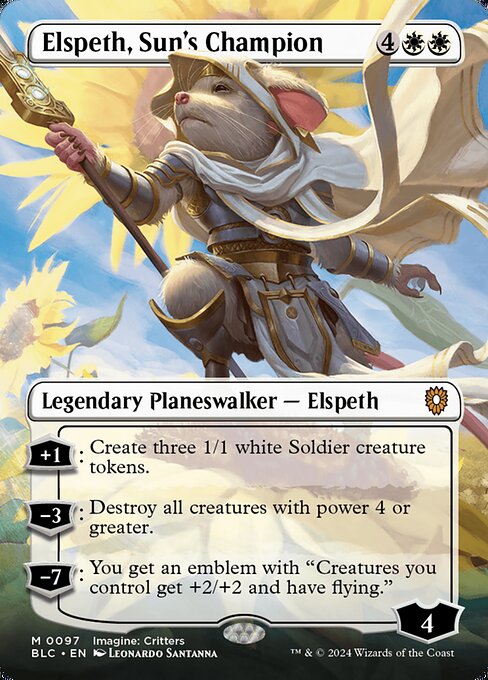
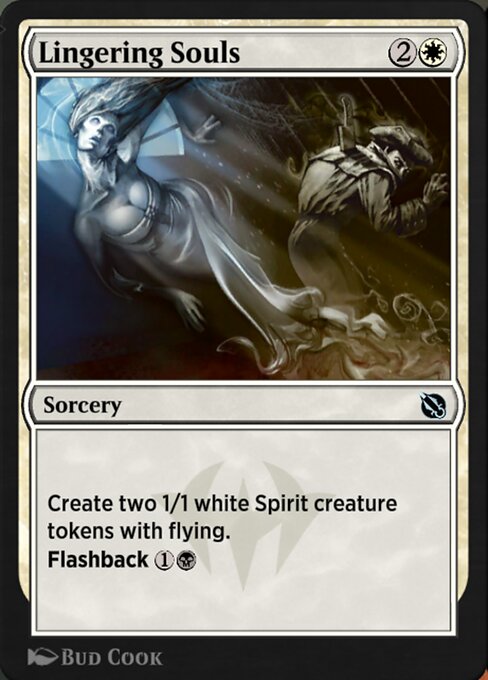
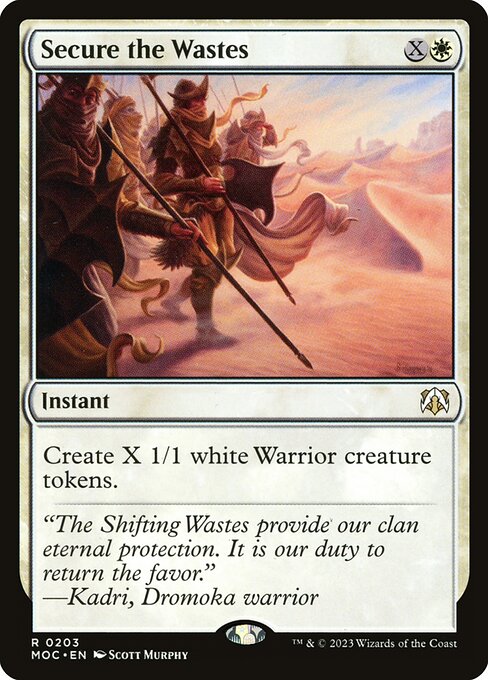
Elspeth, Sun's Champion is a natural fit for this plan. Her ability to create multiple Soldier tokens provides a defensive board while giving you several creatures to work with. Her other abilities can also help control the battlefield, making her useful even when the token production isn’t immediately needed. Lingering Souls, Secure the Wastes, and Grand Crescendo offer additional ways to establish a board. “Lingering Souls can create flying Spirit tokens and can be cast again from the graveyard through flashback. Secure the Wastes can produce a number of Warrior tokens based on the mana spent, making it useful at different points in the game. Early on, these spells can provide blockers; later, they can create several bodies at once, giving you more options for protecting your planeswalkers or setting up a major exchange.
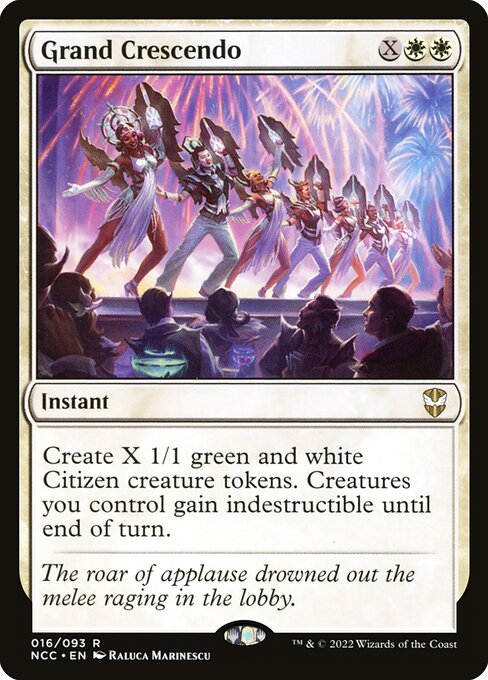
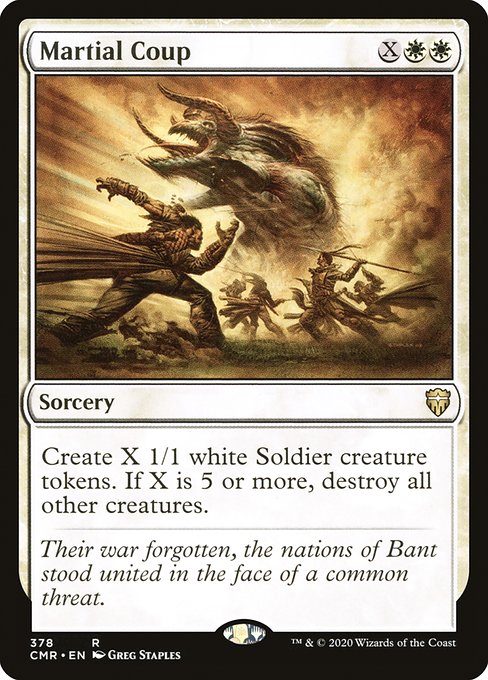
Martial Coup, White Sun's Twilight, and Forth Eorlingas! offer more ways to fill the board with expendable tokens, the first 2 also double up as a board wipe if enough mana is spent on them.


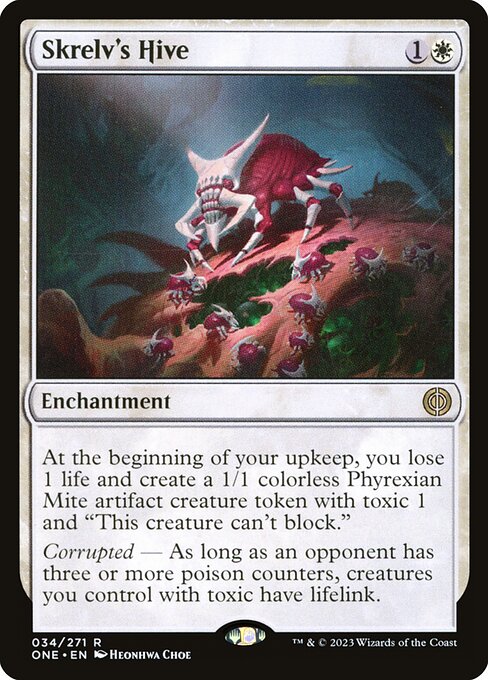
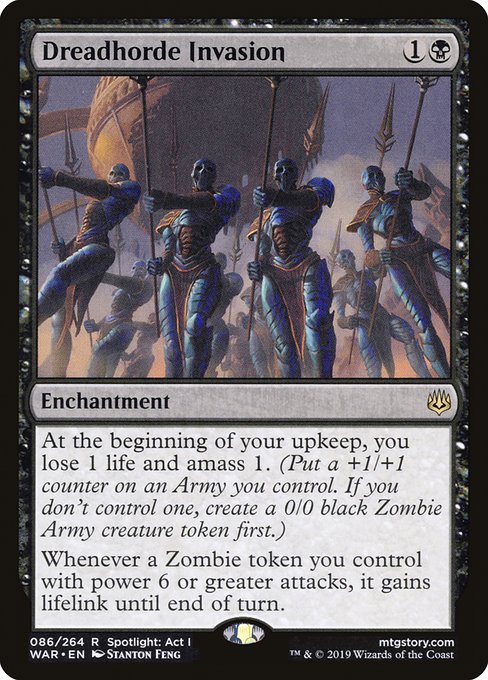
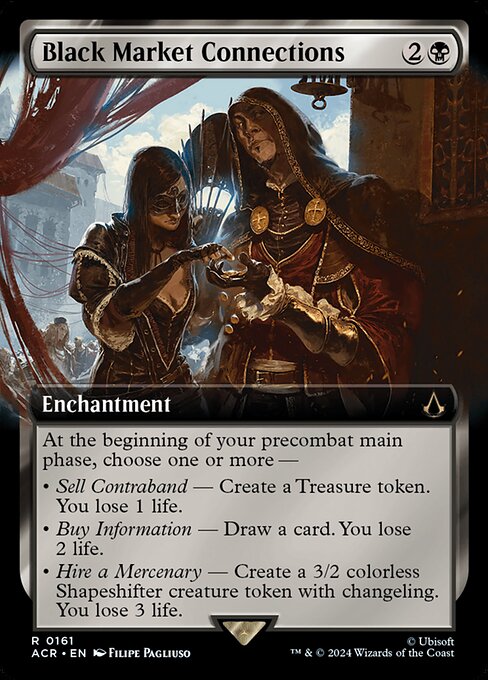
The deck also includes slower sources of tokens. Skrelv's Hive and Dreadhorde Invasion can produce tokens over time; Black Market Connections can do the same while also allowing you to draw extra cards or creature treasures to boost your turns, while Kher Keep provides a more humble way to create tokens.
These cards are not merely a way to fill the battlefield. They give the deck choices. A token can block an attacker and disappear in combat, or it can be kept back for Jace’s ability. You can spend a turn creating several creatures to protect your walkers, or hold them until you have an opportunity to use a larger exchange effect. Because so many of the deck’s payoffs care about creatures being available, token production lets you develop your position without having to expose your most valuable threats to every removal spell.
Polymorph Effects: Finding the Threat That Matters
Jace is not the only card that turns one creature into another. The deck includes Proteus Staff, Identity Echo, and Synthetic Destiny, each of which can convert creatures into new possibilities. Together, these cards make the deck’s token package much more threatening.


Proteus Staff gives you a repeatable way to exchange a creature for a new creature found in a library. Because it can be activated over multiple turns, it offers a different kind of flexibility from Jace’s loyalty ability. You can use it when the battlefield is stable, or wait until you have a creature that has already served its purpose. Its repeatable nature also encourages you to consider how many creatures you want to keep on the battlefield and which ones can be spared.
Identity Echo provides a similar effect through an enchantment. Its activated ability exiles a creature or planeswalker you control and reveals cards from the top of your library until a creature or planeswalker card is found, which then enters the battlefield. The remaining revealed cards go to the bottom in a random order, and the ability can only be activated as a sorcery. Because it can target a planeswalker as well as a creature, Identity Echo gives you another way to turn an older permanent into a fresh threat.
The distinction between these effects matters when planning your turns. Jace’s ability costs loyalty, while Identity Echo and Proteus Staff require mana and a sorcery-speed activation. They all reward you for having expendable creatures, but they don’t need to be used at the same time. Often, it’s better to hold one exchange effect until you can make the most of it instead of spending every resource immediately.
Synthetic Destiny takes the idea further by exiling all of your creatures and then finding that many creature cards from your library. This can turn a board of small tokens into a much more imposing collection of creatures.
The deck’s strongest targets make these effects appealing. Archon of Cruelty can generate value when it enters and attacks, putting pressure on an opponent’s life total, hand, and battlefield. Archfiend of Despair makes life loss much more punishing and can turn a modest amount of damage into a lethal threat. Avacyn, Angel of Horror offers an 8/8 flying creature with deathtouch and an ability that can return nontoken creatures you control when they die. Meanwhile, Emrakul, the Exigent Doom is a huge flying threat with trample and a punishing ward cost, and casting it untaps your lands.
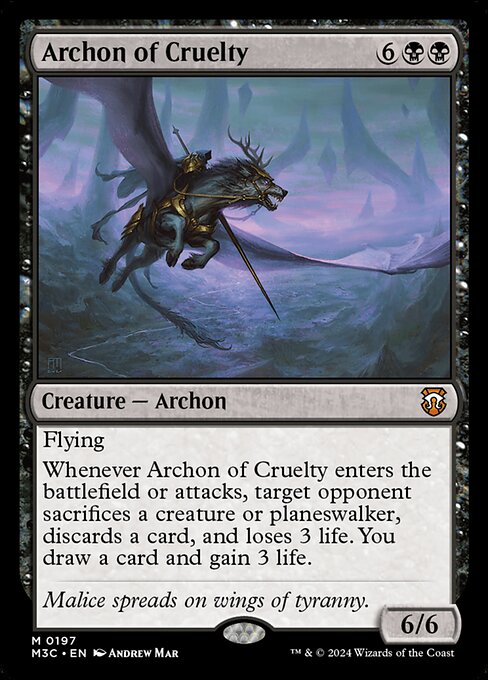


These are the sorts of creatures you want to find when the opportunity presents itself. They can be difficult to cast naturally, but the deck’s exchange effects allow you to bypass their mana costs. Still, this isn’t a guarantee that every activation produces the best possible creature. The order of your library, the creatures already drawn, and the board state all influence the result. A good pilot will consider whether to use an exchange effect now or wait until the library and battlefield are better positioned.
The Planeswalker Package: Several Paths to Advantage
Although Jace is the commander, the deck contains enough planeswalkers to make them a major part of its identity. They don’t all serve the same purpose. Some produce creatures, others help control the battlefield, and some offer powerful abilities that become more attractive when you can protect them behind a wall of tokens.
Aminatou, the Fateshifter provides a way to manipulate the top of your library and blink permanents, creating opportunities to reuse enter-the-battlefield abilities or adjust the position of cards you know are coming. Her presence also reinforces the deck’s emphasis on using permanents in multiple ways rather than treating every card as a one-time effect.

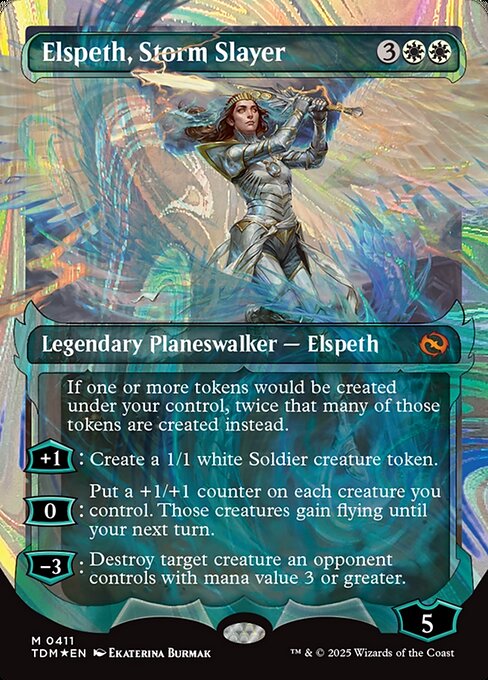
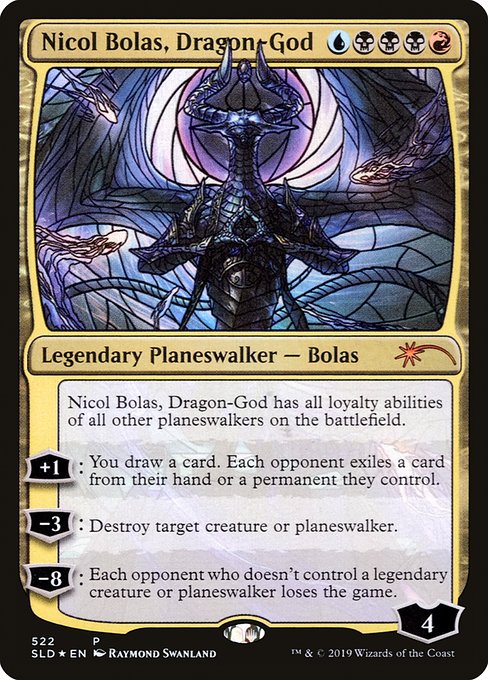
Elspeth, Storm Slayer and Elspeth, Sun's Champion give the deck additional planeswalkers that can influence the board through creature production and other abilities. Alongside them, Nicol Bolas, Dragon-God and Nicol Bolas, God-Pharaoh offer powerful late-game options. Their different designs give the deck ways to generate advantage and pressure opponents without relying solely on its creature exchanges.

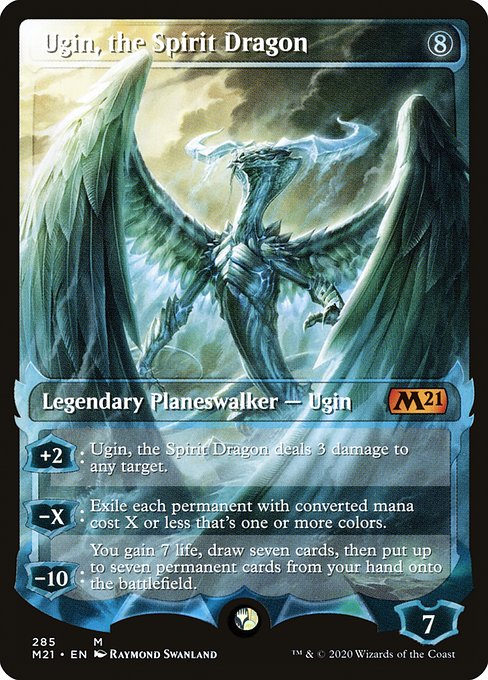
Ugin, the Spirit Dragon is another major payoff. His abilities can remove colored permanents, deal damage across the battlefield, or eventually provide a powerful source of recurring value. He can be particularly useful when the game has developed beyond what your ordinary removal can comfortably handle. Since this deck can create tokens and protect planeswalkers, it has ways to help Ugin survive long enough to matter.
The list also includes Ajani Unrelenting, which adds another planeswalker with its own set of options for interacting with creatures and building advantage. The Theorist, Jace Beleren brings a different kind of pressure: he can draw you cards during opponents’ turns, create Illusion tokens, return opposing artifacts or creatures to their owners’ hands, and eventually turn a large hand into a stronger creature board. The extra token production is particularly relevant because it gives the deck another source of expendable creatures.


Not every planeswalker has to remain on the battlefield until its ultimate ability becomes available. In this deck, a walker can use an important ability, absorb an opponent’s attack, and later become a target for Jace’s −3 or Identity Echo. That doesn’t mean you should exchange every planeswalker at the first opportunity; their ongoing value can be significant. Instead, the deck gives you the option to decide whether a particular walker is more useful in its current form or as the route to another threat.
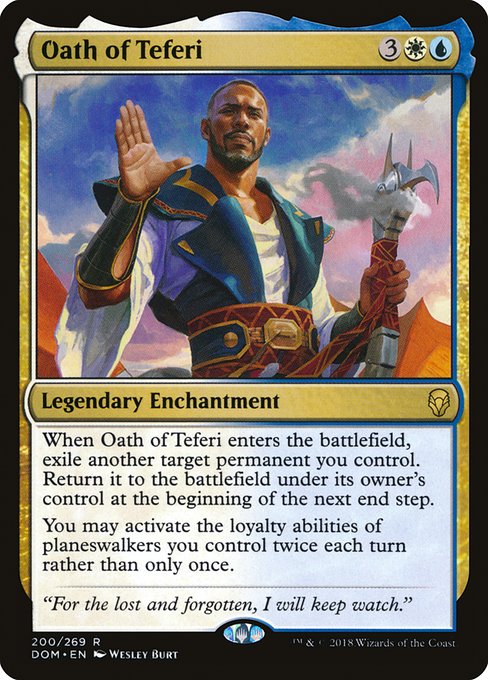
Oath of Teferi supports this broader planeswalker strategy by allowing you to activate loyalty abilities of planeswalkers you control twice during each of your turns rather than only once. It also has a blink ability for your permanents when it enters. This gives the deck additional flexibility when several planeswalkers are on the battlefield, especially when you want to generate more tokens, use removal abilities, or build toward a more decisive turn.
The result is a planeswalker package that can develop in several directions. You can create tokens and protect your board, control opposing creatures and permanents, or focus on generating card advantage until you find the next major threat. That variety helps the deck avoid depending entirely on Jace’s −3, even though the commander’s exchange ability remains central to its plan.
Support and Setup: Making Four Colors Work
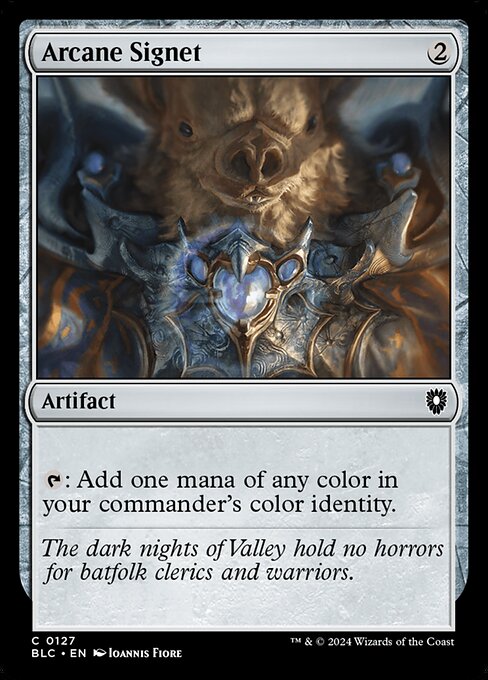
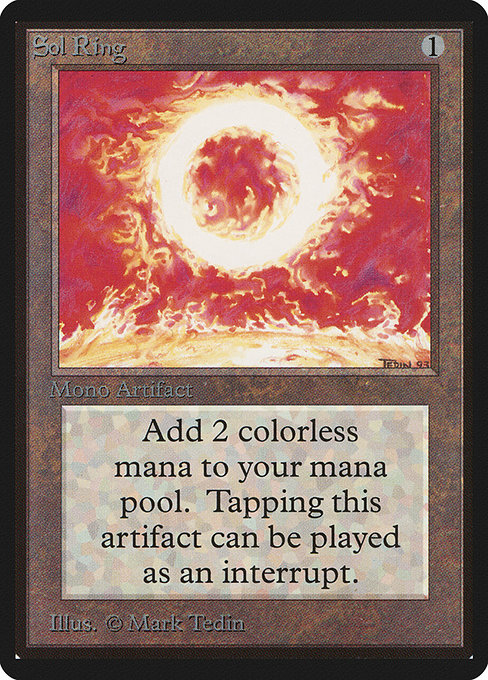
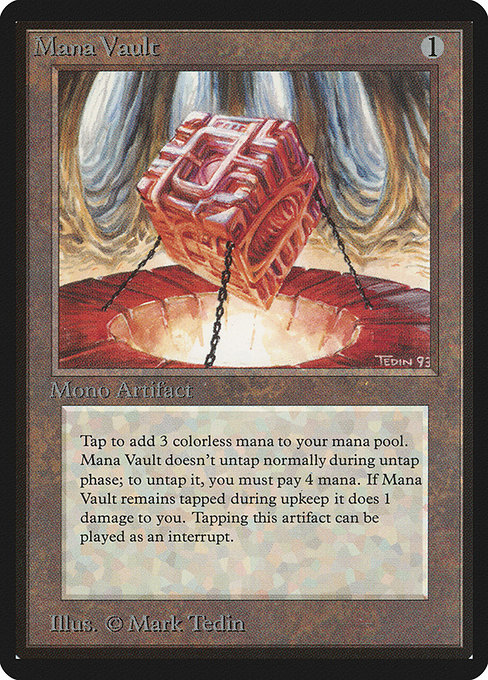
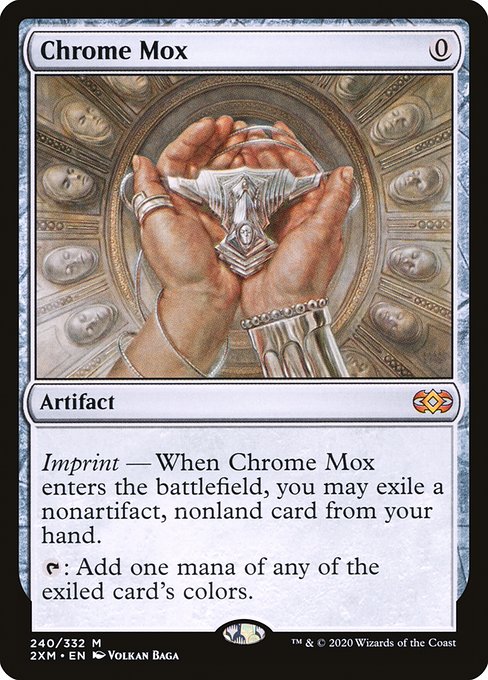
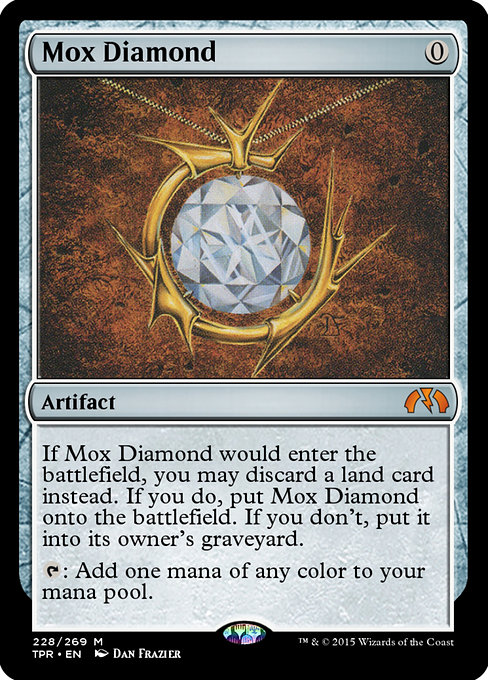
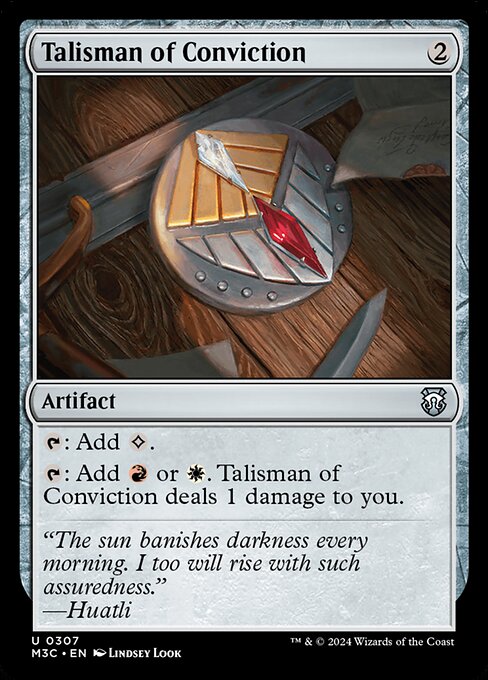
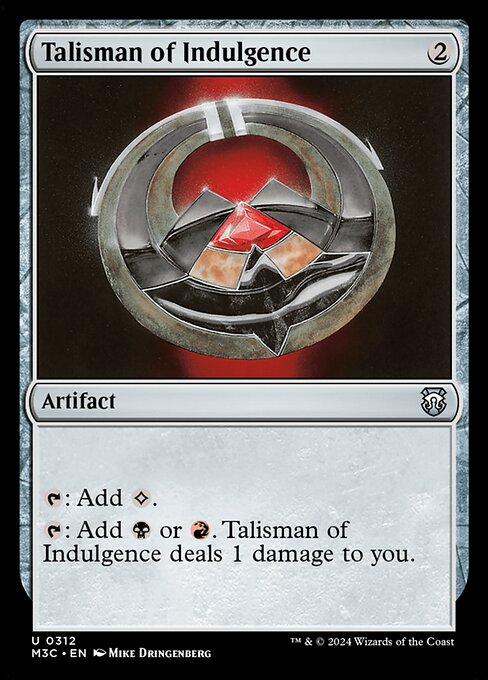
A deck with four colors and several expensive threats needs a reliable mana base. This list includes Arcane Signet, Sol Ring, Mana Vault, Chrome Mox, and Mox Diamond to accelerate its development. The six talismans: Talisman of Conviction, Talisman of Creativity, Talisman of Dominance, Talisman of Hierarchy, Talisman of Indulgence, and Talisman of Progress help provide the colors needed to cast the deck’s spells.



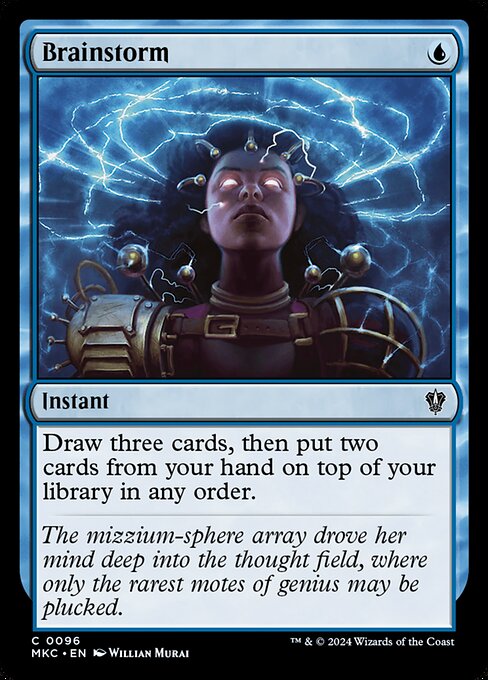
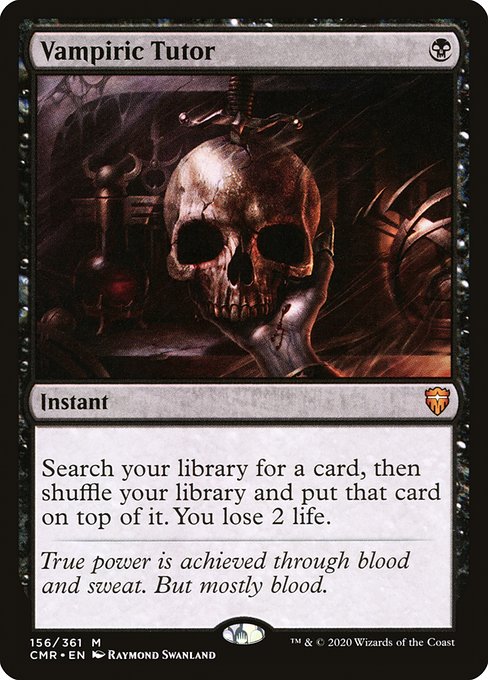
Card selection and tutoring make the strategy more consistent. Brainstorm and Brainsurge help adjust the cards in hand, while Demonic Tutor and Vampiric Tutor can find an important piece when the situation calls for it. The tutors don’t have to find the same card every game: sometimes the best choice is an exchange effect, sometimes a token maker, and sometimes a defensive spell that lets you survive another turn.


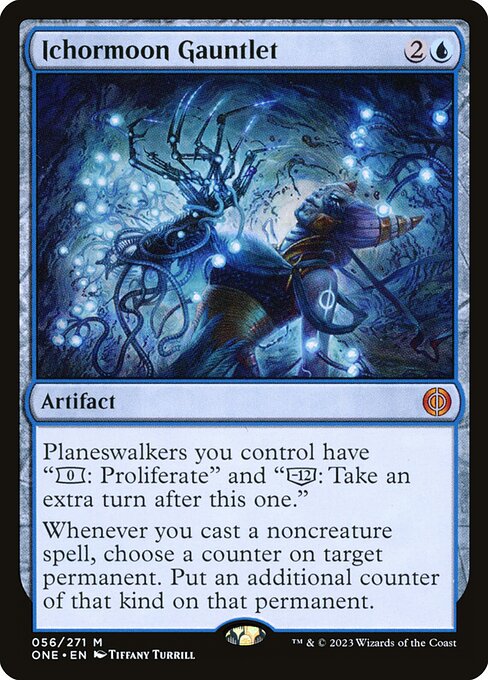
Ichormoon Gauntlet adds another layer to the planeswalker plan. Its proliferate ability can increase loyalty counters, while its other ability gives planeswalkers an additional way to use their loyalty. In a deck with many walkers, this can create more flexibility and help you reach important loyalty thresholds. It also rewards you for developing several planeswalkers rather than focusing all your attention on one.
Interaction and Protection: Keeping the Important Pieces Alive
A deck that invests in planeswalkers and expensive threats needs ways to stop opponents from disrupting its plan. This list includes counterspells, removal, and protection that allow it to survive dangerous turns without committing every card to the battlefield.
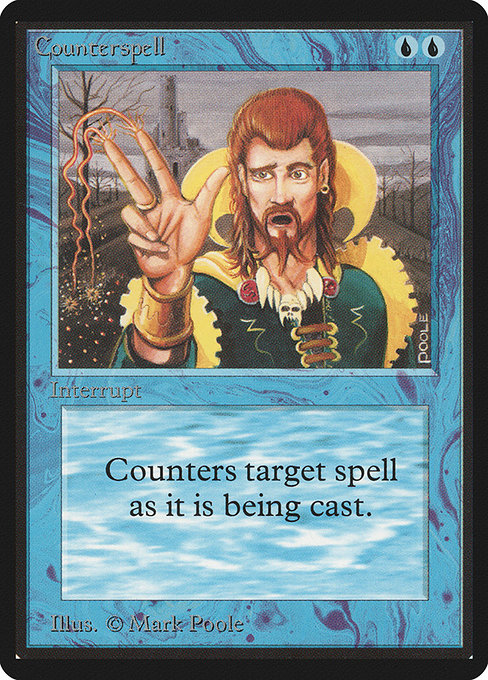
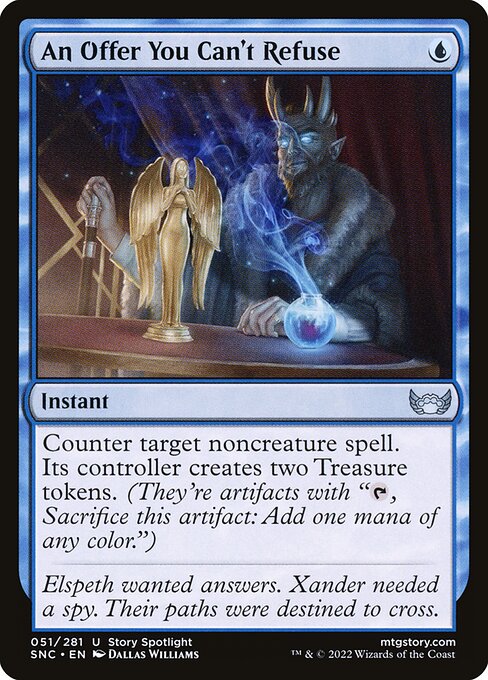
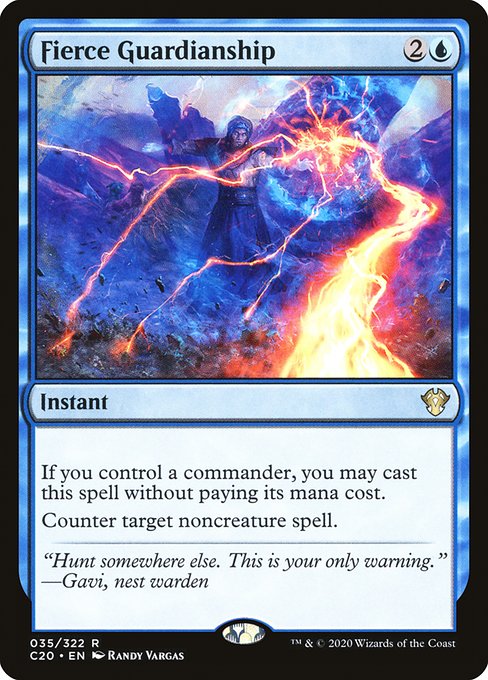
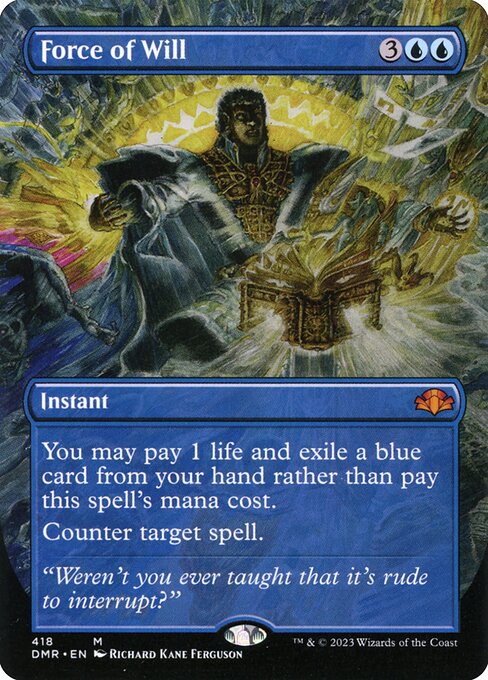
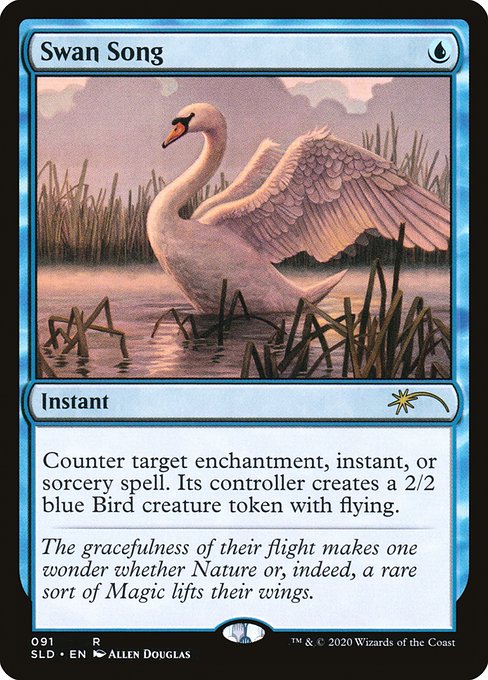
Counterspell, An Offer You Can't Refuse, Fierce Guardianship, Force of Will, and Swan Song provide different ways to stop important spells from resolving. They are especially useful when an opponent threatens to remove several of your planeswalkers, clear away a board of tokens, or establish a permanent that could overwhelm your position.
The deck’s removal package includes Despark, Swords to Plowshares, Stroke of Midnight, and Sunfall. These cards cover different kinds of threats, from individual creatures to larger permanents and crowded battlefields.

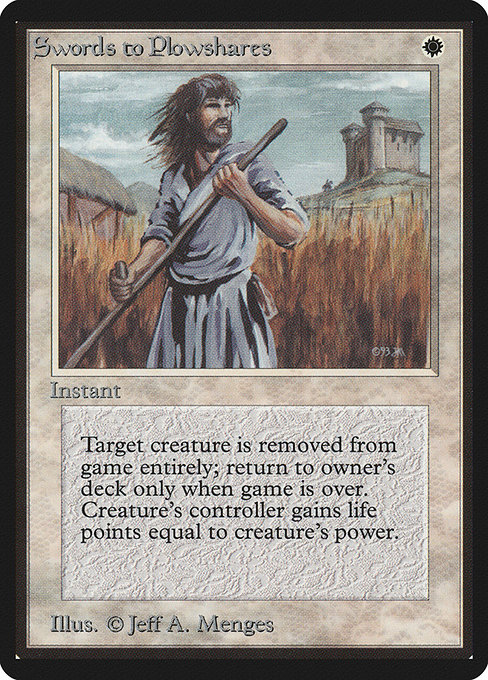
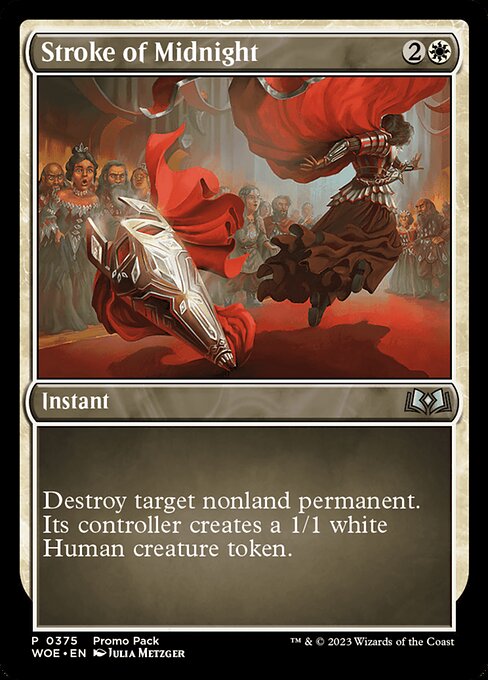
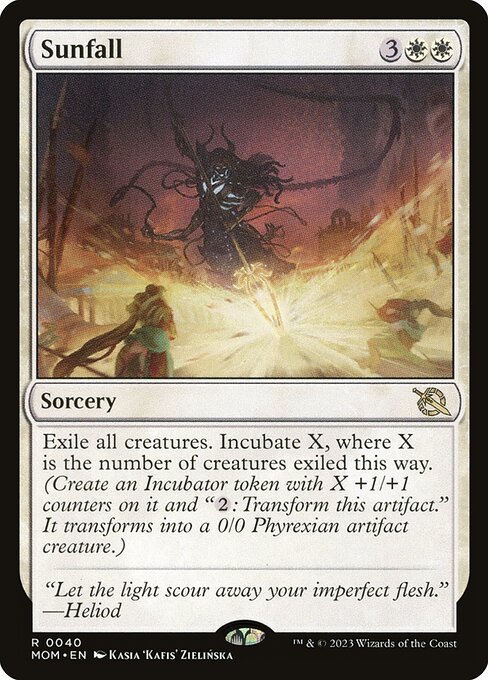
It is important to use these answers selectively. The deck has powerful cards, but its plan takes time to develop. Spending a counterspell on an unimportant threat may leave you unable to stop the board wipe that would destroy your token army. Likewise, using removal too early can leave a more dangerous creature unchecked later. The goal is to preserve enough interaction to protect the permanents that matter most, not to answer every spell opponents cast.
The deck can also use its own board to discourage attacks. Tokens can block for planeswalkers, Jace’s passive ability makes opponents choose whether to pay mana to attack walkers, and major creatures can force opponents to reconsider their combat plans. The defensive and offensive parts of the deck support each other: a token can protect a walker now and become a target for a creature exchange later.
Check out the decklist here:

Commander
Planeswalkers (9)
Creatures (12)
Instants (16)
Sorceries (6)
Artifacts (14)
Enchantments (6)
Lands (37)
100 Cards
$8477.16
Closing Thoughts
Jace, Multiverse Architect gives this deck a distinctive way to approach Commander. Rather than building a planeswalker deck that relies on one ultimate ability or a creature deck that simply casts increasingly large threats, it combines the two strategies. Tokens provide expendable resources, planeswalkers offer recurring value, and exchange effects turn smaller permanents into major threats without requiring their full mana costs.
The list also rewards thoughtful sequencing. The right time to use Jace’s −3 depends on what remains in the library and whether the creature or planeswalker you exchange is still useful. The right time to cast Synthetic Destiny depends on how many creatures you can spare and what you hope to find. The right planeswalker to deploy depends on whether you need more tokens, more cards, or a way to control the battlefield.
That flexibility is the deck’s greatest strength. Its games don’t have to follow a single script. One game may revolve around building a token army and turning it into powerful creatures; another may see several planeswalkers accumulate value while interaction keeps opponents from developing their boards. In both cases, Jace gives you a way to convert the resources you’ve accumulated into a new threat.
For players who enjoy planeswalkers, dramatic creature exchanges, and the feeling of turning a modest board into something far more dangerous, this is an exciting way to build around a new Reality Fracture commander. The deck asks you to think of every permanent as more than its printed role: a token can be protection, a planeswalker can be a stepping stone, and a single activation can completely change the shape of the battlefield.
If you liked this article, you might like these 2 other articles showcasing commanders from Reality Fracture: Vraska, Soul of Stone: Building an Army One Spell at a Time and Showcase: Ingris Stingerquill – Turning a Wide Table into an Assault