



Commander’s Premise
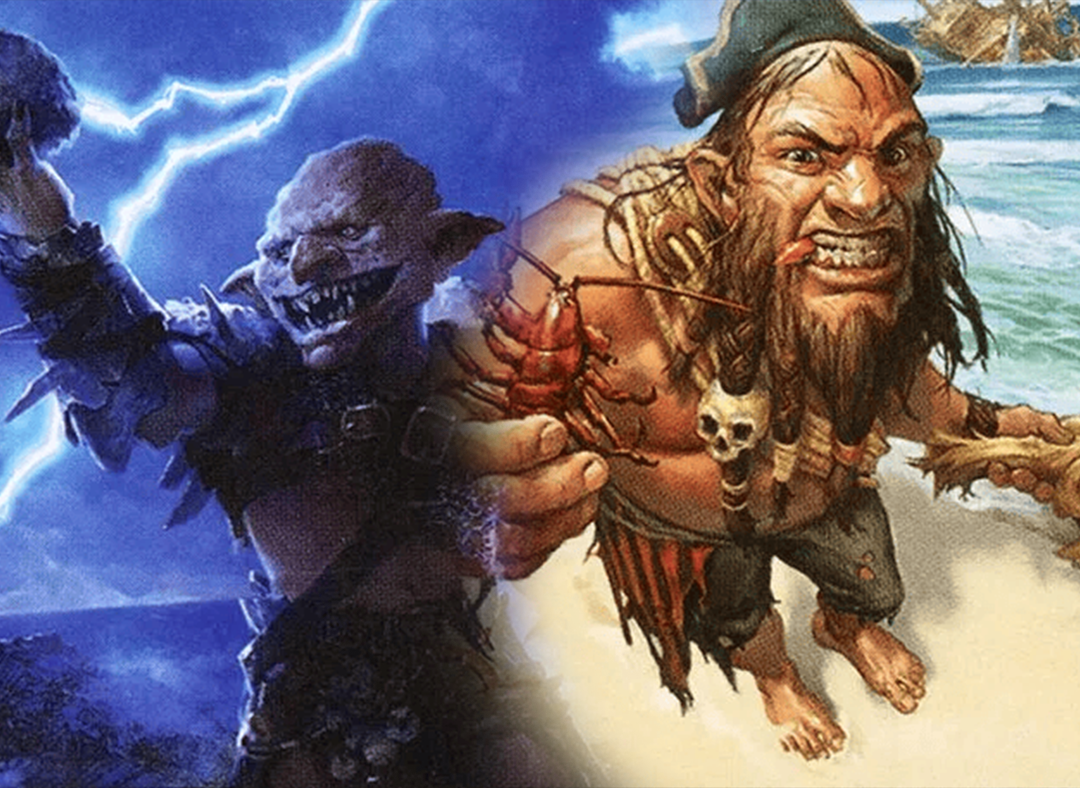
Mono-Red Goblin decks usually play the same way: drop a pile of small bodies, swing wide, and hope the table lacks a sweeper. It is fast, loud, and often fragile. This build keeps the swarm but gives it two jobs at once, pairing a giant finisher with an artificer who keeps the guns firing every turn.
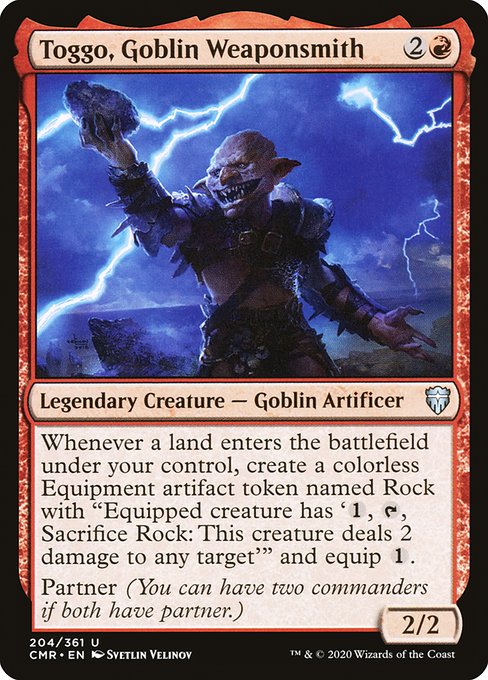
Toggo, Goblin Weaponsmith is a three-mana Goblin Artificer with landfall. Whenever a land enters under your control, you create a colorless Equipment token named Rock. The Rock lets the equipped creature pay one mana, tap, and sacrifice it to deal two damage to any target. Every land drop becomes a small cannon, and every cannon is also an artifact you can sacrifice later.
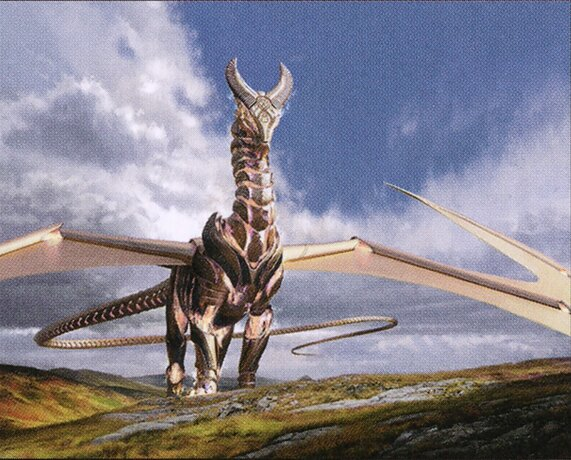
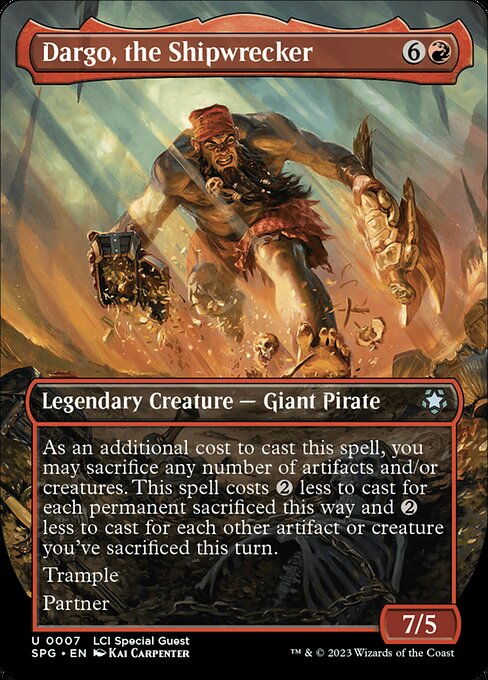
That is where Dargo, the Shipwrecker comes in. Dargo is a seven-mana Giant Pirate with trample and partner. As an additional cost, you may sacrifice any number of artifacts and creatures, and each one makes the spell cost two less. Each other artifact or creature you sacrificed earlier in the turn trims another two, so outlets and Rock activations count too.
Together, the pair solves the usual Goblin problem. Toggo supplies a steady stream of fodder and incremental damage, while Dargo converts a crowded board into one oversized trampling threat that often lands for a couple of mana. For a Bracket 2 deck with no Game Changers, the plan is clean and readable, and it rewards sequencing over raw speed.
How it Compares to Others?
Goblin Cannons of the Fallen Fleet is a Mono-Red Goblin sacrifice tokens deck. Set beside the archetypes in our reference articles, it lands in a revealing spot on the speed and value spectrum.
Consider cPDH Longshot: The Most FIREY cPDH Deck, which covers a Mono-Red spellslinger and burn combo archetype. The overlap is real: both are Mono-Red, both lean on cheap artifact mana to offset the color’s weak ramp, and both aim to finish opponents with direct damage rather than a long combat grind. The differences are in pacing and resilience. The spellslinger plan chains noncreature spells and can end a game in one explosive turn, but it depends on a narrow damage package. Our Goblin deck is slower and more physical, spreading its damage across bodies, Rock tokens, and a trampling finisher, so losing one piece rarely stops the plan.
Now look at Endless Cycle of Suffering: Taborax, Hope’s Demise Feeds on Every Funeral, a Mono-Black Bracket 2 aristocrats deck. The common ground is stronger here. Both archetypes deploy cheap creatures, treat them as sacrifice fodder, and thrive in the relaxed pacing of Bracket 2. Both also need a steady supply of bodies. The split comes from payoff and staying power. The aristocrats approach grinds with recursion, life gain, and drain, while the Goblin build trades durability for a more direct, aggressive route to damage.
Core Gameplay
Every turn follows the same loop: land, Rock, body, decision. Toggo turns each land drop into a free artifact, your cheap creatures widen the board, and the decision at the end of the turn is whether those pieces should deal damage, attack, or become discount fuel for Dargo. Resist the urge to spend everything the moment it appears.
Think of your permanents as having two lives. A Creature that can chump block, carry a Rock, or pay for a spell through a sacrifice outlet. The moment it is sacrificed before Dargo is cast, it also trims the giant’s price. Anything that would die anyway should go on your own terms, ideally in the same turn you cast your commander.
Keep a ledger of three numbers: how many permanents you control, how many lands remain in your hand, and how much mana you can float. Those figures tell you whether Dargo lands this turn or next. If the answer is “next,” build wider and hold back your burn.
Early Game
A strong opening hand holds two or three lands, one cheap mana piece, and at least one body that makes more bodies. Your commanders wait in the command zone, so the hand can focus on the support cast.
On turn one, Lotus Petal is a free artifact that sacrifices itself for one mana of any color. It accelerates your first real play and later counts as sacrifice material. Ornithopter is a free flying artifact creature, a cheap body and a Rock carrier. Beside it, Phyrexian Walker is another free artifact creature that does nothing except exist, which is exactly the point.
Turn two is where Mogg War Marshal shines. This two-mana Goblin Warrior makes a 1/1 token when it enters and another when it dies, and you can let it die to its echo cost rather than pay. You net two Goblins from one card, and the death doubles as a sacrifice event. Pair it with Springleaf Drum, a one-mana artifact that taps an untapped creature for one mana of any color, and idle tokens become real acceleration.
Then comes turn three: cast Toggo before your land drop whenever possible. If you play the land first, you miss the trigger. Every land after that creates a Rock, so even a quiet turn leaves behind a new artifact and a threat of two damage to any target.
Hold your Rocks early. Equipping costs one mana and firing costs another, so pinging is a tempo decision. Use the first few to remove a small utility creature, then save the rest as Dargo fodder.
Mid Game
By turns four and five, the goal is to turn a modest board into a wide one. Spend your mana on token producers and let Toggo keep the artifact count climbing.
Goblin Matron is a three-mana Goblin that searches your library for another Goblin card when it enters, giving you a flexible tutor for whatever the board is missing. On the other hand Skirk Prospector, a one-mana Goblin that sacrifices a Goblin to add one red mana, so a token that was about to be removed pays for your next spell.
Hordeling Outburst is a three-mana sorcery that creates three 1/1 Goblin tokens, an ideal turn-four play when you want to jump to a genuine swarm. Following it with Kuldotha Rebirth is even better. For one mana, plus sacrificing an artifact, you get three more Goblins. A spent Rock or a used Lotus Petal makes a perfect cost.
Firebrand Archer deals one damage to each opponent whenever you cast a noncreature spell. This list is full of cheap artifacts, burn, and sorceries, so the Archer pings steadily before you ever attack. Cast it before your artifact turns, not after.
Watch for sweepers at this point. If an opponent holds up mana in a red-hostile pod, hold a couple of tokens back. A sweeper that kills your board while you respond by sacrificing it to a cheaper commander is a win for you, not a loss.
End Game
The finishing turn starts with a count. Add up every artifact and creature you can sacrifice, then subtract two mana from Dargo’s price for each one. Sacrifices made before casting also reduce the cost through the second clause, so using a Rock or an outlet first can stack the discount further.
Often you can cast Dargo for one or two mana while keeping several creatures alive. Because it has trample, even a blocked attacker pushes damage through. With spare mana, Dragon Breath, a two-mana Aura that grants haste and a firebreathing pump, lets the Giant swing immediately. If the enchanted creature dies, the Aura can come back whenever a creature with mana value six or greater enters.
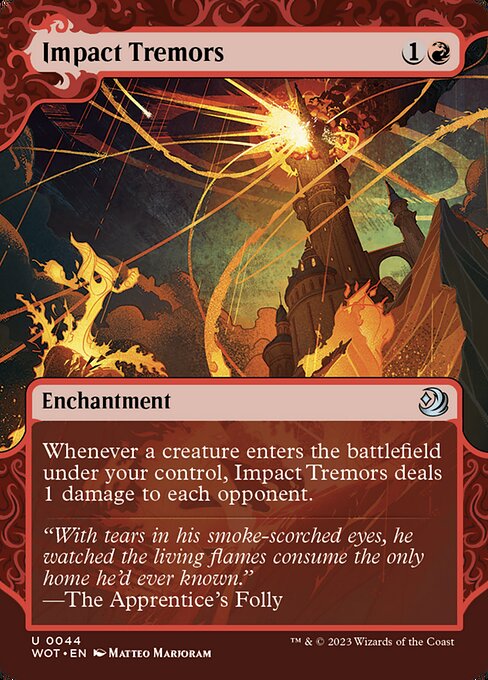
Impact Tremors is the second finisher. This two-mana enchantment deals one damage to each opponent whenever a creature enters under your control, so Hordeling Outburst becomes three damage across the table. Land it before your swarm turn rather than after.
For extra push, Brute Force is a one-mana instant that gives a creature +3/+3 until end of turn, enough to make a blocked trampler lethal. Wizard's Rockets is a mana artifact that can be sacrificed for a burst of mana, helping a last-minute Dargo. Lightning Bolt is a one-mana instant dealing three damage to any target, the cleanest way to cover the last few points of life.
A concrete finishing turn might run like this: play a land for a Rock, fire the Rock, sacrifice a token and a Lotus Petal, cast Dargo for almost nothing, attach Dragon Breath, and swing with trample while Impact Tremors waits for the next wave.
Power Analysis and Decklist
Goblin Cannons of the Fallen Fleet sits squarely in Bracket 2, and the table should read it that way. The deck carries zero Game Changers, no tutors beyond a single Goblin search, and no infinite loops. Games play out through combat damage, incidental pings, and one oversized finisher. The full list costs roughly $127.02, which keeps it approachable for a budget-minded pod.
Pacing is the main thing to communicate before the game begins. Expect a board that fills quickly with small bodies, a commander that arrives for very little mana, and a win that usually lands within a turn or two of that cast. Nothing here locks opponents out of the game.
The tradeoff is fragility against sweepers and spot removal aimed at Toggo. With no recursion, no life gain, and little card draw, a well-timed wrath can leave you rebuilding from a handful of Rocks. Holding a few creatures back softens that risk, but it never disappears.
Core cards by role: Dargo and Toggo lead the command zone. Mogg War Marshal, Goblin Matron, and Skirk Prospector provide the bodies. Hordeling Outburst and Kuldotha Rebirth widen the board, while Impact Tremors, Lightning Bolt, and Wizard's Rockets supply reach. The remaining slots are cheap mana artifacts, utility lands, and a few combat tricks.
Commander
Creatures (25)
Instants (15)
Sorceries (10)
Artifacts (19)
Lands (31)
102 Cards
$117.1
Deep Analysis
Intent summary: this deck exists to make a seven-mana Giant cost almost nothing, then punish a table that let the board get wide. Every card either creates a sacrificable permanent, turns one into value, or deals the last few points of damage.
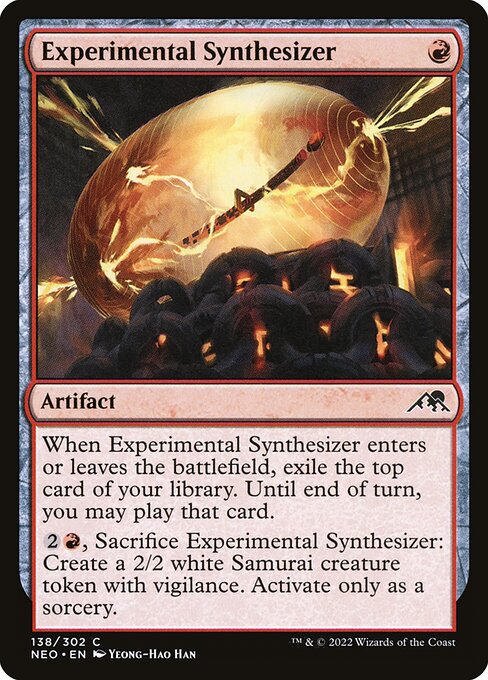
The central tension is how you spend your permanents. Each artifact or creature can chump block, ping, or feed the discount, and the strongest turns use all three roles in sequence. Experimental Synthesizer illustrates this well: it is a cheap artifact that replaces itself with value on the way in and out, smoothing draws while adding to the sacrifice count.
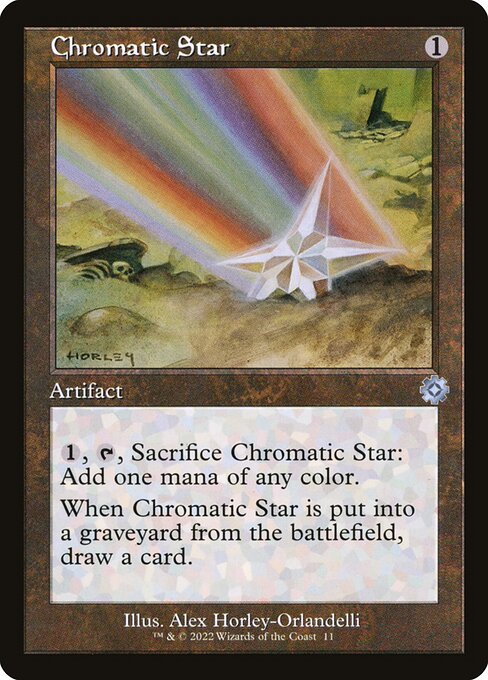
Mana is the other pressure point. Mono-Red has limited acceleration, so the list leans on one-shot sources like Lotus Petal and Chromatic Star, plus Everflowing Chalice when a slow turn leaves spare mana. They are not glamorous, but they let you double-spell on turn three or four, which is where the deck separates itself from a plain token pile.
Several cards reward patience over speed. Wrenn's Resolve gives a window to play exiled cards, so it is best cast when you still have a land drop waiting. Orcish Hellraiser pays off when it dies, which makes it an ideal early sacrifice target.
Consistency comes from redundancy rather than raw power. Several creatures ping on noncreature spells or on entering, so even a sluggish hand deals incremental damage while you set up. That slow bleed matters in Bracket 2, where life totals often stay high until someone commits to an attack.
Mulligan decisions are straightforward: keep hands with two lands, a cheap artifact, and a source of bodies. Be wary of hands full of tricks and no board, since Goblin Surprise and Brute Force only shine once creatures are in play. Dargo is a payoff, not a plan, so build the board first and count your sacrifices honestly.
Creatures
Creatures supply the bodies that fuel Dargo’s discount and the triggers that chip away at life totals. Nearly every one is cheap, expendable, and happy to die.
Token Makers and Sacrifice Fodder
These creatures turn mana into bodies and bodies into discounts. Several are artifacts, so they count twice over in this deck.
Goblin Chirurgeon costs one mana and lets you sacrifice a Goblin to regenerate a creature, giving you a cheap outlet that also protects your best attacker. Meanwhile, Clockwork Percussionist is a one-mana artifact creature with haste that exiles the top card of your library when it dies, so a chump block still leaves you something to play. Harried Spearguard is a hasty attacker that leaves a Rat behind when it dies, so it replaces itself as sacrifice material.


Damage and Value Payoffs
This group rewards you for casting spells, entering the battlefield, or losing creatures, spreading incidental damage across the table.
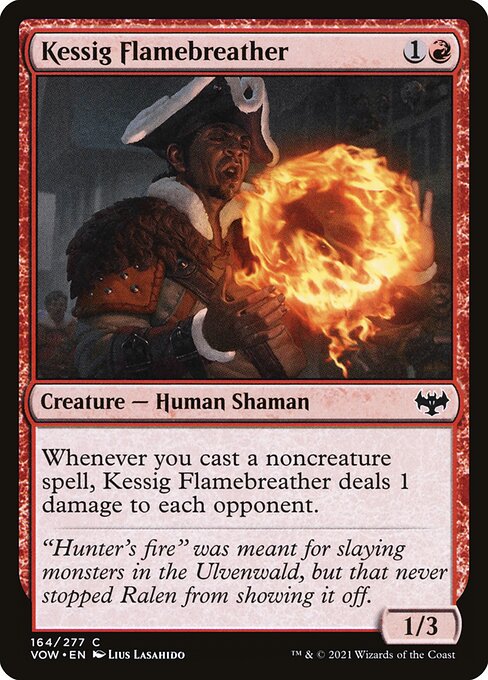
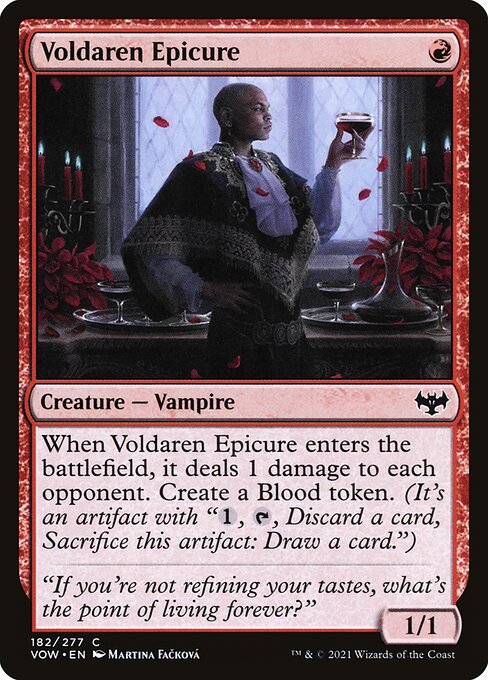
A two-mana Human Shaman, Kessig Flamebreather pings each opponent whenever you cast a noncreature spell, doubling the pressure alongside Firebrand Archer. At one mana, Voldaren Epicure deals one damage to each opponent on entering and creates a Blood token, handing you an extra artifact for the discount. Lastly, Orcish Hellraiser punishes opponents when it leaves the battlefield, turning a routine sacrifice into damage.

Instants
Instants give the deck flexibility on both sides of the turn, covering reach, protection, and surprise blockers. Keep a little mana open and they punish opponents who assume your board is all you have.
Combat Tricks and Tokens
Tricks matter most once your board is wide, since a single pump on a trampler can swing a combat.
Goblin Surprise is a three-mana instant that either gives your team +2/+0 or creates two Goblin tokens, a flexible choice between offense and fresh fodder. For one mana, Brute Force grants +3/+3 until end of turn.


Removal and Reach
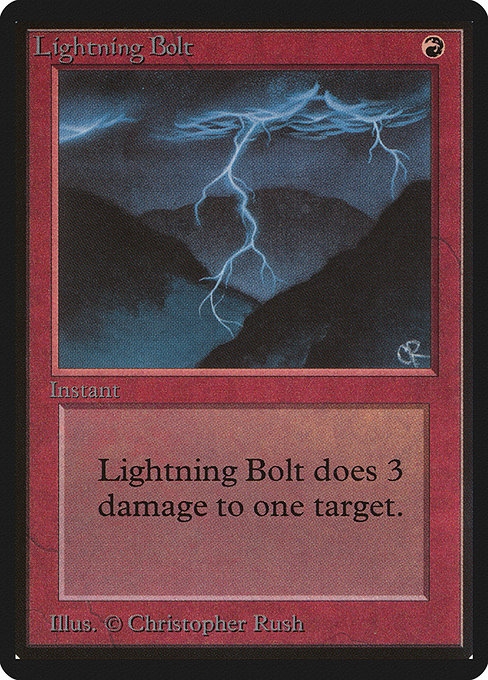
Burn handles problem creatures and finishes players who linger at low life. Costing one mana, Lightning Bolt deals three damage to any target, making it the cleanest way to remove a blocker or close out a game.
Sorceries
Sorceries are the deck’s board-building tools, trading instant-speed flexibility for raw volume. Played on your own turn, they turn a modest hand into a crowd of sacrifice material.
Token Generation
These spells convert mana, or a spare artifact, directly into Goblin bodies. They also trigger every enter-the-battlefield payoff already on the board.
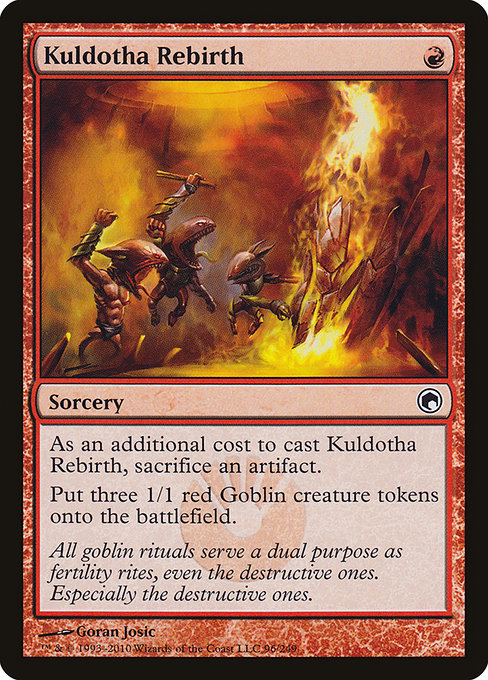
Hordeling Outburst creates three 1/1 red Goblin tokens for three mana, giving you instant width and a trio of discount pieces. Costing just one mana, Kuldotha Rebirth asks you to sacrifice an artifact as an additional cost, then hands back three Goblins, so a spent Rock or a Bone Saw becomes a small army.


Card Flow
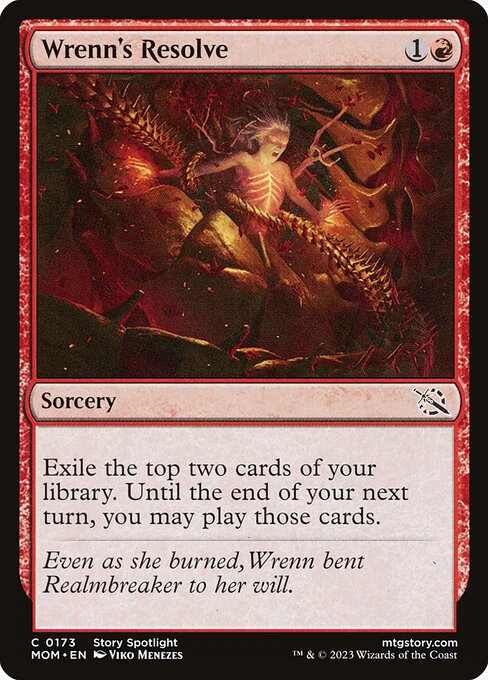
Red has few ways to accelerate, so a card-advantage spell can serve as fuel. A two-mana sorcery, Wrenn's Resolve exiles the top two cards of your library and lets you play them until the end of your next turn. Cast it while a land drop is still available, since a land found this way means another Rock.
Artifacts
Artifacts do double duty here, accelerating your mana while stocking the pile of permanents that Dargo can sacrifice. Most cost almost nothing, which keeps your turns open for bigger plays.
Ramp and Mana
Cheap mana sources let you double-spell early and recover from slow draws. Each one also counts as an artifact when the discount matters.
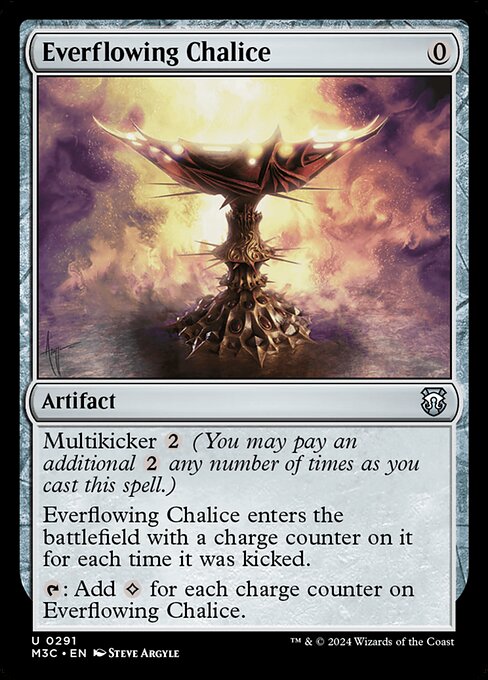
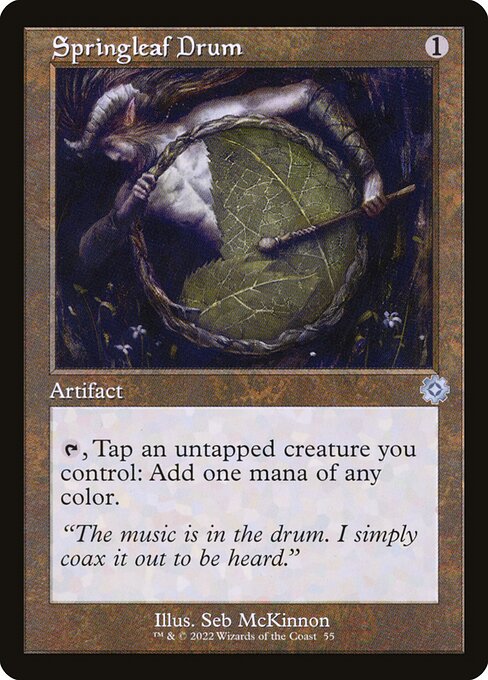
Everflowing Chalice scales with extra mana paid on casting, so it stays flexible from turn two onward. Springleaf Drum turns idle tokens into mana of any color. Chromatic Star costs one mana, sacrifices itself for a mana of any color after paying one more, and replaces itself with a card when it hits the graveyard. Wizard's Rockets gives a burst of mana when sacrificed.

Sacrifice Fodder and Utility
These pieces are modest on their own but ideal for feeding the discount. Experimental Synthesizer offers a replacement effect that turns into free value. As a free Equipment, Bone Saw gives a small push to a trampling attacker before it becomes sacrifice material itself.
Enchantments
Enchantments give the deck a permanent source of pressure that keeps working while the board does the heavy lifting. Both options turn the creatures you already plan to deploy into reach.
Damage Payoffs
This subcategory covers the card that converts every new body into life loss for the table. It is the quietest finisher in the list, and often the most underestimated.
Costing two mana, Impact Tremors deals one damage to each opponent whenever a creature enters under your control. Token makers like Mogg War Marshal and Hordeling Outburst turn it into a steady drain, and a single multi-token turn can take a real chunk out of every life total.
Aggression Support
Aggression support makes sure your finisher actually connects. A two-mana Aura, Dragon Breath grants haste to the enchanted creature and lets you pay red mana to pump its power. Attach it to a freshly cast Dargo and the Giant swings immediately with trample.

Lands
Lands do more than fix mana in this list, since every land drop is also a trigger for Toggo. Reliable land access matters twice over: once for casting spells, and once for producing Rocks.
Mana Fixing and Landfall Enablers
These cards thin the deck and add extra land entries, which means extra Rocks.
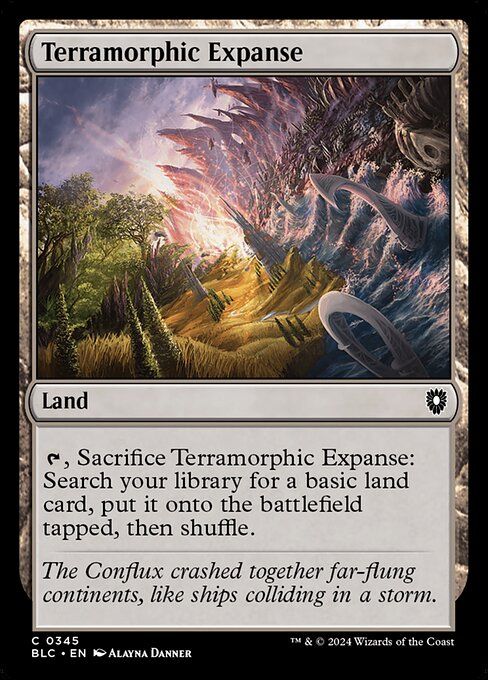
Ash Barrens taps for colorless mana or can be cycled away for one mana to fetch a basic land, so a late draw still becomes a landfall trigger. Terramorphic Expanse sacrifices itself to fetch a basic land onto the battlefield tapped, creating two Rocks from one card.

Red Utility Lands
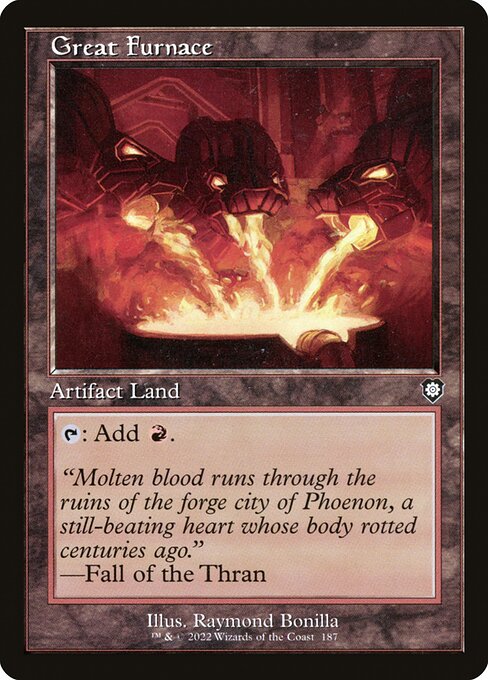
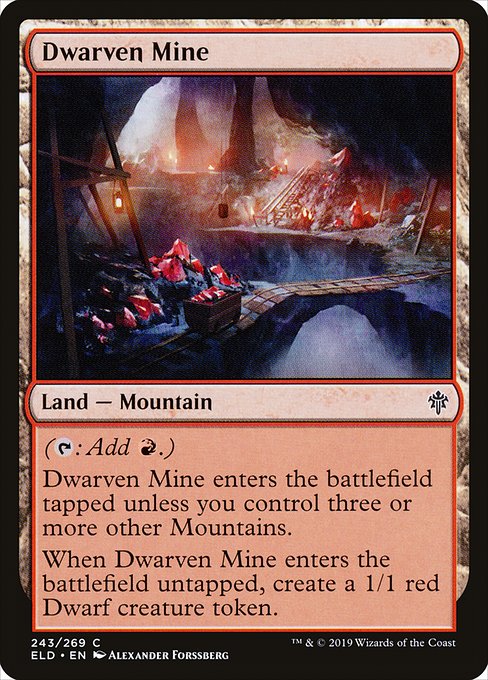
The remaining lands lean into the deck’s artifact and Mountain-heavy identity. As an artifact land, Great Furnace taps for red mana and doubles as sacrifice material for Dargo, a rare land that feeds the discount directly. Dwarven Mine enters tapped but creates a 1/1 Dwarf token if you control three or more other Mountains, adding a body, a Rock, and an Impact Tremors ping in one drop.
Closing Words
Dargo, the Shipwrecker and Toggo, Goblin Weaponsmith turn a familiar Goblin swarm into something with real teeth. One partner hands you a Rock with every land drop, while the other converts a crowded board into a trampling Giant for a sliver of its usual price. Patience and careful counting are the price of admission.
Your signature plays are easy to remember: a Hordeling Outburst into Impact Tremors for a swarm that drains everyone, a Kuldotha Rebirth that turns a spent Rock into three fresh bodies, and a nearly free Dargo swinging with Dragon Breath attached.
Load the cannons, feed the fleet, and sink the table.