



Commander’s Premise
Sliver tribal decks usually play like a snowball rolling downhill. Every creature you add makes the rest of the team better, and the table has to answer the whole board instead of a single threat. The trouble is that Slivers are cheap, fragile, and often slow to start, so the deck needs ways to turn a modest hand into a crowded battlefield before a sweeper arrives.
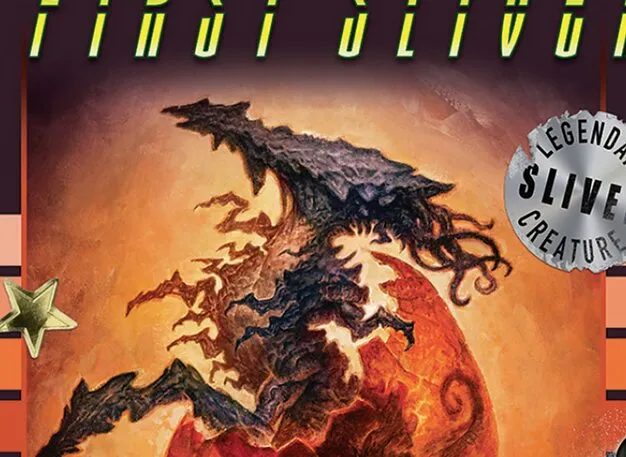
The First Sliver changes that equation by making each Sliver arrive with more friends. First, it has cascade itself, so casting it exiles cards from the top of your library until you reveal a nonland card that costs less, and you may cast that card for free. Second, it grants cascade to every Sliver spell you cast, which means each hive member you play can chain into another spell, and often another Sliver, before the first one even resolves.
It costs five mana and requires all five colors, which makes the mana base a real part of the story. That is why this list leans on Slivers that produce mana, a healthy pile of dual lands, and a few ramp spells to find every color on time. Once the commander lands, the deck stops spending one card per turn and starts spending one card for two or three.
That is the reason Dominaria’s First Hive Ascends is worth building. It rewards you for doing the thing a Sliver deck wants to do anyway, only faster and with far more resilience.
How it Compares to Others?
This deck is a five-color Sliver tribal swarm with cascade-driven value, and it shares ground with several archetypes covered on EDHMeta.
Compared with the archetype in The Unique Jodah, The Unifier Decks Variety Hour, the overlap is strong. Both rely on cascade to generate free spells, both demand reliable five-color fixing, and both treat a theme as the thing that separates a focused list from generic good stuff. The difference is in how they win. The Jodah archetype leans on controlling the game through static and triggered abilities, while this hive wins through combat damage from a wide board. It also shares the same mana vulnerability, since missing a color can strand the whole plan.
Next to Superfriends Assemble: All About Planeswalker Decks, the contrast is sharper. Superfriends plays defensively, protects a few powerful permanents, and stalls until ultimates arrive. A Sliver swarm does the opposite: it commits creatures early, applies pressure, and wins by overwhelming the table. Both lean on mana creatures and support pieces, but this deck is proactive where Superfriends is reactive.
Finally, WUBRG in 2026: The Five-Color Metagame Check-In describes the broader five-color landscape. This deck sits inside it as a tribal, creature-focused option, benefiting from the same accessible fixing lands and any-color mana that make five-color builds easier to assemble. Unlike the wider metagame overview, which spans many strategies, this archetype commits to a single, clear plan: cast Slivers, chain free spells, and swing wide.
Core Gameplay
The hive plays a simple game with a lot of moving parts: develop mana, land The First Sliver, and let every Sliver spell after it chain into more free spells. You are not racing to assemble a combo. You are building a board that grows faster than your opponents can remove it, while cheap lords and keyword-granting Slivers turn each new body into a bigger threat.
Mana is the first constraint. Five colors means that your opening turns should prioritize colored sources over raw power, so mulligan hands that hold only one or two colors and no way to find more. Keep hands with at least three lands, a mana-producing Sliver or ramp spell, and one cheap play that does something useful by turn three.
Cascade also introduces variance, and you should plan around it. Because the exiled cards must cost less than the spell that triggered them, your cheapest Slivers cascade into very little, while your five-mana Slivers can reach almost anything. Sequencing expensive Slivers after the board is stable gives you the best chance of hitting something meaningful.
Early Game
Your first goal is fixing and speed. Gemhide Sliver is the ideal turn-two play, since it gives every Sliver the ability to tap for any color of mana, which means each future creature also pays for itself. Pair it with Manaweft Sliver, a two-mana creature that grants the same ability only to Slivers you control, and your mana base starts to look much healthier than the lands alone would suggest.
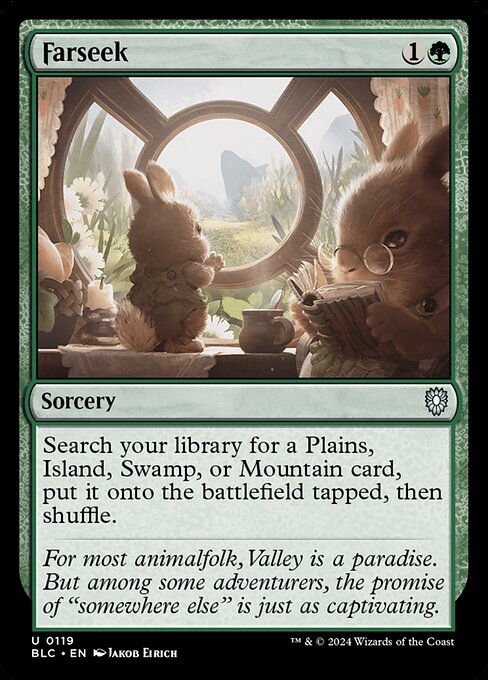
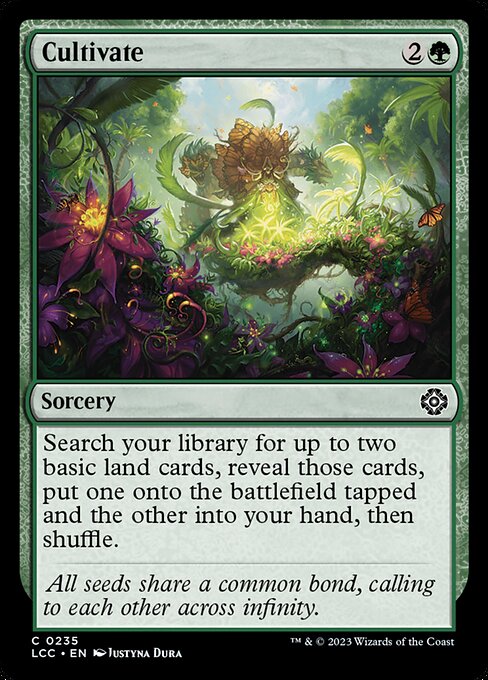
If you miss a Sliver on turn two, turn to the ramp spells. Farseek is a two-mana sorcery that fetches a Plains, Island, Swamp, or Mountain card and puts it onto the battlefield tapped, which is a clean way to fill in a missing color. Cultivate costs three mana and does even more, putting one basic land onto the battlefield and the other into your hand, so your next land drop is already guaranteed.
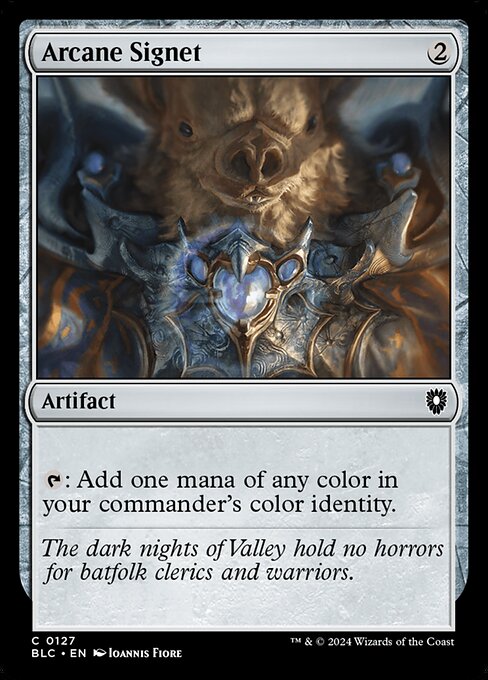
Cheap rocks and card flow help smooth out the rest. Arcane Signet costs two mana and taps for any color in your commander’s identity, which in this deck means all five. That makes it one of the best early plays you can make, because it fixes and accelerates in a single card.
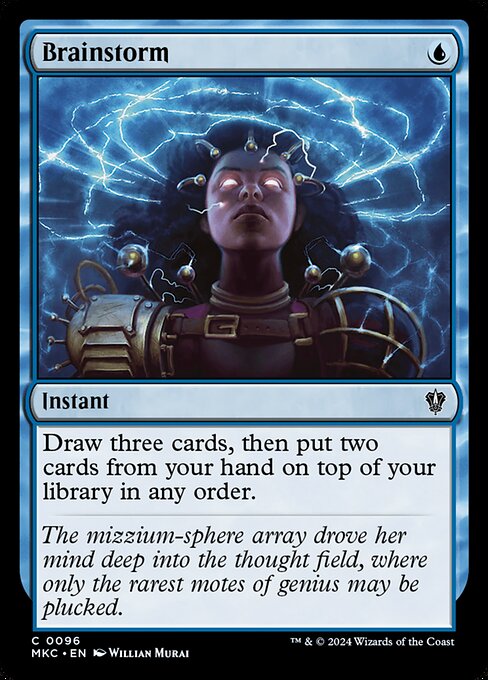
For card selection, Brainstorm is a one-mana instant that draws three cards and then puts two back. Cast it after a land drop or a fetch effect so that you can bury the extra cards and keep a more focused hand. Do not waste it on turn one without a plan.
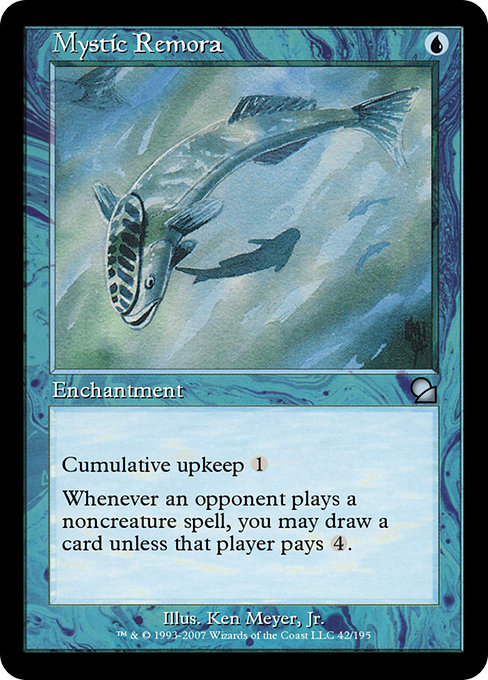
Mystic Remora deserves a more careful note. It costs one mana and draws cards whenever opponents cast noncreature spells without paying the tax, but its cumulative upkeep grows each turn. Play it early against tables full of removal, ramp, and artifacts, then let it go once the upkeep becomes more expensive than the cards are worth.
Finally, remember that a hand with a few cheap Slivers can still win. Opaline Sliver costs three mana and lets you draw a card whenever an opponent targets a Sliver with a spell, so it softens spot removal while your board is still small.
Mid Game
Turn four or five is when the deck begins to feel like itself. Landing The First Sliver with a full set of colors is the main goal, and it should come down only when you have a board or a hand that will benefit from the cascade. The commander itself costs five mana, so its cascade can reach any spell that costs four or less, which is a wide net in a deck stuffed with cheap Slivers.
Support pieces matter just as much as the headline play. Sentinel Sliver gives every Sliver you control vigilance, so you can attack without tapping and still hold blockers or mana creatures back. Harmonic Sliver gives every Sliver an enter-the-battlefield trigger that destroys an artifact or enchantment, and because it applies to all Slivers, each new arrival becomes a small removal spell.
Sliver Hivelord is the real stabilizer. It costs five mana, and it gives your Slivers indestructible, which blanks most damage-based sweepers and a good number of destroy effects. Cast it when the table starts reaching for wrath effects, and your board will survive the cleanup that was meant to end it.
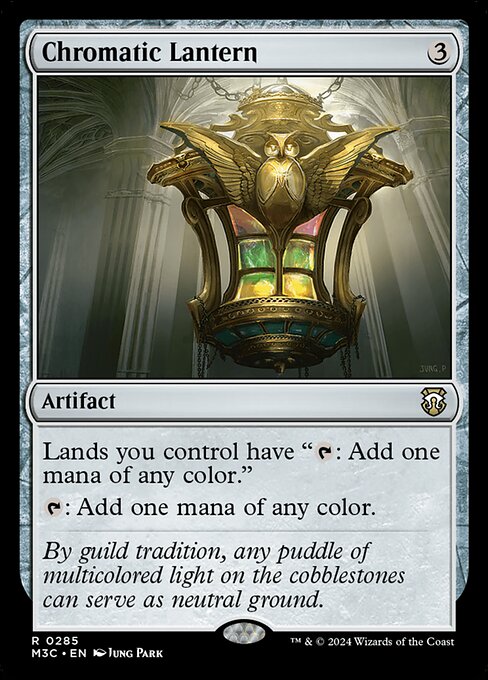
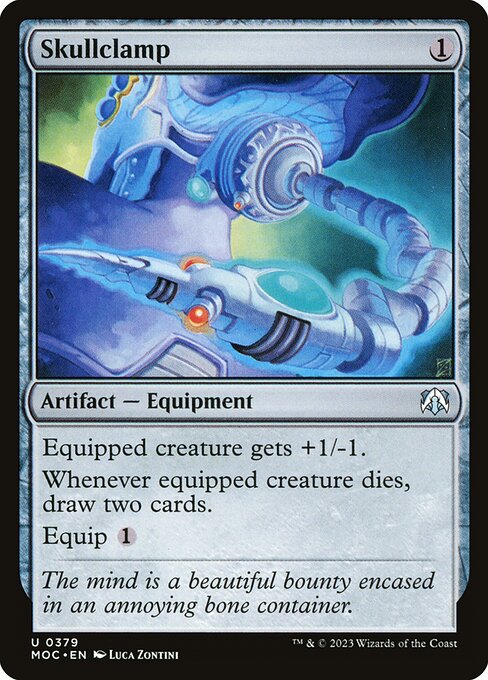
On the artifact side, Chromatic Lantern costs three mana and gives every land you control the ability to tap for any color, which finally solves color problems for the rest of the game. Skullclamp costs only one mana and turns small bodies into card draw, because equipped creatures that die let you draw two cards. Put it on a Sliver that is about to be removed anyway and you convert a lost creature into fresh gas.
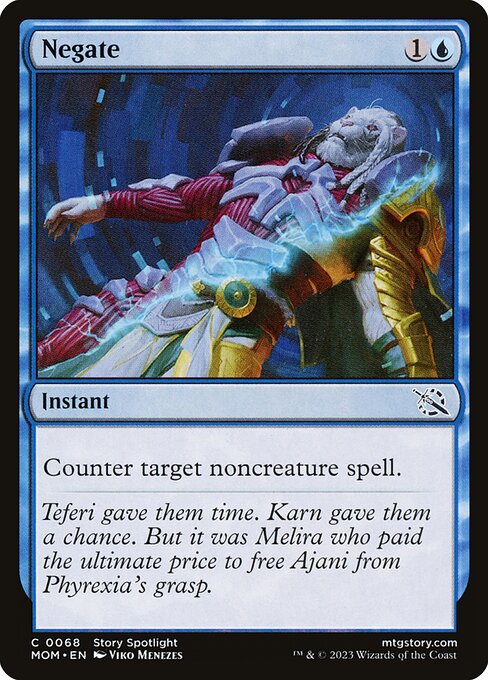
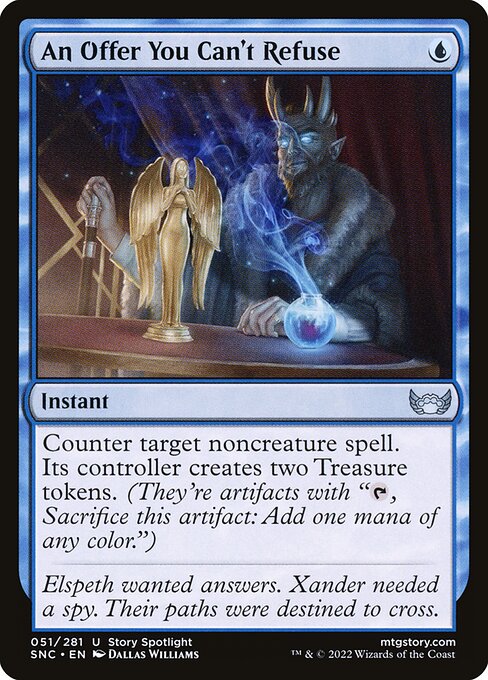
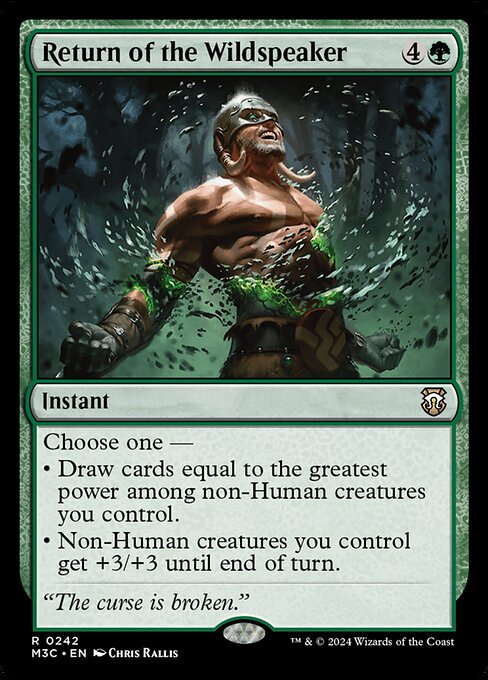
Hold up interaction when you can. Negate counters a noncreature spell for two mana, which is ideal against sweepers and planeswalkers. An Offer You Can't Refuse does the same for one mana, though the opponent gets two Treasure tokens, so use it when the spell matters more than the mana you hand over. Return of the Wildspeaker also fits here as a five-mana instant, either drawing a hand of cards or giving your non-Human creatures a surprise boost in combat.
End Game
By the late turns, the hive should be ready to swing. Your job is to line up anthems, evasion, and haste so the table cannot answer in time. Muscle Sliver, Sinew Sliver, and Predatory Sliver each give your team an additional +1/+1, and each costs only two mana, which makes them easy to stack in a single turn alongside other plays.
Might Sliver is the heavy hitter at five mana, granting +2/+2 to all Sliver creatures. When combined with the smaller anthems, a board of modest creatures quickly becomes a lethal one. Evasion closes the gap: Winged Sliver gives every Sliver flying, and Cloudshredder Sliver adds both flying and haste to the Slivers you control, so freshly cast creatures can attack immediately.
A typical finishing turn looks like this. Cast Cloudshredder Sliver with cascade, hit another Sliver or anthem, add Might Sliver if you have the mana, and swing with an entire team in the air. Read that sequence twice, because it is the shape of most wins.
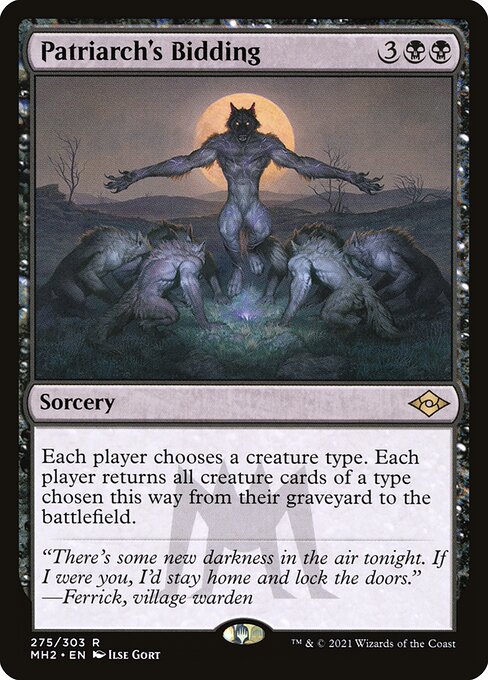
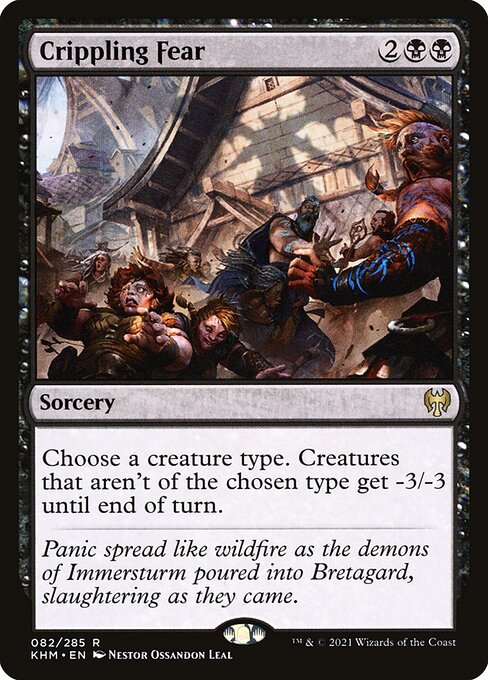
If sweepers arrive first, the deck has real backup. Patriarch's Bidding costs five mana and lets each player choose a creature type, returning every creature card of that type from their graveyard to the battlefield, so naming Sliver rebuilds the whole swarm at once. Crippling Fear is a four-mana sorcery that gives every creature not of the chosen type -3/-3 until end of turn, which wipes opposing boards while your Slivers survive.
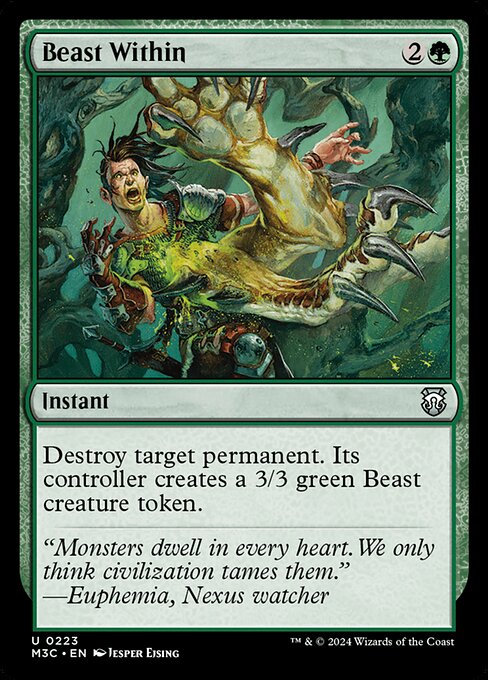
For tough situations, Decimate costs four mana and destroys one artifact, one creature, one enchantment, and one land, but you need legal targets for all four. Beast Within costs three mana and destroys any permanent at instant speed, giving the controller a 3/3 Beast token, so save it for a threat that would otherwise end your game.
Power Analysis and Decklist
Dominaria’s First Hive Ascends sits at Bracket 3, which means it should feel at home in an upgraded, mid-power pod where games run a few turns longer and boards matter more than combos. The price comes in at $245.92, a reasonable figure for a five-color list with this many dual lands and tribal staples. Expect opponents to field real removal, some sweepers, and a few efficient threats of their own.
The list runs zero Game Changers, so nothing here draws the extra scrutiny that powerful tutors, fast mana, or cheap combo pieces tend to attract. Its strength comes from volume and synergy instead of individual power cards. Every Sliver you cast nets extra spells, and the lords stack quickly once a few of them hit the table.
The honest tradeoff is fragility. A five-color commander that costs five mana depends on clean fixing, and a well-timed spot removal spell on the commander or a mana Sliver can stall the whole plan. Cascade is also random, so some turns will hit a lord and others will flip into something awkward.
Decklist highlights: The First Sliver, Gemhide Sliver, Manaweft Sliver, Sliver Hivelord, Might Sliver, Cloudshredder Sliver, Patriarch’s Bidding, Crippling Fear, Chromatic Lantern, and Command Tower, supported by a full suite of dual lands, ramp spells, and light interaction.

Creatures (39)
Instants (6)
Sorceries (10)
Artifacts (5)
Lands (37)
100 Cards
$251.92
Deep Analysis
The intent of this build is simple: turn every Sliver into a small chain of spells, keep the mana stable enough to cast them, and protect the swarm with recursion and a few well-chosen answers. The deck wants to be proactive without being reckless.
Why the Slivers Matter
The creature base is the heart of the plan. Mana-producing Slivers handle fixing, lords handle scaling, and utility Slivers handle the awkward situations. Galerider Sliver costs just one mana, giving the whole team flying and making it the cheapest evasion source in the deck. Blur Sliver grants haste for three mana, which pairs naturally with cascade because freshly flipped creatures can join the attack immediately.


Utility and Disruption
Several Slivers do more than boost stats. Venom Sliver gives the team deathtouch for two mana, turning even the smallest body into a deterrent that keeps opposing attackers at home. Syphon Sliver adds lifelink at three mana, which helps you stabilize against aggressive tables while the swarm grows.
Crypt Sliver lets Slivers tap to regenerate another Sliver, an inexpensive way to blunt combat tricks and some destroy effects. Necrotic Sliver is the emergency valve: for three mana it lets any Sliver be sacrificed, to destroy a target permanent. It trades board presence for answers, so use it only when a single permanent threatens to end the game.
Quick Sliver is a two-mana creature with flash, and it lets any player cast Sliver spells at instant speed. In this deck that means you can cast Slivers on the opponent’s end step, cascading into extra spells while holding up mana on your own turn. Remember that opponents with Slivers could use the same trick, though that is rare.

Interaction and Resilience
The instant-speed package stays light by design. Between counterspells, Beast Within, and the sorcery-speed resets, the deck answers the one or two threats that matter and leaves the rest to the swarm. Recursion backs this up, since a single Patriarch's Bidding can undo a wrath.
Where the Deck Could Grow
Upgrades usually come from tightening the mana and adding more protection for the commander. Additional untapped dual lands would smooth early turns, while a few more cheap Slivers would improve the cascade floor. The deck is already coherent, so any change should serve the same goal: more spells per Sliver, with fewer color stumbles.
Creatures
Creatures carry the entire plan, since every Sliver both fuels cascade and shares its keyword with the rest of the hive. Think of this group as mana, leadership, and muscle in one package.
Ramp and Mana Fixing
These Slivers pay for the five-color commander and everything after it, so protect them like the foundation they are.
Gemhide Sliver acts as the table’s best color fixer, letting every Sliver on the battlefield tap for any color. Costing two mana, Manaweft Sliver offers the same trick to your own team only, which keeps opposing Slivers from benefiting. Opaline Sliver rounds out the group as a three-mana card-draw shield (see the earlier discussion), so it needs no repeat here.


Core Tribal Support
This subcategory holds the pieces that define how the hive survives and attacks.
Combat Boosters and Evasion
Here the swarm turns from a crowd into a threat, stacking size, flying, and haste.
Stacking anthems is the point of Muscle Sliver, Sinew Sliver, and Predatory Sliver, each a two-mana +1/+1 effect for the team. Might Sliver is a five-mana jump for +2/+2 for all Slivers. For evasion, Winged Sliver, Galerider Sliver, and Cloudshredder Sliver give the team flying, with the last also granting haste. Blur Sliver and Quick Sliver add haste and flash respectively.


Utility and Disruption
These Slivers cover awkward board states and give the hive an answer when raw size is not enough.
Necrotic Sliver, Crypt Sliver, Venom Sliver, and Syphon Sliver supply destruction, regeneration, deathtouch, and lifelink for the whole team.


Instants
Instants give the hive a way to interact on the opponent’s turn. They stay few in number so that creature count and mana development remain the priority.
Interaction and Protection
This group protects the swarm from sweepers and answers the rare threat that a wide board cannot handle alone.
Negate and An Offer You Can't Refuse both counter noncreature spells, with the latter costing one mana but handing opponents two Treasure tokens. Beast Within destroys any permanent for three mana at the price of a 3/3 Beast for its controller.
Card Selection
Smoothing draws matters in a five-color deck, and a single cheap spell handles that job here.
Brainstorm draws three cards and returns two, which helps sculpt a hand toward the right colors.
Sorceries
Sorceries give the hive its slower, more deliberate turns, covering the mana development that gets the commander onto the table and the resets that bring the swarm back from disaster. They only work on your own turn, so planning matters.
Mana Ramp
Fixing five colors is the deck’s biggest hurdle, and these two spells keep the lands flowing so the commander arrives on schedule.
Fetching a Plains, Island, Swamp, or Mountain card onto the battlefield tapped, Farseek is a two-mana answer to a missing color that also thins the deck slightly. Cultivate is a three-mana spell that puts one basic land onto the battlefield tapped and the other into your hand, guaranteeing a land drop and pushing you toward five mana.
Recursion and Resets
When the board falls apart or an opponent gets too far ahead, these spells let you rebuild or reshape the battlefield on your terms.
Each player chooses a creature type with Patriarch's Bidding, a five-mana sorcery that returns every creature card of the chosen types from graveyards to the battlefield, so naming Sliver can restore the whole hive in a single turn. Costing four mana, Decimate destroys one artifact, one creature, one enchantment, and one land, though you need a legal target for each before you can cast it. Then there is Crippling Fear, a four-mana sorcery that gives every creature not of the chosen type -3/-3 until end of turn, which leaves your Slivers standing while the rest of the table’s board withers.

Artifacts
Artifacts add a layer of acceleration and refueling that sits outside the creature count. They keep the mana stable and turn small bodies into fresh cards.
Mana Rocks
Reliable colored mana is the lifeblood of a five-color deck, so these rocks do double duty as accelerants and fixers.
Tapping for any color in your commander’s identity, Arcane Signet is a two-mana rock that covers all five colors here. Chromatic Lantern is not repeated in detail since it appeared earlier, but its role is clear: Chromatic Lantern makes every land tap for any color, ending color troubles for good.
Card Advantage
A single cheap Equipment gives the swarm a way to convert losses into gains.
One mana is all Skullclamp costs, and the equipped creature gets +1/-1 while drawing two cards when it dies. Equipping costs one more mana, so a small Sliver becomes a quick source of fresh cards, especially when removal or a sweeper is already on its way.
Enchantments
Enchantments give the hive a slower, steadier source of card flow that sits outside the creature count. They reward patience and punish tables that rely on noncreature spells, while still leaving room for a surprise at instant speed.
Card Advantage and Value
These two cards turn the opponents’ spells and your own mana into fresh options, which keeps the swarm fed when the cascade chains run dry.
Costing just one mana, Mystic Remora punishes every noncreature spell an opponent casts by letting you draw a card unless that player pays four. Its cumulative upkeep grows with each age counter, so the best window is the early turns, when opponents are still ramping, casting rocks, and holding removal. Once the upkeep outpaces the cards you are drawing, let it fade and spend your mana on Slivers instead.
Although it is technically an instant and not an enchantment, the plan lists Return of the Wildspeaker under this value grouping for its flexible payoff, so treat it as a five-mana finisher with two modes. The first draws cards equal to the greatest power among non-Human creatures you control, which with a few anthems on the table can empty your library into your hand. The second gives your non-Human creatures +3/+3 until end of turn, and since every Sliver qualifies, it can turn a wide board into lethal damage in one combat.
Lands
Lands carry more weight than usual in a five-color deck, because the commander demands every color and the Slivers need that mana to arrive on time. A smooth mana base is the quiet reason the rest of the list works.
Fixing
This group exists to make sure that all five colors are available by the time the commander is ready to land.
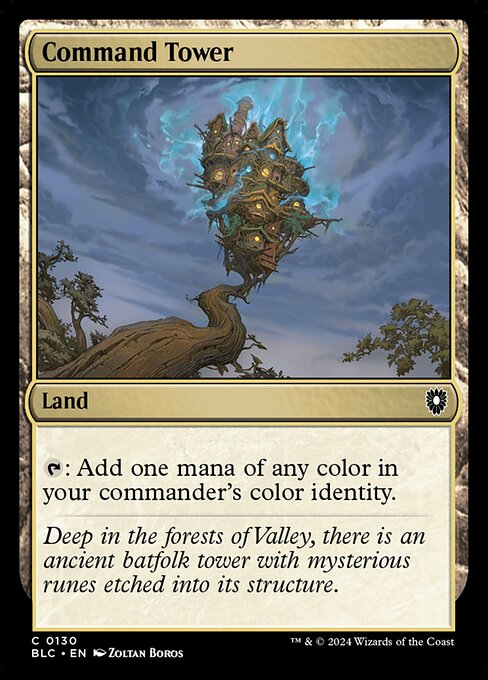
Tapping for any color in your commander’s color identity, Command Tower is the simplest fixer in the deck, and it effectively produces all five colors here. It costs nothing to play, enters untapped, and never asks you to pay life or reveal a card. Play it on turn one whenever you do not have a cheap play, because it removes color worries without slowing you down. Every other land in the list serves the same purpose, but this one does it with no drawback at all.
Closing Words
The First Sliver turns a humble tribal shell into a hive that casts two or three spells for the price of one. Mana Slivers fix the colors, lords stack the stats, and a few well-chosen sorceries keep the swarm alive when the table reaches for a wrath.
Picture the signature turns: a cascade that flips into Sliver Hivelord just before a sweeper, a surprise Return of the Wildspeaker that makes a wide board lethal, or a Patriarch's Bidding that brings the whole colony back from the graveyard. Each one shows how much value hides in a single cast.
Gather your hive, cascade through the chaos, and swarm the table.