





Bracket 3 is a bit of the Wild West when it comes to decks. It’s where the biggest variety of decks live. They’re not overly optimized like Bracket 4 and 5 decks are, but they aren’t as gimmicky as Bracket 1 decks are. It’s the most common Bracket level, and the one with the most even playing field. There are a lot of different ways to build a Bracket 3 deck. In this article, we’ll be looking at six different casual Mono Black decks you can play. These decks aren’t necessarily the best decks, as they are more built with fun in mind. These offer a different kind of way to achieve victory, instead of playing into more traditional decks.
Want some more casual Mono-colored action? Then you can check out our Mono-Red Showcase.
Casual Mono Black: Burn Decks
To start, we’ll be looking at two decks built around burning your opponents (meaning dealing damage to their life totals directly as opposed to doing it through combat. Mono Black usually isn’t the color that comes to mind with Burn. That’s something usually done by Mono Red. These Burn decks aren’t the most traditional, and instead, offer a unique way to play the archetpye.
Gideon the Oathless
Reality Fracture brought us a Gideon that never joined the Gatewatch, and one that makes for a unique Mono Black commander. It burns your opponents for one damage whenever a creature they control enters the battlefield. It also burns when an opponent activates a loyalty counter, though this is much rarer. Gideon the Oathless even comes with its own protection, forcing an opponent to discard a card if they ever want to target it with anything. So, the idea is to force creatures onto your opponents’ battlefields, utilizing cards like your commander and Blood Seeker to keep the pressure up when they play creatures.

There are a few different ways to force creatures onto your opponents’ battlefields. Normally, this is a downside, but with Gideon the Oathless, they become beneficial. Cards like this include Akroan Horse, Slaughter Specialist, and Nettling Nuisance. Ideally, you’re putting a lot of creatures onto the battlefield while dwindling down life totals without needing to attack. But, these creatures usually have solid stat lines to make it easier to get life totals down to zero.


There are some other cards that make it easier to burn opponents. Painful Quandary can deliver a lot of burn damage late-game, and Polluted Bonds burns life and gains you some whenever an opponent’s land enters. To discourage opponents from attacking you, Revenge of Ravens has some use. Since Gideon the Oathless is dealing damage, giving it infect is a great way to close out games. You can do this with Grafted Exoskeleton and Phyresis.
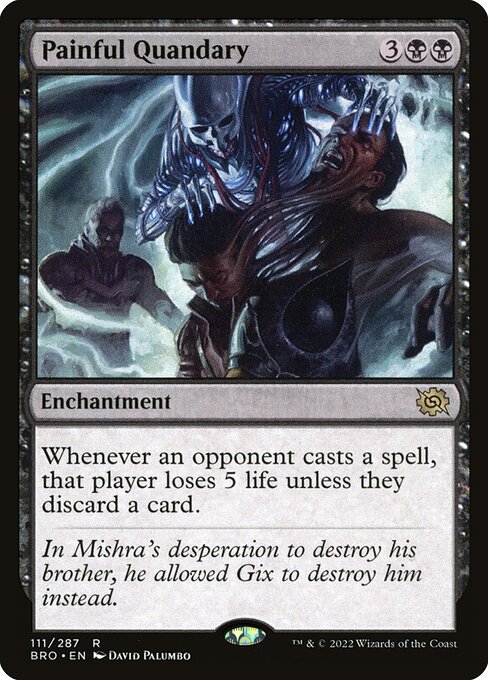
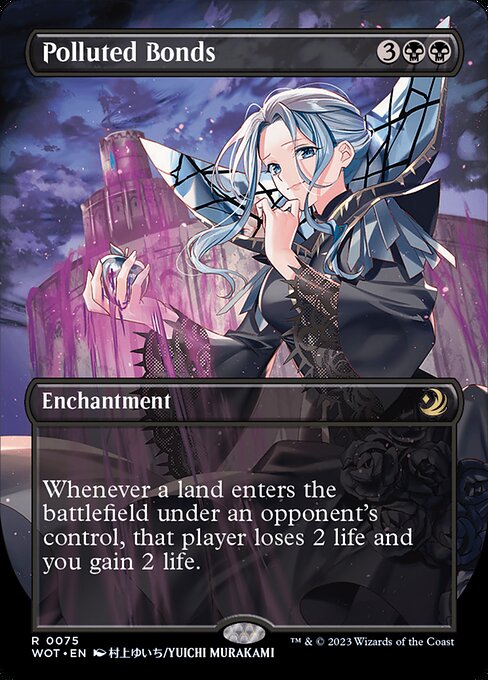


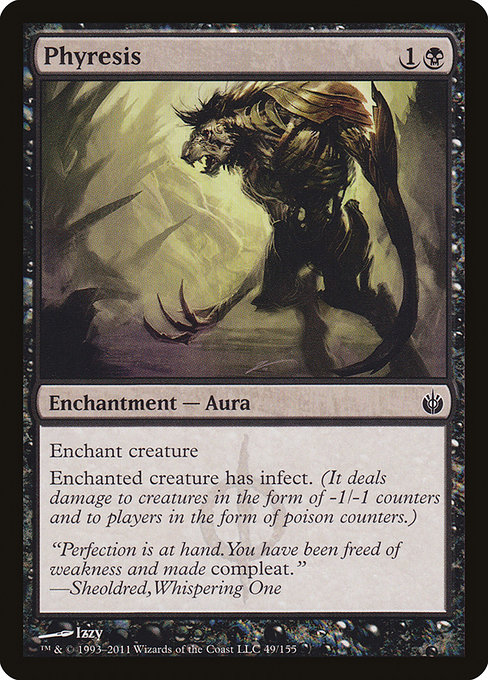
A sample decklist can be viewed below. A lot of cards force creatures onto your opponents’ field, while having some passive burn effects to keep life totals low.

Commander
Creatures (21)
Instants (5)
Sorceries (15)
Artifacts (17)
Enchantments (9)
100 Cards
$234.13
Olinda the Oblivious
It’s time to get stinky with odor counters, which is how you’re burning with Olinda the Oblivious. It’s a creature you want to constantly be attacking with and making it enter again to spread odor counters on all your opponents’ creatures. Once they have one, they don’t go away, even if Olinda ever leaves the battlefield. You want to keep making copies of it with cards like Helm of the Host and Blade of Selves. Even if it gets removed right away from the legend rule, its effect will still trigger to spread more odor counters.


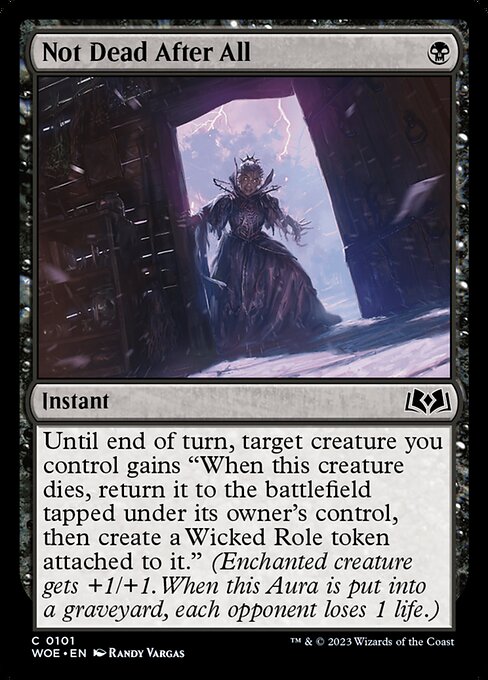
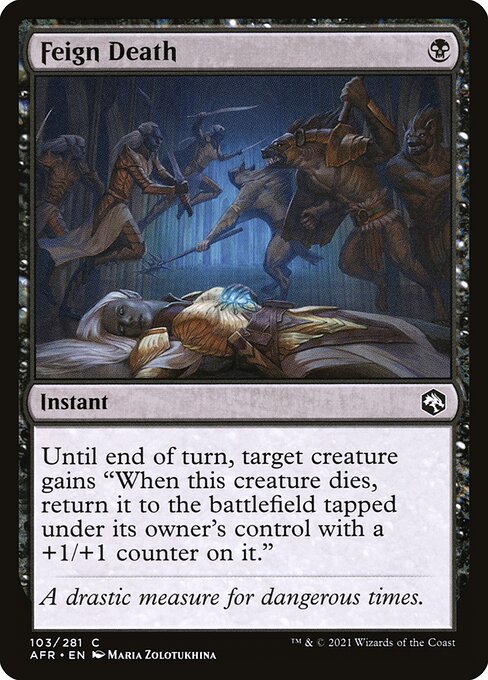
You are going to want to attack with Olinda the Oblivious so you can trigger it as much as possible. To help ensure it sticks around, you have cards like Fake Your Own Death, Not Dead After All, and Feign Death. This returns it to the battlefield if it ever dies, which will also trigger its effect again. When you have these, it’s actually better for it to die since you’ll get two triggers of its effects.

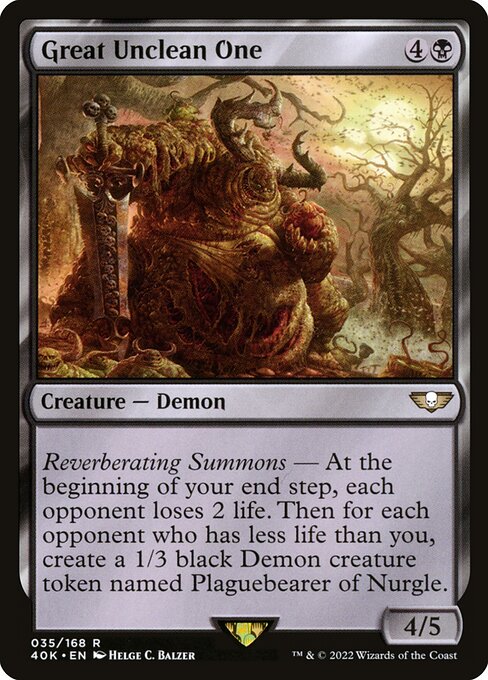
There is a lot of other passive burn effects in the deck. The Frightful Four and Mai, Scornful Striker both punish noncreature spells being cast, while Creeping Bloodsucker and Great Unclean One burn without having to jump through any hoops. You can amplify all of this burn with cards like Archfiend of Despair and Wound Reflection to double up on all the burn you do.




A sample decklist can be viewed below. A lot of burn, and it can burn rather quickly. Great for those who want to play with unique counters!

Commander
Creatures (24)
Instants (9)
Artifacts (23)
Enchantments (8)
Lands (34)
100 Cards
$300.32
Casual Mono Black: Transformation
These next two decks are ones that are taking creatures, and transforming them into something else. They’re still keeping the original cards, unlike a Polymorph deck, but they aren’t coming back the same way they entered the graveyard. These two decks use creatures in a much more unique way than other ones.
Kinzu of the Bleak Coven
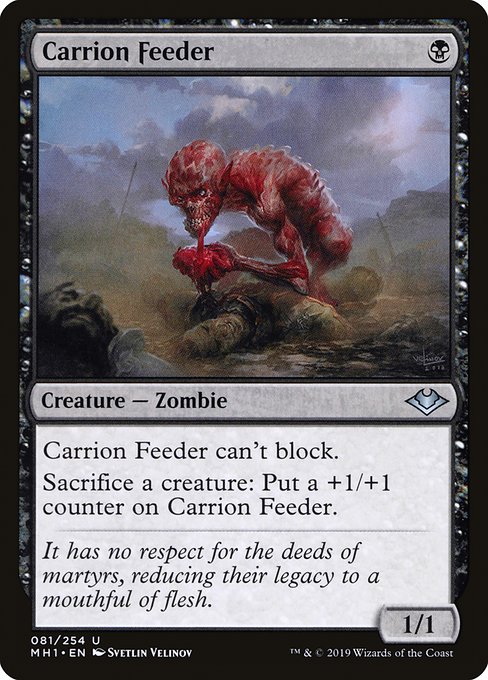
There are a lot of ways to build a deck based around poison counters. Black does have a lot of ways to do it, but Kinzu of the Bleak Coven is turning your creatures into Phyrexians with toxic 1. So, you’re sacrificing creatures with cards like Carrion Feeder or forcing them to die with The Sibsig Ceremony. And it’s one of the decks that actively wants to use the first effect of Staff of Compleation (and can also be used to proliferate poison counters).


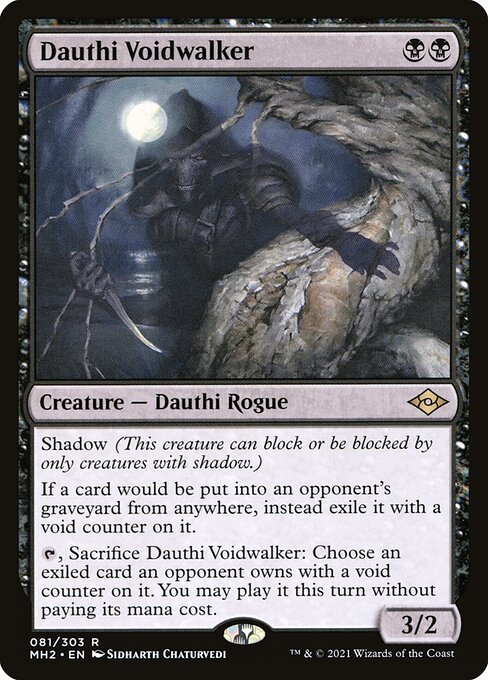
Many of the creatures in the deck are ones that have shadow. This includes cards like Dauthi Voidwalker, Vashta Nerada, and Faceless Devourer. You also have cards that are blanket unblockable, such as Tormented Soul and Gingerbrute. These are carsd you want to die as soon as your commander is out on the battlefield, so they can put poison counters on your opponents without having to worry about blockers.


You can’t always rely on toxic creatures to put poison counters on your opponents. Luckily, you can get the ball rolling with cards like Caress of Phyrexia, Phyresis Outbreak, and Vraska's Fall. Once you have poison counters on your opponents, you can start proliferating with cards including Whisper of the Dross and Drown in Ichor. You only need ten poison counters on an opponent to make them lose, so with all of this you can win games rather quickly.


A sample decklist can be viewed below. It is very creature-heavy, and you’re converting a lot of them into tokens with your commander to close out your games.

Commander
Creatures (39)
Instants (7)
Sorceries (7)
Artifacts (10)
Lands (34)
100 Cards
$199.69
Xu-Ifit, Osteoharmonist
Let’s turn creatures into Skeletons! Xu-Ifit, Osteoharmonist is a unique Reanimator commander that can return any creature back to the battlefield just by tapping it, but it returns to the battlefield with no abilities, and makes them a Skeleton. This creature type change is beneficial, as it lets you take advantage of Corpses of the Lost and Death Baron. Since your creatures turn into vanilla creatures, you can play powerful creatures that normall have a downside while never having to worry about said downside.


There are a lot of cards with very large stats, but they either cost a lot of mana or have a significant downside. But with your commander, you can play creatures such as Leveler, Ancient Stone Idol, and Ulamog's Dreadsire. Cards that cycle are great too, such as Void Beckoner and Apex Witchstalker, as you take advantage of the cycle effect while also being able to bring them back with your commander.


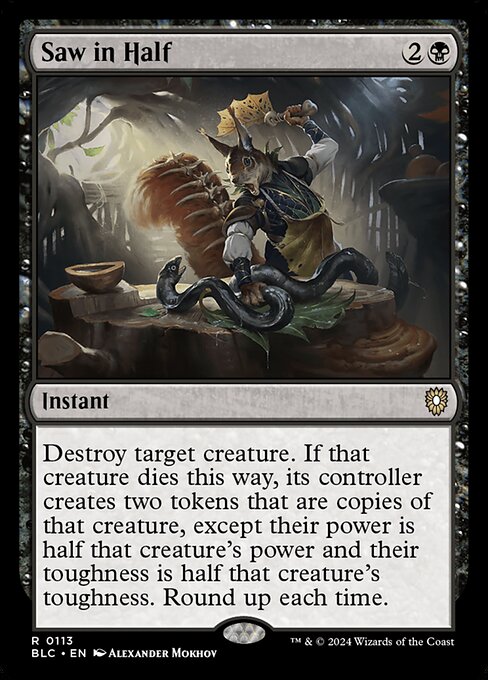
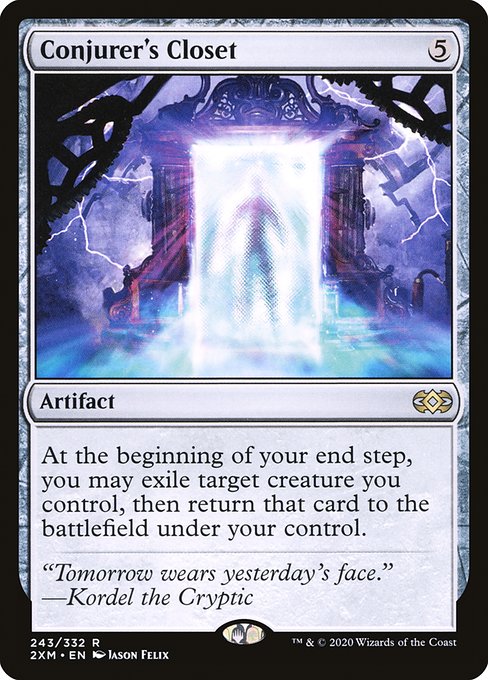
For those creatures that don’t have a negative effect but have great abilties, you can play cards such as Supernatural Stamina and Saw in Half to return them to the battlefield with their original abilities. You can also blink them with Conjurer's Closet to return them to the battlefield and take advanage of any enter trigger they might have. Xu-Ifit, Osteoharmonist doesn’t give them finality counters, so you can keep bringing them back even if they get removed again.

A sample decklist can be viewed below. It runs all the usual suspects of a Reanimator deck, as well as unique creatures that your commander can take advantage of.

Commander
Creatures (30)
Instants (8)
Sorceries (7)
Artifacts (11)
Enchantments (10)
Lands (34)
100 Cards
$309.95
Casual Mono Black: The Funky Stuff
These last two decks are ones that play a very unique game. They aren’t traditional commanders, instead taking advantage of their unique abilities to make for fun, unique decks. They offer different routes to victory, or in some cases, just make for silly gamestates to make the whole table enjoy playing against them.
Loot, the Anomaly
The novelty of wanting a creature to have negative power is hard to resist. And Loot, the Anomaly is the commander for that. This is a Voltron deck, but instead of boosting up its power, you’re instead lowering it as much as you can with cards like Weakness and Greel's Caress. You ideally want to put this on Loot, but you can also use them on your opponents’ creatures in a pinch if you have to squeeze out some removal.


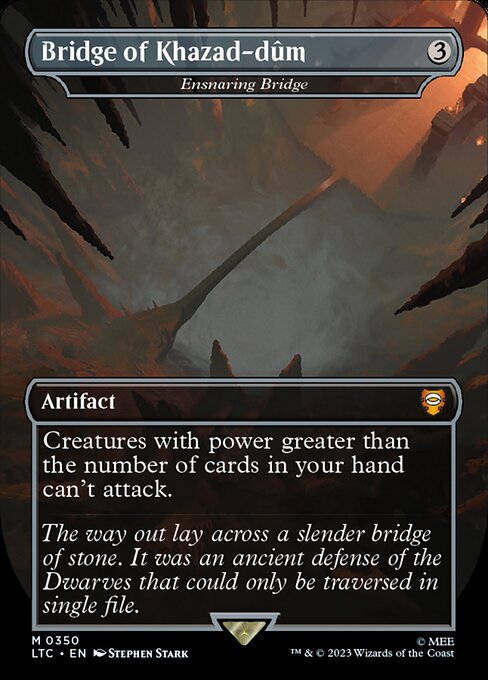
Since Loot is going to always have negative power, you can take advantage of some Stax pieces that make it so only you can attack. If you don’t have a hand (which happens often with Voltron decks), Ensnaring Bridge shuts down the ability of most creatures to be able to attack. But not Loot, since he has negative power! You can shut down higher power creatures with Meekstone, and Noetic Scales keeps bouncing creatures with high power and gets stronger the longer a game goes on when players have less cards in their hand.


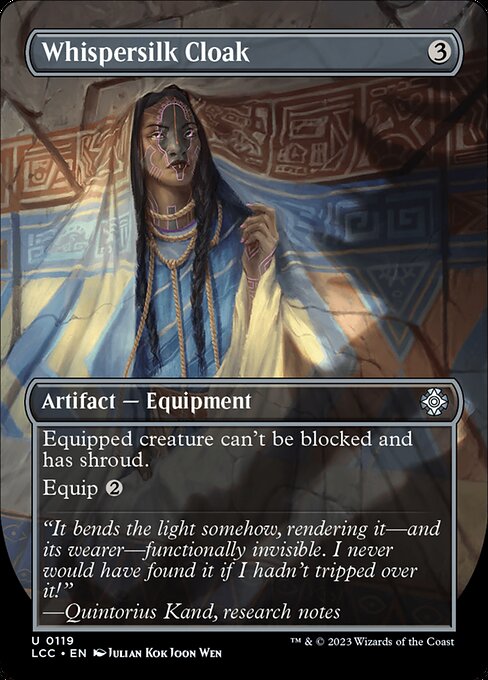
This is a Voltorn deck, so you have plenty of ways to make Loot unblockable. Thieves' Tools will make a Treasure token when it enters, and Whispersilk Cloak keeps Loot safe from removal and makes it unblockable. Brotherhood Regalia adds extra layers of protection, and My Precious is another way to make a hexproof, unblockable creature.


A sample decklist can be viewed below. Loot is one of the only creatures in the deck, with the rest of the cards either ways to make the Voltron strategy work or to bring Loot’s power down.

Commander
Planeswalkers (1)
Creatures (6)
Instants (10)
Sorceries (7)
Artifacts (28)
Enchantments (14)
Lands (34)
100 Cards
$233.16
Kain, Traitorous Dragoon
Kain, Traitorous Dragoon jumps between control of players whenever it deals combat damage. Something important to note with commander damage is that it only cares about the creature that dealt it, not the controller. So, you can use Kain as a way to make opponents aggressive, attacking each other to make Treasure tokens and draw cards.
A beneficial thing you can do is to goad Kain. Cards that achieve this include Coercive Impetus, Eye of Nidhogg, and Parasitic Impetus. You can even take advantage of Vampiric Link. Since you control it and it isn’t granted the ability to the creature, anyone who deals damage with Kain enchanted by it will gain you life equal to the damage it dealt.


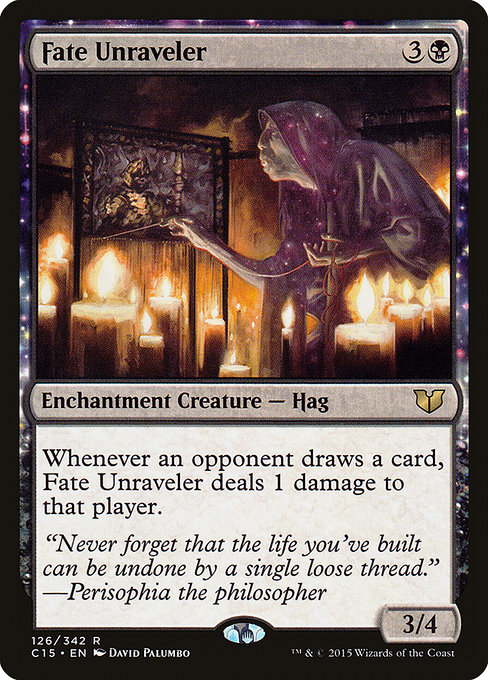
The deck features a lot of forced combat in order to keep Kain attacking. Walking Desecration can make all creatures of a specific type attack, and can cause other attackers to attack too if any share a type with Kain. Maddening Imp can make all creatures have to attack, and if they don’t because of summoning sickness, they’ll be forced to be sacrificed at the end step. There are some passive burn spells too, like Vislor Turlough and Fate Unraveler.


A sample decklist can be viewed below. It is rather creature-light, and instead focuses on using Kain to have your opponents swing at everyone.

Commander
Creatures (14)
Instants (17)
Sorceries (5)
Artifacts (20)
Enchantments (11)
Lands (33)
100 Cards
$213.48
In Conclusion
Casual Mono Black decks can do a lot. Even if they’re not optimized, they’re a lot of fun to play. Mono-colored decks aren’t too common compared to multi-color ones, but they can do a lot. These six decks are built for fun first, competitive edge second. However, they’re still perfectly playable and can handle their own at the Bracket 3 level.
Want some more decks built for fun instead of power? Check out our Simic deck Showcase of fun Blue-Green decks here.