






It’s commonly held that green is the strongest color in Commander until you get to CEDH. Big creatures, strong card advantage engines, and rampant token generation are all great, but the real reason green is so good is that it has access to ramp. In a MTG format where a majority of decks play Arcane Signet, Birds of Paradise and Delighted Halfling get to laugh in the other colors’ faces.
Ramp decks generate vast quantities of mana in the early turns and then spend that mana on big haymakers. Some commanders, like Kinnan, Bonder Prodigy, accelerate your ramp plan, where others give you access to a guaranteed haymaker every game, like Etali, Primal Conqueror. Even a relatively simple ramp plan can dominate against three passive opponents that don’t interact with the ramp player. You, however, are reading this article, and by the end, you will be no passive player. Today, you’ll learn how you can keep your local ramp player in check, how you can shut them down entirely, and how to go up against an entire pod of ramp players.
What is ramp?
The term ‘ramp’ refers to the idea of ‘ramping up’ your mana curve. In Magic, you can play one land each turn, so on the first turn you’ll have one mana to spend, two on the second, and so on until you run out of lands to play. Ramp decks play cards that give you extra mana, either by putting extra lands onto the field or by playing artifacts and creatures that can tap for mana in the same way a land would.
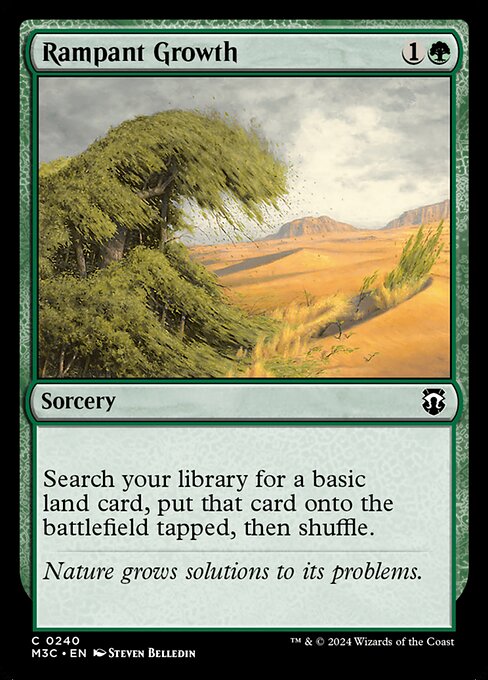
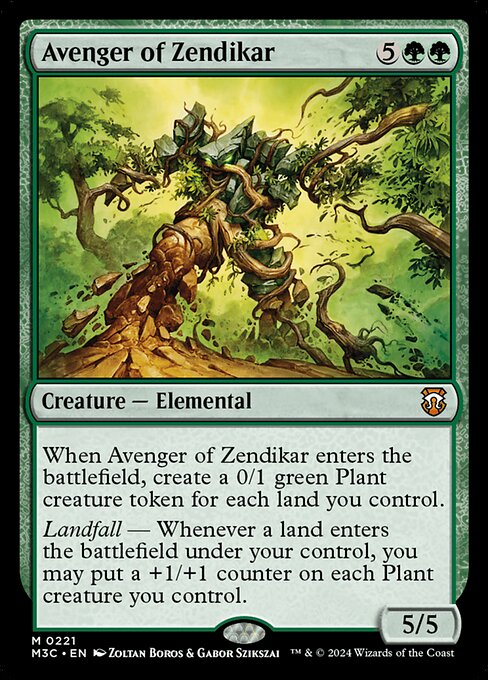
When a ramp player spends their first few turns ramping, the effect compounds over time, as the player accelerates into more powerful ramp spells. Having seven mana on turn four is a regular occurrence for a ramp player. Conveniently, seven is typically the magic number for a ramp player. Avenger of Zendikar and Omnath, Locus of Rage are classic ramp payoffs, and with each set, Wizards prints even more insane options for each stage of a normal commander game.
Fortunately, ramp players have two big weaknesses for you to leverage. The first is that setup time. Because a ramp player will spend 3-5 turns building up mana, you have time to build up creatures and attack. Mana dorks aren’t great blockers, so until they stick a haymaker, they’ll probably be defenseless.
The second weakness is inherent in the style of deck itself: card flow. Most decks include cards that attack, block, defend, draw, and do any number of things that empower the gameplan. Because they rely on their haymakers to win, ramp decks tend to have 25 or more mana rocks, mana dorks, and other ramp spells, and then 10 or more haymakers. Add 35-40 lands, and you’re left with less than 30% of the deck as removal and card draw. If you can remove their haymaker, they might just stall out of the game, fruitlessly topdecking as the rest of the table knocks them out.
Now how do we put this into practice?
Beating the Ramp Player
It’s Friday night, and you’re sitting across the table from a ramp player. They’re smug; of course they are, they’ve won the last five games. You’re here to end that streak.
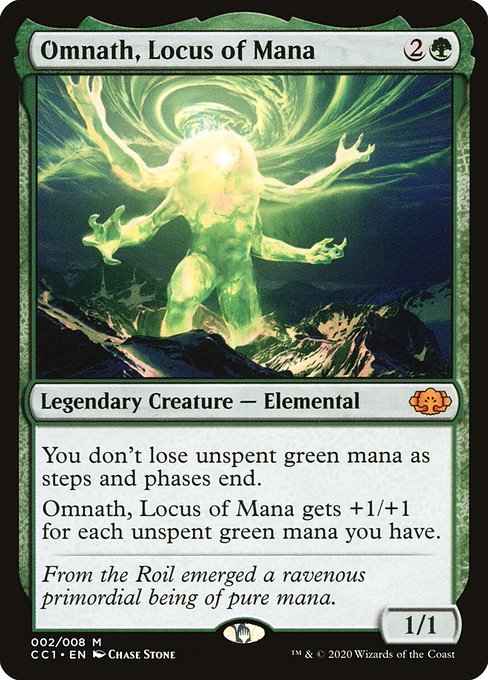
Pre-game, you already have important information to consider. You should generally know what everyone’s commander is before the game starts, and if you want to beat a ramp player, let their commander shape your mulligan decisions. If they have a haymaker like Koma, Cosmos Serpent, keep it off the field by removing their nonland ramp as it comes down. Against a ramp piece like Omnath, Locus of Mana, however, you should take the commander itself out early, to keep the mana from getting out of control.
Next, you will need to play creatures as soon as possible, and get the other players on your side. You aren’t “ganging up on the ramp player here,” you’re conducting proper threat assessment, especially because you won’t be killing them immediately. Swing at the ramp player until they’re at 15-20 life. At that point, they’ll have to think twice before committing to the board, because if they do, they will immediately become the archenemy and everyone else will be ready to knock them the rest of the way out.
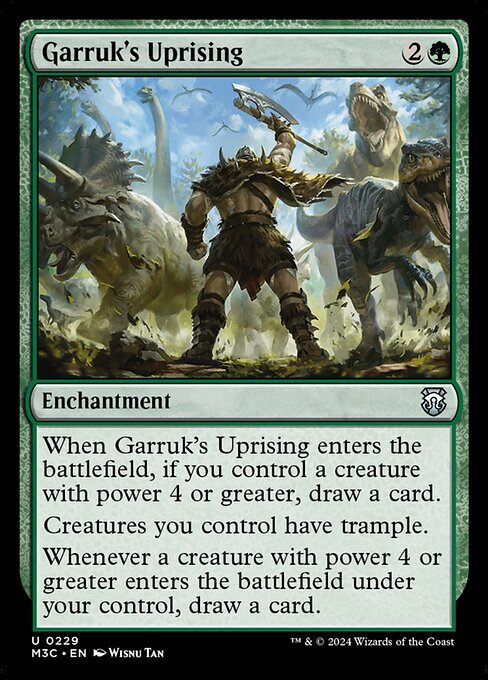
It’s also good to target their card advantage pieces if they find any. A ramp player with a Garruk's Uprising is like a feral toddler– unstoppable and painful. You may not want to do this if they’re low on cards in hand, though. If you completely shut them down, they’ll try to make you the bad guy and blame you for ruining their game. At least it’ll be a 2v1 instead of a 3v1.
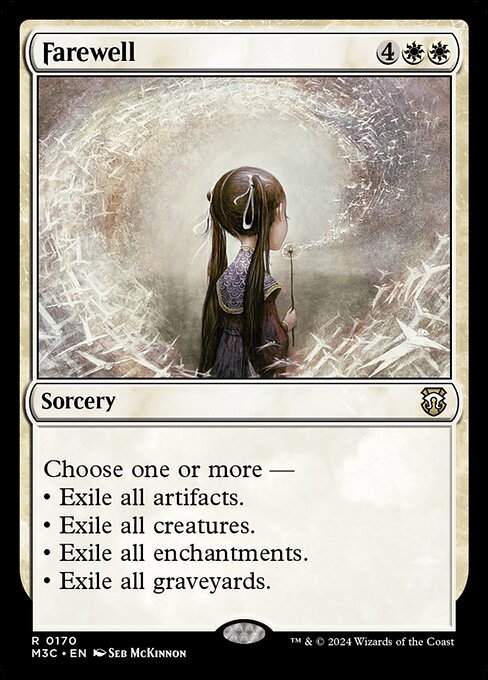
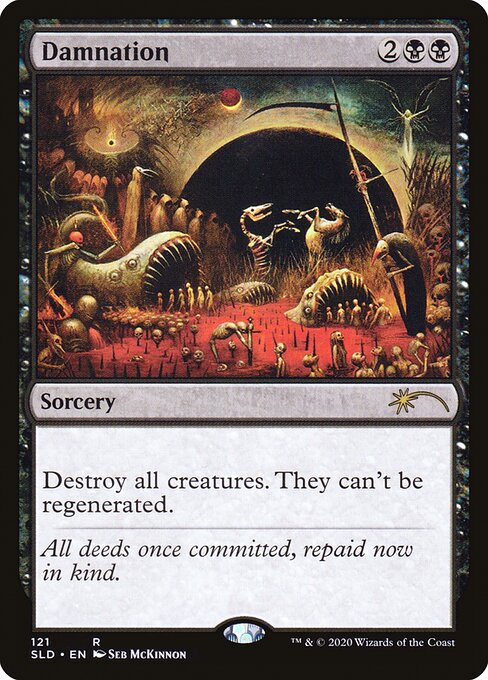
It can be particularly nasty to hold a boardwipe in hand and cast it after you beat the ramp player. If you’re the next threat, you’ll be buying yourself time to establish dominance, and if not, you’re probably hurting the player who is the threat more than yourself. Was this a little mean? Yes, but not out of place in a casual game of MTG. Would you like to go further? If so, continue to the next section.
Destroying the Ramp Player
Disclaimer: Only follow the following tips if you have a personal vendetta or blood feud with your target. Otherwise, you will initiate a personal vendetta or blood feud with your target.
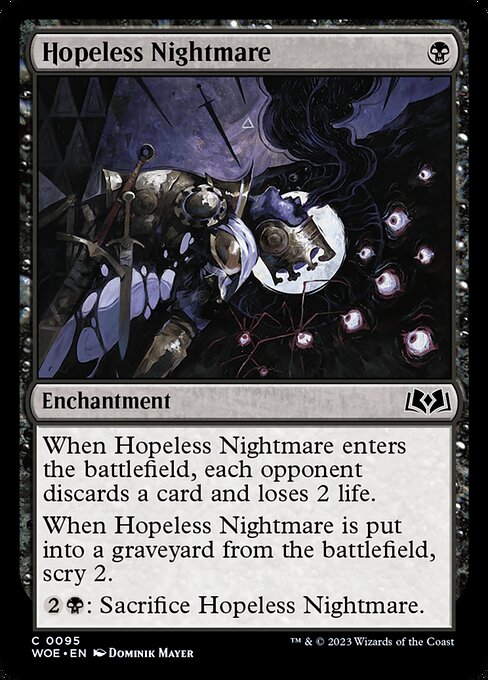
I mentioned earlier that ramp players usually rely on one or two cards from their starting hand. As long as they hold onto those cards, they expect to do their thing and win. The easiest and most symmetrical way to destroy their dreams is with cheap discard. Hopeless Nightmare and Virus Beetle affect everyone equally, right? “You made the choice to discard that Craterhoof Behemoth.” Targeted discard is a no-no, though, it’s awful in commander and makes your vendetta obvious. Making your desire for revenge known is perhaps the easiest way to become the archenemy without actually being a threat.
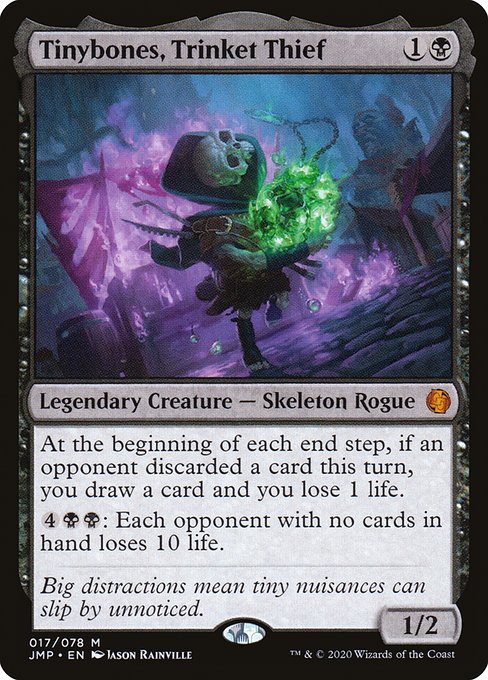
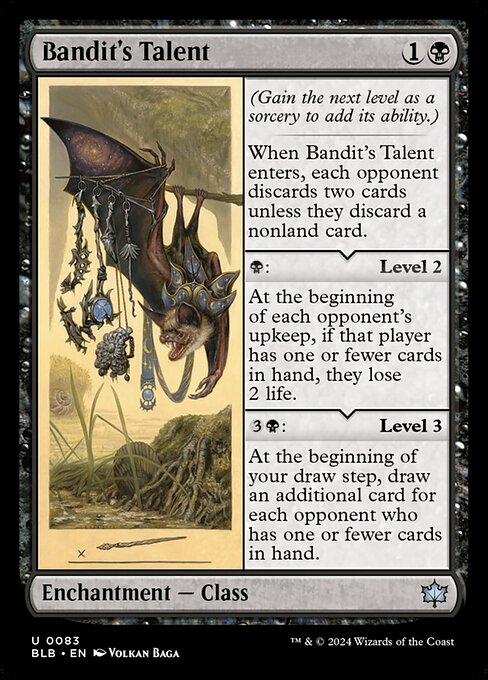
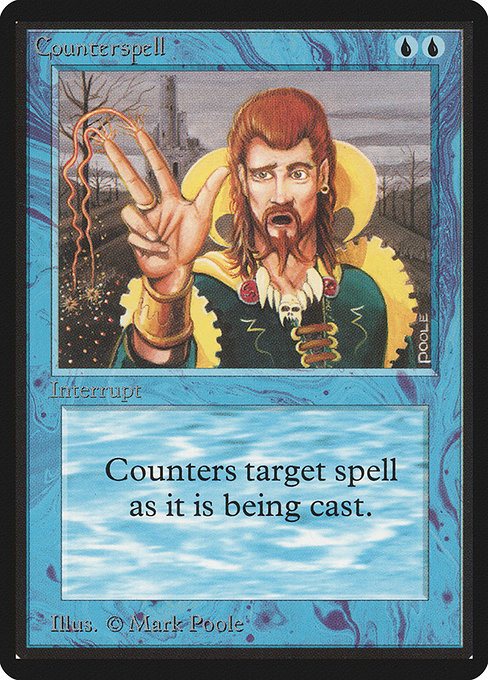
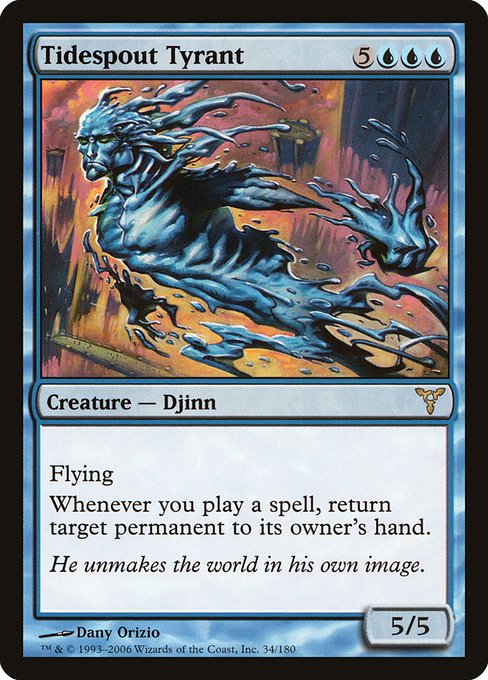
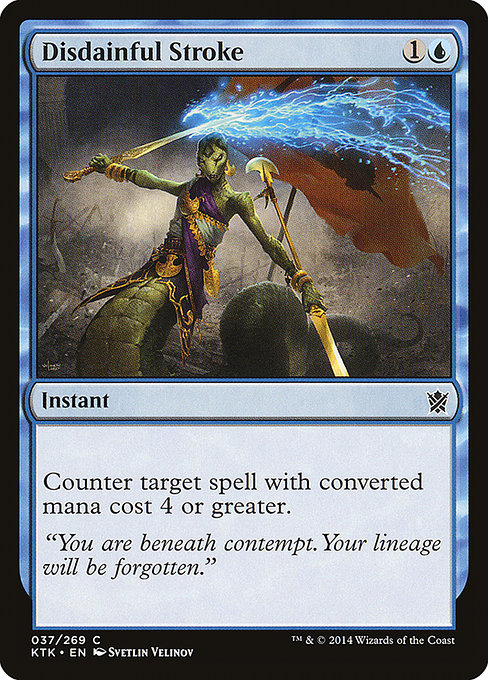
What if you aren’t playing black, though? How, then, do you make your mortal enemy leave the table in disgrace? Counterspell. Remember, that haymaker is what a ramp player lives or dies on. When you counter it, they won’t even get the ETB. You also get to play the second best casual color for commander, with access to insane card draw and artifact synergies. Tidespout Tyrant is an option purely for the spiteful, letting you bounce all of their lands. In general, a strong blue-based control deck will have the tools to make the ramp player’s mana irrelevant.
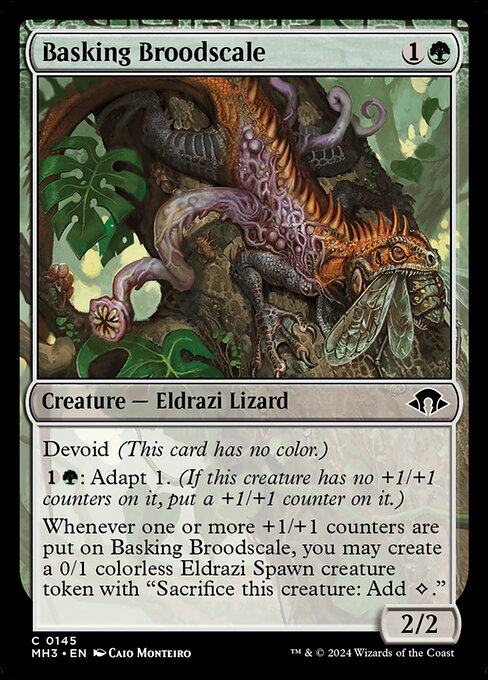
The third color that can beat Ramp decks, is, of course, your own green ramp deck. If your spite is worth hundreds of dollars in card stock, Badgermole Cub, The Great Henge, and Scapeshift are out of most people’s price range, letting you curbstomp without playing a single Game Changer. Sometimes, there’s nothing less fun than losing to a deck that’s just like your own, but worth twice as much.
Beating Three Ramp Players
If this becomes a series, the following section will always be preceded with the following paragraph. It’s important to remember in this situation, no matter what archetype you’re against, if all of your opponents are playing it and you are not.
If three people are playing the same deck and you are not, you might just lose by default. Groupthink is a strong mentality. Anything you may do that threatens one of them will threaten all of them. You’ll need to play along if you want a chance to win, and that won’t work very often unless you are also playing the same kind of deck. The following section is not a guide to success, but a mere sliver of hope.
If you have a combo in your deck, that’s your best hope of winning. If you can go under the radar and survive, that combo is your last hope. At some tables, ‘winning out of nowhere’ is seen as very rude, so you won’t be able to use this all the time, but if victory is your top priority, this is the easiest way to go about it. If you want or need to be more transparent, winning will be much harder, and you will be targeted.
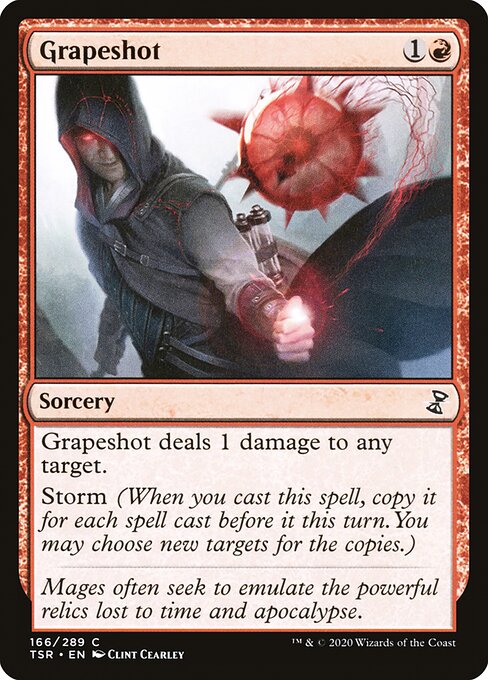
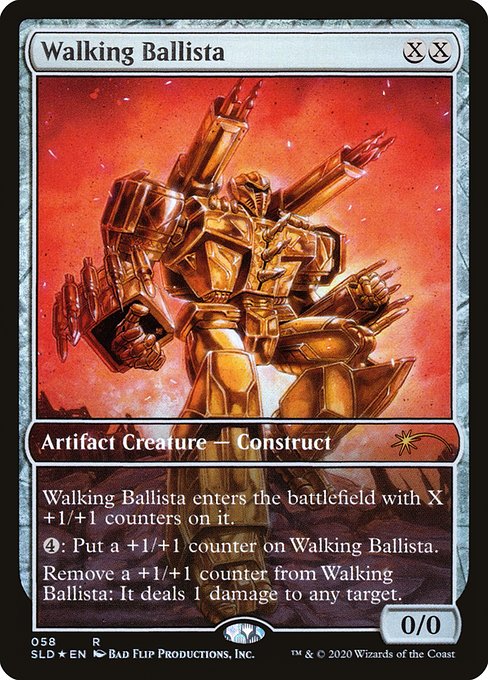
Try to protect yourself as long as possible, and, perform the combo as late as possible. If you can crack a Clue or something before doing it, even if you’ve had it for a turn cycle, you can make it seem like you just barely found it in time to win, reducing hard feelings. It doesn’t feel good to win like this, unfortunately. Other strategies are far less effective but won’t win you the game very often.
Surviving Three Ramp Players?
The issue with playing ‘fair’ into three ramp decks is that you can’t exploit either of ramp’s weaknesses when dealing with three players. If you take advantage of the slow start to deal early damage, be ready to eat an entire Scute Swarm on turn five or six. It’s even more pointless to take out their haymakers, as one player will never be able to answer three players as they ramp out giant permanents. If you want to beat three ramp players, you’ll need to pit them against each other.
Spend the first few turns emulating the other players, ramping and drawing cards as best you can. Then, whenever someone plays something big, immediately call them out as the archenemy. Any value engine worth more than $20 will do as a scapegoat. Do your part in targeting them, but also try to stockpile as much interaction as you can from here on out. Boardwipes and single-target removal will be crucial.
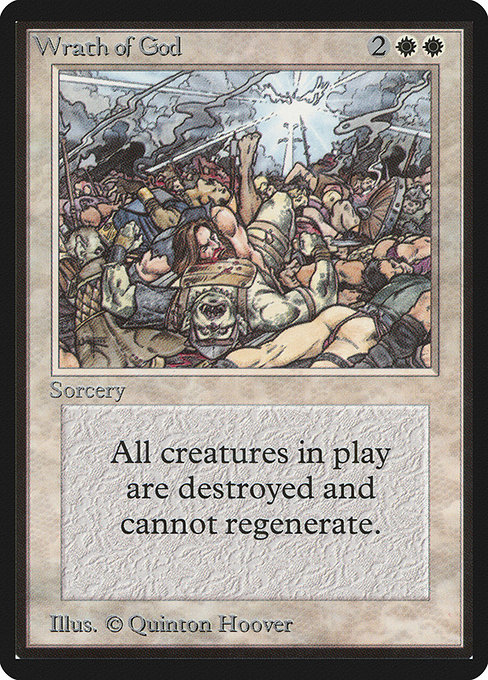
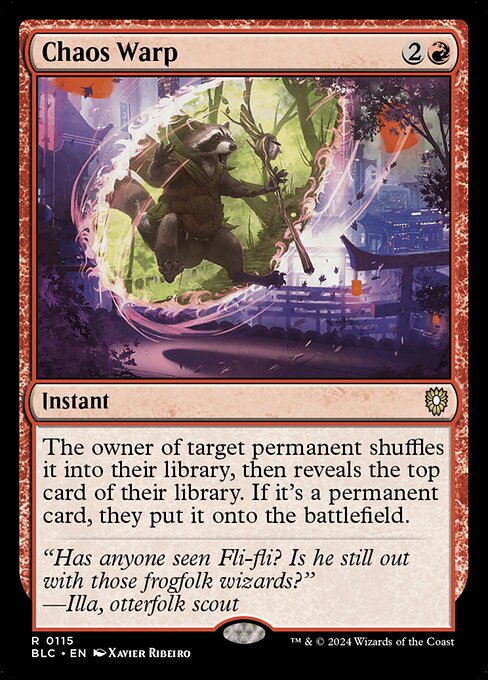
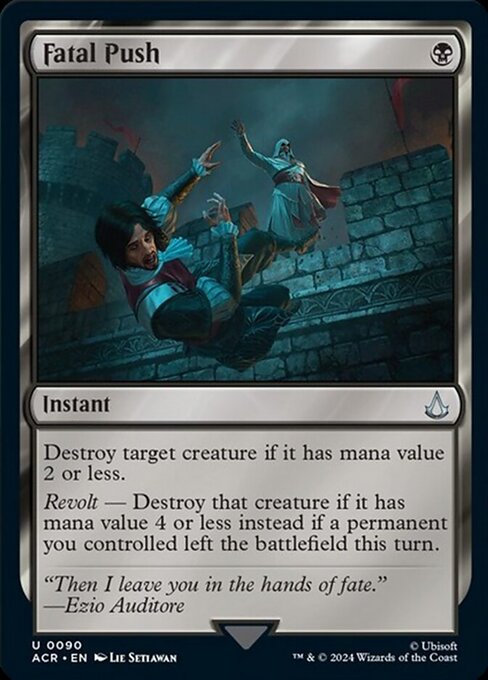
The Archenemy will fall, and you’ll be left with two opponents. If you’re lucky, you will have the cards to kill one or both of them. More likely, you’ll have a weaker board and both opponents will pressure you to hand them to game. To win, you will pretend to. This state of intense parity can last several turns, as your opponents desperately dig for a finisher. Look at both players’ boards carefully. If you think you can untap and kill one of them after they swing out, convince that player to swing out. During your target’s precombat main phase, remove something on the other player’s board that lets Player 1 kill Player 2. If Player 1 takes the bait and nothing else happens, you win. Otherwise, you lose.
As I said, playing against three players with the same gameplan is tough, and ramp is the strongest gameplan up until bracket 4. If you find yourself in this position often, find a different pod, find a different game store, or move to another state.
End Step
Hopefully you’ve learned about ramp decks, why they can be hard to beat, and how you can beat them anyway.