



Creatures with defender are those that have high toughness but generally low to no power. They also can’t attack. Generally, these are weaker cards that are more for Limited than anything. The trade-off of not being able to attack and having low power is that they can act as Walls (hence most of their creature types) since their toughness is so high. This makes it hard for your opponents to get in for damage, especially since most have a low mana cost. Before Reality Fracture, the only real defender commander was Wingmantle Chaplain. Now, we have a very strong one that can turn your Walls into big attackers with Ghalta the Immovable. In this article, we’ll highlight various options and the overall flow of the deck and how to play it. Let’s get into it.
If you are new to Pauper Commander, we have an overview of the format here that you can check out to learn more about it.
PDH Ghalta Decklist
Below is the decklist for PDH Ghalta. It is very creature-heavy, as the commander lends itself well to a “flood the battlefield” type. Since nearly all your creatures are Walls, your opponents are going to struggle getting in for damage. Other types of the cards in the deck are ones that generally improve the stats of your creatures, or draw you cards.

Commander
Creatures (37)
Instants (12)
Artifacts (5)
Enchantments (9)
Lands (34)
100 Cards
$68.42
The Commander: Ghalta
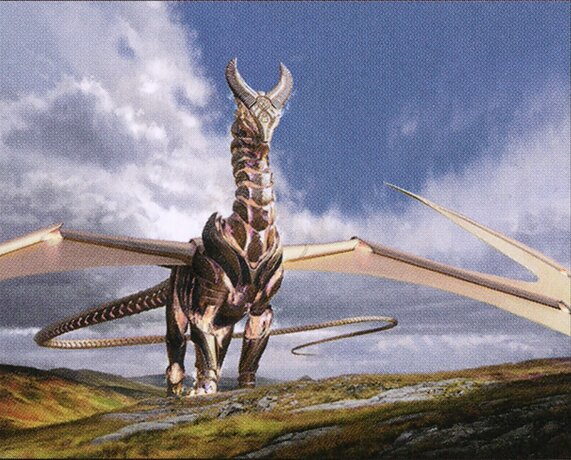
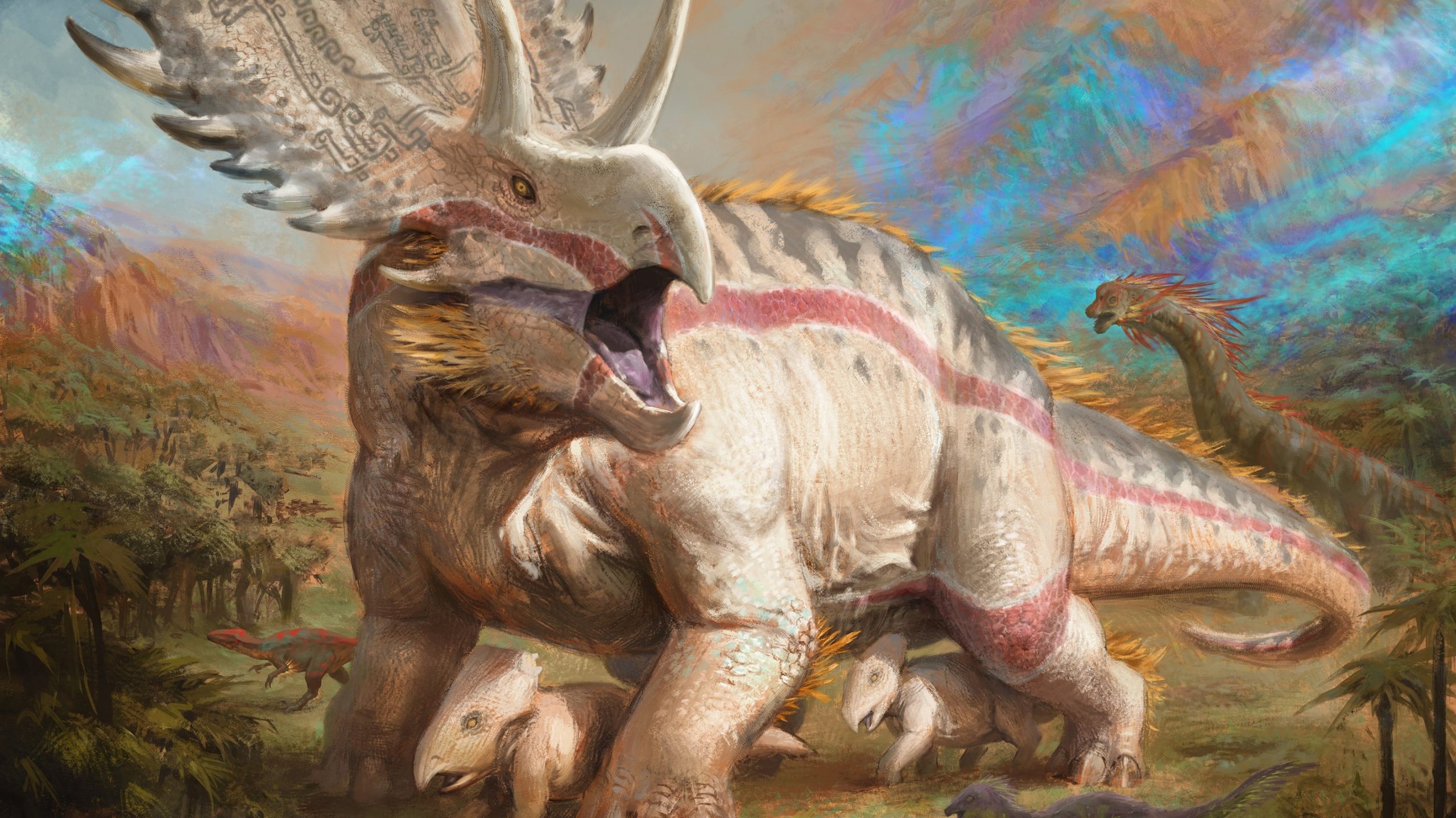
Let’s start by looking at the commander. Ghalta the Immovable is very simple. It lets your creatures with defender attack as if they didn’t have it, and they assign damage with their toughness instead of power (as well as any creature with toughness greater than its power). So, if a creature is a 0/6, with Ghalta on the battlefield, it essentially becomes a 6/6.
In addition, although it costs nine mana to cast, it’s discounted by the highest toughness on a creature you control. This discount can be as high as six mana (if not more with stat-boosting effects), making Ghalta only cost three mana. It’s not like it’s particularly hard to get the high toughness on the battlefield, since the average curve for Walls is so low. Important to note that this also discounts the commander tax.
The one downside of the deck is that we are locked into Mono White for it. Luckily, many of the best Walls happen to be in White already, so you don’t lose out on too many options. There isn’t much ramping you can do, but luckily, the curve of the deck is incredibly low, with most permanents being no more than three mana to cast.
Enchantment Suite
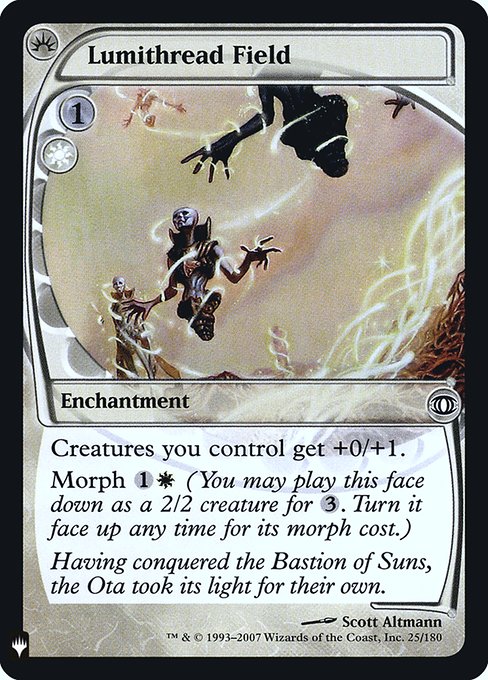
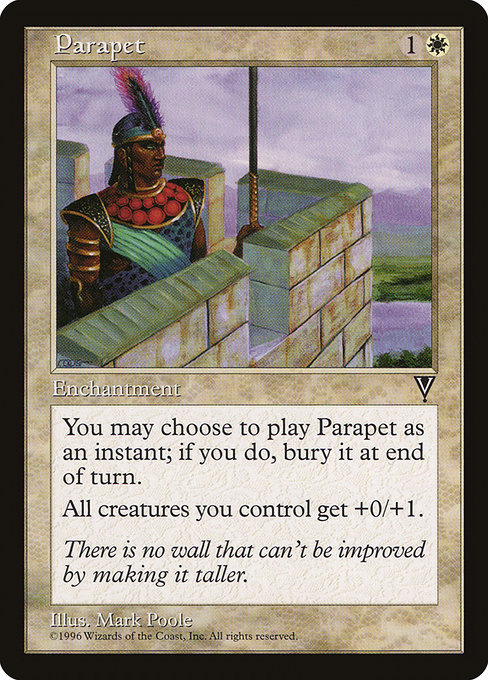
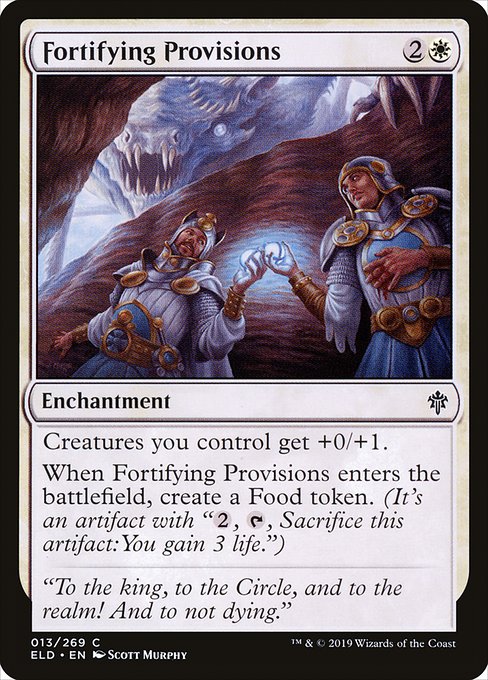
There are various permanents that give your creatures a +0/+1 stat boost, and since this isn’t normally a huge stat boost, they barely cost any mana. The strength of these is that they stack, and with Ghalta the Immovable these add up to make powerful attackers. These cards include
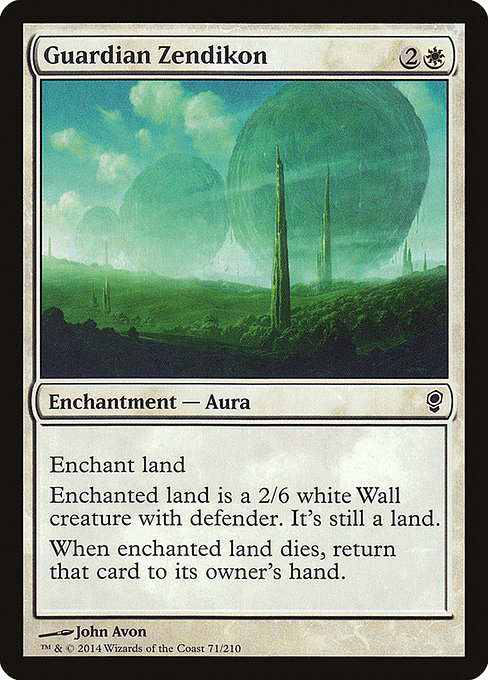
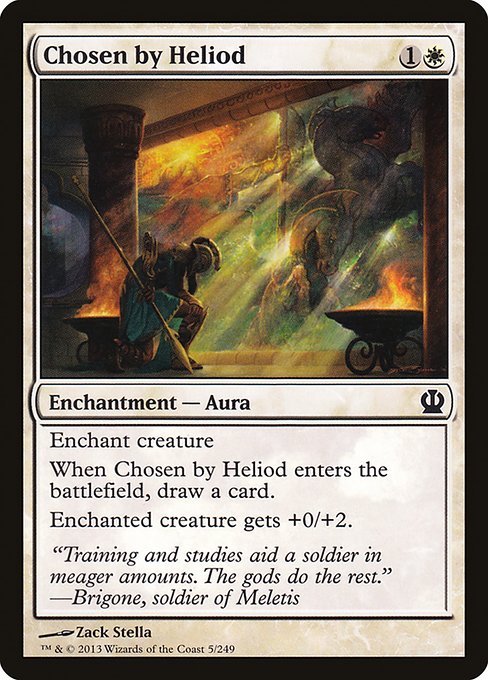
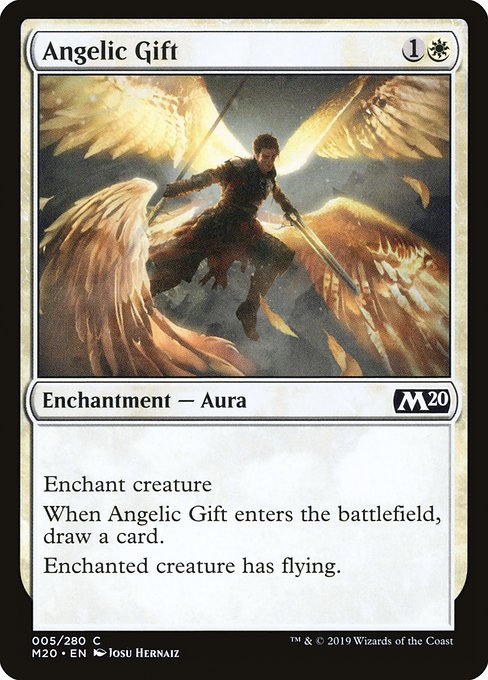
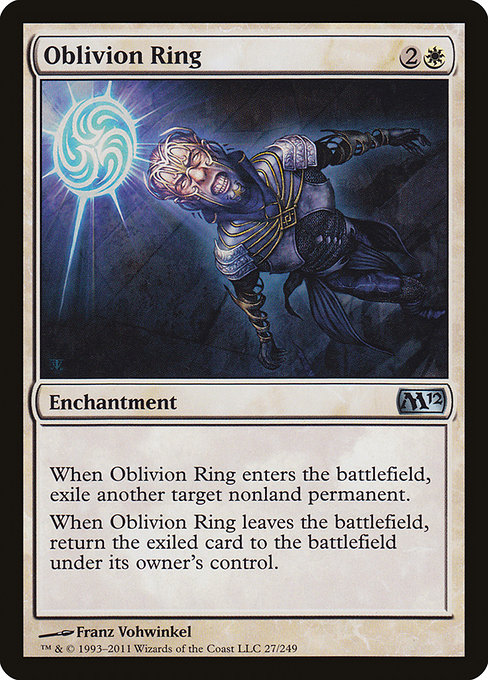
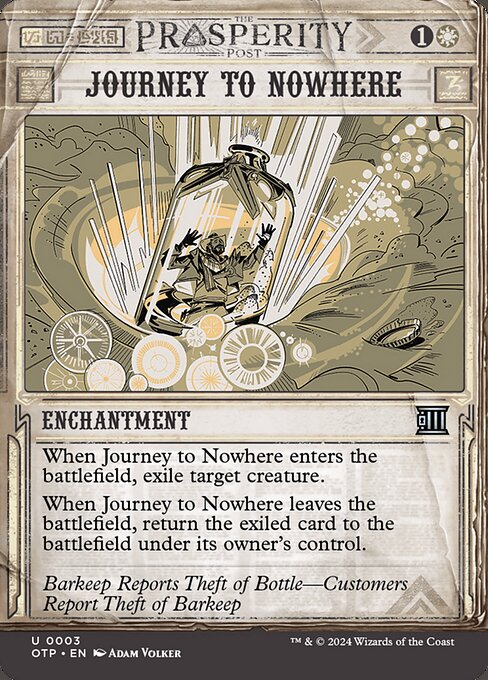
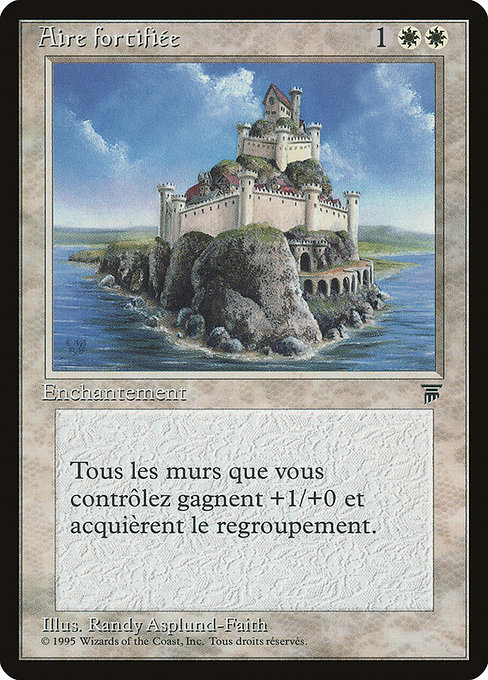
A few cards deliver a toughness boost, but only to one creature. Guardian Zendikon turns a land into a 2/6 Wall, and Chosen by Heliod gives a creature a +0/+2 stat boost as well as draws you a card. Some more utility cards include Angelic Gift as a way to give a creature flying and draw you a card, and both Oblivion Ring and Journey to Nowhere for removal options. If you want to teach your play group how banding works, Fortified Area gives it to all your Walls (which equates to most of your creatures).
Instant and Sorcery Suite
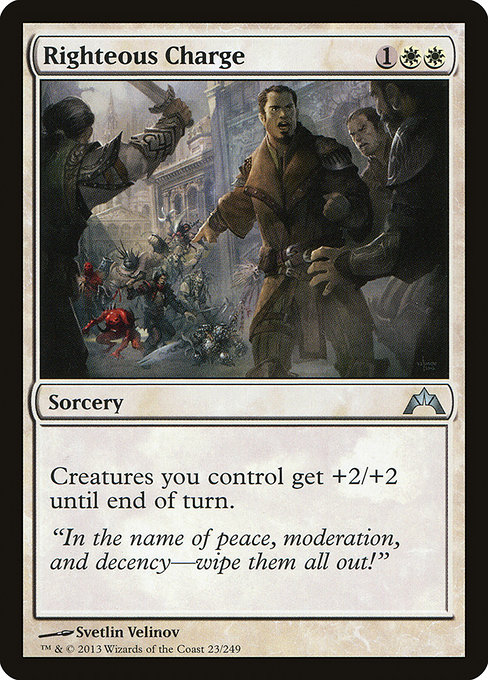
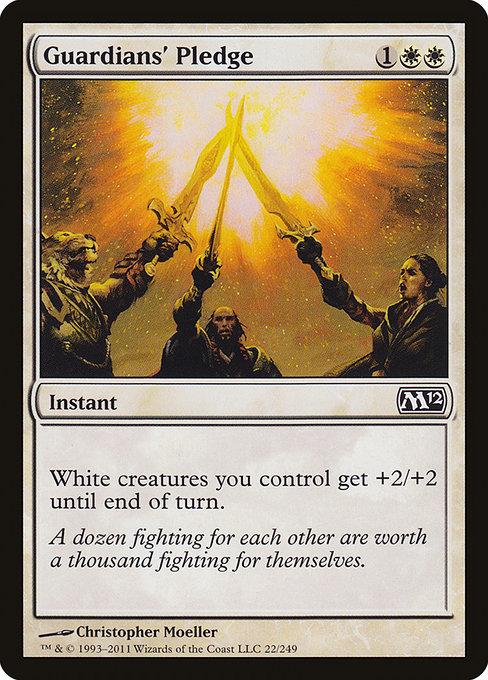
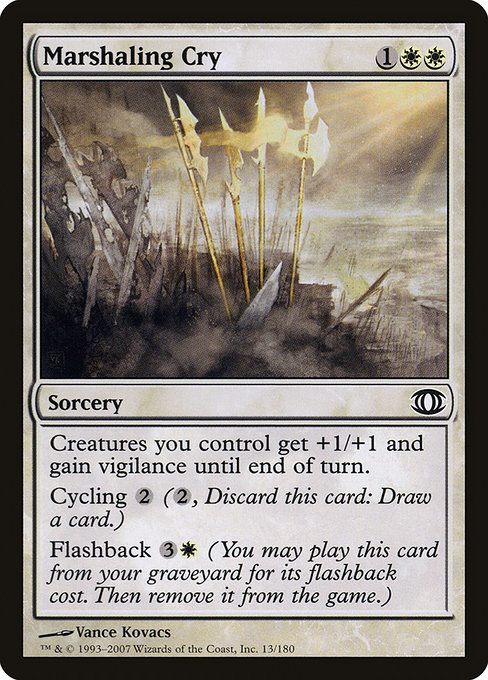
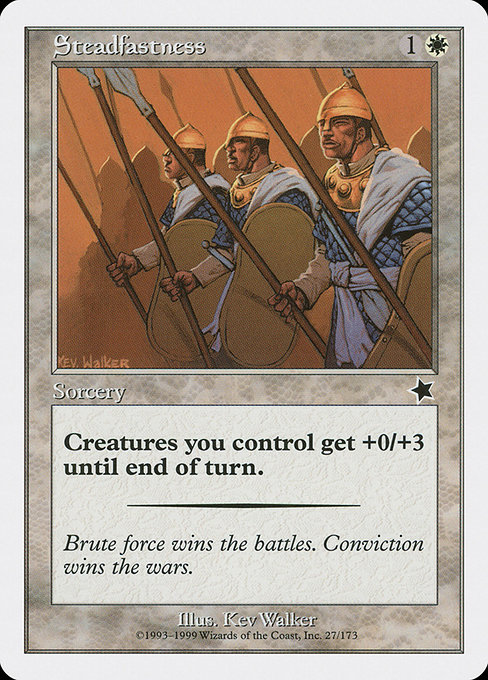
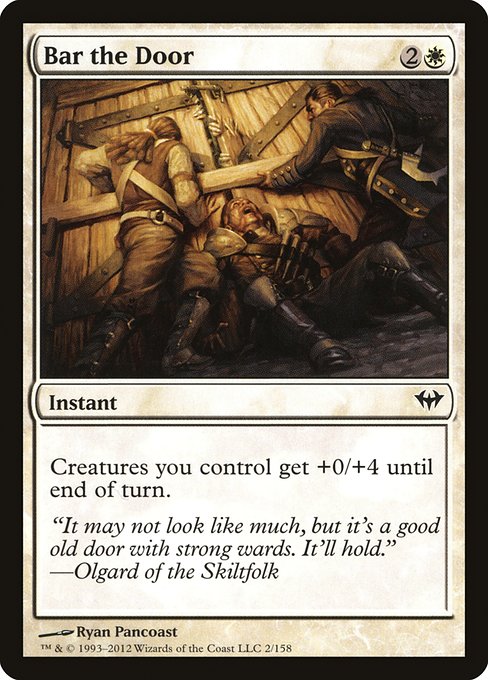
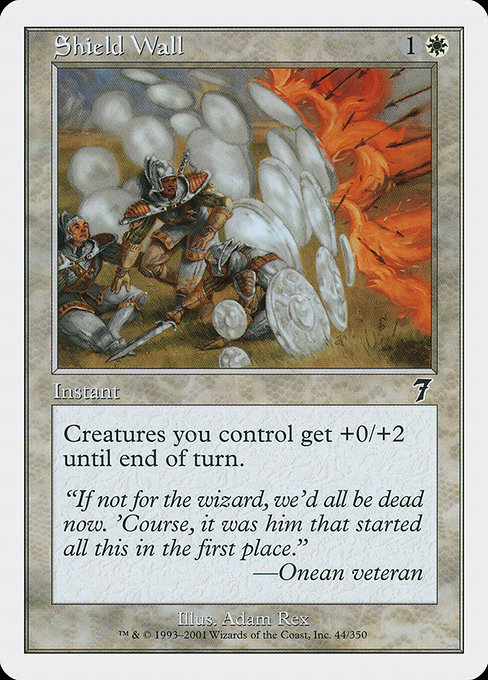
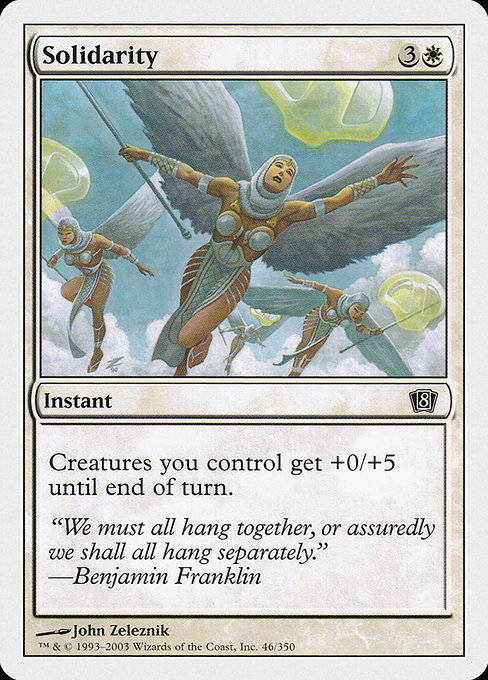
These two are lumped together, since there are only three sorceries in the deck. Many of these are cards that deliver a stat boost, including Righteous Charge, Guardians' Pledge, and Marshaling Cry. A handful deliver a toughness boost, which makes it nearly impossible for them to die in combat while also delivering a massive attack boost with Ghalta the Immovable on the battlefield. These cards include Steadfastness, Bar the Door, Shield Wall, and Solidarity.
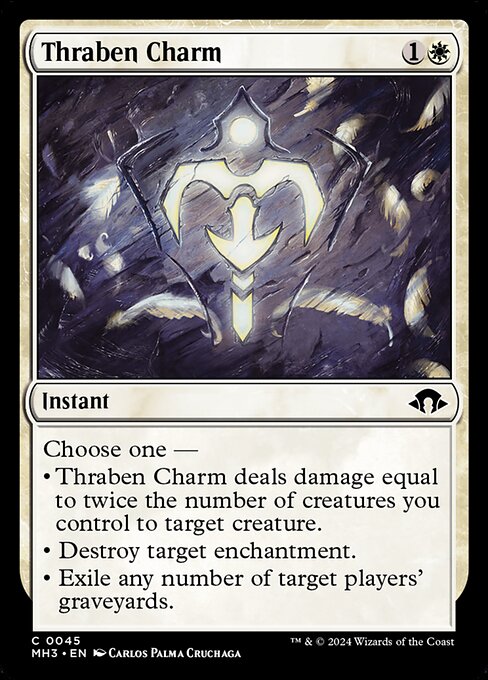
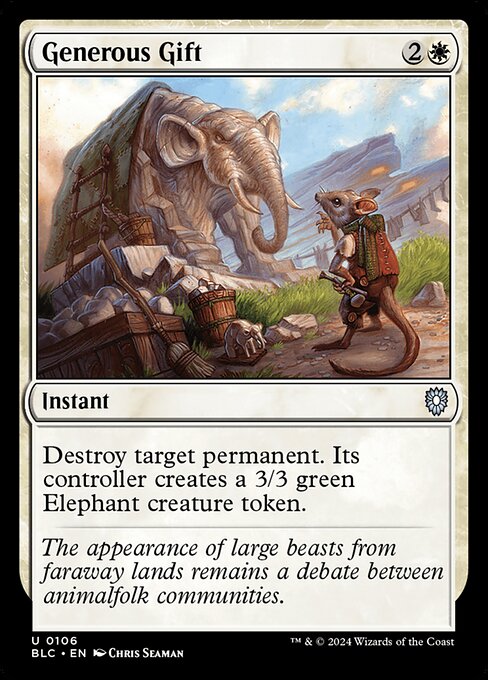
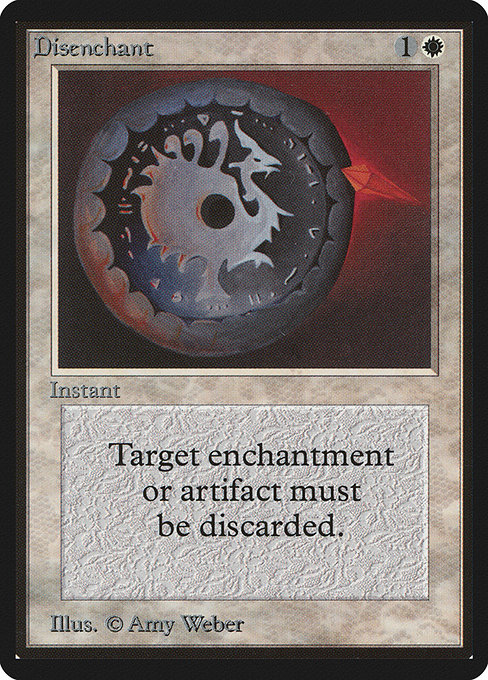
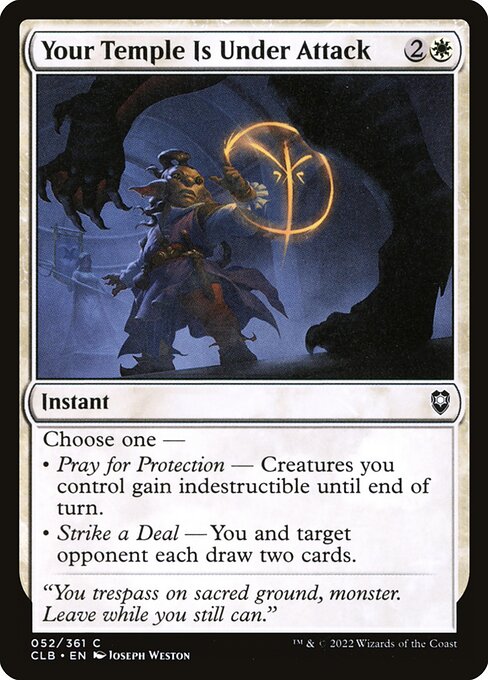
You have some remove options here too. Thraben Charm can be graveyard hate, enchantment hate, or removal for a creature, while Generous Gift can take care of any problem permanent. For enchantment and artifact removal, you have Disenchant. Your Temple Is Under Attack can protect your creatures or be used to draw two cards (but an opponent will also have to draw two).
Creature Suite
This is where the heart of the deck is. Creatures make up about 40% of the deck, after all. PDH Ghalta is through and through a creature-based deck. Since the majority of creatures are Walls with high toughness, they get around most of the common “board wipe” spells in Pauper Commander, short of Pestilence and Crypt Rats with mana to invest in them.
Utility Walls
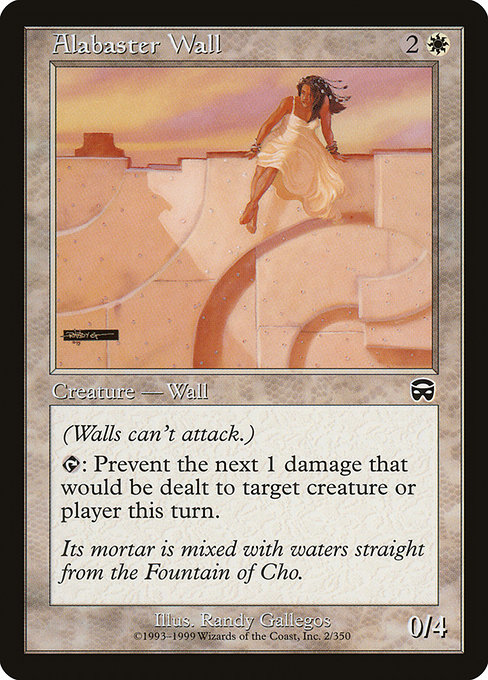
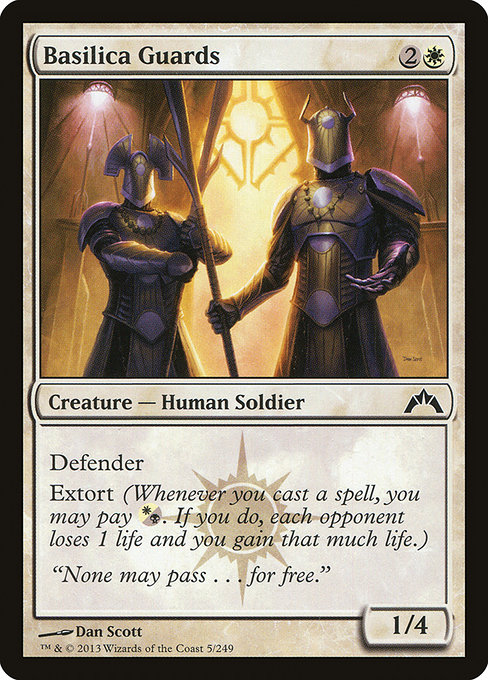
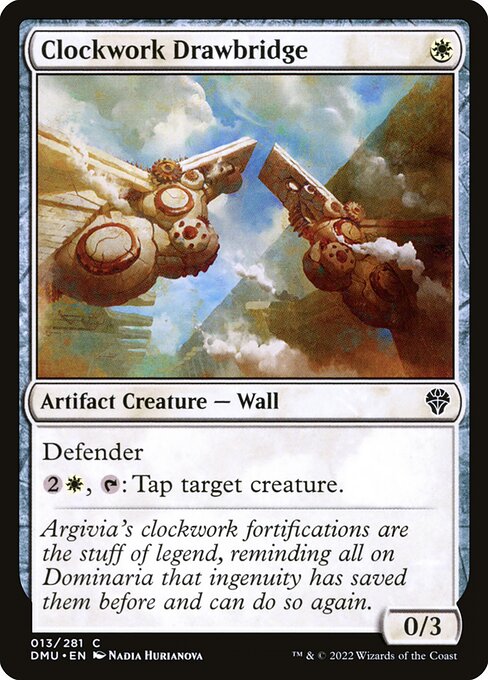
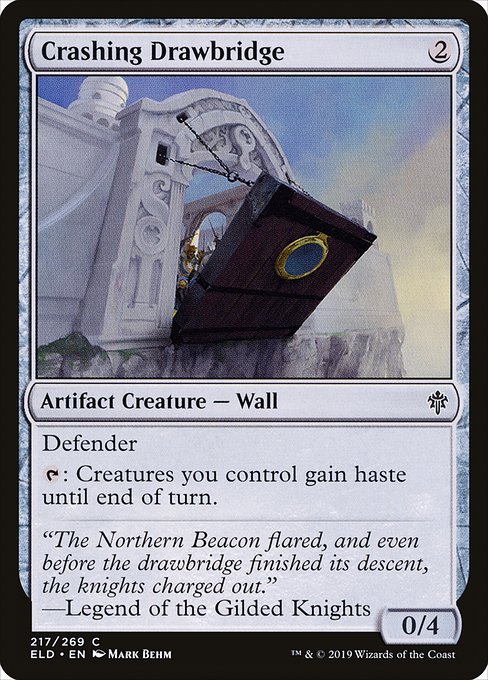
Let’s start with Walls that have effects that might be relevant. Alabaster Wall can prevent one damage from being dealt to a creature. This is rather minor, but can come up in niche situations; otherwise, it’s essentially a 4/4. You can get in some extra damage with Basilica Guards thanks to having extort. Any time you cast a spell, if you have an extra White mana to pay, that’s one life lost for everyone and three life for you. You can use Clockwork Drawbridge to tap down a problem creature before it can attack, and Crashing Drawbridge provides haste to all your creatures.
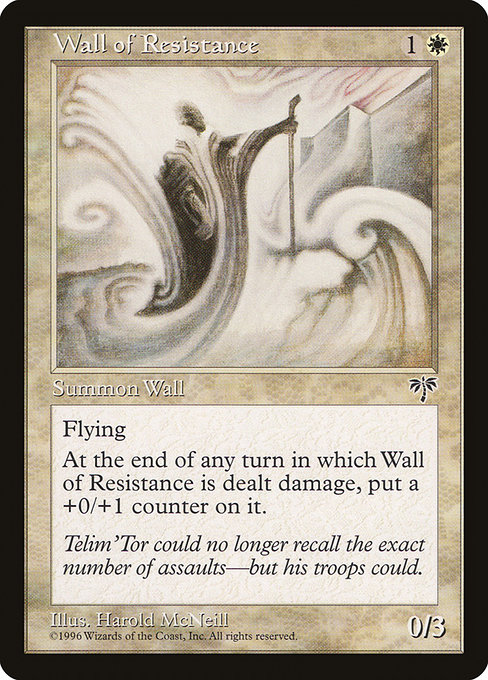
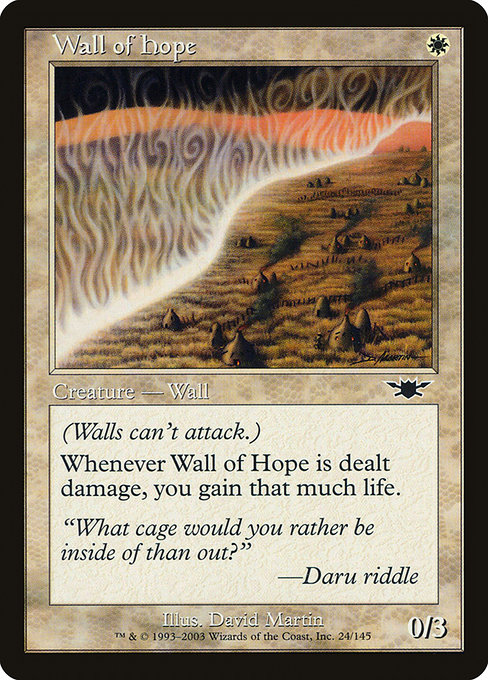
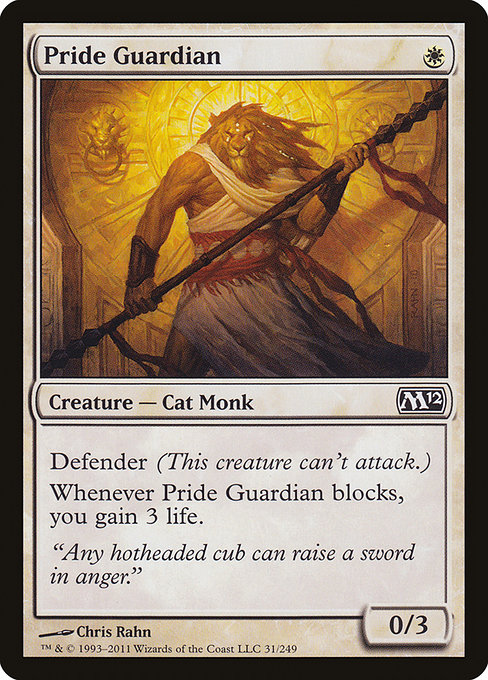
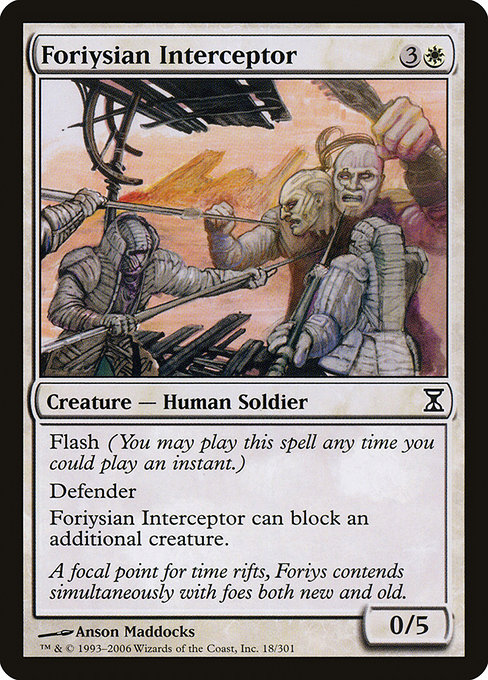
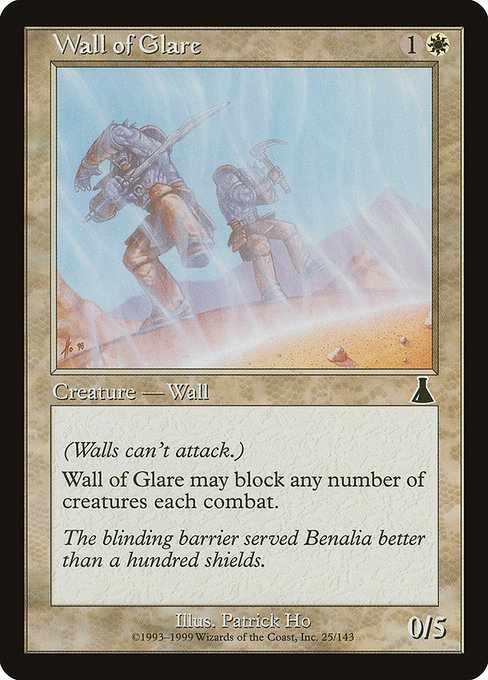
Some more great Walls include Wall of Resistance, which gets a seldom used +0/+1 counter on it whenever it’s dealt damage, making it an ideal blocker. For some more lifegain, Wall of Hope can gain life when it takes damage, and Pride Guardian gains three life any time it ever blocks. For some extra defense, Wall of Glare can block any number of creatures in combat, allow you to sacrifice it if an entire board of creatures is coming your way. It’s not quite as good, but Foriysian Interceptor can block an extra creature.
The Big Walls
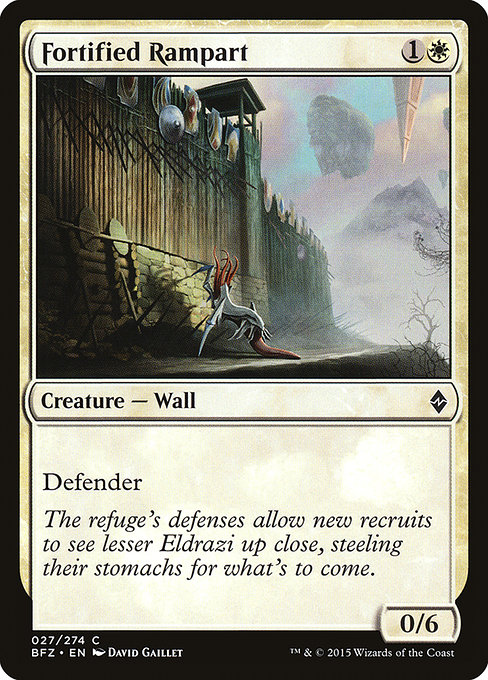
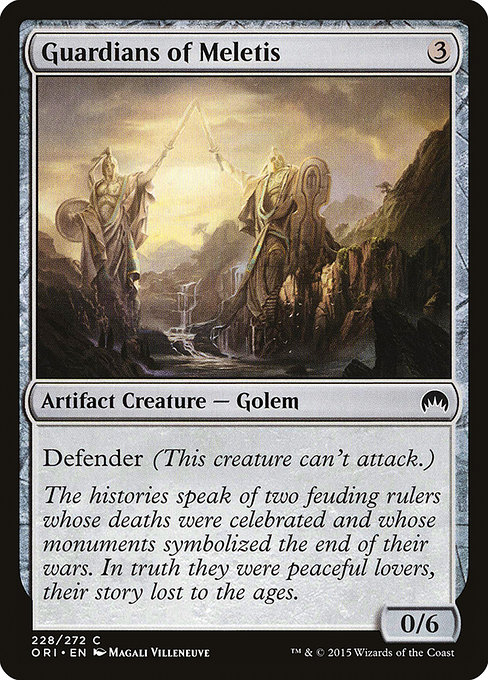
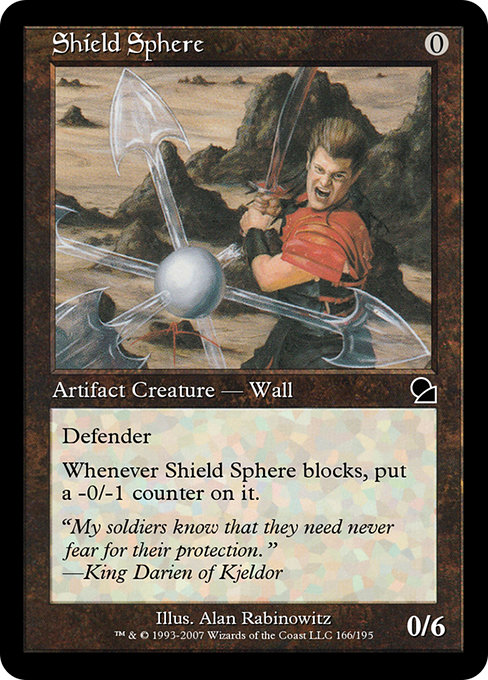
For this section, we’ll highlight the Walls with the highest toughness that make the best attackers. Fortified Rampart, Guardians of Meletis, and Shield Sphere are the strongest, with Shield Sphere being the best since it’s free to cast. You don’t want to use it as a blocker, though, as that’ll weaken its stats. It’s a strictly offensive card outside of having to use it when there is no other option.
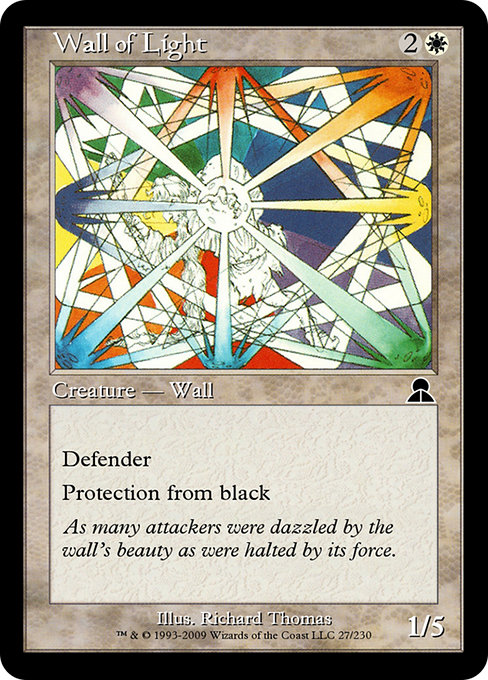
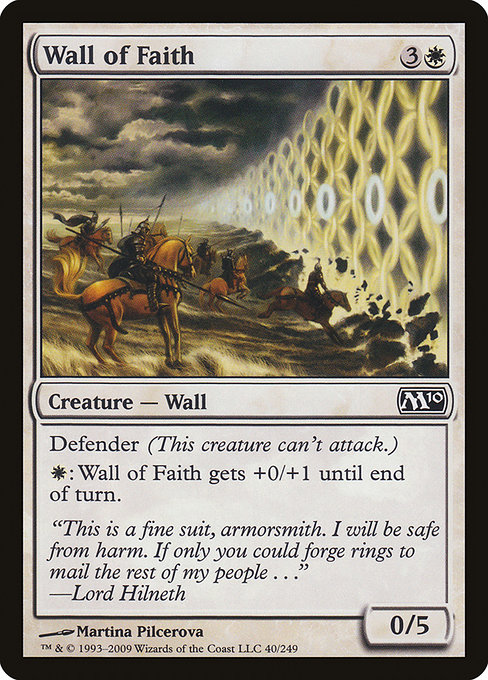
A tier below these are creatures with 5 toughness instead of 6. Wall of Light has protection from Black, which can be useful, as the best removal spells are in that color. You can make Wall of Faith huge by paying mana, and 5 toughness as a base stat is still great. They were mentioned before, but both Wall of Glare and Foriysian Interceptor make for great offensive and defensive cards.
Keyword Walls
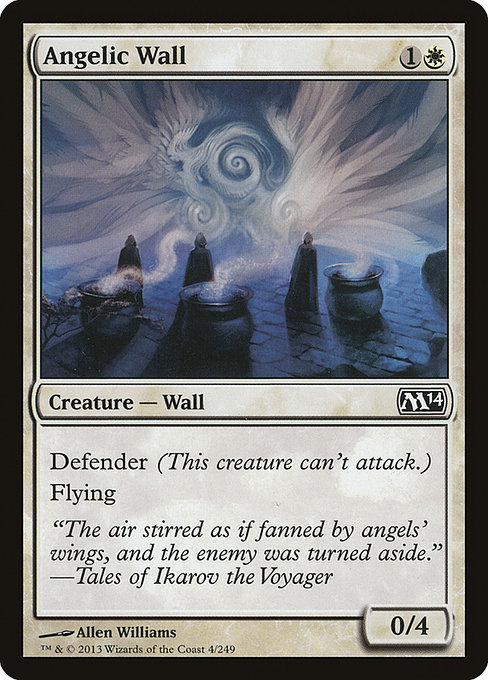
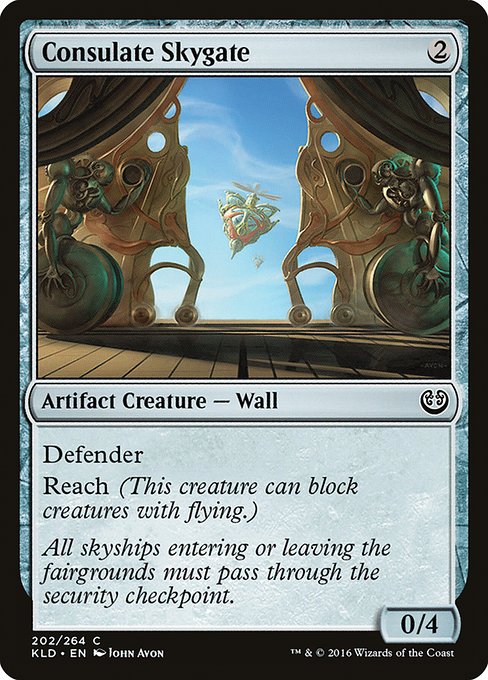
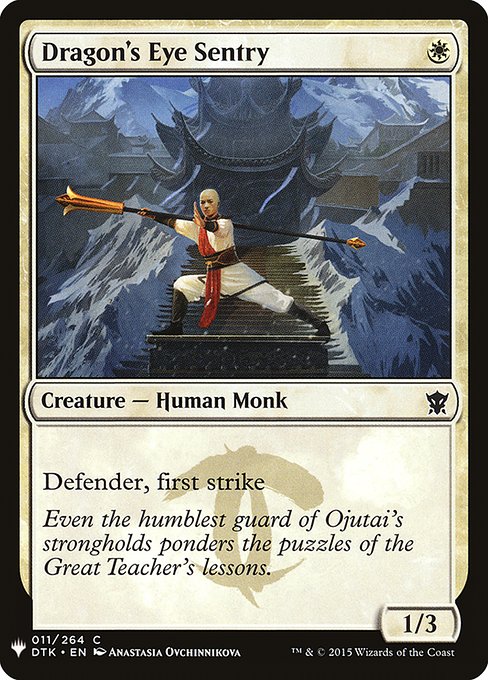
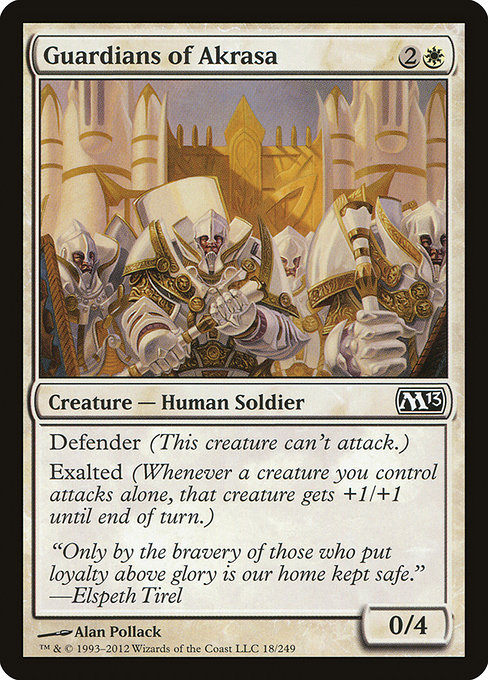
For the last bit of Walls we’ll highlight, let’s look at Walls with abilities. Angelic Wall has flying, making it much more evasive then other walls. Wall of Resistance has flying too, making both some of the best creatures in the deck in terms of being able to get in for damage. To block creatures with flying, on top of those two you also have Consulate Skygate. Dragon's Eye Sentry has first strike, making it useful for blocking creatures with deathtouch. If you’re only attacking with just one creature, Guardians of Akrasa can be useful in giving it a minor stat boost.
Boosting Creatures
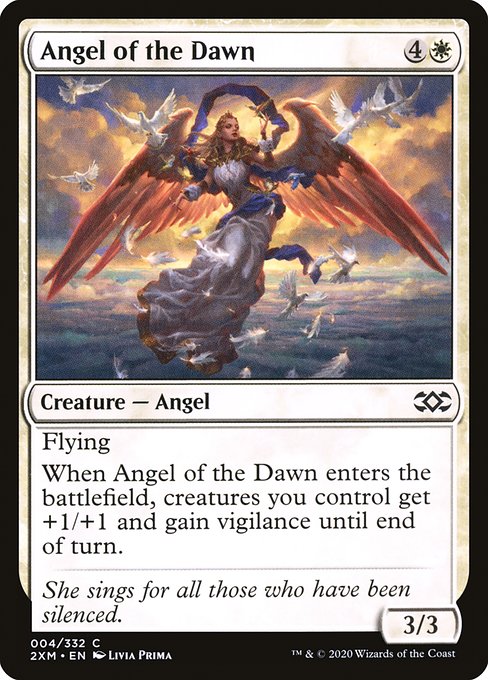
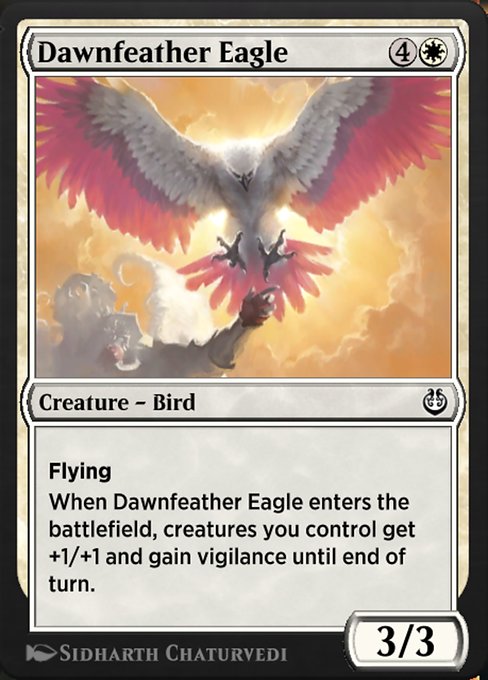
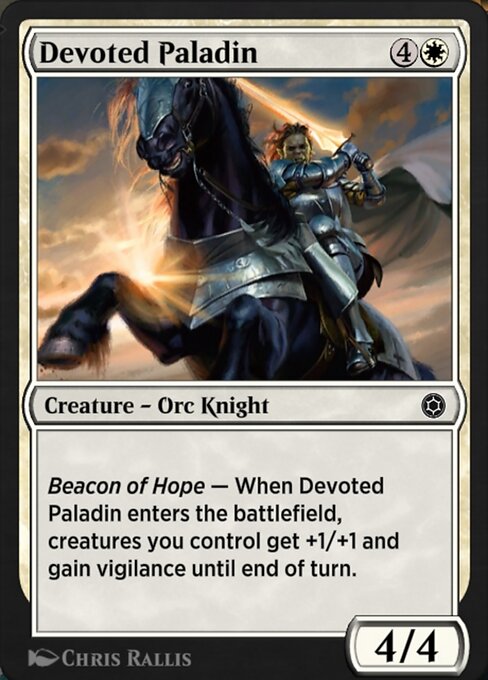
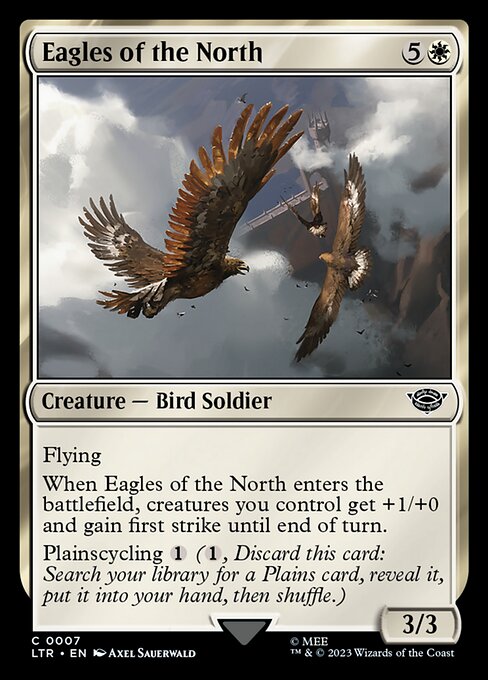
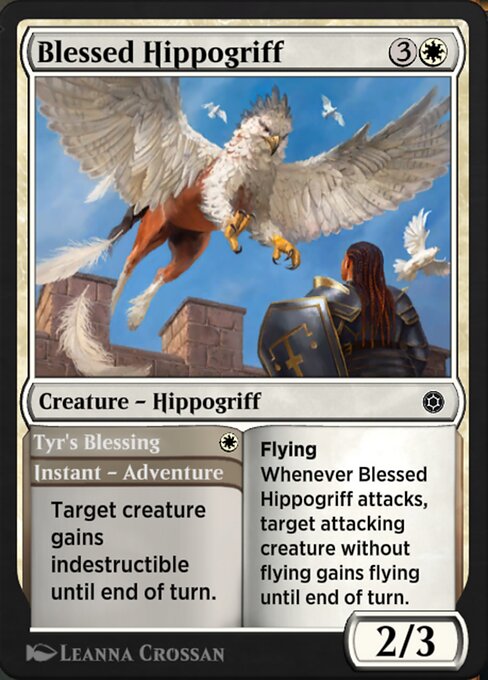
The last of the creatures we’ll go over are ones that, when they enter, they’ll give your creatures a temporary boost. For a +1/+1 and vigilance stat boost, there is Angel of the Dawn, Dawnfeather Eagle, and Devoted Paladin. Since Walls are such good defenders, giving them vigilance to allow them to attack and stay untapped is excellent. Less powerful is Eagles of the North, which gives them first strike (and technically +1/+0, but since they’re dealing damage with toughness, this doesn’t matter). It only affects one creature, but Blessed Hippogriff‘s ability to give a creature without flying the ability for a turn when it attacks is an excellent way to get in for evasive damage (especially with your commander).
How to Pilot PDH Ghalta
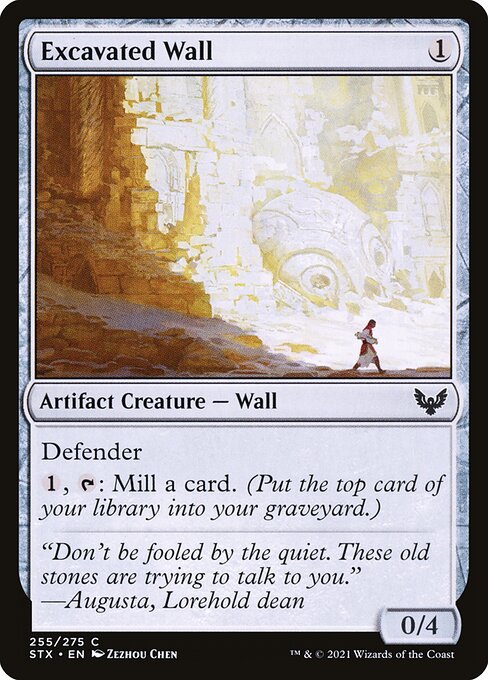
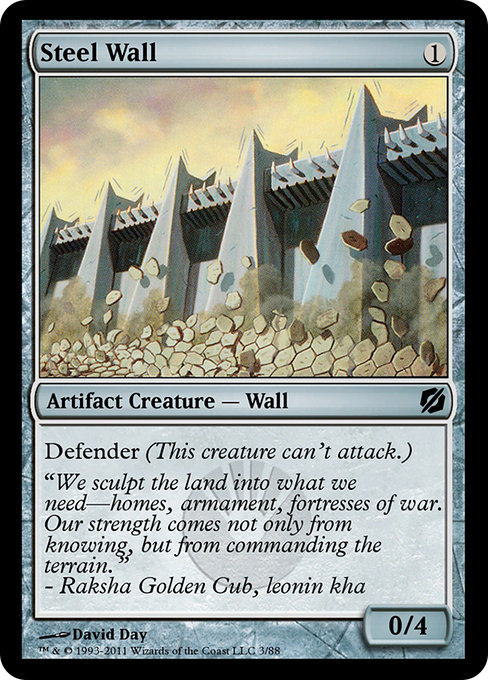
PDH Ghalta is a very defensive deck that can quickly pivot to full aggro as soon as Ghalta the Immovable hits the battlefield. Until you have enough mana to cast it, you’re playing Walls and setting up defenses. Thanks to the high toughness of all Walls, you won’t have to worry about taking early chip damage. There are plenty of Walls you can cast very early on, such as Excavated Wall and Steel Wall. These also make it so Ghalta is easier to cast, cutting about half of its casting cost for just one mana.
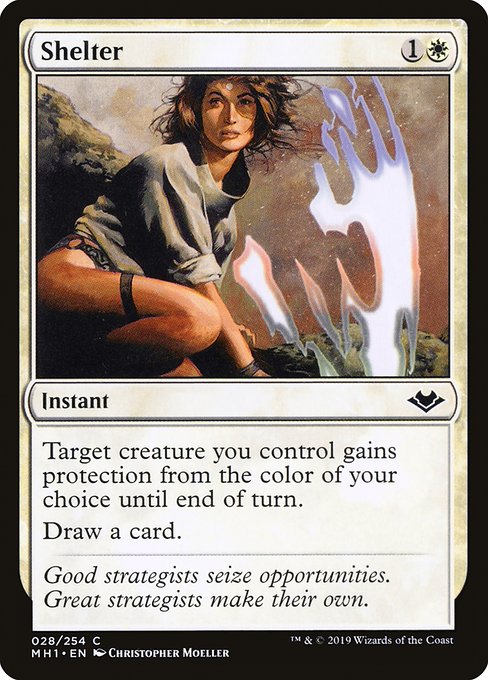
Once you have enough mana to cast Ghalta the Immovable, you generally want to cast it early before your opponents can set up. Since you’re likely to have a few Walls out before you cast Ghalta, you can start attacking with them right away. The one downside is that you don’t have too many ways to protect it, and it is a commander that is often going to be killed on sight. Some cards like Shelter and Your Temple Is Under Attack can help keep it alive, but you can’t always rely on it. But if you cast it early enough, you can deal a hefty bit of damage if you untap with it (or if you have Crashing Drawbridge.
Since you don’t really have to worry about commonly played board wipes, you can cast creatures a bit recklessly. The only thing you have to look out for is counterspells if anyone is playing Blue in your pod. Even so, the odds of someone countering a Wall are incredibly low since there are far more threatening things to counter. Frankly, the only thing that is a good counterspell target in the deck is Ghalta the Immovable itself.
Win Conditions, Pros, and Cons
The primary win condition of the deck is winning through combat. PDH Ghalta can deal a ton of damage in very quick bursts. Your battlefield is nothing but 0 power creatures, and suddenly, bam, you can deal double-digit damage as early as turn three whtn Ghalta hits the battlefield. Despite being defensive in nature, you are a more aggressive deck. You want to take advantage of Ghalta the Immovable‘s effect early, before your opponents have blockers, so you can deal a ton of damage before they get their own defenses online.
PDH Ghalta’s biggest strength is its ability to withstand at all stages of the game. You’re free from early attacks since you can usually get a Wall onto the battlefield quickly. Then, its burst damage with attacking Walls once your commander is online. Basilica Guards and
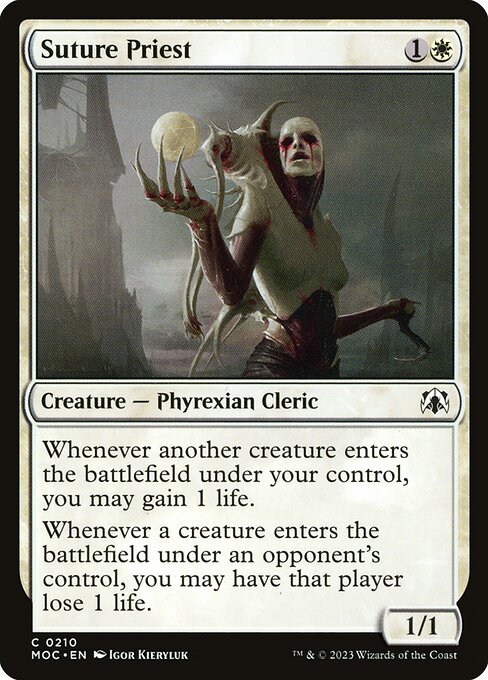
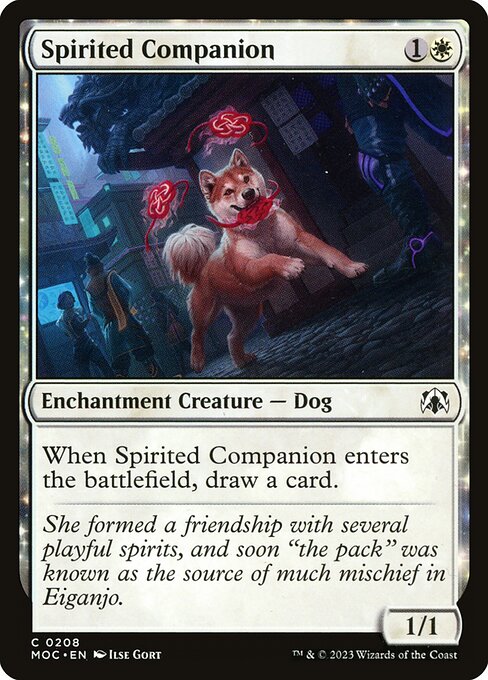
The biggest downside of the deck is running out of steam. You can run out of cards in your hand quickly, and there is only so much Spirited Companion and Inspiring Overseer can do. In addition, without Ghalta the Immovable on the battlefield, your deck doesn’t do a whole lot. You have a heavy reliance on your commander, and while it’s easy to cast, if the commander tax adds up, you might find yourself struggling to cast it in extra long games. You also have a very bad matchup against Token decks, as they can easily chump block your Walls. On the bright side, PDH Ghalta is very good against many combat-focused decks, but weak against Combo and Burn.
In Conclusion
PDH Ghalta is a very powerful deck in the Pauper Commander format. It’s very quick and able to easily shift between heavy offense and heavy defense. It’s very commander-centric, but can hold its own in grind games without it. But you’ll need to cast it in order to actually deal damage. Despite being Mono-Colored and locked into a specific creature type, it can still do a whole lot against plenty of decks in the format.
Want to check out some more Pauper Commander decks? Then check out our Pauper Commander deck showcases here.