






Politics in Commander are everywhere. It’s an important factor in the unique multiplayer format where you’re working together just as often as you’re working against one another. Politics management is something you’ll need to learn how to do to improve at EDH. Politics are unique to the Commander format due to its nature, so it’s best to learn everything about Politics and politics management early on.
What Are Politics?
To learn about politics management, first you need to know what politics are. In Commander, politics refers to actions taken outside the game itself. Generally, this involves making deals with other players. Some examples include promising not to remove a creature if they don’t attack you with it, or working together with other players to deal with a win condition they are presenting. Politics are a very social aspect of Commander rather than mechanical. That’s why it only exists in EDH and not in any other format.
Working Together to Take Down a Threat
One of the most common ways you’ll have to use politics to get a desired outcome in Commander is when someone becomes a threat. In just about every EDH game, there will be a moment where someone is clearly far ahead of everyone else. The most common term for this player is “public enemy.” Sometimes it might be you, sometimes it’ll be an opponent. Regardless, everyone else in the game will have to come together to take the public enemy down.
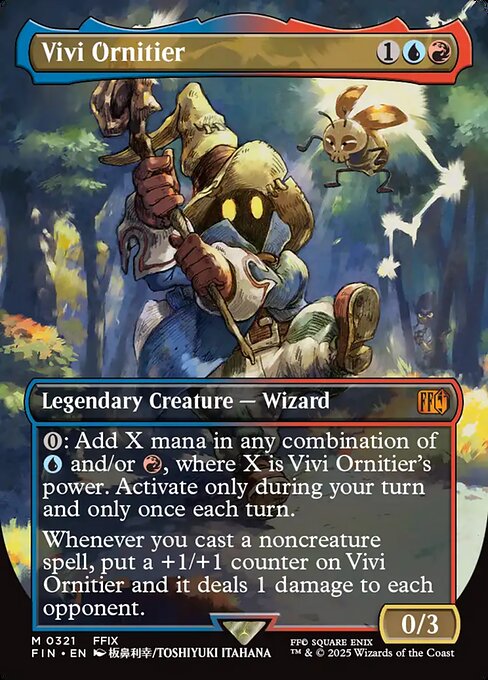
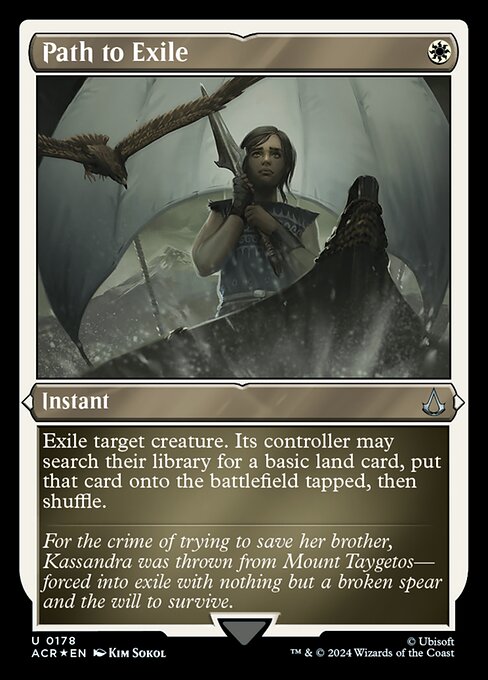
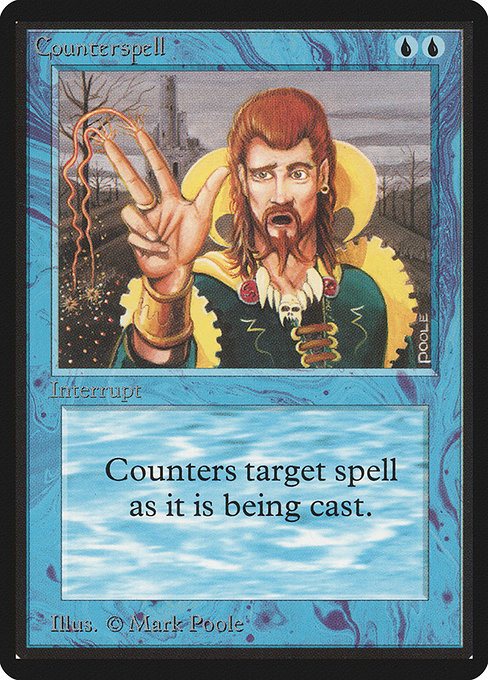
For example, one player might have Vivi Ornitier on the battlefield. This card can run away with the game, especially since most decks are built around abusing its effect. So, you have to work with your opponents to stop the Vivi Ornitier player from going off. You’ll have to work with your fellow players, deciding the best ways to take care of it. This can be in the form of removing it with something such as Path to Exile, or using Counterspell while Vivi Ornitier is still on the stack. When you know a problem card is coming, you’ll want to talk with your pod to figure out how you are all going to deal with it. This is especially true with “kill-on-sight” commanders that can steamroll the pod (such as Vivi Ornitier).
Deciding Who Takes Action
When it comes to dealing with a public enemy, you’ll have to figure out who is going to be the one to initiate. If you know the owner of the permanent you want to get rid of has protection, you’ll have to work together to stack removal spells to ensure it gets removed. It can be a good idea to ask things like “if my spell gets countered, do you have a way to get rid of it?” While it’s usually better to keep certain information private, with politics, you’ll have to reveal some information to ensure what you want to happen, happens.
A common way to respond in situations like this is “if your spell doesn’t work, I have something to deal with it.” This helps you to not reveal too much information, and tell your opponents that you can contribute to the plan if “plan A” doesn’t pan out.
To determine the best player to deal with something, you should look at available mana. Those who have excess mana are usually encouraged to go first, since they’ll still be able to interact past their removal spell. It also lets that player have enough mana to counter the counters if need be. Those with less mana available will be less useful, as the number of spells they can cast is much more limited.
Using Politics to Your Advantage
In your career as a Commander player, you’ll need to use politics frequently. This helps you work toward victory in cases you otherwise wouldn’t be able to. The higher in power brackets you go, the more common politics are. A political deal can make or break a cEDH game. Even in lower-bracket casual games, you’ll need to use politics to your advantage.
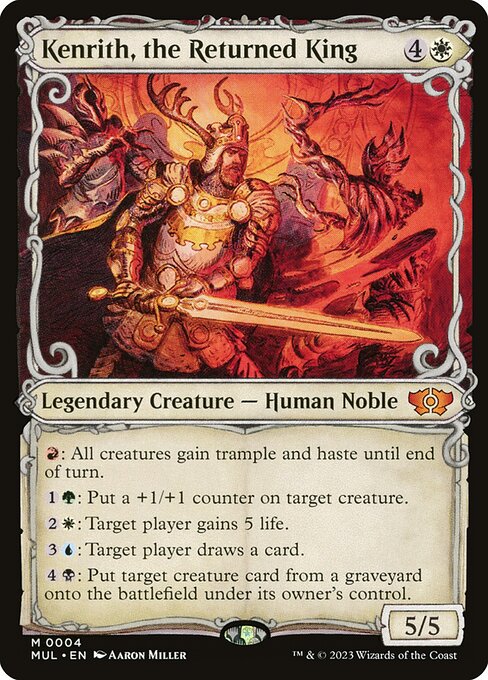
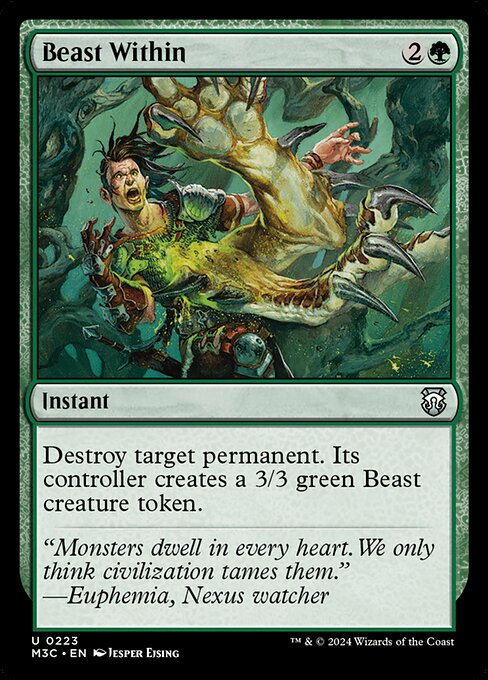
There are two things you need when it comes to politics for your own gain: leverage and threats. For example, if you control Kenrith, the Returned King, you can dictate the entire game. Thanks to its effect, you can give those benefits to every player. You can make deals to convince opponents to essentially fight for you in exchange for giving them a Kenrith, the Returned King‘s effect. Or, if you have a Beast Within ready, you can threaten opponents to dissuade them from attacking you. Make opponents not want to attack you by threatening to remove their best permanents. The more you can threaten, the more you can use these politics to keep your side of the battlefield safe. Don’t be afraid to get a bit mean with it, use your board state to your advantage to control the state of the game.
The Politics Of Lying
Now, this is something that is more common in the tournament scene and less so in casual games. If you’re playing with friends, you can lie, but people may not take kindly to it. However, in a tournament with prizing and money on the line, sometimes you got to do what you got to do.
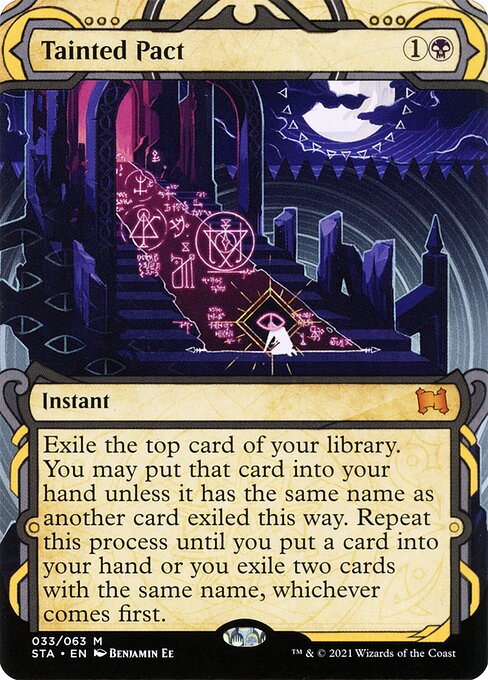
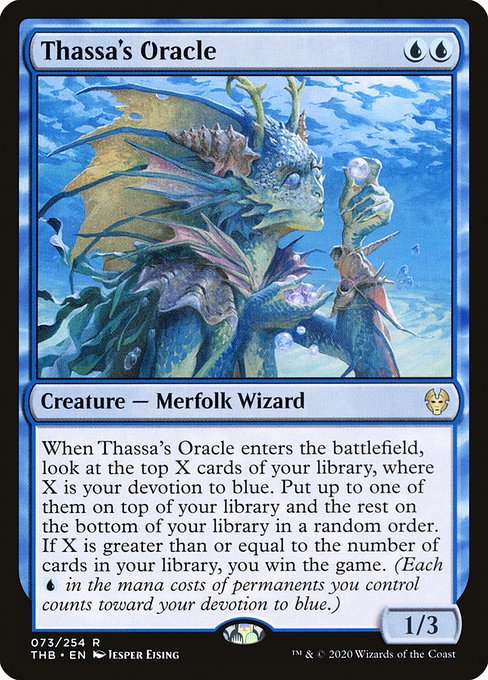
A common happenstance is promising to work together with everyone in a pod to handle something. Perhaps you agreed not to attack or target someone by convincing them to not do the same to you. You may even intend to hold onto that promise. However, you may suddenly draw into your Tainted Pact and Thassa's Oracle combo (or any win condition). You’ll have to turn that promise into a lie because in a tournament setting, it’s about winning, not making friends.
There have been some controversies about lying in tournaments in the past. But at the end of the day, politics are a part of Commander. It is unique to EDH, and using politics management to get every edge is something you’ll have to do. Now, it may lead to a reputation of lying in events, so lying only helps you so much, especially over the course of an event. Other players in the game you won with lies might get mad at you, but in the same vein, they might still get mad at you for winning.
It is not against the rules to lie in Commander (or Magic in general, assuming you’re not breaking rules). You can outright lie about what you have, and back out of any deals you made at any given time. It does have a point of diminishing returns, especially over the course of a single event if you keep doing it.
Political Archetypes
In Commander, there are Commander decks that are heavily built on politics management. These archetypes aren’t strictly political in nature, but if you lean heavily into the social politics, become much stronger.
Voting
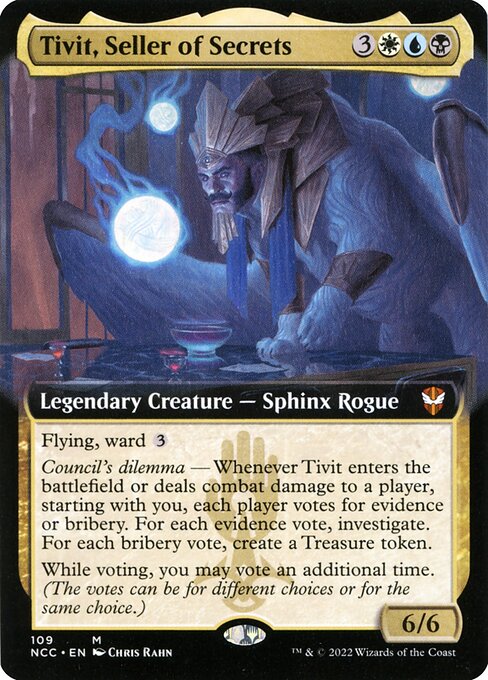
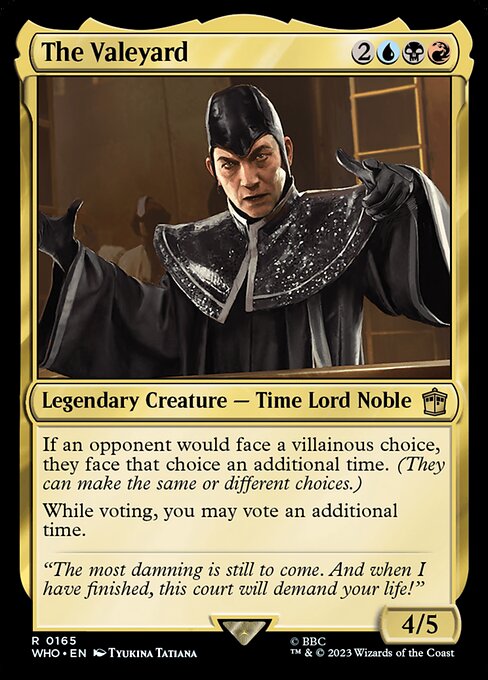
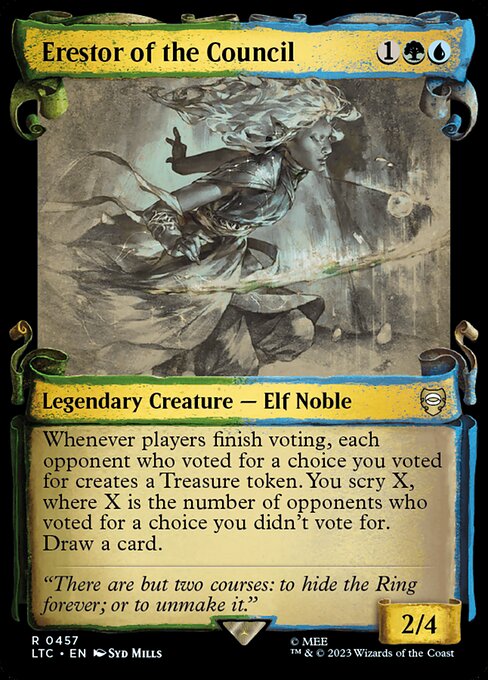
Some cards have effects that cause players to vote for varying options. There are a few different commanders that care about voting, including Tivit, Seller of Secrets, The Valeyard, and Erestor of the Council. These kinds of commanders play a ton of cards that care about voting, and you can entice your opponents to vote for specific options through persuasion and making deals.
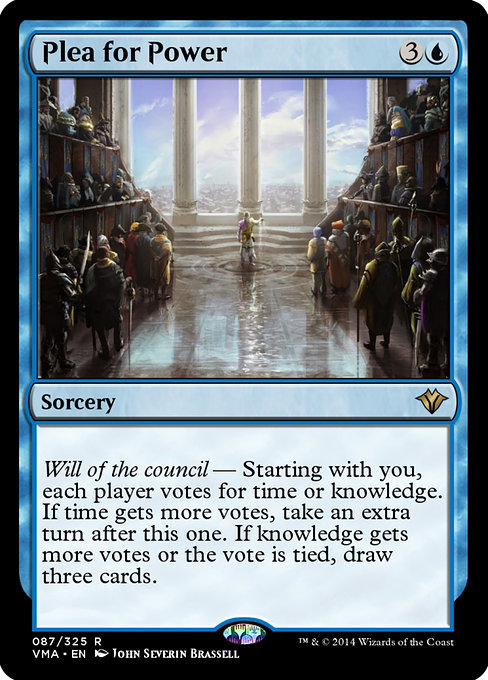
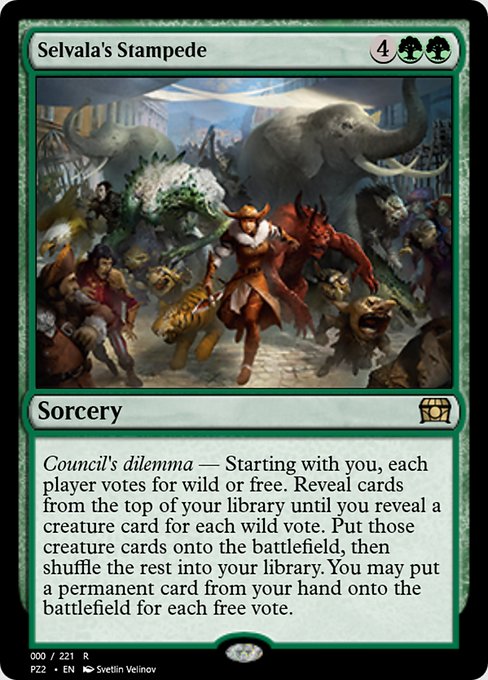
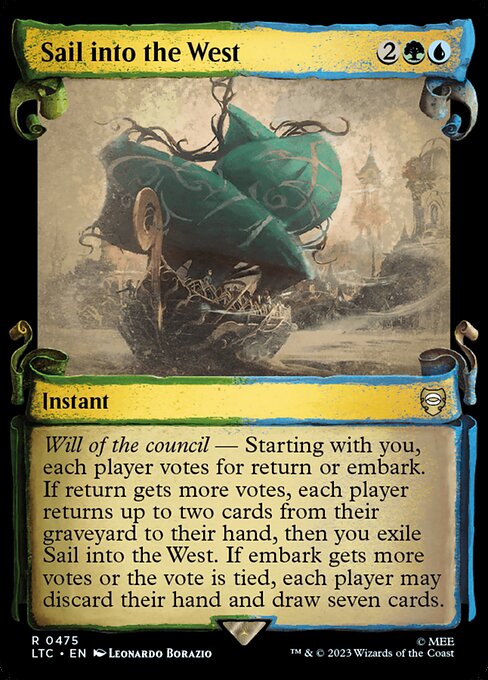
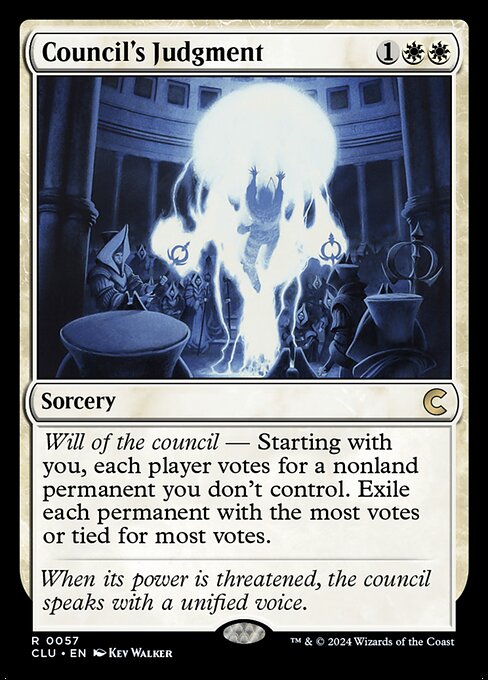
There are many cards that cause voting to occur, such as Plea for Power, Selvala's Stampede and Sail into the West. You can use politics with Council's Judgment to talk your opponents into exiling specific permanents, and making agreements with others to not target their permanents. It’s all a political game with Voting decks, and using the social aspects is important to succeed in this archetype.
Group Hug
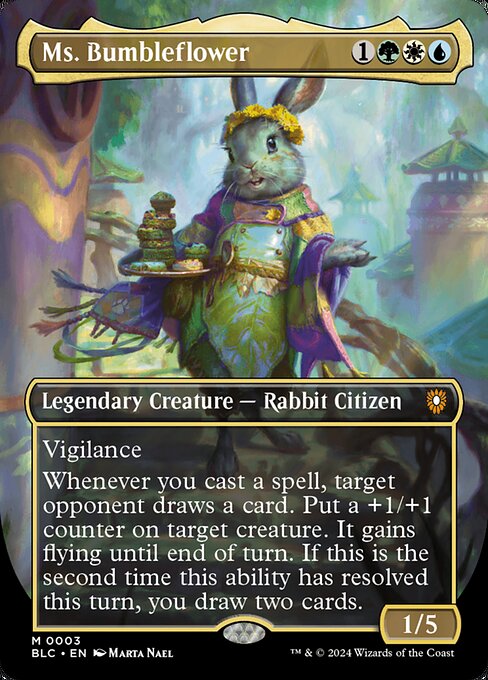
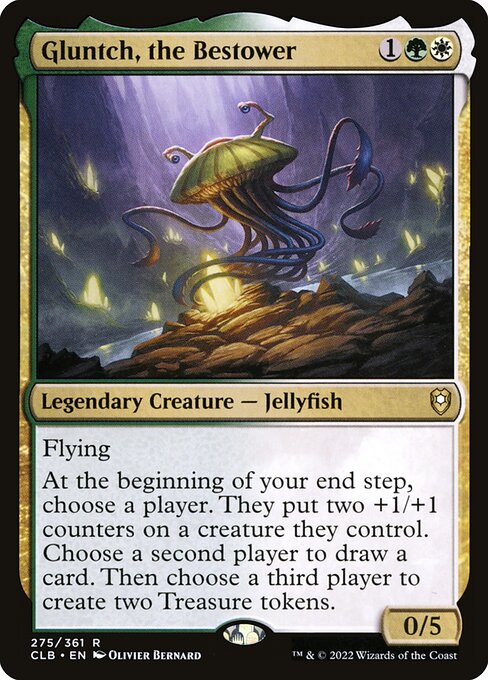
With Group Hug decks, you’ll need to use politics management perhaps more than any other archetype. Group Hug decks are built around you giving your opponents beneficial effects to dissuade them from attacking you. Often, this includes making deals such as “I’ll give you a card draw if you don’t attack me” and “I’ll put a counter on your creature if you attack another opponent.” Some examples of Group Hug commanders are Ms. Bumbleflower, Gluntch, the Bestower, and Zedruu the Greathearted.
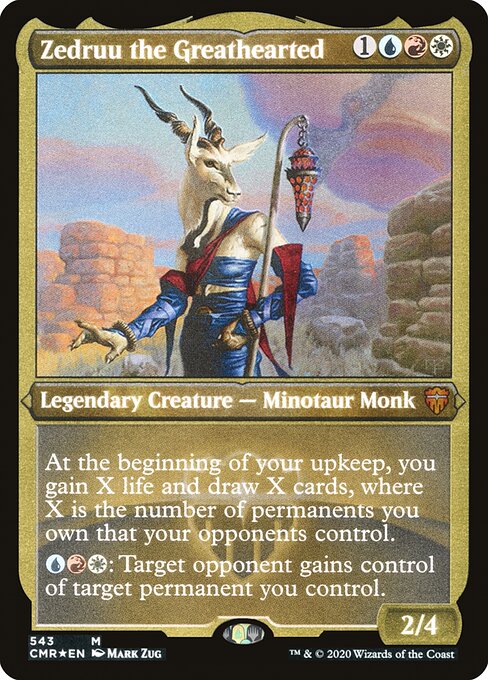
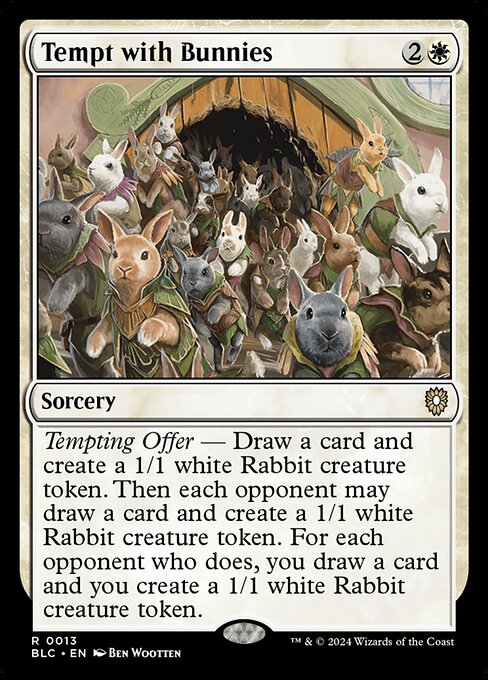
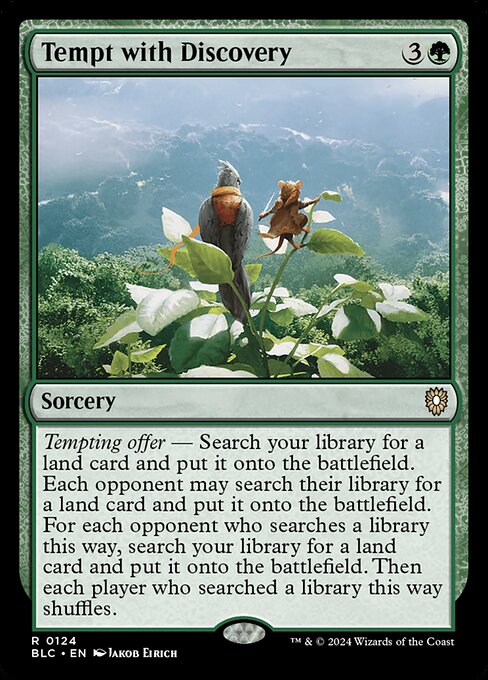
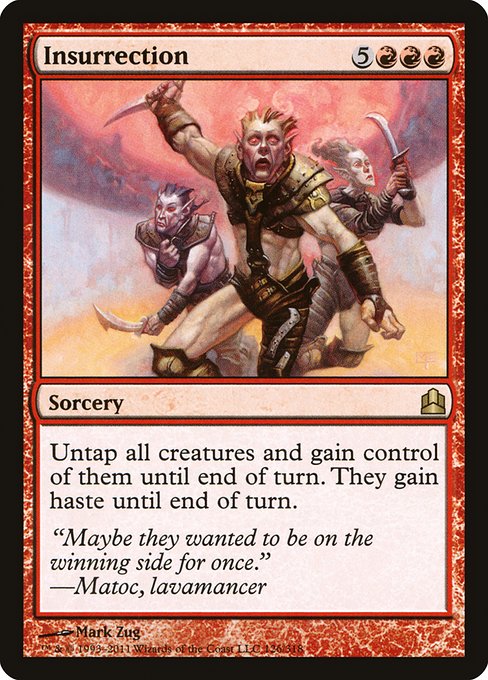
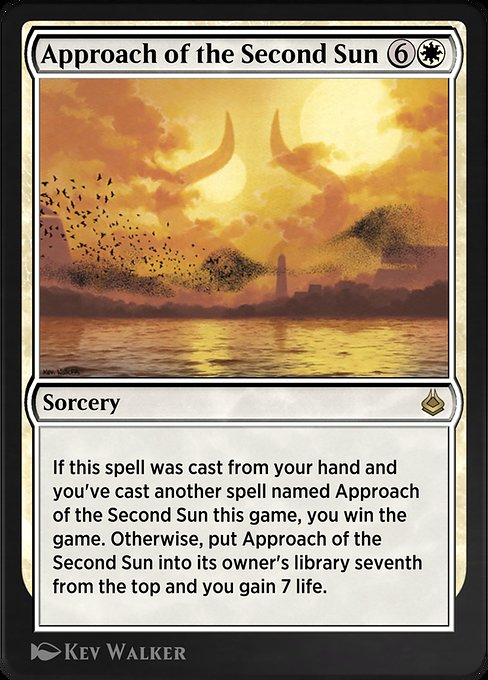
When playing Group Hug, you are constantly engaging in politics. It’s perhaps the most social archetype in Commander. If you’re not making deals, you’ll likely lose, as with Group Hug, you’re advancing your opponents’ game states at the cost of having a weaker one for yourself. You’re essentially having your opponents fight each other for you, rather than fighting them yourself. You want to use political skills by working with the players most ahead, as you can get the most advantage by allying yourself with them. Many Group Hug decks use cards such as Tempt with Bunnies and Tempt with Discovery that benefit your opponents, but also yourself. In Group Hug decks, you’re controlling the game through social politics, constantly making deals with your opponents so they do your bidding, eventually snowballing into cards such as Insurrection and Approach of the Second Sun to close out games.
Aikido
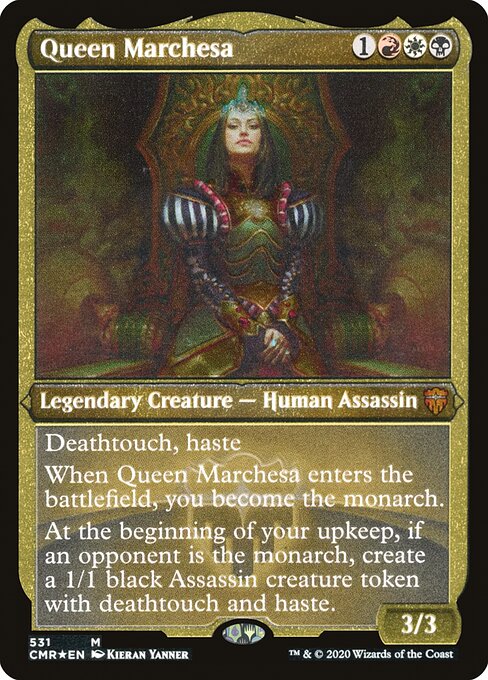
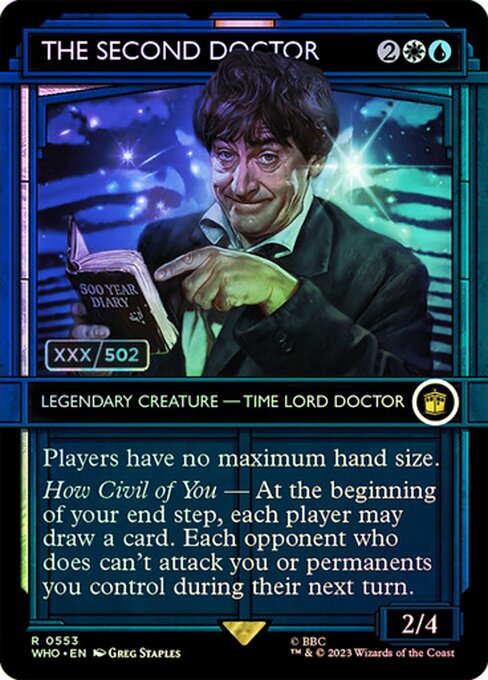
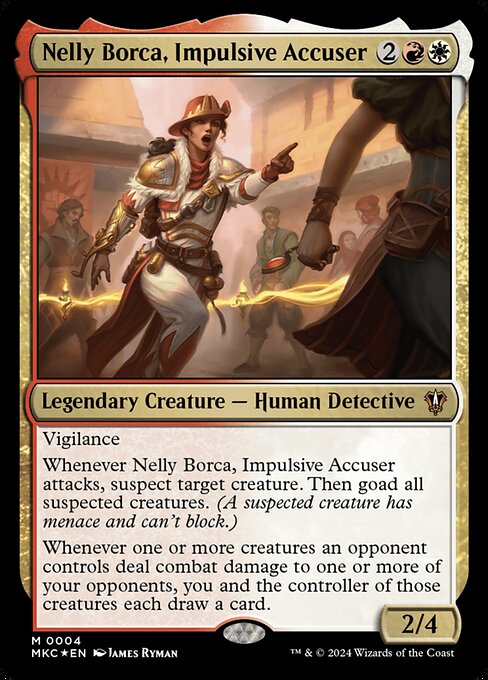
A lesser known archetype, Aikido refers to decks that are built around defensive politics management. These use cards that punish opponents for attacking you, generally by redirecting damage. Instead of being aggro, it plays on the backfoot, using politics to keep your opponents at bay, and punishing them if they do target you. There aren’t a ton of great Aikido commanders, making it a less common strategy. The two most important colors are White and Red , with Black being a complementary color to the strategy. The most common commander is Queen Marchesa since you also benefit from monarch, with other examples being The Second Doctor with a Red companion and Nelly Borca, Impulsive Accuser.
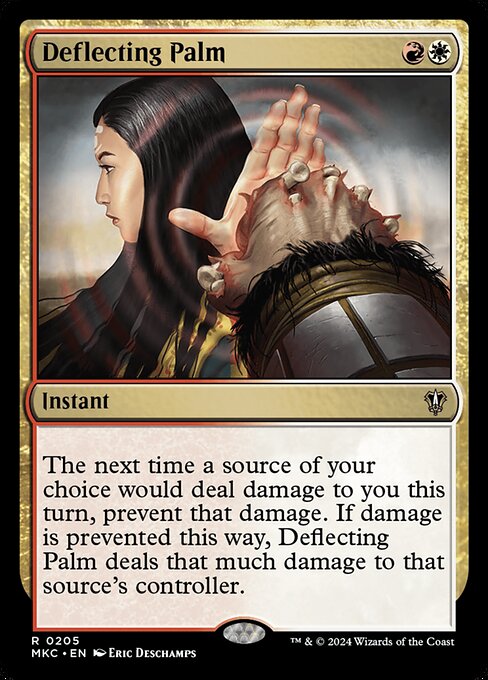
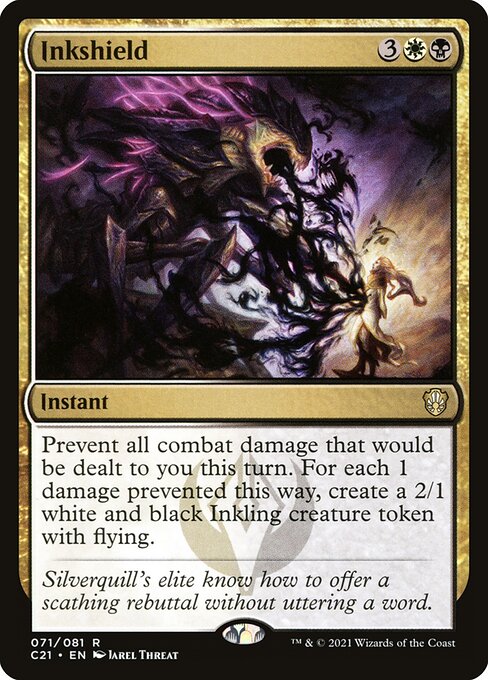
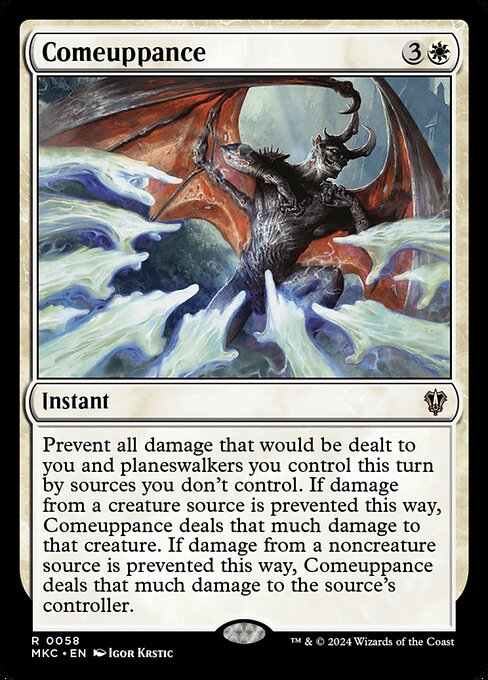
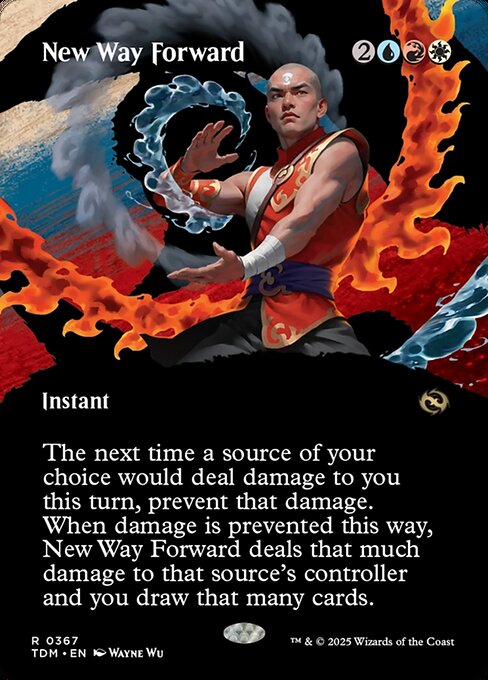
The idea of Aikido is to threaten opponents with cards such as Deflecting Palm, Inkshield, and Comeuppance. You want to use political management to constantly threaten your opponents. The importance here is having the spells to back up your threats. While you might be able to get by through saying the attack is fine one time, you want to push back as soon as you can. You want to make your opponents afraid to attack you, or else they’ll have to deal with a New Way Forward going their way. You also want to use removal spells as another way to threaten opponents, not just damage redirection. Ultimately, Aikido decks function in the political sense of using threats to your advantage while you build up a board state, making your opponents worry about making you their enemy.
When To Use Politics
Politics are very common in Commander, but, in the same vein, there is a time and a place for them. Making deals and working together with your opponents is common. However, you don’t want to constantly try and do this. Otherwise, the pod can get annoyed, and instead, it backfires, and they’ll target you. Politics are a social skill, and a part of that skill is knowing when to back down and just play the game as intended.
You don’t want to make every turn about politics. There are times when even if it’ll be beneficial to you, it’s better to not try and use politics (especially if you’ve already tried recently). In tournament scenarios, you will use politics more often, but you still need to be careful. As in tournament settings, matches are usually on a timer, so pausing the game to talk politics will lead to annoyances with the rest of the pod, and likely will lead to your opponents not wanting to work with you. In casual games, politics are much less important, as the stakes are much lower. You can still use them (especially in archetypes built around politics), but don’t expect to bring politics up constantly.
In Conclusion
Politics management is a key part of Commander. It’s exclusive to the format, and something you don’t have to learn in any other Magic format. It is important to learn the best strategies and understand why politics work, as this will help you in all your future games. Whether you’re a new player or a cEDH veteran, politics are going to follow you all through your EDH journey.