






Table of Contents
In cEDH/Bracket 5 games, you’re playing decks to their absolute limits. You’re winning as fast as possible, and making sure you’re cutting off anything your opponents do. Izzet, the Blue/Red color combo, is a great color pairing. There are a lot of useful options and various archetypes to add some variety to cEDH Izzet.
How Does cEDH Izzet Play?
There are three primary flavors of cEDH Izzet: Control, Combo, and Spellslinger. Control is its own thing, while Combo and Spellslinger are moderately similar, but have key differences. Overall, cEDH Izzet decks are about shutting down your opponents either by countering their cards, or by casting so many spells they simply can’t respond anymore.
If you’re a fan of casting spells beyond the Thassa's Oracle and Demonic Consultation combo, Izzet is a good choice. Blue is cEDH’s best color, so having access to it already puts you ahead of other color combinations. Meanwhile, Red gives you access to some solid ritual cards for extra mana, and extra turn cards for certain builds.


cEDH Izzet Staples
As with every color combo, Izzet comes with various staples. These are included in nearly every Izzet build thanks to their power. This is usually in the form of protection, or utility cards that are useful for most Izzet decks.
Combo Staples
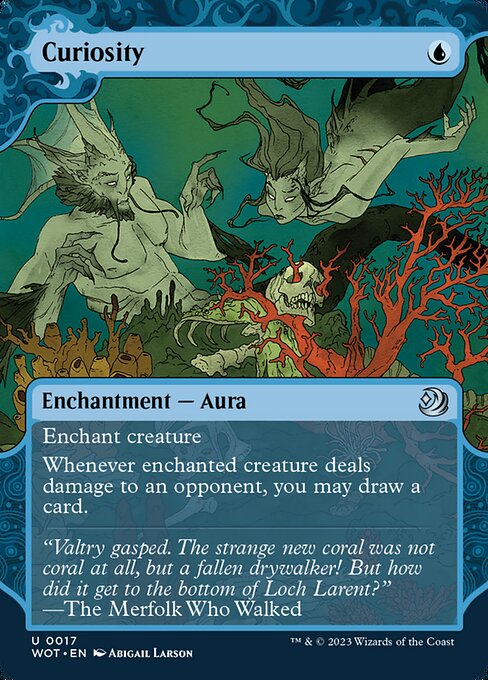
In cEDH, combos are king. If you don’t have a game-winning combo, odds are you aren’t winning games. One of the most common combo pieces is Niv-Mizzet, Parun. When you enchant it with either Ophidian Eye or Curiosity, once you deal damage once, it creates a loop. Niv-Mizzet, Parun deals damage when you draw a card, then these Auras draw you a card to re-trigger it.

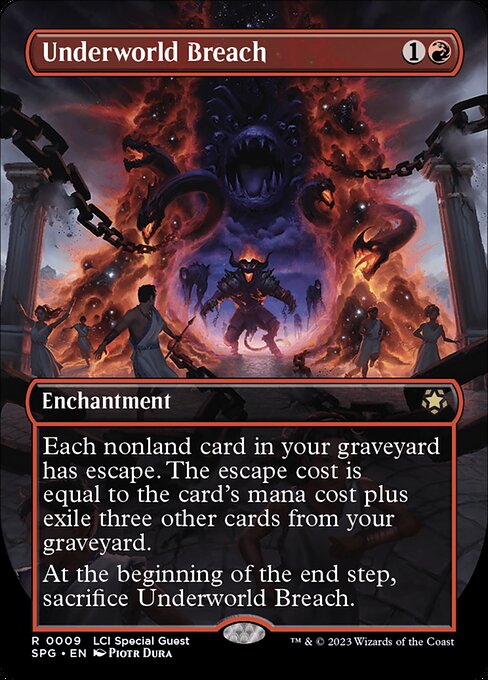
The other main combo found in cEDH Izzet decks consists of Underworld Breach, Lotus Petal, and Brain Freeze. You need at least six cards in the graveyard. First, you use Lotus Petal to create mana. Then, you cast Lotus Petal again by escaping it with Underworld Breach and make another mana. With this two mana, cast Brain Freeze targeting yourself with at least three copies of it. This gives you nine cards in the graveyard, enough to escape Lotus Petal twice and Brain Freeze again. This will lead to all opponents milling out their libraries, as well as milling yourself out if you have win conditions on the battlefield that win by not having a library.


Counterspell Staples
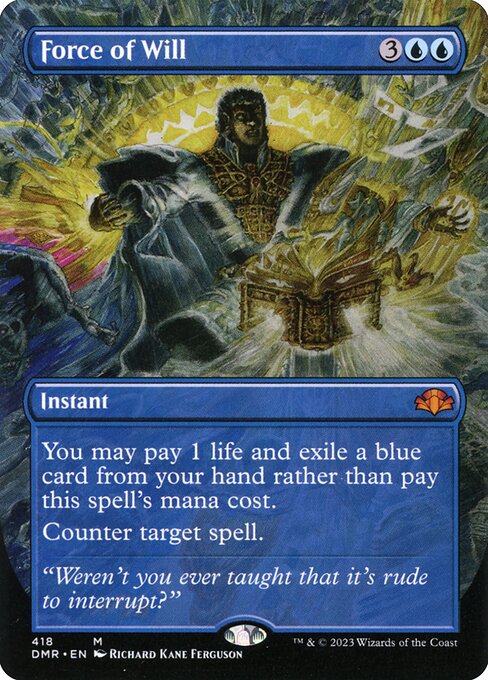
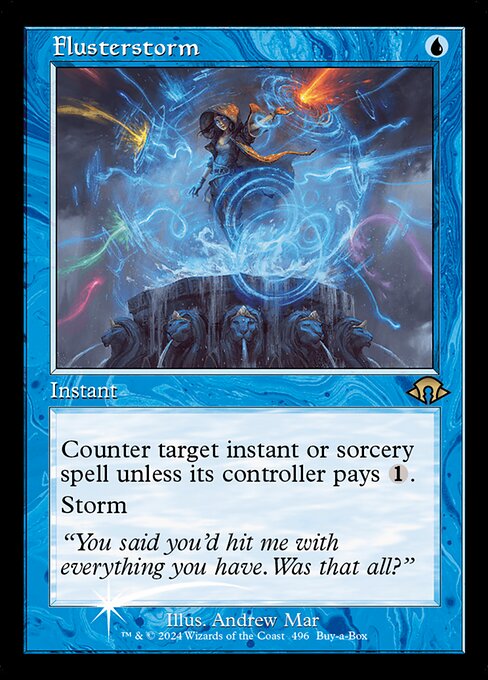
If you’re playing Blue in cEDH, counterspells are very important. In the format, so many cards can end the game, so you want ways to negate effects and spells before they win opponents the game. Spells that can be cast for free reign supreme, such as Force of Will, Force of Negation, Fierce Guardianship, and Pact of Negation. This lets you counter any spells your opponents cast without having to worry about holding mana up. This helps you to protect your own win conditions too, letting you save mana for your game-ending combos and having counter magic to stop interaction. For similar reasons, 1-mana counterspells like An Offer You Can't Refuse, Flusterstorm, and Mental Misstep are useful includes.



Card Draw Staples
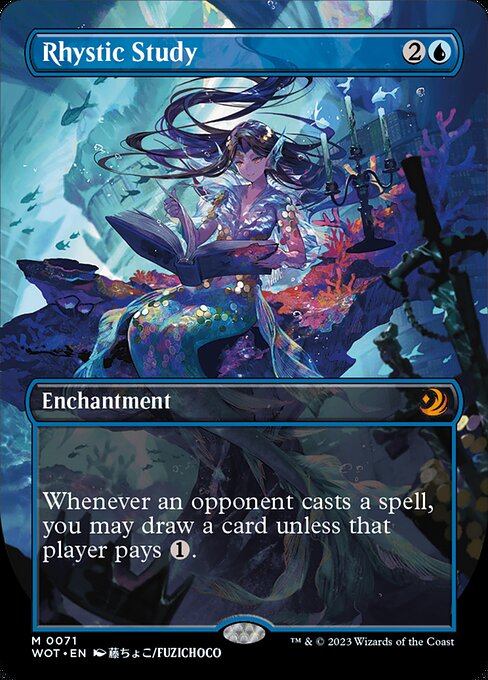
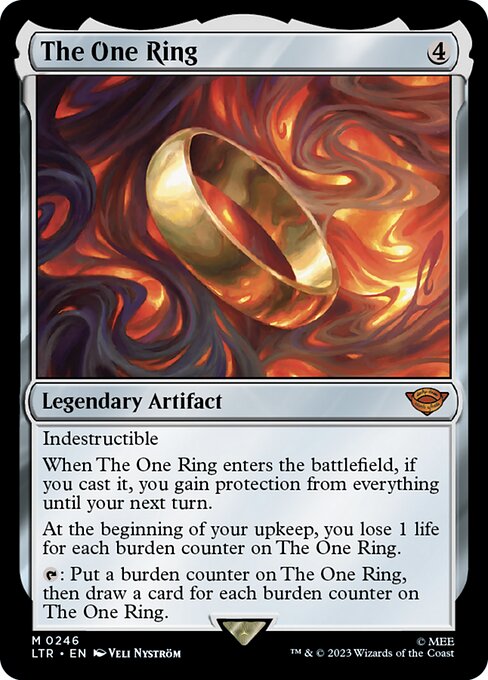
With Izzet especially, card draw is vital. You need to always have interaction in your hand to respond to anything your opponents throw your way. Otherwise, you’ll be forced to watch your opponents combo off without any way to interact with it. Mystic Remora and Rhystic Study tax your opponents when they cast spells, making them pay mana if they don’t want to give you card draw. The One Ring gives you a turn of protection, while also giving you prolonged card draw every turn. While it slowly deals burn damage, with how quickly cEDH games go and how high your starting life total is, it’s hardly a downside that comes up.

Miscellaneous Staples
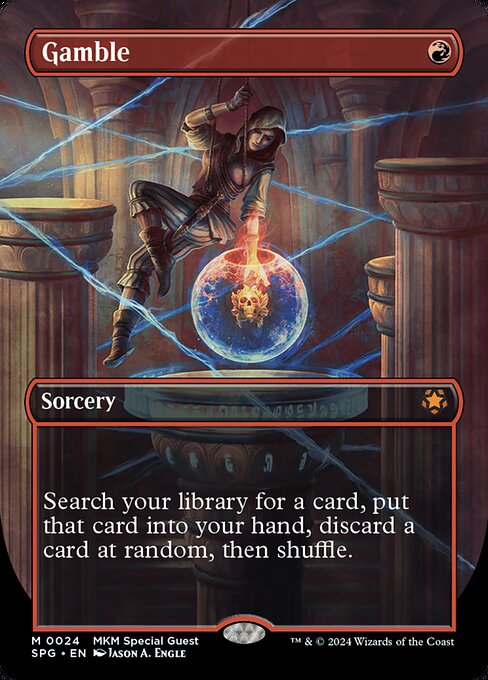
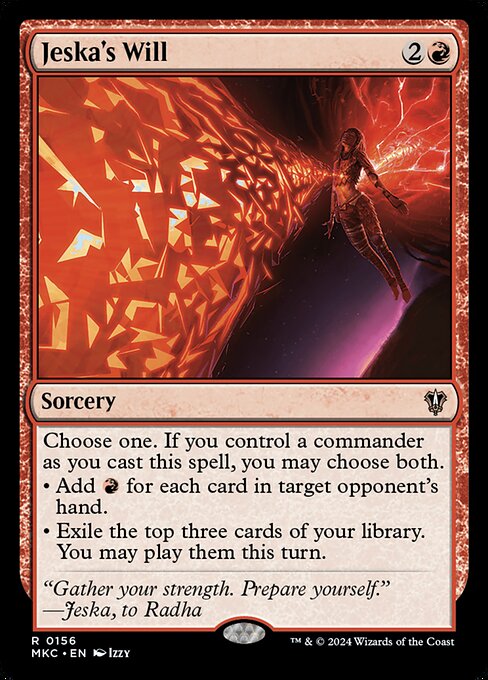
cEDH Izzet decks tend to have various utility cards regardless of their archetype. Gamble is one of them, acting as a tutor for any card in your library. The downside is you might be forced to discard it, but luckily, most cEDH decks run Underworld Breach so you’ll still be able to cast it. Jeska's Will can give you a lot of mana and some impulse draw to dig for your win conditions. Even though Rite of Flame gives you one extra mana, it’s a staple of Red, getting one extra mana is just that good. In a similar vein, Simian Spirit Guide is played as a way to get a free mana.


Archetype Examples
There are three main Izzet archetypes in cEDH, Control, Combo, and Spellslinger. Each of them has its own merits for playing, and has different overall game plans, even if in many cases they share the same win conditions. Within these archetypes, we’ll look at three of the best Izzet commanders in cEDH.
Control: Niv-Mizzet, Parun
The face of Izzet is also a great cEDH commander. Niv-Mizzet, Parun is a powerful card. It is a bit costly, but it gives you one half of a win condition in the command zone. It can’t be countered either, letting you cast it freely (in most cases). While it is costly, a common play to get it out quicker is using cards like Reshape and Transmute Artifact to get Lotus Bloom onto the battlefield without having to suspend it.


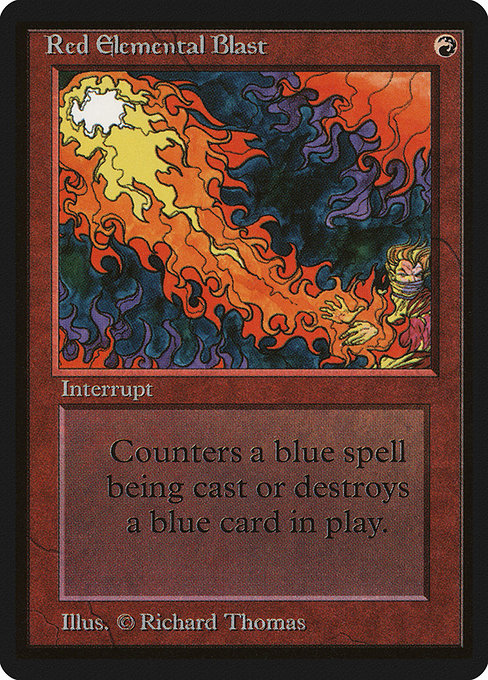
In cEDH, Niv-Mizzet, Parun is about stalling until you can get both your commander out and it enchanted with Curiosity or Ophidian Eye. Once you do, you create an infinite loop that wins you the game once it deals just one damage. So, you’re countering a lot of spells, which is why the deck runs a higher-than-average number of counterspells on top of the staples. On top of staples, you have stuff like Red Elemental Blast and Spell Snare just to ensure you can counter anything that is thrown your way while you wait for your battlefield to set up.

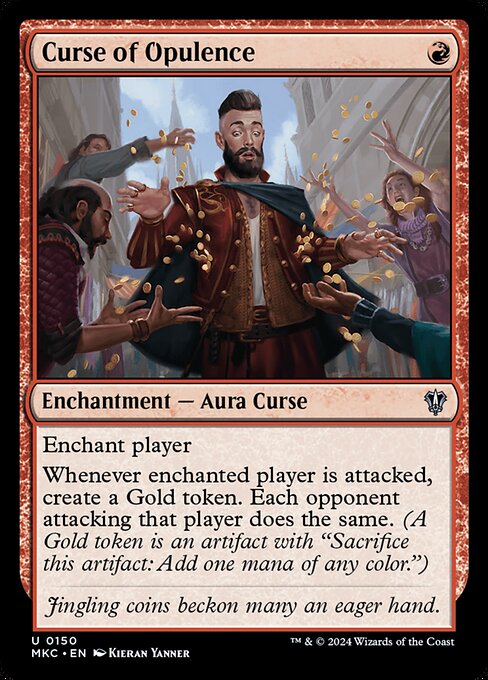
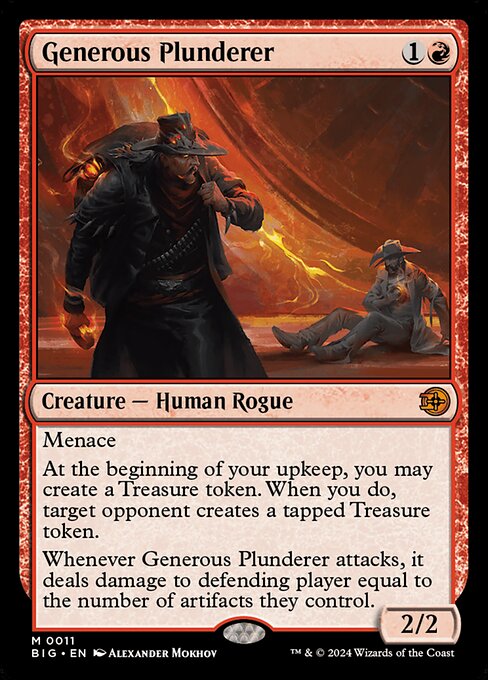
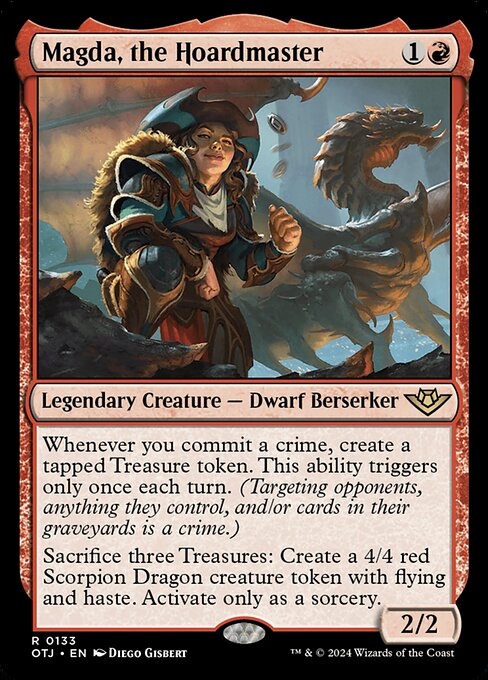
Niv-Mizzet, Parun needs six specific colored pips of mana. So, you need ways to get that quickly. Curse of Opulence and Generous Plunderer give you Treasure tokens early, at the cost of also giving them to an opponent. Some other quick ways to ramp are Reckless Barbarian, Scuzzback Scrounger, and Magda, the Hoardmaster.

A sample decklist can be viewed below. The deck is slower than the average cEDH deck, controlling the battlefield until you get to your combo.

Commander
Creatures (17)
Instants (37)
Sorceries (6)
Artifacts (9)
Enchantments (6)
Lands (25)
100 Cards
$5958.6
Spellslinger: Vivi Ornitier
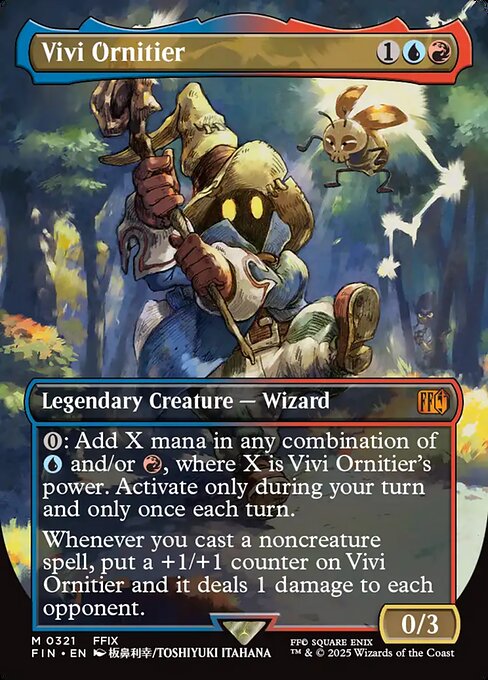
For Spellslinger, Vivi Ornitier is your best option. Your commander acts as both a way to deal constant burn damage and generate a ton of mana for massive turns casting spells. While the deck has infinite combos built into it, it doesn’t rely on them to win the game. Extra turn spells help to get that last amount of damage in, such as Final Fortune, Last Chance, and Alchemist's Gambit. You do lose the game after playing these cards, but you aren’t playing them unless you know you win the next turn.


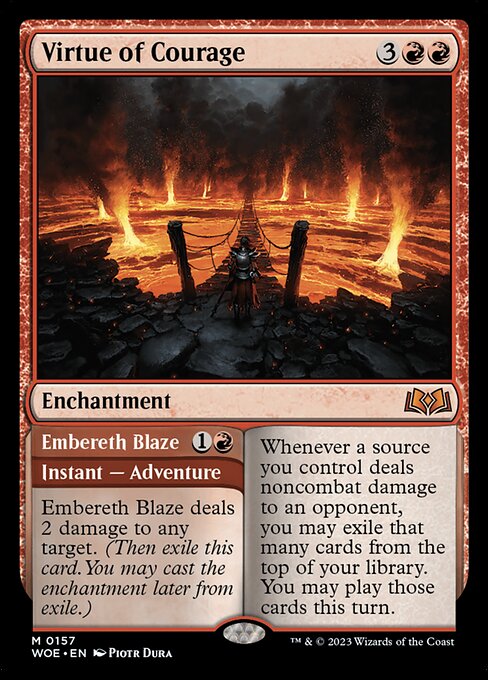
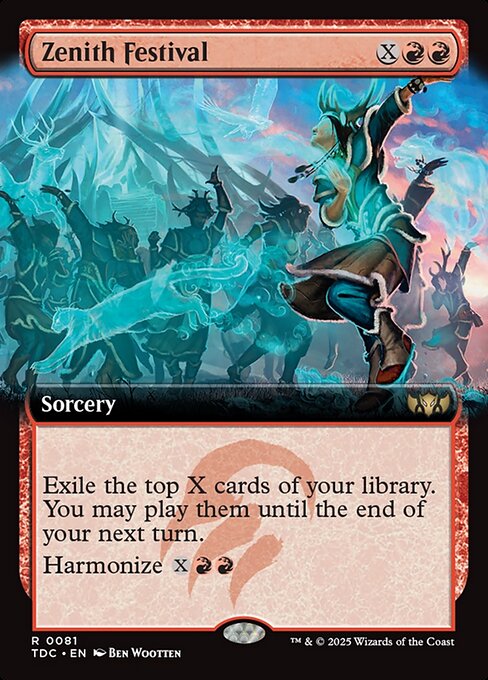
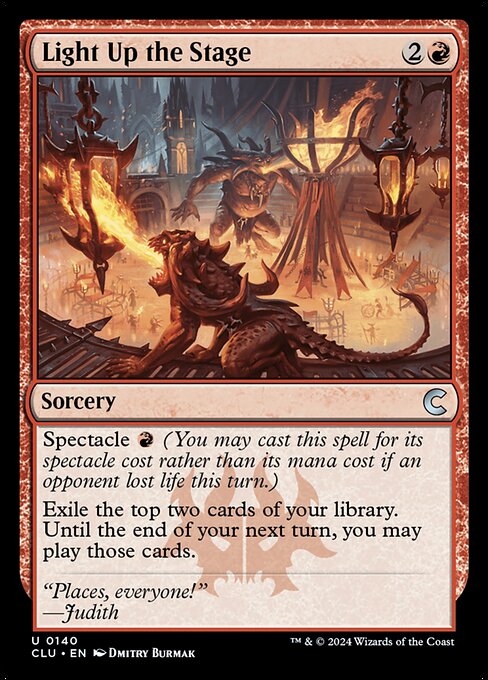
A problem Spellslinger decks have is running out of spells to cast. To counteract this, you run cards like Virtue of Courage, Zenith Festival, and Light Up the Stage, which give you impulse draw. Expect to cast a LOT of spells once you’re set up, so don’t start slinging spells until you have a lot of spells to cast for free or cheaply.
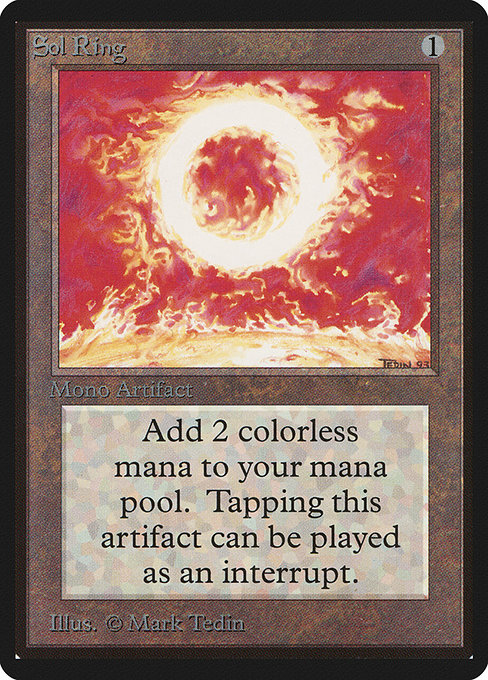
For combos, you have Hullbreaker Horror with any two mana rocks that can be cast for less than the amount of mana they can create. For example, you can cast Sol Ring to bounce Mana Vault and then use the mana from Sol Ring to cast Mana Vault. Then, bounce Sol Ring and repeat the process. This also works with any 0 cost artifact.

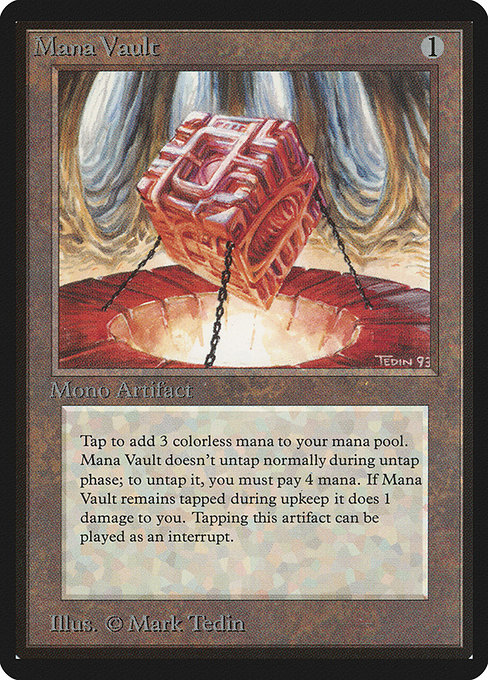

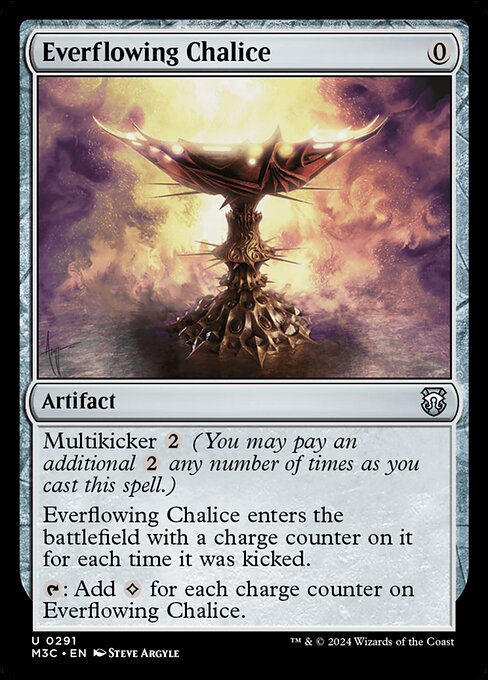
A sample decklist can be viewed below. Vivi Ornitier is about casting as many spells as possible while dwindling down your opponents’ life totals.
Commander
Creatures (13)
Instants (29)
Sorceries (16)
Artifacts (13)
Enchantments (6)
Lands (23)
100 Cards
$7080.08
Combo: Krark and Sakashima
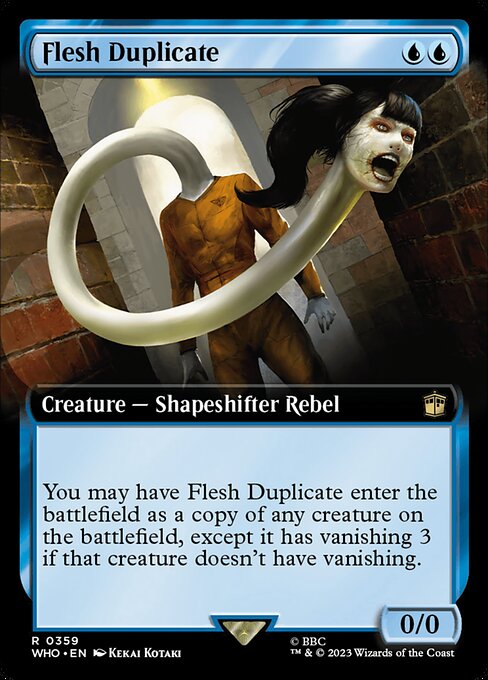
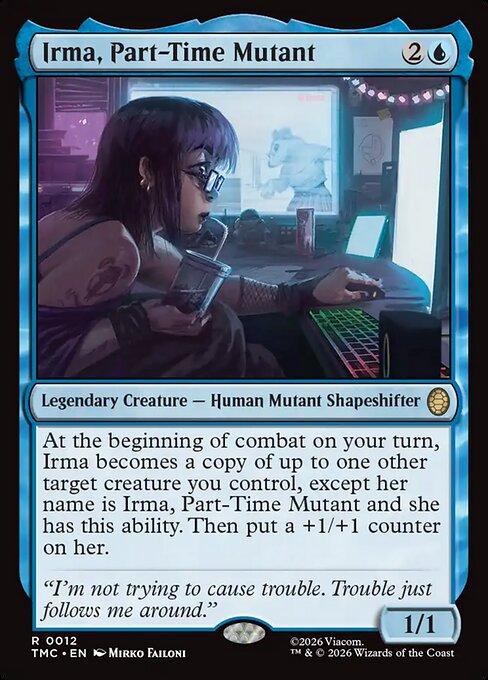
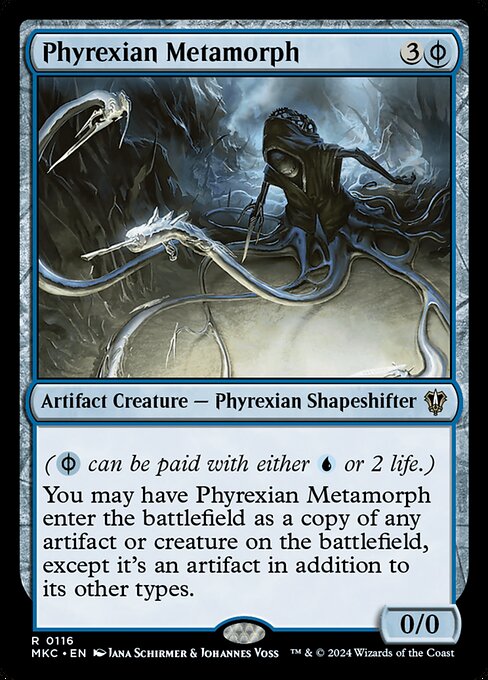
In cEDH, partner commands are usually among the best, and Izzet is no execption. For Combo, Krark, the Thumbless and Sakashima of a Thousand Faces are the face of the best pairing. The idea is to get as many copies of Krark, the Thumbless on the battlefield as possible to have the highest chance of getting copies of a spell while returning the original to your hand to recast it. This is done with a plethora of copy spells such as its partner commander along with Flesh Duplicate, Irma, Part-Time Mutant, and Phyrexian Metamorph.

To generate a ton of mana, you play a ton of rituals so they get copied. Seething Song, Pyretic Ritual, and Rite of Flame all fit the bill. The best of them is Jeska's Will, as it also impulse draws, so you can find all of your win conditions and keep casting them until one of them resolves. So even if one gets countered, you have other options.


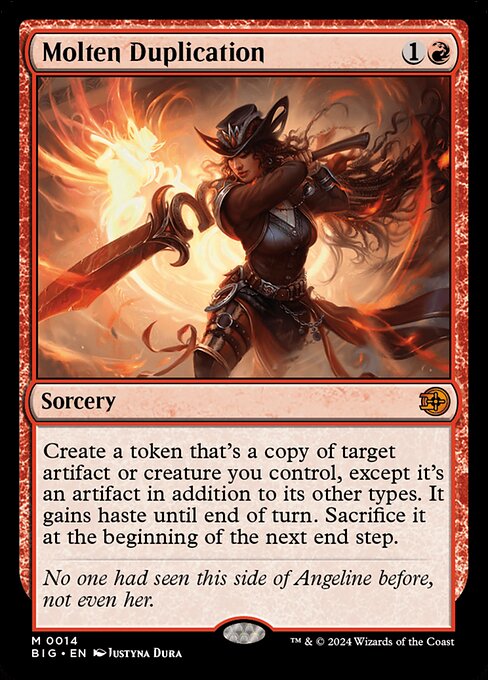
For game-enders, you have a few options. One is using Dualcaster Mage on Twinflame or Molten Duplication. Use Dualcaster Mage‘s effect to copy one of those spells to copy Dualcaster Mage again and make an infinite number of token copies with haste. You can also utilize Underworld Breach with Brain Freeze to mill all your opponents out. Once you’ve cast enough spells, you can end the game with a Grapeshot with a huge storm count too.



A sample decklist can be viewed below. Once you reach a threshold, your spells have a big chance to always return back to your hand to recast, while gaining a ton of copies of it on the stack.

Creatures (21)
Instants (26)
Sorceries (15)
Artifacts (11)
Lands (24)
100 Cards
$5575.14
Why Play cEDH Izzet?
With cEDH, you need reasons to play certain decks and archetypes. The goal is to win, so you want to play commanders and decks that give you the highest chance of winning. So, why play Izzet?
The main reason is that Izzet gives ways to control variance. With how many counterspells you have available, you can cut off interaction and win conditions. You also have strong tutors such as Mystical Tutor and Gamble to get to your win conditions quicker. Underworld Breach, on top of being a combo card, essentially lets you have a second chance to cast your game-winning combos if you failed the first time.

The strength of Izzet comes from how strong its utility cards are. They help you to get to your combos quicker, as well as protect your combos once you get to them. Izzet shines in controlling the battlefield, and doesn’t lose out on combo potential while doing so. There is a surprising amount of “flex slots” in cEDH Izzet decks, allowing for extra experimentation based on your preferred playstyle. Izzet has no problem leaning more into Control or more into Combo, depending on your local meta. You can easily sub out counterspells for more removal, or sub out aggressive cards for more interaction if your meta is turbo-heavy. It offers a ton of deckbuilding options to easily adapt to any meta. While being locked into two colors may seem like a downside, it offers more adaptability compared to decks that run more than two, which have more “must-includes” in their decklists.
In Conclusion
cEDH Izzet is a very powerful color combination. Just because it has Blue puts it ahead of the rest, since Blue is easily cEDH’s best color. Over time, Red has gotten progressively stronger, and enables a ton of plays to jump ahead in mana, usually rewarding you with more mana when you cast spells.
Izzet decks are very strong and resilient, capable of handling whatever your local metagame throws your way. Even though you have a “base” decklist, you’ll often find yourself changing out cards constantly to fine-tune it for specific metagames. cEDH Izzet decks reward specialization, and that ease of adaptability is what makes it so strong. The core of the decks often remains the same, but the new toys it constantly gets allow for experimentation with all sorts of different cards.