





So, you’ve decided to enter your first Commander tournament. When it comes to EDH, tournament Commander is where you can expect the best of the best. It can be a bit intimidating, but this article will walk you through what to expect and tips to help you achieve victory. Tournament Commander is a much different vibe compared to casual Commander, so knowing what to expect will help you in the event.
Pre-Event Prep: Bringing The Right Deck
The most important thing to do with tournament Commander is to bring the right deck to the event. While it might sound appealing to bring the deck you like playing the most or are the most comfortable with, this is a trap. If you do this, you might be walking into failure before the event begins. Your deck needs to be optimized to its maximum potential; otherwise, you’re going to be out-powered by all the other decks.
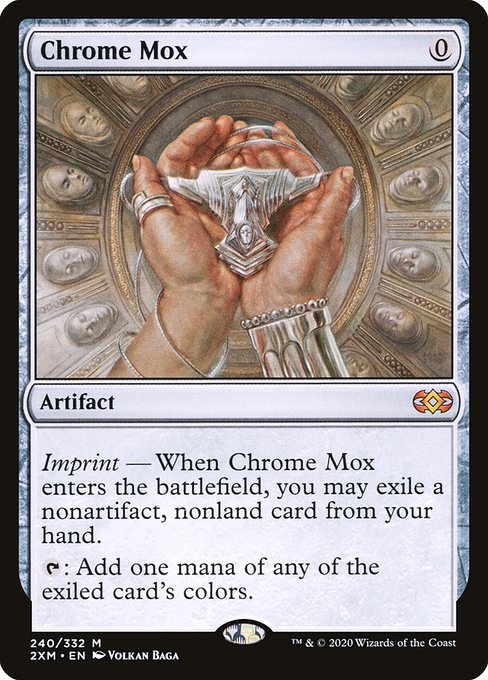
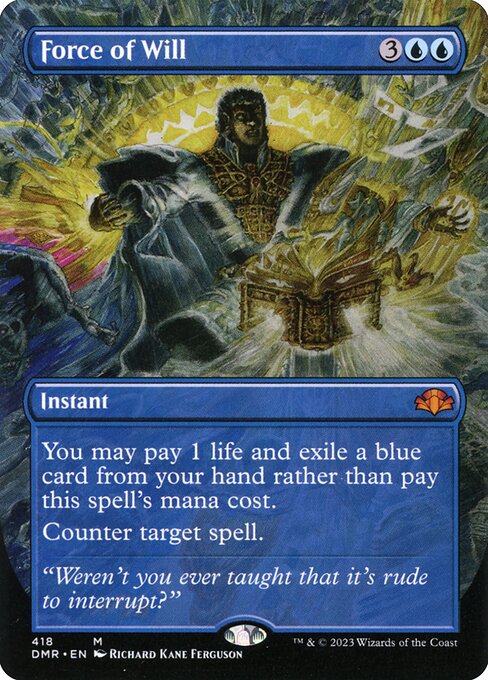
The majority of Commander tournaments use bracket 5 power level (and are usually referred to a cEDH events). In bracket 5, there are no restrictions on your decks but the banlist. So, expect a ton of fast mana like Chrome Mox, free counters like Force of Will, and consistency tutors such as Demonic Tutor. If a deck can run a Game Changer, it most likely is. They’re on the list for a reason, so they aren’t played in casual Commander but are right at home in tournament Commander.

If you’re running any taplands outside of maybe a triome or surveil land or two, you’re already at a disadvantage. cEDH games go FAST. It’s not uncommon for a victor to be decided in just a few turns. Tournament Commander decks are optimized to their limits. If your deck can’t win fast, it’s just not going to be good enough for cEDH tournaments.
Under Bracket 5 Tournaments
There are some cases you may run across Commander tournaments being held in certain power level brackets. Bracket 5/cEDH is the most common, but there are times an event will try to hold a tournament Commander event at, say, a bracket 3 power level.
Even though the overall power level is smaller due to restrictions, decks are still going to be optimized. While they aren’t going to be doing two-card combos early in the game, they can still win the game quickly. There are a lot of decks that “fit” within bracket 3, but in reality are much closer to bracket 4. In some very niche cases, they can push low-end bracket 5.
The big rule of thumb is that if there is any prizing on the line, players are going to optimize decks to win. Even if it’s encouraged to play within the “spirit” of bracket 3, if prizing is on the line, all bets are off. Expect players to optimize to the maximum potential. This is especially true with events that have good prizes for top placers.
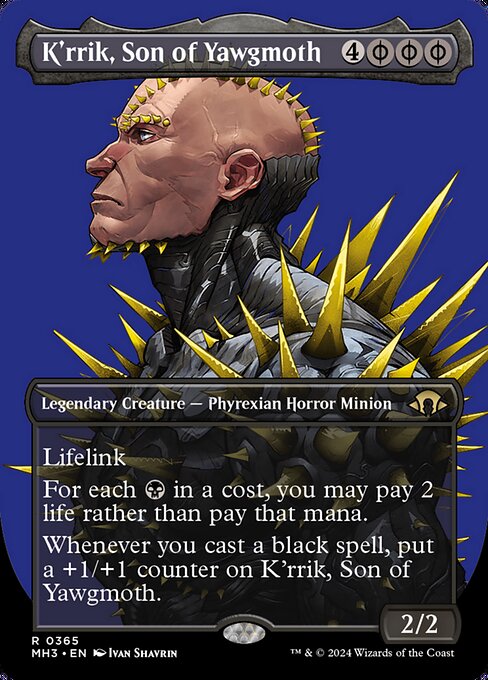
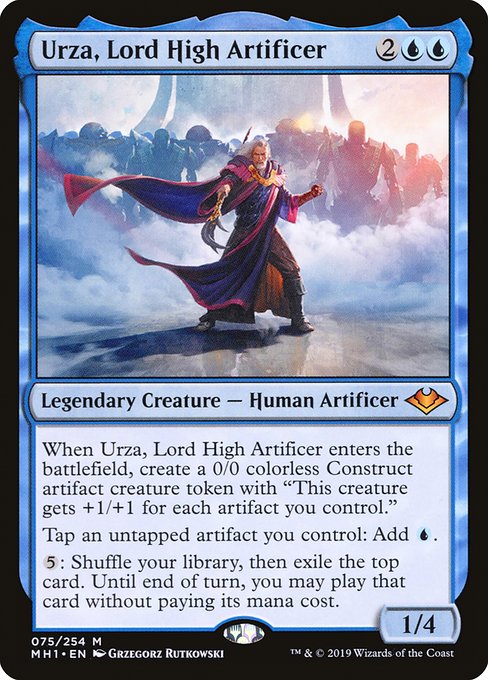
Even though the Commander bracket is lower, you’ll run into powerhouse commanders. K'rrik, Son of Yawgmoth and
Tournament Commander: Before The Event
So you’ve picked out your deck and are ready to go play. The most important thing to do before arriving at the event is to eat. It cannot be stressed how important it is to eat beforehand. Events run long, and there usually aren’t many breaks between rounds. If your match ends early, you might be able to sneak out for food nearby quickly. However, in most cases, if a round ends early, the next round starts right away. Most stores running events usually sell snacks, but these can only get you so far. Expect to spend a hefty amount of time without a real meal when you’re entering an event. You want to rest well and have a big meal before you head out to an event.
You should expect to be at an event for multiple hours. If you are too spent, you are allowed to drop out of an event at any point, although, you’ll forfeit any prizing if you do (in most cases). It might be a good idea to bring a snack of your own or something easy to eat in your bag to save time or eat something if your match runs quick. If you really have to, you can utilize a food delivery service, but having time to actually eat it might not come up if you get called to your next round.
Tournament Commander Structure

Now with all the preparation stuff out of the way, it’s time to dive into the “main course,” the event itself. Upon arrival, you’ll check in with the store (usually with the Magic Companion app). Then, you’ll be randomly paired in a pod for your first round.
If you’re unfamiliar with the structure of tournaments, after every round, players with the same record are paired together. For example, if you win your first two rounds, you’ll have a record of 2-0. For round three, you’ll be paired with other players who are 2-0. Sometimes, there are uneven numbers, so a “pair down/pair up” is put in the pod. These are players who have a slightly worse record. An example would be someone who is 1-1 being paired into a pod with three players who are 2-0. Wins are the best, losses are the worst, and draws are in the middle. It is always better to have a draw than a loss.
Depending on the size of the event, there will be a cut into either a top 16 or a top 8. In the case of top 16, the winner of each pod will be put in the final pod to determine the winner. For top 8, it’s usually the winner of the match, and the player who came in second. How that is determined is up to the event itself. Then, whoever wins that last pod wins the whole event. Prizing usually is given to top 8, and sometimes down to top 16, depending on the size of the event.
Playing In The Event
You know what to expect when it comes to the structure of the event and how to pick the right deck for it. Now, it’s time to play in the event. Tournament Commander is a lot different than casual commander, so you should go in not expecting the same kind of game. Everyone is there to win, so you shouldn’t hold back or try to make social, silly plays. This is a competitive event, and your primary goal should be to win.
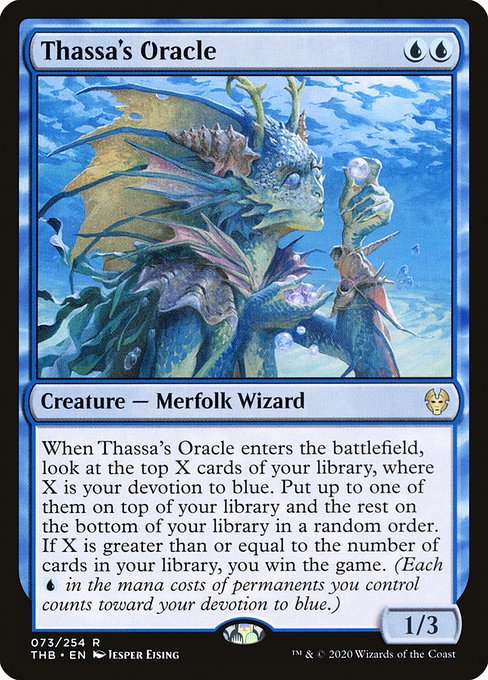
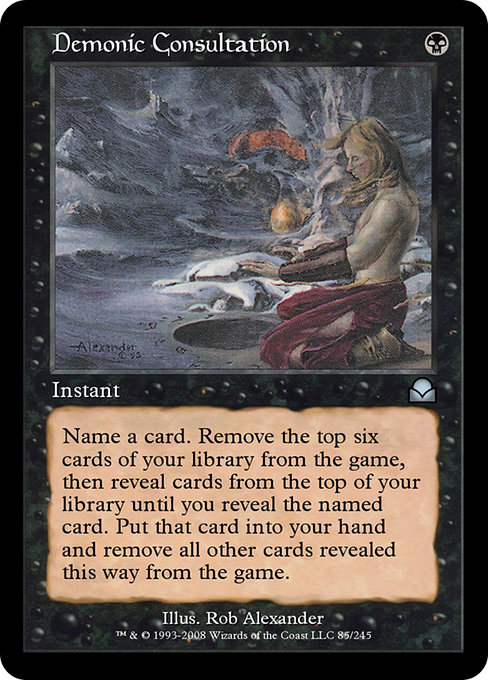
Politics are something that are much more common in tournament Commander. You’ll find yourself in situations where you have your win condition in your hand, but need to make sure it resolves. If your Thassa's Oracle gets stopped, especially after you’ve gotten rid of the rest of your library with Demonic Consultation, because otherwise, you’ve lost the game. In cases like this, it’s good to entice others to counter other spells so that your opponents’ responses are all gone when you go for the win.
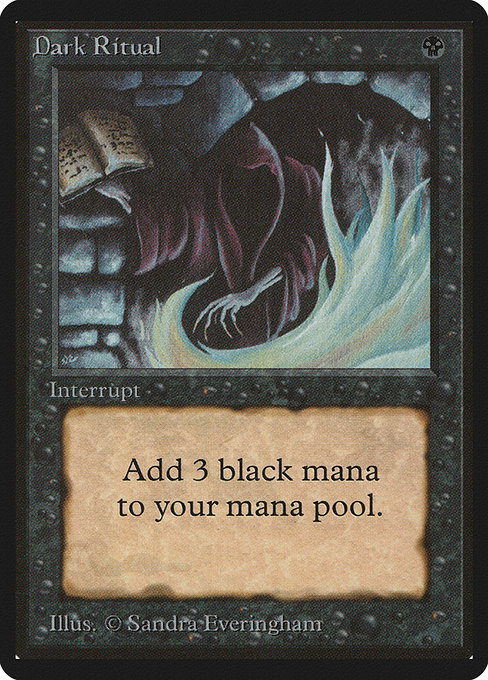
Unlike casual Commander, tournament Commander has three other players where winning is very important. So, everyone is doing the same thing: trying to convince their opponents to spend their resources on everyone else. They want to make it so they can play their cards freely. That’s where your game sense comes in. You need to save your interaction for when you think an opponent is about to win. You don’t want to use a counterspell on a Dark Ritual, but on the spell that is being cast with it. This gets rid of two problematic cards instead of just one. Don’t worry about cards that are setting up, but cards that can win the game.
Dealing With Three
The biggest roadblock to succeeding in tournament Commander is having to deal with your three other players. In every game, you should expect them to want you to fail. You may find yourself being targeted even if you’re not making plays that would mark you as public enemy. Unfortunately, there isn’t much you can do. You just have to use your resources as best you can to fight back. Other players in the pod may take advantage of this, amplifying you as the public enemy so they can play their win conditions freely.
On the flip side, an important skill to have is knowing when to draw attention to others. Knowing when someone is about to reach their win condition is important. You can rally the rest of the pod against them to prevent them from winning. Then, you can swoop in with a win condition of your own after everyone else’s resources are drained.
Tournament Commander is all about finding your openings. There are three opponents who are putting their all into stopping you. With cEDH especially, many win conditions are well-known. So, players can expect you to attempt to win once you commit to it. When you go for your win condition, you want to make sure you can answer whatever your opponents throw at you. All three opponents are going to have a lot of answers with optimized decks. Never expect anything to resolve, and you’ll be able to be prepared to respond to anything.
Tournament Commander: Intentional Draws
There is something unique to tournament Commander (and Magic in general): intentional draws. This is when players all agree to draw instead of playing the game. This prevents everyone from getting a loss on their record. It is most common in top-placers, as they have the most to lose if a loss is put on their record. If there are five rounds, and you are currently 3-0, if you intentionally draw the last two rounds, you aren’t at risk of not making the top cut if you intentionally draw (most of the time, anyway).
So, a lot of the time at the top tables, you’ll see players trying to convince everyone to draw instead of playing the game out and risking getting a loss. Wins are obviously better, but draws are often safer. If you wind up losing playing the game, you might lose the next round and then risk being out of contention for the top cut. This is why the first handful of rounds at an event are the most important. Essentially, the quicker you achieve a certain number of wins, the quicker you can confirm yourself in the top cut.
Whether you like intentional draws or not, they are a part of tournament Commander. Intentional draws and regular draws are worth the same. An out-of-game benefit is that you get to have a break for a round to eat or recharge. However, everyone has to agree to an intentional draw. If just one player requests to play, the other three are obligated to unless they want a loss instead.
In Conclusion
Tournament Commander is significantly different from casual Commander. You should be going in with different expectations from your local game store’s normal Commander night. People want to win, and it’s very competitive. If you’re prepared, you won’t have any problems.
Winning a Commander tournament is very rewarding. There are a lot of factors that can contribute to making it hard to achieve, but you can be rewarded handsomely. Many cEDH tournaments have great prizing, including, at times, Reserved List cards. Take these tips in this article forward to your tournament Commander events and succeed.