



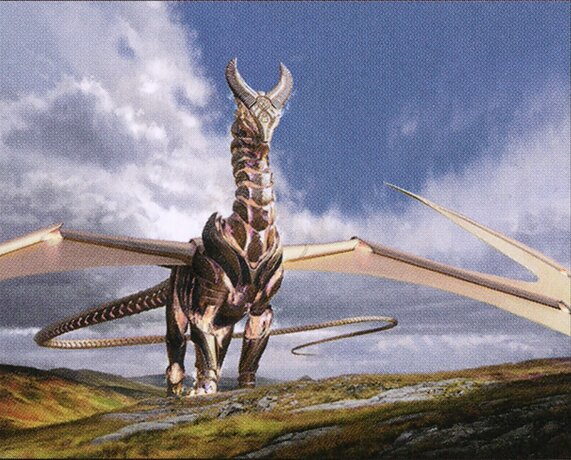


What is Landfall?
Landfall is a triggered ability that rewards you whenever a land enters the battlefield under your control. Since its formal debut in the 2009 Zendikar expansion, it has redefined how players interact with their resource base. It transforms basic mana producers into repeatable triggers that can grow creatures, create tokens, or draw cards.
It is vital to recognize that landfall is a triggered ability, not an activated one. You do not pay mana to make it happen; you simply play the game. Furthermore, because playing a land is a special action that doesn’t use the stack, your opponents cannot respond to the land drop itself. They can only respond once the trigger is placed on the stack. This mechanic solves the “dead draw” problem in the late game by ensuring every resource remains relevant.
What’s the main game plan for a landfall deck?
A successful landfall deck focuses on putting more lands onto the battlefield than a normal deck ever would. The goal is to snowball incremental advantages into a single explosive turn that ends the game.
Landfall Phase Sequencing
- Early Game (Setup): Focus on deploying enablers that allow for additional land drops and color fixing.
- Mid Game (Payoffs): Transition into extracting value by casting cards that generate tokens or card draw with every land entry.
- End Game (Finishing): Utilize exponential growth or direct damage mechanisms to overwhelm the table in a single burst.
Fetchlands are the bread and butter of this archetype. One fetchland provides two triggers: one when it enters and another when you sacrifice it to find another land. By pairing these with effects that allow you to replay lands from the graveyard, you create a repeatable loop of value.
Why land destruction is frowned upon?
Land destruction is often viewed as the ultimate taboo in Commander because it fundamentally prevents people from actually playing the game. Most players enter a session expecting to cast big spells, build intricate board states, and watch complex interactions unfold over several turns. Mass land destruction (MLD) abruptly strips away the foundational resources required to participate, frequently plunging the table into “nuclear winters” where turns consist of drawing a card, playing a basic land, and passing in frustration.
The primary issue boils down to the strategic execution of “when” and “how” these spells are cast. Players who fire off an Armageddon without an established win condition or a dominant board position are widely seen as disruptive to the table’s enjoyment. Rather than securing a swift victory, a parity-blind reset simply tacks an extra hour onto the session while four players struggle to rebuild their mana networks from scratch. This extreme social friction, combined with the psychological toll of losing hard-earned mana bases, solidifies MLD as one of the saltiest and most contentious strategies across the entire Commander format.
The impact of land destruction for the game now that landfall is so popular
With landfall decks becoming a staple of the meta, land destruction has gained new relevance as a balancing force across casual and competitive tables alike. Landfall strategies are theoretically the most punished victims of total board resets because their entire game plan relies so heavily on maintaining high, expanding land counts. However, executing this strategy against dedicated ramp decks reveals a double-edged sword that can easily backfire on the rest of the table.
Many landfall builds are actually the best equipped to survive a catastrophic spell like Obliterate. Because these decks naturally run heavy land recursion engines, they can frequently pull their land bases out of the graveyard significantly faster than their opponents can rebuild manually. Instead of crippling the landfall player, a poorly timed MLD spell often ends up screwing over non-green decks that lack graveyard recovery. While three players struggle to play a single spell off drawn basics, the landfall player drops a single card and recovers their entire mana network in one swing.
Should land destruction and heavy graveyard strategies be considered against landfall strategies?
Graveyard interaction is arguably more important than land destruction when facing a landfall deck. Since landfall strategies often use the graveyard to loop lands, removing that resource can be backbreaking.
Mass Land Destruction Phase Sequencing
- Early Game (Setup): Play efficient creatures to pressure life totals while opponents are ramping.
- Mid Game (Denial): Use targeted removal or “taxing” effects to delay the opponent’s most dangerous payoffs.
- End Game (Lock): Deploy a massive threat and then reset the lands to ensure opponents cannot find an answer.
Combining land destruction with graveyard hate is a potent strategy. It forces the landfall player to rebuild from the library rather than the bin.
Can Landfall and Mass Land Destruction coexist as a symbiotic archetype?
While the Commander community frequently views landfall and mass land destruction as antithetical forces, modern deck building demonstrates that these two strategies can fuse into a single, devastatingly efficient archetype. A premier example of this fusion is explored in the article Hazezon, Shaper of Sand: Breaking MTG major Taboo. Rather than viewing land destruction merely as a countermeasure against landfall, this build adopts MLD as its central engine to actively drive its own landfall triggers and win conditions.
At the heart of this strategy is Hazezon, Shaper of Sand, a Naya commander that allows you to play Desert lands directly from your graveyard while generating two 1/1 Sand Warrior tokens whenever a Desert enters under your control. In a traditional shell, wiping all lands resets the game for everyone. In a Hazezon shell packed with high land density, often running as many as 48 lands, cards like Armageddon, Jokulhaups, and Fall of the Thran act as asymmetric win conditions. When the battlefield is cleared of lands, the Hazezon player uses graveyard recursion to replay Deserts every turn, flooding the board with Sand Warriors while opponents remain completely starved of mana resources.
Furthermore, key enablers highlight how self-sacrificing and destroying lands fuels exponential momentum:
- Crop Rotation: Serves as an instant-speed tutor that places a critical utility land or Desert into play while seeding the graveyard for recursion.
- Zuran Orb: Allows you to sacrifice your own lands for free life gain at any time, voluntarily sending lands to the bin so they can be replayed for fresh landfall triggers.
- Conduit of Worlds: Acts as a permanent recursion engine, allowing you to play lands or cast spells directly out of the graveyard after a total board wipe.
- Decree of Annihilation: Provides an uncounterable instant-speed land wipe option when cycled, catching the entire table off guard while setting up your graveyard recursion loops.
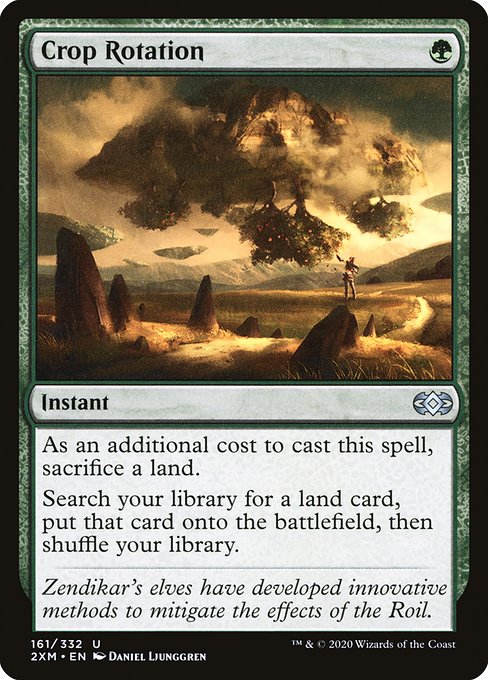
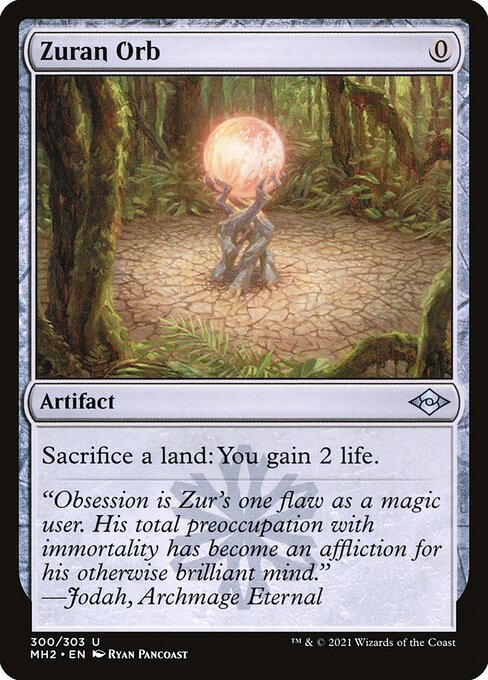
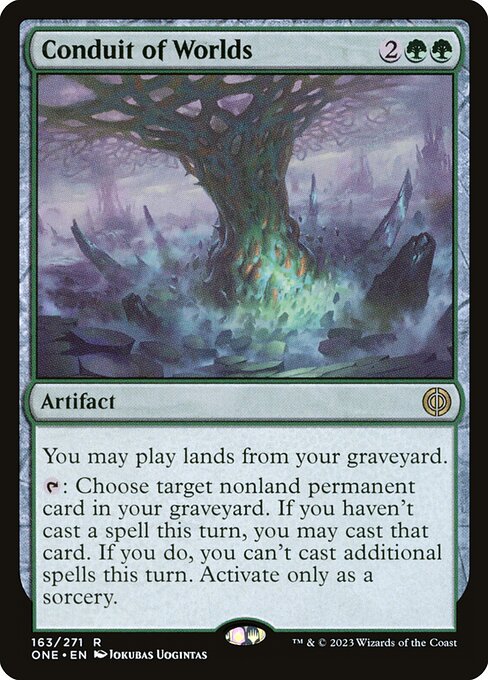
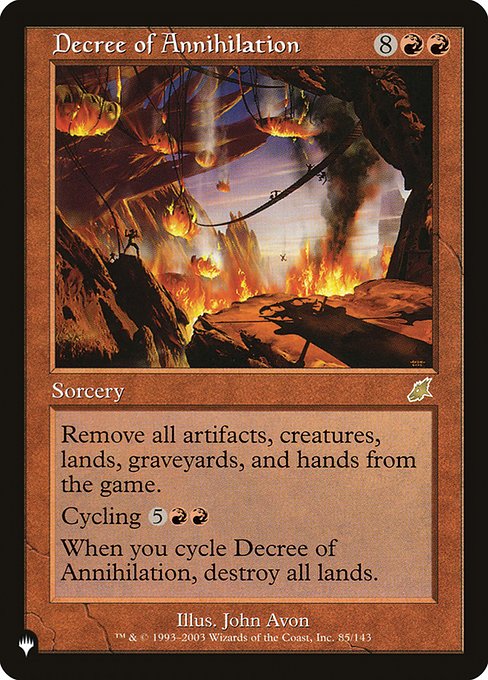
This hybrid approach proves that landfall and MLD are not mutually exclusive. When a commander natively grants land recursion from the graveyard, blowing up every land on the board is no longer a stalling tactic; it becomes the primary method for generating a massive token army and closing out the session definitively.
Is there a need for Mass Land Destruction cards to be reprinted to counter landfall’s popularity?
There is a growing discussion about reprinting “leveling” effects rather than total destruction. Cards like Balance are banned for a reason, but newer designs focus on symmetrical parity to keep games moving forward. The goal of modern design is not to starve players of resources entirely, but to ensure that ramp-heavy strategies face reasonable checks without bringing the session to a agonizing crawl.
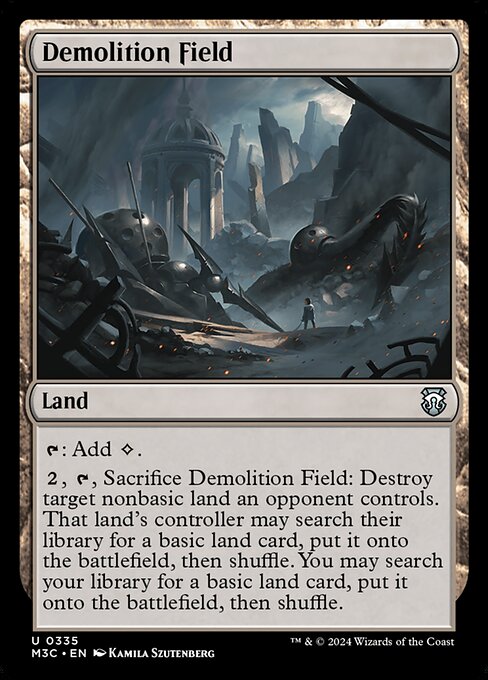
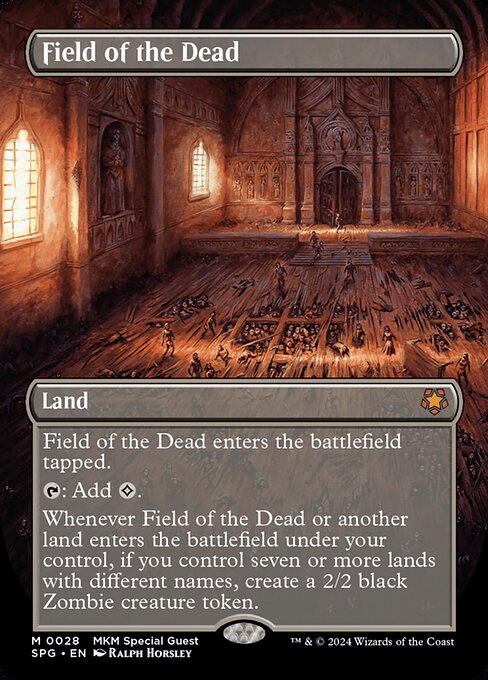
Modern design has shifted toward cards like Demolition Field, which replace the destroyed land with a basic. This “palatable” form of land destruction allows you to handle problem utility lands without completely locking a player out of the game. Rather than forcing a complete restart, these targeted solutions remove runaway value pieces like Field of the Dead while preserving the target’s ability to cast spells.
Reprints that punish “greedy” mana bases without ending the game entirely may be the future of the format. By printing designs that cap total land counts or reward opponents when one player ramps excessively, R&D can provide accessible tools that keep landfall in check. Introducing these balanced answers gives casual pods a healthy way to police exploding resource counts without resorting to the feel-bad moments of traditional nuclear resets.
Archetypes Card Breakdown
Creatures
Ramp Enablers
Ramp enablers accelerate your turn count by scaling the number of land drops permitted per phase.
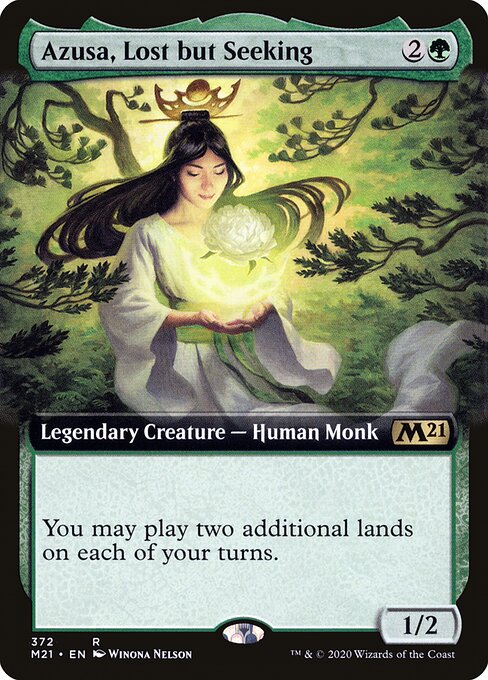
- Azusa, Lost but Seeking: This monk allows you to play two additional lands every turn to dump your hand quickly.
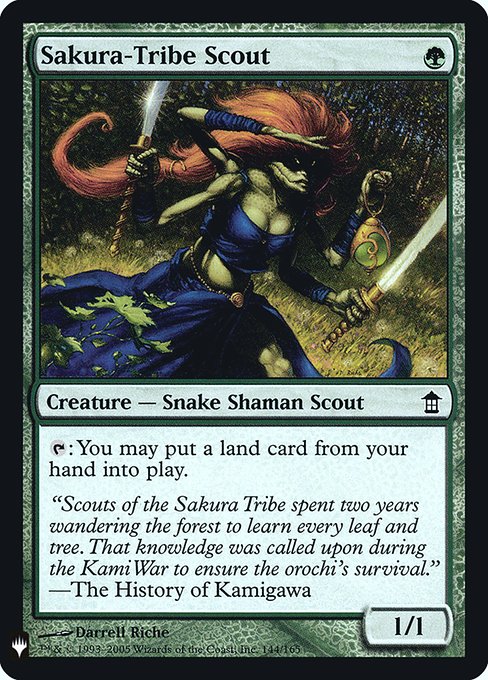
- Sakura-Tribe Scout: You can tap this scout to play an extra land from your hand at instant speed.
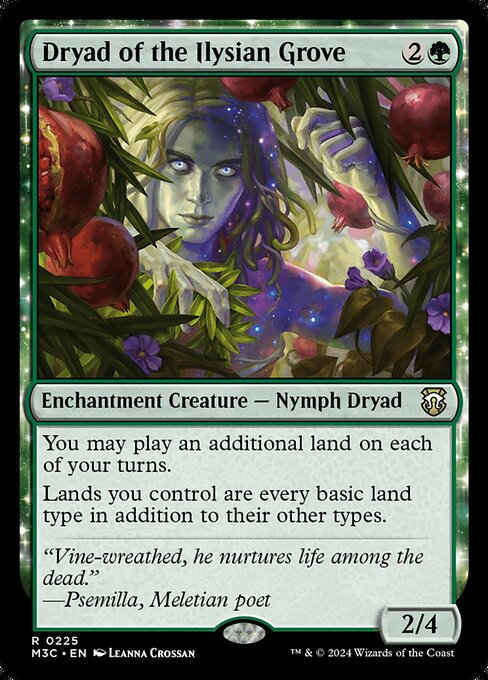
- Dryad of the Ilysian Grove: This dryad provides an extra land drop and makes all your lands every basic type.
Value Payoffs
Value payoffs turn every land entry into card velocity or immediate mana generation.
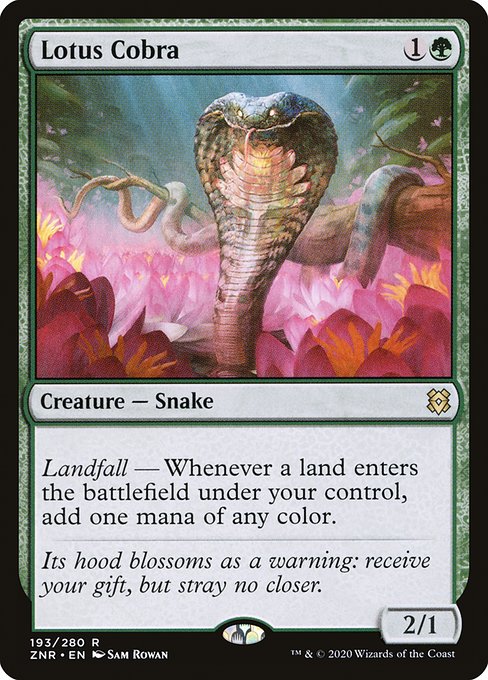
- Lotus Cobra: This snake adds one mana of any color to your pool whenever a land enters.
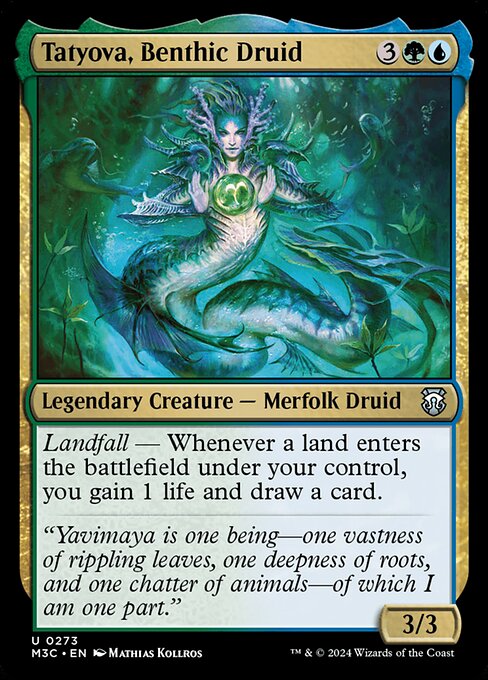
- Tatyova, Benthic Druid: This druid draws you a card and gains you one life for every single landfall trigger.
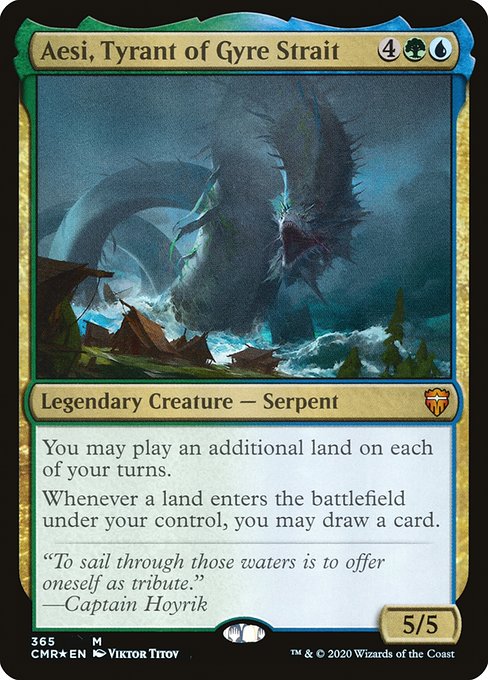
- Aesi, Tyrant of Gyre Strait: This creature draws cards and provides an extra land drop in one powerful package.
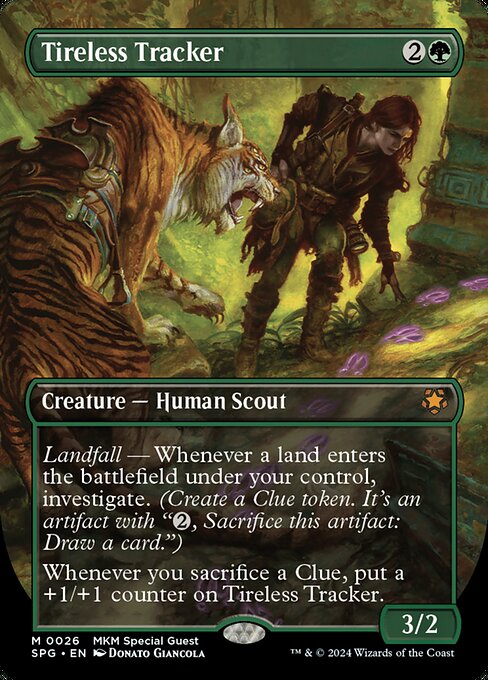
- Tireless Tracker: This scout investigates every time a land enters to provide grindy card advantage.
Token Payoffs
Token producers convert resource expansion into wide defensive or offensive combat forces.
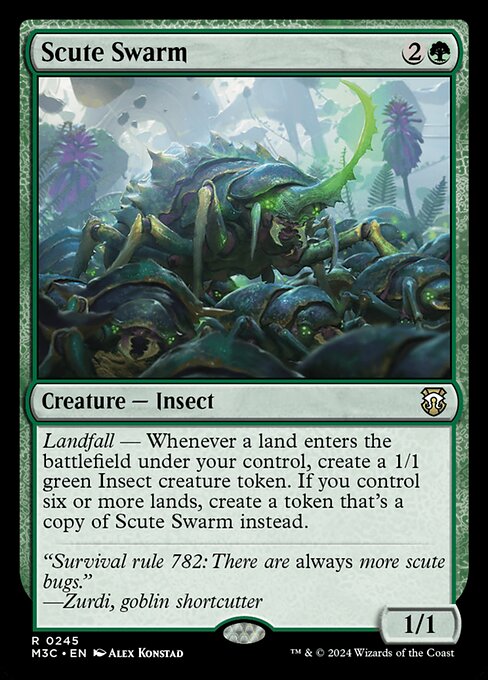
- Scute Swarm: This insect creates exponential copies of itself once you control at least six lands.
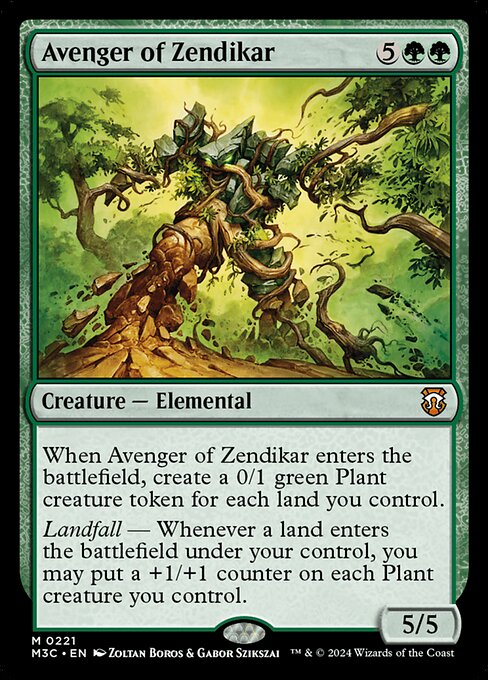
- Avenger of Zendikar: This elemental creates an army of plants and then pumps them with every subsequent land drop.
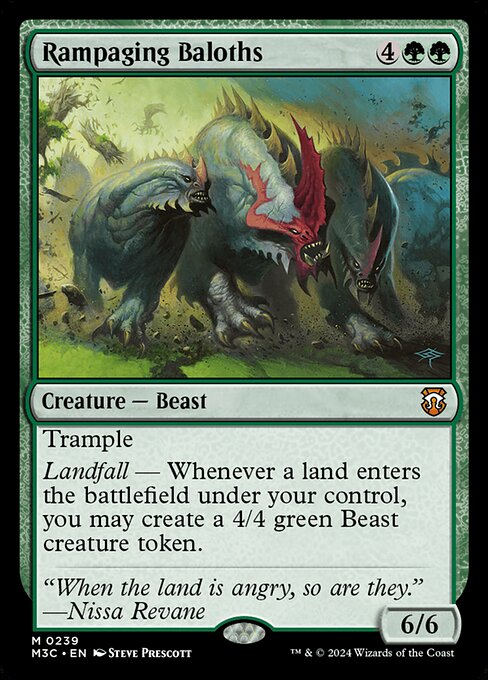
- Rampaging Baloths: This beast creates a 4/4 token every time you play a land to build a massive board.
Interaction & Finishers
Utility creatures handle opposing threats directly or convert extra land drops into win conditions.
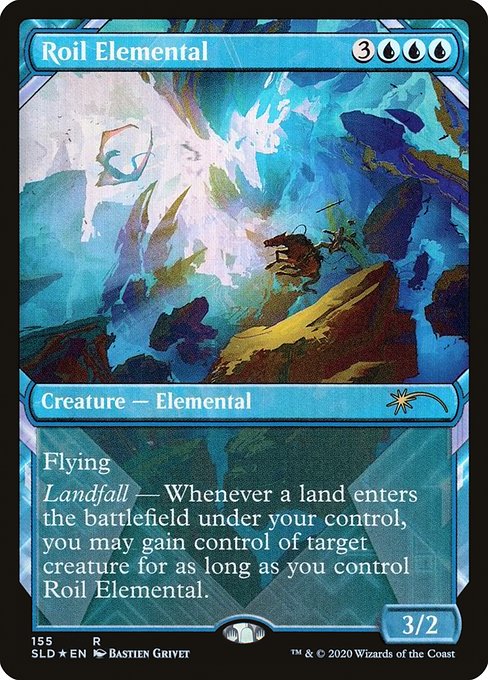
- Roil Elemental: You can steal an opponent’s creature for as long as this elemental remains on the field.
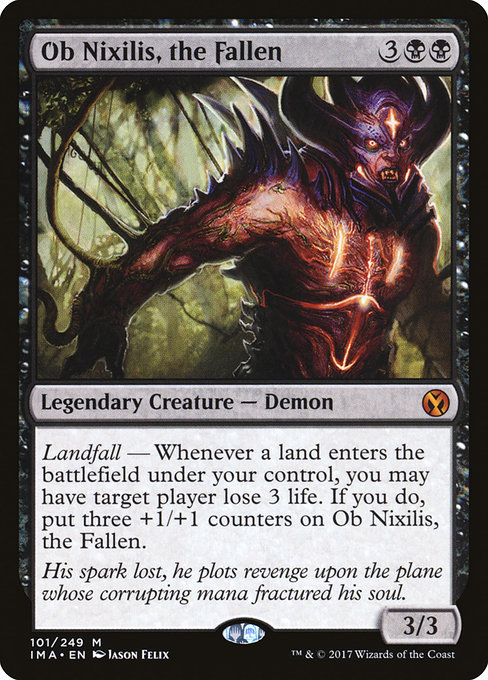
- Ob Nixilis, the Fallen: This demon drains your opponents for three life and grows larger with every landfall.
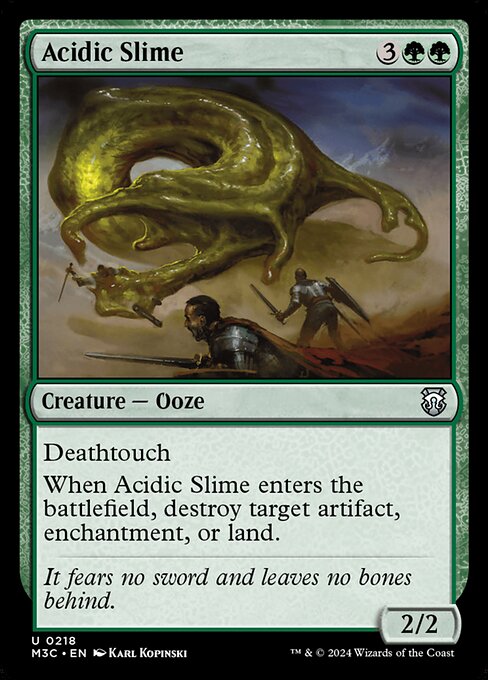
- Acidic Slime: This ooze provides versatile removal for artifacts, enchantments, or even problematic utility lands.
Sorceries
Ramp & Setup
Sorceries in this slot fetch lands straight from the library to jump ahead on curve.
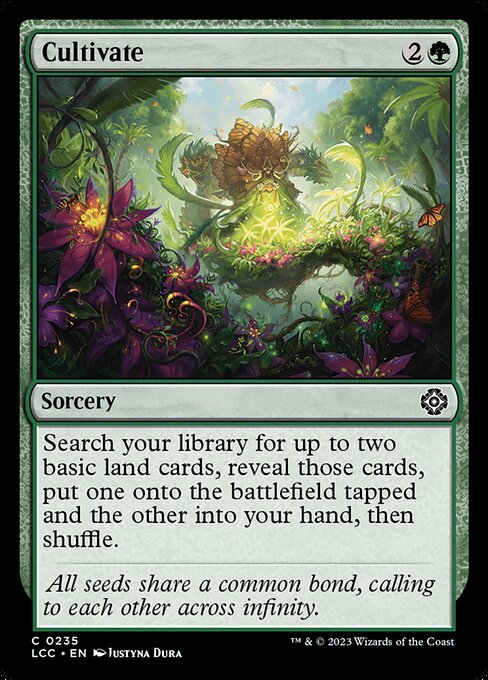
- Cultivate: This spell searches for two basic lands and puts one directly onto the battlefield for a trigger.
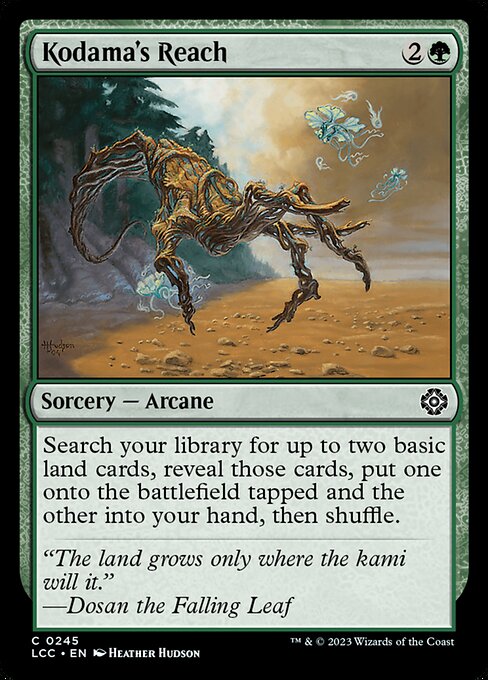
- Kodama's Reach: You find two basics and put one into play to jump ahead on mana.
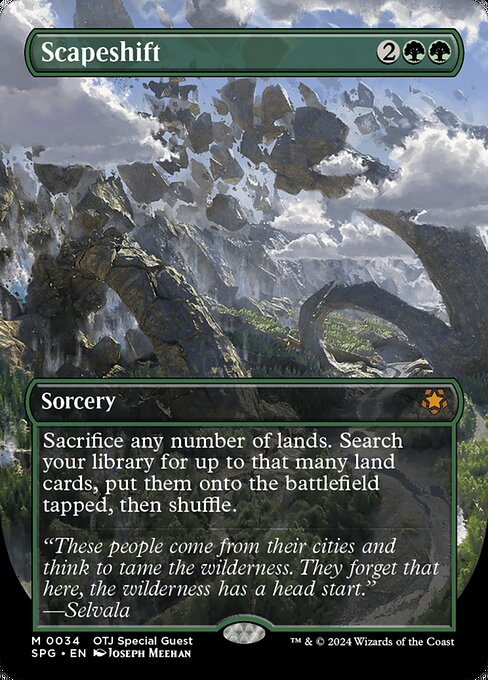
- Scapeshift: You sacrifice any number of lands to search for an equal amount to create a burst of triggers.
Recursion
Graveyard recovery spells turn mass land sacrifices or board wipes into explosive recovery turns.
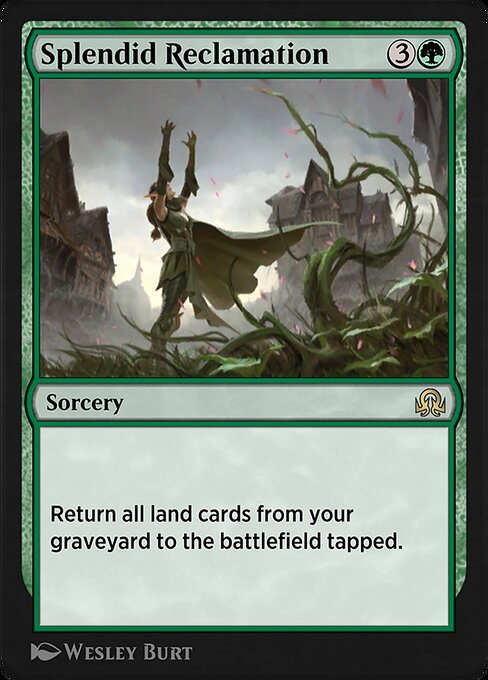
- Splendid Reclamation: This spell returns every land from your graveyard to the battlefield at once for massive value.
Mass Land Destruction
Nuclear options clear the resource base to lock in an established advantage or reset the game state.
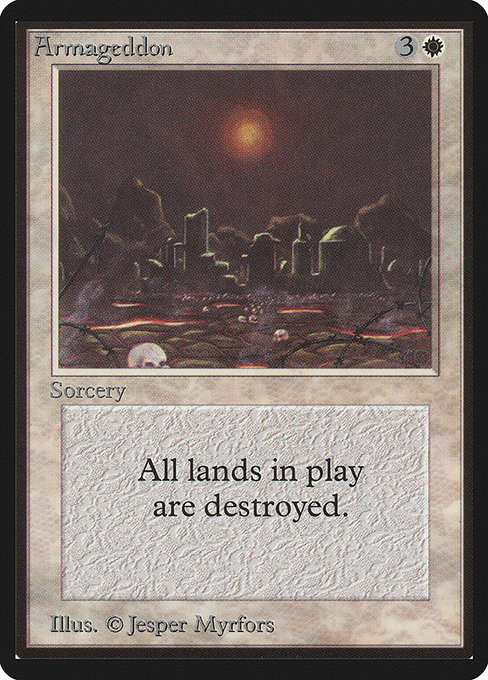
- Armageddon: This classic spell destroys all lands on the battlefield to reset the resource count to zero.
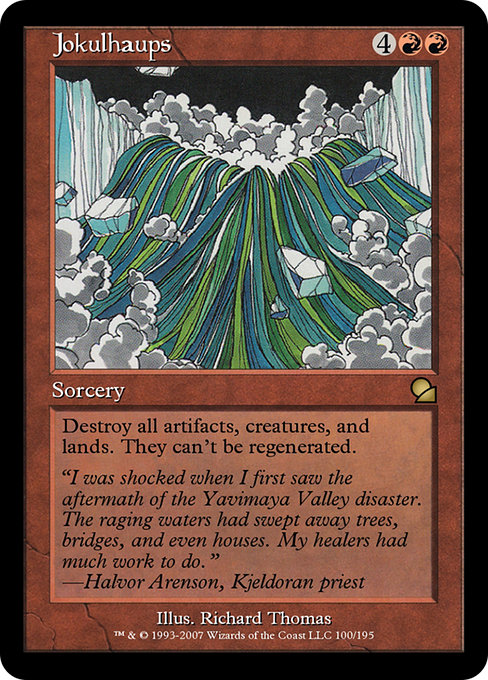
- Jokulhaups: This powerful red spell clears the board of all artifacts, creatures, and lands simultaneously.
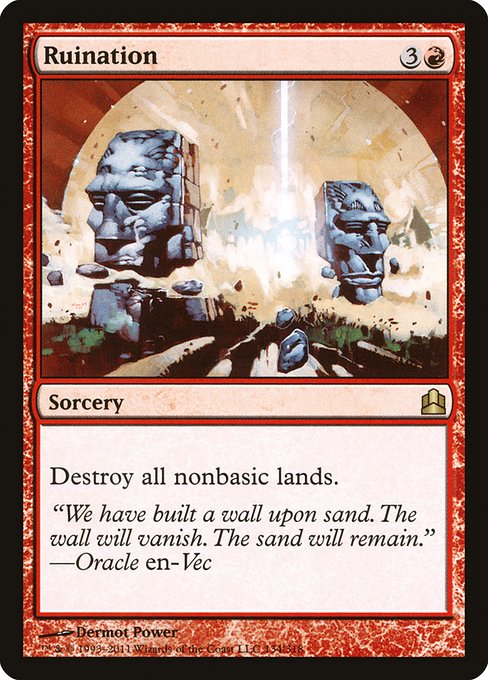
- Ruination: This spell punishes expensive mana bases by destroying all nonbasic lands currently in play.
Instants
Protection & Interaction
Instant spells shield your battlefield investment or disrupt opponents at key turns.
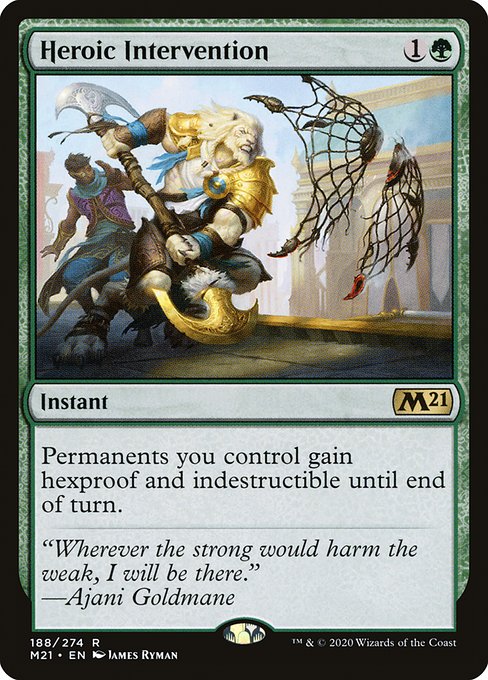
- Heroic Intervention: This spell makes your permanents indestructible and hexproof to survive board wipes or MLD.
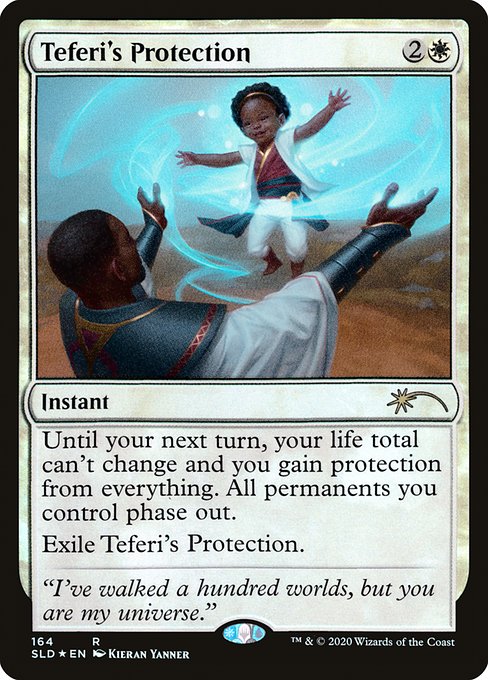
- Teferi's Protection: You phase out your entire board and protect your life total from any incoming disaster.
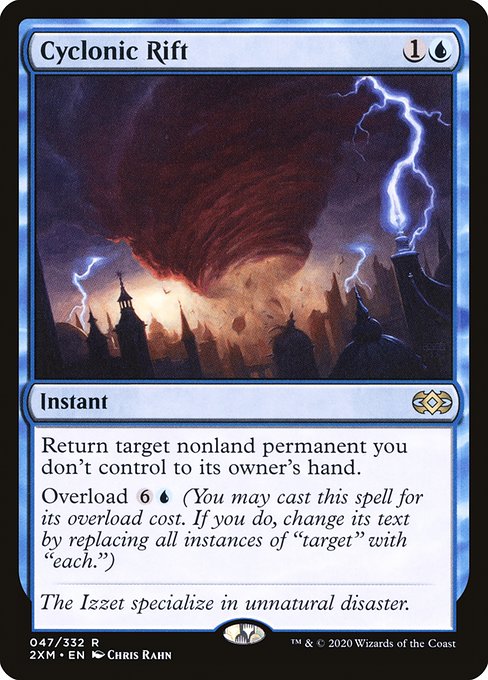
- Cyclonic Rift: This blue staple bounces all nonland permanents you don’t control to clear the path for a win.
Artifacts
Recursion & Systems
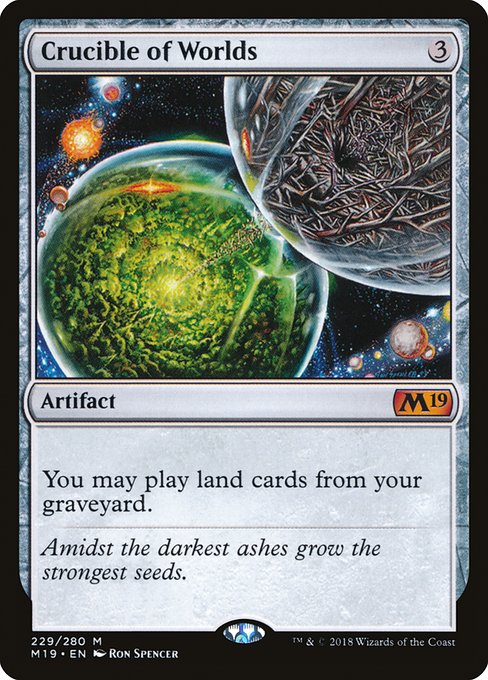
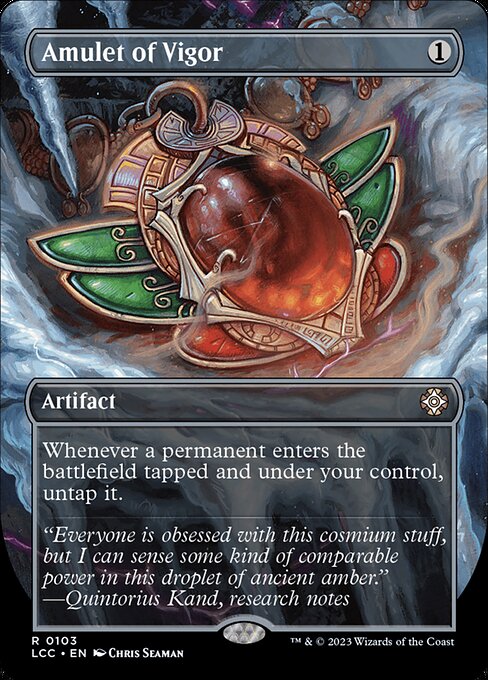
Artifacts serve as mechanical anchors that enable repeated land looping and instant untap synergy.
- Crucible of Worlds: This artifact allows you to play land cards directly from your graveyard every turn.
- Amulet of Vigor: This amulet untaps your permanents when they enter the battlefield tapped to enable mana combos.
- Zuran Orb: You can sacrifice your own lands at any time to gain life and fill your graveyard.
Enchantments
Enablers & Systems
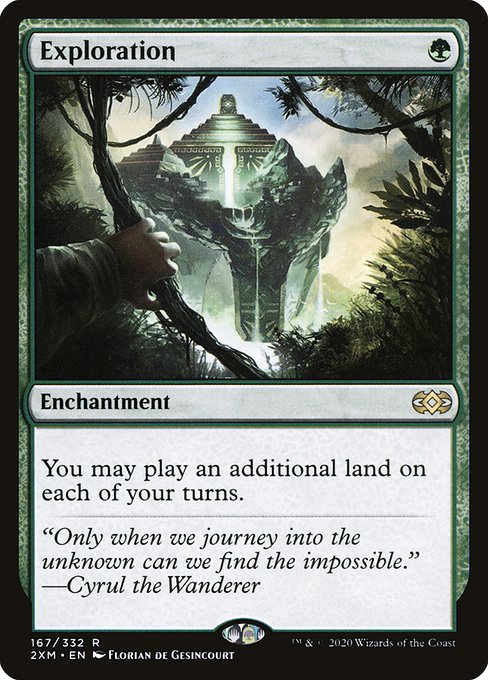
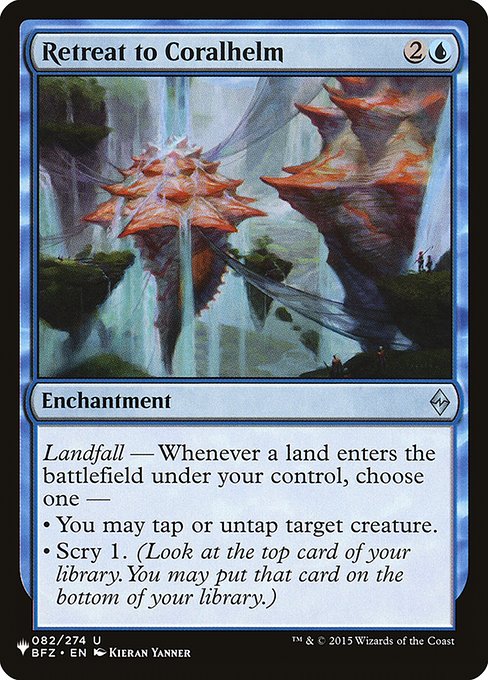
Enchantments provide persistent, turn-over-turn value boosts and repeatable tokens without additional mana investments.
- Exploration: This cheap enchantment allows you to play an additional land during each of your turns.
- Retreat to Coralhelm: This card can untap creatures or scry every time a land enters the battlefield.
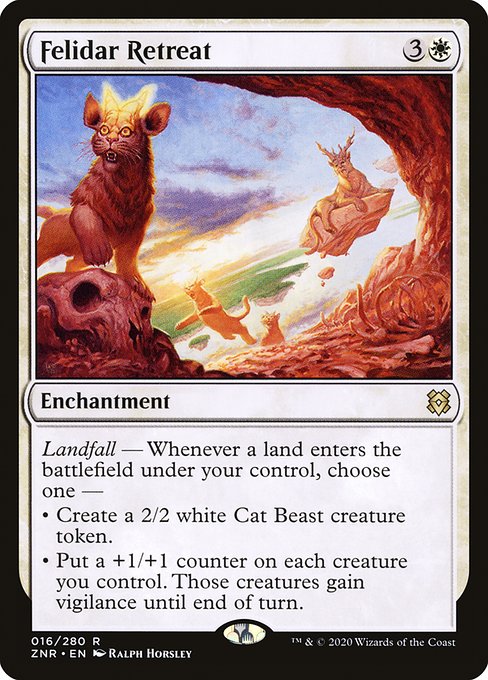
- Felidar Retreat: You choose between creating a cat token or putting +1/+1 counters on your entire team.
Lands
Utility & Destruction
Utility lands function as non-spell removal, combo pieces, or direct victory engines integrated into your mana base.
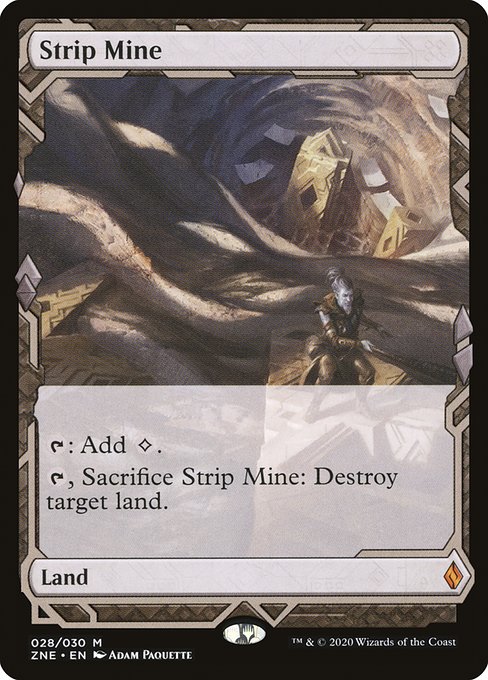
- Strip Mine: This land can be sacrificed to destroy any target land without any additional mana cost.
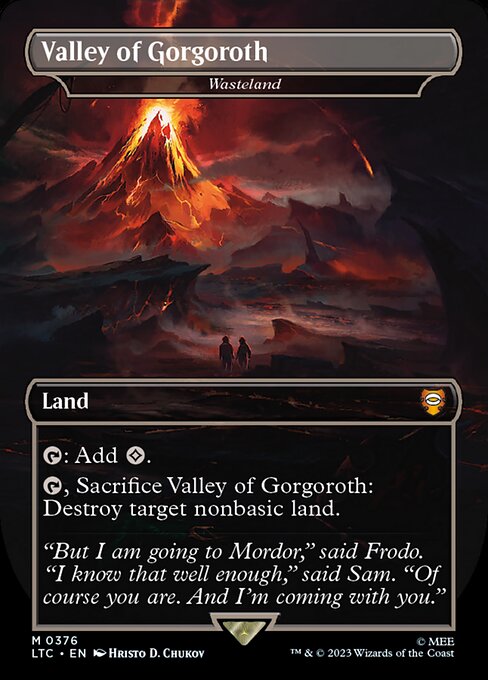
- Wasteland: This is a slightly restricted version of land destruction that targets only nonbasic lands.
- Demolition Field: This balanced utility land destroys a nonbasic and lets both players find a basic replacement.
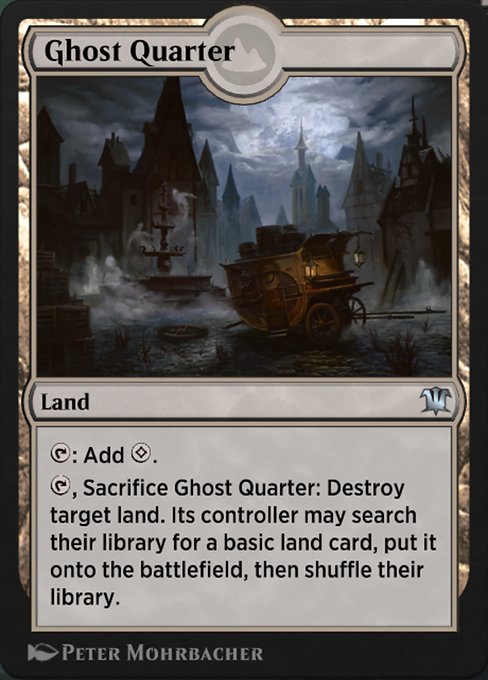
- Ghost Quarter: You sacrifice this to destroy a land and allow its controller to search for a basic.
- Field of the Dead: This land creates zombie tokens whenever a land enters if you have seven differently named lands.
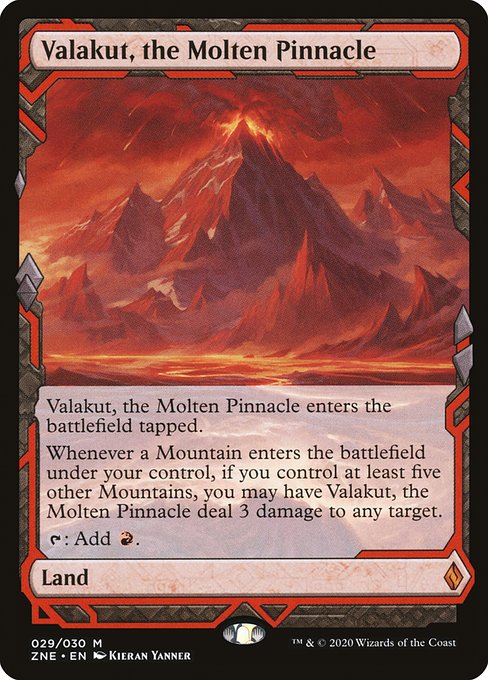
- Valakut, the Molten Pinnacle: This land deals three damage to any target whenever a mountain enters under your control.
Conclusion
The dynamic interplay between landfall strategies and land destruction highlights one of the most intriguing strategic tensions in Commander. Landfall transforms the game’s fundamental resource into a relentless victory engine, while land destruction serves as the ultimate, if controversial, check against runaway ramp. Mastering this matchup requires more than just casting big spells or wiping the board; it demands a deep understanding of timing, resource recovery, and table politics. Whether you choose to nurture boundless horizons or unleash scorched-earth denial, balancing your game plan with proper graveyard interaction and targeted land control is essential for navigating the modern Commander meta.