


Commander’s Premise
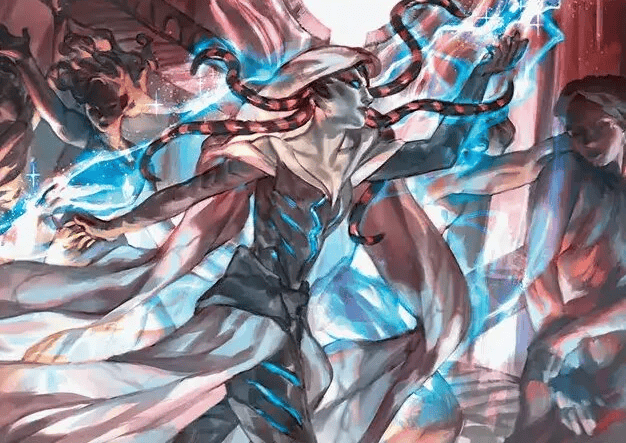
Vraska, Soul of Stone is a three-mana Legendary Creature (Gorgon Wizard) with one mana each of blue, red and white. It is a 3/3 with two abilities that point in the same direction. Artifact creatures you control have vigilance, and whenever you cast a noncreature spell, you create a 1/1 colorless Sculpture Treasure artifact creature token. That token can tap and sacrifice itself to add one mana of any color.
Read that second ability slowly. Each noncreature spell does not just resolve, it pays you back with a body and a one-shot mana source. A Jeskai deck that wants to cast many cheap instants, sorceries, artifacts and enchantments suddenly finds its mana base smoothed out and its board filling up.
The vigilance clause gives the deck its second dimension. Thopters, Soldiers, Constructs and the Sculptures themselves can attack without tapping, so they stay ready to defend or to be tapped for other abilities. The commander asks a simple question every turn: how many noncreature spells can you chain together before the table reacts?
How it Compares to Others?
Jeskai decks tend to fall into one of three camps. Some chase a single explosive spellslinger turn, some lean on artifact synergies, and some build wide boards of tokens. This list deliberately straddles all three without fully committing to any, and the commander is the glue.
Pure storm decks usually sit at the edge of the table with a fragile hand, waiting for a window. This build instead accumulates permanent value. A Sculpture left on the battlefield is a threat, a chump blocker, a source of emergency mana and a sacrifice outlet fodder piece all at once. Many of our earlier spellslinger showcases rely on a precise combination of cards to close the game, whereas this deck can win through steady pressure if the combo never materializes.
Compared with typical artifact-focused decklists, this deck casts far more instants and counterspells. It can keep up with the table while it develops, which suits Bracket 4 pods well. The tradeoff is that it has fewer big artifact payoffs, so it relies on token volume rather than a single huge threat.
Core Gameplay
The plan is to cast noncreature spells on every turn, including the opponents’ turns. Each spell grows the Sculpture count, and those tokens turn into mana for the next round of spells. Counterspells, free protection and cheap draw keep the loop running.
Because so many spells cost one or two mana, the deck often casts several in a turn. A modest board of tokens then becomes lethal through pump effects, doubling effects or a oversized Construct.
Early Game
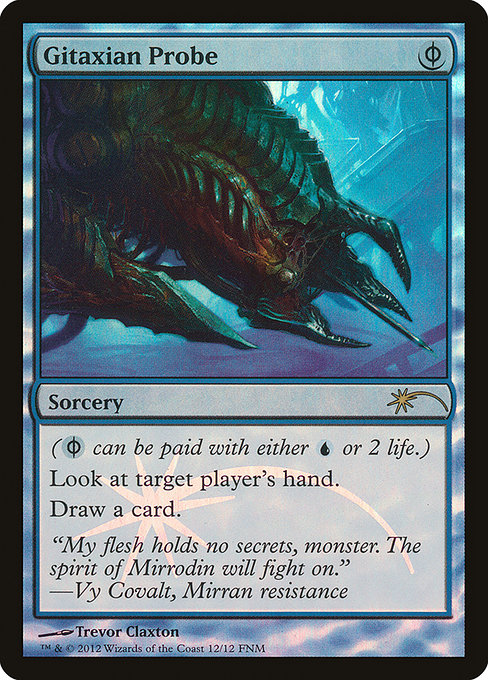
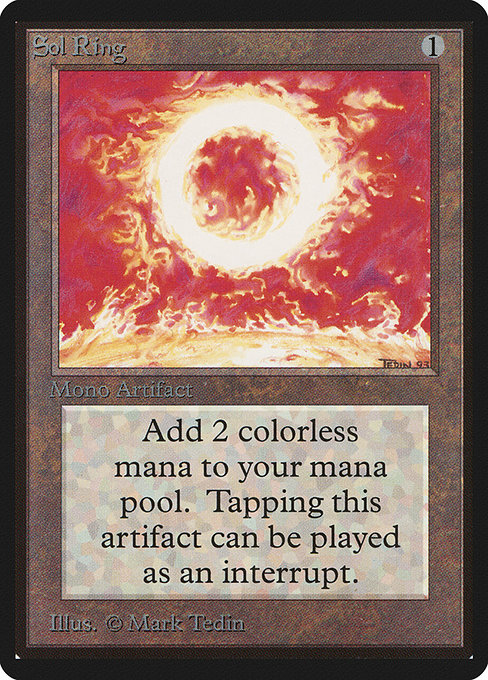
The opening turns are about establishing mana and getting the commander down safely. A fast artifact like Sol Ring is the dream start, and cheap cantrips like Gitaxian Probe help you see more of the deck while triggering the commander once it is on the battlefield. The Probe can be cast for free by paying life, so it often costs no mana at all.
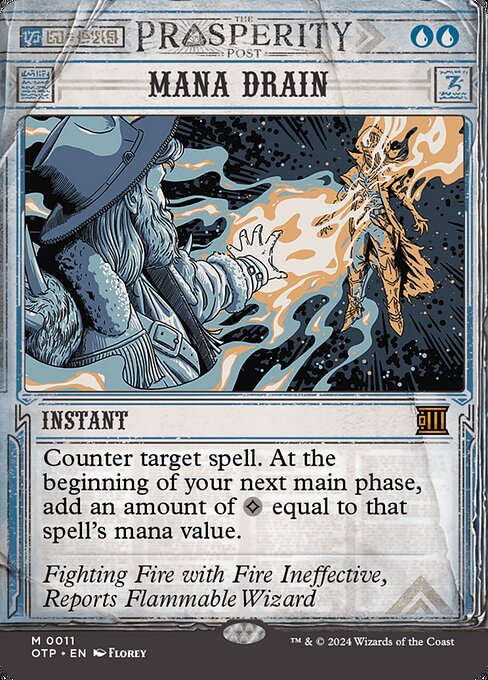
Casting the commander on turn three is a fine goal. From there, any follow-up spell makes a Sculpture, and a one-mana play like Strike It Rich creates a Treasure and later a second one with flashback. Hold up Counterspell or Mana Drain when the opponent’s turn looks threatening, since both double as ramp when you can afford to wait.
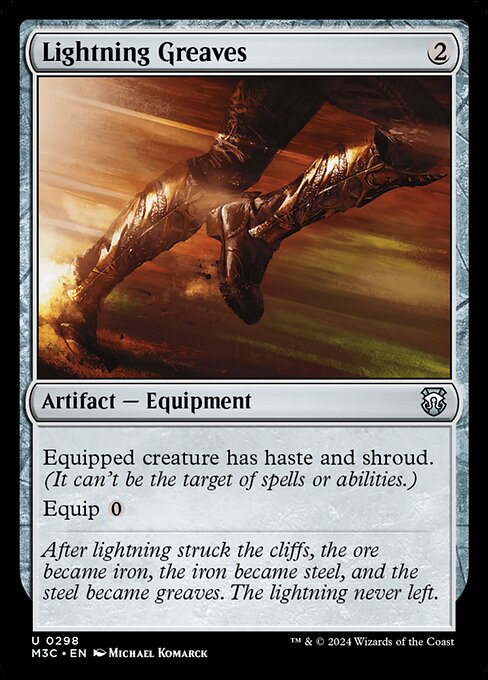
Early on, use Etherium Sculptor to make artifacts cheaper, and keep Lightning Greaves ready to protect your key pieces.
Mid Game
Around turns four to six, the deck turns from setting up to snowballing. Cast two or three cheap spells in one turn, collect the Sculptures, then use those tokens for extra mana or leave them on the board as bodies. Token makers like Sai, Master Thopterist and Third Path Iconoclast multiply the bodies at no extra cost.
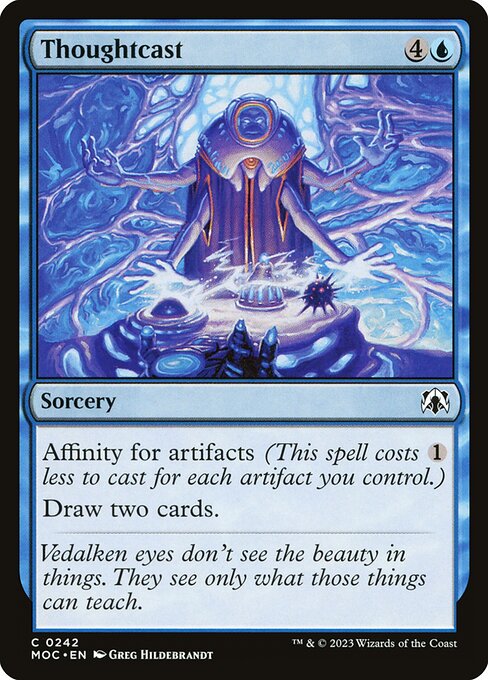
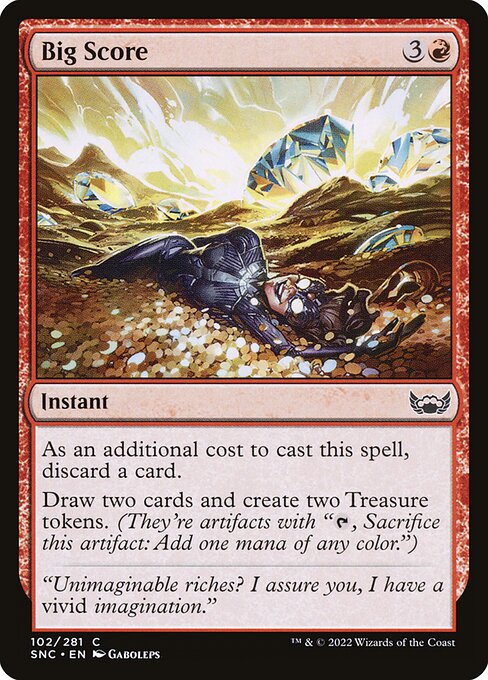
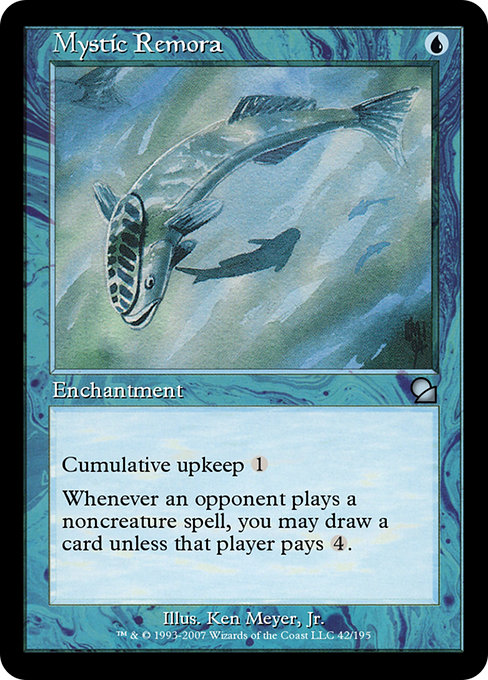
This is also the phase to find card advantage. Frantic Search and Big Score dig deeper, Thoughtcast becomes nearly free with a few artifacts out, and Mystic Remora punishes opponents who stumble through their own noncreature plays.
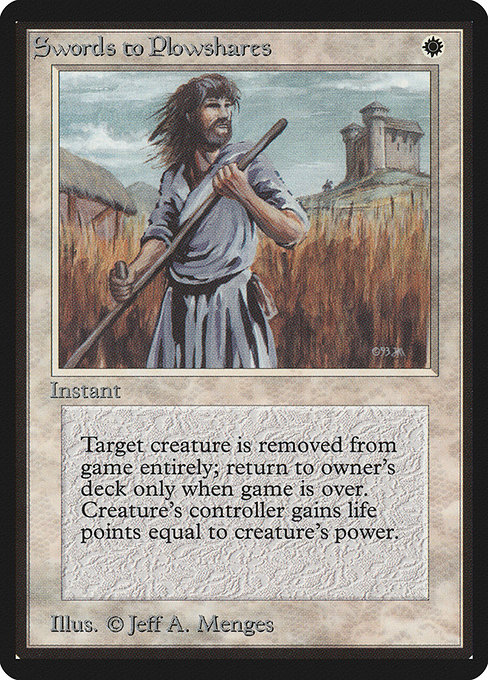
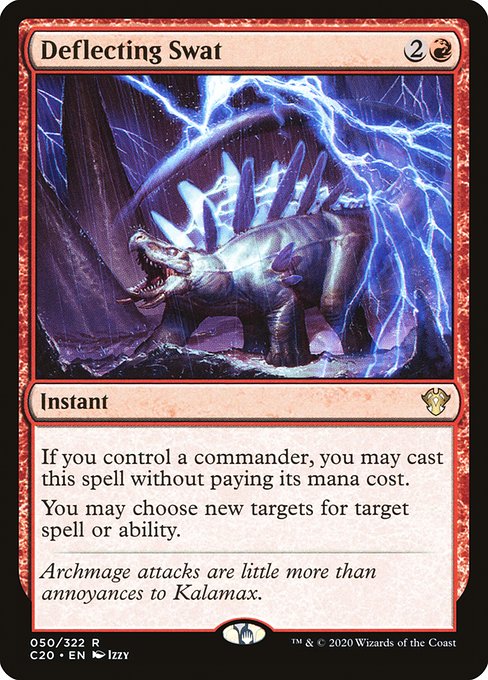
Keep one eye on interaction. Your Swords to Plowshares removes the single biggest threat, and your free spells, like Deflecting Swat and Flawless Maneuver, protect the commander when it sits at the center of the plan.
End Game
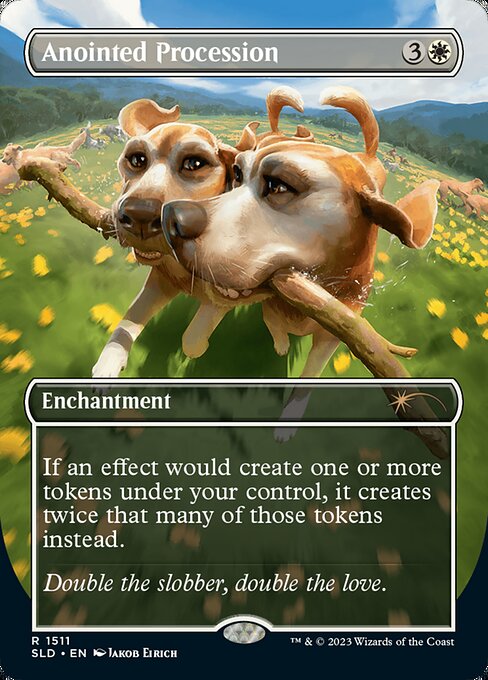
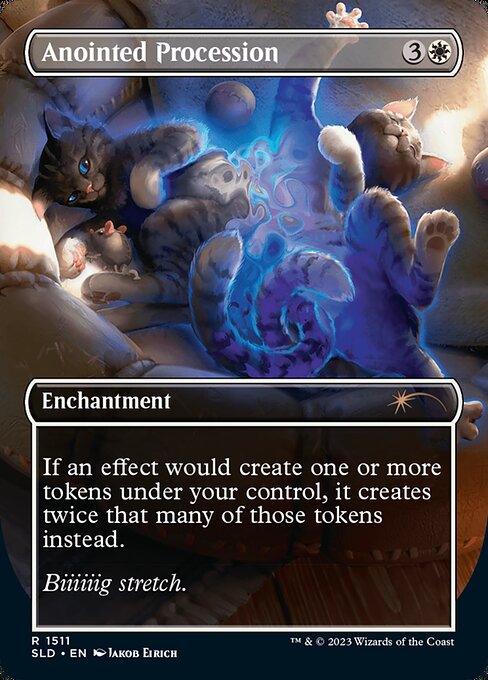
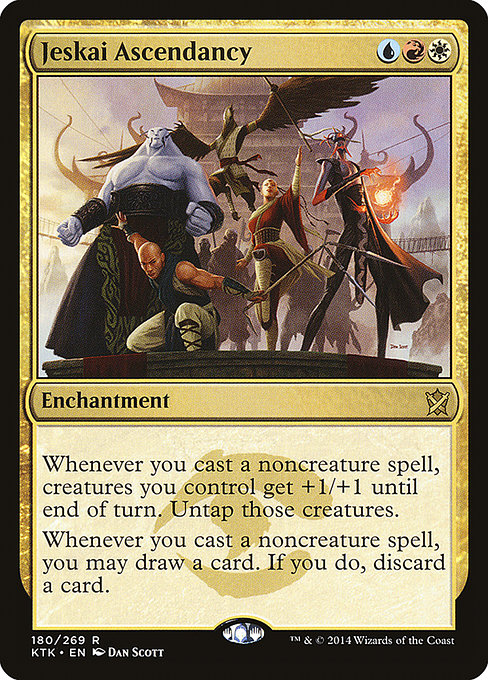
By the late turns, the board holds a swarm of artifact creatures with vigilance. Casting any noncreature spell with Jeskai Ascendancy on the battlefield pumps the team and untaps it, so attackers keep swinging and still defend. With Anointed Procession out, each commander trigger makes twice as many Sculptures, quickly overwhelming a board.
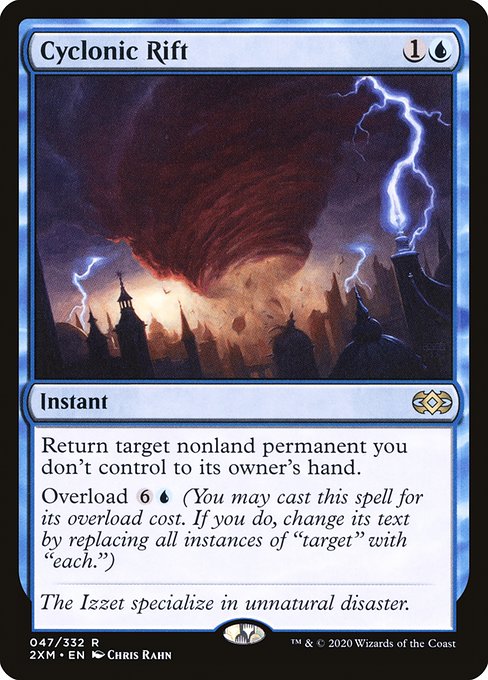
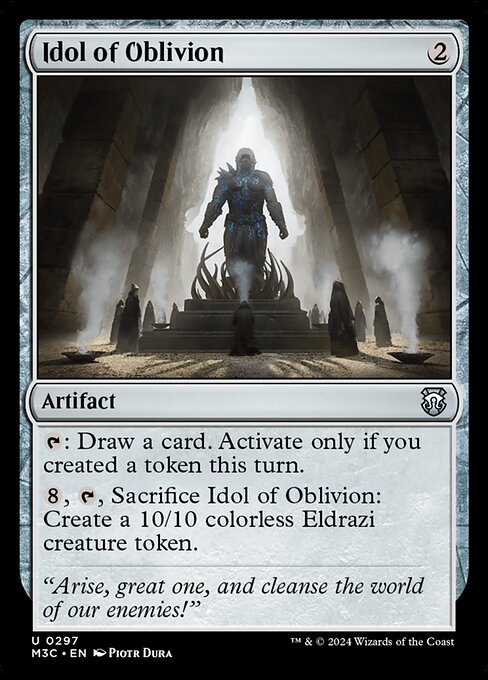
When opponents try to stabilize, Cyclonic Rift overloaded for seven mana clears the table of their blockers. Alternatively, a big Urza, Lord High Artificer Construct, an eight-mana activation of Idol of Oblivion, or a Storm-Kiln Artist with a wide artifact base can push through the last points of damage.
Power Analysis and Decklist
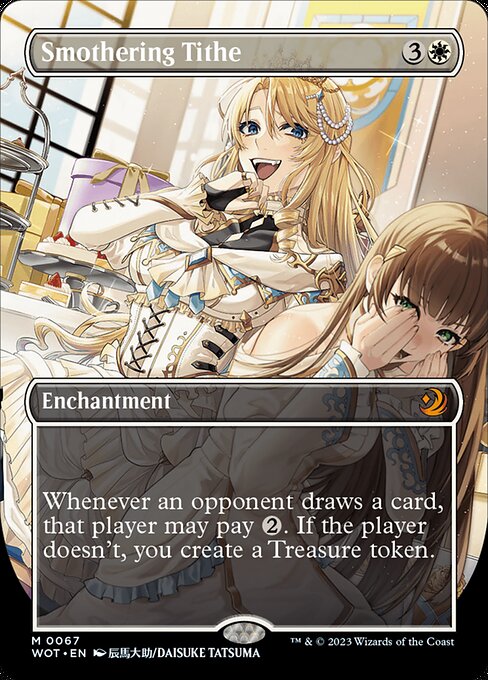
This list is built for Bracket 4, and the price sits around one thousand and seventy dollars. It contains three Game Changers: Jeska's Will, Cyclonic Rift and Smothering Tithe. All three are in the deck for good reasons. Jeska’s Will provides explosive mana and card advantage, Cyclonic Rift acts as both a reset and a finisher, and Smothering Tithe turns opposing draws into ramp.
Beyond those, the deck leans on free interaction, cheap fast mana and efficient counterspells. This gives it the speed of a high-power list without needing a hard combo to win. The deck is not a tournament-level cEDH build, since its win conditions are mostly damage-based and it lacks a dedicated instant-win line. That keeps it fair in Bracket 4 pods, where games can still be dangerous but rarely end on turn three.
Its weaknesses are fairly clear. Without the commander, the engine of Sculpture creation stalls. Sweepers also hurt, because the plan commits many small bodies to the board. Strong counterspell backup and the free protection spells mitigate most of that risk, and the commander can be recast several times without ruining your mana.

Creatures (15)
Instants (18)
Sorceries (7)
Artifacts (20)
Enchantments (11)
Lands (30)
101 Cards
$1058.73
Deep Analysis
The intent of this deck is simple: make every spell do double duty. Cheap interaction, card flow and artifact support all feed the commander, which then feeds the mana base. The cards below are grouped by type, and each section explains why those particular pieces fit the plan.
Creatures
The creature suite is small but focused. Most of these cards either create more bodies, reduce costs or reward noncreature spells, which keeps the commander’s trigger central.
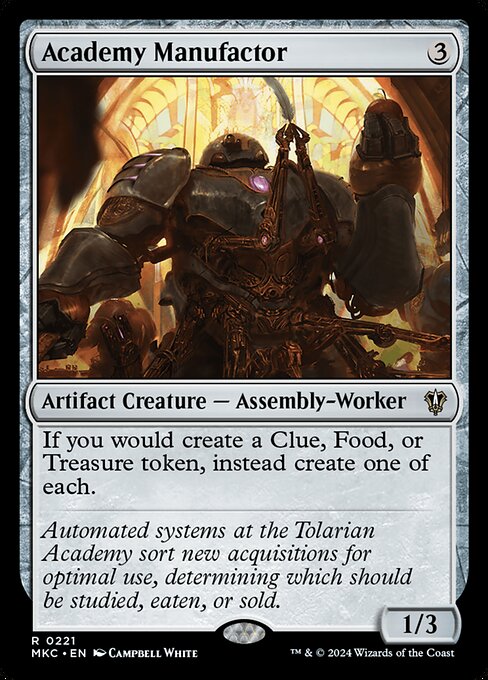
Academy Manufactor is a three-mana artifact creature that turns each Treasure creation into a Clue, a Food and a Treasure. Strike It Rich, Big Score, Storm-Kiln Artist and Smothering Tithe all benefit from it.
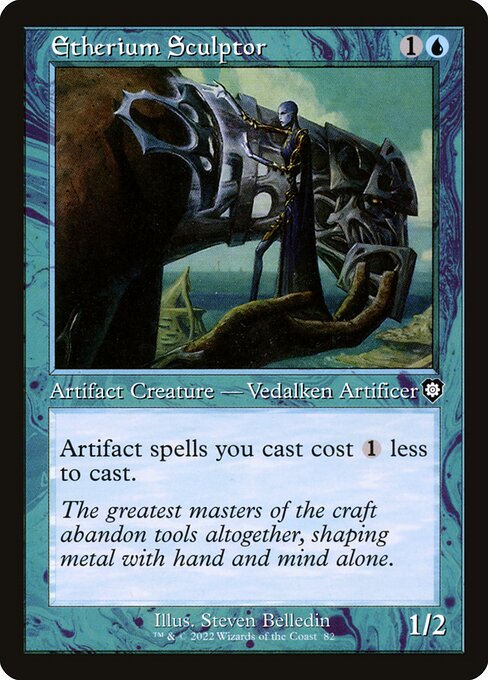
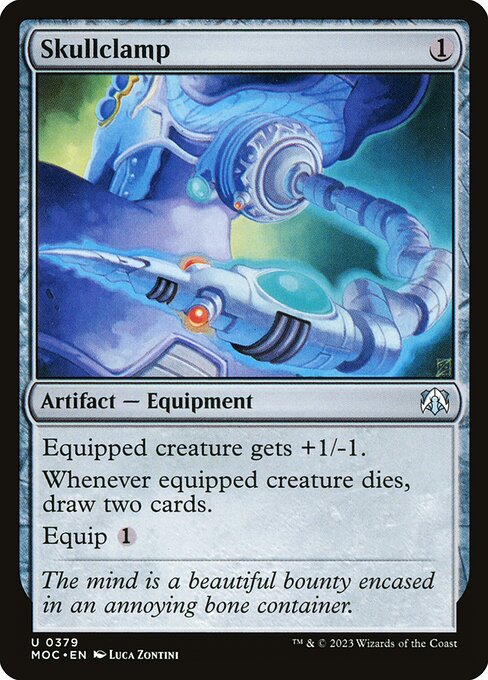
Cost reduction comes from Etherium Sculptor, a two-mana creature that makes artifact spells cheaper, which speeds up Skullclamp, Idol of Oblivion and every artifact piece in the list.
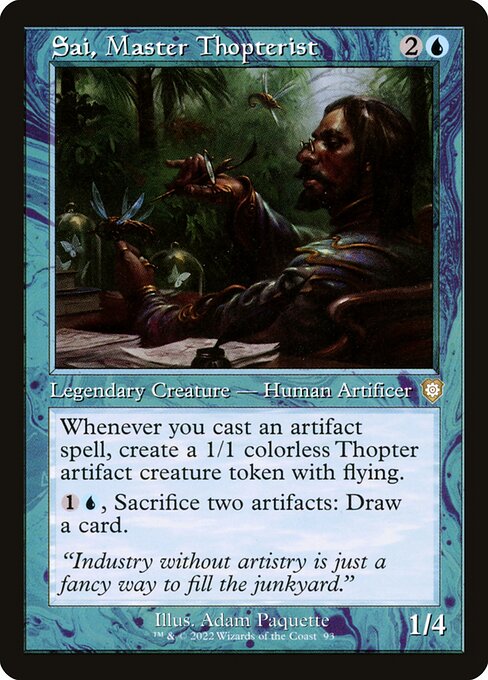
Sai, Master Thopterist creates a flying Thopter whenever you cast an artifact spell, and all those Thopters gain vigilance from the commander.
When you cast a noncreature spell, Third Path Iconoclast makes a Soldier artifact creature token. It stacks with the commander for two bodies per spell.
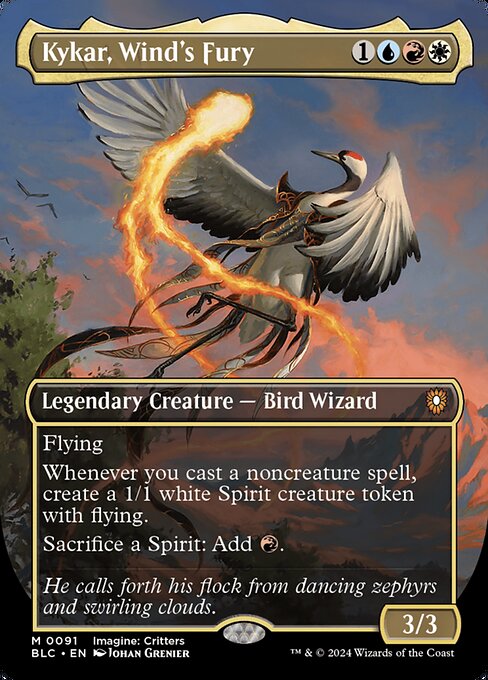
Spirit tokens come from Kykar, Wind's Fury, which makes a flying Spirit whenever you cast a noncreature spell and lets you sacrifice Spirits for red mana. It is a second source of fixing and another mana-hungry body.
Treasure generation is the job of Professional Face-Breaker, who rewards combat damage with Treasure tokens that can be sacrificed to exile and play cards.
A truly explosive option is Storm-Kiln Artist, a four-mana creature that creates a Treasure whenever you cast or copy an instant or sorcery. Its power scales with your artifact count, so it grows alongside the Sculptures.
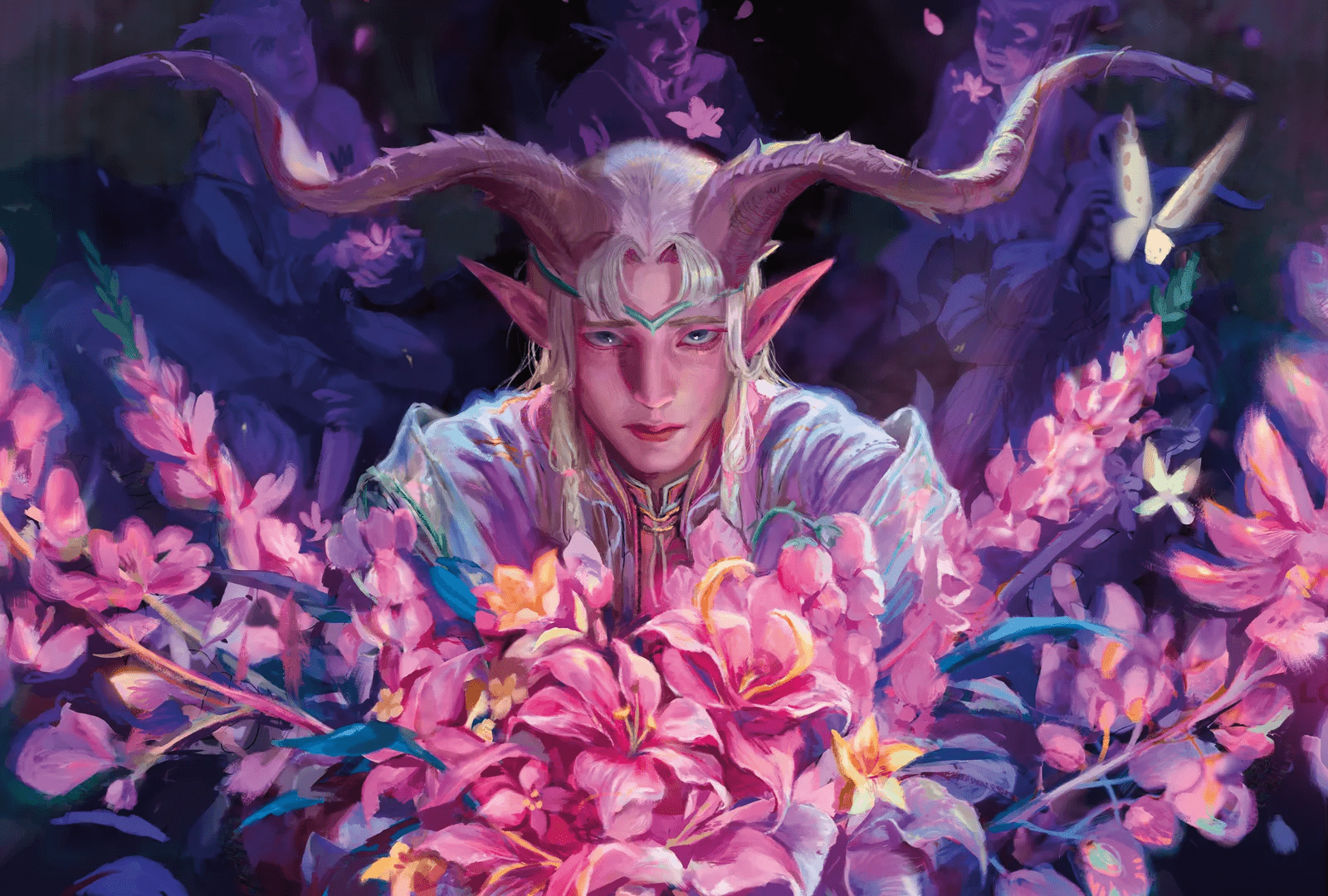
Veyran, Voice of Duality costs three and doubles triggered abilities caused by casting or copying instants and sorceries. This means the commander makes two Sculptures per instant or sorcery.
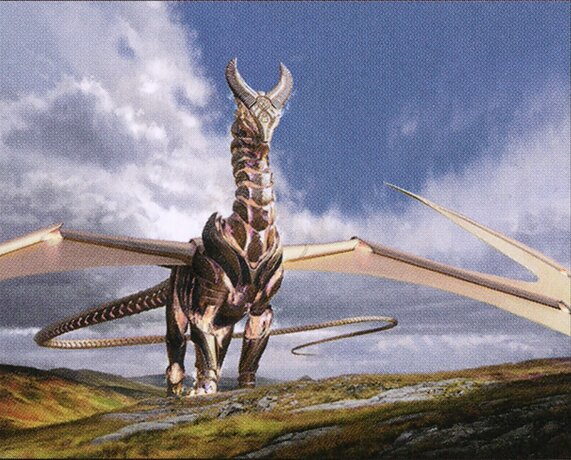
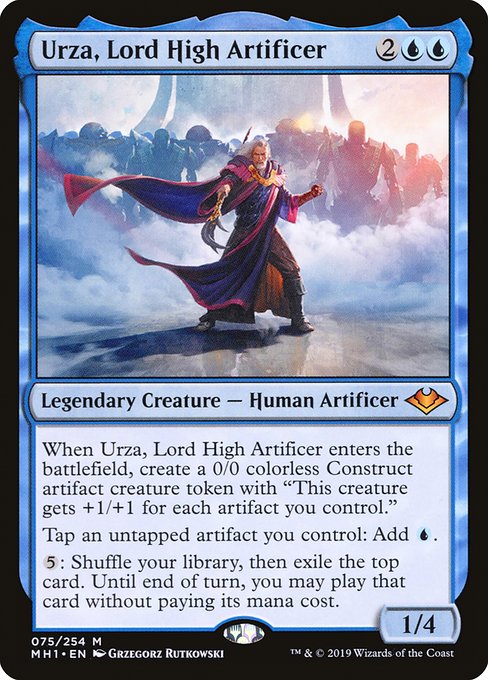
Finally, Urza, Lord High Artificer brings a Construct that grows with your artifact count. Its mana ability taps an untapped artifact you control rather than using the tap symbol, so freshly made Sculptures can fuel it right away despite summoning sickness.
Sorceries
The sorceries are mostly accelerants and card flow. Each one also triggers the commander, so none of them is a wasted slot.
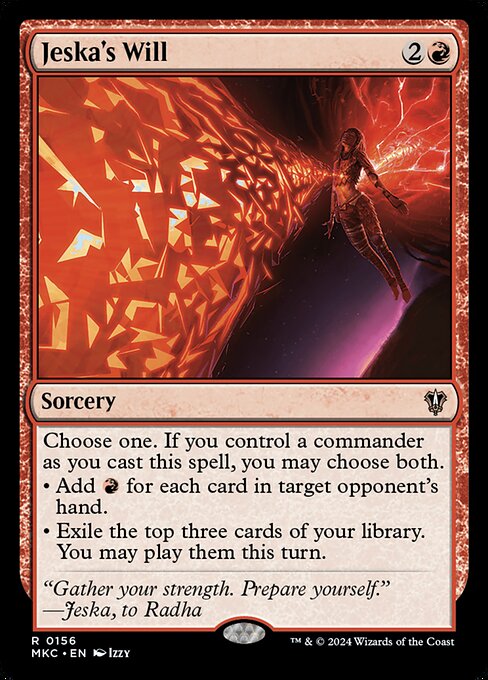
Jeska's Will costs three and, with your commander on the battlefield, lets you choose both modes. You add red mana for each card in an opponent’s hand and exile the top three cards of your library to play this turn.
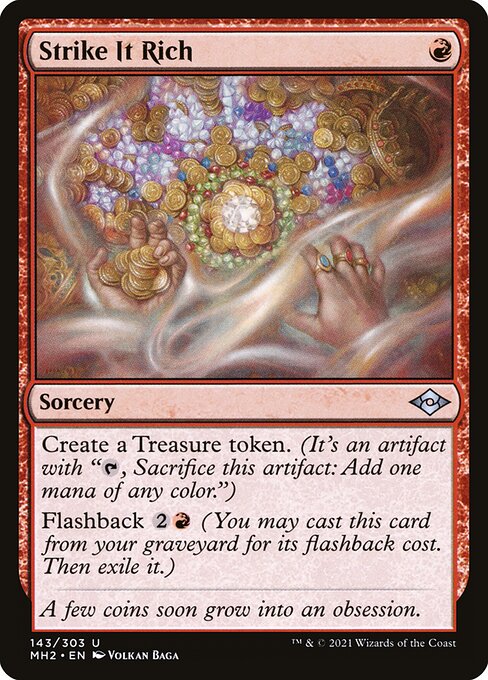
A one-mana play, Strike It Rich, makes a Treasure and can be flashed back later for another. It is a cheap way to fire off the commander’s trigger twice from one card.
Artifact count helps Thoughtcast, which has affinity for artifacts and draws two cards. With Sculptures out, it is often nearly free.
At zero mana in most cases, Gitaxian Probe gives you information about the opponent’s hand and replaces itself. It is a fine way to trigger the commander on turn two or three without spending mana.
Instants
Instants form the largest group, which is natural for a spellslinger deck. They protect the board, answer threats and let you build tokens during the opponent’s turn.
Counterspells lead the way with Counterspell and Mana Drain, both costing two mana. Mana Drain is especially strong because the mana it creates fuels the next big turn.
Targeted removal comes from Swords to Plowshares, a one-mana exile effect that handles the most dangerous creature on the table.
On the protective side, Deflecting Swat and Flawless Maneuver are both free when you control a commander. They redirect or defend against removal at no cost and still trigger Sculptures.
For a reset button, Cyclonic Rift costs two normally or seven when overloaded. The overloaded mode is a one-sided bounce that often sets up a lethal alpha strike.
For card flow, Frantic Search draws two, discards two and untaps up to three lands. It is a cheap way to dig and net mana at the same time.
With a card to spare, Big Score discards a card, then draws two and creates two Treasures. It is a four-mana spell that refuels you immediately.
Artifacts
The artifact package is intentionally short, because the commander already makes many artifact bodies and the spell count carries the deck. Each artifact here does a specific job.
Sol Ring provides acceleration, and its low cost lets it trigger the commander as well as the artifact payoffs.
Skullclamp turns small bodies into cards. Equipping a Sculpture or a Thopter kills it and draws two, which turns every spare token into pure card advantage.
Lightning Greaves gives haste and shroud with a free equip cost, protecting the commander and allowing a freshly made Sculpture to tap for mana immediately.
At two mana, Idol of Oblivion draws a card when you have created a token this turn, which is easy here. Late in the game, it can also become a massive Eldrazi token.
Enchantments
Enchantments are the deck’s support layer. They either reward spellcasting or multiply the tokens already being made.
Smothering Tithe taxes opposing card draw and produces Treasures. With Academy Manufactor, each missed payment becomes a Clue, a Food and a Treasure.
Doubling tokens is the task of Anointed Procession, which turns each commander trigger into two Sculptures and doubles Thopters and Soldiers as well.
Jeskai Ascendancy costs three and pumps and untaps your creatures whenever you cast a noncreature spell, and it lets you loot as well. It converts a wide board into a lethal threat.
Passive card draw comes from Mystic Remora, which punishes opponents for casting noncreature spells and gives you extra cards on the cheap.
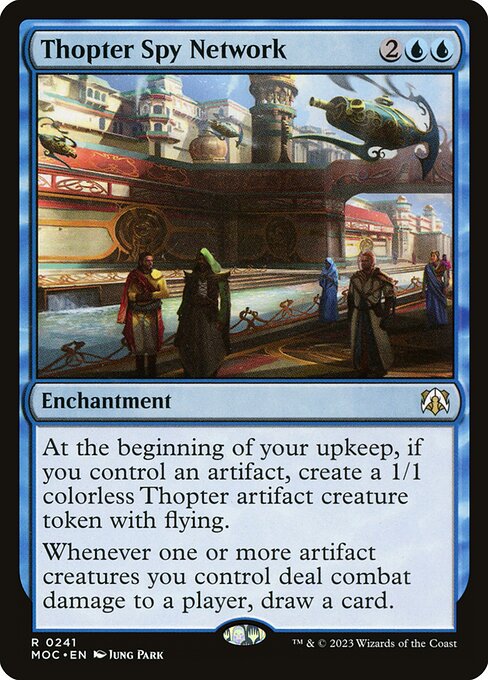
Thopter Spy Network adds another source of flying bodies and draws cards when artifact creatures connect, which is simple to pair with vigilance.
Lands
The mana base is carefully tuned to support three colors and artifacts. Most lands are standard color fixers, but a few carry extra weight.
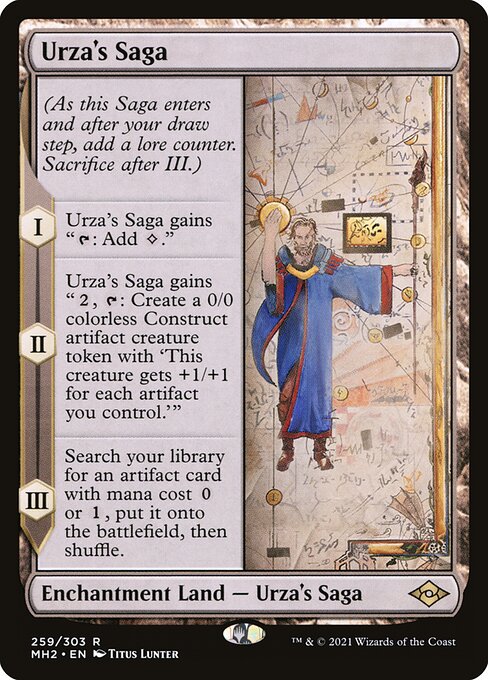
Urza's Saga builds a Construct that grows with your artifacts and later fetches a zero- or one-mana artifact like Sol Ring or Skullclamp. Few lands do this much work.
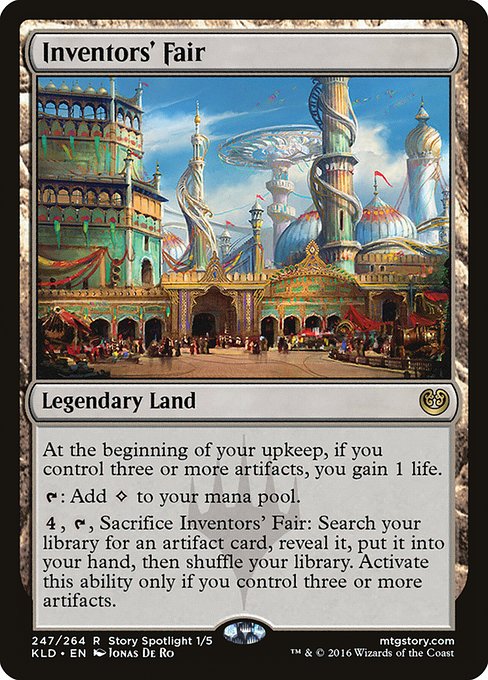
Inventors' Fair gains life when you control three artifacts and can sacrifice itself to tutor for an artifact, giving the deck a late-game search effect.
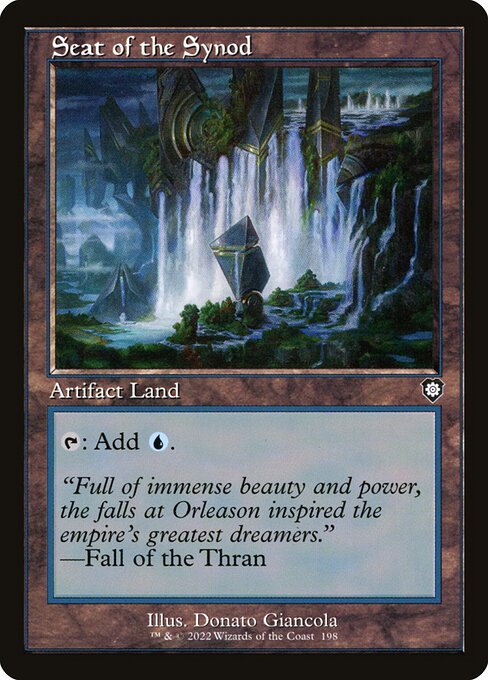
Seat of the Synod is an artifact land that adds blue mana while counting toward Thoughtcast, Storm-Kiln Artist and Urza’s Construct.
Closing Words
This Jeskai build uses a simple loop to great effect: cast a noncreature spell, get a Sculpture, spend it on another spell. It is flexible, interactive and surprisingly resilient for a deck that commits so many small bodies to the table.
If you enjoy decks that reward careful sequencing, this one gives you plenty of room to outplay your opponents. Start with the early game plan, protect the commander, and let the Sculptures do the rest. Try it at your next Bracket 4 pod and see how often the table is surprised by a board of tiny stone creatures.