


Green, Black and Blue. Life, Death, and Evolution — Sultai is the color combination of quiet, compounding advantage. While other triads may win through sudden combat or dramatic turns, Sultai prefers something subtler: building an ecosystem of value that slowly becomes impossible to dismantle.
Each color contributes a critical piece of that engine. Blue brings card selection, manipulation, and stack interaction. Black offers recursion, graveyard exploitation, and ruthless removal. Green ensures constant mana development and resource acceleration. Together, they form a strategy that rarely runs out of options. If something dies, it returns. If something resolves, it generates value. If something grows, it rarely stops.
Sultai decks often feel less like traditional strategies and more like living systems. Creatures, lands, graveyards, and libraries all become interchangeable resources feeding one another. Milling fuels recursion. Land drops trigger card draw. Creatures entering the battlefield cascade into additional triggers. Over time, the board state grows layered, dense with interactions that reward patience and sequencing.
What Sultai Does Best
Sultai thrives when every zone of the game becomes a resource. The color combination naturally rewards long-term engines, recursive play patterns, and layered interactions that steadily generate advantage.
Graveyard Value and Recursion — Living Death | Eternal Witness | Muldrotha, the Gravetide | Reanimate
Self-Mill and Resource Conversion — Stitcher's Supplier | Satyr Wayfinder | Mesmeric Orb | Sidisi, Brood Tyrant
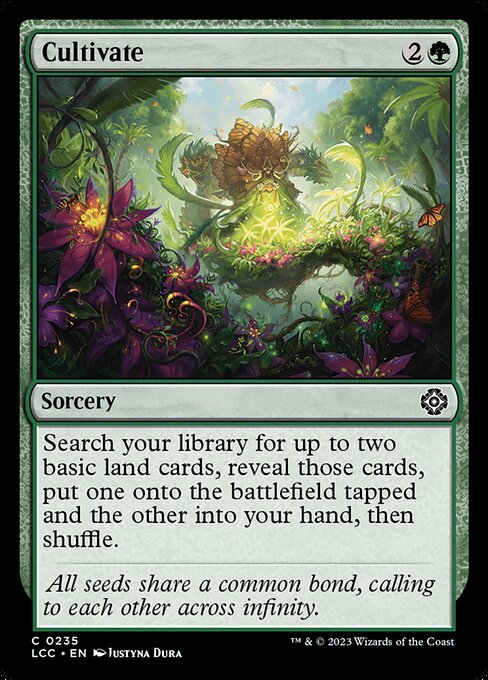
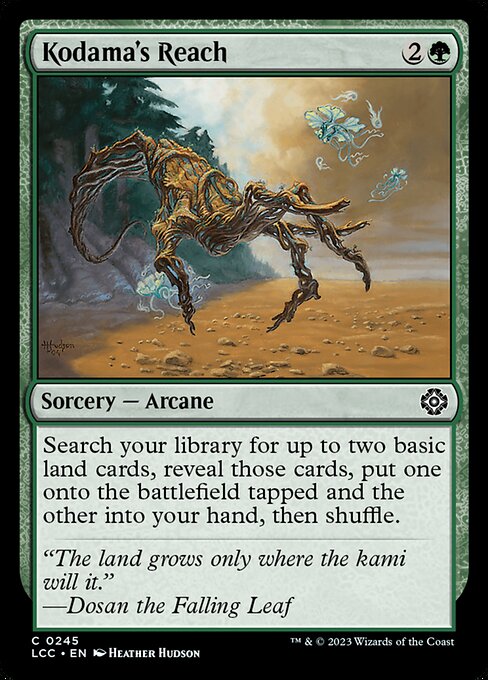
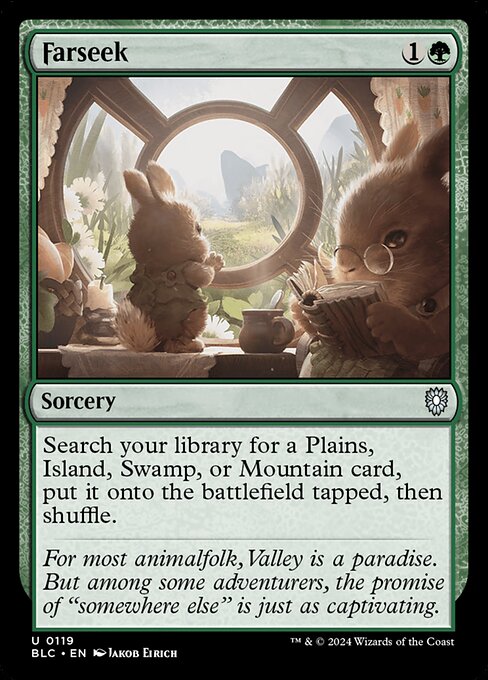
Land Ramp and Resource Acceleration — Cultivate | Kodama's Reach | Three Visits | Farseek
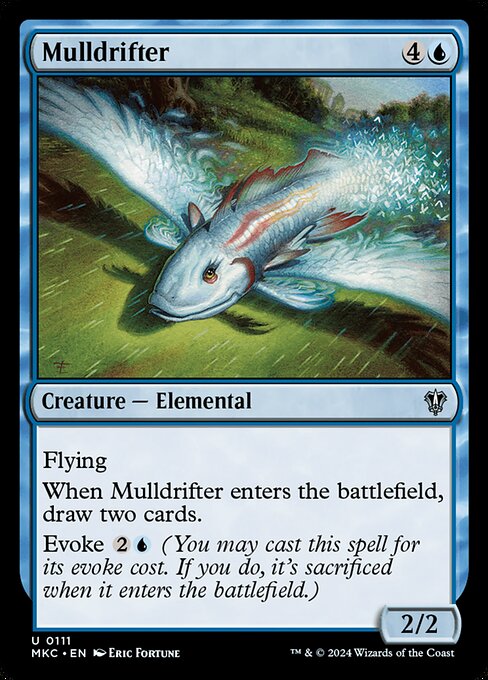
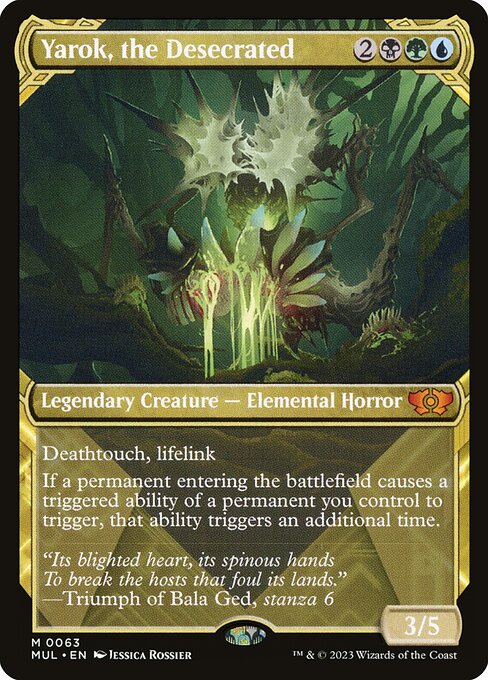
ETB Value — Yarok, the Desecrated | Mulldrifter | Acidic Slime | Eternal Witness
Proliferate and Counter Manipulation — Doubling Season | Vorinclex, Monstrous Raider | Inexorable Tide | Tekuthal, Inquiry Dominus
So let’s dive a bit deeper and explore 4 distinct archetypes with a Sultai twist. We will be keeping the power level of all decks to a casual Bracket 3.
Archetype 1: Sultai Self-Mill
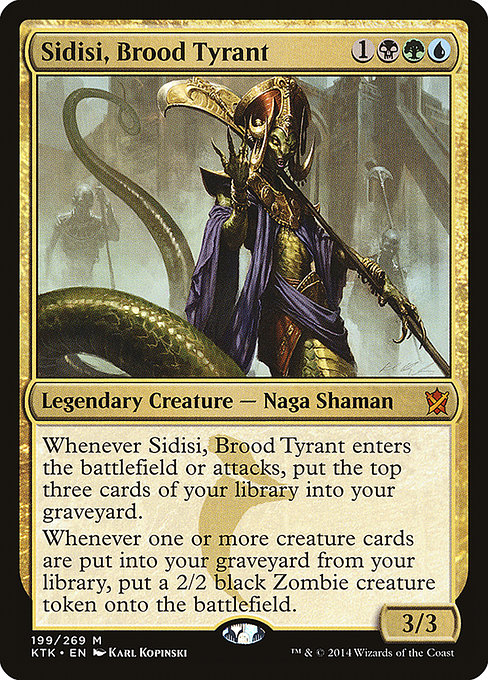
Few commanders embody Sultai’s philosophy better than Sidisi, Brood Tyrant. Instead of treating the graveyard as a loss of resources, Sidisi turns it into a production line. Every time your library feeds itself into the graveyard, new creatures emerge onto the battlefield. The result is a strategy where milling yourself is the primary engine that fuels the entire deck.
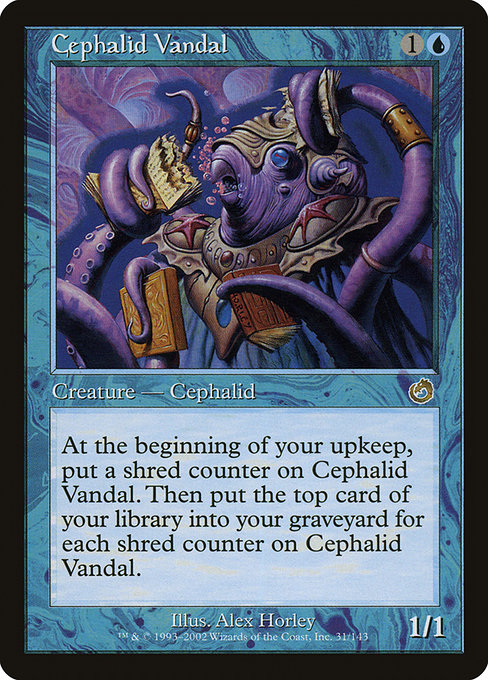
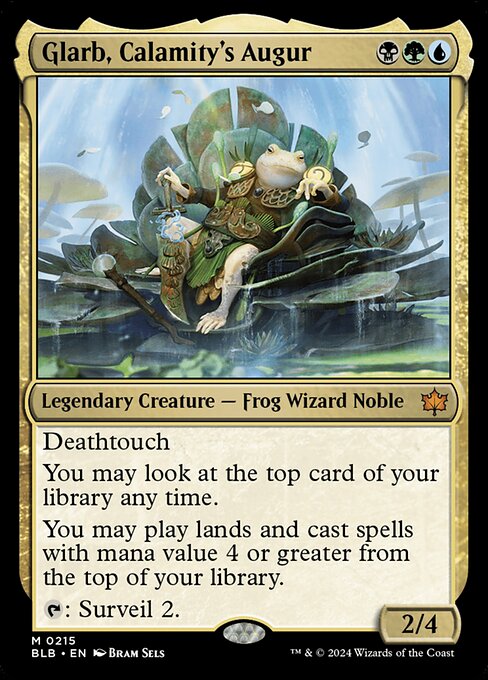
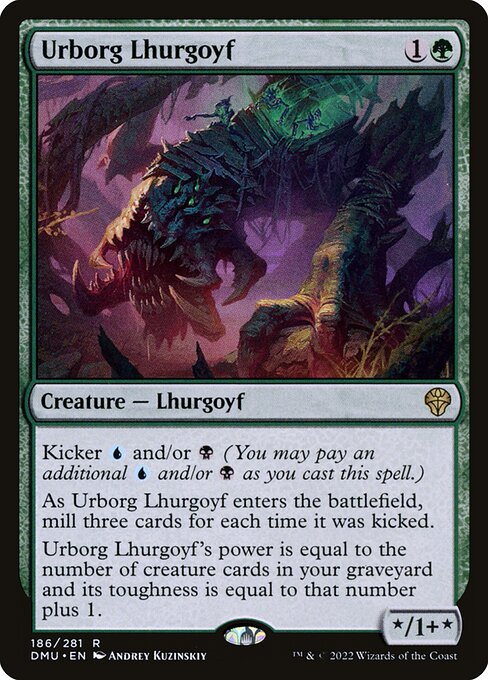
The foundation of the deck is efficient self-mill. Creatures like Snarling Gorehound, Stitcher's Supplier, Vilespawn Spider, Nyx Weaver, Cephalid Vandal, Glarb, Calamity's Augur and Urborg Lhurgoyf load the graveyard while contributing to board presence.
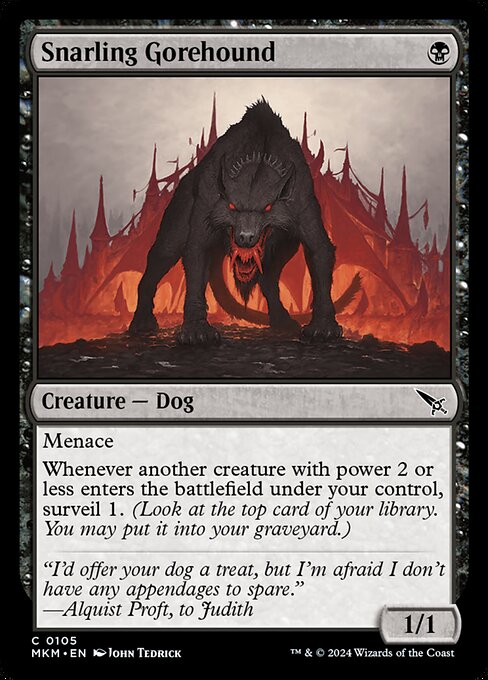
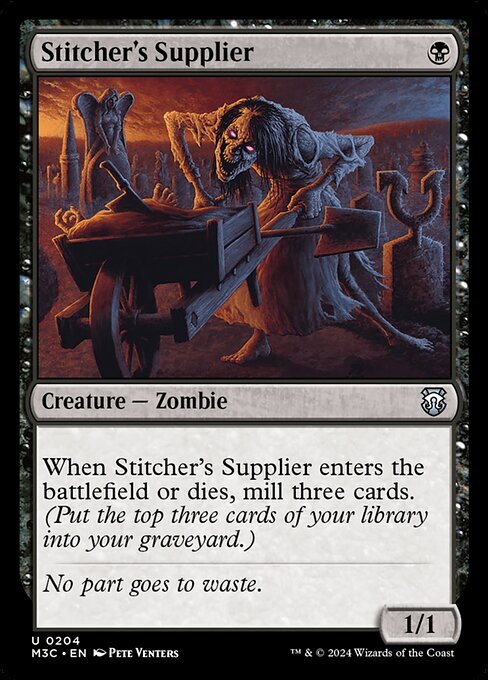
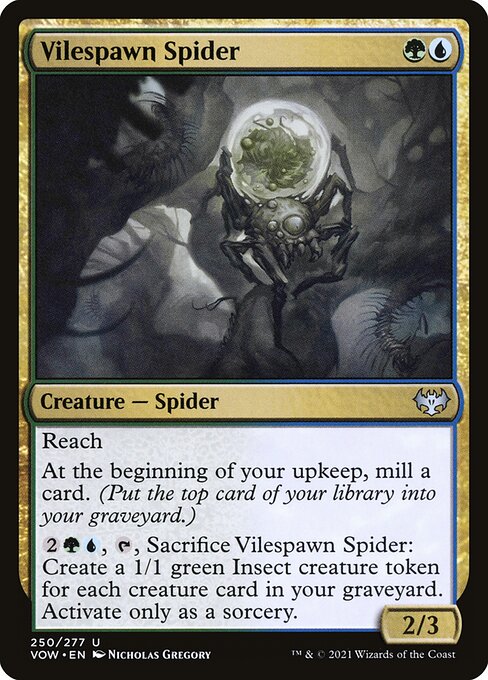
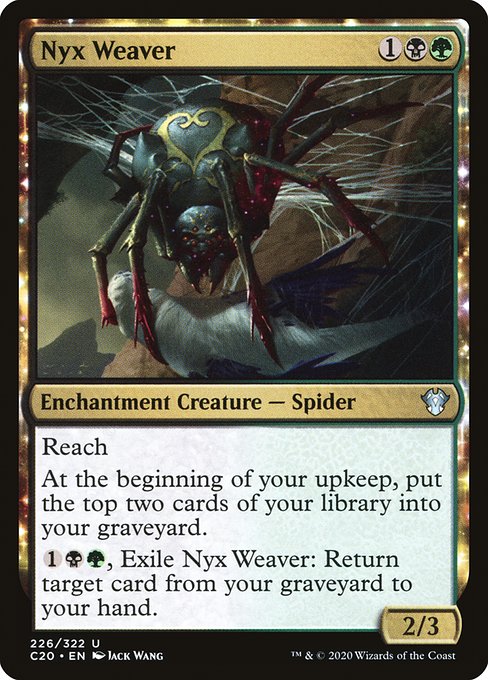
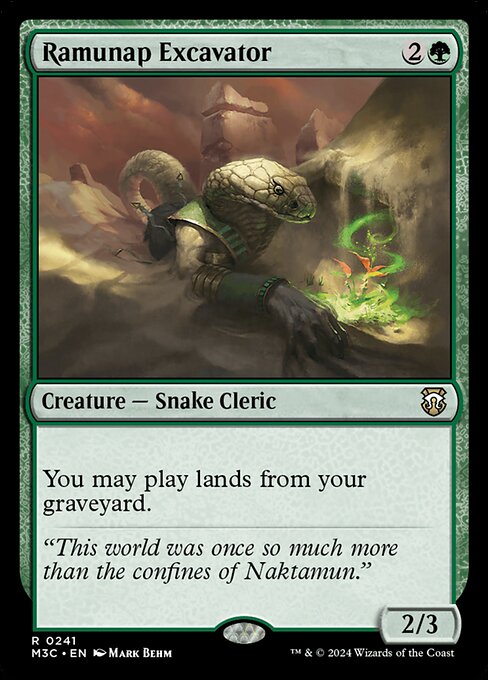
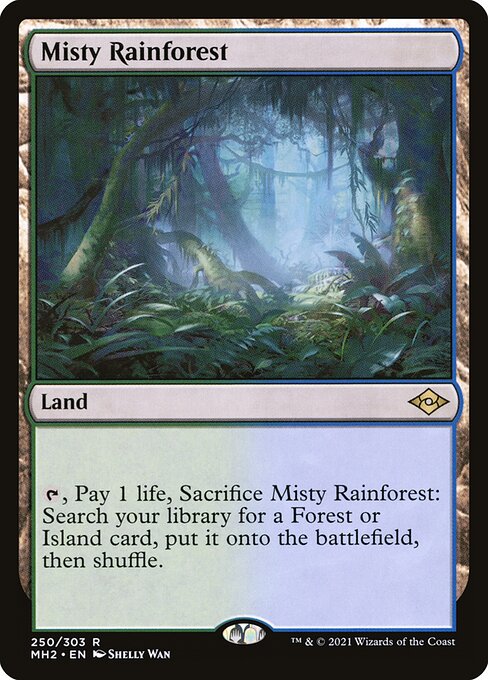
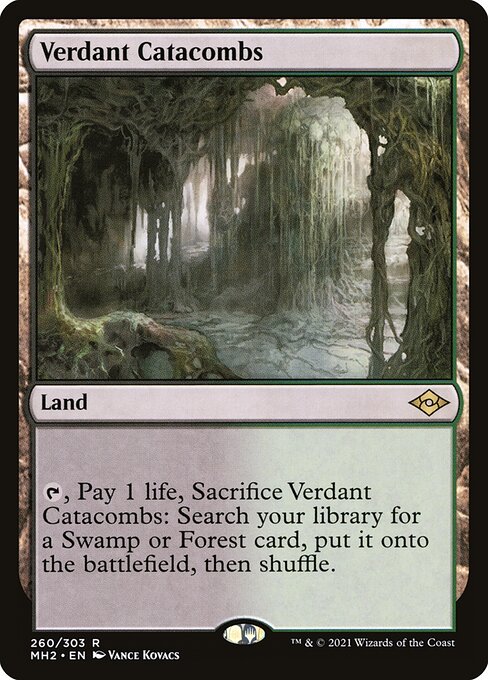
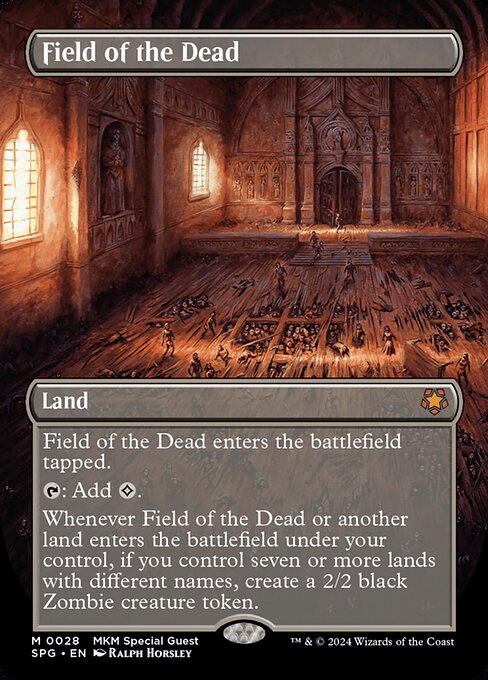
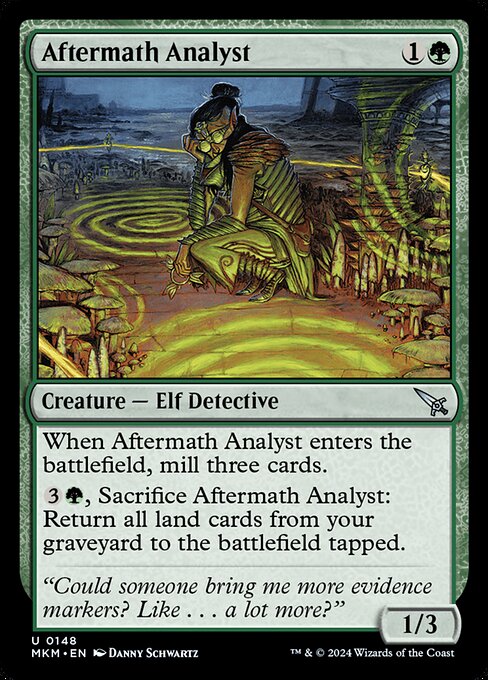
Ramunap Excavator lets you recycle fetchlands like Misty Rainforest and Verdant Catacombs for continuous value, while Field of the Dead adds yet another token engine that scales naturally with the deck’s land diversity. Aftermath Analyst contributes extra mill while also being able to bring back all the lands you’ve milled at once.
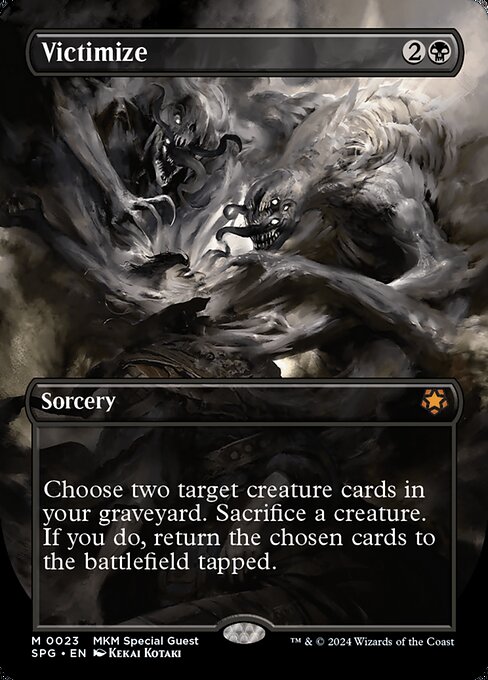
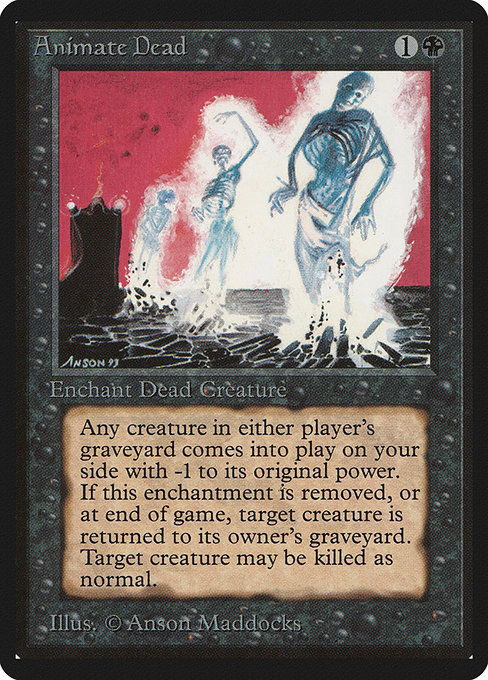
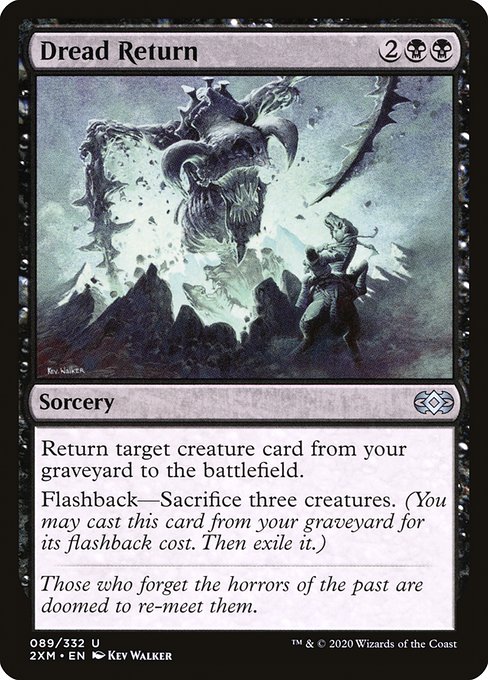
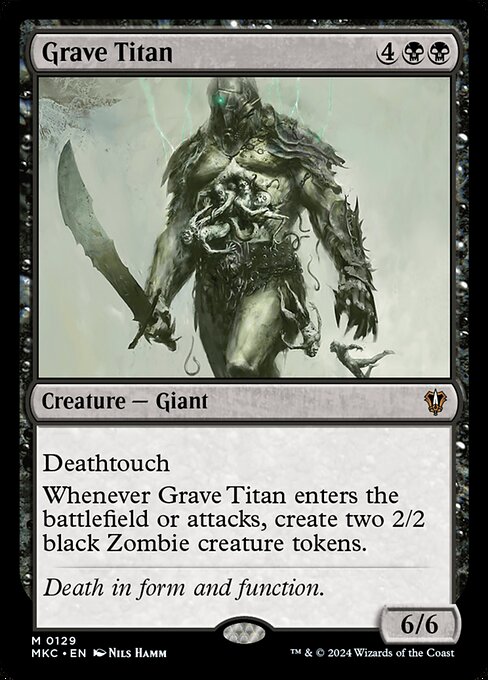
The graveyard also becomes a toolbox of recursion targets. Victimize, Animate Dead, and Dread Return allow you to convert early self-mill into immediate battlefield value. Heavy hitters like Grave Titan, Bane of Progress, and Craterhoof Behemoth often appear far earlier than opponents expect. Meanwhile, Genesis and Eternal Witness ensure that even if threats are removed, they can be brought back.
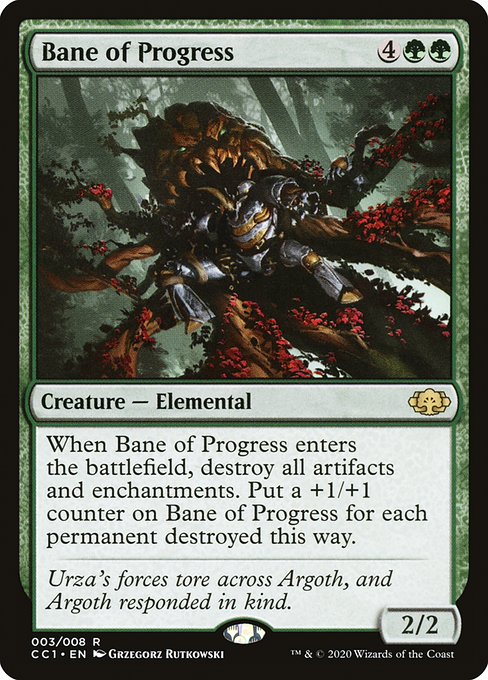
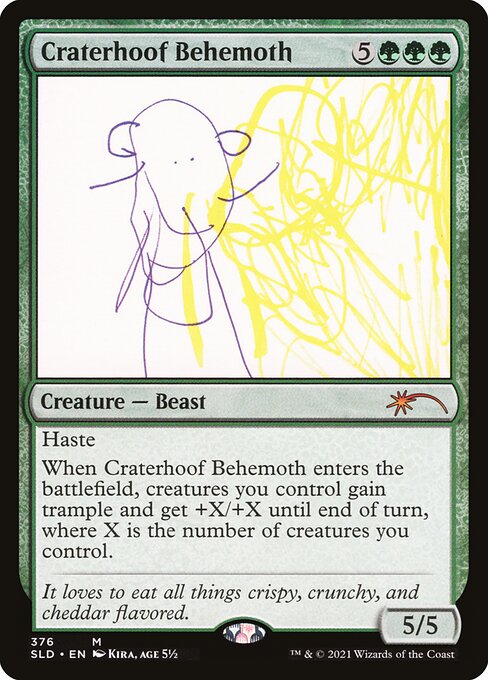
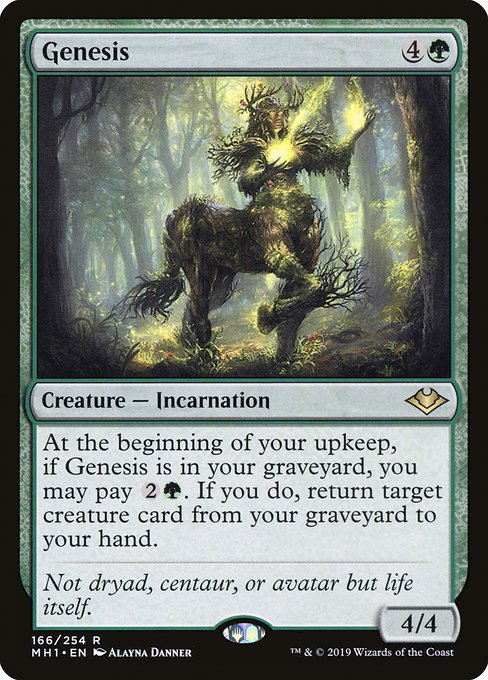
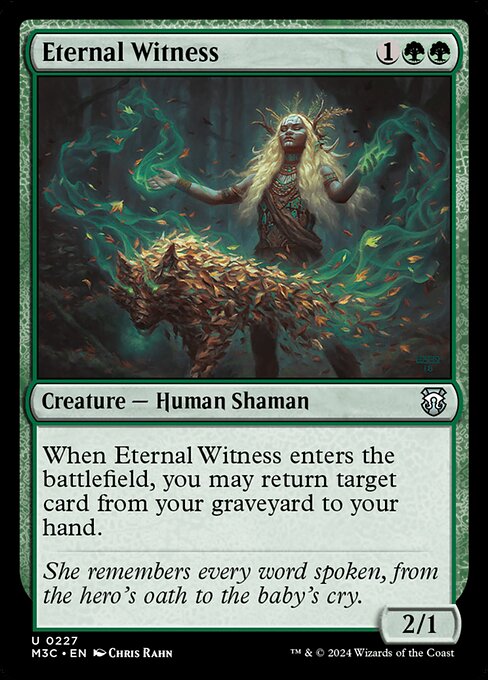
With enough time, the battlefield begins to fill from multiple directions, Zombies from Sidisi, additional tokens from lands, and revived creatures from the graveyard. As such, late in the game, the deck has an overwhelming board pressure.
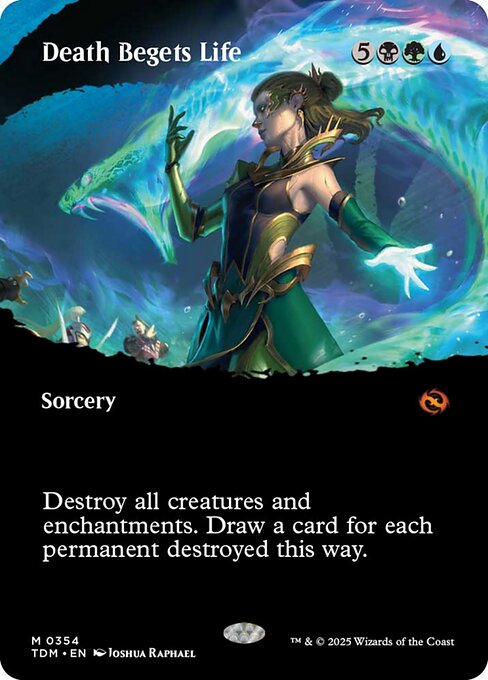
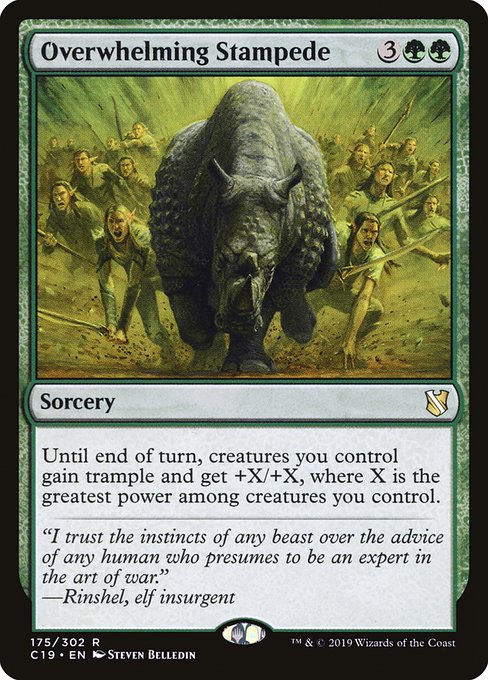
Death Begets Life and Living Death can reset the battlefield, the latter doing so in your favor by returning a graveyard full of threats all at once. Overwhelming Stampede or Craterhoof Behemoth then convert that creature mass into lethal combat damage. Even small Zombie tokens suddenly become devastating attackers when amplified by a massive overrun effect.

What makes Sidisi self-mill particularly dangerous in Commander is how naturally the strategy scales. Milling fuels tokens and land development. Tokens fuel sacrifice effects and board presence. The graveyard fuels recursion. Every card contributes to multiple layers of advantage. By the time opponents realize the graveyard has become your second hand, the battlefield is already overflowing with creatures ready to end the game.
If this kind of strategy sounds like your thing, check the deck here:
Commander
Creatures (42)
Instants (6)
Sorceries (10)
Lands (37)
100 Cards
$570.56
Archetype 2: Sultai Landfall
Yarok, the Desecrated‘s ability doubles triggered abilities from permanents entering the battlefield, transforming even modest value creatures into powerful engines. In a landfall shell, this effect becomes particularly explosive. Every land drop can trigger multiple layers of advantage: mana, cards, creatures, or disruption, and Yarok ensures those triggers happen twice. The result is a board state that scales rapidly with every land played.
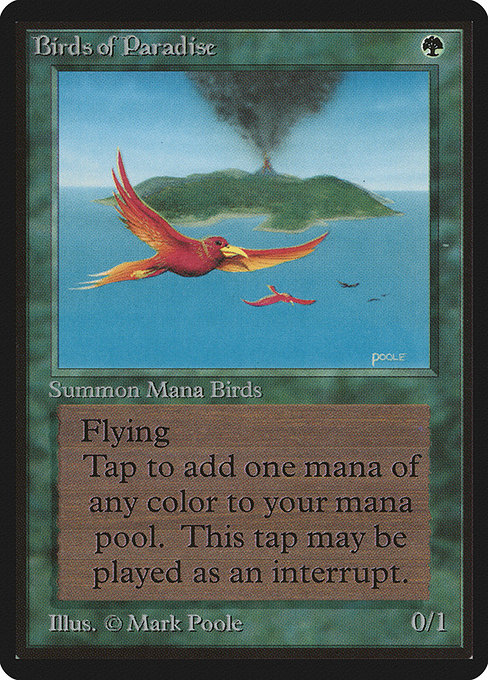
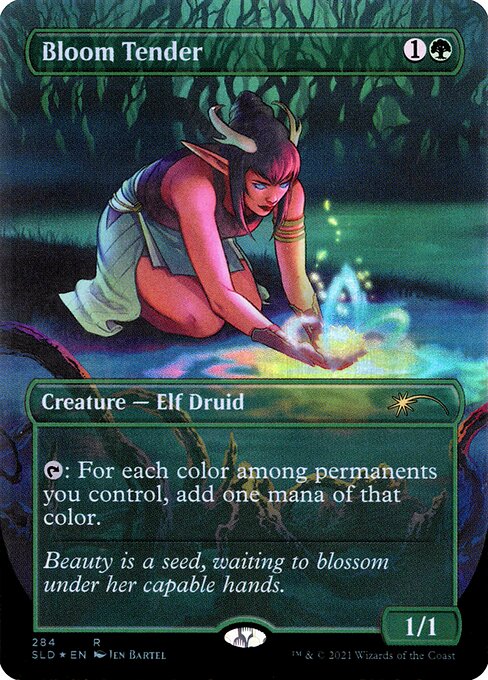
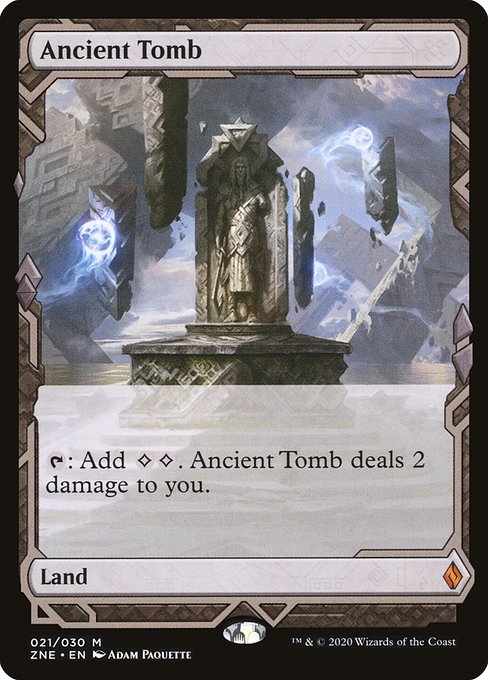
Mana accelerants like Birds of Paradise, Bloom Tender, and Ancient Tomb help push Yarok onto the field early so those triggers start doubling as soon as possible.
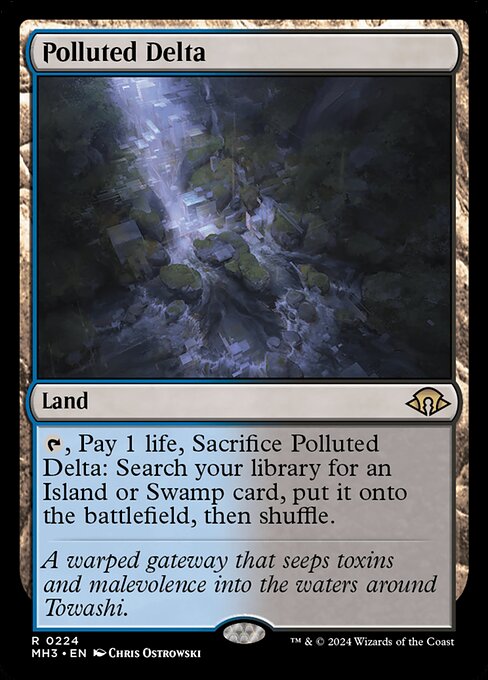
Fetchlands like Misty Rainforest, Verdant Catacombs, and Polluted Delta allow multiple landfall triggers in a single turn, and with Yarok on the battlefield each of those landfall triggers is doubled.
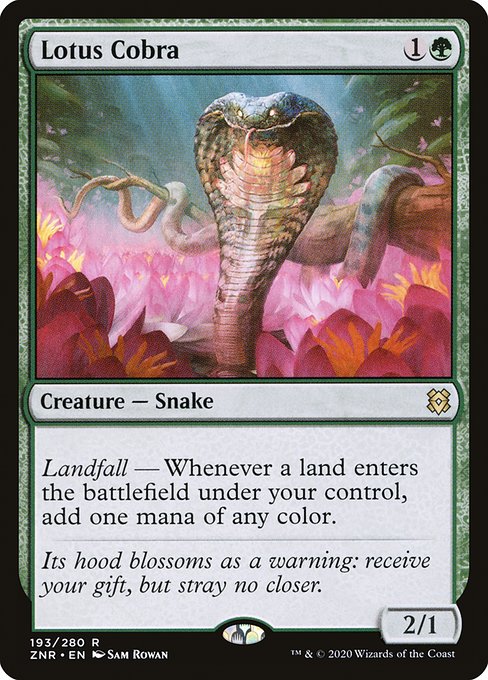
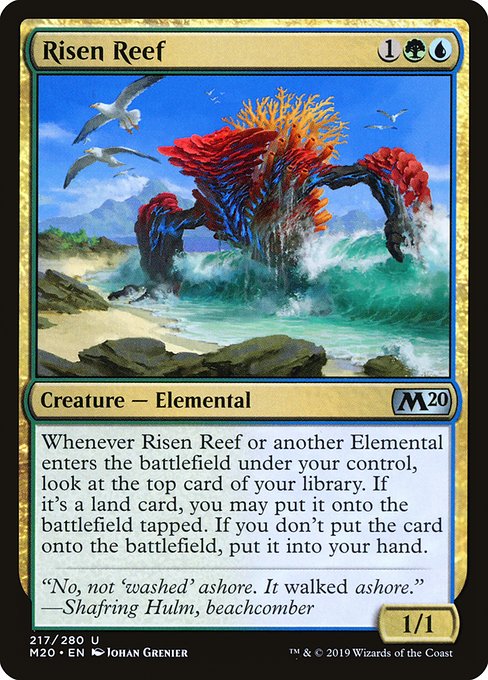
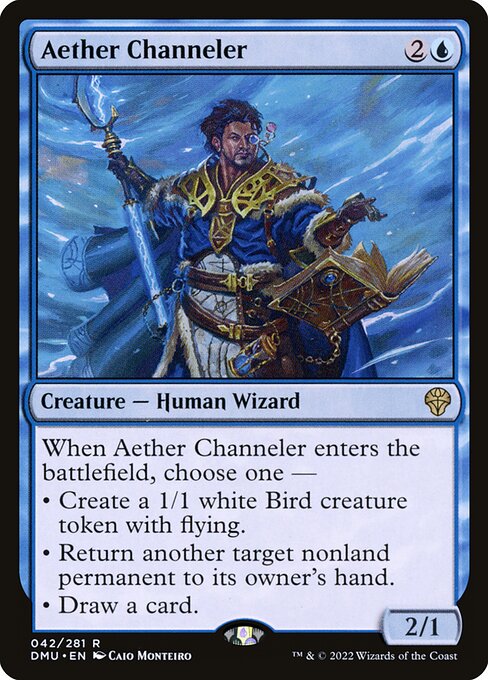
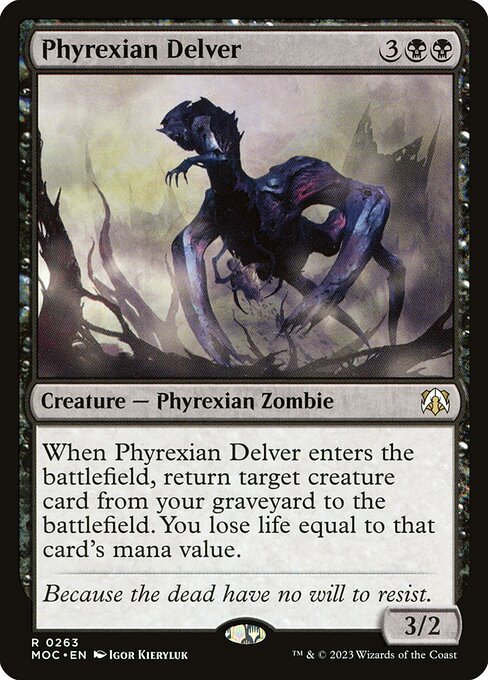
Once the mana engine is running, the deck begins layering creature-based value. Creatures like Lotus Cobra, Risen Reef, Mulldrifter, and Aether Channeler generate enormous advantage when their triggers fire twice. Even simple utility creatures become powerful when doubled: Eternal Witness returns two cards instead of one, while Phyrexian Delver can immediately rebuild your board from the graveyard. Each creature entering the battlefield compounds the engine further, making every subsequent play stronger than the last.
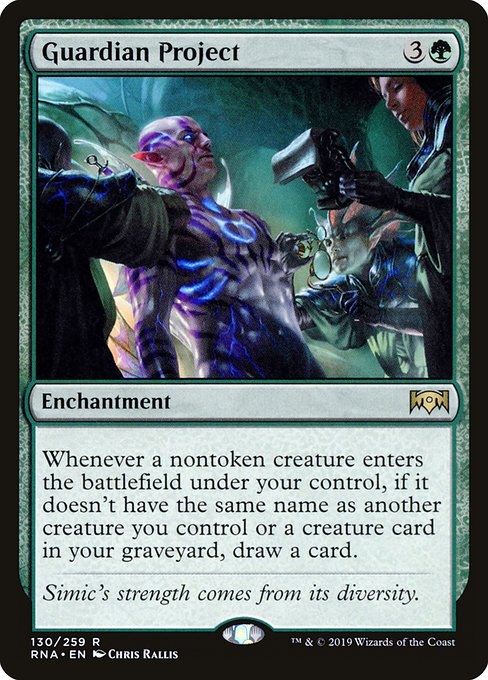
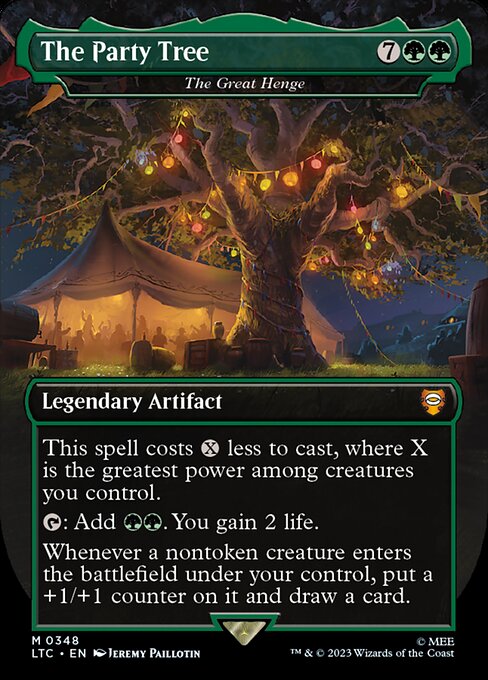
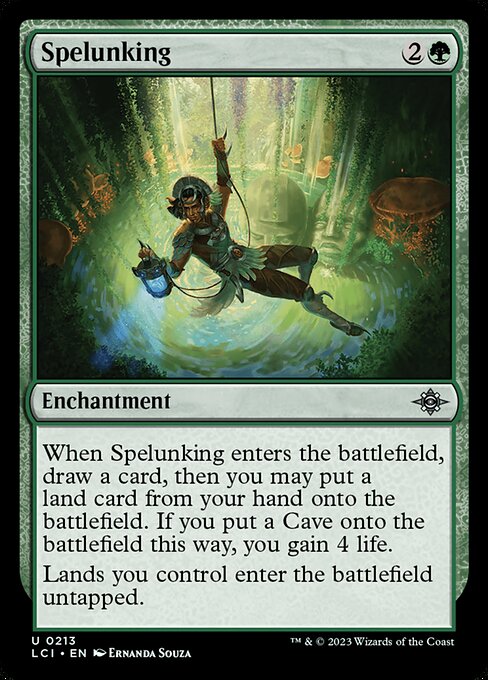
Beyond creatures, the deck uses enchantments and value engines to ensure the cards keep flowing. Guardian Project and The Great Henge reward constant creature deployment with steady card draw. Spelunking allows lands to enter untapped. Meanwhile, utility lands like Field of the Dead generate armies of Zombie tokens as the land count grows, and with Yarok in play, those triggers double as well.
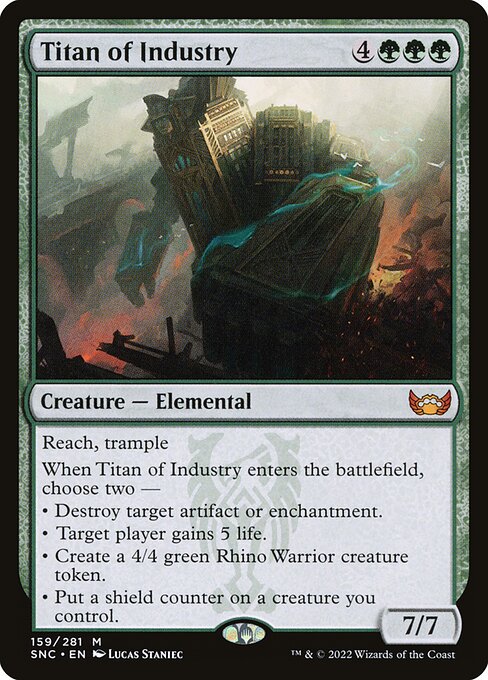
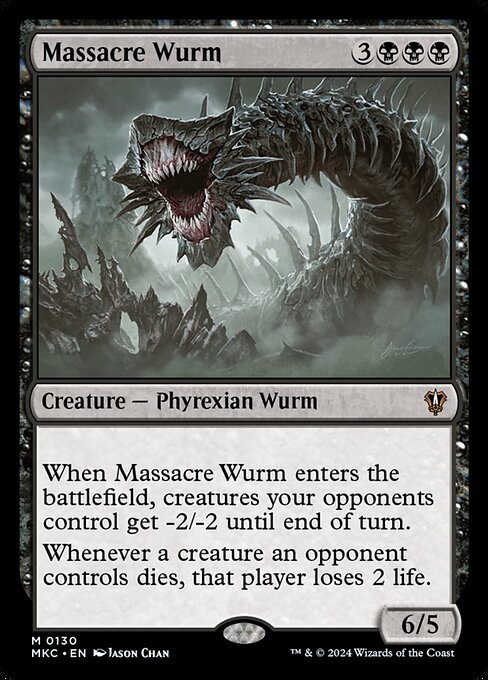
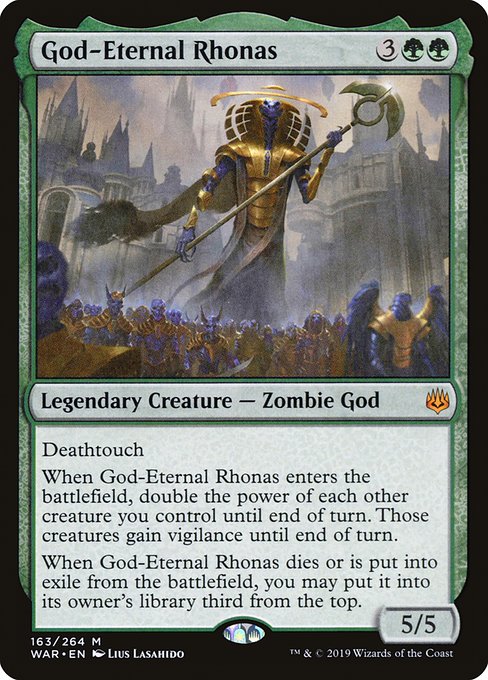
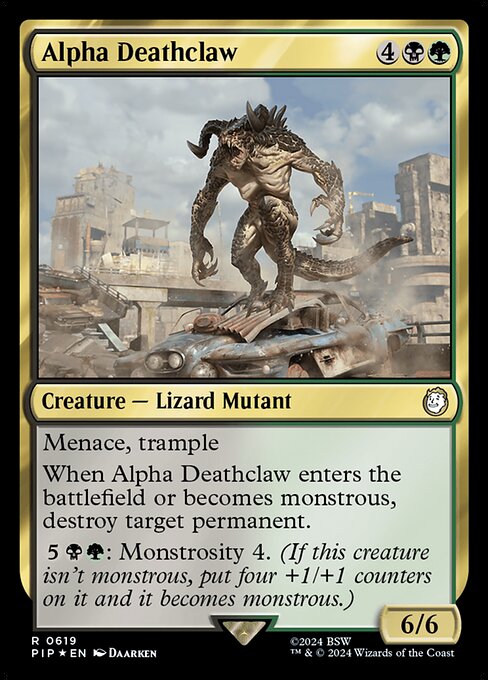
Eventually, the value engine transitions into massive pressure. Large threats like Titan of Industry, Massacre Wurm, God-Eternal Rhonas, and Alpha Deathclaw become devastating when their ETB triggers fire twice. A doubled Rhonas activation can suddenly turn a modest board into a lethal attack, while Titan of Industry can stabilize or dominate the battlefield immediately. This deck rarely wins through a single combo; instead, it simply overwhelms the table with doubled triggers and relentless value.
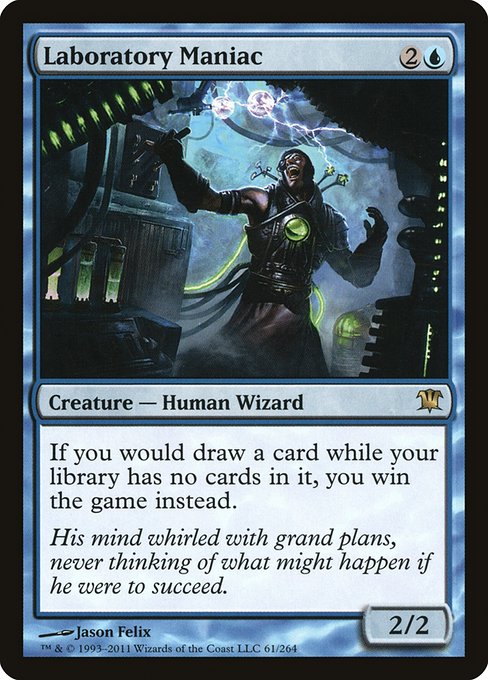
As a final ace under the sleeve we have Laboratory Maniac which can make us with the game simply by milling ourselves.
With Yarok leading the engine, every permanent becomes more than the sum of its parts. A land drop is no longer just mana. A creature is no longer just a body. If this sounds like a strat you would like to try, here’s the decklist:
Commander
Planeswalkers (1)
Creatures (43)
Instants (4)
Sorceries (7)
Artifacts (4)
Enchantments (4)
Lands (37)
100 Cards
$1070.31
Archetype 3: Sultai Superfriends Proliferate
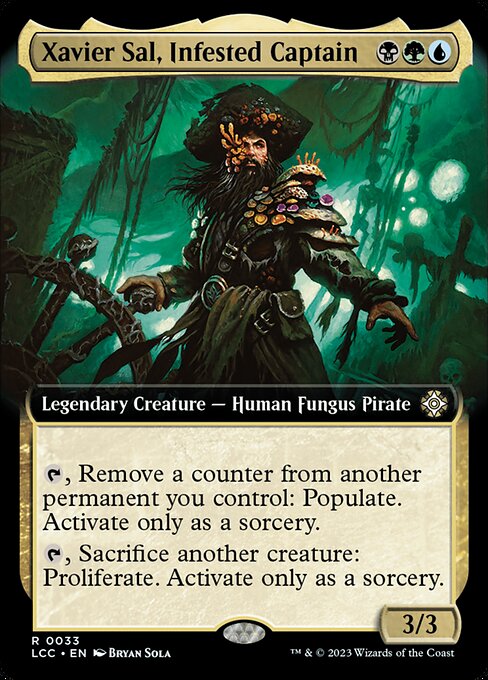
While many Sultai decks lean on graveyards or land engines, Xavier Sal, Infested Captain takes a different route: weaponizing loyalty counters. Xavier thrives in a planeswalker-heavy shell where proliferate and counter manipulation allow your walkers to snowball out of control. Rather than protecting a single planeswalker at a time, the deck aims to develop several at once, steadily increasing their loyalty until ultimate abilities become a constant threat.
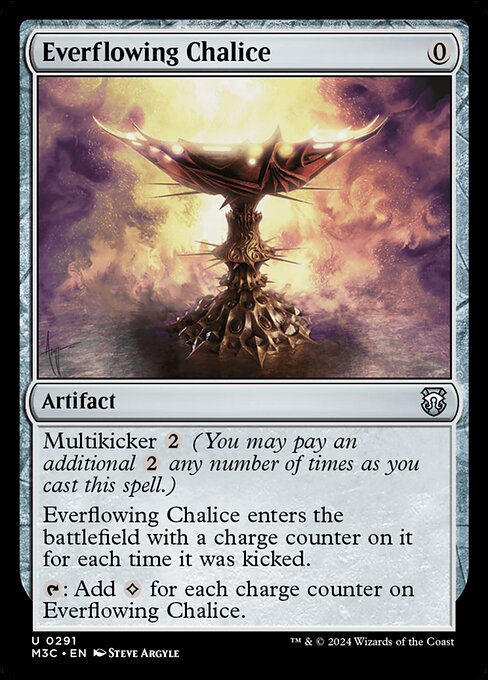
To reach that point, the deck prioritizes steady mana development. Classic ramp pieces like Cultivate, Kodama's Reach, and Farseek ensure you can deploy multiple planeswalkers across consecutive turns. Meanwhile Everflowing Chalice scales particularly well in a proliferate deck, slowly accumulating charge counters as the game progresses.
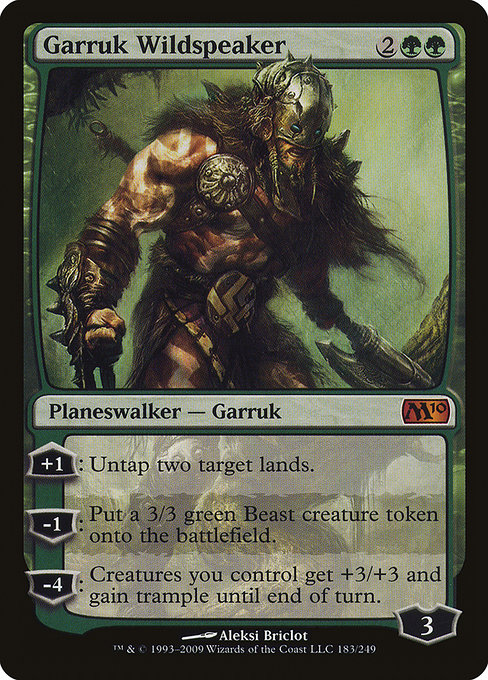
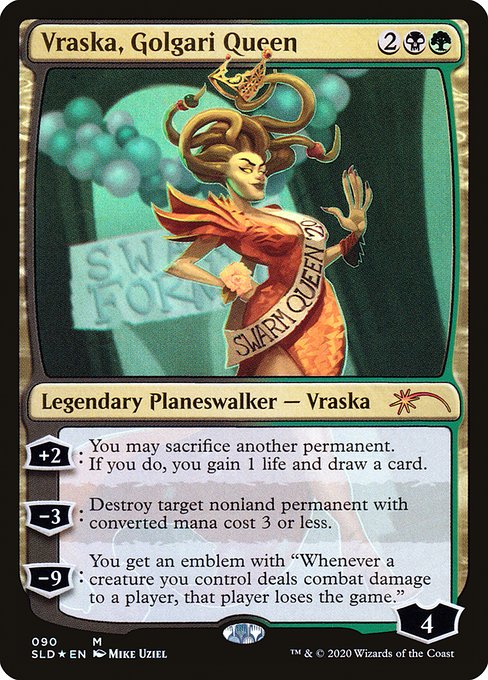
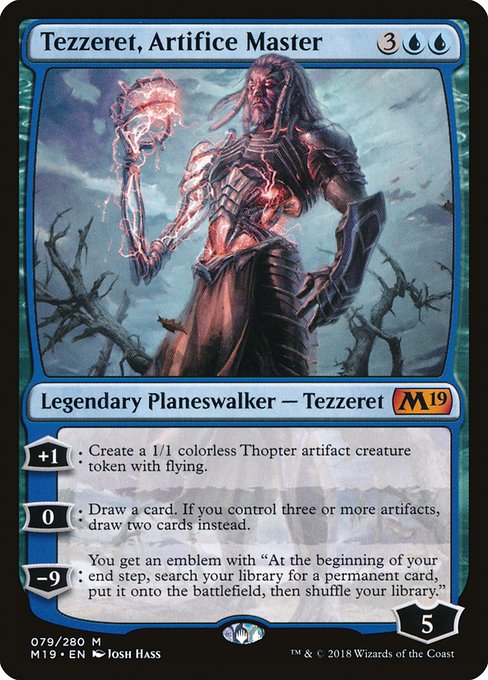
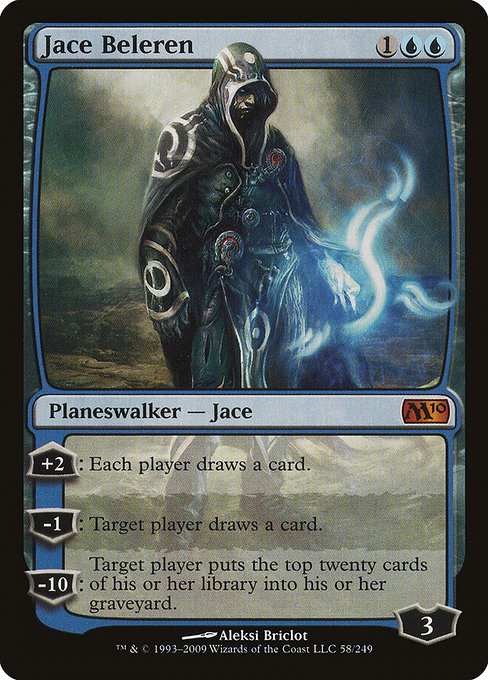
The planeswalker suite itself is vast and focuses on versatile value engines. To name a few: Garruk Wildspeaker, Vraska, Golgari Queen, Tezzeret, Artifice Master, and Jace Beleren give you card draw, mana, or creature tokens while steadily climbing toward their ultimate abilities. Because loyalty counters are constantly being added through proliferate, these walkers often reach their most powerful effects much sooner than opponents expect.
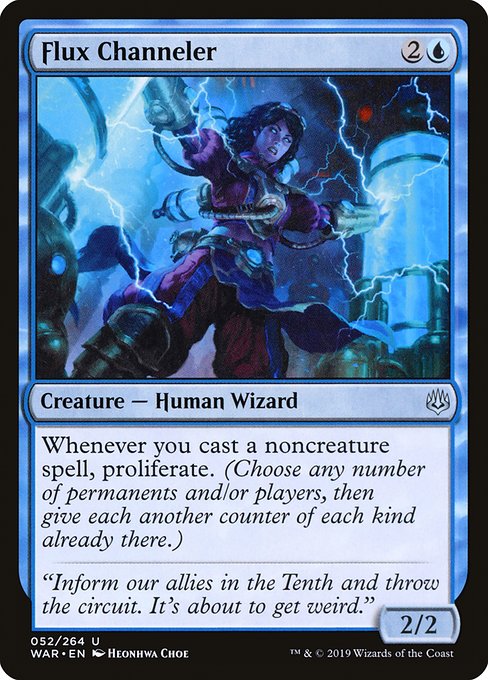
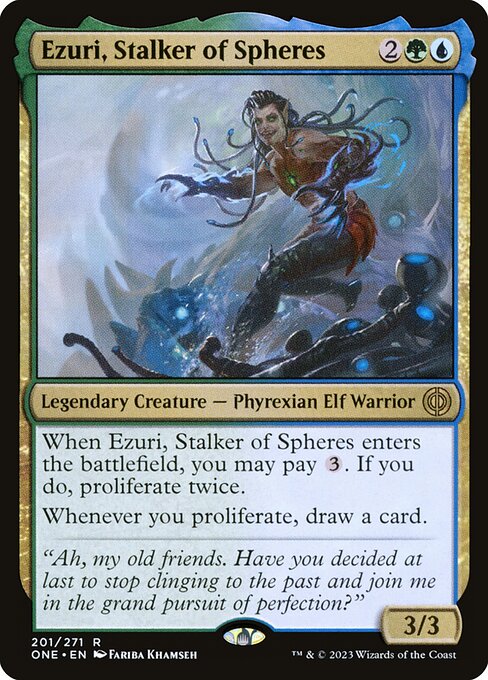
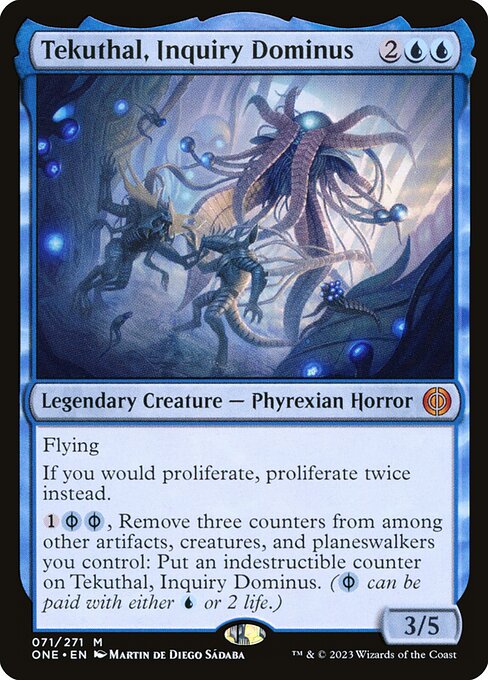
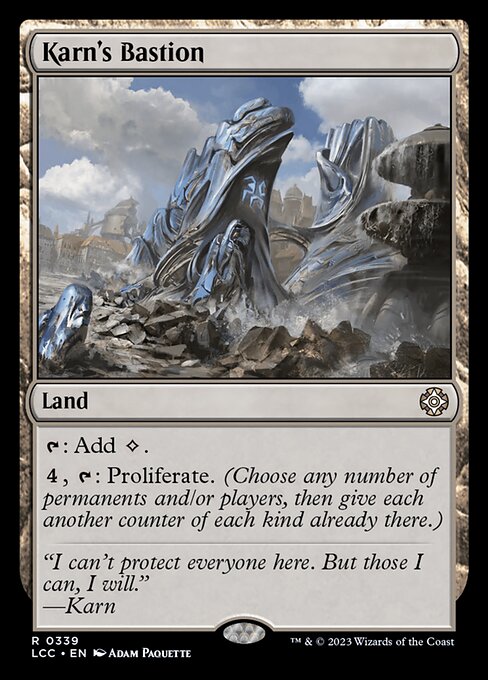
Once the board is established, proliferate engines begin multiplying loyalty counters. Cards like Flux Channeler, Ezuri, Stalker of Spheres, Tekuthal, Inquiry Dominus, and Karn's Bastion turn ordinary spellcasting and mana into additional counter growth. With multiple planeswalkers in play, even a single proliferate effect can dramatically accelerate your board state.
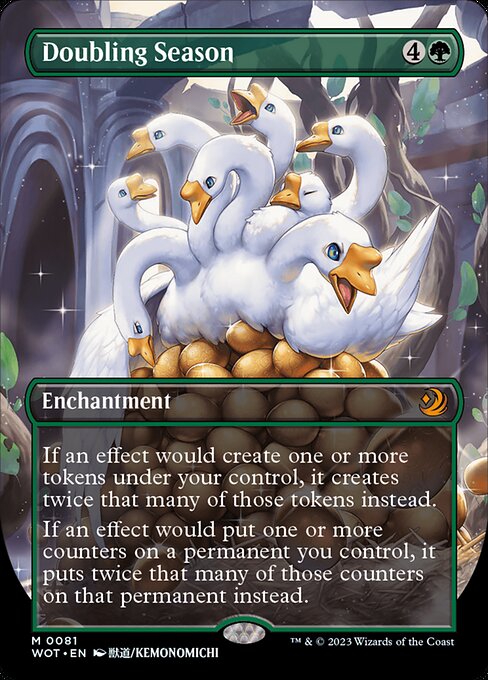
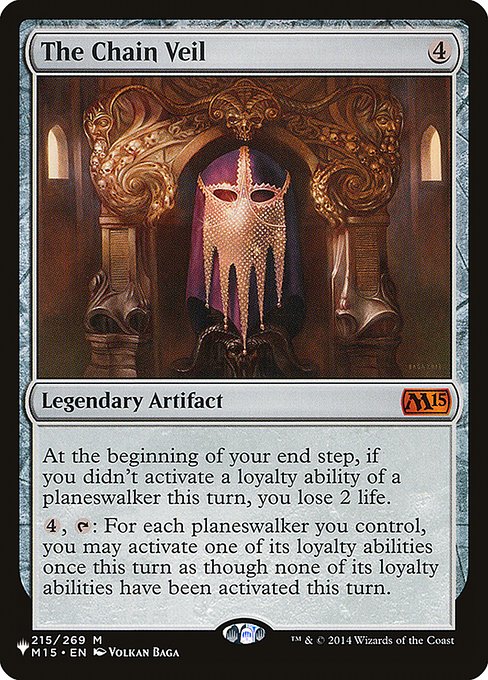
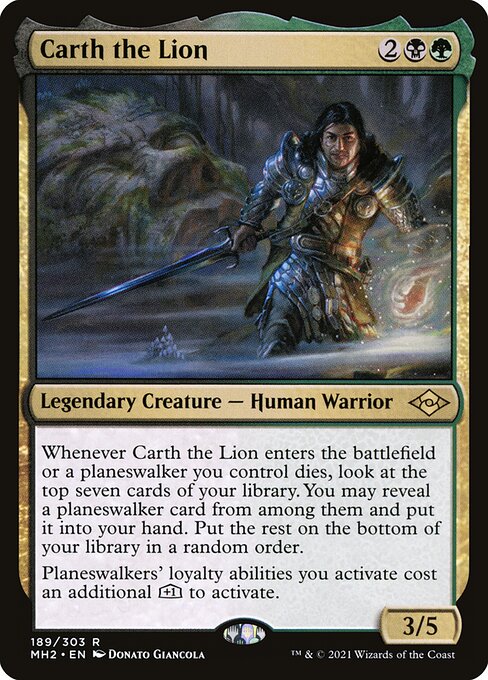
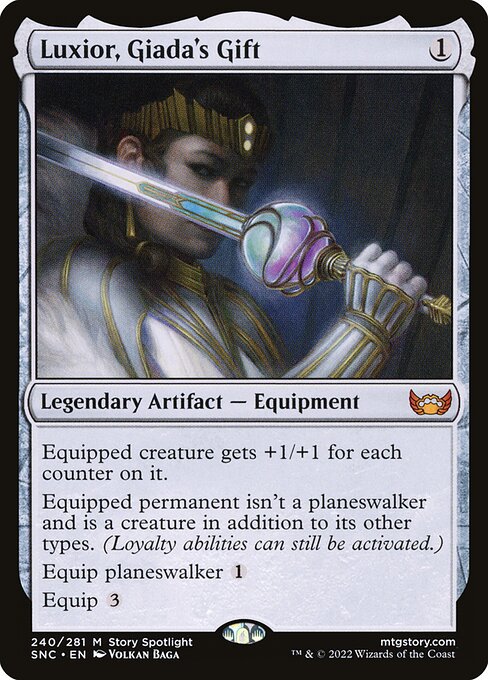
Supporting pieces further enhance the planeswalker engine. Doubling Season can immediately push new planeswalkers into ultimate range, while The Chain Veil enables multiple activations per turn. Carth the Lion boosts loyalty growth even further, and Luxior, Giada's Gift can convert a planeswalker into a formidable creature when needed.
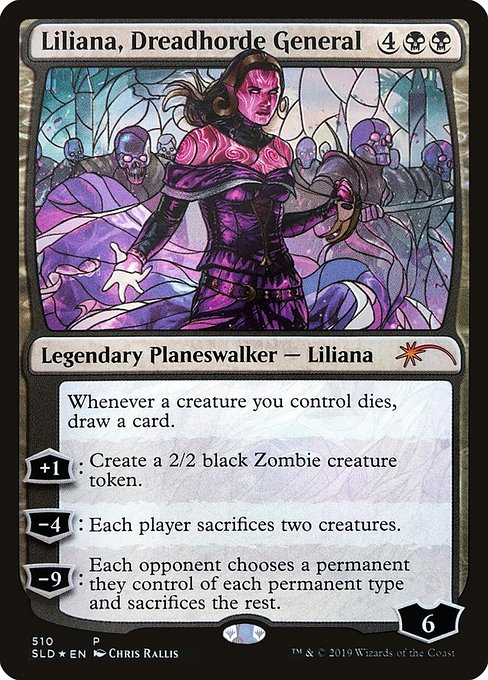
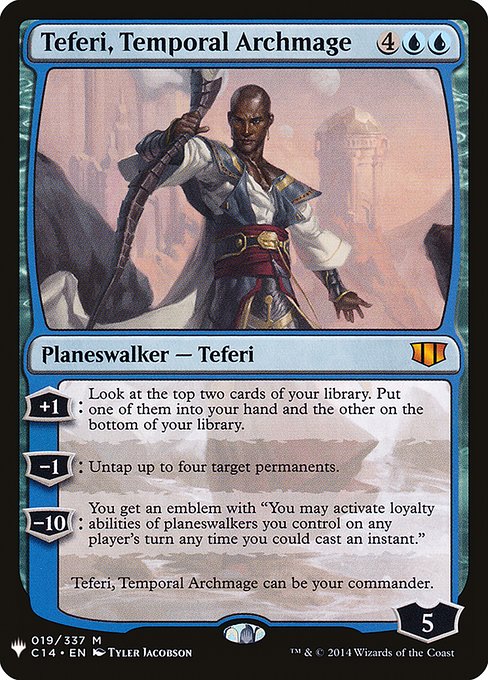
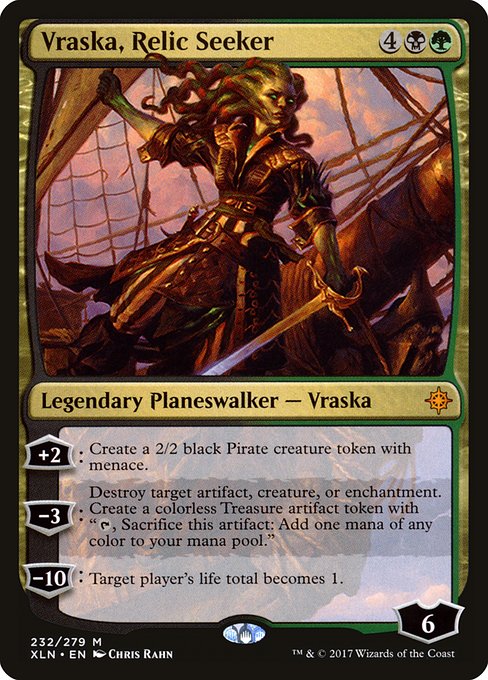
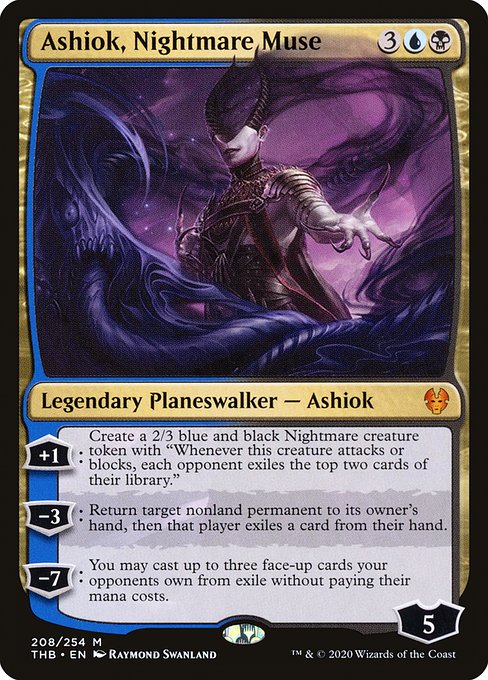
Eventually, the deck transitions to an unstoppable board pressence. Powerful walkers like Liliana, Dreadhorde General, Teferi, Temporal Archmage, Vraska, Relic Seeker, and Ashiok, Nightmare Muse can dominate the battlefield if allowed to accumulate loyalty. With proliferate constantly pushing those counters higher, ultimate abilities arrive quickly, and once multiple ultimates begin resolving, the game rarely lasts much longer.
If overwhelming the table with an army of planeswalkers sounds like your thing, check the decklist here:
Commander
Planeswalkers (17)
Creatures (14)
Instants (9)
Sorceries (12)
Artifacts (5)
Enchantments (6)
Lands (37)
100 Cards
$310.86
Archetype 4: Sultai Ninjutsu
Where other Sultai strategies build slow engines, Felix Five-Boots thrives on precision and timing. Ninjutsu decks revolve around slipping small, evasive creatures through enemy defenses, then swapping them mid-combat for far more dangerous threats. Felix rewards this style of play by amplifying combat triggers and keeping the pressure constant. Instead of grinding long value turns, the deck plays like a surgical strike, every attack step becomes an opportunity to deploy something far larger than opponents expected.
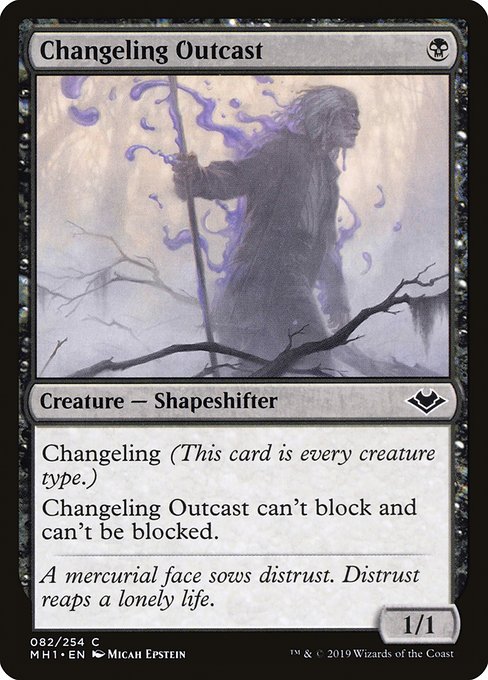
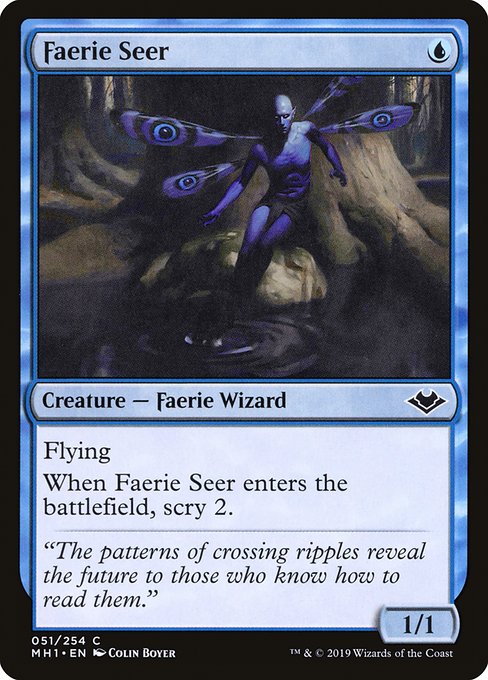
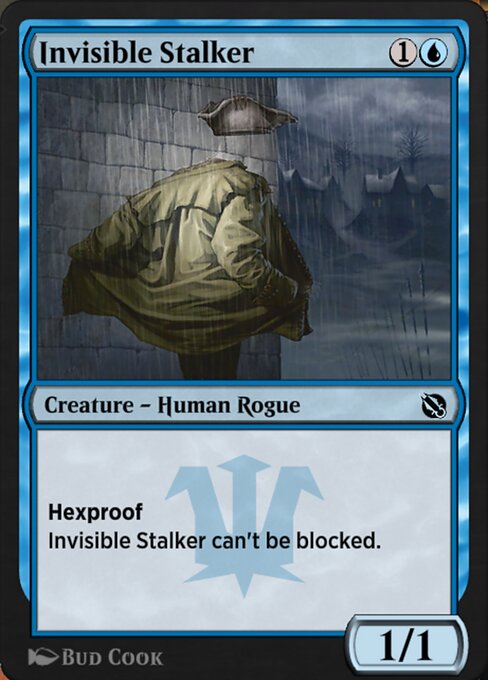
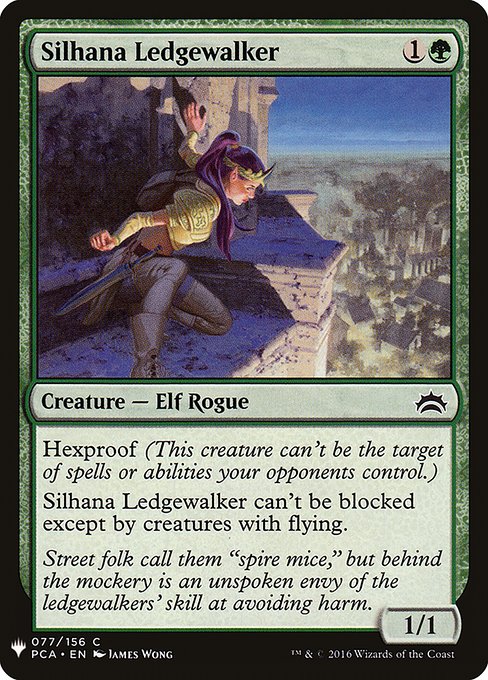
To make that happen, the deck begins with a suite of cheap evasive creatures designed purely to connect early. Cards like Changeling Outcast, Faerie Seer, Invisible Stalker, and Silhana Ledgewalker reliably slip past blockers and give you the opening needed to activate ninjutsu. These creatures may look unimpressive on their own, but once they’ve enabled a swap from your hand, they’ve already done their job.
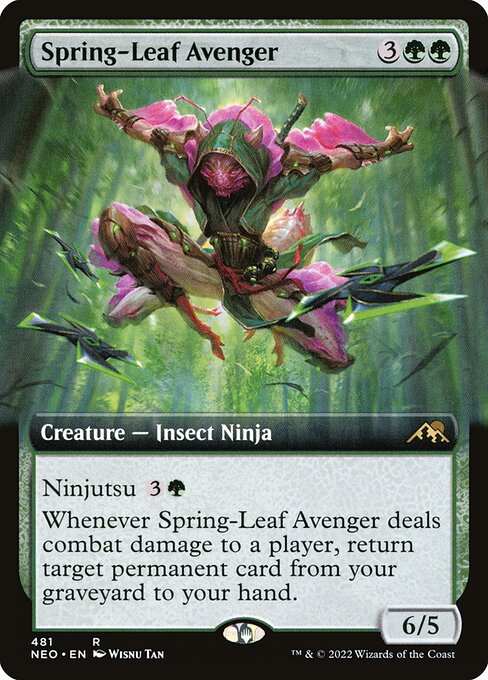
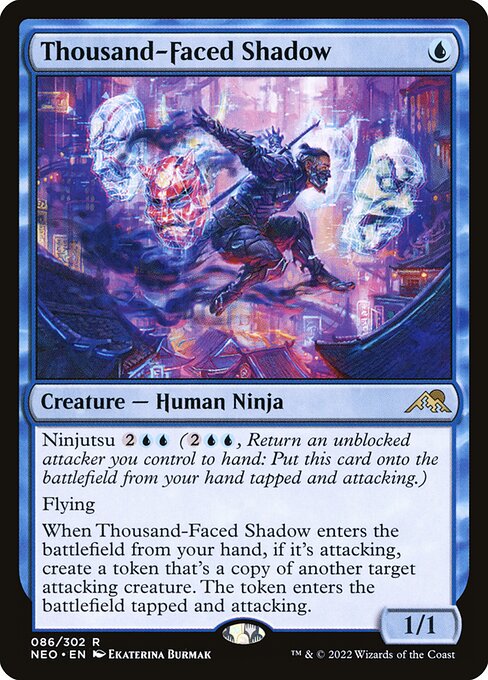
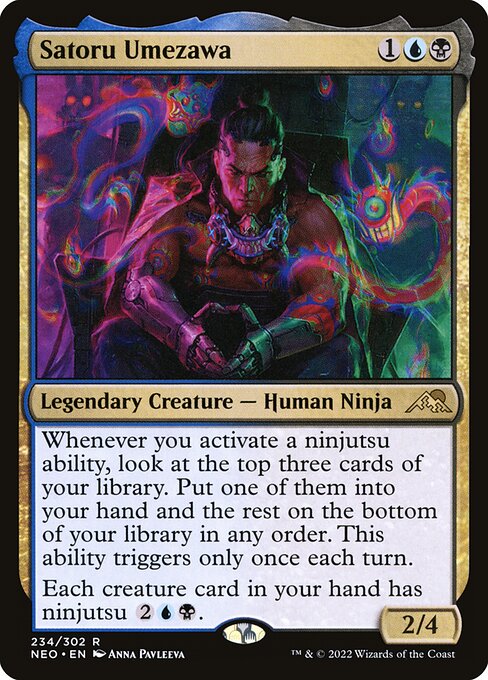
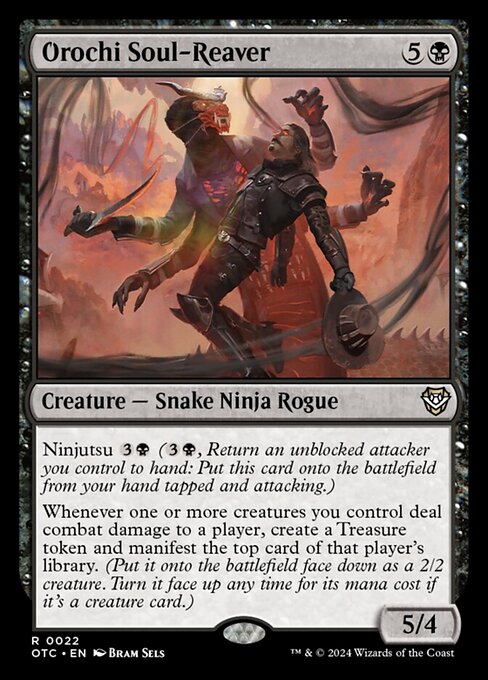
With attackers getting through, the deck pivots into its ninja-style value engines. Creatures like Spring-Leaf Avenger, Thousand-Faced Shadow, Satoru Umezawa, and Orochi Soul-Reaver reward successful hits with recursion, token copies, or additional threats. Because ninjutsu returns the original attacker to your hand, these small enablers can be replayed later to repeat the process, keeping the combat tricks flowing turn after turn.
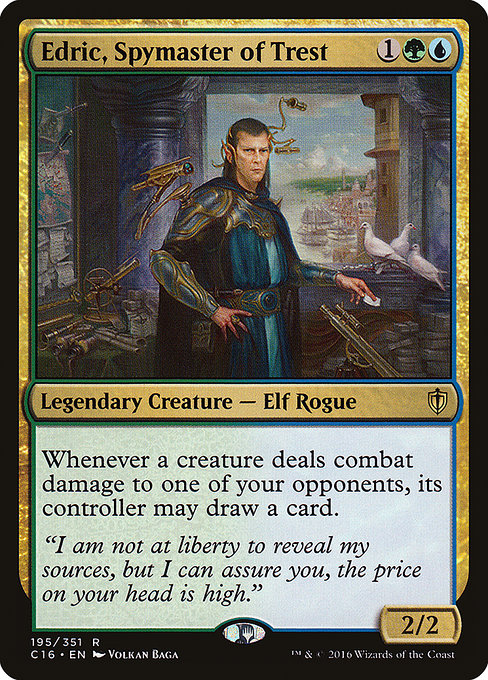
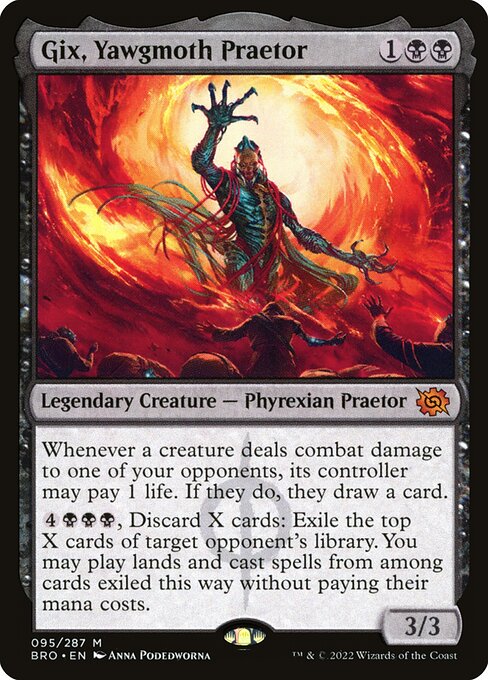
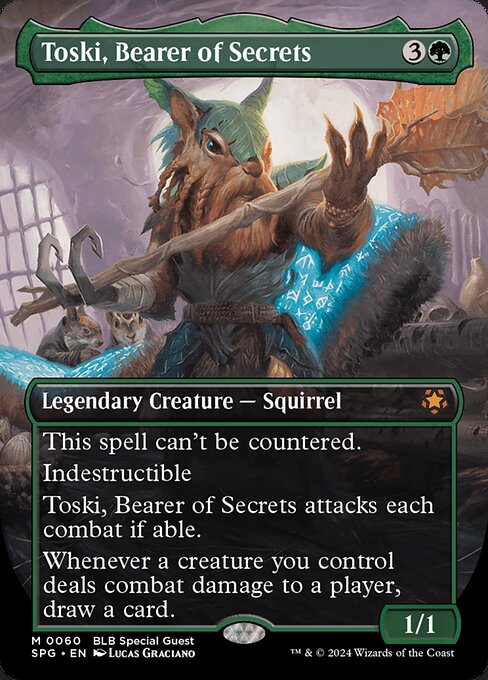
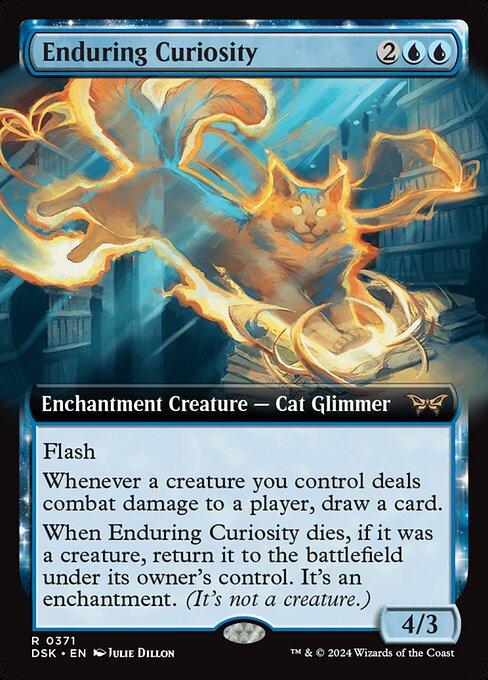
Card advantage is another key pillar of the strategy. Once creatures are consistently connecting, draw engines like Edric, Spymaster of Trest, Gix, Yawgmoth Praetor, Toski, Bearer of Secrets, and Enduring Curiosity turn combat damage into a steady stream of cards. The deck quickly refills its hand, ensuring there is always another creature ready to be slipped into combat through ninjutsu.
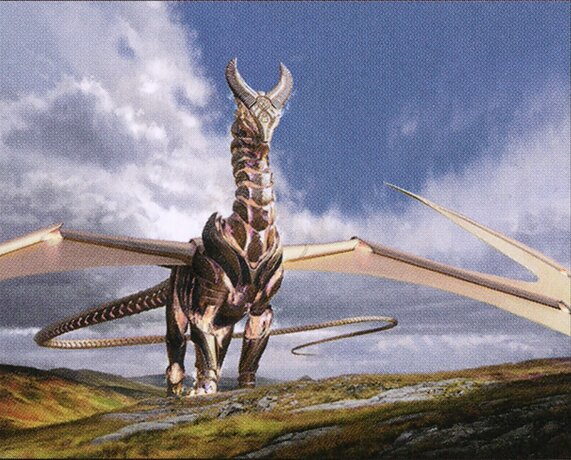
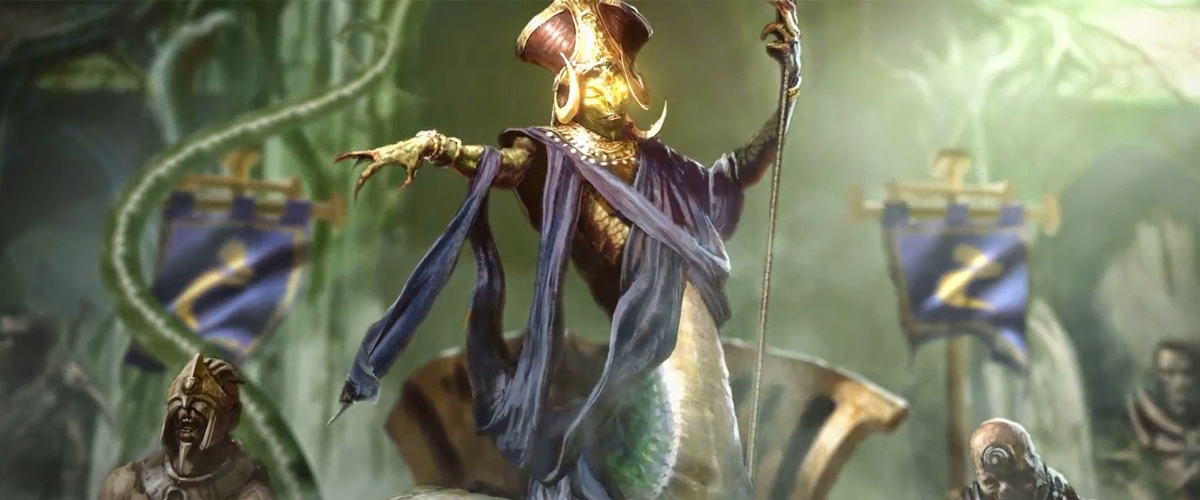
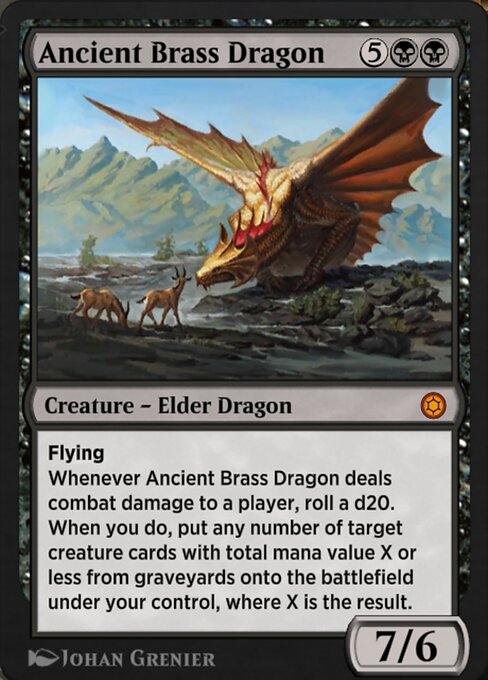
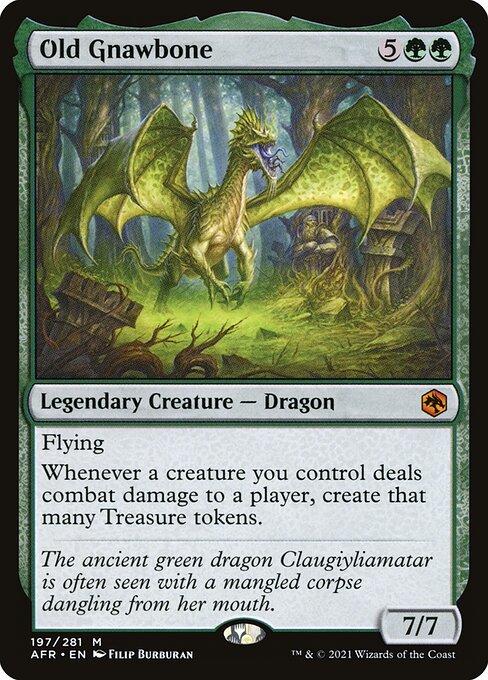
Eventually, those small evasive attacks can begin to drop truly massive threats onto the battlefield, especially if you have Satoru Umezawa on the field. Creatures like Ancient Brass Dragon, Old Gnawbone, Necropolis Regent, and Ojer Kaslem, Deepest Growth become devastating when they appear mid-combat. Because they bypass their normal mana costs through ninjutsu timing or combat advantage, opponents often have little time to prepare before the damage, and the triggers start stacking up.
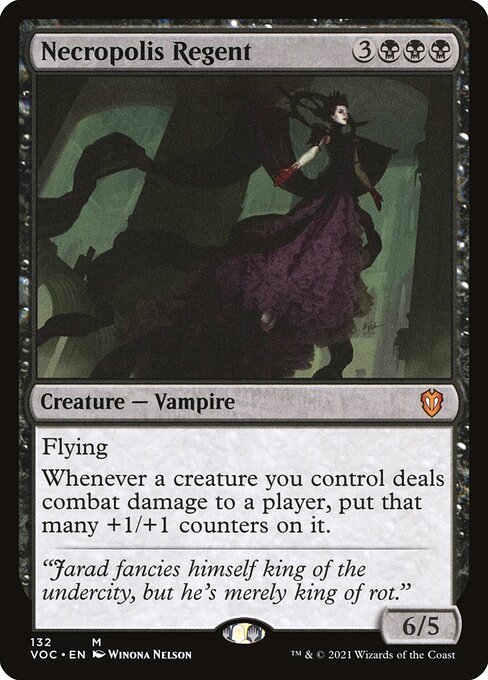
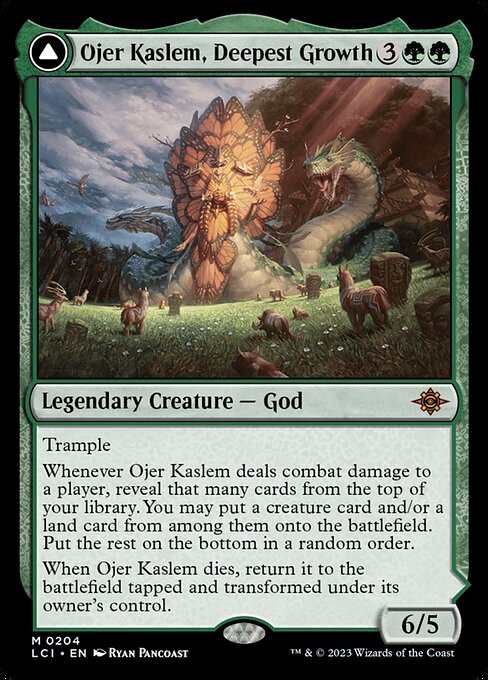
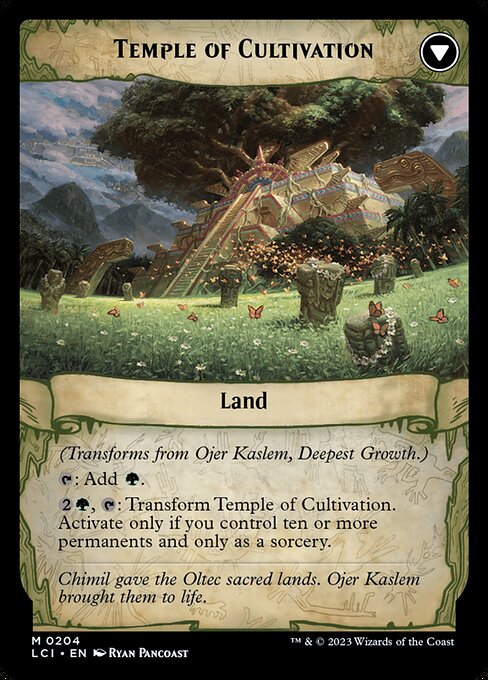
With Felix leading the strategy, combat becomes a puzzle opponents struggle to solve. A harmless one-power creature might suddenly become a giant dragon or serpent, or simply a game-ending threat. In true Sultai fashion, the deck blends deception, resource advantage, and explosive growth, but it delivers that power through stealth rather than brute force.
If this sounds like your jam, please check the decklist here:
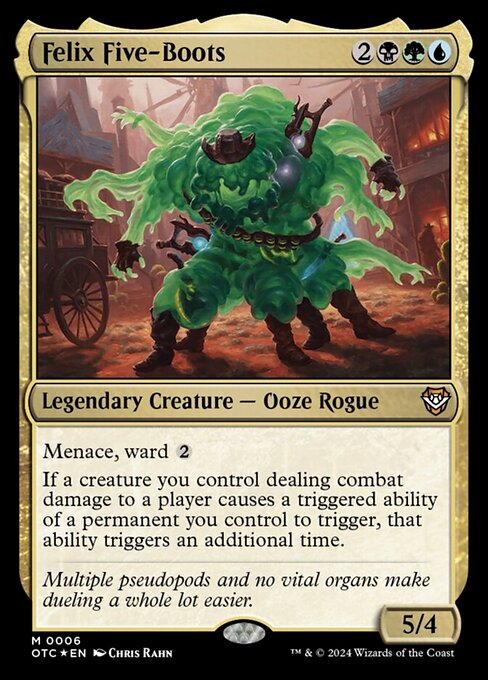
Commander
Creatures (41)
Instants (11)
Sorceries (10)
Enchantments (5)
Lands (33)
100 Cards
$698.02
Closing Thoughts
Sultai thrives on turning the game’s hidden spaces into sources of power. Whether it’s Sidisi, Brood Tyrant transforming the graveyard into an army, Yarok, the Desecrated doubling every landfall trigger, Xavier Sal, Infested Captain pushing planeswalkers toward unstoppable ultimates, or
That flexibility is what makes Sultai one of Commander’s most adaptable wedges. It can ramp like green, control like blue, and recur threats like black, all while building compounding power. However you choose to build it, Sultai excels at one thing above all else: turning small advantages into overwhelmness; just in time for the table to realize the game slipped away several turns ago.