



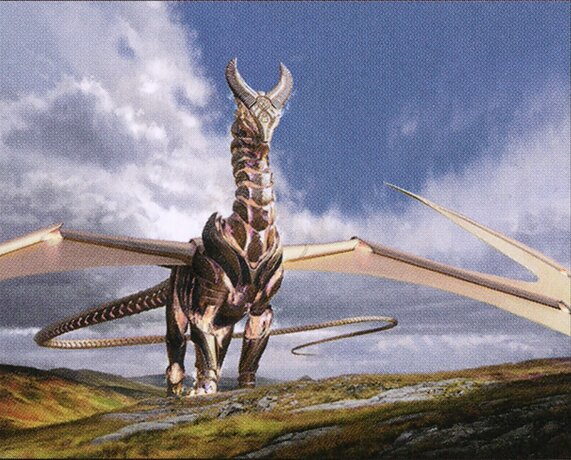


If there’s one mechanic that completely redefines how you think about resources in Magic, it’s Landfall. Introduced with the plane of Zendikar, Landfall transforms lands from passive mana sources into active engines of value, turning every land drop into a meaningful play. Instead of simply enabling your spells, lands become the spells, triggering effects that can draw cards, create creatures, drain opponents, mill cards, and so much more.
At its core, Landfall is deceptively simple: whenever a land enters the battlefield under your control, abilities on your permanents trigger. But in Commander, where games go long and synergy matters, that simplicity becomes a powerful framework for building entire strategies. What starts as a single trigger per turn can quickly snowball into multiple triggers, explosive turns, and overwhelming board states.
Much like graveyard or artifact strategies, Landfall rewards careful deckbuilding and sequencing. You’re not just playing lands, you’re engineering turns where multiple lands enter the battlefield, stacking triggers and compounding value. And in a format like EDH, where access to ramp and recursion is abundant, Landfall becomes one of the most consistent and scalable strategies you can build around.
The Core of Landfall: More Than Just Playing Lands
At a glance, Landfall seems limited by one major rule: you can normally only play one land per turn. That constraint is intentional, forcing players to think creatively about how to maximize triggers. The moment you start breaking that rule, the mechanic truly comes alive.
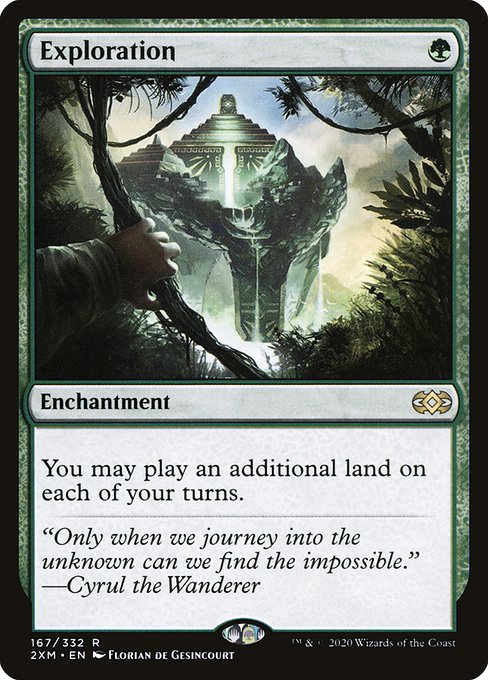
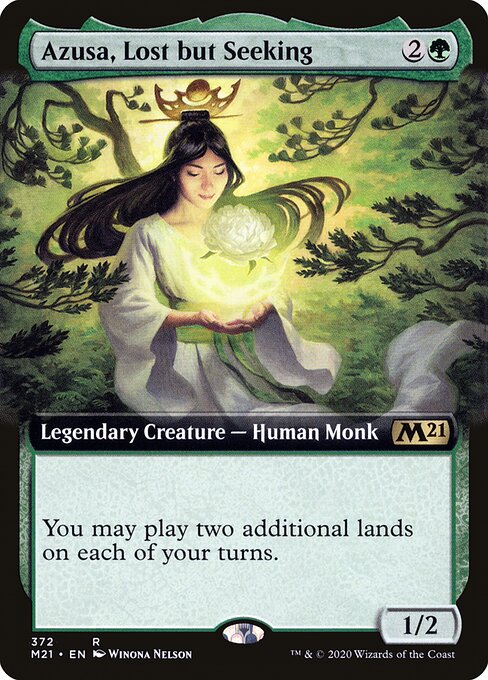
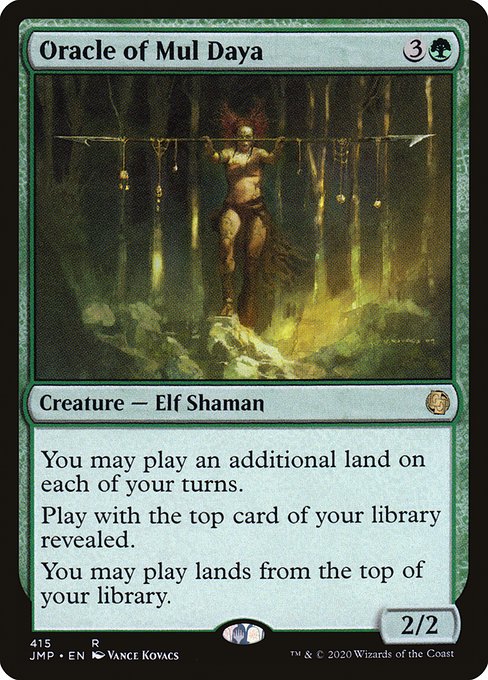
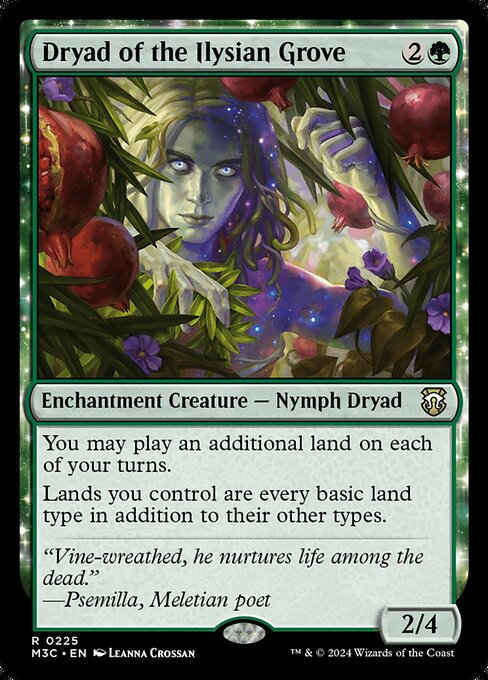
Cards like Exploration and Azusa, Lost but Seeking are the backbone of pretty much any Landfall strategy, allowing multiple land drops each turn. Pair these with cards like Oracle of Mul Daya or Dryad of the Ilysian Grove, and suddenly your turns are not linear anymore, they can be explosive sequences of triggers that scale rapidly.
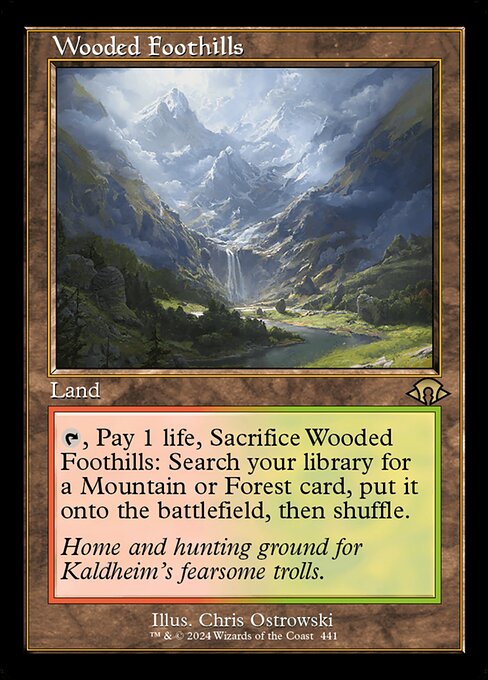
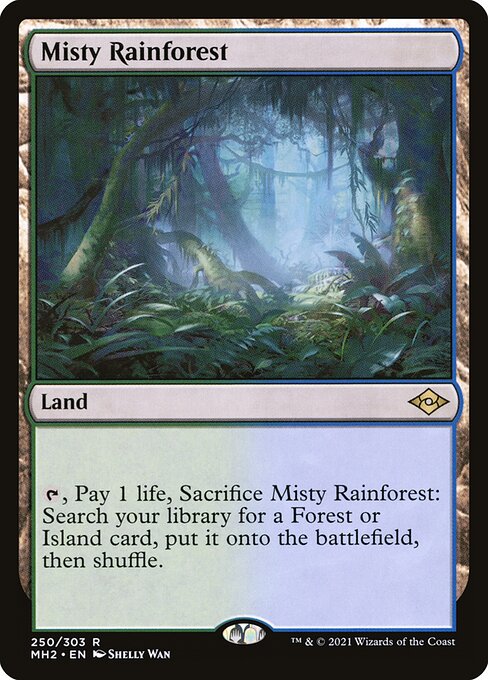
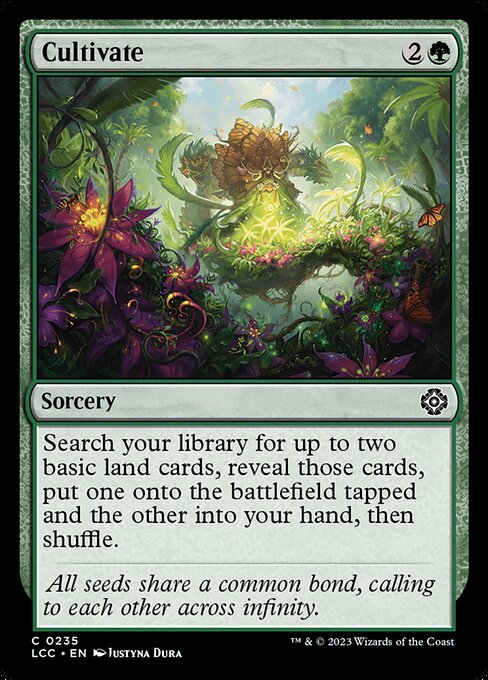
But the real breakthrough comes from understanding that Landfall doesn’t care how lands enter the battlefield. Fetchlands like Wooded Foothills or Misty Rainforest effectively double your triggers, since they both enter and then find another land. Similarly, spells like Cultivate or creatures like Sakura-Tribe Elder act as both ramp and trigger generators, accelerating your game plan while fueling your engine.
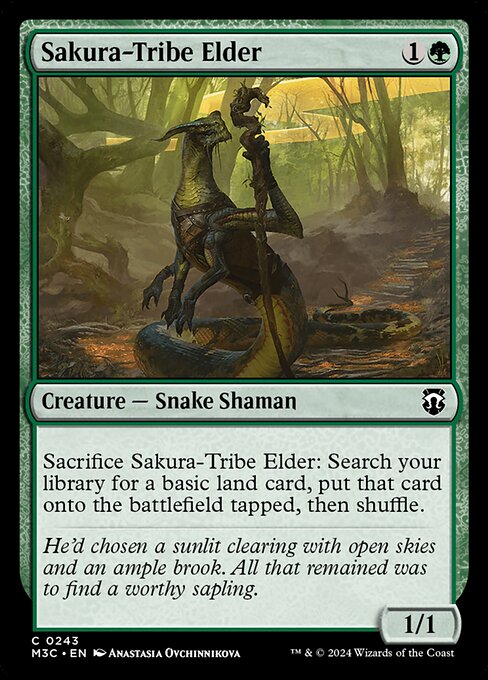
This flexibility is what makes Landfall so powerful. You’re not relying on a single type of card you’re leveraging lands, spells, and creatures all toward the same goal. The result is a strategy that scales naturally with the game, becoming stronger the longer it goes.
Building the Engine: Ramp, Recursion, and Synergy
To truly unlock Landfall, you need to go beyond just playing extra lands, you need to build a system that ensures those lands keep coming. This is where ramp and recursion become essential.
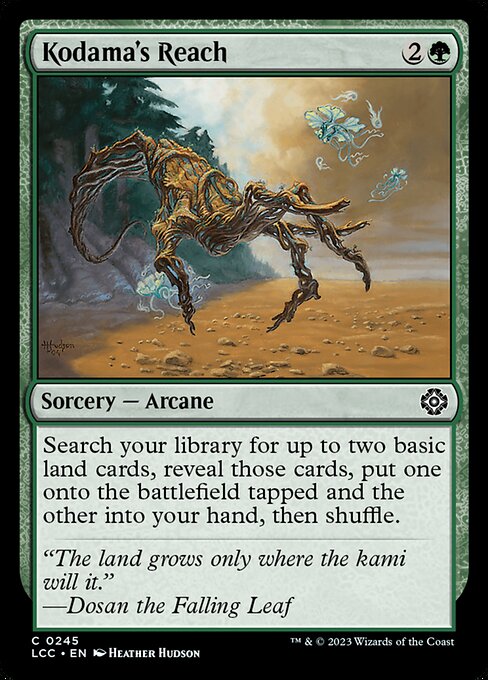
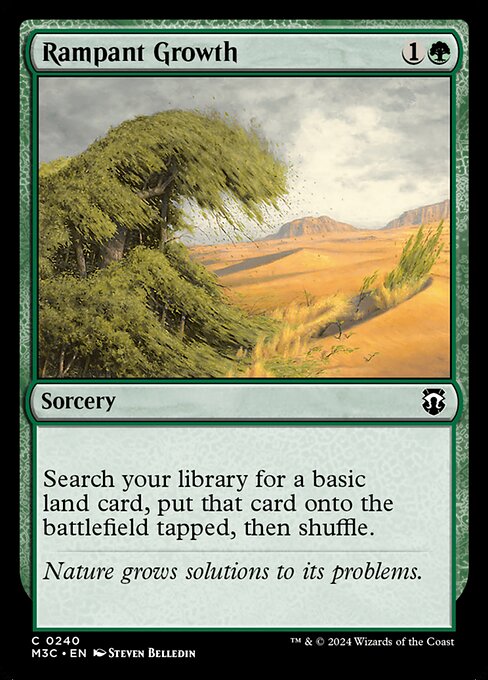
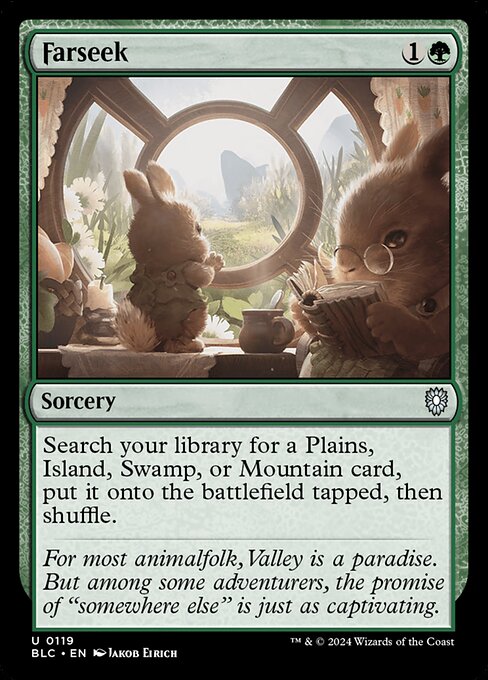
Traditional ramp spells like Kodama's Reach, Rampant Growth, Farseek and Harrow do double duty, both accelerating your mana and triggering Landfall.
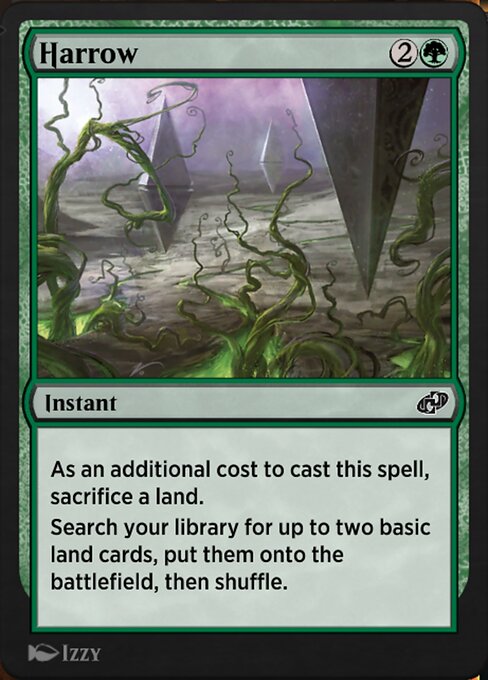
Another key piece is land tutoring. Cards like Crop Rotation or Scapeshift can generate multiple Landfall triggers in a single turn while also assembling powerful utility land combinations. These explosive turns often define Landfall decks, turning what looks like a stable board into a sudden win condition.
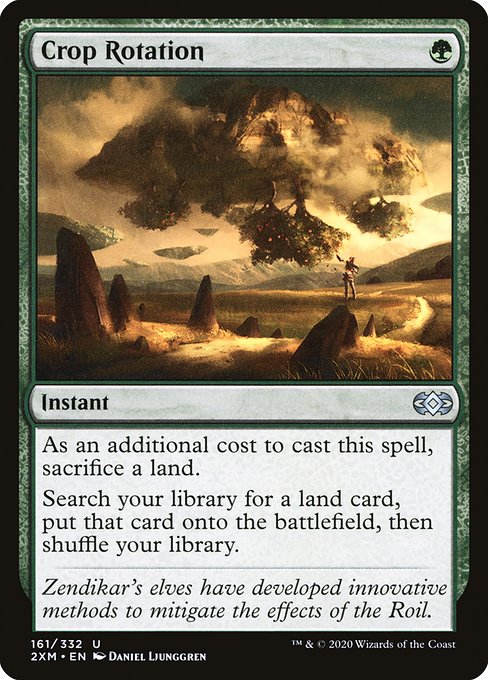
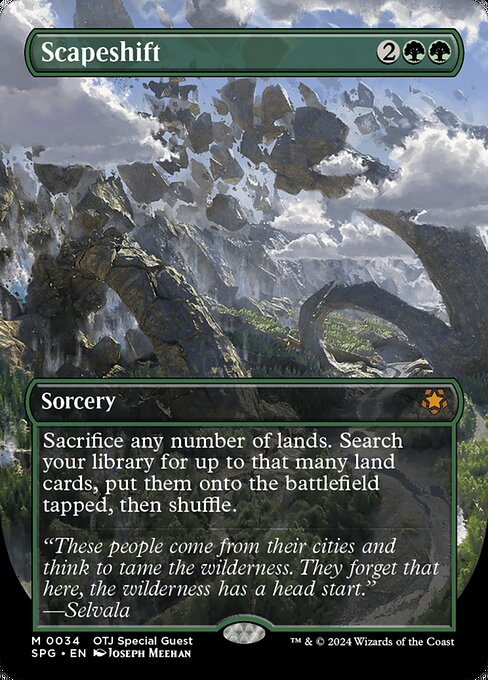
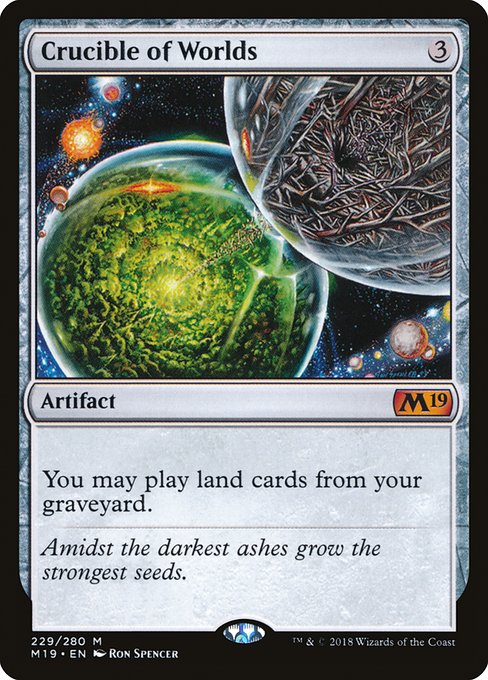
Graveyard synergy becomes particularly important here. Fetchlands and sacrifice based ramp naturally fill your graveyard with lands, which can then be replayed using effects like Crucible of Worlds. This creates a loop where your lands are constantly cycling between battlefield and graveyard, generating value every step of the way.
Reclaiming the Earth: Lands from the Graveyard
One of the most powerful (and often overlooked) aspects of Landfall is its interaction with the graveyard. In many ways, a well-built Landfall deck treats the graveyard as an extension of the hand, especially when it comes to lands. Fetchlands, self-mill effects, and sacrifice-based ramp naturally stock your graveyard over the course of the game. Instead of viewing those lands as spent resources, Landfall decks can turn them into fuel for repeated triggers and long term game dominance.
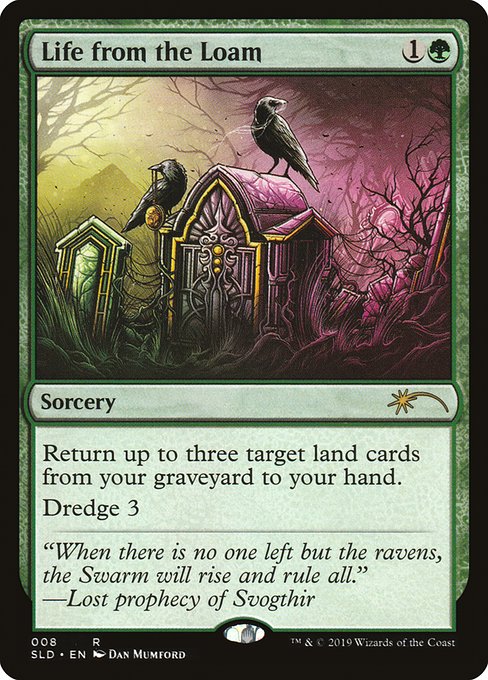
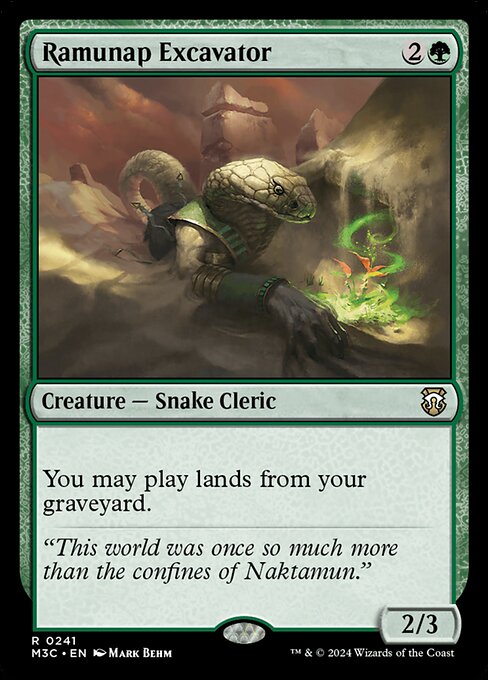
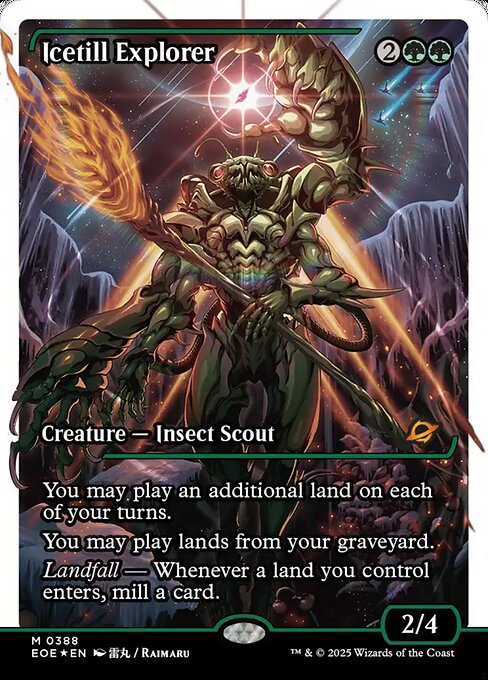
Cards like Life from the Loam allow you to reuse lands from your graveyard, ensuring a steady flow of triggers even in the late game. Artifacts and permanents also play a critical role in enabling this strategy. Crucible of Worlds allows you to play lands directly from your graveyard, effectively removing the downside of sacrificing or discarding them. Similarly, Ramunap Excavator and Icetill Explorer provide the same effect on a creature body, making it easier to tutor for and recur. These cards turn your graveyard into a second battlefield, where every land becomes reusable and every fetchland becomes a repeatable loop.
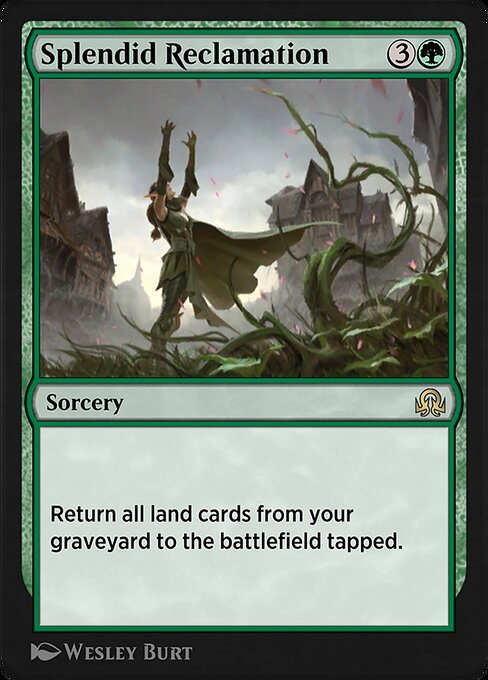
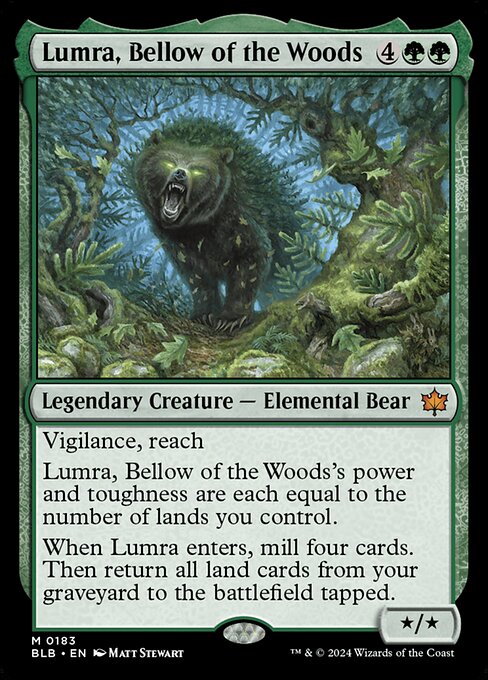
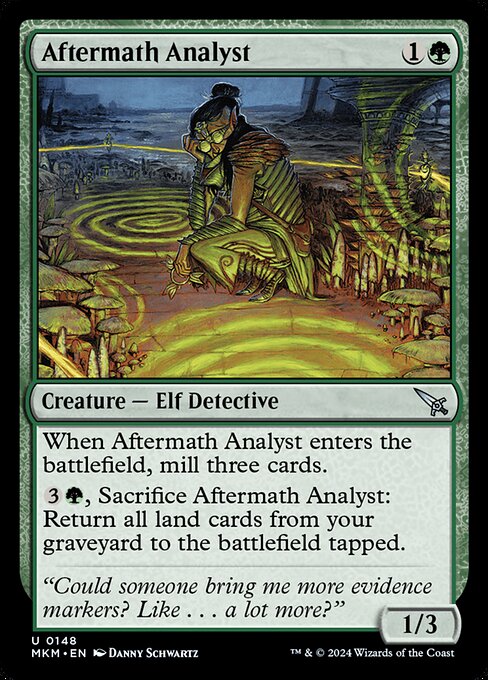
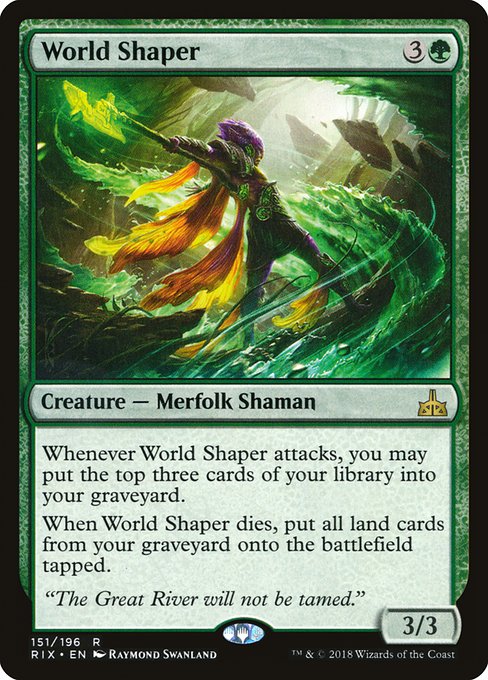
There are also more explosive options that can generate massive bursts of Landfall triggers in a single turn. Splendid Reclamation and Lumra, Bellow of the Woods can return all lands from your graveyard to the battlefield at once, often creating game ending board states when combined with multiple Landfall payoffs. Likewise, Aftermath Analyst and World Shaper can act as delayed versions of this effect, rewarding you for filling your graveyard and setting up an overwhelming turn whenever you want.
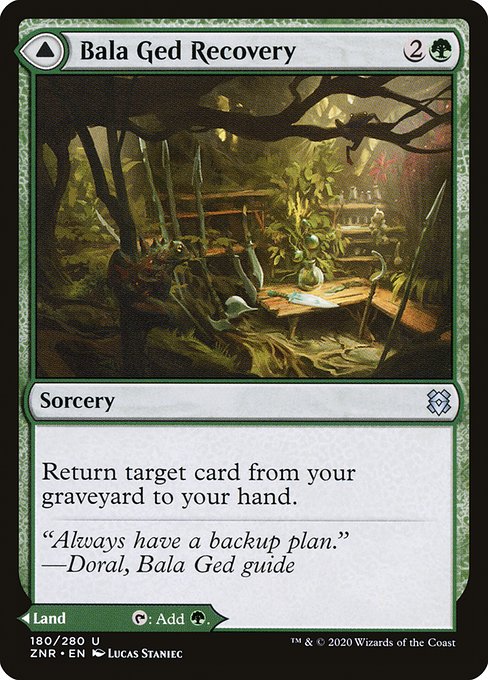
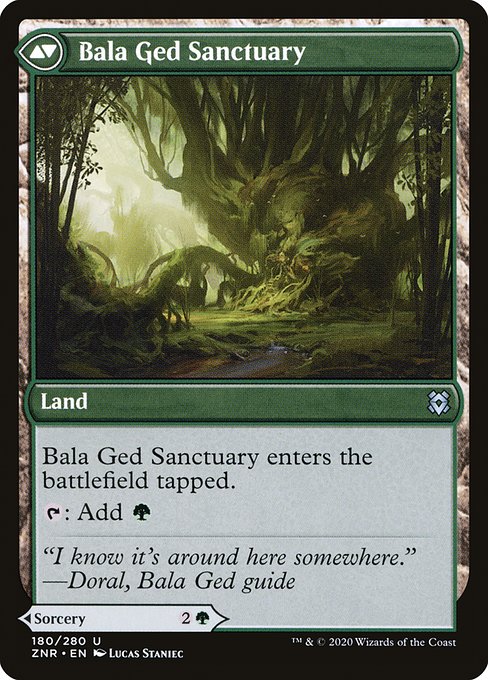
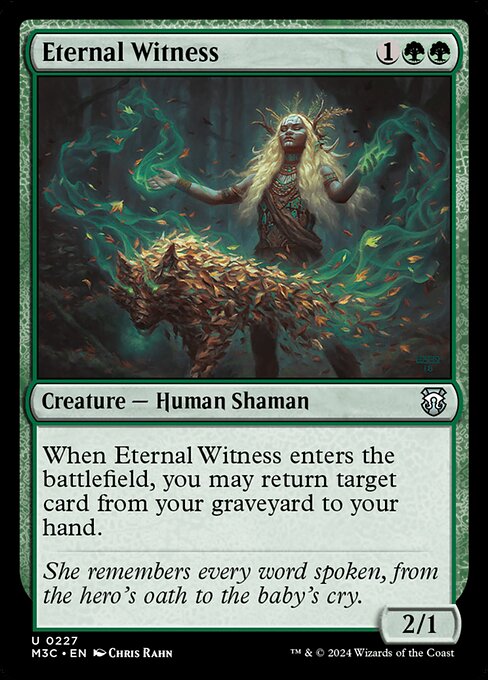
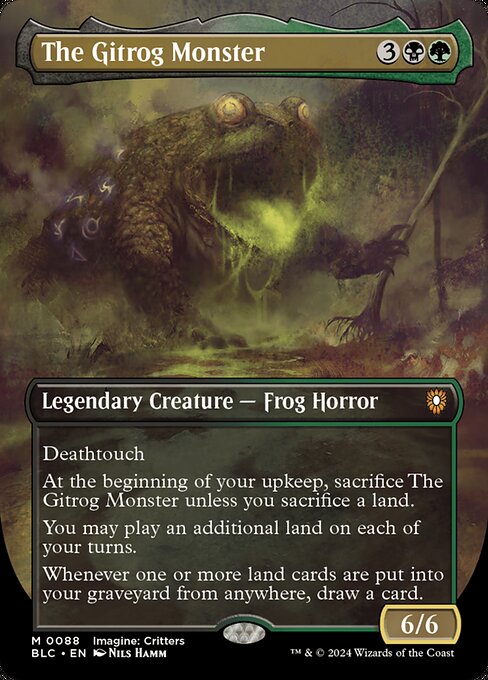
Even incremental recursion tools have a place in these strategies. Cards like Bala Ged Recovery and Eternal Witness can return key lands when needed, ensuring that utility lands or combo pieces are never permanently lost. Meanwhile, cards like The Gitrog Monster actively encourage you to sacrifice and discard lands, knowing you can bring them back later for additional value.
Ultimately, graveyard-based land recursion transforms Landfall from a steady value engine into a relentless machine. Instead of relying solely on the lands in your hand, you’re leveraging every land you’ve played throughout the game.
Payoffs: What Are You Actually Gaining?
Landfall decks thrive because of the incredible variety and scalability of their payoffs. Unlike more linear mechanics, Landfall doesn’t lock you into a single path to victory. Instead, it offers overlapping engines that can generate value, create board presence, or outright win the game depending on how you build your deck and sequence your turns. The key is understanding that every land drop is not just incremental advantage, it’s a trigger you can multiply, abuse, and convert into a win condition.
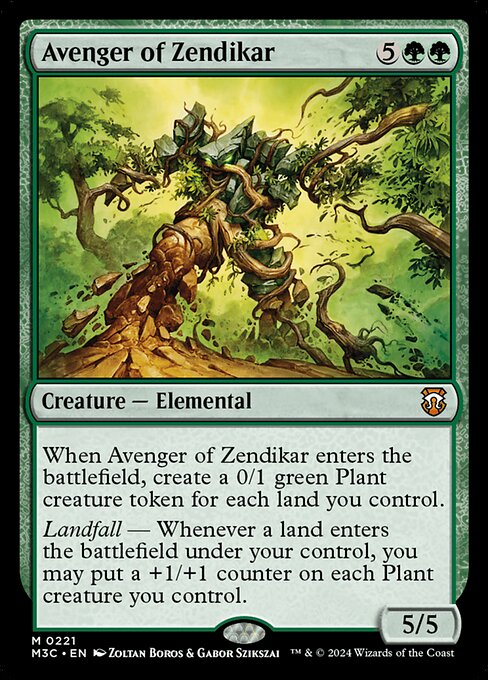
For aggressive and board centric strategies, token generation is often the most immediate and threatening payoff. Cards like Avenger of Zendikar and Rampaging Baloths turn each land into creatures, quickly building a board that demands an answer. These effects scale especially well with burst land plays, and when combined with cards like Scute Swarm, things can escalate from manageable to completely out of control in a single turn. Once you begin doubling tokens or triggering Landfall multiple times, even a modest board can snowball into lethal pressure.
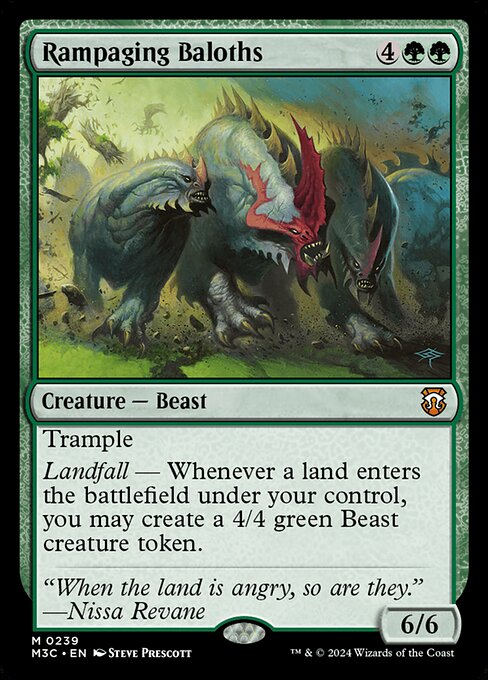
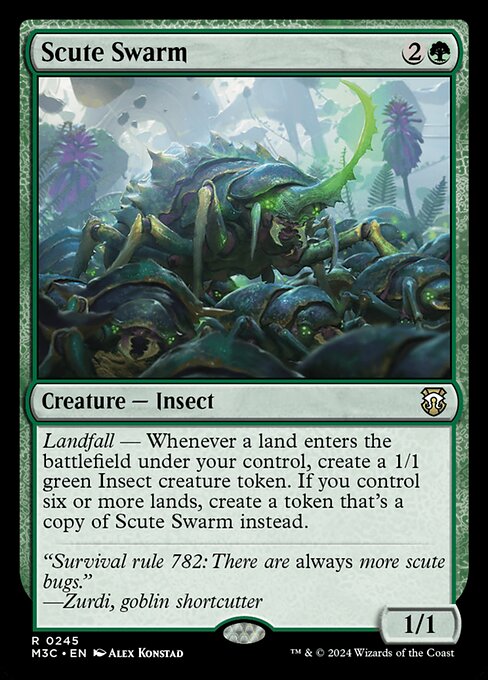
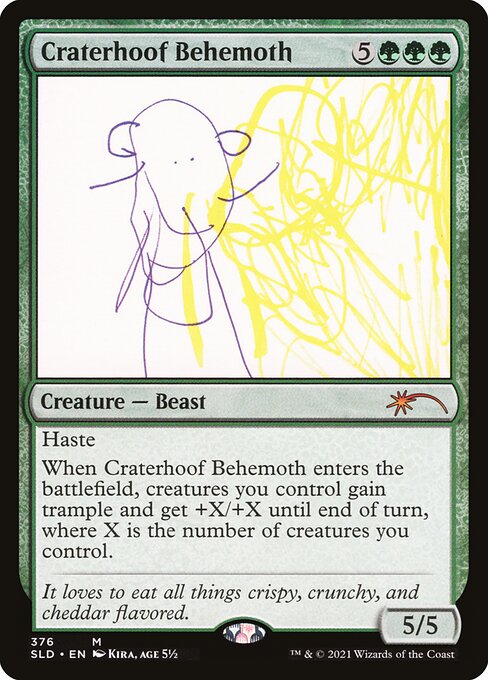
Where things get particularly dangerous is when token strategies intersect with combo lines. For example, pairing Scute Swarm with a mass land effect like Scapeshift can create exponential growth, often producing hundreds or even thousands of creatures at once. Add in a finisher like Craterhoof Behemoth, and the game can end on the spot. Similarly, repeated land recursion combined with token producers can create a massive board pressence, forcing opponents to answer your board every turn or be overwhelmed.
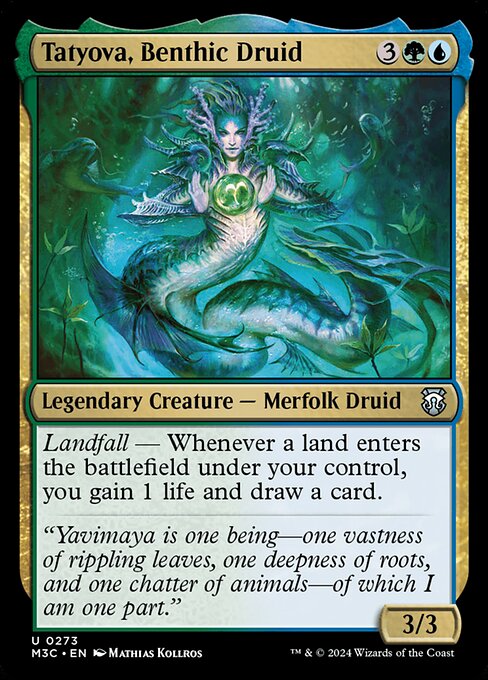
Value based payoffs offer a different, but equally powerful, approach. Cards like Tatyova, Benthic Druid and Aesi, Tyrant of Gyre Strait convert each land drop into cards and life, ensuring that your hand never runs dry. These effects are particularly potent when combined with extra land drops and recursion, allowing you to churn through your deck at an alarming rate. Once established, these engines often lead to soft locks where opponents simply cannot keep up with your resource generation.
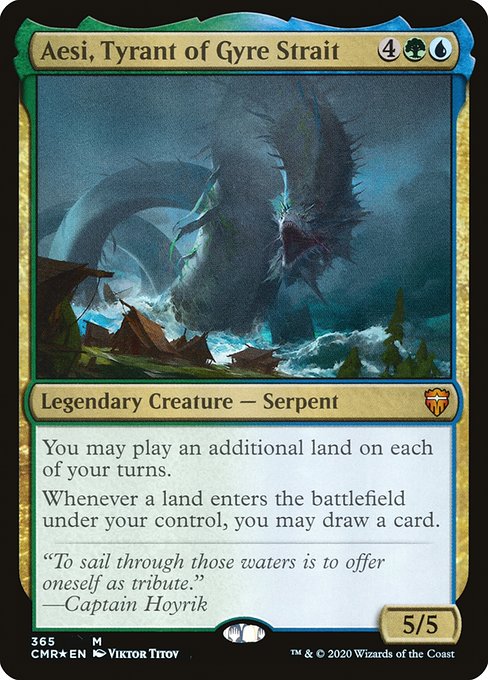
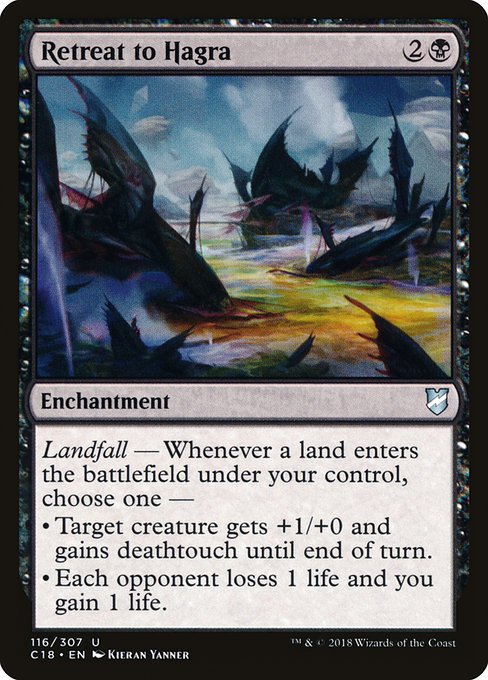
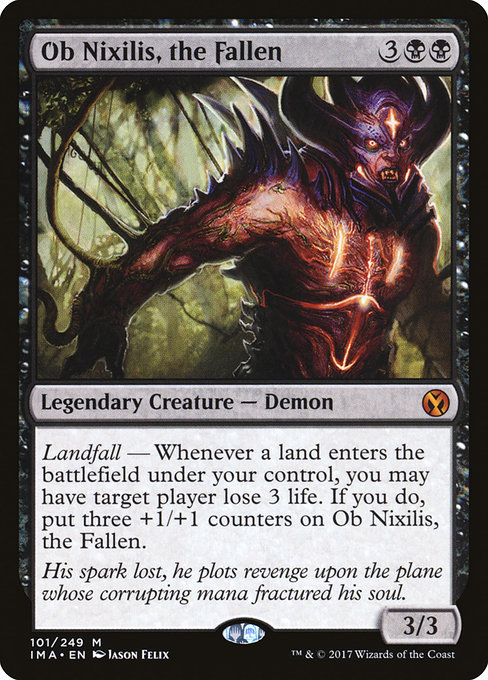
Damage and life drain strategies provide yet another angle. Cards like Retreat to Hagra and Ob Nixilis, the Fallen turn Landfall triggers into direct pressure on your opponents’ life totals. While these may seem incremental at first, they become lethal when paired with multiple land drops or recursion loops. For instance, repeatedly replaying fetchlands with a card like Crucible of Worlds can generate consistent life drain, slowly closing out the game without ever entering combat.
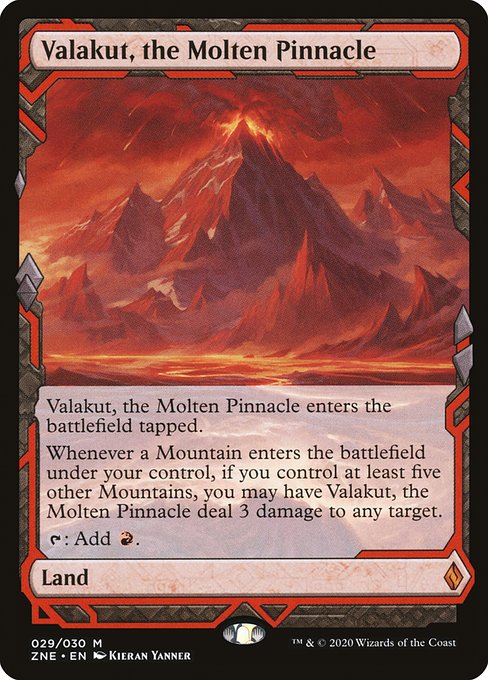
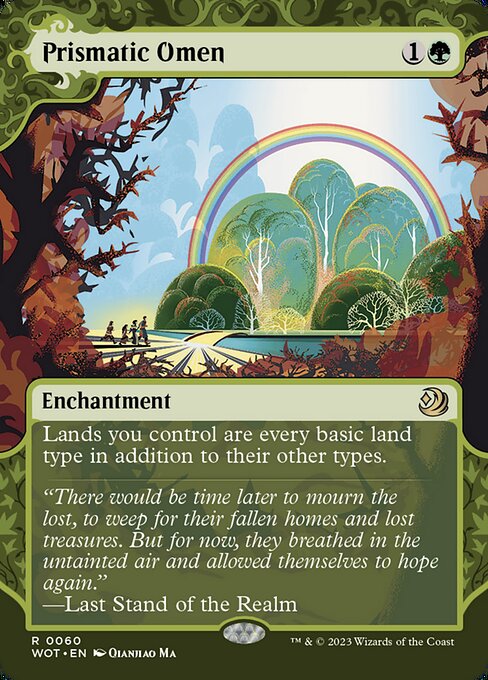
Landfall also enables more intricate combo finishes that go beyond simple value or combat. One notable interaction involves Valakut, the Molten Pinnacle, which turns land drops (specifically Mountains) into direct damage, Prismatic Omen, which makes all of your lands every basic land type and Scapeshift, which lets you sacrifice your lands and bring in enough lands at once to deal lethal damage to the table. This combo is compact, efficient, and incredibly difficult to interact with.
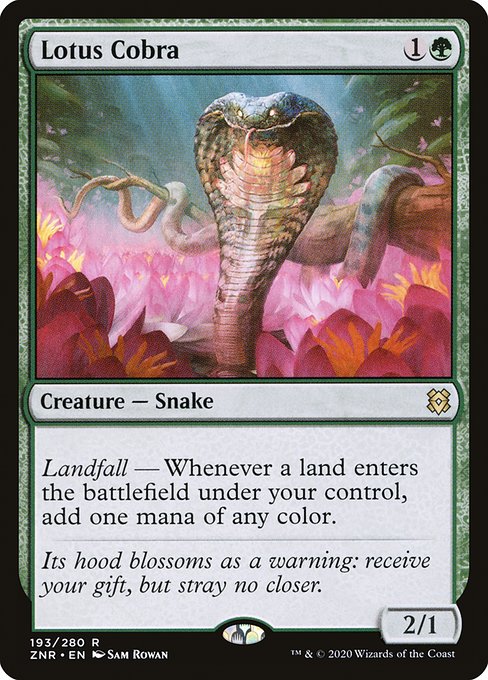
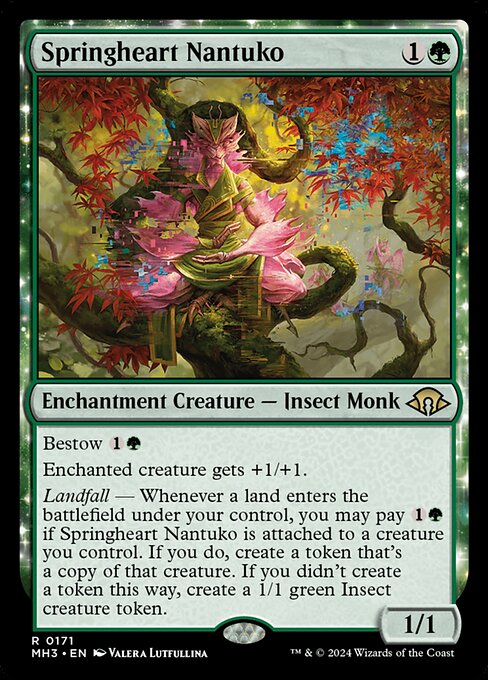
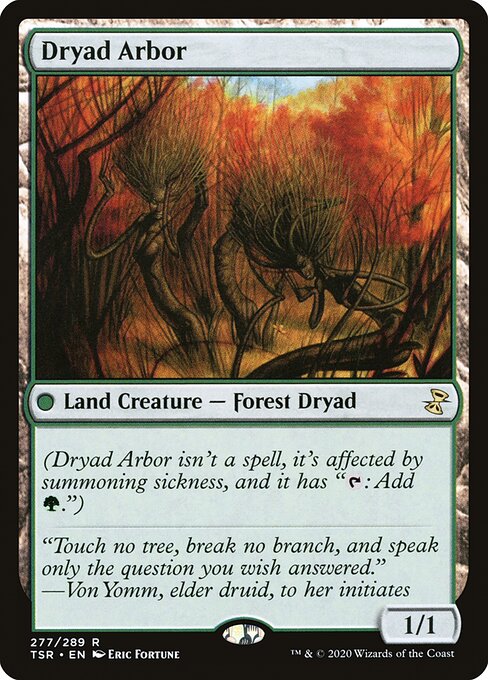
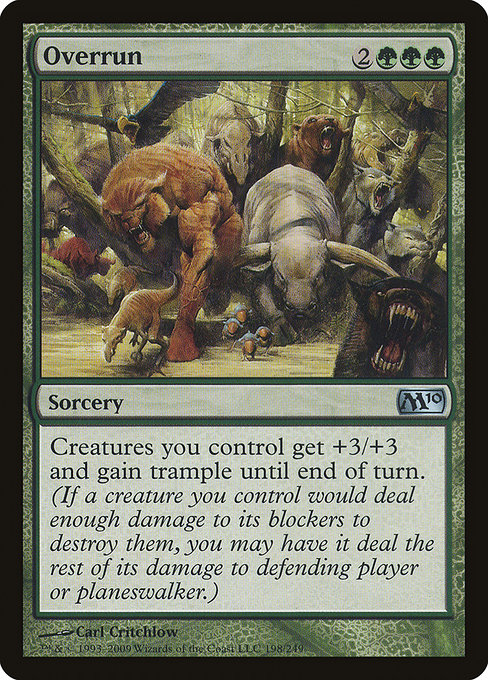
Many other powerful combos rely on cards like Lotus Cobra, which makes it so that each land entering the battlefield generates extra mana, which can then be used to continue chaining plays. When combined with cards like Springheart Nantuko copying, for example, Dryad Arbor you can generate an infinite amount of mana and creatures that can then be converted into a win through outlets like massive spells, activated abilities, or additional Landfall triggers; combine this with any other Landfall ability on the field or an Overrun type of effect and you could easily end the game on the spot.
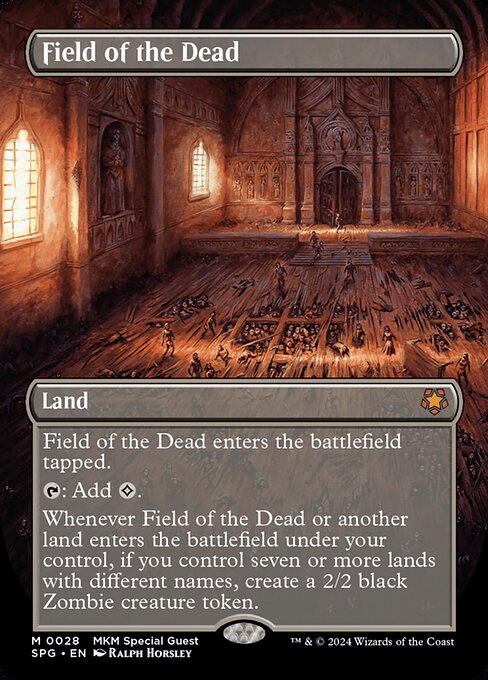
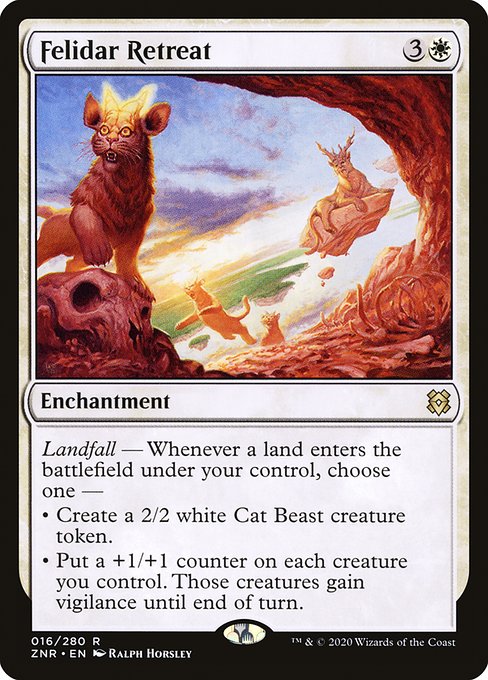
There are also more subtle, control oriented payoffs that can dominate the board over time. Cards like Field of the Dead generate a steady stream of Zombie tokens without requiring additional investment beyond your land drops. Similarly, Felidar Retreat offers flexibility, allowing you to either build a board or grow your creatures into a lethal force. These cards don’t necessarily win immediately, but they create pressure that compounds every turn.
The possibilities are pretty much endless, and the combo choices are plentiful.
Strengths and Weaknesses of Landfall
Landfall’s greatest strength is its consistency. Because it revolves around lands (cards every deck already needs) you’re rarely stuck without access to your core pieces. Even in slower games, simply playing lands advances your game plan, making the strategy inherently resilient.
It also scales exceptionally well. Early in the game, Landfall decks usually already ramp themselves, but as you accumulate resources and start chaining multiple land drops with Landfall triggers those small advantages compound into overwhelming board states.
However, the mechanic isn’t without its weaknesses. Landfall decks can struggle if they run out of lands to play, especially without recursion or draw engines to refill their hand. Additionally, many Landfall effects are proactive and sorcery speed, which can leave you vulnerable to faster combo decks or heavy interaction.
There’s also a deckbuilding cost. To maximize Landfall, you need a high density of ramp, extra land effects, and payoffs, which can sometimes reduce the space available for interaction. Balancing these elements is key to building a successful deck.
Commanders and Archetypes: Where Landfall Thrives
Landfall is most commonly associated with green-based strategies, and for good reason. Green provides the ramp, extra land drops, and recursion that the mechanic thrives on. Other notable colors are Blue, which usually provides extra card draw and access to milling your opponents out; and Black, which usually turns your lands into extra nonstop fuel, sacrificing and bringing them back.
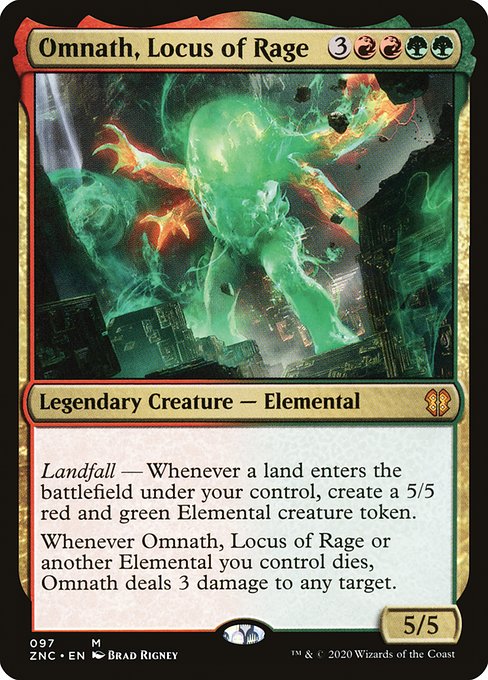
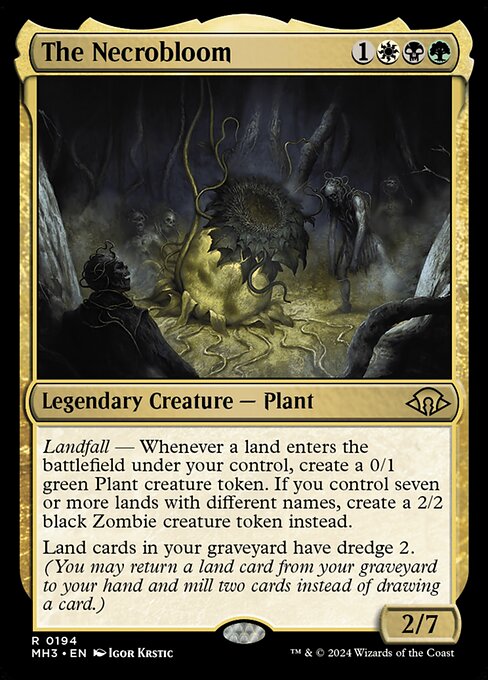
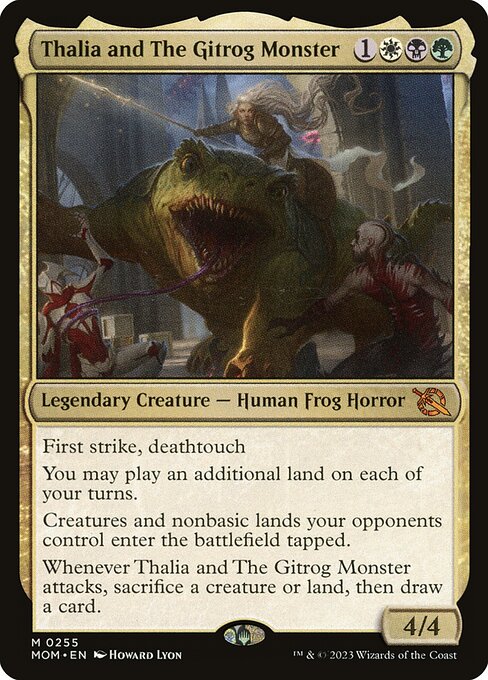
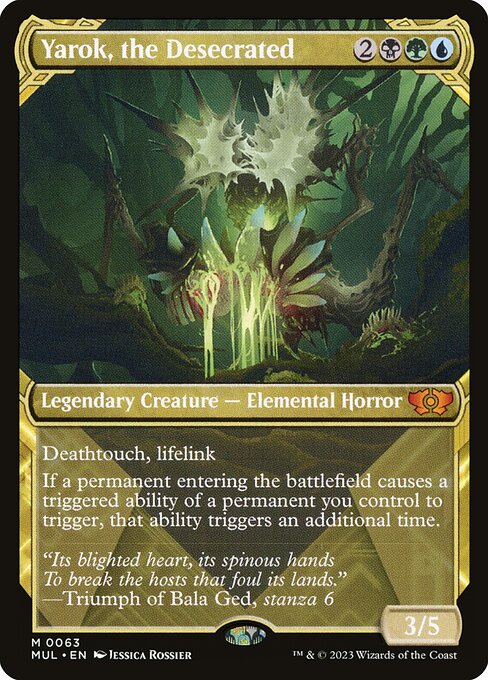
Notable Commanders that specialize in Landfall strategies include Omnath, Locus of Creation and Omnath, Locus of Rage which focus on a more explosive approach; Tatyova, Benthic Druid and Aesi, Tyrant of Gyre Strait which focus on extra card draws and life; The Necrobloom, Thalia and The Gitrog Monster, and The Gitrog Monster which focus a bit more on the Graveyard side of the game; and Yarok, the Desecrated which focuses on doubling every and all Landfall triggers (and any other trigger, for that matter)
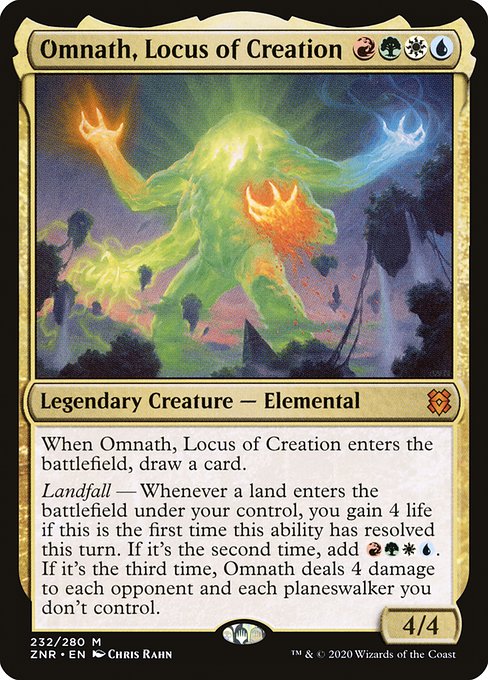
More recent designs have expanded the archetype even further, introducing multicolor commanders that combine Landfall with other mechanics. This flexibility ensures that Landfall remains relevant, whether you’re building a casual value deck or a high powered deck scapable of competing at more optimized tables.
Final Thoughts: Why Landfall Endures
Landfall entered the game to never disappear again; it remains one of the most beloved mechanics in Magic because it changes how you view the game at a fundamental level. It turns the most basic action (playing a land) into something impactful; rewarding planning, sequencing, and synergy.
In Commander, where synergies and value define success, Landfall stands out as both accessible and powerful. It offers a clear path for newer players while still providing depth and optimization for veterans. Whether you’re generating armies, drawing your entire deck, or assembling intricate combos, Landfall ensures that every turn matters and every land drop counts.