





Entering Competitive Commander
Over the last decade, Commander (EDH) has experienced a meteoric rise to become the definitive flagship format of Magic: The Gathering.
Originally conceived as a casual multiplayer sanctuary for high-mana jank and political table talk over a beer, its massive growth naturally birthed a radical new ecosystem: cEDH (Competitive Commander).
For many casual players, the mention of competitive Commander conjures up images of hyper-efficient, humorless pods executing turn-two combos. But this perception completely misses the mark.
Far from being a toxic, fun-killing wasteland, cEDH is actually one of the most intellectually stimulating, politically complex, and deeply interactive ways to play Magic. Every single decision, from the way you order your land drops to how you open a counterspell war carries massive tactical weight.
If you are growing restless at casual tables, frustrated by muddy “Rule Zero” conversations, or tired of three-hour board stalls, you are standing at the edge of a massive threshold.
Crossing over into competitive Commander requires a complete rewiring of your strategic mindset, a practical look at card game economics, and a willingness to embrace a playstyle where optimization is the universally agreed-upon goal.
This comprehensive guide is designed to serve as your roadmap for that transition.
We will explore the deep structural differences between casual and competitive play, analyze the daunting financial realities of the format, demystify the widespread cultural acceptance of proxies, and break down two top-tier decklists a classic four-color midrange powerhouse and a cutting-edge Izzet storm deck to show you exactly what high-level play looks like in practice.
Casual vs. cEDH: Key Differences in Commander Formats
To truly understand cEDH, you need to realize it isn’t a separate format from casual Commander in a legal or rules-based sense. It uses the exact same banlist, deck-building rules, and core mechanics.
The difference is entirely philosophical. This shift in mindset completely rewires how games are played, how decks are optimized, and how players interact at the table.
| Casual Commander | cEDH |
| Focus: Experience, social expression | Focus: Absolute optimization, winning |
| Explicit/Implicit soft bans | Total optimization within legal limits |
| Variable power levels | Homogeneous max power expectation |
| Political deals for survival | Tactical deals to prevent immediate loss |
Why Rule Zero Fails in cEDH: The Death of the Social Contract
In casual Commander, the pre-game “Rule Zero” conversation is the fragile glue holding the experience together. Players sit down to negotiate boundaries: “Are we playing fast mana? Any infinite combos? What about land destruction?”
The goal is to maximize the table’s collective fun, ensuring everyone gets to “do their thing” and making winning secondary to the shared narrative.
In cEDH, Rule Zero is completely obsolete because it is inherently baked into the definition of the format. When you sit down at a competitive table, there is an absolute, implicit agreement:
Everyone is playing the most optimal deck they can build, and every single play is made with the sole intention of winning the game.
This eliminates subjective social expectations and creates a liberating environment.
There are no hurt feelings when an opponent counters your commander three times in a row, and there is no social stigma attached to locking out the board with a brutal stax piece. The arbitrary moral codes of casual Magic disappear; you never have to apologize for optimizing your list or making the winning play.
How to Grade Competitive Magic Cards
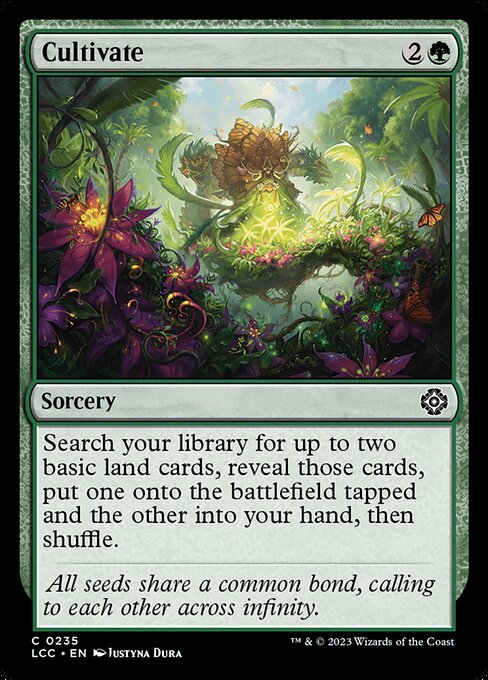
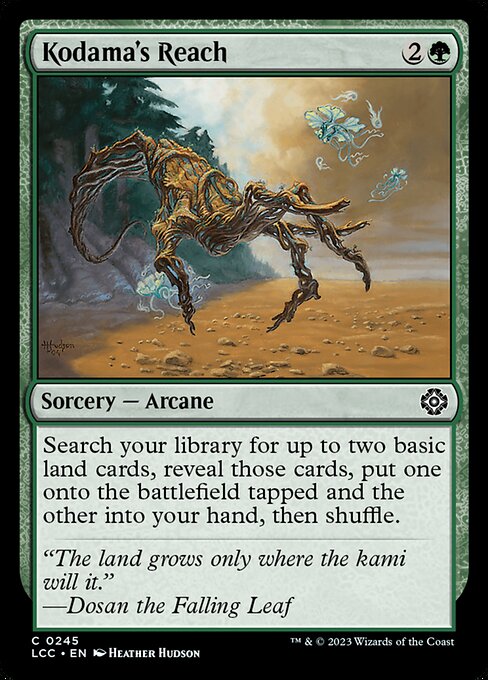
In casual play, cards like Cultivate or Kodama's Reach are format staples because they fix mana and guarantee future land drops. In cEDH, a three-mana ramp spell that does not immediately threaten a win or disrupt an opponent is completely unplayable.
Competitive Commander operates on an entirely different axis of speed and efficiency, defined by three core traits:
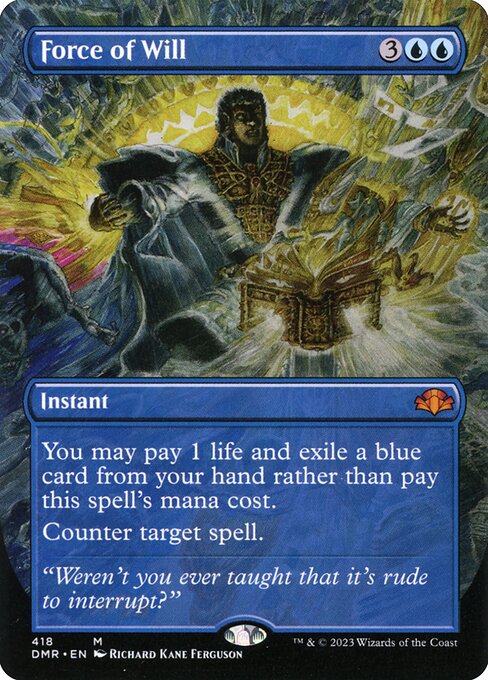
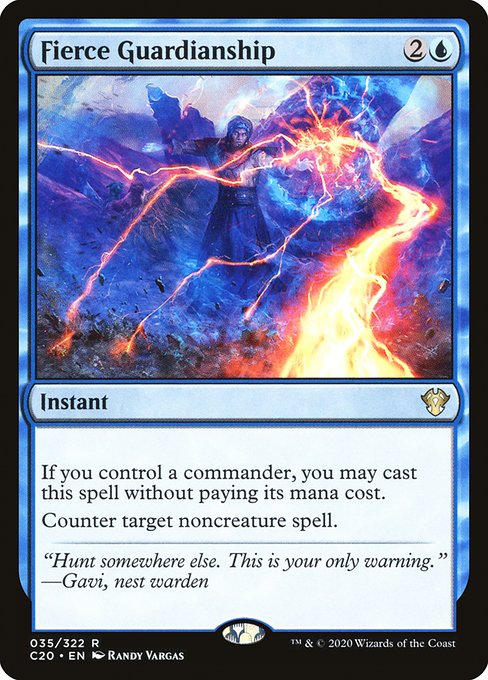
- Mana Efficiency: The average mana value of a cEDH deck rarely climbs above 1.5 to 1.8. Spells costing four or more mana must either win the game on the spot (like Peer into the Abyss or Ad Nauseam) or be castable for free (like Force of Will or Fierce Guardianship).
- Interaction Density: While a casual deck might run 8 to 10 removal or counterspells, a cEDH list regularly packs 25 to 35 pieces of instant-speed interaction. The stack becomes a constant battleground often decided by who navigates a multi-spell counter war best.
- The Proactive vs. Reactive Spectrum: Every competitive deck falls somewhere between trying to blitz a blindingly fast combo by turn one or two, or running tight disruption to stop those fast wins while assembling a resilient mid-game engine.
How In-Game Politics Evolve
Politics certainly exist in cEDH, but they look entirely different from the emotional, deal-making politics of casual play. You will not find players saying, “If you don’t attack me this turn, I won’t blow up your artifact next turn.”
Instead, cEDH politics are cold, calculated, and driven purely by threat assessment. If Player A attempts to cast a game-winning spell, Players B, C, and D will openly cooperate, pooling their counterspells and removal to stop the threat.
In this environment, your opponents are temporary allies in the face of a mutual loss. Bluffing, tracking open mana, and understanding the exact win conditions of your opponents’ decks completely replace traditional casual table talk.
Proxies and Prices: Shattering the Format’s Cost Barrier
If there is one aspect of cEDH that acts as a gatekeeper, causing immense anxiety for players looking to break into the scene, it is the financial cost.
The price ceiling of competitive Commander is not just higher than casual play; it exists in an entirely different financial stratosphere.
Inside a $10,000 cEDH Deck: The Anatomy of a Five-Digit Decklist
Building a high-power casual Commander deck is relatively accessible, with optimal builds comfortably costing between $200 and $500. Even if you decide to splurge on premium variants or high-end staples like Doubling Season, you will rarely break the $1,000 threshold.
In stark contrast, a no-compromises, multi-color cEDH (Competitive Commander) decklist frequently commands a price tag between $8,000 and $15,000.
This massive financial barrier isn’t due to personal flare, it is driven entirely by a small, non-negotiable pool of scarce, hyper-efficient cards that form the bedrock of competitive play.
Original Reserved List Dual Lands
To compete at the highest level, decks require flawless, untapped mana bases that don’t cost precious life points or tempo.
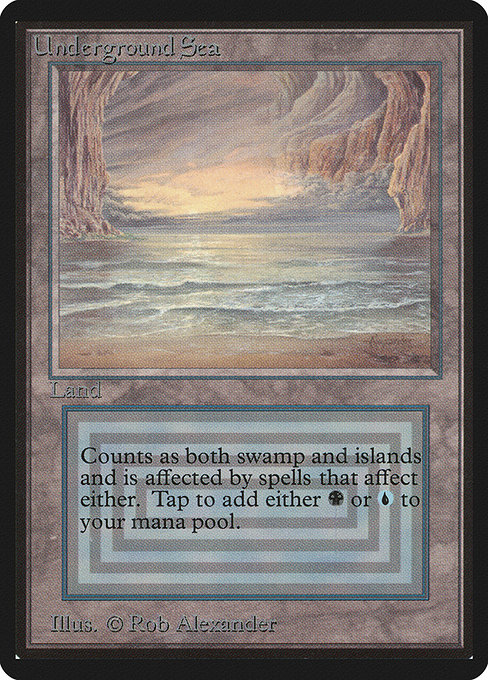
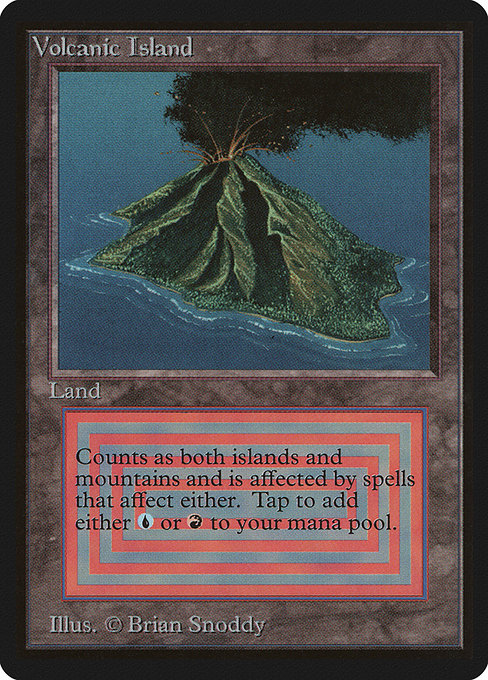
- The Price Tag: Essential pieces like Underground Sea or Volcanic Island routinely run between $400 and $1,000+ each.
- The Accumulation: Because multi-color decks must run every viable fetch target, a three-to-four-color deck can easily demand $3,000 just for its land package.
The Fast Mana Package
In a meta where games can end on turn two, explosive artifact acceleration is mandatory to either pull ahead or hold up instant-speed interaction.
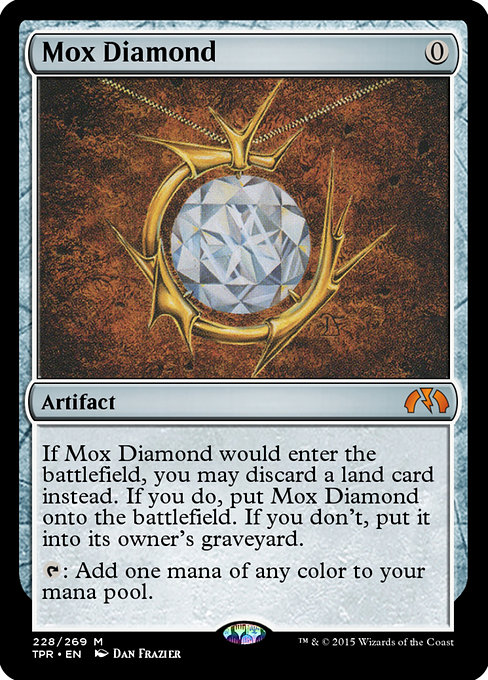
- Mox Diamond (~$600+)
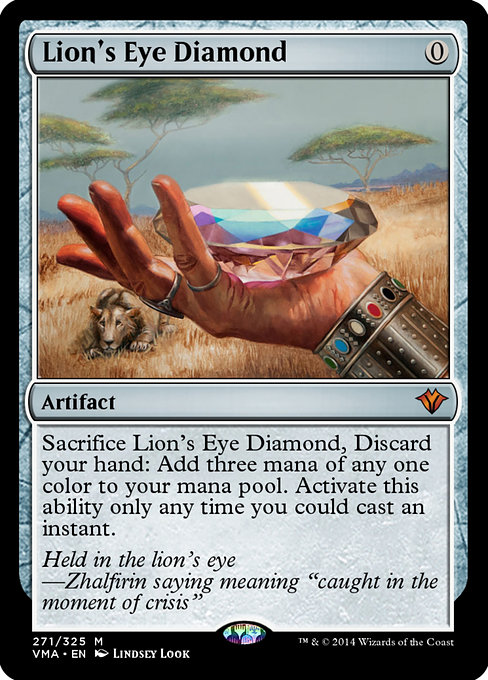
- Lion's Eye Diamond (~$450+)
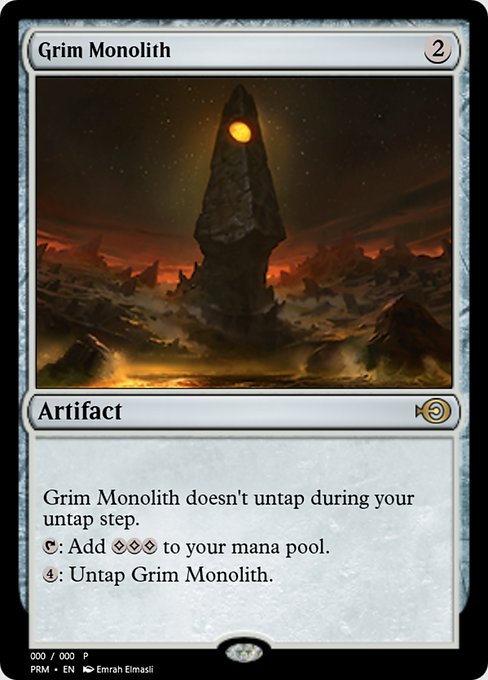
- Grim Monolith (~$300+)
Excluding these pieces drastically reduces your deck’s velocity, making it functionally unviable in true cEDH pods.
High-End Tutors and Timetwister
The final budget spikes come from historical card scarcity and vintage pieces of Magic’s history.
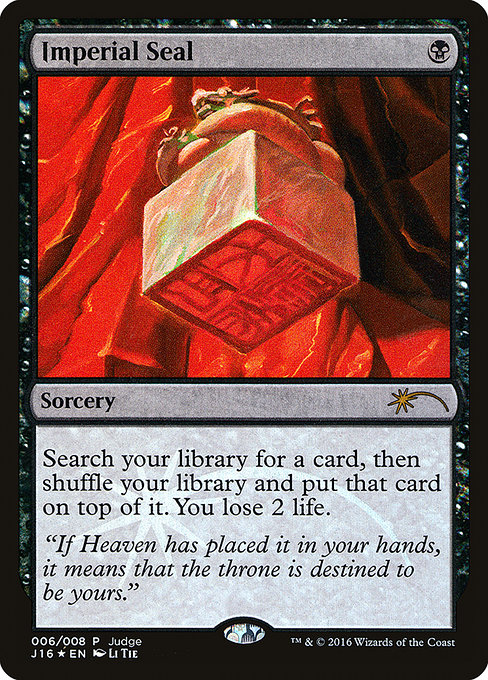
- Premium Tutors: Imperial Seal remains an incredibly expensive top-deck tutor because of its historical scarcity, despite receiving modern reprints.
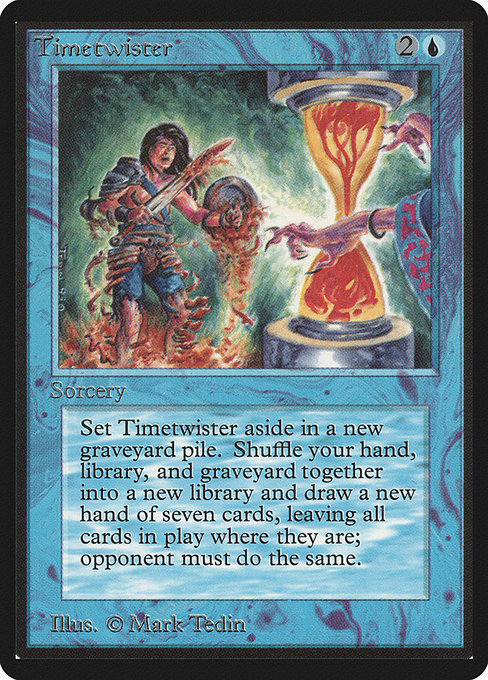
- The Power Nine Legal Exception: Timetwister is the ultimate luxury staple. As the only piece of the legendary Power Nine legal in the Commander format, it sits at a staggering $4,000 to $7,000+, serving as a core piece for high-tier wheel and storm strategies.
Why Budget Substitutes Fail in cEDH: The Cost of Suboptimal Cards
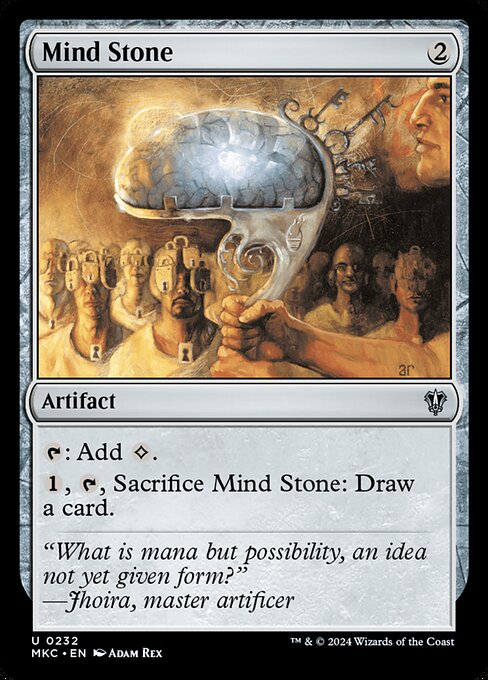
In casual play, if you do not own a Mox Diamond , you can simply replace it with a Mind Stone or a basic land, and your deck functions perfectly fine within its power tier.
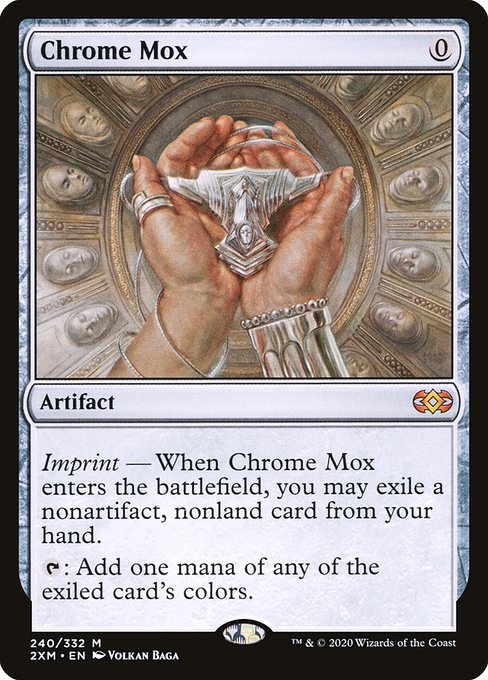
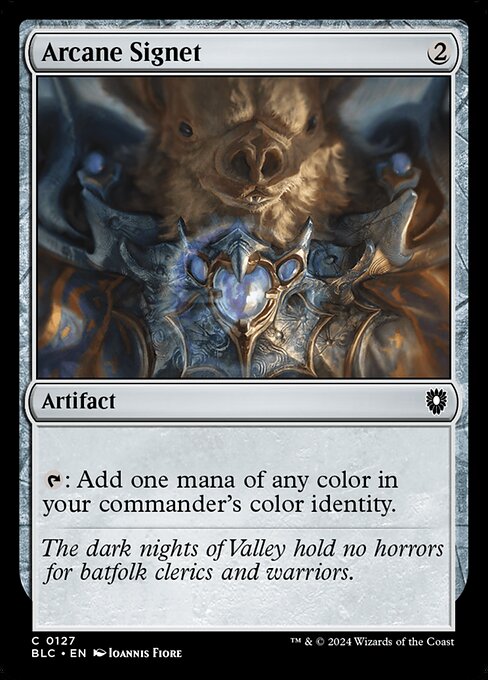
In cEDH, making these budget compromises fundamentally alters the math of your deck. Replacing a zero-mana Chrome Mox with a two-mana Arcane Signet slows your deck down by a full turn cycle.
In a format where players regularly present game-winning threats on turn two, being a turn slower means your deck is no longer mathematically viable. You simply cannot play a sub-optimal mana base of tapped lands or slow interaction and expect to compete against three flawless, lightning-fast engines.
This harsh economic reality creates a massive barrier to entry.
It threatens to turn what should be a skill-based, intellectual competitive format into a playground exclusive to players with immense disposable income.
cEDH Proxy Culture: Demystifying the Proxy Revolution
Fortunately, the competitive Commander community recognized this financial gatekeeping crisis early on and staged a major cultural shift. Today, cEDH stands out as one of the most aggressively, unashamedly proxy-friendly communities in all of tabletop gaming.
Play the Player, Not the Wallet
Visit a local tournament or log into a dedicated cEDH Discord server, and you will quickly encounter the defining motto of the format: “We want to play against your skill, not your wallet.”
Unlike sanctioned formats like Modern or Pioneer, which require authentic cards under strict Wizards of the Coast rules, the vast majority of cEDH tournaments are run by independent, grassroots organizations.
Because these organizers want to crown the absolute best tactical player rather than the wealthiest individual, they explicitly allow, and often encourage, the use of high-quality proxies.
In cEDH culture, a proxy is not viewed as cheating or counterfeiting, provided it meets basic readability standards.
The community widely rejects the idea that someone should lose a competitive game simply because they cannot afford to spend $800 on a piece of cardboard printed in 1993.
The Golden Rules for Proxies in Competitive Commander
If you are preparing to build your first cEDH deck using proxies, it is important to understand the community rules for acceptability. While players welcome proxies, there are clear standards regarding card quality and readability to maintain the integrity of gameplay:
- No Sharpie on Basic Lands: Writing Mox Diamond in marker on a basic Forest is universally frowned upon. In high-speed competitive games, cards must be instantly recognizable via their art and layout so opponents do not have to constantly ask you to clarify your board state.
- High-Quality Color Prints: The baseline standard requires color printing official card art at the exact scale of a real Magic card, cut cleanly and placed inside a sleeve over a bulk card. Alternatively, many players use third-party printing services to produce crisp proxies with custom card backs.
- Legible Information: The card name, mana cost, rules text, and power/toughness must be perfectly visible across the table, ensuring that the complex board state remains clear to all four players at all times.
By embracing this proxy culture, the entry cost of cEDH drops precipitously from $12,000 to the price of a home printer cartridge or a $30 custom print order.
This transforms the format into an open, highly democratic competitive arena where anyone can pick up a world-class decklist and test their strategic wits.
Blue Farm cEDH Deck Guide: Analyzing the Format’s Midrange King
To truly understand how a cEDH deck operates, we must pull back the hood on real, competitive decklists. The first archetype we will analyze is the undisputed titan of the modern competitive meta: Blue Farm.
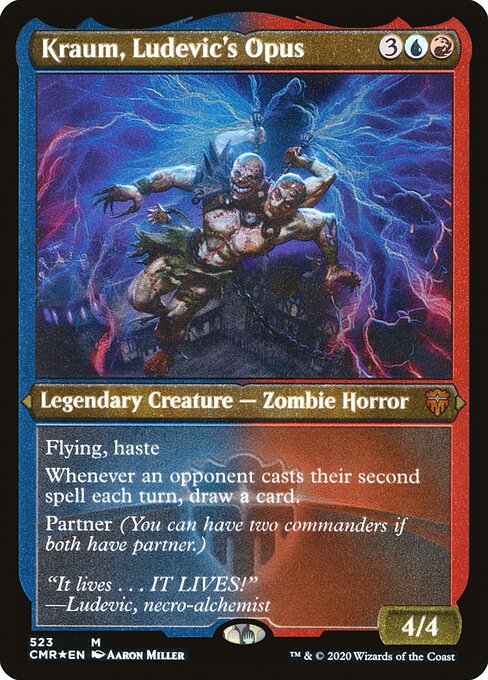
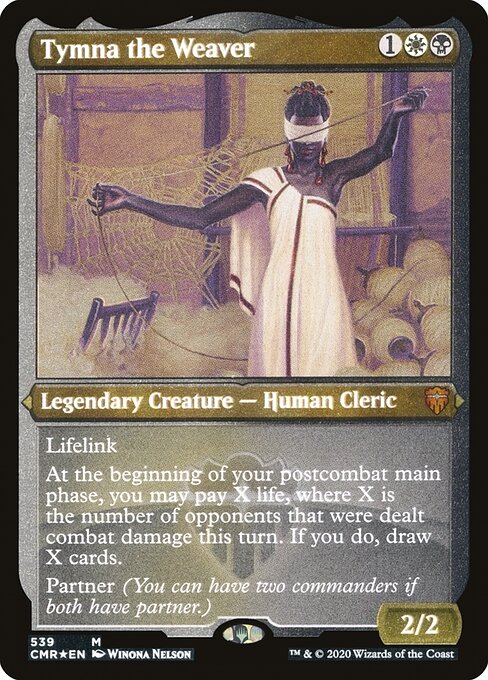
This four-color deck utilizes the partners Tymna the Weaver and Kraum, Ludevic's Opus, gaining access to White, Blue, Black, and Red, frequently referred to as the Sans-Green color identity. It represents the absolute pinnacle of the cEDH midrange strategy.
Commander
Creatures (10)
Instants (27)
Sorceries (14)
Artifacts (15)
Enchantments (5)
Lands (30)
101 Cards
$22050.16
Maximizing Command Zone Card Advantage
The name “Blue Farm” derives from its ability to constantly “farm” cards right from the command zone. It functions as a highly resilient engine that turns the natural mechanics of a four-player game into direct card advantage.
- Tymna the Weaver: Coming down for just three mana ($1WB$), Tymna rewards you for attacking your opponents. In the early game, the deck utilizes cheap, high-utility creatures like Ragavan, Nimble Pilferer or Orcish Bowmasters to slide under blockers. Post-combat, Tymna allows you to pay life to draw cards equal to the number of opponents dealt damage, keeping your hand continuously fueled with interaction.
- Kraum, Ludevic's Opus: Costing five mana ($3UR$), Kraum is a massive, flying 4/4 threat with haste. His true power lies in his passive ability: whenever an opponent casts their second spell each turn, you draw a card. In cEDH, players constantly chain cantrips, drop fast mana rocks, or fight in counter wars. Kraum turns your opponents’ proactivity into massive card draw, making it incredibly difficult for the table to attempt a win without handing you a hand full of free counterspells.
Blue Farm Win Conditions: Hyper-Efficient and Redundant cEDH Combos
Blue Farm does not win by attacking with big creatures over multiple turns.
Its combat steps are strictly used to draw cards until it is ready to execute one of its compact, highly efficient combo packages:
Thassa’s Oracle Combo Guide: How Thoracle Dominates the cEDH Meta
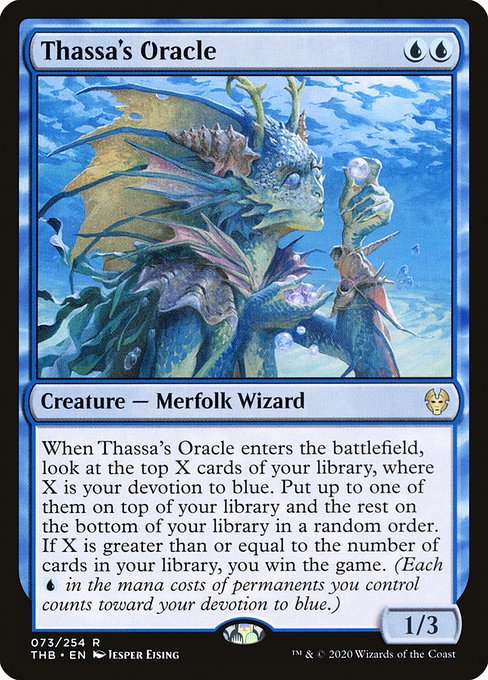
This is the most efficient win condition in the entire history of the Commander format:
You will need:
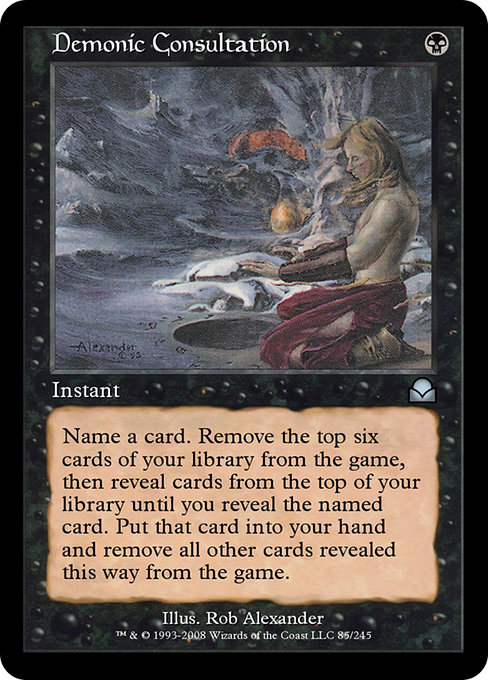
Thassa's Oracle and Demonic Consultation in hand, plus three available mana (two blue and one black).
Steps:
- Cast Thassa's Oracle: Pay two blue mana and cast the creature.
- Hold Priority: When Thassa's Oracle enters the battlefield and its win-condition trigger goes on the stack, do not let it resolve yet. Explicitly state that you are holding priority.
- Cast Demonic Consultation: Pay one black mana to cast the instant in response to your own oracle trigger.
- Exile Your Library: Name a card that is completely absent from your decklist (such as “Black Lotus”). Demonic Consultation will flip through your entire library looking for that card, exiling every single card in your deck until it finishes.
- Resolve the Oracle Trigger: With your library completely empty, allow the Thassa's Oracle trigger to resolve. Because the number of cards in your library (zero) is less than or equal to your devotion to blue, you win the game on the spot.
Underworld Breach Freeze Loop: Blue Farm’s Infinite Storm Engine
If Thassa's Oracle is exiled or countered, Blue Farm easily pivots to its secondary win vector.
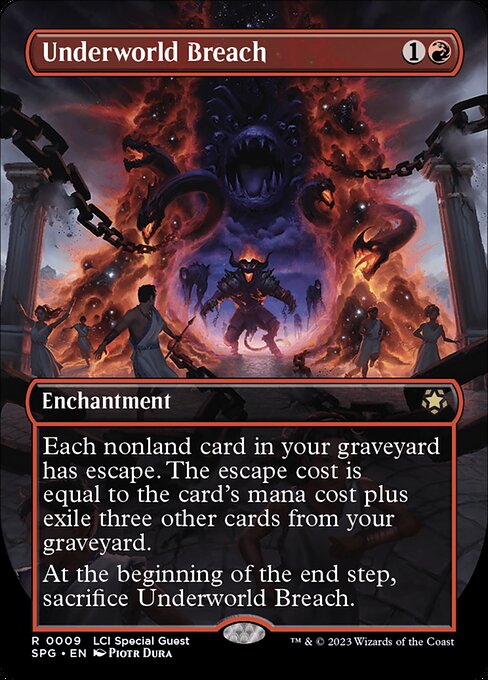
It drops Underworld Breach, giving every nonland card in its graveyard Escape, which allows it to be recast by paying its mana cost and exiling three other cards from the graveyard as an additional cost.
You will need:
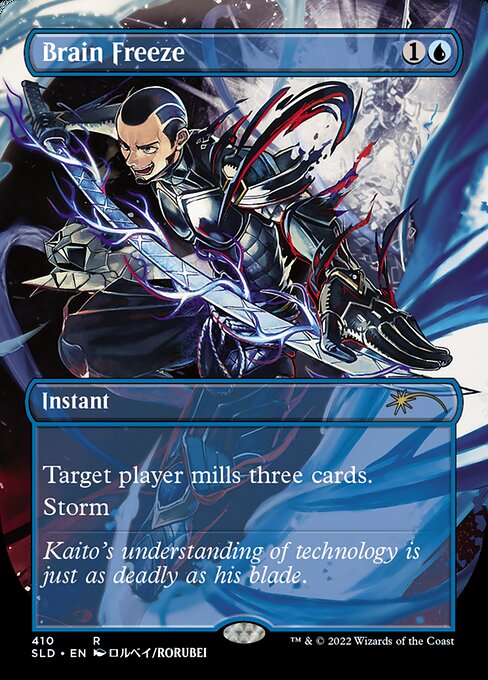
- Brain Freeze in your hand or graveyard.
- Underworld Breach on the battlefield.
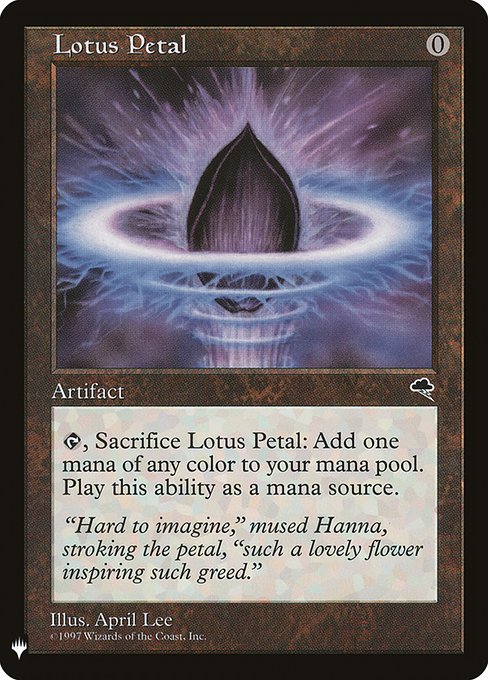
- Lotus Petal on the battlefield, in your hand, or in your graveyard.
- At least six other cards in your graveyard to seed the initial escape costs.
Steps:
- Generate Mana: Sacrifice Lotus Petal to add one blue mana to your mana pool.
- Escape the Petal: Cast Lotus Petal from your graveyard for its escape cost by exiling three cards from your graveyard.
- Repeat for Fuel: Sacrifice Lotus Petal again for a second blue mana, then escape it one more time by exiling another three cards. You now have two blue mana in your pool.
- Cast the Freeze: Cast Brain Freeze for one generic and one blue mana, either from your hand or from your graveyard by paying its escape cost and exiling three cards.
- Storm Off: The storm ability triggers, creating copies of Brain Freeze for every spell cast before it this turn. Target yourself with all the copies.
- Mill Your Deck: Resolve the copies and the original spell. Each one mills three cards into your graveyard. Because your storm count grows with every repetition, you will mill significantly more cards than you exile to pay for the escape costs.
- Loop to Victory: Repeat the entire process. With your storm count now in the double digits, you can easily mill your entire library into your graveyard.
While the example above uses Lotus Petal, the combo becomes even more explosive by pairing Underworld Breach with Lion's Eye Diamond, which sacrifices to add three mana of any color and discards your hand.
Once your entire deck is sitting in your graveyard, you can effortlessly cast a definitive win condition directly from the graveyard using the Escape mechanic to seal the victory.
The power of Blue Farm lies in its ultimate flexibility. This premier cEDH deck runs an elite suite of efficient, cheap interaction and countermagic, including:
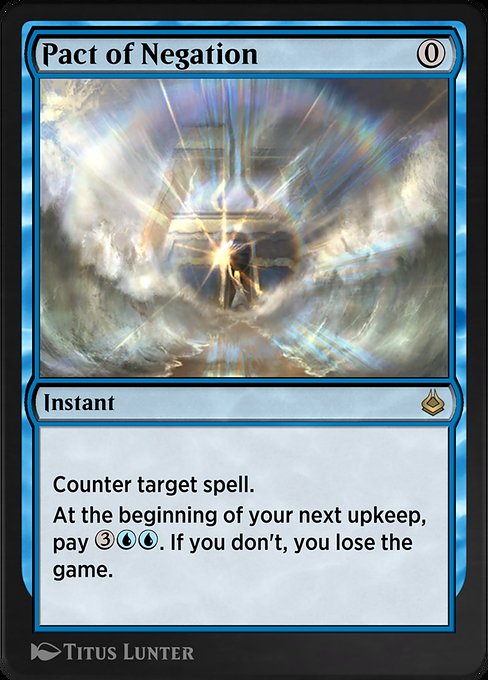
- Free Counterspells: Force of Will, Pact of Negation, and Fierce Guardianship.
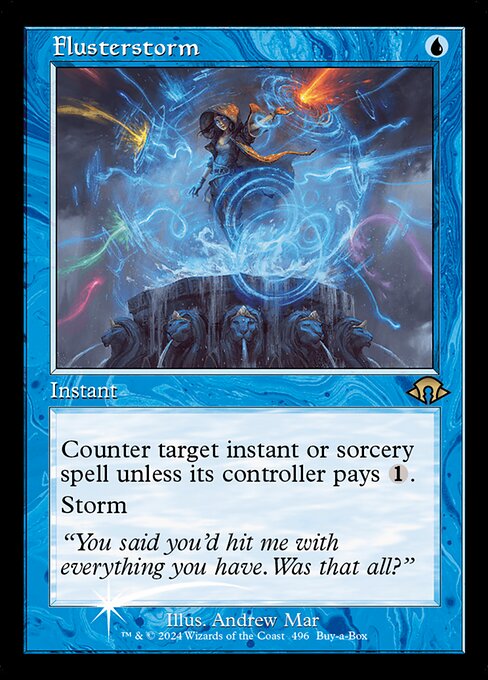
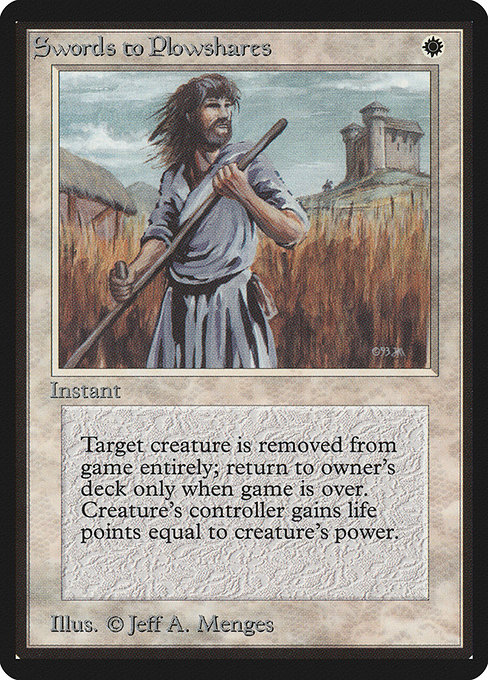
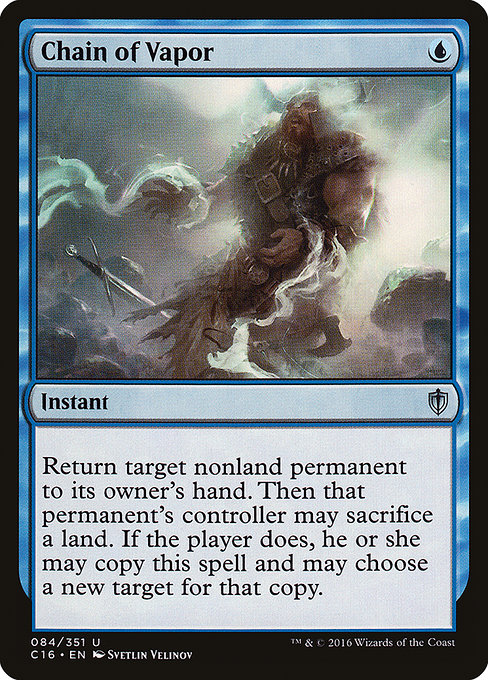
- Low-Cost Interaction: Flusterstorm, Swords to Plowshares, and Chain of Vapor.
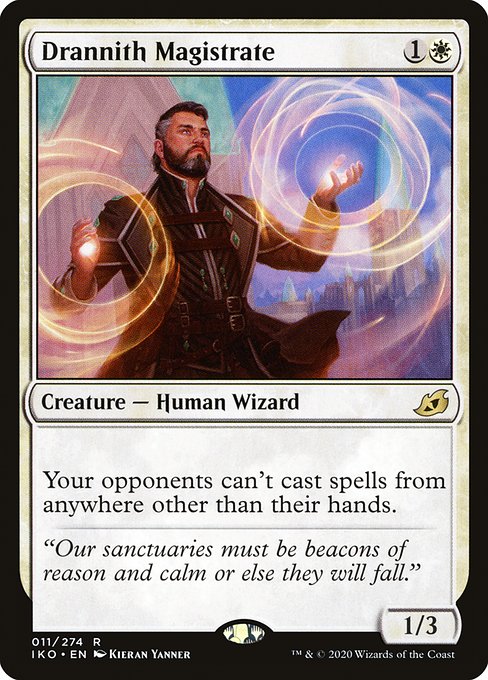
Thanks to its White color identity, the deck can easily pivot into a control strategy using powerful stax pieces like Drannith Magistrate to lock out opposing commanders. Whether grinding a long value game or threatening a lightning-fast turn-two win, Blue Farm adapts perfectly to any pod.
Ral Monsoon Mage cEDH Deck Guide: Mastering Izzet Storm
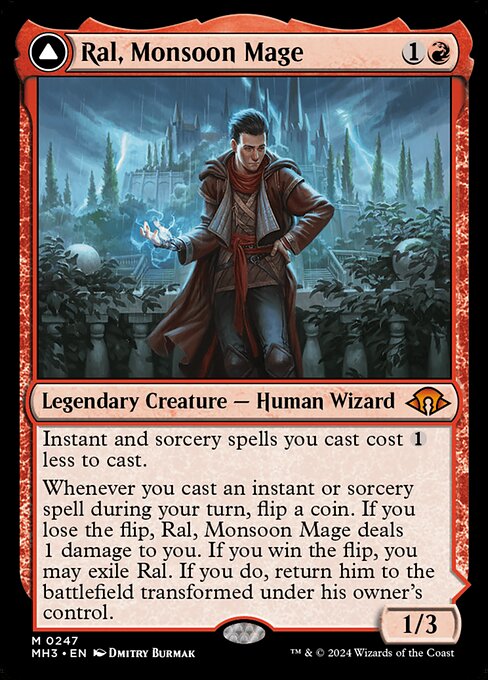
If Blue Farm represents a methodical, highly interactive Swiss Army Knife, our second archetype, Ral, Monsoon Mage, is a precision-engineered drag racing vehicle. This deck sheds White and Black entirely, focusing heavily on a pure, unadulterated Izzet Storm strategy that prioritizes velocity, raw spell count, and explosive mana generation.
Creatures (12)
Instants (28)
Sorceries (30)
Artifacts (11)
Lands (17)
101 Cards
$16015.41
Maximizing Izzet Cost Reduction
In a classic Storm deck, your biggest bottleneck is always mana. Every cantrip costs blue, and every ritual costs red. Ral, Monsoon Mage solves this bottleneck directly from the command zone. For just two mana, Ral hits the board early and immediately reduces the cost of all your instants and sorceries by one generic mana.
This cost reduction completely breaks the traditional math of Magic’s most efficient spells:
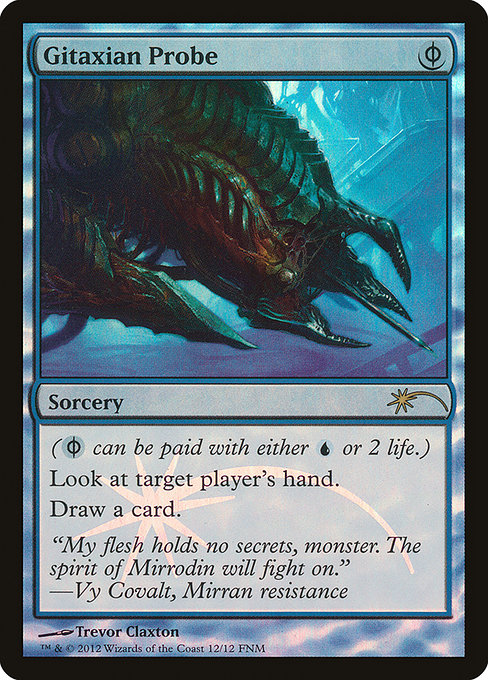
- Gitaxian Probe becomes completely free while netting you information and a card.
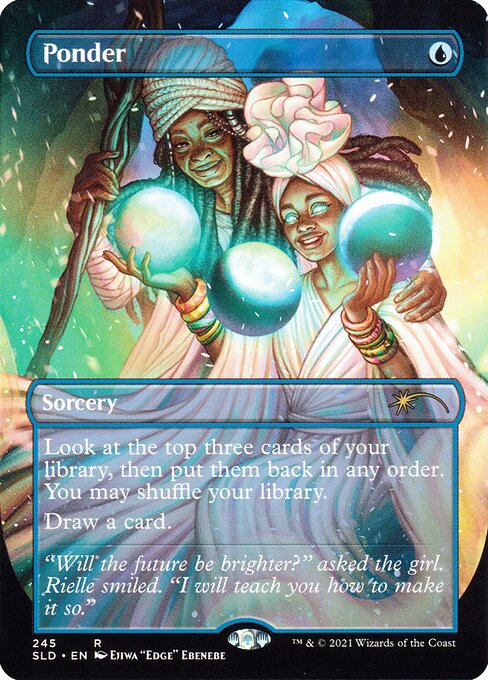
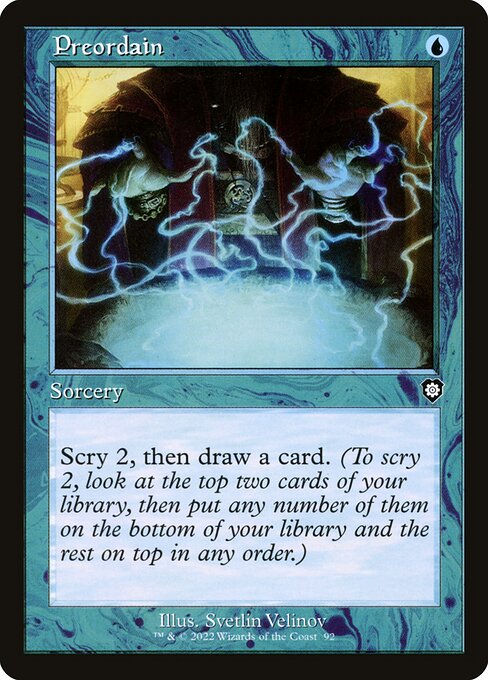
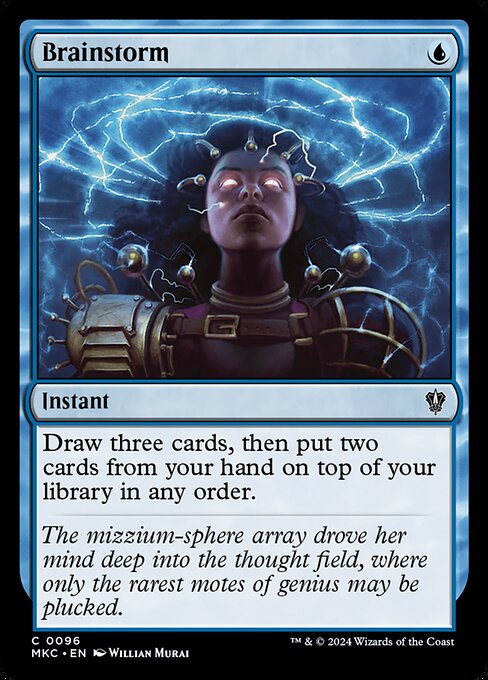
- Ponder, Preordain, and Brainstorm continue to cost a single blue mana, but your rituals become staggeringly positive on mana generation.
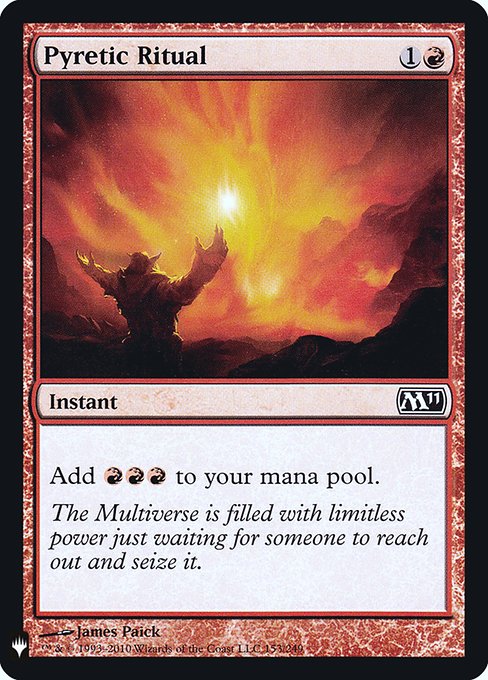
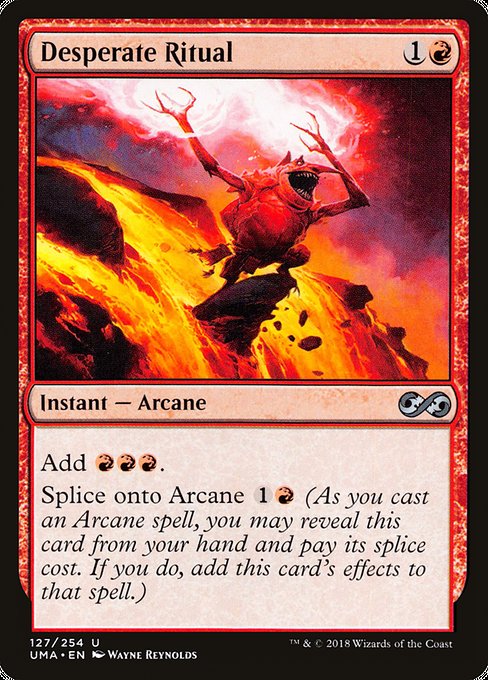
- Pyretic Ritual and Desperate Ritual suddenly cost a single red mana to cast while netting you three red mana, a massive +2 mana swing for a single spell.
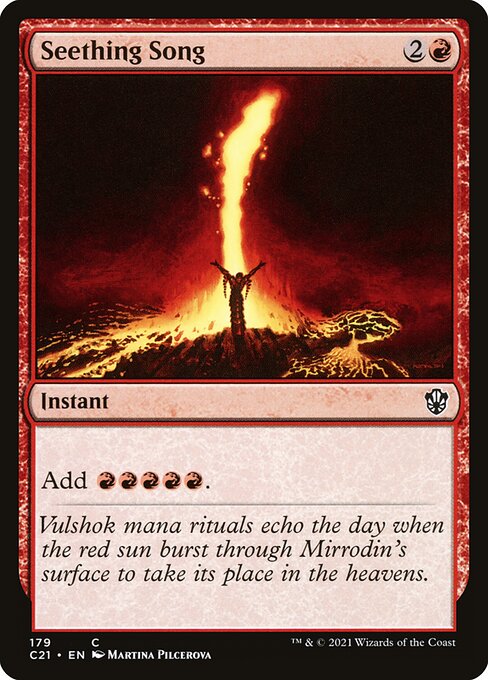
- Seething Song costs just two generic and one red mana and produces five red mana, creating an explosive fountain of mana to fuel your turn.
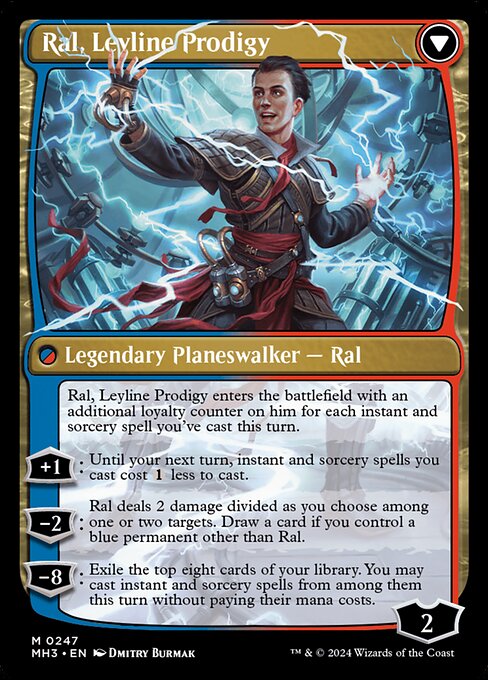
When you cast enough spells, Ral’s coin-flip mechanic eventually flips him into Ral, Leyline Prodigy. As a planeswalker, his minus ability can target an instant or sorcery in your graveyard and give it flashback, allowing you to double-dip on your most powerful draw spells or rituals mid-storm.
The Anatomy of a High-Velocity Storm Turn
Playing the Ral Storm deck requires immense mental math and a deep understanding of probability. Unlike Blue Farm, which patiently builds resources, Ral regularly seeks to engineer a single, monolithic turn where it casts 15 to 30 spells in a row.
The deck achieves this high velocity by utilizing a unique subset of tools:
High-Density Card Draw and Wheel Effects
Because Ral, Monsoon Mage runs an incredibly low land count of just 18 lands, maximizing high-density spell slots is essential. To prevent fizzling out mid-storm, this Izzet Storm deck relies on aggressive card draw and symmetrical wheel effects, including:
Core Wheels
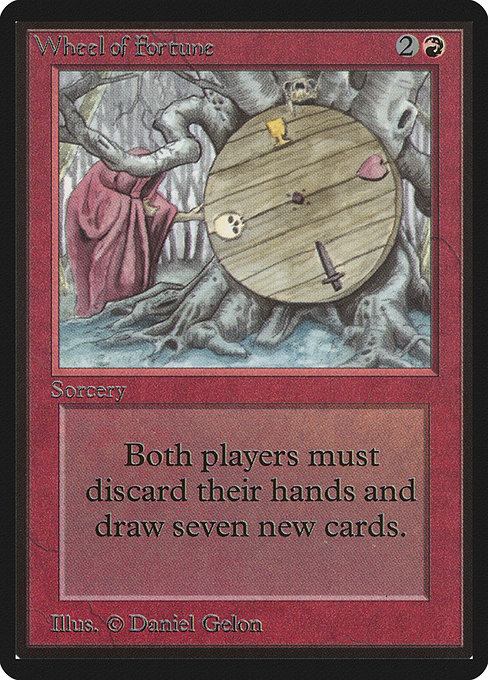
- Wheel of Fortune: A red sorcery forcing all players to discard their hands and draw seven fresh cards. It serves as an immediate hand-refresher and graveyard enabler.
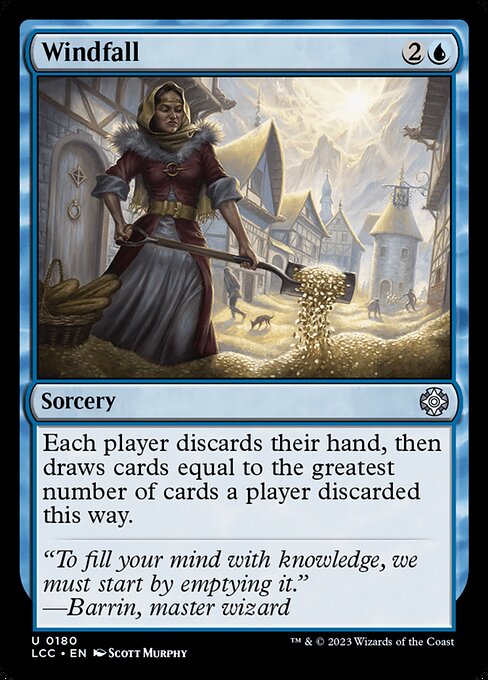
- Windfall: A blue variant where every player discards their hand, then draws cards equal to the greatest number of cards discarded by any single player, exploiting opponent hand sizes for maximum card advantage.
Graveyard Loops
- Timetwister: A power-nine blue sorcery that forces all players to shuffle their hands and graveyards back into their libraries before drawing seven cards, completely resetting resource availability.
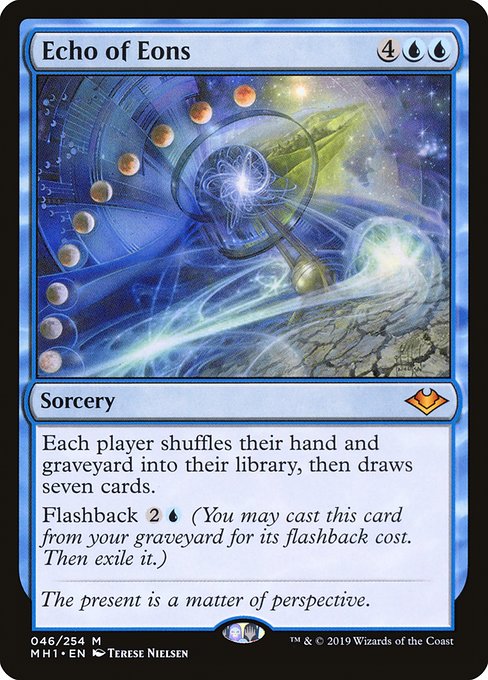
- Echo of Eons: Functions identically to Timetwister, but features an affordable flashback cost that allows it to be cast directly from the graveyard to restart storm sequences efficiently.
With Ral reducing costs on the battlefield, you can tap mana rocks, cast a cheap ritual, and play a wheel spell to discard an empty hand. This draws you seven fresh cards and generates massive momentum to keep your storm count climbing.
High-Velocity Creature Synergies
The creature package is explicitly chosen to amplify your spellcasting velocity and break resource bottlenecks:
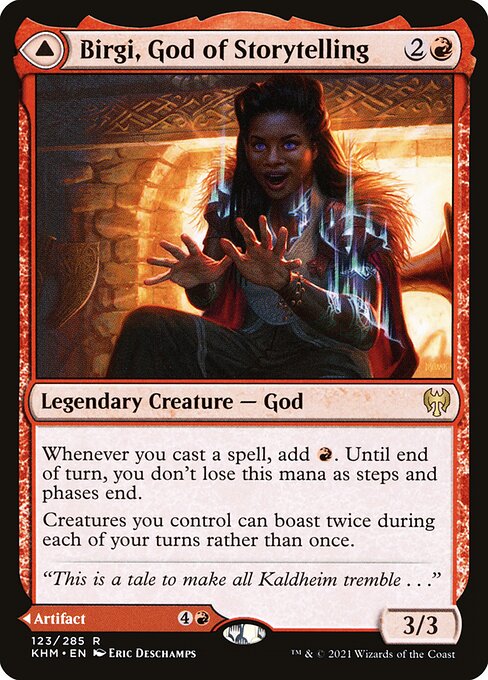
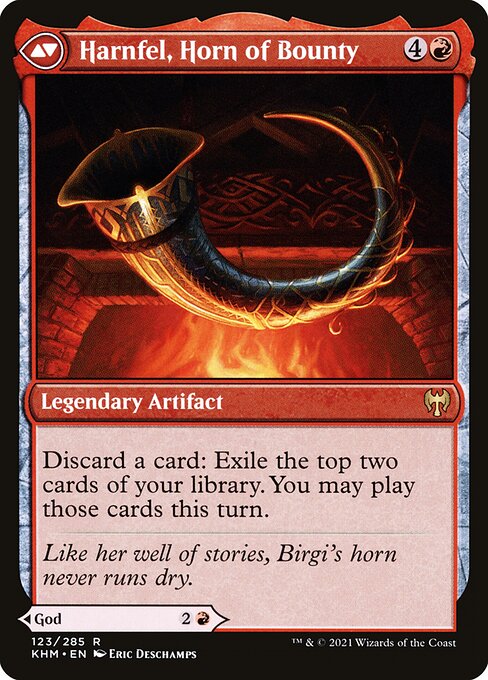
- Birgi, God of Storytelling: Adds one red mana whenever you cast a spell. Combined with Ral’s cost reduction, generic two-mana spells effectively become free.
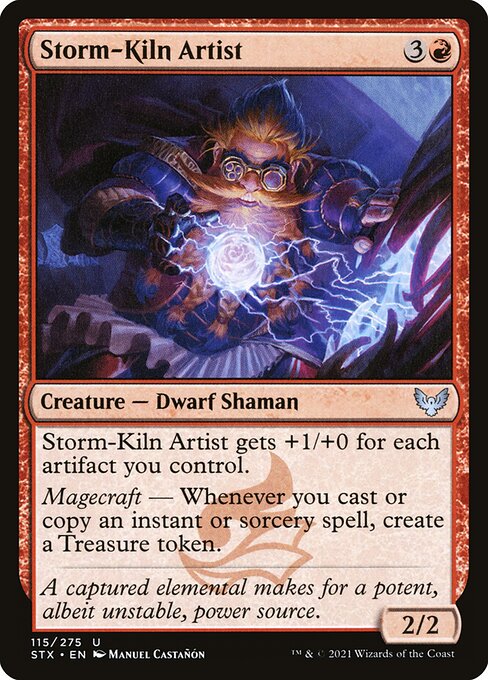
- Storm-Kiln Artist: Features Magecraft, creating a Treasure token every time you cast or copy an instant or sorcery. This generates infinite colors of mana during active storm turns.
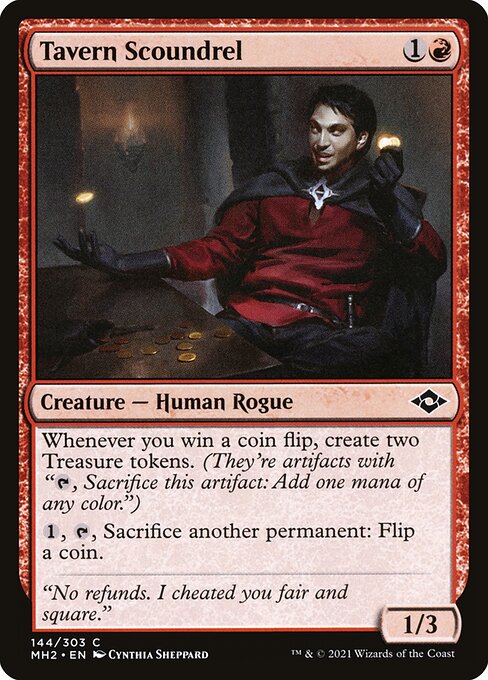
- Tavern Scoundrel: Converts Ral’s coin-flip mechanic into immediate mana capital, creating two Treasure tokens whenever you win a flip.
Upgrading the Izzet Storm Suite
This list highlights modern cEDH design by utilizing powerful tools from recent sets to bypass traditional counter-strategies:
- Flow State: An incredible card advantage engine. It cleanly dodges opposing punishing effects like Orcish Bowmasters or Notion Thief.
- Will of the Jeskai: Grants your entire graveyard flashback if Ral is on the field. This provides an inescapable late-game recovery tool that mirrors the raw power of Underworld Breach.


Classic cEDH Storm Win Conditions: Closing the Game with Izzet Magic
Once your storm count is sufficiently high, you can finish the game using definitive win conditions:
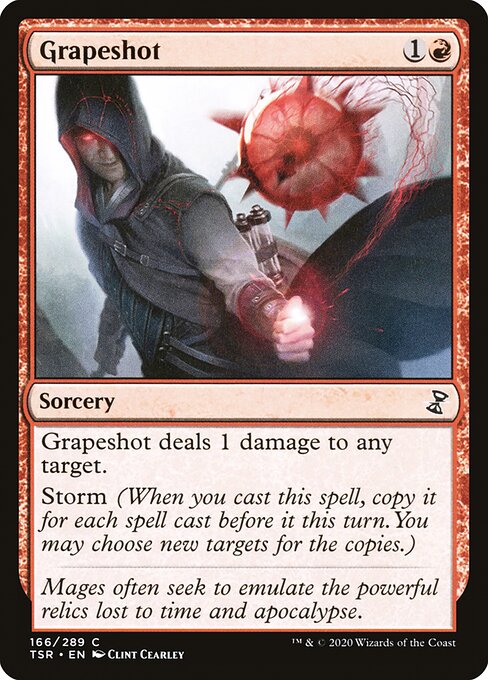
- Grapeshot: Deals lethal damage across the table by copying itself enough times to melt all three opponents’ life totals simultaneously.
- Brain Freeze: Targets your opponents’ libraries, milling them into non-existence to force a loss on their next draw steps.
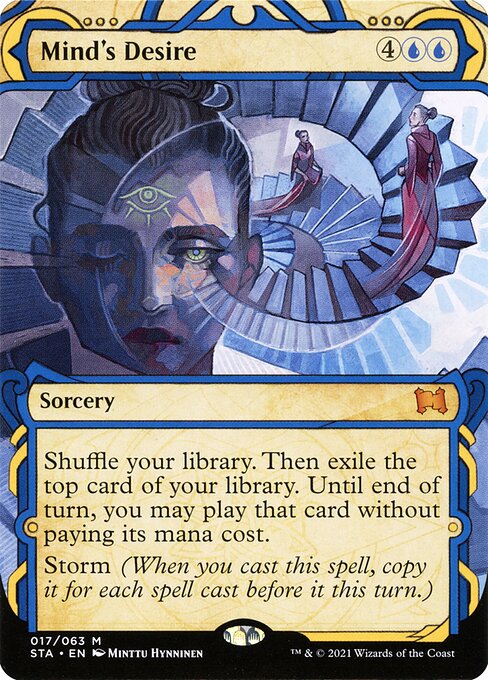
- Mind's Desire: Exiles the top cards of your library and lets you cast them for free. Resolving this with a high storm count effectively puts the game out of reach.
Closing Words: Choosing Your cEDH Identity
Transitioning into cEDH upgrades your entire identity as a Magic: The Gathering player. The format replaces the ambiguous power dynamics of casual tables with a clean, highly intellectual, and universally understood competitive arena.
Whether you favor the resilient, card-drawing mastery of Blue Farm or the high-octane, mathematically intense thrill of Ral, Monsoon Mage, the format offers an incredibly rewarding playground. Thanks to the widespread acceptance of proxy culture, entry barriers are virtually nonexistent.
Find a playgroup, print out your favorite hyper-optimized decklist, and step onto the battlefield. Your approach to Commander may never be the same again.