



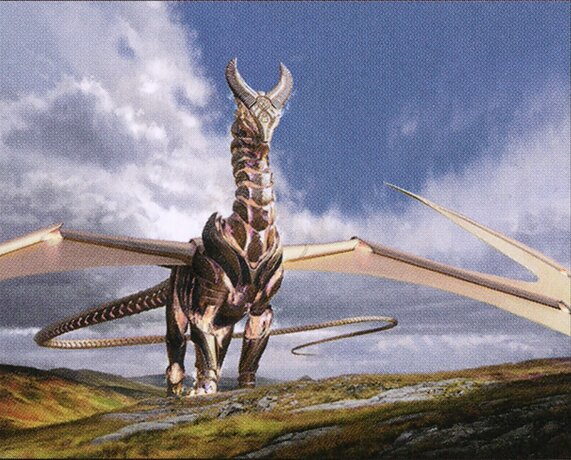


Commander deck building is something every EDH player will likely do at some point. Sure, you can stick to precons that come out and just play those, but usually, eventually, you want to make something new. Part of the fun of Commander is building new decks. Even if you don’t actually buy the decks, it can be fun to just create decklists. It’s why a lot of people love Commander.
But if you’ve never built a Commander deck before, it can be a bit intimidating. After all, you’ll have to pick 100 cards to toss into a deck. There are well over 30,000 cards, with hundreds of cards being released yearly. So, how do you start? That’s what will be discussed here.
Picking A Commander
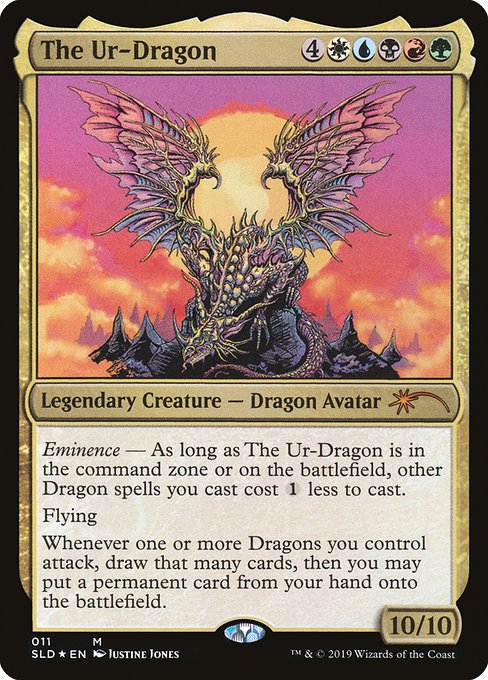
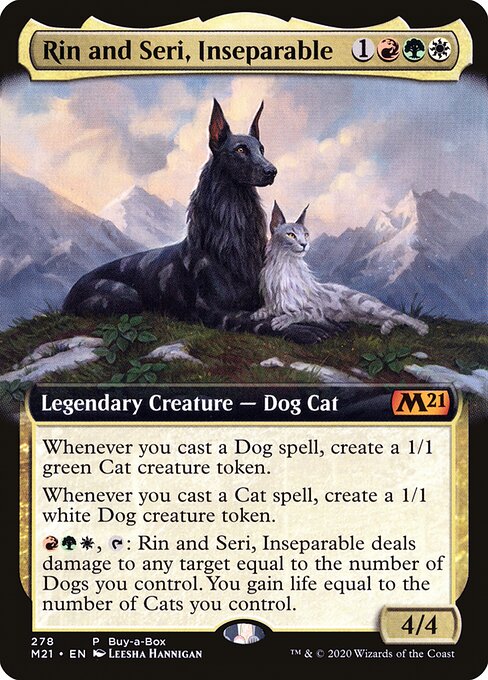
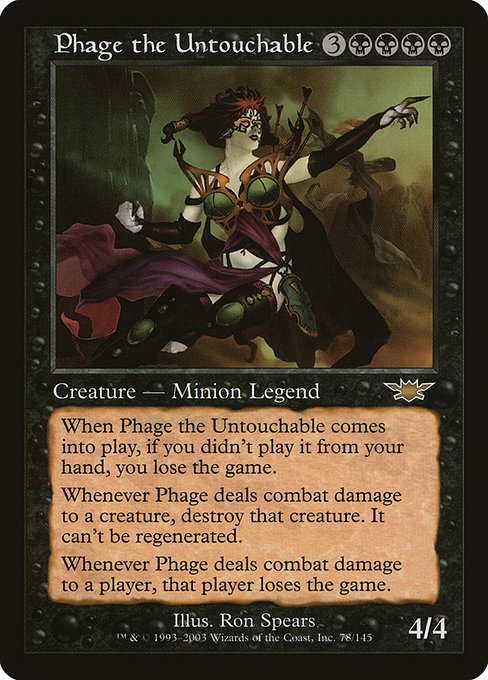
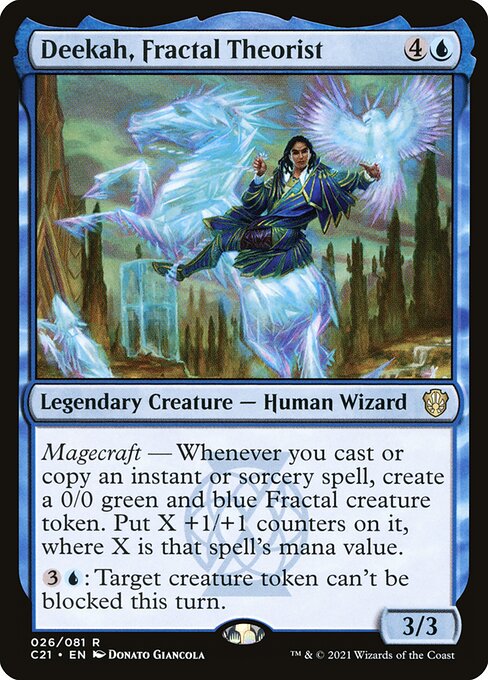
The first step to Commander deck building is choosing a commander. After all, every deck is built around your commander. Do you want to try your own spin on a popular commander like The Ur-Dragon? Perhaps you want to build a deck around a creature type, picking a commander that supports it like Rin and Seri, Inseparable. You can do a novelty deck with something such as Phage the Untouchable, or maybe you want to build something very uncommon like Deekah, Fractal Theorist.
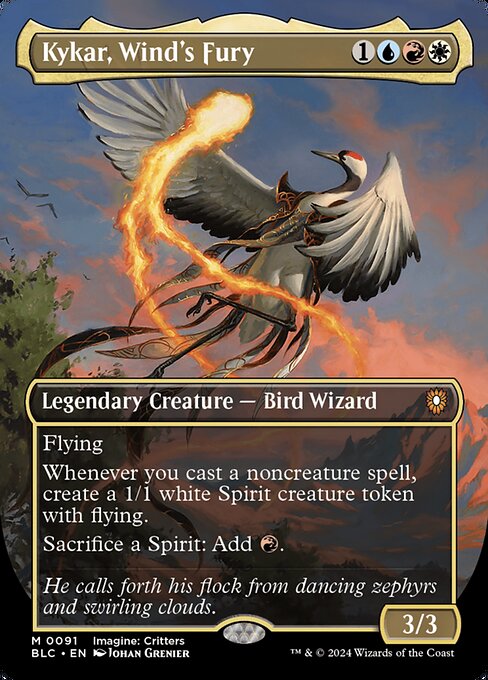
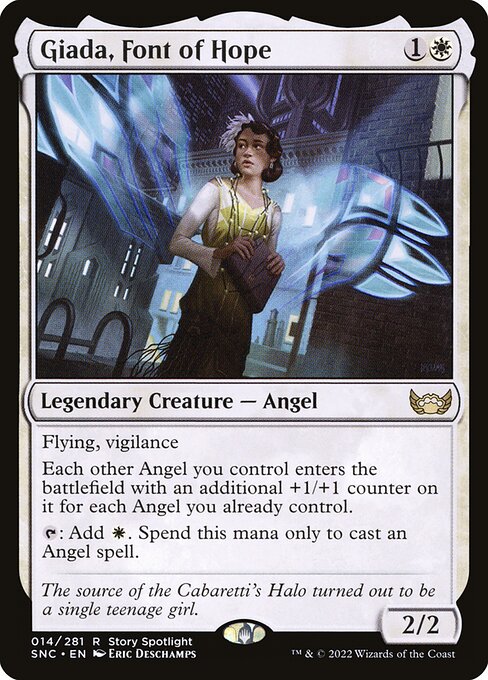
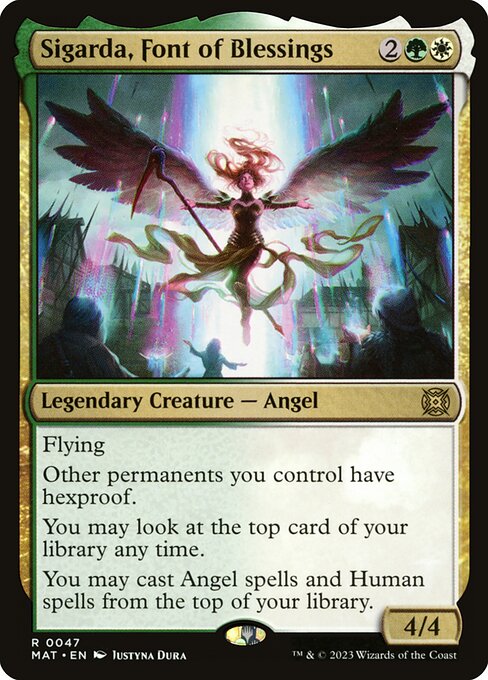
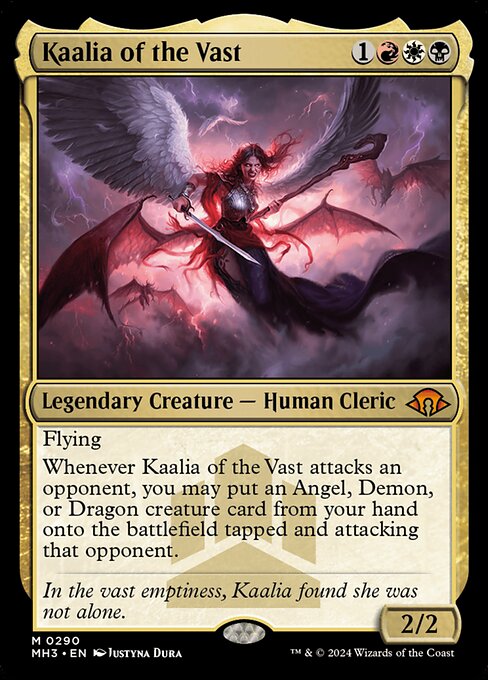
In many cases, the commander you choose guides the deck you want to build. Commander decks usually start with the commander, but sometimes, they start with the archetype. If you want to play a deck about casting as many spells as possible, you want a commander that supports it like Kykar, Wind's Fury. Or, if you want to build an Angel deck, you go for Giada, Font of Hope. When you find the archetype first, you can choose from a wide range of options. Looking at Angels, on top of Giada, Font of Hope, you could also go for Sigarda, Font of Blessings or Kaalia of the Vast. If you want certain color combinations to play certain Angels, you have options instead of just one.
How Many Lands?
One thing you’ll look at while Commander deck building is how many of a card type you should be running. Generally speaking, the only “firm” numbers are lands. Usually, you want somewhere between 34 and 36 lands. Even if you have a low mana curve, you still want at least 34 lands to make sure you always get your lands drawn. The one exception is cEDH, where lands are usually more in the upper 20s and lower 30s range. However, in most cases, you want at the very least 34 lands.
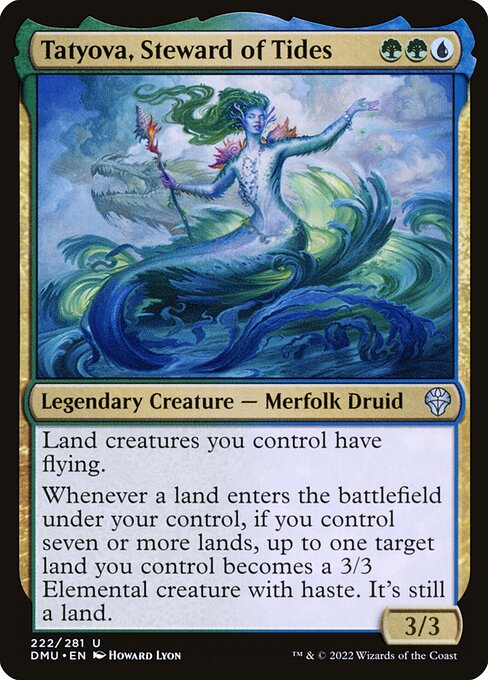
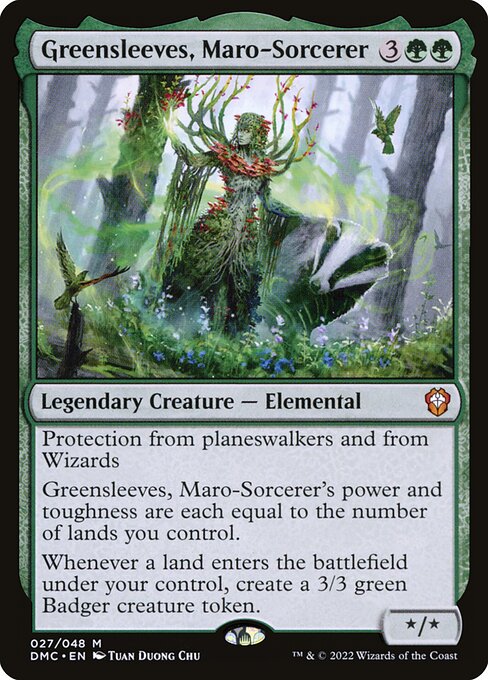
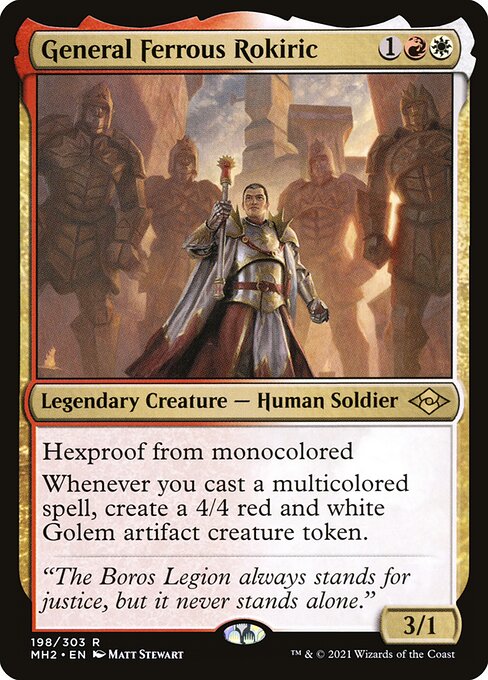
If you’re playing a Landfall deck that needs a lot of lands entering, you usually want to go over 36 and sometimes even into the 40s range. A commander like Tatyova, Steward of Tides or Greensleeves, Maro-Sorcerer tends to play a lot of fetchlands to get double triggers, so you want extra lands so you always have some to fetch out. Or, if you’re playing a low mana curve with General Ferrous Rokiric with cheap Boros creatures, you can even get away with going under 34 lands.
The Mana Rock Factor
Something to remember is mana rocks. These are artifacts that can tap to add mana, like Sol Ring, Arcane Signet, and Fellwar Stone. Since these tap for mana, they essentially act like lands since this is (usually) all they do. So, on top of your 34-36 lands, you also want at least three, if not more, mana rocks. These are used to ramp you in mana faster, letting you cast more spells quicker than you would without. Even in Green decks that are known for getting extra lands on the battlefield, you still want a handful of mana rocks. After all, the more mana you have available, the better.
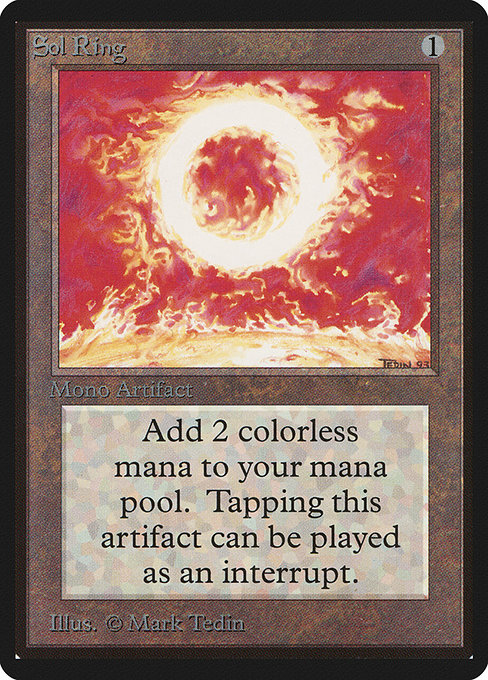
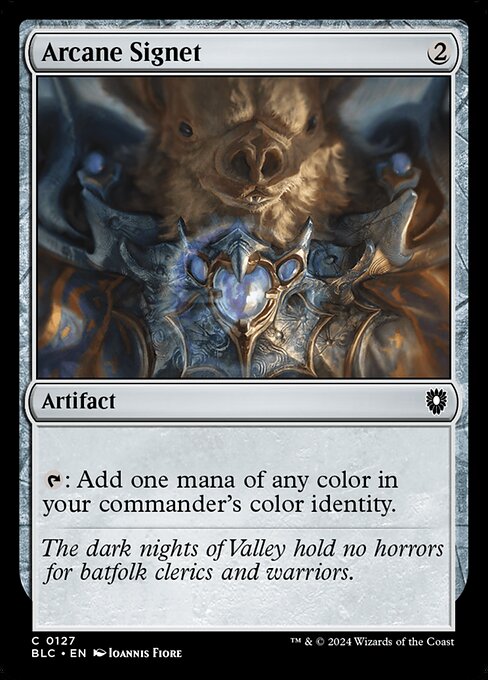
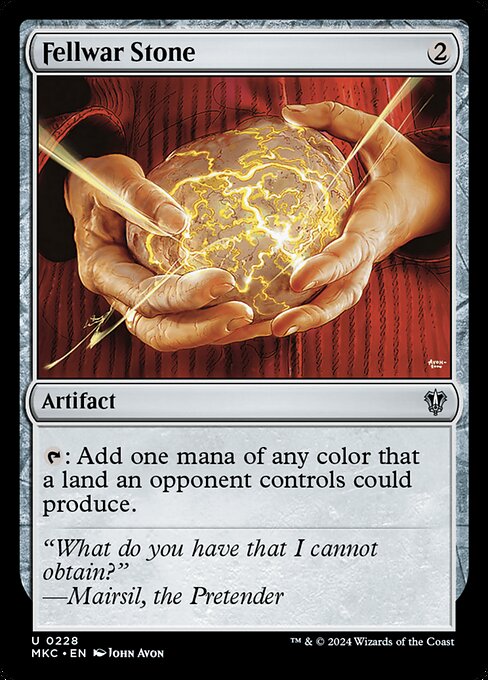
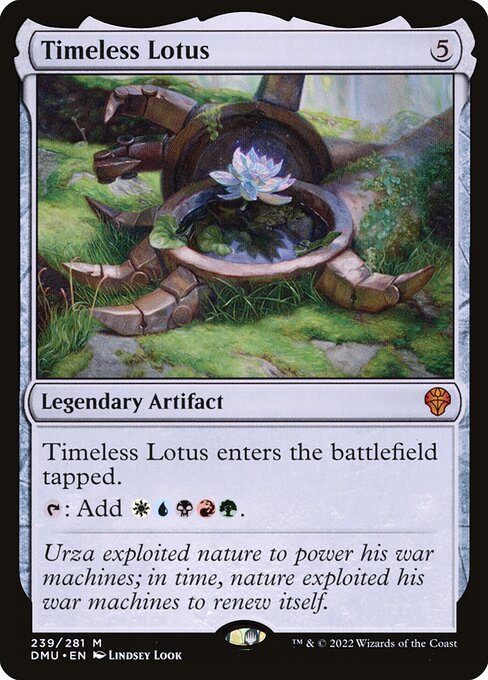
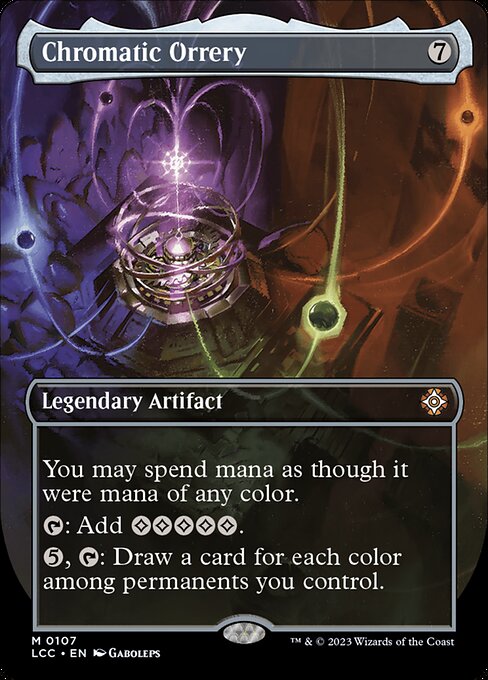
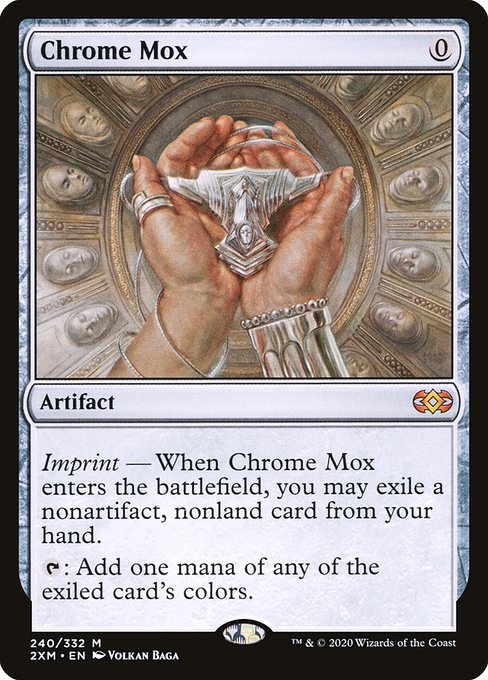
Every deck runs mana rocks, from the most casual of power levels to the upper echelon of cEDH. In general, the cheaper a mana rock is, the better. You don’t really want any mana rock that costs more than three mana, unless it has a really good effect like Timeless Lotus or Chromatic Orrery. Ones that cost zero like Mox Opal and Chrome Mox are the best, though you’ll generally only see these in cEDH or higher level bracket 4 games.

The Mana Dork Factor
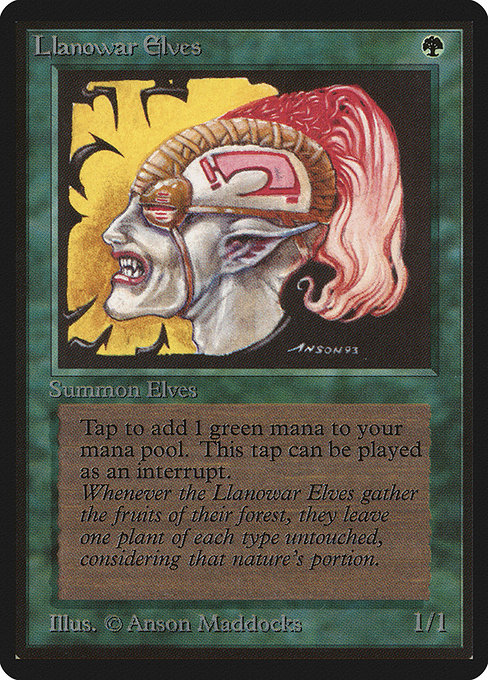
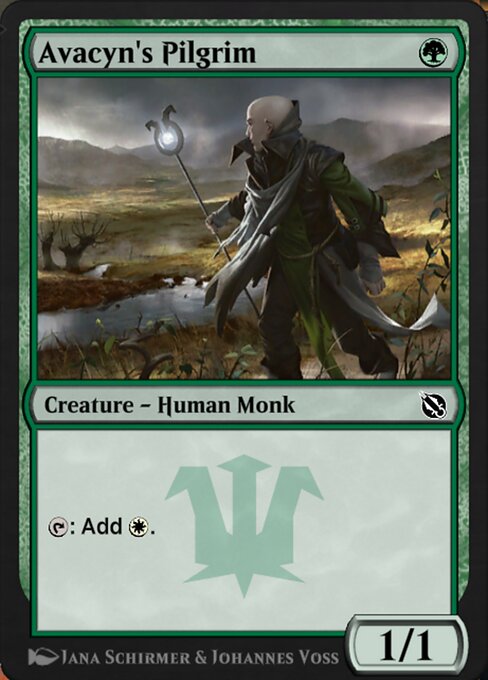
Another factor you have to think about when building a Commander deck are mana dorks. These are creatures that can tap themselves to add mana. For the most part, these generally only cost one mana. Some examples include Llanowar Elves, Avacyn's Pilgrim, and Birds of Paradise.
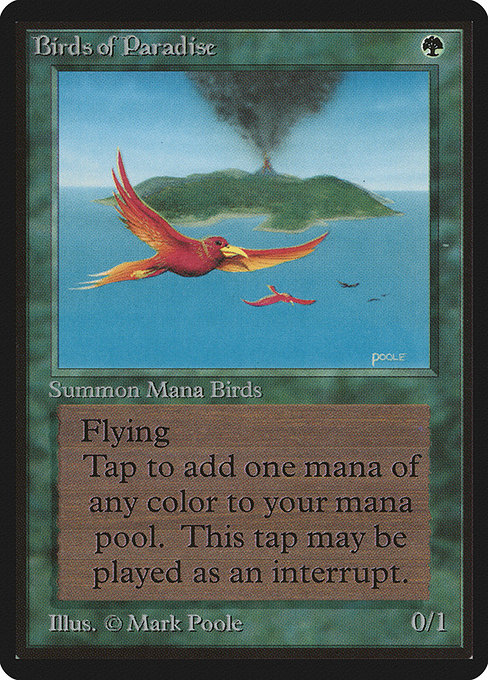
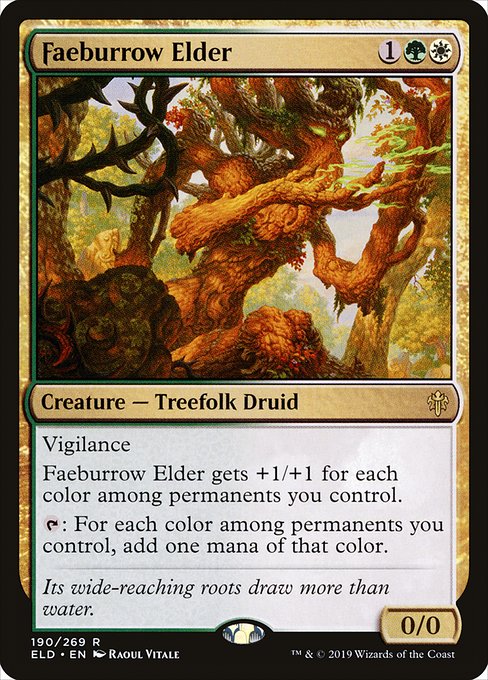
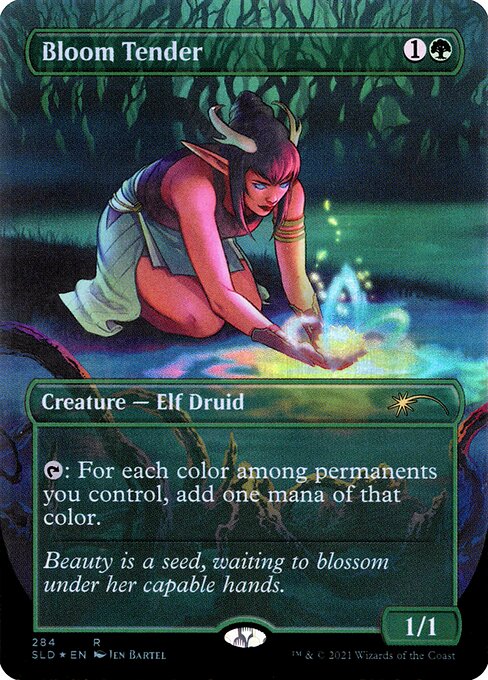
For the most part, you don’t want to play mana dorks that cost more than one mana unless they provide more than one mana. Faeburrow Elder and Bloom Tender are a few examples. These cards can generate more mana than the average mana dork, and mana of different colors as well. These are especially useful for Commander decks with a lot of different colors. For Mono-Colored decks, you want to leave these behind since paying that much mana for a creature that taps for one mana is just not good and a waste of a slot.
Determining Removal and Board Wipes
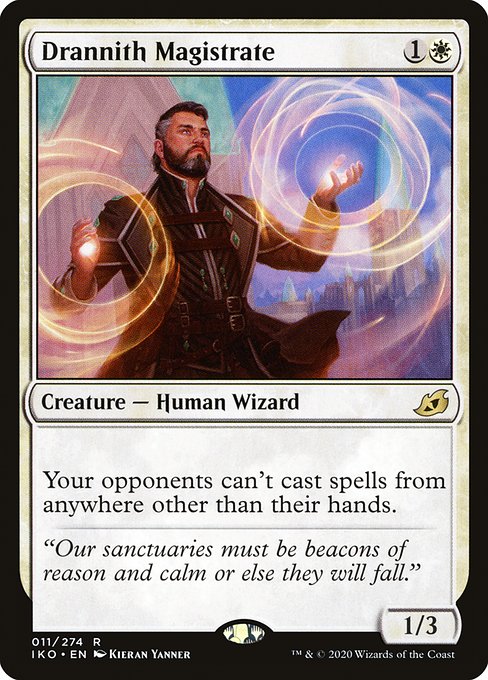
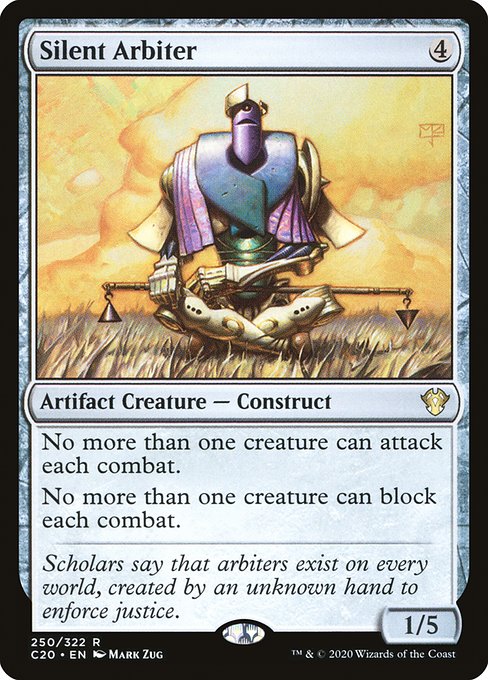
Another important thing you’ll need in your Commander decks is removal and board wipes. Without them, if there are problem creatures on the battlefield, you won’t be able to do anything about them. If someone is playing a Drannith Magistrate or Silent Arbiter, you might get stuck and not be able to play your deck properly. This is why removal is so important to run no matter what your deck is. Even cEDH runs removal, never skimp out on it!
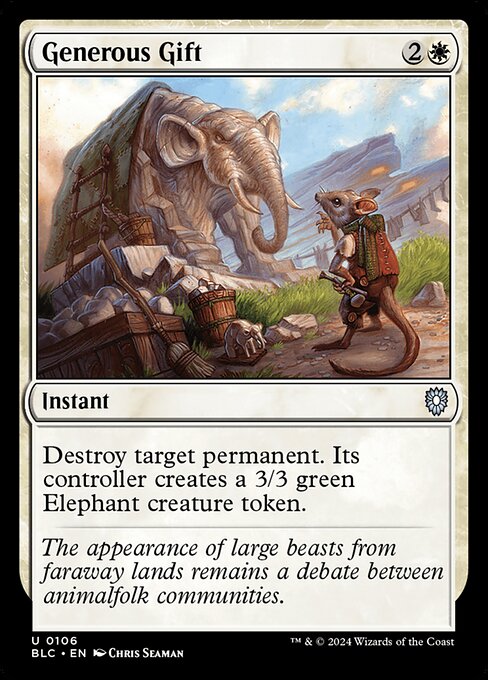
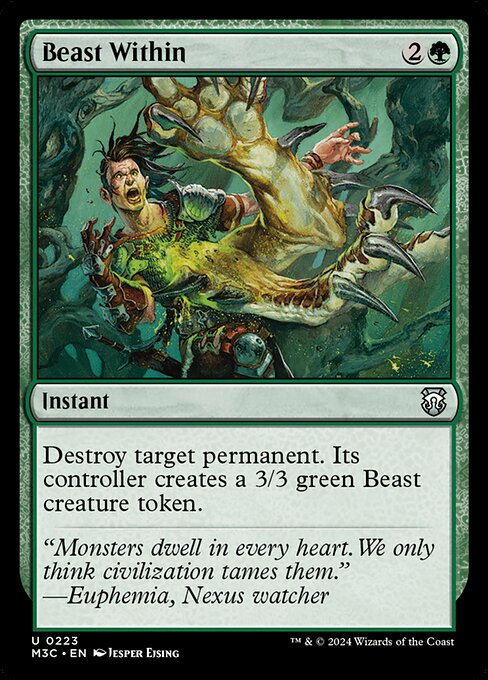
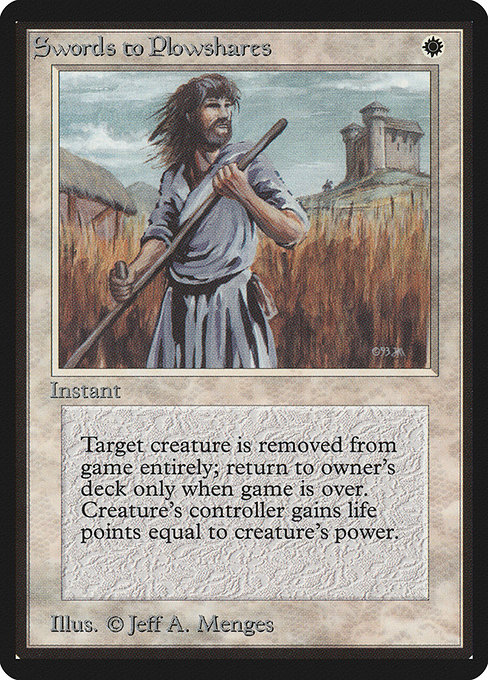
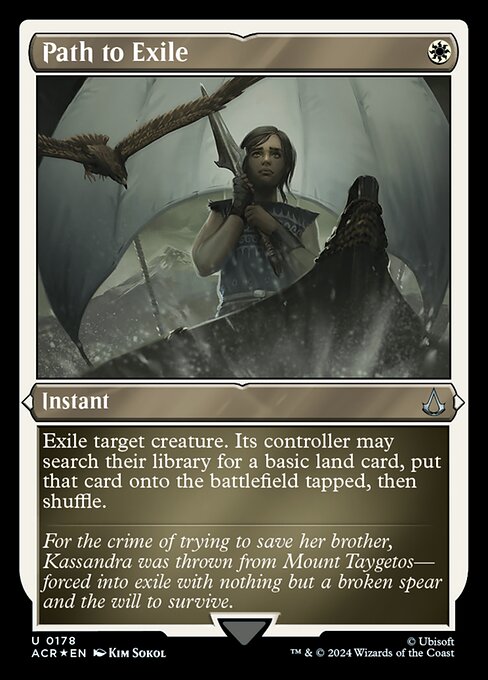
For removal, you want to run 2 at the absolute minimum, but generally, 3-8 is a good range. You don’t want to spend more than three mana for removal. For ones that cost three mana like Generous Gift and Beast Within, they should be ones that can destroy any permanent, not just creatures. Otherwise, you want to run one-mana removal like Swords to Plowshares and Path to Exile.
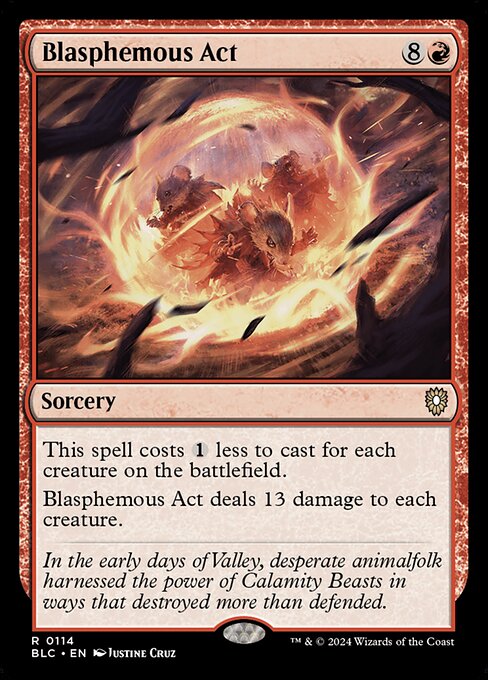
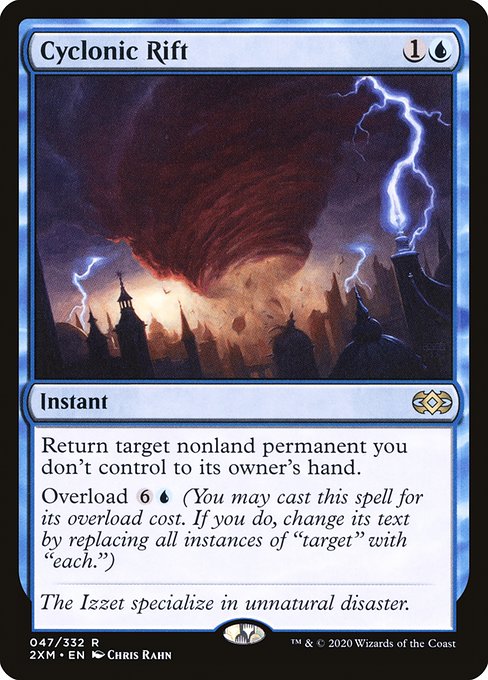
With board wipes, you want at least two, but usually no more than four. Even if you’re playing a creature deck, sometimes, you’ll still need to wipe the board if someone gets too far ahead. A Goblin deck might have too many creatures for you to defend yourself against, so you’ll want a Blasphemous Act to take care of them. You might also be on the end of a recieving end of a Cyclonic Rift, and a board wipe is the only way to take the caster out too. You never know when you might need a wipe, so it’s always good to have a few loaded into your deck just in case.
Finding Synergies
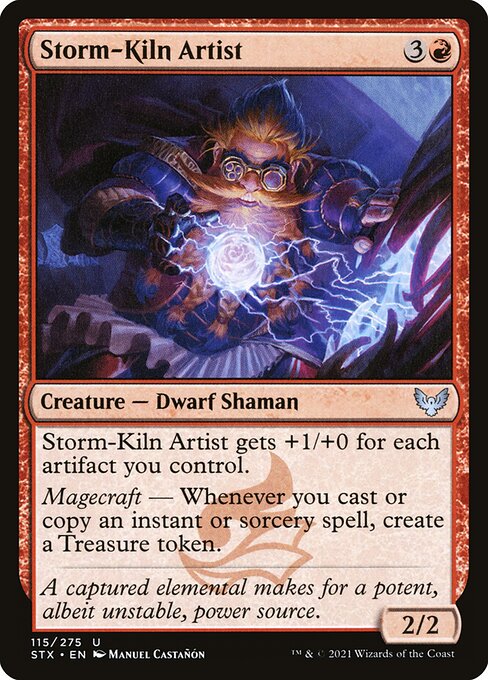
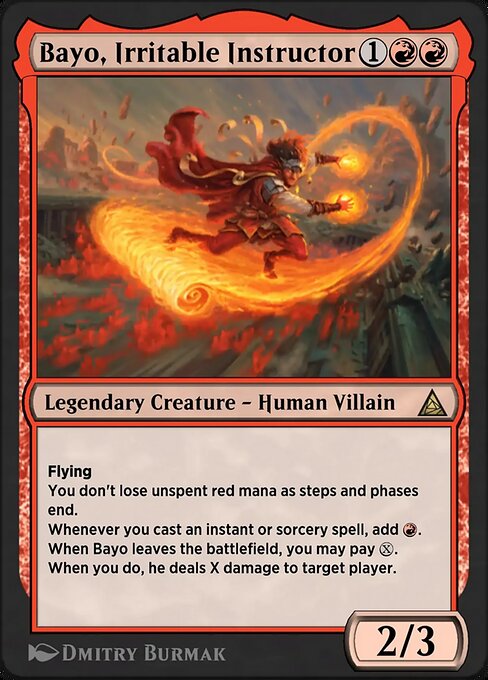
The hardest part of Commander deck building is finding synergies and what cards work together. Some are “auto includes” in a lot of decks. For example, in Storm decks, you always want Storm-Kiln Artist and Electro, Assaulting Battery. These are cards that provide a ton of value for the archetype that you always want them.
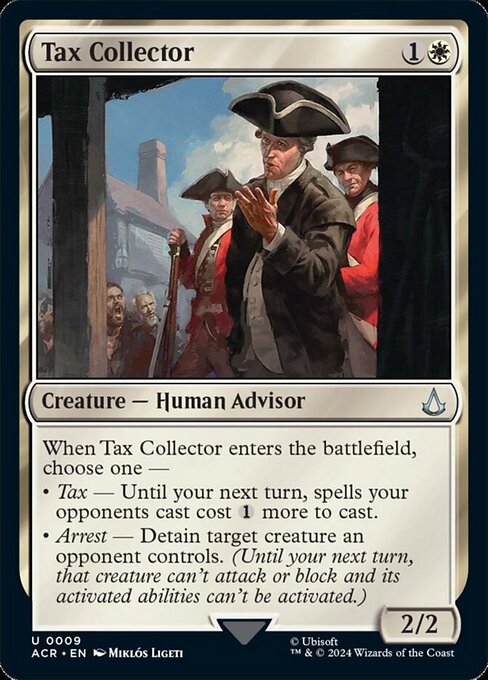
Other times, you’ll want to dig through the card catalogue to find cards that aren’t too common. Tax Collector isn’t a card that gets played often, but in Blink decks, you can tax your opponents’ spells for a ton of mana if you blink it a few times. By playing cards that aren’t popular, you can catch your opponents off guard, not knowing a creature is one they need to answer until it’s too late.
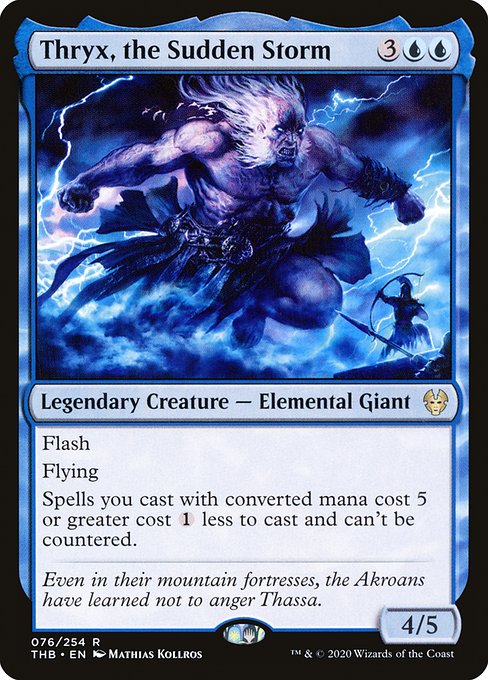
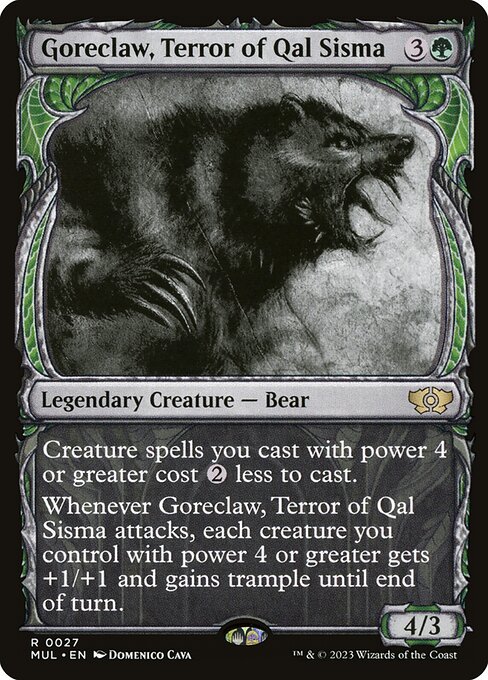
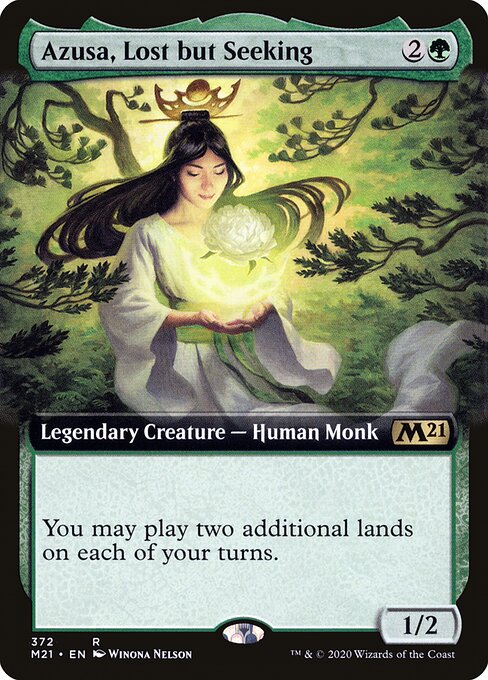
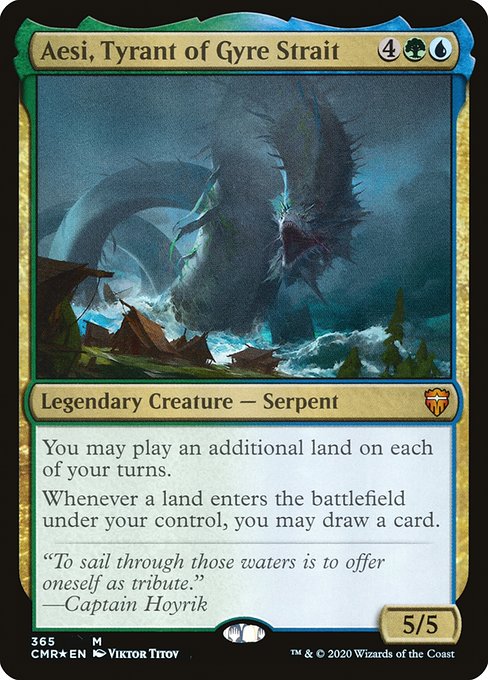
Depending on your deck, you’ll want more of a specific kind of card than others. In Big Mana decks, you want multiple cards that can discount your expensive spells, such as Thryx, the Sudden Storm and Goreclaw, Terror of Qal Sisma. Or, in Landfall decks, you want ways to play multiple lands a turn. So, you run multiple copies of that effect using cards like Azusa, Lost but Seeking and Aesi, Tyrant of Gyre Strait. The more variations you have of card effects that support your archetype, the better. Redundancy is key to consistency in Commander, as with 100 cards, you have a low likelihood of drawing one specific card. But, if you have five cards that do the same thing, the odds rise significantly in your favor.
What Makes a Card “Good” Enough?
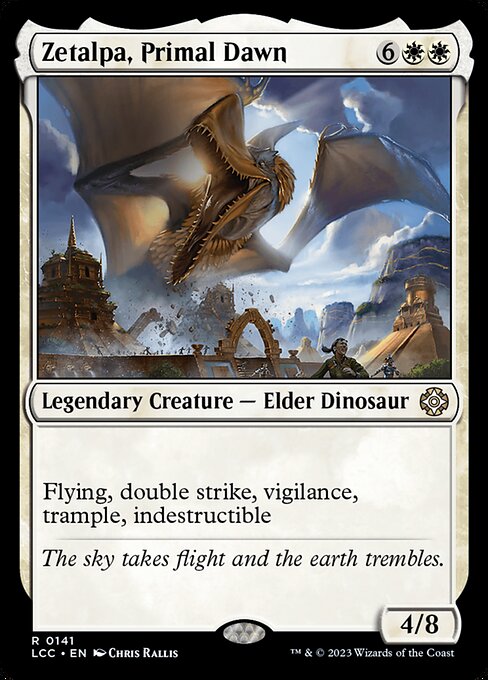
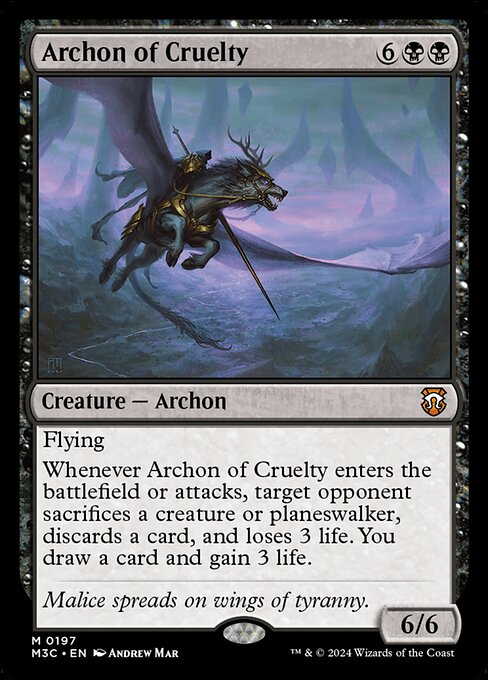
When building a Commander deck, the question will always come up: Is this card good enough to include? Looking at precons, you see a card like Zetalpa, Primal Dawn in many, many of them. It’s a meme because it’s been reprinted in so many. Is this card good? Well, not really. It’s playable, sure. It has good keywords, but it also costs eight mana. Do you know what else costs eight mana? Archon of Cruelty, a card that impacts the game immediately and provides consistent value.
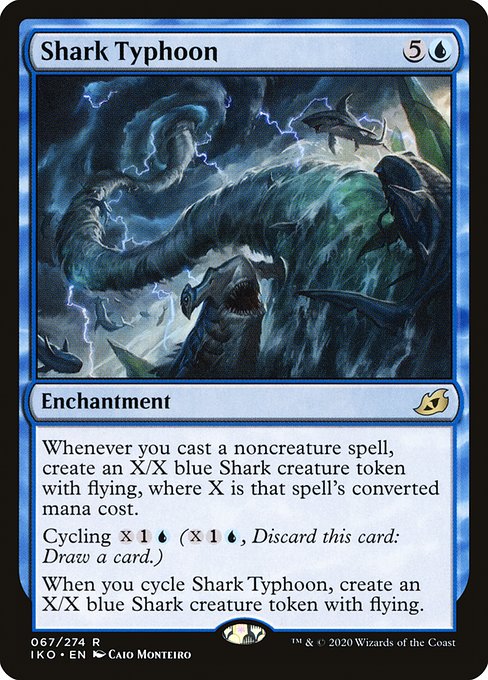
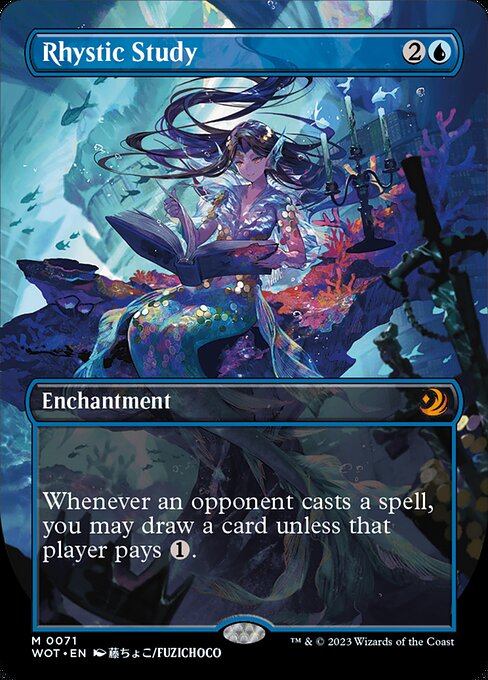
When determining if a card is good enough, you want to look at what it does. Cards that are passive, and take too long to get value of are usually not amazing. Shark Typhoon is a fun card, but it does very little. By the time you can actually cast it, you could have played way better cards that impacted the game right away. Even cycling it isn’t that worth it since the creature usually isn’t going to be that strong. Compare this to a card like Rhystic Study, where you’ll likely get at least one card draw out of it, if not much more if it doesn’t get countered.
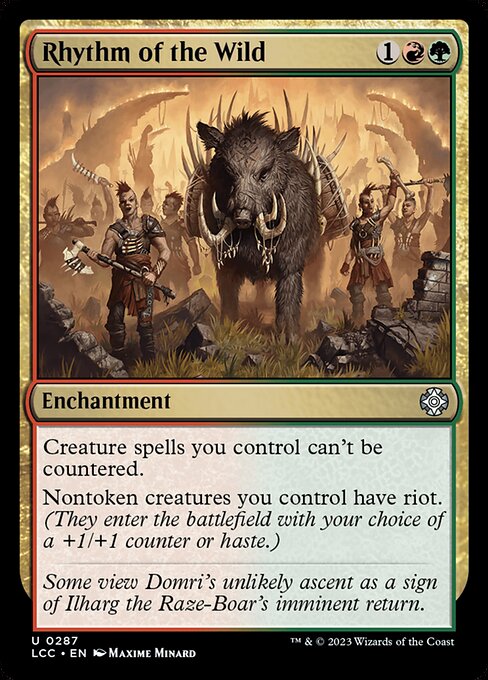
As you build your Commander deck, you want to ensure your cards are doing something. They don’t always need to provide instant value if the effect is good enough. Rhythm of the Wild doesn’t do anything on its own, but will set you up to never have to worry about your creatures being countered. If your cards are going to take too long to impact the game, or not impact it enough, it’s usually better to leave them behind. Look at it this way, if you would see a card on an opponents’ battlefield that makes you think “I have to get rid of that ASAP,” then it’s a good card to include in your deck.
Figuring Out Your Bracket Level
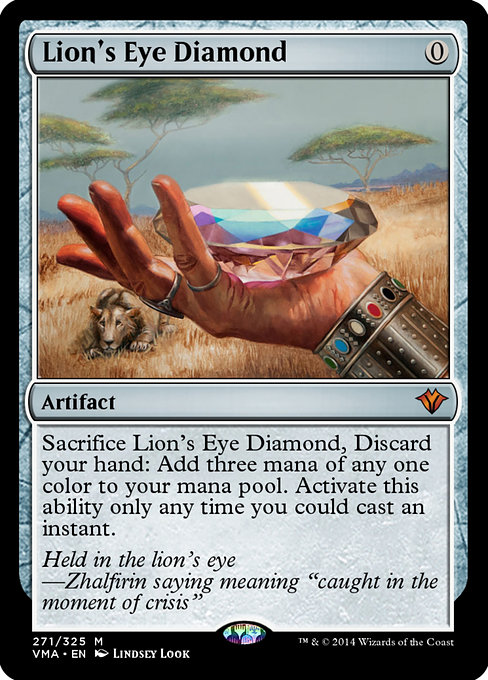
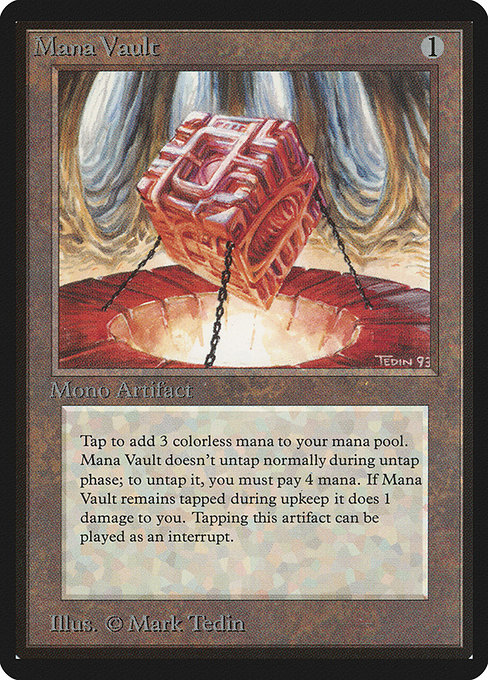
When building a Commander deck, you will want to look at what power level you want to be building for. This will help guide you for the cards you want to look out for when you’re building your deck. If you’re not planning on playing in bracket 5, you can ignore cards like Lion's Eye Diamond or Mana Vault, since these are very much NOT cards meant for lower brackets.
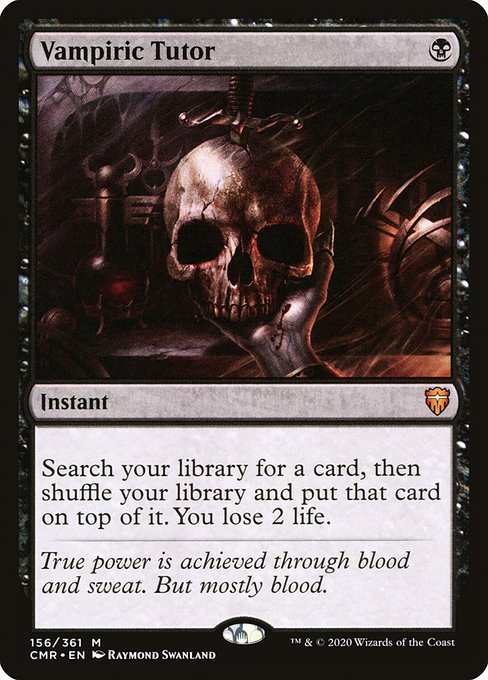
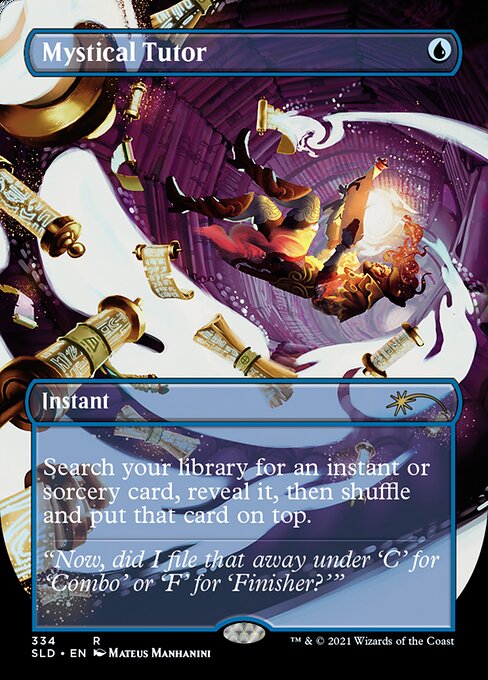
Before anything, you want to determine what you’re looking for. If you want something more casual in the bracket 1 or 2 levels, you don’t have to worry as much about “rules” for deck building and instead just focus on playing fun, thematic cards for your deck. A lot of the advice in this article is moreso for the 3 and up brackets. With these, you want to ensure your deck is functional and can make bigger plays. While you do still want to win in brackets 1 and 2, these are definetely more about fun and doing silly, thematic things than winning (or sometimes, just playing precons). If you’re planning to try and play with the “big dogs” in the upper brackets, you will have to make much more optimal lists. If you’re trying to play bracket 5 without tutors like Vampiric Tutor or Mystical Tutor, you’re already losing.
The bracket level you want your deck to be in essentially determines how tight and optimized your deck has to be. cEDH lists are thoroughly tested, and there is usually only a little bit of variety between them based on personal tastes and variations. But, if you’re in bracket 1, you can just play a pile of cards that you like with creatures that only wear hats, or cards that exclusively have some kind of animal on them. The lower the bracket, the easier Commander deck building is, as you don’t have to be as strict on yourself.
In Conclusion
Commander deck building is something that is incredibly fun. Whether it’s building an optimized cEDH list or a thematic bracket 1 deck, there is an option for everyone. Commander is fun because it allows for every playstyle, be it hyper casual or hyper competitive. It’s what makes Commander deck building so broad and open. So get out there and start building!