
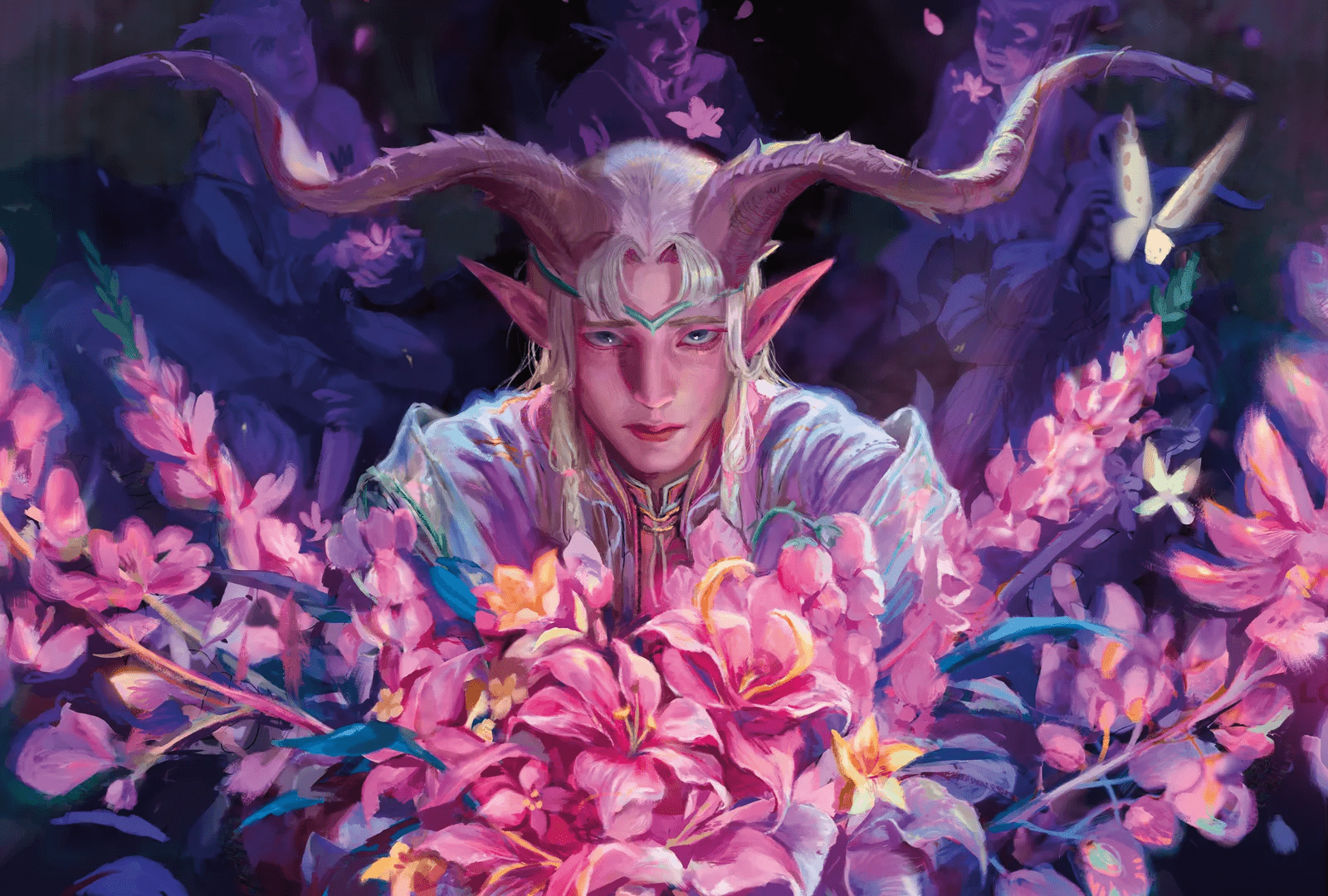




Strixhaven has always occupied a unique place in Magic history because of how it approached color identity differently from most planes. Instead of presenting factions at war with one another, Strixhaven built itself around philosophies of magic. Each college represented a way of understanding reality itself. Magic was not simply a tool; it was expression, mathematics, history, rhetoric, or the cycle between life and death.
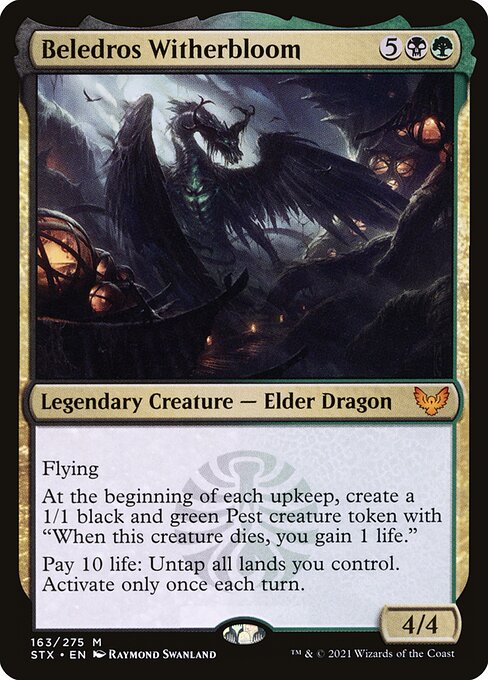
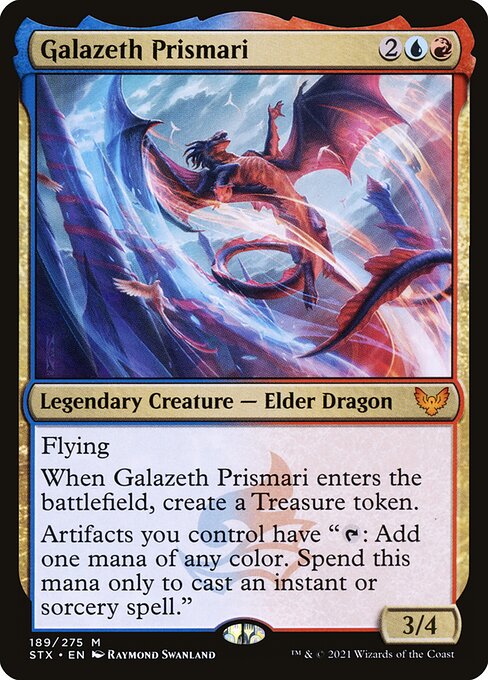
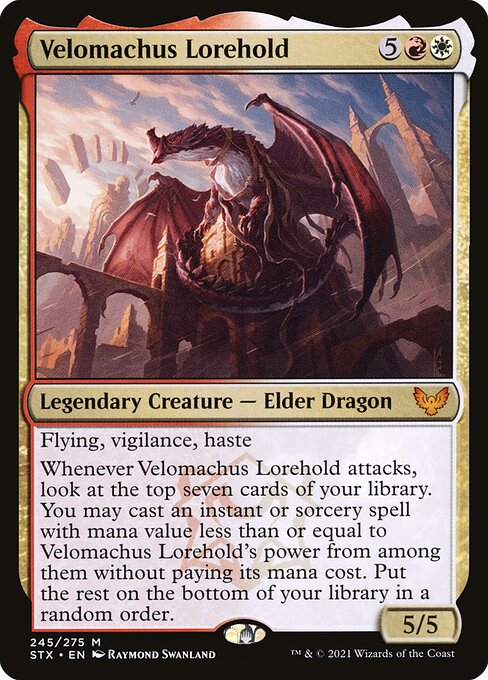
Those philosophies were represented by the original Elder Dragons: Beledros Witherbloom, Galazeth Prismari, Shadrix Silverquill, Velomachus Lorehold, and Tanazir Quandrix. They were founders rather than simple legendary creatures. Each one represented the identity of an entire school and introduced players to some of the strongest thematic designs in recent years.
Secrets of Strixhaven revisits those dragons in a very different way. Rather than functioning as giant standalone threats, these newer versions feel like evolved philosophies. The schools matured, their identities became more refined, and now each dragon naturally supports entire Commander strategies. So let’s dive into this showcase where we explore a Commander deck based around each of the Elder Dragons.
Deck #1 – Witherbloom, the Balancer
Growth Through Decay and Endless Resources
The original Beledros Witherbloom revolved around life totals and Pest generation. Spending life to gain resources perfectly represented Witherbloom’s philosophy that life and death are part of the same cycle. Witherbloom, the Balancer however, evolves that identity by becoming less about individual life payments and more about creating enormous board states that continuously feed themselves.

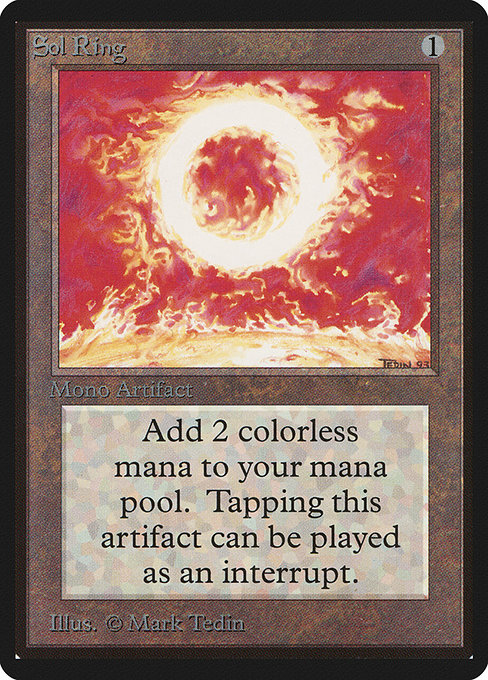
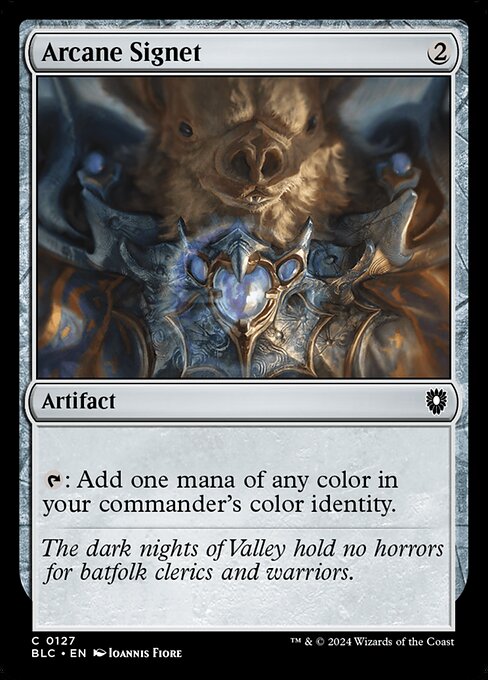
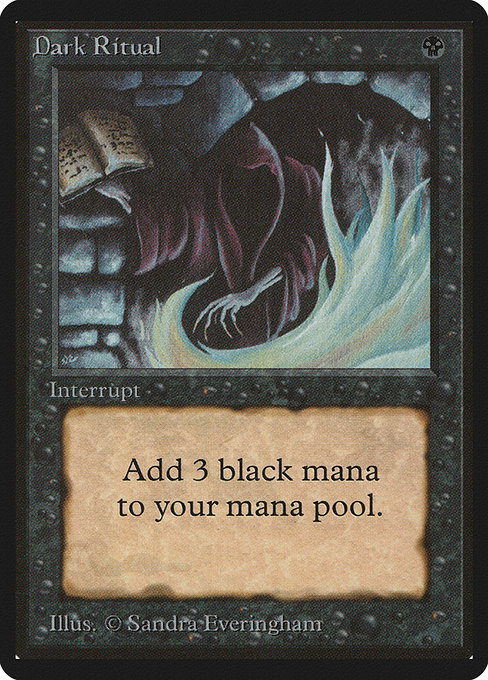
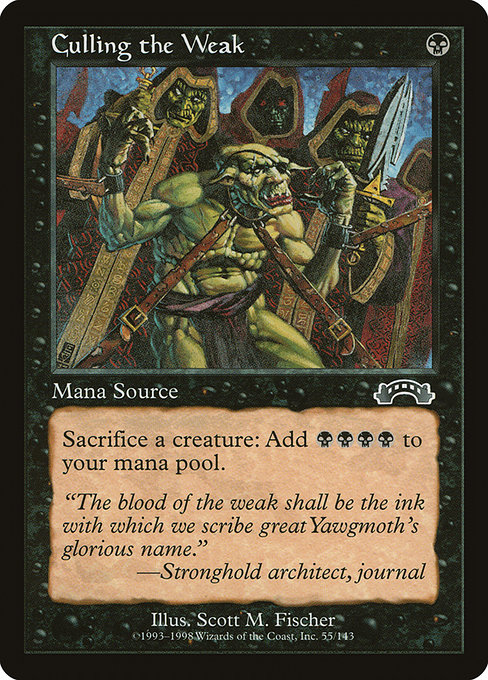
The deck starts by accelerating aggressively because its strategy becomes significantly stronger once it reaches the midgame. Fast starts happen through cards like Sol Ring, Arcane Signet, Dark Ritual, and Culling the Weak. Unlike traditional Green ramp decks that rely mostly on land acceleration, this build blends explosive Black mana production with permanent-based acceleration.
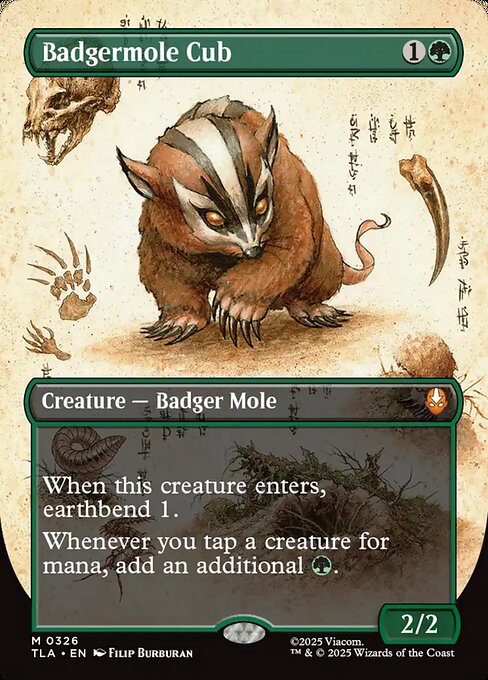
Once mana is established, the deck starts generating tokens at ridiculous rates. Badgermole Cub, Bitterbloom Bearer, Pest Rescuer,
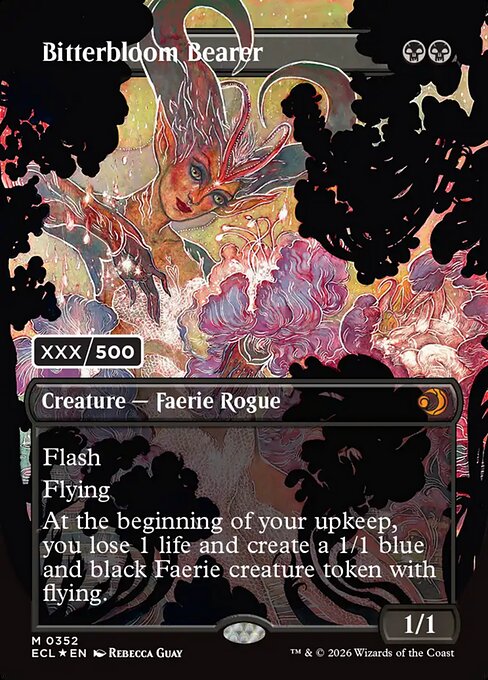

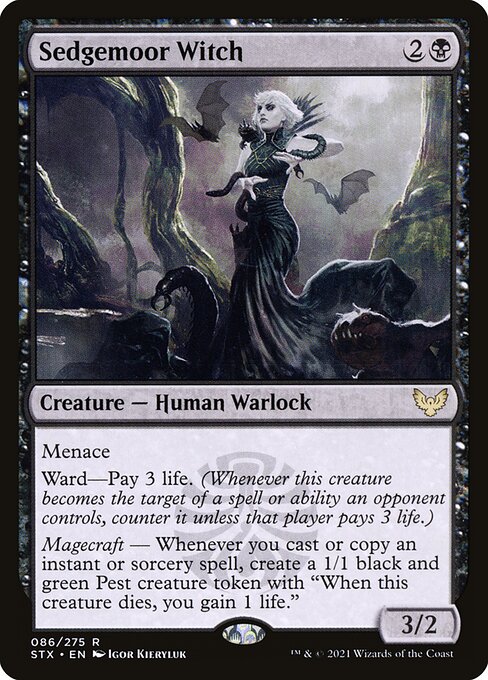
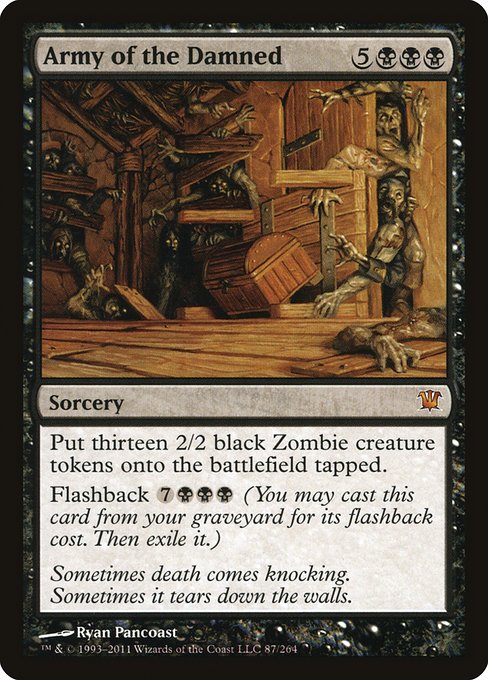
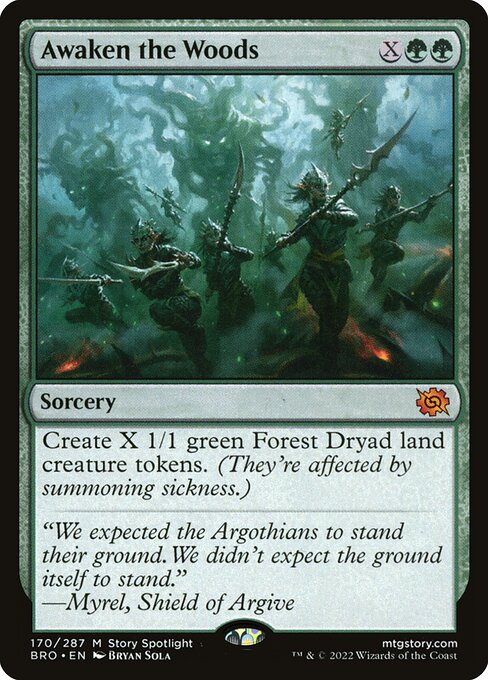
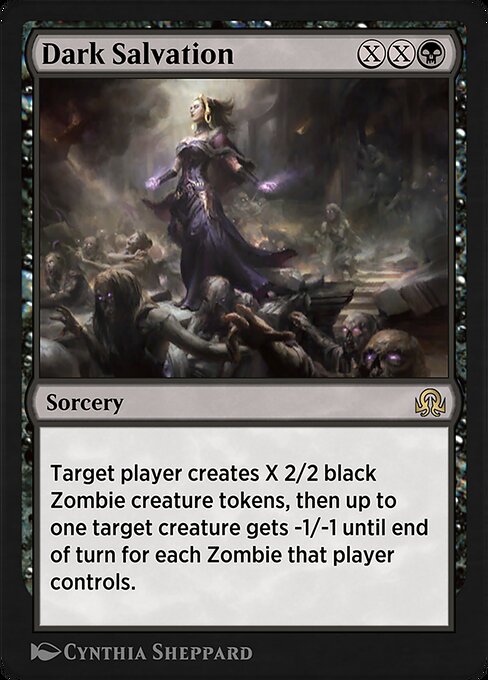
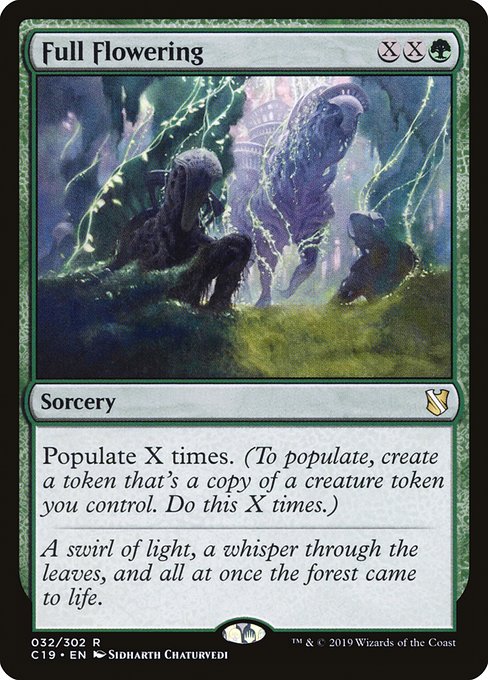
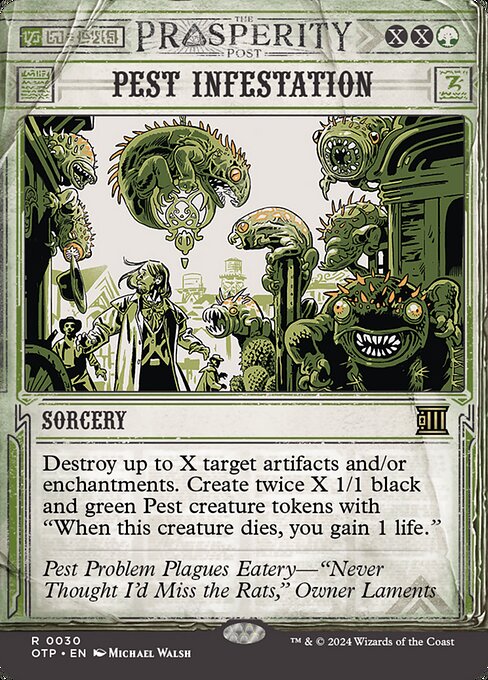
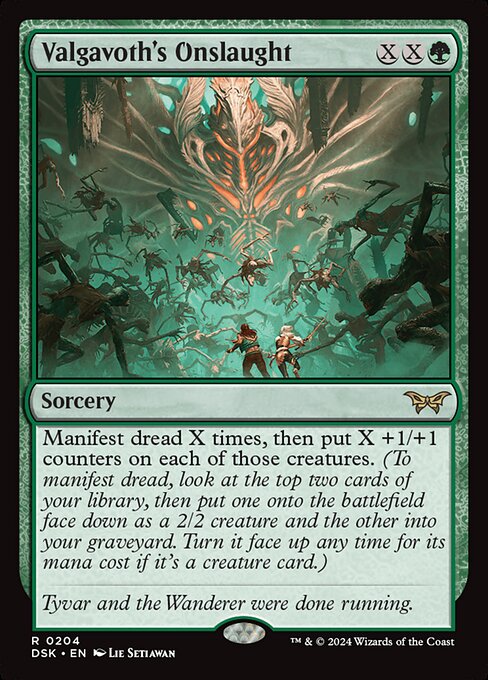
Once we have a decent number of creatures in play, all of our sorceries and instants are discounted thanks to Witherbloom, the Balancer. Suddenly every Pest or token becomes another resource, which means we can cast HUGE spells way before it would normally be possible. Cards like Army of the Damned, Awaken the Woods, Dark Salvation, Full Flowering, Pest Infestation, and Valgavoth's Onslaught can create enormous battlefields immediately.
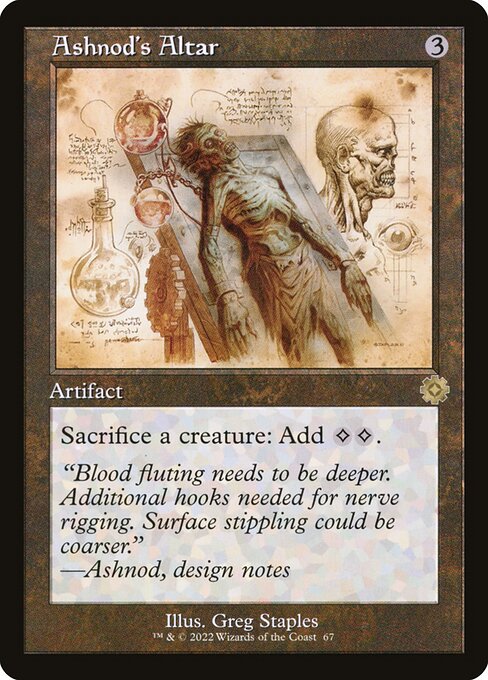
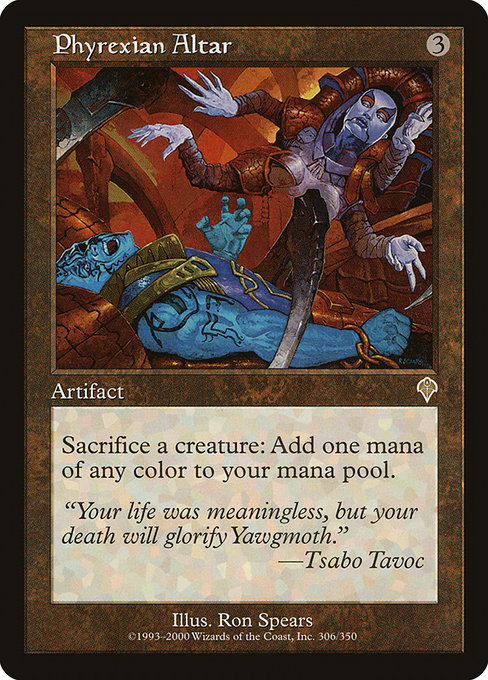
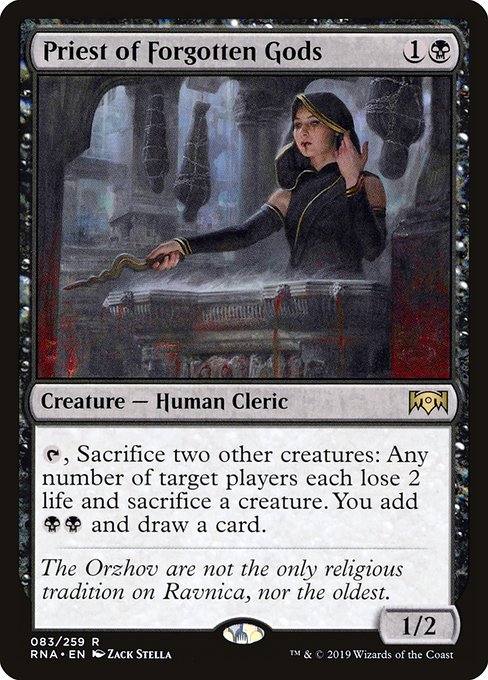
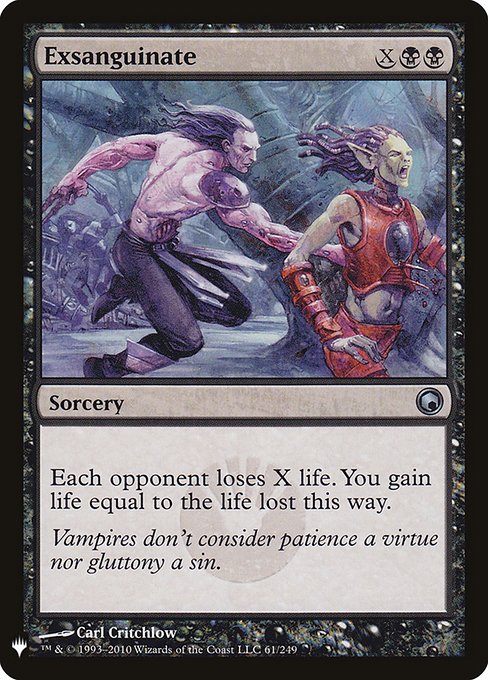
However, this is not a token deck that simply wants to attack, because we can use cards like Ashnod's Altar, Phyrexian Altar, or Priest of Forgotten Gods we can transform these extra creatures into mana and card advantage, and we can use this extra mana on top of the Affinity for creatures to cast spells like Exsanguinate, and its clone Stensian Sanguinist, immediately ending the game.

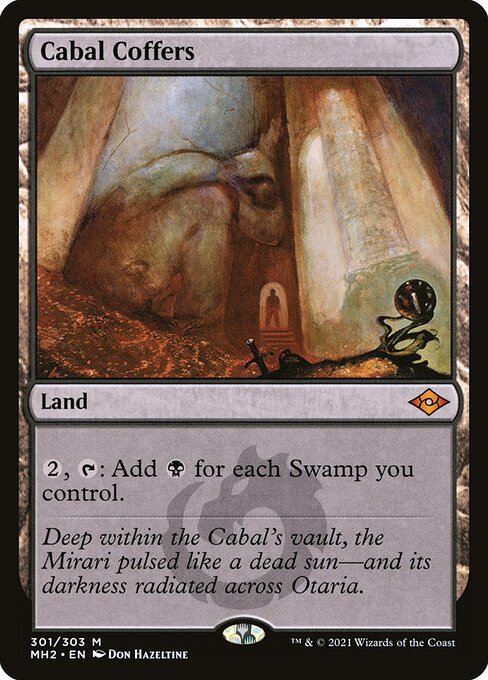
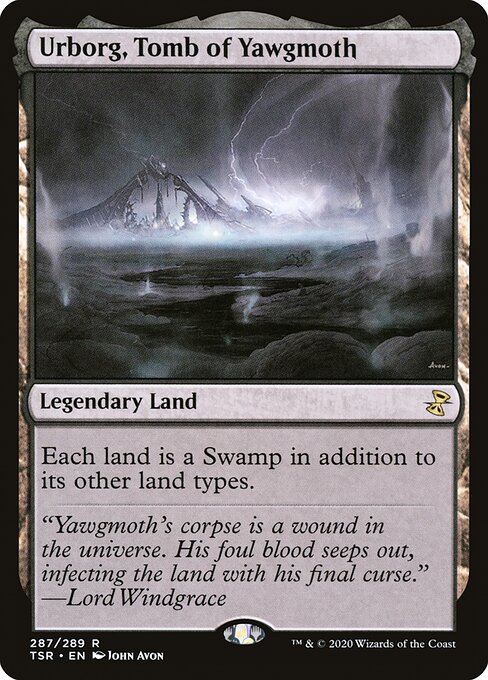
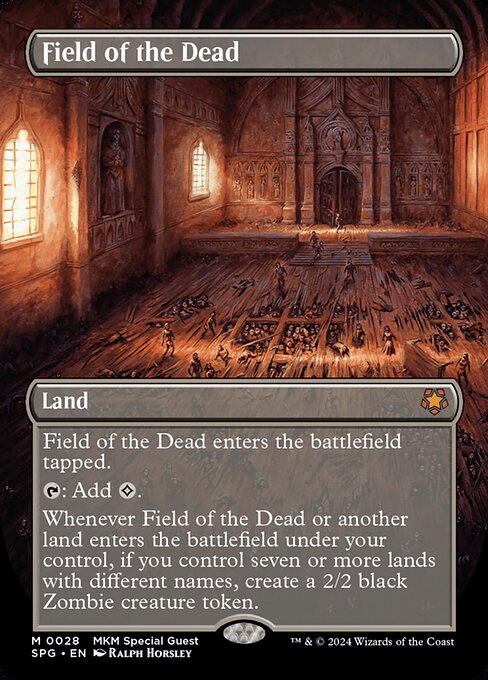
The mana base itself also is one of the strongest enablers in the deck. Cabal Coffers together with Urborg, Tomb of Yawgmoth creates absurd mana generation later in games, while Field of the Dead slowly contributes additional bodies.
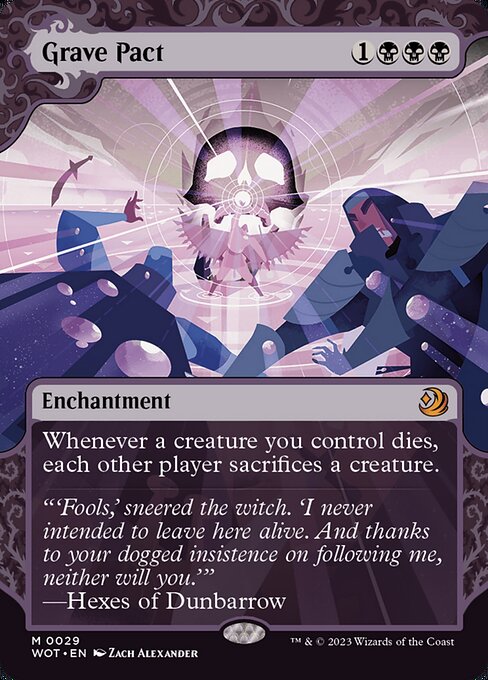
The sacrifice package also turns this engine into something terrifying. Grave Pact, Dictate of Erebos, and Butcher of Malakir create situations where sacrificing your own creatures forces opponents to continuously sacrifice theirs, rendering their battlefields empty.
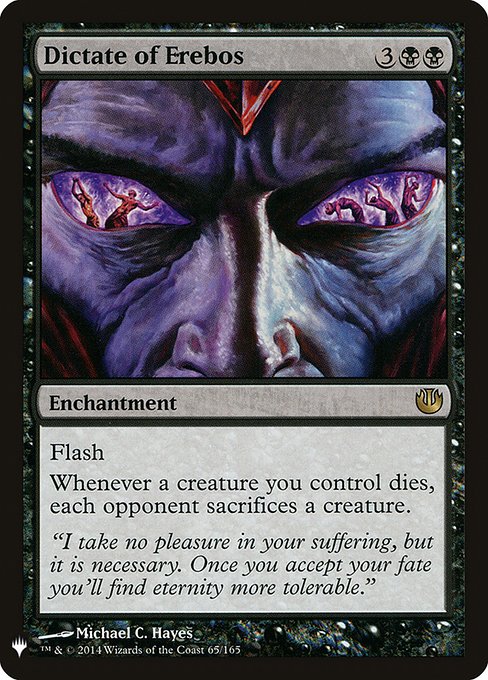
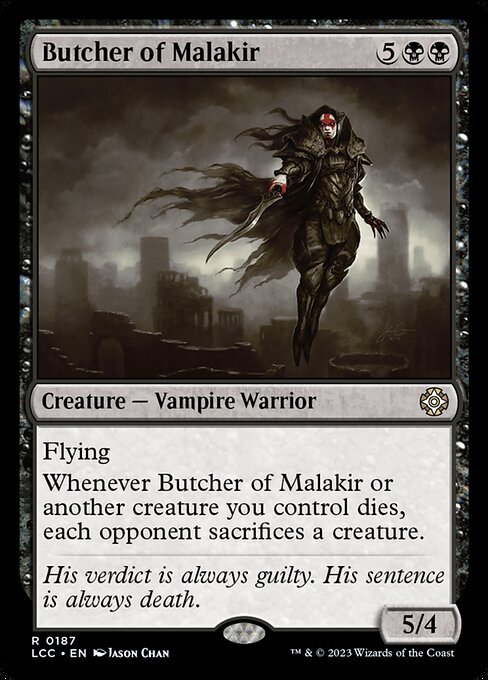
What makes the deck especially dangerous is that opponents often underestimate it. The battlefield appears to be filled with random tokens and small creatures until suddenly everything becomes mana, sacrifice triggers start stacking, and life totals disappear immediately. If populating the battlefield with a near infinite amount of tokens, and abusing those tokens for even bigger spells sounds like your thing, check out the deck here:

Commander
Planeswalkers (1)
Creatures (19)
Instants (11)
Sorceries (18)
Artifacts (10)
Enchantments (6)
Lands (35)
100 Cards
$1229.08
Deck #2- Prismari, the Inspiration
Storm Through Pure Creativity
The original Galazeth Prismari transformed artifacts into mana for instant and sorcery spells. The newer Prismari, the Inspiration abandons the slower artifact focus entirely and embraces one of MTG’s most explosive archetypes: Storm. Prismari make it so that all of our instants and sorceries have Storm, and Storm decks want one thing above all else: To keep casting spells.
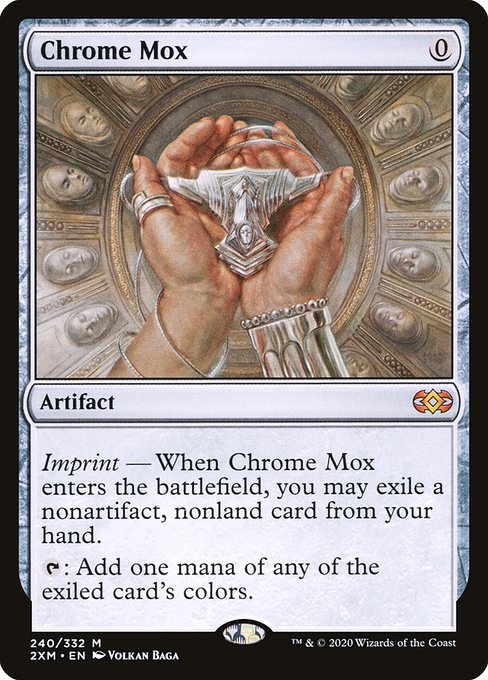
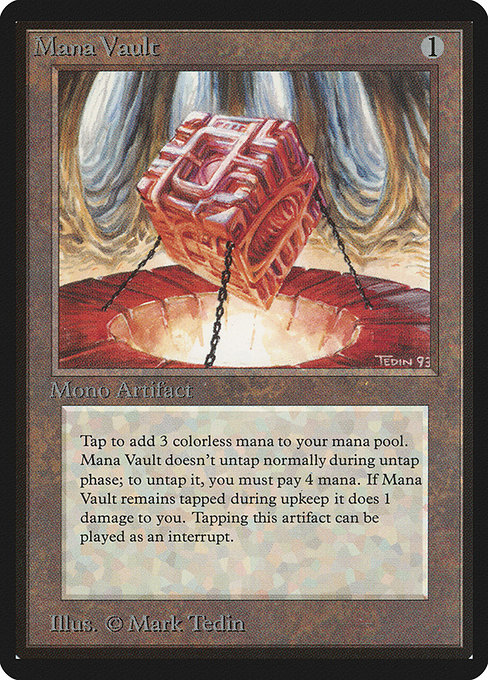
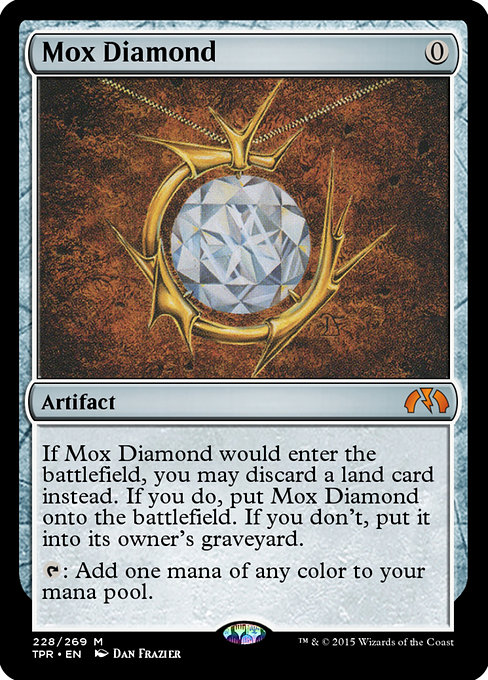
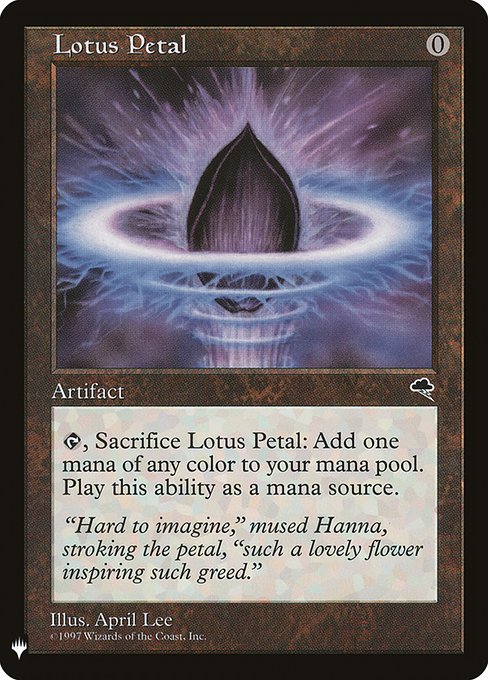
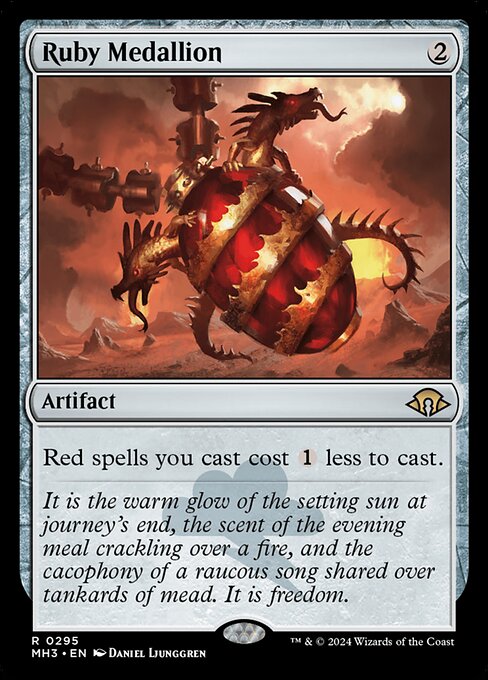
Mana acceleration starts immediately. Chrome Mox, Mana Vault, Mox Diamond, Mox Opal, Sol Ring, Arcane Signet and Lotus Petal allow faster openings, and Ruby Medallion will come in handy once we’re ready to start going off.

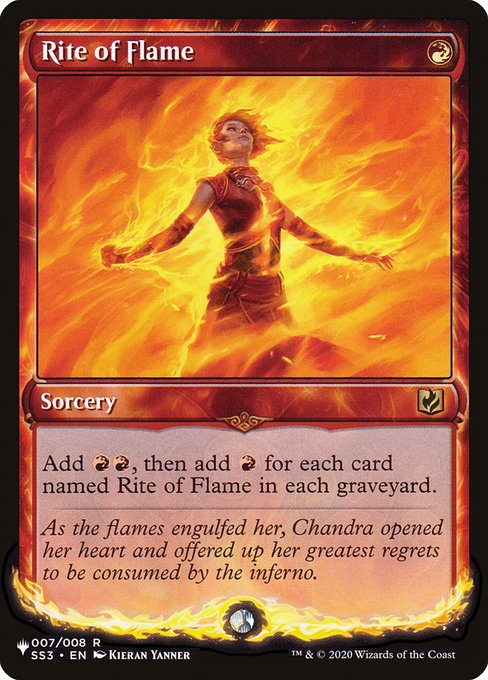
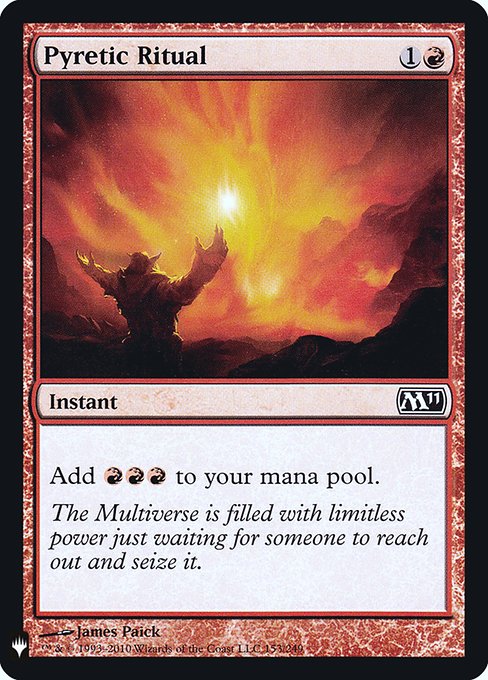
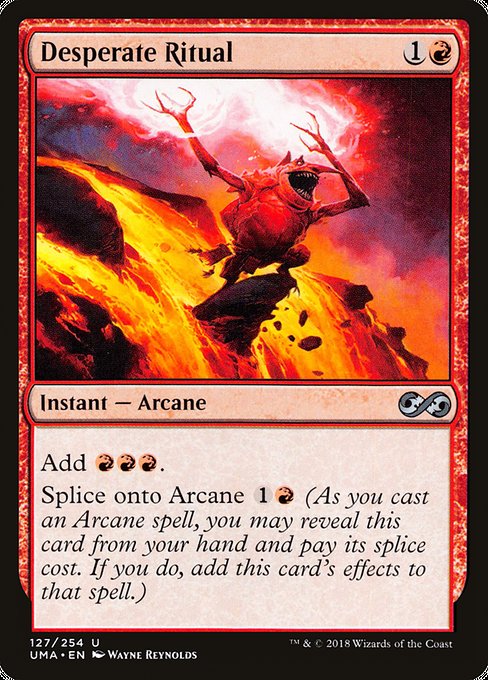
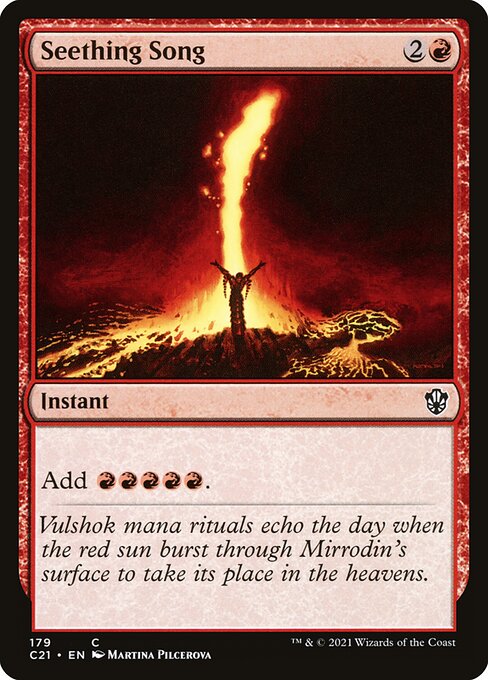
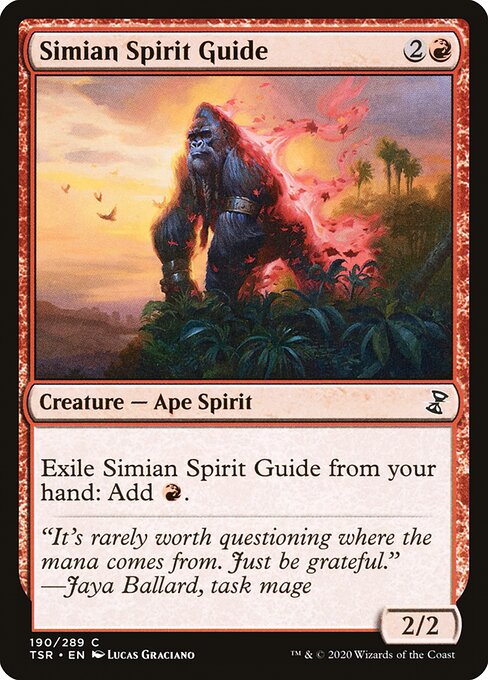
Ritual effects become a key fuel source to advance our gameplan way faster than our enemies. Rite of Flame, Pyretic Ritual, Desperate Ritual, Seething Song, Blazing Firesinger, and even Simian Spirit Guide give us a jumpstart of extra mana to start chaining spells together out of nowhere.

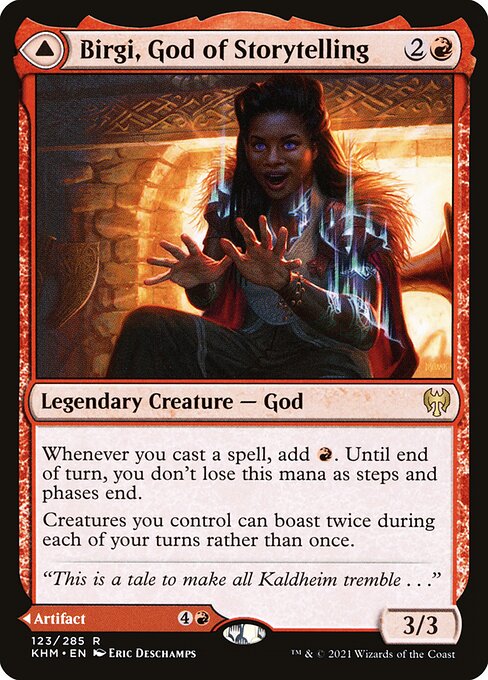
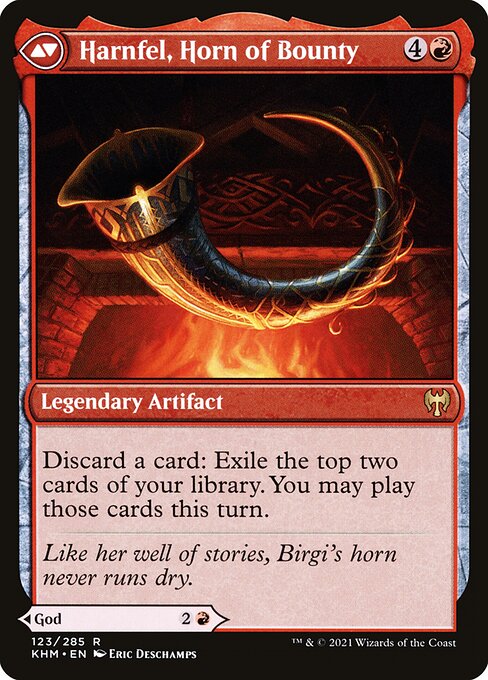
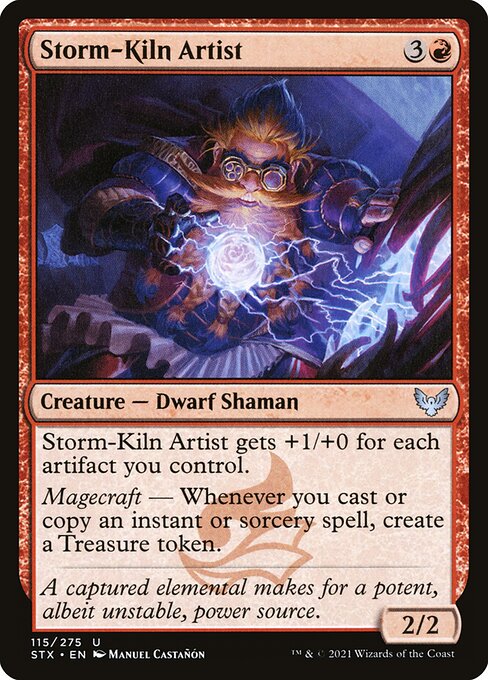
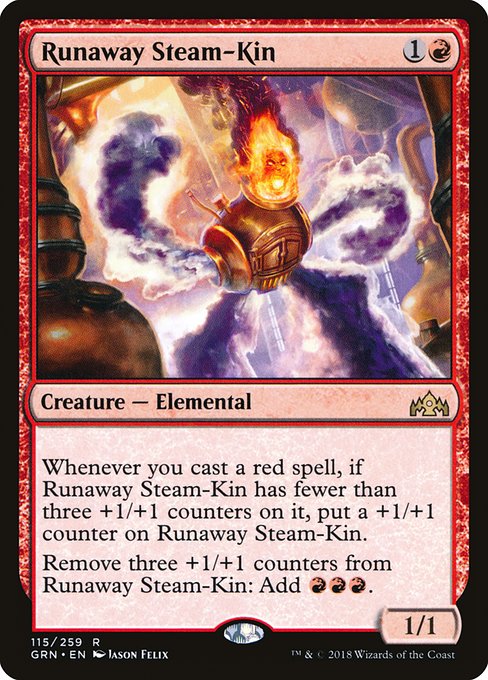
And then our Storm enablers start appearing: Birgi, God of Storytelling effectively refunds mana every time a spell gets cast. Storm-Kiln Artist floods the battlefield with Treasure tokens. Runaway Steam-Kin repeatedly stores mana throughout combo turns.
One card that deserves special attention here is Vivi Ornitier. Every noncreature spell you cast grows him while simultaneously dealing damage to every opponent. In a deck that may cast ten, fifteen, or even twenty spells during a combo turn, those small points of damage begin stacking frighteningly quickly. What starts as one damage triggers can suddenly become ten or fifteen damage spread across the table simply from doing what the deck already wanted to do naturally.
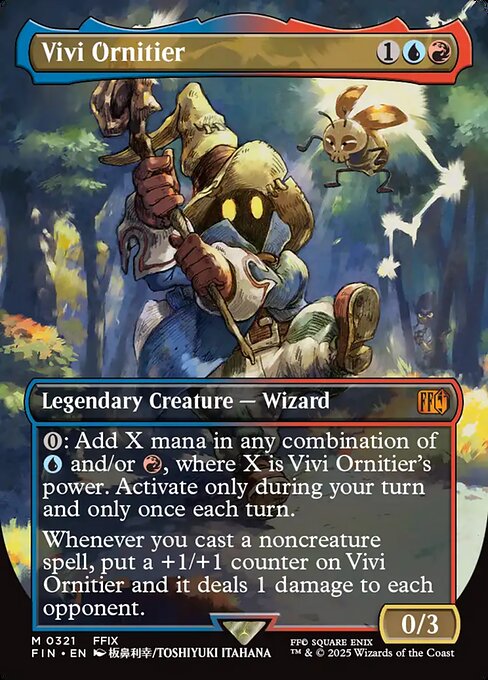
The truly ridiculous part is his mana ability. Vivi can generate mana equal to his power during your turn, and because he continually grows from spell casts, the amount of mana he creates scales alongside the storm turn itself. Early in a combo sequence he might produce only three or four mana, but after multiple cantrips and rituals he can suddenly tap for six, eight, or even double-digit mana values. At that point, Vivi effectively turns into a reusable ritual effect that keeps getting larger while your combo continues.
Unlike normal decks where cards eventually run out, Storm continuously replaces itself. Cards like Gitaxian Probe, Consider, Expedite, Crimson Wisps, and Might of the Meek effectively become free spells that cycle through the deck while increasing our Storm count.
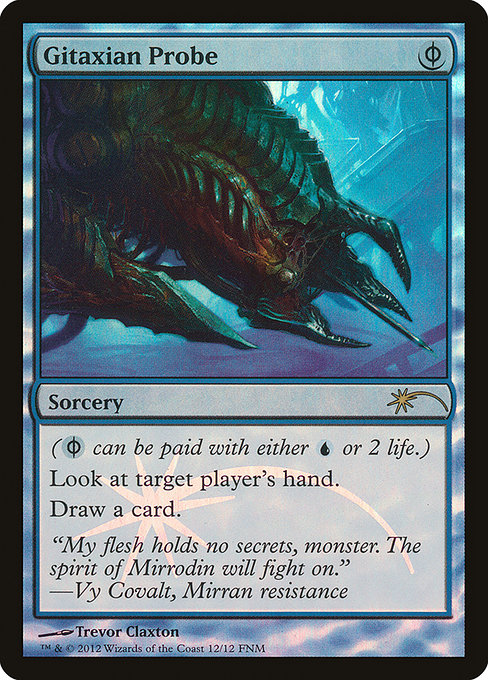
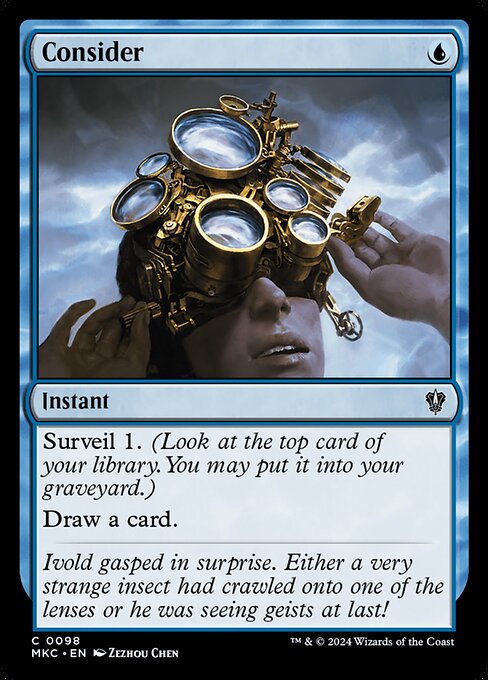
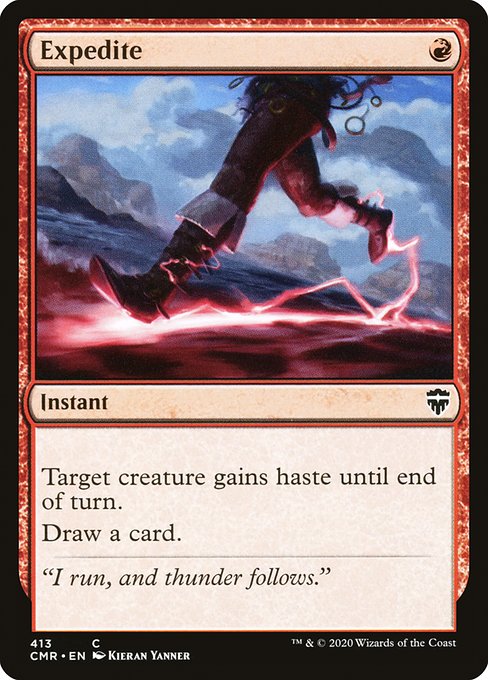
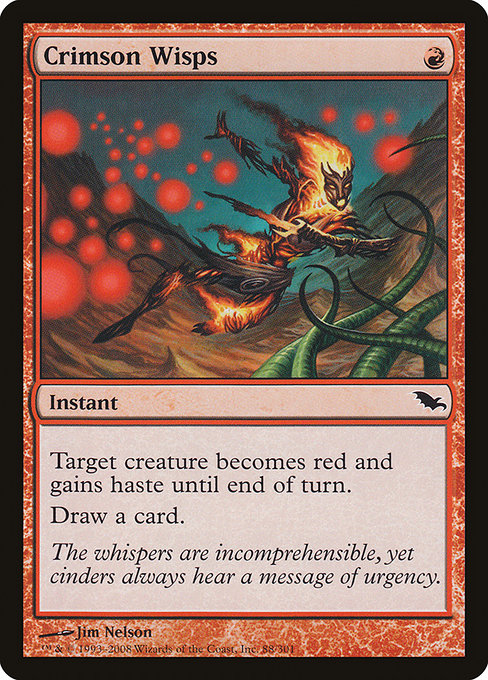
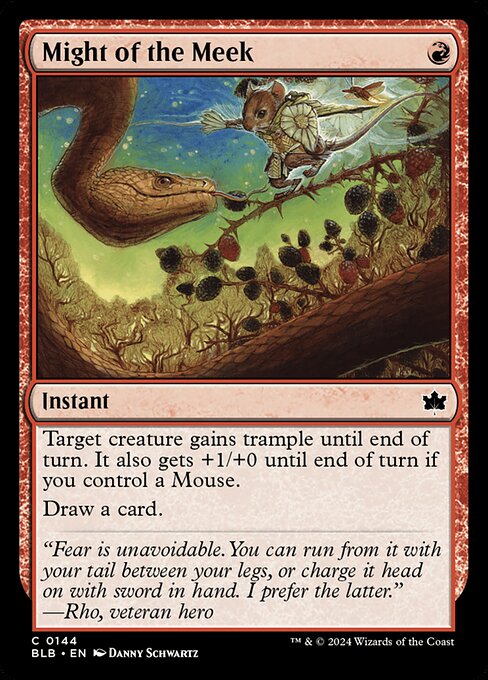
Eventually the deck reaches a point where every spell creates way more resources than it consumes while also adding cards to your hand. Once that happens, things become absurd and quite impossible to deal with.
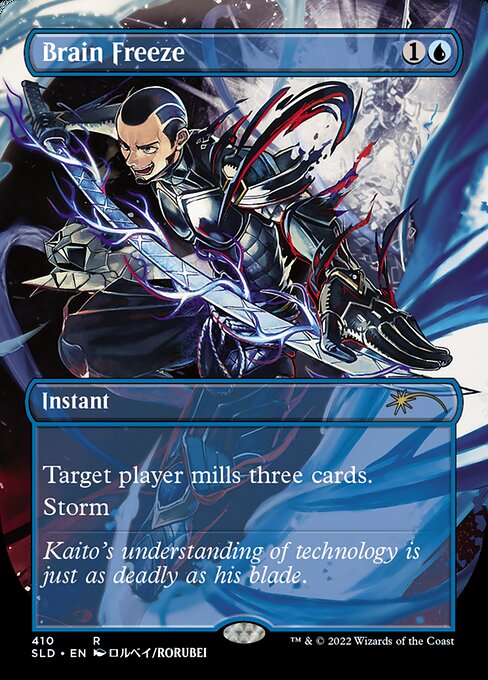
The most famous combo here involves Underworld Breach, either Lion's Eye Diamond or Lotus Petal, and Brain Freeze. Repeatedly milling and recasting cards allows a quasi infinite storm count. You can mill yourself to get enough cards to Escape with breach, and then redirect the rest of the copies to your enemies to mill them out.
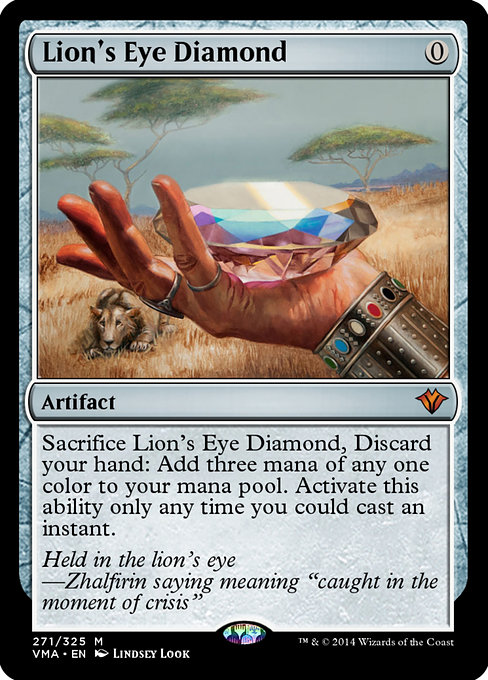
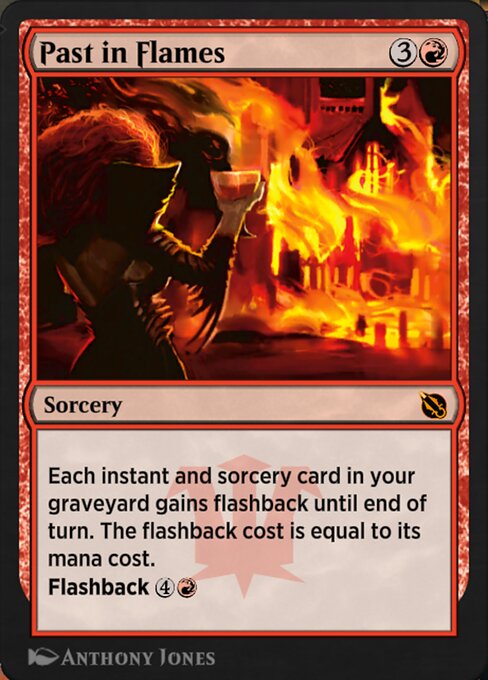
Cards like Past in Flames function as backup versions of this strategy, turning the graveyard into a second hand.
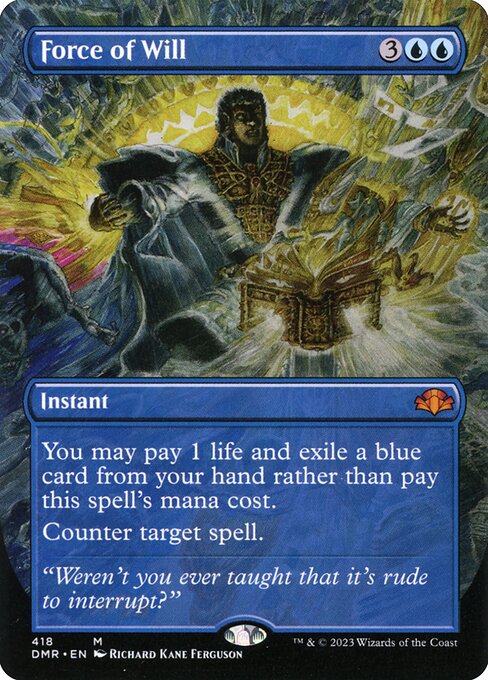
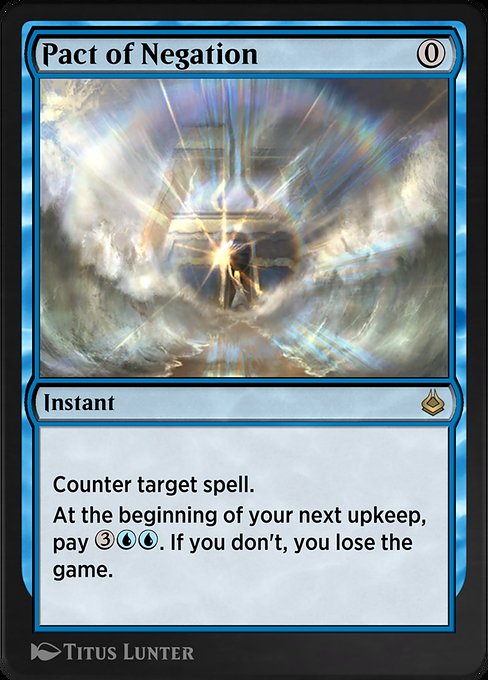
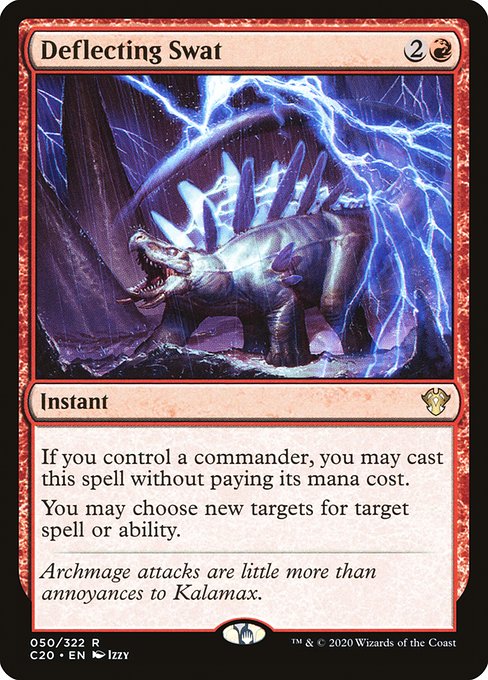
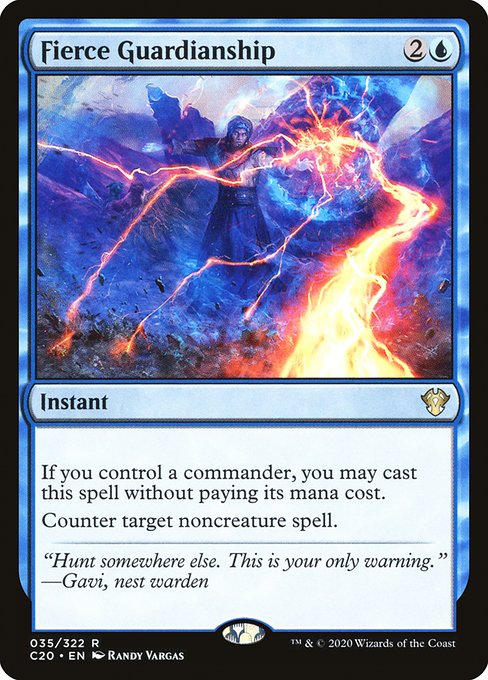
Protection remains extremely important because Storm often wins during one giant turn. Force of Will, Pact of Negation, Deflecting Swat, and Fierce Guardianship ensure opponents cannot interrupt the combo turn.
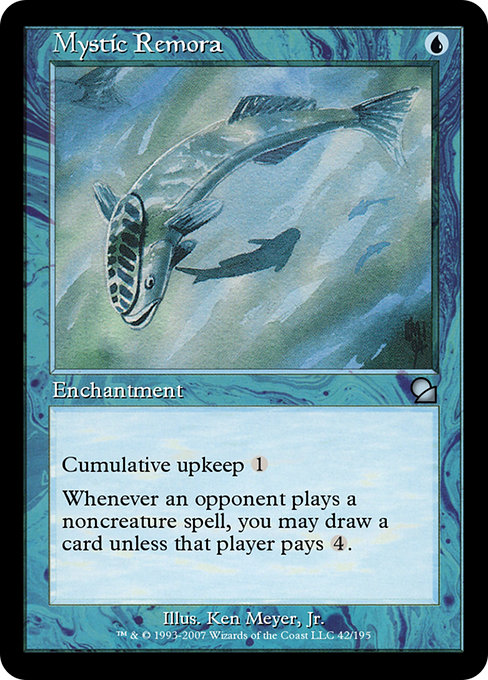
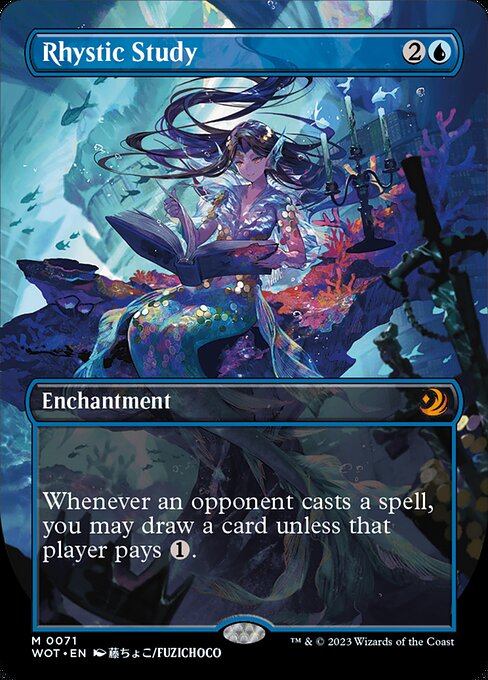
If we somehow start slower, we can always slowly and comfortably set up our one big turn with the help of cards like Mystic Remora and Rhystic Study which will very likely net us extra cards here and there.
Storm decks often feel like solving a puzzle in real time, and this build perfectly captures the artistic chaos Prismari was always meant to represent. If planning and setting up for your one big turn to win on the spot sounds like your thing, this Storm deck might be your thing, check it out here:

Commander
Creatures (10)
Instants (37)
Sorceries (11)
Artifacts (12)
Lands (27)
100 Cards
$17236.5
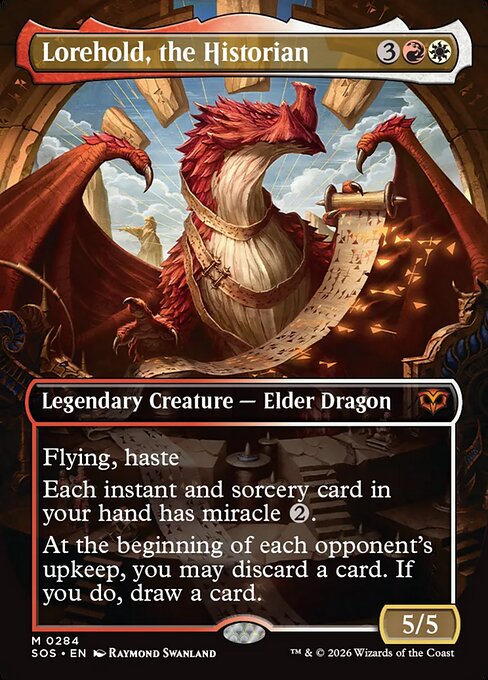
Deck #3 – Lorehold, the Historian
Rewriting Fate from the Top of the Library
The original Velomachus Lorehold represented the Lorehold philosophy of studying the past and bringing history back into the present. Lorehold, the Historian takes that philosophy and pushes it in a different direction. This version becomes a Boros spellslinger deck focused on manipulating the top of the library and chaining together massive spell turns thanks to his ability to give all our instants and sorceries in hand Miracle 2, which means we can cast it for just 2 mana if it’s the first card we drew this turn.
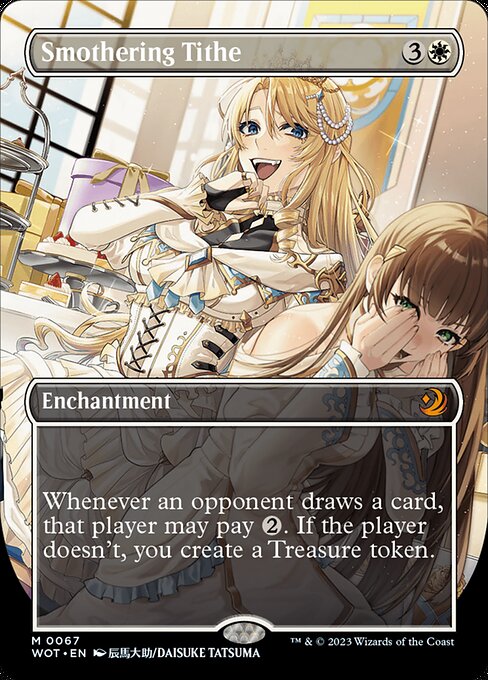
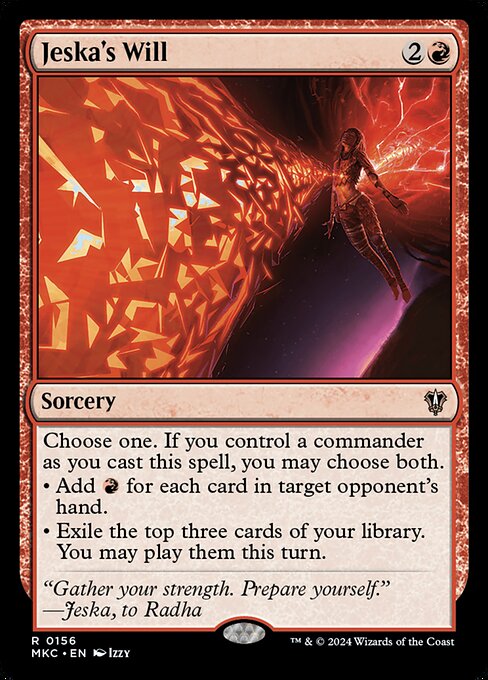
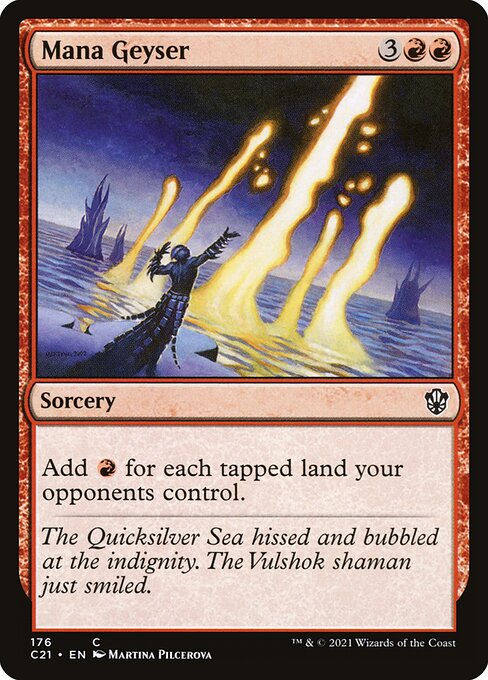
The deck begins with mana acceleration because many of its strongest turns require absurd amounts of mana available at once. Arcane Signet, Smothering Tithe, Jeska's Will, and Mana Geyser provide huge bursts of resources. Boros traditionally struggles with mana development outside of artifacts, but this list sidesteps that problem by using explosive ritual-style effects.
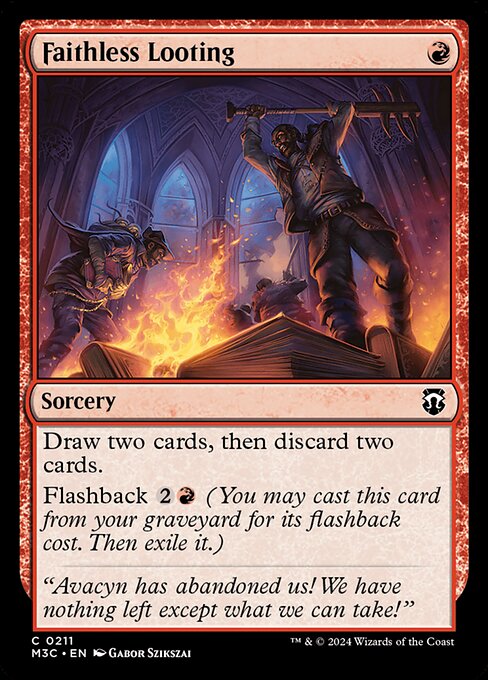
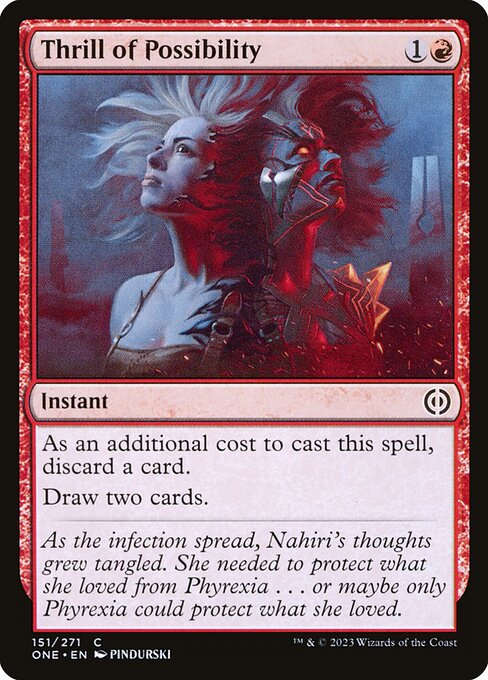
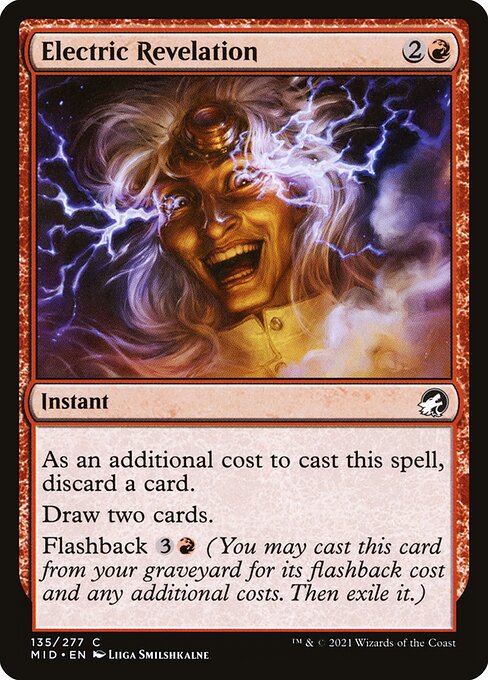
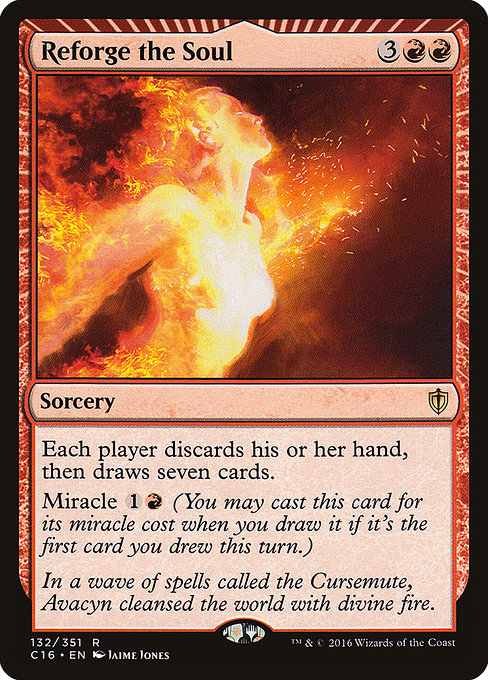
Once mana starts flowing, the deck begins filtering and sculpting draws. Cards like Faithless Looting, Thrill of Possibility, Electric Revelation, and Reforge the Soul continuously move through the deck. Unlike graveyard-focused strategies, the goal here isn’t to stock the graveyard with future resources. The goal is finding large payoff spells and manipulating future draws.
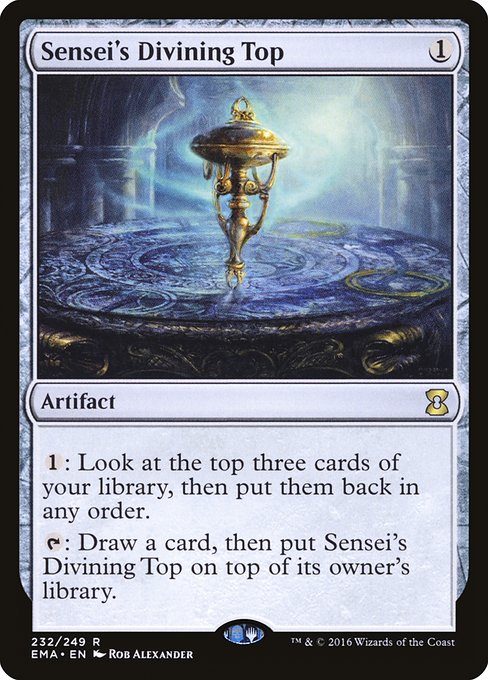
This is where topdeck interaction becomes important. Sensei's Divining Top becomes one of the strongest cards in the deck because it allows you to control upcoming draws and sequence spells more efficiently. Instead of relying on random chance, the deck gradually shapes future turns until explosive sequences become inevitable.
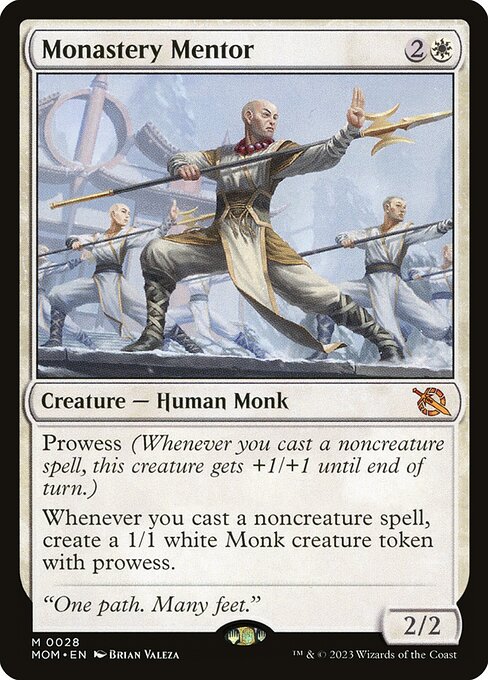
The creature package supports the spellslinger plan rather than replacing it. Monastery Mentor becomes a continuous source of battlefield pressure because every instant and sorcery suddenly creates additional creatures. What begins as a control-oriented board state can quickly become an army capable of ending games.
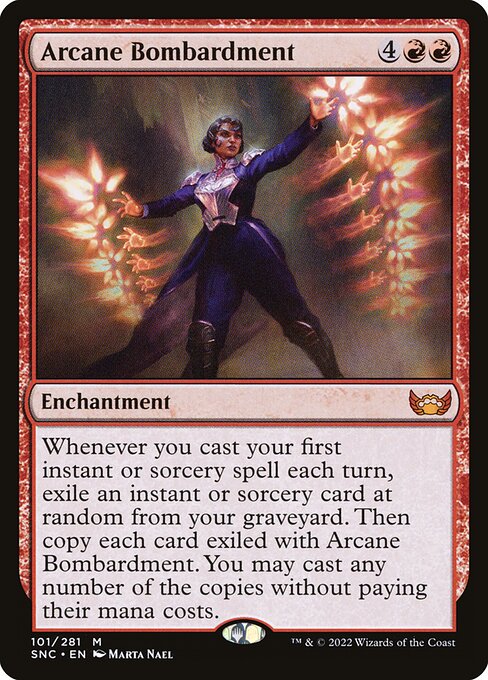
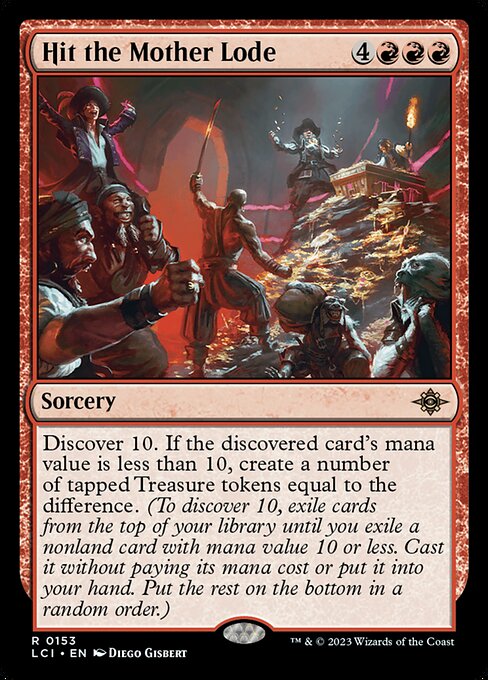
The deck also generates incredible value through repeated spellcasting. Arcane Bombardment becomes terrifying if left unanswered because every instant and sorcery exiled beneath it effectively turns into additional free spells later. Every turn begins creating larger and larger chains of value. Improvisation Capstone gives us free spells every turn if we so desire. Hit the Mother Lode discovers 10 while also giving us a bunch of Treasure tokens.

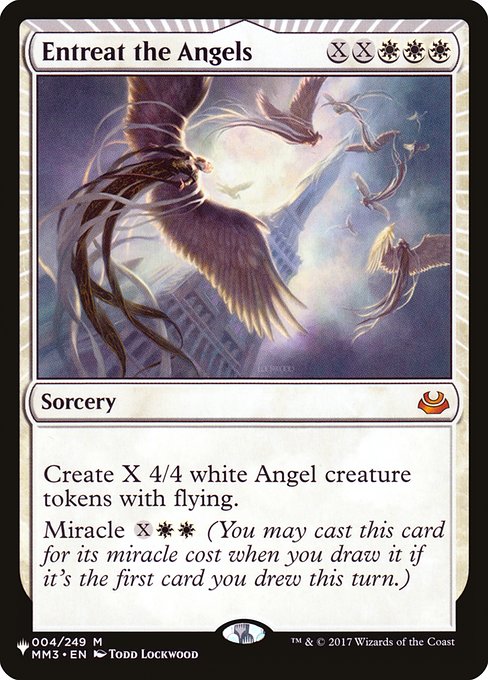
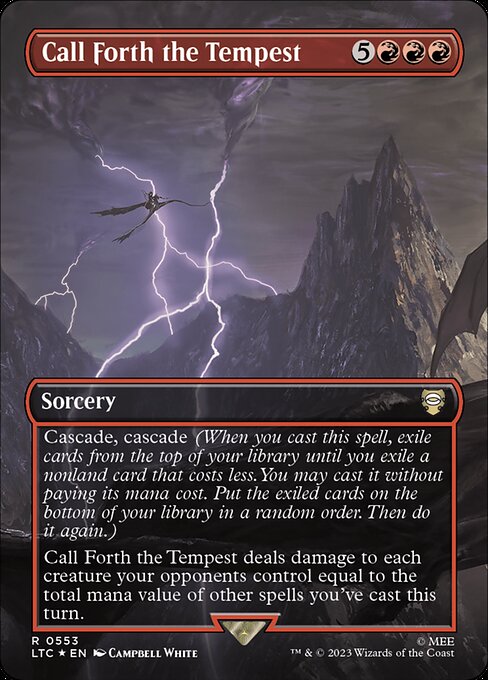
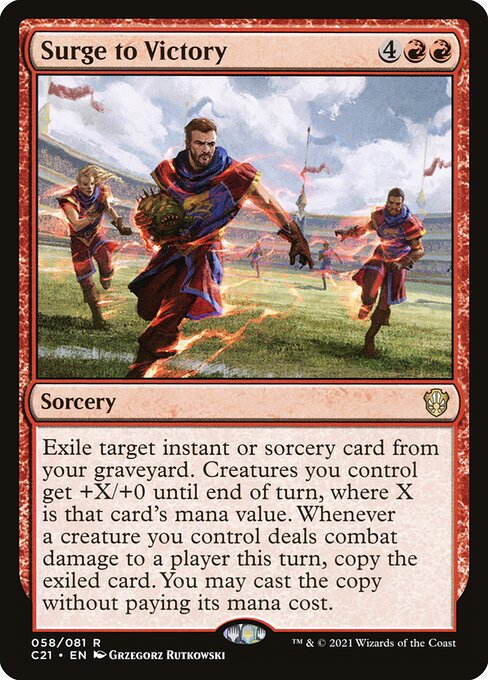
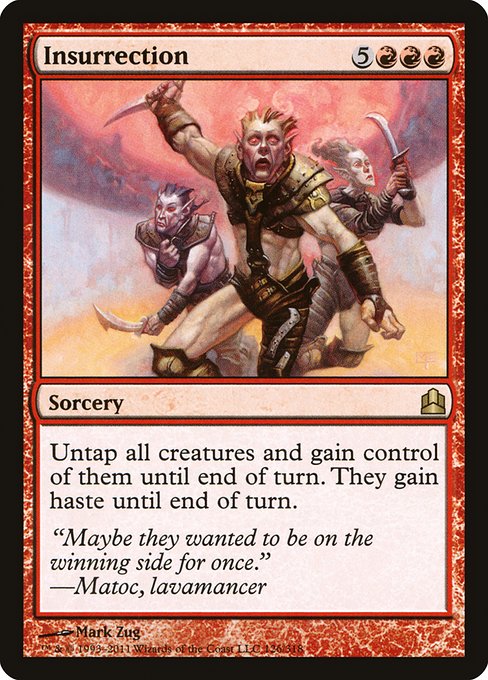
It’s all about the huge spells. Cards like Entreat the Angels can suddenly create enormous flying armies, while Call Forth the Tempest becomes capable of clearing boards and creating massive pressure. Surge to Victory can transform a board of tokens into immediate lethal damage, and even if only one manages to connect, we can copy the spell we exiled; while Insurrection often ends games on the spot by stealing all creatures on the field for ourselves.
The most interesting thing about this deck is how it plays almost like controlled chaos. The board may look relatively harmless during the first few turns, but the deck quietly assembles resources, manipulates future draws, and waits for the perfect moment. Then suddenly multiple spells get cast in a single turn, creatures appear out of nowhere, and opponents realize that the harmless Boros player just became the biggest threat at the table.
If having a single spell (carefully put at the top of your deck) turn the table on its head for as cheap as 2 mana sounds like your thing, check out the deck here:
Commander
Creatures (10)
Instants (18)
Sorceries (22)
Artifacts (10)
Enchantments (5)
Lands (35)
100 Cards
$2509.06
Deck #4 – [CARD NAME=”Silverquill, the Disputant”]
Winning the Argument by Overwhelming the Room
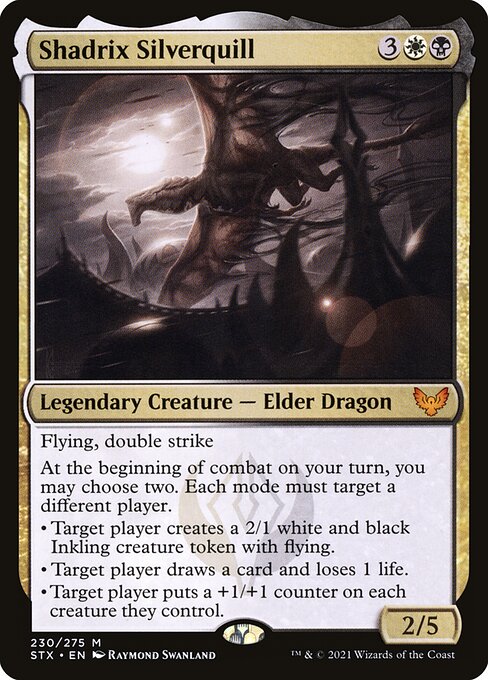
The original Shadrix Silverquill represented one of the most interesting identities among the Strixhaven founders. Silverquill was never simply about creatures or combat; it was about influence. Silverquill, the Disputant evolves that identity in a much more aggressive direction. Rather than relying primarily on politics, the newer version weaponizes board presence itself. This deck is not simply a token strategy, and it is not a dedicated aristocrats deck either. It sits directly between both archetypes, creating enormous armies while simultaneously converting every creature entering or leaving the battlefield into additional value.
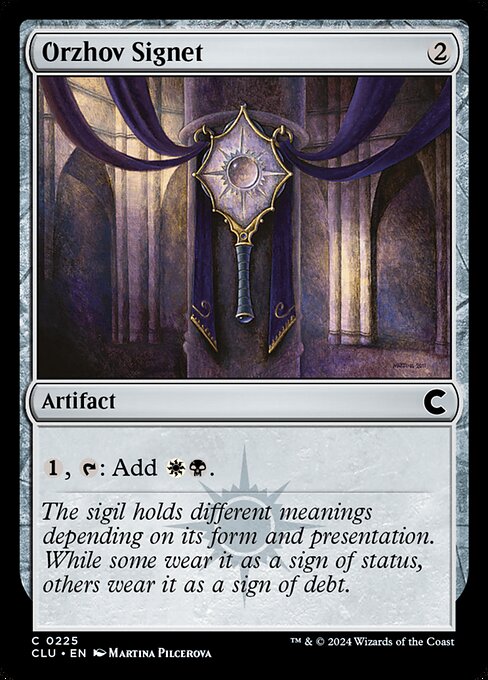
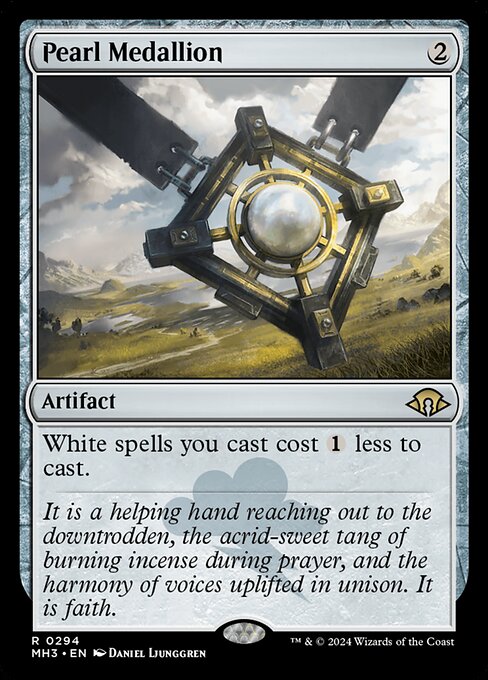
Mana development begins relatively traditionally. Sol Ring, Orzhov Signet, Pearl Medallion, and Smothering Tithe accelerate the deck into its more expensive token producers. Unlike hyper-aggressive token lists that simply flood the board immediately, this build spends its early turns constructing engines.
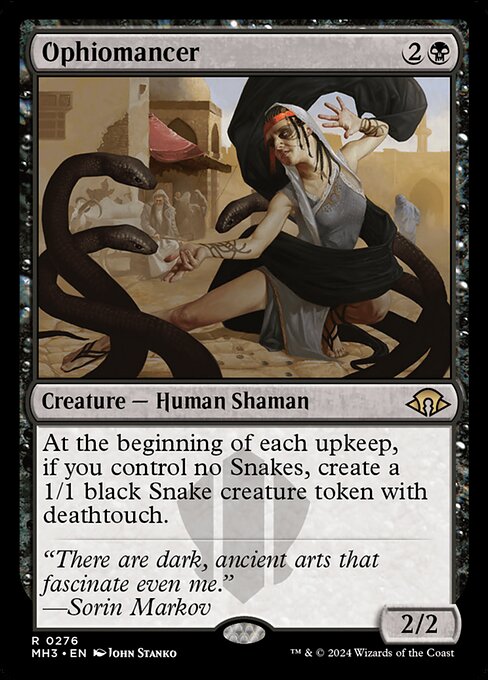
Those engines begin appearing quickly. Bitterblossom and
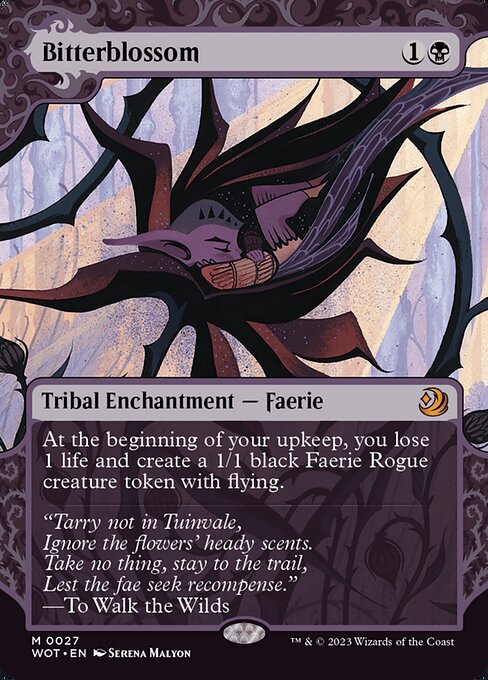
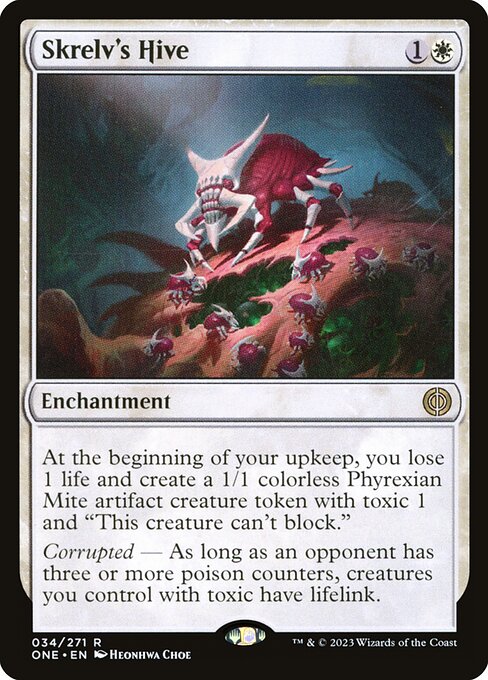
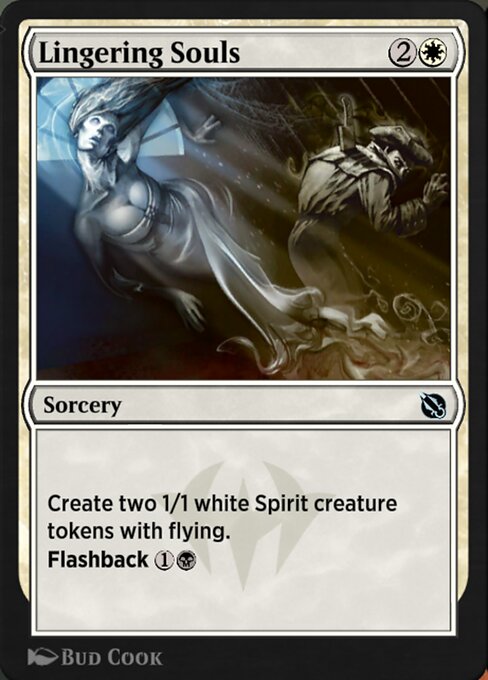
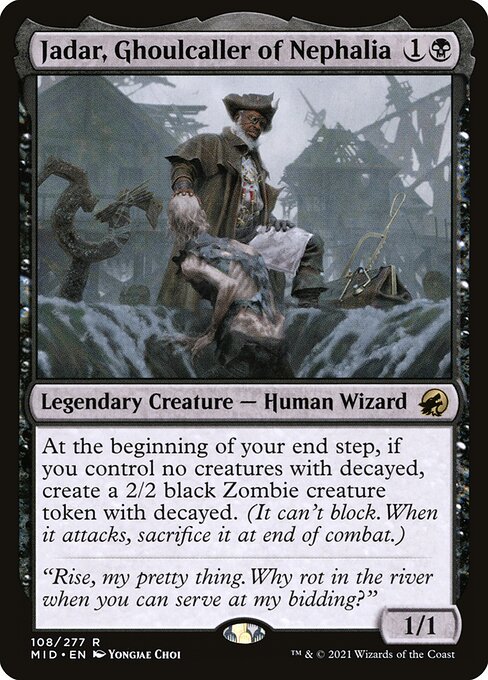
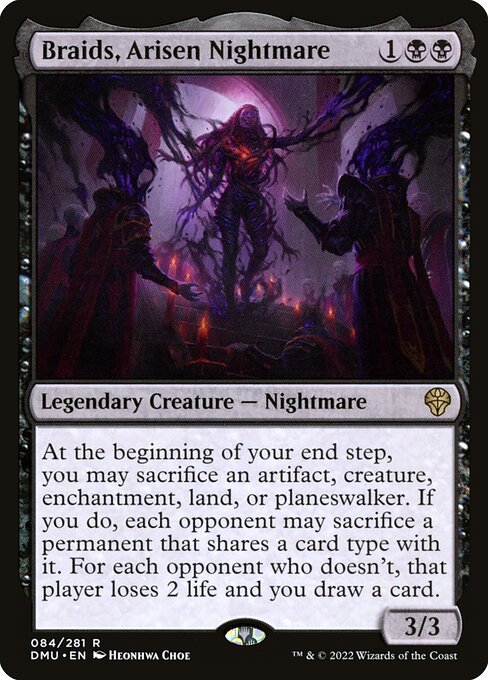
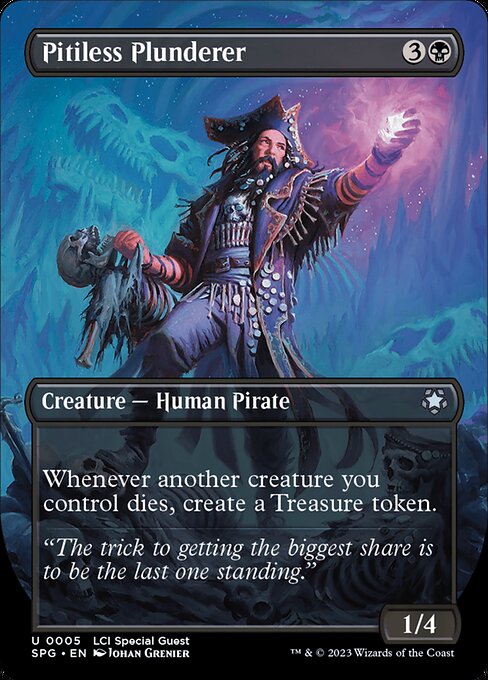
The sacrifice package creates an entirely separate layer of pressure. Braids, Arisen Nightmare turns expendable tokens into card draw while Pitiless Plunderer converts creature deaths into mana. Ashnod's Altar can suddenly turn a battlefield full of creatures into enormous resource generation.
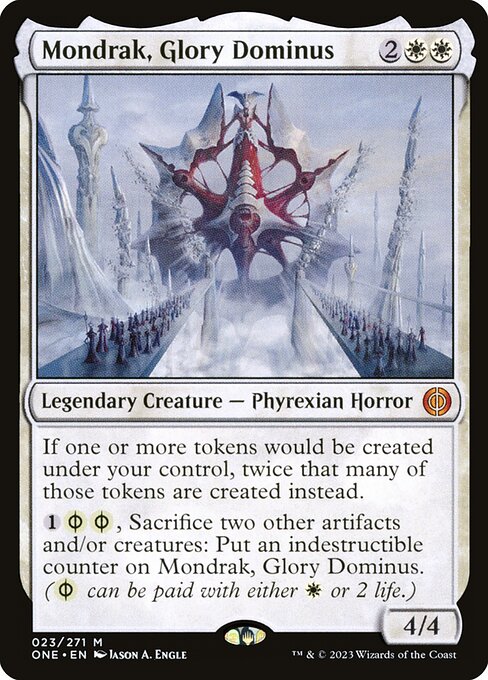
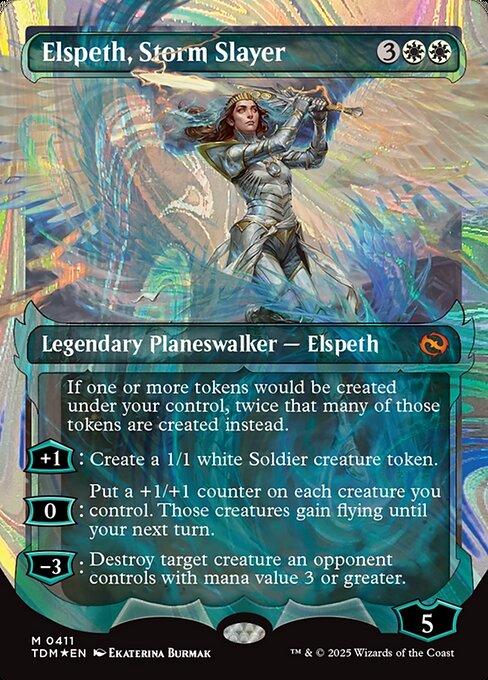
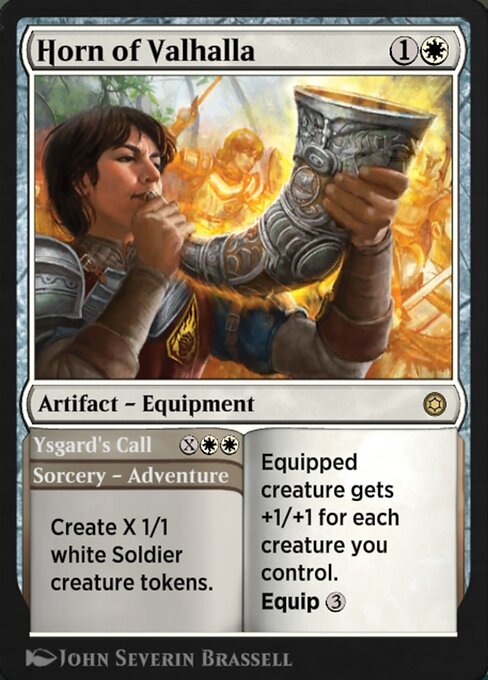
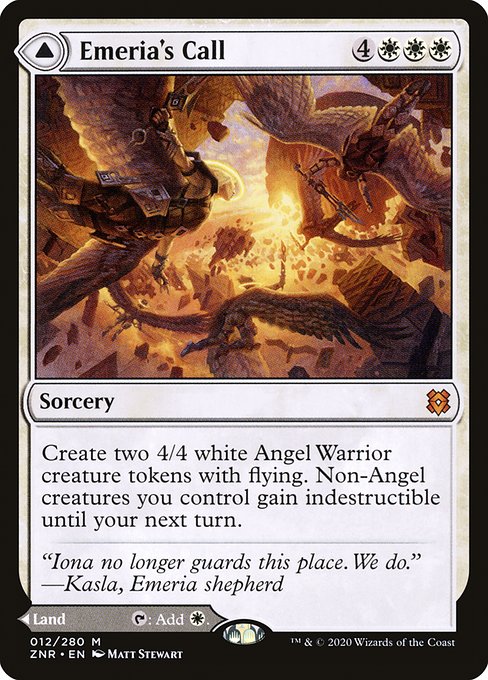
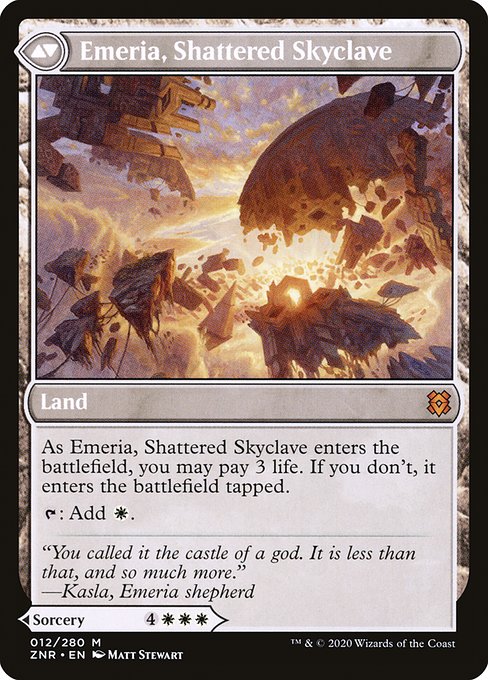
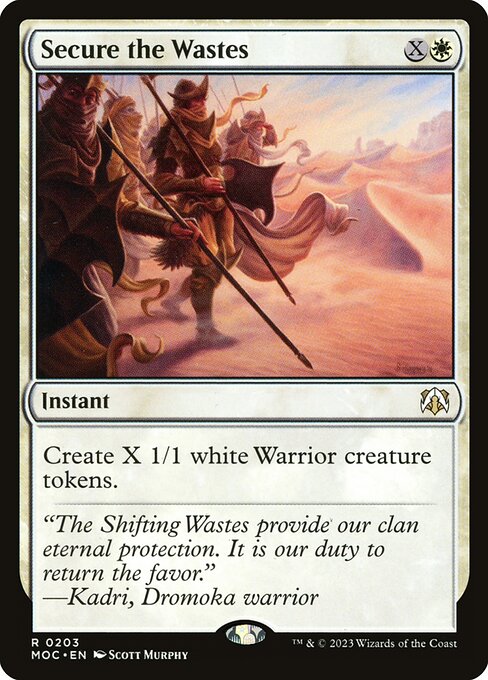
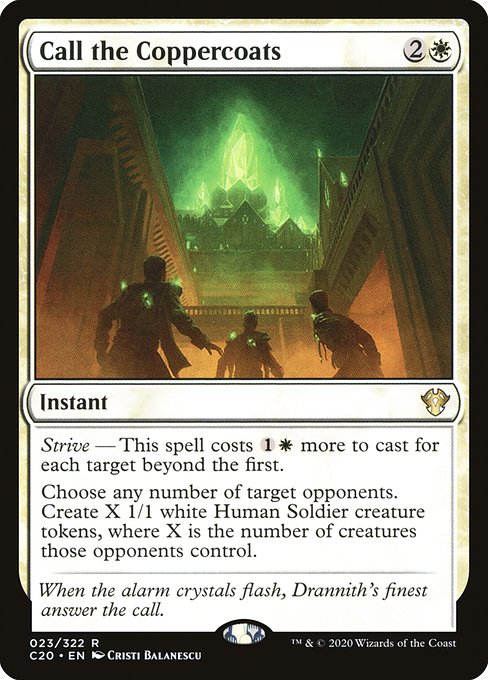
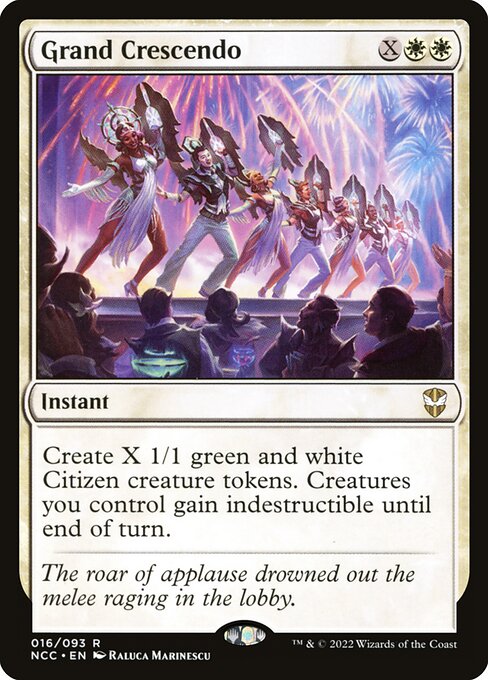
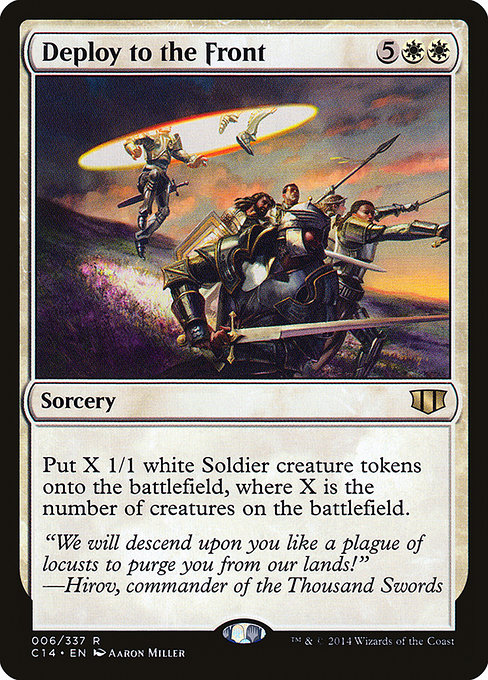
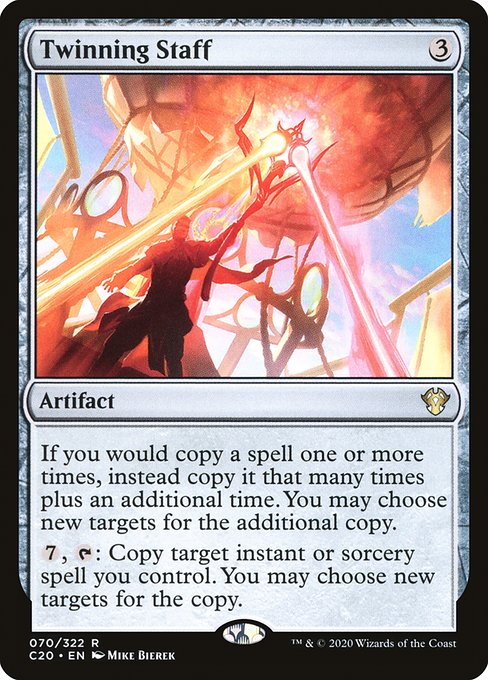
On their own all these cards look harmless but together they become overwhelming. The deck starts scaling rapidly once token multipliers enter play. Mondrak, Glory Dominus effectively doubles everything the deck wants to do. Elspeth, Storm Slayer amplifies board development even further, while Horn of Valhalla, Emeria's Call, Secure the Wastes, Call the Coppercoats, Grand Crescendo and Deploy to the Front can suddenly place an absurd number of creatures onto the battlefield. Add in Silverquill, the Disputant casually copying these huge spells with Casualty 1 and you’ve got an overwhelming advantage; then, add Twinning Staff on top of that, and it’s just too much.
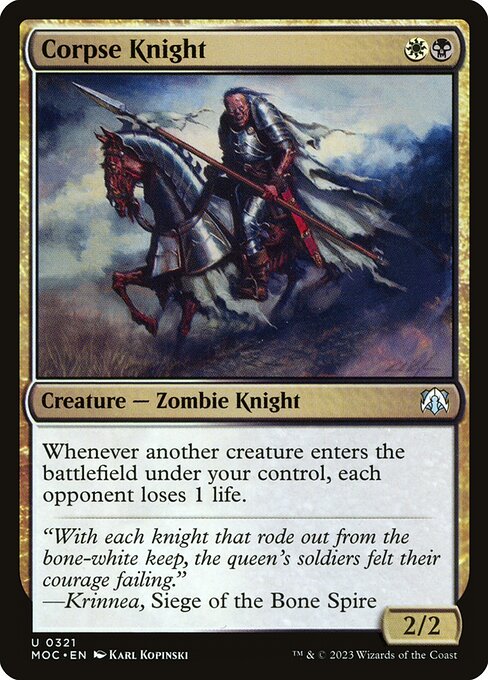
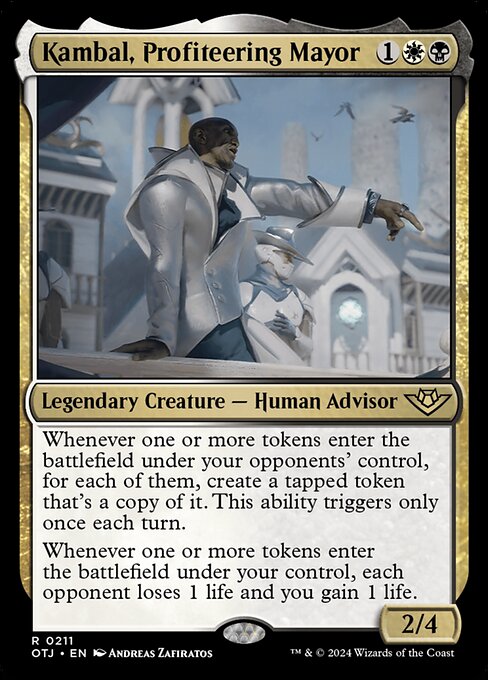
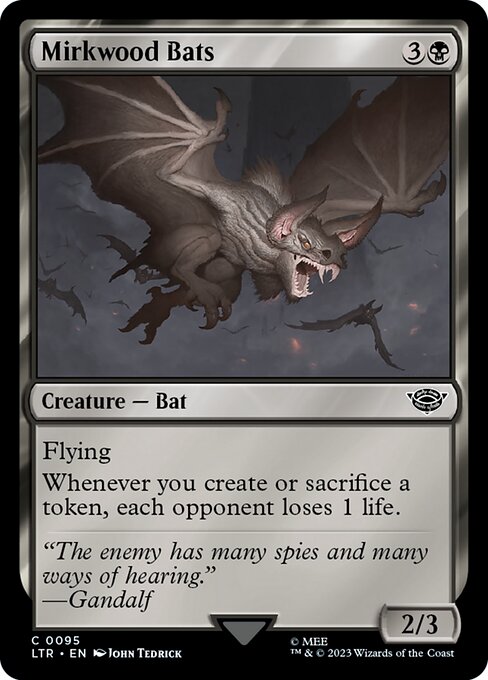
The interesting part is that the deck never relies entirely on combat. Cards like Corpse Knight, Kambal, Profiteering Mayor, and Mirkwood Bats transform creature creation into direct damage. Suddenly every token entering the battlefield becomes life loss for opponents.
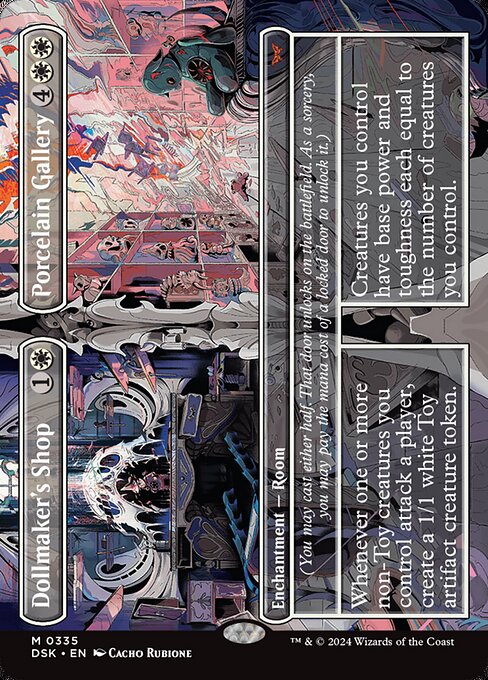
Eventually the deck reaches a critical mass where every creature entering creates damage, and every turn multiplies the board further. Add in Dollmaker's Shop which makes all of our 1/1s massive bodies capable of one-shotting anyone and you’ve overwhelmed everyone at the table.
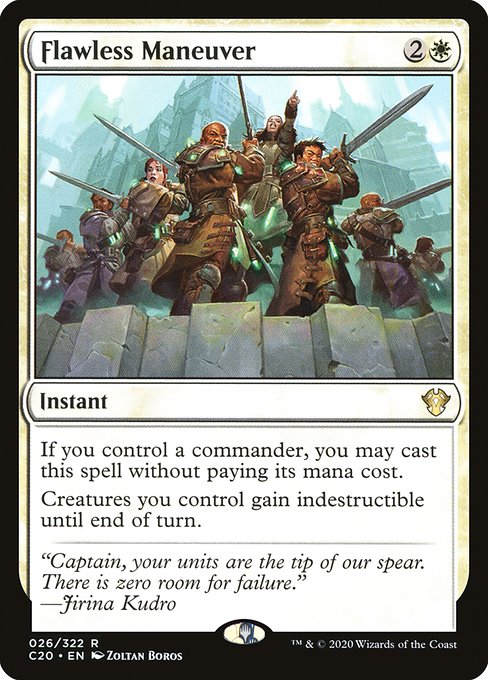
Protection, of course, is always important, especially when we’re running a creature heavy strategy. Cards like Grand Crescendo, Flawless Maneuver, and
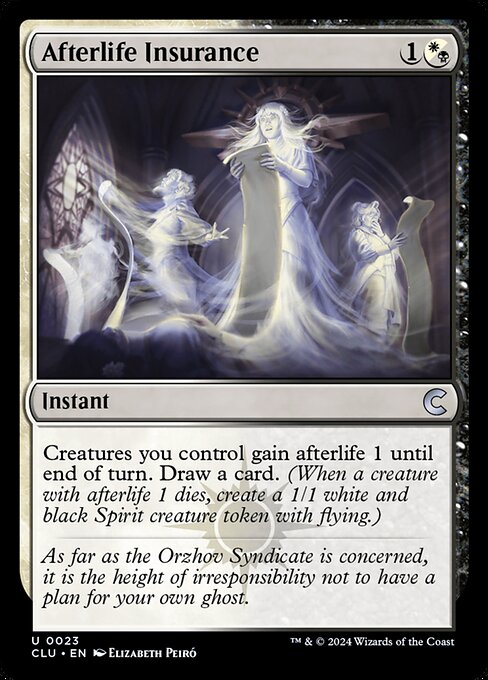
The original Silverquill manipulated conversations.This version manipulates momentum itself. If overwhelming the board with a ton of creatures and copying your best spells at the mere cost of 1 creature sounds like your thing, check out the deck here:

Commander
Planeswalkers (1)
Creatures (16)
Instants (15)
Sorceries (15)
Artifacts (12)
Enchantments (7)
Lands (34)
100 Cards
$1127.18
Deck #5 – Quandrix, the Proof
Mathematics Escalates Into Reality Manipulation
The original Tanazir Quandrix represented mathematical perfection through creatures and combat scaling. Numbers mattered. Power and toughness became variables that could suddenly change dramatically. The original dragon felt like mathematics translated into combat. Quandrix, the Proof takes that identity and pushes it toward something much stranger.
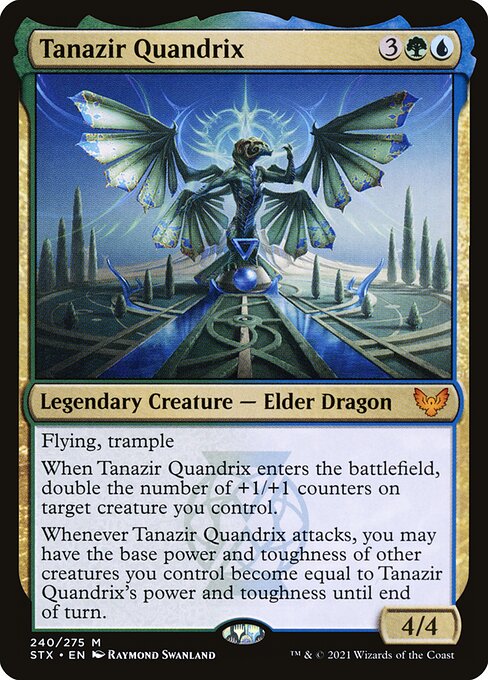
This deck’s philosophy is boiled down to: Ramp hard. Protect Quandrix, and loop extra turns.
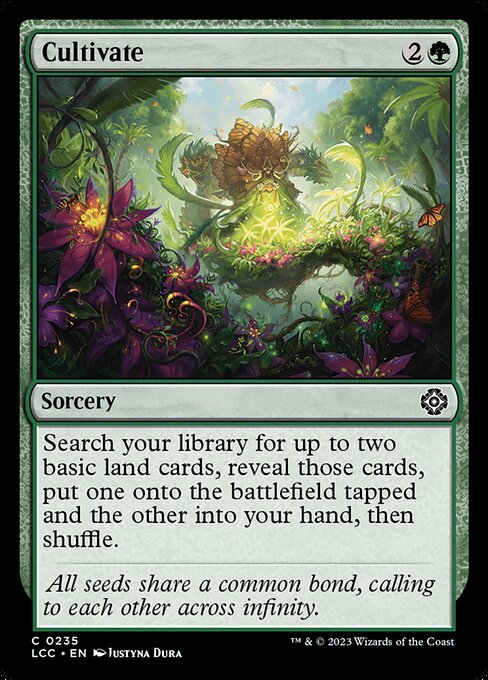
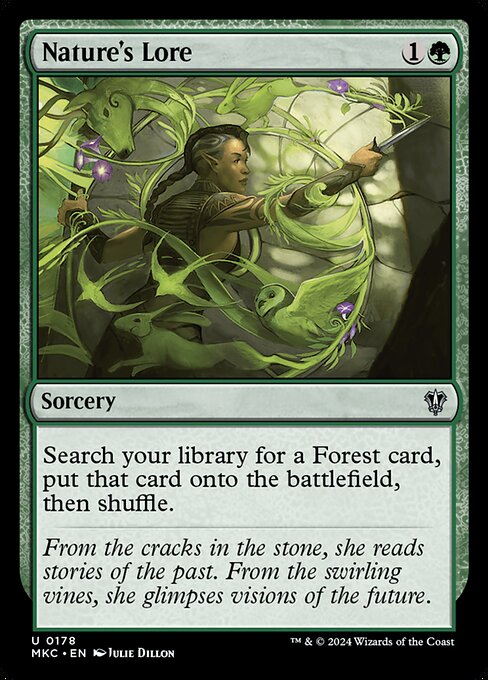
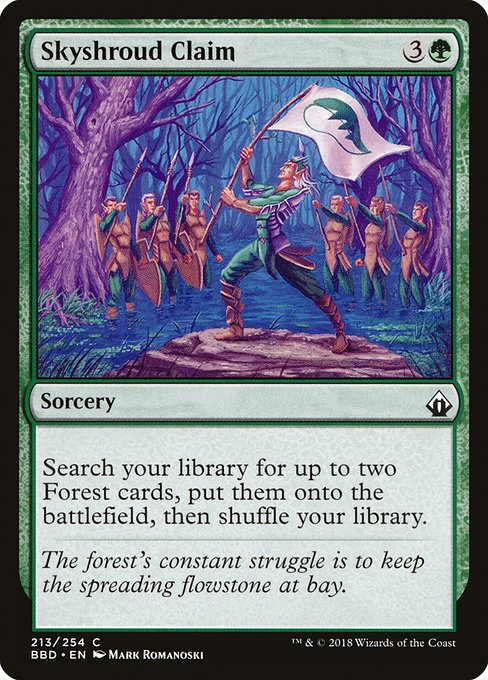
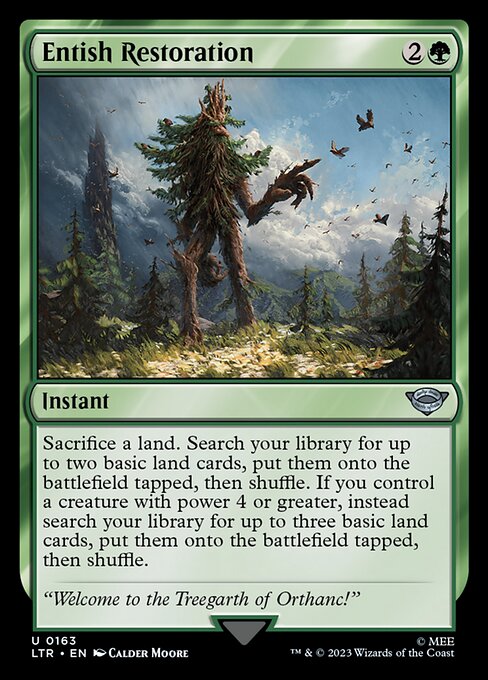
Mana development begins immediately because almost every major payoff in the deck becomes stronger the more mana available. Cultivate, Nature's Lore, Skyshroud Claim, and Entish Restoration aggressively increase land count.
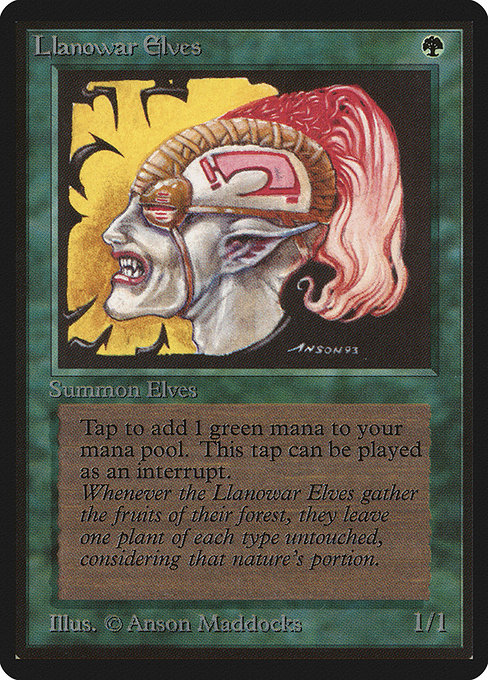
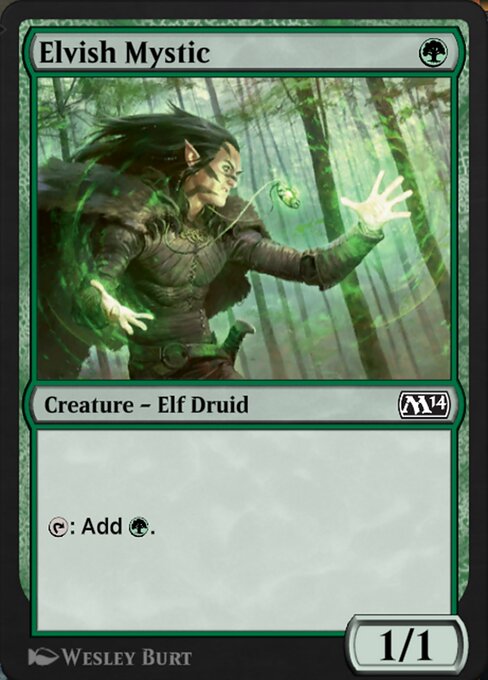
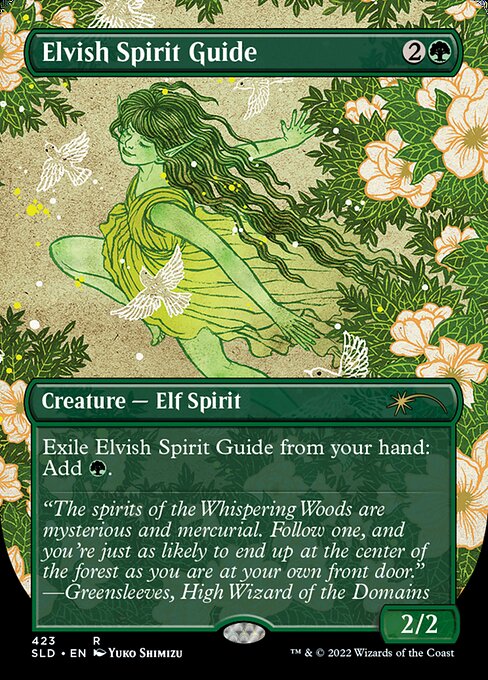
Creature acceleration contributes even further. Llanowar Elves, Elvish Mystic, and Elvish Spirit Guide create explosive openings. The deck reaches absurd mana totals very quickly.
But unlike traditional Simic decks that simply cast giant creatures, Quandrix converts that mana into cascading chains of value.
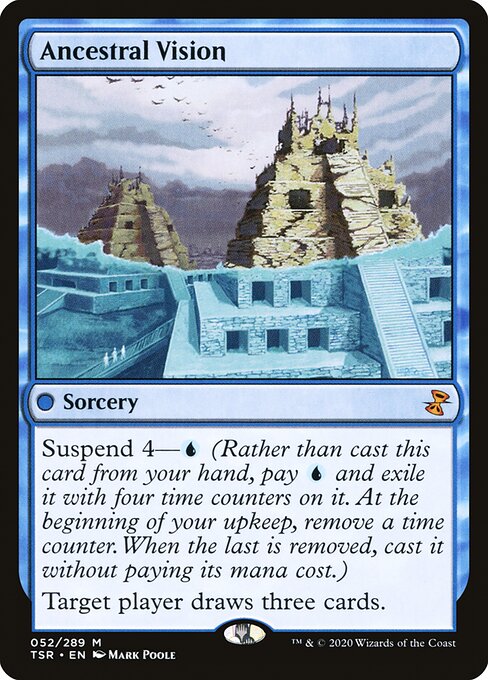
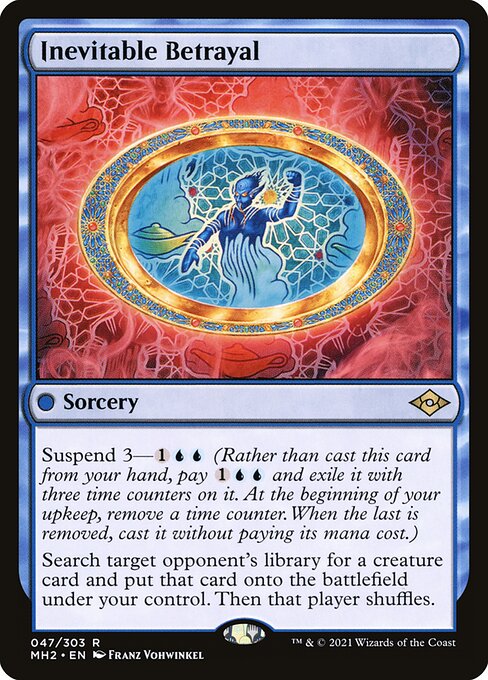
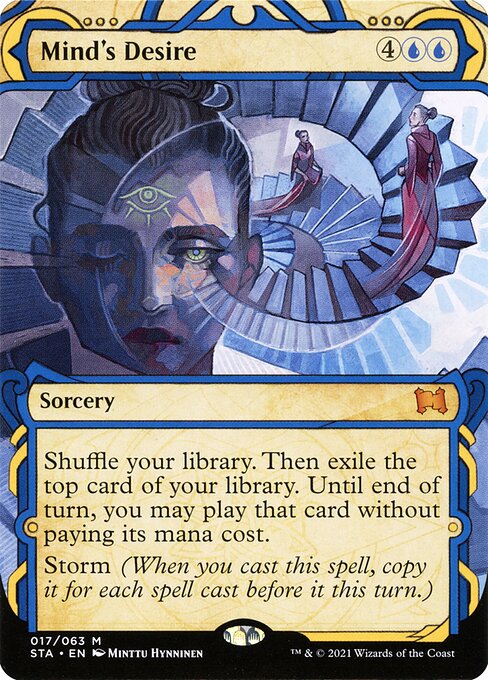
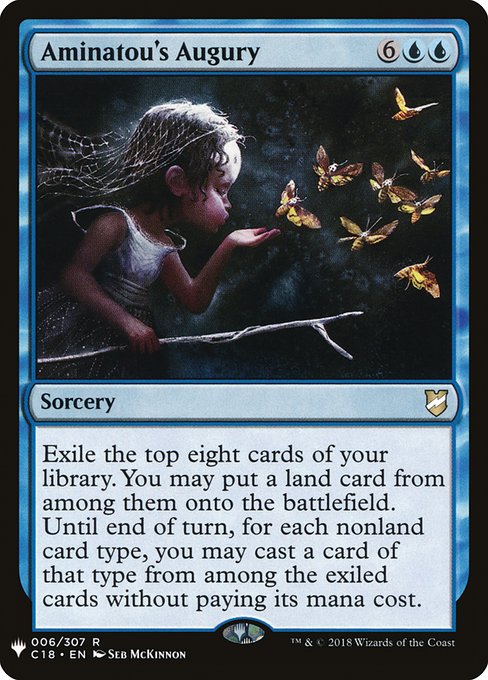
Cards with suspend like Ancestral Vision and Inevitable Betrayal become especially interesting because they can be cheated into play through larger effects. Mind's Desire introduces complete chaos by generating multiple free spell casts, while Aminatou's Augury can suddenly transform one spell into an entire turn’s worth of actions.
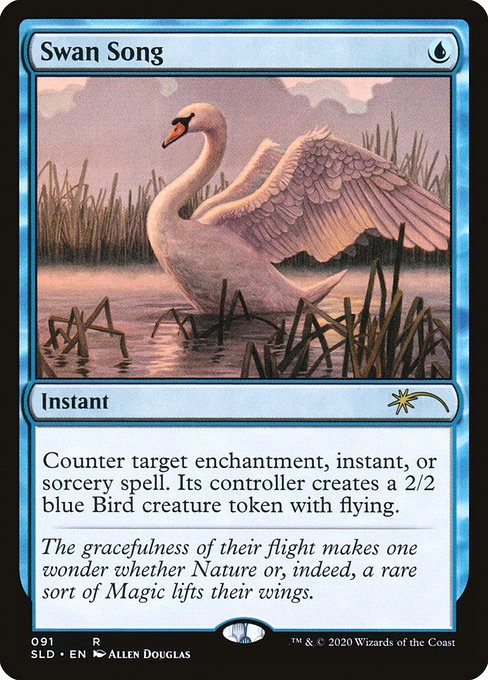
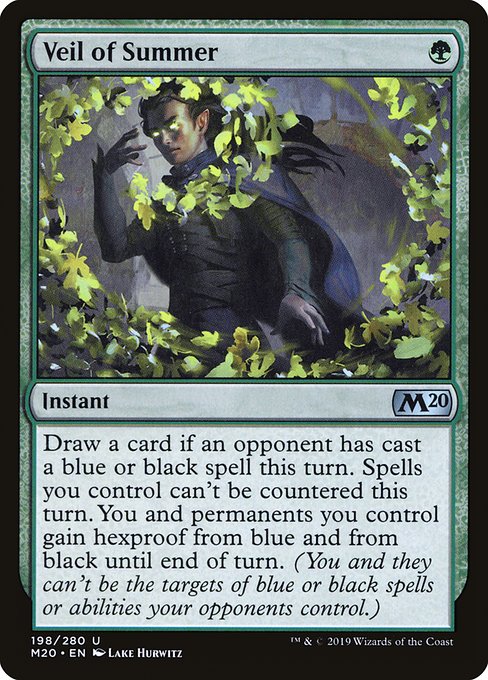
The commander itself becomes central because protecting it is extremely important. Cards like Fierce Guardianship, Force of Will, Swan Song, and Veil of Summer ensure that our commander stays in play.
Once the deck enters its midgame, the extra turn package begins taking over.
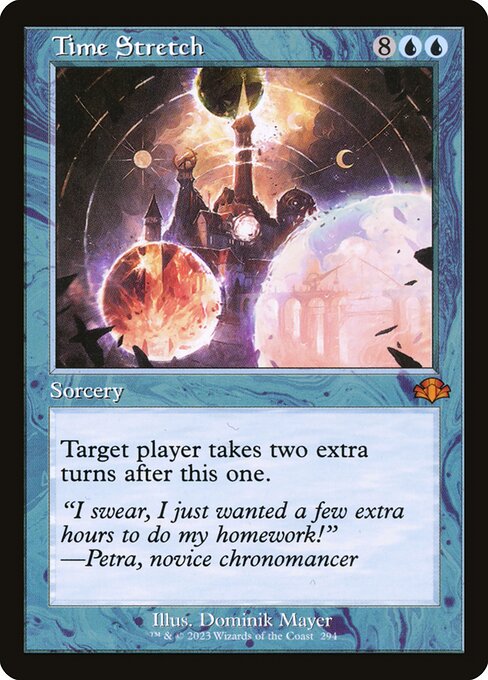
Time Warp, Temporal Manipulation, Temporal Trespass, and Time Stretch become progressively more dangerous the longer the game continues, and they don’t happen to resolve in a vacuum; they cascade into more spells.
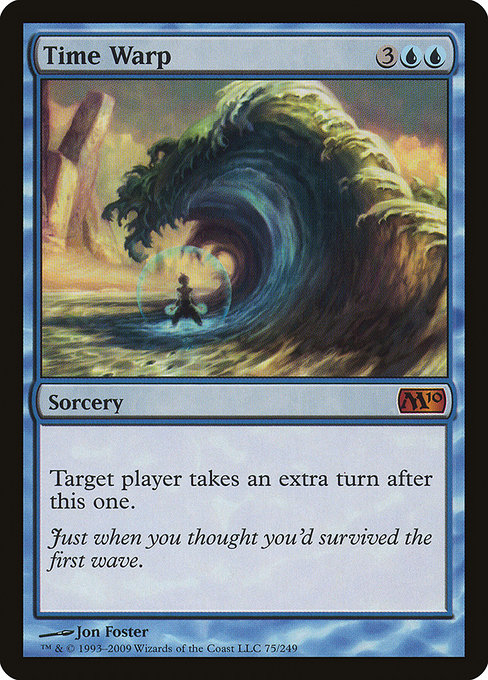
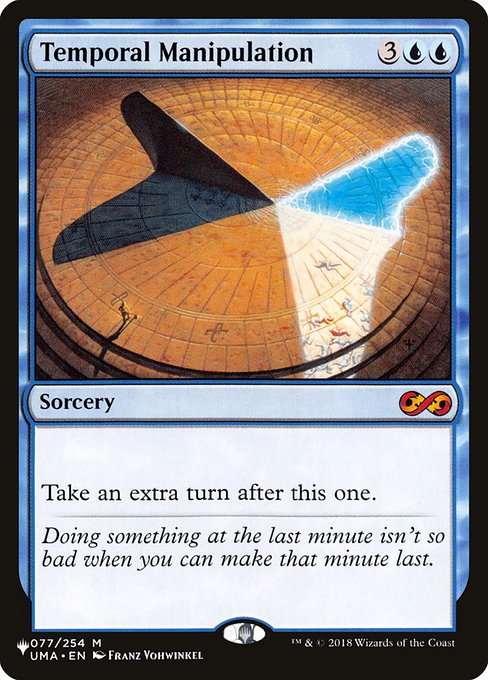
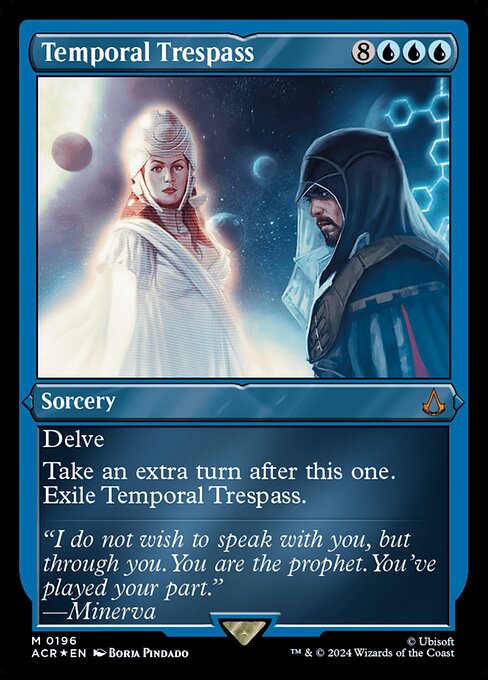
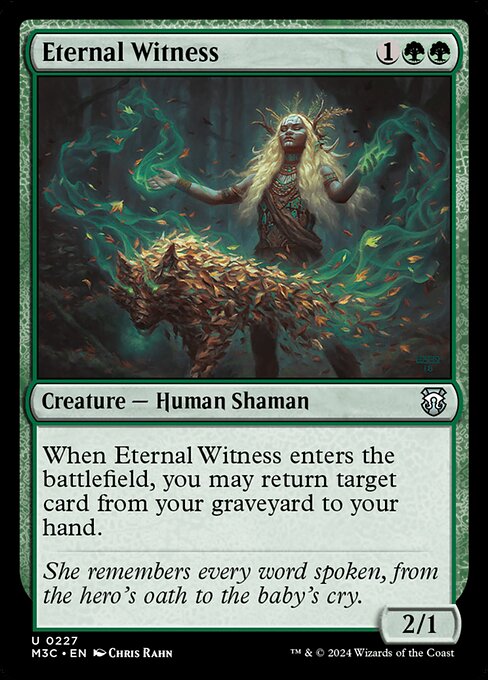
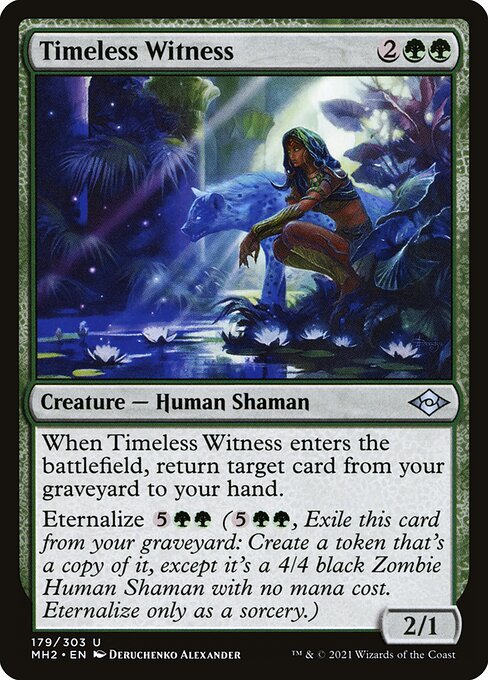
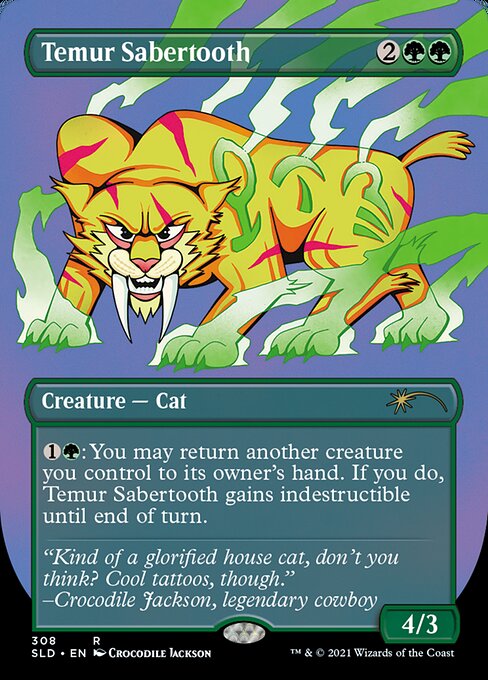
The truly scary interactions happen through recursion thanks to Eternal Witness and Timeless Witness which repeatedly recover turn spells, while Temur Sabertooth can repeatedly bounce creatures for additional value.
The deck also contains one of Simic’s classic combo lines through Isochron Scepter and Dramatic Reversal. With sufficient mana sources available, infinite mana becomes possible.
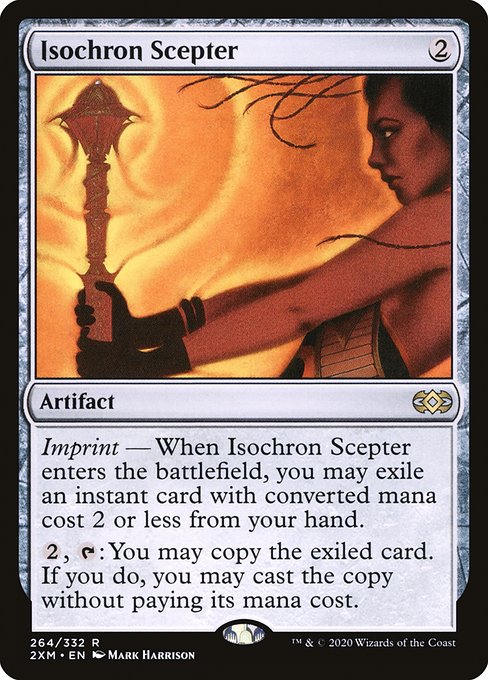
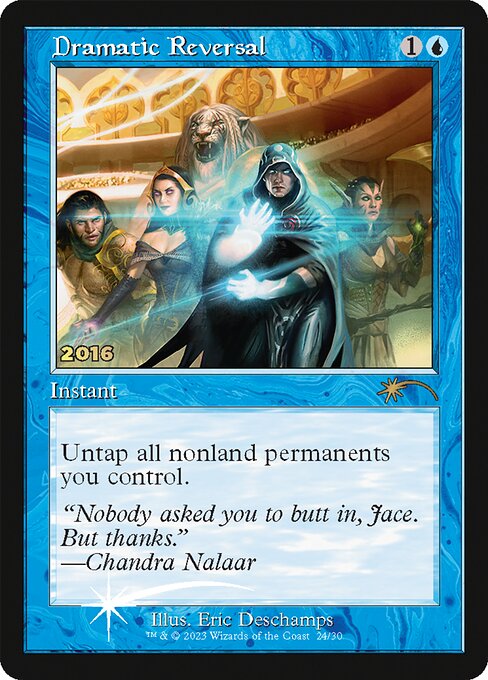
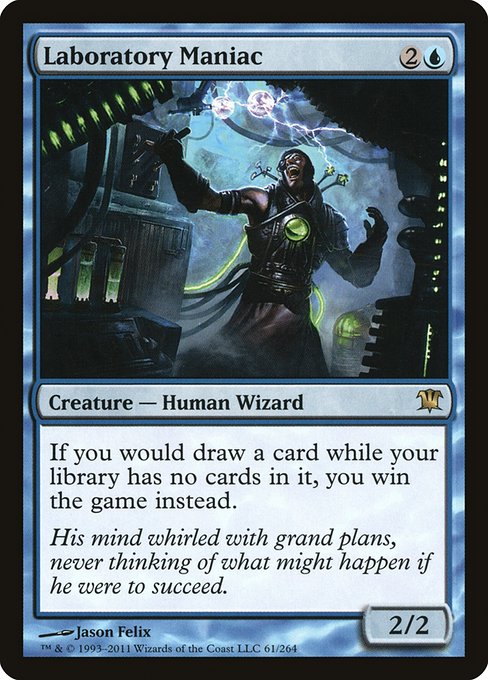
Once infinite mana enters the equation, the deck suddenly gains access to enormous sequences involving repeated card draw and giant spell chains. There is also an alternate victory condition through Laboratory Maniac, which feels perfectly on-theme for a Quandrix deck. Instead of defeating opponents through combat, the deck can simply solve its own equation and draw itself into victory.
What makes this deck especially unique is that it rarely feels explosive immediately. Instead, it feels inevitable.The board develops slowly, lands accumulate, card advantage grows, and then suddenly opponents realize they have not taken a turn in several cycles.
If chaining unstoppable spells and stealing tempo by having constant extra turns sounds like your thing, check out the deck here:

Commander
Creatures (16)
Instants (22)
Sorceries (23)
Artifacts (8)
Lands (28)
100 Cards
$1301.18
Closing Thoughts
Secrets of Strixhaven feels like an evolution of the original philosophies of the Elder Dragons rather than a replacement. Instead of repeating the same designs, these newer versions take familiar identities and push them into new directions.
Perhaps the most interesting thing about these decks is how different they feel despite sharing common origins. One deck floods the board with creatures, another casts twenty spells in one turn, another manipulates draws and timing, while another attempts to take every remaining turn in the game. The original founders taught their students how to approach magic; these new incarnations feel like the graduates putting those lessons into practice.