




The Graveyard Is a Commander Player’s Second Hand
If you’ve played Commander for any amount of time, you’ve probably realized one thing: cards rarely stay dead for long.
Commander has transformed the graveyard into one of the game’s most valuable resources. In many cases, it’s less of a discard pile and more of a second hand waiting to be accessed. Entire archetypes are built around filling the graveyard as quickly as possible, while countless commanders treat it as an extension of their deck rather than the end of a card’s journey.
This means one important thing for every Commander player: you can’t afford to ignore the graveyard.
Years ago, graveyard hate was often considered a sideboard card for competitive formats. Commander changed that philosophy entirely. Since the format doesn’t have sideboards, every answer has to be included in your 99 before the game even begins. If your deck has no way to interact with opposing graveyards, you’re simply hoping nobody at the table decides to exploit theirs; a risky bet considering just how many popular commanders naturally do exactly that.
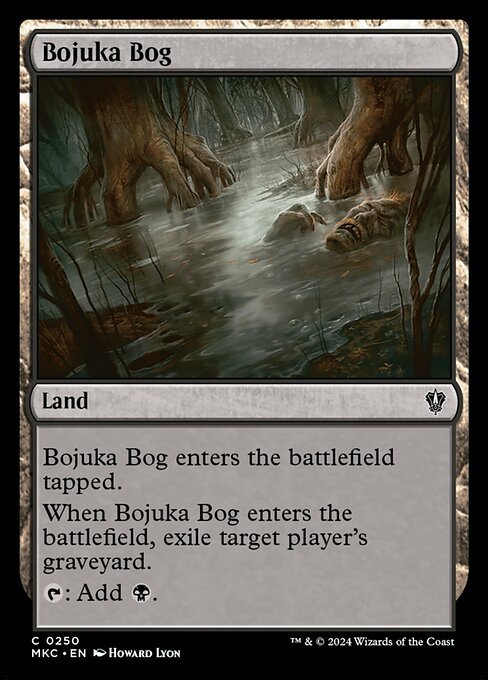
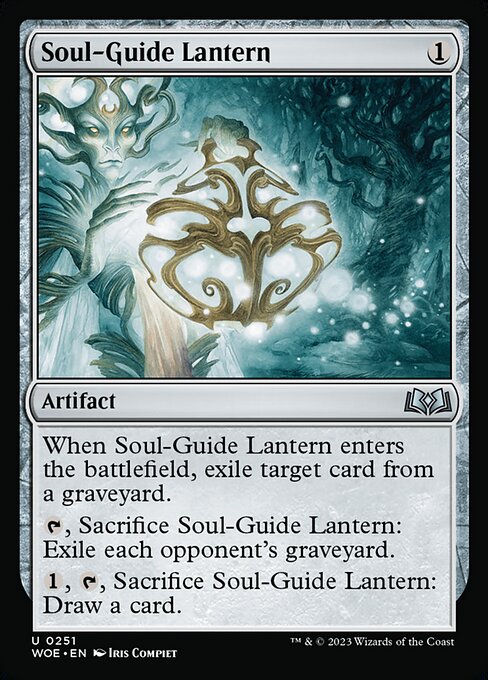
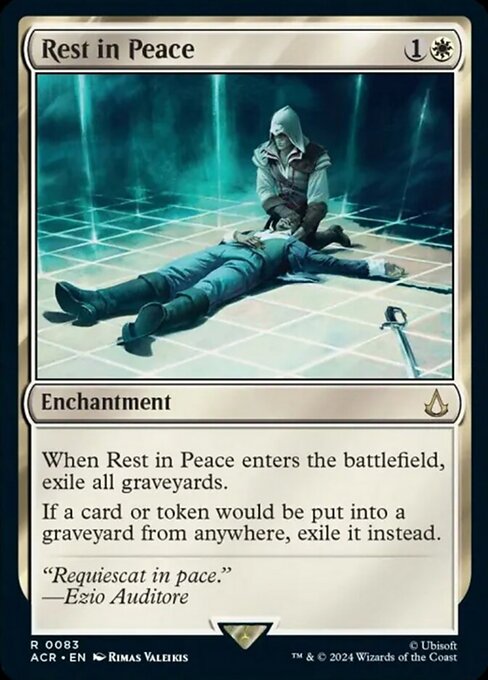
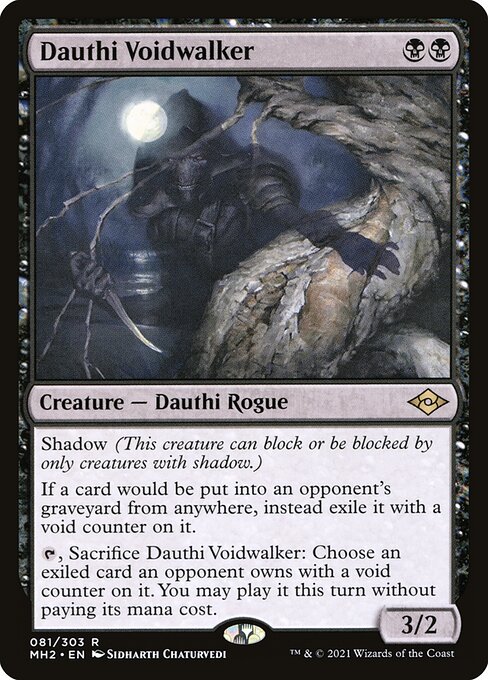
The beauty of graveyard hate is that it doesn’t have to be flashy. A single activation from Bojuka Bog can erase several turns of careful setup. One well-timed Soul-Guide Lantern can stop an entire combo before it begins. Permanents like Rest in Peace or Dauthi Voidwalker don’t just answer graveyards, they fundamentally change how your opponents have to play the game.
Of course, not every Commander deck needs to dedicate half its slots to fighting recursion. Graveyard hate is at its best when it’s efficient, flexible, and arrives at exactly the right moment. Knowing which cards to play is only half the battle; knowing when to use them is what separates experienced Commander players from everyone else.
In this guide, we’re going to explore why graveyard interaction has become one of the most important forms of disruption in Commander, the different kinds of graveyard hate available to every color, and how you can choose the right tools for your own deck without sacrificing your primary gameplan.
Why Graveyard Hate Matters
Because sometimes, the most dangerous card on the battlefield isn’t on the battlefield at all, like we explored in this article about Graveyard strategies: https://edhmeta.com/playing-with-the-dead-in-commander/
The Commander format has never been more efficient at using the graveyard than it is today. Nearly every new set introduces mechanics that either place cards into the graveyard or reward players for doing so. What was once simply a place for destroyed creatures has become a toolbox, a combo engine, and sometimes even an alternate hand.
Understanding why graveyard hate is so important starts with recognizing just how many strategies rely on the graveyard to function.
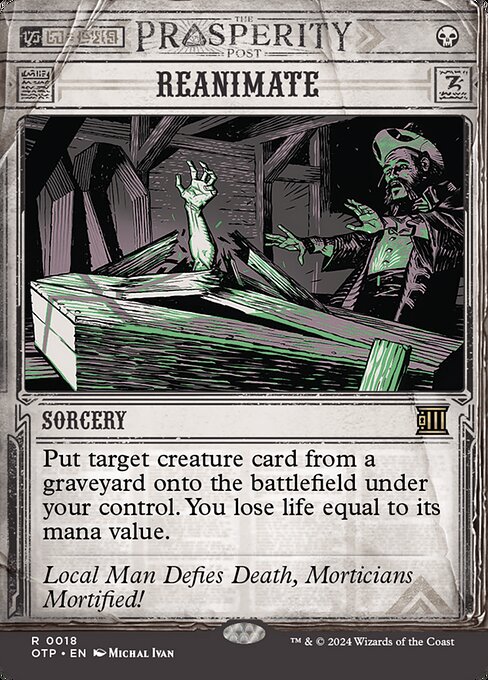
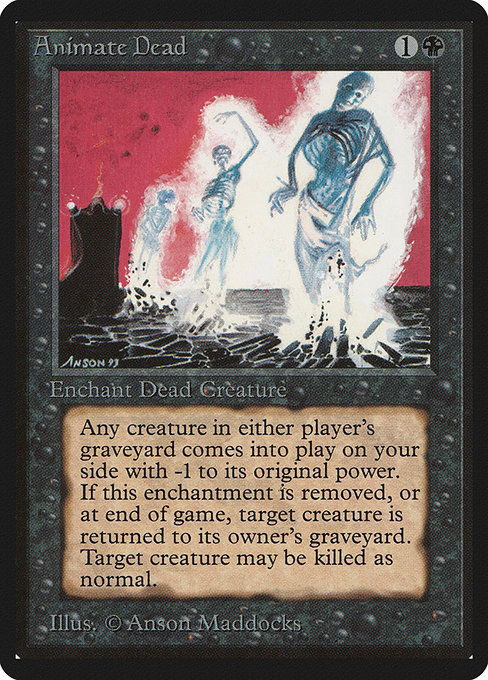
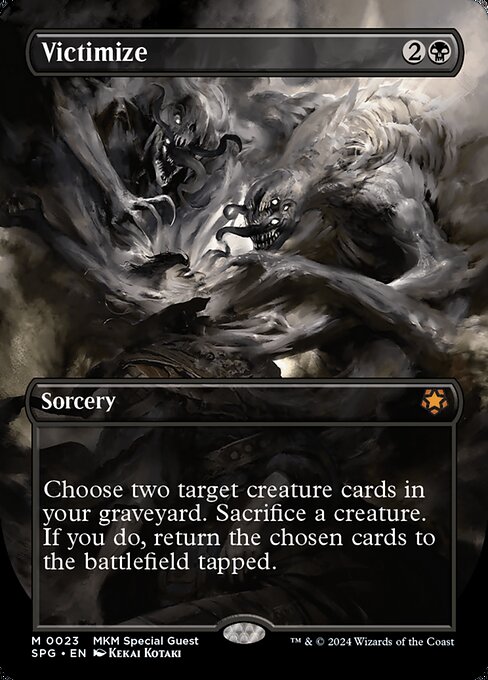
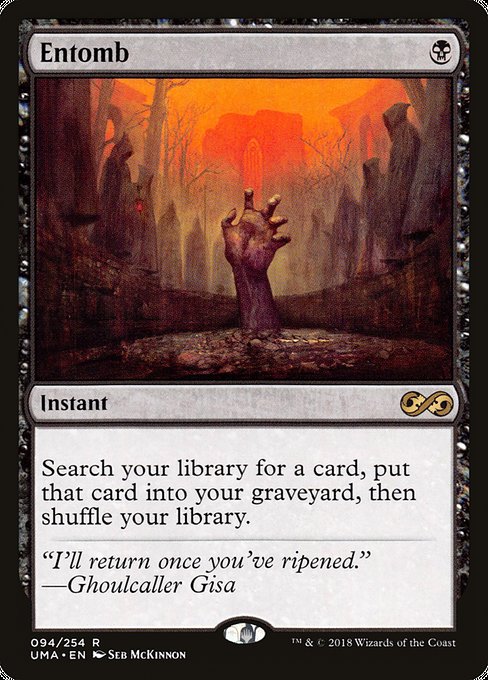
The most obvious example is reanimator. Rather than paying eight or ten mana for a massive threat, reanimator decks intentionally discard or mill creatures before bringing them directly onto the battlefield with cards like Reanimate, Animate Dead, Victimize, or Living Death. Suddenly, creatures that were designed to be expensive become available for just a fraction of their intended cost. Watching an opponent cast Entomb followed immediately by Reanimate is often enough to put the entire table on the back foot before the game has truly begun.

Yet reanimator is only the beginning.
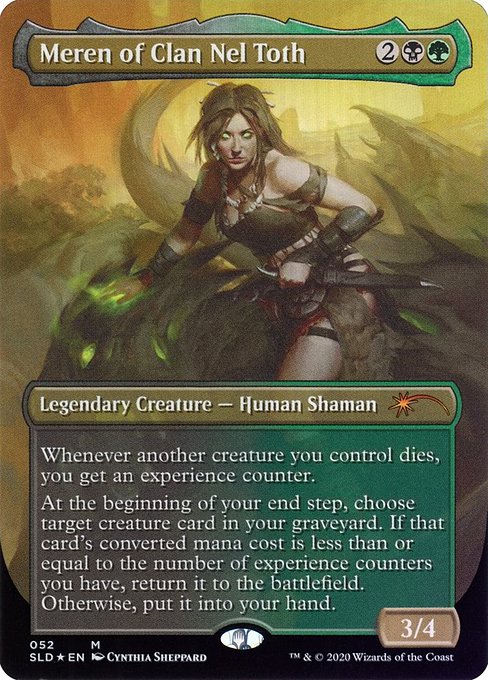
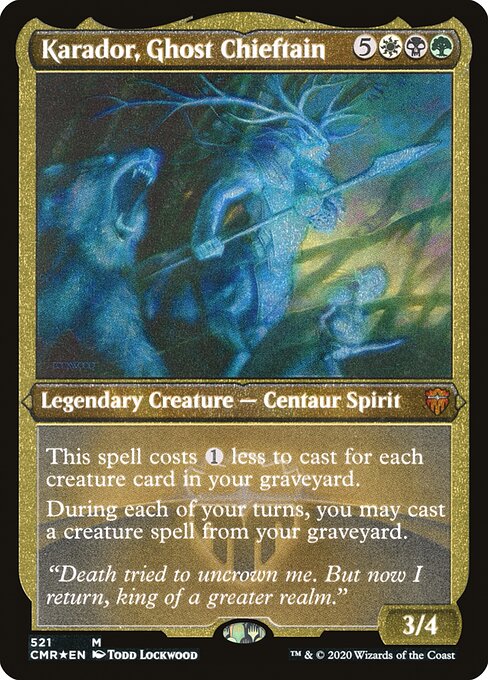
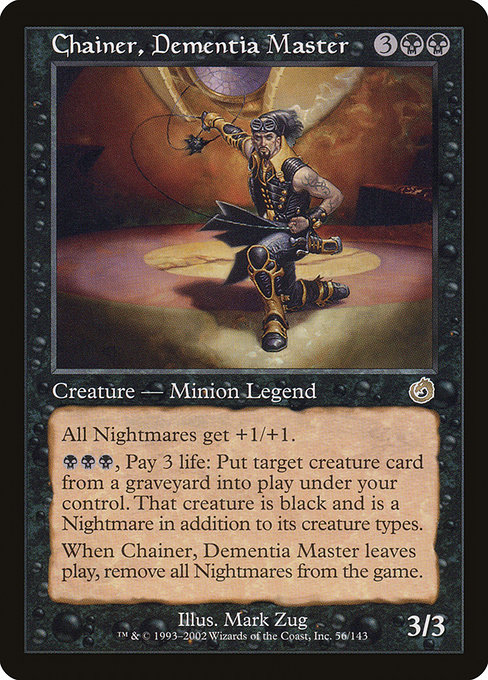
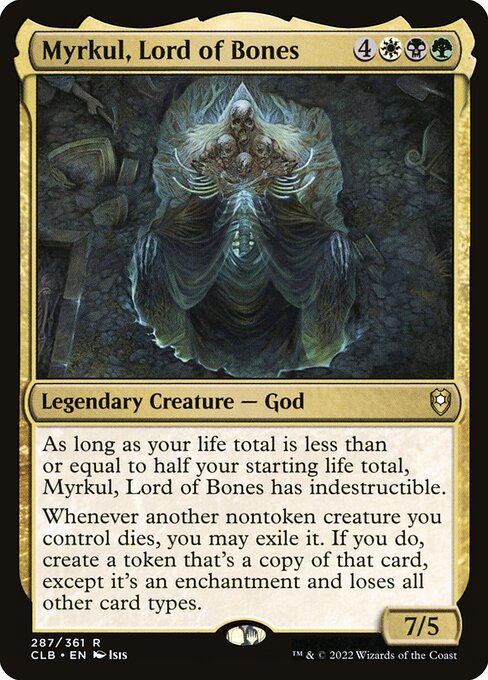
Many commanders use the graveyard as a continuous value engine rather than an all-in strategy. Commanders like Meren of Clan Nel Toth, Muldrotha, the Gravetide, Karador, Ghost Chieftain, Chainer, Dementia Master, and Myrkul, Lord of Bones can repeatedly recycle creatures, enchantments, or entire board states. Left unchecked, these commanders effectively draw an extra card every turn without ever touching their libraries.
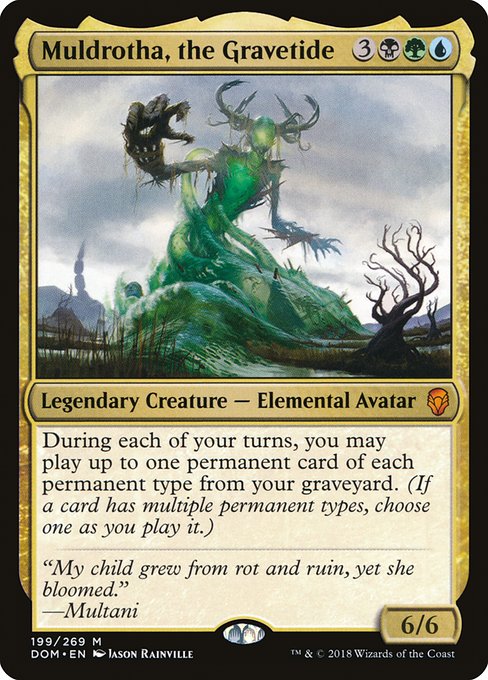
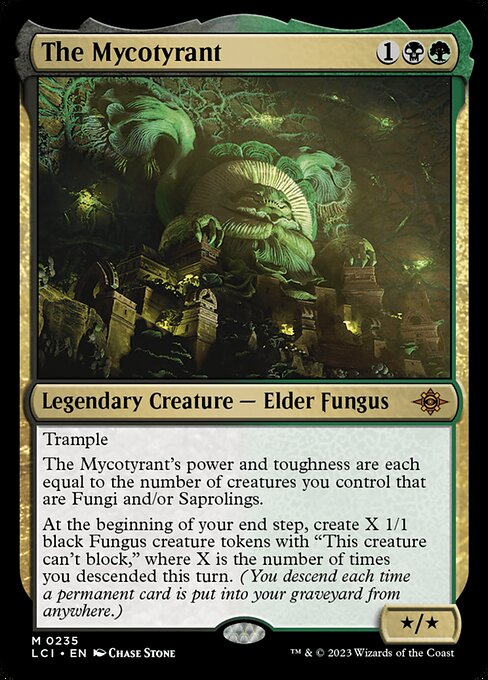
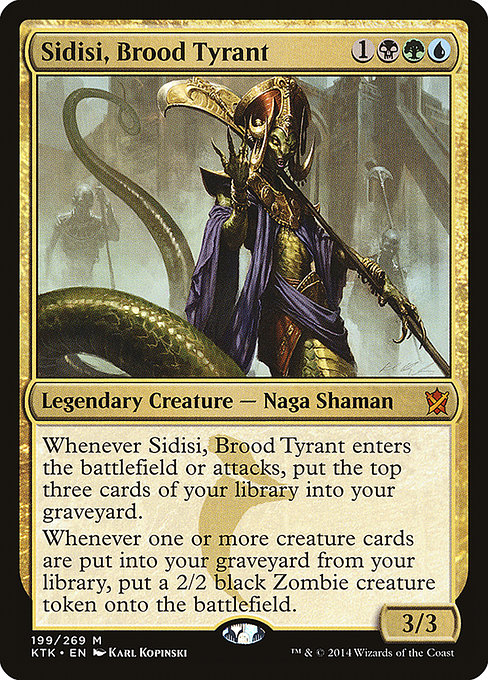
Modern Commander has also embraced self-mill as a legitimate strategy. Cards that would once be considered drawbacks (putting cards from your library into your graveyard) are now powerful forms of card selection. Decks led by The Mycotyrant, Sidisi, Brood Tyrant, or Muldrotha, the Gravetide actively want dozens of cards entering their graveyard because every creature milled represents future resources waiting to be used.
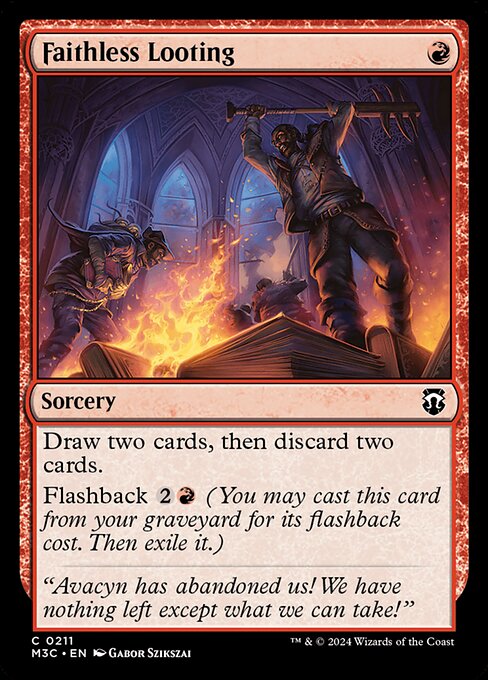
Even mechanics that weren’t originally designed around Commander become significantly stronger in multiplayer. Flashback allows spells like Faithless Looting to generate value twice. Escape lets threats repeatedly return from exile-worthy situations. Delve transforms graveyard cards into mana discounts for powerful spells, while Unearth, Disturb, Encore, Jump-start, and Retrace all give cards a second life after they’ve been cast once already.
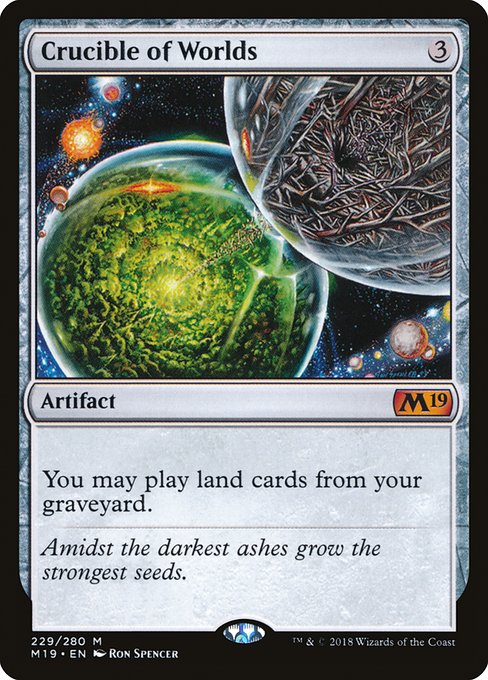
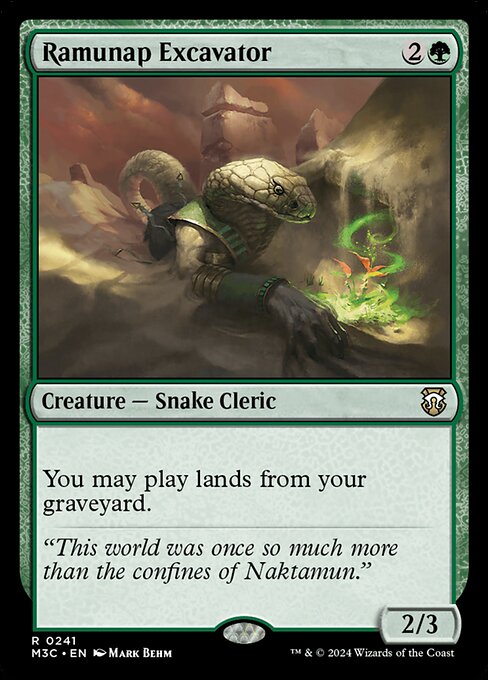
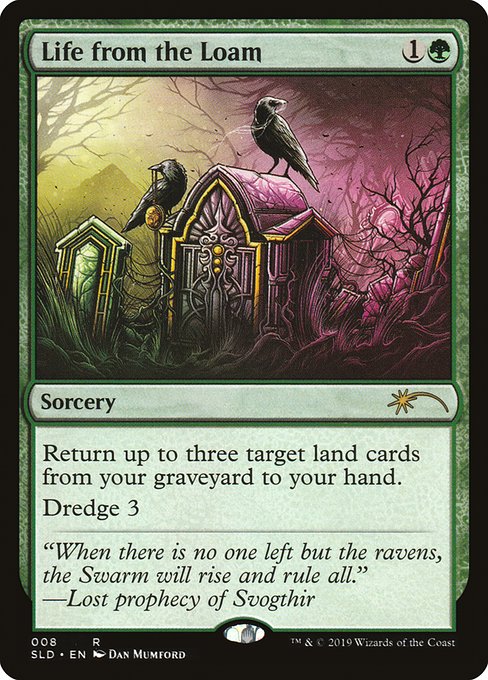
Then there are lands; Commander players have become increasingly aware that lands are among the safest permanents in the game. Destroying lands is often frowned upon socially, which makes recurring them especially powerful. Cards like Crucible of Worlds, Ramunap Excavator, and Life from the Loam allow players to reuse fetch lands indefinitely, recur powerful utility lands, or guarantee land drops every turn. Combined with fetch lands or sacrifice outlets, these engines generate enormous value over a long game.
Perhaps the biggest reason to respect graveyards, however, is combo.
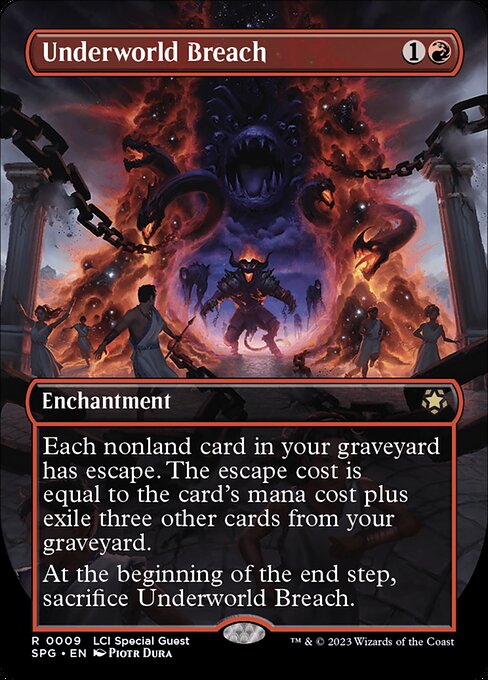
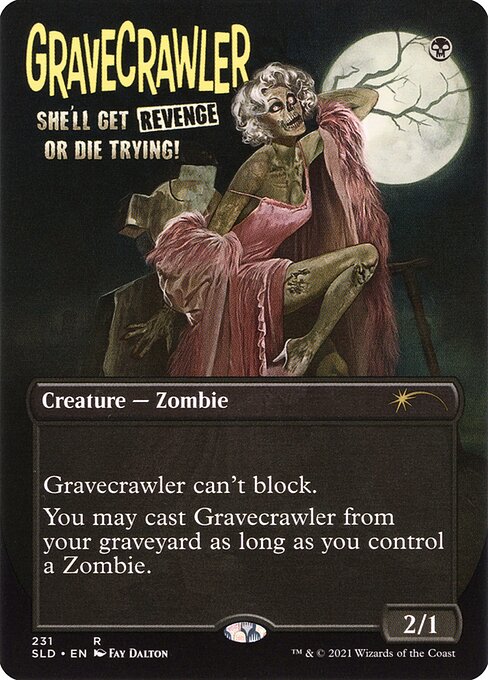
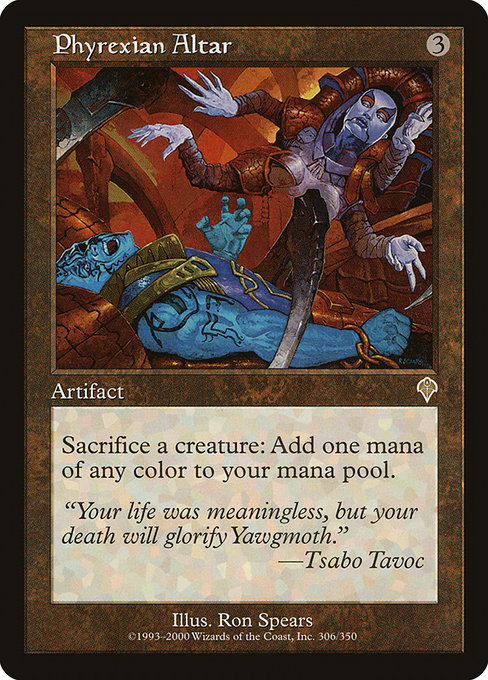
Many of Commander’s strongest combo lines depend on the graveyard at some point during their execution. Underworld Breach has become one of the most feared combo pieces in the format by turning every card in the graveyard into another spell waiting to be cast. Even classic aristocrat loops involving Gravecrawler, Phyrexian Altar, and sacrifice outlets simply stop functioning if key pieces disappear from the graveyard.
This is precisely why graveyard hate punches far above its weight. Unlike creature removal, which often trades one-for-one, a single graveyard hate effect can erase ten or twenty cards’ worth of accumulated value. One activation removes future card draw, future mana, future combo pieces, and sometimes an opponent’s entire strategy.
It’s easy to think of graveyard hate as reactive, but in reality it’s preventative. You’re not merely answering what your opponent has already done. You’re denying everything they planned to do next.
One-Shot Graveyard Hate
Not every deck wants to dedicate permanent slots to controlling opposing graveyards. Many Commander strategies simply need an emergency button, a single card capable of shutting down explosive recursion before immediately returning to advancing their own gameplan.
That’s where one-shot graveyard hate shines.
These cards don’t usually stay on the battlefield generating value turn after turn. Instead, they wait patiently until the perfect opportunity presents itself before removing an entire graveyard or exiling carefully selected cards at instant speed. Because they’re compact, efficient, and often replace themselves, these effects have become staples across every power level of Commander.
Perhaps the most iconic example is Bojuka Bog. The land enters the battlefield tapped, but in exchange it exiles an entire player’s graveyard without requiring additional mana. Since it occupies a land slot rather than a spell slot, the opportunity cost is remarkably low. Even decks with little interest in graveyard interaction frequently find room for it simply because the payoff is enormous.
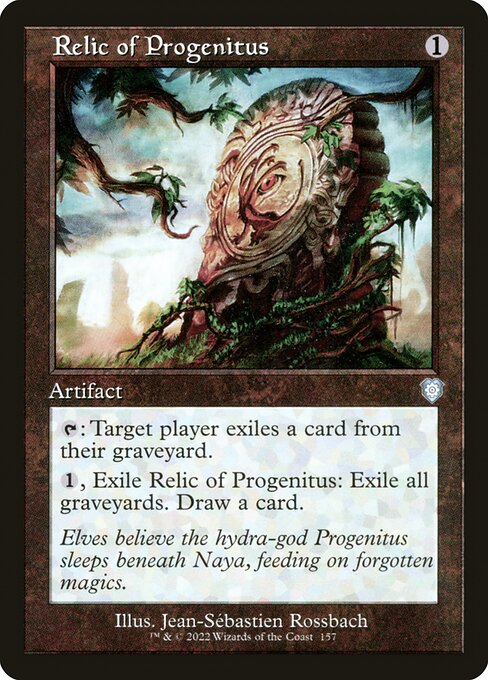
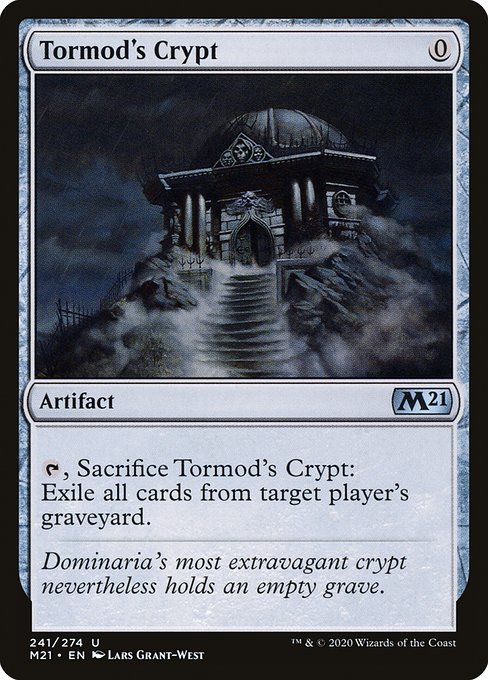
Artifacts provide some of the most universally playable options. Soul-Guide Lantern has become one of Commander’s premier graveyard hate pieces thanks to its flexibility. It can surgically remove a single problematic card early in the game before later cashing itself in to exile an entire graveyard, and if neither mode is necessary, it can simply draw a card. Relic of Progenitus offers a similar solution, though not having the flexibility of drawing a card.Tormod's Crypt asks for absolutely no mana investment whatsoever, making it an excellent inclusion in artifact-heavy strategies or decks that prefer leaving mana open for interaction.
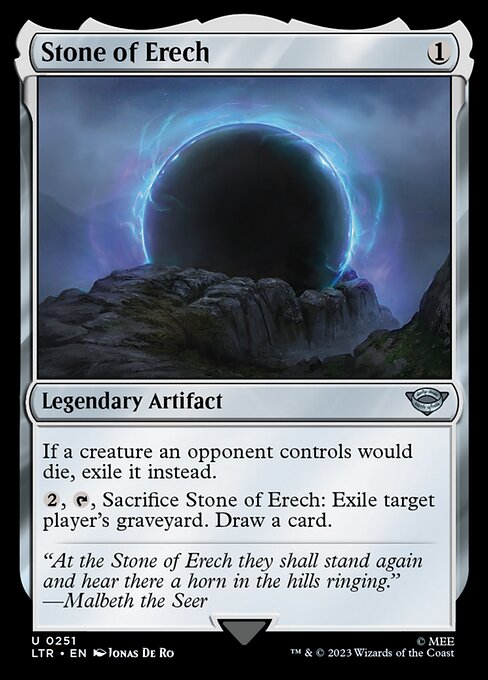
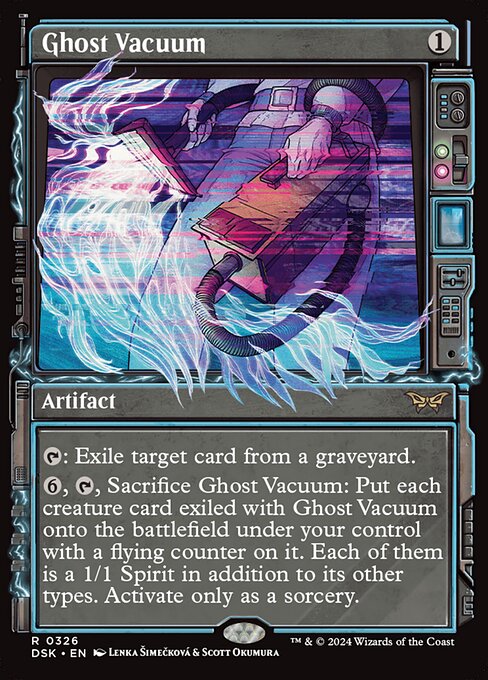
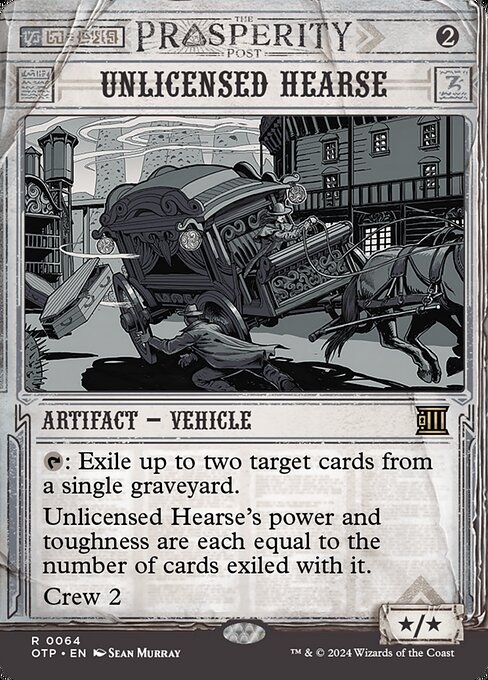
More recent additions have also expanded the available toolbox. Stone of Erech is particularly impressive because it not only exiles graveyards when needed but also discourages death triggers while sitting on the battlefield. Likewise, Ghost Vacuum and Unlicensed Hearse offers repeatable pressure against opposing graveyards while remaining inexpensive enough to deploy early without slowing your own development.
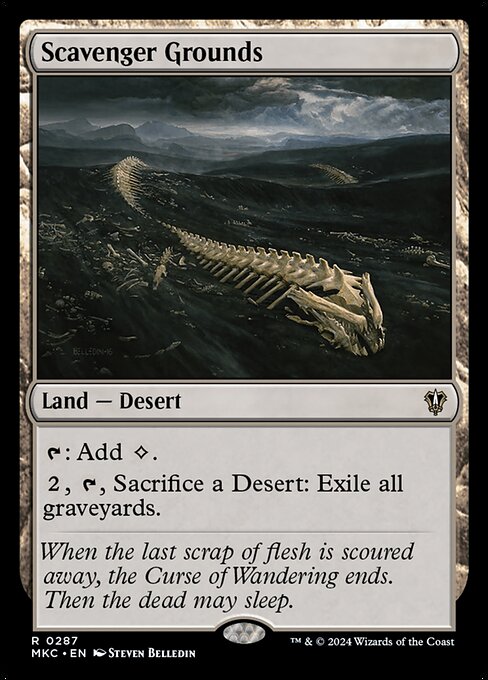
Colorless lands have also become valuable options. Scavenger Grounds gives virtually any deck access to instant-speed graveyard exile while occupying just a land slot. Although sacrificing a Desert is part of its activation cost, many Commander decks happily pay that price if it means preventing an opponent from resolving a devastating recursion spell or combo.
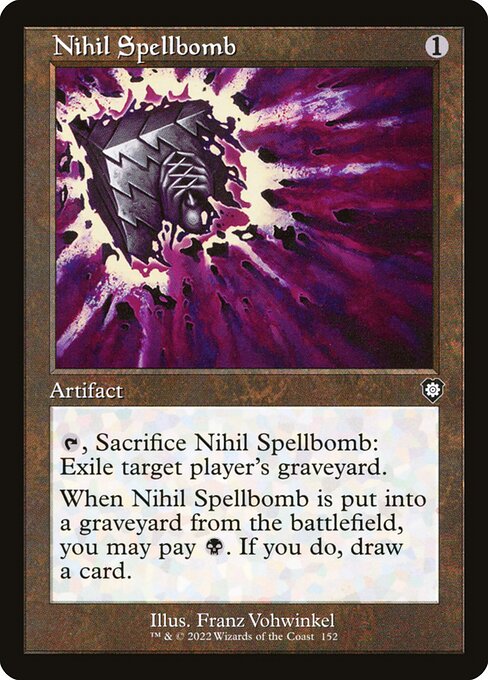
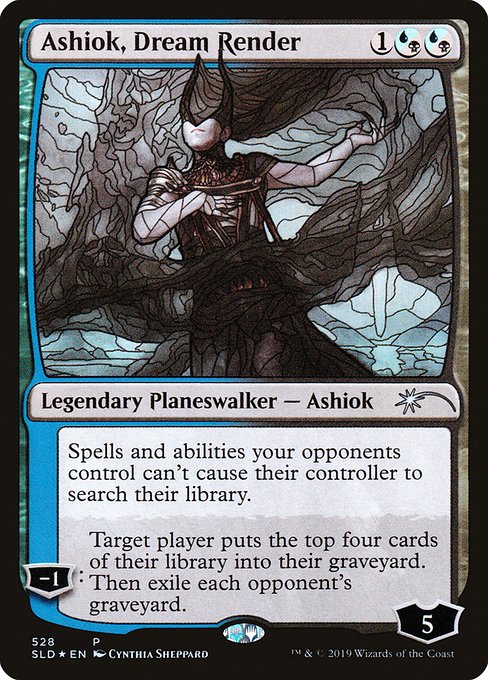
Nihil Spellbomb remains a favorite in Black decks because it combines instant-speed graveyard exile with card advantage. Ashiok, Dream Render offers sorcery-speed graveyard exile on either Black, Blue, or both.
When to use Graveyard Hate
Imagine a player casts Buried Alive, placing three combo creatures into their graveyard. If you immediately exile the graveyard, you’ve answered the threat. But if you simply leave your Soul-Guide Lantern on the battlefield, you’ve often accomplished even more. Suddenly, that opponent has to play around your activation for several turns, delaying reanimation spells, altering tutors, or committing resources elsewhere until they can safely remove your artifact.
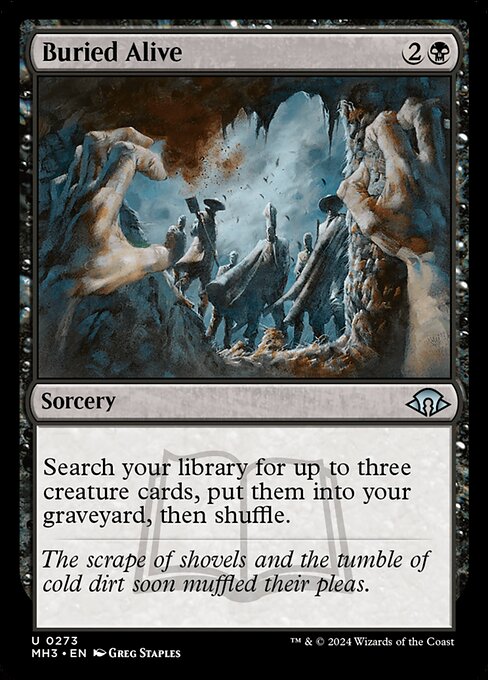
Many newer Commander players make the mistake of firing off graveyard hate as soon as a few attractive targets appear. Experienced players wait until their opponent commits. Let the Reanimate go on the stack. Wait for Living Death to be announced. Force the combo player to invest mana before pulling the rug out from under them. The larger the commitment, the more devastating your graveyard hate becomes.
That’s why one-shot interaction continues to be the most popular form of graveyard hate in Commander. It’s efficient, difficult to play around, easy to include in almost any deck, and capable of completely reversing the momentum of a game with a single well-timed activation.
For many Commander players, these cards represent the perfect balance: enough interaction to keep graveyard strategies honest without dedicating multiple deck slots to a problem that may never appear in every game.
Repeatable or Constant Graveyard Hate
While one-shot graveyard hate is excellent for stopping explosive plays, sometimes a more permanent solution is required. Certain decks don’t simply interact with their graveyards once or twice throughout a game, they rely on them every single turn. Against some commanders exiling a graveyard one time often isn’t enough. Within a turn cycle, they may have rebuilt their entire engine.
That’s where repeatable graveyard or constant hate comes into play.
Instead of waiting for the perfect opportunity, these cards constantly pressure opposing graveyards, forcing your opponents to rethink every mill spell, sacrifice outlet, and recursion effect they attempt.
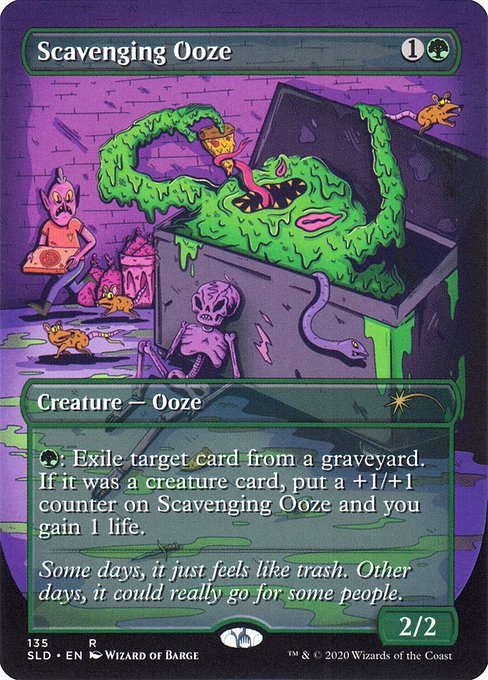
One of the best examples is Scavenging Ooze. Over the years, it has become one of green’s defining utility creatures because it manages to do everything Commander players love. It grows larger over the course of the game, gains incidental life, and can exile creatures from any graveyard at instant speed. Better yet, it doesn’t need to wipe an entire graveyard at once. You can selectively remove combo pieces while leaving less threatening cards untouched, ensuring that every activation extracts maximum value.
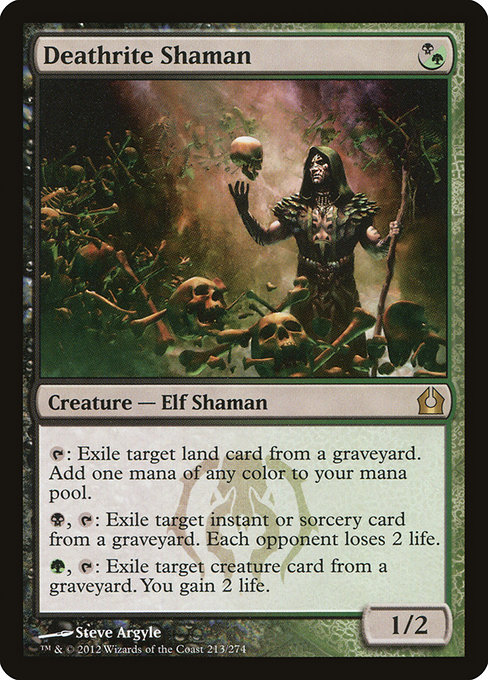
Few cards have had as much impact on Commander as Deathrite Shaman. Often called the “one-mana planeswalker,” it demonstrates just how valuable graveyard interaction can be when attached to an already useful card. It exiles lands for mana acceleration, creatures to gain life, and instants or sorceries to slowly drain opponents. Even if graveyard strategies never appear, Deathrite Shaman still provides meaningful utility throughout the game, making it one of the easiest inclusions for multicolor decks.
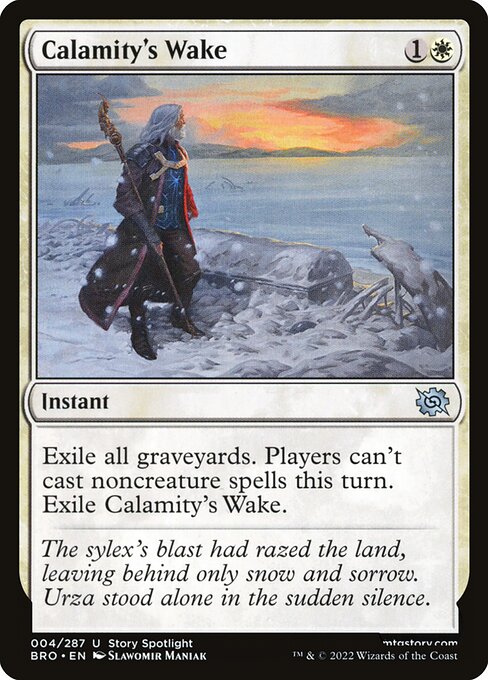
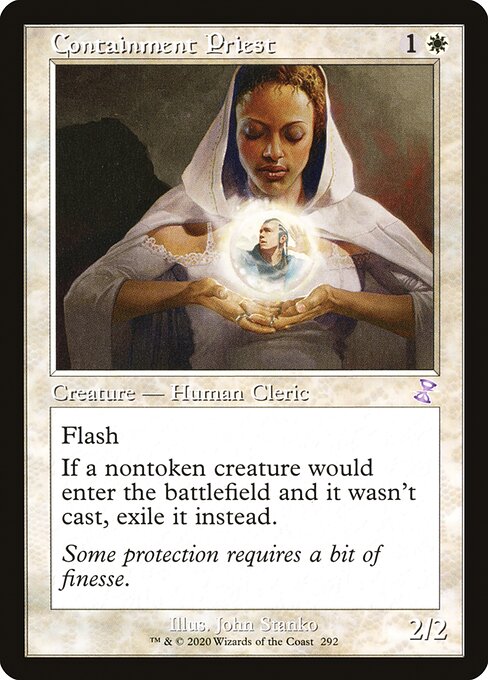
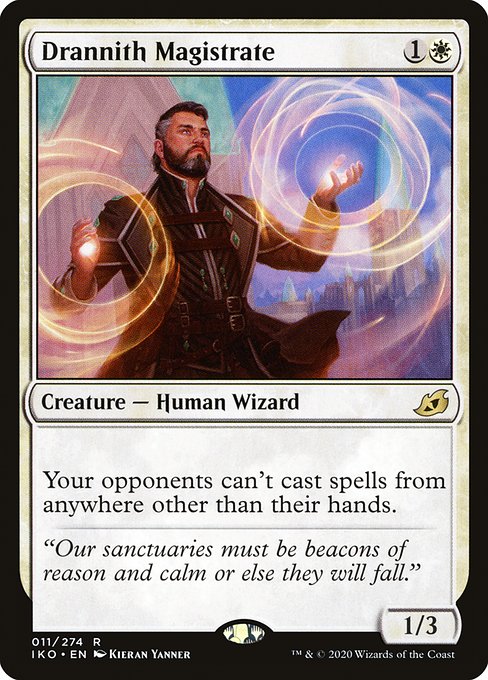
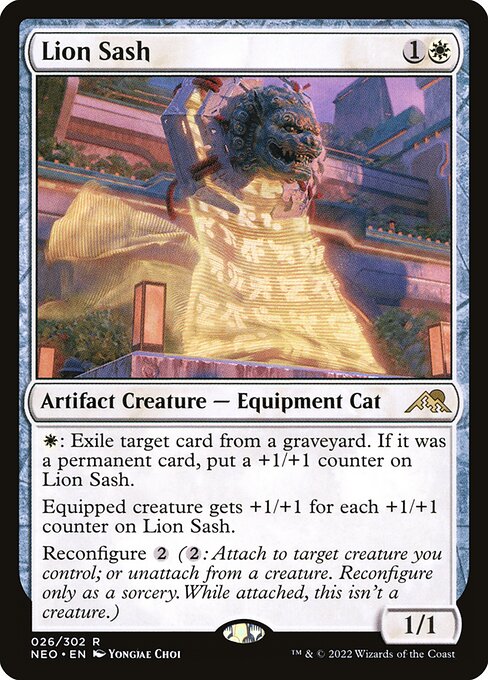
White has cards like Calamity's Wake, Containment Priest, and Drannith Magistrate. It also has Lion Sash which unlike traditional hate pieces, doubles as both removal and a legitimate threat. Every card it exiles makes it larger, eventually turning it into a massive attacker while simultaneously preventing recursion. Because it can reconfigure onto another creature, the investment never feels wasted, even against opponents who aren’t relying heavily on their graveyards.
Black also received one of the most oppressive hate cards ever printed in Dauthi Voidwalker. It exiles every card that would enter an opponent’s graveyard. Later, by sacrificing itself, it allows you to cast one of those exiled cards for free. Against combo decks, this creates an awkward dilemma. Either they refuse to commit resources, slowing themselves dramatically, or they continue playing into your Voidwalker and potentially hand you the very spell they hoped would win the game.
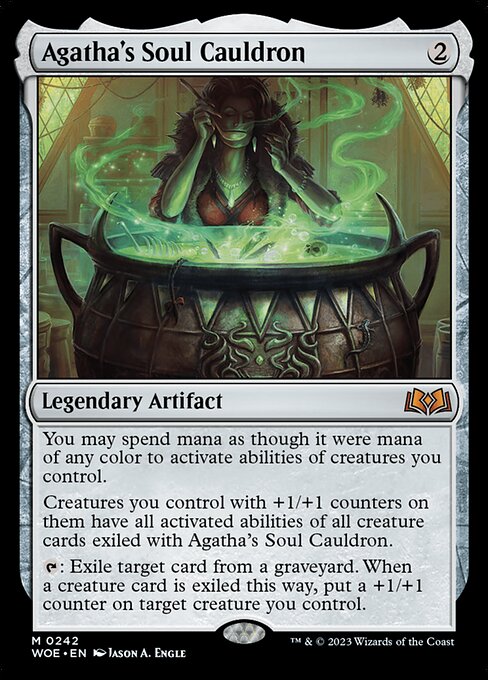
Cards like Agatha's Soul Cauldron offer another fascinating approach. Although primarily designed around distributing activated abilities, it naturally exiles creatures from graveyards as part of its cost. Decks built around +1/+1 counters or activated abilities gain powerful incidental graveyard interaction without dedicating an entire card slot solely to hate.
Repeatable graveyard hate shines because it changes player behavior. Instead of reacting to what has already happened, it discourages opponents from using their graveyards at all. Suddenly, self-mill becomes less attractive. Sacrifice loops lose consistency. Reanimation targets become liabilities rather than assets.
These cards are particularly valuable in slower Commander pods where games regularly stretch beyond ten turns. In those environments, shutting down one graveyard once is rarely enough. Applying continuous pressure ensures that graveyard-based decks never have the opportunity to rebuild.
Stopping Cards Before They Ever Reach the Graveyard
Sometimes the best way to fight the graveyard is to make sure nothing ever gets there in the first place.
Replacement effects represent the most oppressive form of graveyard hate available in Commander because they don’t wait for the graveyard to become dangerous. Instead, they rewrite the rules of the game itself. Cards that would normally die, be discarded, milled, or sacrificed simply never reach the graveyard at all.
Few cards illustrate this philosophy better than Rest in Peace. Upon entering the battlefield, it immediately exiles every graveyard before replacing every future trip to the graveyard with exile instead. Against dedicated recursion decks, this single enchantment can effectively shut down an entire strategy. Reanimation spells lose their targets, flashback becomes unusable, delve runs out of fuel, and commanders designed around recursion often become little more than overcosted creatures.
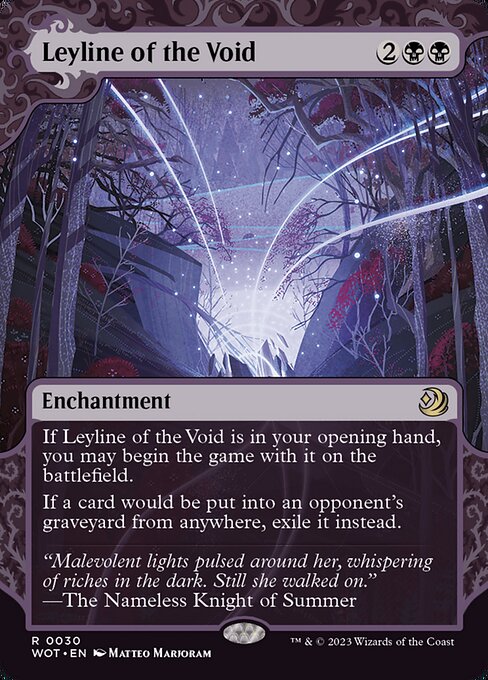
Black has its own terrifying equivalent in Leyline of the Void. Beginning the game with Leyline already on the battlefield is one of the strongest openings against graveyard-centric decks. Unlike one-shot interaction, opponents don’t get an opportunity to build resources first. Their graveyards simply never develop.
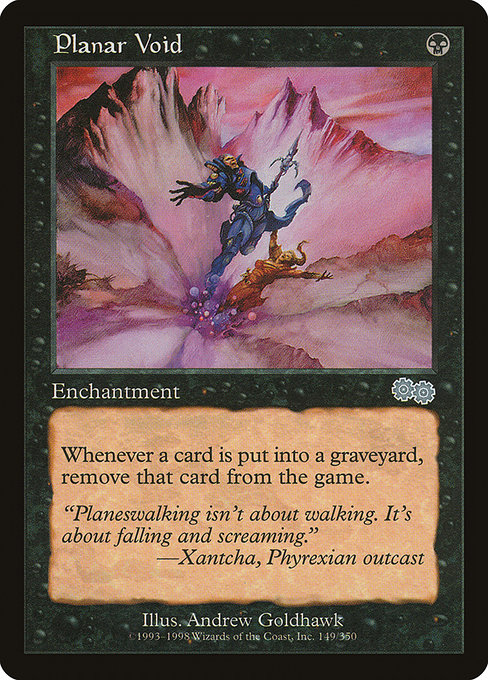
Older cards such as Planar Void achieve a similar effect in a slightly different way. Although cards technically reach the graveyard before being exiled, the end result remains largely the same for most Commander games. Continuous pressure forces graveyard decks to answer the enchantment before they can even begin executing their gameplan.
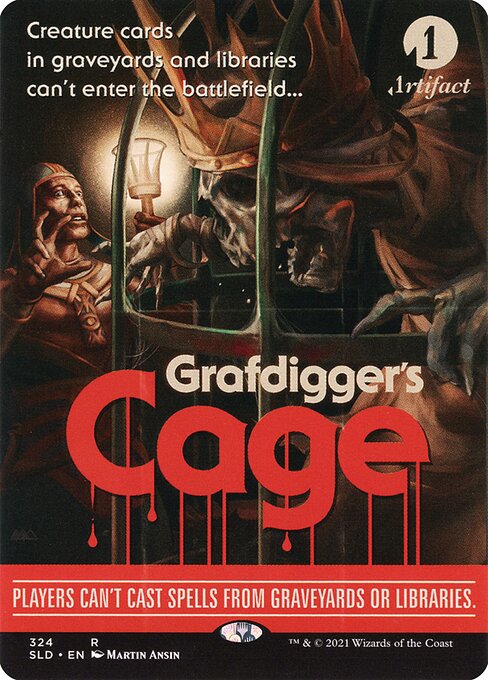
Not every hate piece needs to exile cards directly. Grafdigger's Cage attacks graveyard strategies from another angle by preventing creatures from entering the battlefield from libraries or graveyards altogether. Reanimation spells suddenly become blanks, while popular tutor chains involving creatures lose much of their effectiveness. It’s a fantastic example of targeted disruption that often affects multiple archetypes simultaneously.
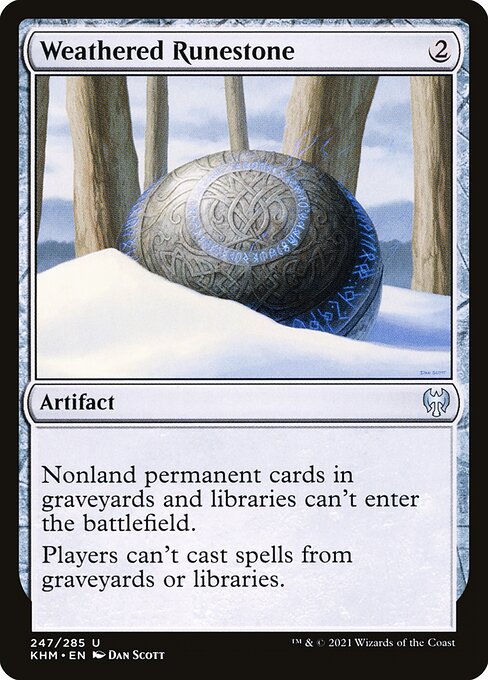
Similarly, Weathered Runestone expands upon that concept by stopping nonland permanents from entering the battlefield from anywhere other than players’ hands. This means Reanimation, Cascade, Discover, and other cheat-into-play effects all become significantly weaker.
These effects aren’t without drawbacks, however.
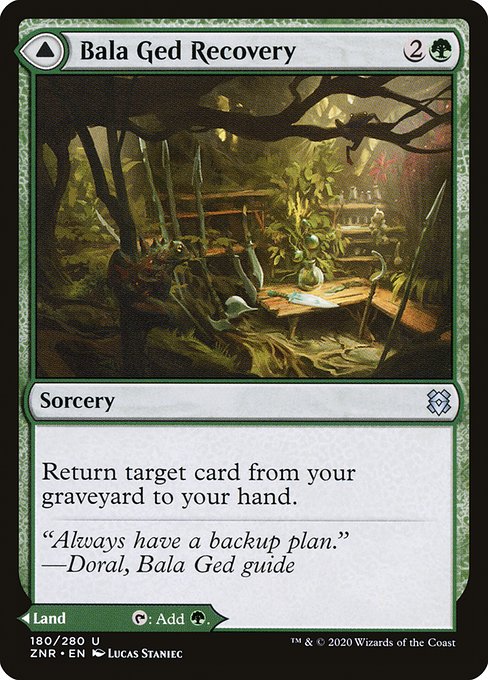
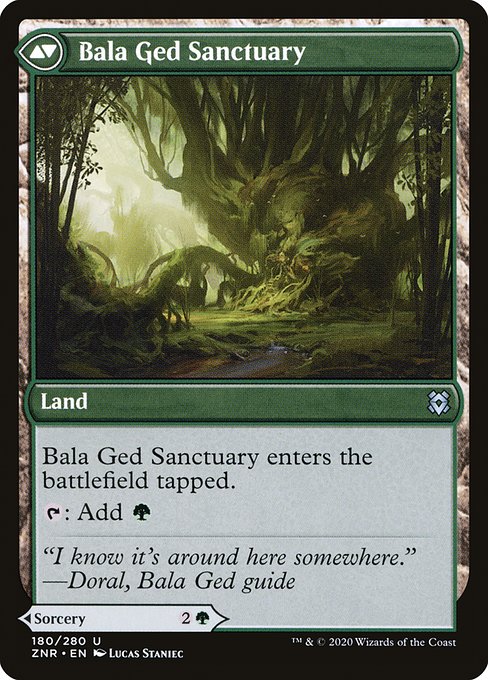
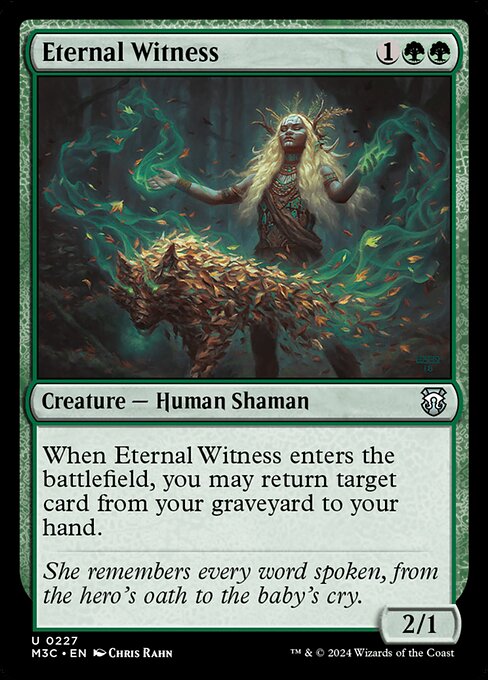
Many Commander decks utilize their own graveyards, even if recursion isn’t their primary strategy. Flashback spells, MDFCs like Bala Ged Recovery, eternalize effects, escape cards, and simple recursion staples such as Eternal Witness all become collateral damage when replacement effects are on the battlefield. Before including cards like Rest in Peace, it’s important to evaluate how much your own strategy depends on the graveyard.
Fortunately, plenty of archetypes are almost entirely unaffected. Voltron, enchantress, artifact combo, token strategies, and many aggressive creature decks can happily deploy these hate pieces while barely inconveniencing themselves.
If your local playgroup features multiple reanimator or self-mill players, replacement effects are often your strongest option since they prevent those strategies from existing in the first place.
When Should You Use Your Graveyard Hate?
Knowing which graveyard hate cards to include is important, and knowing when to activate them is often even more important.
One of the biggest mistakes Commander players make is exiling a graveyard simply because it looks threatening. A player mills twenty cards, and the instinct is to immediately remove them. While that may feel satisfying, it’s not always correct. Those cards sitting in the graveyard aren’t actually doing anything until their owner has a way to use them.
Force your opponents to invest mana, reveal information, and commit to a line of play before removing the graveyard entirely. Turning a seven-mana spell into “do nothing” is dramatically stronger than simply preventing it from being cast in the first place.
Timing also depends heavily on the type of graveyard deck you’re facing. Combo decks often require only a handful of key cards to win, making surgical removal particularly effective. Value-oriented decks on the other hand slowly accumulate resources over many turns. Against those decks, removing the graveyard before they untap with their commander can often deny several turns’ worth of incremental advantage.
Finally, remember that graveyard hate has a psychological component.
An unactivated Soul-Guide Lantern sitting on your battlefield can be more powerful than one already sitting in the graveyard. Opponents know you can respond at any time, forcing them to either remove your hate piece first or play suboptimally around it. That hesitation often buys you multiple turns, even if you never activate the card.
Sometimes, simply representing graveyard interaction is enough to keep the most dangerous decks honest.
How Much Graveyard Hate Should Every Commander Deck Play?
There’s no universal answer, but a good rule of thumb is that every Commander deck should have access to at least one or two pieces of graveyard interaction. Because so many popular strategies rely on recursion in some capacity, completely ignoring opposing graveyards leaves you vulnerable to some of the format’s strongest engines.
For casual tables, a single flexible answer like Bojuka Bog, Soul-Guide Lantern, Relic of Progenitusor Scavenger Grounds is often enough. These cards require very little deck-building commitment while still providing a crucial safety valve against explosive graveyard turns.
As power levels increase, so should your interaction. High-powered Commander games frequently feature recursion loops, combo turns, or commanders that repeatedly abuse the graveyard. Two or three dedicated hate pieces become much more reasonable, particularly if they offer utility outside of graveyard interaction.
At the cEDH level, graveyard hate becomes almost mandatory. Cards like Underworld Breach are among the defining combo engines of the format, meaning efficient interaction such as Dauthi Voidwalker, or Tormod's Crypt often earn their place regardless of your deck’s primary strategy. If you’re interested in learning more about cEDH, check out this article about Mono-Colored cEDH! https://edhmeta.com/mono-colored-cedh/
Ultimately, the best graveyard hate is the kind you’ll actually cast. Flexible cards that fit naturally into your gameplan are almost always preferable to narrow silver bullets that sit dead in your hand. If your interaction advances your own strategy while disrupting an opponent’s, you’ve found exactly the kind of card Commander rewards.
Closing Thoughts
Commander has evolved into a format where the graveyard is every bit as important as the battlefield. Fortunately, interacting with graveyards has never been easier. Every color has access to meaningful tools, and colorless artifacts and lands ensure that no deck is completely without options. There’s a solution for every strategy and every budget.
The key isn’t cramming your deck full of graveyard hate, it’s choosing the right pieces and learning when to use them. A single well-timed activation can erase an opponent’s carefully crafted gameplan, stop a combo in its tracks, or swing the momentum of an entire multiplayer game in your favor.
After all, in Commander, the most dangerous cards aren’t always the ones on the battlefield. Sometimes, they’re the ones waiting patiently in the graveyard for another chance to matter. And if you’re prepared with the right answers, they may never get that chance.