




Burn is a difficult strategy to translate directly into Commander. Forty starting life means that a Lightning Bolt is rarely going to accomplish much by itself, and even powerful direct-damage spells can struggle w hen three opponents need to be defeated instead of one. Successful Commander burn decks usually need to approach damage differently: multiplying their spells, increasing their damage, or finding ways for every spell to hurt the entire table.
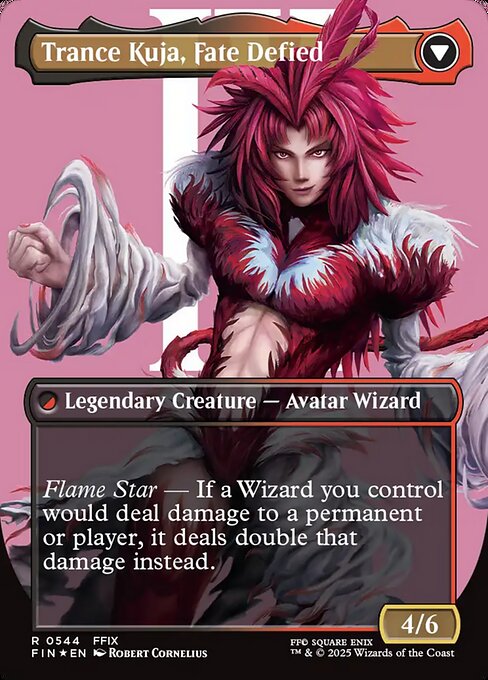
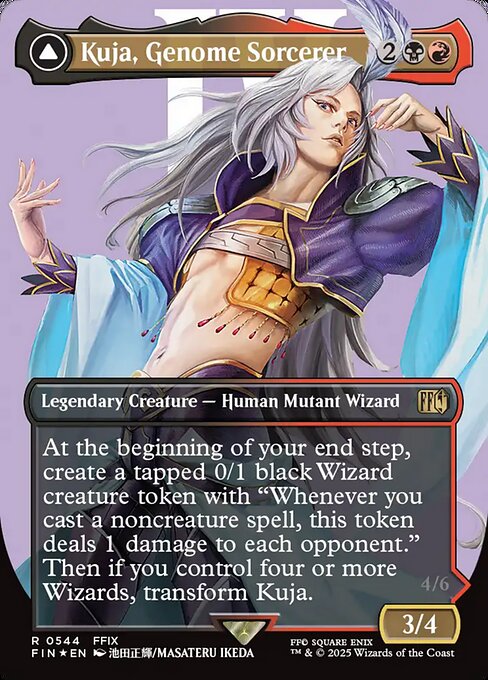
Kuja, Genome Sorcerer is a Rakdos spellslinger commander who turns noncreature spells into ammunition for an increasingly dangerous army of Wizards. At the beginning of each of your end steps, he creates a 0/1 Wizard token with the ability to deal 1 damage to each opponent whenever you cast a noncreature spell. Once you control four or more Wizards, Kuja transforms into Trance Kuja, Fate Defied, doubling the damage dealt by every Wizard you control.
That gives the deck a natural progression. Early turns are spent establishing Kuja, building a Wizard presence, and finding the resources needed to cast multiple spells. Once the battlefield is developed and Kuja transforms, the same cheap cantrips and rituals that previously dealt incremental damage can suddenly become devastating.
The result is a deck that sits somewhere between Rakdos Burn and Storm. It doesn’t need every spell to deal massive amounts of damage because the creatures on the battlefield do much of that work for you. Every spell can draw cards, generate mana, answer a threat, or provide another useful effect while simultaneously triggering your entire Wizard army.
Building Kuja’s Wizard Army
Kuja’s token production means that the deck naturally develops toward its transformation condition. You don’t need to dedicate every card to creating Wizards, although having additional creatures that support the plan helps Kuja transform more quickly and gives the deck more damage sources.
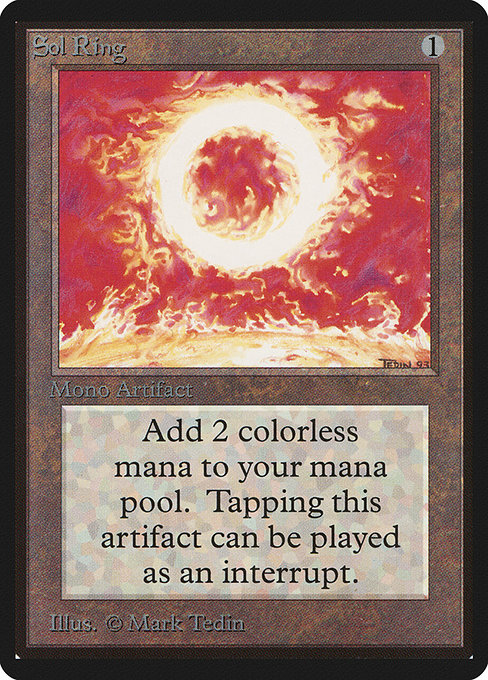
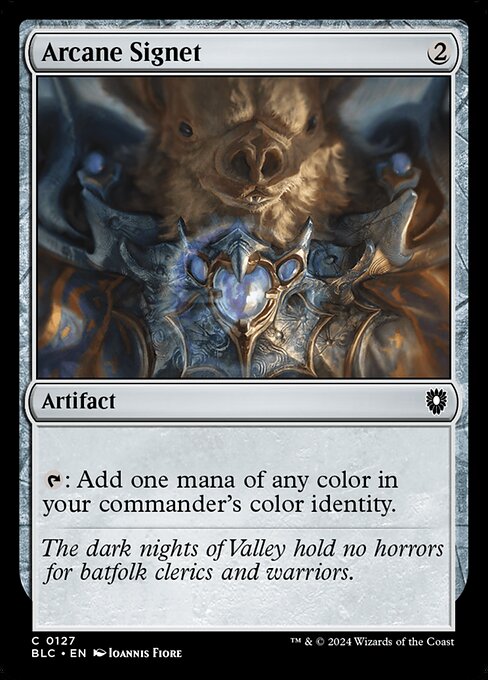
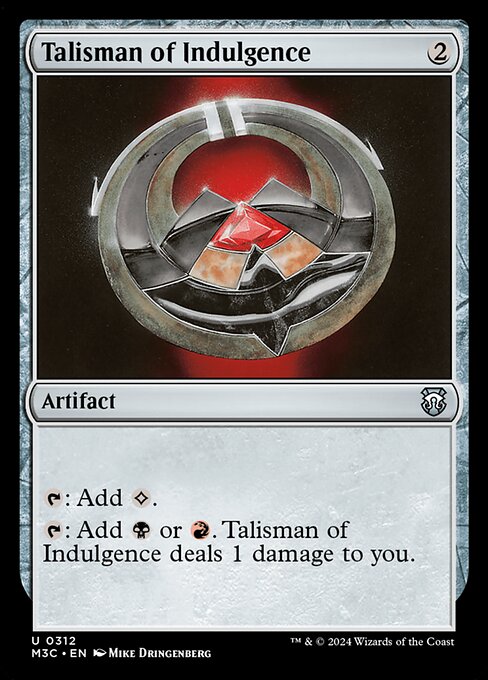
Thus, as most Commander decks, we want to develop our mana and our board. Mana rocks like Sol Ring, Arcane Signet, Talisman of Indulgence and Tablet of Discovery are crucial to start developing our board.

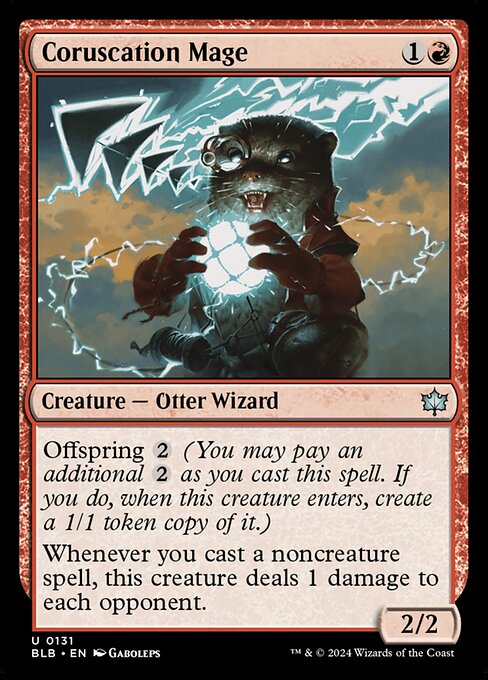
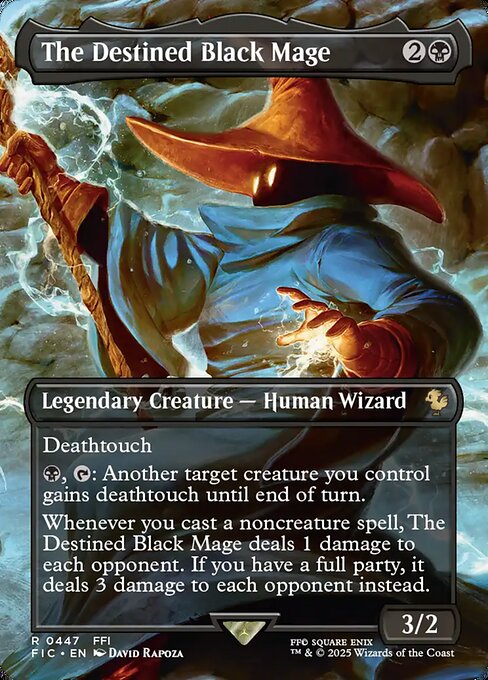
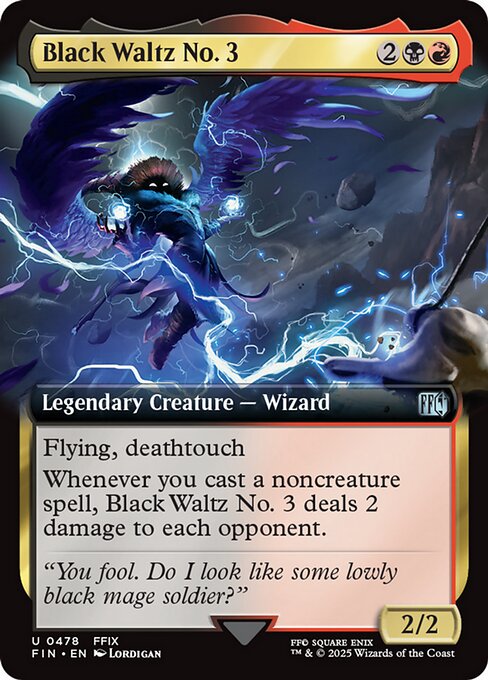
Cheap Wizards like Coruscation Mage, Gandalf, Goblins' Bane, The Destined Black Mage, and Black Waltz No. 3 give us additional damage any time we cast a noncreature spell as well as contributing to the Wizard count needed by Kuja to transform.

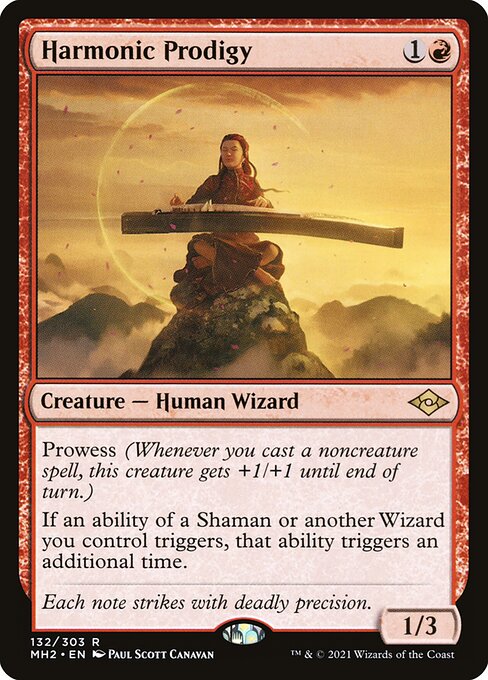
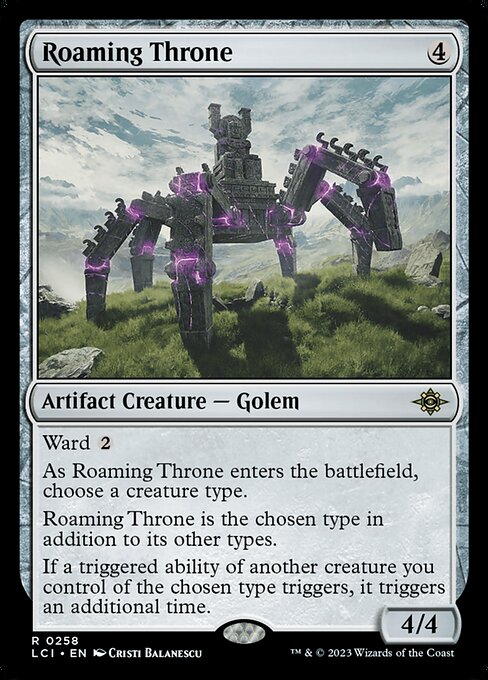
Other creatures like Harmonic Prodigy and Roaming Throne set up to double all triggered abilities of our Wizards, meaning that every noncreature spell will now deal 1 extra damage per.
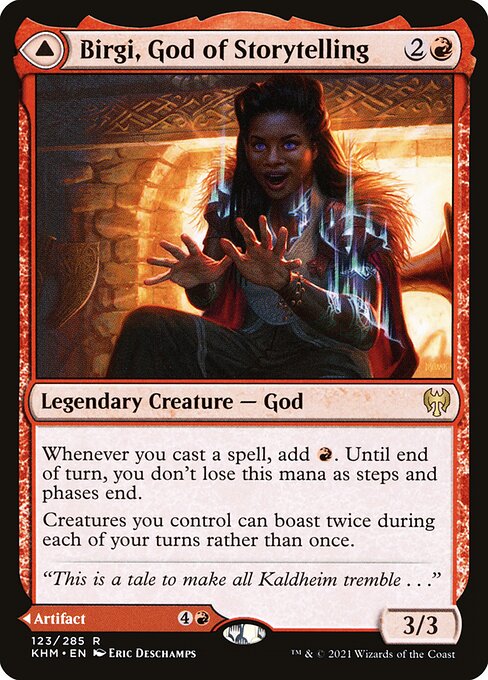
Meanwhile, other creatures like Birgi, God of Storytelling, Electro, Assaulting Battery, and Ashling, Flame Dancer slowly set up our board to be ready for the storm that is to come.
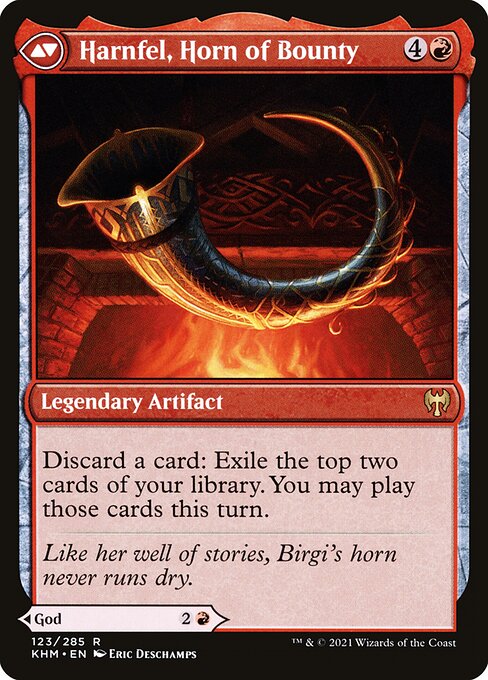
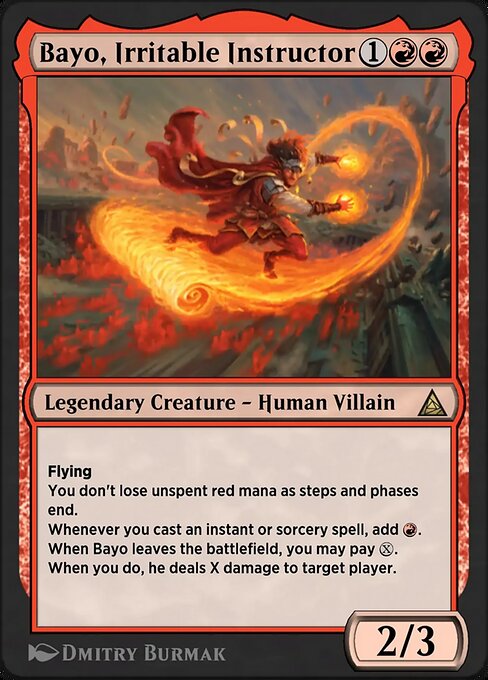
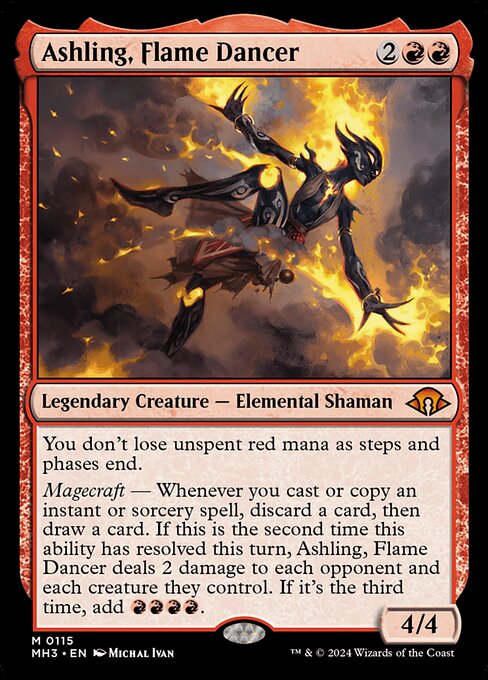
Our battlefield effectively becomes our burn spell. Once enough Wizards are in play, almost everything in our hand can contribute toward damaging opponents.
The Power of Trance Kuja
Transforming Kuja is where the deck changes from applying pressure to becoming genuinely threatening. Trance Kuja doubles damage dealt by Wizards, which means every Wizard token created by the commander immediately becomes twice as effective.
A single Wizard token dealing 1 damage to each opponent is useful but manageable. Four Wizards dealing 2 damage each after Kuja transforms is an entirely different situation. Suddenly, every noncreature spell represents 8 damage to every opponent before accounting for any other damage engines.
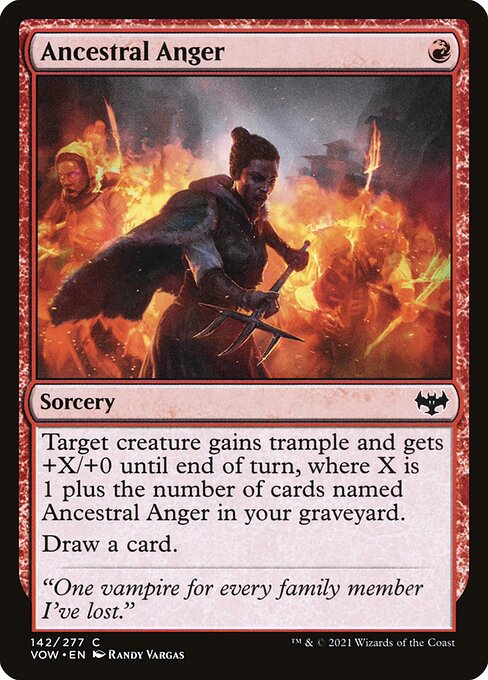
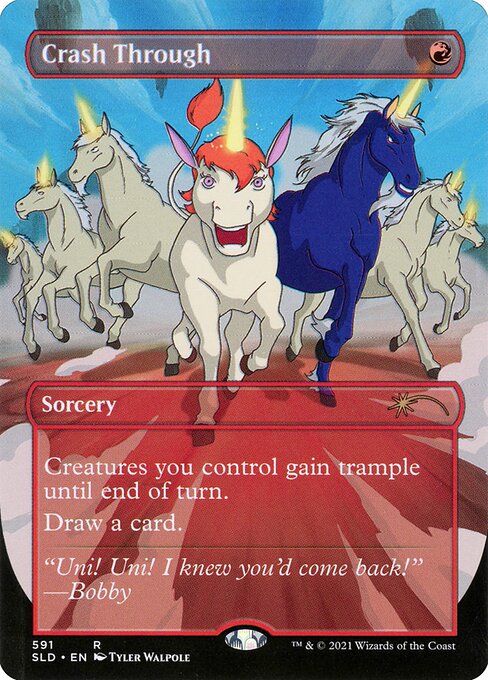
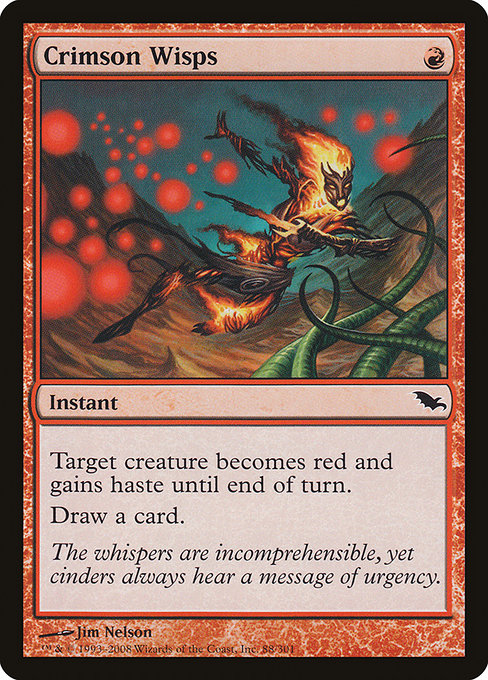
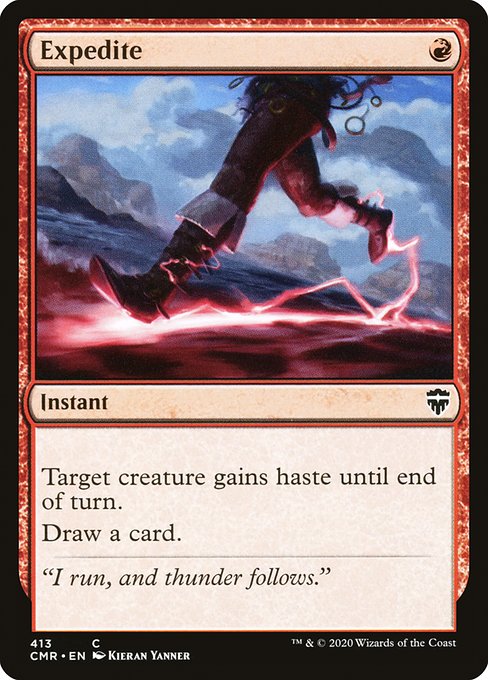
That is why this deck can afford to play cards that would otherwise look insignificant in Commander. Ancestral Anger, Crash Through, Crimson Wisps, and Expedite are inexpensive spells that provide minor effects and often replace themselves, but Kuja turns them into efficient ways to trigger the entire battlefield.
Solphim, Mayhem Dominus takes this concept even further by doubling noncombat damage dealt to opponents. Kuja’s transformed ability is already enough to make the deck dangerous, but additional damage amplification means that the deck’s relatively small burn triggers can quickly become lethal. Spiked Corridor // Torture Pit works similarly by adding 2 damage to every ping of noncombat damage. That quickly adds up… When you have 4 Wizards on the field you’re no longer dealing 4 damage per cantrip, you’re dealing 12.
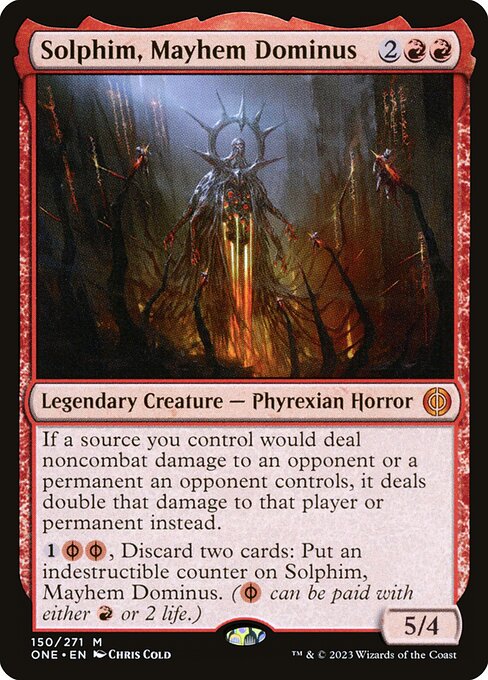
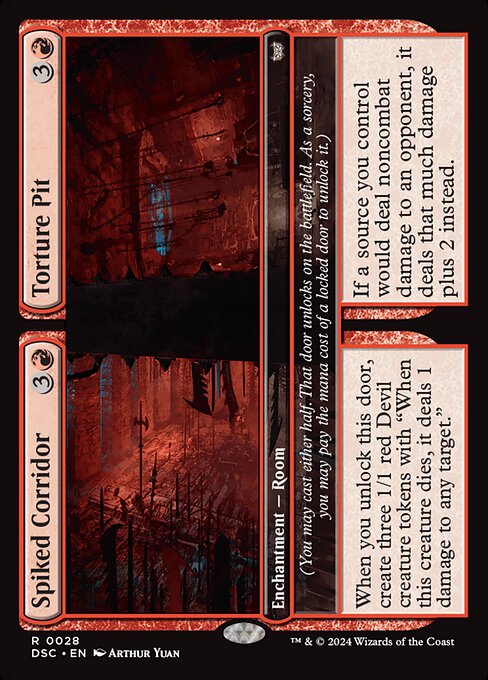
If Solphim and Torture Pit are on the board, as well as Trance Kuja, we’re looking at 6 damage per Wizard. You could see how quickly that adds up when playing cheap noncreature spells.
This creates one of Kuja’s most enjoyable gameplay patterns. Opponents need to pay attention to everything you might cast. A one-mana cantrip can represent a surprising amount of damage when the battlefield is properly established.
Cheap Spells and Constant Pressure
The deck wants to keep casting spells without spending large amounts of mana on each one. That makes cheap cantrips and utility spells particularly valuable.
Cards like Warlord's Fury, Impolite Entrance, Might of the Meek, Overmaster, Cremate, and Urza's Bauble keep the deck moving while triggering Kuja’s Wizards.
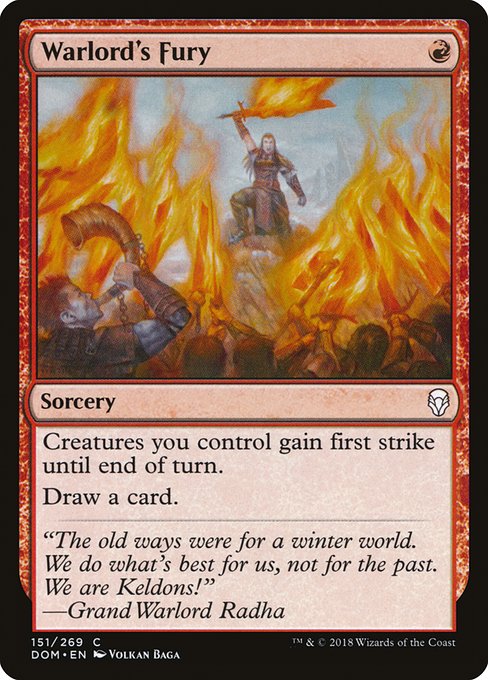
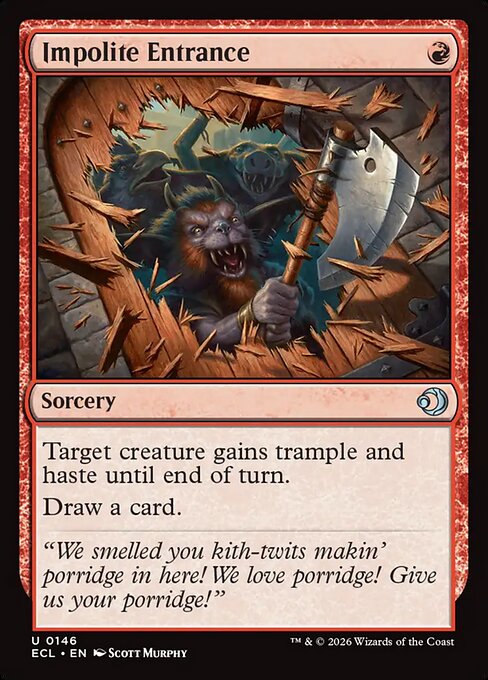
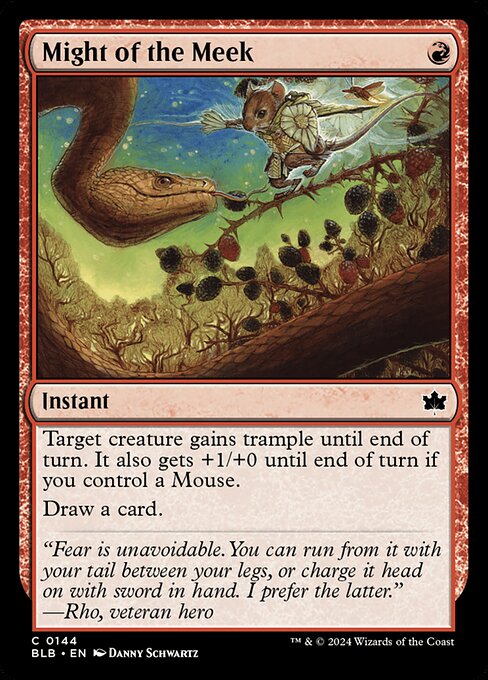
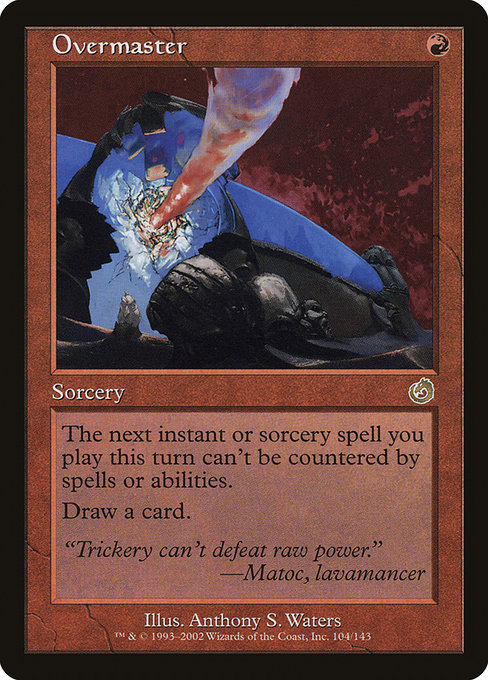
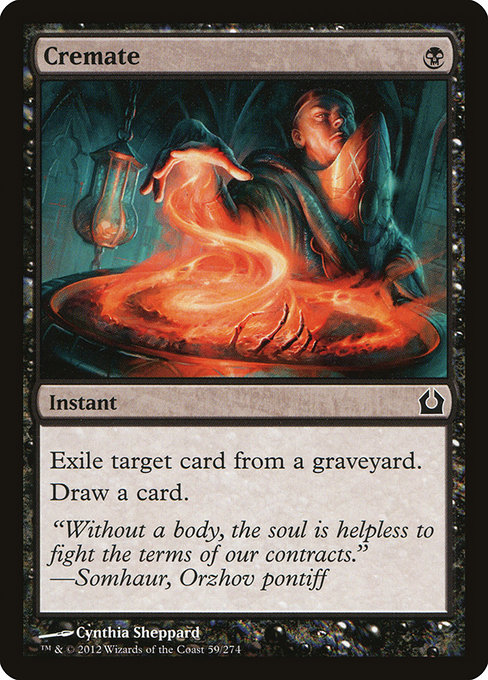
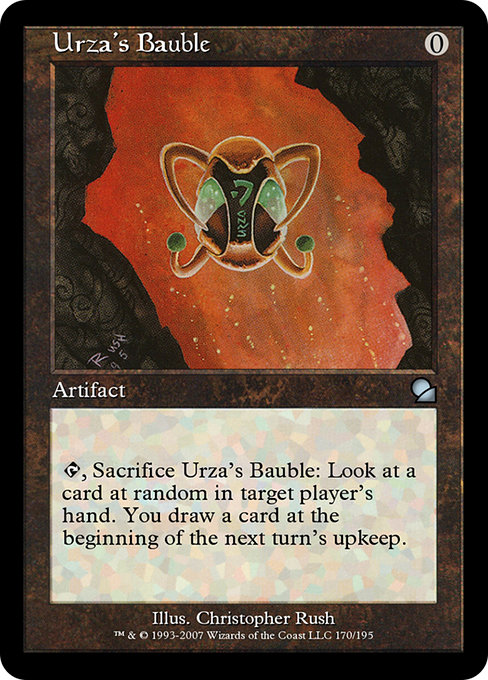
A cheap spell that replaces itself is particularly valuable here because it doubles as a burn spell without reducing the number of cards available to continue your turn. With enough Wizards on the battlefield, chaining several inexpensive spells together can deal far more damage than casting one expensive burn spell.
Not only that, but these cantrips are the backbone of our Storm subtheme; they allow us to dig through the deck while keeping the Storm count going up until we find a way to close out the game with a stray Grapeshot if needed.
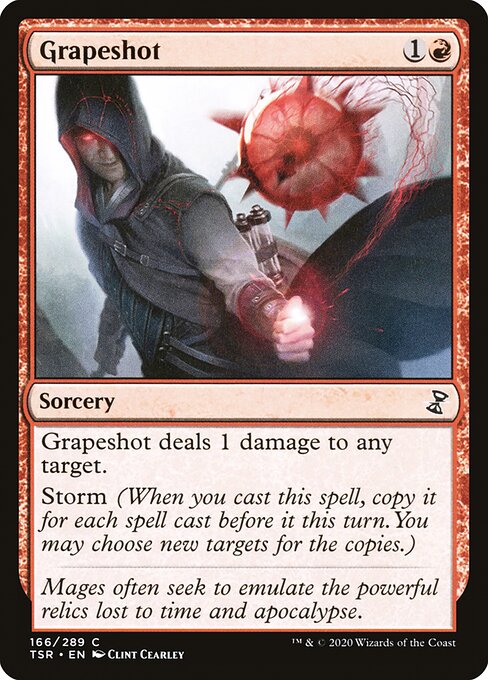
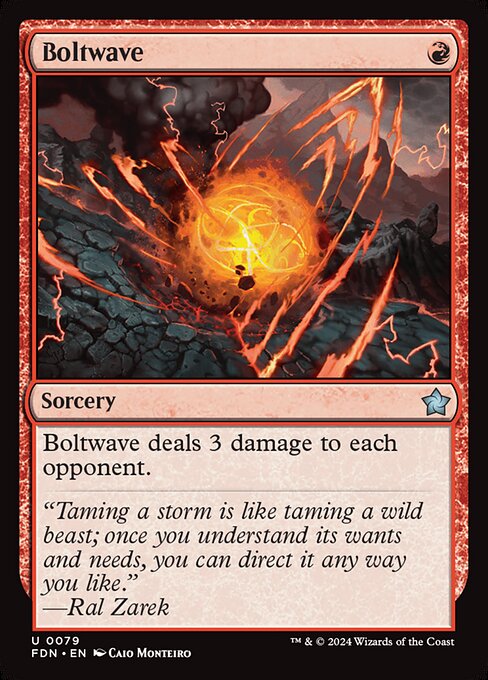
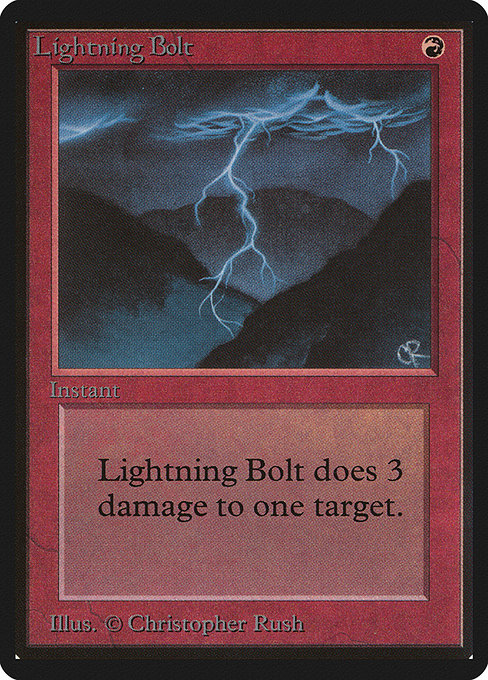
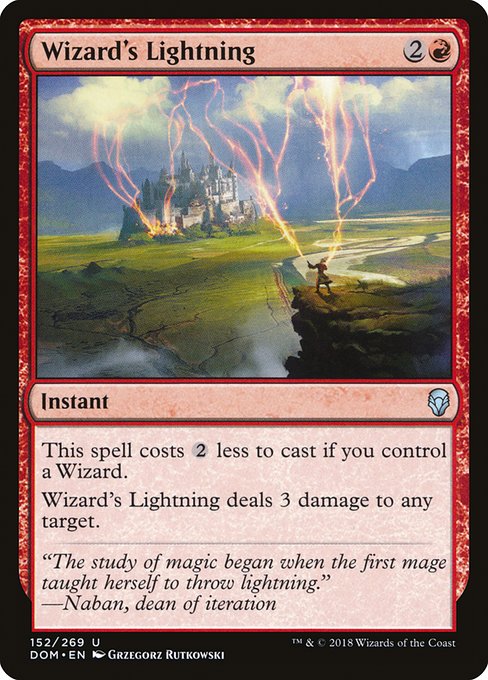
However, that doesn’t mean the deck has no traditional burn. Cards like Boltwave, Lightning Bolt and Wizard's Lightning give the deck direct ways to deal damage while still triggering the Wizard army. When those spells are combined with the damage generated by your creatures, even relatively modest effects become much more impactful.
Rituals and Explosive Turns
Cheap spells give the deck something to cast, but rituals give Kuja the mana necessary to cast many of them in the same turn.
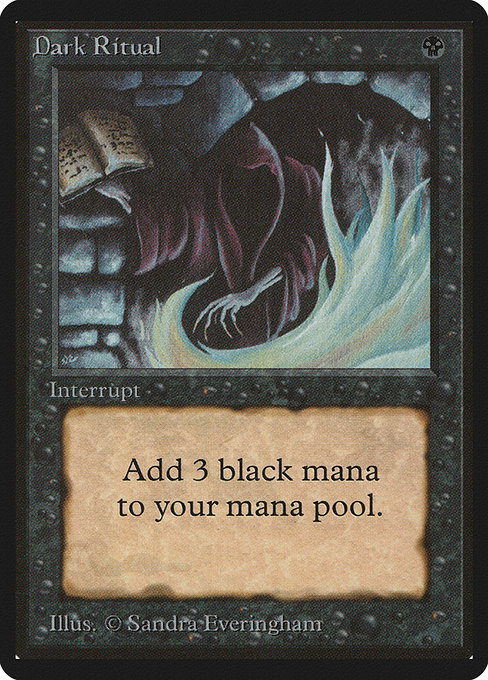
Dark Ritual, Cabal Ritual, Desperate Ritual, and Pyretic Ritual are especially effective here because casting the ritual already triggers every Wizard you control. The card produces mana while simultaneously contributing toward the deck’s burn plan.
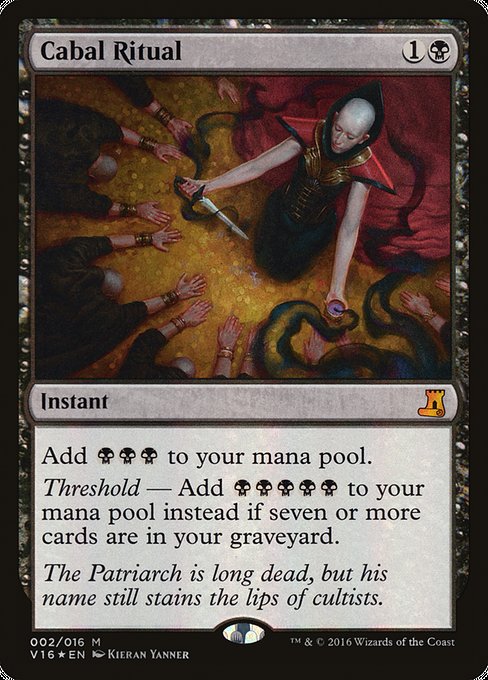
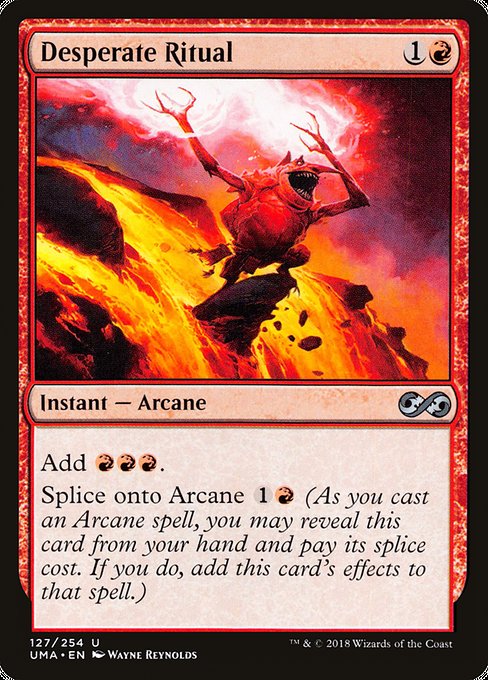
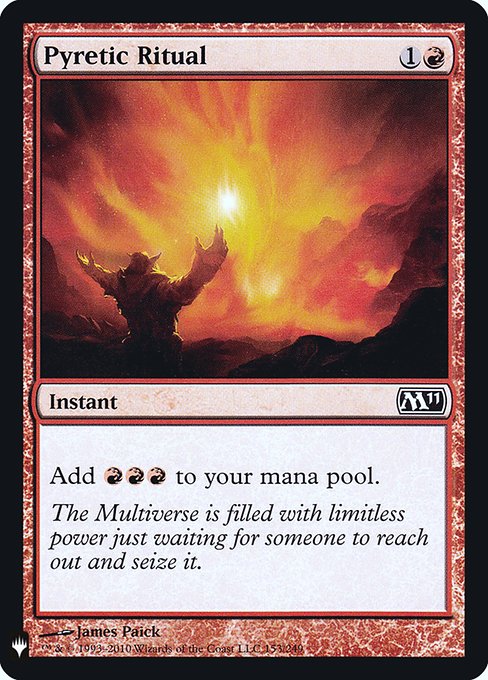
This makes rituals feel less like temporary resources and more like part of the damage engine. Cast one ritual, trigger your Wizards, use the mana to cast another spell, trigger them again, and continue the chain.
Seething Song, Jeska's Will, Birgi, God of Storytelling, Electro, Assaulting Battery and Ashling, Flame Dancer help extend these explosive turns even further.
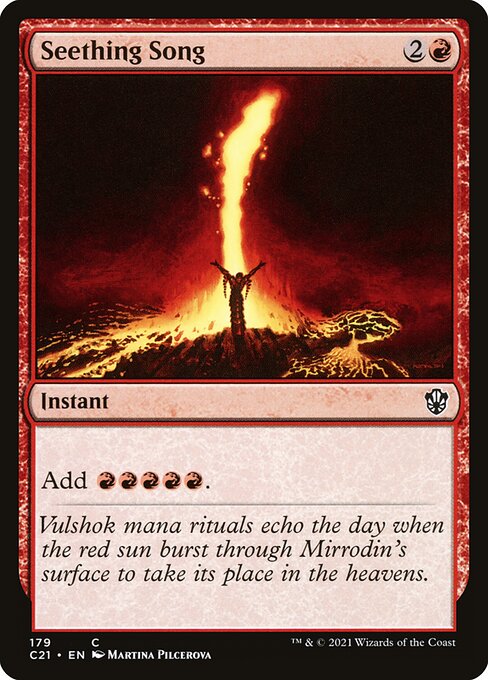
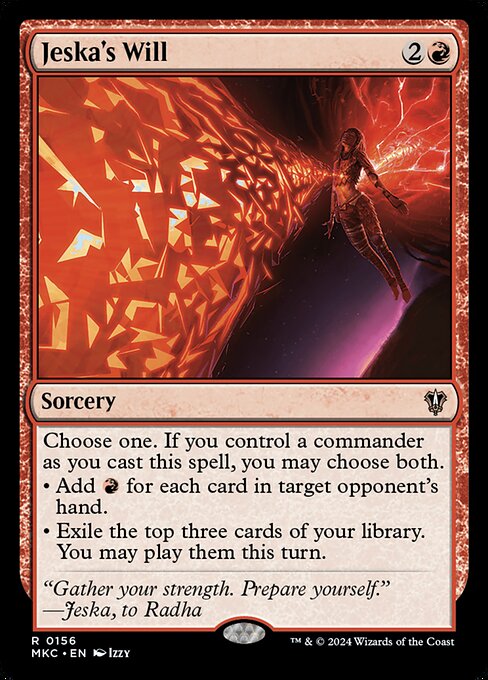
This is where Kuja begins resembling a Storm deck. You aren’t necessarily trying to cast dozens of spells before finding a single Storm payoff, but rather, the act of casting multiple spells is already your payoff because every spell repeatedly triggers your creatures, and additionally, you have a Storm secondary plan ready to go if needed.
Keeping the Spells Coming
Naturally, a deck built around chaining spells needs a reliable way to find more of them.
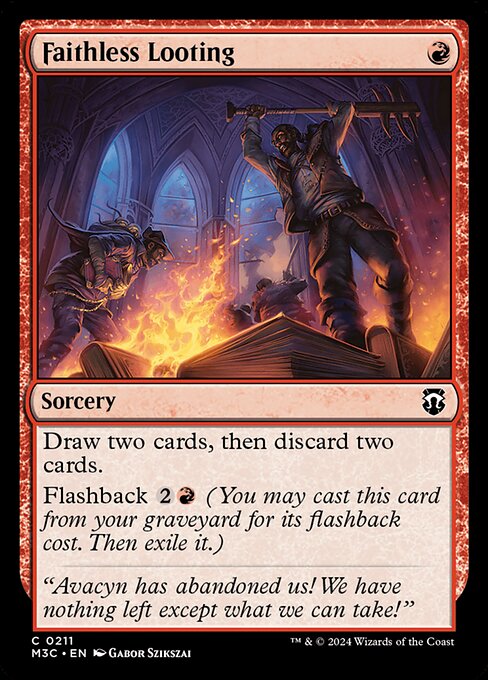
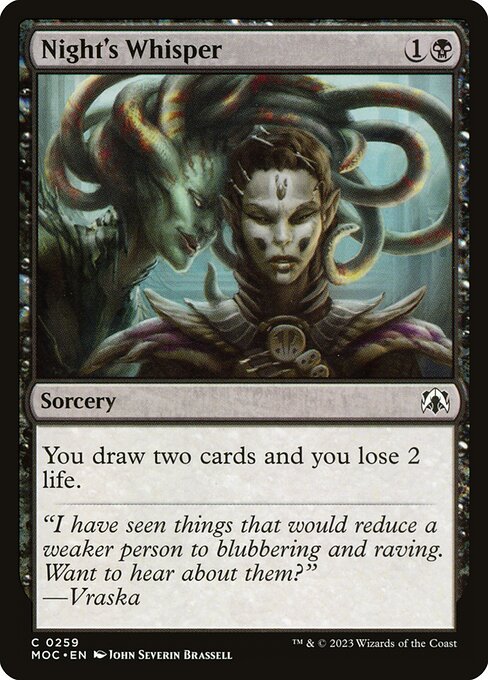
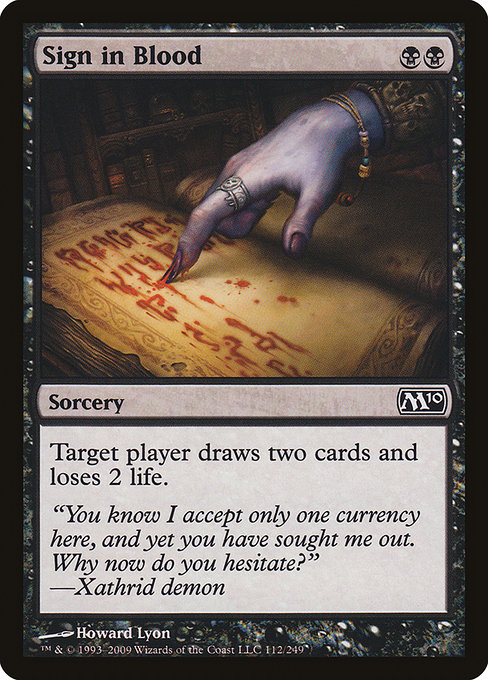
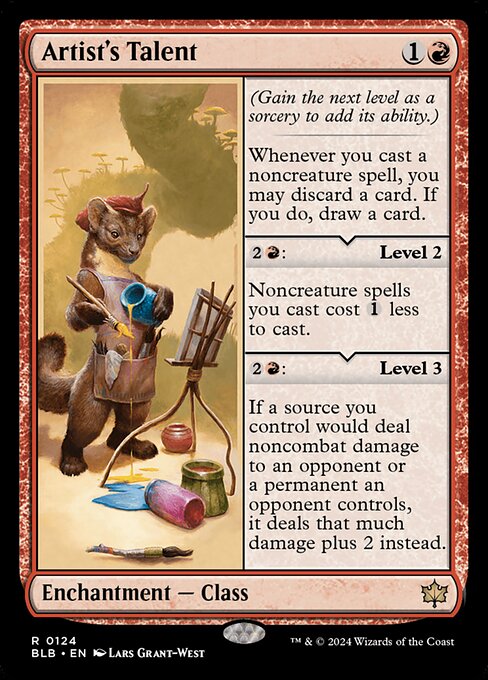
That is where cards like Faithless Looting, Night's Whisper, Sign in Blood, and Artist's Talent come into play; they help the deck draw and filter through its library. Kuja wants to keep moving rather than holding cards indefinitely, and these effects help find the rituals, payoffs, or cheap spells needed for the current situation.
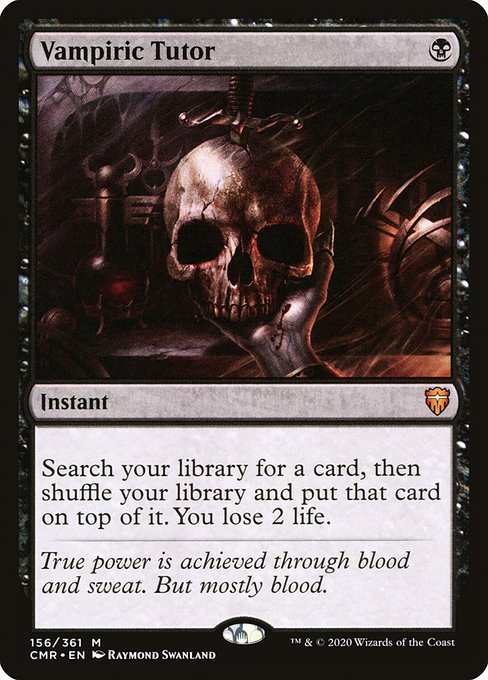
Black offers even greater flexibility thanks to the addition of Demonic Tutor and Vampiric Tutor. Depending on what the deck needs, they can find another Wizard, a powerful ritual, a damage amplifier, or a card capable of bringing important spells back from the graveyard.

For now, Kuja’s core strategy is straightforward: build your board, maybe transform your commander, and set up for a spell chain that never stops. Once Trance Kuja is watching over a battlefield full of Black Mages, even the smallest spell can be enough to make the entire table feel the heat.
Staying Alive Long Enough to Burn Everyone
A deck built around a creature-based damage engine has an obvious weakness: opponents can try to remove the creatures before they become overwhelming.
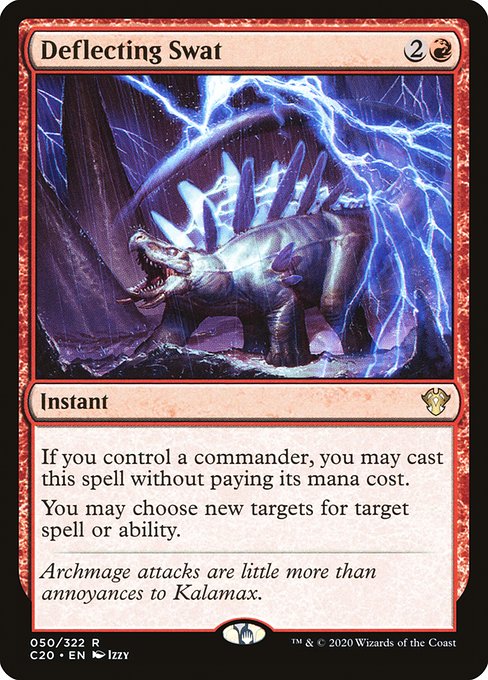
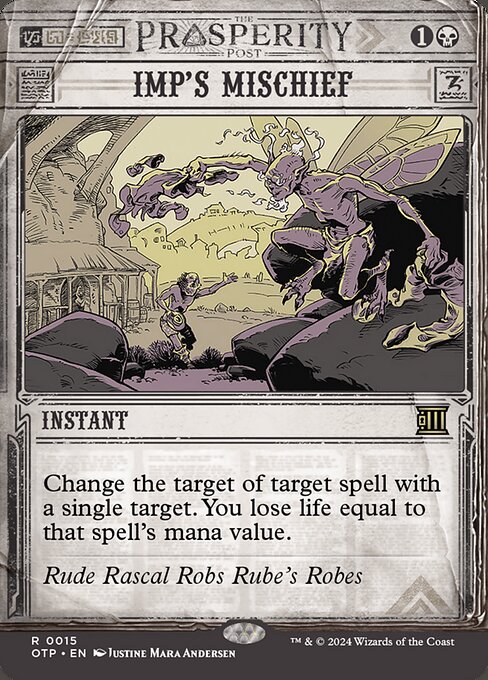
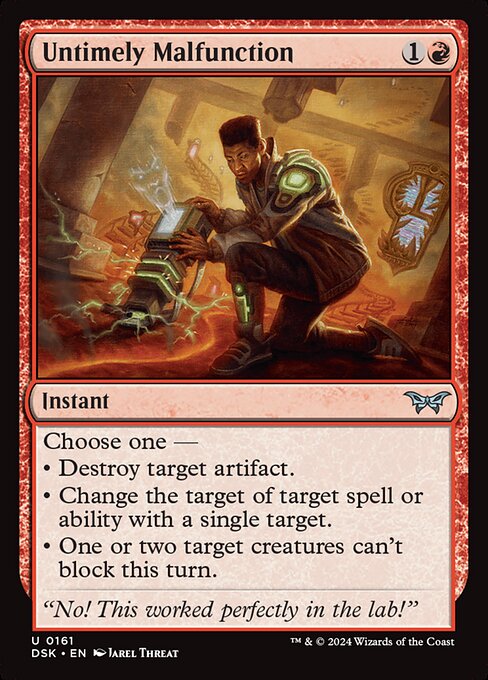
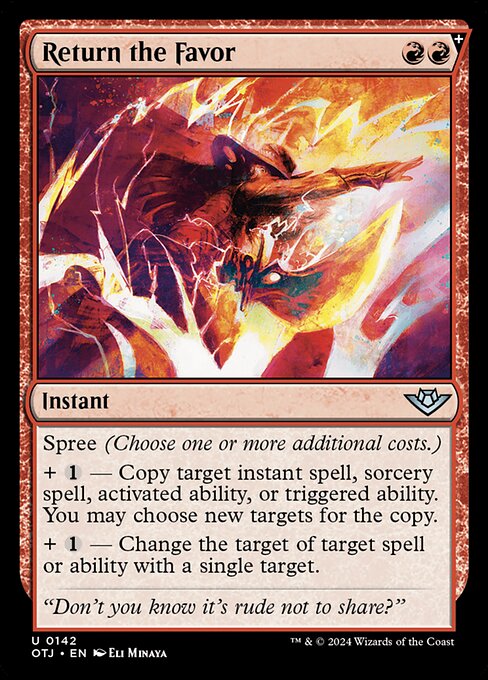
This deck answers this with a mixture of interaction and protection. Deflecting Swat, Imp's Mischief, Untimely Malfunction, and Return the Favor provide flexible ways to disrupt opposing interaction or change how spells affect the battlefield when needed.
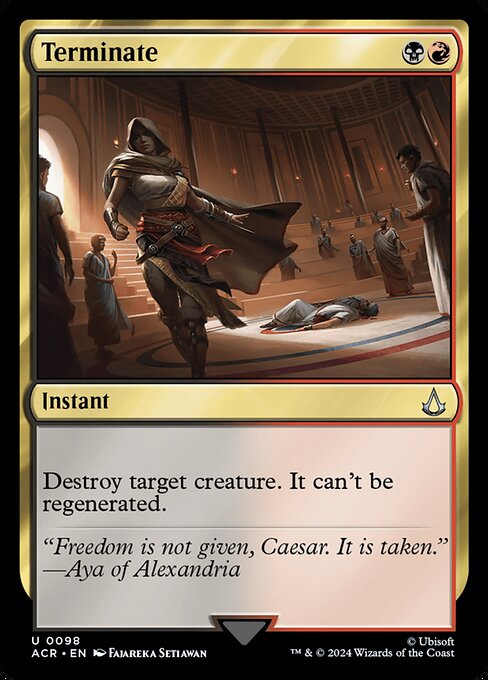
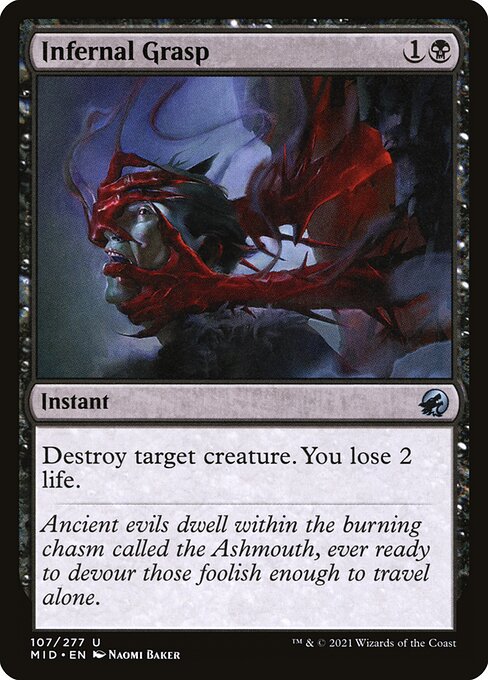
Rakdos also gives the deck efficient removal. Abrade, Terminate, Infernal Grasp, and Feed the Swarm allow Kuja to answer different permanent types without moving too far away from the main game plan. Every noncreature removal spell still triggers the Wizard army, meaning interaction can simultaneously protect you and damage your opponents.

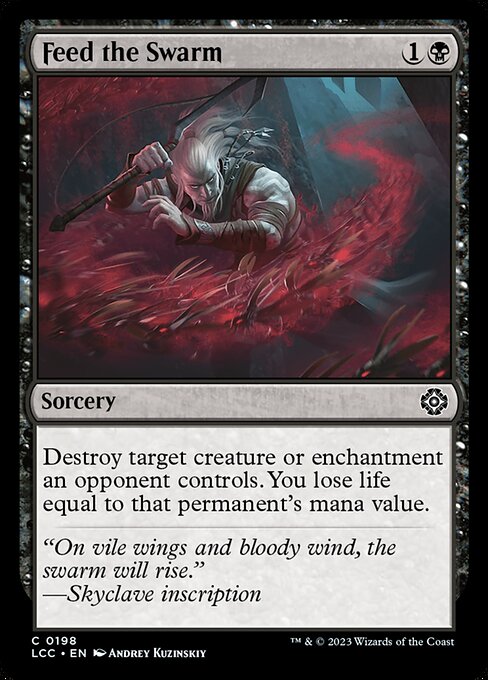
That is one of the deck’s best qualities. Holding up removal doesn’t necessarily mean taking a turn away from your strategy. If an opponent presents a dangerous creature, removing it can still advance your burn plan by triggering the entire board.
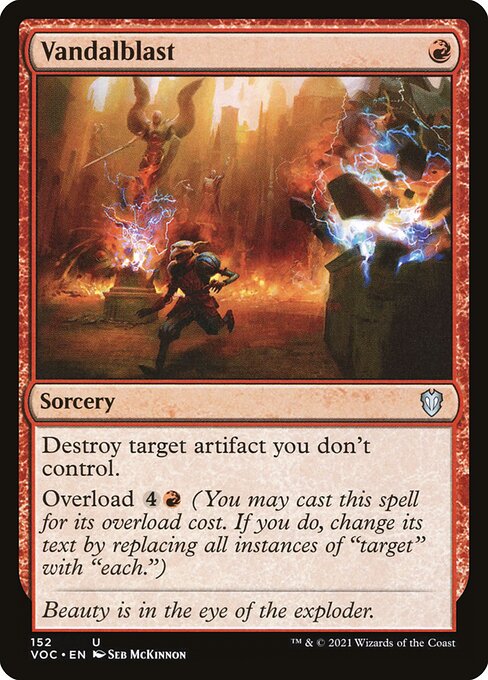
Vandalblast can completely cripple some decks while setting most of them back by a few turns.
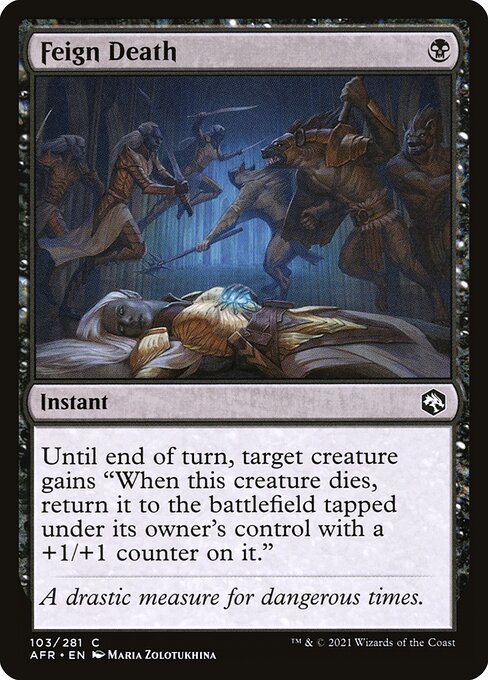
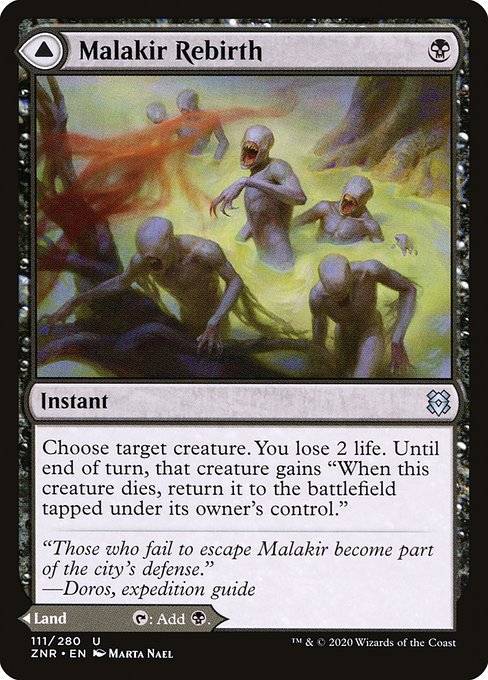
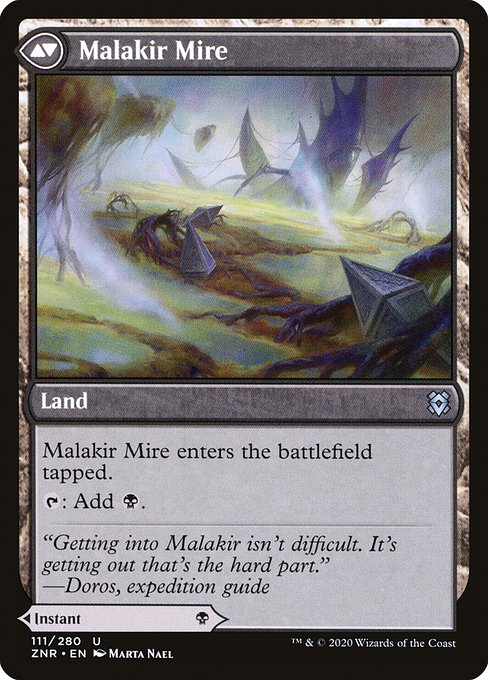
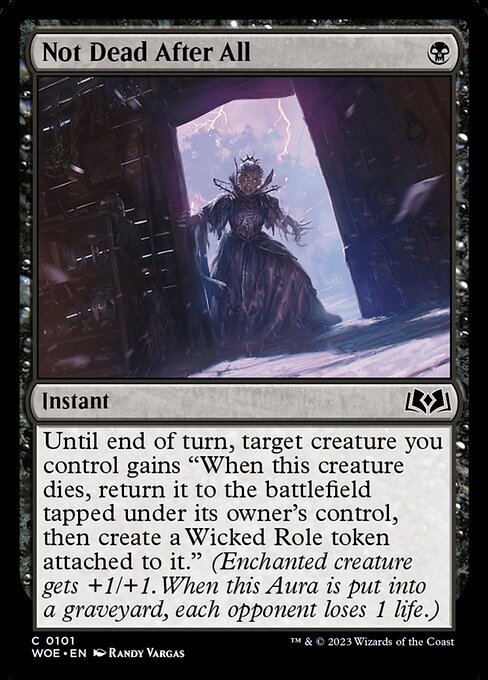
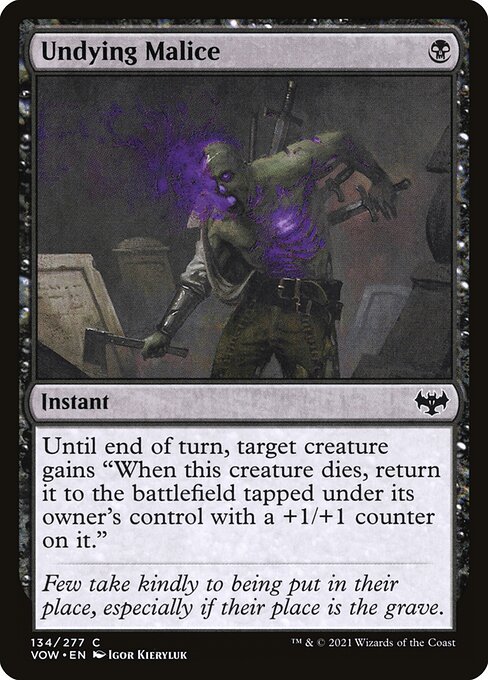
Kuja also has several ways to protect important creatures from destruction. Feign Death, Malakir Rebirth, Not Dead After All, and Undying Malice can help our most important creatures return to the battlefield after removal. These effects are particularly useful when protecting one of the deck’s key Wizards while also keeping the spell count moving.
Kuja’s Persistence
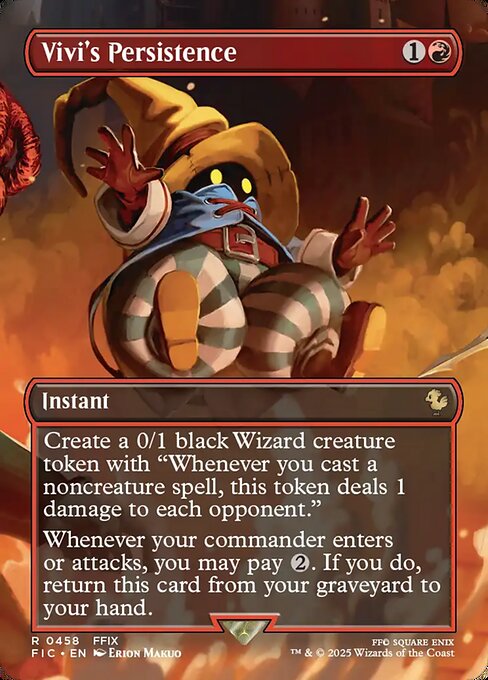
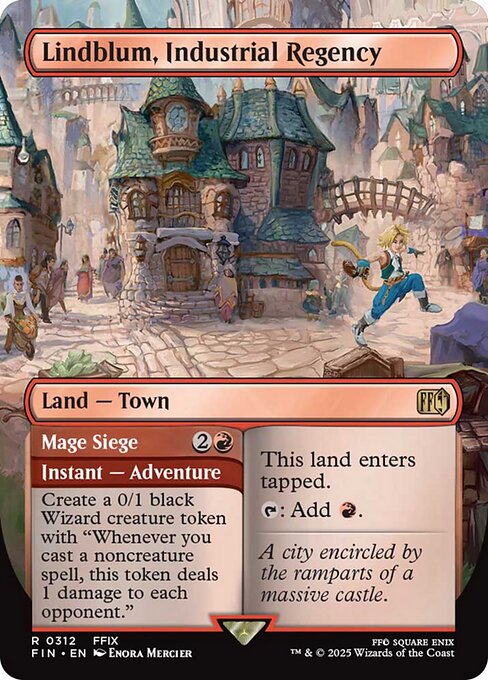
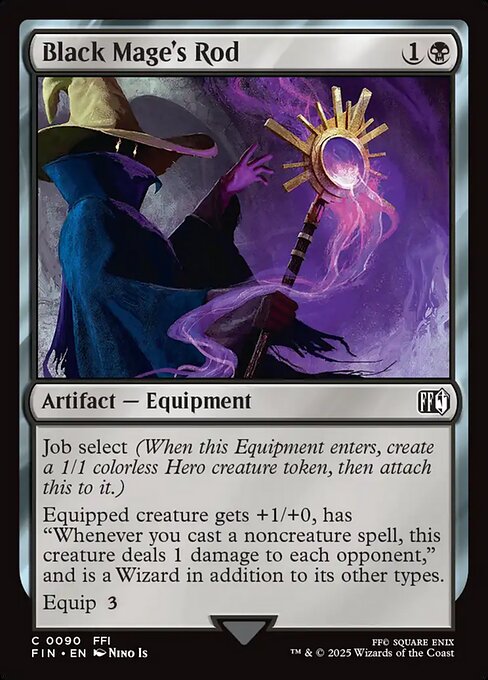
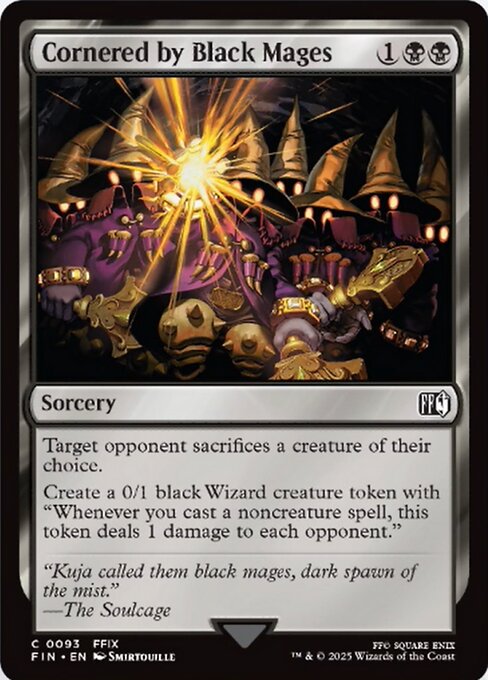
Vivi's Persistence makes it so that we can always rebuild when needed. Lindblum, Industrial Regency doebles either as a land, or as another Wizard token maker. Black Mage's Rod turns any of our creatures into another Wizard, and Cornered by Black Mages is both an edict, and a token maker.
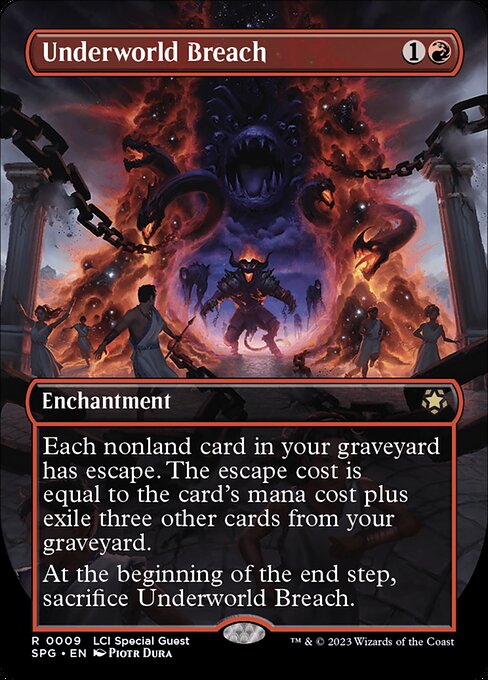
The graveyard is particularly important because Kuja doesn’t necessarily consider a used spell as “gone”. So cards such as Underworld Breach, Mizzix's Mastery, and Flashback are quite key as they give the deck ways to revisit its most important spells and create even larger turns when least expected.
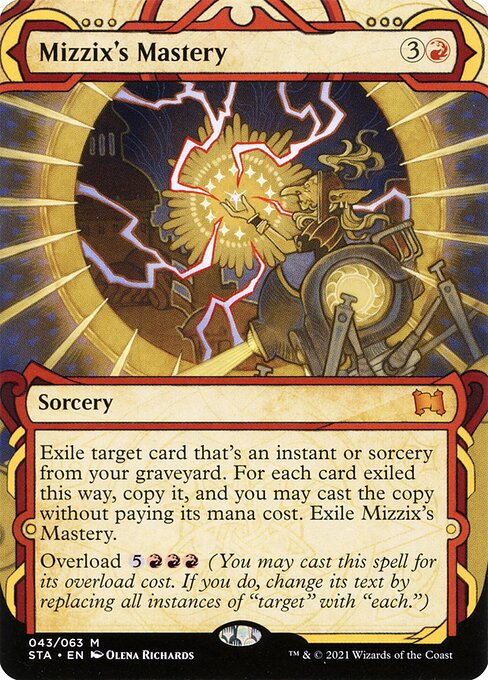

In Burn, and especially in Storm, these cards are of utmost importance, and they need careful planning, sequencing and mana counting to close off games successfully; you have to be able to see beyond what is on the field and to plan ahead, sometimes by several turns, in order to be able to consistently close off games.
Careful sequencing is what differences a bad player from a good one, and can turn a less than optimal hand into an unstoppable Storm. These decks usually require their pilot to play with them more than a few times to get used to what the deck is capable of and to be able to abuse its power. Storm is one of the most cerebral strategies out there.
Check out the deck here:
Commander
Creatures (12)
Instants (28)
Sorceries (17)
Artifacts (7)
Enchantments (3)
Lands (33)
100 Cards
$1681.72
Closing Thoughts
Kuja, Genome Sorcerer offers a different take on Rakdos burn. Instead of asking individual spells to deal enough damage to defeat three opponents, Kuja creates a battlefield where every noncreature spell becomes a potential burn spell.
The Wizard tokens provide the foundation, while Kuja, Genome Sorcerer transforms that foundation into a serious damage engine. Cheap cantrips, rituals, removal, card draw, and recursion all work toward the same objective: cast more spells and make every spell trigger as many damage sources as possible.
What makes the deck particularly enjoyable is how naturally its pieces overlap. Rituals generate mana and trigger Wizards. Cantrips draw cards and deal damage. Removal answers threats while advancing the game plan. Graveyard recursion provides another opportunity to repeat everything.
Kuja may take some time to build momentum, but once four Wizards are on the battlefield and the commander transforms, opponents quickly learn that even the smallest spell can become a very big problem.
If you’re interested in reading about more showcase decks please check out these 2 articles: Showcase: Voltron Hit-Monkey and Light-Paws as well as Showcase: The Great Goblin hides a Powerful Combo.