


Voltron is one of Commander’s most recognizable archetypes. The basic idea is simple: instead of trying to win through a wide board of creatures, a Voltron deck concentrates its resources on making a single creature overwhelmingly powerful. Give that creature enough power, make it difficult to remove, and connect with an opponent enough times to eliminate them through commander damage.
That simplicity is part of what makes Voltron so appealing. There is something satisfying about taking a relatively ordinary creature and gradually turning it into a threat capable of dealing lethal damage in a single attack. At the same time, Voltron decks can take many different forms depending on the commander and the way they choose to enhance their primary threat. If you would like a more comprehensive guide, please check this article here: https://edhmeta.com/voltron-archetype/
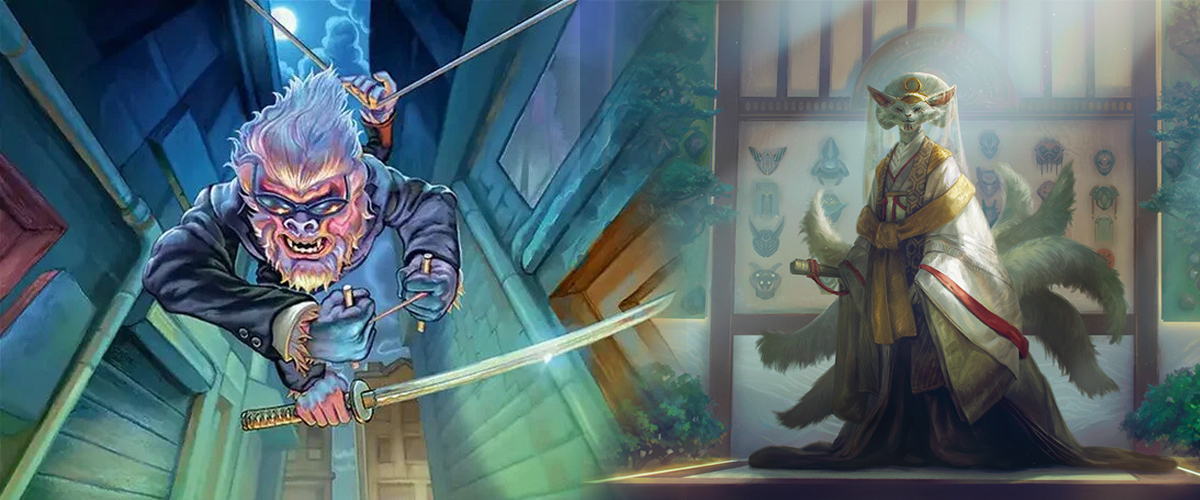
The two decks featured here demonstrate that particularly well. Both are unmistakably Voltron decks, but they approach the archetype from almost opposite directions. Hit-Monkey uses a primarily equipment-based strategy, turning the commander into a heavily armed combatant while taking advantage of green’s enormous mana production. Light-Paws, Emperor's Voice, meanwhile, takes the enchantment route, using Auras to build a single creature into an increasingly difficult-to-answer threat.
The important thing is that neither approach is inherently “more Voltron” than the other. They simply use different tools to accomplish the same fundamental goal: invest heavily in one creature and make that creature capable of ending games.
Deck #1: Mono-Green Voltron — Hit-Monkey
At the center of the first deck is Hit-Monkey, a particularly well-suited commander for Voltron. A four-mana 3/3 might not initially look like the most intimidating creature in Commander, but its other characteristics are much more important. Hit-Monkey cannot be countered and comes with reach, vigilance, deathtouch, hexproof, and haste.
That collection of abilities gives the deck an excellent foundation before a single Equipment is attached. Hexproof makes Hit-Monkey considerably harder to interact with, haste means the deck does not necessarily have to wait an entire turn cycle before attacking, vigilance allows it to remain available as a blocker, and deathtouch makes even an unmodified Hit-Monkey dangerous in combat. Most importantly, however, all of those abilities remain relevant once the deck begins piling Equipment onto it.
The result is a commander that does not need to spend deck slots protecting itself quite as heavily as many other Voltron commanders do. Instead, the deck can devote much of its space to increasing Hit-Monkey’s power, giving it evasion, and producing enough mana to equip everything efficiently.
Building the Threat
The equipment package is the heart of the strategy. Cards such as Blackblade Reforged, Commander's Plate, Shadowspear, and Loxodon Warhammer cover several important aspects of Voltron simultaneously: increasing power, improving combat reliability, providing evasion or protection, and helping the commander convert its damage into a meaningful advantage.
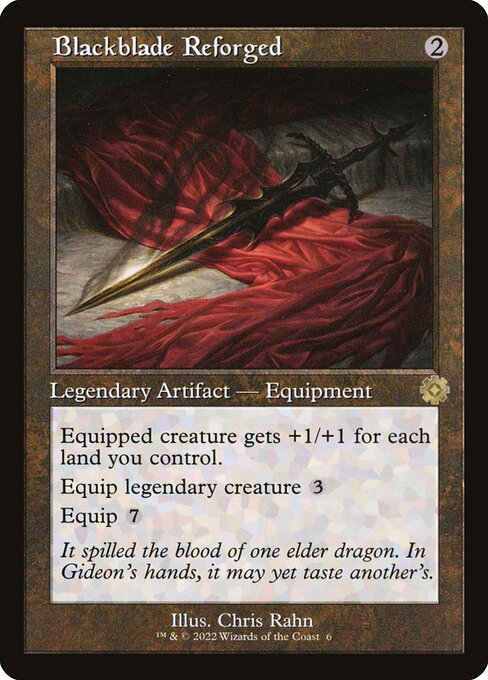
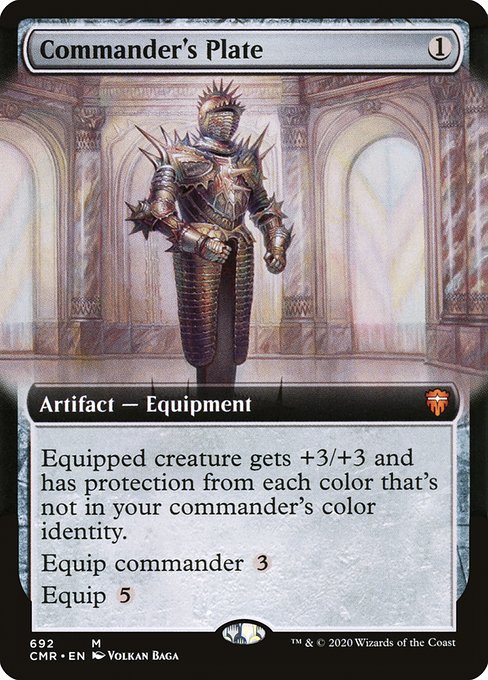
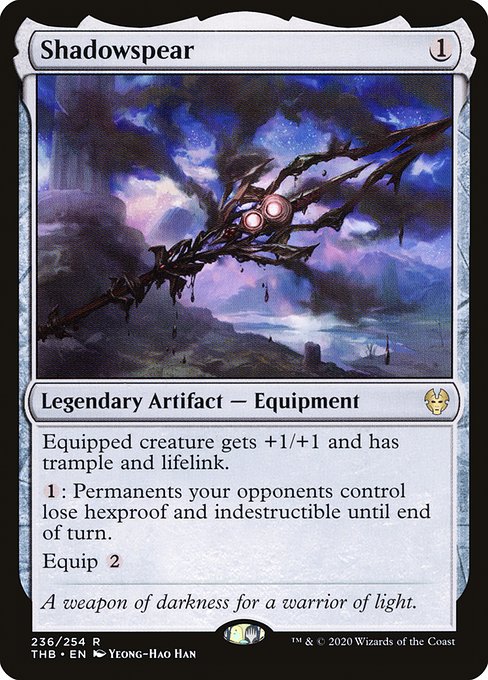
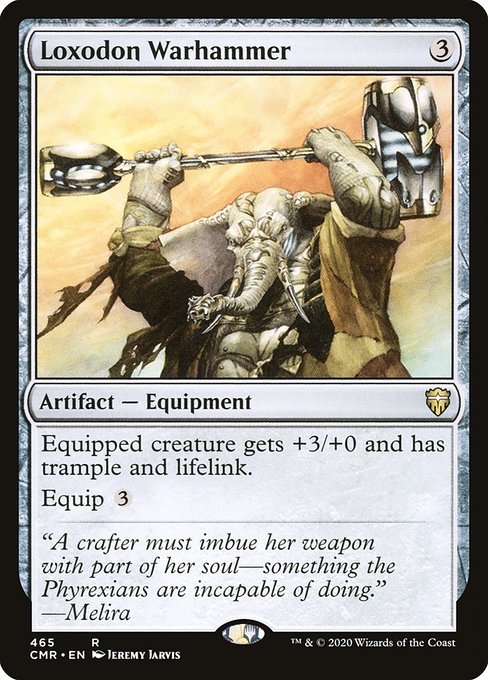
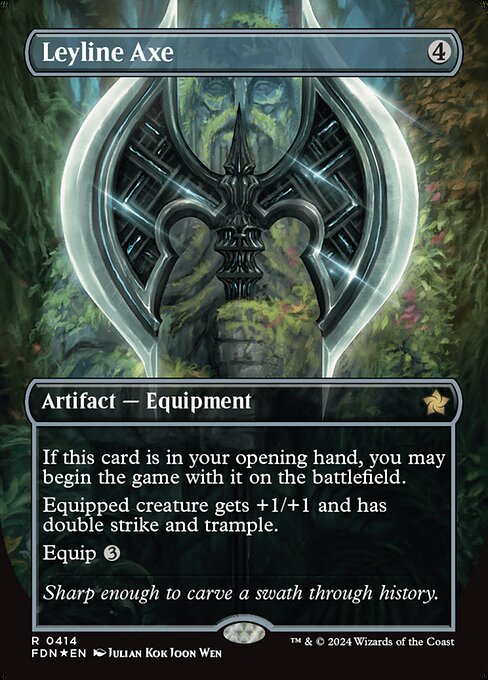
There is also a particularly explosive element to the package in Leyline Axe. Being able to begin the game with an Equipment already on the battlefield when it is in the opening hand gives the deck an unusual way to establish its Voltron infrastructure before Hit-Monkey even enters play. Once equipped, it provides double strike and trample alongside a power increase, dramatically accelerating the clock.
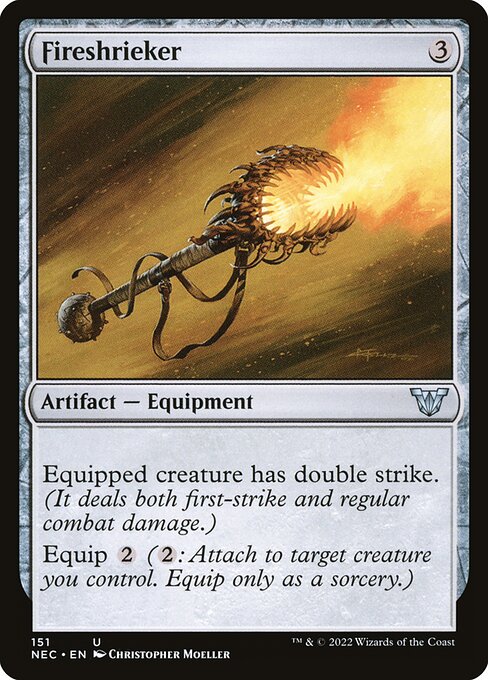
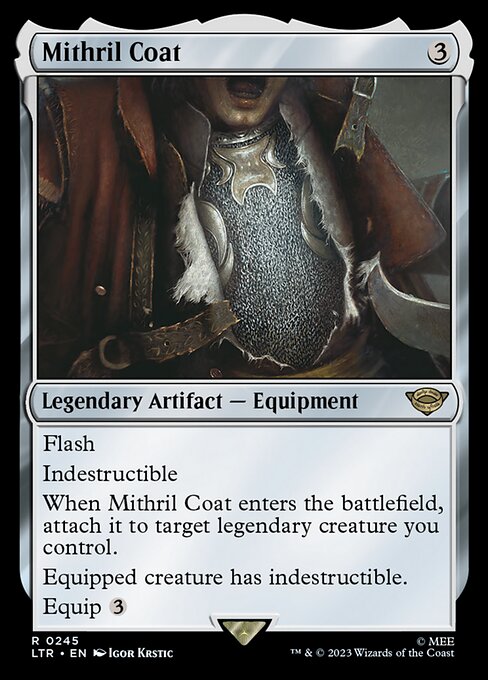
Other Equipment such as Fireshrieker, Mithril Coat, Vibranium Strike Gauntlets, and Buster Sword continue this philosophy. Rather than relying on one particular piece of Equipment, the deck has a broad collection of ways to make its commander larger or more difficult to answer. Fireshrieker is especially important because double strike changes the amount of damage required to eliminate an opponent through commander damage, while trample ensures that a large creature is less likely to have its damage completely absorbed by a small blocker.


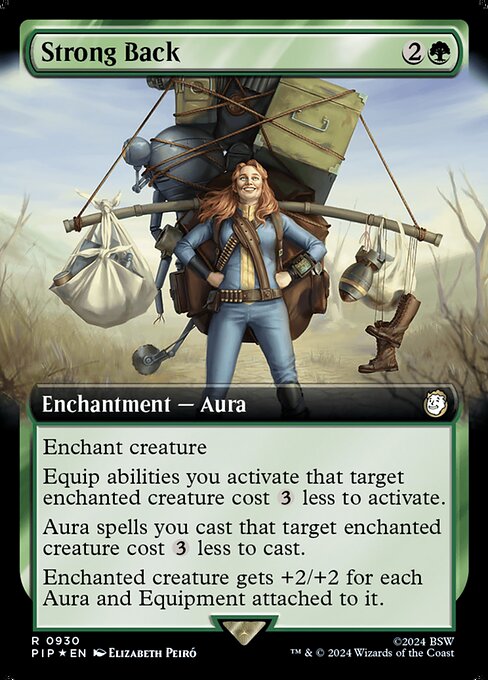
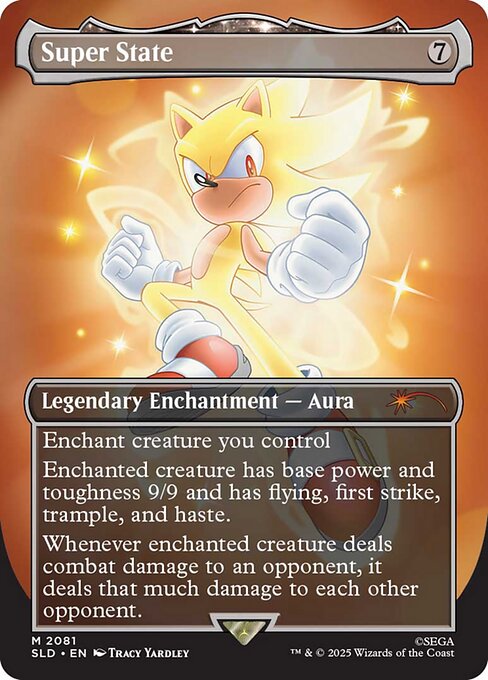
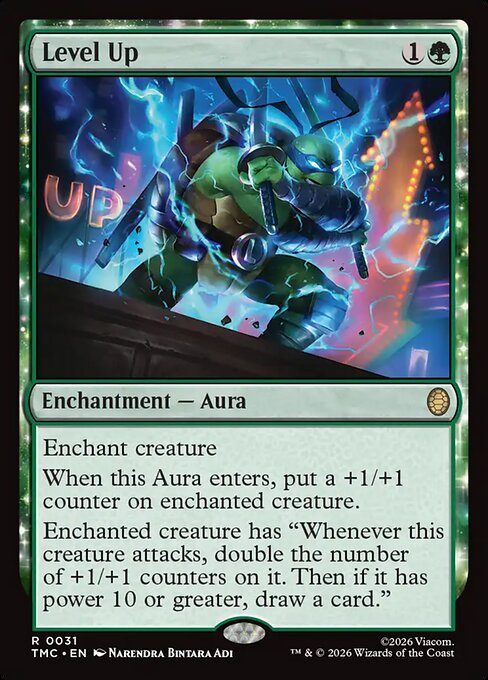
The deck also contains several cards that reward simply having a large creature. Strong Back, Super Strength, Super State, and Level Up contribute to the same overall plan of making the commander a more substantial combat threat. Rather than trying to assemble a complicated combo, the deck is fundamentally interested in making its one attacker better and better until conventional creature combat becomes extremely difficult for opponents to survive.

The Mana to Make It Happen
One of the biggest advantages this particular Voltron deck has is that it is mono-green. Green is exceptionally good at producing large amounts of mana, and that matters enormously when the strategy revolves around repeatedly casting a commander and paying Equipment costs.
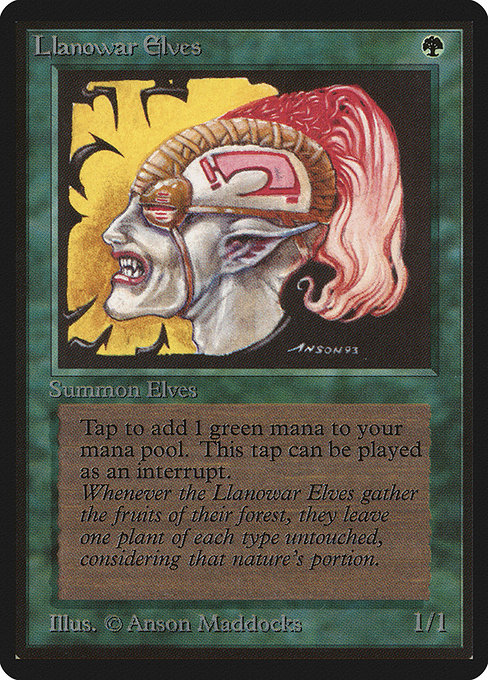
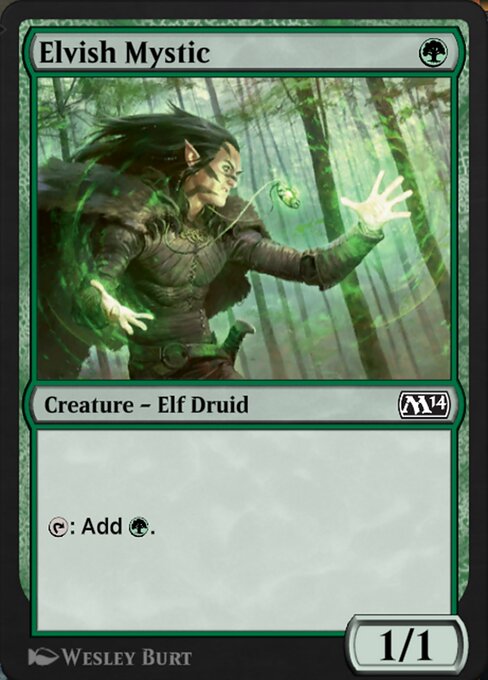
The deck uses a familiar collection of inexpensive mana creatures, including Llanowar Elves, Elvish Mystic, Fyndhorn Elves, and Birds of Paradise. These creatures allow the deck to accelerate into Hit-Monkey and its Equipment several turns ahead of schedule. Delighted Halfling, Priest of Titania, Fanatic of Rhonas, and Emerald Medallion continue that acceleration, ensuring that the deck is rarely content with simply making one land drop per turn.
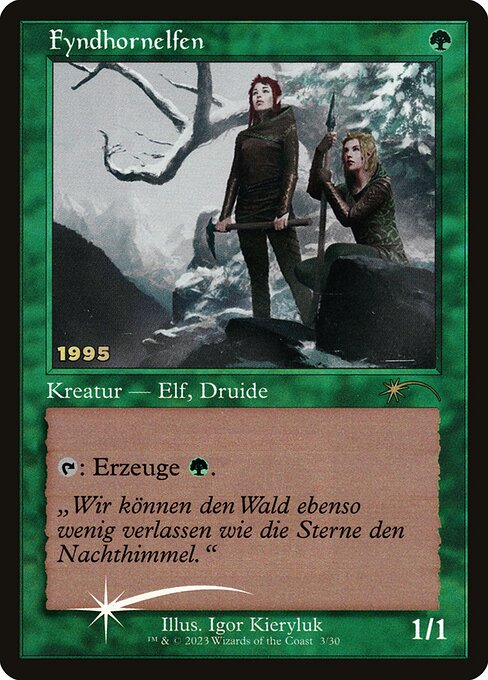

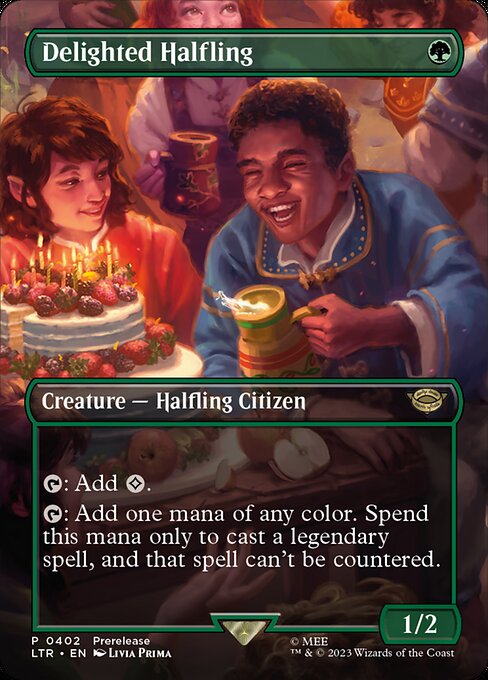
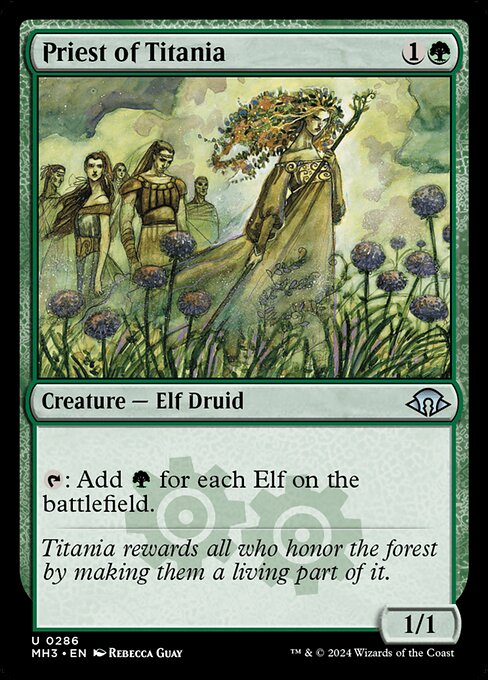
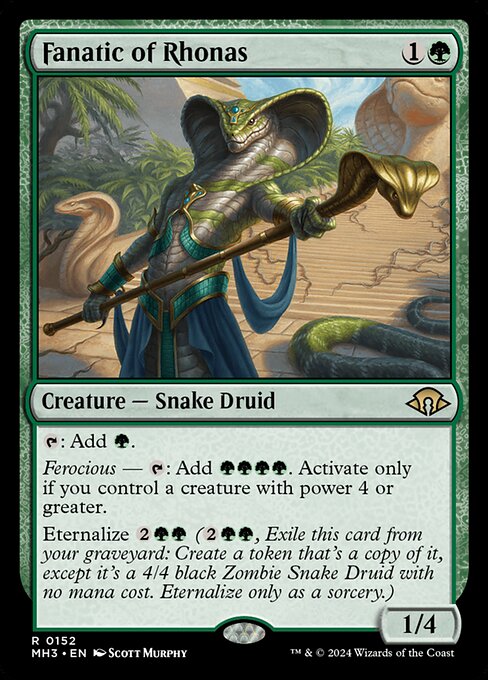
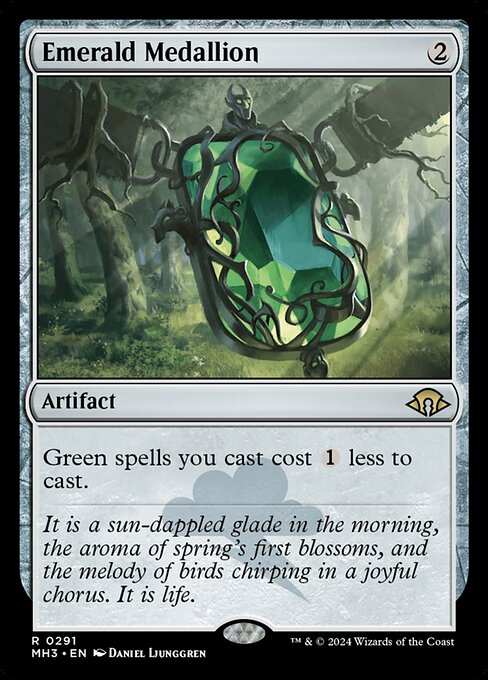
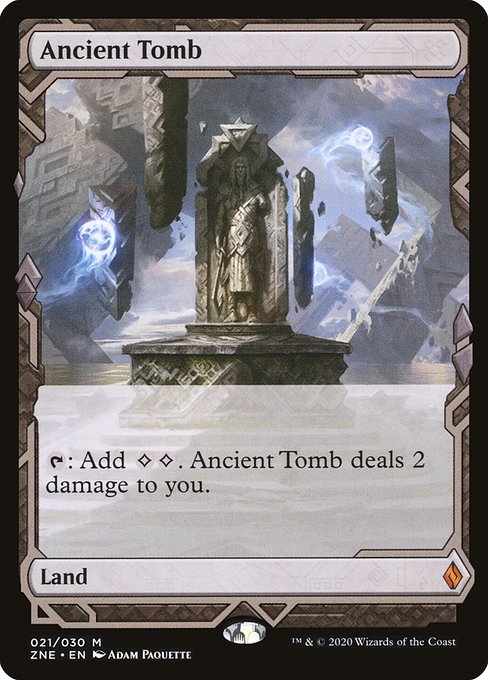
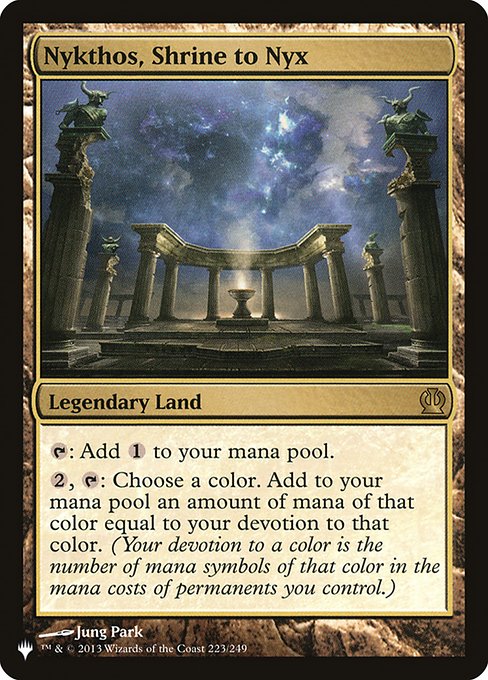
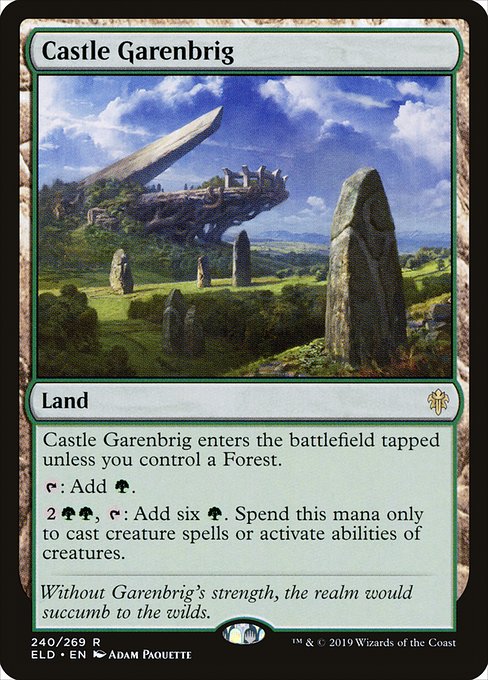
The high land count also supports the strategy. With 35 Forest alongside cards such as Ancient Tomb, Nykthos, Shrine to Nyx, Castle Garenbrig, and Yavimaya, Cradle of Growth, the deck has a substantial mana engine behind its combat plan. This is particularly useful in a Voltron deck because excess mana is rarely wasted: it can be used to cast more Equipment, pay equip costs, recast Hit-Monkey after removal, or fuel a massive finishing spell.
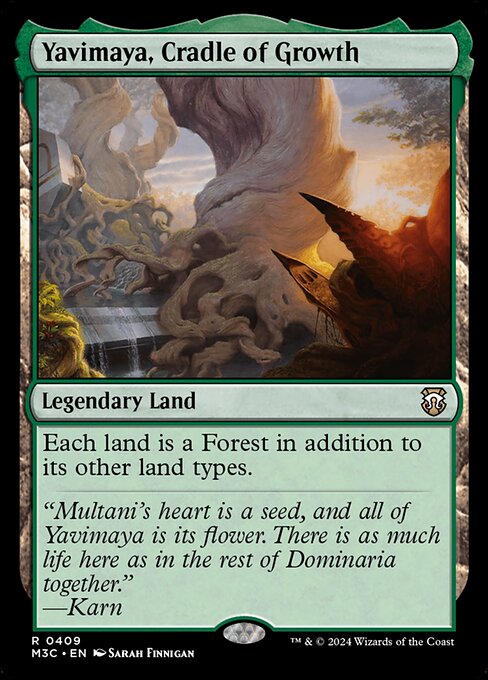
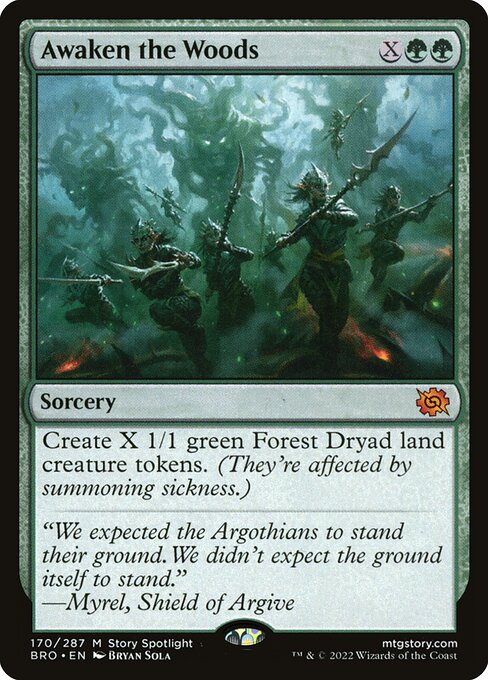
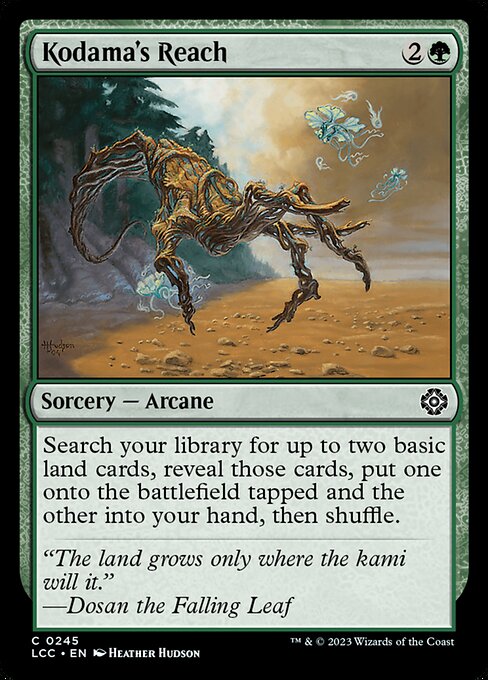
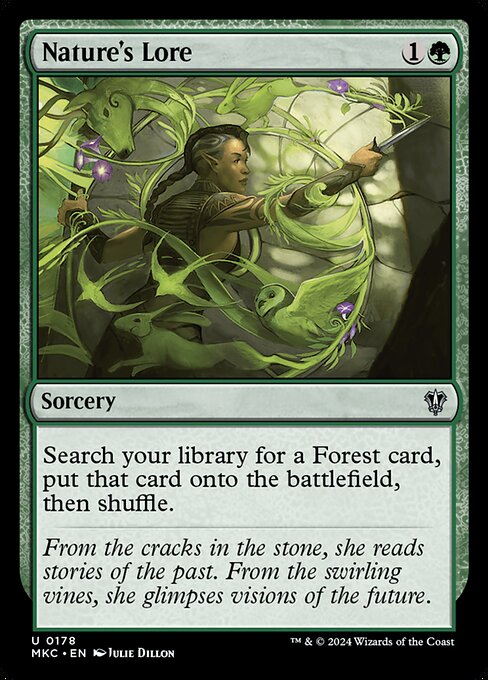
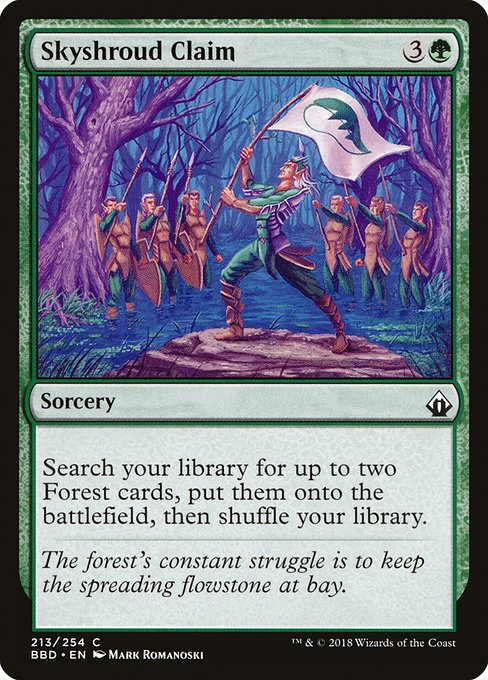
Cards like Awaken the Woods, Kodama's Reach, Nature's Lore, and Skyshroud Claim reinforce this approach by turning early-game mana into a larger resource base for the later turns. That allows the deck to transition naturally from acceleration into overwhelming combat power.
Going Bigger Than One Creature
Although Hit-Monkey is the clear centerpiece, the deck is not incapable of winning through a wider battlefield. In fact, several of its strongest cards give the deck an alternative route when a pure Voltron attack is not enough.
Craterhoof Behemoth, Overwhelming Stampede, Super Combo, and Super Strength give the deck ways to turn its substantial board presence into a lethal attack. The important distinction is that these cards do not replace the Voltron plan; they complement it. A deck that spends the early game developing mana and building a large commander can naturally accumulate additional creatures along the way, particularly when its mana creatures remain on the battlefield.
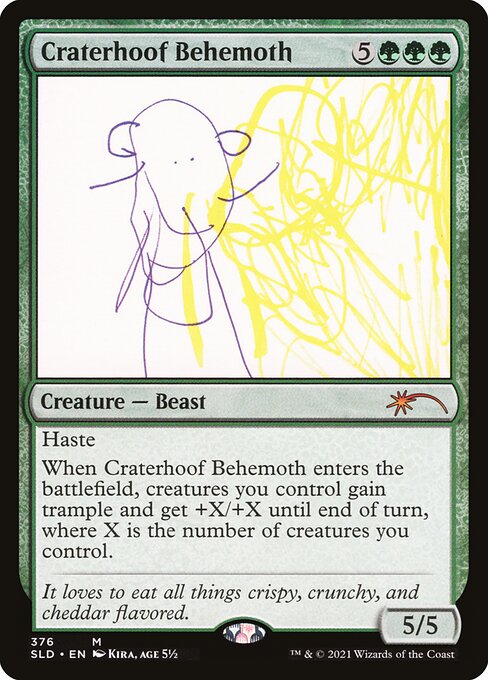
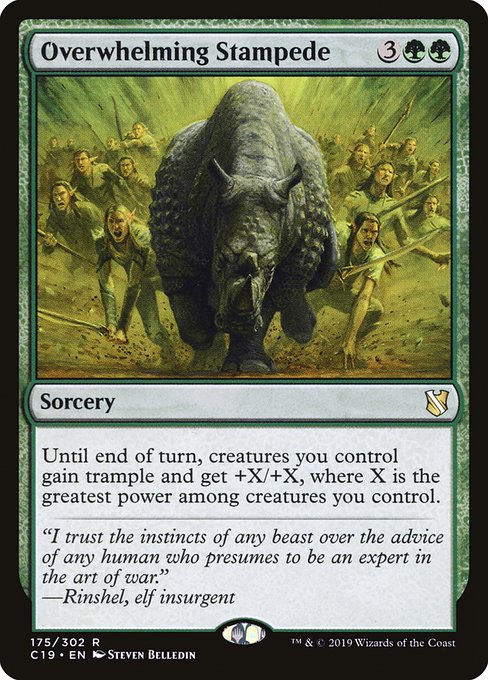
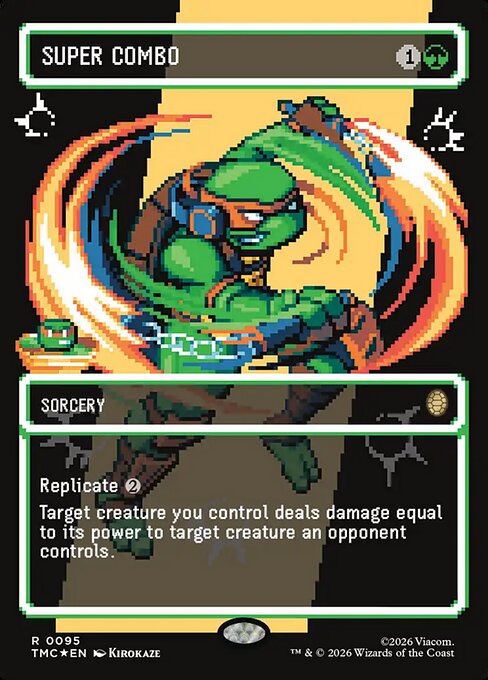
That makes Craterhoof Behemoth an excellent emergency plan. If Hit-Monkey is unable to finish the job alone, the same enormous mana production that powered the commander can instead produce a devastating attack from the entire board.
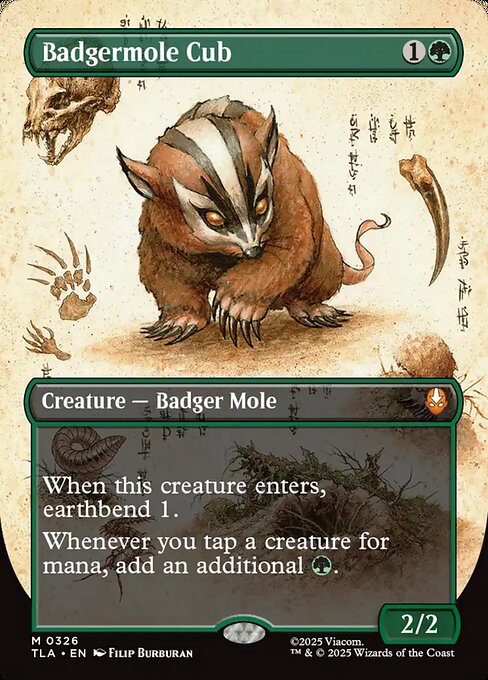
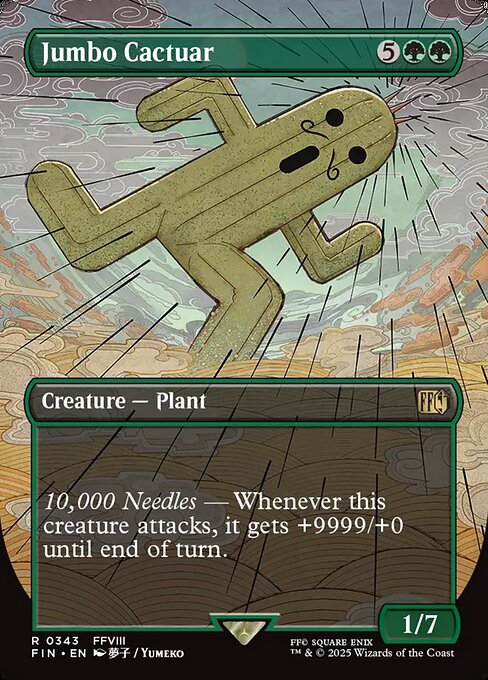
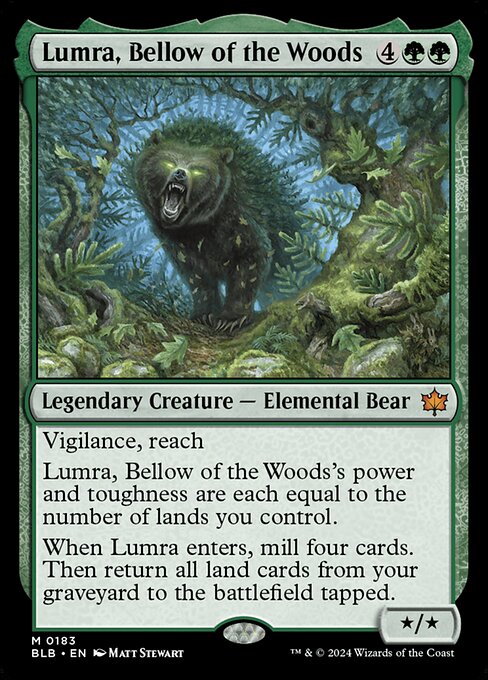
The deck’s creature selection supports this secondary plan as well. Badgermole Cub, Beorn the Fierce, Jumbo Cactuar, and Lumra, Bellow of the Woods provide substantial bodies, while Beorn the Fierce in particular benefits from the deck’s ability to put enormous amounts of mana into play. The creatures do not have to be the primary win condition for the deck to benefit from having them around.

Protecting the Investment
Voltron decks inevitably have one major weakness: concentrating so many resources into a single creature means that losing that creature can be disastrous. Hit-Monkey’s hexproof already eliminates a large portion of the most common targeted removal, but the deck still needs to consider sweepers, combat tricks, and effects that circumvent hexproof.
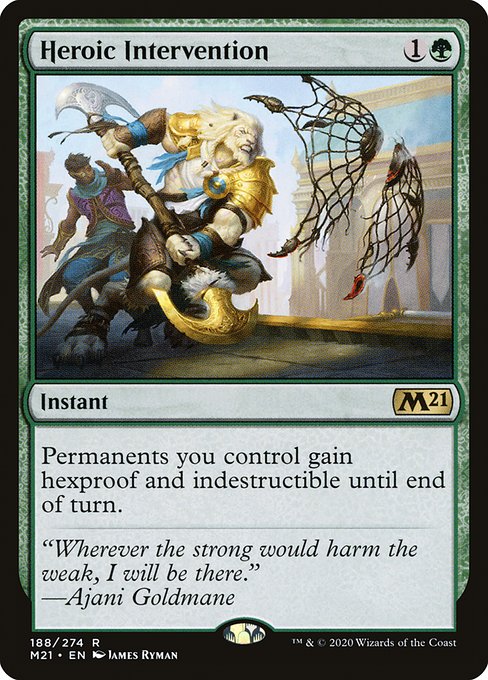
This is where Heroic Intervention, Obscuring Haze, Lifestream's Blessing, and Fog become valuable. Rather than simply adding more power, these cards give the deck opportunities to preserve its board or prevent a disastrous combat step.
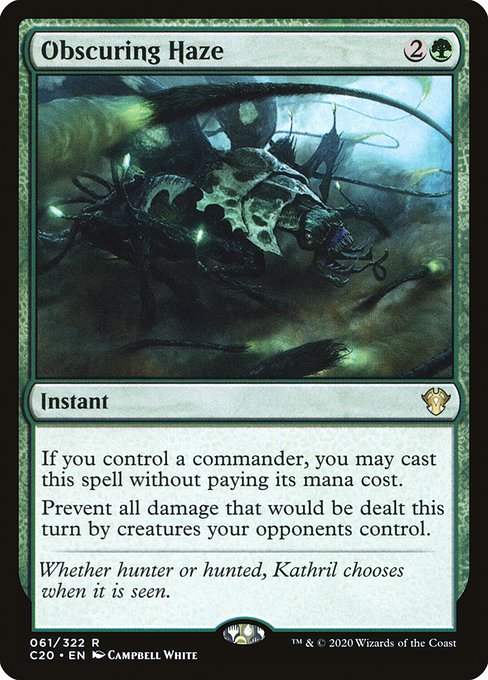
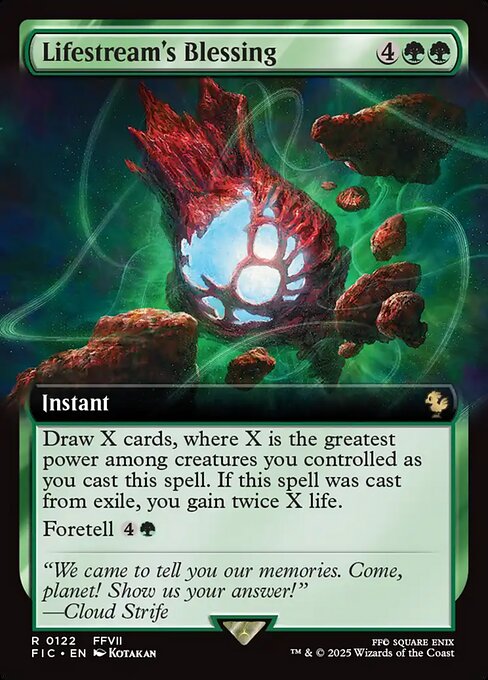
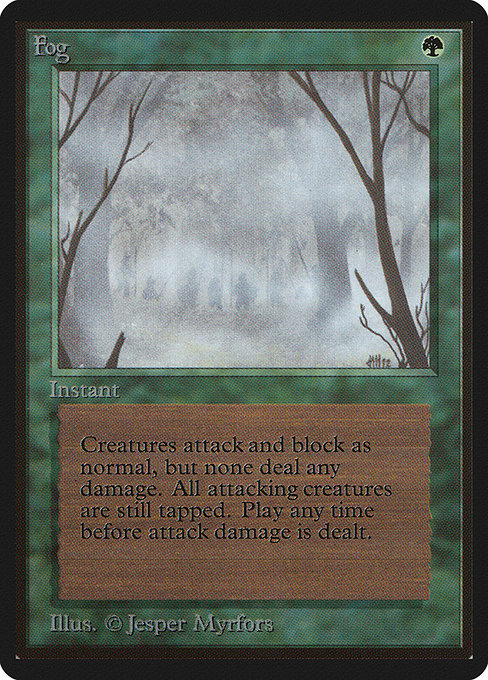
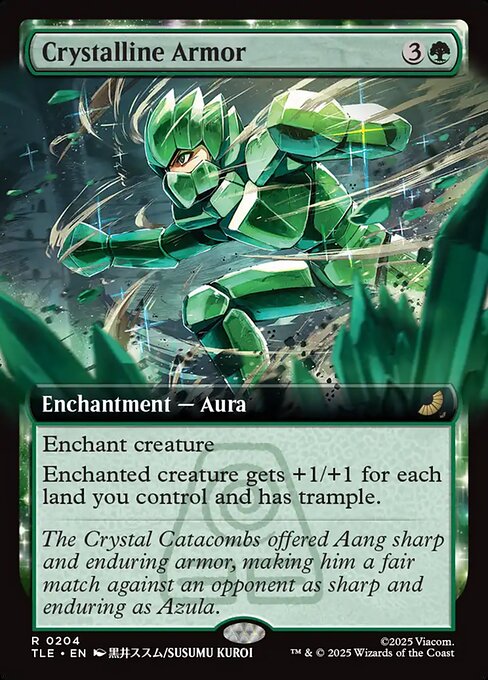
Equipment such as Mithril Coat, Commander's Plate, Shadowspear, and Crystalline Armor also contribute to keeping the Voltron threat functional. The important principle is that protection does not need to come entirely from traditional counterspells or removal protection. In a deck like this, making the commander inherently difficult to remove while maintaining a few defensive spells can be enough.
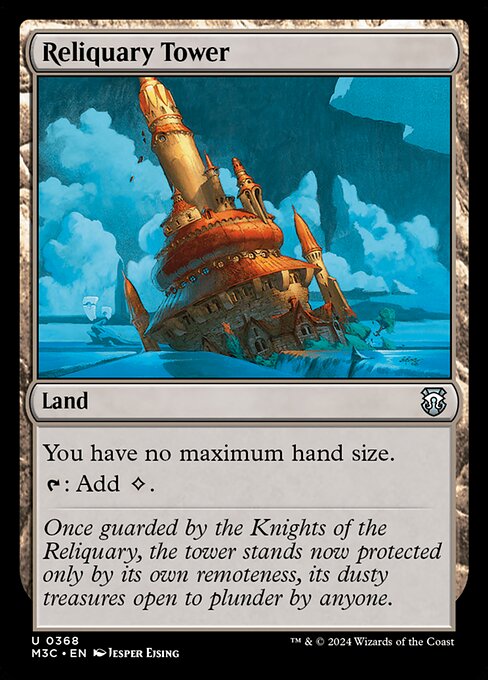
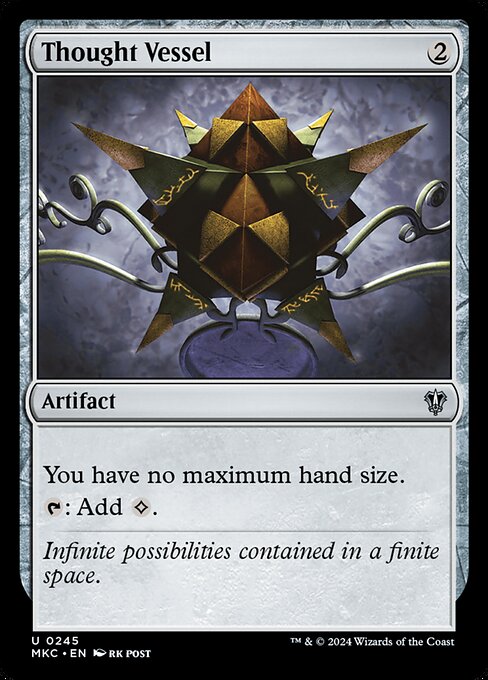
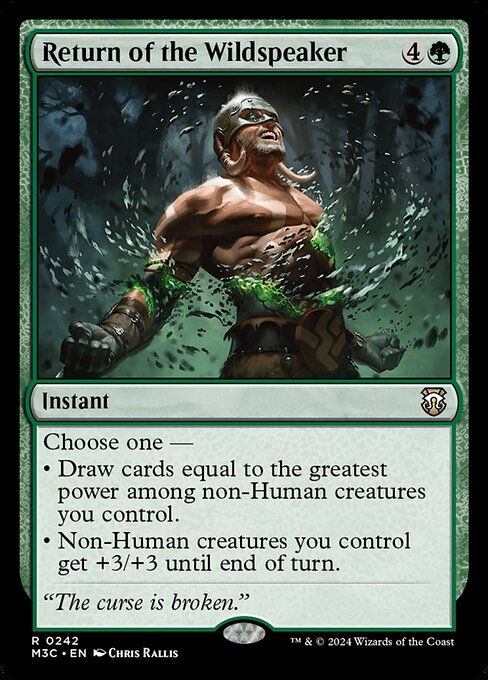
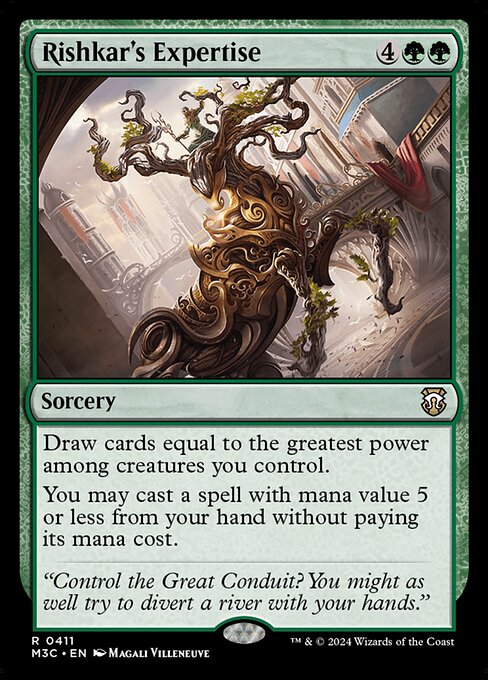
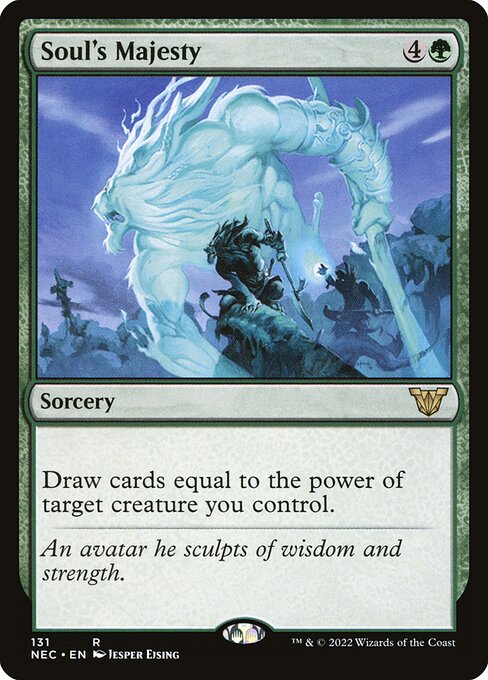
The same applies to Reliquary Tower and Thought Vessel. They are not directly part of the Voltron engine, but the deck contains several powerful card-draw effects such as Return of the Wildspeaker, Rishkar's Expertise, and Soul's Majesty. Since those spells can generate a very large hand once Hit-Monkey has been enhanced, avoiding a maximum hand size can preserve that advantage.
The Final Attack
Ultimately, the Hit-Monkey deck is at its best when it embraces what makes Voltron so effective: efficiency. Instead of spreading Equipment across several creatures, the deck can place its resources almost entirely onto one commander that already has hexproof, haste, vigilance, deathtouch, and trample-adjacent tools available through its Equipment package.
The ideal game begins with acceleration, develops a reliable mana base, and gets Hit-Monkey onto the battlefield quickly. From there, Equipment increases its power while cards like Fireshrieker, Leyline Axe, and Blackblade Reforged can push its damage output dramatically higher. Protection keeps the investment intact, while green’s enormous mana production ensures that the deck can continue developing even after the first threat is answered.
And that is ultimately what makes this deck a convincing example of equipment-based Voltron. It is not trying to build the widest battlefield or generate the most complicated engine. It wants to make one creature so efficient, powerful, and difficult to stop that an opponent eventually has no profitable way to stand in front of it.
Check out the deck here:

Commander
Creatures (14)
Instants (11)
Sorceries (8)
Artifacts (24)
Enchantments (7)
100 Cards
$712.86
Deck #2: Mono-White Voltron — Light-Paws
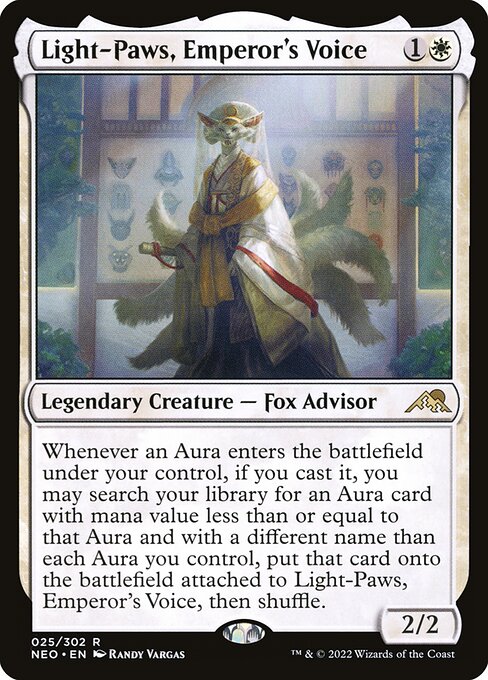
If Hit-Monkey represents the more traditional equipment-based approach to Voltron, Light-Paws, Emperor's Voice takes the opposite route. Rather than loading the commander up with swords, axes, and other equipment, this deck builds its threat almost entirely through Auras. The result is a deck that can look relatively harmless in its opening turns before suddenly assembling a formidable attacker with multiple layers of protection, evasion, and additional abilities.
The important distinction is that Light-Paws is not simply a creature that happens to benefit from Auras. The commander actively turns every Aura you cast into an opportunity to find another Aura from your library. That ability gives the deck an unusual amount of consistency for a Voltron strategy, allowing individual enchantments to become part of a larger sequence rather than simply being one-time buffs.
Building the Aura Engine
Light-Paws, Emperor's Voice costs only two mana, which is an enormous advantage for a Voltron commander. The deck wants its commander on the battlefield early because every subsequent Aura becomes more valuable once Light-Paws is available to take advantage of her ability. With the commander in play, an Aura that might normally provide a relatively modest bonus can instead become the starting point for finding a second enchantment that provides a completely different effect.
This creates a natural progression during the game. The first Auras can establish the basic foundation of the deck, increasing Light-Paws’ power or granting useful abilities, while later Auras can be selected specifically to fill whatever role is currently missing. If the commander needs protection, the deck can look for it. If the creature needs evasion, another Aura can solve that problem. If it simply needs more power to finish an opponent, the next search can prioritize a large stat boost.
The deck has plenty of ways to take advantage of this engine. Cheap Auras such as Ethereal Armor, Angelic Gift, Feather of Flight, and Divine Favor make excellent early plays because they contribute immediately while also helping Light-Paws find something more impactful. Meanwhile, Sram, Senior Edificer, Mesa Enchantress, Kor Spiritdancer, and Sage's Reverie give the deck additional ways to turn its concentration of Auras into cards.
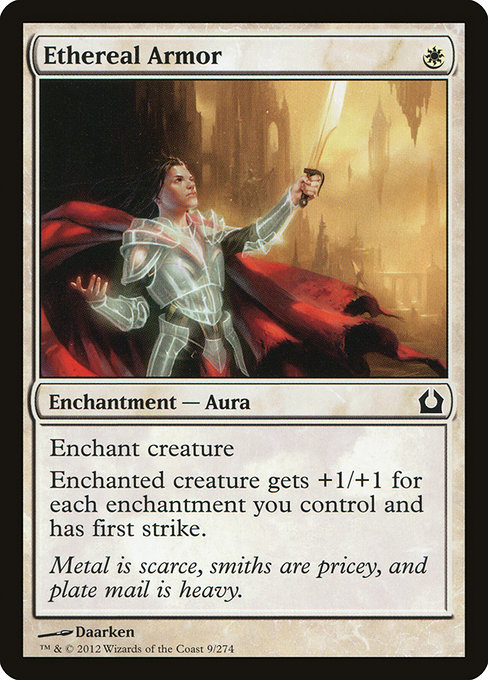
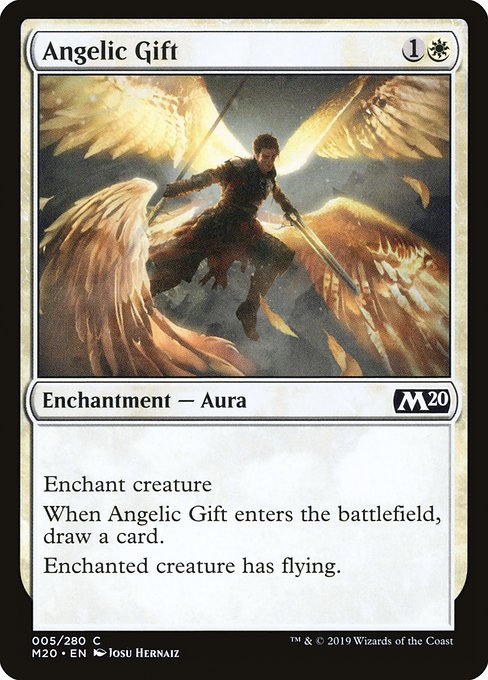
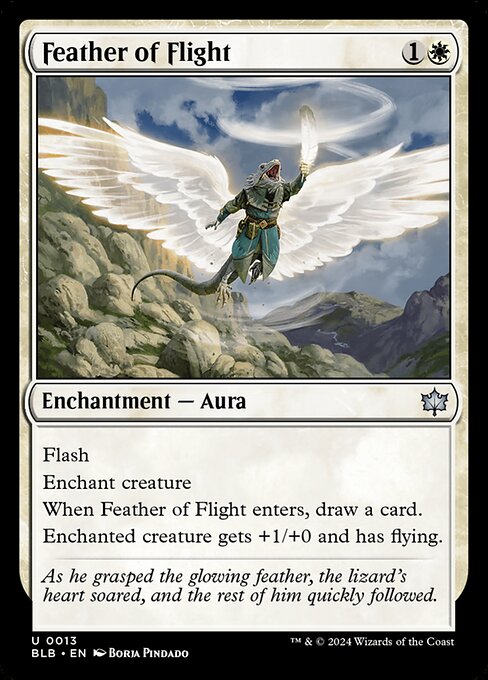
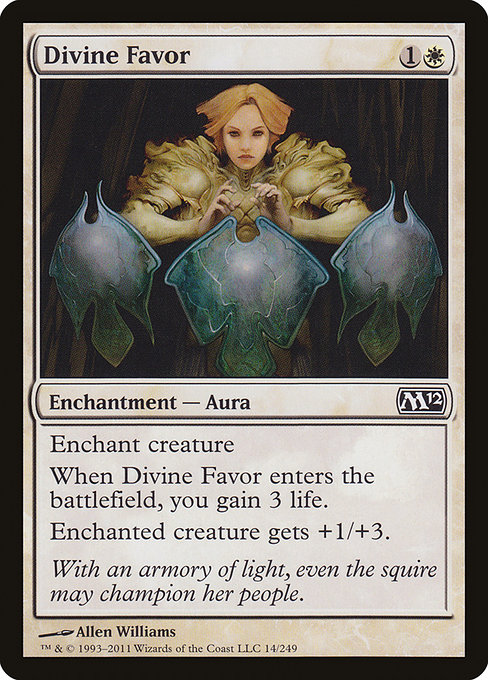
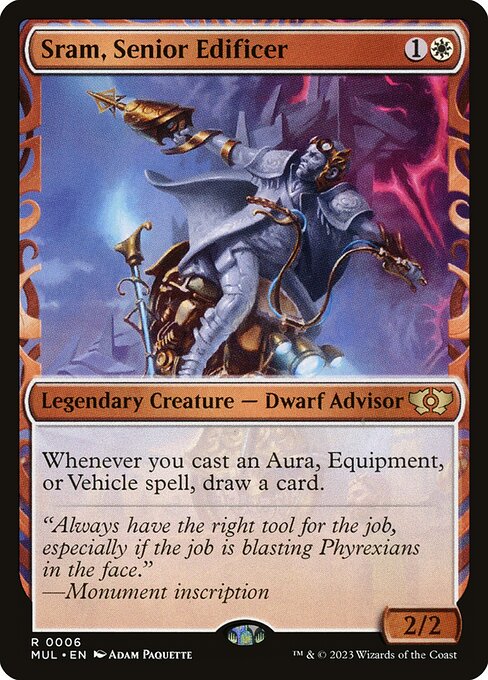
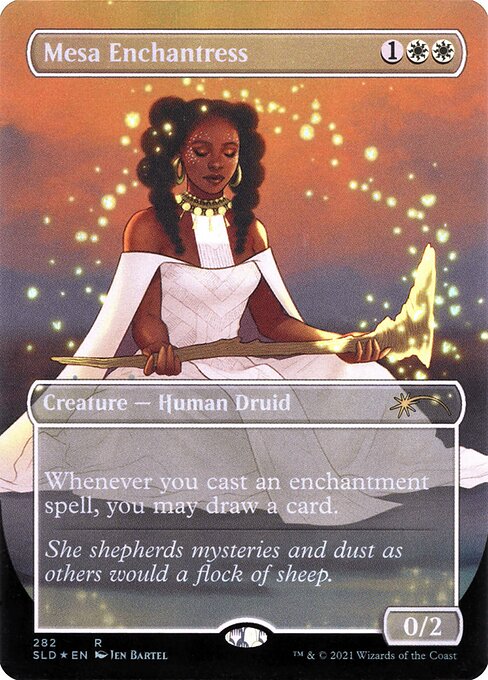
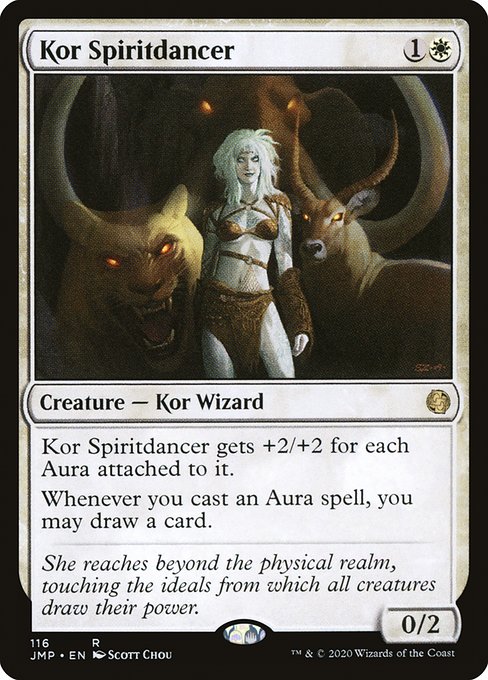
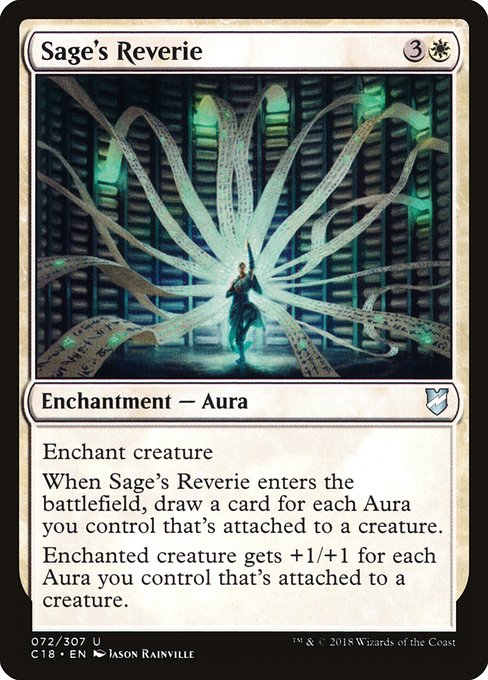
This is one of the biggest advantages of the deck compared with a more conventional Voltron strategy. Equipment decks can sometimes run into the problem of drawing several pieces of equipment without having enough creatures or ways to generate value from them. Here, the commander itself helps turn the Aura package into a connected engine.
Turning Light-Paws Into a Threat
Once the Aura engine is operating, the deck’s next priority is making Light-Paws capable of actually ending games. Voltron decks need more than raw power because Commander opponents have access to large creatures, blockers, and removal. A creature that is merely big can still be ignored if it cannot reliably connect.
The deck therefore combines power boosts with abilities that make combat much more difficult for opponents to stop. All That Glitters, Ethereal Armor, Armored Ascension, Angelic Destiny, and Light of Promise all contribute to turning a relatively small commander into a potentially enormous attacker. As the deck accumulates more enchantments, these effects become increasingly threatening, allowing Light-Paws to scale dramatically as the game progresses.
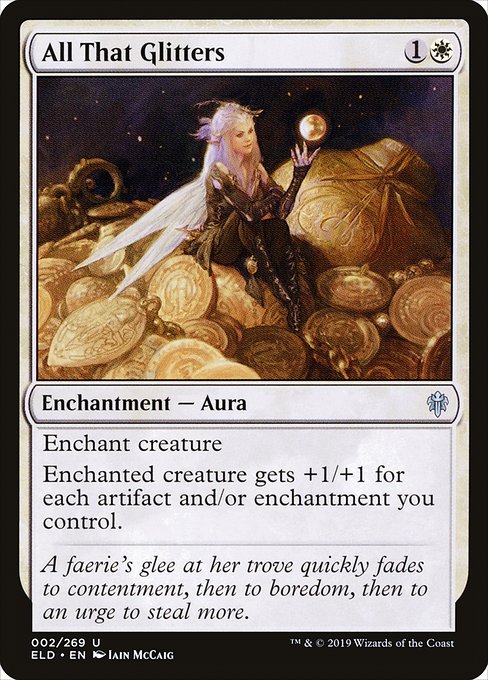
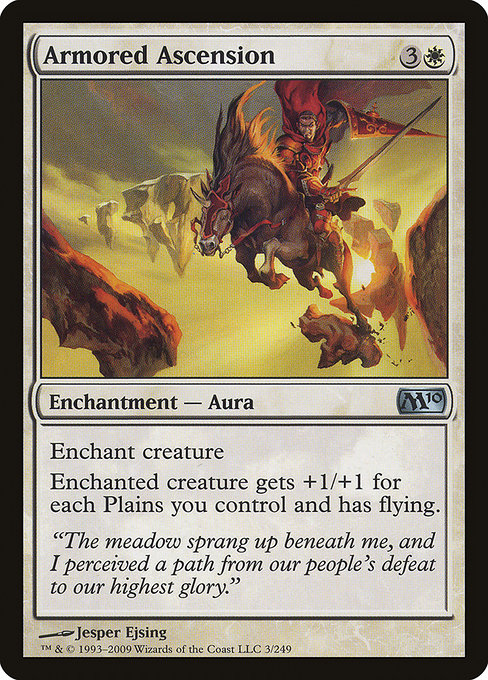
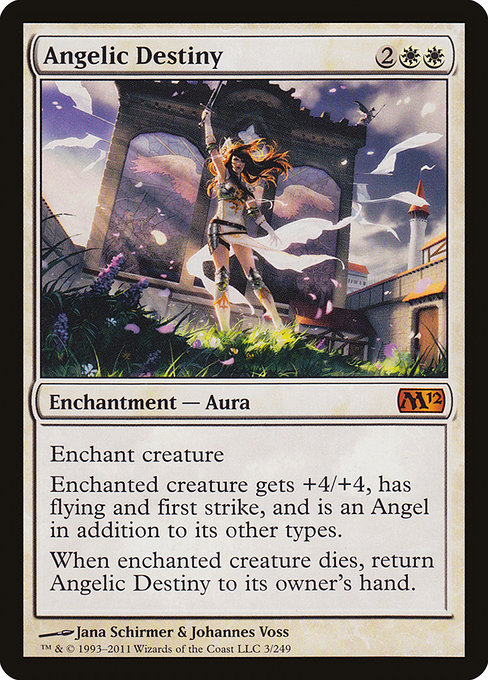
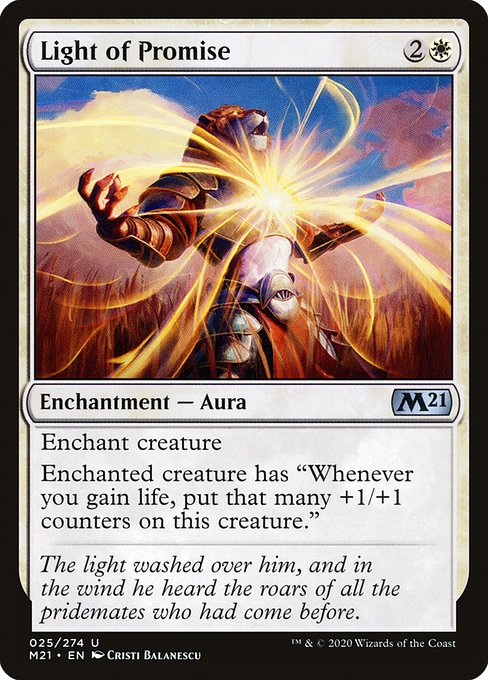
The most important part is that the deck does not necessarily need to draw these cards naturally. Light-Paws can use the Aura package to assemble the appropriate combination. This makes the deck feel less like a collection of individual buffs and more like a toolbox where each Aura represents another piece of the final Voltron threat.
Double strike is particularly valuable in this strategy because it effectively doubles the amount of combat damage Light-Paws can deliver. Once the commander has accumulated several power-enhancing Auras, granting double strike can turn a creature that was merely threatening into one capable of eliminating a player in a single attack.
Protection and Evasion
One of the most important jobs for any Voltron deck is keeping its commander alive. Putting several cards onto one creature creates a natural vulnerability: if that creature is destroyed, the deck can lose a tremendous amount of its investment. Light-Paws therefore wants to make herself difficult to remove while simultaneously ensuring that opponents have trouble blocking her.
The Aura package provides several ways to accomplish this. Indestructibility, Shield of Duty and Reason, Mask of Law and Grace, Shardmage's Rescue, and Sheltered by Ghosts can give Light-Paws additional protection against different forms of interaction. Meanwhile, effects such as Spirit Mantle, Unquestioned Authority, and Grasp of the Hieromancer help ensure that an increasingly powerful Light-Paws can actually connect with an opponent.
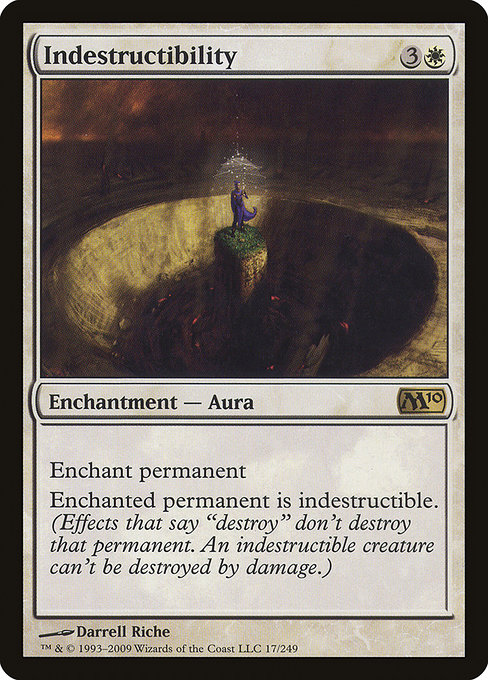
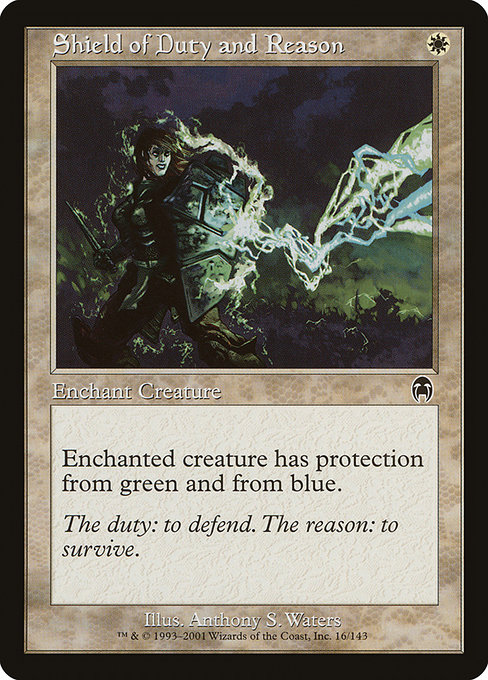
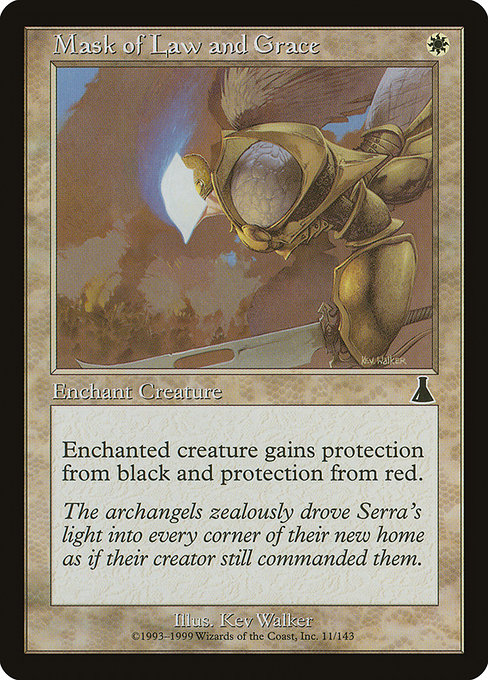
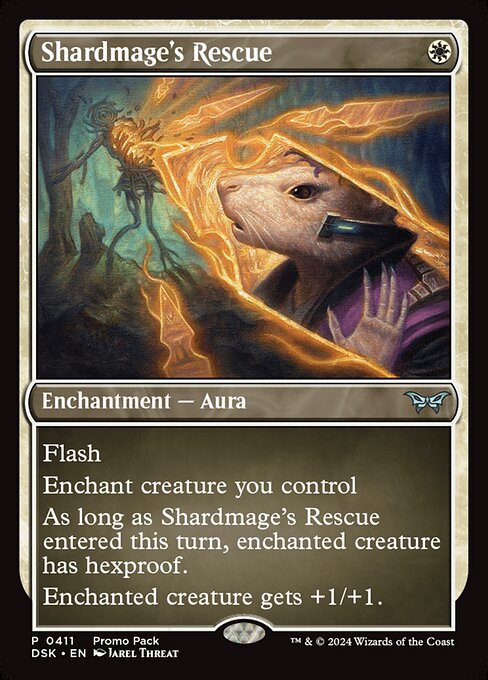
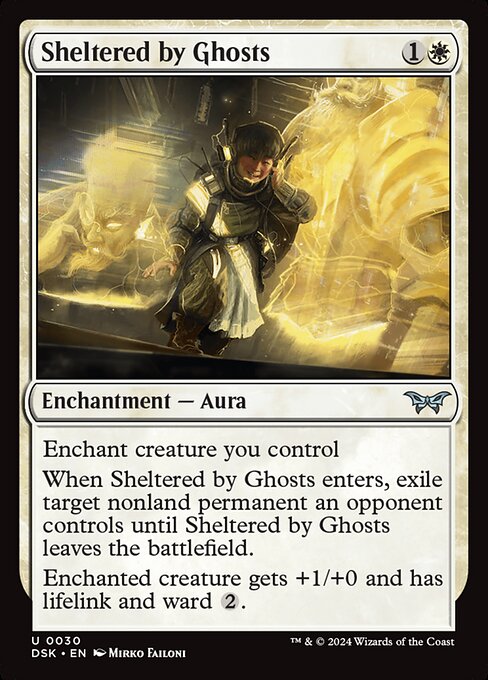
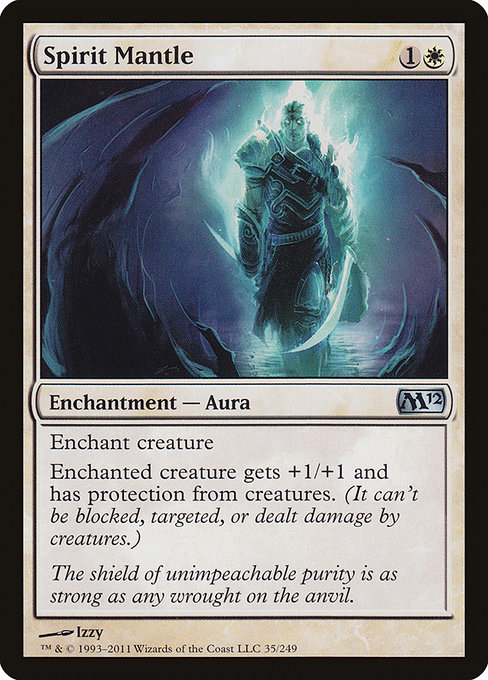
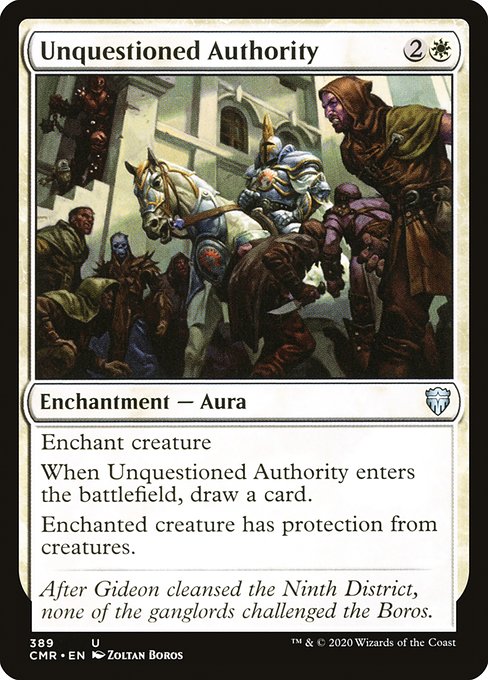
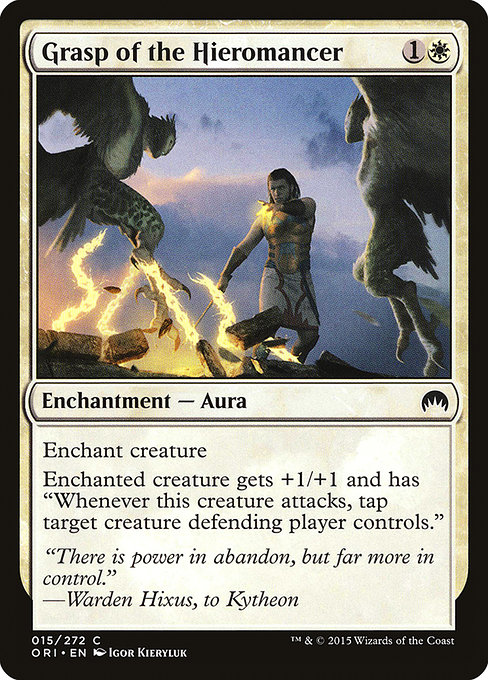
This combination is what makes Aura Voltron particularly dangerous. The deck does not have to choose between making its commander powerful and making it evasive. Because the commander searches for Auras, it can often accomplish both objectives during the same sequence of plays.
There is also additional protection outside the Aura package. Flickerform, Galadriel's Dismissal, Dawn Charm, and Reprieve give the deck ways to respond when an opponent attempts to disrupt its gameplan. Sigarda's Aid can also make the deck’s Aura deployment more flexible, allowing the player to develop their board while keeping mana available for interaction.
That flexibility is especially important because Voltron decks often become obvious threats once their commander becomes large. Light-Paws can therefore benefit from appearing slightly less explosive until the deck has enough protection to safely commit to an attack.
Card Advantage and Recovering From Removal
Although the commander provides consistency, the deck still needs ways to maintain momentum when the game goes long. The enchantment-based card advantage package helps considerably here. Effects such as Sram, Senior Edificer, Mesa Enchantress, and Kor Spiritdancer reward the deck for doing exactly what it already wants to do: casting Auras.
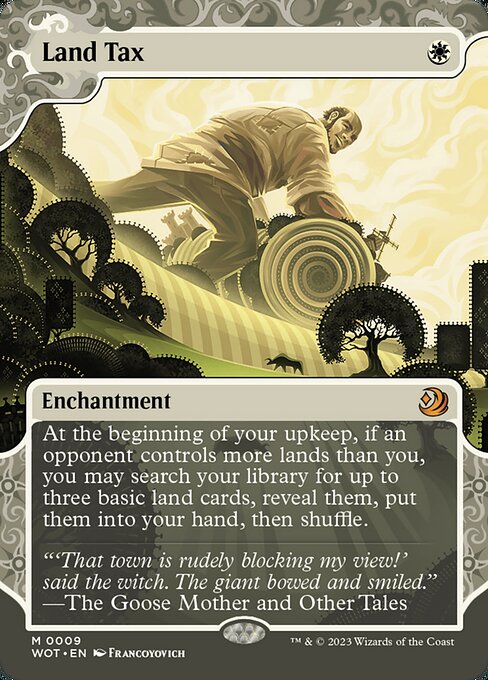
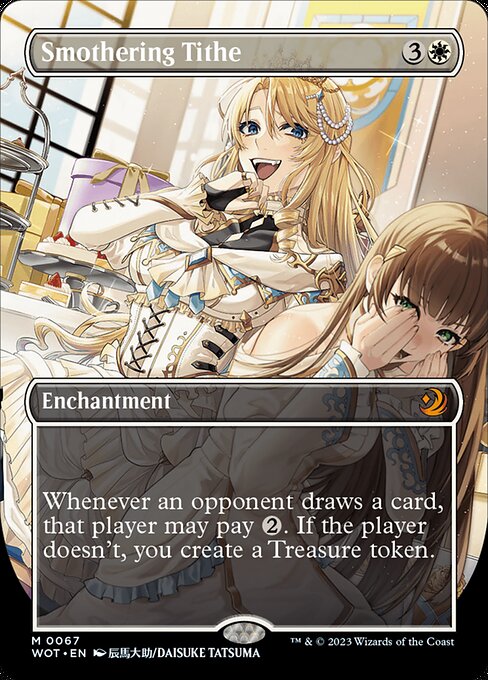
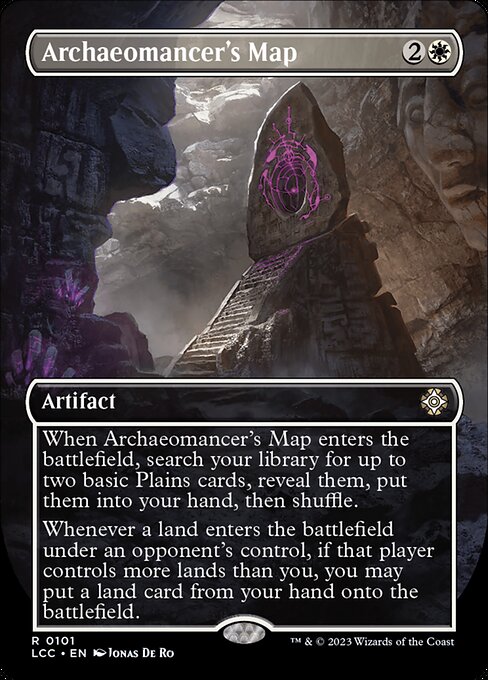
Land Tax, Smothering Tithe, and Archaeomancer's Map provide another important layer of resource development. These cards help ensure that the deck continues making land drops and has enough mana to keep developing its commander rather than spending the entire game trying to recover from falling behind.
The deck also has meaningful recovery tools. Mantle of the Ancients can rebuild a creature by returning multiple Auras from the graveyard, while Replenish gives the deck an even more dramatic way to recover from a board wipe. Hall of Heliod's Generosity provides another avenue for recurring important enchantments over the course of the game.
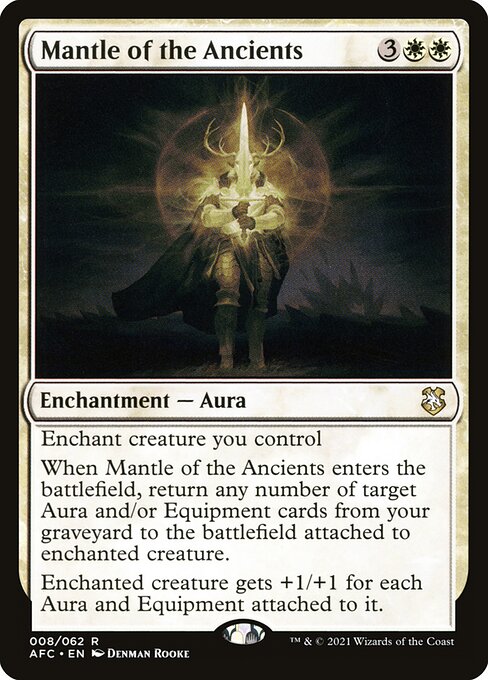
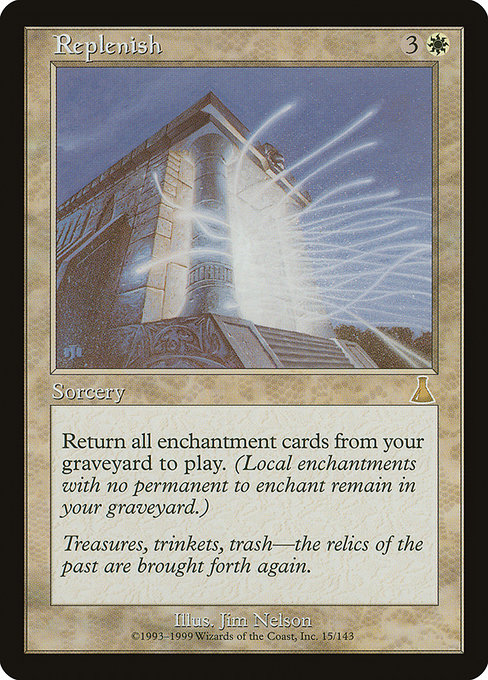
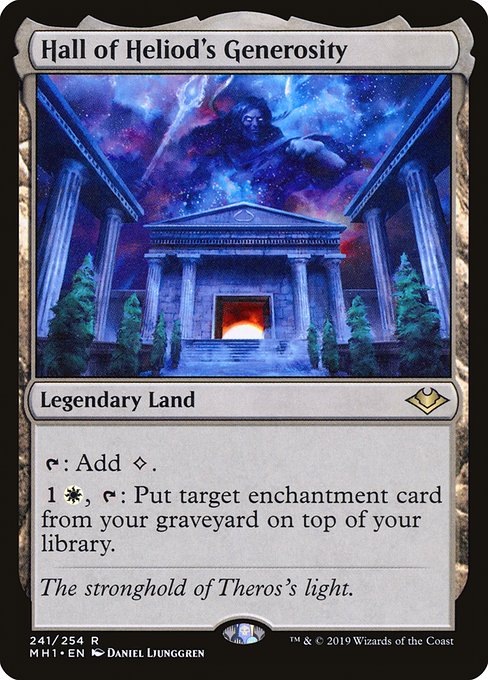
This matters because Voltron is naturally vulnerable to sweepers. If Light-Paws has accumulated a large collection of Auras and an opponent destroys the commander, simply replaying Light-Paws may not be enough to immediately return to the same position. The recursion package means the deck has a path toward rebuilding rather than treating every board wipe as a complete reset.
A Different Kind of Voltron
Light-Paws demonstrates just how broad the Voltron archetype can be. At its core, the objective is identical to Hit-Monkey: build one creature into a lethal threat and use combat damage to eliminate opponents. The route to that goal, however, is completely different.
Hit-Monkey relies on equipment and a naturally resilient commander. Light-Paws instead uses Auras as both its offensive tools and its consistency engine. The commander effectively acts as a tutor for the deck’s most important pieces, allowing the pilot to construct a customized threat depending on what the table demands.
That makes Light-Paws particularly satisfying for players who enjoy sequencing and toolbox-style deckbuilding. Rather than simply asking which equipment should be attached next, every Aura can change what the next step of the sequence looks like. The deck rewards knowing which effects are most important at a given moment and planning several plays ahead.
It is also a very different experience from the Hit-Monkey list despite both decks sharing the same fundamental Voltron philosophy. One uses equipment to turn a naturally powerful creature into a devastating attacker; the other uses its commander to assemble a carefully constructed enchantment package around itself.
Check out the deck here:
Commander
Creatures (14)
Instants (11)
Artifacts (5)
Enchantments (33)
Lands (34)
100 Cards
$1390.66
Closing Thoughts
These two decks show why Voltron remains such a recognizable and adaptable Commander archetype. The basic idea is straightforward: choose one creature, make it stronger, protect it, give it a way through blockers, and attack until your opponents are dead. But the cards used to accomplish those goals can completely change how the deck feels to play.
Hit-Monkey is the straightforward bruiser, relying on equipment and an exceptionally well-protected commander to deliver huge attacks. Light-Paws is more methodical, using Auras as both its weapons and its engine to assemble exactly the combination of abilities it needs.
Neither approach is inherently more “correct” than the other. They simply demonstrate two different interpretations of the same strategy. For players who enjoy the satisfaction of turning one creature into an overwhelming threat, both decks offer a clear path to victory while providing very different ways to get there.
If you would like a more budget oriented take on the archetype, feel free to check this article: https://edhmeta.com/budget-commander-boros-voltron-ft-feather-the-redeemed/