



Pauper is one of Magic’s most deceptively deep formats. At first glance, restricting yourself to commons sounds like it should dramatically lower the power level of the game. After all, commons are supposed to be the inexpensive, straightforward building blocks of a Magic set. But once you start digging into the format, you quickly discover just how many extremely efficient cards have been printed at common over the years.
Pauper EDH, or Pauper Commander, often shortened to PDH takes that idea and puts it into a multiplayer Commander shell. The basic concept is familiar: you build a singleton Commander deck, but the cards in the deck are generally restricted to common-rarity cards, while your commander is allowed to be an uncommon creature. Wizards has described Pauper Commander as essentially Commander built around commons and an uncommon general, making it a particularly accessible way to play a multiplayer format.
That does not necessarily mean the games are casual or low-powered, either. Just like regular Commander can range from a relaxed kitchen-table game to highly optimized pods, PDH has its own competitive end of the spectrum. With a smaller card pool and far fewer expensive staples to fall back on, efficient interaction, card advantage, mana development, and clever synergy become incredibly important.
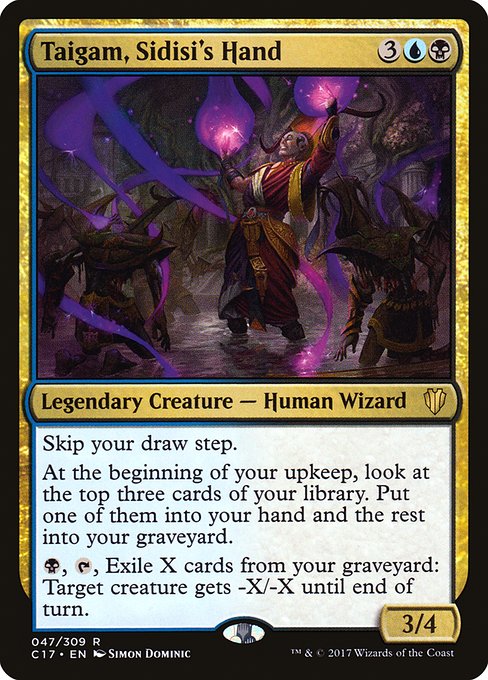
And that makes Taigam, Sidisi's Hand a fascinating commander to build around.
Turning the Graveyard into an Arsenal
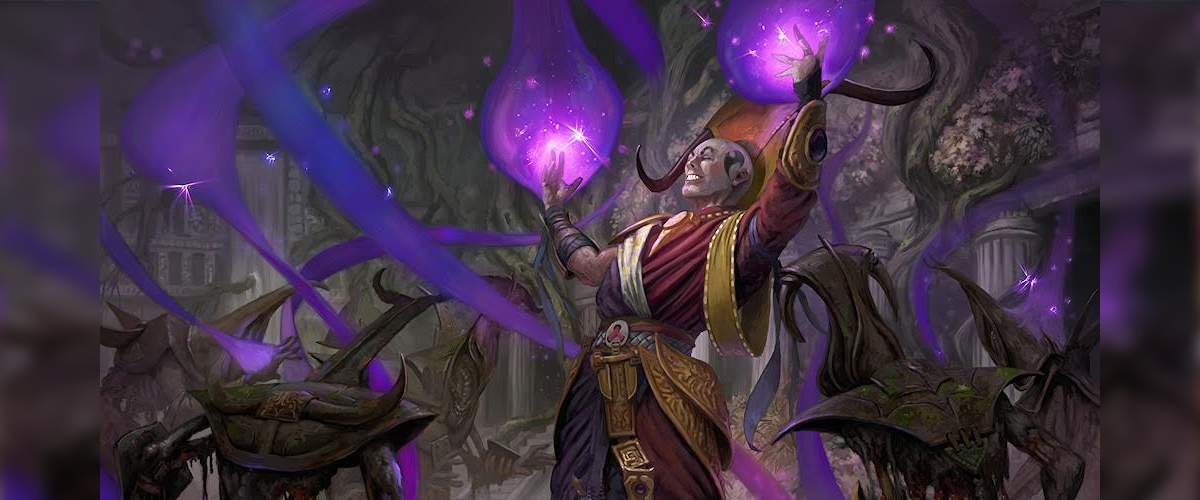
Taigam, Sidisi's Hand first ability makes an unusual concession: you skip your normal draw step. In exchange, at the beginning of each upkeep, you look at the top three cards of your library, put one into your hand, and put the other two into your graveyard. He also has a tap ability for 1 Black that lets him exile X cards from your graveyard to give a creature -X/-X until end of turn.
This ability to pretty much “filter out” your draw steps is already amazing since you take what you need at the moment, or, conversely, ditch to the graveyard what needs to be there for you.
This deck does not treat the graveyard as a place where cards go after they have served their purpose. The graveyard is part of the deck’s resources. Cards that would normally be dead after being discarded or milled can instead become targets for reanimation, fuel for Taigam’s removal ability, or resources for other spells that interact with the graveyard.
The result is a commander who rewards you for playing a game of patience. Taigam does not need to immediately take over the table. He simply needs to survive long enough for all those extra cards being deposited into the graveyard to start adding up.
And because this is Dimir, there is no shortage of ways to make sure that happens.
Filling the Graveyard on Purpose
Even before Taigam arrives, the deck is already built to manipulate the top of the library and put cards where they want to be.
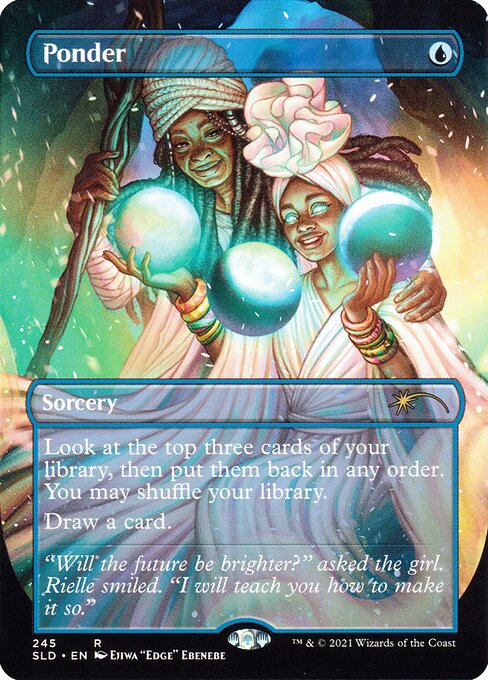
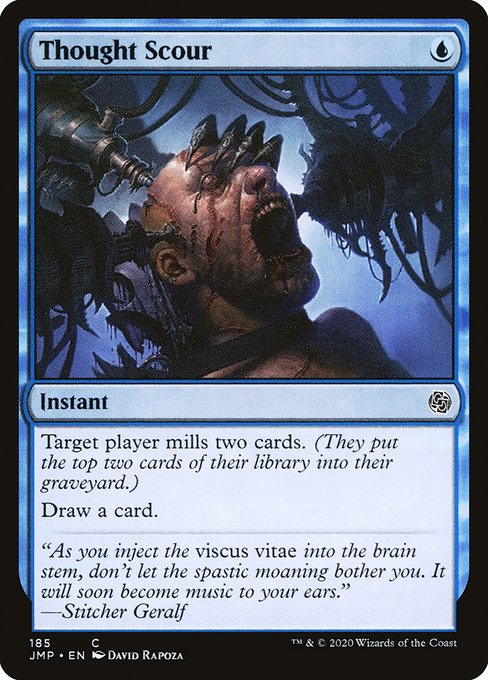
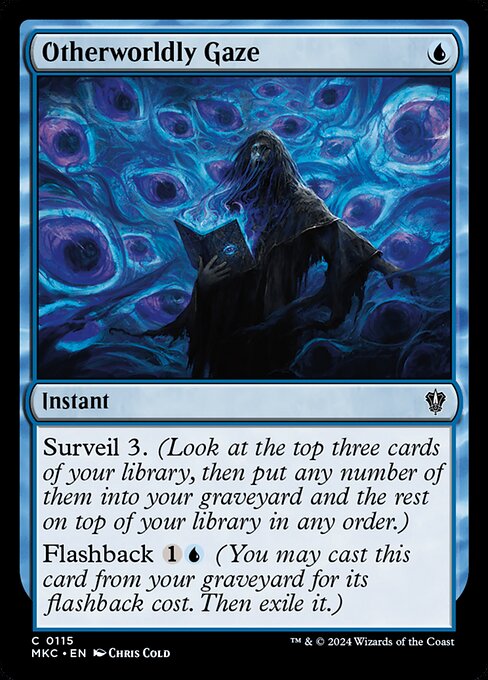
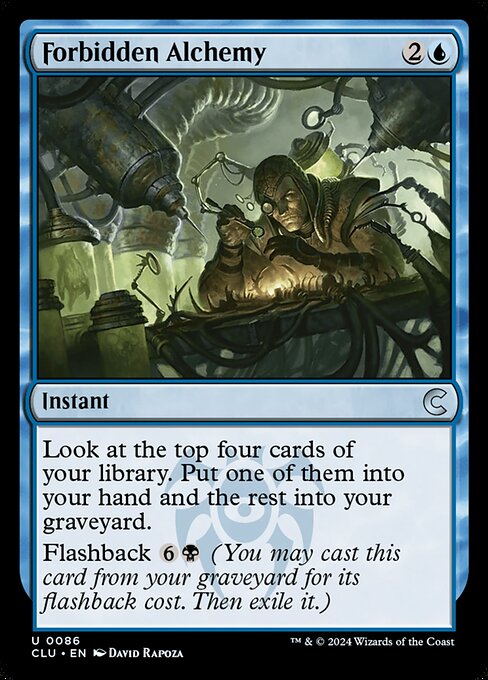
Ponder, Preordain, Brainstorm, Consider, Serum Visions, Thought Scour, Otherworldly Gaze, and Forbidden Alchemy all contribute to the same broader plan: find the cards you need while making your graveyard increasingly relevant. The deck uses them to sculpt both sides of its resources: what stays in the library and what gets sent to the graveyard.
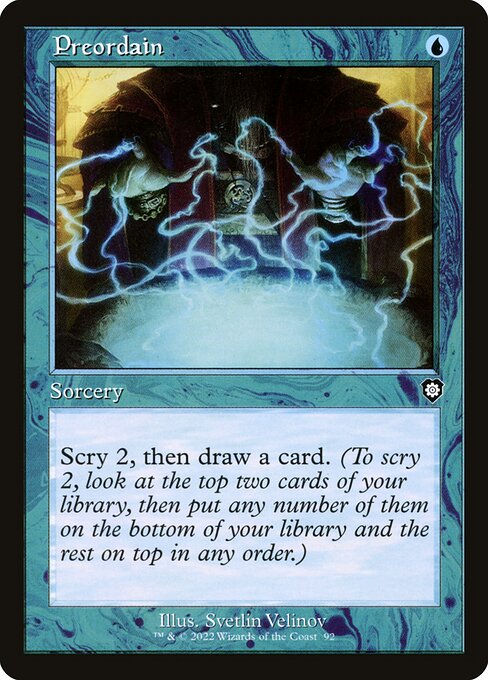
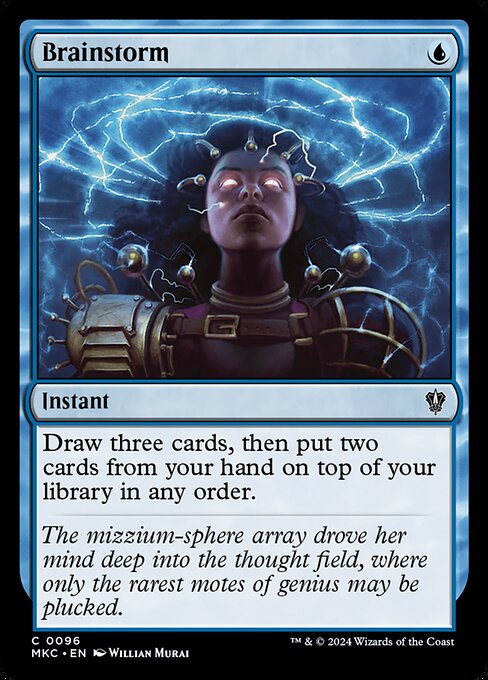
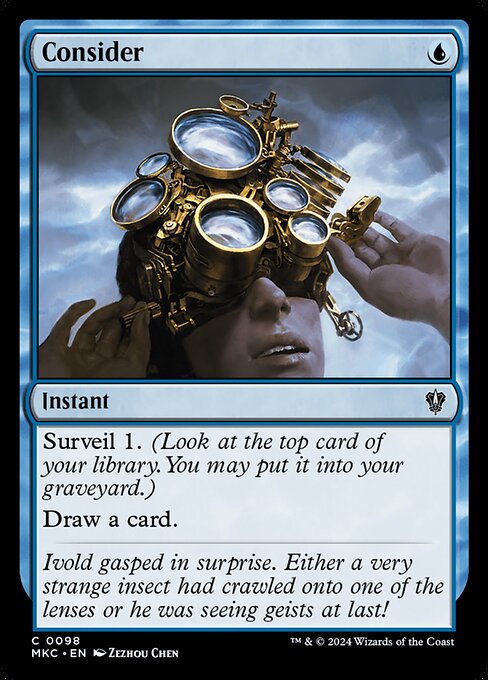
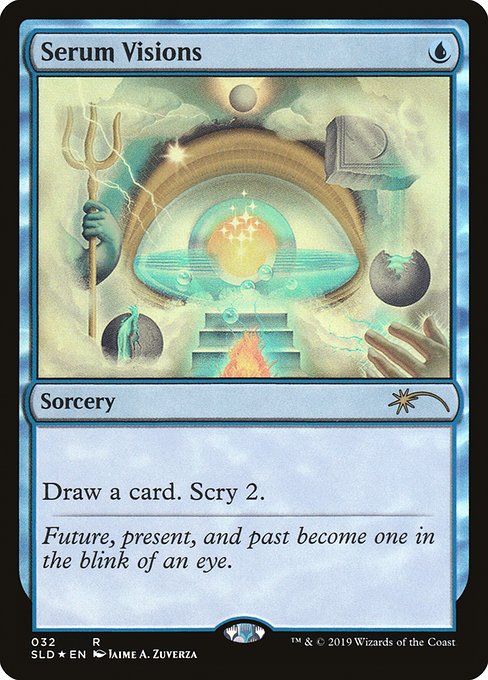
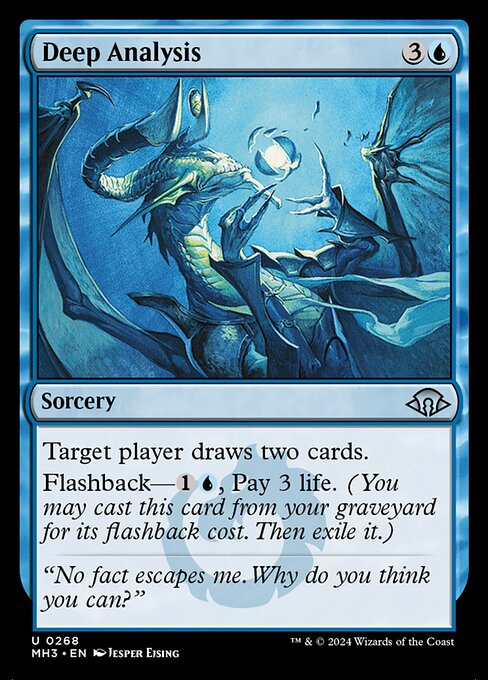
That becomes particularly interesting with cards such as Deep Analysis and Treasure Cruise. If one of these cards ends up in the graveyard, it is not necessarily a lost draw. Deep Analysis can still be cast from there, while Treasure Cruise can turn a stocked graveyard into an extremely efficient burst of cards. Taigam’s ability therefore creates a natural tension: sometimes the best card to keep is the one you need immediately, but sometimes putting something into the graveyard is almost as good as putting it into your hand.

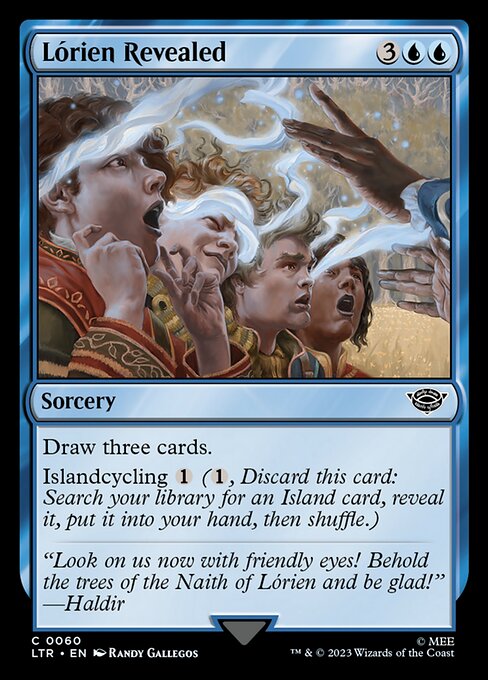
Lórien Revealed fits beautifully into this philosophy as well. It can simply provide cards when you need them, but its alternative use gives the deck another way to smooth out its mana without compromising its ability to keep spells flowing later.
The important thing is that these effects are not trying to mill the entire deck. This is not a dedicated self-mill strategy where victory comes from emptying your library. The goal is much more practical: put the right cards in the right zone.
Taigam abuses that concept and makes it repeatable.
Dimir Does What Dimir Does Best
Of course, none of this matters if Taigam gets removed immediately.
That is where the deck’s blue-black control shell comes in.
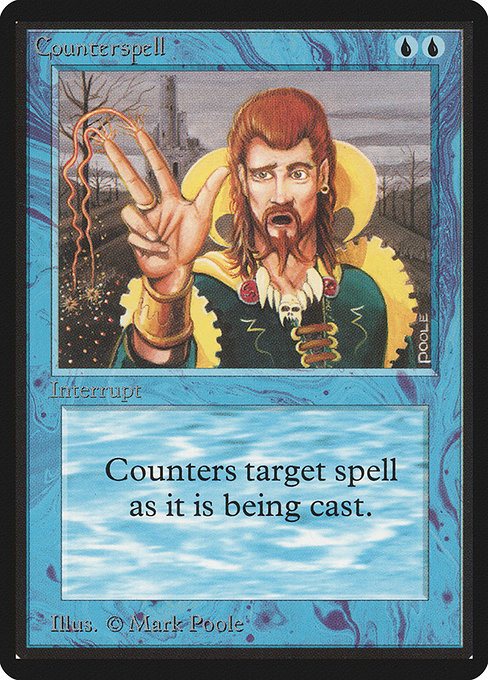
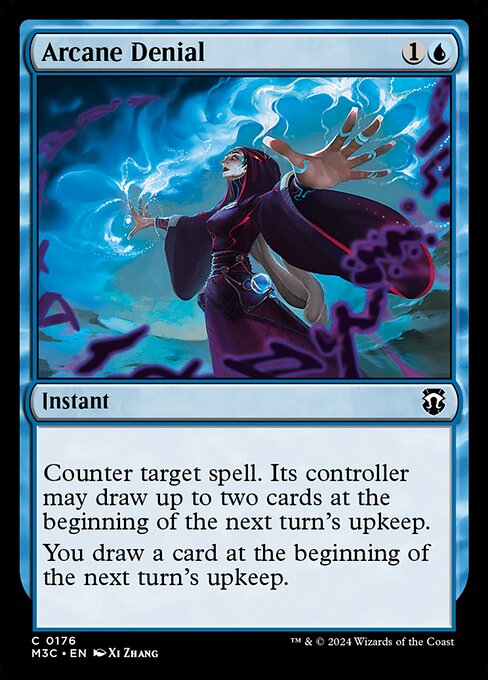
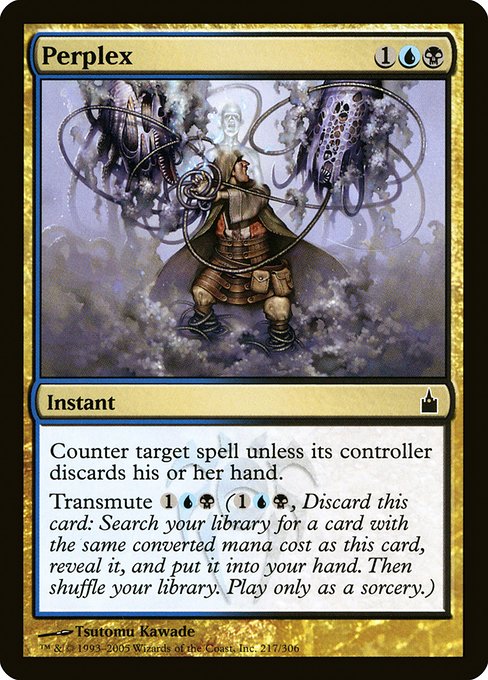
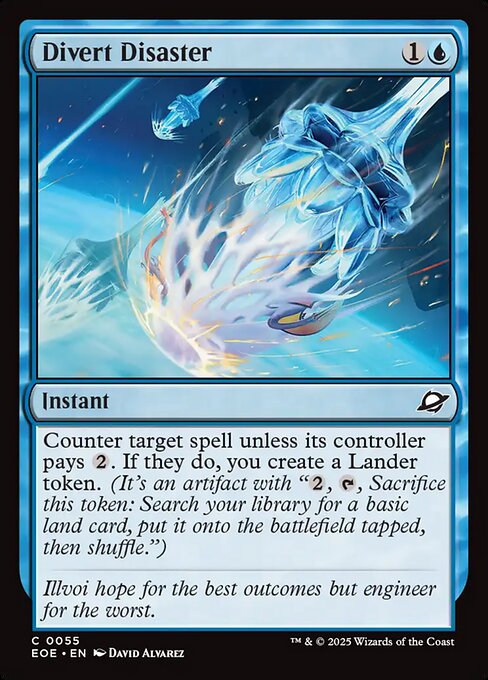
Counterspell, Arcane Denial, Perplex, and Divert Disaster give the deck ways to interfere with opposing plays.
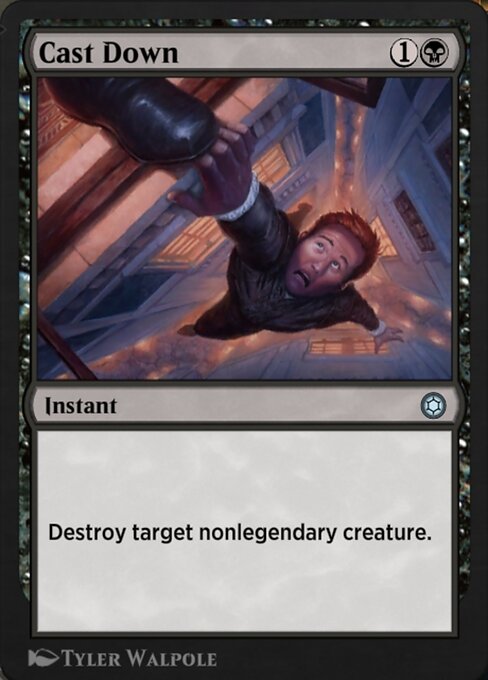
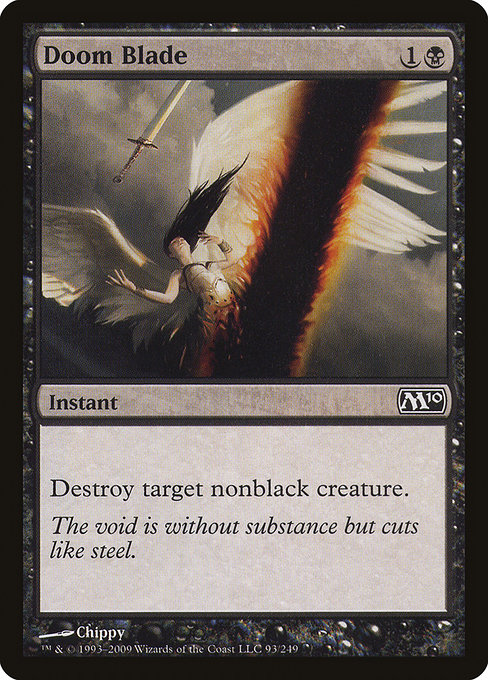
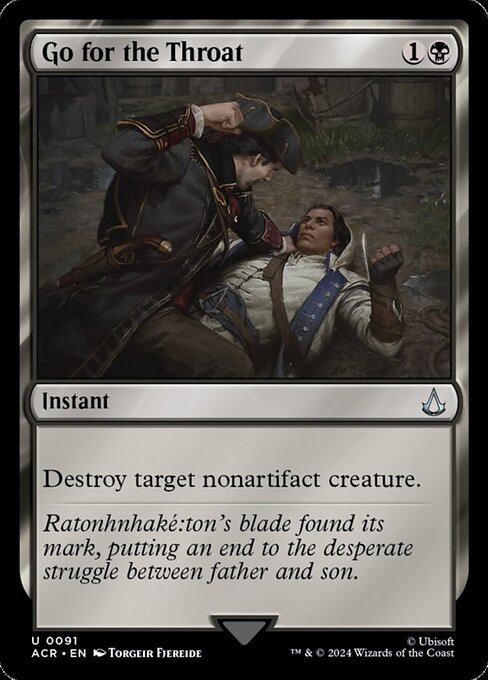
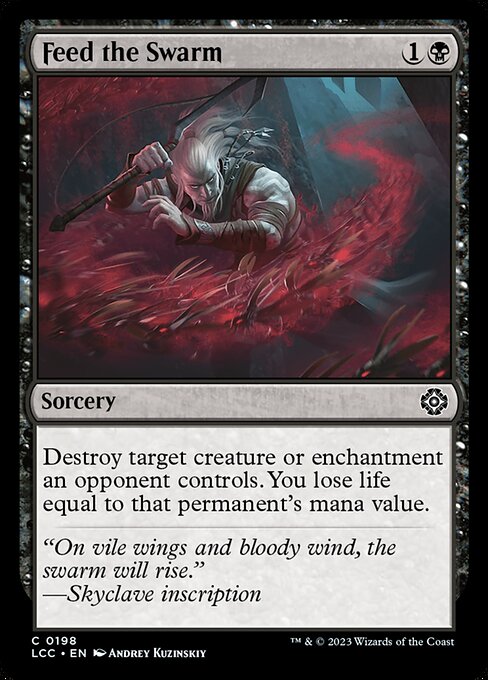
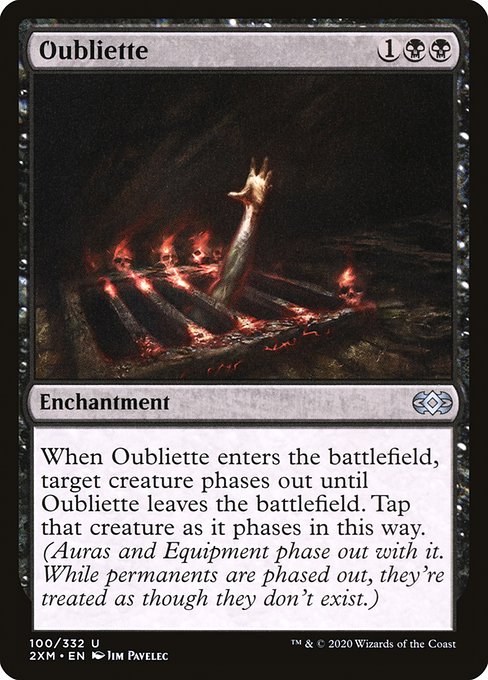
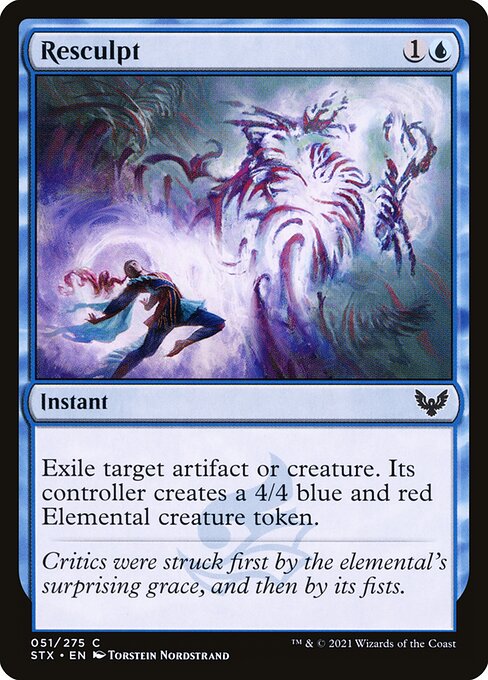
Meanwhile cards like Cast Down, Doom Blade, Go for the Throat, Feed the Swarm, Oubliette, and Resculpt give it answers to creatures and other troublesome permanents. The individual cards may be commons, but that does not make the interaction clumsy. In fact, the relatively low mana costs allow the deck to spend its turns developing its own resources while still leaving mana available to respond.
The key is that this isn’t a hard-control deck that wants to counter every spell an opponent casts. In a multiplayer game, trying to answer everything is usually a losing proposition. Instead, the deck wants to identify the threats that actually matter and preserve its resources for those moments.
This makes the cheap removal particularly valuable. Cast Down, Doom Blade, and Go for the Throat can trade efficiently with creatures without forcing the deck to spend its entire turn answering one threat. Feed the Swarm is especially useful because Black otherwise has limited ways to directly deal with problematic enchantments.
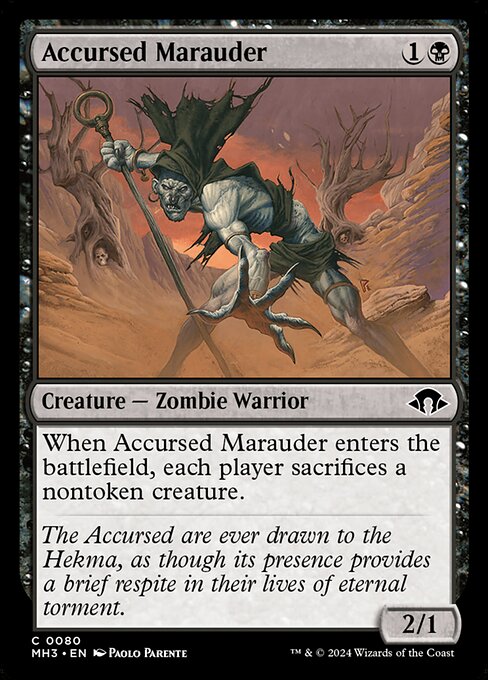
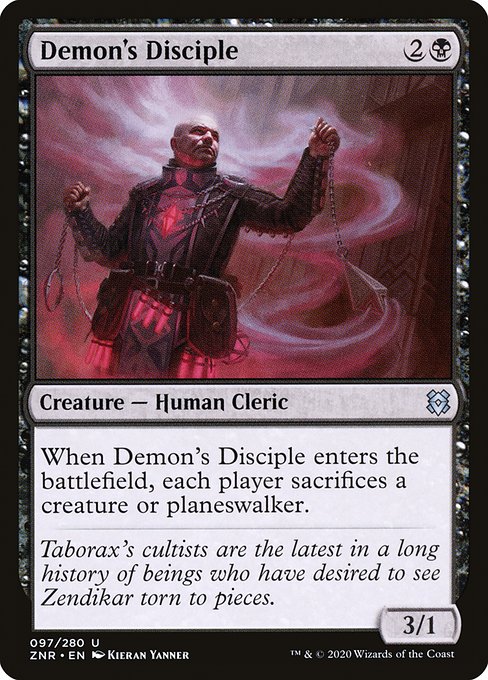
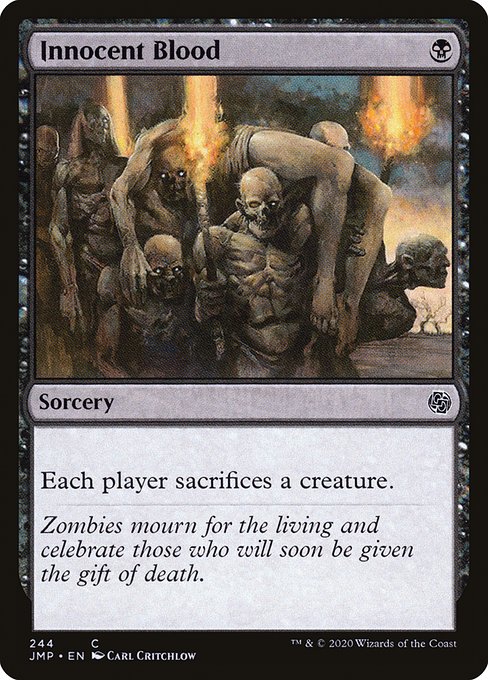
Accursed Marauder, Demon's Disciple, and Innocent Blood give the deck ways to force creatures off the battlefield without needing to target them individually. This can be particularly useful against creatures protected by hexproof, ward, or other forms of targeted removal.
Bringing the Graveyard to Life
The real payoff for filling the graveyard comes when the cards in it stop being dead cards and start becoming creatures on the battlefield.
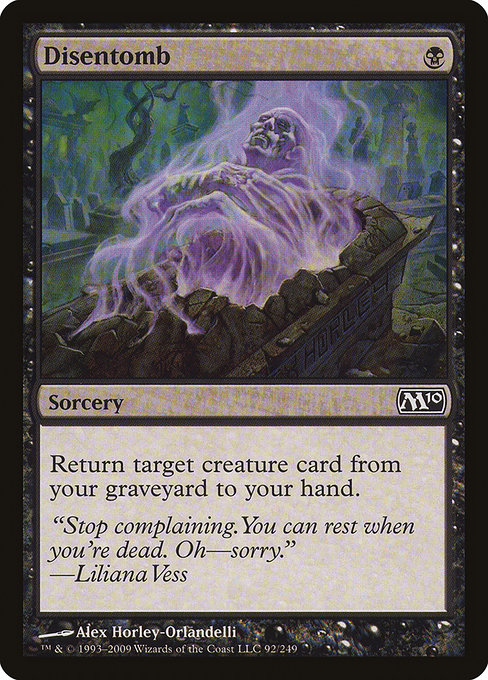
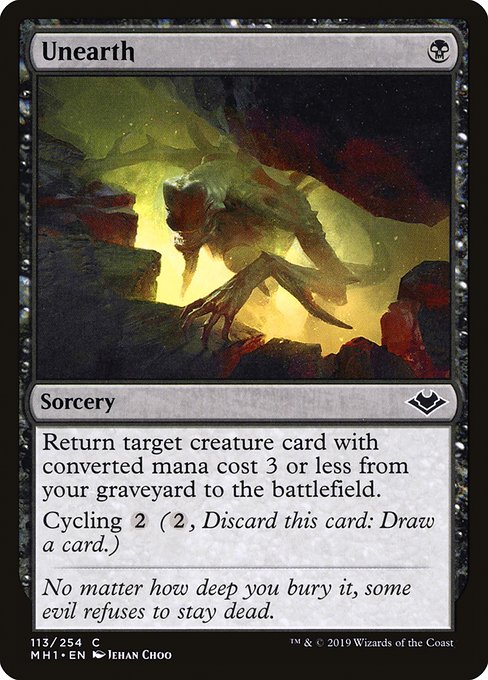
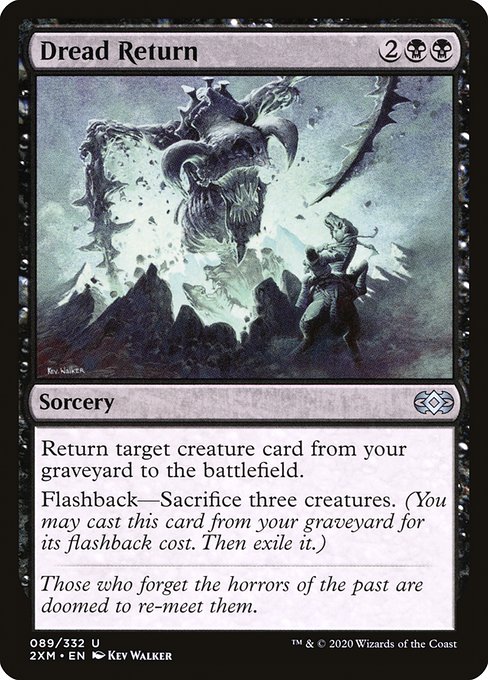
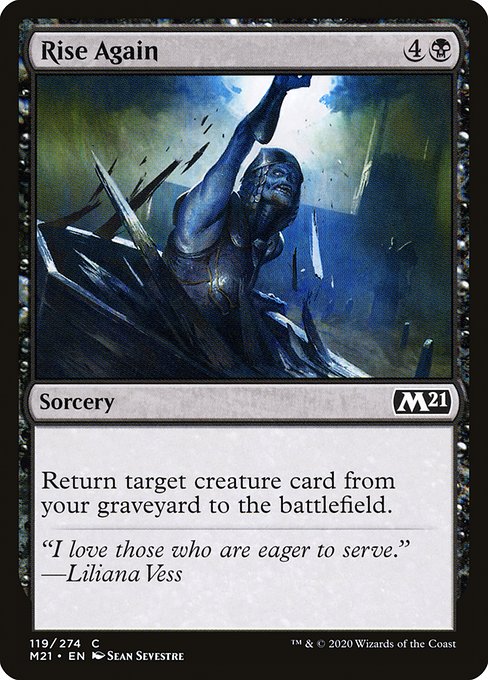
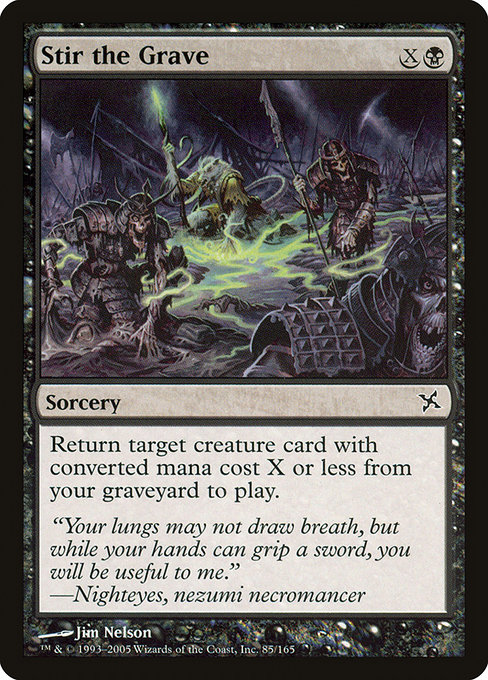
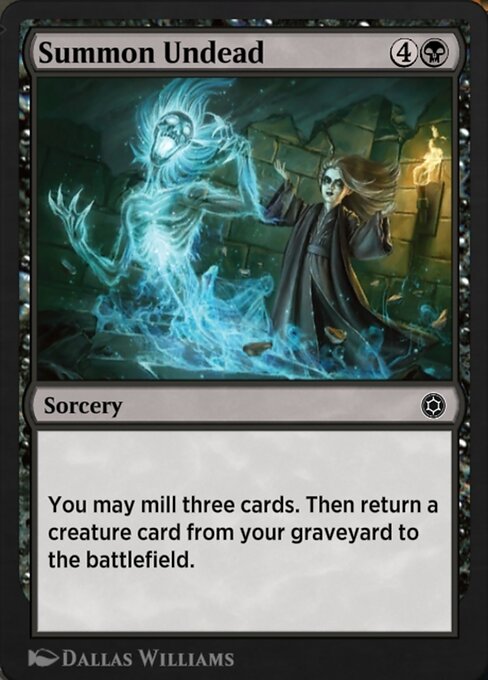
Disentomb, Unearth, Dread Return, Rise Again, Stir the Grave, and Summon Undead give the deck a surprisingly robust reanimation package. Some are cheap and efficient, while others trade efficiency for the ability to bring back something much larger. The important thing is that they give all those creatures Taigam has been putting into the graveyard a second life.
That also makes the deck much harder to exhaust through normal one-for-one interaction. If an opponent spends a removal spell on one of your creatures, that does not necessarily mean the creature is gone for good. It may simply have moved to the zone where you wanted it in the first place.
There is an important distinction between this and simply playing a bunch of expensive creatures, though. The deck isn’t trying to cheat out one enormous monster and hope that it survives. Instead, it has a collection of creatures that provide value when they enter, creatures that can recur themselves, and creatures that become substantially more useful when they are repeatedly moved between the graveyard and battlefield.
Big Bodies, Small Costs
A few of the creatures in the deck demonstrate just how much value you can squeeze out of the common card pool.
Gurmag Angler, Cryptic Serpent, and Tolarian Terror are excellent examples. All three become dramatically more attractive when the deck has already spent the early game filling its graveyard with instants, sorceries, and other expendable cards. Rather than paying full retail for every creature, the deck can turn its accumulated graveyard into a discount.
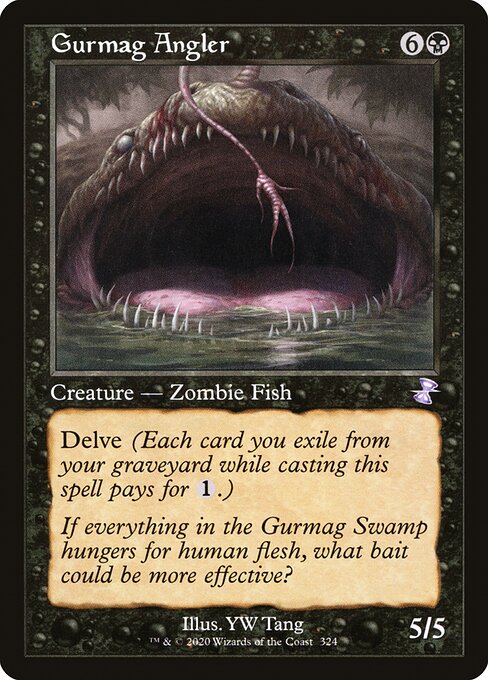
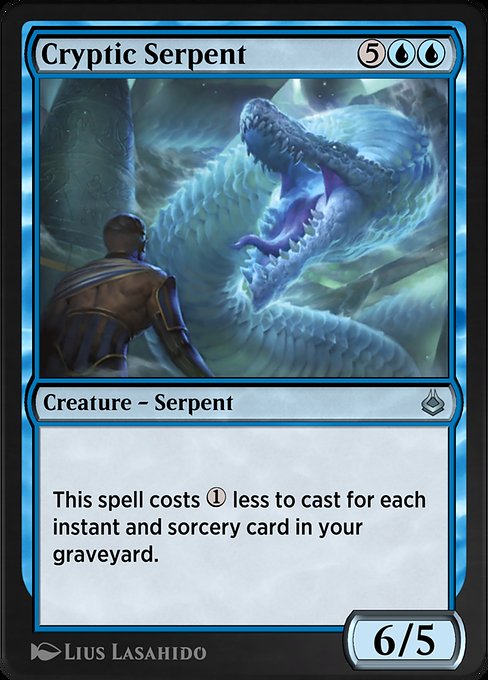
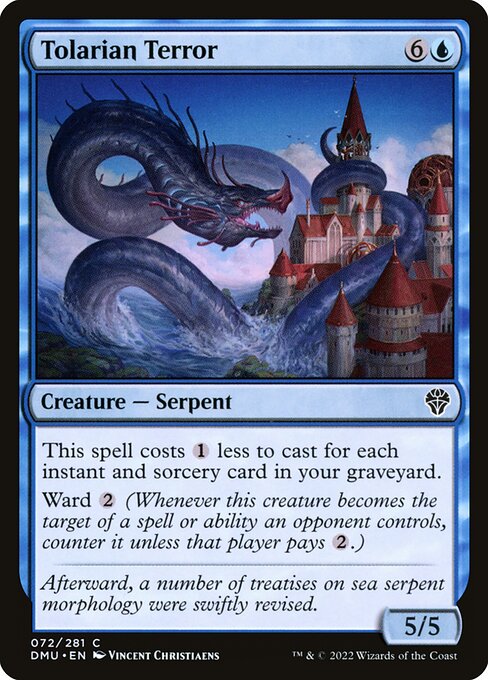
That makes these creatures particularly well suited to a control strategy. You can spend the first portion of the game answering threats and developing your resources, then put a substantial creature onto the battlefield without needing to devote your entire turn to it.
Troll of Khazad-dûm approaches the problem from another angle. It’s a big body but its Swampcycling ability means it can simply find a Swamp when you need to make your land drops.
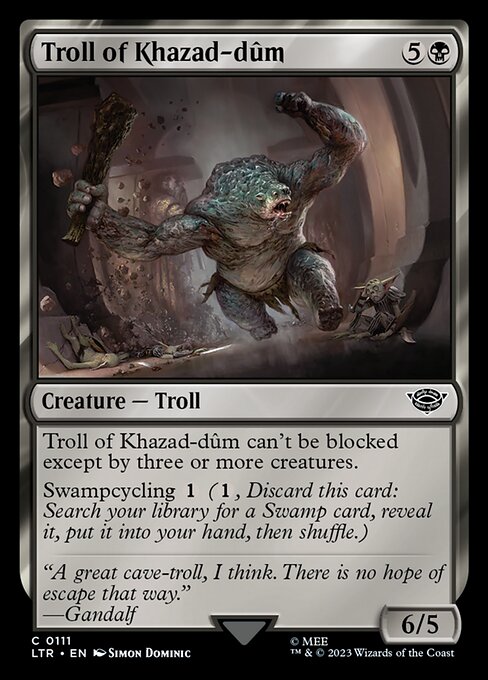
That makes it exactly the sort of card a graveyard deck appreciates: early on, it is effectively a land tutor; later, it can become a large creature worth bringing back.
Then there are creatures whose value is specifically tied to being reused.
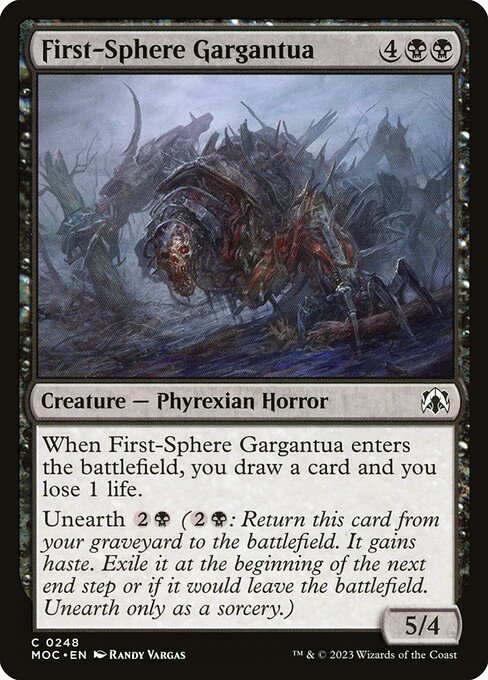
First-Sphere Gargantua is a particularly nice fit. Its enters-the-battlefield ability draws you a card at the cost of one life, while its Unearth ability lets you bring it back for only 3 mana. That means it can serve as both a sizeable body and another source of card advantage.
Advanced Stitchwing does something similar in a more unusual way. From the graveyard, you can pay 3 mana and discard two cards to return it to the battlefield tapped. In a normal deck, discarding two cards to bring back a creature might sound too expensive. Here, however, cards in your hand and cards in your graveyard are already resources that the deck is accustomed to moving around.
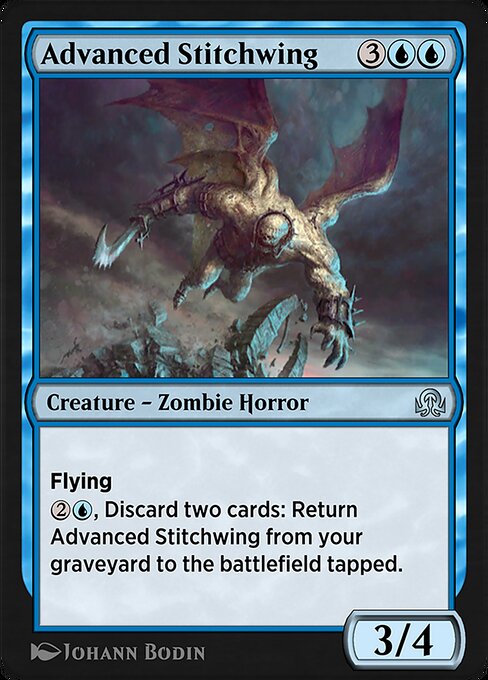
Even better, the Stitchwing can turn otherwise unnecessary cards into another creature on the battlefield, giving the deck a source of repeatable material without requiring another dedicated reanimation spell.
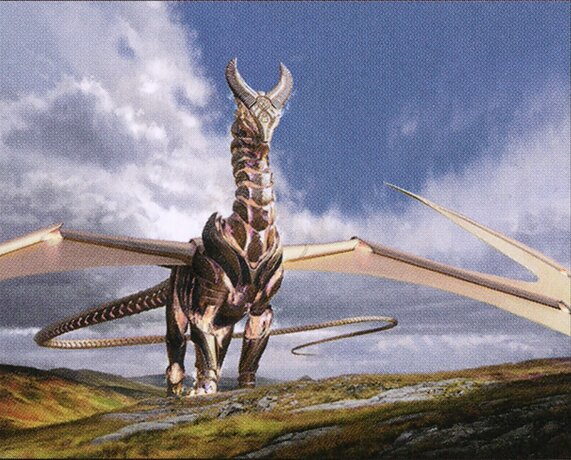
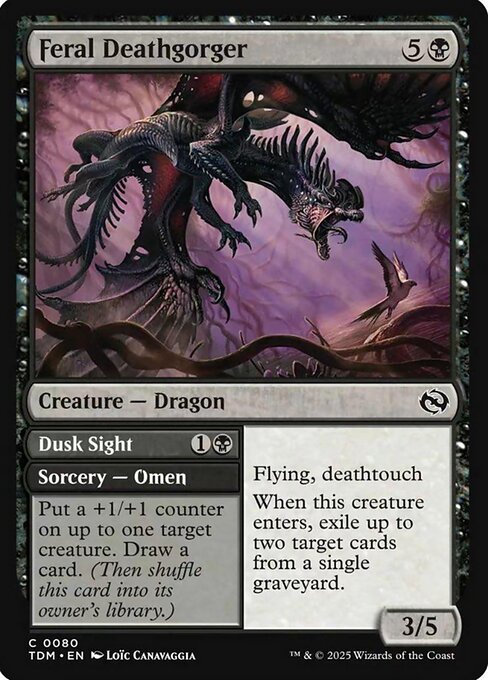
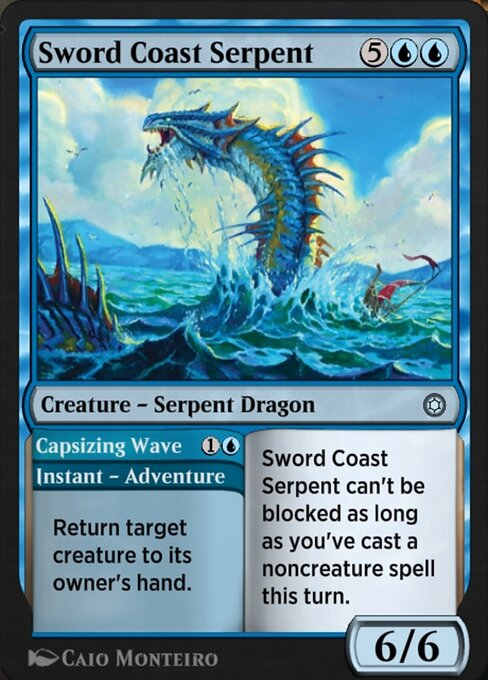
The same philosophy extends to Starbreach Whale, Dirgur Island Dragon, Feral Deathgorger, and Sword Coast Serpent. These are the sorts of creatures that give the deck a substantial top end without requiring the deck to be built around a single enormous finisher. Their size matters, but so does the fact that they are perfectly reasonable targets for the deck’s various ways of bringing creatures back.
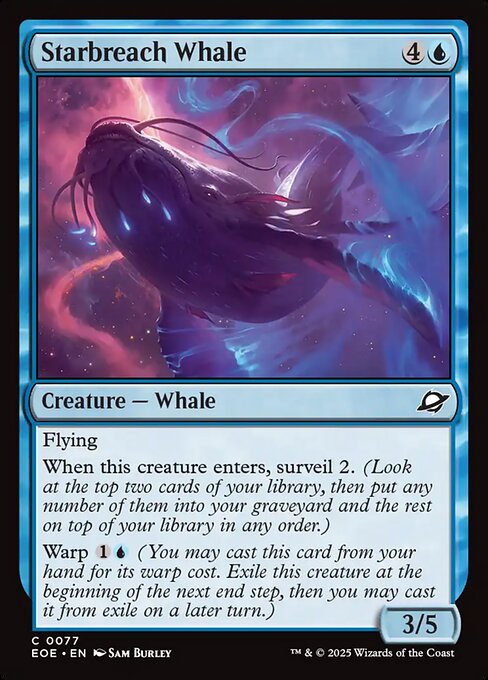
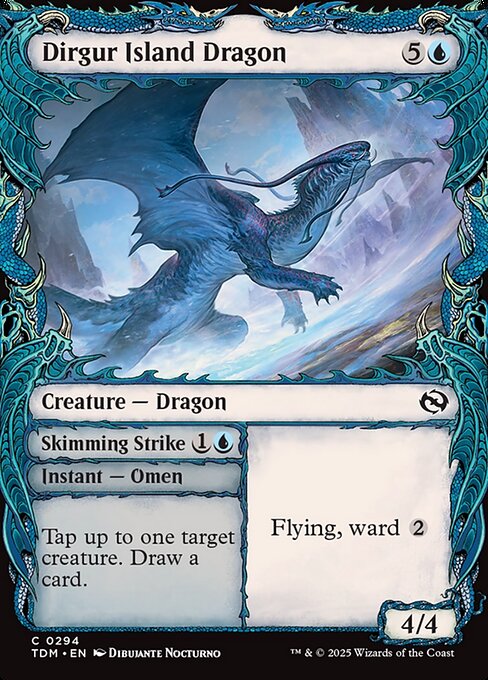
This is a recurring theme throughout the creature package: your threats aren’t completely disconnected from your interaction. They can help you stabilize, generate cards, or serve a useful purpose before becoming the bodies that actually end the game.
When the Battlefield Gets Crowded
Here come the Sweepers.
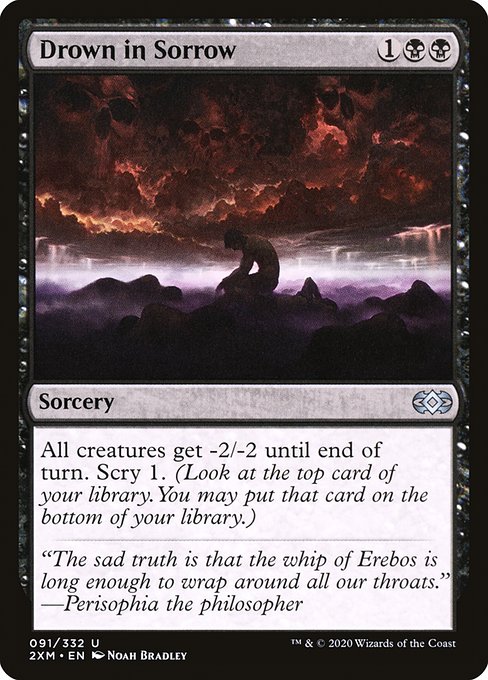
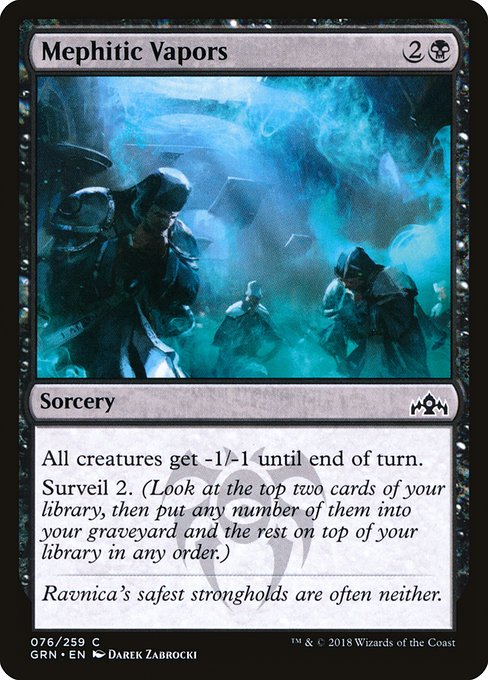
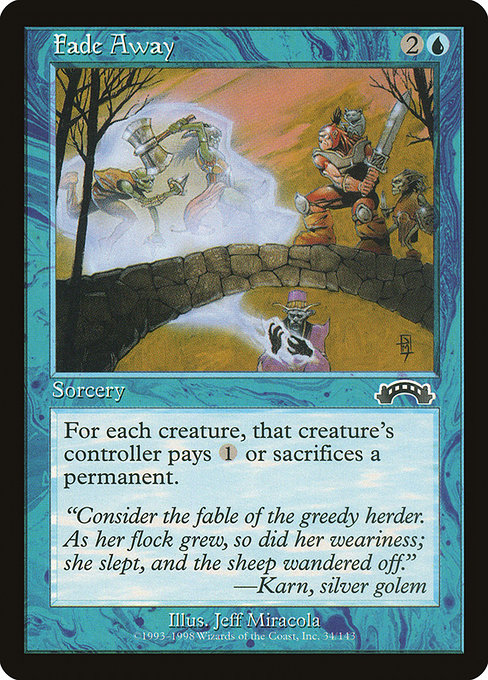
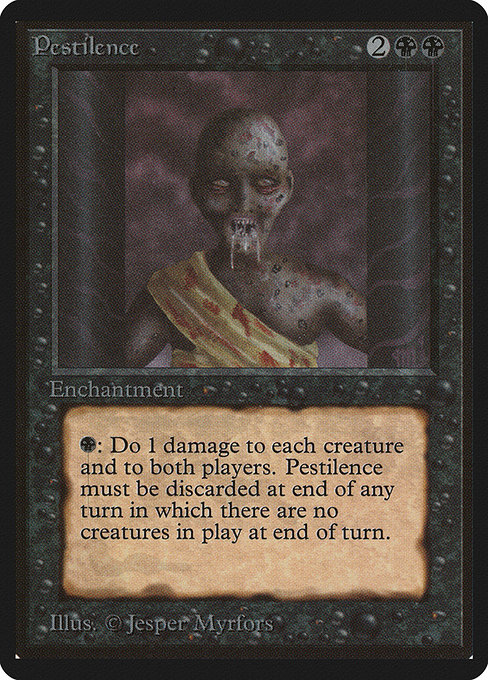
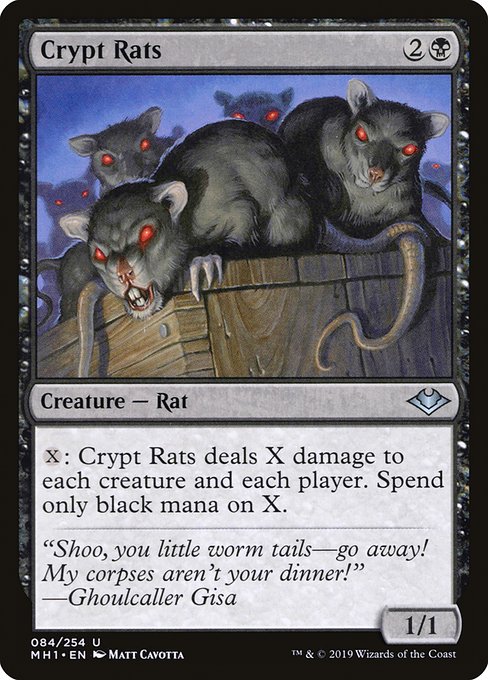
Drown in Sorrow, Mephitic Vapors, Fade Away, Pestilence, and Crypt Rats give the deck ways to reset a battlefield when individual answers are no longer enough. These cards are especially important in PDH because creature-based strategies are common, and multiplayer games can quickly become crowded with small creatures that individually aren’t worth spending a premium removal spell on.
The deck can therefore play a fairly classic Dimir game: develop your mana, filter through the deck, interact when necessary, and wait for opponents to overextend.
The difference is that Taigam gives all of that interaction somewhere to go after it has done its job.
Taigam’s own -X/-X ability also contributes to this attrition plan. Once the graveyard is stocked with expendable cards, those cards can become fuel for killing creatures without spending an additional card from your hand. The trade-off is that Taigam has to tap to use the ability, so you have to decide whether you want him functioning as removal or preserving him for future turns.
The Long Game Belongs to Recursion
One of the most interesting aspects of the list is how many of its creatures interact with the graveyard without requiring a dedicated reanimation spell.
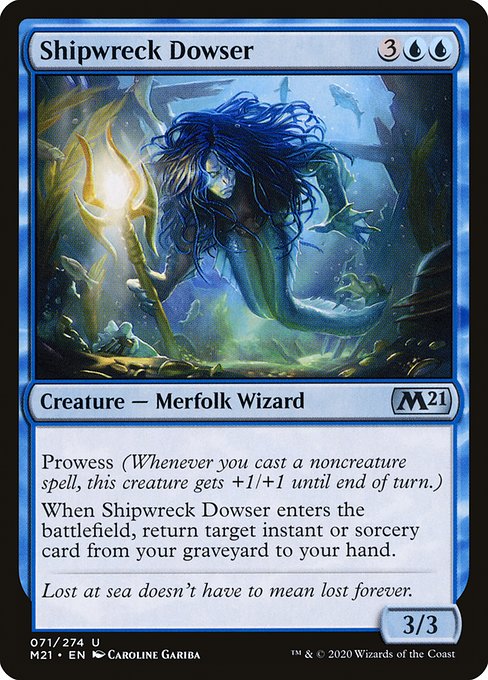
Mnemonic Wall and Shipwreck Dowser help make the spell side of the graveyard useful too. When Shipwreck Dowser enters, it returns an instant or sorcery from your graveyard to your hand, while its prowess gives it a way to become more threatening whenever you cast noncreature spells.
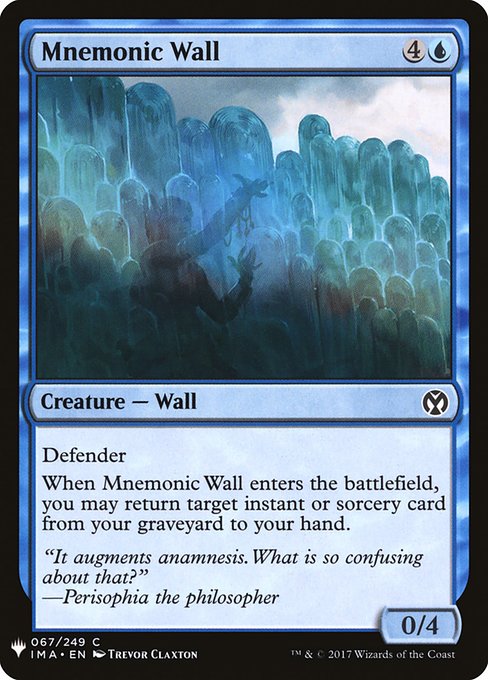
That means a creature can effectively become another copy of an important answer that has already been used.
This is where the deck’s gameplan starts to become cyclical. A removal spell kills something. A creature goes to the graveyard. Taigam helps stock the graveyard. A reanimation spell brings a creature back. That creature generates another card or recovers another spell. Eventually, the deck has generated enough material that simply trading one-for-one with it stops being a particularly effective strategy.
If the table is stable, Taigam can keep filtering. If an opponent develops a threatening board, the deck has removal. If something important dies, the graveyard can become the next place to look for it.
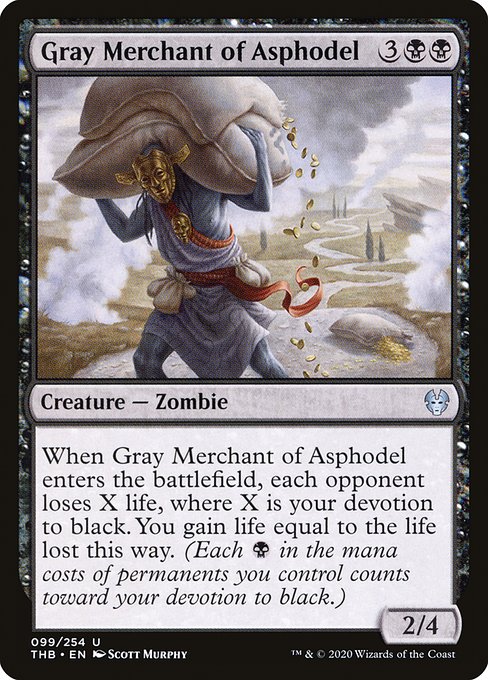
And while all of this is happening, cards such as Gray Merchant of Asphodel provide a way to turn a developed battlefield into a meaningful life swing. Gray Merchant is particularly appropriate here because the deck naturally wants to accumulate black permanents while playing a long attrition game. Reanimating it can turn a creature that was already useful into another burst of life drain, helping stabilize your own life total while pushing opponents closer to the finish line.
From Control Deck to Finisher
Eventually, though, a deck has to stop answering everyone else and actually win.
This deck does this in a fairly straightforward way: establish control, accumulate resources, and then let the creatures you’ve been recycling finish the job.
There isn’t a need for the deck to rely on a single spectacular combo. A Gurmag Angler or Tolarian Terror that survives for several turns can represent a huge amount of damage. A recurring First-Sphere Gargantua can keep providing cards while also attacking. A large creature brought back by Dread Return or Summon Undead can suddenly transform an otherwise defensive board into a threatening one.
The deck’s ability to repeatedly recover creatures is what makes this particularly dangerous. An opponent might successfully answer one threat, only to find another coming back from the graveyard a turn later. They might wipe the board, only for a reanimation spell to rebuild it.
And if the game becomes a race to see who can maintain the most resources, Taigam is already doing exactly what the deck wants: turning every upkeep into another opportunity to separate useful cards from expendable ones.
That is ultimately what makes this Dimir PDH list so compelling. It isn’t trying to imitate a traditional Commander deck with a few powerful cards removed. It is embracing what the Pauper card pool actually does well.
The deck uses cheap interaction to survive, efficient creatures to establish a board, graveyard recursion to stretch its resources, and Taigam to tie the entire process together. The result is a deck that can spend the early game looking almost entirely reactive before gradually turning its graveyard into a second hand and its small advantages into a winning board.
Check out the decklist here:
Commander
Creatures (25)
Instants (16)
Sorceries (19)
Artifacts (8)
Lands (30)
100 Cards
$80.7
Closing Thoughts
Pauper EDH is at its most interesting when it makes you reconsider cards that would normally disappear into the enormous pool of Commander options. Taigam, Sidisi's Hand is a perfect example.
The cheap spells fill the graveyard. The graveyard enables your creatures. Those creatures generate cards and board presence. Your removal protects that advantage. Reanimation brings your best pieces back. And eventually, the same resources that kept you alive during the early game become enough to overwhelm the table.
That is what makes the deck feel so distinctly Dimir. It doesn’t need to announce that it is ahead. It simply keeps making use of cards that were supposed to be finished with, keeps finding another answer when it needs one, and keeps turning yesterday’s resources into tomorrow’s threats.
For a format built almost entirely from commons, that is a surprisingly sophisticated game plan.
If you’re looking for a more comprehensive guide on Pauper EDH, please check out this article: https://edhmeta.com/pauper-commander-overview/
And if you’re interested in some more casual Pauper EDH Decks, check out this one: https://edhmeta.com/mono-white-pauper-edh-small-cards-big-plays/