


Few creature types in Magic have the same combination of simplicity and charm as Bears. They are one of the game’s most recognizable creature types, traditionally associated with straightforward creatures that provide solid bodies for their mana without much complexity. Building an entire Commander deck around them, however, is a very different proposition. That is where Beorn the Fierce enters the picture.
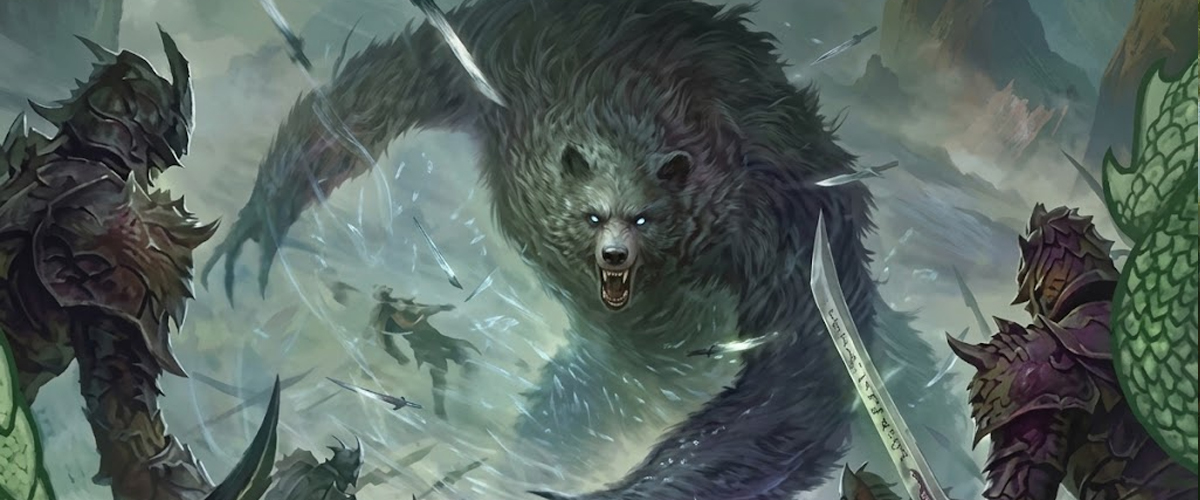
Coming from The Hobbit, Beorn is a particularly fitting commander for a Bear tribal strategy. Rather than simply rewarding you for controlling Bears, Beorn turns them into a genuine force to be reckoned with. His static ability gives other Bears you control +2/+2, transforming even the smallest members of the tribe into relevant threats. At the same time, his combat ability can turn another creature into a Bear, allowing the deck to expand its tribal army while giving that creature trample. Once you control three or more Bears, Beorn also draws two cards at the beginning of combat, meaning that simply assembling the tribe becomes a source of substantial card advantage.
The result is a Mono-Green deck that combines the flavor of a Bear tribal deck with one of Green’s greatest strengths: its ability to generate enormous amounts of mana. This list is not trying to make Bears competitive with the most efficient creatures in Commander. Instead, it embraces the fun of taking a creature type that is usually humble and turning it into a terrifying army through tribal bonuses, ramp, and some very large creatures.
The deck’s plan is straightforward. Develop your mana quickly, establish a critical mass of Bears, and use Beorn’s enormous anthem effect to make the entire board much larger than it initially appears. From there, the deck can finish games through overwhelming combat damage, massive creatures, or one of Green’s many powerful overrun effects.
Beorn the Fierce
Everything begins with Beorn the Fierce and his design gives the deck a surprisingly clear direction. At six mana for a 6/6 with trample, Beorn is already a substantial threat before considering the rest of his abilities. More importantly, he gives every other Bear you control +2/+2. That means the deck gets dramatically stronger simply by putting more Bears onto the battlefield.

A creature that might normally be a modest 2/2 becomes a 4/4 as soon as Beorn is present. Larger Bears become enormous, and creatures that can become Bears themselves can suddenly contribute to the same tribal bonus. This is why the deck does not need every creature to naturally be a Bear. Beorn can gradually turn the rest of the battlefield into members of his tribe.
At the beginning of combat, Beorn puts a trample counter on up to one creature you control and makes it a Bear in addition to its other types. This is particularly useful because it gives the deck flexibility. If you already have several Bears, you can turn an otherwise non-tribal creature into another member of the tribe and immediately give it the +2/+2 bonus. A mana creature, utility creature, or large finisher can therefore become part of the tribal army without losing its original abilities or creature types.
The trample counter also matters. Beorn himself already has trample, but many of the creatures in the deck do not. Turning another creature into a Bear while giving it permanent access to trample makes the deck much better at converting its oversized creatures into actual damage.
The final piece is perhaps the most important for keeping the deck running: if you control three or more Bears, Beorn draws two cards. That requirement is remarkably easy for a dedicated tribal deck to satisfy. Once three Bears are on the battlefield, every combat effectively becomes another opportunity to generate two cards. The deck therefore wants to get its commander into play and maintain a sufficiently large board rather than constantly rebuilding from scratch.
This also explains why the deck’s ramp is so important. Beorn costs six mana, and the deck wants to continue casting creatures after him. Fortunately, Mono-Green is exceptionally good at producing mana, and this list takes full advantage of that.
Ramp and Landfall
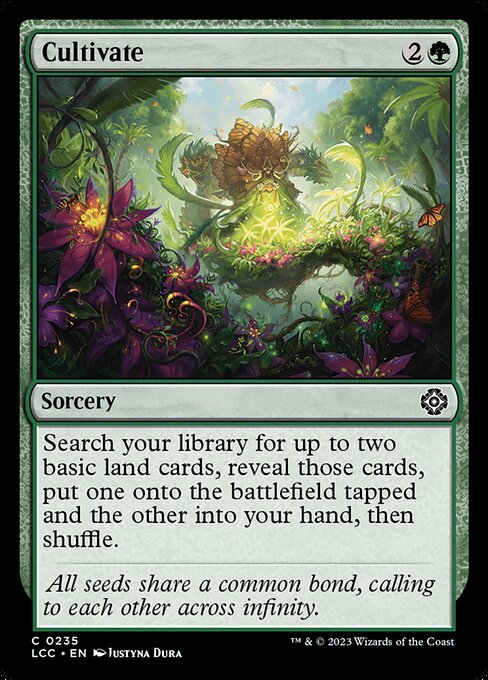
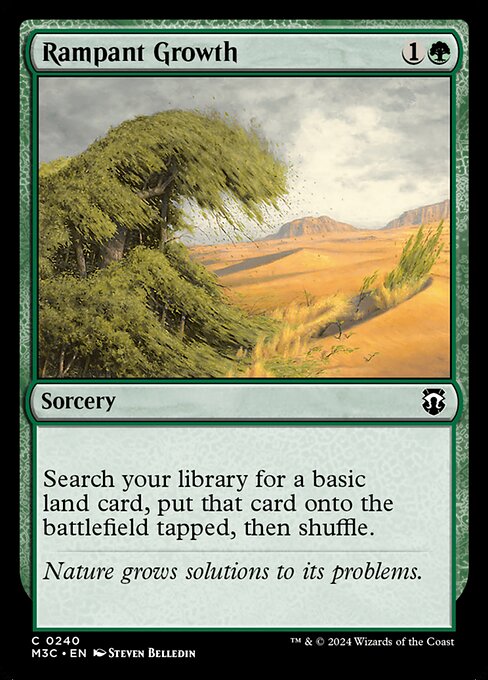
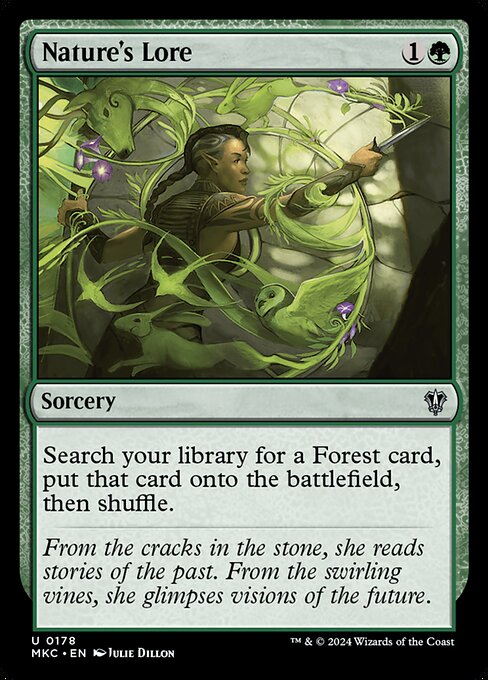
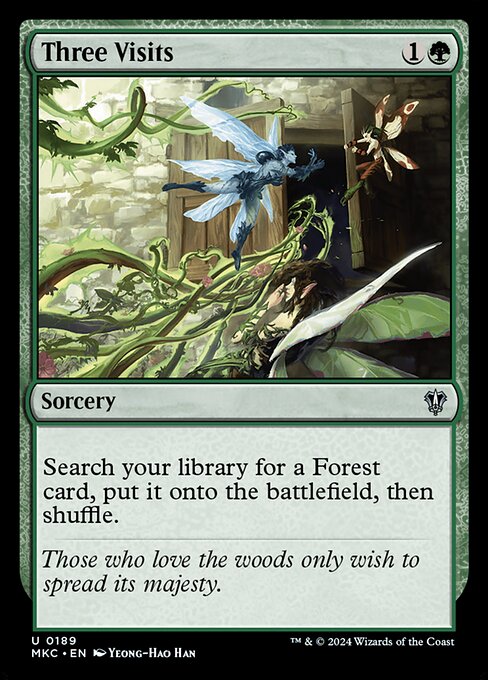
The backbone of most Green decks is getting enough mana to support its large creatures, spells, and commander. Creatures like Llanowar Elves, Elvish Mystic, Lotus Cobra, and Fanatic of Rhonas provide early acceleration, while spells like Cultivate, Rampant Growth, Nature's Lore, and Three Visits steadily increase the number of lands available.
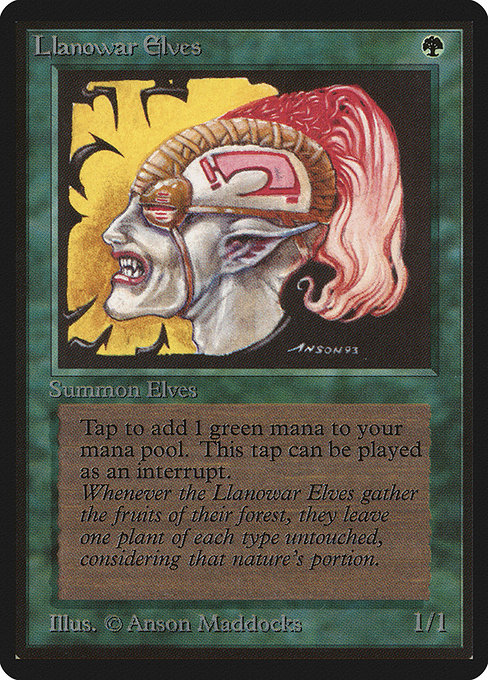
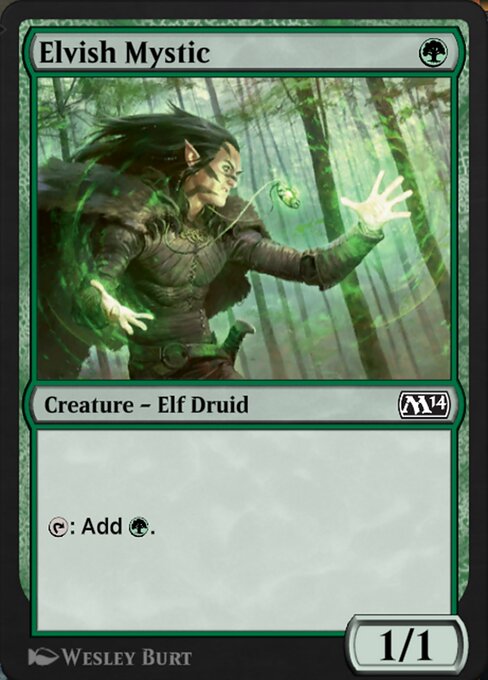
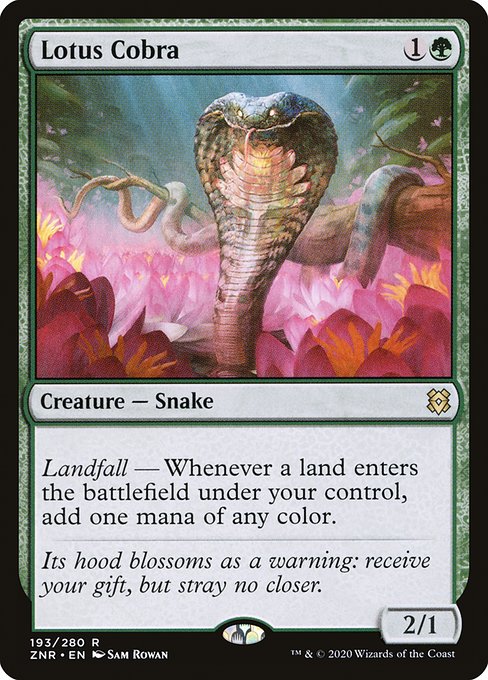
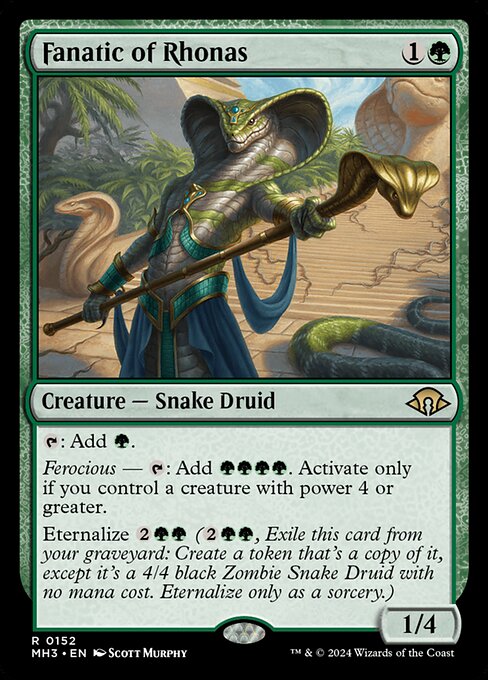
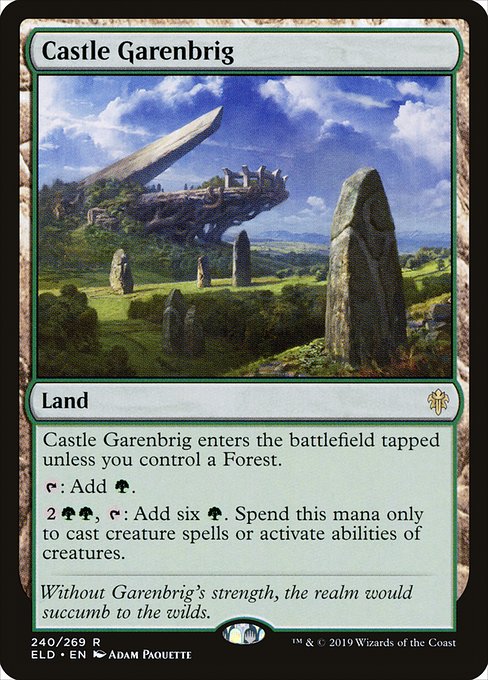
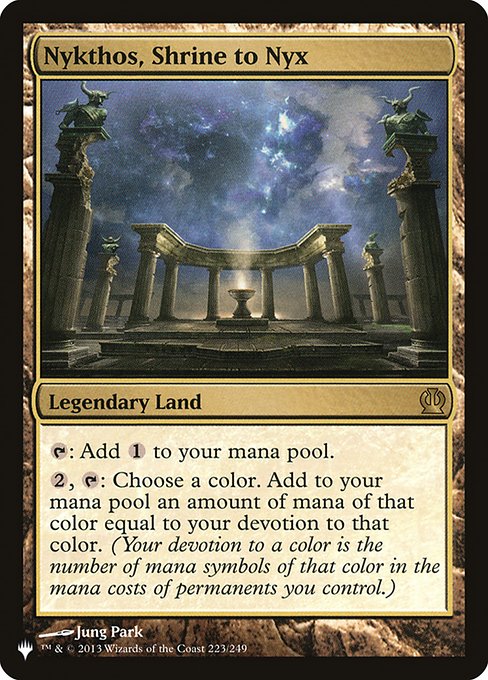
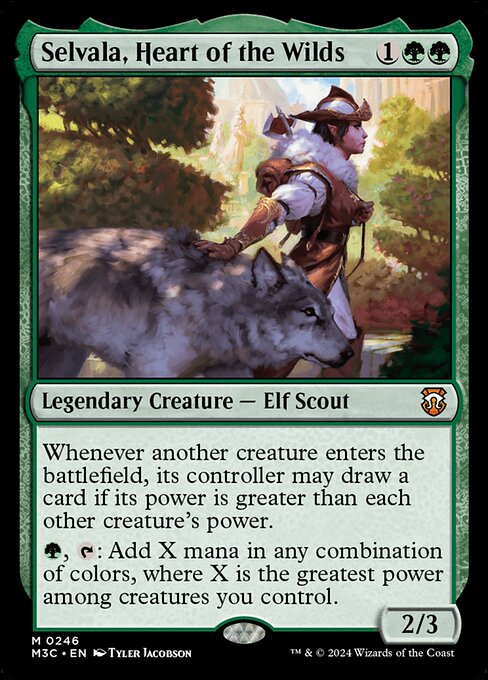
The deck also has several ways to turn those lands into much more than simple mana sources. Castle Garenbrig can generate a significant amount of mana specifically for creature spells, while Nykthos, Shrine to Nyx can become explosive once the deck has established a board full of Green permanents. Selvala, Heart of the Wilds is similarly capable of producing enormous amounts of mana once the deck starts deploying the large creatures that benefit from Beorn’s anthem.
There is also a strong landfall component hidden throughout the deck. Beorn's Hospitality rewards every land entering the battlefield by putting a +1/+1 counter on a creature, while its later transformation into a Bear gives the deck another scalable threat whose power and toughness are equal to the number of lands you control. This makes the deck’s land development useful even after it has enough mana to cast its spells.

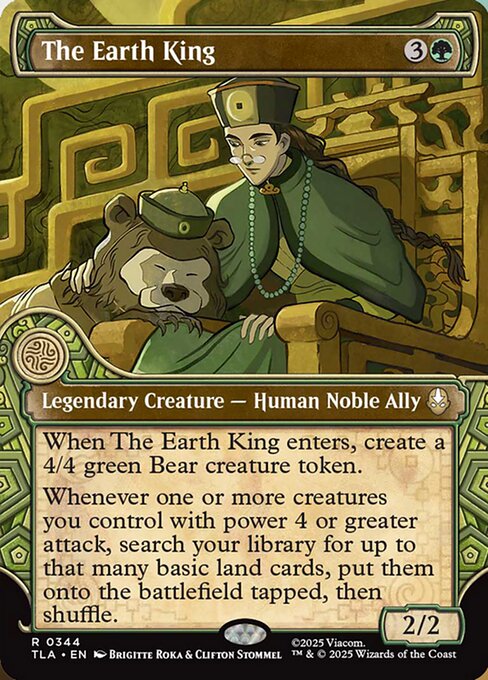
The Earth King provides another interesting connection between creatures and lands. When it enters, it creates a 4/4 Bear, immediately contributing another body to Beorn’s tribal count. More importantly, whenever creatures you control with power 4 or greater attack, it can search for basic lands equal to the number of qualifying attackers. Because Beorn himself is a 6/6 and his anthem makes other Bears considerably larger, this condition is much easier to satisfy than it might initially appear.
The Adventure side of Beorn, Reluctant Host, adds another layer to this strategy by allowing an additional land to be played that turn. This makes it useful early when the deck is trying to accelerate toward Beorn, while the creature half remains available later as another large Bear.

At the extreme end of the ramp package is Through the Forest Gate. Eight mana is a substantial investment, but looking at the top twenty cards and putting any number of lands among them directly onto the battlefield can completely transform the game. It also makes cards such as Beorn's Hospitality and its land-scaled Bear form considerably more threatening.

This emphasis on lands is important because the deck is not simply ramping toward one large creature. It wants to reach a point where it can cast several expensive creatures in the same turn, activate its powerful lands, and still have enough resources to rebuild if necessary. Once the deck reaches that stage, the Bears become much more difficult for the table to contain.
Going Big
At the top of the curve are creatures such as Apex Devastator, Ghalta, Stampede Tyrant, Craterhoof Behemoth, and Lumra, Bellow of the Woods. These provide the explosive turns that the deck is designed to reach.
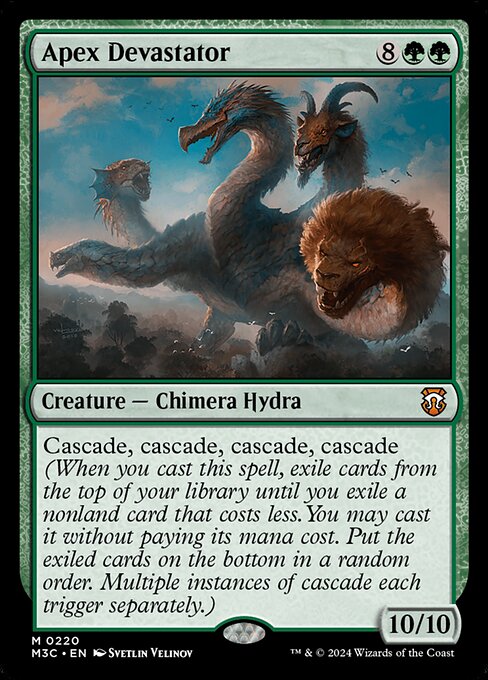
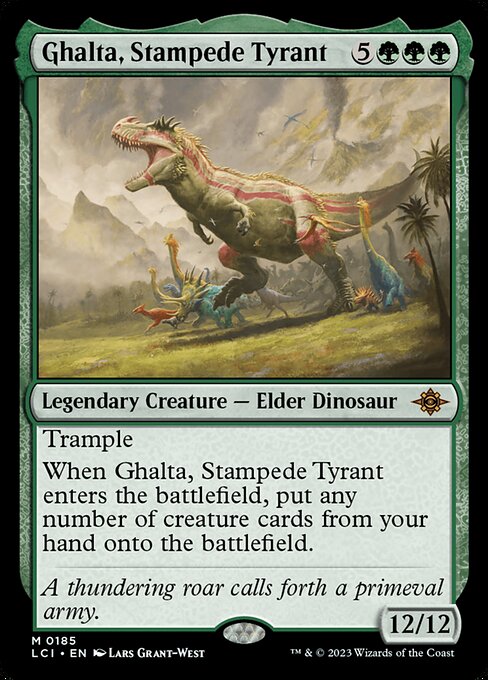
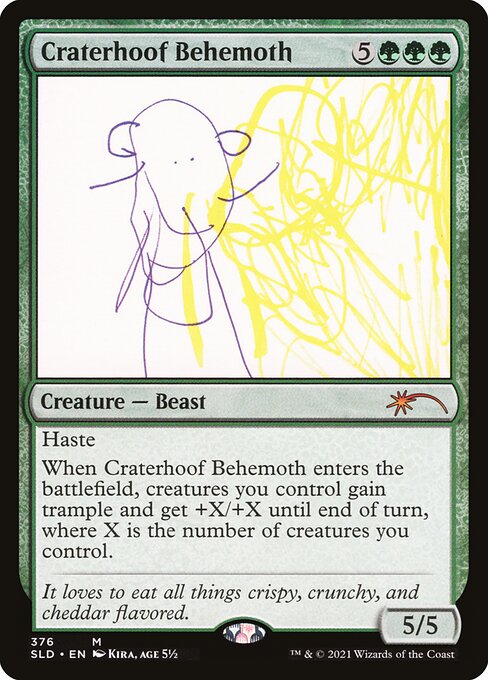
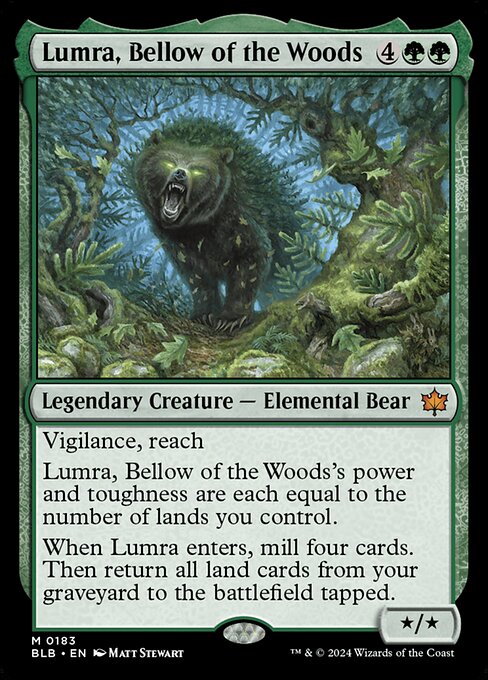
The landfall package makes this even more dangerous. Dancing from Dark to Dawn makes it so that every land played creates a 2/2 Bear while also freely giving +1/+1 counters whenever you cast a creature.

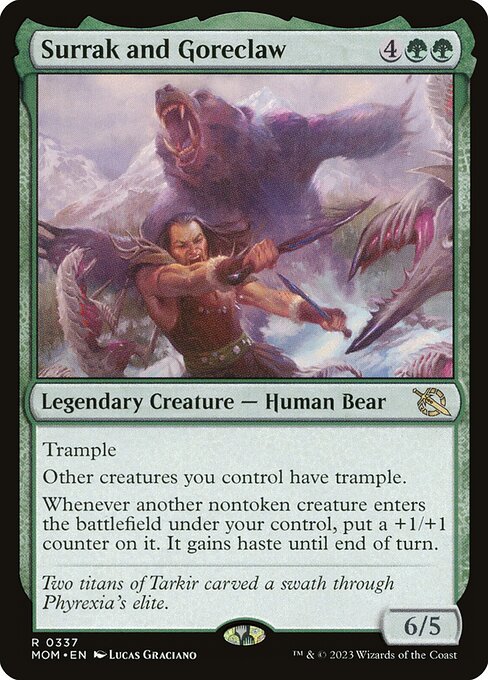
The deck also has several creatures that turn size into additional advantages. Surrak and Goreclaw gives the rest of the creature base trample while putting a +1/+1 counter and haste onto every nontoken creature that enters. This is an excellent bridge between the deck’s creature development and its combat plan. Large creatures do not have to wait an entire turn before becoming relevant, and the deck becomes much harder to stop with a handful of blockers.
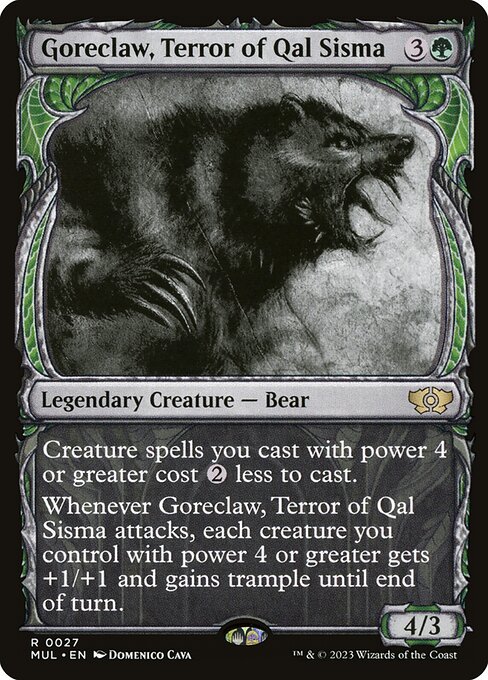
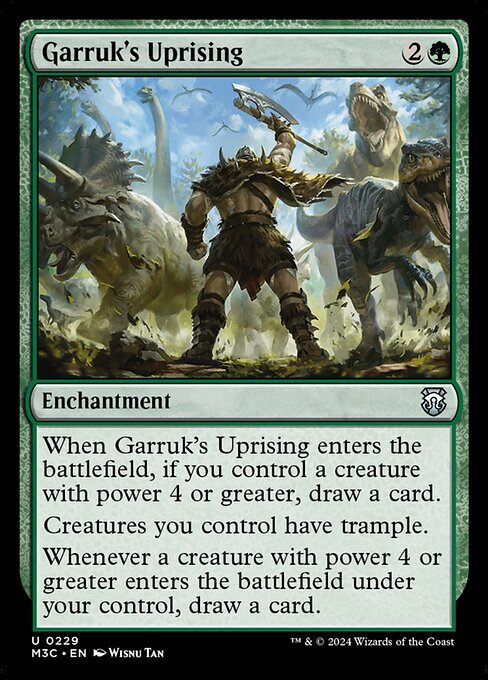
Goreclaw, Terror of Qal Sisma serves a similar role, helping reduce the cost of the deck’s larger creatures while rewarding the player for attacking with creatures of sufficient power. Garruk's Uprising provides another important piece of the same puzzle by turning large creatures into card advantage while giving the team trample.
Then there are the straightforward finishers.
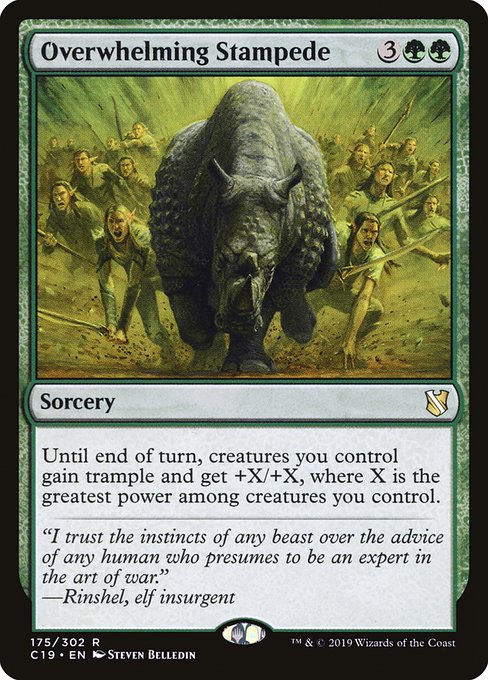
Craterhoof Behemoth can transform a wide battlefield into lethal damage immediately, while Overwhelming Stampede provides a similar effect by scaling the entire board according to the largest creature you control. Unnatural Growth is even more direct: doubling the power and toughness of the entire creature base makes every attack significantly more threatening.
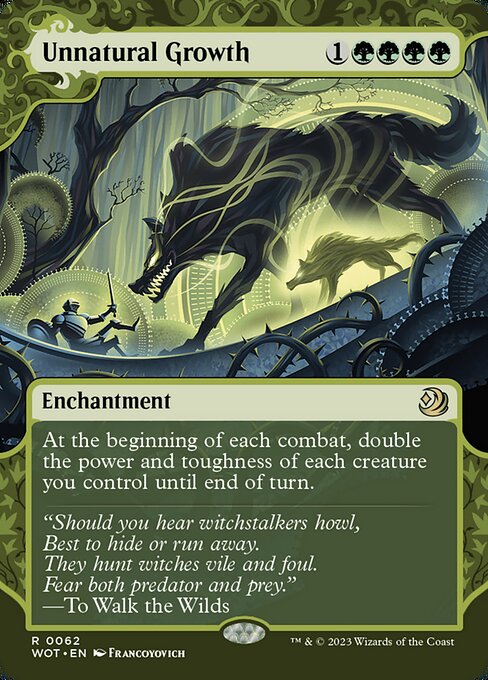
The deck therefore has multiple ways to convert its development into a winning attack rather than depending on a single finisher.
Triumph of the Hordes provides another angle entirely. Instead of relying exclusively on enormous power totals, it gives the attacking creatures infect and trample, allowing a wide board to end the game through poison counters. This is particularly dangerous after the deck has produced a large number of creatures, since even relatively modest attackers become meaningful threats.
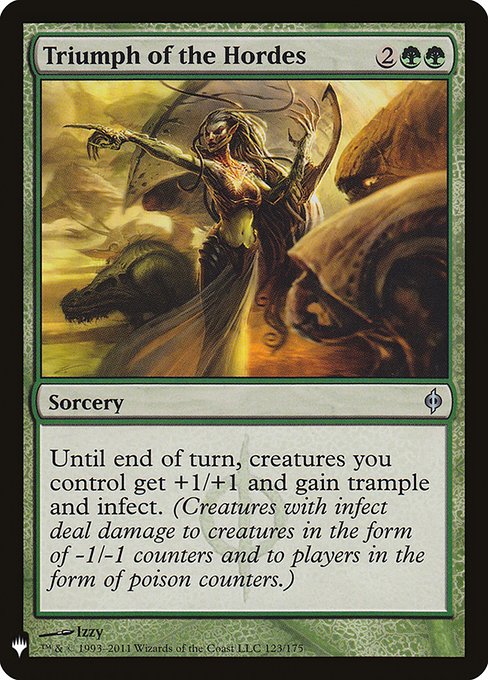
The important point is that the deck’s massive creatures are not isolated finishers. They are the culmination of everything that came before them: the ramp, the additional land drops, the Bear synergies, and the mana-producing creatures all exist to make these turns possible.
Card Advantage and Value
A creature deck this concentrated on expensive threats needs a way to avoid running out of resources, and the list has several ways of turning its creatures and lands into additional cards.
Beast Whisperer is one of the clearest examples, while Garruk's Uprising provides another excellent source of value.
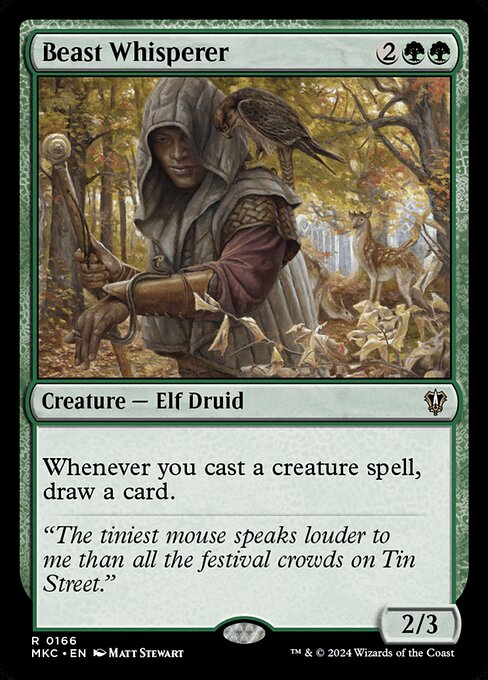
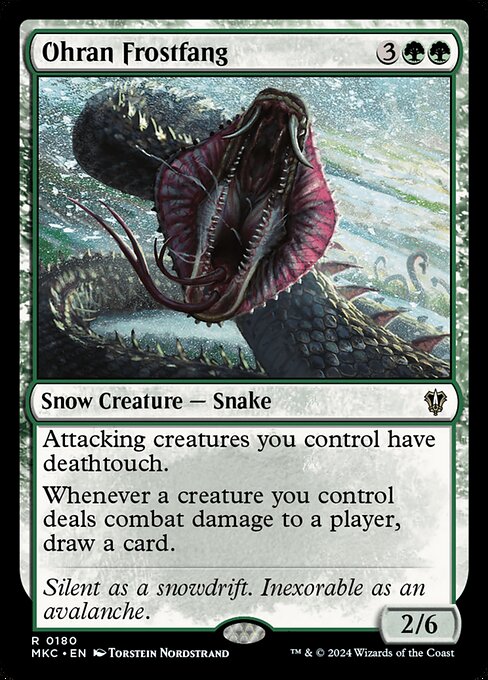
Ohran Frostfang takes advantage of the deck’s willingness to attack. Giving attacking creatures deathtouch makes blocking extremely unattractive for opponents, while dealing combat damage with those creatures draws cards.
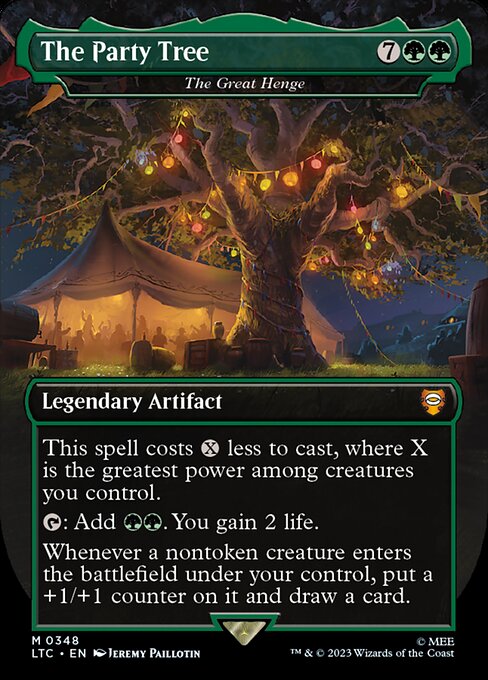
The Great Henge is another natural fit. Large creatures make it easier to cast, and once it is on the battlefield it provides mana, life, and cards while also placing +1/+1 counters onto creatures entering the battlefield. In a deck where creatures are already the primary resource, turning every new creature into another source of value is extremely powerful.
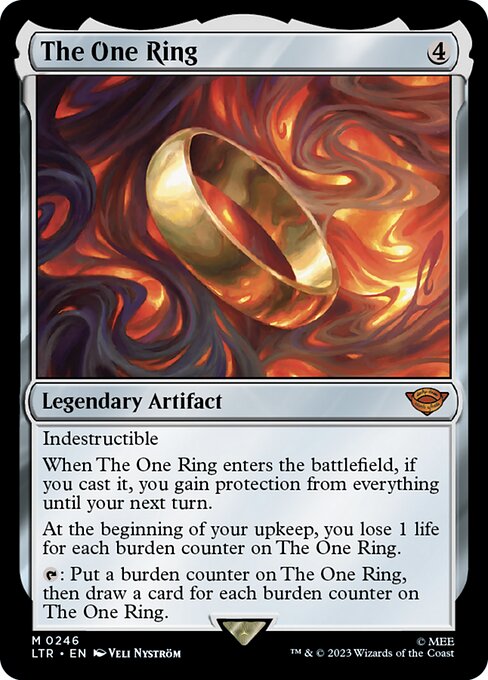
The One Ring provides a more universal form of card advantage and is particularly valuable when the creature engine has been disrupted. The deck does not need every draw engine to be tribal-specific; having a powerful standalone source of cards helps it continue functioning when the battlefield is not cooperating.
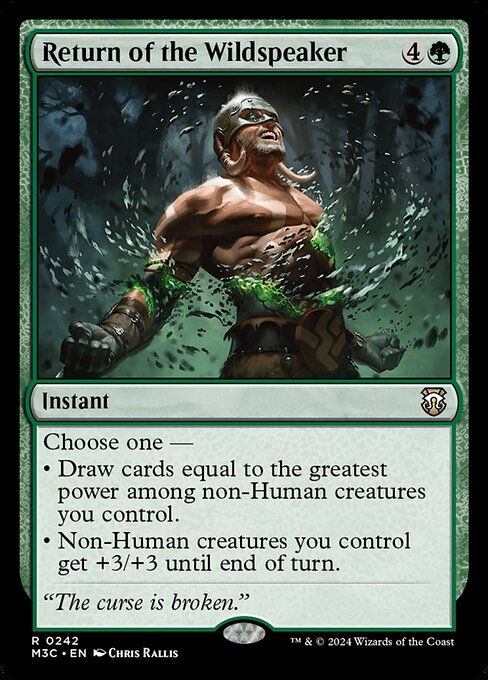
Return of the Wildspeaker is particularly flexible. It can either draw a large number of cards based on the greatest power among creatures you control or provide a substantial power boost to non-Humans. In other words, it can function as either a reload or another combat finisher depending on what the board requires.
Selvala, Heart of the Wilds connects these two halves of the strategy. Large creatures generate enormous amounts of mana through Selvala, while creatures entering the battlefield with high power can also contribute to the card-drawing side of the engine. In a deck where creatures routinely reach five, six, or even double-digit power, Selvala can become one of the most explosive mana engines available.
There is also a particularly nice value package surrounding lands.
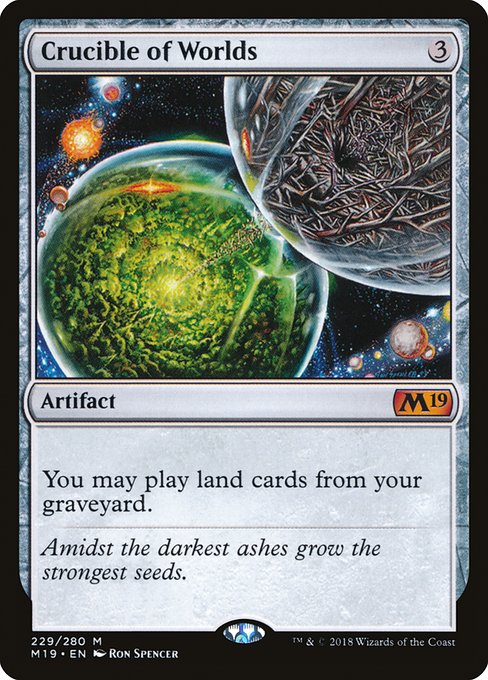
Crucible of Worlds allows lands to be replayed from the graveyard, making fetch lands such as Misty Rainforest, Verdant Catacombs, Windswept Heath, Wooded Foothills, Fabled Passage, and Prismatic Vista much more valuable over a longer game.
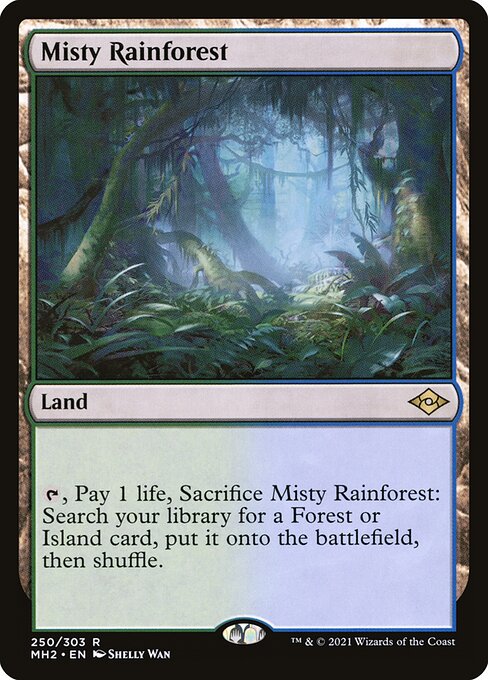
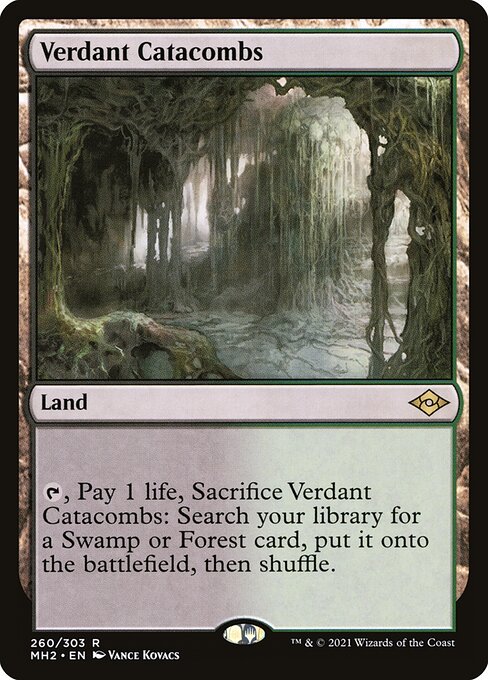
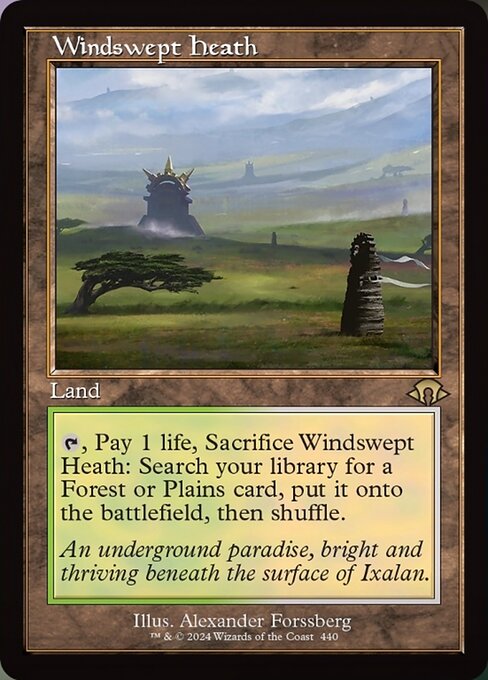
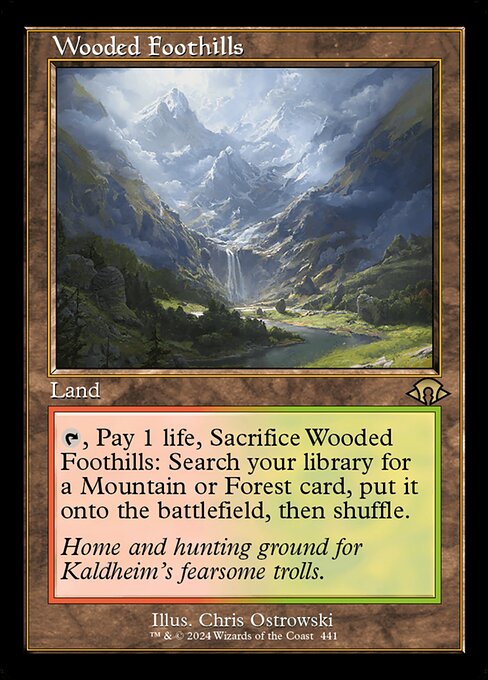
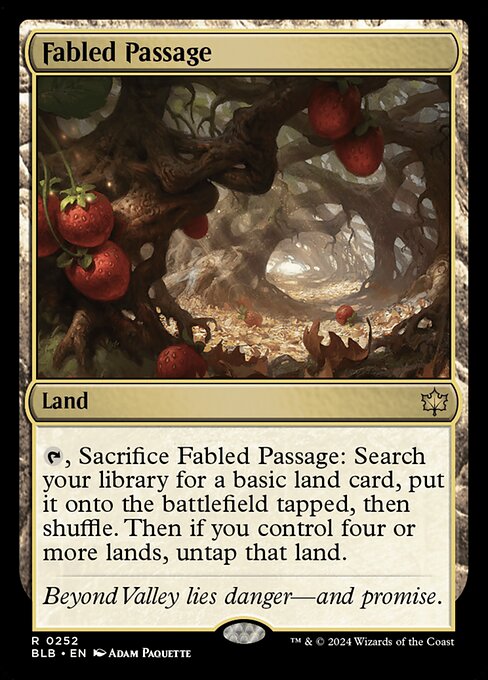
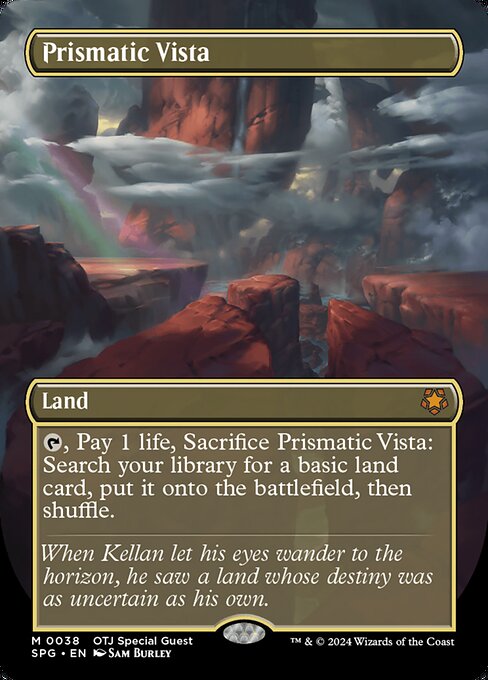
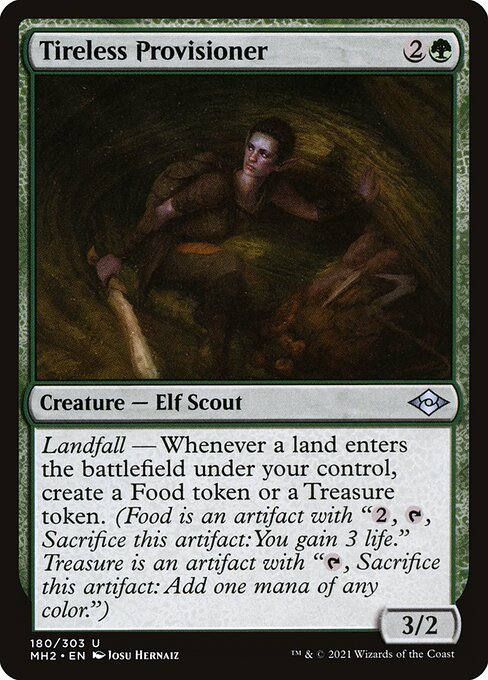
This becomes even more relevant with Tireless Provisioner, which turns those land entries into additional resources. The deck can therefore transform its normal process of making land drops into Treasure and Food production, giving it another way to turn its mana base into actual advantage.
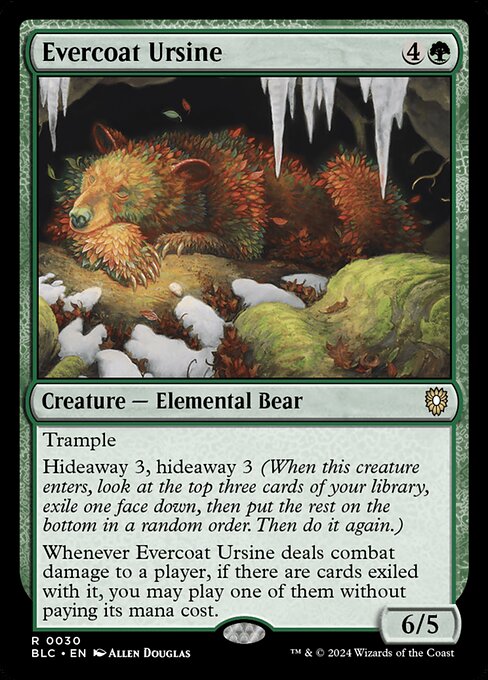
Evercoat Ursine provides yet another source of value while remaining completely on theme. Its two hideaway abilities each look at the top three cards and exile one, and whenever it deals combat damage to a player, it can play one of those exiled cards without paying its mana cost. A 6/5 trampler that can potentially cheat additional cards into play is exactly the sort of threat this deck wants.
The result is a deck that does not have to choose between developing its board and maintaining card advantage. In many cases, the same creature that advances the board also generates the resources needed to keep going.
Protection and Utility
For a deck that intends to commit so many creatures to the battlefield, protection is essential. A single board wipe can undo several turns of development, so the list includes a relatively compact but effective collection of ways to protect its position.
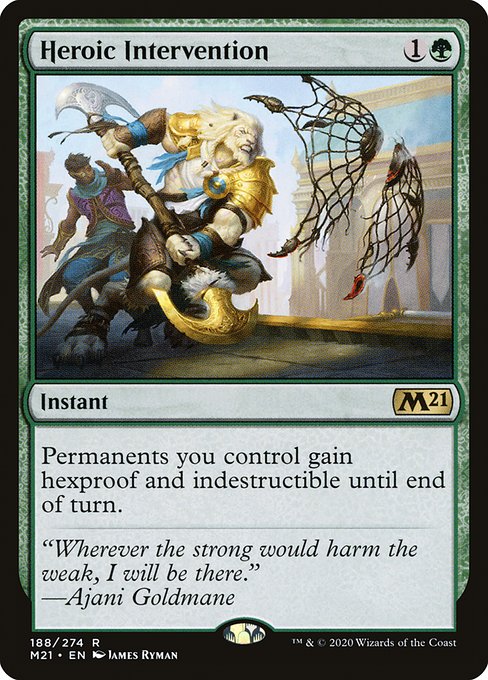
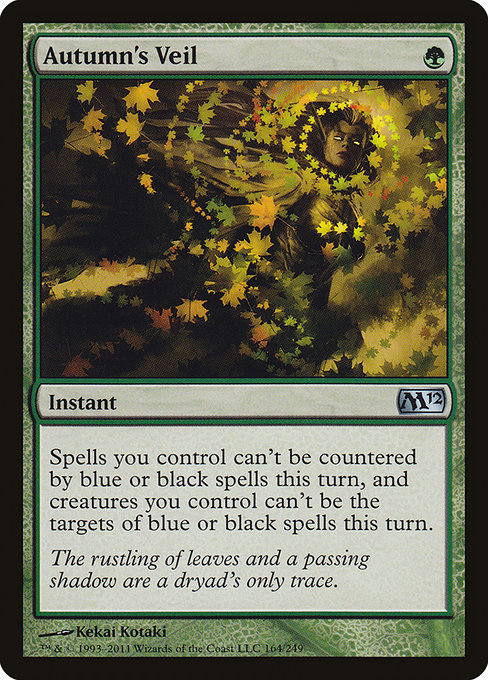
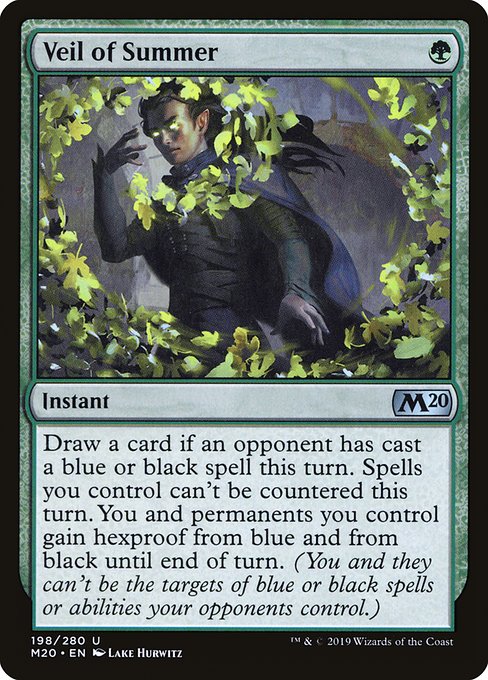
Heroic Intervention is the most comprehensive answer, protecting the entire board from both destruction and damage. Autumn's Veil and Veil of Summer address a different class of interaction, helping protect important spells and permanents from blue and black disruption.
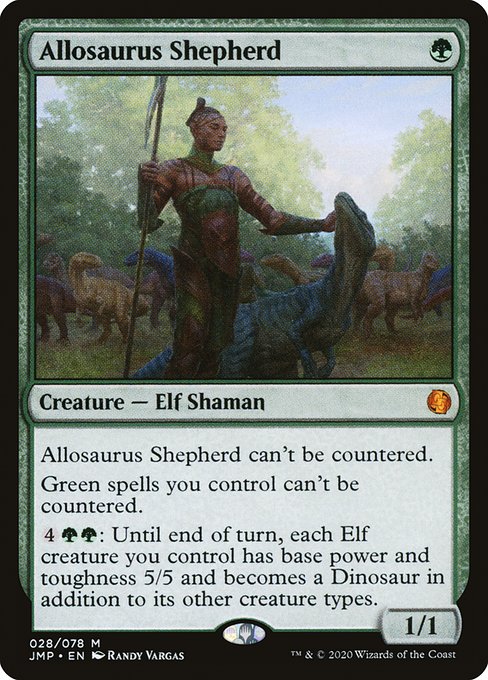
Allosaurus Shepherd is particularly valuable in this regard, making your green spells uncounterable.
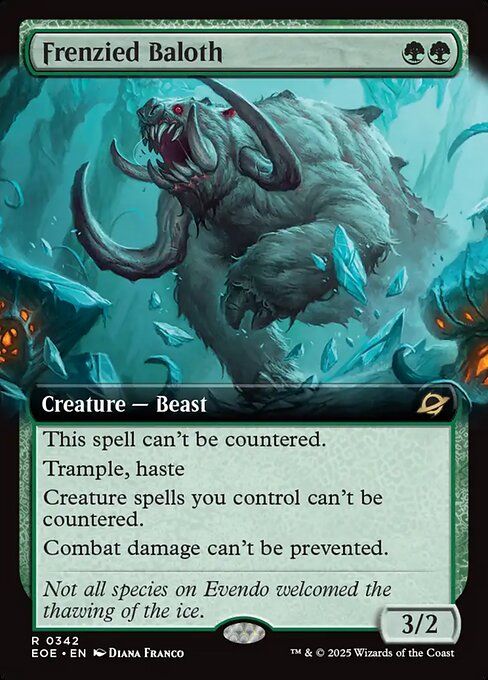
Frenzied Baloth reinforces that plan. It has trample and haste, cannot be countered itself, makes your creature spells uncounterable, and prevents combat damage from being prevented. It is therefore both an aggressive creature and a way of making the deck’s critical creature-heavy turns more reliable.
The removal suite is similarly creature-oriented.
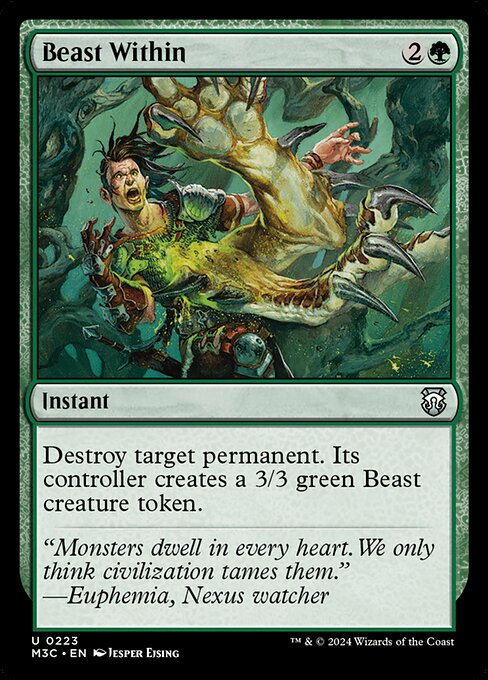
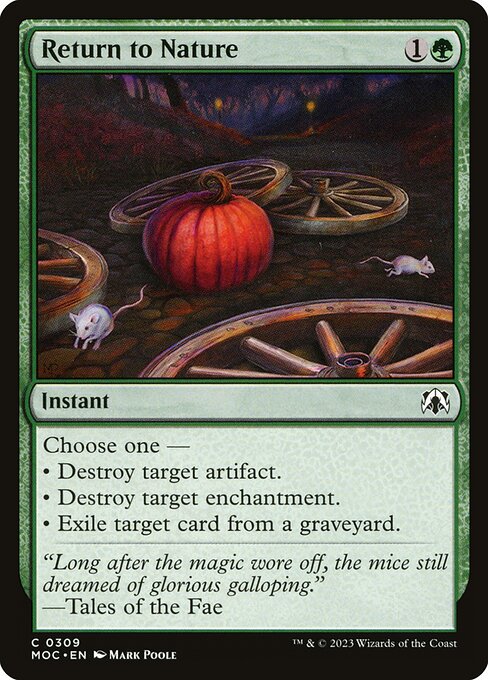
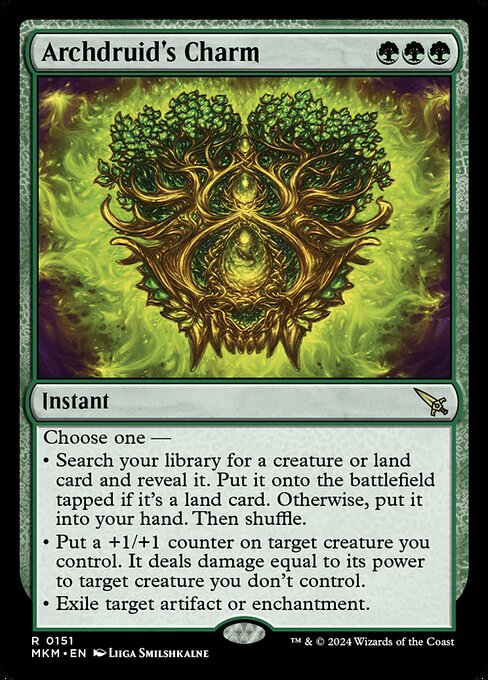
Beast Within provides broad permanent removal, while Return to Nature handles artifacts, enchantments, and graveyards. Archdruid's Charm offers additional flexibility, functioning as removal, tutoring, or a way of finding a land when the situation calls for it.
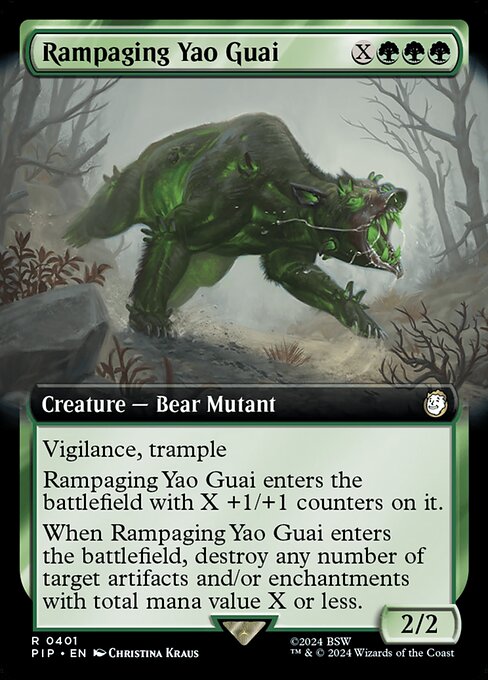
Rampaging Yao Guai is particularly interesting because it can destroy artifacts and enchantments with a combined mana value of X or less. This means the deck does not necessarily have to sacrifice momentum to interact with an opponent’s board.
Closing Thoughts
This deck is a great example of how a tribal Commander deck can remain casual and flavorful while still having a surprisingly powerful game plan. Its strategy is easy to understand: make Bears, make those Bears enormous, draw cards through Beorn, and use Mono-Green’s exceptional mana production to keep escalating the size of your threats.
The deck’s biggest strength is its ability to turn what looks like a relatively harmless tribal strategy into a genuine battlefield threat. A few Bears become much more dangerous once Beorn is in play, and every additional Bear makes his combat trigger more reliable.
Most importantly, though, the deck feels like a Beorn deck should. It is about creatures, enormous amounts of mana, the forests of Middle-earth, and eventually sending an absurdly large group of Bears crashing into the opponent’s defenses. For players looking for a flavorful Mono-Green tribal deck that can still produce some spectacular Commander turns, Beorn the Fierce is an excellent choice.
If you’re interested in other Green decks, be sure to check out this competitive deck showcase: Chatterfang: The Squirrel Invasion.
And if you’re looking for something more casual, I made an article about a couple of Rakdos Casual decks about Minotaurs, Kobolds, and Dragons!